APIs for research and impurities
Active Pharmaceutical Ingredients (APIs) are the substances in drugs responsible for their therapeutic effects. In this section, you will find a wide variety of APIs intended for research use. These compounds are essential for the development, testing, and validation of new pharmaceutical formulations. CymitQuimica offers high-quality APIs to support research in drug discovery and development.
Subcategories of "APIs for research and impurities"
- Aminoacids and derivatives(12,278 products)
- Anthraquinones and derivatives(405 products)
- Benzimidazole and Imidazole Derivatives(10,376 products)
- Benzodiazepine Derivatives(333 products)
- Carbohydrates and glycoconjugates(5,013 products)
- Esters and Derivatives(42,045 products)
- Fatty Acids and Lypidic Derivatives(32,246 products)
- Flavonoids and Polyphenols(17,012 products)
- Free Radicals and Oxidant/Reducing Agents(213 products)
- Ketones and derivatives(2,394 products)
- Natural and semi-synthetic antibiotics(6,364 products)
- Nitriles and Cyano Derivatives(3,045 products)
- Nitrosamines and Derivatives(55 products)
- Nucleosides and Nucleotides(3,428 products)
- Organic Phosphates and Phosphonates(1,201 products)
- Organic Sulphonates and Sulphates(10,406 products)
- Organometallics(4,401 products)
- Others(6,279 products)
- Peptides and Proteins(3,129 products)
- Polymers and Derivatives(99 products)
- Purines and Pyrimidine Derivatives(8,902 products)
- Quinazoline and Quinoline Derivatives(65,630 products)
- Quinones and Derivatives(24,237 products)
- Salts and Derivatives of Active Pharmaceutical Ingredients (API)(79,468 products)
- Steroids and Derivatives(4,964 products)
- Sulfonamides and Derivatives(2,592 products)
- Terpenoids and Derivatives(3,839 products)
- Thiazolidinediones and Thiopyrans(2,733 products)
- β-Adrenergic Compounds(230 products)
Show 21 more subcategories
Found 56796 products of "APIs for research and impurities"
Sort by
Purity (%)
0
100
|
0
|
50
|
90
|
95
|
100
D-Fuculose
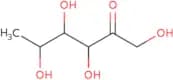
CAS:<p>D-Fuculose is a medicinal compound that has shown anticancer properties in various studies. It is a kinase inhibitor that targets specific kinases involved in cancer cell growth and survival. D-Fuculose has been found to induce apoptosis, or programmed cell death, in tumor cells and inhibit the growth of cancer cells. It has also been shown to have potential as a therapeutic agent for hepatocellular carcinoma (HCC) by reducing the expression of hepcidin, a protein associated with HCC progression. D-Fuculose can be found in Chinese herbal medicine and has been detected in urine samples from healthy individuals, indicating its potential as a natural anticancer agent.</p>Formula:C6H12O5Purity:Min. 95%Molecular weight:164.16 g/molN-Deacetyl-N-formyl agomelatine
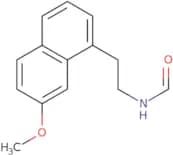
CAS:<p>Please enquire for more information about N-Deacetyl-N-formyl agomelatine including the price, delivery time and more detailed product information at the technical inquiry form on this page</p>Formula:C14H15NO2Purity:Min. 95%Molecular weight:229.27 g/mol1-[(1-Oxotetracosyl)oxy]-2,5-pyrrolidinedione
CAS:<p>Please enquire for more information about 1-[(1-Oxotetracosyl)oxy]-2,5-pyrrolidinedione including the price, delivery time and more detailed product information at the technical inquiry form on this page</p>Formula:C28H51NO4Purity:Min. 95%Molecular weight:465.7 g/molN-Acetyl-S-(2-carboxypropyl)-L-cysteine disodium salt
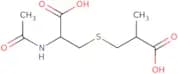
CAS:<p>N-Acetyl-S-(2-carboxypropyl)-L-cysteine disodium salt is an analog of a human kinase inhibitor that has been shown to inhibit cyclin-dependent kinases. This compound induces apoptosis in cancer cells and has been tested in Chinese hamster ovary cells. N-Acetyl-S-(2-carboxypropyl)-L-cysteine disodium salt is a potent anticancer agent that inhibits the growth of tumor cells by blocking protein synthesis. It has been used as a research tool to study the effects of kinase inhibitors on cancer cell growth and may have potential therapeutic applications in cancer treatment. The compound has also been detected in human urine and may serve as a biomarker for the presence of certain types of cancer.</p>Formula:C9H15NO5SPurity:Min. 95%Molecular weight:249.29 g/mol2-Despiperidyl-2-amino repaglinide methyl ester
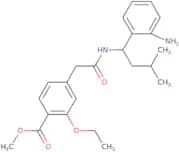
CAS:<p>Please enquire for more information about 2-Despiperidyl-2-amino repaglinide methyl ester including the price, delivery time and more detailed product information at the technical inquiry form on this page</p>Formula:C23H30N2O4Purity:Min. 95%Molecular weight:398.5 g/mol(20S)-21-Hydroxy-20-methylpregn-4-en-3-one
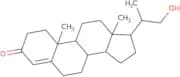
CAS:Controlled Product<p>(20S)-21-Hydroxy-20-methylpregn-4-en-3-one is an analog of a naturally occurring steroid hormone that has been found to have potent anticancer activity. It inhibits the activity of kinases, which are enzymes that play a critical role in the regulation of cell growth and division. This compound has been shown to induce apoptosis, or programmed cell death, in cancer cells by blocking the activity of cyclin-dependent kinases. (20S)-21-Hydroxy-20-methylpregn-4-en-3-one has also been found to inhibit the growth of tumors in Chinese hamsters and human cancer cell lines. This compound may be useful as a potential therapeutic agent for the treatment of various types of cancer.</p>Formula:C22H34O2Purity:Min. 95%Molecular weight:330.5 g/molSimvastatin 4'-methyl ether
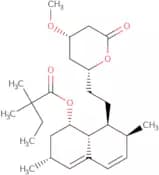
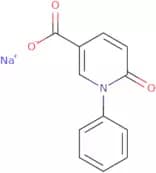
CAS:<p>Simvastatin 4'-methyl ether is a metabolite of simvastatin. It is an impurity in the drug product and can be used as an analytical standard for HPLC. It is not a drug product or a pharmaceutical ingredient, but it can serve as an impurity standard for pharmacopoeia.</p>Formula:C26H40O5Purity:Min. 95%Molecular weight:432.59 g/mol5-Carboxy-N-phenyl-2-1H-pyridone, sodium
CAS:<p>5-Carboxy-N-phenyl-2-1H-pyridone, sodium is a drug product that is used as an analytical reference in the analysis of impurities. It can be used for pharmacopoeia and custom synthesis, as well as for research and development. 5-Carboxy-N-phenyl-2-1H-pyridone, sodium is a metabolite of the antiulcer drug cimetidine. It is also an impurity in the synthesis of the antibiotic ampicillin.<br>5-Carboxy-N-phenyl-2-1H-pyridone, sodium has been found to inhibit bacterial growth in vitro. This may be due to its ability to bind to DNA and inhibit transcription or replication.</p>Formula:C12H8NNaO3Purity:Min. 95%Molecular weight:237.19 g/molTeopranitol
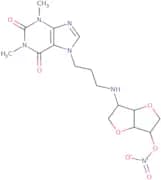
CAS:Controlled Product<p>Teopranitol is a potent inhibitor of kinases, which are enzymes that play a critical role in cellular signaling pathways. It belongs to the class of protein kinase inhibitors and has been shown to have inhibitory activity against a wide range of kinases. Teopranitol has been tested on various cell lines, including human cancer cells and Chinese medicine-derived cell lines. It has been found to be effective in inhibiting the growth of mutant cancer cells by blocking the activity of specific kinases. This inhibitor shows promise as a potential treatment for cancer and tumors due to its ability to target specific pathways involved in cancer progression.</p>Formula:C16H22N6O7Purity:Min. 95%Molecular weight:410.38 g/molFp-biotin-d4
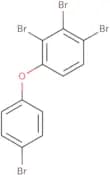
CAS:<p>Please enquire for more information about Fp-biotin-d4 including the price, delivery time and more detailed product information at the technical inquiry form on this page</p>Formula:C27H50FN4O5PSPurity:Min. 95%Molecular weight:596.8 g/molPBDE 60
CAS:<p>PBDE 60 is a medicinal compound that has been shown to have potent anticancer properties. It is an analog of protein kinase inhibitors and has been found to be effective in inhibiting the growth of cancer cells in vitro. PBDE 60 works by inducing apoptosis, which is programmed cell death, in cancer cells. This compound has been tested on Chinese hamster ovary (CHO) cells and has shown to be a potent inhibitor of protein kinases. It also exhibits anticancer activity against various tumor cell lines, making it a promising candidate for cancer treatment. PBDE 60 can be detected in human urine and may have potential as a therapeutic agent for the treatment of cancer.</p>Formula:C12H6Br4OPurity:Min. 95%Molecular weight:485.79 g/molEntecavir (1S,3S,4S) diastereomer
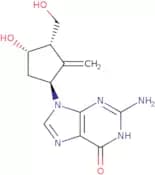
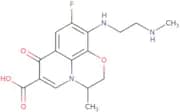
CAS:<p>Entecavir is a drug product that is custom synthesized to order. It has a purity of >98% and is made up of the 1S,3S,4S diastereomer. Entecavir is an antiviral drug that belongs to the nucleoside analog family and inhibits viral replication by inhibiting DNA polymerase α. The metabolism studies for entecavir have been completed and it was found that entecavir undergoes hydrolysis by esterases, oxidation by cytochrome P450 enzymes, reduction by glutathione reductase, or conjugation with glucuronic acid. Entecavir also specifically binds to markers expressed at high levels in Mycobacterium tuberculosis strains (e.g., ESX-1 secretion system protein) and inhibits cell growth in culture.</p>Formula:C12H15N5O3Purity:Min. 95%Molecular weight:277.28 g/molLevofloxacin impurity
CAS:<p>Levofloxacin is a drug product that is used to treat bacterial infections. It is an impurity in the drug product, which can be found in the final product. Levofloxacin impurity has been detected by LC-MS/MS and GC-MS analysis. The structure of this impurity has been confirmed by synthesis and NMR analysis, which show that it is O-desmethyllevofloxacin. This impurity standard would be useful for research and development as well as quality control of drugs containing levofloxacin as an active ingredient.</p>Formula:C16H18FN3O4Purity:Min. 95%Molecular weight:335.33 g/molPheniramine aminoxide
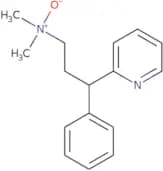
CAS:<p>Pheniramine aminoxide is an amino compound that belongs to the class of pyridines. It has an oxidation potential of -1.48 volts, which is slightly less than that of an oxide. This compound also has a molecular weight of 247.3 grams per mole, and a melting point of 155 degrees Celsius.</p>Formula:C16H20N2OPurity:Min. 95%Molecular weight:256.34 g/mol(Αr,βs)-β-(acetylamino)-α-hydroxy-4-(phenylmethoxy)-benzenepropanoic acid ethyl ester
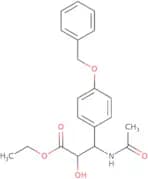
CAS:<p>(Αr,βs)-β-(acetylamino)-α-hydroxy-4-(phenylmethoxy)-benzenepropanoic acid ethyl ester is a drug product that is custom synthesized for research and development purposes. The CAS number for this product is 382596-25-0. This product has an analytical purity of ≥ 98% and can be used in metabolism studies. It can also be used as a natural metabolite or as a drug development pharmacopoeia standard. This product contains impurities at ≤ 1%.</p>Formula:C20H23NO5Purity:Min. 95%Molecular weight:357.4 g/molMethapyrilene dihydrochloride
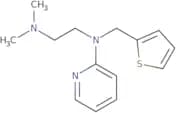
CAS:<p>Methapyrilene dihydrochloride is an anticancer drug that acts as a kinase inhibitor, preventing the activation of protein kinases that are involved in cancer cell growth and survival. It has been shown to induce apoptosis (cell death) in cancer cells by inhibiting the activity of certain kinases. Methapyrilene dihydrochloride is a potent inhibitor of tumor growth in Chinese hamsters, human tumors, and other animal models. It is also an analog of amphetamine and can be detected in urine tests. This drug has shown promising results as a potential treatment for various types of cancer.</p>Formula:C14H19N3SPurity:Min. 95%Molecular weight:261.39 g/molrac-Duloxetine hydrochloride
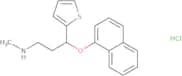
CAS:Controlled Product<p>Duloxetine hydrochloride is the hydrochloride salt form of the antidepressant drug duloxetine. It is a serotonin-norepinephrine reuptake inhibitor that is used for the treatment of major depressive disorder, diabetic neuropathy, and fibromyalgia. Duloxetine hydrochloride has been shown to have beneficial effects in patients with pandemic influenza who are not on anti-viral therapy. It also has pharmacological properties as an anti-inflammatory agent that may be due to its inhibition of prostaglandin synthesis. Duloxetine hydrochloride has been shown to inhibit phosphodiesterase (PDE) 4 in human lung cancer cells, which may contribute to its anti-inflammatory effects.</p>Formula:C18H20ClNOSPurity:Min. 95%Molecular weight:333.9 g/mol3-Hydroxy-N-acetyl-2-aminofluorene
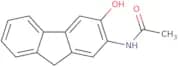
CAS:<p>3-Hydroxy-N-acetyl-2-aminofluorene is a potent inhibitor of protein kinases, which play a crucial role in the regulation of cellular processes such as proliferation, differentiation, and apoptosis. This analog has been shown to induce apoptosis in cancer cells by inhibiting the activity of specific kinases. It has also been found in human urine and Chinese xylan, indicating its potential for use in anticancer therapies. 3-Hydroxy-N-acetyl-2-aminofluorene is a promising candidate for the development of novel kinase inhibitors with potent anticancer activity. Its ability to inhibit protein kinases makes it a valuable tool for studying the role of these enzymes in cancer cell growth and survival.</p>Formula:C15H13NO2Purity:Min. 95%Molecular weight:239.27 g/molL-745,870 Trihydrochloride
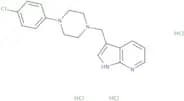
CAS:<p>L-745,870 is a subchronic atypical antipsychotic agent that is a potent D4 receptor agonist. Its efficacy in treating various mental disorders has been demonstrated in clinical studies with animals. L-745,870 has shown antidyskinetic activity in animal models of Parkinson's disease and dyskinesia. The molecular target for this drug is the dopamine D4 receptor. Clinical development of L-745,870 has begun in human studies.</p>Formula:C18H22Cl4N4Purity:Min. 95%Molecular weight:436.2 g/molCaptopril-cysteine disulfide
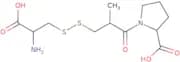
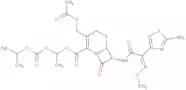
CAS:<p>Captopril-cysteine disulfide is an inhibitor that has been shown to induce apoptosis in cancer cells. It is a potent anticancer agent and has been found in human urine. This compound is an analog of capsaicin, which is known for its anticancer properties. Captopril-cysteine disulfide inhibits the activity of protein kinases, which are enzymes involved in cell growth and division. It has been shown to be effective against a variety of cancer types, including those of the lung, breast, and prostate. In Chinese hamster ovary cells, this compound inhibited the growth of tumor cells by up to 50%. Captopril-cysteine disulfide may have potential as a therapeutic agent for cancer treatment.</p>Formula:C12H20N2O5S2Purity:Min. 95%Molecular weight:336.4 g/molCefpodoxime proxetil impurity E
CAS:<p>Cefpodoxime proxetil impurity E is an active compound that belongs to the group of mixtures. It has been shown to have a film-forming property and it may contain sugar.</p>Formula:C22H27N5O10S2Purity:Min. 95%Molecular weight:585.61 g/mol5-Hydroxyindole-3-acetic acid-d2
CAS:<p>5-Hydroxyindole-3-acetic acid-d2 is a drug product that can be used as an analytical reference standard for HPLC. It is also used as a metabolite in the metabolism studies of 5-hydroxyindole-3-acetic acid, a natural and synthetic compound. This product is manufactured synthetically and has been shown to have a purity of >98%. It is also manufactured for use in pharmacopoeias and can be used as an API impurity standard.</p>Formula:C10H7D2NO3Purity:Min. 95%Color and Shape:PowderMolecular weight:193.2 g/molα-Amylcinnamaldehyde dimethyl acetal
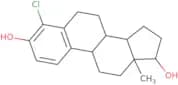
CAS:<p>α-Amylcinnamaldehyde dimethyl acetal is a medicinal compound that has shown promise in inhibiting the growth of cancer cells. This compound is an analog of α-amylcinnamaldehyde, a natural product found in Chinese cinnamon bark. Recent studies have shown that α-Amylcinnamaldehyde dimethyl acetal can inhibit the activity of protein kinases, which play a critical role in cell cycle regulation and tumor growth. This inhibition leads to apoptosis, or programmed cell death, in cancer cells. Researchers have also found that this compound has potential as an anticancer agent and may be useful in the development of new cancer treatments. Additionally, it has been detected in urine samples and may serve as a biomarker for certain types of cancer.</p>Formula:C16H24O2Purity:Min. 95%Molecular weight:248.36 g/mol4-Chloroestradiol
CAS:Controlled Product<p>4-Chloroestradiol is a synthetic, natural, and drug development metabolite. It is a highly pure and analytical drug product with a niche in the market. This compound has been shown to inhibit proliferation of breast cancer cells in vitro. 4-Chloroestradiol is not currently used as a therapeutical agent but may be used for research and development purposes. The metabolite is also known to have anti-inflammatory activities, which are due to its ability to reduce prostaglandin synthesis.</p>Formula:C18H23ClO2Purity:Min. 95%Molecular weight:306.8 g/mol5-(Hydroxymethyl)-N-[4-(trifluoromethyl)phenyl]-4-isoxazolecarboxamide
CAS:<p>5-(Hydroxymethyl)-N-[4-(trifluoromethyl)phenyl]-4-isoxazolecarboxamide is a chemical compound that is used as an analytical reference standard, research and development, drug development and API impurity. 5-(Hydroxymethyl)-N-[4-(trifluoromethyl)phenyl]-4-isoxazolecarboxamide has a purity of 98% or higher and is available for purchase in bulk quantities. This compound can also be purchased as a HPLC standard, niche product, drug product or impurity standard. 5-(Hydroxymethyl)-N-[4-(trifluoromethyl)phenyl]-4-isoxazolecarboxamide can be synthesized naturally or synthetically. The CAS number for this chemical is 1058722-46-5.</p>Formula:C12H9F3N2O3Purity:Min. 95%Molecular weight:286.21 g/molGuaimesal
CAS:<p>Guaimesal is a protein analog that acts as an inhibitor of tumor growth and induces apoptosis in human cancer cells. It has been shown to inhibit the activity of kinases, including cyclin-dependent kinases, which play a key role in regulating cell division. Guaimesal has been isolated from Chinese urine and has demonstrated potent anticancer activity both in vitro and in vivo. This compound shows promise as a novel therapeutic agent for the treatment of cancer.</p>Formula:C16H14O5Purity:Min. 95%Molecular weight:286.28 g/mol[R-(R*,R*)]-(1,2-Dihydroxypropyl)phosphonic acid
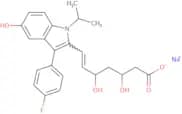
CAS:<p>R-(R*,R*)-1,2-Dihydroxypropyl)phosphonic acid is a drug product with CAS No. 132125-60-1 that has been custom synthesized for your research and development needs. The high purity of this compound makes it ideal for analytical purposes and metabolism studies. This drug product is metabolized to form the natural metabolite 1,2-dihydroxypropyl phosphate which has been shown to have antihypertensive activity in rats. R-(R*,R*) -1,2-dihydroxypropyl)phosphonic acid is also an impurity standard for HPLC analysis of phosphonic acids.</p>Formula:C3H9O5PPurity:Min. 95%Molecular weight:156.07 g/mol5-Hydroxy fluvastatin sodium salt
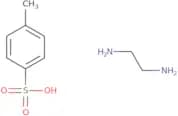
CAS:<p>Please enquire for more information about 5-Hydroxy fluvastatin sodium salt including the price, delivery time and more detailed product information at the technical inquiry form on this page</p>Formula:C24H25FNNaO5Purity:Min. 95%Molecular weight:449.4 g/molEthylenediamine p-toluenesulfonate
CAS:<p>Ethylenediamine p-toluenesulfonate is an inhibitor of various kinases that have been implicated in cancer cell replication and tumor growth. This chemical compound has been shown to induce apoptosis, or programmed cell death, in human cancer cells. Ethylenediamine p-toluenesulfonate has also been studied as a potential treatment for methotrexate-induced nephrotoxicity, a common side effect of chemotherapy. Additionally, it has been identified as a potent analog of astaxanthin, which is a naturally occurring carotenoid with antioxidant properties. The use of ethylenediamine p-toluenesulfonate as a kinase inhibitor may hold promise for the development of novel cancer therapies.</p>Formula:C9H16N2O3SPurity:Min. 95%Molecular weight:232.3 g/molDecarbazolyl desmethyl carvedilol
CAS:<p>Decarbazolyl desmethyl carvedilol is a potent anticancer agent that inhibits elastase and protein kinases, which are involved in cancer cell growth and tumor progression. It induces apoptosis, or programmed cell death, in cancer cells by inhibiting the activity of specific kinases. Decarbazolyl desmethyl carvedilol has been shown to be effective against a variety of human cancers, including lung, breast, and prostate cancers. It is also an inhibitor of Chinese hamster ovary (CHO) cell kinase activity and can be detected in urine samples. This analog of carvedilol has potential as a therapeutic agent for the treatment of cancer.</p>Formula:C11H17NO4Purity:Min. 95%Molecular weight:227.26 g/molNUC-7738
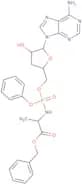
CAS:<p>NUC-7738 is a medicinal compound that has been shown to be an effective inhibitor of cyclin-dependent kinases (CDKs). It has potent anticancer activity and has been studied extensively in Chinese hamster ovary (CHO) cells, human leukemia cells, and other cancer cell lines. NUC-7738 works by selectively inhibiting CDK4/6, which are critical regulators of the cell cycle. This leads to the induction of apoptosis in cancer cells, making it a promising new therapeutic agent for the treatment of various types of cancer. Additionally, NUC-7738 has been shown to have low toxicity and good pharmacokinetic properties in preclinical studies. Overall, this compound holds great promise as a novel anticancer therapy that may help improve outcomes for patients with cancer.</p>Formula:C26H29N6O7PPurity:Min. 95%Molecular weight:568.5 g/molo-Chlorobenzyl methyl sulfoxide
CAS:<p>o-Chlorobenzyl methyl sulfoxide is a potent inhibitor of kinases, which are enzymes that play a crucial role in cell signaling and regulation. This compound has been shown to induce apoptosis, or programmed cell death, in human cancer cells. It is an analog of o-chlorobenzyl methyl sulfone, which has been found in urine samples from Chinese individuals with cancer. o-Chlorobenzyl methyl sulfoxide inhibits the activity of elastin kinase and other protein kinases, making it a potential anticancer agent. Its ability to inhibit tumor growth makes it a promising candidate for further research into cancer treatment.</p>Formula:C8H9ClOSPurity:Min. 95%Molecular weight:188.67 g/molN-[(2R)-3-{[3-Fluoro-4-(4-morpholinyl)phenyl]amino}-2-hydroxypropyl]acetamide
CAS:<p>N-[(2R)-3-{[3-Fluoro-4-(4-morpholinyl)phenyl]amino}-2-hydroxypropyl]acetamide is an impurity in a high purity analytical reference standard of 3-fluoro-4-(4-morpholinyl)aniline. It is also a metabolite that may be present in drug products containing 3-fluoro-4-(4-morpholinyl)aniline as the active ingredient, such as fluoroquinolones. N-[(2R)-3-{[3-Fluoro-4-(4-morpholinyl)phenyl]amino}-2-hydroxypropyl]acetamide has been shown to inhibit DNA gyrase and topoisomerase IV, which are enzymes that maintain the integrity of bacterial DNA. It binds to bacterial 16S ribosomal RNA and inhibits protein synthesis, leading to cell death by inhib</p>Formula:C15H22FN3O3Purity:Min. 95%Molecular weight:311.35 g/mol5-Aza-2’-deoxyuridine (β isomer only)
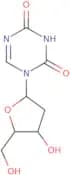
CAS:<p>Please enquire for more information about 5-Aza-2’-deoxyuridine (β isomer only) including the price, delivery time and more detailed product information at the technical inquiry form on this page</p>Formula:C8H11N3O5Purity:Min. 95%Molecular weight:229.19 g/mol2,2-Bis[4-(2-diethylaminoethoxy)phenyl]-1,2-diphenylethanone
CAS:Controlled Product<p>2,2-Bis[4-(2-diethylaminoethoxy)phenyl]-1,2-diphenylethanone (bis-DEA) is a synthetic metabolite that has been shown to inhibit human liver microsomal cytochrome P450 enzymes. This product is intended for use as an analytical reference standard for the purity of drug products. It is also used in pharmacological and metabolic studies.</p>Formula:C38H46N2O3Purity:Min. 95%Molecular weight:578.78 g/mol1-(1-Cyclohexen-1-yl)-cyclohexanecarboxylic acid
CAS:<p>Please enquire for more information about 1-(1-Cyclohexen-1-yl)-cyclohexanecarboxylic acid including the price, delivery time and more detailed product information at the technical inquiry form on this page</p>Formula:C13H20O2Purity:Min. 95%Molecular weight:208.3 g/mol(R)-1-Trichloromethyl-1,2,3,4-tetrahydro-β-carboline
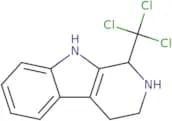
CAS:<p>(R)-1-Trichloromethyl-1,2,3,4-tetrahydro-β-carboline is a potent inhibitor of kinases that play key roles in cancer. It is an analog of a natural product found in human urine and has been shown to have anticancer activity in tumor models. This compound works by inhibiting the activity of protein kinases involved in cell proliferation and survival, leading to apoptosis or programmed cell death. (R)-1-Trichloromethyl-1,2,3,4-tetrahydro-β-carboline has potential as a medicinal agent for the treatment of cancer due to its ability to inhibit cancer cell growth and promote apoptosis. Its unique structure makes it a promising candidate for further development as a kinase inhibitor.</p>Formula:C12H11Cl3N2Purity:Min. 95%Molecular weight:289.6 g/mol(5S)-5-(Aminomethyl)-3-[3-fluoro-4-(4-morpholinyl)phenyl]-1,3-oxazolidin-2-one
CAS:<p>(5S)-5-(Aminomethyl)-3-[3-fluoro-4-(4-morpholinyl)phenyl]-1,3-oxazolidin-2-one is a molecule with a broad spectrum of antimicrobial activity. It is a potent inhibitor of the enzyme metallo-β-lactamase, which is found in Streptococcus faecalis and other bacteria. This molecule also has antibacterial activity against Streptococcus pyogenes and Staphylococcus aureus. (5S)-5-(Aminomethyl)-3-[3-fluoro-4-(4-morpholinyl)phenyl]-1,3-oxazolidin-2 -one is an amide with mass spectrometric and spectroscopic properties that can be used as analytical methods to identify it in biological samples.</p>Formula:C14H18FN3O3Purity:Min. 95%Color and Shape:Off-White PowderMolecular weight:295.31 g/mol6-Chloro-5-nitro-2-(propylthio)-4(1H)-pyrimidinone
CAS:<p>6-Chloro-5-nitro-2-(propylthio)-4(1H)-pyrimidinone is a compound that is commonly used as an intermediate in the synthesis of various chemicals. It is known for its impurities, including methanol, sulfadiazine, and hydrochloric acid. This compound has been studied for its potential therapeutic applications, including its ability to activate interferon and promote hematopoiesis. Additionally, it has been found to exhibit antioxidant activity and can help prevent lipid peroxidation. 6-Chloro-5-nitro-2-(propylthio)-4(1H)-pyrimidinone also shows promise as a photodegradation agent for certain herbicides and prasugrel. Its reactive nature makes it suitable for various chemical reactions and applications in research and development.</p>Formula:C7H8ClN3O3SPurity:Min. 95%Molecular weight:249.68 g/molAlbendazole impurity F
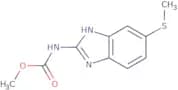
CAS:<p>Albendazole is an anti-helminthic drug that is structurally classified as a benzimidazole. It has been shown to be effective against a variety of helminths, including roundworms, pinworms, hookworms, and tapeworms. Albendazole impurity F is an analytical standard for the determination of albendazole in pharmaceutical products by HPLC. It also serves as a reference substance to establish the purity of drug products containing albendazole and its metabolites. Albendazole impurity F is not considered to be a metabolite of albendazole because it has been shown to be stable under acidic conditions and can be synthesized from other starting materials.</p>Formula:C10H11N3O2SPurity:Min. 95%Molecular weight:237.28 g/molVal-Ala-PAB
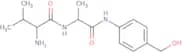
CAS:<p>Val-Ala-PAB is an analog of a naturally occurring peptide that has been shown to have anticancer properties. It induces apoptosis in cancer cells by inhibiting cyclin-dependent kinases, which are proteins that regulate cell division. Val-Ala-PAB has been shown to be effective against various types of tumors, including human and Chinese hamster ovary cells. This compound is also a potent inhibitor of the proteasome, which is a cellular complex that degrades proteins. It has been found in urine samples from patients with cancer, suggesting that it may play a role in the body's natural defense against cancer. Overall, Val-Ala-PAB holds great promise as a potential cancer treatment and inhibitor of tumor growth.</p>Formula:C15H23N3O3Purity:Min. 95%Molecular weight:293.36 g/mol2,3,6,7-Tetrachlorobiphenylene
CAS:<p>2,3,6,7-Tetrachlorobiphenylene is a potent inhibitor of kinases that are involved in cancer cell growth and proliferation. It is an analog of tolvaptan, a drug used to treat hyponatremia by increasing urine output. This compound has been shown to induce apoptosis in cancer cells and inhibit tumor growth. Studies have found that 2,3,6,7-Tetrachlorobiphenylene inhibits the activity of human protein kinases and may be effective against various types of cancer. This Chinese compound has promising anticancer properties and could potentially be used as a therapeutic agent for cancer treatment.</p>Formula:C12H4Cl4Purity:Min. 95%Molecular weight:290 g/molrac-N-Desisopropyl-N-ethyl acebutolol
CAS:<p>rac-N-Desisopropyl-N-ethyl acebutolol is a synthetic drug product. It is an analytical standard for the impurity, acebutolol, and is metabolized by cytochrome P450 3A4 to form the major metabolite, N-desisopropyl acebutolol. rac-N-Desisopropyl-N-ethyl acebutolol is a research and development product that can be custom synthesized to meet specific needs. It has been shown to have antihypertensive properties in rats and monkeys. This product is not intended for human use.</p>Formula:C17H26N2O4Purity:Min. 95%Molecular weight:322.4 g/molN-tert-Butyloxycarbonyl hydroxy brimonidine
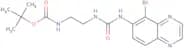
CAS:<p>Please enquire for more information about N-tert-Butyloxycarbonyl hydroxy brimonidine including the price, delivery time and more detailed product information at the technical inquiry form on this page</p>Formula:C16H20BrN5O3Purity:Min. 95%Molecular weight:410.27 g/mol4-Bromo-2-cyclobutylthiazole
CAS:<p>Please enquire for more information about 4-Bromo-2-cyclobutylthiazole including the price, delivery time and more detailed product information at the technical inquiry form on this page</p>Formula:C7H8BrNSPurity:Min. 95%Molecular weight:218.12 g/mol5-Eicosene
CAS:<p>5-Eicosene is an analog that has been shown to have potent anticancer properties. It acts as an inhibitor of various protein kinases, including cyclin-dependent kinases, which are essential for cancer cell growth and division. Studies have demonstrated that 5-Eicosene induces apoptosis in Chinese hamster ovary cells and human cancer cells, suggesting its potential as an effective anticancer agent. Additionally, this compound inhibits the activity of certain urinary protein kinases, which may be valuable in the diagnosis and treatment of cancer. Overall, 5-Eicosene shows promise as a potent inhibitor with therapeutic potential against various types of cancer.</p>Formula:C20H40Purity:Min. 95%Molecular weight:280.5 g/molGPI-16552
CAS:<p>GPI-16552 is an inhibitor that has shown potential as an anticancer agent. It induces apoptosis in cancer cells by disrupting the cell cycle and inhibiting the activity of certain proteins. Studies have shown that GPI-16552 can inhibit tumor growth in human cancer cell lines, making it a promising candidate for future cancer treatments. Additionally, this inhibitor has been found in Chinese urine samples and may have potential as a natural source of vitamin-like compounds. Overall, GPI-16552 is a powerful inhibitor with exciting potential for both cancer research and health supplementation.</p>Formula:C33H30N2O3Purity:Min. 95%Molecular weight:502.6 g/molDL-threo-ritalinic acid lactam
CAS:<p>Please enquire for more information about DL-threo-ritalinic acid lactam including the price, delivery time and more detailed product information at the technical inquiry form on this page</p>Formula:C13H15NO3Purity:Min. 95%Molecular weight:233.26 g/mol13-Cis-retinoic acid ethyl ester
CAS:Controlled Product<p>Please enquire for more information about 13-Cis-retinoic acid ethyl ester including the price, delivery time and more detailed product information at the technical inquiry form on this page</p>Formula:C22H32O2Purity:Min. 95%Molecular weight:328.5 g/molN-Desmethyl (E)-α-hydroxy tamoxifen
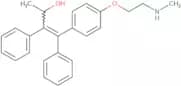
CAS:<p>N-Desmethyl (E)-α-hydroxy tamoxifen is a metabolite of tamoxifen. This drug has been shown to be more reactive than its parent compound, with the potential for enhanced toxicity. N-Desmethyl (E)-α-hydroxy tamoxifen is thought to be responsible for the toxic effects of tamoxifen in women and rats. The metabolites are excreted in the bile, with 50% being reabsorbed from the gastrointestinal tract and then excreted into the urine. In human liver cells, N-desmethyl (E)-α-hydroxy tamoxifen inhibits the growth of cancer cells and induces apoptosis by binding to DNA. It also causes increased production of reactive oxygen species in liver cells, which may contribute to hepatotoxicity.</p>Formula:C25H27NO2Purity:Min. 95%Molecular weight:373.5 g/molAcyclovir EP impurity R
CAS:<p>Acyclovir EP impurity R is a by-product of acyclovir, which has been shown to be stable in acidic and alkaline conditions. It is also linear with high reproducibility and low detection limits. Acyclovir EP impurity R can be detected using a validated RP-HPLC method with an acidified mobile phase. The compound is not photolyzed under the conditions of the assay. This impurity has been detected in batches of acyclovir that have been produced on two different production lines for more than 5 years without any changes in quality or yield.</p>Formula:C13H21CIN6O4Purity:Min. 95%Molecular weight:464.26 g/molDefluoro paroxetine hydrochloride
CAS:<p>Please enquire for more information about Defluoro paroxetine hydrochloride including the price, delivery time and more detailed product information at the technical inquiry form on this page</p>Formula:C19H21NO3Purity:Min. 95%Molecular weight:311.4 g/molAE-3763
CAS:<p>AE-3763 is an inhibitor of kinases that has shown promise in the treatment of cancer. It is a small molecule that selectively inhibits the activity of certain kinases, which are enzymes involved in cell signaling pathways. AE-3763 has been found to induce apoptosis (programmed cell death) in cancer cells by blocking the activity of specific kinases. This compound has also been shown to inhibit tumor growth in animal models and to have anticancer effects in human cancer cell lines. AE-3763 can be detected in urine and has been studied extensively for its potential therapeutic use against various types of cancer, including breast, lung, and colon cancers. The compound is derived from d-xylose and was first identified as a potent kinase inhibitor by Chinese researchers.</p>Formula:C23H34F3N5O7Purity:Min. 95%Molecular weight:549.5 g/molDmab-anabaseine dihydrochloride
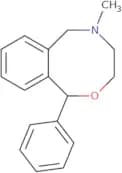
CAS:<p>Dmab-anabaseine dihydrochloride is an analytical reference standard for HPLC. It has been used as an impurity standard in the production of drugs and drug products. Dmab-anabaseine dihydrochloride is an impurity that can be found in the synthesis of Metabolite. The purity of this compound is 99% with a CAS number of 154149-38-9. Dmab-anabaseine dihydrochloride is natural or synthetic and it does not have any pharmacopoeia listings. Custom synthesis and research and development are some other uses for this product.</p>Formula:C19H23Cl2N3Purity:Min. 95%Molecular weight:364.3 g/mol(+)-Nefopam
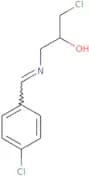
CAS:<p>(+)-Nefopam is a medicinal analog that acts as an inhibitor of various kinases, including Chinese hamster ovary cell kinase and tumor-associated kinases. It has been shown to have anticancer effects by inhibiting the growth of cancer cells and inducing apoptosis. (+)-Nefopam is excreted primarily in urine and has been found to bind to proteins in human plasma. This potent inhibitor has promising potential for use as an anticancer drug in the future.</p>Formula:C17H19NOPurity:Min. 95%Molecular weight:253.34 g/mol(S)-(E,Z)-1-(4-Chlorobenzylideneamino)-3-chloropropan-2-ol
CAS:<p>Please enquire for more information about (S)-(E,Z)-1-(4-Chlorobenzylideneamino)-3-chloropropan-2-ol including the price, delivery time and more detailed product information at the technical inquiry form on this page</p>Formula:C10H11Cl2NOPurity:Min. 95%Molecular weight:232.1 g/molSLMP53-1
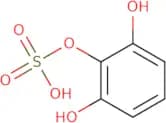
CAS:<p>SLMP53-1 is an anticancer agent that has been shown to induce apoptosis in cancer cells. It works by inhibiting kinases, which are enzymes involved in cell signaling pathways that regulate cell growth and division. SLMP53-1 has been found to be effective against a variety of tumors, including those of the bladder, breast, and lung. In addition, it has shown promising results as a potential treatment for Chinese hamster ovary (CHO) cells and human cancer cell lines. SLMP53-1 is also an analog of hepcidin, a protein that regulates iron metabolism in the body. Its unique structure allows it to bind specifically to cancer cells without affecting healthy cells, making it a promising candidate for targeted cancer therapy.</p>Formula:C20H18N2O2Purity:Min. 95%Molecular weight:318.4 g/molSodium 2,6-dihydroxyphenyl sulfate
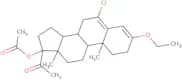
CAS:<p>Sodium 2,6-dihydroxyphenyl sulfate is a potent anticancer agent that has been shown to inhibit the growth of cancer cells. It is an analog of a kinase inhibitor found in Chinese medicinal plants and has been found in urine samples of cancer patients. Sodium 2,6-dihydroxyphenyl sulfate inhibits protein kinases involved in cancer cell proliferation and survival, leading to apoptosis or programmed cell death. This compound has been studied extensively for its potential as a therapeutic agent against various types of cancer, including leukemia and tumors. As one of the most promising inhibitors available today, Sodium 2,6-dihydroxyphenyl sulfate represents a significant breakthrough in cancer research and treatment.</p>Formula:C6H6O6SPurity:Min. 95%Molecular weight:206.18 g/mol17-Acetoxy-6-chloro-3-ethoxypregna-3,5-dien-20-one
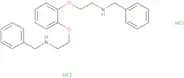
CAS:Controlled Product<p>Please enquire for more information about 17-Acetoxy-6-chloro-3-ethoxypregna-3,5-dien-20-one including the price, delivery time and more detailed product information at the technical inquiry form on this page</p>Formula:C25H35ClO4Purity:Min. 95%Molecular weight:435 g/molBis(o-ethylbenzylamine) catechol dihydrochloride
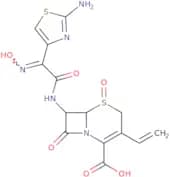
CAS:<p>Bis(o-ethylbenzylamine) catechol dihydrochloride is a potent inhibitor of protein kinases that play a crucial role in the regulation of the cell cycle. It has been shown to induce apoptosis in various human cancer cell lines, including leukemia and Chinese hamster ovary cells. This compound inhibits the activity of several kinases, including indoleamine 2,3-dioxygenase (IDO), which is involved in tumor immune evasion. Bis(o-ethylbenzylamine) catechol dihydrochloride also acts as an inhibitor of other key proteins involved in the growth and proliferation of cancer cells. Its unique mode of action makes it a promising candidate for the development of novel anticancer therapies.</p>Formula:C24H30Cl2N2O2Purity:Min. 95%Molecular weight:449.4 g/molCefdinir sulfoxide
CAS:<p>Cefdinir sulfoxide is a drug product that belongs to the group of cephalosporin antibiotics. It has been shown to be a metabolite of Cefdinir, which is manufactured by reacting cefdinir with sulfur trioxide gas in the presence of an acid catalyst. This product has been shown to have no antimicrobial activity and is used as an impurity standard for HPLC analysis. Cefdinir sulfoxide has also been found to be a metabolite for other drugs, such as Cefditoren.</p>Formula:C14H13N5O6S2Purity:Min. 95%Molecular weight:411.4 g/molAmoxicillin EP Impurity E
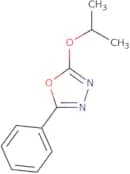
CAS:<p>Amoxicillin EP Impurity E is an impurity found in Amoxicillin EP, which is a β-lactam antibiotic. It belongs to the group of β-lactam antibiotics and has antibacterial activity. Amoxicillin EP Impurity E is found by applying validation methods to measure the concentration of this product. The analytical method used for this impurity is a wavelength measurement or a magnetic field measurement. This impurity can be determined using chromatographic or elution methods. The chromatographic methods used are high performance liquid chromatography (HPLC) and gas chromatography (GC). Method development is required for determining the level of this impurity, as well as validation procedures for measuring it with various methods.</p>Formula:C15H21N3O4SPurity:Min. 95%Molecular weight:339.41 g/mol2-Isopropoxy-5-phenyl-1,3,4-oxadiazole
CAS:<p>2-Isopropoxy-5-phenyl-1,3,4-oxadiazole is a potent anticancer agent that has been extensively studied for its ability to inhibit tumor growth in humans. This compound belongs to the class of kinase inhibitors and has been shown to induce apoptosis in cancer cells. It is an analog of a medicinal compound that was first identified in Chinese herbal medicine. 2-Isopropoxy-5-phenyl-1,3,4-oxadiazole specifically inhibits certain protein kinases involved in cancer cell signaling pathways, leading to a decrease in cell proliferation and survival. This compound has demonstrated significant activity against various types of cancer cells and may have potential as a therapeutic agent for the treatment of cancer. Its presence can be detected in human urine after administration.</p>Formula:C11H12N2O2Purity:Min. 95%Molecular weight:204.22 g/molArundinin
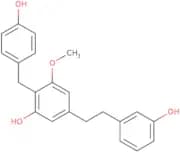
CAS:<p>Arundinin is a potent anticancer agent that has been shown to induce apoptosis in cancer cells. It is a protein analog derived from Chinese medicine and has been found to inhibit several kinases, including testosterone-sensitive kinases, which are involved in the growth of prostate cancer cells. Arundinin has also been demonstrated to have anti-tumor activity in human clinical trials. This inhibitor belongs to a class of compounds known as kinase inhibitors, which are being actively investigated for their potential as novel anticancer agents. Arundinin is excreted primarily in urine and holds great promise for the treatment of various types of cancer.</p>Formula:C22H22O4Purity:Min. 95%Molecular weight:350.4 g/molAvanafil 5’-desmethylpyrimidyl 5’-acid
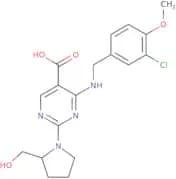
CAS:<p>Avanafil 5'-desmethylpyrimidyl 5'-acid is a kinase inhibitor that has been shown to have anti-cancer properties. It inhibits kinases, which are enzymes involved in cell signaling pathways, and has been shown to inhibit the growth of cancer cells in vitro. Avanafil 5'-desmethylpyrimidyl 5'-acid may be used in combination with other drugs, such as rifampicin or methotrexate, for the treatment of cancer. Additionally, it has been found to induce apoptosis (programmed cell death) in human tumor cells. Chinese medicine has also used avanafil 5'-desmethylpyrimidyl 5'-acid analogs such as astaxanthin for its health benefits. This drug is excreted primarily through urine and shows promise as a potential inhibitor for various diseases.</p>Formula:C18H21ClN4O4Purity:Min. 95%Molecular weight:392.8 g/molTri-N,O,o-(4-benzyloxy)benzyl ractopamine
CAS:<p>Tri-N,O,o-(4-benzyloxy)benzyl ractopamine is a compound that has been extensively studied for its impurities and molecular docking properties. It has shown to have reactive properties in the presence of methanol and interferon, making it potentially useful in various applications. Additionally, Tri-N,O,o-(4-benzyloxy)benzyl ractopamine has been found to interact with herbicides and preservatives, suggesting its potential as an additive or synergistic agent. Studies have also explored its photodegradation behavior under different conditions, revealing insights into its stability and potential applications in pharmaceuticals and environmental science. Furthermore, Tri-N,O,o-(4-benzyloxy)benzyl ractopamine has demonstrated antioxidant activity, which may be beneficial in promoting hematopoiesis and protecting against oxidative stress. Overall, this compound offers a range of interesting characteristics that warrant further investigation for various scientific and industrial purposes.</p>Formula:C60H59NO6Purity:Min. 95%Molecular weight:890.1 g/mol9,10-Dioxo ketotifen
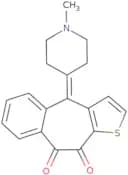
CAS:<p>9,10-Dioxo ketotifen is a drug product that belongs to the category of HPLC standards. It has been shown to be a metabolite of ketotifen and also an impurity in ketotifen. 9,10-Dioxo ketotifen has been shown to possess antihistamine activity and may have potential as a lead compound for the development of new drugs.</p>Formula:C19H17NO2SPurity:Min. 95%Color and Shape:PowderMolecular weight:323.41 g/mol2-Methyl-3,4-dimethoxy pyridine hydrochloride
CAS:<p>2-Methyl-3,4-dimethoxy pyridine hydrochloride is an analytical standard that is used as a reference compound in the pharmaceutical industry to identify impurities in drug products. It also has a niche use as an API impurity and HPLC standard. 2-Methyl-3,4-dimethoxy pyridine hydrochloride is used as an intermediate for the synthesis of other drugs, including benzodiazepines and beta blockers. It is also used in research and development for its high purity. This chemical is natural or synthetic in origin but can be custom synthesized to meet specific requirements. 2-Methyl-3,4-dimethoxy pyridine hydrochloride also has CAS number 1210824-88-6.</p>Formula:C8H11NO2HClPurity:Min. 95%Molecular weight:189.64 g/molCetirizine amide dihydrochloride
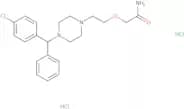
CAS:<p>Cetirizine amide dihydrochloride is a drug product that has been custom synthesized for research and development. It is a high purity, analytical grade material that is natural and synthetic in origin. Cetirizine amide dihydrochloride's CAS number is 200707-85-3. The impurity standard for this material is HPLC grade. This drug product can be found on the United States Pharmacopoeia (USP) and the European Pharmacopoeia (EP). Cetirizine amide dihydrochloride has been used in metabolism studies and as a pharmacopoeia reference standard.</p>Formula:C21H28Cl3N3O2Purity:Min. 95%Molecular weight:460.82 g/molRemdesivir impurity 8
<p>Remdesivir impurity 8 is a metabolite of remdesivir, a drug product that belongs to the class of synthetic compounds. Remdesivir impurity 8 has been used as a research and development standard for HPLC analysis. It is also used as an impurity standard in pharmacopoeia and drug development. This impurity has shown natural activity in metabolism studies, but it is not known if this activity is due to the compound itself or an artifact from its synthesis.</p>Formula:C30H39N6O8PPurity:Min. 95%Molecular weight:642.64 g/molKakkanin
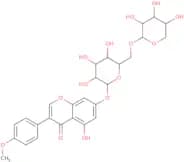
CAS:<p>Kakkanin is a natural compound that has shown potential in inhibiting the growth of cancer cells. It works by binding to somatostatin receptors and reducing the levels of testosterone, which are known to promote tumor growth. Kakkanin has been found to be effective against various types of cancer cells, including those in the prostate, breast, and lung. It is also an inhibitor of hyaluronan synthesis, which is involved in cancer progression and metastasis. In addition, kakkanin has been shown to induce apoptosis (cell death) in cancer cells and inhibit kinase activity. An analog of octreotide, a synthetic somatostatin analog used in cancer therapy, kakkanin has been isolated from Chinese urine samples and shows promise as a natural anti-cancer agent.</p>Formula:C27H30O14Purity:Min. 95%Molecular weight:578.5 g/molPreterramide C
CAS:<p>Preterramide C is a drug that belongs to the class of drugs known as aminopyridines. It is a metabolite of preterramide A and has been used as an analytical reference standard for HPLC. This product is available in the form of a pure white crystalline powder with a purity greater than 98%. It has been shown to be an impurity in drug products and can be used as an impurity standard, as well as being synthesized by natural or synthetic means.</p>Formula:C24H23N3O7Purity:Min. 95%Molecular weight:465.50 g/molExo-tropine-3-thiol hydrochloride
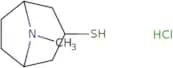
CAS:<p>Please enquire for more information about Exo-tropine-3-thiol hydrochloride including the price, delivery time and more detailed product information at the technical inquiry form on this page</p>Formula:C8H16ClNSPurity:Min. 95%Molecular weight:193.74 g/mol3,4-Di-o-benzyl droxidopa-13C2,15N hydrochloride
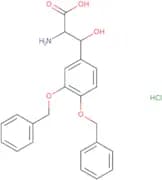
CAS:<p>Please enquire for more information about 3,4-Di-o-benzyl droxidopa-13C2,15N hydrochloride including the price, delivery time and more detailed product information at the technical inquiry form on this page</p>Formula:C23H24ClNO5Purity:Min. 95%Molecular weight:432.9 g/molBenzylidene camphor sulfonic acid
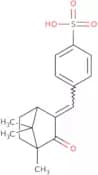
CAS:<p>Benzylidene camphor sulfonic acid is a non-volatile, oil-soluble, water-insoluble, white solid. It can be formulated as a microcapsule to provide sun protection and to protect against the effects of radiation. Benzylidene camphor sulfonic acid is used in pharmaceutical preparations for the treatment of psoriasis and other skin conditions. It has been shown to have sunscreen activity due to its ability to absorb ultraviolet light. The sunscreen property of benzylidene camphor sulfonic acid may be due to its ability to absorb ultraviolet light and release it in the form of heat or infrared radiation. Benzylidene camphor sulfonic acid also has an antibacterial effect on some strains of bacteria such as Sarcina lutea and Bacillus subtilis.</p>Formula:C17H20O4SPurity:Min. 95%Molecular weight:320.4 g/molThromboxane A2 potassium salt
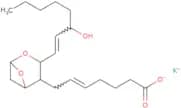
CAS:<p>Please enquire for more information about Thromboxane A2 potassium salt including the price, delivery time and more detailed product information at the technical inquiry form on this page</p>Formula:C20H31KO5Purity:Min. 95%Molecular weight:390.6 g/molN-Acetyl zonisamide
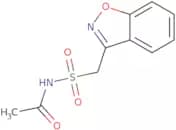
CAS:<p>N-Acetyl zonisamide is a drug that is used in the treatment of epilepsy. It has a broad spectrum of activity and has been shown to be effective against seizures caused by both genetic and acquired conditions. N-Acetyl zonisamide's mechanism of action is not fully understood, but it may involve inhibition of carbonic anhydrase, modulation of serotonergic systems, and antagonism at adenosine receptors. Zonisamide also binds to glutamate and dopamine receptors in the brain, which may contribute to its clinical effects.</p>Formula:C10H10N2O4SPurity:Min. 95%Color and Shape:PowderMolecular weight:254.26 g/mol3-Bromo-N-desethyl-N-benzyl lidocaine
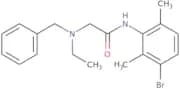
CAS:<p>Please enquire for more information about 3-Bromo-N-desethyl-N-benzyl lidocaine including the price, delivery time and more detailed product information at the technical inquiry form on this page</p>Formula:C19H23BrN2OPurity:Min. 95%Molecular weight:375.3 g/molNaltrexone hydrochloride EP Impurity G
<p>Naltrexone Impurity G is a synthetic impurity found in naltrexone. It is used as an impurity standard and can be custom synthesized to meet the needs of researchers, developers, and manufacturers of drug products. Naltrexone Impurity G is a metabolite that has been shown to have pharmacological effects similar to those of naltrexone. It is used in metabolism studies. Naltrexone Impurity G has a purity level of 99% or higher and can be ordered as a methanol solution or powder.</p>Formula:C20H23NO5Purity:Min. 95%Color and Shape:PowderMolecular weight:357.4 g/molMethisosildenafil
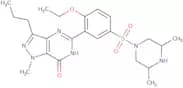
CAS:<p>Methisosildenafil is a chemical compound that belongs to the group of phosphodiesterase type-5 inhibitors. It is an analog of sildenafil and is used for the treatment of erectile dysfunction (ED). Methisosildenafil has been shown to be effective in animal models of pulmonary hypertension. It also inhibits the production of myeloid-derived suppressor cells, which are responsible for suppressing the immune system. Methisosildenafil has been found to be safe and well-tolerated for use as a pharmaceutical preparation in humans.</p>Formula:C23H32N6O4SPurity:Min. 95%Molecular weight:488.6 g/mol2-(4-Formylphenyl)propionic acid - Racemic
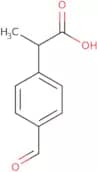
CAS:<p>2-(4-Formylphenyl)propionic acid is a racemic mixture of 2-formylphenylacetic acid and 4-formylphenylacetic acid. This compound is used in the treatment of bacterial infections and inflammation. It is an organic solution that can be injected, administered orally, or applied topically. The 2-(4-formylphenyl)propionic acid has been shown to have anti-inflammatory properties, but also has side effects such as skin irritation when it is applied topically. This drug can also cause nausea, vomiting, and diarrhea when administered orally.</p>Formula:C10H10O3Purity:Min. 95%Color and Shape:White PowderMolecular weight:178.18 g/molBenzilic acid 1-ethyl-3-pyrrolidinyl ester
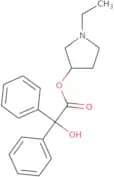
CAS:Controlled Product<p>Please enquire for more information about Benzilic acid 1-ethyl-3-pyrrolidinyl ester including the price, delivery time and more detailed product information at the technical inquiry form on this page</p>Formula:C20H23NO3Purity:Min. 95%Molecular weight:325.4 g/molAbacavir 5’-4-chloro-6-methylpyrimidine-2,5-diamine
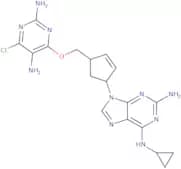
CAS:<p>Abacavir is an antiviral drug that is used to treat HIV/AIDS. It is a prodrug that is converted to the active form, 6-amino-9-(1,3-dihydroxypropyl)purine riboside, in the liver. Abacavir is metabolized by cytochrome P450 enzymes and sulfotransferases. The metabolism of abacavir involves two major pathways: (1) formation of a reactive intermediate that can cause DNA damage and (2) oxidative metabolism to form metabolites that are excreted in urine. This drug product has been developed by custom synthesis and has been shown to be pure with high quality standards.</p>Formula:C18H21ClN10OPurity:Min. 95%Molecular weight:428.9 g/molBis-[[2-[1-methylamino-2-nitroethenamine]ethyl]thio]methane
CAS:<p>Bis-[[2-[1-methylamino-2-nitroethenamine]ethyl]thio]methane is a drug product that has been synthesized for research and development. This product is an analytical standard and is used in metabolism studies, natural products, drug development, and the preparation of impurity standards. The CAS number for this product is 1331637-48-9. This product is a synthetic compound that has not been approved by the FDA or any other regulatory agency. It can be shipped to US destinations only.</p>Formula:C11H22N6O4S2Purity:Min. 95%Molecular weight:366.46 g/mol6,8-Disulfo-2-naphthalenediazonium
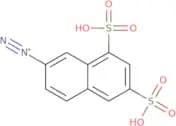
CAS:<p>6,8-Disulfo-2-naphthalenediazonium (6,8-DN) is a Chinese anticancer protein analog that has been shown to induce apoptosis in cancer cells. It is an inhibitor of the antibiotic linezolid and has been found to be effective against various types of human cancer cells. 6,8-DN has been detected in urine samples from patients with tumors and may serve as a potential biomarker for cancer diagnosis. It also acts as a kinase inhibitor, which can affect the regulation of cell growth and division. The inhibition of kinases by 6,8-DN may play a role in its anticancer activity.</p>Formula:C10H7N2O6S2Purity:Min. 95%Molecular weight:315.3 g/mol(16β,17β)-16,17-Dihydroxyestr-4-en-3-one
CAS:<p>(16Beta,17Beta)-16,17-Dihydroxyestr-4-en-3-one is a high purity custom synthesis drug product that is used for metabolism studies. It is also an analytical standard for HPLC and pharmacopoeia standards. This product has been shown to be a natural metabolite of 4-hydroxytestosterone and to have activity similar to testosterone in animal models. (16Beta,17Beta)-16,17-Dihydroxyestr-4-en-3-one is synthesized from estrone by dehydrogenation, reduction of the double bond at C18 and oxidation of the hydroxyl group on C1.</p>Formula:C18H26O3Purity:Min. 95%Molecular weight:290.40 g/molN-Boc-N-desethyl acetildenafil
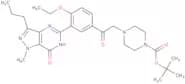
CAS:<p>N-Boc-N-desethyl acetildenafil is a synthetic drug product that is used as an analytical standard in metabolite studies. It is also used as an impurity standard for the synthesis of Acetildenafil, which is a drug used to treat erectile dysfunction. N-Boc-N-desethyl acetildenafil has a purity of 99% and can be synthesized in quantities ranging from 1 gram to kilograms. This product's CAS number is 1246820-46-1.br><br>br><br>N-Boc-N-desethyl acetildenafil has not been evaluated by the FDA and is not intended for human or veterinary use.</p>Formula:C28H38N6O5Purity:Min. 95%Molecular weight:538.6 g/molL-Isoleucine orlistat
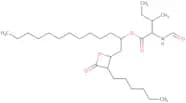
CAS:<p>L-Isoleucine orlistat is a drug product that is an analytical standard and a natural product. It is used in research and development for the study of drug metabolism, and as an impurity standard for synthetic L-isoleucine. L-Isoleucine orlistat has CAS number 1072902-75-0 and Impurity Standard Number (ISN) 910.<br>L-Isoleucine orlistat is not a registered active pharmaceutical ingredient (API). It can be custom synthesized to meet the requirements of a particular application, such as high purity, pharmacopoeia grade, or USP HPLC grade.</p>Formula:C29H53NO5Purity:Min. 95%Molecular weight:495.7 g/mol2-(Propylamino)-propiotoluidid-hydrochlorid
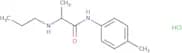
CAS:<p>2-(Propylamino)-propiotoluidid-hydrochlorid is a drug product that is used as an analytical standard for the determination of impurities in pharmaceuticals. It is a synthetic, natural, and research and development metabolite with niche applications. This product has been shown to be pharmacologically active in metabolism studies on animals. CAS No. 35891-99-7</p>Formula:C13H21ClN2OPurity:Min. 95%Molecular weight:256.77 g/mol11-Oxo-betamethasone-17-carboxylic acid
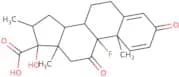
CAS:Controlled Product<p>Please enquire for more information about 11-Oxo-betamethasone-17-carboxylic acid including the price, delivery time and more detailed product information at the technical inquiry form on this page</p>Formula:C21H25FO5Purity:Min. 95%Molecular weight:376.4 g/molHydrolyzed pomalidomide M10
CAS:<p>Hydrolyzed pomalidomide M10 is an impurity standard that is used to generate the typical chromatographic profile of a drug product. It is a metabolite of pomalidomide, which is a chemotherapeutic drug used in the treatment of multiple myeloma. Hydrolyzed pomalidomide M10 has CAS number 918314-45-1 and is a natural or synthetic compound.<br>Hydrolyzed pomalidomide M10 has been shown to be an analytical standard for HPLC methods, as well as being an impurity standard for pharmacopoeia and custom synthesis. The high purity and potency of this compound make it ideal for drug development, research and analysis.</p>Formula:C13H13N3O5Purity:Min. 95%Molecular weight:291.26 g/molCeftazidime impurity H
CAS:<p>Ceftazidime impurity H is a by-product that can be found in the synthesis of ceftazidime. It has been detected using magnetic separation and UV detection. Ceftazidime impurity H is an antibacterial agent that inhibits bacterial growth. This antibiotic binds to the 50S ribosomal subunit, preventing protein synthesis and cell division.</p>Formula:C23H24N6O7S2Purity:Min. 95%Molecular weight:560.6 g/mol1-[[4-(3-Methoxypropoxy)-3-methyl-2-pyridinyl]methyl]-2-[[[4-(3-methoxypropoxy)-3-methyl-2-pyridinyl]methyl]thio]-1H-benzimidazole
CAS:<p>1-[[4-(3-Methoxypropoxy)-3-methyl-2-pyridinyl]methyl]-2-[[[4-(3-methoxypropoxy)-3-methyl-2-pyridinyl]methyl]thio]-1H-benzimidazole is a drug product with analytical applications. It has been shown to have natural and synthetic origins, as well as impurities of its own. It is a custom synthesis and research and development compound that is used for HPLC standardization. The compound has been synthesized for the purpose of drug development and it is intended for niche use.</p>Formula:C29H36N4O4SPurity:Min. 95%Molecular weight:536.69 g/molcis-4-[[(2-Amino-3,5-dibromophenyl)methyl]amino]cyclohexanol
CAS:<p>Cis-4-[[(2-Amino-3,5-dibromophenyl)methyl]amino]cyclohexanol (cis-DBCL) is a drug that has been shown to be effective in the treatment of lung diseases. It has been shown to improve lung function and reduce the amount of lung damage caused by surfactant deficiency in rats. Cis-DBCL also improves endothelial function and reduces inflammation in mice with chronic pulmonary fibrosis. The antiinflammatory effect of cis-DBCL is due to its ability to inhibit the production of prostaglandin E2 and nitric oxide.</p>Formula:C13H18Br2N2OPurity:Min. 95%Molecular weight:378.1 g/molSitagliptin hydroxy amide impurity
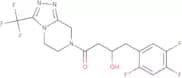
CAS:<p>Sitagliptin is an oral dipeptidyl peptidase-4 inhibitor that is used to treat type 2 diabetes. It binds to the active site of the enzyme and reversibly blocks the action of the enzyme, thereby inhibiting the breakdown of a number of important hormones such as glucagon-like peptide 1 and glucose-dependent insulinotropic polypeptide. Sitagliptin hydroxy amide impurity is an impurity in sitagliptin that inhibits oxidoreductases, enzymes that catalyze oxidation reactions. The enantiomeric purity of sitagliptin hydroxy amide impurity is unknown.</p>Formula:C16H14F6N4O2Purity:Min. 95%Molecular weight:408.3 g/molPF-04856264
CAS:<p>PF-04856264 is an anticancer drug that belongs to the class of protein kinase inhibitors. It has been shown to inhibit the growth of cancer cells by inducing apoptosis, which is a process of programmed cell death. PF-04856264 is a medicinal analog of nalbuphine and has been tested in human urine for its effectiveness against various types of cancer. This drug specifically targets tumor cells and inhibits their growth by blocking the activity of certain kinases that are involved in cell division. PF-04856264 has also been found to be effective against Chinese hamster ovary cells, making it a promising candidate for further cancer research.</p>Formula:C20H15N5O3S2Purity:Min. 95%Molecular weight:437.5 g/molLolcde-in-1
CAS:<p>Please enquire for more information about Lolcde-in-1 including the price, delivery time and more detailed product information at the technical inquiry form on this page</p>Formula:C21H20FN3OPurity:Min. 95%Molecular weight:349.4 g/molCyproterone acetate EP Impurity A
CAS:<p>Cyproterone acetate EP Impurity A is a metabolite of cyproterone acetate. Cyproterone acetate is an androgen receptor antagonist drug product which is used in the treatment of prostate cancer and male pattern hair loss. Cyproterone acetate EP Impurity A has been found to be toxic to rats when administered orally, with LD50 values of 40-120 mg/kg, depending on the study. It also has been shown to inhibit hepatic p450 enzymes in rats after oral administration.<br>Cyproterone acetate EP Impurity A is an impurity standard for cyproterone acetate and is available as a pure compound or as a custom synthesis. This impurity can be analyzed using HPLC with UV detection at 210 nm or by GC with flame ionization detection at 230°C. The purity of this compound can be confirmed using NMR spectroscopy, melting point determination, or elemental analysis.END></p>Formula:C24H30O4Purity:Min. 95%Molecular weight:382.5 g/molDes-acetyl apremilast
CAS:<p>Apremilast is a drug product that belongs to the class of drugs called phosphodiesterase 4 inhibitors. It acts by inhibiting the enzyme phosphodiesterase 4 (PDE4) and therefore blocks the degradation of specific signaling molecules, such as cyclic adenosine monophosphate (cAMP). Apremilast has been shown to have anti-inflammatory properties in preclinical studies and is being developed for the treatment of inflammatory diseases, including rheumatoid arthritis. Apremilast is not active against gram-positive bacteria or some other types of bacteria. Apremilast has been shown to have a low potential for drug interactions with other drugs metabolized by cytochrome P450 enzymes.</p>Formula:C20H22N2O6SPurity:Min. 95%Molecular weight:418.50 g/mol3-((3R,4S)-3,4-Dimethylpiperidin-4-yl)phenol
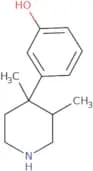
CAS:<p>3-((3R,4S)-3,4-Dimethylpiperidin-4-yl)phenol is a potent inhibitor of cancer cell growth and tumor development. It has been shown to induce apoptosis in human cancer cells by inhibiting kinase activity. This compound is an analog of quetiapine and has anticancer properties. 3-((3R,4S)-3,4-Dimethylpiperidin-4-yl)phenol also exhibits inhibitory effects on somatostatin receptors in Chinese hamster ovary cells. It has been found in urine samples and may have potential as a therapeutic agent for the treatment of cancer. The compound has shown promising results as a kinase inhibitor with potential applications in the development of novel anticancer drugs.</p>Formula:C13H19NOPurity:Min. 95%Molecular weight:205.3 g/mol

![1-[(1-Oxotetracosyl)oxy]-2,5-pyrrolidinedione](/_next/image/?url=https%3A%2Fstatic.cymitquimica.com%2Fproducts%2F3D%2Fthumb-webp%2FPBA78275.webp&w=3840&q=75)



![5-(Hydroxymethyl)-N-[4-(trifluoromethyl)phenyl]-4-isoxazolecarboxamide](/_next/image/?url=https%3A%2Fstatic.cymitquimica.com%2Fproducts%2F3D%2Fthumb-webp%2FISB72246.webp&w=3840&q=75)
![[R-(R*,R*)]-(1,2-Dihydroxypropyl)phosphonic acid](/_next/image/?url=https%3A%2Fstatic.cymitquimica.com%2Fproducts%2F3D%2Fthumb-webp%2FHFA12560.webp&w=3840&q=75)


![N-[(2R)-3-{[3-Fluoro-4-(4-morpholinyl)phenyl]amino}-2-hydroxypropyl]acetamide](/_next/image/?url=https%3A%2Fstatic.cymitquimica.com%2Fproducts%2F3D%2Fthumb-webp%2FIF58040.webp&w=3840&q=75)
![2,2-Bis[4-(2-diethylaminoethoxy)phenyl]-1,2-diphenylethanone](/_next/image/?url=https%3A%2Fstatic.cymitquimica.com%2Fproducts%2F3D%2Fthumb-webp%2FOB166693.webp&w=3840&q=75)

![(5S)-5-(Aminomethyl)-3-[3-fluoro-4-(4-morpholinyl)phenyl]-1,3-oxazolidin-2-one](/_next/image/?url=https%3A%2Fstatic.cymitquimica.com%2Fproducts%2F3D%2Fthumb-webp%2FIA58038.webp&w=3840&q=75)








![Bis-[[2-[1-methylamino-2-nitroethenamine]ethyl]thio]methane](/_next/image/?url=https%3A%2Fstatic.cymitquimica.com%2Fproducts%2F3D%2Fthumb-webp%2FIB57853.webp&w=3840&q=75)
![1-[[4-(3-Methoxypropoxy)-3-methyl-2-pyridinyl]methyl]-2-[[[4-(3-methoxypropoxy)-3-methyl-2-pyridin…](/_next/image/?url=https%3A%2Fstatic.cymitquimica.com%2Fproducts%2F3D%2Fthumb-webp%2FIM25351.webp&w=3840&q=75)
![cis-4-[[(2-Amino-3,5-dibromophenyl)methyl]amino]cyclohexanol](/_next/image/?url=https%3A%2Fstatic.cymitquimica.com%2Fproducts%2F3D%2Fthumb-webp%2FIA156916.webp&w=3840&q=75)