


APIs for research and impurities
Subcategories of "APIs for research and impurities"
- Aminoacids and derivatives(12,318 products)
- Anthraquinones and derivatives(402 products)
- Benzimidazole and Imidazole Derivatives(10,387 products)
- Benzodiazepine Derivatives(324 products)
- Carbohydrates and glycoconjugates(5,046 products)
- Esters and Derivatives(42,242 products)
- Fatty Acids and Lypidic Derivatives(32,369 products)
- Flavonoids and Polyphenols(17,071 products)
- Free Radicals and Oxidant/Reducing Agents(210 products)
- Ketones and derivatives(2,395 products)
- Natural and semi-synthetic antibiotics(6,314 products)
- Nitriles and Cyano Derivatives(3,068 products)
- Nitrosamines and Derivatives(55 products)
- Nucleosides and Nucleotides(3,434 products)
- Organic Phosphates and Phosphonates(1,193 products)
- Organic Sulphonates and Sulphates(10,418 products)
- Organometallics(4,417 products)
- Others(6,270 products)
- Peptides and Proteins(3,132 products)
- Polymers and Derivatives(99 products)
- Purines and Pyrimidine Derivatives(8,895 products)
- Quinazoline and Quinoline Derivatives(65,645 products)
- Quinones and Derivatives(24,337 products)
- Salts and Derivatives of Active Pharmaceutical Ingredients (API)(81,396 products)
- Steroids and Derivatives(4,915 products)
- Sulfonamides and Derivatives(2,560 products)
- Terpenoids and Derivatives(3,832 products)
- Thiazolidinediones and Thiopyrans(2,752 products)
- β-Adrenergic Compounds(227 products)
Found 58741 products of "APIs for research and impurities"
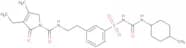
m-Glimepiride impurity
CAS:m-Glimepiride impurity is a chemical substance that belongs to the sulfonylurea family. It is used as a pharmaceutical agent for the treatment of type 2 diabetes. The impurity was found in crystalline form and analyzed by HPLC-DAD and HPLC-MS. The purity of m-Glimepiride impurity was determined to be 99%. It is not known whether this impurity has any biological activity.
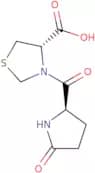
Formula:C24H34N4O5SPurity:Min. 95%Molecular weight:490.62 g/mol(S)-3-((R)-5-Oxopyrrolidine-2-carbonyl)thiazolidine-4-carboxylic acid
CAS:(S)-3-((R)-5-Oxopyrrolidine-2-carbonyl)thiazolidine-4-carboxylic acid is a drug product of the drug development industry. It is a metabolite of 3-(1,2,4-triazol-1-ylmethyl)thiazolidine-4-carboxylic acid and has been used as an analytical standard for HPLC methods. The compound has been shown to be naturally occurring in humans. (S)-3-(1,2,4-Triazol-1ylmethyl)thiazolidine 4 carboxylic acid is also used as the impurity standard for the API 3-(1,2,4 triazol 1ylmethyl)thiazolidine 4 carboxylic acid.
Formula:C9H12N2O4SPurity:Min. 95%Molecular weight:244.27 g/molRef: 3D-IO145579
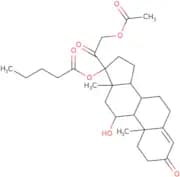
Discontinued productHydrocortisone 17-valerate 21-acetate
CAS:Controlled ProductPlease enquire for more information about Hydrocortisone 17-valerate 21-acetate including the price, delivery time and more detailed product information at the technical inquiry form on this page
Formula:C28H40O7Purity:Min. 95%Molecular weight:488.6 g/molRef: 3D-GDA45646
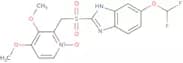
Discontinued productPantoprazole sulfone N-oxide
CAS:Pantoprazole sulfone N-oxide is a prodrug that is converted to the active form pantoprazole in the stomach where it inhibits gastric acid secretion. Pantoprazole sulfone N-oxide has been shown to be genotoxic, and can cause polyvinyl chloride to degrade when stored together. Reconstituted solution of this drug should be used within 24 hours after reconstitution, as the chemical stability of this drug decreases rapidly. Validation studies have been conducted on different analytical methods for determining pantoprazole concentrations in reconstituted solutions, and these methods have been harmonized with those published by the United States Pharmacopeia (USP). The pump inhibitor activity of pantoprazole sulfone N-oxide has been demonstrated in dogs, and it is also useful for treating acid reflux disease in humans. Pantoprazole sulfone N-oxide is unstable at high temperatures (>25°C), so should not be refrigerated or
Formula:C16H15F2N3O6SPurity:Min. 95%Molecular weight:415.37 g/molRef: 3D-ID26757
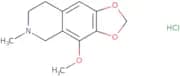
Discontinued productHydrocotarnine hydrochloride
CAS:Hydrocotarnine hydrochloride is a medicinal compound that has been found to have anticancer properties. It is an inhibitor of protein kinases, which are enzymes that play a key role in regulating cell cycle progression and apoptosis. Hydrocotarnine hydrochloride has been shown to induce apoptosis in cancer cells, making it a promising candidate for the development of novel cancer therapies. This compound has also been identified as a potential inhibitor of tumor growth in Chinese medicine. In vitro studies have demonstrated that hydrocotarnine hydrochloride inhibits the proliferation of various cancer cell lines, suggesting its potential as a therapeutic agent for the treatment of cancer.
Formula:C12H16ClNO3Purity:Min. 95%Molecular weight:257.71 g/molRef: 3D-FAA98555
Discontinued productN-Isopropylnoradrenochrome
CAS:N-Isopropylnoradrenochrome is used as a fluorescent substrate for hydroxylamine. It has also been shown to be a useful catalyst for the synthesis of alkali metal hydrazides and to have hypotensive properties. N-Isopropylnoradrenochrome has been used in the synthesis of pharmaceutical preparations, such as migraine prophylaxis, and yields an hydrazone when irradiated with light.
Formula:C11H13NO3Purity:Min. 95%Molecular weight:207.23 g/molRef: 3D-DAA73631
Discontinued product5-[(Desloratadine)methyl] rupatadine
CAS:Desloratadine is a drug that belongs to the group of antihistamines and is indicated for the treatment of allergic rhinitis. It has been shown to be as effective as loratadine, cetirizine, and fexofenadine in clinical trials. Desloratadine is metabolized by cytochrome P450 enzymes including CYP2D6 to its active form, desloratadine N-oxide. The metabolites are excreted in the urine.
Formula:C45H43Cl2N5Purity:Min. 95%Molecular weight:724.80 g/molRef: 3D-ZYB51572
Discontinued productLysolecithin
CAS:Lysolecithin is an analog of the phospholipid lecithin that has been shown to have anticancer properties. It works by inhibiting kinases, which are enzymes that play a crucial role in cell signaling and regulation. Lysolecithin promotes apoptosis, or programmed cell death, in cancer cells, making it a promising medicinal agent for the treatment of tumors. Studies have also shown that lysolecithin can inhibit protein kinase activity in human urine and inhibit the growth of cancer cells in Chinese hamsters. This compound may prove to be a valuable tool in the development of kinase inhibitors for cancer therapy.
Formula:C24H50NO7PPurity:Min. 95%Molecular weight:495.6 g/molRef: 3D-PAA86327
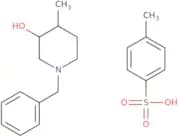
Discontinued product1-Benzyl-4-methylpiperidin-3-ol 4-methylbenzenesulfonate
CAS:Please enquire for more information about 1-Benzyl-4-methylpiperidin-3-ol 4-methylbenzenesulfonate including the price, delivery time and more detailed product information at the technical inquiry form on this page
Formula:C20H27NO4SPurity:Min. 95%Molecular weight:377.5 g/molRef: 3D-TUA04020
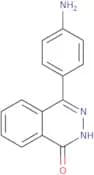
Discontinued product4-(4-Aminophenyl)phthalazin-1(2H)-one
CAS:4-(4-Aminophenyl)phthalazin-1(2H)-one is an antibacterial drug that belongs to the class of amide and minimise. It has a constant, synthetic, and chalcone profile. 4-(4-Aminophenyl)phthalazin-1(2H)-one has been shown to have antiplatelet activity in animals. This drug also inhibits the production of proinflammatory cytokines such as IL-6, IL-8, and TNFα by human monocytes. This drug also has antidiabetic properties and a safety profile similar to other nonsteroidal anti-inflammatory drugs.
Formula:C14H11N3OPurity:Min. 95%Molecular weight:237.26 g/molRef: 3D-GFA74153
Discontinued product4,7-Dihydro megestrol acetate
CAS:4,7-Dihydro megestrol acetate is a drug product that has been custom synthesized for research and development purposes. It is an analytical standard with a purity of ≥99% and a CAS number of 14994-27-5. Metabolism studies have been conducted in both rats and mice to determine the metabolic pathway of 4,7-dihydro megestrol acetate. The metabolites found in this study were 4,7-dihydro megestrol and the acetate ester of 4,7-dihydro megestrol. Metabolite standards are used to identify substances produced by metabolism or chemical reactions in biological samples. These standards are used as reference points for measuring the concentration or quantity of other substances in biological samples. Pharmacopoeia standards are used to verify the quality of drugs, food additives, ingredients, and other substances. They also serve as reference points for identifying impurities in substances that may be harmful
Formula:C24H34O4Purity:Min. 95%Molecular weight:386.50 g/molRef: 3D-PAA99427
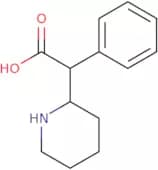
Discontinued productDL-threo-Ritalinic acid
CAS:Controlled ProductDL-threo-Ritalinic Acid is a dopamine receptor agonist that has been shown to be effective in treating hyperactivity, or attention deficit disorder (ADHD). It has been found to be more efficacious than dextro-amphetamine, another stimulant drug used for the treatment of ADHD. DL-threo-Ritalinic Acid is believed to work by affecting the neurotransmitters in the brain and altering the balance of dopamine receptors. In a two-way crossover study, preschool children were given either 0.5mg/kg of DL-threo-Ritalinic Acid or placebo for three days. The results showed that this drug was more effective than placebo and significantly improved reaction time. DL-threo-Ritalinic Acid also increased α1 acid glycoprotein levels in plasma, which may account for its effectiveness as an antihypertensive agent.
Formula:C13H17NO2Purity:Min. 95%Molecular weight:219.28 g/mol(6R)-Folinic acid
CAS:(6R)-Folinic acid is an impurity standard and a metabolite of folic acid. It is synthesized by the body in the liver, where it is converted to 5,10-methylenetetrahydrofolate (5,10-MTHF). This metabolite is used to convert homocysteine into methionine, which can then be converted into S-adenosylmethionine (SAMe), a compound that has been shown to have antidepressant properties. The methylation of folate also helps to regulate DNA synthesis and repair. (6R)-Folinic acid has been used in research as a drug development tool for studying folate metabolism and its effects on the central nervous system. High purity standards are available for use in HPLC analysis of this compound.
Formula:C20H23N7O7Purity:Min. 95%Molecular weight:473.40 g/molRef: 3D-YCA95154
Discontinued productFonofos
CAS:Fonofos is a potent inhibitor that has been shown to induce apoptosis in Chinese hamster ovary cells. It is also known to inhibit chitin kinase, a protein that plays an important role in the biosynthesis of chitin, which is essential for the formation of cell walls in fungi and insects. Fonofos has medicinal properties and has been studied as a potential anticancer agent due to its ability to inhibit tumor growth. In vitro studies have shown that Fonofos can inhibit the growth of human cancer cells by inhibiting heparin-binding proteins. Additionally, it has been found to have inhibitory effects on several other enzymes involved in cancer development and progression. Although not approved for use in humans, Fonofos may hold promise as a therapeutic agent for the treatment of certain cancers.
Formula:C10H15OPS2Purity:Min. 95%Molecular weight:246.3 g/molRef: 3D-AAA94422
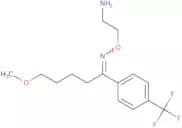
Discontinued product(Z)-Fluvoxamine - EP
CAS:Controlled Product(Z)-Fluvoxamine-EP is a drug product that is used as an analytical standard. It is a synthetic metabolite of fluvoxamine, which is a drug used for the treatment of depression. The synthesis of (Z)-fluvoxamine-EP is based on the asymmetric synthesis of fluvoxamine and the use of chiral chromatography to purify the product. This synthetic process allows for the production of high-purity (Z)-fluvoxamine-EP with a purity greater than 99%.
Formula:C15H21F3N2O2Purity:Min. 95%Molecular weight:318.33 g/molRef: 3D-IF23523
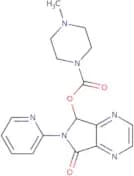
Discontinued productDeschloro-zopiclone
CAS:Deschloro-zopiclone is a drug product that is custom synthesized for research and development purposes. It is a synthetic drug that has been shown to have pharmacological properties in the treatment of insomnia. Deschloro-zopiclone is metabolized by hydrolysis, oxidation and conjugation, with the major metabolites being 2,5-dimethoxybenzoic acid and 2-hydroxy-5-methoxybenzoic acid. The metabolite 2,5-dimethoxybenzoic acid has been shown to be responsible for the hypnotic effects of deschloro-zopiclone.
Formula:C17H18N6O3Purity:Min. 95%Molecular weight:354.4 g/molRef: 3D-YDC04661
Discontinued productMethyl 2-sulfinobenzoate
CAS:Methyl 2-sulfinobenzoate (MSB) is an analytical, research and development, and drug development impurity that is used as an API impurity and HPLC standard. It is a metabolite of sulfadiazine, which belongs to the family of drugs known as sulfonamides. MSB has been shown to have pharmacopoeia activity for the treatment of bacterial infections. It is a natural product found in plants, such as garlic and onion, or it can be synthesized from benzene and sulfur chloride.
Formula:C8H8O4SPurity:Min. 95%Molecular weight:200.21 g/molRosuvastatin anhydro lactone
CAS:Rosuvastatin anhydro lactone is a pure chemical compound that is used as an analytical reference standard for high-performance liquid chromatography (HPLC) for the determination of purity and identification of impurities in pharmaceuticals. It is also utilized as a drug development, API impurity, and HPLC standard. Rosuvastatin anhydro lactone is a metabolite of rosuvastatin and is chemically designated as C22H29NO3. The CAS number for rosuvastatin anhydro lactone is 1246665-85-9.
Formula:C22H24FN3O4SPurity:Min. 95%Molecular weight:445.50 g/molRef: 3D-WZB66585
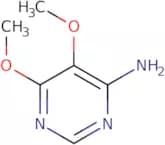
Discontinued product4-Amino-5,6-dimethoxypyrimidine
CAS:4-Amino-5,6-dimethoxypyrimidine is a pyrimethamine derivative that has been used as an antimalarial agent. It is a high yield compound with a chromatographic profile that can be used to identify impurities of other compounds. 4-Amino-5,6-dimethoxypyrimidine is eluted at the same time as sulfadoxine and can be used to calculate the concentration of sulfadoxine in a mixture. It can also be used as a reagent for rp-hplc. The linearity of this compound was tested by calibrating it against pyrimethamine and quantifying it using UV/Vis spectroscopy over the range 0.05 to 1 mg/mL.
Formula:C6H9N3O2Purity:Min. 95%Molecular weight:155.15 g/molRef: 3D-IA34066
Discontinued productEthyl 6-[4-[(5-chloro-1-oxopentyl)amino]phenyl]-4,5,6,7-tetrahydro-1-(4-methoxyphenyl)-7-oxo-1H-pyrazolo[3,4-c]pyridine-3-carboxylat e
CAS:Ethyl 6-[4-[(5-chloro-1-oxopentyl)amino]phenyl]-4,5,6,7-tetrahydro-1-(4-methoxyphenyl)-7-oxo-1H-pyrazolo[3,4-c]pyridine-3-carboxylate is a chemical compound with various applications. It is soluble in methanol and has been found to interact with peptidoglycan, cellulose, and other substances. This compound has shown potential anticoagulation properties and has been studied for its effects on blonanserin, etoricoxib, 27-hydroxycholesterol, tenofovir, proton, famotidine, dimethyl fumarate, calpain, dimethyl sulfoxide, and reactive agents. Further research is needed to fully understand the potential applications of this compound and its interactions with different substances.
Formula:C27H29ClN4O5Purity:Min. 95%Molecular weight:525 g/molRef: 3D-WGC82320
Discontinued product

![5-[(Desloratadine)methyl] rupatadine](/_next/image/?url=https%3A%2Fstatic.cymitquimica.com%2Fproducts%2F3D%2Fthumb-webp%2FZYB51572.webp&w=3840&q=75)



![Ethyl 6-[4-[(5-chloro-1-oxopentyl)amino]phenyl]-4,5,6,7-tetrahydro-1-(4-methoxyphenyl)-7-oxo-1H-py…](/_next/image/?url=https%3A%2Fstatic.cymitquimica.com%2Fproducts%2F3D%2Fthumb-webp%2FWGC82320.webp&w=3840&q=75)