Pharmaceutical and Veterinary Compounds and Metabolites
This category includes pharmaceutical compounds used for human and veterinary medicine, as well as their metabolites. These compounds are essential for studying drug efficacy, metabolism, and safety. At CymitQuimica, we offer a variety of pharmaceutical and veterinary compounds for research applications, ensuring compliance with regulatory standards and supporting the development of new treatments.
Found 2577 products of "Pharmaceutical and Veterinary Compounds and Metabolites"
Sort by
Purity (%)
0
100
|
0
|
50
|
90
|
95
|
100
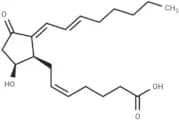
15-deoxy-Δ12,14-Prostaglandin D2
CAS:<p>15-deoxy-Δ12,14-Prostaglandin D2 (15-deoxy-Δ12,14-PGD2) is a PGD2 metabolite functioning as an agonist for the PGD2 receptor 2 (DP2), with a binding affinity (Ki) of 50 nM for the mouse DP2 receptor expressed in HEK293 cell membranes. It activates eosinophils with an EC50 of 8 nM and enhances the recruitment of steroid receptor coactivator-1 (SRC-1) to peroxisome proliferator-activated receptor γ (PPARγ), initiating PPARγ-mediated transcription at 5 µM concentration. Furthermore, it exhibits cytotoxicity towards L1210 murine leukemia cells with an IC50 of 0.3 µg/ml and displays weaker inhibition of ADP-induced platelet aggregation than PGD2, with an IC50 of 320 ng/ml.</p>Formula:C20H30O4Color and Shape:SolidMolecular weight:334.456Arbaprostil
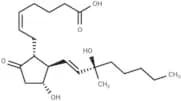
CAS:<p>Arbaprostil, a synthetic PGE analog, guards stomach lining, aids ulcer healing, and blocks pancreatic function and tumor growth.</p>Formula:C21H34O5Color and Shape:SolidMolecular weight:366.4911-Hexadecenoic Acid
CAS:<p>11-Hexadecenoic acid, a monounsaturated fatty acid, comprises both 11-cis-hexadecenoic acid and 11-trans-hexadecenoic acid. These isoforms are present in ewe milk fat and their concentrations increase when the diet is supplemented with lipids from linseed, sunflower, olive, or fish oils. Additionally, 11-trans-hexadecenoic acid is found in intramuscular fat of both male and female foals. The product is a blend of the 11-cis and 11-trans forms. [Matreya, LLC. Catalog No. 1208]</p>Formula:C16H30O2Color and Shape:SolidMolecular weight:254.413-Butynoic acid
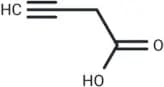
CAS:<p>3-Butynoic acid is an acyl coenzyme A dehydrogenase inhibitor that is a substrate for D-lactate dehydrogenase and can be used to study lactate metabolism.</p>Formula:C4H4O2Purity:98%Color and Shape:SolidMolecular weight:84.07Pentadecanoyl ethanolamide
CAS:<p>Pentadecanoyl ethanolamide, a derivative of the endogenous lipid amides (N-acylethanolamines), demonstrates anticonvulsant efficacy in electroshock-induced seizures in mice, exhibiting minimal toxicity [1].</p>Formula:C17H35NO2Color and Shape:SolidMolecular weight:285.4727,12-Diketolithocholic Acid
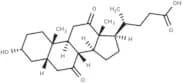
CAS:<p>7,12-Diketolithocholic acid, a bile acid, exhibits elevated plasma levels in patients experiencing cholestasis.</p>Formula:C24H36O5Color and Shape:SolidMolecular weight:404.54Metformin hydroxy analog 2
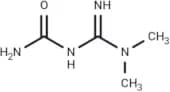
CAS:<p>Metformin hydroxy analog 2, an oxidation product of the biguanide metformin (1), represents a chemically transformed variant of the original compound, showcasing a modified molecular structure through the process of oxidation.</p>Formula:C4H10N4OColor and Shape:SolidMolecular weight:130.15Glycolithocholic acid
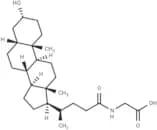
CAS:<p>Glycolithocholic acid (Lithocholic acid glycine conjugate) is a glycine conjugate of lithocholic acid.</p>Formula:C26H43NO4Purity:99.75%Color and Shape:SolidMolecular weight:433.62N-Lignoceroyl Taurine
CAS:<p>N-Acyl taurines, such as N-lignoceroyl taurine, alongside various arachidonoyl amino acid conjugates like N-arachidonoyl dopamine and N-arachidonoyl-L-serine, have been identified in bovine brain and through mass spectrometry lipidomic studies in the brain and spinal cord of both wild-type and FAAH knockout mice. Notably, N-lignoceroyl taurine levels were found to be 23-26 times higher in FAAH knockout mice than in wild types, suggesting its degradation by FAAH, despite in vitro evidence showing FAAH hydrolyzes N-lignoceroyl taurine significantly slower than oleoyl ethanolamide. Additionally, N-acyl taurines with polyunsaturated acyl chains are known to activate TRPV1 and TRPV4 channels within the transient receptor potential (TRP) family of calcium channels.</p>Formula:C26H53NO4SColor and Shape:SolidMolecular weight:475.813,14-dihydro-15(R)-Prostaglandin E1
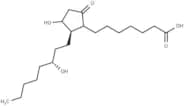
CAS:<p>13,14-Dihydro-15(R)-Prostaglandin E1 (13,14-dihydro-15(R)-PGE1) is an analog of 13,14-dihydro-PGE1 characterized by its R-configured hydroxyl group at the C-15 position [1].</p>Formula:C20H36O5Color and Shape:SolidMolecular weight:356.50314,15-Leukotriene C4
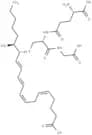
CAS:<p>Leukotriene C4 (14,15-LTC4) is an inflammatory mediator synthesized from arachidonic acid through the actions of 15- and 12-lipoxygenases (LOs), involving intermediates such as 15-HpETE and 14,15-LTA4. Unlike the majority of leukotrienes formed via the 5-LO pathway, 14,15-LTC4 is an eoxin predominantly produced by eosinophils, although mast cells and nasal polyps can also synthesize it. While its physiological roles are not well understood, 14,15-LTC4 exhibits limited contractile activity on guinea pig ileum and pulmonary parenchyma. However, it can increase vascular permeability in human endothelial cell monolayers in vitro with potency comparable to 5-LO-derived leukotrienes, contributing to plasma leakage characteristic of inflammation.</p>Formula:C30H47N3O9SColor and Shape:SolidMolecular weight:625.8Prostaglandin F2α-1-glyceryl ester
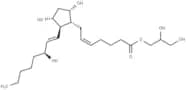
CAS:<p>Prostaglandin F2α-1-glyceryl ester undergoes oxidation via 15-hydroxyprostaglandin dehydrogenase (15-HPGDH) [1].</p>Formula:C23H40O7Color and Shape:SolidMolecular weight:428.56613-OAHSA
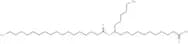
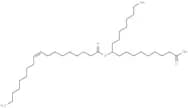
CAS:<p>13-OAHSA, a branched fatty acid ester of hydroxy fatty acids (FAHFAs), results from the esterification of oleic acid to 13-hydroxy stearic acid. It represents a significant component of the FAHFA family, most abundantly expressed in the serum of glucose-tolerant AG4OX mice that exhibit adipose tissue-specific overexpression of the Glut4 glucose transporter. Similar to other FAHFAs which are known to enhance glucose tolerance, stimulate insulin secretion, and exert anti-inflammatory effects, 13-OAHSA may play a pivotal role in managing metabolic syndrome and inflammation.</p>Formula:C36H68O4Color and Shape:SolidMolecular weight:564.9AZD-6605
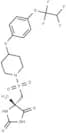
CAS:<p>AZD6605 is a potent, reversible inhibitor of, MMP2, MMP9, MMP12 and MMP13.</p>Formula:C18H21F4N3O6SColor and Shape:SolidMolecular weight:483.43N-Oleoyl Taurine
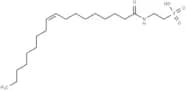
CAS:<p>N-Oleoyl taurine, an amino-acyl endocannabinoid isolated from rat brain, along with several arachidonoyl amino acids such as N-arachidonoyl dopamine and N-arachidonoyl serine, have been derived from bovine brain. Mass spectral lipidomics analysis of rat brain revealed a series of fatty acyl amides of taurine, marking the discovery of a new class of compounds. These compounds, found in the kidney, are known to activate members of the transient receptor potential (TRP) family of calcium channels, with N-Oleoyl taurine specifically potentially activating TRPV1 and TRPV4 channels.</p>Formula:C20H39NO4SColor and Shape:SolidMolecular weight:389.6A 62198
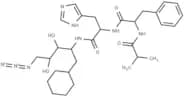
CAS:<p>A 62198 is a potent and selective renin inhibitor with potential as a hypotensive agent.</p>Formula:C30H44N8O5Purity:98%Color and Shape:SolidMolecular weight:596.72Prostaglandin H2
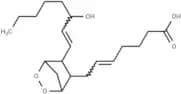
CAS:<p>Prostaglandin H2 (PGH2), initially isolated from the incubation of arachidonic acid with ovine seminal vesicle microsomes, acts as a potent vasoconstrictor. It serves as the precursor for all 2-series prostaglandins (PGs) and thromboxanes (TXs). Moreover, as a TP receptor agonist, PGH2 irreversibly aggregates human platelets at concentrations of 50-100 ng/ml.</p>Formula:C20H32O5Color and Shape:SolidMolecular weight:352.47111β-13,14-dihydro-15-keto Prostaglandin F2α
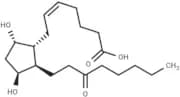
CAS:<p>11β-13,14-Dihydro-15-keto PGF2α, a PGD2 metabolite in the 15-hydroxy PGDH pathway, is formed in human males upon infusion or inhalation of tritiated PGD2, with peak plasma levels of both 11β-PGF2α and 11β-13,14-dihydro-15-keto PGF2α observed within 10 minutes. In human lung homogenates, PGD2 is metabolized firstly to 11β-PGF2α and subsequently to 11β-15-keto-PGF2α in the presence of NAD+, but not to 11β-13,14-dihydro-15-keto PGF2α. Conversely, guinea pig liver and kidney homogenates can metabolize PGD2 to 11β-13,14-dihydro-15-keto PGF2α via 11β-PGF2α, with both NAD+ and NADP+ being requisite for this conversion.</p>Formula:C20H34O5Color and Shape:SolidMolecular weight:354.5R1498
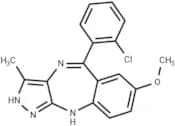
CAS:<p>R1498 inhibits CDK2, targets angiogenesis and mitosis, and is an oral treatment for liver and stomach cancer.</p>Formula:C18H15ClN4OPurity:98%Color and Shape:SolidMolecular weight:338.7914,15-Epoxyeicosatrienoic acid
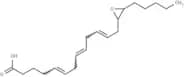
CAS:<p>14,15-Epoxyeicosatrienoic acid (14,15-EET), derived from Arachidonic acid metabolism, significantly inhibits platelet aggregation in vivo and enhances</p>Formula:C20H32O3Color and Shape:SolidMolecular weight:320.4712-SAHSA
CAS:<p>Branched fatty acid esters of hydroxy fatty acids (FAHFAs) are lipids recently discovered to be modulated by dietary influences such as fasting and high-fat feeding, and they play a role in enhancing insulin sensitivity. These compounds typically feature a carbon-16 or carbon-18 fatty acid (e.g., palmitoleic, palmitic, oleic, or stearic acid) esterified to a carbon-16 or carbon-18 hydroxy fatty acid. A specific example is 12-SAHSA, which consists of stearic acid linked to 12-hydroxy stearic acid. Notably, 12-SAHSA levels are found to be moderately increased in the serum of glucose tolerant AG4OX mice, a model characterized by adipose tissue-specific overexpression of the Glut4 glucose transporter.</p>Formula:C36H70O4Color and Shape:SolidMolecular weight:566.95212,15-epoxy-13-methyl-12,14-Eicosadienoic Acid
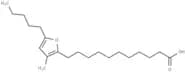
CAS:<p>12,15-Epoxy-13-methyl-12,14-eicosadienoic acid, a furan fatty acid first identified in northern pike (E. lucius), exhibits elevated levels in the liver of starving cod.</p>Formula:C21H36O3Color and Shape:SolidMolecular weight:336.5112-OAHSA
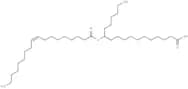
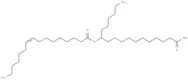
CAS:<p>Branched fatty acid esters of hydroxy fatty acids (FAHFAs) are recently discovered lipids that play a role in the body's response to fasting and high-fat diets, with a link to insulin sensitivity. These compounds consist of a long-chain fatty acid (such as palmitoleic, palmitic, oleic, or stearic acid) bonded to a hydroxy fatty acid, both ranging in length from C-16 to C-18. Specifically, 12-OAHSA is a type of FAHFA where oleic acid is attached to the 12th carbon of hydroxy stearic acid. Within the FAHFA family, OAHSAs are particularly notable for their high concentration in the serum of AG4OX mice, a strain engineered to express the Glut4 glucose transporter predominantly in their adipose tissue, which demonstrates an enhanced glucose tolerance.</p>Formula:C36H68O4Color and Shape:SolidMolecular weight:564.92-Stearoyl-sn-glycero-3-PC
CAS:<p>2-Stearoyl-sn-glycero-3-phosphatidylcholine (2-Stearoyl-sn-glycero-3-PC) is a lysophospholipid characterized by the presence of stearic acid at the sn-2 position. This compound has been identified in the myocardium of rabbits.</p>Formula:C26H54NO7PColor and Shape:SolidMolecular weight:523.681-Myristoyl-2-Linoleoyl-3-Oleoyl-rac-glycerol
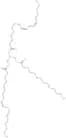
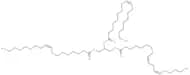
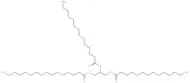
CAS:<p>1-Myristoyl-2-linoleoyl-3-oleoyl-rac-glycerol, a triacylglycerol, features myristic acid, linoleic acid, and oleic acid at the sn-1, sn-2, and sn-3 positions, respectively. This compound is prevalent in mature human milk, infant formula fats, and butterfat.</p>Formula:C53H96O6Color and Shape:SolidMolecular weight:829.331,2-Dioleoyl-3-linoleoyl-rac-glycerol
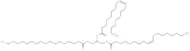
CAS:<p>1,2-Dioleoyl-3-linoleoyl-rac-glycerol (OOL) is a triglyceride featuring oleic acid at the sn-1 and sn-2 positions and linoleic acid at the sn-3 position. This compound is prevalent in several seed and vegetable oils, such as those from pumpkin seeds, olives, and sesame.</p>Formula:C57H102O6Color and Shape:SolidMolecular weight:883.41,2,3-Tritricosanoyl Glycerol
CAS:<p>1,2,3-Tritricosanoyl glycerol, a triacylglycerol containing tricosanoic acid at the sn-1, sn-2, and sn-3 positions, serves as an internal standard for the quantification of fatty acids within the triglyceride component of human aortic endothelial cells (HAECs) cultured in media supplemented with stearic and/or oleic acid.</p>Formula:C72H140O6Color and Shape:SolidMolecular weight:1101.88(R)-Palmitoyl-(2-methyl)ethanolamide
CAS:<p>(R)-Palmitoyl-(2-methyl)ethanolamide (Me-PEA) acts as a competitive inhibitor against [3H]-AEA metabolism, exhibiting a K i value of 6.6 μM [1].</p>Formula:C19H39NO2Color and Shape:SolidMolecular weight:313.52610-OAHSA
CAS:<p>10-OAHSA is a newly discovered endogenous lipid categorized within the group of branched fatty acid esters of hydroxy fatty acids (FAHFAs). This specific FAHFA comprises oleic acid esterified to 10-hydroxy stearic acid. It stands out among its FAHFA counterparts for its potential bioactive properties, similar to other members of its family such as PAHSAs, which are notably prevalent in the adipose tissue of AG4OX mice exhibiting glucose tolerance due to overexpression of the Glut4 glucose transporter specifically in adipose tissue. Like other FAHFAs, 10-OAHSA may play significant roles in enhancing glucose tolerance, stimulating insulin secretion, and exerting anti-inflammatory effects, which suggests its importance in managing metabolic syndrome and inflammation.</p>Formula:C36H68O4Color and Shape:SolidMolecular weight:564.917-Phenyl trinor prostaglandin A2
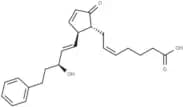
CAS:<p>17-Phenyl trinor prostaglandin A2 is a synthetic analog of prostaglandin [1].</p>Formula:C23H28O4Color and Shape:SolidMolecular weight:368.473CAY10632
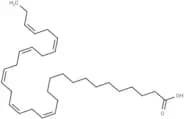
CAS:<p>Very long chain polyunsaturated fatty acids (VLCPUFA), notably present in the retina, sperm, and brain, have yet to be fully understood in terms of their biosynthesis and functional roles within these tissues. Recent research, particularly with the elongation of very long-chain FA-4 protein, indicates a distinct function for VLCPUFAs in retinal development and the progression of macular degeneration. CAY10632, a specific C32:6 VLCPUFA, while largely unexplored in its biological activities, is believed to play a role in maintaining normal function of photoreceptor cells in the retina.</p>Formula:C32H52O2Color and Shape:SolidMolecular weight:468.766Tiracizine HCl
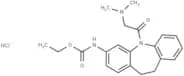
CAS:<p>Tiracizine HCl, a new class I antiarrhythmic drug, was studied in patients with ischemic heart disease and shown to decrease myocardial contractile function.</p>Formula:C21H26ClN3O3Purity:98%Color and Shape:SolidMolecular weight:403.9AalphaC
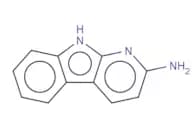
CAS:<p>AalphaC (2-Amino-alpha-carboline) is a potential carcinogen.</p>Formula:C11H9N3Purity:99.32%Color and Shape:Crystalline SolidMolecular weight:183.21N8-Acetylspermidine dihydrochloride
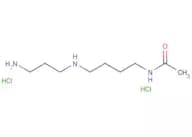
CAS:<p>N8-Acetylspermidine dihydrochloride is a polyamine that regulates ischemic cardiac apoptosis and resultant cardiac dysfunction.</p>Formula:C9H23Cl2N3OPurity:98% - 99.98%Color and Shape:SolidMolecular weight:260.2cis-9,10-Epoxystearic acid
CAS:<p>cis-9,10-Epoxystearic acid (cis-9,10-Epoxyoctadecanoic acid) is an endogenous component in human urine and blood and can be produced from oleic acid by enzymic</p>Formula:C18H34O3Purity:99.93%Color and Shape:SolidMolecular weight:298.461,2-Dimyristoyl-3-palmitoyl-rac-glycerol
CAS:<p>1,2-Dimyristoyl-3-palmitoyl-rac-glycerol (MMP) is a triacylglycerol comprising myristic acid and palmitic acid [1].</p>Formula:C47H90O6Color and Shape:SolidMolecular weight:751.2112-POHSA
CAS:<p>Branched fatty acid esters of hydroxy fatty acids (FAHFAs) have emerged as significant regulators of metabolic processes, influenced by dietary changes such as fasting and high-fat diets, and are linked to improved insulin sensitivity in mice. These compounds typically feature a fatty acid chain, either C-16 or C-18 in length (for example, palmitoleic, palmitic, oleic, or stearic acid), esterified to a hydroxy fatty acid of similar length. A specific FAHFA, 12-POHSA, involves the esterification of palmitoleic acid to the 12th carbon of stearic acid. Notably, 12-POHSA levels are markedly higher in the serum of AG4OX mice, which exhibit enhanced glucose tolerance due to overexpression of the Glut4 glucose transporter in adipose tissue. Given the capacity of FAHFAs to enhance glucose tolerance, stimulate insulin secretion, and exert anti-inflammatory actions, 12-POHSA holds potential as a bioactive lipid implicated in managing metabolic syndrome and inflammation.</p>Formula:C34H64O4Color and Shape:SolidMolecular weight:536.9C24:1 1-Deoxyceramide (m18:1/24:1(15Z))
CAS:<p>C24:1 1-Deoxyceramide (m18:1/24:1(15Z)) is a lipid molecule that can be used in life science related research. The CAS number of C24:1 1-Deoxyceramide (m18:1/24:1(15Z)) is 1246298-58-7.</p>Formula:C42H81NO2Color and Shape:SolidMolecular weight:632.1Diflumidone sodium
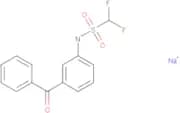
CAS:<p>Diflumidone sodium is a non-steroidal agent with anti-inflammatory activity.</p>Formula:C14H10F2NNaO3SColor and Shape:SolidMolecular weight:333.291,2-Dioleoyl-3-Stearoyl-rac-glycerol
CAS:<p>1,2-Dioleoyl-3-stearoyl-rac-glycerol, a triacylglycerol, features oleic acid at the sn-1 and sn-2 positions and stearic acid at the sn-3 position. This compound is present in sunflower, corn, and soybean oils, as well as in ostrich oil.</p>Formula:C57H106O6Color and Shape:SolidMolecular weight:887.45Hypogeic acid
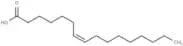
CAS:<p>Hypogeic acid is isolable from cultures of autotrophic bacteria linked to sulfate accumulation in biofilters [1].</p>Formula:C16H30O2Color and Shape:SolidMolecular weight:254.41Amb123203
CAS:<p>Amb123203 is an inhibitor of the budding of mVP40 and eVP40 VLPs that acts by blocking mVP40-795 Nedd4 protein-protein interaction.</p>Formula:C25H27N5OSColor and Shape:SolidMolecular weight:445.58Curcumin-β-D-glucuronide
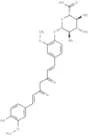
CAS:<p>Curcumin-β-D-glucuronide, a principal metabolite detected in hepatic tissue and portal blood following oral consumption of Curcumin, is utilized in colon cancer</p>Formula:C27H28O12Purity:98%Color and Shape:SolidMolecular weight:544.59-OxoODE
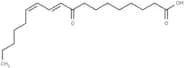
CAS:<p>9-OxoODE, formed through the oxidation of the allylic hydroxyl group in both 9(S)-HODE and 9(R)-HODE, is present in rabbit reticulocyte plasma and mitochondrial membranes as both 9- and 13-oxoODEs, constituting approximately 2% of the total linoleate residues. The majority of these oxidized linoleate residues are esterified to membrane lipids.</p>Formula:C18H30O3Color and Shape:SolidMolecular weight:294.4Docosatrienoic Acid
CAS:<p>Docosatrienoic acid is a rare omega-3 fatty acid; Ki value is 5×M, which inhibits the binding of LTB4 to porcine neutrophil membrane.</p>Formula:C22H38O2Purity:98%Color and Shape:SolidMolecular weight:334.54JTV-803 mesylate
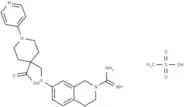
CAS:<p>JTV-803 inhibits factor Xa (K(i) 0.019 µM, IC(50) 0.081 µM), 100x more selective vs thrombin, extends clotting times dose-dependently.</p>Formula:C23H31N5O6SPurity:98%Color and Shape:SolidMolecular weight:505.595-PAHSA
CAS:<p>5-PAHSA, a FAHFA formed through the formal condensation of the carboxy group of palmitic acid with the hydroxy group of 5-hydroxystearic acid, serves as a human metabolite, possesses anti-inflammatory and hypoglycemic properties, and is categorized as a long-chain fatty acid. This compound, deriving from hexadecanoic acid and octadecanoic acid, is the conjugate acid of a 5-PAHSA(1-).</p>Formula:C34H66O4Color and Shape:SolidMolecular weight:538.898C24:1 dihydro 1-Deoxyceramide (m18:0/24:1)
CAS:<p>C24:1 dihydro 1-Deoxyceramide (m18:0/24:1) is a lipid molecule that can be used in life science related research. The CAS number of C24:1 dihydro 1-Deoxyceramide (m18:0/24:1) is 1246298-60-1.</p>Formula:C42H83NO2Color and Shape:SolidMolecular weight:634.11M-0002
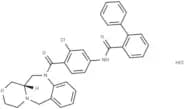
CAS:<p>M-0002, a vasopressin V2 receptor antagonist, is used potentially for the treatment of ascites.</p>Formula:C32H29Cl2N3O3Color and Shape:SolidMolecular weight:574.52,3-dinor Prostaglandin E1
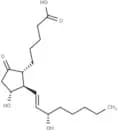
CAS:<p>Prostaglandin E1 (PGE1), though not predominantly found in nature, plays a significant role in clinical treatments, addressing conditions such as peripheral occlusive vascular disease, erectile dysfunction, and neonatal cardiology issues. The metabolism of PGE1 primarily begins with the oxidation at C-15, producing 13,14-dihydro-15-keto PGE1 as its major metabolite. Alternatively, inhibiting this pathway or overwhelming it with too much PGE1 could potentially enhance the production of 2,3-dinor metabolites, like 2,3-dinor PGE1, though their biological activities remain unreported. Cayman Chemical stands out as a prominent provider of prostaglandins and their metabolites, uniquely manufacturing 2,3-dinor PGE1.</p>Formula:C18H30O5Color and Shape:SolidMolecular weight:326.4