Amino Acids (AA)
Amino acids (AAs) are the fundamental building blocks of proteins, playing a crucial role in various biological processes. These organic compounds are essential for protein synthesis, metabolic pathways, and cell signaling. In this category, you will find a comprehensive range of amino acids, including essential, non-essential, and modified forms, which are vital for research in biochemistry, molecular biology, and nutritional sciences. At CymitQuimica, we provide high-quality amino acids to support your research and development needs, ensuring accuracy and reliability in your experimental outcomes.
Subcategories of "Amino Acids (AA)"
- Amino Acid Derivatives(3,955 products)
- Amino Acid and Amino Acid Related Compounds(3,465 products)
- Amino Acids with Oxygen or Sulphur(168 products)
- Boc- Amino Acids(351 products)
- Fmoc Amino Acids(1,710 products)
Found 38248 products of "Amino Acids (AA)"
Sort by
Purity (%)
0
100
|
0
|
50
|
90
|
95
|
100
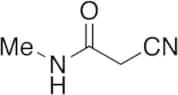
2-Cyano-N-methylacetamide
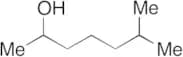
CAS:Controlled Product<p>Applications 2-Cyano-N-methylacetamide is used in the synthesis of pyridone compounds and benzimidazoles, for various pharmaceutical application.<br>References Mijin, D. et al.: Synth. Comm., 36, 193 (2006); Grimmett, M. et al.: Sci. Synth., 12, 529 (2002); Aggarwal, V. et al.: Synth. 3, 214 (1982);<br></p>Formula:C4H6N2OColor and Shape:NeatMolecular weight:98.16-Methyl-2-heptanol
CAS:Controlled Product<p>Applications 6-Methyl-2-heptanol is an intermediate used to prepare tri- and tetrasubstituted imidazoles as highly potent and specific ATP-mimetic inhibitors of p38 MAP kinase.<br>References Laufer, S., et al.: J. Med. Chem., 51, 4122 (2008)<br></p>Formula:C8H18OColor and Shape:NeatMolecular weight:130.234-(4-Chloro-2-methylphenoxy-d3)butyric Acid
CAS:Controlled Product<p>Applications 4-(4-Chloro-2-methylphenoxy-d3)butyric Acid (CAS# 1219803-42-5) is a useful isotopically labeled research compound.<br></p>Formula:C11D3H10ClO3Color and Shape:White To Off-WhiteMolecular weight:231.691(R)-3-((tert-Butoxycarbonyl)amino)-3-(naphthalen-1-yl)propanoic acid
CAS:Purity:98%Molecular weight:315.3689880371094S-Ethylglutathione
CAS:Controlled Product<p>Applications An inhibitor of the enzyme Glyoxalase 1.<br>References Vince, R. and Wadd, W.B.: Biochemical and Biophysical Res. Commun., 35, 5 (1969), Vegvari, A., et al.: ChemBioChem, 3(11), 1117 (2002)<br></p>Formula:C12H21N3O6SColor and Shape:NeatMolecular weight:335.38D,L-Cystathionine-d4
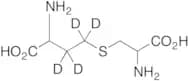
CAS:Controlled Product<p>Applications Isotope labelled Intermediate for transsulfuration whereby a mammal transfers the sulfur of methionine via homocysteine to cysteine.<br>References Thompson, J.W., et al.: J. Biol. Chem., 266, 17011 (1991), Yoshida, Y., et al.: Microbiol., 148, 3961 (2002), Jiracek, J., et al.: J. Med. Chem., 49, 3982 (2006),<br></p>Formula:C72H4H10N2O4SColor and Shape:White To Light BrownMolecular weight:226.29(1-Methyl-1H-imidazol-2-yl)-acetic Acid
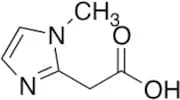
CAS:Controlled Product<p>Applications (1-Methyl-1H-imidazol-2-yl)-acetic acid (cas# 118054-54-9) is a useful research chemical.<br></p>Formula:C6H8N2O2Color and Shape:Off WhiteMolecular weight:140.142-Methyl Hippuric Acid-d7
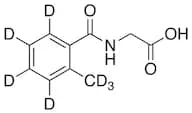
CAS:Controlled Product<p>Applications The main labelled metabolite of o-xylene.<br>References Gregus, Z., et al.: Drug Metab. Dispos., 26, 1082 (1998), Gregus, Z., et al.: Xenobiotica, 29, 547 (1999), Gonzalez-Reche, L., et al.: Arch. Toxicol., 77, 80 (2003),<br></p>Formula:C10D7H4NO3Color and Shape:NeatMolecular weight:200.242-Amino-5-chloro-3-methylbenzoic Acid
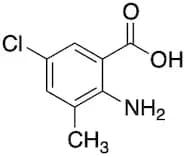
CAS:Controlled Product<p>Applications 2-Amino-5-chloro-3-methylbenzoic Acid is a useful research chemical for the preparation of benzoyl urea containing anthranillic acid groups with insecticidal activity.<br>References Peng, Y., et al.: Nongyao, 48, 326 (2009);<br></p>Formula:C8H8NO2ClColor and Shape:NeatMolecular weight:185.6L-Glutamine-15N
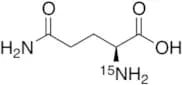
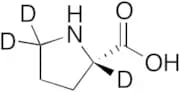
CAS:<p>Applications L-Glutamine (Alpha-15n, 98%) (cas# 80143-57-3) is a useful research chemical.<br></p>Formula:C5H1015NNO3Color and Shape:NeatMolecular weight:147.138L-Proline-2,5,5-d3
CAS:Controlled ProductFormula:C5D3H6NO2Color and Shape:NeatMolecular weight:118.1494-[(2,4-dioxo-3-phenyl-1,3-thiazolidin-5-yl)amino]benzoic acid
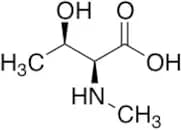
CAS:Purity:95.0%Molecular weight:328.3399963378906H-L-MeThr-OH
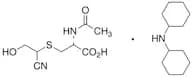
CAS:Controlled Product<p>Applications H-L-METHR-OH (cas# 2812-28-4) is a useful research chemical.<br></p>Formula:C5H11NO3Color and Shape:NeatMolecular weight:133.15N-Acetyl-S-(1-cyano-2-hydroxyethyl)-L-cysteine Dicyclohexylamine Salt (Mixture of Diastereomers)
CAS:<p>Applications A metabolite of Acrylonitrile (ACN).<br>References Guengerich, F., et al.: Cancer Res., 41, 4925 (1981), Leonard, A., et al.: Mutation Res., 436, 263 (1999), Stadler, R., et al.: J. Agric. Food Chem., 52, 5550 (2004), Dybing, E., et al.: Food Chem. Toxicol., 43, 365 (2005), Rice, J., et al.: Mutation Res., 580, 3 (2005),<br></p>Formula:C12H23N·C8H12N2O4SColor and Shape:NeatMolecular weight:413.571-Azido-2-(2-methoxyethoxy)ethane
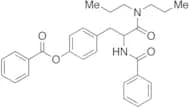
CAS:Controlled Product<p>Applications 1-Azido-2-(2-methoxyethoxy)ethane (cas# 215181-61-6) is a useful research chemical.<br></p>Formula:C5H11NO2Color and Shape:NeatMolecular weight:145.16N,O-Dibenzoyl-DL-tyrosyl-N’,N’-dipropylamide
CAS:Controlled Product<p>Applications N,O-Dibenzoyl-DL-tyrosyl-N',N'-dipropylamide is a metabolite of the antispasmodic agent Tiropramide (T446900). Tiropramide impurity B.<br>References Janssen, et al.: J. Pharm. Pharmacol., 9, 381 (1956), Bertaccini, et al.: Br. J. Pharmac., 34, 310 (1968),<br></p>Formula:C29H32N2O4Color and Shape:White To Light RedMolecular weight:472.58Ethametsulfuron-methyl
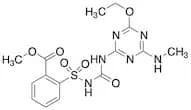
CAS:Controlled Product<p>Applications Ethametsulfuron-methyl is a regulator of the early steps of complement activation on mucosal surfaces. It can be used in combination treatment of ohmic heating with various essential oil components for inactivation of food-borne pathogens in buffered peptone water and salsa.<br>References Kim, S. S., et al.: Food Control, 80, 29 (2017); Reichhardt, M. P., et al.: Front Immunol, 7, 85 (2016)<br></p>Formula:C15H18N6O6SColor and Shape:NeatMolecular weight:410.40α-Methyl-L-phenylalanine
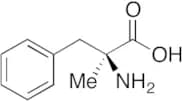
CAS:Controlled Product<p>Applications α-Methyl-L-phenylalanine is used to prepare hippuryl-α-methylphenylalanine and hippuryl-α-methylphenyllactic acid as substrates for carboxypeptidase A. It is also used in the synthesis of high affinity tachykinin NK2 receptor antagonists.<br>References Lee, M., et al.: Bioorg. Med. Chem., 8, 815 (2000); Boyle, S., et al.: Bioorg. Med. Chem., 2, 101 (1994)<br></p>Formula:C10H13NO2Color and Shape:NeatMolecular weight:179.22L-Glutamic acid dibenzyl ester 4-toluenesulfonate
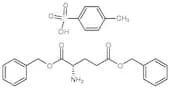
CAS:Controlled Product<p>Applications L-Glutamic acid dibenzyl ester 4-toluenesulfonate<br></p>Formula:C26H29NO7SColor and Shape:NeatMolecular weight:499.58Thiodiglycolic Acid-d4
CAS:Controlled Product<p>Applications Thiodiglycolic Acid-d4 acts as a reagent for the synthesis of metabolites of S-carboxymethyl-L-cysteine and S-methyl-L-Cysteine and of some isotoically labelled (2H, 13C) analogs.<br>References Meese, C. O., et al.: Archiv der Pharmazie, 323, 957 (1990)<br></p>Formula:C4D4H2O4SColor and Shape:NeatMolecular weight:154.17N-ε-acetyl-l-lysine
CAS:Controlled Product<p>Applications N-Epsilon-acetyl-l-lysine is used in the metabolomics study on the combined effect of cocaine and ethanol via liquid chromatography-mass spectrometry metabolomics approach.<br>References Sanchez-Lopez, E., et al.: J. Pharm. Biomed. Anal., 140, 313 (2017)<br></p>Formula:C8H16N2O3Color and Shape:NeatMolecular weight:188.22N-[(Benzyloxy)carbonyl]glycylglycine
CAS:<p>Applications N-[(Benzyloxy)carbonyl]glycylglycine is a reagent in the synthesis of Glycylglycyl-L-tyrosine (G718500), which is a fungal tyrosinases and their capability to oxidize peptide-bound tyrosine residues is important in a view of applicability of tyrosinases.<br>References Bowness, J., et al.: Biochem. J., 53, 620 (1953), Cuff, M., et al.: J. Mol. Biol., 278, 855 (1998), Kubo, I., et al.: Bioorg. Med. Chem., 12, 5349 (2004),<br></p>Formula:C12H14N2O5Color and Shape:NeatMolecular weight:266.25N-Acetyl-S-(2,5-dimethylbenzene)-L-cysteine-d3
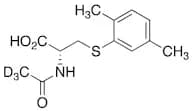
CAS:Controlled Product<p>Applications N-Acetyl-S-(2,5-dimethylbenzene)-L-cysteine-d3 (cas# 1331909-07-9) is a compound useful in organic synthesis.<br>References Gonzalez-Reche, L., et al.: Arch. Toxicol., 77, 80 (2003),<br></p>Formula:C13H14D3NO3SColor and Shape:NeatMolecular weight:270.362-(6-Methoxynaphthalen-2-yl)propanenitrile
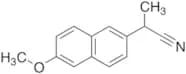
CAS:Controlled Product<p>Applications 2-(6-methoxynaphthalen-2-yl)propanenitrile (cas# 86603-94-3) is a useful research chemical.<br></p>Formula:C14H13NOColor and Shape:NeatMolecular weight:211.263-Fluoro-4-methoxycarbonylphenylboronic Acid, Pinacol Ester
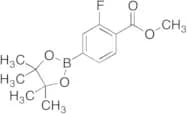
CAS:Controlled Product<p>Applications 3-Fluoro-4-methoxycarbonylphenylboronic acid, pinacol ester is a useful intermediate for organic synthesis and other chemical transformations.<br>References Zhao, F., et al.: Eur. J. Med. Chem., 134, 147 (2017); Zhao, F., et al.: Bioorg. Med. Chem., 24, 4281 (2016)<br></p>Formula:C19H38F3NO2SColor and Shape:NeatMolecular weight:401.5718-benzyl-4-cyclopropanecarbonyl-1-oxa-4,8-diazaspiro[4.5]decane-3-carboxylic acid
CAS:Purity:95.0%Molecular weight:344.4110107421875Acetyl L-Carnitine Hydrochloride
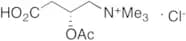
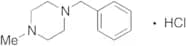
CAS:<p>Applications Acetyl-L-carnitine is a mitochondrial metabolite that helps to transport fatty acids into the mitochondria for energy (1). Acetyl-L-carnitine also upregulate metabotropic glutamate receptor 2 (mGlu2) via NF-κB p65 acetylation (2,3). It exhibits antidepressant and neuroprotective properties.<br>References (1) Stephens, F. B., et al.: J Physiol. 581, 431 (2007) (2) Wang, S. M., et al.: J Psychiatr Res. 53, 30 (2014) (3) Cuccurazzu, B., et al.: Neuropsychopharmacology 38, 2220 (2013)<br></p>Formula:C9H18NO4·ClColor and Shape:NeatMolecular weight:239.701-Methyl-4-(phenylmethyl)piperazine Hydrochloride
CAS:Controlled Product<p>Applications 1-Methyl-4-(phenylmethyl)piperazine hydrochloride is a useful synthetic intermediate.<br></p>Formula:C12H18N2·ClHColor and Shape:NeatMolecular weight:226.75N-Acetyl-L-alanine
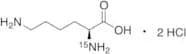
CAS:Controlled Product<p>Applications N-Acetyl-L-alanine is used as a biomarker for prostate cancer.<br>References Jansen, R., et al.: Clin. Biochem., 38, 362 (2005),<br></p>Formula:C5H9NO3Color and Shape:NeatMolecular weight:131.13L-Lysine-15N Dihydrochloride Salt
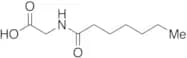
CAS:Formula:C6H14N15NO2•2(HCl)Color and Shape:NeatMolecular weight:147.1823646N-Heptanoylglycine
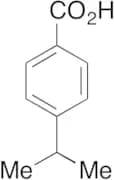
CAS:<p>Applications An acylglycine present in urniary excretion that can be analyzed and be used as diagnostic tool for metabolic disorders, complementary to organic acids and acylcarnitine profiles.<br>References Bonafe, L. et al.: Mol. Genetics Metab., 69, 302 (2000);<br></p>Formula:C9H17NO3Color and Shape:WhiteMolecular weight:187.244-(1-Methylethyl)benzoic Acid
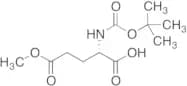
CAS:<p>Applications 4-(1-Methylethyl)benzoic Acid is used in the synthesis of quinuclidine benzamides as agonists for nicotinic acetylcholine receptors. Also used in the synthesis of nifuroxazide analogues showing antimicrobial activity against methicillin-resistant Staphylococcus.<br>References Bodnar, A. et al.: J. Med. Chem., 48, 905 (2005); Masunari, A. et al.: Bioorg. Med. Chem. Lett., 15, 4229 (2007);<br></p>Formula:C10H12O2Color and Shape:NeatMolecular weight:164.2N-Boc-L-glutamic Acid 5-Methyl Ester
CAS:Controlled Product<p>Applications N-Boc-L-glutamic Acid 5-Methyl Ester is an intermediate used in the synthesis of Isodesmosine Chloride Hydrate (Synthetic) (I815051), which is a component of elastin and also it is extremely hygroscopic and must be stored over a desiccant such as silica gel.<br>References Partridge, S., et al.: Nature, 209, 399 (1966)<br></p>Formula:C11H19NO6Color and Shape:NeatMolecular weight:261.27L-3-Benzothienylalanine
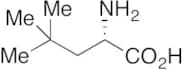
CAS:Controlled Product<p>Applications L-3-Benzothienylalanine<br></p>Formula:C11H11NO2SColor and Shape:NeatMolecular weight:221.28L-Leucine
CAS:Controlled Product<p>Applications L-Leucine is an essential amino acid. L-Leucine acts as a nutrient signal to stimulate protein synthesis. It has also activates the mammalian target of rapamycin kinase that regulates cell growth.<br>References Demant, T. et al.: Am. J. Physiol., 270, E1022 (1996); Diraison, F. et al.: Am. J. Physiol., 277, E529 (1999); Suryawan, A. et al.: J. Anim. Sci., 89, 2004 (2011); Peyrollier, K. et al.: Biochem. J., 350, 361 (2000);<br></p>Formula:C6H13NO2Color and Shape:NeatMolecular weight:131.17L-Ornithine Hydrochloride
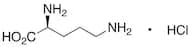
CAS:Controlled Product<p>Stability Hygroscopic<br>Applications L-Ornithine is a non-essential amino acid for human development but is required intermediate in arginine biosynthesis. L-Ornithine is found in virtually all vertebrate tissues as well as incorporated into proteins, such as tyrocidine. Isolation from chicken excreta.<br>References Fattori, D., et al.: J. Med. Chem., 50, 550 (2007), Gomez-Alonso, S., et al.: J. Agric. Food Chem., 55, 608 (2007), Subramaniam, R., et al.: Bioorg. Med. Chem. Lett., 18, 3333 (2008),<br></p>Formula:C5H12N2O2·ClHColor and Shape:White To Off-WhiteMolecular weight:168.62D-Glutamic Acid 1-tert-Butyl Ester
CAS:Controlled Product<p>Applications D-Glutamic acid 1-tert-butyl ester is a protected form of D-Glutamic acid (G596965). D-Glutamic acid is an unnatural isomer of L-Glutamic acid (G596960), and is found in bacterial cell wall peptidoglycan of gram-positive and gram-negative bacteria. D-Glutamic acid also occurs as poly-gamma-Glutamic acid, which is a weak immunogen but is capable of acting as a hapten (a small molecule that induces the production of antibodies, as well as binding to them).<br>References Dougherty, T., et al.: J. Bacteriol., 175, 111 (1993); Goodman, J. & Nitecki, D.: Immunology, 13, 577 (1967); Robinson, T.: Life Sci., 19, 1097 (1976)<br></p>Formula:C9H17NO4Color and Shape:NeatMolecular weight:203.24Perfluoro-3-methoxypropanoic Acid
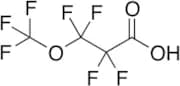
CAS:<p>Applications Perfluoro-3-methoxypropanoic acid (cas# 377-73-1) is a useful research chemical.<br> Not a dangerous good if item is equal to or less than 1g/ml and there is less than 100g/ml in the package<br></p>Formula:C4HF7O3Color and Shape:NeatMolecular weight:230.04Vinyltris(2-methoxyethoxy)silane
CAS:<p>Applications VINYLTRIS(2-METHOXYETHOXY)SILANE (cas# 1067-53-4) is a useful research chemical.<br></p>Formula:C11H24O6SiColor and Shape:ColourlessMolecular weight:280.39N-Pivaloylglycine
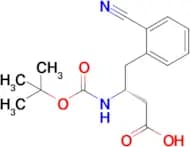
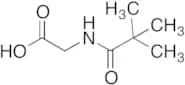
CAS:Controlled Product<p>Applications N-Pivaloylglycine is used in the biological study between dogs and rats. In a high dose toxicity study of pivalic acid (PA), PA caused skeletal muscle disorder in dog, and a significant increase of pivaloyl carnitine (PC) was observed in canine muscle, but not in rat muscle.<br>References Yamaguchi, T., et al.: Toxicol. Appl. Pharmacol., 214, 61-68 (2006)<br></p>Formula:C7H13NO3Color and Shape:NeatMolecular weight:159.18Boc-(S)-3-Amino-4-(2,4,5-trifluorophenyl)butyric Acid
CAS:Controlled Product<p>Applications Boc-(S)-3-Amino-4-(2,4,5-trifluorophenyl)butyric Acid is a reactant used in the preparation of peptidase IV inhibitors.<br>References Park, W. et al.: Bioorg. Med. Chem. Lett., 21, 1366 (2011);<br></p>Formula:C15H18F3NO4Color and Shape:NeatMolecular weight:333.3(R)-1,2,3,4-Tetrahydroisoquinoline-3-carboxylic Acid
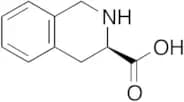
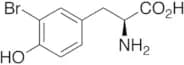
CAS:Controlled Product<p>Applications (R)-1,2,3,4-Tetrahydroisoquinoline-3-carboxylic Acid, is an amino acid building block used in peptide synthesis. With a growing peptide drug market the fast, reliable synthesis of peptides is of great importance.<br></p>Formula:C10H11NO2Color and Shape:NeatMolecular weight:177.203-Bromo-L-tyrosine
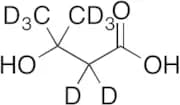
CAS:Controlled Product<p>Applications 3-Bromo-L-tyrosine is used in the preparation and synthesis of polyclonal antibodies that work against brominated protein related allergic responses and afflictions. Also effective in asthma control and prediction in children.<br>References Kambayashi, Y. et al.: J. Clin. Biochem., 44, 95 (2009); Wedes, S. et al.: J. Ped., 159, 248 (2011);<br></p>Formula:C9H10BrNO3Color and Shape:White To Light BrownMolecular weight:260.08β-Hydroxyisovaleric Acid-d8
CAS:Controlled ProductFormula:C5H2D8O3Color and Shape:Colourless To YellowMolecular weight:126.18Decanoyl-L-carnitine-d3 Chloride
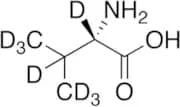
CAS:Controlled Product<p>Stability Hygroscopic<br>Applications Decanoyl-L-carnitine-d3 Chloride is the isotope labelled analog of Decanoyl-L-carnitine Chloride (D212580); a metabolite of L-Carnitine (C184110) which is an essential cofactor of fatty acid metabolism. Also required for the transport of fatty acids through the inner mitochondrial membrane.<br>References Mitchell, M.E., et al.: Am. J. Clin. Nutr., 31, 293 (1978); Lango, R., et al.: Cardiovasc. Res., 51, 21 (2001); Vaz, F.M., et al.: Biochem. J., et al.: 361, 417 (2002); Karlic, H., et al.: Nutrition, 20, 709 (2004)<br></p>Formula:C17D3H31NO4·ClColor and Shape:NeatMolecular weight:354.93L-Valine-d8
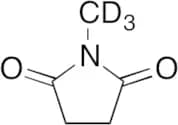
CAS:Controlled Product<p>Applications Labelled analogue of L-Vailne. L-Valine is an essential amino acid and one of 20 proteinogenic amino acids. L-Valine cannot be manufactured by the body and must be acquired through diet or supplementation. L-valine is found in grains, dairy products, mushrooms, meats, peanuts and soy proteins. L-Valine has been used in studies to attenuate arrhythmias and induce hypotensive effects.<br>References Choi, C.W. et al.: Anim. Feed Sci. Technol., 102, 15 (2002); Kolarski, D. et al.: Krmiva, 30, 155 (1988); Oba, M. et al.: J. Dairy Sci., 93, 2044 (2010); Mitrega, K. et al.: Pharmacol. Res., 64, 218 (2011);<br></p>Formula:C52H8H3NO2Color and Shape:NeatMolecular weight:125.20N-Methylsuccinimide-d3
CAS:Controlled Product<p>Applications N-Methylsuccinimide-d3 is the isotope labelled analog of N-Methylsuccinimide (M329425); a model compound used to investigate the mechanism of enolization step by density-functional theory (DFT) calculations. N-Methylsuccinimide is a metabolite of N-methyl-2-pyrrolidone (NMP) and its presence in plasma and urine can be used as a biomarker of exposure to NMP<br>References Takahashi, O., et al.: Chem. Biodivers., 7, 1349 (2010)<br></p>Formula:C5D3H4NO2Color and Shape:NeatMolecular weight:116.1333-Methoxypropanoic Acid
CAS:<p>Applications 3-Methoxypropanoic acid<br></p>Formula:C4H8O3Color and Shape:NeatMolecular weight:104.11DL-Homocysteine-d4
CAS:Controlled Product<p>Applications DL-Homocysteine-d4 is used in the detection of the biosynthetic pathway for the formation of volatile aroma compound 2-methyltetrahydrothiophen-3-one by the bacterium Chitinophaga.<br>References Nawrath, T., et al.: ChemBioChem., 11, 1914-1919 (2010)<br></p>Formula:C4D4H5NO2SColor and Shape:NeatMolecular weight:139.211-[4-(morpholine-4-sulfonyl)-2-nitrophenyl]pyrrolidine-2-carboxylic acid
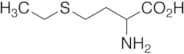
CAS:Purity:98%Molecular weight:385.3900146484375L-Ethionine
CAS:Controlled Product<p>Applications Ethionine-induced inhibition of protein synthesis and lowering of ATP level in the liver.<br>References Rotig, A., et al.: Lancet, 356, 391 (2000), Forsgren, M., et al.: Biochem. J., 382, 519 (2004), Johnson, A., et al.: J. Biol. Chem., 280, 31397 (2005), Horvath, R., et al.: Neurology, 66, 253 (2006), Mollet, M., et al.: J. Clin. Invest., 117, 765 (2007),<br></p>Formula:C6H13NO2SColor and Shape:NeatMolecular weight:163.24Methyl 4-Methyl-3-hydroxybenzoate
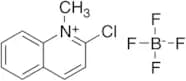
CAS:Controlled Product<p>Applications Methyl 4-Methyl-3-hydroxybenzoate is used in the preparation of potent antimalarial agents. Also used in the preparation of aromatic inhibtors of anthranilate synthase.<br>References Fattorusso, C. et al.: J. Med. Chem., 51, 1333 (2008); Payne, R. et al.: Org. biomol. Chem., 3, 3629 (2005);<br></p>Formula:C9H10O3Color and Shape:NeatMolecular weight:166.172-Chloro-1-methylquinolinium Tetrafluoroborate
CAS:Controlled Product<p>Applications 2-Chloro-1-methylquinolinium tetrafluoroborate (cas# 16843-24-6) is a useful research chemical.<br></p>Formula:C10H9ClN·BF4Color and Shape:NeatMolecular weight:265.444-(2-chlorobenzoyl)-8-methyl-1-oxa-4,8-diazaspiro[4.5]decane-3-carboxylic acid
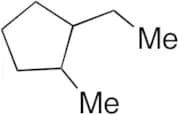
CAS:Purity:95.0%Molecular weight:338.79000854492191-Ethyl-1-methylcyclopentane
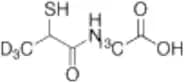
CAS:Controlled Product<p>Applications 1-Ethyl-1-methylcyclopentane, is one of the chemical components of Gas-Phase organic carbon emissions from motor vehicles. It is also a volatile component of frying oils.<br>References Gentner, D. R., et al.: Environ. Sci. Tech., 47, 11937 (2013); Prevot, A. Frying Food, 155 (1988);<br></p>Formula:C8H16Color and Shape:NeatMolecular weight:112.21Tiopronin-d3
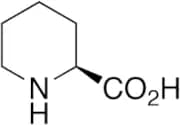
CAS:Controlled Product<p>Applications Labelled Tiopronin. It is used as antidote against heavy metal poisoning; hepatoprotectant; mucolytic.<br>References Capasso, F., et al.: Agents Actions, 11, 741 (1981), Amor, B., et al.: Arthritis Rheum., 25, 698 (1982), Ichida, F., et al.: J. Int. Med. Res., 10, 325 (1982),<br></p>Formula:C5H6D3NO3SColor and Shape:NeatMolecular weight:166.21L-Pipecolic Acid
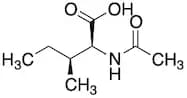
CAS:<p>Applications Pipecolic acid is involved in synaptic transmission in the central nervous system. The l-form occurs in plants.<br>References Nomura Y., et al.: Neurochem. Res., 6, 391 (1981),<br></p>Formula:C6H11NO2Color and Shape:NeatMolecular weight:129.16N-Acetylisoleucine
CAS:Controlled Product<p>Applications N-ACETYLISOLEUCINE (cas# 3077-46-1) is a useful research chemical.<br></p>Formula:C8H15NO3Color and Shape:NeatMolecular weight:173.2L-Phenylalanine-13C6
CAS:Controlled Product<p>Applications Labelled analogue of L-Phenylalanine, an essential amino acid. L-Phenylalanine is biologically converted into L-tyrosine, another one of the DNA-encoded amino acids, which in turn is converted to L-DOPA and further converted into dopamine, norepinephrine, and epinephrine. L-Phenylalanine is produced for medical, feed, and nutritional applications such as in the preparation of Aspartame.<br>References Hollunger, G. et al.: Acta Pharmacol. Toxicol., 34, 391 (1974); Bagchi, S.P. et al.: Biochem. Pharmacol., 26, 900 (1977);<br></p>Formula:C313C6H11NO2Color and Shape:White To Off-WhiteMolecular weight:171.15H-Thr-OH
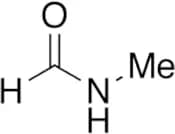
CAS:<p>M02962 - H-Thr-OH</p>Formula:C4H9NO3Purity:95%Color and Shape:Crystalline Powder,PowderMolecular weight:119.12N-Methylformamide
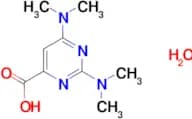
CAS:Controlled Product<p>Applications N-Methylformamide is used in amidation or transamidation chemical reactions where formamide is insufficient.<br>References Rao, S. et al.: Org. Lett., 15, 1496 (2013); Xu, K. et al.: Chem. A. Eur. J., 18, 9793 (2012);<br></p>Formula:C2H5NOColor and Shape:NeatMolecular weight:59.072,4-Bis(dimethylamino)pyrimidine-6-carboxylic acid, hydrate
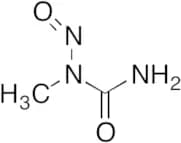
CAS:Formula:C9H16N4O3Purity:95.0%Molecular weight:228.252N-Methyl-N-nitroso Urea (Wetted with water >20%)
CAS:Controlled Product<p>Stability Temperature Sensitive<br>Applications Precursor of Diazomethane. It has a cytotoxicity effect.This product contains an undetermined amount of water.<br> Not a dangerous good if item is equal to or less than 1g/ml and there is less than 100g/ml in the package<br>References Huggins, C., et al.: J. Exp. Med., 131, 321 (1970), Gullino, P.M., et al.: J. Natl. Cancer Inst., 54, 401 (1975),<br></p>Formula:C2H5N3O2Color and Shape:Off-White To Light BeigeMolecular weight:103.08N-Acetyl-L-cysteine
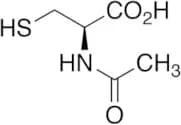
CAS:Controlled Product<p>Stability Air Sensitive<br>Applications A metabolite of Methyl Isocyanate.<br>References Slatter, J. G., et al.: Chem. Res. Toxicol., 4, 157 (1991),<br></p>Formula:C5H9NO3SColor and Shape:Light YellowMolecular weight:163.193-Methylbutane-1,2,3-tricarboxylic Acid
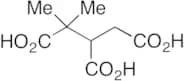
CAS:Controlled Product<p>Applications 3-Methylbutane-1,2,3-tricarboxylic Acid is an atmospheric oxidation product of α-pinene that is a tracer compound for atmospheric terpene secondary organic aerosol (SOA) particles.<br> Not a dangerous good if item is equal to or less than 1g/ml and there is less than 100g/ml in the package<br>References Dette, H.P., et. al.: J. Phys. Chem. A., 118, 7024 (2014)<br></p>Formula:C8H12O6Color and Shape:NeatMolecular weight:204.181-Boc-4-(carboxy-naphthalen-2-yl-methyl)-[1,4]diazepane
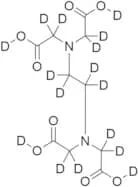
CAS:Purity:96%Molecular weight:384.47601318359375Ethylenediaminetetraacetic Acid-d16
CAS:Controlled Product<p>Applications Ethylenediaminetetraacetic Acid-d16 (CAS# 203805-96-3) is a useful isotopically labeled research compound.<br></p>Formula:C10D16N2O8Color and Shape:White To Off-WhiteMolecular weight:308.348-ethyl-4-(naphthalene-1-carbonyl)-1-oxa-4,8-diazaspiro[4.5]decane-3-carboxylic acid
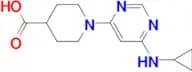
CAS:Purity:95.0%Molecular weight:368.43301391601561-(6-Cyclopropylamino-pyrimidin-4-yl)-piperidine-4-carboxylic acid
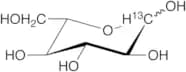
CAS:Purity:95.0%Molecular weight:262.31298828125L-Glucose-1-13C
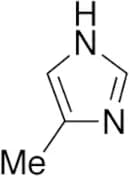
CAS:Controlled Product<p>Applications Labelled L-Glucose is the enantiomer of D-Glucose (G595000), a naturally occurring carbohydrate used in an abundance of cellular processes. L-Glucose is a synthetic sugar used in the formation of L-Glucose Pentaacetate (G596510), a potential therapeutic agent regarding type II diabetes. In addition, L-glucose can be used as a colon cleansing agent for before a colonoscopy procedure.<br>References Malaisse, W. et al.: Int. J. Mol. Med., 2, 383 (1998); Raymer, G. et al.: Gastrointest. Endosc., 58, 30 (2003); Wang, R., et al.: J. Mol. Catal. B. Enz., 56, 131 (2009),<br></p>Formula:CC5H12O6Color and Shape:NeatMolecular weight:181.1494-Methylimidazole
CAS:<p>Applications 4-Methylimidazole is a monomethylated imidazole that can be used as a building block in the preparation of a wide range of biologically active compounds. 4-Methylimidazole is a product which results from the interaction of reducing sugars with ammonia. 4-Methylimidazole showed convulsant activity in animals and is listed as a possible carcinogen.<br> Not a dangerous good if item is equal to or less than 1g/ml and there is less than 100g/ml in the package<br>References Nishie, K. et al.: Toxicol. Appl. Pharmacol., 14, 301 (1969): Cunha, S.C. et al.: J. Food Comp. Anal., 24, 609 (2011); Chan, P.C. et al.: Arch. Toxicol., 82, 55 (2008);<br></p>Formula:C4H6N2Color and Shape:Light YellowMolecular weight:82.10N’-(5-Aminopentyl)-N-(4-methoxybenzyl)-N’-methyl-N-2-pyridinyl-1,2-ethanediamine, Dimaleate Salt
CAS:Controlled Product<p>Applications A synthetic intermediate.<br>References Blakemore, R., et al.: Eur. J. Med. Chem., 22, 91 (1987),<br></p>Formula:C21H32N4O·C4H4O4Color and Shape:NeatMolecular weight:472.581-Isobutyl-2,3,4,9-tetrahydro-1H-pyrido[3,4-b]indole-3-carboxylic acid
CAS:Purity:97%Molecular weight:272.3479919433594L-Aspartic Acid
CAS:<p>Applications L-Aspartic Acid is a non-essential amino acid found in food sources. L-Aspartic Acid is one of the 20 proteinogenic amino acids; the building blocks of proteins. Its conjugate base L-aspartate is an excitatory neurotransmitter in the central nervous system.<br>References Ager, D.J. et al.: J. Mol. Catal. Enzym., 11, 199 (2001); Velisek, J. et al.: Cze. J. Food. Sci., 24, 1 (2006); Nagahama, M. et al.: Cell Tiss. Res., 318, 483 (2004);<br></p>Formula:C4H7NO4Color and Shape:WhiteMolecular weight:133.10(6R,7R)-7-Amino-8-oxo-5-thia-1-azabicyclo[4.2.0]oct-2-ene-2-carboxylic acid
CAS:Purity:95.0%Molecular weight:200.21000671386724-(2,4-dichlorophenyl)-3H,4H,5H,6H,7H-imidazo[4,5-c]pyridine-6-carboxylic acid
CAS:Purity:95.0%Molecular weight:312.14999389648441-[2-Nitro-4-(trifluoromethyl)phenyl]piperidine-4-carboxylic acid
CAS:Molecular weight:318.252014160156252-Methoxyresorcinol
CAS:Controlled Product<p>Applications 2-Methoxyresorcinol (cas# 29267-67-2) is a compound useful in organic synthesis.<br></p>Formula:C7H8O3Color and Shape:NeatMolecular weight:140.14N-Methyltaurine
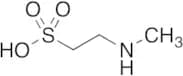
CAS:<p>Applications N-Methyltaurine can be used as a counter ion in the formation of soaps.<br>References Miyahara, Reiji, et al.: J. of Oleo Sci., 50(10), 823-830 (2001)<br></p>Formula:C3H9NO3SColor and Shape:NeatMolecular weight:139.17352-(1-Methyl-1H-imidazol-5-yl)acetic Acid Hydrochloride
CAS:Controlled ProductFormula:C6H8N2O2·HClColor and Shape:NeatMolecular weight:176.6018-ethyl-4-(pyridine-3-carbonyl)-1-oxa-4,8-diazaspiro[4.5]decane-3-carboxylic acid
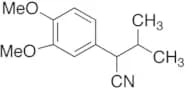
CAS:Purity:95.0%Molecular weight:319.36099243164063,4-Dimethoxy-a-(1-methylethyl)benzeneacetonitrile
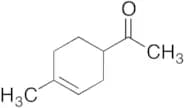
CAS:Controlled Product<p>Impurity Verapamil EP Impurity K<br>Applications (Verapamil EP Impurity K)<br></p>Formula:C13H17NO2Color and Shape:White To Light GreenMolecular weight:219.281-(4-Methyl-3-cyclohexen-1-yl)ethanone
CAS:<p>Applications 1-(4-methyl-3-cyclohexen-1-yl)ethanone is an essential oil found in Cedrus atlantica wood and orange peels.<br>References Uehara, Ayaka, et al.: Phytochemistry, 144, 208-215 (2017); Liu, Bo, et al.: Yancao Keji, (9), 52-56 (2014)<br></p>Formula:C9H14OColor and Shape:NeatMolecular weight:138.2077-Amino-3-methyl-8-oxo-5-thia-1-azabicyclo[4.2.0]oct-2-ene-2-carboxylic acid
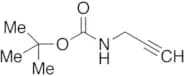
CAS:Purity:95.0%Molecular weight:214.24000549316406N-Boc-propargylamine
CAS:Controlled Product<p>Applications N-Boc-propargylamine is used in the preparation of triazolobenzylidene-thiazolopyrimidines which act as CDC25 phosphatase inhibitors. Also used in the synthesis of β-glucan polysaccharide analogs.<br>References Duval, R. et al.: J. Comb. Chem., 11, 947 (2009); Tanaka, H. et al.: Tetrahedron Lett., 53, 4104 (2012);<br></p>Formula:C8H13NO2Color and Shape:NeatMolecular weight:155.24-(2-phenylacetyl)-8-propyl-1-oxa-4,8-diazaspiro[4.5]decane-3-carboxylic acid
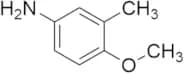
CAS:Purity:95.0%Molecular weight:346.4270019531254-Methoxy-3-methylaniline
CAS:Controlled Product<p>Applications 4-methoxy-3-methylaniline (cas# 136-90-3) is a useful research chemical.<br></p>Formula:C8H11NOColor and Shape:NeatMolecular weight:137.1794-Methylfluorene
CAS:Controlled Product<p>Applications 4-Methylfluorene is a polycyclic aromatic hydrocarbon that has been found to be emitted by wastewater treatment facilities.<br>References Zhang, W., et. al.: Sci. Total Environ., 432m 396 (2012)<br></p>Formula:C14H12Color and Shape:NeatMolecular weight:180.2458-ethyl-4-(3-phenylpropanoyl)-1-oxa-4,8-diazaspiro[4.5]decane-3-carboxylic acid
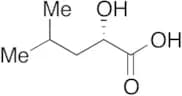
CAS:Purity:95.0%Molecular weight:346.427001953125L-Leucic Acid
CAS:Controlled Product<p>Applications L-Leucic Acid is a reagent in the synthesis of cryptophycins based macrocyclic depsipeptides which are used as tubulin inhibitors.<br>References Kumar, A., et al.: Eur. J. Med. Chem., 93, 55 (2015)<br></p>Formula:C6H12O3Color and Shape:NeatMolecular weight:132.16



![4-[(2,4-dioxo-3-phenyl-1,3-thiazolidin-5-yl)amino]benzoic acid](/_next/image/?url=https%3A%2Fstatic.cymitquimica.com%2Fproducts%2F10%2Fthumb-webp%2FF511756.webp&w=3840&q=75)



![N-[(Benzyloxy)carbonyl]glycylglycine](/_next/image/?url=https%3A%2Fstatic.cymitquimica.com%2Fproducts%2FTR%2Fthumb-webp%2FB287100.webp&w=3840&q=75)
![8-benzyl-4-cyclopropanecarbonyl-1-oxa-4,8-diazaspiro[4.5]decane-3-carboxylic acid](/_next/image/?url=https%3A%2Fstatic.cymitquimica.com%2Fproducts%2F10%2Fthumb-webp%2FF525798.webp&w=3840&q=75)








![1-[4-(morpholine-4-sulfonyl)-2-nitrophenyl]pyrrolidine-2-carboxylic acid](/_next/image/?url=https%3A%2Fstatic.cymitquimica.com%2Fproducts%2F10%2Fthumb-webp%2FF642631.webp&w=3840&q=75)


![4-(2-chlorobenzoyl)-8-methyl-1-oxa-4,8-diazaspiro[4.5]decane-3-carboxylic acid](/_next/image/?url=https%3A%2Fstatic.cymitquimica.com%2Fproducts%2F10%2Fthumb-webp%2FF525617.webp&w=3840&q=75)



![1-Boc-4-(carboxy-naphthalen-2-yl-methyl)-[1,4]diazepane](/_next/image/?url=https%3A%2Fstatic.cymitquimica.com%2Fproducts%2F10%2Fthumb-webp%2FF736020.webp&w=3840&q=75)
![8-ethyl-4-(naphthalene-1-carbonyl)-1-oxa-4,8-diazaspiro[4.5]decane-3-carboxylic acid](/_next/image/?url=https%3A%2Fstatic.cymitquimica.com%2Fproducts%2F10%2Fthumb-webp%2FF525686.webp&w=3840&q=75)


![1-Isobutyl-2,3,4,9-tetrahydro-1H-pyrido[3,4-b]indole-3-carboxylic acid](/_next/image/?url=https%3A%2Fstatic.cymitquimica.com%2Fproducts%2F10%2Fthumb-webp%2FF695615.webp&w=3840&q=75)

![(6R,7R)-7-Amino-8-oxo-5-thia-1-azabicyclo[4.2.0]oct-2-ene-2-carboxylic acid](/_next/image/?url=https%3A%2Fstatic.cymitquimica.com%2Fproducts%2F10%2Fthumb-webp%2FF229158.webp&w=3840&q=75)
![4-(2,4-dichlorophenyl)-3H,4H,5H,6H,7H-imidazo[4,5-c]pyridine-6-carboxylic acid](/_next/image/?url=https%3A%2Fstatic.cymitquimica.com%2Fproducts%2F10%2Fthumb-webp%2FF522513.webp&w=3840&q=75)
![1-[2-Nitro-4-(trifluoromethyl)phenyl]piperidine-4-carboxylic acid](/_next/image/?url=https%3A%2Fstatic.cymitquimica.com%2Fproducts%2F10%2Fthumb-webp%2FF034079.webp&w=3840&q=75)


![8-ethyl-4-(pyridine-3-carbonyl)-1-oxa-4,8-diazaspiro[4.5]decane-3-carboxylic acid](/_next/image/?url=https%3A%2Fstatic.cymitquimica.com%2Fproducts%2F10%2Fthumb-webp%2FF525700.webp&w=3840&q=75)
![2-[4-(3-Chlorophenyl)piperazin-1-yl]-2-phenylacetic acid](/_next/image/?url=https%3A%2Fstatic.cymitquimica.com%2Fproducts%2F10%2Fthumb-webp%2FF300393.webp&w=3840&q=75)
![7-Amino-3-methyl-8-oxo-5-thia-1-azabicyclo[4.2.0]oct-2-ene-2-carboxylic acid](/_next/image/?url=https%3A%2Fstatic.cymitquimica.com%2Fproducts%2F10%2Fthumb-webp%2FF319040.webp&w=3840&q=75)
![4-(2-phenylacetyl)-8-propyl-1-oxa-4,8-diazaspiro[4.5]decane-3-carboxylic acid](/_next/image/?url=https%3A%2Fstatic.cymitquimica.com%2Fproducts%2F10%2Fthumb-webp%2FF525718.webp&w=3840&q=75)

![8-ethyl-4-(3-phenylpropanoyl)-1-oxa-4,8-diazaspiro[4.5]decane-3-carboxylic acid](/_next/image/?url=https%3A%2Fstatic.cymitquimica.com%2Fproducts%2F10%2Fthumb-webp%2FF525678.webp&w=3840&q=75)