


Amino Acids (AA)
Amino acids (AAs) are the fundamental building blocks of proteins, playing a crucial role in various biological processes. These organic compounds are essential for protein synthesis, metabolic pathways, and cell signaling. In this category, you will find a comprehensive range of amino acids, including essential, non-essential, and modified forms, which are vital for research in biochemistry, molecular biology, and nutritional sciences. At CymitQuimica, we provide high-quality amino acids to support your research and development needs, ensuring accuracy and reliability in your experimental outcomes.
Subcategories of "Amino Acids (AA)"
- Amino Acid Derivatives(3,955 products)
- Amino Acid and Amino Acid Related Compounds(3,466 products)
- Amino Acids with Oxygen or Sulphur(168 products)
- Boc- Amino Acids(351 products)
- Fmoc Amino Acids(1,710 products)
Found 38249 products of "Amino Acids (AA)"
Sort by
Purity (%)
0
100
|
0
|
50
|
90
|
95
|
100
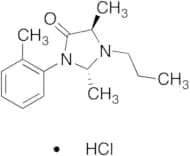
2,5-Dimethyl-3-(2-methylphenyl)-1-propylimidazolini-4-one Hydrochloride
CAS:Controlled Product<p>Applications rac-trans-2,5-Dimethyl-3-(2-methylphenyl)-1-propylimidazolini-4-one Hydrochloride is the salt analogue of 2,5-Dimethyl-3-(2-methylphenyl)-1-propylimidazolini-4-one (D477055), an impurity of Prilocaine (Prilocaine Hydrochloride P725000). Prilocaine is a local anesthetic of the amino amide type and is often used in dentistry. Prilocaine is also often combined with lidocaine as a preparation for dermal anesthesia (lidocaine/prilocaine or EMLA) towards the treatment of conditions like paresthesia.<br>References Caliaro, G., et al.: J. Pharm. Biomed. Anal., 26, 427 (2001), Ulmeanu, S., et al.: Pharm. Res., 20, 1317 (2003)<br></p>Formula:C15H22N2O·HClColor and Shape:NeatMolecular weight:282.80893-Methylbutyric-2,2-d2 Acid
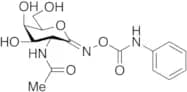
CAS:Controlled Product<p>Applications 3-Methylbutyric-2,2-d2 Acid (CAS# 95927-02-9) is a useful isotopically labeled research compound.<br></p>Formula:C5H8D2O2Color and Shape:NeatMolecular weight:104.15Galacto-PUGNAc (>90%)
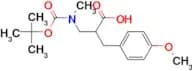
CAS:Controlled Product<p>Stability Moisture and Temperature Sensitive<br>Applications Galacto-PUGNAc is a highly selective inhibitor for β-hexosaminidases HEXA and HEXB is cell-permeable. Galacto-PUGNAc is able to modulate the activity of HEXA and HEXB in tissue culture, increasing ganglioside GM2 levels in neuroblastoma cells<br>References Stubbs, K.A. et al.: Angew. Chem. Int. Ed., 48, 1300 (2009);<br></p>Formula:C15H19N3O7Purity:>90%Color and Shape:NeatMolecular weight:353.332-N-Boc-3-(4-Methoxy-phenyl)-2-methylaminomethyl-propionic acid
CAS:Formula:C17H25NO5Purity:97.0%Color and Shape:SolidMolecular weight:323.3898-methyl-4-(4-nitrobenzoyl)-1-oxa-4,8-diazaspiro[4.5]decane-3-carboxylic acid
CAS:Purity:95.0%Molecular weight:349.34298706054694-(3-methoxybenzoyl)-8-methyl-1-oxa-4,8-diazaspiro[4.5]decane-3-carboxylic acid
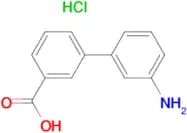
CAS:Purity:95.0%Molecular weight:334.372009277343753'-Amino-biphenyl-3-carboxylic acid hydrochloride
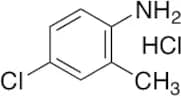
CAS:Purity:95.0%Molecular weight:249.690002441406254-Chloro-2-methylaniline Hydrochloride
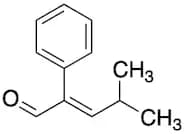
CAS:Controlled Product<p>Stability Hygroscopic<br>Applications 4-Chloro-2-methylaniline Hydrochloride (cas# 3165-93-3) is a useful research chemical.<br> Not a dangerous good if item is equal to or less than 1g/ml and there is less than 100g/ml in the package<br></p>Formula:C7H8ClN•HClColor and Shape:Off-WhiteMolecular weight:141.603646(E)-4-Methyl-2-phenyl-2-pentenal (Stabilized with α-tocopherol)
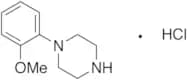
CAS:Controlled Product<p>Applications 4-METHYL-2-PHENYL-2-PENTENAL (cas# 26643-91-4) is a useful research chemical.<br></p>Formula:C12H14OColor and Shape:ColourlessMolecular weight:174.241-(2-Methoxyphenyl)piperazine Hydrochloride
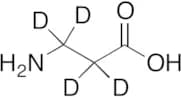
CAS:Controlled Product<p>Applications Piperazine derivative used as reference material for forensic laboratories.<br>References Brady, J., et al.: Drug Dev. Res., 20, 231 (1990), Winter, J., et al.: J. Pharmacol. Exp. Ther., 262, 682 (1992), Ator, N., et al.: Eur. J. Pharmacol., 241, 237 (1993), Forster, E., et al.: Eur. J. Pharmacol., 281, 81 (1995),<br></p>Formula:C11H16N2O·ClHColor and Shape:NeatMolecular weight:228.72β-Alanine-2,2,3,3-D4
CAS:Controlled Product<p>Applications Isotope labelled β-Alanine is a naturally occurring beta amino acid. β-Alanine is formed in vivo by the degradation of dihydrouracil (D449990) and carnosine. β-Alanine is also the rate-limiting precursor of carnosine, as a result supplementation with β-alanine increases the concentration of carnosine in muscles.<br></p>Formula:C3D4H3NO2Color and Shape:NeatMolecular weight:93.126-(METHYLAMINO)IMIDAZO[1,2-B]PYRIDAZINE-3-CARBOXYLIC ACID
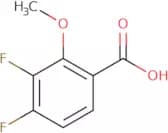
CAS:Purity:95.0%Molecular weight:192.177993774414063,4-Difluoro-2-methoxybenzoic acid
CAS:<p>3,4-Difluoro-2-methoxybenzoic acid is a chemical compound that can be used as a reaction component or reagent. It is also a useful scaffold for organic synthesis of complex compounds and can be used as a building block to produce fine chemicals. 3,4-Difluoro-2-methoxybenzoic acid has the CAS number 875664-52-1 and is listed under the chemical name 3,4-difluoro-2-methoxybenzoic acid.</p>Formula:C8H6F2O3Purity:Min. 95%Color and Shape:PowderMolecular weight:188.13 g/mol5-Methyl-4,5-dihydro-1,2,4-triazino[5,6-b]indole-3-thione
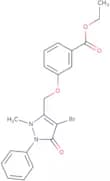
CAS:<p>Please enquire for more information about 5-Methyl-4,5-dihydro-1,2,4-triazino[5,6-b]indole-3-thione including the price, delivery time and more detailed product information at the technical inquiry form on this page</p>Formula:C10H8N4SPurity:Min. 95%Color and Shape:PowderMolecular weight:216.26 g/molEthyl 3-((4-bromo-2-methyl-5-oxo-1-phenyl-3-pyrazolin-3-yl)methoxy)benzoate
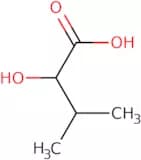
CAS:<p>Please enquire for more information about Ethyl 3-((4-bromo-2-methyl-5-oxo-1-phenyl-3-pyrazolin-3-yl)methoxy)benzoate including the price, delivery time and more detailed product information at the technical inquiry form on this page</p>Purity:Min. 95%2-Hydroxy-3-methylbutyric acid
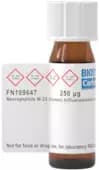
CAS:<p>2-Hydroxy-3-methylbutyric acid is an intermediate in the microbial metabolism of hydrogen fluoride and caproic acid. It can be used as a diagnostic for probiotic bacteria. 2-Hydroxy-3-methylbutyric acid has been shown to cause cell lysis, which may be due to its ability to act as a polymerase chain reaction (PCR) enhancer. The activity index of 2-hydroxy-3-methylbutyric acid is higher than that of other organic acids, such as 3,4-dimethoxybenzoic acid and ferulic acid.</p>Formula:C5H10O3Purity:Min. 95%Color and Shape:PowderMolecular weight:118.13 g/molNeuropeptide W-23 (human)
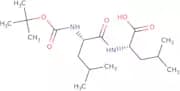
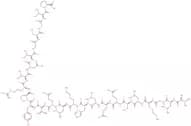
CAS:<p>Neuropeptide W-23 (human) is an antibody that recognizes the neuropeptide receptor, specifically the Neuropeptide Y receptor 1. The antibody binds to the Npy1 receptor and inhibits its activity. Neuropeptide W-23 (human) can be used as a research tool in cell biology and pharmacology studies.</p>Formula:C119H183N35O28SPurity:Min. 95%Molecular weight:2,584.01 g/molBoc-Leu-Leu-OH
CAS:<p>Boc-Leu-Leu-OH is a synthetic compound that is used as a fluorescent probe in bioelectronics. It has been used to study the conformational changes of proteins and to investigate the interactions between biomolecules. Boc-Leu-Leu-OH has also been investigated for use as a sensor in optical, chemical, and mechanical applications. This compound can be modified with solvents or other chemicals to alter its properties.</p>Formula:C17H32N2O5Purity:Min. 95%Color and Shape:PowderMolecular weight:344.45 g/molCalcitonin (8-32) (salmon I) trifluoroacetate salt
CAS:<p>Please enquire for more information about Calcitonin (8-32) (salmon I) trifluoroacetate salt including the price, delivery time and more detailed product information at the technical inquiry form on this page</p>Formula:C119H198N36O37·C2HF3O2Purity:Min. 98 Area-%Color and Shape:PowderMolecular weight:2,725.07 g/molN-Acetyl-DL-valine
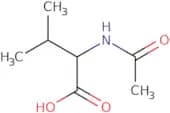
CAS:<p>N-Acetyl-DL-valine is an amide that is used as a model system for studying enzyme reactions. It was found to have copper complex, which is a potent inhibitor of fatty acid synthase and proton receptors. It has been shown to be effective in the treatment of cancer due to its ability to inhibit the growth of tumor cells. In addition, this compound has been shown to be specific for cancer cells as it does not affect healthy cells. N-Acetyl-DL-valine also has the ability to inhibit the activity of enzymes that are involved in fatty acid synthesis, such as acetoacetate decarboxylase and beta-ketoacyl synthase.</p>Formula:C7H13NO3Purity:Min. 95%Color and Shape:PowderMolecular weight:159.18 g/mol4,6-Dichloro-5-methoxypyrimidine
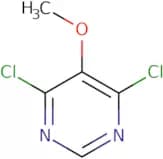
CAS:<p>4,6-Dichloro-5-methoxypyrimidine is a reactive intermediate in the synthesis of sulfadoxine. It is a chlorinating agent that reacts with alkanes and alkenes to produce halogenated products. 4,6-Dichloro-5-methoxypyrimidine can be used as a reagent to synthesize malonic acid and formamide. This compound has been used as an isotopic label for studies of the efficiency of the reaction between malonic acid and formamide. The chloride ions are used in this study to monitor the reaction rate. 4,6-Dichloro-5-methoxypyrimidine is also an intermediate in the synthesis of sulfanilamide and aminophenol.</p>Formula:C5H4Cl2N2OPurity:Min. 95%Color and Shape:PowderMolecular weight:179 g/molD-Alanine isopropyl ester HCl
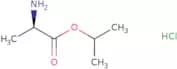
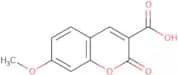
CAS:<p>D-Alanine isopropyl ester HCl is a synthetic compound that has been used as a diagnostic tool for detecting the presence of molybdenum in urine. It has been shown to have a high affinity for the receptor, and acts as an agonist. D-Alanine isopropyl ester HCl has also been shown to induce malignant growth in fibroblast cells.</p>Formula:C6H13NO2·ClHPurity:Min. 95%Color and Shape:White PowderMolecular weight:167.63 g/mol7-Methoxycoumarin-3-carboxylicacid
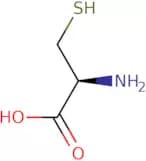
CAS:<p>7-Methoxycoumarin-3-carboxylic acid (MC) is a potent inhibitor of metalloendopeptidases and cyclic peptide receptors. MC has been shown to inhibit protein synthesis, leading to apoptotic cell death. It has also been reported to have anti-inflammatory properties, which may be due to its inhibition of prostaglandin synthesis. The fluorophore 7-methoxycoumarin is derived from the natural product coumarin and can be used as a fluorescent probe for hydrogen bonding in molecular modeling studies.</p>Formula:C11H8O5Purity:Min. 95%Color and Shape:PowderMolecular weight:220.18 g/molD-Cysteine
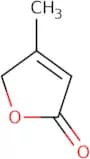
CAS:<p>D-Cysteine is the L-cysteine stereoisomer. It has been shown to inhibit the response of nicotinic acetylcholine receptors and toll-like receptor 4, which are proteins that play a role in inflammation. D-Cysteine also inhibits the production of nitric oxide by inhibiting NADPH oxidase. This inhibition leads to decreased inflammation, as well as decreased oxidation of proteins and DNA. D-Cysteine has been shown to be a specific inhibitor of wild type strains of Escherichia coli, but not mutant strains with defects in iron homeostasis. The enzyme activity for d-cysteine is also inhibited by l-cysteine, which may result in drug interactions. D-Cysteine can be found naturally in foods such as garlic, onions, broccoli, and cauliflower.</p>Formula:C3H7NO2SColor and Shape:White PowderMolecular weight:121.16 g/mol4-Methyl-2(5H)-furanone
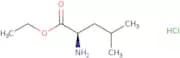
CAS:<p>4-Methyl-2(5H)-furanone is an isomeric compound that can be isolated from various plant sources including isoprene, chalcones, and other plant extracts. It has been shown to inhibit the formation of dental plaque and the growth of oral bacteria in a functional group study. 4-Methyl-2(5H)-furanone is also known as a chalcone and has been shown to have antibacterial properties. This chemical reaction can be used as an alternative to chlorhexidine for the treatment of dental plaque.</p>Formula:C5H6O2Purity:Min. 95%Color and Shape:Clear LiquidMolecular weight:98.1 g/molD-Leucine ethyl ester hydrochloride
CAS:<p>D-Leucine ethyl ester hydrochloride is a synthetic amino acid with the chemical formula C5H11NO3. It is an ammonium salt of leucine that has been modified by replacing the side chain carboxylic acid group with an ethyl ester. This modification prevents D-leucine from being metabolized as a source of energy and instead makes it a useful probe for studying enzyme catalysis. D-Leucine ethyl ester hydrochloride is used to study intramolecular reactions in proteins, such as peptides and tripeptides, by probing their backbone conformation.</p>Formula:C8H17NO2•HClPurity:Min. 95%Color and Shape:PowderMolecular weight:195.69 g/mol5-Chloro-2-methylbenzoic acid
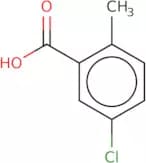
CAS:<p>5-Chloro-2-methylbenzoic acid (CAS No. 7499-06-1) is a fine chemical that is used as a versatile building block for the production of various organic and inorganic compounds. This compound is also used as an intermediate in the synthesis of pharmaceuticals and other organic chemicals, such as polymers and pigments. 5-Chloro-2-methylbenzoic acid has been shown to have high reactivity with many types of functional groups, making it a valuable research chemical. This compound can be used to synthesize complex compounds with a variety of applications, such as pharmaceuticals, dyes, and pesticides.</p>Formula:C8H7ClO2Purity:Min. 95%Color and Shape:PowderMolecular weight:170.59 g/mol5-Methoxy-2-methylbenzoic acid
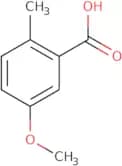
CAS:<p>5-Methoxy-2-methylbenzoic acid is an intermediate in the synthesis of vitamin D3. It can also be used to synthesize calciferol, a configurationally stable form of vitamin D3 that has been shown to be optically active. Lactonic forms are composed of a 5-methoxy group and a 2-methylbenzoic acid moiety. Enantiomers are compounds with the same chemical formula but different arrangements of their atoms in space and each enantiomer is capable of rotating plane polarized light in opposite directions.</p>Formula:C9H10O3Purity:Min. 95%Color and Shape:PowderMolecular weight:166.17 g/molN-Acetyl-L-cysteine
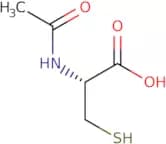
CAS:<p>Antioxidant; mucolytic agent; anti-viral against influenza A viruses</p>Formula:C5H9NO3SColor and Shape:White PowderMolecular weight:163.2 g/molO-tert-Butyl-L-threonine tert-butyl ester acetate
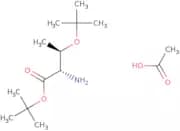
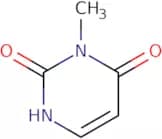
CAS:Controlled Product<p>O-tert-Butyl-L-threonine tert-butyl ester acetate salt is a crystalline solid that can be prepared by reacting threonine with an acid catalyst in the presence of volatile solvents such as isobutylene. It can also be prepared by reacting threonine with an acid catalyst in the presence of organic solvents such as dioxane. The tert-butyl ester acetate salt can be synthesized from O-tert-butyl L-threonine and acetate using superacid catalysts such as sulfuric acid. This process is simplified by using solvents such as dioxane, which are less corrosive than water or ethanol.</p>Formula:C14H29NO5Purity:Min. 95%Color and Shape:PowderMolecular weight:291.38 g/mol3-Methyluracil
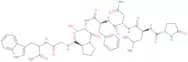
CAS:<p>3-Methyluracil is a molecule with the molecular formula CH3CHO. It has a protonated form, which is NH2CH2COOH, and an unprotonated form, which is NHCH2COOH. The protonation of 3-methyluracil can be seen in the hydrogen bonding between the two molecules. 3-Methyluracil is found in clinical studies as an effective treatment for obesity. It also has been shown to have nucleobase sequence specificity and can be used to detect adenosine in RNA sequences. 3-Methyluracil is a nucleophilic base that can bond with hydroxide ions from water or other protic solvents. This reaction results in the molecule becoming more acidic, which can be seen by the decrease in pH level when it comes into contact with hydrochloric acid.</p>Formula:C5H6N2O2Purity:Min. 95 Area-%Color and Shape:White Off-White PowderMolecular weight:126.11 g/molCrustacean Erythrophore Concentrating Hormone Pyr-Leu-Asn-Phe-Ser-Pro-Gly-Trp-NH2
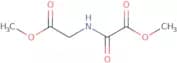
CAS:<p>Crustacean Erythrophore Concentrating Hormone Pyr-Leu-Asn-Phe-Ser-Pro-Gly-Trp-NH2 is a polypeptide hormone that belongs to the family of peptide hormones. It is a type of neurohormone that has been found in crustaceans. Crustacean Erythrophore Concentrating Hormone Pyr-Leu-Asn-Phe-Ser-Pro-Gly-Trp-NH2 shows high affinity for cardiac tissue and blocks the uptake of calcium ions into cells by binding to intracellular receptors. This peptide has been shown to have neurotrophic effects, which may be due to its ability to stimulate the production of nerve growth factor (NGF).</p>Formula:C45H59N11O11Purity:Min. 95%Molecular weight:930.02 g/molDimethyloxaloylglycine
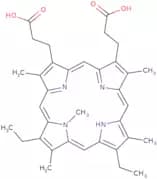
CAS:<p>Dimethyloxaloylglycine (DMOG) is a protein that has been shown to activate the hypoxic response in cells. DMOG is a small molecule with significant effects on the activation of the hif-1α pathway and its downstream effector, erythropoietin (EPO). DMOG also has been shown to have antitumour immunity and anti-inflammatory activity. It stimulates an immune response by inducing the production of cytokines, including tumor necrosis factor-α (TNF-α), interleukin-2 (IL-2), IL-6, and IL-10. The biochemical properties of DMOG are not well defined, but it has been shown to increase iron homeostasis and bowel disease in mice. DMOG also inhibits polymerase chain reaction amplification of bcl-2 protein and tubulointerstitial injury following myocardial infarct.</p>Formula:C6H9NO5Purity:Min. 98 Area-%Color and Shape:Yellow PowderMolecular weight:175.14 g/molN-Methyl mesoporphyrin IX
CAS:<p>N-Methyl mesoporphyrin IX is a molecule that inhibits the activity of enzymes such as carboxylesterases, proteases, and aminopeptidases. It binds to the active site of these enzymes and blocks the enzyme's activity. N-Methyl mesoporphyrin IX has been shown to inhibit cancer cells in humans and can be used as an adjunct treatment for cancer. This drug also has anti-inflammatory properties due to its ability to inhibit prostaglandins synthesis. N-Methyl mesoporphyrin IX has been shown to have an effect on plant physiology by inhibiting plant growth and photosynthesis. N-Methyl mesoporphyrin IX is also able to enhance hybridization reactions between dsDNA duplexes, which may be useful in research involving DNA sequencing or gene mapping.</p>Formula:C35H40N4O4Purity:Min. 95%Color and Shape:PowderMolecular weight:580.72 g/mol5-Hydroxy-L-tryptophan
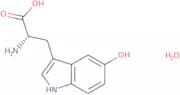
CAS:<p>5-hydroxy-L-tryptophan (5HTP) is a naturally occurring amino acid that is an intermediate in the synthesis of the neurotransmitter serotonin. 5HTP appears to be able to increase levels of serotonin in the brain and may be used to treat mood disorders, including depression and anxiety. In clinical trials, 5HTP was found to be as effective as some antidepressant drugs for treating depression. Studies have shown that 5HTP increases locomotor activity and dopamine concentrations. It also increases physiological functions such as temperature regulation, heart rate, blood pressure, and respiration rate. The mechanism by which 5HTP achieves these effects is not yet fully understood but may involve its ability to bind to specific receptors on cells in different regions of the brain.<br>5HTP has been shown to inhibit polymerase chain reactions (PCR) in vitro by binding to DNA gyrase and topoisomerase IV enzyme activities. It also inhibits fatty acid oxidation in vitro by binding</p>Formula:C11H12N2O3Purity:Min. 95%Color and Shape:PowderMolecular weight:220.22 g/molDL-Arginine hydrochloride
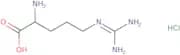
CAS:<p>L-Arginine is a conditionally essential amino acid that is used in the biosynthesis of proteins. It has been shown to inhibit the activity of specific enzymes, such as casein kinase II and phospholipase A2, which are involved in cellular processes. L-Arginine has been found to be beneficial for patients with type 2 diabetes mellitus who have poor glucose homeostasis and renal dysfunction. L-Arginine also enhances uptake of cationic surfactants by cells. L-Arginine HCl is an inorganic acid that may be used for pharmacokinetic studies in humans or animals.</p>Formula:C6H14N4O2•(HCl)xPurity:Min. 95%Color and Shape:PowderMolecular weight:174.2 g/molEthyl 2-hydroxy-5-methoxybenzoate
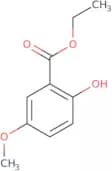
CAS:<p>Ethyl 2-hydroxy-5-methoxybenzoate (EHMB) is a phenolic compound that belongs to the group of salicylic acid. It is a natural product present in crucifers such as cabbage, broccoli, and cauliflower. EHMB has been shown to induce apoptosis in human leukemia cells through the inhibition of DNA methylation. The results showed that EHMB induces apoptosis in human leukemia cells by targeting the epigenetic regulator protein MLL1, which inhibits DNA methyltransferase 1 activity and leads to decreased levels of 5mC. EHMB also induces apoptosis in lung cancer cells by inhibiting cell proliferation and inducing cell death through the inhibition of GTPase activity, which leads to decreased levels of cyclin D1 and increased levels of p27. EHMB also regulates stem cell function by modulating gene expression; it has been shown that this compound can promote stem cell-like properties in mouse embryonic fibrobl</p>Formula:C10H12O4Purity:Min. 95%Color and Shape:Clear LiquidMolecular weight:196.2 g/mol2-Bromo-5-methylaniline
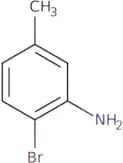
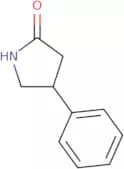
CAS:<p>2-Bromo-5-methylaniline is an insecticide that is used to control a number of pests, such as flies and mosquitoes. It has been shown to be effective against plasmodium falciparum, the parasite responsible for causing malaria. 2-Bromo-5-methylaniline inhibits the growth of plasmodium by interfering with the synthesis of proteins vital for cell division. This drug can cause unintended effects on other insects and mammals, which may be due to its ability to inhibit acetylcholinesterase activity in humans and rats, leading to paralysis. 2-Bromo-5-methylaniline is also a product of palladium catalyzed reactions with isocryptolepine, a chemical compound that has been shown to have antiplasmodial properties.</p>Formula:C7H8BrNPurity:Min. 95%Color and Shape:White To Brown SolidMolecular weight:186.05 g/mol4-Phenyl-2-pyrrolidone
CAS:<p>4-Phenyl-2-pyrrolidone (4PP) is a chemical that inhibits bacterial growth by binding to the fatty acids required for cellular membrane synthesis. 4PP has been shown to inhibit the production of gamma-aminobutyric acid (GABA), an inhibitory neurotransmitter, and also has an aromatic hydrocarbon structure, which may be important for its antibacterial activity. The effective dose of 4PP is 10 µg/mL and it can be used in aerobic environments. This chemical also has a kinetic effect on the production of RNA sequences, which could play a role in its ability to inhibit bacterial growth.</p>Formula:C10H11NOPurity:Min. 95%Color and Shape:PowderMolecular weight:161.2 g/mol1-Isocyanato-2-methylpropane
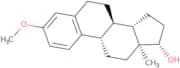
CAS:<p>1-Isocyanato-2-methylpropane is a polymeric matrix material that is a component of the antimicrobial agent, 1-isocyanato-2-methylpropane. It can be synthesized from the reaction of an amide with hydrogen fluoride and an acylation reaction with a biphenyl. 1-Isocyanato-2-methylpropane has been shown to have anticancer activity in mice.</p>Formula:C5H9NOPurity:Min. 95%Color and Shape:Colorless Clear LiquidMolecular weight:99.13 g/molβ-Estradiol 3-methyl ether
CAS:Controlled Product<p>Beta-estradiol 3-methyl ether is a synthetic estrogen that is used as an oral contraceptive. It has been shown to be effective in the treatment of secondary amenorrhea and menorrhagia, as well as in the prevention of pregnancy. Beta-estradiol 3-methyl ether has been shown to increase fibrinogen levels and may be useful in the treatment of thrombocytopenia. A bolus dose of beta-estradiol 3-methyl ether may also be used to induce abortion, resulting in a decrease in blood pressure. The active form is taken up by cells via passive diffusion and is converted into estradiol by cytochrome P450 enzymes. Beta-estradiol 3-methyl ether binds to fatty acids with two or more carbon atoms, which then enter the cell by facilitated diffusion through specific membrane protein carriers. These carriers are blocked by atropine sulfate, preventing uptake of beta-estradiol 3-methyl ether</p>Formula:C19H26O2Purity:Min. 98 Area-%Color and Shape:PowderMolecular weight:286.41 g/molAluminiumHydroxybis[2,2'-methylen-bis(4,6-di-tert-butylphenyl)phosphate]
CAS:<p>Please enquire for more information about AluminiumHydroxybis[2,2'-methylen-bis(4,6-di-tert-butylphenyl)phosphate] including the price, delivery time and more detailed product information at the technical inquiry form on this page</p>Formula:C58H85AlO9P2Purity:Min. 95%Color and Shape:PowderMolecular weight:1,015.22 g/molLL-37 TFA
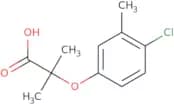
<p>LL-37 TFA is a reagent, complex compound and useful intermediate for the fine chemical and pharmaceutical industries. It is also an important building block for the synthesis of other chemicals. LL-37 TFA has CAS No. 71428-08-9, which is a speciality chemical that can be used in research as well as in many different reactions. The versatility of this compound makes it a very useful building block for the synthesis of other chemicals.</p>Formula:C205H340N60O53•xC2HF3O2Purity:Min. 95 Area-%Color and Shape:PowderMolecular weight:4,493.25 g/mol2-(4-Chloro-3-methylphenoxy)-2-methylpropanoic acid
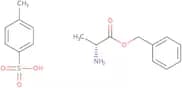
CAS:<p>2-(4-Chloro-3-methylphenoxy)-2-methylpropanoic acid (mCPP) is a pharmaceutical agent with a molecular weight of 318. It is used as an antidepressant and to treat anxiety disorders. This compound is quantified by reaction monitoring and recovery, using acetonitrile, chromatographic and spectrometric analysis. Optimization of the parameters for this analytical method has been carried out by monitoring the effects of ammonium formate on high concentrations of mCPP. The liquid chromatography technique was used to identify and quantify mCPP in order to develop a robust analytical method that can be applied to clinically relevant samples.</p>Formula:C11H13ClO3Purity:Min. 95%Color and Shape:PowderMolecular weight:228.67 g/molD-Alanine benzyl ester p-toluenesulfonate salt
CAS:<p>D-Alanine benzyl ester p-toluenesulfonate salt is a fine chemical that is used in research and development. It is a versatile building block that can be used as an intermediate or a reaction component. D-Alanine benzyl ester p-toluenesulfonate salt has been shown to have high quality, which makes it useful for the production of complex compounds. This compound can be used as a speciality chemical or as a reagent in research.</p>Formula:C10H13NO2·C7H8O3SPurity:Min. 95%Color and Shape:PowderMolecular weight:351.42 g/mol2,2'-(Diazene-1,2-diyl)bis(2-methylpropanimidamide) dihydrochloride
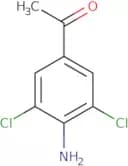
CAS:<p>2,2'-(Diazene-1,2-diyl)bis(2-methylpropanimidamide) dihydrochloride (BPDC) is a synthetic compound that is used as an analytical reagent and a model system for oxidative injury. It has significant cytotoxicity on human cells in cell culture. BPDC induces oxidative damage to proteins and DNA by increasing the production of reactive oxygen species such as hydrogen peroxide, superoxide, and hydroxyl radicals. The mechanism of action is not well understood but may be due to Toll-like receptor signalling pathways. This compound has been shown to inhibit the activity of antioxidant enzymes such as glutathione peroxidase and catalase. It also inhibits the activity of proinflammatory cytokines such as IL-6 and IL-8. BPDC is being investigated for its potential use in bowel disease treatment.</p>Formula:C8H20Cl2N6Purity:Min. 95%Color and Shape:PowderMolecular weight:271.19 g/mol1-(4-Amino-3,5-dichloro-phenyl)-2-ethanone
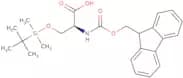
CAS:<p>1-(4-Amino-3,5-dichloro-phenyl)-2-ethanone is a beta-adrenergic agent. It has been used as a stable isotope label for the study of the pharmacokinetics and metabolism of drugs in humans. In addition, it has been shown to have a good stability profile in acidic solutions and can be easily converted to other derivatives by simple chemical methods. The compound's UV spectrum is linear with respect to concentration over the range from 0.1 to 1 mg/mL, with maxima at 227 nm and 254 nm. This compound has been characterized using analytical methods such as diffraction, spectroscopy, and chromatography.</p>Formula:C8H7Cl2NOPurity:Min. 95%Color and Shape:PowderMolecular weight:204.05 g/molFmoc-O-tert-butyldimethylsilyl-L-serine
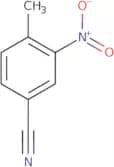
CAS:<p>Fmoc-O-tert-butyldimethylsilyl-L-serine is a monomer that can be used in the solid-phase synthesis of conjugates. It has been shown to be an efficient method for synthesizing bioconjugates, which are used in chemical biology and biotechnology. Fmoc-O-tert-butyldimethylsilyl-L-serine is also efficient for the synthesis of proteins, small organic molecules, and carbohydrates. This monomer is often used as a building block for peptide synthesis because it can be easily removed from the peptides with trifluoroacetic acid or other acid catalysts.</p>Formula:C24H31NO5SiPurity:Min. 95%Color and Shape:SolidMolecular weight:441.59 g/mol4-Methyl-3-nitrobenzonitrile
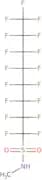
CAS:<p>4-Methyl-3-nitrobenzonitrile is a potent antibacterial agent that belongs to the group of nitro compounds. It has been shown to be effective against gram negative bacteria at low concentrations. 4-Methyl-3-nitrobenzonitrile inhibits bacterial growth by binding to the enzyme nitroreductase, which is responsible for the conversion of nitrite ions to nitric oxide. This leads to a decrease in the production of toxic oxygen radicals, which are responsible for cell damage and death. 4-Methyl-3-nitrobenzonitrile has also been shown to have a linker length dependent antimicrobial activity against P. aeruginosa, with longer linkers being more active than shorter linkers.</p>Formula:C8H6N2O2Purity:Min. 95%Color and Shape:PowderMolecular weight:162.15 g/mol1,1,2,2,3,3,4,4,5,5,6,6,7,7,8,8,8-Heptadecafluoro-N-methyloctane-1-sulfonamide
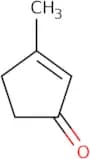
CAS:Controlled Product<p>1,1,2,2,3,3,4,4,5,5,6,6,7,7,8,8-heptadecafluoro-N-methyloctane-1-sulfonamide is a perfluorinated sulfonate that is used as a surfactant in wastewater treatment and to package food. This compound is not water soluble and requires an organic solvent to dissolve it. It has been shown that the use of 1HFAFMS can reduce the amount of phosphates in packaging materials by up to 50%. 1HFAFMS also has been found to be safe for humans and does not accumulate in the environment. It does not bioaccumulate and is rapidly excreted through urine.</p>Formula:C9H4F17NO2SPurity:Min. 95%Color and Shape:PowderMolecular weight:513.17 g/mol3-Methylcyclopent-2-enone
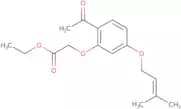
CAS:<p>3-Methylcyclopent-2-enone is a biologically active compound that has been shown to have an inhibitory effect on the growth of mouse melanoma cells. 3-Methylcyclopent-2-enone inhibits the production of crotonic acid, one of the major intermediates in the synthesis of cyclopentenones. It also inhibits the growth of mycobacteria and other bacteria by inducing cell death. 3-Methylcyclopent-2-enone is formed by reacting crotonic acid with a base such as hydrochloric acid or sodium hydroxide. This reaction produces water, hydrogen chloride gas, and β-unsaturated ketones. The molecular modeling software used in this study was Gaussian 09</p>Formula:C6H8OPurity:Min. 95%Color and Shape:Colorless Clear LiquidMolecular weight:96.13 g/mol2'-Ethoxycarbonylmethoxy-4'-(3-methyl-2-butenyloxy)acetophenone
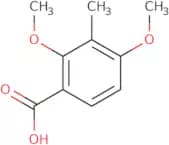
CAS:<p>2'-Ethoxycarbonylmethoxy-4'-(3-methyl-2-butenyloxy)acetophenone is a centrosymmetric molecule with a crystal structure. It has been shown to form dimers in the solid state.</p>Formula:C17H22O5Purity:Min. 95%Color and Shape:PowderMolecular weight:306.35 g/mol2,4-Dimethoxy-3-methylbenzoic acid
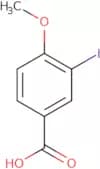
CAS:<p>2,4-Dimethoxy-3-methylbenzoic acid is a fine chemical that is used as a versatile building block in the synthesis of other organic compounds. 2,4-Dimethoxy-3-methylbenzoic acid has been used in research to generate novel compounds with desired properties. It is also used as a reaction component and speciality chemical. The compound can be reacted with sodium methoxide in methanol to form 2,4-dimethoxybenzaldehyde, which is an intermediate for the synthesis of other chemicals. It also reacts with nitric acid to form 2,4-dimethylbenzoic acid and oleum. These reactions are useful for the production of certain drugs or for the synthesis of polymers.</p>Formula:C10H12O4Purity:Min. 95%Molecular weight:196.2 g/mol3-Iodo-4-methoxybenzoic acid
CAS:<p>3-Iodo-4-methoxybenzoic acid is a biaryl compound that can be synthesized by the cross-coupling reaction of an aryl boronic acid and benzene. 3-Iodo-4-methoxybenzoic acid is a good substrate for Suzuki cross-coupling reactions. The optimisation of this reaction requires sterically unhindered substrates, high solvents, and refluxing conditions. 3-Iodo-4-methoxybenzoic acid is also suitable for the synthesis of esters by esterification with alcohols in the presence of a catalytic amount of acid.</p>Formula:C8H7IO3Purity:Min. 95%Molecular weight:278.04 g/molH-Asp(OPp)-OH
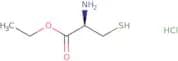
<p>Please enquire for more information about H-Asp(OPp)-OH including the price, delivery time and more detailed product information at the technical inquiry form on this page</p>Purity:Min. 95%L-Cysteine ethyl ester hydrochloride
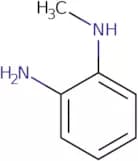
CAS:<p>L-Cysteine ethyl ester HCl is a disulfide bond that is used in the synthesis of proteins. It is also used to prevent hair loss and to treat baldness. L-Cysteine ethyl ester HCl has potent antitumor activity, which may be due to its ability to react with nucleophilic substitutions. In addition, L-Cysteine ethyl ester HCl can induce apoptosis by binding to the apoptosis protein. The reaction mechanism is not well understood but it may involve hydroxide ion and organometallic complexes. L-Cysteine ethyl ester HCl is soluble in water at neutral pH and poorly soluble in ethanol. It hydrolyzes in the presence of acid or base, forming trifluoroacetic acid or sodium hydroxide solution respectively.</p>Formula:C5H11NO2S•HClPurity:Min. 95%Color and Shape:PowderMolecular weight:185.67 g/molN-Methyl-1,2-phenylenediamine
CAS:<p>N-Methyl-1,2-phenylenediamine is a solvent that can be used in the synthesis of proteins and other biomolecules. It has been shown to have maximal response at a pH of 5.5 and is an enzyme substrate for nitrogen atoms. The conformational properties of N-Methyl-1,2-phenylenediamine are determined by its solid-phase synthesis. NMR spectra show that N-Methyl-1,2-phenylenediamine has hydrogen bonding capabilities with other molecules such as water and hydrochloric acid. This substance also has fluorescence properties when exposed to ultraviolet light or hydrogen peroxide. Trichomonas vaginalis is inhibited by this compound because it causes the organism to lose its motility due to the hydrogen bonds formed with the hydroxyl groups on the surface of trichomonas vaginalis.</p>Formula:C7H10N2Purity:Min. 95%Color and Shape:Clear LiquidMolecular weight:122.17 g/molH-D-allo-Threonine methyl ester hydrochloride
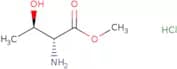
CAS:<p>H-D-allo-Threonine methyl ester hydrochloride is a speciality chemical that is used in research and development. It is an intermediate for the synthesis of other compounds, such as pharmaceuticals, pesticides, and fragrances. H-D-allo-Threonine methyl ester hydrochloride has been shown to be useful in the production of methanol and ethanol. This compound also has high quality and can be used as a reagent for other reactions.</p>Formula:C5H11NO3•HClPurity:Min. 95%Color and Shape:PowderMolecular weight:169.61 g/molBoc-1-amino-4,7,10-trioxa-13-tridecanamine
CAS:<p>Boc-1-amino-4,7,10-trioxa-13-tridecanamine (BocAT) is a triazine compound that has been used to synthesize azides as well as to inhibit the growth of cancer cells. The inhibition of tumor cells is achieved through the covalent attachment of BocAT to lysine residues on the cell surface. This process leads to cell death by preventing the synthesis of proteins necessary for cell division and metabolism. BocAT has also been shown to bind gadolinium and other metal ions with high specificity. It can be used in vivo for tumor tissue localization and imaging with magnetic resonance imaging (MRI).</p>Formula:C15H32N2O5Purity:Min. 95%Color and Shape:Yellow LiquidMolecular weight:320.43 g/mol5-Methoxy-D-tryptophan
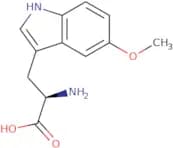
CAS:<p>5-Methoxy-D-tryptophan is a biaryl amino acid derivative that belongs to the class of alkaloids. It is a chiral monomeric building block derived from D-tryptophan. 5-Methoxy-D-tryptophan is commonly used in research chemicals and has been found in natural products such as lochnerine and indole. This compound exhibits unique properties and can be utilized for various applications in the field of chemistry and biochemistry. Its versatility makes it an essential component for researchers and scientists looking to explore new avenues in their studies.</p>Formula:C12H14N2O3Purity:Min. 95%Color and Shape:PowderMolecular weight:234.25 g/molDL-Lysine hydrochloride
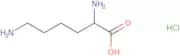
CAS:<p>The solubility of DL-Lysine hydrochloride in water is low, with a solubility of 0.01 g/100 mL at 25 °C. The pH of the solution is 7.0 and the concentration is 10.00%. The pH of the solution was determined using a pH meter. The concentration was determined by weight measurements using a balance and a volumetric flask. DL-Lysine hydrochloride reacts with hydrochloric acid to form an amide linkage between lysine residues on adjacent polypeptides or proteins, which may be used as a cross-linking agent for cell culture experiments. This compound has been shown to inhibit the growth of herpes simplex virus type 1 (HSV-1) in cell culture experiments, although it has no effect on HSV-2 because it lacks an amino group at position 2 on its side chain.</p>Formula:C6H14N2O2·HClPurity:Min. 98%Color and Shape:PowderMolecular weight:182.65 g/mol7-Amino-2-(4-methoxyphenyl)[1,2,4]triazolo[1,5-a]pyrimidin-5(4H)-one
CAS:<p>7-Amino-2-(4-methoxyphenyl)[1,2,4]triazolo[1,5-a]pyrimidin-5(4H)-one is a fine chemical that belongs to the category of versatile building blocks. It can be used as a reagent for research purposes and as a speciality chemical for the production of complex compounds. This compound is also an important building block for the synthesis of compounds with high quality and useful scaffolds.</p>Formula:C12H11N5O2Purity:Min. 95%Color and Shape:PowderMolecular weight:257.25 g/mol4-Phenoxycinnamic acid
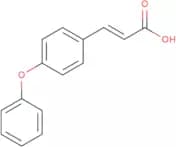
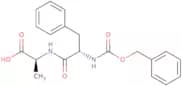
CAS:<p>4-Phenoxycinnamic acid is a useful scaffold and building block in organic chemistry. It is a versatile chemical intermediate with a CAS number of 2215-83-0, often used in the synthesis of other molecules. 4-Phenoxycinnamic acid has recently been shown to be an effective reagent for the conversion of nitrobenzene to benzyl alcohols, which are useful in the production of pharmaceuticals. This compound can also be used as a high-quality research chemical and as a speciality chemical for use in laboratory experimentation.</p>Formula:C15H12O3Purity:Min. 95%Color and Shape:PowderMolecular weight:240.25 g/molZ-Phe-Ala-OH
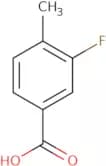
CAS:<p>Z-Phe-Ala-OH is a synthetic amino acid with the chemical formula of C10H13NO3. This compound is a racemic mixture of L-Z-Phe and D-Z-Phe. Z-Phe-Ala-OH has been shown to inhibit protein synthesis by acting as an enzyme inhibitor, which leads to neuronal death. It also has reactive properties that can lead to cell death, which may be due to its ability to react with methyl ketones. Z-Phe-Ala-OH's acidic nature makes it a toxic compound for cells and can cause apoptotic effects. The reactive properties of this compound make it a potential candidate for use in cancer therapy and other treatments that target glutamate receptors and their signaling pathways, such as excitotoxic or glutamate antagonists.</p>Formula:C20H22N2O5Purity:Min. 95%Color and Shape:White To Off-White SolidMolecular weight:370.4 g/mol3-Fluoro-4-methylbenzoic acid
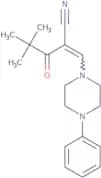
CAS:<p>3-Fluoro-4-methylbenzoic acid is an organic compound that is used as a ligand in coordination chemistry. This compound is an alkynyl ligand with a selenium atom at the 3 position, and it can be used to make metal complexes with cycloalkyl and heterocycloalkyl rings. 3-Fluoro-4-methylbenzoic acid has been shown to be a potent inhibitor of matrix metalloproteinase activity.</p>Formula:C8H7FO2Purity:Min. 95%Color and Shape:PowderMolecular weight:154.14 g/mol2-(2,2-dimethylpropanoyl)-3-(4-phenylpiperazinyl)prop-2-enenitrile
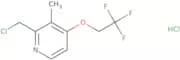
CAS:<p>Please enquire for more information about 2-(2,2-dimethylpropanoyl)-3-(4-phenylpiperazinyl)prop-2-enenitrile including the price, delivery time and more detailed product information at the technical inquiry form on this page</p>Purity:Min. 95%2-Chloromethyl-3-methyl-4-(2,2,2-trifluoroethoxy)pyridine, hydrochloride
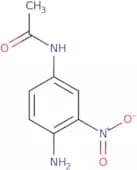
CAS:<p>Please enquire for more information about 2-Chloromethyl-3-methyl-4-(2,2,2-trifluoroethoxy)pyridine, hydrochloride including the price, delivery time and more detailed product information at the technical inquiry form on this page</p>Formula:C9H10Cl2F3NOPurity:Min. 95%Molecular weight:276.08 g/mol1-N-Acetyl-3-nitro-p-phenylenediamine
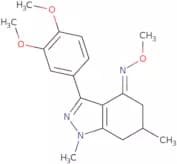
CAS:<p>1-N-Acetyl-3-nitro-p-phenylenediamine is a hydrolytic product of 1,4-diaminobenzene. It is an intermediate in the preparation of naphthalene diamine and has been shown to hydrolyze in acidic solutions.</p>Formula:C8H9N3O3Purity:Min. 95%Color and Shape:PowderMolecular weight:195.18 g/mol3-(3,4-dimethoxyphenyl)-1,6-dimethyl-(5,6,7-trihydro1H-indazol)-4-O-methyloxime
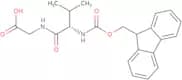
CAS:<p>Please enquire for more information about 3-(3,4-dimethoxyphenyl)-1,6-dimethyl-(5,6,7-trihydro1H-indazol)-4-O-methyloxime including the price, delivery time and more detailed product information at the technical inquiry form on this page</p>Purity:Min. 95%Fmoc-Val-Gly-OH
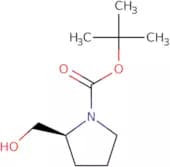
CAS:<p>Fmoc-Val-Gly-OH is a Research Chemical that is commonly used in the field of efficient synthesis. It is an amino acyl compound that can be utilized for the synthesis of various molecules. Fmoc-Val-Gly-OH is known for its high efficiency and reliability in producing desired results. It can be easily analyzed using spectrometry techniques, allowing researchers to accurately determine its composition and purity. This versatile compound can react with azides, alcohols, and other compounds to create new chemical entities. With its efficient properties, Fmoc-Val-Gly-OH is an essential tool for scientists and researchers in their quest for innovative discoveries.</p>Formula:C22H24N2O5Purity:Min. 95%Molecular weight:396.44 g/molN-Boc-L-prolinol
CAS:<p>N-Boc-L-prolinol is a chiral proline derivative that has been modified with an allyl group. It is a potent nicotinic acetylcholine antagonist, and it has been shown to have immune functions in vitro. The synthesis of N-Boc-L-prolinol occurs through a three-step process involving the use of organocatalysts, asymmetric synthesis, and stereoselective reactions. This molecule is also useful for the study of apoptotic signaling pathways in cells.</p>Formula:C10H19NO3Purity:Min. 95%Color and Shape:White PowderMolecular weight:201.26 g/molMethyl 2-hydroxy-3-methoxybenzoate
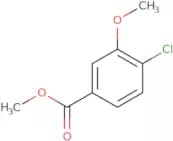
CAS:<p>Methyl 2-hydroxy-3-methoxybenzoate is a tetranuclear synthetic compound that has been reported to have efficient methods for its synthesis. Cryogenic techniques were used in the crystallography and bioassaying of Methyl 2-hydroxy-3-methoxybenzoate. The spectrometric data obtained from this compound are indicative of a hydroxyl group and an isomeric nature. The synthesis of Methyl 2-hydroxy-3-methoxybenzoate occurs through palladium mediated coupling with ethyl 3,4,5,6-tetrahydropyridinecarboxylate. Weevil (Coleoptera) extractable receptors have been shown to bind to this compound.</p>Formula:C9H10O4Purity:Min. 95%Color and Shape:PowderMolecular weight:182.17 g/mol4-Chloro-3-methoxybenzoic acid methyl ester
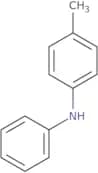
CAS:<p>4-Chloro-3-methoxybenzoic acid methyl ester is a chemical compound that is used as a reagent in organic synthesis. It can be used to produce high quality research chemicals, speciality chemicals, and fine chemicals. This compound has a wide variety of uses because it is versatile and can be used as a reaction component or building block. Its CAS number is 116022-18-5.</p>Formula:C9H9ClO3Purity:Min. 95%Color and Shape:SolidMolecular weight:200.62 g/mol4-Methyldiphenylamine
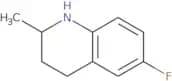
CAS:<p>4-Methyldiphenylamine is a polymerization inhibitor that can be used in the manufacture of polymers and paints. It has been shown to inhibit the polymerization of phenylenediamines, biphenyls, anilines, and other compounds. 4-Methyldiphenylamine is not soluble in water and must be dissolved in an organic solvent such as acetone or alcohol before use. This compound is also known for its ability to form complexes with aluminium ions and phosphotungstic acid. It reacts with chloride to form a yellow/brown solid that can be removed by filtration or decantation. The optimal reaction time ranges from 3 hours to 24 hours, depending on the substrate being used. Impurities may include chromatographic peaks at Rf 0.67, 0.59, and 0.50; these impurities can be removed by washing with deionized water or by using a different solvent system during chromatography. 4</p>Formula:C13H13NPurity:Min. 95%Molecular weight:183.25 g/mol6-Fluoro-1,2,3,4-tetrahydro-2-methylquinoline
CAS:<p>6-Fluoro-1,2,3,4-tetrahydro-2-methylquinoline is an organocatalytic fluorine compound that has been investigated as a fluoroquinolone antibiotic. It is an enantiopure compound and has been shown to be effective in the treatment of bacterial infections. 6-Fluoro-1,2,3,4-tetrahydro-2-methylquinoline inhibits bacterial growth by binding to DNA gyrase and topoisomerase IV. 6FLMQ is a chiral molecule with two possible configurations (R or S), which can be determined from x-ray crystallography. The S configuration is more potent than the R configuration. 6FLMQ also binds with chloride ions to form a cationic complex that can be used for antibacterial activity against Gram negative bacteria such as Escherichia coli and Pseudomonas aeruginosa.<br>6FLMQ has</p>Formula:C10H12FNPurity:Min. 95%Color and Shape:PowderMolecular weight:165.21 g/moltrans-2-Methyl-1,3-pentadiene
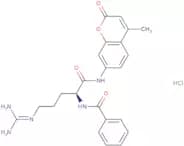
CAS:<p>Trans-2-methyl-1,3-pentadiene is a polymerized molecule that is derived from the β-unsaturated ketone. It has a molecular weight of 132.14 g/mol and an isolated yield of 10%. Trans-2-methyl-1,3-pentadiene has been shown to undergo cationic polymerization with lithium aluminum hydride (LAH) as the catalyst to form polymers. The two isomers are cis and trans and have different energy requirements for activation. This reaction can be done at room temperature in THF using potassium tetrachloroplatinate (KPtCl) as a catalyst. Trans-2-methyl-1,3 pentadiene can also be used for size exclusion chromatography in water or organic solvents such as cyclohexane or hexane.</p>Formula:C6H10Purity:90%MinMolecular weight:82.14 g/molBz-Arg-AMC hydrochloride
CAS:<p>Bz-Arg-AMC·HCl is a fluorescent substrate for the enzyme trypsin. It is used to measure the extent of proteolysis in biological systems and can be used in aquaculture to measure the activity of enzymes in fish stomachs. Bz-Arg-AMC·HCl has been found to be stable over a wide range of temperatures, pH, and salt concentrations.</p>Formula:C23H25N5O4•HClPurity:Min. 95%Color and Shape:White/Off-White SolidMolecular weight:471.94 g/molN-Acetyl-D-glutamic acid
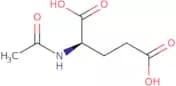
CAS:<p>N-Acetyl-D-glutamic acid is an amino acid that is the building block for proteins in the body. It is a product of the hydrolysis of glutamic acid and is used to treat metabolic disorders such as lysinuric protein intolerance, which blocks the body's ability to break down proteins. N-Acetyl-D-glutamic acid can be found in sources such as peptone, glutamate, and d-carnitine. It has optimum temperature range of 25°C to 45°C. This amino acid can be used as an optical pH indicator due to its red color under acidic conditions and blue color under basic conditions.</p>Formula:C7H11NO5Purity:Min. 95%Color and Shape:PowderMolecular weight:189.17 g/mol4-Phenoxystyrene, stabilised with 0.1% p-tert-butylcatechol
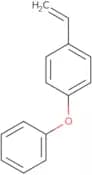
CAS:<p>4-Phenoxystyrene (4PS) is a vinylic monomer that is used in the production of polymers and plastics. 4PS can be synthesized by electroreduction of styrene, followed by halide abstraction. The dimerization reactions are reversible and depend on the temperature, concentration, and pH. Monomeric 4PS can also be produced through chlorination of the phenol groups at -30°C. <br>The yield of monomeric 4PS is between 63% to 81% with an overall yield of 78%. The ethers diphenyl ether (DPE) and tetradecylphenylether (TEPE) were found to be good catalysts for the dimerization reaction. The rate of this reaction was found to increase as the number of phenyl groups increased on the molecule.</p>Formula:C14H12OPurity:Min. 95%Color and Shape:PowderMolecular weight:196.24 g/mol1-(2-Isopropyl-6-methylphenyl)thiourea
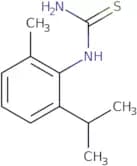
CAS:<p>Please enquire for more information about 1-(2-Isopropyl-6-methylphenyl)thiourea including the price, delivery time and more detailed product information at the technical inquiry form on this page</p>Formula:C11H16N2SPurity:Min. 95%Color and Shape:PowderMolecular weight:208.32 g/molmethyl 2-nitrilo-3-methylthio-3-(phenylamino)prop-2-enoate
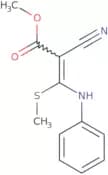
CAS:<p>Please enquire for more information about methyl 2-nitrilo-3-methylthio-3-(phenylamino)prop-2-enoate including the price, delivery time and more detailed product information at the technical inquiry form on this page</p>Purity:Min. 95%4-Methoxy-2-nitroaniline
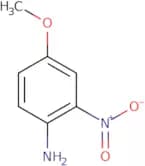
CAS:<p>4-Methoxy-2-nitroaniline is a molecule that has been shown to be able to form an intramolecular hydrogen bond with the 5' carbon of the sugar ring. This reaction leads to the formation of an alkoxy radical, which reacts with chloride ions in acidic conditions. The formation of this intermediate product is reversible, and can be used for analysis of hydrochloric acid. 4-Methoxy-2-nitroaniline has also been shown to react with diazonium salt in the presence of acid, forming a molecule that contains two amines. This reaction can be reversed by adding hydrogen chloride to the solution and analyzing the solution's acidity.</p>Formula:C7H8N2O3Purity:Min. 98 Area-%Color and Shape:PowderMolecular weight:168.15 g/mol4-Methoxy estrone
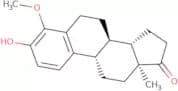
CAS:Controlled Product<p>4-Methoxy estrone is a metabolite of estradiol that has been shown to induce cellular transformation in vitro and tumorigenesis in vivo. It can be found in the urine of women with breast cancer and is also produced during pregnancy. 4-Methoxy estrone has been shown to have a high affinity for catechol-O-methyltransferase (COMT) enzyme, which may contribute to its carcinogenic effects. Studies have also shown that 4-methoxy estrone can be metabolized by hydroxylation at the 4 position to form catechol estrogen metabolites, which are associated with preeclampsia. This compound has been identified as an endocrine disruptor that alters metabolic profiles when administered to animals.</p>Formula:C19H24O3Purity:Min. 95%Color and Shape:PowderMolecular weight:300.39 g/molPigment YellOw 5;2-[(2-NitrOphenyl)azO]-3-OxO-N-phenylbutanamide
CAS:<p>Please enquire for more information about Pigment YellOw 5;2-[(2-NitrOphenyl)azO]-3-OxO-N-phenylbutanamide including the price, delivery time and more detailed product information at the technical inquiry form on this page</p>Purity:Min. 95%3-Fluoro-5-methylbenzonitrile
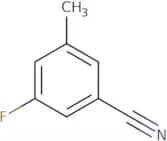
CAS:<p>3-Fluoro-5-methylbenzonitrile is a reactive halogen molecule that can be used in model compounds, such as 3-fluoro-5-methylbenzoic acid. It has been shown to react with nucleophiles in the presence of microwaves, yielding high yields. The compound can be labeled with a variety of labels, including fluorine isotopes, which can be useful for tracking the compound's metabolism.</p>Formula:C8H6FNPurity:Min. 95%Color and Shape:PowderMolecular weight:135.14 g/molBoc-Dap-OtBu hydrochloride salt
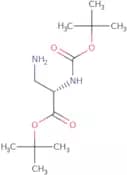
CAS:<p>Boc-Dap-OtBu hydrochloride salt is a chemical that is synthesized by anhydride and trifluoroacetic acid. It can be used in the laboratory for protein visualization, as well as to detect proteins using LC-MS. The presence of trifluoroacetic acid makes the Boc-Dap-OtBu hydrochloride salt fluorescent, which makes it possible to visualize the reaction products under UV light. This chemical is often used in fluorescence spectrometry to identify amino acids and other compounds.</p>Formula:C12H24N2O4Purity:Min. 95%Color and Shape:PowderMolecular weight:260.33 g/mol1-(2-Methoxyphenyl)-2-nitroethane
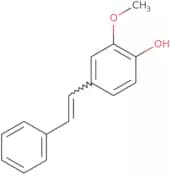
CAS:<p>1-(2-Methoxyphenyl)-2-nitroethane is a natural alkaloid that is found in the plant Piper methysticum. This compound has been shown to inhibit the transformation of nitroalkenes to nitropropene and nitrobenzene. The synthetic studies on this compound are mainly focused on its effects on other nitroalkenes. It has been shown that 1-(2-methoxyphenyl)-2-nitroethane can be used as an inhibitor of cyclization reactions, such as the synthesis of indole alkaloids, which are important in many pharmacological processes and biological systems.</p>Formula:C9H9NO3Purity:Min. 95%Color and Shape:PowderMolecular weight:179.17 g/mol4-Hydroxy-3-methoxystilbene
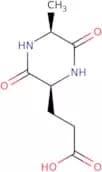
CAS:<p>4-Hydroxy-3-methoxystilbene is a natural phenolic compound found in plants. It is an olefinic peroxide that is unreactive and pressurized under normal conditions. It has been isolated from the leaves of the plant, Stilbocarpa erythrophylla, which grows in the tropical forests of Malaysia. The structure of 4-hydroxy-3-methoxystilbene was determined by chromatographic analysis and hydrogen peroxide plates. Phase chromatography was used to separate 4-hydroxy-3-methoxystilbene from other compounds with similar structures, such as acetylated flavonoids or hydroxylated flavonoids. The melting point of 4-hydroxy-3-methoxystilbene was determined by temperature measurements, and its ultraviolet spectrophotometry was used to detect the presence of a hydroxyl group in its chemical structure.</p>Formula:C15H14O2Purity:Min. 95%Color and Shape:PowderMolecular weight:226.27 g/molCyclo(-L-Ala-L-Glu)
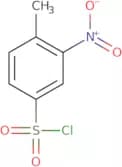
CAS:<p>Cyclo(-L-Ala-L-Glu) is a versatile building block that belongs to the class of complex compounds. It can be used as a reagent, speciality chemical, or useful building block in organic synthesis. Cyclo(-L-Ala-L-Glu) has been shown to participate in a wide range of reactions, including condensation, esterification, and oxidation. Cyclo(-L-Ala-L-Glu) also has interesting properties that make it useful as an intermediate for the synthesis of other compounds. Cyclo(-L-Ala-L-Glu) can be heated with a strong acid such as nitric acid to produce cyclopropane derivatives. The high quality and usefulness of Cyclo(-L-Ala-L-Glu) makes it an excellent scaffold for synthetic chemistry.</p>Formula:C8H12N2O4Purity:Min. 95%Color and Shape:PowderMolecular weight:200.19 g/mol4-Methyl-3-nitrobenzenesulfonyl chloride
CAS:<p>4-Methyl-3-nitrobenzenesulfonyl chloride (4MNBS) is a fungicide that inhibits the growth of fungi, such as Plasmodiophora brassicae, by inhibiting the enzyme dehydrogenase. 4MNBS has also been shown to inhibit mammalian pyridine nucleotide dehydrogenase and to have low toxicity in mammals. 4MNBS has been found to be an inhibitor of human cytochrome P450 isoforms CYP1A2, CYP2B6, and CYP3A4 with IC50 values ranging from 10 μM to 100 μM. 4MNBS was also shown to be a potent inhibitor of chloroplast dehydrogenases from cruciferous plants with IC50 values between 0.1 μM and 100 nM. This compound has low phytotoxicity and does not accumulate in the leaves of cruciferous plants at a concentration of 500 ppm or higher.</p>Formula:C7H6ClNO4SPurity:Min. 95%Molecular weight:235.65 g/mol2-Methyl-4,9-dihydro-3-thia-4,9-diazabenzo[f]azulene-10-one
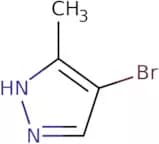
CAS:<p>2-Methyl-4,9-dihydro-3-thia-4,9-diazabenzo[f]azulene-10-one is a high quality reagent that can be used as a useful intermediate or fine chemical. This compound is a complex compound with CAS No. 221176-49-4, which is used as a useful scaffold for the synthesis of other compounds. It also has a variety of uses in research and is versatile building block for organic synthesis. 2-Methyl-4,9-dihydro-3-thia-4,9 -diazabenzo[f]azulene 10 one can be used in reactions such as Friedel Crafts alkylation and amidation reactions to produce valuable substances.</p>Formula:C12H10N2OSPurity:Min. 95%Color and Shape:SolidMolecular weight:230.29 g/mol4-Bromo-3-methylpyrazole
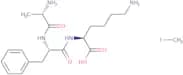
CAS:<p>4-Bromo-3-methylpyrazole is a 3-methylpyrazole that has been shown to have an inhibitory effect on the growth of plants. It is used as a predictive model for pyrazole compounds and has been shown to be an additive in crop plants. 4-Bromo-3-methylpyrazole can be activated by diazo compounds, such as nitrosamines, leading to a variety of chemical reactions. The descriptor for this compound is C6H4BrN2.</p>Formula:C4H5BrN2Color and Shape:PowderMolecular weight:161 g/molAlanyl-phenylalanyl-lysine fluoromethane
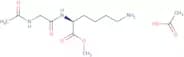
CAS:Controlled Product<p>Alanyl-phenylalanyl-lysine fluoromethane is a competitive inhibitor of the enzyme kallikrein. It binds to the active site of kallikrein and competes with the natural substrate peptidyl-piperidinium for binding, thereby inhibiting the activity of the enzyme. Alanyl-phenylalanyl-lysine fluoromethane has been shown to inhibit coagulation by blocking the activation of prothrombin and thrombin by kallikrein. This inhibition can be reversed by adding an anticoagulant such as heparin or hirudin. The biochemical assay used to measure this drug's effect on coagulation requires analysis using fluoroalkyl reagents, which are not suitable for use in human subjects.</p>Formula:C19H31FN4O4Purity:Min. 95%Molecular weight:398.47 g/molAc-Gly-Lys-OMe acetate
CAS:Controlled Product<p>Ac-Gly-Lys-OMe acetate salt is a reactive chemical compound that is used in the synthesis of peptides. This salt is synthesized by reacting glycine with lysine and formaldehyde. Ac-Gly-Lys-OMe acetate salt has been shown to have hemolytic activity and can be used as a synthetic substrate for kinetic studies. It has also been found to activate complement, which may be due to its disulfide bond formation. Ac-Gly-Lys-OMe acetate salt has been shown to inhibit fibrinogen and nitrosylation, which may result in thrombotic disorders.</p>Formula:C11H21N3O4•C2H4O2Purity:Min. 95%Color and Shape:PowderMolecular weight:319.35 g/mol6-amino-3-methyl-4-(3-nitrophenyl)-4H-pyrano[3,2-d]pyrazole-5-carbonitrile
CAS:<p>Please enquire for more information about 6-amino-3-methyl-4-(3-nitrophenyl)-4H-pyrano[3,2-d]pyrazole-5-carbonitrile including the price, delivery time and more detailed product information at the technical inquiry form on this page</p>Formula:C14H11N5O3Purity:Min. 95%Color and Shape:PowderMolecular weight:297.27 g/mol5-Phenyl-2-oxazolidone
CAS:<p>5-Phenyl-2-oxazolidone is a glucosinolate precursor. It is used in the synthesis of peptides and has been shown to have anti-inflammatory effects. 5-Phenyl-2-oxazolidone has also been found to have tranquilizing properties, which may be due to its ability to inhibit the enzyme acetylcholinesterase. This compound has also been shown to have a protective effect against damage caused by chloramine T, which is a chemical that is used as a disinfectant and for water purification. 5-Phenyl-2-oxazolidone can be found in brassica vegetables such as broccoli, cauliflower, cabbage and Brussels sprouts. 5-Phenyl-2-oxazolidone also has pharmacological effects on the nucleus and leaves of lutea l., a plant belonging to the brassicaceae family.</p>Formula:C9H9NO2Purity:Min. 95%Color and Shape:PowderMolecular weight:163.17 g/mol




![8-methyl-4-(4-nitrobenzoyl)-1-oxa-4,8-diazaspiro[4.5]decane-3-carboxylic acid](/_next/image/?url=https%3A%2Fstatic.cymitquimica.com%2Fproducts%2F10%2Fthumb-webp%2FF525622.webp&w=3840&q=75)
![4-(3-methoxybenzoyl)-8-methyl-1-oxa-4,8-diazaspiro[4.5]decane-3-carboxylic acid](/_next/image/?url=https%3A%2Fstatic.cymitquimica.com%2Fproducts%2F10%2Fthumb-webp%2FF525644.webp&w=3840&q=75)
![6-(METHYLAMINO)IMIDAZO[1,2-B]PYRIDAZINE-3-CARBOXYLIC ACID](/_next/image/?url=https%3A%2Fstatic.cymitquimica.com%2Fproducts%2F10%2Fthumb-webp%2FF530530.webp&w=3840&q=75)

![5-Methyl-4,5-dihydro-1,2,4-triazino[5,6-b]indole-3-thione](/_next/image/?url=https%3A%2Fstatic.cymitquimica.com%2Fproducts%2F3D%2Fthumb-webp%2FFM169526.webp&w=3840&q=75)

![AluminiumHydroxybis[2,2'-methylen-bis(4,6-di-tert-butylphenyl)phosphate]](/_next/image/?url=https%3A%2Fstatic.cymitquimica.com%2Fproducts%2F3D%2Fthumb-webp%2FFA150593.webp&w=3840&q=75)


![7-Amino-2-(4-methoxyphenyl)[1,2,4]triazolo[1,5-a]pyrimidin-5(4H)-one](/_next/image/?url=https%3A%2Fstatic.cymitquimica.com%2Fproducts%2F3D%2Fthumb-webp%2FFA134729.webp&w=3840&q=75)


![Pigment YellOw 5;2-[(2-NitrOphenyl)azO]-3-OxO-N-phenylbutanamide](/_next/image/?url=https%3A%2Fstatic.cymitquimica.com%2Fproducts%2F3D%2Fthumb-webp%2FFP40385.webp&w=3840&q=75)

![2-Methyl-4,9-dihydro-3-thia-4,9-diazabenzo[f]azulene-10-one](/_next/image/?url=https%3A%2Fstatic.cymitquimica.com%2Fproducts%2F3D%2Fthumb-webp%2FFM21976.webp&w=3840&q=75)
![6-amino-3-methyl-4-(3-nitrophenyl)-4H-pyrano[3,2-d]pyrazole-5-carbonitrile](/_next/image/?url=https%3A%2Fstatic.cymitquimica.com%2Fproducts%2F3D%2Fthumb-webp%2FFA169032.webp&w=3840&q=75)
