


Amino Acids (AA)
Amino acids (AAs) are the fundamental building blocks of proteins, playing a crucial role in various biological processes. These organic compounds are essential for protein synthesis, metabolic pathways, and cell signaling. In this category, you will find a comprehensive range of amino acids, including essential, non-essential, and modified forms, which are vital for research in biochemistry, molecular biology, and nutritional sciences. At CymitQuimica, we provide high-quality amino acids to support your research and development needs, ensuring accuracy and reliability in your experimental outcomes.
Subcategories of "Amino Acids (AA)"
- Amino Acid Derivatives(3,955 products)
- Amino Acid and Amino Acid Related Compounds(3,465 products)
- Amino Acids with Oxygen or Sulphur(168 products)
- Boc- Amino Acids(351 products)
- Fmoc Amino Acids(1,710 products)
Found 38248 products of "Amino Acids (AA)"
Sort by
Purity (%)
0
100
|
0
|
50
|
90
|
95
|
100
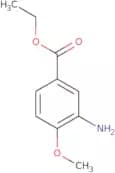
3-Amino-4-methoxybenzoic acid ethyl ester
CAS:<p>3-Amino-4-methoxybenzoic acid ethyl ester is a chemical building block that can be used in the synthesis of various organic compounds. It is an important reaction component, and can also be used as a reagent or useful scaffold. 3-Amino-4-methoxybenzoic acid ethyl ester is soluble in organic solvents and has a high quality. This chemical has been shown to be useful for research purposes.</p>Formula:C10H13NO3Purity:Min. 95%Color and Shape:PowderMolecular weight:195.22 g/mol1-O-Hexadecyl-sn-glycero-3-phosphocholine
CAS:<p>1-O-Hexadecyl-sn-glycero-3-phosphocholine (1OHDGPC) is a compound that inhibits the uptake of oxidized LDL in neuronal cells and reduces neuronal death. 1OHDGPC also has antihypertensive activity, as it decreases systolic blood pressure. This compound is an antioxidant because it prevents the oxidation of LDL cholesterol, which is the main cause of atherosclerosis. 1OHDGPC has been shown to reduce the incidence of allergic reactions in animal studies. It also has been shown to have hydroxyl groups and fatty acid chains, which may contribute to its antioxidant properties.</p>Formula:C24H52NO6PColor and Shape:PowderMolecular weight:481.65 g/molFurosine dihydrochloride
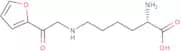
CAS:<p>Reference material for food analysis</p>Formula:C12H18N2O4•2HClPurity:Min. 98 Area-%Color and Shape:PowderMolecular weight:327.20 g/molN-ε-(1-Carboxymethyl)-L-lysine
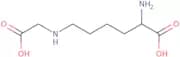
CAS:<p>N-ε-(1-Carboxymethyl)-L-lysine (NEM) is a versatile building block that is used in the synthesis of complex compounds. It is a reagent and speciality chemical that can be used as an intermediate to produce other useful chemicals or as a reaction component. It has been shown to be useful in the synthesis of peptides, oligonucleotides, and organic molecules. NEM has also been shown to have high quality and purity, making it a useful scaffold for further research into new compounds.</p>Formula:C8H16N2O4Purity:Min. 97%Color and Shape:White PowderMolecular weight:204.22 g/mol3-Methyl-2-nitroanisole
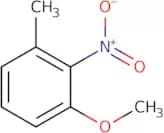
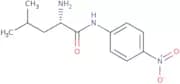
CAS:<p>3-Methyl-2-nitroanisole is a synthetic monosubstituted nitro compound that can be produced by the oxidation of 3,4-dimethoxybenzaldehyde. It has three methyl groups and one nitro group on its ring. 3-Methyl-2-nitroanisole has been used in high concentrations as a reactant for the synthesis of other compounds. It can also be used to synthesize anthranilic acid, which is an intermediate in the synthesis of many dyes and pharmaceuticals. 3-Methyl-2-nitroanisole has been characterized using vibrational spectroscopy and NMR spectroscopy with frequency values ranging from 9 to 22 cm/sec, depending on substituents. The molecular weight is estimated at 196 g/mol. 3MNA has been shown to undergo demethylation and hydrolysis under acidic conditions to produce 2,5-dihydroxyanth</p>Formula:C8H9NO3Purity:Min. 95%Color and Shape:PowderMolecular weight:167.16 g/molL-Leucine 4-nitroanilide
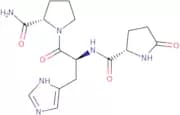
CAS:<p>L-Leucine 4-nitroanilide serves as a substrate for the colorimetric determination of leucine aminopeptidase. The application of L-Leucine-p-nitroanilide includes its utilization as a substrate in studies assessing the intestinal leucine aminopeptidase activity of juvenile rainbow trout (Oncorhynchus mykiss). Additionally, it plays a role in insulin-regulated aminopeptidase inhibition assays and is employed to determine exopeptidase activity.</p>Formula:C12H17N3O3Purity:(Titration) 99 To 101%Color and Shape:PowderMolecular weight:251.28 g/molL-Pyroglutamyl-L-histidyl-L-prolinamide
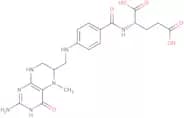
CAS:<p>L-Pyroglutamyl-L-histidyl-L-prolinamide (PGC) is a pyrrolidine that is used for the treatment of neurologic disorders. It has been shown to be effective in treating depression and a number of other neurologic disorders, including Parkinson's disease, Alzheimer's disease, and epilepsy. PGC has also been shown to have an antidepressant effect in women with depression who are pregnant or have recently given birth. In addition, it has been found to be clinically effective in the treatment of symptoms associated with Parkinson’s Disease. PGC is not absorbed into the bloodstream and must be injected directly into muscle tissue or fat cells in order to produce its therapeutic effects.</p>Formula:C16H22N6O4Purity:Min. 95%Color and Shape:White PowderMolecular weight:362.38 g/molN-Methyltetrahydrofolic acid
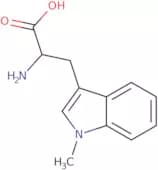
CAS:<p>N-Methyltetrahydrofolic acid is a form of folic acid, which is an important vitamin for the production of red blood cells and the prevention of neural tube defects. It can be found in food such as leafy vegetables, whole grains, and citrus fruits. N-Methyltetrahydrofolic acid is important for DNA synthesis and energy metabolism. It also has been shown to exert antioxidant effects in human serum.</p>Formula:C20H25N7O6Purity:Min. 97.5 Area-%Color and Shape:White PowderMolecular weight:459.46 g/mol1-Methyl-DL-tryptophan
CAS:Controlled Product<p>1-Methyl-DL-tryptophan is a chemical that inhibits the production of tumor necrosis factor (TNF) in mice with a tumor. The compound has been shown to be effective against infectious diseases, including HIV, by inhibiting the production of TNF and other cytokines. 1-Methyl-DL-tryptophan also has the ability to inhibit the activity of toll-like receptor 4 and toll-like receptor 5, which are important in inflammatory responses. 1-Methyl-DL-tryptophan is an indoleamine and may have anti-cancer properties due to its ability to inhibit polymerase chain reaction (PCR).</p>Formula:C12H14N2O2Purity:Min. 95%Color and Shape:PowderMolecular weight:218.25 g/mol1-Ethyl-3-methylimidazolium chloride
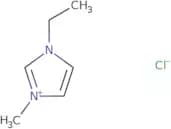
CAS:<p>1-Ethyl-3-methylimidazolium chloride (EMIMCl) is a coordination complex that is acidic and soluble in water. It has transport properties and chemical stability, with a low redox potential of 0.161 V. EMIMCl can be used to produce ionic liquids that are stable and dissolve many organic molecules. EMIMCl has been shown to react with glycosidic bonds in cellulose to produce ionic cellulose, which can then be dissolved in the ionic liquid. The thermal expansion of EMIMCl is about 3.2 x 10^-6/°C at 300 K, while the thermal expansion coefficient for crystalline cellulose is about 9 x 10^-6/°C at 300 K.</p>Formula:C6H11ClN2Purity:Min. 95%Color and Shape:PowderMolecular weight:146.62 g/molN-Acetyl-L-Phenylalanine
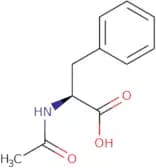
CAS:<p>N-Acetyl-L-Phenylalanine is a reactive compound that is involved in the metabolism of amino acids. It has been shown to inhibit liver cell growth and induce apoptosis. The reaction mechanism of N-acetyl-L-phenylalanine has been extensively studied, with studies showing it to react with carbonyl oxygens, hydrogen bond, and intramolecular hydrogen. N-Acetyl-L-phenylalanine has also been shown to have an optimum pH of 6.5 and its chemical formula is C10H11NO2.</p>Formula:C11H13NO3Purity:Min. 95%Color and Shape:PowderMolecular weight:207.23 g/mol3-(3-Fluorophenyl)-2-Methylquinazolin-4(3H)-One
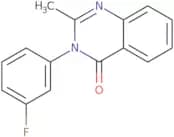
CAS:Controlled Product<p>Quinazolinones are a class of chemicals that inhibit the enzyme acetylcholinesterase. 3-Fluorophenyl-2-methylquinazolin-4(3H)-one (3FPMQ) is a connector molecule that has been shown to be an inhibitor of acetylcholinesterase, the enzyme responsible for the breakdown of the neurotransmitter acetylcholine. It is also an antenna molecule that can be used in ethyl esters and enzymatic assays. The high resistance of this molecule has been shown by chemical treatments and chemical analyses. Amplitudes generated by 3FPMQ have been shown to be effective at positioning it next to naphthalene, which is a ring structure with two c1-c6 alkoxy groups on either side. This molecule has also shown muscle relaxant properties.</p>Formula:C15H11FN2OPurity:Min. 95%Molecular weight:254.26 g/mol2-Chloro-L-phenylalanine
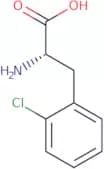
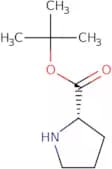
CAS:<p>2-Chloro-L-phenylalanine (2CLP) is a fatty acid that can be used as a pharmacological agent. It has been shown to have an anti-inflammatory effect in the form of an inflammatory lesion in animals. 2CLP is also able to inhibit monoamine neurotransmitters, such as phenolic acid, which is involved in energy metabolism and mitochondrial functions. 2CLP has been shown to increase bile acids and decrease serum cholesterol levels. The chemical structure of 2CLP makes it difficult for the body to absorb it. This chemical has not been tested on humans, but studies have shown that it may be effective when combined with other drugs.</p>Formula:C9H10ClNO2Purity:Min. 95%Color and Shape:White PowderMolecular weight:199.63 g/molL-Proline tert-butyl ester
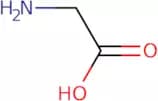
CAS:<p>L-Proline tert-butyl ester is an organic compound that is used in the synthesis of amino acids and pharmaceuticals. It is chiral, and can be synthesized by a stepwise, asymmetric synthesis. The hydrochloric acid treatment of L-lysine with trifluoroacetic acid yields the corresponding L-proline tert-butyl ester. The stereoselectivity of this process depends on the type of catalyst used for demethylation and alkylation reactions.</p>Formula:C9H17NO2Purity:Min. 95%Color and Shape:PowderMolecular weight:171.24 g/molGlycine
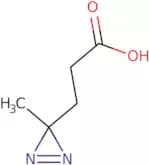
CAS:<p>Glycine is the simplest amino acid and is used as a reagent for the synthesis of proteins. It is also a component of buffer solutions to maintain a stable pH in lab applications like electrophoresis and enzyme assays.</p>Formula:NH2CH2COOHColor and Shape:White Off-White PowderMolecular weight:75.07 g/mol3-(3-Methyl-3H-diazirine-3-yl)propionic acid
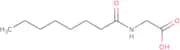
CAS:<p>3-(3-Methyl-3H-diazirine-3-yl)propionic acid (3MDZ) is a fluorophore that can be used in cancer research. It has been shown to bind to the active site of human SIRT1 and inhibit its activity, which leads to cell death by deacylating histone H3. 3MDZ is also able to bind to carbenes, which are highly reactive molecules that have been implicated in aging and cancer. 3MDZ has shown chemopreventive effects against tumor formation and growth by binding to the carbenes and preventing them from forming reactive oxygen species. It can be used as a fluorescent probe for studying the interactions between carbenes and nucleic acids.</p>Formula:C5H8N2O2Purity:Min. 95%Color and Shape:Clear LiquidMolecular weight:128.13 g/molCapryloyl glycine
CAS:<p>Capryloyl glycine is a non-protein amino acid that has been identified as a potential biomarker for photosynthetic activity. Capryloyl glycine is a potent inhibitor of the growth of bacteria, fungi and yeasts. It was found to inhibit the growth of bacteria by blocking their ability to synthesize fatty acids in liver cells. Capryloyl glycine also inhibits the production of glycerides in skin cells, which may have therapeutic applications for certain skin disorders.</p>Formula:C10H19NO3Purity:Min. 95%Color and Shape:PowderMolecular weight:201.26 g/mol2-(2-(2-Chloro-3-(2-(1,3 ,3-trimethylindolin-2-ylidene)ethylidene)cyclopent-1-enyl)vinyl)-1,3 ,3-trimethyl-3H-indolium4-methylbenzenesulfonate
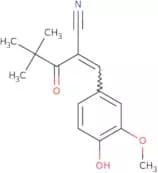
CAS:<p>2-(2-(2-Chloro-3-(2-(1,3,3-trimethylindolin-2-ylidene)ethylidene)cyclopent-1-enyl)vinyl)-1,3,3-trimethyl-3H-indolium4-methylbenzenesulfonate is a fine chemical that belongs to the class of indole derivatives. It is a versatile building block for the synthesis of various compounds. 2-(2-(2-Chloro-3-(2-(1,3,3-trimethylindolin-2-ylidene)ethylidene)cyclopent-1 -enyl)vinyl)-1,3,3 -trimethyl - 3H - indolium4 - methylbenzenesulfonate can be used in the synthesis of organic compounds and other heterocyclic compounds. This compound can also be used as a reagent or special</p>Formula:C38H41ClN2O3SPurity:Min. 98 Area-%Color and Shape:PowderMolecular weight:641.26 g/mol2-(2,2-dimethylpropanoyl)-3-(4-hydroxy-3-methoxyphenyl)prop-2-enenitrile
CAS:<p>Please enquire for more information about 2-(2,2-dimethylpropanoyl)-3-(4-hydroxy-3-methoxyphenyl)prop-2-enenitrile including the price, delivery time and more detailed product information at the technical inquiry form on this page</p>Purity:Min. 95%3,5-Diiodo-L-tyrosine dihydrate
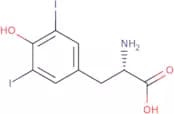
CAS:<p>There are many good reasons to eat fish and seafood, one of them is certainly the fact that they are rich in iodine salts, which are a fundamental for the endocrine activity of the thyroid gland. Iodine salts are enzymatically converted into molecular iodine, which adds to tyrosine residues in thyroglobulin forming diiodotyrosine. This is the first step towards the biosynthesis of thyroid hormones triodityronine T3 and tetraiodotyronine T4 which serve important regulatory functions in body metabolism and energy expenditure. Recently, the dietary introduction of potassium iodide and diiodotyrosine were compared in mice showing that diiodotyrosine can also be used effectively as food supplement preventing the potential damage from excessive intake of inorganic iodine salts.</p>Formula:C9H13I2NO5Purity:Min. 95.0 Area-%Molecular weight:469.02 g/mol7-Methoxy-1H-indole
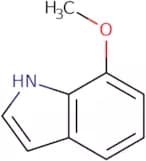
CAS:<p>7-Methoxy-1H-indole (7MI) is a synthetic compound that exhibits anti-inflammatory activity. It is an analog of the amino acid methionine found in proteins and its synthesis involves the condensation of a chlorinated alkyl acetate with an esterified hydrazide to form the corresponding amide. 7MI has been shown to inhibit both bacterial and mammalian protein synthesis, as well as to inhibit tumor cell growth. 7MI binds reversibly to the N7 atom of the adenine base in DNA, thereby inhibiting DNA replication through inhibition of DNA polymerase.</p>Formula:C9H9NOPurity:Min. 95%Color and Shape:Clear LiquidMolecular weight:147.17 g/mol3-Chloro-L-tyrosine
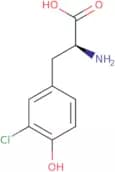
CAS:<p>3-Chloro-L-tyrosine (3CT) is a reactive, nitrogen containing molecule that has been used as a model system to study oxidative injury in the heart. The molecule reacts with the air and oxygen in the environment, producing reactive oxygen species (ROS) that can cause oxidative injury. 3CT has been shown to inhibit ATP binding cassette transporter A1 (ABCA1), which is involved in cholesterol efflux from macrophages. 3CT also promotes the release of eosinophil peroxidase from eosinophils and induces tumor necrosis factor alpha (TNF-α). The analytical method for 3CT includes liquid chromatography-mass spectrometry/mass spectrometry (LC-MS/MS).</p>Formula:C9H10NO3ClPurity:Min. 95%Color and Shape:PowderMolecular weight:215.63 g/mol1-O-Tetradecyl-rac-glycerol
CAS:<p>1-O-Tetradecyl-rac-glycerol is a fatty acid ester that is used as a conditioning agent and a hydroxylated alcohol. The fatty acid ester is derived from 1-O-tetradecanoyl-racemic glycerol, which is an ester of the fatty acids, oleic acid and palmitic acid. The hydroxy group on the molecule allows it to be soluble in water. It also has transport properties because it can dissolve in lipids and penetrate hair follicles. It can also act as a solid catalyst for citric acid production and malic acid production because of its hydroxyl groups.</p>Formula:C17H36O3Purity:Min. 95 Area-%Color and Shape:PowderMolecular weight:288.47 g/mol(E)-N-(3-Methylaminopropyl)-2-thiopheneacrylamide
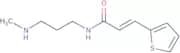
CAS:<p>(E)-N-(3-Methylaminopropyl)-2-thiopheneacrylamide is a high quality chemical that can be used as an intermediate in the synthesis of complex compounds. It is also a useful scaffold and building block for the synthesis of speciality chemicals with versatile reactions.</p>Formula:C11H16N2OSPurity:Min. 95%Color and Shape:Colorless Clear LiquidMolecular weight:224.32 g/molH-Asp(Lys-OH)-OH
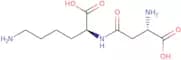
CAS:<p>H-Asp(Lys-OH)-OH is a metabolite that is an intermediate in the fatty acid oxidation pathway. It may be involved in the progression of colorectal carcinoma by inhibition of fatty acid synthesis, leading to the accumulation of fatty acids and subsequent death. This metabolite can also be used to identify potential biomarkers for colorectal cancer. H-Asp(Lys-OH)-OH can be detected using liquid chromatography coupled with mass spectrometry (LC/MS).</p>Formula:C10H19N3O5Purity:Min. 95%Color and Shape:White PowderMolecular weight:261.28 g/mol2-acetyl-N-phenyl-3-((3-(trifluoromethyl)phenyl)amino)prop-2-enamide
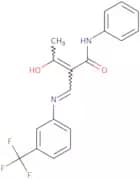
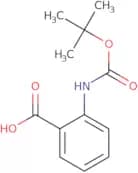
CAS:<p>Please enquire for more information about 2-acetyl-N-phenyl-3-((3-(trifluoromethyl)phenyl)amino)prop-2-enamide including the price, delivery time and more detailed product information at the technical inquiry form on this page</p>Formula:C18H15F3N2O2Purity:Min. 95%Color and Shape:PowderMolecular weight:348.32 g/molBoc-2-aminobenzoic acid
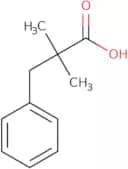
CAS:<p>Boc-2-aminobenzoic acid is a synthetic amino acid that can be used for the synthesis of recombinant proteins. It contains lysine residues, which are often used in protein engineering. This product is hydrolyzed to form a chloride gas and a hydrochloride salt by the enzyme chloridase. The hydrolysis proceeds through an amine intermediate and proceeds with a rate that is first order in chloride gas and second order in Boc-2-aminobenzoic acid. The kinetic constants for this reaction have been determined using fluorescence resonance energy transfer (FRET) spectroscopy on the solid phase.</p>Formula:C12H15NO4Purity:Min. 95%Color and Shape:PowderMolecular weight:237.25 g/mol2,2-Dimethyl-3-phenylpropanoic acid
CAS:<p>2,2-Dimethyl-3-phenylpropanoic acid is a luteolytic agent that belongs to the group of phenylacetic acids. It has been shown to inhibit progesterone synthesis and induce regression of the estrous cycle in rats. 2,2-Dimethyl-3-phenylpropanoic acid is also able to bind with cytochrome P450 enzymes, which are involved in the metabolism of many drugs. This binding may lead to increased plasma concentrations of other drugs that are metabolized by cytochrome P450 enzymes, such as erythromycin and methyldopa.</p>Formula:C11H14O2Purity:Min. 95%Color and Shape:SolidMolecular weight:178.23 g/molBoc-NH-PEG3-CH2CH2COOH
CAS:<p>Boc-NH-PEG3-CH2CH2COOH is a PEG compound with two different functional groups (also known as heterobifunctional). Unlike homobifunctional PEG compounds (same functional group on both ends), this type of compounds are more versatile as have two different anchor points. Boc-NH-PEG3-CH2CH2COOH is used as a linker and spacer to add a PEG moiety, via pegylation (a bioconjugation technique) to proteins, peptides, oligonucleotides, small molecules and nanoparticles.</p>Formula:C14H27NO7Purity:Min. 95%Color and Shape:Colorless PowderMolecular weight:321.37 g/molL-Norleucine
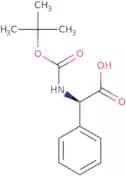
CAS:<p>L-Norleucine is a non-essential amino acid that is structurally similar to leucine. It has been shown to have an inhibitory effect on the growth of resistant mutants in the coli K-12 strain. L-Norleucine binds strongly to amyloid proteins and may be used as a therapeutic agent for Alzheimer's disease. It has also been shown to be effective against congestive heart failure in vitro, which may be due to its ability to modulate monoamine neurotransmitters and increase the availability of nitric oxide. L-Norleucine may also be useful for the treatment of Parkinson's disease because it inhibits protein aggregation at low concentrations.</p>Formula:C6H13NO2Purity:Min. 95%Color and Shape:PowderMolecular weight:131.17 g/molN-Boc-D-phenylglycine
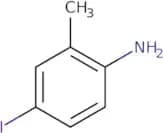
CAS:<p>N-Boc-D-phenylglycine is an organic compound that is used in the asymmetric synthesis of pyrazoles. It has been shown to react with ketones to form β-unsaturated ketones in a reaction mechanism that involves the formation of an imine intermediate. N-Boc-D-phenylglycine can be synthesized by reacting phenylacetic acid with D,L-alanyl chloride followed by hydrolysis and reaction with ammonia. The compound can also be made from pyrazole and Boc anhydride. N-Boc-D-phenylglycine is soluble in organic solvents such as chloroform and THF but not water, making it useful for organic synthesis under solvent conditions. It is orally bioavailable and can be administered to humans without any toxic effects.</p>Formula:C13H17NO4Purity:Min. 95%Color and Shape:PowderMolecular weight:251.28 g/mol4-Iodo-2-methylaniline
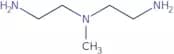
CAS:<p>The 4-Iodo-2-methylaniline is a synthetic molecule that belongs to the group of amines. It has been shown to bind to human protein and can be used for the synthesis of boronic acids and quinoline derivatives. 4-Iodo-2-methylaniline can be synthesized by reacting hydrochloric acid with sodium periodate, followed by addition of an aryl boronic acid. The reaction time is dependent on the nature of the reactant. The pharmacophore consists of a proton and an aryl boronic acid, which is responsible for binding with human protein.</p>Formula:C7H8INPurity:Min. 95%Color and Shape:PowderMolecular weight:233.05 g/molN1-(2-Aminoethyl)-N1-methylethane-1,2-diamine
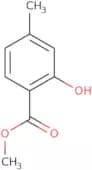
CAS:<p>N1-(2-Aminoethyl)-N1-methylethane-1,2-diamine is a chromatographic cross-linking agent that is used in the preparation of monoclonal antibodies. It contains two amino groups and two ethyleneamine groups. N1-(2-Aminoethyl)-N1-methylethane-1,2-diamine binds to calcium carbonate and forms a chelate ring with the metal ion. The compound has been shown to have diagnostic properties, as it can be detected by nmr spectra and by the use of monoclonal antibody.</p>Formula:C5H15N3Purity:Min. 95%Color and Shape:Clear LiquidMolecular weight:117.19 g/molMethyl 4-methylsalicylate
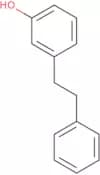
CAS:<p>Methyl 4-methylsalicylate is a colorless liquid that has no odor. It can be synthesized by reacting ethyl bromoacetate with formaldehyde and anhydrous sodium acetate in the presence of hydrochloric acid. This product is used as an intermediate for various organic compounds, such as esters, ethers, amides, and nitriles. Methyl 4-methylsalicylate has been used in the synthesis of pharmaceuticals, perfumes, pesticides, herbicides, and other chemicals. Methyl 4-methylsalicylate is toxic to opportunistic fungal species but does not affect bacteria. The chemical reacts with DNA to form adducts that inhibit linear polymerase chain reactions (PCR). This inhibits DNA replication and transcription of DNA into RNA. The inhibition of protein synthesis by methyl 4-methylsalicylate also results in cell death.</p>Formula:C9H10O3Purity:Min. 95%Color and Shape:PowderMolecular weight:166.17 g/mol3-Phenethyl-phenol
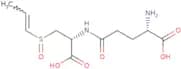
CAS:<p>3-Phenethylphenol is a hydrophobic, sterically-interacting compound that binds to molybdenum. It has been shown to inhibit the growth of fungi such as Poria and Coriolus. 3-Phenethylphenol also has functionalities such as peroxide, acetonitrile, and nature. This compound is not soluble in water and must be dissolved in solvents such as acetonitrile or polyvinyl acetate before use. 3-Phenethylphenol has been shown to have chromatographic properties, allowing it to be used as an adsorbent for the separation of organic compounds.</p>Formula:C14H14OPurity:Min. 95%Color and Shape:PowderMolecular weight:198.26 g/molL-γ-Glutamyl-3-(1-propenylsulfinyl)-L-alanine
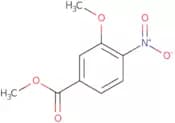
CAS:<p>Please enquire for more information about L-γ-Glutamyl-3-(1-propenylsulfinyl)-L-alanine including the price, delivery time and more detailed product information at the technical inquiry form on this page</p>Formula:C11H18N2O6SPurity:Min. 95%Color and Shape:PowderMolecular weight:306.34 g/mol3-Methoxy-4-nitrobenzoic acid methyl ester
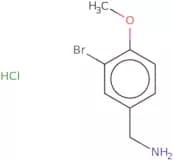
CAS:<p>3-Methoxy-4-nitrobenzoic acid methyl ester is a dianellidin, a type of natural product. It is an ionizing acid that catalyzes the reaction between carboxylic acids and hydroxyl compounds. This compound is used to produce some drugs, such as methyldopate, which is an antiarrhythmic drug that slows heart rate. The catalytic rate of 3-methoxy-4-nitrobenzoic acid methyl ester can be increased by buffers and solvents (e.g., methanol). These compounds increase the concentration of the reactants in solution and reduce the activation energy required for the reaction to take place. Uncatalyzed reactions are slow because there are no molecules to act as intermediates in the process.</p>Formula:C9H9NO5Purity:95%NmrColor and Shape:PowderMolecular weight:211.17 g/mol3-Bromo-4-methoxybenzylamine hydrochloride
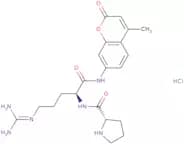
CAS:<p>3-Bromo-4-methoxybenzylamine hydrochloride is a high quality reagent that is used as an intermediate in the synthesis of complex compounds. It has been shown to be a useful scaffold for the synthesis of new chemical entities and a versatile building block for organic synthesis. 3-Bromo-4-methoxybenzylamine hydrochloride can be used as a reaction component in various chemical reactions, including Friedel-Crafts acylation, nitration, chlorination and bromination.</p>Formula:C8H11BrClNOPurity:Min. 95%Color and Shape:PowderMolecular weight:252.54 g/molH-Pro-Arg-AMC dihydrochloride
CAS:<p>H-Pro-Arg-AMC dihydrochloride is a high quality reagent that is used as an intermediate in the synthesis of peptides and other chemistries. H-Pro-Arg-AMC dihydrochloride can also be used as a building block for the synthesis of complex compounds. It has been found to be useful in various reactions involving amines, amino acids, and alcohols. H-Pro-Arg-AMC dihydrochloride is a versatile building block that can be used in reactions with other chemicals to produce speciality chemicals or research chemicals.</p>Formula:C21H28N6O4·2HClPurity:Min. 95 Area-%Color and Shape:PowderMolecular weight:501.4 g/molACTH(1-39) trifluoroacetate
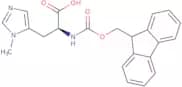
CAS:<p>ACTH(1-39) trifluoroacetate is a synthetic form of ACTH that is used for the diagnosis of autoimmune diseases and bowel disease. It is also used to assess the function of the adrenal gland in cases of suspected Cushing's syndrome. The blood sampling procedure involves withdrawing a small amount of blood from the patient and adding ACTH(1-39) trifluoroacetate to it, which causes an increase in cortisol concentration. ACTH(1-39) trifluoroacetate binds to corticotropin receptors on cells in the body, causing them to release basic proteins that are responsible for inflammation. This drug may be a potential biomarker for metabolic disorders such as obesity. It has been shown to have anti-inflammatory properties and can be used as a nonsteroidal anti-inflammatory drug (NSAID).</p>Formula:C207H308N56O58SPurity:Min. 98 Area-%Color and Shape:PowderMolecular weight:4,541.07 g/molFmoc-His(3-Me)-OH
CAS:<p>Fmoc-His(3-Me)-OH is a synthetic amino acid that is used in the synthesis of peptides. It is potent inhibitor of L-type calcium channels, which are involved in the regulation of muscle contraction and vasoconstriction. Fmoc-His(3-Me)-OH has been shown to be effective at inhibiting L-type calcium channels in rat skeletal muscle.</p>Formula:C22H21N3O4Purity:Min. 95%Color and Shape:PowderMolecular weight:391.42 g/molCyclo(-Pro-Val)
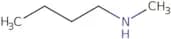
CAS:<p>Cyclo(-Pro-Val) is a type of natural product that has been shown to inhibit the growth of tumor cells. Cyclo(-Pro-Val) is a metabolite produced by the fungus Cryptococcus neoformans and may serve as a potential anti-cancer drug. The compound blocks mitochondrial membrane potential, which prevents cancer cells from multiplying. Cyclo(-Pro-Val) has also been shown to inhibit the growth of bacteria such as Pseudomonas aeruginosa and Burkholderia cepacia complex, although it has little or no effect on other types of bacteria and fungi.</p>Formula:C10H16N2O2Purity:Min. 95%Color and Shape:White PowderMolecular weight:196.25 g/molN-Methylbutylamine
CAS:<p>N-Methylbutylamine is a pharmaceutical drug that belongs to the class of amines. It is used as a hydrogen bond donor in some organic reactions. N-Methylbutylamine has been shown to have cytotoxic effects on prostate cancer cells and has been used for the treatment of this type of cancer. This drug also has a fluorescent derivative, which can be used in the detection of water vapor. The amine group of N-Methylbutylamine is involved in catalysis by enzymes and organometallic compounds. The optimum pH for this molecule is 7, with an activation energy at 20 degrees Celsius of 42 kilojoules per mole.<br>N-Methylbutylamine has also been shown to inhibit kinesin, an important protein involved in cellular transport.</p>Formula:C5H13NPurity:Min. 95%Color and Shape:Clear LiquidMolecular weight:87.17 g/mol6-Amino-3-methyl-4-(4-nitrophenyl)-4H-pyrano[3,2-d]pyrazole-5-carbonitrile
CAS:<p>6-amino-3-methyl-4-(4-nitrophenyl)-4H-pyrano[3,2-d]pyrazole-5-carbonitrile is a compound that has been shown to have correlations with energies and regression. It also has a linear regression, polarities, photophysical properties, and dipole. The fluorescence and excited state of this compound are singlet and hydrogen bonding interactions with solvents.</p>Formula:C14H11N5O3Purity:Min. 95%Color and Shape:PowderMolecular weight:297.27 g/mol4-Methoxy-2-(trifluoromethyl)aniline
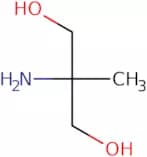
CAS:<p>4-Methoxy-2-(trifluoromethyl)aniline is a chemical compound that is used as a research chemical, reagent, and speciality chemical. It is a versatile building block that can be used in reactions to produce complex compounds. 4-Methoxy-2-(trifluoromethyl)aniline has been identified by the Chemical Abstracts Service (CAS) as having high quality and is useful for preparing fine chemicals. This substance also has uses in the field of medicinal chemistry and can be used as a scaffold for pharmaceutical products.</p>Formula:C8H8F3NOPurity:Min. 95%Color and Shape:Clear LiquidMolecular weight:191.15 g/molAMPD
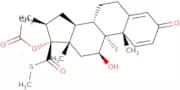
CAS:<p>AMPD, also known as 2-Amino-2-methyl-1,3-propanediol, is a buffer solution with a pH range of 7.8-9.7 and a pKa of 8.8. This chemical buffer is used in molecular biology, protein studies, enzyme assays, and separation techniques such as isatachophoresis (ITP) and SDS-gradient gel electrophoresis.</p>Formula:C4H11NO2Purity:Min. 95%Color and Shape:PowderMolecular weight:105.14 g/mol[(8S,10S,11S,13S,14S,16S)-9-Fluoro-11-Hydroxy-10,13,16-Trimethyl-17-Methylsulfanylcarbonyl-3-Oxo-6,7,8,11,12,14,15,16-Octahydrocyclo penta[a]Phenanthren-17-Yl] Acetate
CAS:Controlled Product<p>(8S,10S,11S,13S,14S,16S)-9-Fluoro-11-Hydroxy-10,13,16-Trimethyl-17-Methylsulfanylcarbonyl-3-Oxo-6,7,8,11,12,14,15,16-Octahydrocyclo penta[a]Phenanthren-17-Yl) Acetate is a fatty acid ester that is used as a pharmaceutical preparation. It has been shown to be an effective treatment for the muscle wasting disease myotonic dystrophy and has been approved by the FDA. (8S,10S,11S,13S,14S,, 16 S)-9 - Fluoro - 11 - Hydroxy - 10 , 13 , 16 - Trimethyl - 17 - Methylsulfanylcarbonyl - 3 - Oxo - 6 , 7 , 8 , 11</p>Formula:C24H31FO5SPurity:Min. 95%Molecular weight:450.56 g/molL-Serine β-lactone tetrafluoroborate
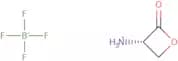
CAS:<p>L-Serine beta-lactone tetrafluoroborate salt is a fine chemical that is used as a reagent, complex compound and building block in the synthesis of other compounds. It is also an important intermediate for the production of pharmaceuticals and agrochemicals. L-Serine beta-lactone tetrafluoroborate salt has been shown to be a versatile building block in organic synthesis. This product may react with acids to produce hydrogen fluoride gas, which can cause injury or death through inhalation or contact with skin, eyes or clothing.</p>Formula:C3H5NO2•BF4•HPurity:Min. 95%Color and Shape:White/Off-White SolidMolecular weight:174.89 g/mol1,1,2,2,3,3,4,4,5,5,6,6,7,7,8,8,8-Heptadecafluoro-N-methyloctane-1-sulfonamide
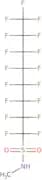
CAS:Controlled Product<p>1,1,2,2,3,3,4,4,5,5,6,6,7,7,8,8-heptadecafluoro-N-methyloctane-1-sulfonamide is a perfluorinated sulfonate that is used as a surfactant in wastewater treatment and to package food. This compound is not water soluble and requires an organic solvent to dissolve it. It has been shown that the use of 1HFAFMS can reduce the amount of phosphates in packaging materials by up to 50%. 1HFAFMS also has been found to be safe for humans and does not accumulate in the environment. It does not bioaccumulate and is rapidly excreted through urine.</p>Formula:C9H4F17NO2SPurity:Min. 95%Color and Shape:PowderMolecular weight:513.17 g/mol(S)-2-Methoxy-2-(1-naphthyl)propanoic acid
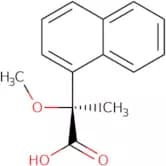
CAS:<p>(S)-2-Methoxy-2-(1-naphthyl)propanoic acid is a chiral molecule that can exist in two different forms, each of which has the same physical and chemical properties. The two enantiomers are not optically active, meaning they have the same degree of rotation when passed through a polarizing filter. It is an organic compound that is used as a flavoring agent in food chemistry and as a bioactive compound. (S)-2-Methoxy-2-(1-naphthyl)propanoic acid also has been shown to function as an attractant for hemipteran insects such as mosquitoes, although it is not clear if this property is due to its aromatic or enantiomeric structure.</p>Formula:C14H14O3Purity:Min. 95%Color and Shape:PowderMolecular weight:230.26 g/mol2-(1-Methylindol-3-yl)-4-oxo-4-phenylbutanoic acid
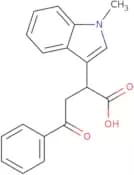
CAS:<p>Please enquire for more information about 2-(1-Methylindol-3-yl)-4-oxo-4-phenylbutanoic acid including the price, delivery time and more detailed product information at the technical inquiry form on this page</p>Purity:Min. 95%Indole-3-acetyl-l-leucine
CAS:<p>Indole-3-acetyl-l-leucine is a homologous auxin. It is a conjugated acid that is found in plants and has been shown to be involved in postharvest physiology, growth regulation, and plant tissue culture. Indole-3-acetyl-l-leucine has been used as a model system for the study of plant physiology and tissue culture. The physiological function of indole-3-acetyl-l-leucine is not currently known. However, it has been shown to be converted into butyric acid by certain bacteria, which can lead to the formation of conjugates with carboxylic acids.</p>Formula:C16H20N2O3Purity:Min. 95%Color and Shape:PowderMolecular weight:288.34 g/molH-Glu-Glu-Leu-OH
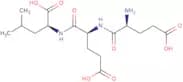
CAS:<p>H-Glu-Glu-Leu-OH is a vitamin that is essential for the production of hydroxyproline, which aids in the formation of collagen. It is also used to treat osteoarthritis and rheumatoid arthritis. H-Glu-Glu-Leu-OH is synthesized from glutamate, glutamic acid, and leucine in the liver and kidney. This reaction proceeds by two steps: first, glutamate carboxylase converts glutamate to α-ketoglutarate; then, aspartate aminotransferase converts α-ketoglutarate to aspartate semialdehyde. Aspartate semialdehyde is converted to H-Glu-Glu-Leu by an enzyme called glutamyl aminopeptidase. The reaction mechanism of this enzyme has been studied experimentally and theoretically using sodium bicarbonate (NaHCO) as a buffer. The sequential nature</p>Formula:C16H27N3O8Purity:Min. 95%Color and Shape:White Off-White PowderMolecular weight:389.40 g/mol3-Acetylthio-2-methylpropanoic acid
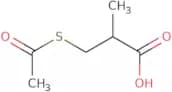
CAS:<p>3-Acetylthio-2-methylpropanoic acid is a byproduct of the reaction between sodium sulfide and acetyl chloride. When 3-acetylthio-2-methylpropanoic acid is reacted with an enzyme, it inhibits the enzyme’s ability to catalyze a reaction. 3-Acetylthio-2-methylpropanoic acid is an enantiomer of 2,3,4,5,6-pentaacetylthiopropionic acid. 3-Acetylthio-2-methylpropanoic acid has been shown to inhibit the activity of the enzyme choline kinase from rat liver. The inhibition of this enzyme prevents the formation of phosphatidylcholine (PC) in fat cells. This product can also be used as a derivatizing agent for gas chromatography in order to identify compounds with similar structures.</p>Formula:C6H10O3SPurity:Min. 95%Color and Shape:PowderMolecular weight:162.21 g/mol4'-Methoxy-3',β-dimethyl-β-nitrostyrene
<p>4'-Methoxy-3',beta-dimethyl-beta-nitrostyrene is a fine chemical that belongs to the group of versatile building blocks. It is an intermediate for the synthesis of complex compounds, research chemicals, and speciality chemicals. 4'-Methoxy-3',beta-dimethyl-beta-nitrostyrene is a useful reagent in organic synthesis and can be used as a reaction component or scaffold. It has been shown to have high quality and it can be used as a useful building block.</p>Formula:C11H13NO3Purity:Min. 95%Color and Shape:PowderMolecular weight:207.23 g/molN6-Trifluoroacetyl-L-lysine N-carboxyanhydride
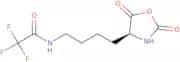
CAS:<p>Trifluoroacetyl-L-lysine N-carboxyanhydride is an N6-trifluoroacetylated lysine derivative that is used in the synthesis of peptides. It is a racemic mixture of L and D forms, which is hydrolyzed to form L-glutamic acid, NH4Cl, and CO2. Trifluoroacetyl-L-lyside N-carboxyanhydride has been shown to be useful in the formation of bonds between amino acids, such as lysine and dipeptides. The compound is also used for the protection of lysine against oxidation during peptide synthesis.</p>Formula:C9H11F3N2O4Purity:Min. 95%Color and Shape:White PowderMolecular weight:268.19 g/mol(R)-N-Boc-2-Hydroxymethylmorpholine
CAS:<p>(R)-N-Boc-2-Hydroxymethylmorpholine is an enantioselective synthesis of a drug. It is used in the reductive amination of aldehydes with ammonia, which has been shown to be operationally enantioselective. (R)-N-Boc-2-Hydroxymethylmorpholine undergoes an intramolecular reaction that results in the formation of an azido group. This asymmetric reaction is catalyzed by palladium, and the product can be used for the reductive amination of aldehydes with ammonia.</p>Formula:C10H19NO4Purity:Min. 95%Color and Shape:White PowderMolecular weight:217.26 g/molFmoc-D-Asp(OtBu)-L-Ser(Psi(Me,Me)pro)-OH
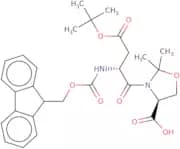
<p>Fmoc-D-Asp(OtBu)-L-Ser(Psi(Me,Me)pro)-OH is a high quality reagent that can be used as an intermediate in the synthesis of complex compounds. It is a useful building block for the synthesis of speciality chemicals and research chemicals. Fmoc-D-Asp(OtBu)-L-Ser(Psi(Me,Me)pro)-OH is also a versatile building block that can be used to synthesize different types of compounds.</p>Formula:C29H34N2O8Purity:Min. 95%Color and Shape:PowderMolecular weight:538.59 g/molBoc-4-iodo-L-phenylalanine
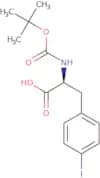
CAS:<p>Boc-4-iodo-L-phenylalanine is a chemical compound belonging to the category of amino acid derivatives. It is widely used in research for various applications, including peptide synthesis and drug discovery.<br>The L-phenylalanine derivative, has a Boc protecting group (tert-butoxycarbonyl) on the amino group and an iodine atom at the 4-position of the phenyl ring. The Boc group protects the amino group from unwanted reactions during peptide synthesis, while the iodine atom serves as a useful group for further modifications.</p>Formula:C14H18IHO4Purity:Min. 95%Color and Shape:PowderMolecular weight:378.2 g/mol2-[(4-Amino-2-methyl-5-nitrylbenzyl)amino]ethylalcohol
CAS:<p>2-[(4-Amino-2-methyl-5-nitrylbenzyl)amino]ethylalcohol is a reactive, hydrated, colorant that belongs to the group of hydroxy compounds. It has a chromophore and is used in the production of cosmetics. 2-[(4-Amino-2-methyl-5-nitrylbenzyl)amino]ethylalcohol is used for alkalization and in the production of particle pigments. This compound can be found in fatty acid esters, as it has a long hydrocarbon chain, which makes it soluble. It also has fatty acids and an amine group that provides color.</p>Formula:C9H13N3O3Purity:Min. 95%Molecular weight:211.22 g/mol4-Chloro-2-methylbenzyl alcohol
CAS:<p>4-Chloro-2-methylbenzyl alcohol is an organic compound that has a sensor and hydroxyl group. It is used in pest control as an insecticide. 4-Chloro-2-methylbenzyl alcohol has been shown to be effective against ants, cockroaches, and other insects. There are multiple instabilities of this compound, including low oxygen stability when exposed to air, which may lead to the degradation of this chemical. Impurities in 4-chloro-2-methylbenzyl alcohol may also lead to its instability as it reacts with alkali metals at high temperatures. The instability of 4-chloro-2-methylbenzyl alcohol can be reduced by storing it at low temperatures or by adding cryogenic substances such as liquid nitrogen or carbon dioxide gas.</p>Formula:C8H9ClOPurity:Min. 95%Molecular weight:156.61 g/molN-α-Fmoc-Nε-1-(4,4-dimethyl-2,6-dioxocyclohex-1-ylidene)ethyl-L-lysine
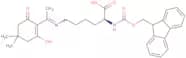
CAS:<p>N-alpha-Fmoc-Nepsilon-1-(4,4-dimethyl-2,6-dioxocyclohex-1-ylidene)ethyl-L-lysine is a synthetic amide with a peptide backbone. It has been shown to have anti tumor activity in vivo and in vitro against a variety of solid tumor xenografts. The compound was conjugated to the integrin receptor ligand RGD, which is expressed on the surface of various types of cancer cells. This modification increased the uptake of N-alpha-Fmoc-Nepsilon-1-(4,4 dimethyl 2,6 dioxocyclohex1 ylidene)ethyl L lysine by leukemia cells and solid tumor xenografts.</p>Formula:C31H36N2O6Purity:Min. 98 Area-%Color and Shape:Slightly Yellow PowderMolecular weight:532.63 g/mol2-Methylbenz[c,d]indole
CAS:<p>2-Methylbenz[c,d]indole is an indole. It exhibits a number of spectroscopic properties including the presence of a strong absorption band at 290 nm and a weak one at 430 nm. 2-Methylbenz[c,d]indole is not active against bacteria.</p>Formula:C12H9NPurity:Min. 95 Area-%Color and Shape:PowderMolecular weight:167.21 g/molN-Nitroso-N-phenylhydroxylamine aluminium
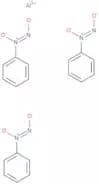
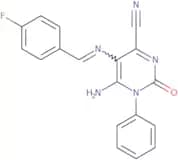
CAS:<p>N-Nitroso-N-phenylhydroxylamine aluminium (NNPA) is a nitrated organic compound that belongs to the thioxanthone family. It is a colorless, oily liquid that has a strong odor of hydrochloric acid. NNPA is used in the production of polyester resins and coatings, as well as in the manufacture of methacrylate polymers. The reaction system for this compound consists of aluminum chloride and calcium carbonate. This substance can be prepared by reacting trimethylolpropane with methacrylates and magnesium in an organic solvent such as isopropyl alcohol or acetone. NNPA can also be synthesized by reacting zinc powder with ammonium bicarbonate, followed by carbamoylation with an organic amine such as isopropylcarbamate.</p>Formula:C18H15AlN6O6Purity:Min. 95%Color and Shape:White PowderMolecular weight:438.33 g/mol5-(1-Aza-2-(4-fluorophenyl)vinyl)-4-imino-2-oxo-3-phenyl-1H-1,3-diazine-6-carbonitrile
CAS:<p>Please enquire for more information about 5-(1-Aza-2-(4-fluorophenyl)vinyl)-4-imino-2-oxo-3-phenyl-1H-1,3-diazine-6-carbonitrile including the price, delivery time and more detailed product information at the technical inquiry form on this page</p>Formula:C18H12FN5OPurity:Min. 95%Color and Shape:PowderMolecular weight:333.32 g/molN-α-Benzoyl-L-arginine amide hydrochloride
CAS:<p>N-alpha-Benzoyl-L-arginine amide hydrochloride (BA) is a synthetic, noncompetitive inhibitor of phosphodiesterase. It has been shown to inhibit protease activity in vitro and rhizosphere enzyme activities in vivo. BA also inhibits the formation of hippuric acid from benzoic acid, which is a reaction catalyzed by the enzyme phosphatase. The kinetics of this inhibition have been studied using a number of different substrates and enzymes. BA binds to the catalytic site on the enzyme, sterically hindering binding of the substrate and preventing hydrolysis.</p>Formula:C13H19N5O2·HClPurity:Min. 95%Color and Shape:PowderMolecular weight:313.78 g/molFmoc-L-proline pentafluorophenyl ester
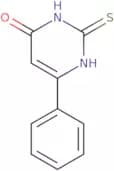
CAS:<p>Fmoc-L-proline pentafluorophenyl ester is an estrogen analog that binds to the estrogen receptor α. It has been shown to inhibit cancer cell growth in vitro and in vivo. In addition, Fmoc-L-proline pentafluorophenyl ester inhibits the formation of new cancer cells by inducing cell death and inhibiting proliferation. This drug also has anti-inflammatory properties and is able to bind with calmodulin, which may be related to its ability to inhibit breast cancer cell growth.</p>Formula:C26H18F5NO4Purity:Min. 95%Molecular weight:503.42 g/mol6-Phenyl-2-thiouracil
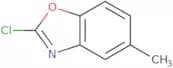
CAS:<p>6-Phenyl-2-thiouracil (6PTU) is an alkylthio group that inhibits the growth of microorganisms by binding to DNA. 6PTU binds to the oxygen nucleophiles in DNA and prevents transcription and replication. It also has a positive effect on the synthesis of proteins, which may be due to its ability to regulate gene transcription. 6PTU has been shown to inhibit cell growth in culture by blocking protein synthesis. This drug is used as an analytical method for determining urinary glucose levels in animals because it reacts with glucose in urine samples. The reaction produces a chromatographic peak that can be quantified using an electrochemical detector.</p>Formula:C10H8N2OSPurity:Min. 95%Color and Shape:PowderMolecular weight:204.25 g/mol2-Chloro-5-methyl-1,3-benzoxazole
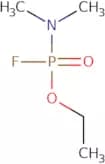
CAS:<p>2-Chloro-5-methyl-1,3-benzoxazole (CMB) is a regioselective synthetic intermediate that can be used to synthesize other compounds. It is produced by the reaction of chloromethyl methyl ether with anhydrous magnesium chloride in the presence of a solvent such as THF or diethyl ether. CMB can also be prepared by the reaction of 2,4,6-trichlorobenzoyl chloride with magnesium metal and a solvent such as THF or diethyl ether. This intermediate can be used in cross-coupling reactions with Grignard reagents to produce different compounds.</p>Formula:C8H6ClNOPurity:Min. 95 Area-%Color and Shape:PowderMolecular weight:167.59 g/molN-(Ethoxy-Fluorophosphoryl)-N-Methylmethanamine
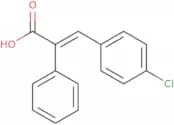
CAS:Controlled Product<p>Ethoxy-Fluorophosphoryl-N-Methylmethanamine is a chemical that belongs to the class of nerve agents. It can be used as an antidote for sarin poisoning. This compound reacts with the enzyme butyrylcholinesterase, which breaks down acetylcholine in the synapses. In this way, it blocks the transmission of nerve impulses and causes muscle paralysis. Ethoxy-Fluorophosphoryl-N-Methylmethanamine acts as an antagonist of acetylcholine receptors in both animals and humans. It also inhibits cholinesterase activity in blood pressure regulation, which leads to increased blood pressure levels. When administered at sublethal doses, this compound induces a long lasting sensitization of the central nervous system to other cholinergic drugs such as atropine or nerve gases such as sarin.</p>Formula:C4H11FNO2PPurity:Min. 95%Molecular weight:155.11 g/mol4-Chloro-(α-phenyl)-cinnamic acid
CAS:<p>4-Chloro-(alpha-phenyl)-cinnamic acid is a fine chemical that is useful as a building block for research chemicals, reagents and speciality chemicals. It is also a versatile intermediate for the synthesis of complex compounds and a useful scaffold for the synthesis of high quality products. This compound can be used in reactions such as Friedel-Crafts acylation, nitration, amination, esterification and cyclization.</p>Formula:C15H11ClO2Purity:Min. 95%Color and Shape:PowderMolecular weight:258.7 g/molIndole-3-acetyl-L-valine
CAS:<p>Indole-3-acetyl-L-valine (IAV) is a naturally occurring amino acid that binds to the surface glycoprotein of wild-type viruses. It inhibits viral replication by inhibiting the production of basic proteins, which are necessary for viral life. IAV also has inhibitory properties against the toll-like receptor, which may be due to its ability to inhibit growth factor signaling. IAV has been shown to decrease the number of opportunistic fungal and bacterial infections in humans, with no adverse effects on human health. This drug has no effect on healthy cells and can be used as an adjuvant for the treatment of HIV and other viral infections.</p>Formula:C15H18N2O3Purity:Min. 95%Color and Shape:PowderMolecular weight:274.32 g/molN-(4-methylthio(3H-2,3,5-triazolyl))-3-phenylprop-2-enamide
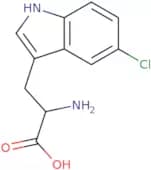
CAS:<p>Please enquire for more information about N-(4-methylthio(3H-2,3,5-triazolyl))-3-phenylprop-2-enamide including the price, delivery time and more detailed product information at the technical inquiry form on this page</p>Formula:C12H12N4OSPurity:Min. 95%Color and Shape:PowderMolecular weight:260.32 g/mol5-Chloro-DL-tryptophan
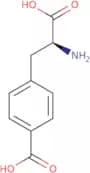
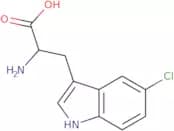
CAS:<p>5-Chloro-DL-tryptophan is a research chemical that is used as a building block in the synthesis of other chemicals.</p>Formula:C11H11ClN2O2Molecular weight:238.68 g/mol4-Carboxy-L-phenylalanine
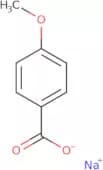
CAS:<p>4-Carboxy-L-phenylalanine is a synthetic amino acid that has been shown to inhibit tyrosine kinase activity. It can also be used as a chromogenic substrate for tyrosine kinases, which are enzymes that catalyze the transfer of phosphate groups from ATP to tyrosine residues in proteins. 4-Carboxy-L-phenylalanine has potent inhibitory effects on ligand binding and cell proliferation by blocking the phosphotyrosine signal transduction pathway. 4-Carboxy-L-phenylalanine is an analog of L-phenylalanine, which is an essential amino acid found in many proteins and enzymes.</p>Formula:C10H11NO4Purity:Min. 95%Color and Shape:White/Off-White SolidMolecular weight:209.2 g/mol4-Methoxybenzoic acid sodium
CAS:<p>4-Methoxybenzoic acid sodium is an amide that has been used as a preservative and antimicrobial agent in food products. It is also a second-order rate constant with a Ca2+ concentration of 0.1 mM for staphylococcus. The fatty acids of 4-methoxybenzoic acid sodium are hydrophobic and inhibit the growth of microorganisms by disrupting the cell membrane, which leads to leakage of cellular content. This compound also inhibits the activity of fatty acyl coenzyme A reductase and has been shown to have a microbicidal effect on gram-positive bacteria, such as Staphylococcus aureus. 4-Methoxybenzoic acid sodium has also been shown to be effective against Candida albicans, Streptococcus pyogenes, and Bacillus subtilis when combined with an antimicrobial peptide or cationic surfactant.</p>Formula:C8H7NaO3Purity:Min. 98 Area-%Color and Shape:PowderMolecular weight:174.13 g/molThiophene-2-glyoxylic acid
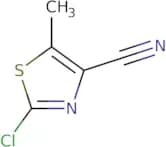
CAS:<p>Thiophene-2-glyoxylic acid is a reactive metabolite of thiophene that is formed from the environmental degradation of this compound. Thiophene-2-glyoxylic acid reacts with halides to form an electrophilic intermediate. This intermediate can react with a variety of nucleophiles, including the drug metabolites, leading to the formation of new compounds. Thiophene-2-glyoxylic acid has been shown to enhance the fluorescence properties of some organic compounds. It also has been shown to inhibit the metabolism of some drugs that are conjugated with acids and can be detected in plasma by mass spectrometry.</p>Formula:C6H4O3SPurity:Min. 95%Color and Shape:PowderMolecular weight:156.16 g/mol2-Chloro-5-methylthiazole-4-carbonitrile
CAS:<p>Please enquire for more information about 2-Chloro-5-methylthiazole-4-carbonitrile including the price, delivery time and more detailed product information at the technical inquiry form on this page</p>Formula:C5H3ClN2SPurity:Min. 95%Molecular weight:158.61 g/mol[(1-Methyl-1H-indol-5-yl)methyl]amine acetate
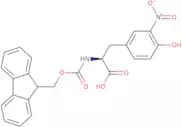
CAS:<p>[(1-Methyl-1H-indol-5-yl)methyl]amine acetate is a versatile building block that can be used in the preparation of a wide range of chemicals. This compound has been shown to react with a variety of reagents, such as phenyliodine diacetate and chloroacetic acid to give various products. [(1-Methyl-1H-indol-5-yl)methyl]amine acetate also reacts with potassium hydroxide (KOH) to produce indole. It is an important intermediate in the synthesis of other chemical compounds and has been reported in more than 200 scientific publications. The chemical formula for [(1-Methyl-1H-indol-5-yl)methyl]amine acetate is C13H14N2O4.</p>Formula:C10H12N2·C2H4O2Purity:Min. 95%Color and Shape:White PowderMolecular weight:220.27 g/molFmoc-3-nitro-L-tyrosine
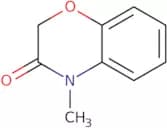
CAS:<p>Fmoc-3-nitro-L-tyrosine is an intermediate in the synthesis of a fluorogenic substrate for the determination of tyrosine residues in peptides by reverse phase high performance liquid chromatography (RP-HPLC). The product is synthesized by solid phase methods. Fmoc-3-nitro-L-tyrosine is prepared by reacting 3,4,5,6-tetrafluoroacetophenone with L-tyrosine in piperidine. The product can be cleaved to yield the residues and hydroxyl groups. The fluorogenic nature of Fmoc-3-nitro-L-tyrosine enables it to be used as a quenching reagent for the fluorescence of other compounds. This product can also be modified to become fluorescent or enzymatically active.</p>Formula:C24H20N2O7Purity:Min. 95%Color and Shape:PowderMolecular weight:448.42 g/mol4-Methyl-2H-1,4-benzoxazin-3(4H)-one
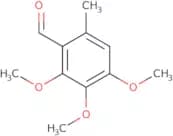
CAS:<p>4-Methyl-2H-1,4-benzoxazin-3(4H)-one is an organic compound that is a hydrogen chloride salt. It is used in the isolation and identification of catechols. The compound has been shown to form condensation products with cellulose, which are detected using analytical techniques such as chromatography and spectrophotometry. 4-Methyl-2H-1,4-benzoxazin-3(4H)-one has a trifluoride ion as its chromophore, which can be detected using analytical techniques.</p>Formula:C9H9NO2Purity:Min. 95%Color and Shape:PowderMolecular weight:163.17 g/mol2,3,4-Trimethoxy-6-methylbenzaldehyde
CAS:<p>2,3,4-Trimethoxy-6-methylbenzaldehyde is a synthetic coumarin with antibacterial activity. It is synthesized by the condensation of 3-hydroxyacetophenone and benzaldehyde. 2,3,4-Trimethoxy-6-methylbenzaldehyde has been shown to have antibacterial activity against both Gram-positive and Gram-negative bacteria. This molecule has also been shown to inhibit the growth of Gram negative bacteria in the presence of hydrogen peroxide. The crystal structure of this molecule was determined by XRD analysis and shows that it contains a dihedral angle of about 155°.</p>Formula:C11H14O4Purity:Min. 95%Molecular weight:210.23 g/molIndole-3-glyoxylamide
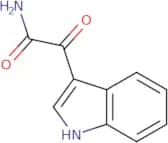
CAS:<p>Indole-3-glyoxylamide is a synthetic compound that was originally developed as a potential anti-cancer drug. It has been shown to inhibit glycogen synthase kinase 3 (GSK-3) and thereby reduce the production of proinflammatory cytokines in bowel disease. Indole-3-glyoxylamide also inhibits inflammatory bowel disease by inhibiting secretory phospholipase A2, which prevents the release of arachidonic acid from phospholipids. This synthesis is required for the production of prostaglandins and leukotrienes, which are involved in the inflammatory process. The compound has been shown to have immunomodulatory effects in chronic bronchitis, with an inhibitory effect on neutrophil chemotaxis, macrophage activity, and cytokine production. Indole-3-glyoxylamide has also been shown to be effective against cancer cells in vitro and in vivo animal models. It is metabolized through</p>Formula:C10H8N2O2Purity:Min. 95%Color and Shape:PowderMolecular weight:188.18 g/molD-Phenylalanyl-prolyl-arginyl chloromethyl ketone
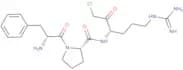
CAS:<p>D-Phenylalanyl-prolyl-arginyl chloromethyl ketone is a chemical compound that inhibits the proteolytic activity of serine proteases. It binds to the thrombin receptor on the surface of cells and prevents activation of fibrinogen by thrombin, which is an enzyme that promotes clotting. D-Phenylalanyl-prolyl-arginyl chloromethyl ketone also blocks platelet aggregation and has shown an ability to induce muscle cell proliferation. This drug has been used in pharmacological experiments as an inhibitor binding agent.</p>Formula:C21H31ClN6O3Purity:Min. 90 Area-%Color and Shape:PowderMolecular weight:450.96 g/mol3-Cyano-4-methoxybenzoicacid
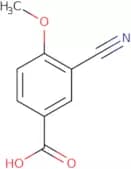
CAS:<p>3-Cyano-4-methoxybenzoic acid is a white crystalline solid that is soluble in water. This compound is a useful intermediate for the synthesis of other organic compounds, as well as a useful scaffold for the synthesis of complex compounds. 3-Cyano-4-methoxybenzoic acid also has potential use as a research chemical, and can be used as an effective building block for the preparation of fine chemicals.<br>3-Cyano-4-methoxybenzoic acid may be used to produce speciality chemicals such as pharmaceuticals, dyes, pesticides, and perfumes. It can also be used to synthesize compounds with diverse functionalities.</p>Formula:C9H7NO3Purity:Min. 95%Color and Shape:SolidMolecular weight:177.16 g/mol17α-Estradiol 17-valerate
CAS:<p>Please enquire for more information about 17α-Estradiol 17-valerate including the price, delivery time and more detailed product information at the technical inquiry form on this page</p>Formula:C23H32O3Purity:Min. 95%Color and Shape:PowderMolecular weight:356.5 g/mol5-Benzyloxyindole-3-glyoxylamide
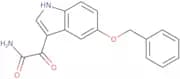
CAS:<p>5-Benzyloxyindole-3-glyoxylamide is a versatile building block that can be used in the synthesis of complex compounds. It has been shown to have a high quality and is useful as a reagent for research purposes. 5-Benzyloxyindole-3-glyoxylamide can be used as a reaction component and is useful as an intermediate in organic synthesis. 5BIGA has CAS number 22424-62-0 and is also known as 3-(benzyloxy)-5-(2,2,2-trifluoroethoxy)indole glyoxamide.</p>Formula:C17H14N2O3Purity:Min. 95%Molecular weight:294.3 g/mol(13C2,15N)Glycine
CAS:<p>Glycine is an amino acid that is found in the human blood. It is a non-essential amino acid and has a high level of stability. Glycine can be used as an untreated control to measure the stability of other compounds; it has been shown to be stable for up to six months at room temperature and for more than one year when frozen. Glycine is not found in any food sources, but can be synthesized by the body from other amino acids. The following are sample product descriptions: Rifapentine Rifapentine is an anti-tuberculosis drug that belongs to the class of rifamycins. It is the most active of the rifamycins for the treatment of tuberculosis. Rifapentine inhibits bacterial growth by binding to DNA-dependent RNA polymerase, thereby preventing transcription and replication. The high frequency of human activity has been shown using a patch-clamp technique on human</p>Purity:Min. 95%Color and Shape:PowderMolecular weight:77.99 g/molEthyl [2-methyl-3-(chlorosulfonyl)phenoxy]acetate
CAS:<p>Ethyl [2-methyl-3-(chlorosulfonyl)phenoxy]acetate is a fine chemical that has been used as a building block in the synthesis of other complex chemicals. It is also an intermediate for the production of pesticides and pharmaceuticals. The compound can be used to form more than one hundred different organic compounds, which makes it a versatile building block. It can be reacted with other chemicals to create new compounds, such as drugs or herbicides.</p>Formula:C11H13ClO5SPurity:Min. 95 Area-%Color and Shape:PowderMolecular weight:292.74 g/molL-Methionine methyl ester hydrochloride
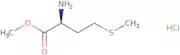
CAS:<p>L-Methionine methyl ester hydrochloride is an amide that has been used in the treatment of bowel diseases. It has been shown to have a polymerase chain reaction (PCR) diagnostic application for the detection of DNA duplexes and intramolecular hydrogen bonds. L-Methionine methyl ester hydrochloride inhibits the activity of enzymes such as protein kinase, phosphodiesterase, and proteases. L-Methionine methyl ester hydrochloride also has receptor activities and can be used as a diagnostic agent for malignant brain tumors or congestive heart failure. It is also able to block radiation and positron emission tomography (PET) scanning.</p>Formula:C6H13NO2S·HClPurity:Min. 98 Area-%Color and Shape:PowderMolecular weight:199.7 g/mol1-Chloro-2-(2-methoxyethoxy)ethane
CAS:<p>Please enquire for more information about 1-Chloro-2-(2-methoxyethoxy)ethane including the price, delivery time and more detailed product information at the technical inquiry form on this page</p>Formula:C5H11ClO2Purity:Min. 95%Color and Shape:Clear Colourless LiquidMolecular weight:138.59 g/mol2-(4-Bromophenyl)-5-phenyl-1,3,4-oxadiazole
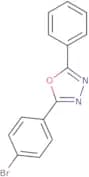
CAS:<p>2-(4-Bromophenyl)-5-phenyl-1,3,4-oxadiazole is a fluorescent and x-ray active molecule. It is a cross-coupled compound that can be used in devices for photophysical applications such as fluorescence and x-ray detection. This compound has been shown to have efficiencies of up to 90% for the detection of excitation light at 295 nm. 2-(4-Bromophenyl)-5-phenyl-1,3,4-oxadiazole has also been used in the preparation of high performance liquid phase extraction columns with good results. The reaction time and irradiation are important factors when considering this molecule for use in photophysical applications.</p>Formula:C14H9BrN2OPurity:Min. 95%Color and Shape:PowderMolecular weight:301.14 g/molPhenylacetyl glycine
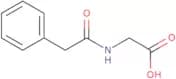
CAS:<p>Phenylacetyl glycine (PAG) is a non-essential amino acid and dietary supplement that has been shown to be effective in animals with metabolic disorders. PAG can be detected by magnetic resonance spectroscopy as a potential biomarker for chronic kidney disease and cancer. PAG has been shown to have anti-cancer effects by inhibiting the proliferation of malignant cells, which may be due to its ability to inhibit the production of monocarboxylic acids. It also inhibits the synthesis of ATP, which leads to a decrease in cellular energy metabolism.</p>Formula:C10H11NO3Purity:Min. 95%Molecular weight:193.2 g/mol5-Chloro-DL-tryptophan
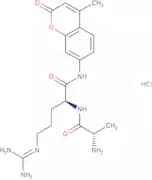
CAS:<p>5-Chloro-DL-tryptophan is an antibiotic that is synthesized from tryptophan. It is used as a precursor for the synthesis of other antibiotics, including 5-chloro-dl-tryptophan and indole. 5-Chloro-DL-tryptophan has been shown to have a significant effect on the synthesis of protein amino acids, such as d-aspartic acid and α-amino acids. The steric properties of 5-chloro-dl-tryptophan are also important in its ability to block protein synthesis. Ozonization can be used to oxidize α,β unsaturated carbonyl compounds found in 5 - chloro - DL - tryptophan.</p>Formula:C11H11ClN2O2Purity:Min. 95%Color and Shape:White PowderMolecular weight:238.67 g/molH-Ala-Arg-AMC hydrochloride
CAS:<p>H-Ala-Arg-AMC hydrochloride is a reagent that can be used in the synthesis of various complex compounds. This reagent is a useful scaffold for high quality research chemicals. It is also a versatile building block, which can be used as an intermediate or a building block. H-Ala-Arg-AMC hydrochloride is easily soluble in organic solvents and has a CAS number of 83363-71-7.</p>Formula:C19H26N6O4·HClPurity:Min. 95 Area-%Color and Shape:PowderMolecular weight:438.91 g/molBoc-4-hydroxymethyl-L-phenylalanine dicyclohexyl ammonium salt
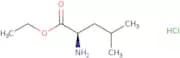
CAS:Controlled Product<p>Boc-4-Hydroxymethyl-L-Phenylalanine Dicyclohexyl Ammonium Salt is a versatile building block and intermediate for the synthesis of complex compounds. It is a useful reagent for research chemicals, speciality chemicals, and fine chemicals. This compound can be used as a high quality and useful scaffold in the synthesis of various types of pharmaceuticals.</p>Formula:C27H44N2O5Purity:Min. 95%Color and Shape:PowderMolecular weight:476.65 g/molD-Leucine ethyl ester hydrochloride
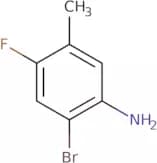
CAS:<p>D-Leucine ethyl ester hydrochloride is a synthetic amino acid with the chemical formula C5H11NO3. It is an ammonium salt of leucine that has been modified by replacing the side chain carboxylic acid group with an ethyl ester. This modification prevents D-leucine from being metabolized as a source of energy and instead makes it a useful probe for studying enzyme catalysis. D-Leucine ethyl ester hydrochloride is used to study intramolecular reactions in proteins, such as peptides and tripeptides, by probing their backbone conformation.</p>Formula:C8H17NO2•HClPurity:Min. 95%Color and Shape:PowderMolecular weight:195.69 g/mol2-Bromo-4-fluoro-5-methylaniline
CAS:<p>2-Bromo-4-fluoro-5-methylaniline (BFM) is a reactive intermediate that is used as a building block in the synthesis of various organic compounds. It is also used in research and development for the preparation of pharmaceuticals, pesticides, herbicides, and dyes. BFM is a versatile intermediate that can be used in many different types of reactions. This chemical belongs to the group of halogenated methylanilines and has a CAS number of 1065076-39-2.</p>Formula:C7H7BrFNPurity:Min. 95%Color and Shape:PowderMolecular weight:204.04 g/mol2-(S)-Hydroxy-4-oxo-4-phenylbutyric acid
CAS:<p>2-(S)-Hydroxy-4-oxo-4-phenylbutyric acid is a useful building block that can be used in the production of many fine chemicals, research chemicals, and reagents. It is a versatile building block that can be used as a reaction component in a wide range of reactions. 2-(S)-Hydroxy-4-oxo-4-phenylbutyric acid is also an intermediate or scaffold for complex compounds that are valuable in many fields such as pharmaceuticals, agrochemicals, and polymers. This compound has been shown to have high quality and purity.</p>Formula:C10H10O4Purity:Min. 95%Color and Shape:PowderMolecular weight:194.18 g/molN-[2-(Fmoc-amino)-ethyl]glycine tert-butylester hydrochloride
CAS:<p>Please enquire for more information about N-[2-(Fmoc-amino)-ethyl]glycine tert-butylester hydrochloride including the price, delivery time and more detailed product information at the technical inquiry form on this page</p>Formula:C23H28N2O4·HClPurity:Min. 95%Color and Shape:PowderMolecular weight:432.94 g/mol






![6-Amino-3-methyl-4-(4-nitrophenyl)-4H-pyrano[3,2-d]pyrazole-5-carbonitrile](/_next/image/?url=https%3A%2Fstatic.cymitquimica.com%2Fproducts%2F3D%2Fthumb-webp%2FFA169805.webp&w=3840&q=75)



![2-[(4-Amino-2-methyl-5-nitrylbenzyl)amino]ethylalcohol](/_next/image/?url=https%3A%2Fstatic.cymitquimica.com%2Fproducts%2F3D%2Fthumb-webp%2FFA146928.webp&w=3840&q=75)

![2-Methylbenz[c,d]indole](/_next/image/?url=https%3A%2Fstatic.cymitquimica.com%2Fproducts%2F3D%2Fthumb-webp%2FFM148927.webp&w=3840&q=75)





![[(1-Methyl-1H-indol-5-yl)methyl]amine acetate](/_next/image/?url=https%3A%2Fstatic.cymitquimica.com%2Fproducts%2F3D%2Fthumb-webp%2FFM124972.webp&w=3840&q=75)


![Ethyl [2-methyl-3-(chlorosulfonyl)phenoxy]acetate](/_next/image/?url=https%3A%2Fstatic.cymitquimica.com%2Fproducts%2F3D%2Fthumb-webp%2FFE22936.webp&w=3840&q=75)



![N-[2-(Fmoc-amino)-ethyl]glycine tert-butylester hydrochloride](/_next/image/?url=https%3A%2Fstatic.cymitquimica.com%2Fproducts%2F3D%2Fthumb-webp%2FFF49771.webp&w=3840&q=75)