Amino Acids (AA)
Subcategories of "Amino Acids (AA)"
- Amino Acid Derivatives(4,017 products)
- Amino Acid and Amino Acid Related Compounds(3,491 products)
- Amino Acids with Oxygen or Sulphur(168 products)
- Boc- Amino Acids(351 products)
- Fmoc Amino Acids(1,710 products)
Found 38387 products of "Amino Acids (AA)"
2-Amino-4,6-dihydroxy-5-methylpyrimidine
CAS:2-Amino-4,6-dihydroxy-5-methylpyrimidine is a versatile building block that can be used in the synthesis of complex compounds. It has CAS No. 55477-35-5 and can be used as a reagent or speciality chemical for research purposes. 2-Amino-4,6-dihydroxy-5-methylpyrimidine is also useful for the synthesis of reaction components and scaffolds for high quality compounds.
Formula:C5H7N3O2Purity:Min. 95%Color and Shape:PowderMolecular weight:141.13 g/mol1-(5-Chloro-2-methoxyphenyl)piperazine HCl
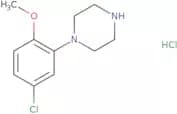
CAS:Controlled Product1-(5-Chloro-2-methoxyphenyl)piperazine HCl is a fine chemical that belongs to the group of research chemicals. It is used as a reagent, speciality chemical and intermediate in organic synthesis. 1-(5-Chloro-2-methoxyphenyl)piperazine HCl is an effective building block for complex compounds, which can be used in reactions involving acetals, amides, nitriles, sulfones, sulfonamides and imines. This compound also has versatile building blocks and is a useful scaffold in organic synthesis.Formula:C11H16Cl2N2OPurity:Min. 95%Color and Shape:Off-White PowderMolecular weight:263.16 g/molH-His-Pro-OH
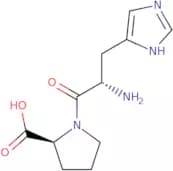
CAS:H-His-Pro-OH is a nucleotide that is synthesized from the precursor His-Pro by the enzyme histidine kinase and phosphotransferase. H-His-Pro-OH is a substrate for ribonucleotide reductase, which catalyzes the conversion of H-His-Pro to deoxyadenosine monophosphate (dAMP). The enzyme adenyl cyclase catalyzes the conversion of dAMP to cyclic AMP (cAMP) and guanylate cyclase catalyzes the conversion of GTP to cGMP. These reactions are important in regulating cellular physiology. H-His-Pro has been shown to have an hypoglycemic effect when administered with insulin in experimental models, suggesting it may be useful for treating metabolic disorders such as diabetes mellitus.Formula:C11H16N4O3Purity:Min. 95%Molecular weight:252.27 g/mol3-Amino-1-methylpyrazole
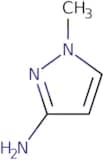
CAS:3-Amino-1-methylpyrazole is a molecule in the amide family. It is a natural product, which has been found to have signalling properties. 3-Amino-1-methylpyrazole has also been shown to inhibit telomerase activity and can be used as a potential anticancer agent in the future. This compound was designed for use in pharmaceutical research and has shown great pharmacokinetic properties that can be optimized for pharmaceutical research. 3-Amino-1-methylpyrazole is not yet approved for any therapeutic use but has shown great potential as an anticancer agent, especially when combined with other drugs or chemotherapy treatments.Formula:C4H7N3Purity:Min. 95%Color and Shape:Clear LiquidMolecular weight:97.12 g/molFmoc-Ala-Pro-Pro-OH
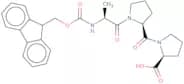
CAS:Fmoc-Ala-Pro-Pro-OH is an amino acid that belongs to the class of speciality chemicals. It is a versatile building block for organic synthesis, with applications in pharmaceuticals, agrochemicals, and other chemical industries. The CAS number for Fmoc-Ala-Pro-Pro-OH is 386768-25-8.Formula:C28H31N3O6Purity:Min. 95%Color and Shape:PowderMolecular weight:505.56 g/mol1-(3-Methylphenyl)-2-nitropropene
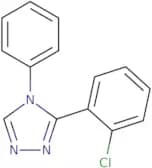
CAS:1-(3-methylphenyl)-2-nitropropene is a versatile building block that is used in the synthesis of complex compounds. It is also an intermediate for the synthesis of other chemicals, such as reaction components and useful scaffolds. It has been shown to be high quality and useful as reagent and speciality chemical.Formula:C10H11NO2Purity:Min. 95%Molecular weight:177.2 g/mol5-(2-Chlorophenyl)-1-phenyl-1,3,4-triazole
CAS:5-(2-Chlorophenyl)-1-phenyl-1,3,4-triazole is a useful reagent and building block for the synthesis of various chemical compounds. It has been used as a reaction component in organic synthesis as well as a useful scaffold for new chemical compounds. 5-(2-Chlorophenyl)-1-phenyl-1,3,4-triazole is an intermediate in the production of pharmaceuticals and pesticides. It is also used as a speciality chemical for research purposes. Additionally, this compound can be used to make fine chemicals such as dyes and perfumes.Formula:C14H10N3ClPurity:Min. 95%Color and Shape:PowderMolecular weight:255.7 g/molNε-Methyl-L-lysine hydrochloride
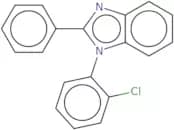
CAS:Ne-Methyl-L-lysine hydrochloride is an acetylated form of the amino acid L-lysine. It has shown to be effective in treating pernicious anemia, a condition in which the body lacks sufficient vitamin B12. Ne-Methyl-L-lysine hydrochloride inhibits the production of human vascular endothelial growth factor (VEGF) and can also be used as a diagnostic tool for pernicious anemia. This drug is expressed by genetically engineered cells and has been shown to inhibit acetylation reactions, leading to monoclonal antibodies with increased stability. Ne-Methyl-L-lysine hydrochloride also binds to vitamin B12 and prevents its catabolism, thereby increasing the levels of this essential nutrient.Formula:C7H16N2O2•HClPurity:Min. 95%Color and Shape:White PowderMolecular weight:196.67 g/mol3-(2-Chlorophenyl)-2-phenyl-3H-indole
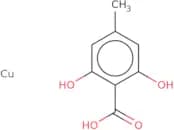
CAS:3-(2-Chlorophenyl)-2-phenyl-3H-indole is a versatile building block that can be used as a precursor in the synthesis of a wide range of complex compounds. 3-(2-Chlorophenyl)-2-phenyl-3H-indole has been shown to be an effective reagent for the synthesis of heterocycles and useful for the preparation of diverse speciality chemicals. 3-(2-Chlorophenyl)-2-phenyl-3H-indole is also an important intermediate in the synthesis of pharmaceuticals, agrochemicals, dyes, and perfumes. It is also a useful scaffold for organic chemistry reactions and can serve as a reaction component because it contains two reactive groups.Formula:C19H13ClN2Purity:Min. 95%Molecular weight:304.77 g/mol2,6-Dihydroxy-4-methylbenzoic acid copper
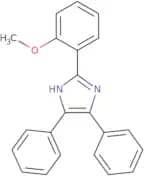
CAS:2,6-Dihydroxy-4-methylbenzoic acid copper salt is an organic compound with a skeleton of two benzene rings. The molecule contains a chloride ion coordinated to the copper atom and a methyl group adjacent to the copper atom. This compound has significant cytotoxicity against human cancer cells. It is also an endophytic fungus found in plants that produces ethyl esters of 2,6-dihydroxy-4-methylbenzoic acid copper salt. The chemical structures of this compound are shown in Figure 1 below: Figure 1 The reaction products are 2,6-dichloroquinone and benzoic acid. The reaction solution is a dark red color due to the presence of free quinone groups. This compound has been synthesized using Friedel-Crafts reactions, which were carried out in chloroform and dichloromethane at temperatures ranging from -78°C to room temperature for up to 12Formula:C16H16O8•CuPurity:Min. 95%Molecular weight:399 g/mol2-(2-Methoxyphenyl)-4,5-diphenylimidazole
CAS:2-(2-Methoxyphenyl)-4,5-diphenylimidazole is a molecule with a dihedral angle of -115.1° and an asymmetric synthesis. It has antimicrobial activity against Escherichia coli, Staphylococcus aureus, and Bacillus subtilis. This compound also inhibits the synthesis of thromboxane A2 by blocking the 5-azaindole binding site on platelets and prolongs bleeding time in rats. 2-(2-Methoxyphenyl)-4,5-diphenylimidazole has been shown to be an antiplatelet drug that blocks the binding site of rilmenidine and imidazoline on platelets and reduces platelet aggregation. It also binds to the pyrazole ring of tautomers as well as hydrogen bonds to carbonyl groups on phenyl groups.Formula:C22H18N2OPurity:Min. 95%Color and Shape:PowderMolecular weight:326.39 g/molGlutamylphenylalanine
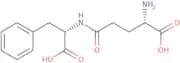
CAS:Glutamylphenylalanine is a molecule that is used for the diagnosis of fatty acid metabolism disorders. It can be detected in urine and blood, as well as in biological samples such as plasma, serum, or tissue. Glutamylphenylalanine is also an amino acid that has been shown to be an important component of the energy metabolism pathway. It is found in foods such as milk, cheese, eggs, and meat. The levels of glutamylphenylalanine are significantly higher in chronic kidney disease patients than in healthy individuals. This molecule may also play a role in bladder cancer development because it has been shown to inhibit protease activity and block acetic acid production.Formula:C14H18N2O5Purity:Min. 95%Color and Shape:White PowderMolecular weight:294.3 g/molMethyl 3-(2-oxocyclohexyl)-2-methylpropionate
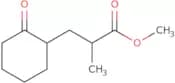
CAS:Methyl 3-(2-oxocyclohexyl)-2-methylpropionate is a subcluster of the cyclohexane carboxylic acid family. It has been found to be an operational compound that can be used as a source of fatty acids. Methyl 3-(2-oxocyclohexyl)-2-methylpropionate is one of many hydrocarbons produced by bacteria, and it has been shown to undergo acid analysis. The fatty acid compositions of methyl 3-(2-oxocyclohexyl)-2-methylpropionate have been studied in vitro.Formula:C11H18O3Purity:Min. 95%Molecular weight:198.26 g/molN-Cbz-L-Phenylalanine
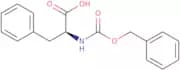
CAS:N-Cbz-L-Phenylalanine is a synthetic amino acid that is used as an inhibitor of protease activity. It binds to the active site of a protease enzyme and prevents it from cleaving its substrate peptide bonds, thereby inhibiting the enzyme’s activity. N-Cbz-L-Phenylalanine has been shown to inhibit trypsin from soybean, pancreatic elastase, and chymotrypsin from hog pancreas. This inhibitor has also been shown to inhibit growth factors and other biochemical properties.Formula:C17H17NO4Purity:Min. 95%Color and Shape:PowderMolecular weight:299.32 g/molFmoc-L-Gln-OH
CAS:Fmoc-L-Gln-OH is a vasoactive intestinal peptide (VIP) analog that has been shown to be a potent pressor agent. It binds to and activates the VIP receptors in the vascular endothelium, causing vasoconstriction of blood vessels. Fmoc-L-Gln-OH also inhibits mitochondrial superoxide production and colorectal adenocarcinoma growth in vitro. This compound can be synthesized using solid phase chemistry, which is a technique where the building blocks are attached sequentially to an insoluble support material. This process can be activated by trifluoroacetic acid or other activating agents and eliminates the need for protecting groups. Fmoc-L-Gln-OH has been shown to inhibit the uptake of iron from transferrin into cells and to bind hippuric acid as well as many other organic compounds.Formula:C20H20N2O5Purity:Min. 95%Color and Shape:PowderMolecular weight:368.38 g/mol4-Iodo-3-methylbenzoic acid methyl ester
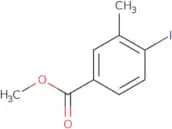
CAS:4-Iodo-3-methylbenzoic acid methyl ester is a chemical that is structurally analogous to 4-iodo-2,5-dimethoxybenzoic acid methyl ester. It is synthesized by the reaction of 3-methylbenzoic acid with ethyl chloroformate and iodomethane. 4-Iodo-3-methylbenzoic acid methyl ester has been shown to inhibit o6 alkylguanine DNA alkyltransferase (AGT) and o6 alkylguanine dna glycosylase (AGG). AGT and AGG are enzymes that repair DNA damage caused by reactive oxygen species. This inhibition leads to the accumulation of DNA damage in cells and induces apoptosis.Formula:C9H9IO2Purity:90%Color and Shape:PowderMolecular weight:276.07 g/mol1-Methyluric acid
CAS:Controlled Product1-Methyluric acid is a purine derivative that is a metabolite of caffeine. It is formed by the hepatic cytochrome P450 enzyme system and excreted in the urine. 1-Methyluric acid has been shown to be metabolized by rat liver microsomal enzymes, with the production of malonic acid, which may be responsible for its observed hepatotoxicity. The drug has also been shown to have an antibody response in rats and has been found to inhibit the activity of human liver enzymes. It also inhibits rat kidney enzyme activities and causes renal toxicity in rats. There are many drug interactions that can occur with 1-methyluric acid, including those with warfarin, phenytoin, carbamazepine, and diazepam. This drug should not be used in patients with severe renal impairment or chronic renal failure because it can cause acute renal failure due to its high degree of protein binding and rapid elimination from the body.
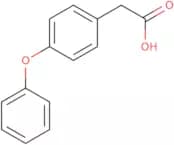
Formula:C6H6N4O3Purity:Min. 98 Area-%Color and Shape:White PowderMolecular weight:182.14 g/mol4-Phenoxyphenylacetic acid
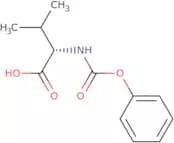
CAS:4-Phenoxyphenylacetic acid is a ligand that is used as a catalyst. It has been shown to catalyze the hydrochlorination of 4-ethoxybenzene to 4-chlorobenzene. 4-Phenoxyphenylacetic acid binds to metals and forms complexes with them, which increases its catalytic activity. The stability of the complex is also increased by the presence of heteroatoms such as chlorine or bromine on the ring system. Ligands that interact with metals are more electronegative than those that do not, and this can affect their stability in the complex.Formula:C14H12O3Purity:Min. 95%Molecular weight:228.24 g/molN-Phenoxycarbonyl-L-valine
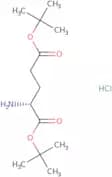
CAS:N-Phenoxycarbonyl-L-valine is an impurity that is found in the influenza drug oseltamivir phosphate. This impurity can be detected using electrospray ionization mass spectrometry and has been shown to inhibit the activity of reverse transcriptase, which is a key enzyme in the replication of HIV. N-Phenoxycarbonyl-L-valine has been shown to be active against human and animal viruses, including hepatitis B virus and influenza A virus. It also inhibits the replication of HIV by blocking reverse transcriptase, a crucial enzyme for viral replication. N-Phenoxycarbonyl-L-valine has been shown to be an effective antiviral agent for humans and animals with no adverse effects observed at therapeutic doses.Formula:C12H15NO4Purity:Min. 95%Color and Shape:PowderMolecular weight:237.25 g/molD-Glutamic acid di-tert-butyl ester hydrochloride
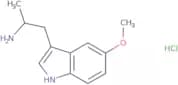
CAS:D-Glutamic acid di-tert-butyl ester hydrochloride is an organic acid that is used as a medicine. It is a covalently conjugated psychotropic drug, which means it contains two molecules of the same type. D-Glutamic acid di-tert-butyl ester hydrochloride has been shown to be effective in the treatment of depression and other mood disorders. This drug has also been shown to inhibit the reuptake of neurotransmitters such as serotonin and norepinephrine, which may account for its efficacy in treating depression. The drug was also found to be effective in the treatment of obsessive compulsive disorder (OCD) by inhibiting serotonin reuptake.Formula:C13H25NO4·HClPurity:Min. 95%Color and Shape:White PowderMolecular weight:295.8 g/mol5-Methoxy-3(2-aminopropyl)indole hydrochloride
CAS:Controlled Product5-Methoxy-3(2-aminopropyl)indole hydrochloride is a useful reagent for the synthesis of complex compounds and a versatile building block for the preparation of speciality chemicals. It is used in the production of fine chemicals, such as reagents and intermediates. This compound also has potential use as a research chemical or as a reaction component in organic syntheses.Formula:C12H16N2O·HClPurity:Min. 95%Molecular weight:240.73 g/mol[2-(1-Methyl-1H-pyrazol-5-yl)ethyl]amine
CAS:2-(1-Methyl-1H-pyrazol-5-yl)ethyl]amine is a versatile building block that can be used as a research chemical or in the synthesis of complex compounds. It has shown to be useful for the production of N-(2-(1-methyl-1H-pyrazol-5-yl)ethyl)-N'-phenylurea, which has been found to have antihydrotropic properties. CAS Number: 807315-40-8.Formula:C6H11N3Purity:Min. 95%Color and Shape:Colorless PowderMolecular weight:125.17 g/mol1-Hexyl-3-methylimidazolium hexafluorophosphate
CAS:1-Hexyl-3-methylimidazolium hexafluorophosphate is a cationic surfactant that is soluble in water. It has been shown to be effective for the removal of heavy metals, organic pollutants, and radioactive substances from wastewater by anion exchange resin. This compound also interacts with potassium hexafluorophosphate (KFP) to form a highly efficient ion pair. The transport properties of 1-hexyl-3-methylimidazolium hexafluorophosphate are due to its concentration dependent interactions with water molecules, which are affected by the temperature and pressure. The Langmuir adsorption isotherm has been used to describe the equilibrium between 1-hexyl-3-methylimidazolium hexafluorophosphate and KFP.Formula:C10H19F6N2PPurity:Min. 95%Color and Shape:Colourless To Yellow LiquidMolecular weight:312.24 g/mol6α-Methyl prednisolone 21-acetate
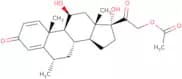
Controlled Product6a-Methyl prednisolone 21-acetate is a corticosteroid that binds to the glucocorticoid receptor, which regulates gene transcription. It has been used as an injection solution for bowel disease, but has also been shown to have anti-inflammatory and immunosuppressive effects. 6a-Methyl prednisolone 21-acetate reduces the production of inflammatory cytokines and may be a useful treatment for patients with inflammatory bowel disease (IBD). 6a-Methyl prednisolone 21-acetate has also been shown to decrease inflammation in experimental models of tissue infection, such as sepsis in mice. This drug may be useful as an adjuvant therapy for the treatment of sepsis in humans. 6a-Methyl prednisolone 21-acetate is not recommended for use in patients with congestive heart failure or severe kidney impairment because it can cause fluid retention and aggravation of these conditions.
Formula:C24H32O6Purity:Min. 95%Color and Shape:PowderMolecular weight:416.51 g/mol4'-Amino-N-methylacetanilide
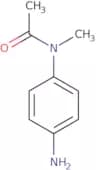
CAS:4'-Amino-N-methylacetanilide is a chemical reagent that can be used as a building block for the synthesis of other chemicals. It has been shown to have a high quality and is useful in the research field. It has been used as an intermediate in the production of pharmaceuticals and pesticides, such as acetaminophen, chloramphenicol, and nitrofurantoin. 4'-Amino-N-methylacetanilide has also been used as a versatile building block for the synthesis of various complex compounds, including dyes and polymers.
Formula:C9H12N2OPurity:Min. 95 Area-%Color and Shape:PowderMolecular weight:164.2 g/mol3-Methylcinnamic acid
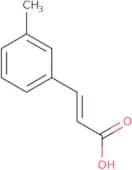
CAS:3-Methylcinnamic acid is an organic acid that is a phenylpropanoid metabolite. It is synthesized from malonic acid by hydroxylation and sulfonation, and then converted to cinnamic acid derivatives. 3-Methylcinnamic acid has been shown to inhibit the activity of heterocyclic amine-producing enzymes and has a strong inhibitory effect on the formation of triticum aestivum. 3-Methylcinnamic acid has been found to have diverse chemical properties that are useful for industrial purposes.
Formula:C10H10O2Purity:Min. 95%Color and Shape:PowderMolecular weight:162.19 g/mol4'-Chloro-3'-methylacetophenone, 95%
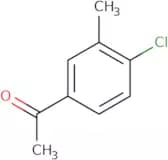
CAS:4'-Chloro-3'-methylacetophenone, 95% is a white crystalline solid that is soluble in alcohols and ethers. It has been used as a reagent for the synthesis of acetophenones. The compound exhibits moderate solubility in water and reacts with aqueous alkalis to form salts. 4'-Chloro-3'-methylacetophenone, 95% also reacts with strong oxidizing agents to form peroxides and with acid chlorides to form esters.
Formula:C9H9ClOPurity:Min. 95%Molecular weight:168.62 g/mol2-Methyl-DL-tryptophan
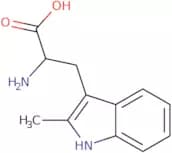
CAS:2-Methyl-DL-tryptophan is a sweetener that has a sweet taste. It is not metabolized in the body and does not have any known side effects. It is used as an artificial sweetener in food products and dietary supplements. 2-Methyl-DL-tryptophan has been approved by the FDA for use as a general purpose sweetener, but it is not allowed to be used in baked goods or other foods that are typically eaten without adding water to them.Formula:C12H14N2O2Purity:Min. 95%Color and Shape:PowderMolecular weight:218.25 g/molH-Val-Tyr-OH
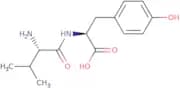
CAS:H-Val-Tyr-OH is an organic compound that is used as a research tool. It has been shown to inhibit angiotensin system and tubule cells in vitro. H-Val-Tyr-OH has also been shown to be active against Proteus aeruginosa, which is responsible for virulent sepsis in humans. The mechanism of action for H-Val-Tyr-OH is not known, but it may involve the hydroxyl group or the proximal tubules. H-Val-Tyr-OH can be synthesized from a variety of chemical reagents, including trifluoroacetic acid and hydrochloric acid. In addition, H-Val Tyr OH can be produced by using biological samples such as wheat germ and human test samples.Formula:C14H20N2O4Purity:Min. 95%Color and Shape:PowderMolecular weight:280.32 g/mol2-Hydroxy-5-methylisophthalaldehyde
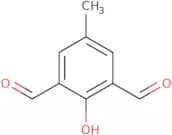
CAS:2-Hydroxy-5-methylisophthalaldehyde is a tetranuclear coordination compound with a tridentate ligand. The ligand can bind to three metal ions in the same way as an octahedral geometry, but the fourth nitrogen atom is not coordinated and can be replaced by other ligands. Two of these compounds have been synthesized and their structures determined by x-ray crystallography. The ligands are planar and form hydrogen bonds, which contribute to the high stability of these compounds. These properties may be useful for biological studies, such as synchronous fluorescence and intramolecular hydrogen transfer, as well as for catalysis and chemical sensing.Formula:C9H8O3Purity:Min. 95%Color and Shape:PowderMolecular weight:164.16 g/mol4-Fluoro-L-histidine
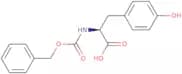
CAS:4-Fluoro-L-histidine is a fluorinated analog of L-histidine that functions as an inhibitor of protein synthesis by the virus. 4-Fluoro-L-histidine was found to be more potent than L-histidine in inhibiting murine sarcoma virus (MSV) replication and cytopathogenicity in vitro. This molecule has been shown to be a pentadecapeptide, which is comprised of five amino acids. The conformational properties of 4FLH are similar to those of histidine, and it can act as a substrate for enzymes involved in protein synthesis. 4FLH is also available with a deuterium isotope effect, which may affect its biological activity.Purity:Min. 95%N-Cbz-L-tyrosine
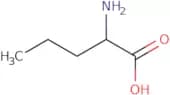
CAS:N-Cbz-L-tyrosine is a covalently modified amino acid that has been shown to be an effective protease inhibitor. The compound binds to the active site of enzymes, blocking their ability to hydrolyze proteins. In addition, N-Cbz-L-tyrosine has been shown to inhibit aminopeptidases and carboxypeptidases with IC50 values of 0.5 mM and 1 mM, respectively. This protein stabilizer has been shown to have a solubility data of 0.4 g/100 mL in water and 0.3 g/100 mL in methanol. It also has a molecular weight of 184.2 g/mol and a pH optimum of 7.0 (±0.2).Formula:C17H17NO5Purity:Min. 95%Color and Shape:White PowderMolecular weight:315.32 g/molDL-Norvaline
CAS:DL-Norvaline is a non-proteinogenic amino acid that can be synthesized in the laboratory. It has been shown to inhibit bacterial growth by binding to the polymerase chain reaction and preventing the synthesis of RNA. DL-Norvaline binds to the ribosome and inhibits protein synthesis, which is necessary for bacterial cell division. DL-Norvaline also binds to glutamate and may inhibit energy metabolism. DL-Norvaline is used as an antimicrobial agent against a number of bacteria, such as Escherichia coli and Staphylococcus aureus. The antimicrobial activity of DL-norvaline may be due to its ability to bind to hydrophobic regions on bacterial cells.Formula:C5H11NO2Purity:Min. 95%Color and Shape:White PowderMolecular weight:117.15 g/mol5-Methyl 4-fluoroglutamate
CAS:5-Methyl 4-fluoroglutamate is a reaction component that is used as a reagent in organic synthesis. It is a high quality and versatile building block for the production of fine chemicals. 5-Methyl 4-fluoroglutamate is also used as an intermediate to synthesize complex compounds, such as pharmaceuticals, agrochemicals, dyes, and other useful substances.
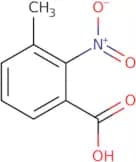
Formula:C6H10FNO4Purity:Min. 95%Molecular weight:179.15 g/mol3-Methyl-2-nitrobenzoic acid - 95%
CAS:3-Methyl-2-nitrobenzoic acid is a compound with the molecular formula of C6H5NO2. It is an organic compound that has been shown to be useful in wastewater treatment as an oxidation catalyst and in the photocatalytic oxidation of nitroaromatic compounds. 3-Methyl-2-nitrobenzoic acid can be synthesized by reaction of 2-methyl-6-nitrobenzoic acid with nitrous acid in water. The solubility data for 3-methyl-2-nitrobenzoic acid shows that it is soluble in water, acetone, and ethanol. The thermodynamic properties show that the solubility increases as temperature increases. Soluble compounds are typically more stable than insoluble compounds because they are able to react with other substances more easily. 3-Methyl-2-nitrobenzoic acid is also insoluble in hexane and dichloromethane.Formula:C8H7NO4Purity:Min. 95%Color and Shape:PowderMolecular weight:181.15 g/molD-tert-Leucine
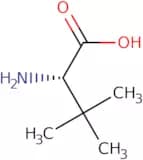
CAS:D-tert-Leucine is an amino acid that is a substrate for enzyme catalysis, including the trifluoroacetic acid-catalyzed reaction. It has been used as a chiral building block for the synthesis of enantiopure amides and peptides. D-tert-Leucine also inhibits metalloproteases and can be used to inhibit receptor binding by altering the structure of ligands.
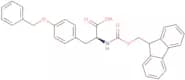
Formula:C6H13NO2Purity:Min. 97.0%Color and Shape:White PowderMolecular weight:131.17 g/molFmoc-O-benzyl-L-tyrosine
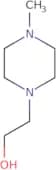
CAS:Fmoc-O-benzyl-L-tyrosine is a chalcone that is used as a monomer in the synthesis of polymers. It is also used to synthesize ciprofloxacin, which is an antibiotic with both bactericidal and bacteriostatic activity. Fmoc-O-benzyl-L-tyrosine has been shown to have pharmacokinetic properties that are similar to those of ciprofloxacin. This drug has been shown to reduce renal injury in rats with chronic kidney disease by preventing the accumulation of proteinaceous materials. Fmoc-O-benzyl-L-tyrosine has also been shown to be antibacterial, and can inhibit the growth of subtilis, a bacterial strain that causes chronic kidney disease.Formula:C31H27NO5Purity:Min. 95%Color and Shape:White PowderMolecular weight:493.55 g/mol1-(2-Hydroxyethyl)-4-methylpiperazine
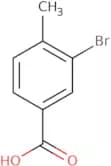
CAS:1-(2-Hydroxyethyl)-4-methylpiperazine is an organic compound with the formula CHN(CHOH)CHNH. It is a colorless, viscous liquid that is soluble in water and has a pungent odor. The chemical is used as a viscosity control agent and as an intermediate in the manufacture of other chemicals. 1-(2-Hydroxyethyl)-4-methylpiperazine can be synthesized by the reaction of ethylene oxide with amines, or by quaternization of diethanolamine with chloroethane. 1-(2-Hydroxyethyl)-4-methylpiperazine is used in industrial applications such as in ion exchange resins and to control the viscosity of drilling fluids. It has been detected at low levels in surface waters and soils, where it may be derived from wastewater treatment plants or atmospheric deposition.Formula:C7H16N2OPurity:Min. 95%Color and Shape:PowderMolecular weight:144.21 g/mol3-Bromo-4-methylbenzoic acid
CAS:3-Bromo-4-methylbenzoic acid is a labile chemical compound that is used in the synthesis of retinoic acid, an analog of vitamin A. 3-Bromo-4-methylbenzoic acid can be synthesized by a two step process involving the boronic ester and biphenyl. The biphenyl is first treated with phosphorus pentachloride to produce a phenoxyacetate which reacts with 3-bromo-4-methylbenzoyl chloride in the presence of base to produce 3-bromo-4-methylbenzoic acid. This conversion can also be done via a solid phase synthesis where the biphenyl is anchored on silica gel and reacted with 3-bromo-4 methylbenzoyl chloride. The boronic esters are then cleaved from the solid support by treatment with sodium hydroxide under reflux conditions. 3 - Bromo -Formula:C8H7BrO2Purity:Min. 95%Color and Shape:PowderMolecular weight:215.04 g/mol6-Methoxy-1-methyl-1H-indole-3-carbaldehyde
CAS:6-Methoxy-1-methyl-1H-indole-3-carbaldehyde is a high quality chemical that is used as a reagent, complex compound, useful intermediate, and speciality chemical. It is a fine chemical that has been shown to be useful as a building block in the synthesis of many other compounds. 6-Methoxy-1-methyl-1H-indole-3-carbaldehyde is also versatile and can be used in reactions involving nucleophilic substitution, reductive amination, and oxidative coupling.Formula:C11H11NO2Purity:Min. 95%Color and Shape:White PowderMolecular weight:189.21 g/mol2-Phenylindole-5-sulfonic acid monosodium salt
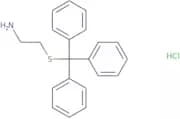
CAS:2-Phenylindole-5-sulfonic acid monosodium salt is a fine chemical that can be used as a building block for research chemicals, reagents, and speciality chemicals. It is also used as a reaction component for the synthesis of various complex compounds, such as pharmaceuticals and dyes. 2-Phenylindole-5-sulfonic acid monosodium salt is a versatile building block that can be used in the synthesis of useful scaffolds. The CAS number for this compound is 119205-39-9.Formula:C14H10NO3S·NaPurity:Min. 95%Color and Shape:White PowderMolecular weight:295.29 g/molTrt-cysteamine hydrochloride
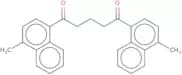
CAS:Trt-cysteamine hydrochloride is a prodrug that is metabolized to cysteamine in vivo. Cysteamine inhibits the production of tumor necrosis factor (TNF) by binding to its receptor and blocking NF-κB signaling pathways. In vitro models have shown that trt-cysteamine hydrochloride has minimal effects on cells, but when used in vivo, it can inhibit oxidative stress and induce cell death. Trt-cysteamine hydrochloride also binds to molecular targets with disulfide bonds, which may be potential therapeutic targets for cancer treatment.Formula:C21H21NS·HClPurity:Min. 95%Color and Shape:White Off-White PowderMolecular weight:355.92 g/mol1,5-Bis(4-Methyl-naphthalene-1-yl)-pentane-1,5-dione
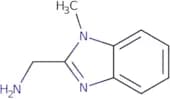
CAS:1,5-Bis(4-Methyl-naphthalene-1-yl)-pentane-1,5-dione is a high quality chemical that is used as an intermediate in the production of various complex compounds. It has been shown to be a useful scaffold for the synthesis of novel compounds with a variety of properties and uses. This compound can be used as a building block in reactions to produce speciality chemicals, research chemicals, and versatile building blocks. 1,5-Bis(4-Methyl-naphthalene-1-yl)-pentane-1,5-dione is also a reaction component that is used in the synthesis of various other compounds.Formula:C27H24O2Purity:Min. 95%Molecular weight:380.48 g/mol(1-Methyl-1H-benzimidazol-2-yl)methylamine
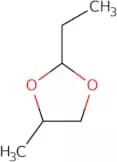
CAS:Controlled Product(1-Methyl-1H-benzimidazol-2-yl)methylamine is a heterocyclic compound with the chemical formula C6H5NCH3. It is used in organic synthesis as a building block for other compounds. (1-Methyl-1H-benzimidazol-2-yl)methylamine can be synthesized by reacting methylamine and benzimidazole in solvothermal conditions, followed by purification with ionization mass spectrometry. The compound has a molecular weight of 136 g/mol and an ionization mass of 133. This compound is homolytic under standard conditions, meaning that it undergoes reaction processes that break covalent bonds using heat or light energy. This process creates ions from neutral molecules, which are then analyzed by ionization mass spectrometry to determine the composition of the molecule.Formula:C9H11N3Purity:Min. 95%Color and Shape:Slightly Yellow PowderMolecular weight:161.2 g/mol2-Ethyl-4-methyl-1,3-dioxolane
CAS:2-Ethyl-4-methyl-1,3-dioxolane is an organic compound that belongs to the dioxolane class. It is a colorless liquid with a sweet odor and can be used as a solvent and as a reactant in organic synthesis. 2-Ethyl-4-methyl-1,3-dioxolane is activated by reaction with chloride ions. The activation energy for this reaction is between 27 and 44 kJ/mol. The reaction mechanism of 2-ethyl-4-methyl-1,3 -dioxolane involves the formation of an oxirane ring from two alcohol groups, which are attached to adjacent carbon atoms on the same side of the molecule. The hydroxyl group reacts with chloride ion to form an intermediate chlorohydrin, which then undergoes hydrolysis to produce the desired product. Spectrometry analyses have shown that 2ethyl 4 methyl 1,3 dioxolane has both cis and transFormula:C6H12O2Purity:Min. 95%Color and Shape:PowderMolecular weight:116.16 g/mol(3-Phenyl-1,2,4-oxadiazol-5-yl)methanol
CAS:3-Phenyl-1,2,4-oxadiazol-5-yl)methanol is a versatile building block that has been used in the synthesis of complex compounds and research chemicals. It is also a reagent that can be used in the laboratory to synthesize other fine chemicals. 3-Phenyl-1,2,4-oxadiazol-5-yl)methanol is an intermediate that can be used to create high quality and useful building blocks for chemical reactions. This compound has many uses as a scaffold in organic synthesis and it can be used to make valuable products such as pharmaceuticals and pesticides. 3-(3'-phenyl)-1,2,4-oxadiazole 5'-amine is listed on the Chemical Abstracts Service (CAS) database with number 5543-33-9.
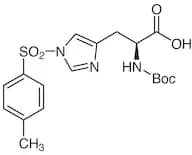
Formula:C9H8N2O2Purity:Min. 95%Color and Shape:PowderMolecular weight:176.17 g/molNα-(tert-Butoxycarbonyl)-τ-(p-toluenesulfonyl)-L-histidine
CAS:Formula:C18H23N3O6SPurity:>98.0%(T)Color and Shape:White to Almost white powder to crystalMolecular weight:409.46N-Stearoyl-L-cysteine
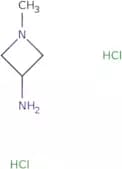
CAS:N-Stearoyl-L-cysteine is a carboxylic acid that has been shown to have neuroprotective properties. It is an active compound in the production of a number of pharmaceuticals and industrial chemicals, including medications for the treatment of HIV, cancer, and stroke. N-Stearoyl-L-cysteine has also been demonstrated to have neuroprotective effects in animal models of brain injury by reducing oxidative stress and inhibiting lipid peroxidation. This compound has also been shown to have a protective effect on brain cells following cerebral ischemia (a shortage of blood).Formula:C21H41NO3SPurity:Min. 95%Color and Shape:White To Off-White SolidMolecular weight:387.62 g/mol1-Methylazetidin-3-amine dihydrochloride
CAS:1-Methylazetidin-3-amine dihydrochloride is a synthetic chemical compound that is used as a reagent, high quality, complex intermediate, and fine chemical. It has been shown to be useful in the synthesis of various compounds and has been reported as a useful scaffold for organic synthesis. This compound also exhibits versatile building block properties due to its ability to react with various functional groups. 1-Methylazetidin-3-amine dihydrochloride has been found to be a useful reaction component in the production of pharmaceuticals, pesticides, and other products.Formula:C4H12Cl2N2Purity:Min. 95%Color and Shape:White PowderMolecular weight:159.06 g/molImidazo[1,2-a]pyridin-2-yl-methylamine dihydrochloride
CAS:Imidazo[1,2-a]pyridin-2-yl-methylamine dihydrochloride is a fine chemical that is used as an intermediate in the synthesis of various compounds. It has been found to be an excellent building block for complex compounds and useful scaffold for a variety of research chemicals. Imidazo[1,2-a]pyridin-2-yl-methylamine dihydrochloride is also a reaction component that can be used in the synthesis of speciality chemicals and pharmaceuticals. Imidazo[1,2-a]pyridin-2-yl-methylamine dihydrochloride is soluble in water and methanol and can be stored at room temperature. This product has a CAS number of 452967-56-5.Formula:C8H9N3·2HClPurity:Min. 95%Color and Shape:PowderMolecular weight:220.1 g/mol4-Methyl-3-[[4-(3-pyridinyl)-2-pyrimidinyl]amino]benzoicacid methylester
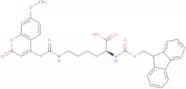
CAS:4-Methyl-3-[[4-(3-pyridinyl)-2-pyrimidinyl]amino]benzoicacid methylester is a fine chemical that is useful as a scaffold for more complex compounds and has many other uses. It is a versatile building block, useful intermediate and research chemical, reaction component, speciality chemical, and building block. This compound can be used to make high quality reagents with many applications in medicine, chemistry, and biology.Formula:C18H16N4O2Purity:Min. 95%Color and Shape:PowderMolecular weight:320.35 g/molN-alpha-Fmoc-Nepsilon-7-methoxycoumarin-4-acetyl-L-lysine
CAS:N-alpha-Fmoc-Nepsilon-7-methoxycoumarin-4-acetyl-L-lysine is a fluorogenic molecule that is synthesized by the solid phase method. It is an analog of lysine, which is a bioactive amino acid. This compound binds to copper and exhibits fluorescence emission at 585 nm when excited at 488 nm. N-alpha-Fmoc-Nepsilon-7-methoxycoumarin-4-acetyl-L-lysine can be used as a substrate for bone growth in vitro and in vivo. It can also be used as a labeling reagent for bone tissue, such as bone sections or cells. It has been shown to produce osteogenic activity in vitro and in vivo.Formula:C33H32N2O8Purity:Min. 97 Area-%Color and Shape:PowderMolecular weight:584.62 g/molLeu-Leu-OH
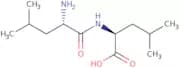
CAS:Leu-Leu-OH is a polymerase chain that belongs to the group of p2. It has been used as an experimental model for biological studies and cell lysis. The activity of Leu-Leu-OH is due to hydrogen bonding interactions with water molecules. This polymerase chain has been shown to be involved in infectious diseases, autoimmune diseases, and toll-like receptor signaling pathways. Leu-Leu-OH has also been studied as a model system for apoptosis by cell factor and histological analysis in anhydrous sodium phosphate buffer at pH 7.4.Formula:C12H24N2O3Purity:Min. 95%Color and Shape:PowderMolecular weight:244.33 g/mol6-Hydroxy-7-methoxy-3,4-dihydroquinazolin-4-one
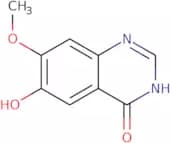
CAS:6-Hydroxy-7-methoxy-3,4-dihydroquinazolin-4-one is an amination of chloropropane and morpholinyl with 3-chloro-4-fluoroaniline. It cyclizes to form a quinazolinone. This compound was synthesized in order to produce a cytotoxic agent for cancer treatment.Formula:C9H8N2O3Purity:Min. 95%Color and Shape:PowderMolecular weight:192.17 g/molN-Boc-L-phenylalanine
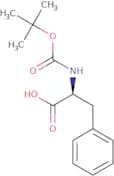
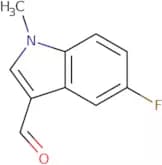
CAS:N-Boc-L-phenylalanine is a metabolic intermediate that belongs to the class of chemical compounds. It is an amino acid that has been shown to be useful in the treatment of metabolic disorders such as phenylketonuria and hyperphenylalaninemia. N-Boc-L-Phenylalanine is used as a fluorescent derivative and can be synthesized by reacting with trifluoroacetic acid (TFA) and hydrogen bromide. This active methylene group can bind to pyrazine-2-carboxylic acid, which has been shown to inhibit the growth of lymphocytic leukemia cells in culture experiments. N-Boc-L-Phenylalanine also has a hydroxy group on its side chain, which makes it soluble in water and amenable for chromatographic purification methods.Formula:C14H19NO4Purity:Min. 95%Color and Shape:White PowderMolecular weight:265.31 g/mol5-Fluoro-1-Methyl-1H-Indole-3-Carbaldehyde
CAS:5-Fluoro-1-Methyl-1H-Indole-3-Carbaldehyde is a high quality chemical that is used as a reagent, an intermediate for the synthesis of pharmaceuticals, and in the production of fine chemicals. 5FMICA is also a useful scaffold for developing valuable building blocks. This chemical has been shown to be a versatile building block for the synthesis of complex compounds. 5FMICA can be used as a reaction component for the preparation of speciality chemicals and research chemicals.Formula:C10H8FNOPurity:Min. 95%Color and Shape:PowderMolecular weight:177.18 g/molS-Benzyl-L-cysteine methyl ester hydrochloride
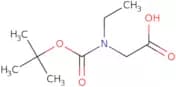
CAS:S-Benzyl-L-cysteine methyl ester hydrochloride is a thioether that can be synthesized from benzyl mercaptan and cysteine. It is used as an optical reagent in the determination of amines. This chemical has a helical conformation and it has been shown to have a transition at 280 nm. S-Benzyl-L-cysteine methyl ester hydrochloride is also a monomer in porphyrins, which are important for the production of heme and chlorophyll. This chemical is also catalytic, and its conformation changes when it reacts with amines.Formula:C11H15NO2S·HClPurity:Min. 95%Color and Shape:PowderMolecular weight:261.77 g/molBoc-N-Ethylglycine
CAS:Building blockFormula:C9H17NO4Purity:Min. 95%Color and Shape:White PowderMolecular weight:203.24 g/molL-tert-Leucine
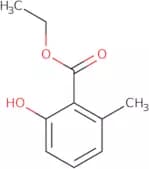
CAS:L-tert-Leucine is a chiral compound that inhibits the activity of metalloproteases, enzymes that catalyze the breakdown of proteins. L-tert-Leucine has been shown to inhibit proteolytic activity in recombinant cells and bacterial strain such as Escherichia coli, Pseudomonas aeruginosa, and Bacillus subtilis. L-tert-Leucine binds to the active site of metalloproteases by competitive inhibition, inhibiting the breakdown of proteins. This compound also prevents degradation of dinucleotide phosphate and chiral synthesis. The enantiopure form of this compound is used as a substrate for kinetic studies with type strains of various metalloprotease enzymes.Formula:C6H13NO2Purity:(%) Min. 95%Color and Shape:White PowderMolecular weight:131.17 g/molEthyl 6-methylsalicylate
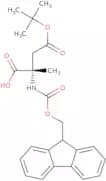
CAS:Ethyl 6-methylsalicylate is a synthetic organic chemical which is used in perfumery. It has a carboxylic acid group and two hydroxyl groups, and can be synthesized from the Grignard reagent and phenol. The chemical's functionalities are similar to aspirin, which is a drug that inhibits the production of prostaglandins. Ethyl 6-methylsalicylate may also have antibacterial activity, as it has been shown to inhibit bacteria such as Staphylococcus aureus. This compound also reacts with protonated amines, and can decouple protons from aromatic rings via an exchange reaction with deuterium oxide.Formula:C10H12O3Purity:Min. 95%Color and Shape:White PowderMolecular weight:180.2 g/molFmoc-α-Me-Asp(OtBu)-OH
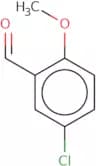
CAS:Fmoc-α-Me-Asp(OtBu)-OH is a versatile building block that can be used as an intermediate for the synthesis of a broad range of compounds. It is a very high quality compound, with a purity of 99% and an assay of 98%. Fmoc-α-Me-Asp(OtBu)-OH has been used in the synthesis of complex molecules and substances, such as pharmaceuticals, flavors and fragrances, vitamins, dyes, pesticides and herbicides. This molecule is also a useful scaffold for organic chemistry reactions. Fmoc-α-Me-Asp(OtBu)-OH has been used to synthesize various drugs including carboxylic acid derivatives, amino acid derivatives and peptides.Formula:C24H27NO6Purity:Min. 95%Color and Shape:PowderMolecular weight:425.47 g/mol5-Chloro-2-methoxybenzaldehyde
CAS:5-Chloro-2-methoxybenzaldehyde is a potent inhibitor of the bacterial enzyme acetylcholinesterase. It has been shown to have an interaction with biomolecules, such as chalcones, and can be used in the manufacture of antibacterial agents. 5-Chloro-2-methoxybenzaldehyde has been found to have potent inhibitory activity against organocatalytic aldehydes and atypical aldehydes and can be used as an active ingredient in the synthesis of novel compounds with antibacterial activity.Formula:C8H7ClO2Purity:Min. 95%Color and Shape:PowderMolecular weight:170.59 g/mol4-Fluoro-3-methylphenol
CAS:4-Fluoro-3-methylphenol is a low molecular weight compound that has been shown to have antibacterial activity. It inhibits the growth of Mycobacterium tuberculosis, and this inhibition may be due to a transfer mechanism. 4-Fluoro-3-methylphenol also inhibits the enzyme activities of esterases and glutathione reductase, which may contribute to its antitubercular activity. This molecule has been shown to have vibrational and optical properties. It has been used in microscopy experiments for the detection of mineralization in bone tissue.Formula:C7H7FOPurity:Min. 95%Molecular weight:126.13 g/molN-Acetyl-L-tryptophan
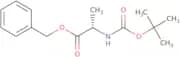
CAS:N-Acetyl-L-tryptophan is a neuroprotective agent that binds to the group p2 receptor for neurokinin-1 (NK-1) and inhibits the apoptosis pathway. It is used in the treatment of Parkinson's disease, Alzheimer's disease, and Huntington's disease. N-Acetyl-L-tryptophan has been shown to inhibit inflammatory lesions in rats with experimental autoimmune encephalomyelitis, an animal model of multiple sclerosis. This drug also interacts with toll-like receptor 4 (TLR4), which activates downstream signaling cascades involving NFκB, MAP kinase, and JAK/STAT pathways. The molecular docking analysis revealed that N-acetyl tryptophan binds to specific sites on TLR4 and prevents its activation by preventing binding of LPS.Formula:C13H14N2O3Purity:Min. 95%Color and Shape:PowderMolecular weight:246.26 g/molBoc-L-alanine benzylester
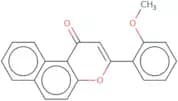
CAS:Boc-L-alanine benzylester is a novel fluorescent crosslinker that can be used to synthesize fluorescent polymers. It is composed of an acid moiety and benzothiadiazole moieties, which are catalytic. The synthesis of Boc-L-alanine benzylester involves the reaction of lysine or tyrosine with an acid chloride to form an amide bond, followed by a ring opening reaction with the corresponding benzothiadiazole. The fluorescein group is then added as a substituent at the N-terminus. This new crosslinker has been shown to have high reactivity in cycloadditions and crosslinking reactions with anthracene, cyclopentadiene, and cyclohexadiene. Boc-L-alanine benzylester has also been shown to be effective in ascorbate oxidation.Formula:C15H21NO4Purity:Min. 95%Color and Shape:PowderMolecular weight:279.33 g/molbeta-2'-Methoxynaphthoflavone
CAS:beta-2'-Methoxynaphthoflavone is a fine chemical that is useful as a scaffold for complex compounds, as a building block for speciality chemicals, and as an intermediate in the synthesis of research chemicals. It can be used in pharmaceuticals, agrochemicals, and other industries. beta-2'-Methoxynaphthoflavone has been found to be a versatile building block with high quality that can be used to synthesize a variety of compounds. This compound also has the ability to react with other chemicals such as ammonia or amines.
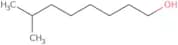
Formula:C20H14O3Purity:Min. 95%Molecular weight:302.32 g/mol7-Methyloctanol
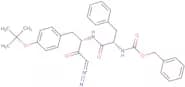
CAS:7-Methyloctanol is a polycarboxylic acid that is structurally similar to hydrochloric acid. It has been shown to have specific treatment effects on skin cells and light exposure, as well as an anti-inflammatory effect. 7-Methyloctanol is able to produce fatty acids by the hydroxylation of unsaturated alkyl chains, which are often used as plasticizers. The hydrophobic effect of 7-methyloctanol has also been shown to increase the permeability of liposomes.Formula:C9H20OPurity:Min. 95%Color and Shape:Colorless Clear LiquidMolecular weight:144.25 g/molZ-Phe-Tyr(tBu)-diazomethylketone
CAS:Z-Phe-Tyr(tBu)-diazomethylketone is a compound that is used in the treatment of cancer and HIV. It was developed as an antiviral therapy for HIV, but it has been found to be ineffective against HIV. Z-Phe-Tyr(tBu)-diazomethylketone has been shown to produce attenuating effects on syncytial virus and may be a potential antiviral drug. This compound is not active against regulatory sequences or tissues, but it does inhibit endoproteolytic processing of n6-methyladenosine, which leads to modifications in rna binding.
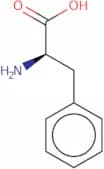
Formula:C31H34N4O5Purity:Min. 95%Color and Shape:Off-White PowderMolecular weight:542.63 g/molD-Phenylalanine
CAS:D-Phenylalanine is an amino acid that is found in the human body and is used as a pharmacological agent. It has been shown to be an antimicrobial peptide with a broad spectrum of activity against bacteria, yeast, and fungi. D-Phenylalanine also has the ability to inhibit the production of peptide hormones, such as gastrin and vasopressin, and can be used as an inhibitor for enzymes such as acetylcholine esterase. Studies have shown that D-phenylalanine can increase mitochondrial membrane potential in cells by binding to ester hydrochloride. This leads to increased enzyme activities, which may result in a decrease in hydrogen bonding interactions.
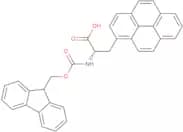
Formula:C9H11NO2Purity:Min. 95%Color and Shape:White Off-White PowderMolecular weight:165.19 g/molFmoc-3-pyrenyl-L-alanine
CAS:Fmoc-3-pyrenyl-L-alanine is a chemical building block that can be used as an intermediate in the synthesis of complex compounds. It has a CAS number of 183071-07-0 and is used for research purposes. This compound is soluble in organic solvents, allowing it to be used as a reaction component or reagent. Fmoc-3-pyrenyl-L-alanine can be synthesized from the corresponding acid chloride and 3-(pyridiniummethyl)-2,5-dioxopyrrolidine. It has a molar mass of 206.2 g/mol and its melting point is 190°C.Formula:C34H25NO4Purity:Min. 99 Area-%Molecular weight:511.57 g/mol2-Fluoro-4-methylbenzoic acid methyl ester
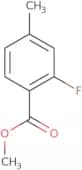
CAS:2-Fluoro-4-methylbenzoic acid methyl ester is a versatile building block useful for the synthesis of a variety of compounds. It is an important intermediate and research chemical that can be used as a reaction component or speciality chemical. 2-Fluoro-4-methylbenzoic acid methyl ester is also a useful building block with high quality and reagent.Formula:C9H9FO2Purity:Min. 95%Color and Shape:Clear LiquidMolecular weight:168.16 g/mol[3-Methyl-4-(2,2,2-trifluoro-ethoxy)-pyridin-2-yl]-methanol
CAS:[3-Methyl-4-(2,2,2-trifluoro-ethoxy)-pyridin-2-yl]-methanol is a synthetic organic compound that is used in the synthesis of other organic compounds. It can be purified by filtration or gasification and recrystallization.Purity:Min. 95%Color and Shape:PowderFmoc-Aph(Hor)-OH
CAS:Fmoc-Aph(Hor)-OH is a high quality, versatile building block that can be used as a reagent and speciality chemical. It is a complex compound that has been shown to be useful in the synthesis of peptides, pharmaceuticals, and other organic and inorganic compounds. Fmoc-Aph(Hor)-OH has been used as a reaction component for the synthesis of various drugs including anti-inflammatory agents, antibiotics, and analgesics. Fmoc-Aph(Hor)-OH is an intermediate for the production of Boc-Lys(Fmoc)-OH which is used in the manufacture of anti-fungal agents such as Terbinafine hydrochloride.Formula:C29H26N4O7Purity:Min. 95%Color and Shape:White PowderMolecular weight:542.54 g/molBoc-trans-4-fluoro-L-proline methyl ester
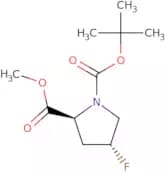
CAS:Boc-trans-4-fluoro-L-proline methyl ester is a high quality, reagent, complex compound that can be used as a useful intermediate or fine chemical. It is also a useful scaffold for the synthesis of new compounds and a versatile building block for the synthesis of various types of compounds. Boc-trans-4-fluoro-L-proline methyl ester has been used in research to study the mechanism of protein phosphorylation.Formula:C11H18FNO4Purity:Min. 95%Color and Shape:Colourless To Yellow Solid Or Liquid (May Vary)Molecular weight:247.26 g/mol1-(3-Hydroxy-4-methoxyphenyl)-2-nitroethane
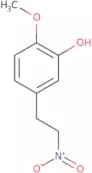
CAS:1-(3-Hydroxy-4-methoxyphenyl)-2-nitroethane is a chemical intermediate that can be used in the synthesis of other compounds. It is a fine chemical with many potential uses, as well as being a versatile building block for organic synthesis. As an example, 1-(3-Hydroxy-4-methoxyphenyl)-2-nitroethane can be used to synthesize the drug erythromycin. This chemical has been shown to have antihistamine and antiinflammatory properties.Formula:C9H11NO4Purity:Min. 95%Molecular weight:197.19 g/mol3-(2-Hydroxy-5-methylphenyl)pyrazole
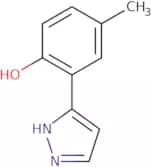
CAS:3-(2-Hydroxy-5-methylphenyl)pyrazole is an organic compound with a pyrazole ring. It is a ligand that can be used to study the interactions between metals, such as copper and iron ions, and transition metal complexes. This compound has been shown to have antiferromagnetic coupling with chloride salts, and it interacts with chloride in the presence of iron ions. 3-(2-Hydroxy-5-methylphenyl)pyrazole is soluble in acetate salt solution and reacts with copper.Formula:C10H10N2OPurity:Min. 95%Color and Shape:PowderMolecular weight:174.2 g/molNepetin-7-glucoside
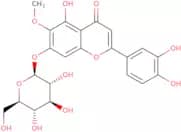
CAS:Nepetin-7-glucoside is a compound found in plants that has been shown to have anti-inflammatory and antiviral properties. Nepetin-7-glucoside inhibits the activity of enzymes such as phospholipase A2, cyclooxygenase, and lipoxygenase. It also reduces the production of inflammatory mediators such as prostaglandins and leukotrienes. Nepetin-7-glucoside may be helpful in the treatment of autoimmune diseases and other inflammatory disorders. This compound also has antiviral effects by inhibiting the replication of herpes simplex virus type 1 (HSV1) in a cell culture system. Nepetin-7-glucoside also has been shown to inhibit the expression of genes related to inflammation and other inflammatory diseases, such as rheumatoid arthritis, colitis ulcerosa, psoriasis, and Crohn's disease.Formula:C22H22O12Purity:Min. 95%Color and Shape:PowderMolecular weight:478.4 g/molPyr-Val-OH
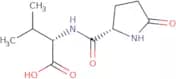
CAS:Pyr-Val-OH is a molecule that is catalysed by the enzyme histone deacetylase. Pyr-Val-OH has been shown to inhibit cancer cell proliferation and growth. Pyr-Val-OH also has been shown to reduce bacterial vaginosis in mice with bacterial vaginosis, as well as nephrology dialysis patients. Pyr-Val-OH is a diagnostic marker for cancer, bacterial vaginosis and nephrology dialysis patients. It can be used to diagnose these conditions by profiling specific metabolic profiles. This molecule may also be used in the diagnosis of bladder cancer, as it reacts with amp-activated protein, which is elevated in bladder cancer patients.Formula:C10H16N2O4Purity:Min. 95%Color and Shape:PowderMolecular weight:228.25 g/molN-Methyl-N-(1-naphthyl)-2-bromobenzamide
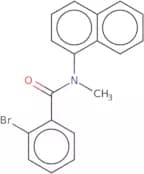
CAS:N-Methyl-N-(1-naphthyl)-2-bromobenzamide is a high quality reagent that is used as a complex compound. It has CAS No. 74881-58-6 and it can be used as a useful intermediate, fine chemical or speciality chemical. N-Methyl-N-(1-naphthyl)-2-bromobenzamide is also a versatile building block that is used in reactions to synthesize other compounds.Formula:C18H14BrNOPurity:Min. 95%Molecular weight:340.21 g/molS-Phenylmercapturic acid
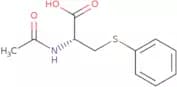
CAS:S-Phenylmercapturic acid is an analytical method that can be used to measure the concentration of guanine nucleotide-binding (GMP) in urine. This assay is a sensitive and specific test for urinary GMP. The linear calibration curve for this assay was determined by plotting the fluorescence intensity of s-phenylmercapturic acid against the concentration of GMP. S-Phenylmercapturic acid has been used as a marker for heart disease, kidney disease, and diabetes mellitus type 2. S-Phenylmercapturic acid also has toxicological studies that show it is not carcinogenic or teratogenic and does not affect fertility or reproduction. The use of s-phenylmercapturic acid as a biomarker for GMP has been validated using matrix effect techniques and solid phase microextraction followed by dispersive solid phase extraction on a column with a fluorescence detector.Formula:C11H13NO3SPurity:Min. 95%Color and Shape:PowderMolecular weight:239.29 g/molL-Valine b-naphthylamide
CAS:H-Val-bNA
Formula:C15H18N2OPurity:Min. 99 Area-%Molecular weight:242.32 g/molN-(4-Methoxyphenyl)ethane-1,2-diamine
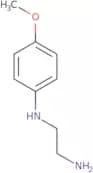
CAS:N-(4-Methoxyphenyl)ethane-1,2-diamine is a synthetic compound that has been shown to inhibit the activity of cathepsins. It can be used in the treatment of diseases caused by these enzymes, such as osteoarthritis and Alzheimer's disease. N-(4-Methoxyphenyl)ethane-1,2-diamine has a pharmacokinetic profile that is favorable for oral administration. The drug is absorbed from the gastrointestinal tract readily and undergoes extensive metabolism in the liver. This process leads to the formation of active metabolites which are excreted in urine or bile. N-(4-Methoxyphenyl)ethane-1,2-diamine also inhibits nitroalkanes with activated aromatic rings, such as 4-nitrobenzaldehyde and 2,4,6-trinitrobenzene.Formula:C9H14N2OPurity:Min. 95%Color and Shape:Slightly Yellow PowderMolecular weight:166.22 g/molN-Boc-glycine N-carboxyanhydride
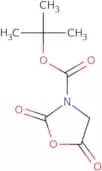
CAS:N-Boc-glycine N-carboxyanhydride is a reagent that is used to prepare the activated ester of pyridine with an alkyl ester. It is soluble in a variety of solvents and has a high reactivity. This product can be used in peptide synthesis, especially for the protection of alpha amino groups during coupling reactions. It has been shown to have good fluorine atom properties, as well as an electronegativity that is higher than that of chlorine or bromine.Formula:C8H11NO5Purity:Min. 98 Area-%Color and Shape:PowderMolecular weight:201.18 g/mol6-Chloro-2-methyl-4-pyrimidinamine
CAS:6-Chloro-2-methyl-4-pyrimidinamine is a molecule that has been studied for anticancer activity. It is an urea nitrogen, which is a hydrogen bond donor. The fructus of the 6-chloro-2-methyl-4-pyrimidinamine molecule has been shown to have anticancer activity in vitro. The anticancer activities of 6-chloro-2-methyl-4-pyrimidinamine are thermodynamic and vibrational, with etridiazole as the most potent inhibitor. The diamine tetraacetic acid (DTA) protonation state of the molecule was found to be 5.6, while the chloride protonation state was 3.6. In addition, it has been shown that 6CHMPA binds to Triticum aestivum cells through ethylene diamine and atomic orbital interactions.Formula:C5H6ClN3Purity:Min. 95%Color and Shape:White To Off-White SolidMolecular weight:143.57 g/molBis(2-methacryloyloxyethyl) hydrogen phosphate
CAS:Crosslinking monomerFormula:C12H19O8PPurity:Min. 95%Color and Shape:Clear LiquidMolecular weight:322.25 g/mol2,5-(2-Chlorophenyl)-phenyl-1,3,4-triazole
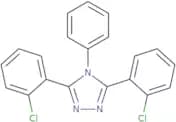
CAS:2,5-(2-Chlorophenyl)-phenyl-1,3,4-triazole is a versatile building block that can be used as a reagent in organic synthesis. It is also a useful intermediate for the preparation of other compounds and an important reaction component for the synthesis of complex compounds. CAS No. 88032-13-7.
Formula:C20H13Cl2N3Purity:Min. 95%Molecular weight:366.24 g/mol5-Methoxydurmillone
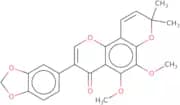
CAS:5-Methoxydurmillone is a rotenoid that is found in many plants, including the seeds of the plant Ferruginea. 5-Methoxydurmillone has been shown to have anti-inflammatory properties and can be used to treat inflammatory diseases such as arthritis. It also inhibits the production of superoxide radicals and nitric oxide, which are important mediators of inflammation. 5-Methoxydurmillone has been shown to inhibit protein synthesis in bacteria, but not mammalian cells.
Formula:C23H20O7Purity:Min. 95%Molecular weight:408.4 g/molN-Boc-D-allylglycine
CAS:N-Boc-D-allylglycine is a peptidomimetic drug that inhibits caspase-3, an enzyme involved in apoptosis. This drug has been shown to inhibit the proteolytic activity of caspase-3 and thereby inhibit the induction of cell death by various stimuli. N-Boc-D-allylglycine is orally bioavailable and is metabolized into two active analogs: N-(2-(N′-(allyloxycarbonyl)-L-alanyl))glycine (NAGL) and N′-(2-(N′-(allyloxycarbonyl)-L-alanyl))glycinamide (NAG). These active analogs are potent inhibitors of caspase-3, with more than 100 times the potency of the parent compound. This compound also has a prodrug form, which can be hydrolyzed by esterases or glucuronidases to release the active formFormula:C10H17NO4Purity:Min. 95%Color and Shape:PowderMolecular weight:215.25 g/molN-Methyloctadecylamine
CAS:N-Methyloctadecylamine is a cationic surfactant that is used in the production of specialty chemicals, such as emulsifiers and wetting agents. It has been reported to have reactive properties, which may be due to its ability to react with fatty acids or amines. N-Methyloctadecylamine is also known as a lubricity agent, which improves the lubricity of materials. This chemical is an organic solution that contains hydroxyl groups, which are responsible for its high water solubility.
Formula:C19H41NPurity:Min. 95%Color and Shape:White/Off-White SolidMolecular weight:283.54 g/mol1-(2-Methylphenyl)-2-nitropropene
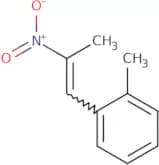
CAS:1-(2-Methylphenyl)-2-nitropropene is a high quality reagent that is used as a complex compound, useful intermediate, and fine chemical. It has been shown to be a versatile building block for the synthesis of various organic compounds. 1-(2-Methylphenyl)-2-nitropropene is a speciality chemical with CAS No. 103205-27-2. This compound can be used in research chemicals or as a reaction component for the synthesis of other substances.Formula:C10H11NO2Purity:Min. 95%Molecular weight:177.2 g/molCbz-L-(+)-Phenylglycine
CAS:Cbz-L-(+)-Phenylglycine is an organic compound that belongs to the class of isopropyl compounds. It has a molecular formula of C7H14N2O and a molecular weight of 162.2 g/mol. This molecule has a calculated solubility in water at 25 °C of 0.0005g/L with a log octanol/water partition coefficient (log KOW) of 2.6, and it has been estimated to have an octanol/air partition coefficient (log KOA) of 4.47. Cbz-L-(+)-Phenylglycine is soluble in acetonitrile and methanol, but insoluble in ether or benzene. The vibrational frequency for this molecule is 1097 cm-1 with an estimated molecular electrostatic potential value of -0.57 eV for its ground state and -0.49 eV for its first excited state,Formula:C16H15NO4Purity:Min. 95%Molecular weight:285.29 g/mol4-Methylisoquinoline
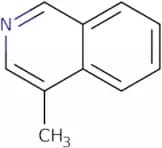
CAS:Isomeric 4-methylisoquinoline is a molecule that is structurally similar to protopine and berberine chloride. It has been shown to be an effective photosensitizer for the production of reactive oxygen species (ROS) in cells, which can lead to DNA damage and cell death. The functional groups on this molecule are the chloro group, which is a halogen, and the isoquinoline ring system with two methyl groups. The chemistry of this compound involves alkylation, yielding a new compound with one less methyl group than the original molecule. This process is called enamine formation.Formula:C10H9NPurity:Min. 95%Color and Shape:Yellow PowderMolecular weight:143.19 g/mol4-Methyl-4H-1,2,4-triazole-3-thiol
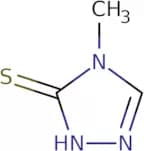
CAS:4-Methyl-4H-1,2,4-triazole-3-thiol is a corrosion inhibitor that has been used in the production of polyurethane foam. It is synthesized by the reaction of ethylene diamine with sulfur trioxide and water. This compound has a molecular weight of 184.14 g/mol and an acidic nature due to the presence of four protonated amines on its structure. The compound can be characterized by gravimetric analysis, structural analysis, and FTIR spectroscopy. 4-Methyl-4H-1,2,4-triazole-3-thiol is toxic to rats when administered orally at 2000 mg/kg and also causes irritation to rabbits when applied topically at 200 µg/ear. !--Formula:C3H5N3SPurity:Min. 97 Area-%Color and Shape:White PowderMolecular weight:115.16 g/mol6-Phenylhexanoic acid
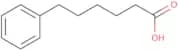
CAS:6-Phenylhexanoic acid is a fatty acid that is biosynthesized by microbial metabolism. It has been shown to be an analog of dodecanedioic acid and has been used in the structural studies of recombinant proteins. 6-Phenylhexanoic acid has also been shown to have anticancer activity, although it does not inhibit lipid synthesis or promote apoptosis.
Formula:C12H16O2Purity:Min. 95%Color and Shape:LiquidMolecular weight:192.25 g/molN-Boc-4-methylene-L-proline methyl ester
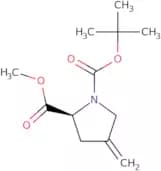
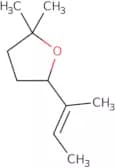
CAS:N-Boc-4-methylene-L-proline methyl ester is a versatile building block for the synthesis of complex compounds. It is an intermediate that can be used in the production of pharmaceuticals, agrochemicals, and other speciality chemicals. The compound has been shown to have an inhibitory effect on HIV replication.Formula:C12H19NO4Purity:Min. 95%Color and Shape:Colorless PowderMolecular weight:241.28 g/mol2,2-Dimethyl-5-(1-methylprop-1-enyl)tetrahydrofuran
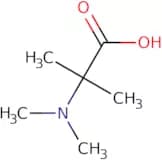
CAS:2,2-Dimethyl-5-(1-methylprop-1-enyl)tetrahydrofuran is a compound that is used in coatings and foodstuff. It has synergistic effects when combined with other compounds such as citric acid, hydrogen peroxide, or terpineol.Formula:C10H18OPurity:Min. 95%Color and Shape:Clear LiquidMolecular weight:154.25 g/mol2-(Dimethylamino)-2-methylpropanoic acid
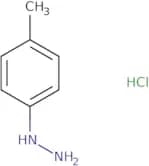
CAS:2-(Dimethylamino)-2-methylpropanoic acid is a solvent that has been investigated for use in vapor phase systems. It has been shown to have the ability to adsorb onto surfaces and to be able to desorb from these surfaces at a later time. This process allows 2-(dimethylamino)-2-methylpropanoic acid to be used as an additive for waterproofing and other applications. A thermogravimetric analysis of 2-(dimethylamino)-2-methylpropanoic acid showed that it decomposes at temperatures between 220°C and 260°C, which is lower than the temperature required for many other solvents. This property makes it suitable for use in vapor phase systems.Formula:C6H13NO2Purity:Min. 95%Color and Shape:PowderMolecular weight:131.17 g/mol4-Methylphenyl hydrazine hydrochloride
CAS:4-Methylphenyl hydrazine hydrochloride is a chemical compound that has been shown to be an effective treatment for lung tumors. It has been shown to inhibit tumorigenesis in animal models by the inhibition of angiogenesis and tumor growth. This drug is administered as a subcutaneous injection and can cause hemorrhaging, inflammation, and necrosis at the injection site. 4-Methylphenyl hydrazine hydrochloride has also been postulated to have anti-tumorigenic properties in animals.
4-Methylphenyl hydrazine hydrochloride inhibits the production of adenomas and adenocarcinomas in rats when given orally or intragastrically, but not when given intravenously.Formula:C7H10N2·HClPurity:Min 98%Molecular weight:158.63 g/molFmoc-Pro-Wang resin
Fmoc-Pro-Wang resin is a versatile building block that can be used in the synthesis of complex compounds. It is a high quality reagent with a CAS number. This compound is often used as a reaction component or scaffold in organic chemistry reactions. Fmoc-Pro-Wang resin is also useful as a building block for research chemicals.Purity:Min. 95%Color and Shape:PowderDL-3-(2-Furyl)serine
CAS:DL-3-(2-Furyl)serine is a versatile building block that can be used in the synthesis of complex compounds. It has been used as a reaction component and intermediate for research chemicals, speciality chemicals and fine chemicals. DL-3-(2-Furyl)serine has also been found to be useful in the synthesis of high quality reagents.Formula:C7H9NO4Purity:Min. 95%Color and Shape:PowderMolecular weight:171.15 g/mol






![[2-(1-Methyl-1H-pyrazol-5-yl)ethyl]amine](/_next/image/?url=https%3A%2Fstatic.cymitquimica.com%2Fproducts%2F3D%2Fthumb-webp%2FFM129769.webp&w=3840&q=75)








![Imidazo[1,2-a]pyridin-2-yl-methylamine dihydrochloride](/_next/image/?url=https%3A%2Fstatic.cymitquimica.com%2Fproducts%2F3D%2Fthumb-webp%2FFI51742.webp&w=3840&q=75)
![4-Methyl-3-[[4-(3-pyridinyl)-2-pyrimidinyl]amino]benzoicacid methylester](/_next/image/?url=https%3A%2Fstatic.cymitquimica.com%2Fproducts%2F3D%2Fthumb-webp%2FFM151656.webp&w=3840&q=75)



![[3-Methyl-4-(2,2,2-trifluoro-ethoxy)-pyridin-2-yl]-methanol](/_next/image/?url=https%3A%2Fstatic.cymitquimica.com%2Fproducts%2F3D%2Fthumb-webp%2FFM38829.webp&w=3840&q=75)