Amino Acids (AA)
Subcategories of "Amino Acids (AA)"
- Amino Acid Derivatives(4,016 products)
- Amino Acid and Amino Acid Related Compounds(3,490 products)
- Amino Acids with Oxygen or Sulphur(168 products)
- Boc- Amino Acids(351 products)
- Fmoc Amino Acids(1,710 products)
Found 38369 products of "Amino Acids (AA)"
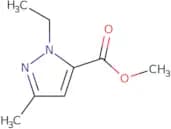
Methyl 1-ethyl-3-methyl-1H-pyrazole-5-carboxylate
CAS:Methyl 1-ethyl-3-methyl-1H-pyrazole-5-carboxylate is a fine chemical that can be used as a building block in organic synthesis. It has been shown to provide a useful intermediate in the synthesis of other compounds, such as medicinal products and pesticides. Methyl 1-ethyl-3-methyl-1H-pyrazole-5-carboxylate is also a versatile building block for the manufacture of complex compounds. CAS No. 88398–73–6Formula:C8H12N2O2Purity:Min. 95%Color and Shape:Colorless PowderMolecular weight:168.19 g/mol2-Boc-6-hydroxy-1,2,3,4-tetrahydroisoquinoline-1-carboxylic acid
CAS:2-Boc-6-hydroxy-1,2,3,4-tetrahydroisoquinoline-1-carboxylic acid is a useful scaffold with a high quality. It can be used as a building block in the synthesis of complex compounds and fine chemicals. 2-Boc-6-hydroxy-1,2,3,4-tetrahydroisoquinoline-1-carboxylic acid is also a useful intermediate and reagent in organic synthesis. This compound has CAS number 362492-00-0.
Formula:C15H19NO5Purity:Min. 95%Color and Shape:PowderMolecular weight:293.32 g/molN-[(9H-Fluoren-9-ylmethoxy)carbonyl]-L-homoarginine
CAS:Formula:C22H26N4O4Purity:>97.0%(T)(HPLC)Color and Shape:White to Almost white powder to crystalMolecular weight:410.47Fmoc-D-Asp(OtBu)-Opfp
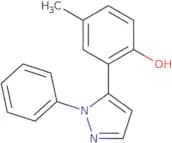
CAS:Fmoc-D-Asp(OtBu)-Opfp is a high quality, complex compound that is used as a building block for the synthesis of various drugs and pharmaceuticals. It has been shown to be an excellent reaction component in the synthesis of various drugs and pharmaceuticals. The versatility of this chemical makes it a useful scaffold for generating complex molecules. It has been shown to be a useful intermediate for the synthesis of peptides, oligonucleotides, and small organic molecules. Fmoc-D-Asp(OtBu)-Opfp can also be used as a reagent in biochemical research. Fmoc-D-Asp(OtBu)-Opfp can be synthesized by reacting 2-(2'-aminoethoxy)propionic acid with N,N'-dimethylformamide dimethyl acetal in the presence of sodium hydride at 0°C. This reaction produces an amide bond between the N terminFormula:C29H24NO6F5Purity:Min. 95%Color and Shape:PowderMolecular weight:577.5 g/mol1-Phenyl-1H-5-(2'-hydroxy-5'-methylphenyl)pyrazole
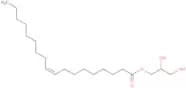
CAS:1-Phenyl-1H-5-(2'-hydroxy-5'-methylphenyl)pyrazole is a chemical compound with the molecular formula C14H10N2O. It is a white crystalline solid that can be used as a building block, intermediate, or reagent in organic synthesis. It is soluble in most solvents, but insoluble in water. 1-Phenyl-1H-5-(2'-hydroxy-5'-methylphenyl)pyrazole has been used as a useful scaffold for high quality compounds and research chemicals. The CAS number for this chemical compound is 90617-39-3.Formula:C16H14N2OPurity:Min. 95%Molecular weight:250.3 g/mol1-Oleoyl-rac-glycerol - 50%
CAS:1-Oleoyl-rac-glycerol is a lipid that has been used in experimental studies to replace the use of animal-derived lipids for pharmaceutical applications. It can be synthesized by combining oleic acid with glycerol. 1-Oleoyl-rac-glycerol is soluble in water and has been shown to have a Langmuir adsorption isotherm, which means it can be used as a monoolein substitute. The basic protein in 1-Oleoyl-rac-glycerol has been determined using XRD data and found to be chitosan polymer. The experimental model for 1-Oleoyl-rac-glycerol was tested on rats and found not to cause toxicity, making it an ideal biocompatible polymer that can be used as an alternative to chitosan polymer.
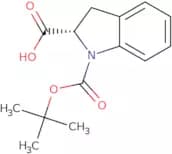
Formula:C21H40O4Purity:Min. 95%Color and Shape:Slightly Yellow Clear LiquidMolecular weight:356.54 g/molBoc-L-indoline-2-carboxylic acid
CAS:Boc-L-indoline-2-carboxylic acid is a high quality, versatile building block that can be used as a reagent or intermediate in organic synthesis. It is used as a research chemical and has potential applications in the development of new drugs. Boc-L-indoline-2-carboxylic acid is a complex compound that reacts with nucleophiles to form valuable products. It also has the ability to bind to metal ions such as copper, zinc, and nickel. This product can be used in reactions involving amines, alcohols, amides, phenols, carboxylic acids, sulfonic acids, and other compounds.
Formula:C14H17NO4Purity:Min. 95%Color and Shape:White PowderMolecular weight:263.29 g/molL-a-Cyclohexylglycine
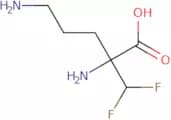
CAS:L-a-Cyclohexylglycine is an efficient, general method for the preparation of peptide aldehydes. It is a serine protease inhibitor that binds to thrombin and prevents it from converting fibrinogen into fibrin. L-a-Cyclohexylglycine has been shown to inhibit polymerization of fibrinogen and factor XIII, as well as the formation of thrombin, which is important for blood clotting. L-a-Cyclohexylglycine also inhibits hepatitis C virus (HCV) replication in vitro by binding to the HCV NS3 helicase protein. This compound has been shown to be able to inhibit HIV-1 protease activity and may have potential use as an antiviral agent.Formula:C8H15NO2Purity:Min. 95%Color and Shape:White PowderMolecular weight:157.21 g/molEflornithine
CAS:Inhibitor of ornithine decarboxylase
Formula:C6H12F2N2O2Purity:Min. 95%Color and Shape:Off-White PowderMolecular weight:182.17 g/mol7-Carbethoxyamino-4-methylcoumarin
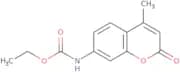
CAS:7-Carbethoxyamido-4-methylcoumarin is a aminocoumarin that exhibits anticancer activity. It is able to inhibit the activity of DPP-IV, an enzyme that degrades insulin in the body. 7-Carbethoxyamido-4-methylcoumarin has been shown to inhibit cancer cells and lung cancer cell lines, as well as breast cancer cells and cells with diabetes. This compound has also been shown to have anticancer activity in vivo in rats.Formula:C13H13NO4Purity:Min. 90%Color and Shape:PowderMolecular weight:247.25 g/mol1-Methyl-nicotinamide iodide
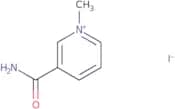
CAS:1-Methyl-nicotinamide iodide is a drug that has been used in clinical trials for the treatment of type 2 diabetes mellitus. It is thought to work by increasing the sensitivity of cells to insulin, which may be related to its ability to bind to protein amide groups and form hydrogen bonds with the amino acid side chains. The compound also has been shown to increase the activity of the enzyme glycogen synthase in rats. 1-Methyl-nicotinamide iodide is soluble in water and human serum, and shows low solubility in ethanol. It has not been studied in humans, but animal studies have shown that it can be absorbed orally and metabolized into hippuric acid, which is excreted as a metabolic product through urine. Animal studies also showed that 1-methyl-nicotinamide iodide inhibits glucose production by pancreatic beta cells, which may lead to an increased insulin response after eating.
Formula:C7H9IN2OPurity:Min. 95%Color and Shape:Off-White PowderMolecular weight:264.06 g/mol3-Fluoro-2-methylaniline
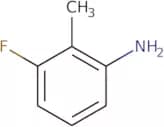
CAS:3-Fluoro-2-methylaniline is a reactive, electron-deficient compound that can react with cytochromes. It has been shown to bind to the microsomal preparations of rat liver and inhibit the interaction of 3-fluoro-2-methylaniline with cytochrome P450 system by stereoselective interactions. The molecular modelling studies revealed that this drug inhibits the reaction intermediate between cocrystallized benzoate and 3-fluoro-2-methylaniline.Formula:C7H8FNPurity:Min. 95%Color and Shape:Yellow To Dark Red LiquidMolecular weight:125.14 g/mol4-Bromo-2-methylbenzonitrile
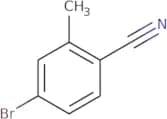
CAS:4-Bromo-2-methylbenzonitrile (4BMB) is a biphenyl derivative that inhibits the activity of tyrosine kinase enzymes. It has been shown to be a virulence factor for Streptococcus, which causes lysis of red blood cells. 4BMB has also been shown to inhibit the growth of Escherichia coli and other bacteria, including Streptococcus pneumoniae, by inducing cell lysis. The mechanism of action for this drug is through binding to an anion in the active site, causing reversible inhibition of ATP synthase. This causes an increase in intracellular pH and leads to cell death. 4BMB is fluorescent under UV light and can be used as a molecular probe for studying hydrogen bond formation and interactions with anions.Formula:C8H6BrNPurity:Min. 95%Color and Shape:PowderMolecular weight:196.04 g/molEthyl1-boc-4-allyl-4-piperidinecarboxylate
CAS:Ethyl1-boc-4-allyl-4-piperidinecarboxylate is a reagent, high quality, complex compound, useful intermediate, fine chemical, useful scaffold, useful building block, speciality chemical and research chemicals. It is used as a versatile building block for synthesis of drugs. Ethyl1-boc-4-allyl-4-piperidinecarboxylate is also used in reactions to synthesize new compounds with varied structures and properties. This product can be used in the production of various types of pharmaceuticals and other chemical products.Formula:C16H27NO4Purity:Min. 95%Molecular weight:297.39 g/mol(R)-(-)-2-Phenylglycinol
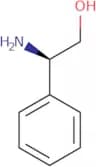
CAS:(R)-(-)-2-Phenylglycinol is an enantiopure chiral compound that has been used in the synthesis of polymers. This polymerase chain reaction (PCR) inhibitor binds to the α subunit of DNA polymerase, preventing replication and transcription. The binding site for this inhibitor is located at the active site of the enzyme and is a hydroxyl group. The (S)-enantiomer of 2-phenylglycinol does not bind to the α subunit, so it can be used as a control in experiments. 2-Phenylglycinol is also known to have antiviral properties against HIV infection.
Formula:C8H11NOPurity:Min. 97.5 Area-%Color and Shape:White PowderMolecular weight:137.18 g/molL-2,4,5-Trifluorophenylalanine
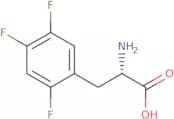
CAS:L-2,4,5-Trifluorophenylalanine is a fluorinated amino acid that can be used as a diagnostic probe for the detection of magnetic resonance imaging. L-2,4,5-Trifluorophenylalanine has been shown to have an orientation sensitive fluorescence emission in the presence of an external magnetic field. This compound can also be used as a ligand for site-specific labeling and has been studied by multidimensional spectroscopic methods. The conformational study of L-2,4,5-Trifluorophenylalanine has revealed that it has a site for binding fluorotryptophan.Formula:C9H8F3NO2Purity:Min. 95%Color and Shape:White Off-White PowderMolecular weight:219.05071N-Acetyl-DL-phenylalanine 2-naphthyl ester
CAS:N-Acetyl-DL-phenylalanine 2-naphthyl ester (NAFEN) is a molecule that belongs to the class of chemokines. It is a potent chemoattractant for neutrophils, monocytes, and lymphocytes. NAFEN has been shown to induce calcium binding and chemotactic activity in cells that have been treated with this drug. NAFEN may be effective against infectious diseases such as cancer and inflammatory diseases, such as autoimmune diseases. This drug also has an effect on postprandial plasma fatty acid levels in humans.Formula:C21H19NO3Purity:Min. 95%Color and Shape:SolidMolecular weight:333.38 g/mol(1-Methyl-1H-imidazol-4-yl)methanol
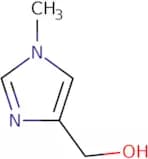
CAS:(1-Methyl-1H-imidazol-4-yl)methanol is a chemical that can be used as a building block for the synthesis of complex compounds. It is an intermediate in organic synthesis, and has been used as a reagent for research and as a speciality chemical. (1-Methyl-1H-imidazol-4-yl)methanol is also a versatile building block for the construction of complex molecules. This compound has been used in the manufacture of pesticides, pharmaceuticals, and dyes. The CAS number for (1-methyl-1H-imidazol-4-yl)methanol is 172892577.Formula:C5H8N2OPurity:Min. 95%Color and Shape:SolidMolecular weight:112.13 g/molHydroxy-4-methylphthalazine
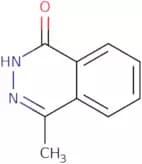
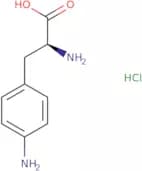
CAS:Hydroxy-4-methylphthalazine is a synthetic molecule that has been shown to inhibit the production of nitric oxide (NO) and other reactive oxygen species. It also inhibits cholinesterase activity, which leads to increased acetylcholine levels. This agent is metabolized by nucleophilic substitutions and may be synthesized from phthalazinone or aminoguanidine. Hydroxy-4-methylphthalazine binds to the redox potentials of molecular targets and can be used as an inhibitor in biological systems.Formula:C9H8N2OPurity:Min. 95%Color and Shape:PowderMolecular weight:160.17 g/molp-Amino-L-phenylalanine hydrochloride
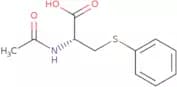
CAS:p-Amino-L-phenylalanine hydrochloride (PABA) is a type of amino acid that is used in the synthesis of melphalan hydrochloride, a drug used to treat cancer. PABA is a white crystalline powder that can be dissolved in water and formic acid. It has been shown to interact with the hydrophilic interaction chromatography column and flow rate sensor in order to improve the chromatographic separation of ammonium formate. PABA has also been found to be chiral and can be converted into its enantiomeric form by means of an organic solvent, such as acetonitrile. The impurities of PABA are mandelic acid and l-phenylalanine. These impurities are separated from PABA by means of HPLC analysis.Formula:C9H13ClN2O2Purity:Min. 95%Color and Shape:White/Off-White SolidMolecular weight:216.66 g/molS-Phenylmercapturic acid
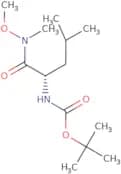
CAS:S-Phenylmercapturic acid is an analytical method that can be used to measure the concentration of guanine nucleotide-binding (GMP) in urine. This assay is a sensitive and specific test for urinary GMP. The linear calibration curve for this assay was determined by plotting the fluorescence intensity of s-phenylmercapturic acid against the concentration of GMP. S-Phenylmercapturic acid has been used as a marker for heart disease, kidney disease, and diabetes mellitus type 2. S-Phenylmercapturic acid also has toxicological studies that show it is not carcinogenic or teratogenic and does not affect fertility or reproduction. The use of s-phenylmercapturic acid as a biomarker for GMP has been validated using matrix effect techniques and solid phase microextraction followed by dispersive solid phase extraction on a column with a fluorescence detector.Formula:C11H13NO3SPurity:Min. 95%Color and Shape:PowderMolecular weight:239.29 g/molBoc-L-leucine N,O-dimethylhydroxamide
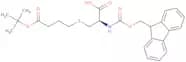
CAS:Boc-L-leucine N,O-dimethylhydroxamide is a chemical compound with CAS number 87694-50-6. It is a white crystalline solid and has a molecular weight of 144.17 g. This product is soluble in water and ethanol, but insoluble in ether. Boc-L-leucine N,O-dimethylhydroxamide can be used as a reaction component or reagent for organic synthesis, including research chemicals and speciality chemicals. It can also be used as an intermediate for the production of complex compounds and fine chemicals.Formula:C13H26N2O4Purity:Min. 95%Color and Shape:White Clear LiquidMolecular weight:274.36 g/molFmoc-Cys(3-(t-butoxycarbonyl)-propyl)-OH
CAS:Fmoc-Cys(3-(t-butoxycarbonyl)-propyl)-OH is a cysteine derivative that has been shown to be effective in the treatment of ulcers. It is a competitive inhibitor of the enzyme cyclooxygenase, which is responsible for the production of prostaglandins, and can be used to decrease inflammation. Fmoc-Cys(3-(t-butoxycarbonyl)-propyl)-OH has been shown to inhibit carassius erythrocyte meiosis, with an effective dose of 0.02 mM. The drug also has a conformation that can bind to the hydroxamic acid moiety, which is thought to be responsible for its anti-inflammatory properties. This drug also inhibits genotype 3a2 and 5b2 of Cyprinus carpio and may have potential as a chemotherapeutic agent for these genotypes.END>Formula:C26H31NO6SPurity:Min. 95%Color and Shape:PowderMolecular weight:485.59 g/mol6-Amino-8-methyl-2H-1,4-benzoxazin-3(4H)-one
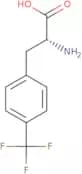
CAS:6-Amino-8-methyl-2H-1,4-benzoxazin-3(4H)-one is a fine chemical that is a useful building block for research chemicals and speciality chemicals. It can be used as a reagent in organic synthesis, as well as in the production of high quality and versatile building blocks. 6-Amino-8-methyl-2H-1,4-benzoxazin-3(4H)-one can be reacted to form useful scaffolds or intermediates that are valuable in the process of making complex compounds.Formula:C9H10N2O2Purity:Min. 95%Color and Shape:PowderMolecular weight:178.19 g/molp-Trifluoromethyl-D-phenylalanine
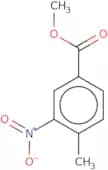
CAS:p-Trifluoromethyl-D-phenylalanine is a versatile building block that is used in the synthesis of complex compounds. It can be used as a reactive intermediate or as a scaffold for the synthesis of biologically active compounds. p-Trifluoromethyl-D-phenylalanine has been shown to be useful in research, and it is also used as a reagent in organic synthesis. This chemical has a CAS number of 114872-99-0 and is listed on the European Inventory of Existing Chemical Substances (EINECS).Formula:C10H10F3NO2Purity:Min. 95%Color and Shape:SolidMolecular weight:233.19 g/molMethyl 4-methyl-3-nitrobenzoate
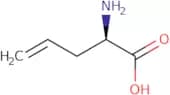
CAS:Methyl 4-methyl-3-nitrobenzoate is a chemical compound with the molecular formula CHNO. It is a white solid that can be used as a reagent in organic synthesis, and is also used as a building block in organic chemistry. The CAS number for methyl 4-methyl-3-nitrobenzoate is 7356-11-8.Formula:C9H9NO4Purity:Min. 95%Molecular weight:195.17 g/molD-Allylglycine
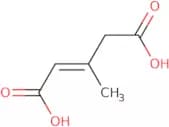
CAS:D-Allylglycine is a l-amino acid with the chemical formula of CH2CH(CH3)COOH. D-Allylglycine binds to the N-methyl-D-aspartate (NMDA) receptor and has been shown in animal studies to have effects on blood pressure, although its clinical relevance remains unclear. It is an enantiopure compound and can be obtained as a trifluoroacetate salt or ethyl diazoacetate ester hydrochloride. D-Allylglycine is also an aminoglycoside and ester hydrochloride that can be used for the treatment of bacterial infections. The amino group in D-allylglycine binds to glutamate receptors, which are found on neurons, and inhibits the release of gamma-aminobutyric acid (GABA). This drug may also have potential as a serotonergic agent due to its ability to inhibit serotonin reFormula:C5H9NO2Purity:Min. 95%Color and Shape:White PowderMolecular weight:115.13 g/mol3-Methylglutaconic acid
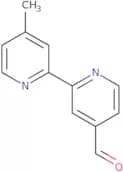
CAS:3-Methylglutaconic acid is a metabolite of creatine, which is an important energy source in the body. It is also involved in cholesterol synthesis and fatty acid production. The metabolic profile of 3-methylglutaconic acid can be used to diagnose metabolic disorders such as methylglutaconic aciduria and fatty acid oxidation defects. This compound can also be found in urine samples, but the concentration may vary depending on the patient's clinical condition. Nuclear DNA analysis has shown that 3-methylglutaconic acid is synthesized from acetyl coenzyme A and Mg2+, with the latter being supplied by ATP.Formula:C6H8O4Purity:Min. 95%Color and Shape:PowderMolecular weight:144.13 g/mol4'-Methyl-2,2'-bipyridine-4-carboxaldehyde
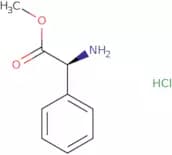
CAS:4'-Methyl-2,2'-bipyridine-4-carboxaldehyde is a heterocyclic compound that contains a nitro group. It has the chemical formula C8H6N2O and the molecular weight of 122.15 g/mol. This compound belongs to the class of formyl compounds and it is composed of two formyl groups and one hydrogen atom. The bipyridines are linked by a methylene bridge to form a six-membered ring. The compound can be used as an intermediate for the synthesis of other organic compounds such as pharmaceuticals, dyes, water repellents, pesticides, and herbicides.Formula:C12H10N2OPurity:Min. 95%Color and Shape:PowderMolecular weight:198.22 g/mol(S)-(+)-2-Phenylglycine methyl ester hydrochloride
CAS:(S)-(+)-2-Phenylglycine methyl ester hydrochloride is a nitro compound that inhibits the production of nitric oxide (NO) by inhibiting the enzyme nitric oxide synthase. It has shown inhibitory effects on bronchial hyperresponsiveness in animals with bronchial asthma and ischemic reperfusion injury. The compound also inhibits nitrogen-induced allergic reactions and inflammatory diseases. (S)-(+)-2-Phenylglycine methyl ester hydrochloride has been shown to have a protective effect against prostate cancer in animal models, although it was not active against prostate cancer cells in vitro. This may be due to its inability to cross the cell membrane or its inability to effectively penetrate the nucleus, which is where cancerous cells originate. The functional groups present on this molecule include amide, carbonyl, and hydroxyl groups.Formula:C9H12ClNO2Purity:Min. 95%Color and Shape:White To Off-White SolidMolecular weight:201.65 g/mol[2-(6-Methylpyridin-2-yl)ethyl]amine
CAS:2-(6-Methylpyridin-2-yl)ethyl]amine is a reagent that is used as a building block for the synthesis of heterocycles. It is used in the preparation of various complex compounds, such as 2-(6-methylpyridin-2-yl)ethylamine hydrochloride, 2-(6-methylpyridin-2-yl)ethylamine hydrobromide, and 2-[(6-methylpyridin-2-yl)ethyl]amine hydrochloride. This chemical can be used as an intermediate in the synthesis of fine chemicals or speciality chemicals. It has CAS No. 19363-94-1 and is an important research chemical with versatile uses in organic synthesis reactions.Formula:C8H12N2Purity:Min. 95%Color and Shape:Colourless LiquidMolecular weight:136.19 g/mol4-Methoxy-3-nitroaniline
CAS:4-Methoxy-3-nitroaniline is a chemical compound that has been shown to have anti-tumor and anti-inflammatory effects. It belongs to the class of amines and can be synthesized by nitrating 4-methoxy aniline. The reaction product is then reacted with sodium hydroxide in a solution of alcohol and water, which produces 2,4-dinitroaniline. When this substance is heated at high temperatures, it converts into a mixture of products, including 2,4,6-trinitroaniline. This compound has been shown to inhibit tumor growth in rats. Toxicity studies revealed that it was not toxic when administered orally in doses up to 5g/kg body weight for 7 days.
Formula:C7H8N2O3Purity:Min. 95%Color and Shape:Orange PowderMolecular weight:168.15 g/mol2-Methyl-5-(prop-1-en-2-yl)cyclohex-2-enone
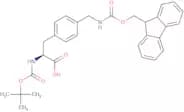
CAS:2-Methyl-5-(prop-1-en-2-yl)cyclohex-2-enone is a monoterpene that is found in essential oils of many plants, such as caraway, dill, and peppermint. It has been shown to have antimicrobial activity against a wide range of bacteria. 2-Methyl-5-(prop-1-en-2-yl)cyclohex-2-enone has also been shown to be an effective treatment for infectious diseases such as tuberculosis and leprosy. In vitro assays have shown that this compound inhibits the growth of bacteria by lysing the cells of the bacteria. This chemical also minimally affects the locomotor activity in mice and does not cause death at high doses when given orally to rats.Formula:C10H14OPurity:Min. 95%Color and Shape:Slightly Yellow PowderMolecular weight:150.22 g/molBoc-4-(Fmoc-aminomethyl)-L-phenylalanine
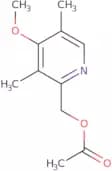
CAS:Boc-4-(Fmoc-aminomethyl)-L-phenylalanine is a useful scaffold that is used as a building block in the synthesis of complex compounds. This compound is also known as Boc-L-Phe, and has CAS number 170157-61-6. It can be used as an intermediate in the synthesis of many different compounds, and can be converted to other functional groups through chemical reactions. Boc-4-(Fmoc-aminomethyl)-L-phenylalanine has a variety of uses, including being a reagent for peptide synthesis and being a reaction component in organic chemistry.Formula:C30H32N2O6Purity:Min. 95%Color and Shape:PowderMolecular weight:516.58 g/mol4-Methoxy-3,5-dimethyl-pyridin-2-yl)methyl acetate
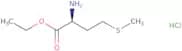
CAS:4-Methoxy-3,5-dimethyl-pyridin-2-yl)methyl acetate is a chemical intermediate that is used in the manufacture of pharmaceuticals and other fine chemicals. It has been found to be a useful scaffold for the synthesis of other compounds. This compound may also be used as a building block or reaction component in research. 4-Methoxy-3,5-dimethyl-pyridin-2-yl)methyl acetate has a CAS number of 91219-90-8 and can be purchased from suppliers such as TCI America.Formula:C11H15NO3Purity:Min. 95%Color and Shape:White PowderMolecular weight:209.24 g/molL-Methionine ethyl ester HCl
CAS:L-Methionine ethyl ester HCl is a chiral compound that is an amino acid. It is not used in the synthesis of proteins, but instead for use as a nutritional supplement. L-Methionine ethyl ester HCl has been shown to have regenerative properties in tissue culture and tumor cell lines. It may also be useful for the synthesis of peptides or other products using enzymatic methods.Formula:C7H15NO2S·HClPurity:Min. 95%Color and Shape:White To Off-White SolidMolecular weight:213.73 g/mol4-Amino-N-(tert-butoxycarbonyl)-D-phenylalanine
CAS:Formula:C14H20N2O4Purity:>97.0%(HPLC)Color and Shape:Light orange to Yellow to Green powder to crystalMolecular weight:280.32N-alpha-[2,4-Dinitro-5-fluorophenyl]-D-alanine amide
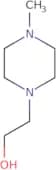
CAS:N-alpha-[2,4-Dinitro-5-fluorophenyl]-D-alanine amide is a potential drug for the treatment of cancer. It has been shown to be effective in inhibiting the proliferation of human prostate carcinoma cells in culture. This compound is a potential anticancer drug that binds to DNA and inhibits topoisomerase II, which is an enzyme involved in DNA replication. The mechanism of action of this drug was studied using methods such as optimization, isomers, plates, trifluoroacetic acid, tautomers, amino acid analysis and nanomolar concentrations. N-alpha-[2,4-Dinitro-5-fluorophenyl]-D-alanine amide has also been shown to inhibit cyanobacteria growth.Formula:C9H9N4O5FPurity:Min. 95%Color and Shape:Light (Or Pale) Yellow To Yellow SolidMolecular weight:272.05571-(2-Hydroxyethyl)-4-methylpiperazine
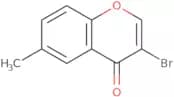
CAS:1-(2-Hydroxyethyl)-4-methylpiperazine is an organic compound with the formula CHN(CHOH)CHNH. It is a colorless, viscous liquid that is soluble in water and has a pungent odor. The chemical is used as a viscosity control agent and as an intermediate in the manufacture of other chemicals. 1-(2-Hydroxyethyl)-4-methylpiperazine can be synthesized by the reaction of ethylene oxide with amines, or by quaternization of diethanolamine with chloroethane. 1-(2-Hydroxyethyl)-4-methylpiperazine is used in industrial applications such as in ion exchange resins and to control the viscosity of drilling fluids. It has been detected at low levels in surface waters and soils, where it may be derived from wastewater treatment plants or atmospheric deposition.Formula:C7H16N2OPurity:Min. 95%Color and Shape:PowderMolecular weight:144.21 g/mol3-Bromo-6-methylchromone
CAS:3-Bromo-6-methylchromone is a versatile building block that can be used in the synthesis of a variety of chemicals. It is an intermediate for the synthesis of 3,4-dimethylbenzaldehyde and is also used as a reagent in research. This chemical has been found to be useful in the synthesis of high-quality compounds with a wide range of applications. The compound is also used as an intermediate for the production of pharmaceuticals and pesticides. 3-Bromo-6-methylchromone can also be used as a scaffold for synthesizing new compounds with interesting properties.Formula:C10H7BrO2Purity:Min. 95%Color and Shape:PowderMolecular weight:239.07 g/molFmoc-Thr(tBu)-Ser(Psi(Me,Me)pro)-OBzl
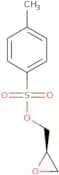
Fmoc-Thr(tBu)-Ser(Psi(Me,Me)pro)-OBzl is a high quality, research chemical that is used as an intermediate in the synthesis of complex compounds. It is a useful building block and can be used to make speciality chemicals. This reagent has many uses including being a useful scaffold for organic synthesis and a reaction component in the production of other fine chemicals. Fmoc-Thr(tBu)-Ser(Psi(Me,Me)pro)-OBzl has CAS No. 7791-02-8 and may be found in the following chemical structure:Formula:C36H42N2O7Purity:Min. 95%Color and Shape:PowderMolecular weight:614.73 g/mol(2R)-(-)-Glycidyl tosylate
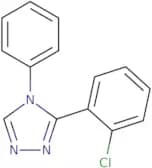
CAS:(2R)-(-)-Glycidyl tosylate is a chiral epoxide that can be prepared through an asymmetric synthesis. It has been used in the synthesis of a series of chiral epoxides, which exhibit potent inhibitory activity against receptor activity. In addition, (2R)-(-)-glycidyl tosylate is a nucleophilic cross-linking agent that forms covalent bonds with proteins. It also reacts with hydroxyl groups and tiglic acid to form reaction intermediates, which are useful in the synthesis of pharmaceuticals.Formula:C10H12O4SPurity:Min. 95%Color and Shape:PowderMolecular weight:228.27 g/mol5-(2-Chlorophenyl)-1-phenyl-1,3,4-triazole
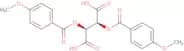
CAS:5-(2-Chlorophenyl)-1-phenyl-1,3,4-triazole is a useful reagent and building block for the synthesis of various chemical compounds. It has been used as a reaction component in organic synthesis as well as a useful scaffold for new chemical compounds. 5-(2-Chlorophenyl)-1-phenyl-1,3,4-triazole is an intermediate in the production of pharmaceuticals and pesticides. It is also used as a speciality chemical for research purposes. Additionally, this compound can be used to make fine chemicals such as dyes and perfumes.Formula:C14H10N3ClPurity:Min. 95%Color and Shape:PowderMolecular weight:255.7 g/molDibenzoyl-(+)-p-methoxy-D-tartaric acid
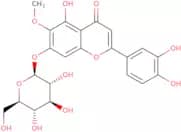
CAS:Dibenzoyl-(+)-p-methoxy-D-tartaric acid is a macrocyclic molecule that has been synthesized as an enantiomer. It has been found to be an effective drug against schistosomiasis in experimental studies. The compound inhibits the growth of Schistosoma mansoni by preventing the formation of eggs, which are released by the female worms into the environment. Dibenzoyl-(+)-p-methoxy-D-tartaric acid also inhibits the development of larval stages and prevents the release of eggs from male worms. This drug is not yet used clinically for this purpose, but it is being researched for use in tropical regions where schistosomiasis is endemic.Formula:C20H18O10Purity:Min. 95%Color and Shape:White PowderMolecular weight:418.35 g/molNepetin-7-glucoside
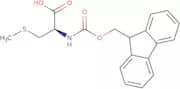
CAS:Nepetin-7-glucoside is a compound found in plants that has been shown to have anti-inflammatory and antiviral properties. Nepetin-7-glucoside inhibits the activity of enzymes such as phospholipase A2, cyclooxygenase, and lipoxygenase. It also reduces the production of inflammatory mediators such as prostaglandins and leukotrienes. Nepetin-7-glucoside may be helpful in the treatment of autoimmune diseases and other inflammatory disorders. This compound also has antiviral effects by inhibiting the replication of herpes simplex virus type 1 (HSV1) in a cell culture system. Nepetin-7-glucoside also has been shown to inhibit the expression of genes related to inflammation and other inflammatory diseases, such as rheumatoid arthritis, colitis ulcerosa, psoriasis, and Crohn's disease.Formula:C22H22O12Purity:Min. 95%Color and Shape:PowderMolecular weight:478.4 g/molFmoc-S-methyl-L-cyseteine
CAS:Fmoc-S-methyl-L-cysteine is a versatile, high quality building block for the synthesis of complex compounds. It is an intermediate in the synthesis of pharmaceuticals and other organic compounds. Fmoc-S-methyl-L-cysteine can be used as a reagent or as a speciality chemical in research. This product is also useful in the synthesis of peptides and proteins. In addition, it can be used as a reaction component or scaffold for drug design.Formula:C19H19NO4SPurity:Min. 95%Color and Shape:PowderMolecular weight:357.42 g/molAla-D-Ala-OH
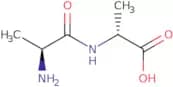
CAS:Ala-D-Ala-OH is an amide that is found in the wild-type strain of Streptococcus pneumoniae. It is a ligase inhibitor with a molecular weight of 164.2 daltons and a pK of 10.3. The inhibition of the ligase by Ala-D-Ala-OH may be due to its ability to bind to the penicillin binding protein and inhibit intramolecular hydrogen bonding, which is necessary for peptide bond formation. Ala-D-Ala-OH can also bind to other molecules that have an amide group, such as vancomycin, which has shown anti bacterial activity against Gram positive bacteria.Formula:C6H12N2O3Purity:Min. 95%Color and Shape:PowderMolecular weight:160.17 g/molBoc-Cys(Trt)-OH
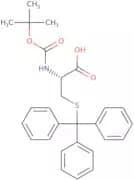
CAS:Boc-Cys(Trt)-OH is a molecule that can be used as an anticancer agent. It has been shown to inhibit the proliferation of human cancer cells in a dose-dependent manner. Boc-Cys(Trt)-OH also inhibits the production of acid conjugates, which are molecules that are toxic to humans, and has a safety profile. This drug is synthesized on a solid phase and has a disulfide bond that links two cysteines residues. The disulfide bond is important for the stability of Boc-Cys(Trt)-OH, which may be postulated to be due to its ability to bind with Toll-like receptors. Boc-Cys(Trt)-OH may also have anticancer activity by inhibiting protein synthesis in cancer cells.
Formula:C27H29NO4SPurity:Min. 95 Area-%Color and Shape:PowderMolecular weight:463.59 g/mol4-Methylcyclohexanone
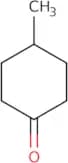
CAS:4-Methylcyclohexanone is a diazonium salt that has been shown to be an intramolecular hydrogen-bonded substrate for the hydroxyl group. It has been used as a precursor for the synthesis of 2,4-diaminobenzoic acid (2,4-DABA) and 3,5-diaminoquinoxaline (3,5-DQNX). 4-Methylcyclohexanone is also used in the production of herbicides and other organic compounds. The reaction mechanism can be explained by considering that 4-methylcyclohexanone is an electron donor with two hydroxyl groups. One of these groups will react with a diazonium salt to provide the α-hydroxyimine intermediate. This intermediate then reacts with another molecule of cyclohexanone to yield the desired product. A typical example of this mechanism is shown below: The acetateFormula:C7H12OPurity:Min. 95%Color and Shape:Clear LiquidMolecular weight:112.17 g/molBoc-Asp-OBzl
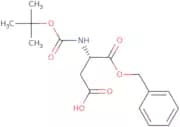
CAS:Boc-Asp-OBzl is a hydrolysate that contains aspartic acid and has been shown to inhibit the activity of the enzyme peptidylglycine alpha-amidating monooxygenase. It is an orthogonal inhibitor that can be used to study the role of aspartic acid in peptide synthesis. Boc-Asp-OBzl has also been shown to inhibit rat liver microsomes, with an IC50 value of about 0.4 mM, and it did not affect the activity of vitamin K1 or other enzymes. This inhibitor can also be used in experiments on rat liver microsomes and solubilized rat liver preparations.br>Formula:C16H21NO6Purity:Min. 95%Color and Shape:White PowderMolecular weight:323.34 g/mol2-Chloro-6-methylaniline
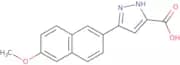
CAS:2-Chloro-6-methylaniline is a molecule that has been used for wastewater treatment and process optimization. It is synthesized from the reaction of amines with trifluoroacetic acid. 2-Chloro-6-methylaniline was found to stimulate the growth of human population in a study conducted at the University of Texas. This molecule has been shown to inhibit the proliferation of t-cells by binding to their surface receptors. 2-Chloro-6-methylaniline has also been shown to be effective in inhibiting dasatinib, which is an anti-cancer drug. 2CMA binds to dasatinib and inhibits its activity by competing with it for binding sites on the protein target. The structure of 2CMA is characterized by proton NMR spectroscopic data and liquid chromatography methods.Formula:C7H8ClNPurity:Min. 95%Color and Shape:Colourless To Purple To Brown LiquidMolecular weight:141.6 g/mol5-(6-Methoxynaphthalen-2-yl)-1H-pyrazole-3-carboxylic acid
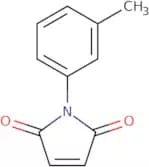
CAS:5-(6-Methoxynaphthalen-2-yl)-1H-pyrazole-3-carboxylic acid is a fine chemical that is used as an intermediate in research, development and production of pharmaceuticals. It can be also used as a reagent and speciality chemical, as well as a reaction component and useful scaffold when combined with other molecules. This compound has been found to be stable in air and water, which makes it easy to handle. 5-(6-Methoxynaphthalen-2-yl)-1H-pyrazole-3-carboxylic acid has CAS No. 1257877-12-5.Formula:C15H12N2O3Purity:Min. 95%Color and Shape:Off-White PowderMolecular weight:268.27 g/mol1-(3-Methylphenyl)-1H-pyrrole-2,5-dione
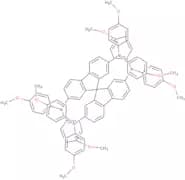
CAS:1-(3-Methylphenyl)-1H-pyrrole-2,5-dione is an anti-aging compound that has been shown to inhibit the replication of herpes viruses. It also inhibits corrosion, in particular by orthophosphoric acid. The monomer itself is useful as a viscosity agent and can be used in the synthesis of polymers such as dibutyl phthalate. 1-(3-Methylphenyl)-1H-pyrrole-2,5-dione has a high yield and can be used for analyzing magnesium oxide.Formula:C11H9NO2Purity:Min. 95%Color and Shape:White PowderMolecular weight:187.19 g/mol2,2',7,7'-Tetrakis-(N,N-di-4-methoxyphenylamino)-9,9'-spirobifluorene - Sublimed grade
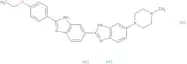
CAS:2,2',7,7'-Tetrakis-(N,N-di-4-methoxyphenylamino)-9,9'-spirobifluorene (TPB) is a model system for investigating the transport of light signal in polymers. TPB can be used as a component in solar cells to increase their efficiency and improve their resistance to heat. TPB has shown high resistance to hydrochloric acid and other aggressive chemicals. TPB has been shown to be an effective photoelectron donor with a redox potential that is close to the one of copper; this property can be used for electrochemical impedance spectroscopy.Formula:C81H68N4O8Purity:Min. 95%Color and Shape:Off-white to yellow solid.Molecular weight:1,225.43 g/molHoechst 33342
CAS:2'-(4-Ethoxyphenyl)-5-(4-methyl-1-piperazinyl)-2,5'-bi-1H-benzimidazole trihydrochloride (EPMB) is a DNA binding agent that is used in tumor detection and research into apoptosis. It has been shown to inhibit the activity of p-glycoprotein, which is an efflux pump protein, and Bcl-2 protein. EPMB has also been shown to cause apoptosis in human squamous cell carcinoma cells in a concentration dependent manner. This compound has shown potential as a treatment for cancer because it inhibits the ability of cancer cells to proliferate by binding to the NMDA receptor.
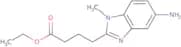
Formula:C27H28N6O·3HCl·xH2OPurity:Min. 95%Color and Shape:Yellow PowderMolecular weight:561.93 g/mol1-Methyl-5-amino-1H-benzimidazole-2-butanoic acid ethyl ester
CAS:1-Methyl-5-amino-1H-benzimidazole-2-butanoic acid ethyl ester is a fine chemical that can be used to make a variety of other compounds. It is also used as a reagent in the synthesis of complex compounds, research chemicals, and speciality chemicals. The CAS number for this compound is 3543-73-5. This product has a high quality and is useful as an intermediate or reaction component in the synthesis of useful scaffolds.Formula:C14H19N3O2Purity:Min. 95%Color and Shape:Orange To Brown SolidMolecular weight:261.32 g/molFmoc-glycinol
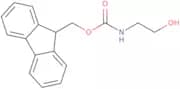
CAS:Fmoc-glycinol is a synthetase that is used to synthesize glycinol conjugates. It binds to the receptor on Gram-positive bacteria and blocks the synthesis of bacterial cell wall, leading to cell death. Fmoc-glycinol has been shown to have high binding constants with amines and an acyl chain, which allows it to bind with antigen. Fmoc-glycinol also has strong nucleophilic properties that allow it to react with chloride ions in water and other polar solvents. This reaction mechanism leads to the formation of a new bond between two molecules, which is called a glycinol linkage.Formula:C17H17NO3Purity:Min. 95%Color and Shape:White PowderMolecular weight:283.32 g/molNalpha,Nepsilon-Di-Boc-L-lysine
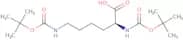
CAS:Nalpha,Nepsilon-Di-Boc-L-lysine is a synthetic peptide that has been shown to be reactive with neutrophils and is being developed for the treatment of heart disease. This peptide has been shown to have an antioxidant effect in rat neutrophils by preventing oxidative injury to DNA and protein. Nalpha,Nepsilon-Di-Boc-L-lysine also has an anticancer effect on liver cancer cells, which may be due to its ability to induce antibody responses and inhibit cell proliferation. It has also been shown that this peptide does not cause any adverse effects in rats when administered at high doses.
Formula:C16H30N2O6Purity:Min. 95%Color and Shape:Colorless PowderMolecular weight:346.42 g/molFmoc-D-Asn(Trt)-OH
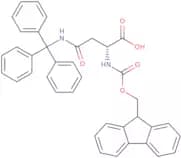
CAS:Fmoc-D-Asn(Trt)-OH is a proteolytic enzyme that is synthesized by the solid phase method. This synthetic peptide has been shown to be effective in vitro against influenza and tumor cell lines. Fmoc-D-Asn(Trt)-OH is able to cleave proteins at serine residues, which are often found in plasma proteins. The enzyme also has an asymmetric synthesis, which allows for easy purification and high yields of the desired product. This molecule does not have homologous enzymes, so it cannot be inhibited by other proteases or inhibitors of proteases. Fmoc-D-Asn(Trt)-OH is taken up by cells in the gastrointestinal tract and may be used as a cancer treatment due to its ability to inhibit tumor growth.
Formula:C38H32N2O5Purity:Min. 95%Color and Shape:PowderMolecular weight:596.67 g/molN-Boc-L-tert-leucine
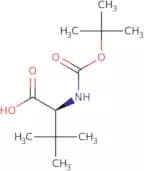
CAS:N-Boc-L-tert-leucine is a β-amino acid that is used as an inhibitor in profiling. It has been shown to inhibit the activity of NS3 protease, which is involved in the synthesis of proteins, and to reduce the production of proinflammatory cytokines. N-Boc-L-tert-leucine has been found to be potent inhibitors of T cell leukemia cells, which may be due to its ability to inhibit protein synthesis. This drug also possesses potential therapeutic effects on metabolic profiles in women.
Formula:C11H21NO4Purity:Min. 98 Area-%Color and Shape:PowderMolecular weight:231.29 g/mol4-Phenyl-3-buten-2-one
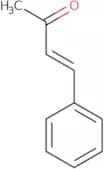
CAS:4-Phenyl-3-buten-2-one (4PB) is a structural analog of benzalacetone, which is an inhibitor of cytochrome P450. It has been shown to inhibit the activities of various cytochrome P450 enzymes in vitro. 4PB can be used as a substrate molecule for chemical synthesis and as a cell specific marker. The basic structure of 4PB has been determined using electrochemical impedance spectroscopy and x-ray crystal structures.Formula:C10H10OPurity:Min. 95%Color and Shape:PowderMolecular weight:146.19 g/mol2,9-Dimethyl-1,10-phenanthroline hemihydrate
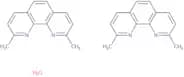
CAS:Chelating agent used to detect aqueous copper ions by electrochemiluminescenceFormula:C14H12N2•(H2O)0Purity:Min. 95%Color and Shape:PowderMolecular weight:217.27 g/mol5-Iodo-2-methylaniline
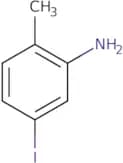
CAS:5-Iodo-2-methylaniline is an organic compound that belongs to the class of safranines. It has an arrayed, spectra, and fluorescence spectrum. 5-Iodo-2-methylaniline is synthesized from 2-iodoaniline and formaldehyde in the presence of a reducing agent such as sodium borohydride or sodium triacetoxyborohydride. The electron transfer process can be monitored by changes in the absorbance of the solution, which are related to reduction potentials and electron transfer rates. Safranin is reduced by 5-iodo-2-methylaniline to produce a red color with a maximum absorption at about 600 nm. Safranin is oxidized back to its original state by adding hydrogen peroxide to produce a colorless product with a maximum absorption at about 620 nm.Formula:C7H8INPurity:Min. 95%Color and Shape:PowderMolecular weight:233.05 g/mol4',6'-Dimethoxy-2'-hydroxy-3-methylacetophenone
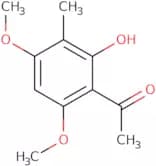
CAS:4,6-Dimethoxy-2-hydroxy-3-methylacetophenone belongs to the group of natural products. It is a phenolic compound that has been isolated from the leaves of plants in the genus Eucalyptus. 4,6-Dimethoxy-2-hydroxy-3-methylacetophenone has shown cytotoxic activity against cancer cells in an animal bioassay and inhibits tumor growth by inhibiting protein synthesis. This compound also exhibits chemosystematic properties and may be useful for research on natural products.
Formula:C11H14O4Purity:Min. 95%Color and Shape:White PowderMolecular weight:210.23 g/mol2,4-Dimethoxy-5-methylbenzyl alcohol
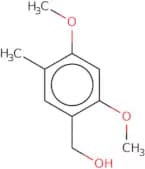
CAS:2,4-Dimethoxy-5-methylbenzyl alcohol is a high quality chemical that is used as an intermediate for the synthesis of complex compounds. It has been used as a reagent and as a building block for the synthesis of other chemicals. This compound can be used to produce fine chemicals and research chemicals. 2,4-Dimethoxy-5-methylbenzyl alcohol has been shown to be useful in the production of versatile building blocks and reaction components.
Formula:C10H14O3Purity:Min. 95%Molecular weight:182.22 g/mol2-Methyl-1,4-phenylene bis(4-((6-(acryloyloxy)hexyl)oxy)benzoate)
CAS:2-Methyl-1,4-phenylene bis(4-((6-(acryloyloxy)hexyl)oxy)benzoate) is a monomer that can reversibly form polymers. It is used in the fabrication of actuators, which are components of machines that convert electrical energy into mechanical movement. 2-Methyl-1,4-phenylene bis(4-((6-(acryloyloxy)hexyl)oxy)benzoate) monomers are used to create polymers in a process called programmed actuation. This process involves using a light source to program the polymer's deformation and orientation. This polymer can be fabricated with a variety of patterns for different purposes.Formula:C39H44O10Purity:Min. 95%Color and Shape:PowderMolecular weight:672.76 g/molMethyl 4-methyl-3-[(N-propylalanyl)amino]thiophene-2-carboxylate HCl
CAS:Methyl 4-methyl-3-[(N-propylalanyl)amino]thiophene-2-carboxylate HCl is a local anesthetic. It has been shown to be effective in the treatment of dental pain. Methyl 4-methyl-3-[(N-propylalanyl)amino]thiophene-2-carboxylate HCl acts by inhibiting the sodium channels in nerve cells, thereby blocking the transmission of pain signals and causing muscle relaxation. This drug also provides relief from anxiety, tension, and fear. Methyl 4-methyl-3-[(N-propylalanyl)amino]thiophene-2-carboxylate HCl has a rapid onset of action, with effects lasting up to 45 minutes. The drug is metabolized by hydrolysis to methyl 3-(aminocarbonyl)thiophene carboxylate and excreted in urine as metabolites.Formula:C13H20N2O3S·HClPurity:Min. 95%Color and Shape:PowderMolecular weight:320.84 g/moltrans-4-Methylcyclohexylisocyanate
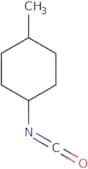
CAS:Trans-4-methylcyclohexylisocyanate (TMCIC) is a chemical intermediate that is used in the synthesis of glibenclamide, a drug that lowers blood sugar levels. TMCIC has been shown to have antidiabetic properties, but it also has carcinogenic impurities. The purity of TMCIC can be improved through preparative high performance liquid chromatography (HPLC). The use of HPLC allows for the separation and concentration of TMCIC from other substances. This purified form is more suitable for clinical studies and optimizing dosage amounts.Formula:C8H13NOPurity:Min. 95%Color and Shape:Colorless Clear LiquidMolecular weight:139.19 g/mol5-Methoxy-1-methyl-1H-indole-3-carbaldehyde
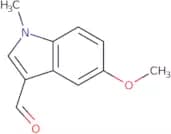
CAS:5-Methoxy-1-methyl-1H-indole-3-carbaldehyde is a synthetic compound that has been shown to inhibit the growth of human tumour cells in vitro. This compound is a regioisomeric mixture of two enantiomers, with the (S) isomer being the more potent inhibitor. The (R) isomer was found to be less active against human tumour cells and may have an antimicrobial activity. 5-Methoxy-1-methyl-1H-indole-3-carbaldehyde has been shown to be bioreductive towards electron donors such as NADPH and glutathione. It also inhibits dt diaphorase and aerobic metabolism in human tumour cells.Formula:C11H11NO2Purity:Min. 95%Color and Shape:Off-White PowderMolecular weight:189.21 g/mol2'-Hydroxy-5'-methoxyacetophenone
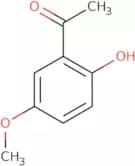
CAS:2'-Hydroxy-5'-methoxyacetophenone is a molecule that has been shown to have anticancer activity. It inhibits the production of molecules in cancer cells, such as carbonic anhydrase and nitric oxide synthase. This molecule also binds to DNA and prevents the transcription of genes involved in cell proliferation, including NF-κB DNA. 2'-Hydroxy-5'-methoxyacetophenone also has inhibitory properties on the growth of cancer cells, including MCF-7 cells.
Formula:C9H10O3Purity:Min. 95%Color and Shape:Off-White PowderMolecular weight:166.17 g/molD-Cysteine Hydrochloride Monohydrate extrapure, 98%
CAS:Formula:C3H7NO2S·HCl·H2OMolecular weight:175.63BOC-D-Phenylalanine extrapure, 99%
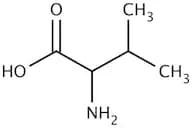
CAS:Formula:C14H19NO4Purity:min. 99%Color and Shape:White, PowderMolecular weight:265.30DL-Valine extrapure CHR, 99%
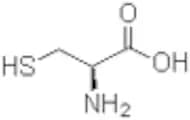
CAS:Formula:C5H11NO2Purity:min. 99.0%Color and Shape:White, Crystalline powder, Clear, ColourlessMolecular weight:117.15L-Cysteine extrapure CHR, 99%
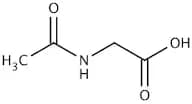
CAS:Formula:C3H7NO2SPurity:min. 99%Color and Shape:White, Crystalline compound, Clear, ColourlessMolecular weight:121.15N-Acetylglycine extrapure, 99%
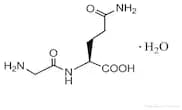
CAS:Formula:C4H8NO3Purity:min. 99%Color and Shape:White, Crystalline powder, Clear, ColourlessMolecular weight:117.10Glycyl-L-Glutamine extrapure, 99%
CAS:Formula:C7H13N3O4·H2OPurity:min. 99%Color and Shape:White, Crystalline powderMolecular weight:221.20FMOC-D-Norvaline extrapure, 99%
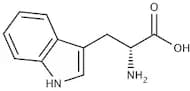
CAS:Formula:C20H21NO4Purity:min. 99%Color and Shape:White, PowderMolecular weight:339.40D-Tryptophan (base) extrapure, 99%
CAS:Formula:C11H12N2O2Purity:min 99%Color and Shape:White to almost white, Crystalline powder, ClearMolecular weight:204.23p-Fluoro-DL-Phenylalanine extrapure, 99%
CAS:Formula:C9H10FNO2Purity:min. 99%Color and Shape:White to Off-white, Powder, Clear to slight hazy, Colourless to faint yellowMolecular weight:183.2L-Alanyl-L-Glutamine extrapure, 99%
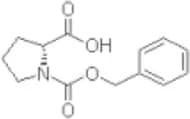
CAS:Formula:C8H15N3O4Purity:min. 99%Color and Shape:White, Crystalline powderMolecular weight:217.2Z-D-Proline extrapure, 99%
CAS:Formula:C13H15NO4Purity:min. 99 %Color and Shape:White to off white, Crystalline powderMolecular weight:249.3L-Alanyl Glycine extrapure, 99%
CAS:Formula:C5H10N2O3Purity:min. 99%Color and Shape:White to off white, Crystalline powderMolecular weight:146.15L-Lysine Monohydrate for molecular biology, 99%
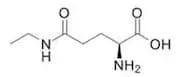
CAS:Formula:C6H14N2O2·H2OPurity:min. 99%Color and Shape:White to pale yellow, Crystalline powder, Clear, Colourless to pale yellowMolecular weight:164.21L-Theanine extrapure, 99%
CAS:Formula:C7H15N2O3Purity:min 99%Color and Shape:White, Crystalline powderMolecular weight:175.20D-Cysteine (base) extrapure, 99%
CAS:Formula:C3H7NO2SPurity:min. 99%Color and Shape:White, Crystalline powder, Clear, ColourlessMolecular weight:121.16Z-b-Alanine extrapure, 99%
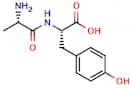
CAS:Formula:C11H13NO4Purity:min. 99 %Color and Shape:White, Crystalline powderMolecular weight:223.21L-Alanyl-L-Tyrosine extrapure, 99%
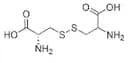
CAS:Formula:C12H16N2O4Purity:min. 99%Color and Shape:White to off-white, PowderMolecular weight:252.3L-Cystine extrapure CHR, 99%
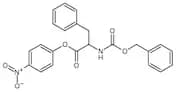
CAS:Formula:C6H12N2O4S2Purity:min. 99%Color and Shape:White to off white, Crystalline compound, Clear, Colourless to pale yellowMolecular weight:240.30Z-L-Phenylalanine-4-Nitrophenyl Ester extrapure, 98%
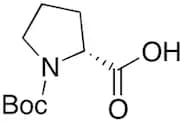
CAS:Formula:C23H20N2O6Purity:min. 98 %Color and Shape:White to off-white, Amorphous powder, Clear, Colourless to pale yellowMolecular weight:420.41BOC-D-Proline extrapure, 99%
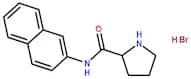
CAS:Formula:C10H17NO4Purity:min. 99%Color and Shape:White, Crystalline compoundMolecular weight:215.30L-Proline-ß- Naphthylamide Hydrobromide extrapure, 99%
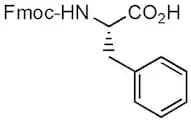
CAS:Formula:C15H16N2O·HBrMolecular weight:321.26FMOC-L-Phenylalanine extrapure, 99%
CAS:Formula:C24H21NO4Purity:min. 99%Color and Shape:White, Crystalline powderMolecular weight:387.40BOC-L-Cystine extrapure, 99%
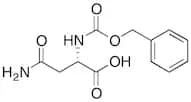
CAS:Formula:C16H28N2O8S2Purity:min. 99%Color and Shape:White, Crystalline powderMolecular weight:440.60Z-L-Asparagine extrapure, 99%
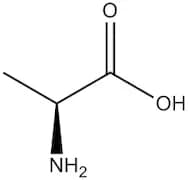
CAS:Formula:C12H14N2O5Purity:min. 99%Color and Shape:White, Crystalline hygroscopic powderMolecular weight:266.25L-Alanine ExiPlus, Multi-Compendial, 99%
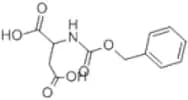
CAS:Formula:C3H7NO2Purity:min. 99%Color and Shape:White, Crystalline powder, Clear, ColourlessMolecular weight:89.09Z-DL-Aspartic Acid extrapure, 99%
CAS:Formula:C12H13NO6Purity:min. 99 %Color and Shape:White, Crystalline powder, Clear, ColourlessMolecular weight:267.2


![N-[(9H-Fluoren-9-ylmethoxy)carbonyl]-L-homoarginine](/_next/image/?url=https%3A%2Fstatic.cymitquimica.com%2Fproducts%2F3B%2Fthumb-webp%2FF1014.webp&w=3840&q=75)






![[2-(6-Methylpyridin-2-yl)ethyl]amine](/_next/image/?url=https%3A%2Fstatic.cymitquimica.com%2Fproducts%2F3D%2Fthumb-webp%2FFM123522.webp&w=3840&q=75)



![N-alpha-[2,4-Dinitro-5-fluorophenyl]-D-alanine amide](/_next/image/?url=https%3A%2Fstatic.cymitquimica.com%2Fproducts%2F3D%2Fthumb-webp%2FFD48427.webp&w=3840&q=75)



![Methyl 4-methyl-3-[(N-propylalanyl)amino]thiophene-2-carboxylate HCl](/_next/image/?url=https%3A%2Fstatic.cymitquimica.com%2Fproducts%2F3D%2Fthumb-webp%2FFM130460.webp&w=3840&q=75)