Amino Acids (AA)
Amino acids (AAs) are the fundamental building blocks of proteins, playing a crucial role in various biological processes. These organic compounds are essential for protein synthesis, metabolic pathways, and cell signaling. In this category, you will find a comprehensive range of amino acids, including essential, non-essential, and modified forms, which are vital for research in biochemistry, molecular biology, and nutritional sciences. At CymitQuimica, we provide high-quality amino acids to support your research and development needs, ensuring accuracy and reliability in your experimental outcomes.
Subcategories of "Amino Acids (AA)"
- Amino Acid Derivatives(3,957 products)
- Amino Acid and Amino Acid Related Compounds(3,472 products)
- Amino Acids with Oxygen or Sulphur(168 products)
- Boc- Amino Acids(351 products)
- Fmoc Amino Acids(1,710 products)
Found 38265 products of "Amino Acids (AA)"
Sort by
Purity (%)
0
100
|
0
|
50
|
90
|
95
|
100
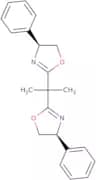
(S,S)-2,2'-Isopropylidenebis(4-phenyl-2-oxazoline)
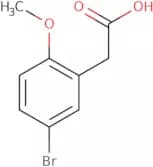
CAS:<p>(S,S)-2,2'-Isopropylidenebis(4-phenyl-2-oxazoline) is an asymmetric ligand that is chiral and has been shown to be useful in the preparation of enantiopure alcohols. The compound has been used as a catalyst to prepare aldehydes and ketones. It also has been used in reactions involving dehydration or alkylation. (S,S)-2,2'-Isopropylidenebis(4-phenyl-2-oxazoline) can be synthesized by reacting molybdenum with an alcohol and adding a base. This reaction produces the desired product with high selectivity, which is due to its chirality.</p>Formula:C21H22N2O2Purity:Min. 95%Color and Shape:Colourless Or White To Yellow Solid Or Liquid (May Vary)Molecular weight:334.41 g/mol(5-Bromo-2-methoxyphenyl)acetic acid
CAS:<p>5-Bromo-2-methoxyphenyl)acetic acid (BMPEA) is a hydroxylated derivative of aspartic acid. It has been shown to induce apoptotic cell death in various cell lines, including human lung cells and rat hippocampal cells. BMPEA is synthesized by the solid-phase method and is characterized by a constant structure. It can be used to treat degenerative diseases and other conditions where apoptosis is desirable, such as Alzheimer's disease, Parkinson's disease, amyotrophic lateral sclerosis, retinitis pigmentosa, and Duchenne muscular dystrophy.</p>Formula:C9H9BrO3Purity:Min. 95%Color and Shape:PowderMolecular weight:245.07 g/molC3a (72-77) (human)
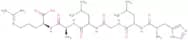
CAS:<p>Please enquire for more information about C3a (72-77) (human) including the price, delivery time and more detailed product information at the technical inquiry form on this page</p>Formula:C29H51N11O7Purity:Min. 95%Molecular weight:665.79 g/molH-Leu-Ser-Ala-Leu-OH
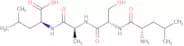
CAS:<p>H-Leu-Ser-Ala-Leu-OH is a chemical compound that has been shown to bind to 5-HT1B receptors. This receptor belongs to the 5HT1 family of serotonin receptors, which are G protein coupled receptors. The 5HT1B receptor has been shown to have a role in locomotor activity and dopamine release. HLSALLOH is also a specific antibody that reacts with the 5HT1B receptor in rats. The location of this receptor is on the dorsal raphe nucleus and other parts of the brainstem. HLSALLOH has a pH optimum of 6.0 and can be used as an immunogen for polyclonal antibodies against 5HT1B receptors.</p>Formula:C18H34N4O6Purity:Min. 95%Molecular weight:402.49 g/mol2-Bromo-5-methylpyrimidine
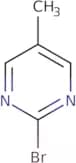
CAS:<p>Please enquire for more information about 2-Bromo-5-methylpyrimidine including the price, delivery time and more detailed product information at the technical inquiry form on this page</p>Formula:C5H5BrN2Purity:95%NmrMolecular weight:173.01 g/molN-α-Fmoc-Nδ-allyloxycarbonyl-L-ornithine
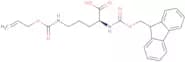
CAS:<p>Please enquire for more information about N-alpha-Fmoc-Ndelta-allyloxycarbonyl-L-ornithine including the price, delivery time and more detailed product information at the technical inquiry form on this page</p>Formula:C24H26N2O6Purity:Min. 95%Molecular weight:438.47 g/molAngiotensin II acetate salt
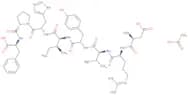
CAS:Controlled Product<p>Angiotensin II is a hormone that is produced in the kidneys and acts on the blood vessels, heart, and other tissues. It is also known as angiotensin II acetate salt H-Asp-Arg-Val-Tyr-Ile-His-Pro-Phe-OH acetate salt. Angiotensin II can increase blood pressure by constricting blood vessels and causing the release of aldosterone from the adrenal glands. This hormone also causes smooth muscle contraction in various organs, including the intestines. The synthesis of angiotensin II occurs through two different pathways: one involving renin and another involving prorenin. The renin pathway begins with renin converting angiotensinogen into angiotensin I, which is then converted to angiotensin II by angiotensins I converting enzyme (ACE). Angiotensin II has been shown to increase protein phosphorylation in myosin, leading to increased</p>Formula:C50H71N13O12·xC2H4O2Purity:Min. 95%Color and Shape:White SolidMolecular weight:1,046.18 g/molDynorphin A (1-8) acetate salt
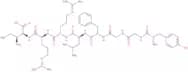
CAS:<p>Dynorphin A (1-8) acetate salt H-Tyr-Gly-Gly-Phe-Leu-Arg-Arg-Ile-OH acetate salt is a synthetic, nonpeptide opioid agonist. It binds to the delta receptor and inhibits nociception in the central nervous system. This compound has been shown to produce acute phase and subchronic toxicity in rats and has been shown to possess antinociceptive effects in mice. Dynorphin A (1-8) acetate salt H-Tyr-Gly-Gly-Phe-Leu-Arg-Arg-Ile-OH acetate salt has also been shown to antagonize the enzyme inhibitors of phospholipase A2, cyclooxygenase, and lipoxygenase.<br>MECHANISM OF ACTION: Dynorphin A (1–8) is an endogenous peptide that modulates neurotransmission at the</p>Formula:C46H72N14O10Purity:Min. 95%Molecular weight:981.15 g/molFmoc-Leu-Gly-OH
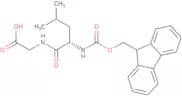
CAS:<p>Fmoc-Leu-Gly-OH is a dipeptide that is reversibly soluble in water and organic solvents. It has been found to be stable at millimeter and nanometer scales, which makes it suitable for use as a hydrogel or fiber. Fmoc-Leu-Gly-OH has also been shown to form membranes of variable thickness (from micrometers to nanometers) that are sensitive to pH changes. This means that the membrane can be used for sensing pH levels in a variety of environments. Dipeptides are amphiphiles, meaning they have both hydrophilic and lipophilic properties. This makes them useful for forming self-assembled structures, such as hydrogels and membranes, that are capable of transporting water molecules through the structure.</p>Formula:C23H26N2O5Purity:Min. 95%Color and Shape:PowderMolecular weight:410.46 g/molZ-Lys-Arg-pNA·2 HCl
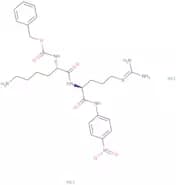
CAS:<p>This is a new inhibitor of phosphatase 2A (PP2A) that is in the form of a zwitterion. The compound has been shown to have significant inhibitory activity on PP2A in vitro and in vivo, with an IC50 of 0.12 μM and 0.28 μM respectively. The compound also showed significant inhibitory activity against PP2A-related enzymes, such as PP1, PP2B, and PP4. Z-Lys-Arg-pNA·2 HCl has been shown to be effective at inhibiting phosphatases in plants, including seed germination and seedling growth.</p>Formula:C26H36N8O6·2HClPurity:Min. 95%Molecular weight:629.54 g/molH-Gly-Gly-Met-OH
CAS:<p>H-Gly-Gly-Met-OH is a hydrophobic amino acid with a decelerated reaction. It has been shown to modulate the growth of organisms, such as Staphylococcus aureus and Streptococcus pneumoniae. This molecule also has aspirin-like activity against S. aureus and can be used for cavity prevention. H-Gly-Gly-Met-OH is effective in inhibiting the growth of S. aureus, but not against Streptococcus pneumoniae. The test organism used in this study was Escherichia coli K12. H-Gly-Gly-Met-OH has been shown to have sequences that are similar to those found in kinetically slow peptides and tripeptides, which may explain its stability when encapsulated in liposomes for oral administration.</p>Formula:C9H17N3O4SPurity:Min. 95%Molecular weight:263.32 g/molZ-Gly-Gly-Leu-OH
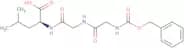
CAS:<p>Glycylglycine is a hydrophobic amino acid that is found in collagen and other proteins. It has been shown to inhibit the activity of proteinases such as chymotrypsin, trypsin, and elastase, which are enzymes that break down proteins. Glycylglycine is a fluorescent molecule that can be detected by fluorescence microscopy and has been used in the study of protein-protein interactions. Glycylglycine is an acidic amino acid with an amino acid composition that consists of about 20% glycine, 40% hydroxyphenylalanine, 30% serine and 10% threonine. The spatial specificity of this compound has been studied using sephacryl electrophoresis, which showed it was localized to the extracellular matrix and in cell culture supernatants. Aminocoumarins are glycylglycines with an attached aminocoumarin group. Hydrolysis of gly</p>Formula:C18H25N3O6Purity:Min. 95%Molecular weight:379.41 g/molH-D-Pro-Pro-Glu-NH2 trifluoroacetate salt
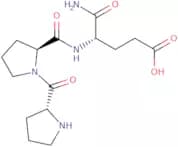
CAS:<p>Please enquire for more information about H-D-Pro-Pro-Glu-NH2 trifluoroacetate salt including the price, delivery time and more detailed product information at the technical inquiry form on this page</p>Formula:C15H24N4O5Purity:Min. 95%Molecular weight:340.38 g/mol(Cys(Bzl)84)-CD4 (81-92)
CAS:<p>The CD4 molecule is a major component of the human immune system. It interacts with other cells, such as T-cells, and plays an important role in the immune response. The CD4 molecule is a glycoprotein that consists of two subunits, (Cys(Bzl)84)-CD4 and (81-92) H-Thr-Tyr-Ile-Cys(Bzl)-Glu-Val-Glu-Asp-Gln-Lys-Glu-. The sequence of this molecule is important for its function, as it has been shown to be essential for binding to HIV particles. This protein may also play a role in regulating the growth of T cells. It was found that the amino acid sequence of CD4 is not conserved among different species. The amino acid sequence specificity in the CD4 molecule is due to the cysteine residues. These residues are able to form disulfide bridges with other cyste</p>Formula:C69H102N14O26SPurity:Min. 95%Molecular weight:1,575.69 g/molZ-Pro-Leu-Ala-NHOH
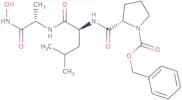
CAS:<p>Z-Pro-Leu-Ala-NHOH is a potent inhibitor of stromal cells. It is a hydroxamic acid molecule that acts as an inhibitor of protein synthesis in the ribosome. Z-Pro-Leu-Ala-NHOH has been shown to have potent inhibitory activity against ethyl palmitate and lipiodol, which are used for therapeutic purposes. The molecule also inhibits viscosity in pharmaceutical preparations and pluripotent stem cells. This compound has shown inhibitory activities against stromal cells, which are responsible for growth, differentiation, and tissue repair. It also prevents the formation of embryoid bodies or pluripotent stem cells by suppressing the expression of proteins needed for early development.</p>Formula:C22H32N4O6Purity:Min. 95%Molecular weight:448.51 g/molVIP (10-28) (human, mouse, rat)
CAS:<p>Angiotensin II is a peptide hormone that is involved in the regulation of blood pressure, water and electrolyte balance, and vascular resistance. It also plays a role in the development of angiogenic diseases such as cancer. Angiotensin II is an antagonist at the AT1 receptor, which is found on many tissues, including those in the brain, kidney, and vasculature. In addition to its effects on blood pressure and fluid retention, angiotensin II has been shown to affect intestinal motility and ileal absorption in rats. The inhibition of angiotensin II could be used for the treatment of neovascular diseases such as cancer.</p>Formula:C105H180N32O26SPurity:Min. 95%Molecular weight:2,338.82 g/molH-Met-Arg-Phe-Ala-OH
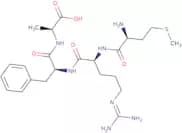
CAS:<p>H-Met-Arg-Phe-Ala-OH is a synthetic peptide that has been shown to be an effective inhibitor of protein synthesis in mammalian cells. It binds to the active site of protein translation machinery, thereby inhibiting the production of proteins vital for cell division. H-Met-Arg-Phe-Ala-OH is stable in aqueous solution and resistant to proteolytic degradation. It also has a high detection sensitivity and can be detected by FTIR spectroscopy, which makes it suitable for use in a variety of applications. H-Met-Arg-Phe-Ala-OH can be used as a tool for studying protein synthesis inhibition or as an antiobiotic agent against cancer cells.</p>Formula:C23H37N7O5SPurity:Min. 95%Molecular weight:523.65 g/molAcetyl-Exenatide trifluoroacetate salt
CAS:<p>Please enquire for more information about Acetyl-Exenatide trifluoroacetate salt including the price, delivery time and more detailed product information at the technical inquiry form on this page</p>Formula:C186H284N50O61SPurity:Min. 95%Molecular weight:4,228.61 g/molCRAMP-18 (mouse) trifluoroacetate salt
CAS:<p>Please enquire for more information about CRAMP-18 (mouse) trifluoroacetate salt including the price, delivery time and more detailed product information at the technical inquiry form on this page</p>Formula:C101H171N27O24Purity:Min. 95%Molecular weight:2,147.61 g/molAngiotensin I (1-9) trifluoroacetate salt
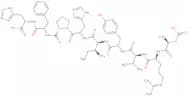
CAS:<p>Please enquire for more information about Angiotensin I (1-9) trifluoroacetate salt including the price, delivery time and more detailed product information at the technical inquiry form on this page</p>Formula:C56H78N16O13Purity:Min. 95%Molecular weight:1,183.32 g/molAcetyl-(Cys(Acm)33·42)-EGF (33-42) amide (mouse)
CAS:<p>Please enquire for more information about Acetyl-(Cys(Acm)33·42)-EGF (33-42) amide (mouse) including the price, delivery time and more detailed product information at the technical inquiry form on this page</p>Formula:C51H82N16O17S2Purity:Min. 95%Molecular weight:1,255.43 g/molBoc-Ser(Bzl)-PAM resin (200-400 mesh)
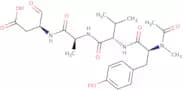
<p>Please enquire for more information about Boc-Ser(Bzl)-PAM resin (200-400 mesh) including the price, delivery time and more detailed product information at the technical inquiry form on this page</p>Purity:Min. 95%Ac-N-Me-Tyr-Val-Ala-Asp-aldehyde (pseudo acid)
CAS:<p>Please enquire for more information about Ac-N-Me-Tyr-Val-Ala-Asp-aldehyde (pseudo acid) including the price, delivery time and more detailed product information at the technical inquiry form on this page</p>Formula:C24H34N4O8Purity:Min. 95%Molecular weight:506.55 g/molH-Gly-Arg-Gly-Asp-Ser-Pro-OH
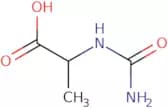
CAS:<p>H-Gly-Arg-Gly-Asp-Ser-Pro-OH is a cyclic peptide that contains five amino acids. It was synthesized by the reaction of L-glycine and D-alanine with D,L-aspartic acid and L,D,L-serine. HAGGS has been shown to stimulate the proliferation of fibroblast cells in vitro. The presence of HAGGS on the surface of human breast cancer cells (MDA MB 231) promotes the proliferation of these cells and stimulates the production of growth factor β1. HAGGS also activates integrin receptors on these cells, which are proteins that bind to collagen or fibronectin. This may be due to its ability to form disulfide bonds with neighboring proteins, such as fibronectin and integrin.</p>Formula:C22H37N9O10Purity:Min. 95%Molecular weight:587.58 g/molCarbamoyl-DL-Ala-OH
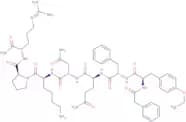
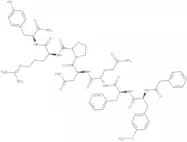
CAS:<p>Carbamoyl-DL-Ala-OH is a synthetic amino acid that is used as a building block in peptide synthesis. It hydrolyzes and alkylates proteins, forming the corresponding amide and acid. A kinetic study of the hydrolysis of carbamoyl-DL-Ala-OH was conducted using a mutant strain of E. coli, which showed that carbamoyl-DL-Ala-OH hydrolyzed at pH 3.5 to 4.5 and did not form an observable amount of acid at this pH range. The prebiotic activity of carbamoyl DL-ala has been studied in rats and humans, who were given 50 mg of this amino acid per day for 3 weeks. Carbamoyl DL-ala was found to be safe and well tolerated by these subjects, with no significant changes in blood pressure observed in either species.<br>br><br>The subunits of carbamoyl DL-</p>Formula:C4H8N2O3Purity:Min. 95%Molecular weight:132.12 g/mol(Phenylac 1,D-Tyr(Me)2,Arg6·8,Tyr-NH29)-Vasopressin trifluoroacetate salt Phenylac-D-Tyr(Me)-Phe-Gln-Asn-Arg-Pro-Arg-Tyr-NH2 tri
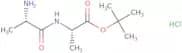
CAS:<p>Please enquire for more information about (Phenylac 1,D-Tyr(Me)2,Arg6·8,Tyr-NH29)-Vasopressin trifluoroacetate salt Phenylac-D-Tyr(Me)-Phe-Gln-Asn-Arg-Pro-Arg-Tyr-NH2 tri including the price, delivery time and more detailed product information at the technical inquiry form on this page</p>Formula:C62H83N17O13Purity:Min. 95%Color and Shape:PowderMolecular weight:1,274.43 g/molH-Ala-Ala-OtBu·HCl
CAS:<p>Please enquire for more information about H-Ala-Ala-OtBu·HCl including the price, delivery time and more detailed product information at the technical inquiry form on this page</p>Formula:C10H20N2O3·HClPurity:Min. 95%Molecular weight:252.74 g/molGalanin (1-13)-Mastoparan
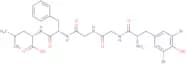
CAS:<p>Galanin is a peptide that is part of the galaninergic system. It is involved in the regulation of insulin resistance, pain sensation, and chronic bronchitis. Galanin has been found to inhibit ATP-sensitive K+ channels and to have an inhibitory effect on ryanodine receptors. This inhibition leads to an increase in cytosolic Ca2+. Galanin also inhibits the release of inflammatory cytokines such as IL-1β, IL-6, and TNF-α. The biological properties of galanin are not fully understood and it may be associated with cancer and autoimmune diseases.</p>Formula:C133H222N34O32Purity:Min. 95%Molecular weight:2,809.4 g/mol(3,5-Dibromo-Tyr1)-Leu-Enkephalin
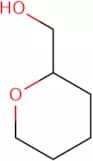
CAS:<p>Please enquire for more information about (3,5-Dibromo-Tyr1)-Leu-Enkephalin including the price, delivery time and more detailed product information at the technical inquiry form on this page</p>Formula:C28H35Br2N5O7Purity:Min. 95%Molecular weight:713.42 g/molTetrahydropyran-2-methanol
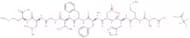
CAS:<p>Tetrahydropyran-2-methanol is a hydrogenated, hydrated, triflic acid derivative that belongs to the group of organic compounds known as ethers. The presence of a hydroxyl group on one end and a chloride group on the other end provides tetrahydropyran-2-methanol with two reactive sites for reactions with metals. It has been shown to react with metal surfaces in order to form an adduct under acidic conditions that can be used as an ion exchange resin. Tetrahydropyran-2-methanol also reacts rapidly with hydrochloric acid to form tetrahydrothiophene and methanol. This reaction time can be sped up by heating the liquid at atmospheric pressure or by adding sulfuric acid. Tetrahydropyran-2-methanol is also capable of reacting with water in order to produce hydrogen gas and alcohol.</p>Formula:C6H12O2Purity:Min. 98%Molecular weight:116.16 g/mol([13C6]Leu6)-Endothelin-1 (human, bovine, dog, mouse, porcine, rat) acetate salt
<p>Please enquire for more information about ([13C6]Leu6)-Endothelin-1 (human, bovine, dog, mouse, porcine, rat) acetate salt including the price, delivery time and more detailed product information at the technical inquiry form on this page</p>Purity:Min. 95%Boc-Met-PAM resin (200-400 mesh)
<p>Please enquire for more information about Boc-Met-PAM resin (200-400 mesh) including the price, delivery time and more detailed product information at the technical inquiry form on this page</p>Purity:Min. 95%Ac-Gly-Lys-bNA
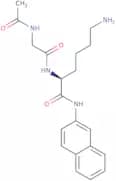
CAS:<p>Please enquire for more information about Ac-Gly-Lys-bNA including the price, delivery time and more detailed product information at the technical inquiry form on this page</p>Formula:C20H26N4O3Purity:Min. 95%Molecular weight:370.45 g/mol(R)-(+)-2-Methyl-CBS-oxazaborolidine
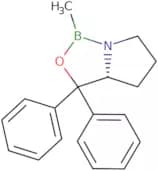
CAS:<p>(R)-(+)-2-Methyl-CBS-oxazaborolidine is a dpp-iv inhibitor that is a β-unsaturated ketone. It has been shown to inhibit the enzyme histone lysine demethylase, which may be involved in the regulation of bone mass. This compound also has a pharmacokinetic profile that is characterized by high oral bioavailability, low plasma protein binding, and rapid metabolism by liver enzymes. The reaction mechanism for this compound is based on the formation of an enolate carbanion. (R)-(+)-2-Methyl-CBS-oxazaborolidine can be synthesized with high stereoselectivity and yields from reactions with simple starting materials. This synthetic route also has a number of advantages over other methods: it does not require any protecting groups, it does not use toxic solvents such as dichloromethane or chloroform, and it can be performed in anhydrous conditions</p>Formula:C18H20BNOPurity:Min. 95%Color and Shape:SolidMolecular weight:277.17 g/molTyr-α-CGRP (human) trifluoroacetate salt
CAS:<p>Please enquire for more information about Tyr-alpha-CGRP (human) trifluoroacetate salt including the price, delivery time and more detailed product information at the technical inquiry form on this page</p>Formula:C172H276N52O51S2Purity:Min. 95%Molecular weight:3,952.48 g/molN,N'-Methylenediacrylamide
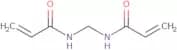
CAS:<p>N,N'-Methylenediacrylamide is a water-soluble compound that has been used as a fluorescent probe for hydrogen bonding. It has been shown to have different phase transition temperatures in different solvents and can be used as an experimental model for studying the effects of temperature on the behavior of water molecules. N,N'-Methylenediacrylamide reacts with hydrochloric acid to form the fatty acid N,N'-methylenebis(3-chloroacrylic acid) under acidic conditions. This reaction is reversible, and the reverse process can be catalyzed by sodium citrate or human serum. When exposed to radiation or surface methodology, it emits light at a wavelength of 350 nm.</p>Formula:C7H10N2O2Purity:Min. 95%Color and Shape:White Clear LiquidMolecular weight:154.17 g/molBz-Ala-Arg-OH
CAS:<p>Bz-Ala-Arg-OH (BAR) is a peptidase that hydrolyzes peptide bonds in proteins. BAR has been shown to have an intravascular function, which means it is found in the blood and vascular endothelium. BAR has also been shown to be an effective agent for inhibiting the release of hydrogen peroxide (H2O2) induced by dimethylthiourea in isolated rat lungs. BAR was isolated from the rat hypothalamus and shows a high degree of similarity to other peptidases such as aminopeptidase N, carboxypeptidase A, and carboxypeptidase B. These enzymes are involved in the catabolism of hormones such as angiotensin II, adrenocorticotropic hormone, and vasopressin.</p>Formula:C16H23N5O4Purity:Min. 95%Molecular weight:349.39 g/mol(Cys39)-Tissue Factor (33-53)
CAS:<p>Please enquire for more information about (Cys39)-Tissue Factor (33-53) including the price, delivery time and more detailed product information at the technical inquiry form on this page</p>Formula:C111H166N26O33S2Purity:Min. 95%Molecular weight:2,456.79 g/molFmoc-L-glutamic acid γ-methyl ester
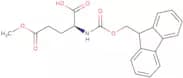
CAS:<p>Please enquire for more information about Fmoc-L-glutamic acid gamma-methyl ester including the price, delivery time and more detailed product information at the technical inquiry form on this page</p>Formula:C21H21NO6Purity:Min. 95%Molecular weight:383.39 g/molZ-Asp(ONp)-OBzl
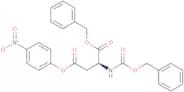
CAS:<p>Z-Asp(ONp)-OBzl is a synthetic compound with minimal side-chain that can be used as a condensation and deprotection reagent in the synthesis of peptides. It functions to selectively cleave the N-terminal amino group from an unprotected peptide. This side chain is not present on natural amino acids and therefore provides selectivity for the N-terminal amino acid. Z-Asp(ONp)-OBzl has been found to be a more controllable and selective alternative to other deprotection reagents such as DBU, DCC, or TFA. The use of this reagent in peptide synthesis has been shown to provide high yields of unblocked chains with minimal side reactions.</p>Formula:C25H22N2O8Purity:Min. 95%Molecular weight:478.45 g/mol(Phenylac 1,D-Tyr(Et)2,Lys6,Arg8,des-Gly9)-Vasopressin trifluoroacetate salt
CAS:<p>Please enquire for more information about (Phenylac 1,D-Tyr(Et)2,Lys6,Arg8,des-Gly9)-Vasopressin trifluoroacetate salt including the price, delivery time and more detailed product information at the technical inquiry form on this page</p>Formula:C54H76N14O11Purity:Min. 95%Molecular weight:1,097.27 g/mol4-Chloro-6-methoxyquinoline
CAS:<p>4-Chloro-6-methoxyquinoline is an inhibitor of bacterial DNA gyrase. It has antibacterial activity against Gram-positive and Gram-negative bacteria, including Staphylococcus aureus, Enterococcus faecalis, and Pseudomonas aeruginosa. 4-Chloro-6-methoxyquinoline is a synthetic compound that was reinvestigated for its antibacterial activity. It has been shown to be effective in the treatment of Staphylococcal infections. The mechanism of action may involve inhibition of topoisomerase II or interference with the synthesis of DNA by binding to the enzyme bacterial DNA gyrase. Quinidine and cinchonidine are quinine derivatives that have been found to inhibit bacterial DNA gyrase. These compounds are found in the bark of Cinchona species, which includes Cinchona ledgeriana, Cinchona officinalis, and Cinchona succirub</p>Formula:C10H8ClNOPurity:Min. 95%Molecular weight:193.02944Met(O)14-Exenatide trifluoroacetate salt
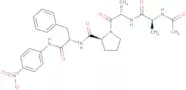
CAS:<p>Please enquire for more information about Met(O)14-Exenatide trifluoroacetate salt including the price, delivery time and more detailed product information at the technical inquiry form on this page</p>Formula:C184H282N50O61SPurity:Min. 95%Molecular weight:4,202.57 g/molAc-Ala-Ala-Pro-Phe-pNA
CAS:<p>Ac-Ala-Ala-Pro-Phe-pNA is a serine protease inhibitor that has been shown to inhibit chymotrypsin, elastase, and other serine proteases. It is benzoylated to protect it from proteolytic degradation in the gastrointestinal tract and can be used as a therapeutic treatment for inflammatory bowel disease, pancreatitis, or other chronic diseases. Ac-Ala-Ala-Pro-Phe-pNA can be inactivated by thermal treatment (e.g., boiling) or by chemical reduction (e.g., sodium borohydride).</p>Formula:C28H34N6O7Purity:Min. 95%Molecular weight:566.61 g/mol(Leu13-psi(CH2NH)Leu14)-Bombesin
CAS:<p>Please enquire for more information about (Leu13-psi(CH2NH)Leu14)-Bombesin including the price, delivery time and more detailed product information at the technical inquiry form on this page</p>Formula:C72H114N24O17Purity:Min. 95%Molecular weight:1,587.83 g/molBoc-Pressinoic acid Boc-Cys-Tyr-Phe-Gln-Asn-Cys-OH (Disulfide bond)
CAS:<p>Please enquire for more information about Boc-Pressinoic acid Boc-Cys-Tyr-Phe-Gln-Asn-Cys-OH (Disulfide bond) including the price, delivery time and more detailed product information at the technical inquiry form on this page</p>Formula:C38H50N8O12S2Purity:Min. 95%Molecular weight:874.98 g/molH-Val-Ala-pNA acetate salt
CAS:<p>Please enquire for more information about H-Val-Ala-pNA acetate salt including the price, delivery time and more detailed product information at the technical inquiry form on this page</p>Formula:C14H20N4O4Purity:Min. 95%Molecular weight:308.33 g/mol(D-Trp12,Tyr34)-pTH (7-34) amide (bovine) trifluoroacetate salt
CAS:<p>Please enquire for more information about (D-Trp12,Tyr34)-pTH (7-34) amide (bovine) trifluoroacetate salt including the price, delivery time and more detailed product information at the technical inquiry form on this page</p>Formula:C165H251N49O40S2Purity:Min. 95%Molecular weight:3,625.2 g/molH-D-Pra-OH
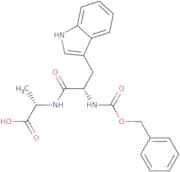
CAS:<p>H-D-Pra-OH is a chemical substance that inhibits the synthesis of proteins. It binds to the active site of enzymes, thereby blocking the formation of an enzyme-substrate complex and inhibiting enzyme activity. H-D-Pra-OH is an enzyme inhibitor that can be used to study protein synthesis in vitro. It is most effective on renal proximal tubules cells, where it inhibits potassium uptake by competitive inhibition with d-alanine. H-D-Pra-OH also inhibits the uptake of aziridine, which is a reactive substance that can cause cellular damage. The carbonyl group in this substance may react with other substances such as potassium dichromate, forming a chromium compound that can be seen under the microscope.</p>Formula:C5H7NO2Purity:Min. 95%Molecular weight:113.11 g/molZ-Trp-Ala-OH
CAS:<p>Z-Trp-Ala-OH is an imidazolide that is used as a potassium supplement. It has the potential to be used in the treatment of epilepsy, but more research is needed to determine its safety and efficacy.</p>Formula:C22H23N3O5Purity:Min. 95%Molecular weight:409.44 g/molCaloxin 2A1 trifluoroacetate salt
CAS:<p>Please enquire for more information about Caloxin 2A1 trifluoroacetate salt including the price, delivery time and more detailed product information at the technical inquiry form on this page</p>Formula:C64H91N19O22Purity:Min. 95%Molecular weight:1,478.52 g/molFmoc-4-(neopentyloxysulfonyl)-Abu-OH (S)-2-(Fmoc-amino)-4-neopentyloxysulfonyl-butyric acid
CAS:<p>Please enquire for more information about Fmoc-4-(neopentyloxysulfonyl)-Abu-OH (S)-2-(Fmoc-amino)-4-neopentyloxysulfonyl-butyric acid including the price, delivery time and more detailed product information at the technical inquiry form on this page</p>Formula:C24H29NO7SPurity:Min. 95%Molecular weight:475.56 g/mol(Val34)-Amyloid b-Protein (1-40) trifluoroacetate salt
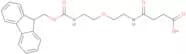
CAS:<p>Please enquire for more information about (Val34)-Amyloid b-Protein (1-40) trifluoroacetate salt including the price, delivery time and more detailed product information at the technical inquiry form on this page</p>Formula:C193H293N53O58SPurity:Min. 95%Molecular weight:4,315.78 g/molN-(Fmoc-5-amino-3-oxa-pentyl)succinamic acid
CAS:<p>N-(Fmoc-5-amino-3-oxa-pentyl)succinamic acid is a high quality chemical that is used as an intermediate in the production of pharmaceuticals and other fine chemicals. It is also a reagent for use in peptide synthesis. N-(Fmoc-5-amino-3-oxa-pentyl)succinamic acid has a CAS No. 669073-62-5 and can be used as a useful scaffold for the production of complex compounds. This compound is also useful for research purposes, due to its versatility as a building block with speciality chemical applications.</p>Formula:C23H26N2O6Purity:Min. 95%Molecular weight:426.46 g/molFmoc-Tyr(tBu)-Wang resin (200-400 mesh)
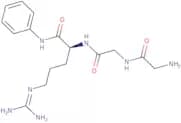
<p>Please enquire for more information about Fmoc-Tyr(tBu)-Wang resin (200-400 mesh) including the price, delivery time and more detailed product information at the technical inquiry form on this page</p>Purity:Min. 95%H-Gly-Gly-Arg-anilide acetate salt
CAS:<p>Please enquire for more information about H-Gly-Gly-Arg-anilide acetate salt including the price, delivery time and more detailed product information at the technical inquiry form on this page</p>Formula:C16H25N7O3Purity:Min. 95%Molecular weight:363.42 g/molAtrial Natriuretic Factor (1-28) (human) hydrochloride salt
CAS:Controlled Product<p>Please enquire for more information about Atrial Natriuretic Factor (1-28) (human) hydrochloride salt including the price, delivery time and more detailed product information at the technical inquiry form on this page</p>Formula:C127H203N45O39S3Purity:Min. 95%Molecular weight:3,080.45 g/mol(S)-β-methyl-γ-butyrolactone
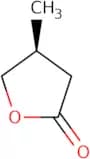
CAS:<p>(S)-Beta-methyl-gamma-butyrolactone is a synthetic vitamin D2 that is used in the synthesis of calciferol. It is also used for the stereospecific synthesis of 25-hydroxyvitamin D3, which is an active metabolite of vitamin D2. The compound has been found to be effective against rickets, hypocalcemia, and osteomalacia. (S)-beta-methyl-gamma-butyrolactone has shown optical activity and can be used as a chiral auxiliary in the syntheses of vitamin A, retinoids, and other drugs that require optically pure starting materials.</p>Formula:C5H8O2Purity:Min. 95%Color and Shape:Clear LiquidMolecular weight:100.12 g/molH-His-Pro-NH2·2 HBr
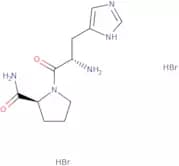
CAS:<p>Please enquire for more information about H-His-Pro-NH2·2 HBr including the price, delivery time and more detailed product information at the technical inquiry form on this page</p>Formula:C11H17N5O2·2HBrPurity:Min. 95%Molecular weight:413.11 g/molRetrocyclin-1 trifluoroacetate salt
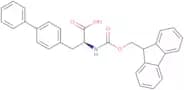
CAS:<p>Retrocyclin-1 trifluoroacetate salt is a synthetic antimicrobial peptide, which is derived from humanized sequences based on the theta-defensin family, originally found in certain primates. Retrocyclin-1 is particularly notable for its circular structure which contributes to its stability and biological activity. The peptide is produced through a process of solid-phase peptide synthesis, designed to mimic the native cyclic conformation of natural theta-defensins.</p>Formula:C74H128N30O18S6Purity:Min. 95%Molecular weight:1,918.4 g/molFmoc-p-phenyl-L-phenylalanine
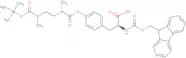
CAS:<p>Fmoc-p-phenyl-L-phenylalanine (FMPP) is a fluorescent probe that can be used to detect and diagnose damage in tissues. It is a small molecule that has been shown to bind to myocytes and cardiac tissues, specifically targeting skeletal and cardiac muscle. FMPP binds to the amino acid phenylalanine, which is found in high concentrations in cardiac tissue. This binding causes an increase in fluorescence, which can be detected by light microscopy or flow cytometry. FMPP has been used to detect damage in heart muscles of mice with dilated cardiomyopathy and also as a probe for myocardial infarctions in humans.</p>Formula:C30H25NO4Purity:Min. 98 Area-%Color and Shape:PowderMolecular weight:463.52 g/molFmoc-Tyr(Boc-Nmec)-OH
CAS:<p>Fmoc-Tyr(Boc-Nmec)-OH is a hydrophobic amino acid that can be used in the synthesis of peptides. It is soluble in organic solvents and has been shown to have intramolecular cyclization reaction. Fmoc-Tyr(Boc-Nmec)-OH can be coupled with other amino acids using an amide bond, and has been shown to react with cationic groups such as tyrosine residues. This compound is often used in solid-phase peptide synthesis, where the product is cleaved from the resin by the action of aqueous acid or base before being purified. Fmoc-Tyr(Boc-Nmec)-OH can also be used for neutralizing alkaline conditions during peptide synthesis.</p>Formula:C34H39N3O8Purity:Min. 95%Molecular weight:617.69 g/molH-Gly-Ala-Asp-OH
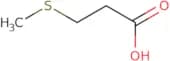
CAS:<p>H-Gly-Ala-Asp-OH is a pharmacological treatment for bacterial infection. The drug has been shown to be effective in treating the symptoms of bacterial infections, such as fever and headache, in animal models. H-Gly-Ala-Asp-OH binds to the GABA receptor and inhibits the production of GABA, which is an inhibitory neurotransmitter that regulates neuronal activity. This binding prevents the formation of an inhibitor complex with the enzyme decarboxylase that is required for GABA synthesis and thus inhibits protein synthesis and cell division.</p>Formula:C9H15N3O6Purity:Min. 98 Area-%Color and Shape:PowderMolecular weight:261.23 g/mol3-Methylthiopropionic acid
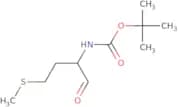
CAS:<p>3-Methylthiopropionic acid is a bacterial metabolite that can serve as an alternative carbon source for the production of amino acids. 3-Methylthiopropionic acid is used to study the effect of matrix on enzyme activities, and has been shown to have protein-binding properties. The compound also serves as a precursor in the synthesis of tiglic acid, which is a lysine precursor. 3-Methylthiopropionic acid has been found to be effective in slowing the growth of cancer cells. It has been shown to inhibit fatty acid synthesis, and may also inhibit methionine synthetase activity and cell proliferation.</p>Formula:C4H8O2SPurity:Min. 95%Color and Shape:Colourless To Pale Yellow LiquidMolecular weight:120.17 g/mol(N-Me-Phe7)-Neurokinin B trifluoroacetate salt
CAS:<p>Please enquire for more information about (N-Me-Phe7)-Neurokinin B trifluoroacetate salt including the price, delivery time and more detailed product information at the technical inquiry form on this page</p>Formula:C60H81N13O14S2Purity:Min. 95%Molecular weight:1,272.5 g/molRanalexin
CAS:<p>Ranalexin is a peptide antibiotic that has been isolated from the fungus Penicillium patulum. It is an antimicrobial peptide and has shown antibacterial efficacy against gram-positive bacteria, including methicillin-resistant Staphylococcus aureus and Enterococcus faecalis. Ranalexin binds to bacterial membrane receptors, leading to rapid cell death. The biological properties of ranalexin are still being studied in order to determine its mechanism of action.</p>Formula:C97H167N23O22S3Purity:Min. 95%Molecular weight:2,103.7 g/molMast Cell Degranulating (MCD) Peptide HR-1
CAS:<p>Please enquire for more information about Mast Cell Degranulating (MCD) Peptide HR-1 including the price, delivery time and more detailed product information at the technical inquiry form on this page</p>Formula:C71H133N19O15Purity:Min. 95%Molecular weight:1,492.93 g/molH-Trp-Phe-Tyr-Ser(PO3H2)-Pro-Arg-AMC trifluoroacetate salt
CAS:<p>Please enquire for more information about H-Trp-Phe-Tyr-Ser(PO3H2)-Pro-Arg-AMC trifluoroacetate salt including the price, delivery time and more detailed product information at the technical inquiry form on this page</p>Formula:C53H62N11O13PPurity:Min. 95%Molecular weight:1,092.1 g/mol(Glu8·9)-Helodermin
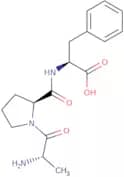
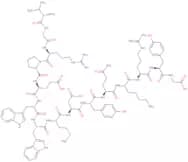
CAS:<p>Please enquire for more information about (Glu8·9)-Helodermin including the price, delivery time and more detailed product information at the technical inquiry form on this page</p>Formula:C176H283N45O51Purity:Min. 95%Molecular weight:3,845.4 g/molH-Ala-Pro-Phe-OH
CAS:<p>Please enquire for more information about H-Ala-Pro-Phe-OH including the price, delivery time and more detailed product information at the technical inquiry form on this page</p>Formula:C17H23N3O4Purity:Min. 95%Molecular weight:333.38 g/molH-Trp-Asp-OH trifluoroacetic acid
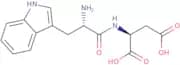
CAS:<p>H-Trp-Asp-OH trifluoroacetic acid is a protein that is localized in the kinase domain of the gene product. It has been shown to activate leishmania and human serum regulatory proteins. H-Trp-Asp-OH trifluoroacetic acid binds to guanine nucleotide binding proteins in the nuclear DNA, which may play a role in mitotic checkpoint control. This protein has also been shown to have basic properties and may be involved in plant metabolism.</p>Formula:C17H18N3O7F3Purity:Min. 95%Molecular weight:319.31 g/molH-β-Ala-Ala-OH
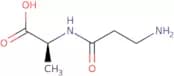
CAS:<p>Please enquire for more information about H-beta-Ala-Ala-OH including the price, delivery time and more detailed product information at the technical inquiry form on this page</p>Formula:C6H12N2O3Purity:Min. 95%Molecular weight:160.17 g/molH-D-Met-Met-OH
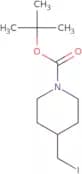
CAS:<p>H-D-Met-Met-OH is a synthetic compound, which is an optical isomer of DL-methionine. It has been shown to have the same biochemical and dietary concentrations as DL-methionine. H-D-Met-Met-OH has also been shown to have a linear response in bioassays, assays and other biochemical pathways. The thermodynamic properties of this compound are also similar to those of DL-methionine, although it is not as stable. This compound can be used as a substitute for DL-methionine because it has an identical chemical structure and can be converted into L -methionine by the enzyme methioninase.</p>Formula:C10H20N2O3S2Purity:Min. 95%Molecular weight:280.41 g/mol1-Boc-4-Iodomethyl-Piperidine
CAS:<p>Please enquire for more information about 1-Boc-4-Iodomethyl-Piperidine including the price, delivery time and more detailed product information at the technical inquiry form on this page</p>Formula:C11H20INO2Color and Shape:PowderMolecular weight:325.19 g/molH-Gly-Gly-His-Ala-OH
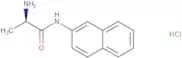
CAS:<p>H-Gly-Gly-His-Ala-OH is a peptide of four amino acids. It has been shown experimentally that the side chain of His is always oriented in the same direction, regardless of the conformation. The proton shift constants and vicinal coupling constants for Gly, Gly and Ala are constant, while His has a variable proton shift constant. The experimental parameters for the molecule have been rationalized by using conformational shifts to explain their variability. For example, the proton shift constants have been found to be dependent on the rotation about an axis perpendicular to the peptide backbone. H-Ala-Gly-Gly-His-OH is a pentapeptide with five amino acids that differs from HGGHAOH by having Ala instead of His at position 1. The vicinal coupling constants are different and so are other experimental parameters.</p>Formula:C13H20N6O5Purity:Min. 95%Molecular weight:340.34 g/molH-D-Ala-bNA·HCl
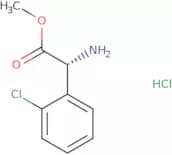
CAS:<p>Please enquire for more information about H-D-Ala-bNA·HCl including the price, delivery time and more detailed product information at the technical inquiry form on this page</p>Formula:C13H14N2O·HClPurity:Min. 95%Molecular weight:250.72 g/molD-(-)-2-Chlorophenylglycine methyl ester hydrochloride
CAS:<p>Please enquire for more information about D-(-)-2-Chlorophenylglycine methyl ester hydrochloride including the price, delivery time and more detailed product information at the technical inquiry form on this page</p>Formula:C9H10ClNO2•HClPurity:Min. 95%Molecular weight:236.1 g/molH-Gly-Asp-Arg-Ala-Asp-Gly-Gln-Pro-Ala-Gly-Asp-Arg-Ala-Asp-Gly-Gln-Pro-Ala-OH
CAS:<p>Please enquire for more information about H-Gly-Asp-Arg-Ala-Asp-Gly-Gln-Pro-Ala-Gly-Asp-Arg-Ala-Asp-Gly-Gln-Pro-Ala-OH including the price, delivery time and more detailed product information at the technical inquiry form on this page</p>Formula:C68H108N26O29Purity:Min. 95%Molecular weight:1,753.74 g/molFluorescein-6-carbonyl-Leu-Glu(OMe)-His-DL-Asp(OMe)-fluoromethylketone
CAS:<p>Please enquire for more information about Fluorescein-6-carbonyl-Leu-Glu(OMe)-His-DL-Asp(OMe)-fluoromethylketone including the price, delivery time and more detailed product information at the technical inquiry form on this page</p>Formula:C45H47FN6O14Purity:Min. 95%Molecular weight:914.89 g/molFmoc-D-Trp(Me)-OH
CAS:Controlled Product<p>Please enquire for more information about Fmoc-D-Trp(Me)-OH including the price, delivery time and more detailed product information at the technical inquiry form on this page</p>Formula:C27H24N2O4Purity:Min. 95%Molecular weight:440.49 g/molBiotinyl-ε-aminocaproyl-Tyr(PO3H2)-Glu-Glu-Ile-OH
CAS:<p>Please enquire for more information about Biotinyl-epsilon-aminocaproyl-Tyr(PO3H2)-Glu-Glu-Ile-OH including the price, delivery time and more detailed product information at the technical inquiry form on this page</p>Formula:C41H62N7O16PSPurity:Min. 95%Molecular weight:972.01 g/mol(Arg8)-Vasopressin (4-9)
CAS:<p>Please enquire for more information about (Arg8)-Vasopressin (4-9) including the price, delivery time and more detailed product information at the technical inquiry form on this page</p>Formula:C25H44N12O8SPurity:Min. 95%Molecular weight:672.76 g/molH-Glu(EDANS)-Lys-Pro-Ala-Lys-Phe-Phe-Arg-Leu-Lys(DABCYL)-NH2 trifluoroacetate salt
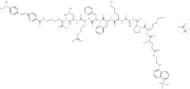
CAS:<p>Please enquire for more information about H-Glu(EDANS)-Lys-Pro-Ala-Lys-Phe-Phe-Arg-Leu-Lys(DABCYL)-NH2 trifluoroacetate salt including the price, delivery time and more detailed product information at the technical inquiry form on this page</p>Formula:C88H124N22O15SPurity:Min. 95%Molecular weight:1,762.13 g/molH-Gly-His-OH
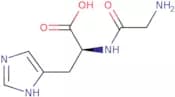
CAS:<p>H-Gly-His-OH is a cationic surfactant that can be used as an emulsifying agent, dispersing agent, or wetting agent. It has been shown to form model complexes with hydrogen bond strength and the ability to bind to nitrogen atoms. H-Gly-His-OH has been detected in a detectable concentration of 0.01% in neutral pH and at least 0.1% in acidic pH. The chemical shift of the proton NMR spectra for H-Gly-His-OH are found at 8.5 ppm (δ) and 8.2 ppm (δ). Magnetic resonance spectroscopy performed on ternary mixtures containing H-Gly-His-OH show peaks at δ 2.6 ppm and δ 1.9 ppm from the amide protons of the His residue, which are characteristic for this molecule's chemical structure.</p>Formula:C8H12N4O3Purity:Min. 95%Molecular weight:212.21 g/molBAM-22P (8-22) trifluoroacetate salt
CAS:<p>BAM-22P (8-22) trifluoroacetate salt is a compound that has been shown to be an effective drug for the treatment of pain. It has been shown to have an effect on bone cancer, which can be activated by serotonin. This compound may be beneficial in treating nerve injury and fibrosarcoma cells. BAM-22P (8-22) trifluoroacetate salt is an allosteric modulator of the serotonin receptor and may be used as a treatment for pain in wild-type mice. The molecule is also a serotonin reuptake inhibitor, which prevents the reuptake of serotonin into the presynaptic neuron. This leads to increased levels of serotonin in the synapse and increased pain relief.</p>Formula:C91H127N25O23SPurity:Min. 95%Molecular weight:1,971.2 g/molFA-Phe-Val-NH2
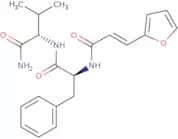
CAS:<p>Please enquire for more information about FA-Phe-Val-NH2 including the price, delivery time and more detailed product information at the technical inquiry form on this page</p>Formula:C21H25N3O4Purity:Min. 95%Molecular weight:383.44 g/molH-His-Leu-Pro-Pro-Pro-Val-His-Leu-Pro-Pro-Pro-Val-OH
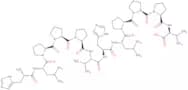
CAS:<p>Please enquire for more information about H-His-Leu-Pro-Pro-Pro-Val-His-Leu-Pro-Pro-Pro-Val-OH including the price, delivery time and more detailed product information at the technical inquiry form on this page</p>Formula:C64H98N16O13Purity:Min. 95%Molecular weight:1,299.56 g/molSyntide 2 trifluoroacetate salt
CAS:<p>Syntide 2 is a diacylglycerol, which has been found to have a number of biochemical properties. It is an activator of protein kinase C and has been shown to be reactive in vitro assays. Syntide 2 has also been found to activate the light chain kinase in plant physiology. This compound has also been shown to promote neuronal death and may have a role in transcriptional regulation. Syntide 2 is used as a model system for studying the physiological function of α subunit-containing proteins.</p>Formula:C68H122N20O18Purity:Min. 95%Molecular weight:1,507.82 g/mol(R)-N-Glycidylphthalimide
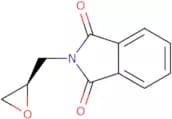
CAS:<p>R-N-Glycidylphthalimide is an enantioselective chiral reagent that is used to produce optically pure alcohols. It has been shown to have antibacterial activity in a number of carboxylic acid derivatives. R-N-Glycidylphthalimide was shown to be a good solvating agent, with the ability to form hydrogen bonds with water molecules and hydroxyl groups on proteins. R-N-Glycidylphthalimide is also useful for the synthesis of chiral amines, including ethylamine and amino acids, which are important in the pharmaceutical industry.</p>Formula:C11H9NO3Purity:Min. 95%Color and Shape:White/Off-White SolidMolecular weight:203.19 g/molH-Gln-Glu-OH
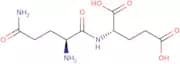
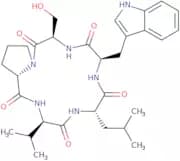
CAS:<p>H-Gln-Glu-OH is a pharmacological inhibitor that blocks the epidermal growth factor receptor (EGFR) and inhibits cell proliferation. It has been shown to inhibit endothelial cell proliferation in vitro. H-Gln-Glu-OH also inhibits the tyrosine kinase activity of EGFR, which is necessary for the activation of phospholipase C. This inhibition prevents atherogenic cell functions and has been shown to inhibit the growth of human epidermoid carcinoma in tissue culture.</p>Formula:C10H17N3O6Purity:Min. 95%Molecular weight:275.26 g/molCyclo(-D-Ser-Pro-D-Val-Leu-D-Trp)
CAS:<p>Please enquire for more information about Cyclo(-D-Ser-Pro-D-Val-Leu-D-Trp) including the price, delivery time and more detailed product information at the technical inquiry form on this page</p>Formula:C30H42N6O6Purity:Min. 95%Molecular weight:582.69 g/molH-Asp(OtBu)-2-chlorotrityl resin (200-400 mesh)
<p>Please enquire for more information about H-Asp(OtBu)-2-chlorotrityl resin (200-400 mesh) including the price, delivery time and more detailed product information at the technical inquiry form on this page</p>Purity:Min. 95%CGRP (chicken) trifluoroacetate salt
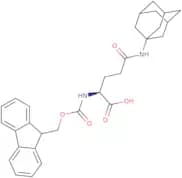
CAS:<p>Trifluoroacetate salt</p>Formula:C165H262N52O50S2Purity:Min. 95%Molecular weight:3,838.3 g/molFmoc-Gln(1-adamantyl)-OH
CAS:<p>Please enquire for more information about Fmoc-Gln(1-adamantyl)-OH including the price, delivery time and more detailed product information at the technical inquiry form on this page</p>Formula:C30H34N2O5Purity:Min. 95%Molecular weight:502.6 g/molH-Arg-ε-aminocaproyl-Arg-ε-aminocaproyl-Arg-ε-aminocaproyl-Arg-ε-aminocaproyl-Arg-ε-aminocaproyl-Arg-e psilon-aminocaproyl-Arg-OH trifluoroacetate salt
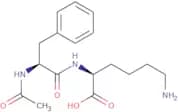
CAS:<p>Please enquire for more information about H-Arg-epsilon-aminocaproyl-Arg-epsilon-aminocaproyl-Arg-epsilon-aminocaproyl-Arg-epsilon-aminocaproyl-Arg-epsilon-aminocaproyl-Arg-e psilon-aminocaproyl-Arg-OH trifluoroacetate salt including the price, delivery time and more detailed product information at the technical inquiry form on this page</p>Formula:C78H152N34O14Purity:Min. 95%Molecular weight:1,790.26 g/molAc-Phe-Lys-OH
CAS:<p>Ac-Phe-Lys-OH is a synthetic peptide that mimics the lysine side chain of L-lysine. It has been shown to be cytotoxic to cancer cells and cardiac cells, with the formation rate of Ac-Phe-Lys-OH being dependent on the concentration of glycolaldehyde. The reaction yield for Ac-Phe-Lys-OH is also dependent on creatine kinase activity. Acetylation of Ac-Phe-Lys-OH reduces its cytotoxicity and increases its solubility in water.</p>Formula:C17H25N3O4Purity:Min. 95%Molecular weight:335.4 g/mol3-(4-Methoxybenzoyl)acrylic acid
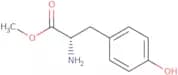
CAS:<p>Please enquire for more information about 3-(4-Methoxybenzoyl)acrylic acid including the price, delivery time and more detailed product information at the technical inquiry form on this page</p>Formula:C11H10O4Purity:Min. 95%Color and Shape:PowderMolecular weight:206.19 g/molMethyl L-tyrosinate
CAS:<p>Methyl-L-tyrosinate is a drug that has been shown to increase the activity of tyrosinase, an enzyme involved in the production of melanin. It also prevents the oxidation of tyrosine and phenylalanine, which are precursors to melanin. Methyl L-tyrosinate has been studied for its potential effects on hepatitis and Parkinson's disease. This drug binds to the hydroxyl group of tyrosinase and inhibits its activity. The inhibition of this enzyme leads to a decrease in melanin synthesis, which may be beneficial for those with vitiligo or other skin disorders where pigment loss is desired. This drug also prevents oxidative carbonylation and functional assays have shown that it has an affinity for potassium ion coordination chemistry.</p>Formula:C10H13NO3Purity:Min. 95%Molecular weight:195.22 g/molH-Thr-Gly-OH
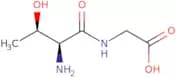
CAS:<p>H-Thr-Gly-OH is a synthetic polymerase chain reaction product. It is a mixture of H-Thr and Gly, which are two amino acids that are involved in the replication of DNA. The sequences of these two amino acids have been determined and found to be phylogenetically related to each other. H-Thr-Gly-OH was synthesized by the ethyl esterification of H-Thr with Gly. This reaction product has been shown to have locomotor activity in Drosophila melanogaster and may also possess some other properties that are unknown at this time.</p>Formula:C6H12N2O4Purity:Min. 95%Molecular weight:176.17 g/molFmoc-Ile-Thr(Psi(Me ,Me)pro)-OH
CAS:<p>Please enquire for more information about Fmoc-Ile-Thr(Psi(Me ,Me)pro)-OH including the price, delivery time and more detailed product information at the technical inquiry form on this page</p>Formula:C28H34N2O6Purity:Min. 95%Molecular weight:494.58 g/mol







![([13C6]Leu6)-Endothelin-1 (human, bovine, dog, mouse, porcine, rat) acetate salt](/_next/image/?url=https%3A%2Fstatic.cymitquimica.com%2Fproducts%2F3D%2Fthumb-webp%2FFL110023.webp&w=3840&q=75)