Amino Acids (AA)
Amino acids (AAs) are the fundamental building blocks of proteins, playing a crucial role in various biological processes. These organic compounds are essential for protein synthesis, metabolic pathways, and cell signaling. In this category, you will find a comprehensive range of amino acids, including essential, non-essential, and modified forms, which are vital for research in biochemistry, molecular biology, and nutritional sciences. At CymitQuimica, we provide high-quality amino acids to support your research and development needs, ensuring accuracy and reliability in your experimental outcomes.
Subcategories of "Amino Acids (AA)"
- Amino Acid Derivatives(3,957 products)
- Amino Acid and Amino Acid Related Compounds(3,472 products)
- Amino Acids with Oxygen or Sulphur(168 products)
- Boc- Amino Acids(351 products)
- Fmoc Amino Acids(1,710 products)
Found 38265 products of "Amino Acids (AA)"
Sort by
Purity (%)
0
100
|
0
|
50
|
90
|
95
|
100
Octreotide trifluoroacetate salt (Dimer, Antiparallel) (
<p>Please enquire for more information about Octreotide trifluoroacetate salt (Dimer, Antiparallel) ( including the price, delivery time and more detailed product information at the technical inquiry form on this page</p>Formula:C98H132N20O20S4Purity:Min. 95%Molecular weight:2,038.48 g/molSuc-Ala-Gln-Pro-Phe-pNA
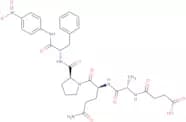
CAS:<p>Suc-Ala-Gln-Pro-Phe-pNA is a peptide that is composed of 18 amino acids. This peptide has a molecular weight of 2,812. It has been shown to have biochemical activity in vitro and in vivo. Suc-Ala-Gln-Pro-Phe-pNA is an erythropoietin receptor agonist that has shown homologous sequences with tyrosine kinase receptors and collagen. This protein was expressed in the endoplasmic reticulum, cytosol, and mitochondria of cells. The enzyme phosphatase hydrolyzed the peptide during incubation with calf thymus DNA.</p>Formula:C32H39N7O10Purity:Min. 95%Molecular weight:681.69 g/molDecanoyl-Arg-Val-Arg-Lys-chloromethylketone
CAS:<p>Decanoyl-Arg-Val-Arg-Lys-chloromethylketone is a potent activin antagonist that has been shown to inhibit follicle development in ovary cells. It also blocks the protease activity of leishmania, which is a parasite that causes cutaneous leishmaniasis. This drug binds to proteases and inhibits their activity by competing with substrates for the active site. Decanoyl-Arg-Val-Arg-Lys-chloromethylketone is not expressed in the submandibular gland or the submaxillary gland, which are salivary glands.</p>Formula:C34H66ClN11O5Purity:Min. 95%Molecular weight:744.41 g/molH-Gly-Tyr-Ala-OH
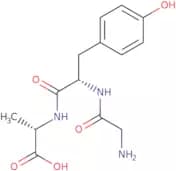
CAS:<p>H-Gly-Tyr-Ala-OH is a hydrophobic, reactive molecule that has been shown to be unstable in the presence of light and air. This compound is synthesized by the sequence: Gly-Tyr-Ala. It has been found to be an exciplex with the photooxidation product, 2-aminoacetophenone. The molecular weight of H-Gly-Tyr-Ala-OH is constant and can be determined by electrospray mass spectrometry. This molecule has shown to have a strong interaction with ovary tissue and can also produce carboxylate ions in solution.</p>Formula:C14H19N3O5Purity:Min. 95%Molecular weight:309.32 g/molH-Phe-Gly-Phe-Gly-OH
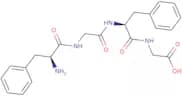
CAS:<p>H-Phe-Gly-Phe-Gly-OH is a neutral, uv absorbing molecule. It can be found as a tetrapeptide sequence and in the form of isomers. H-Phe-Gly-Phe-Gly-OH is also known as Ileahexocin. The chemical ionization and matrix assisted laser desorption/ionization techniques have been used to detect this molecule in different matrices. H-Phe-Gly-Phe-Gly-OH has been shown to inhibit fatty acid synthesis, which may be due to its inhibition of the enzyme acetyl coenzyme A carboxylase (ACC). This molecule has also been shown to inhibit tripeptide synthesis, which may be due to its inhibition of the enzyme dipeptidyl peptidase IV (DPIV).</p>Formula:C22H26N4O5Purity:Min. 95%Color and Shape:PowderMolecular weight:426.47 g/molZ-N-Me-D-Ser(tBu)-OH·DCHA
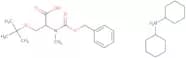
CAS:Controlled Product<p>Please enquire for more information about Z-N-Me-D-Ser(tBu)-OH·DCHA including the price, delivery time and more detailed product information at the technical inquiry form on this page</p>Formula:C16H23NO5·C12H23NPurity:Min. 95%Molecular weight:490.68 g/molH-D-Leu-pNA
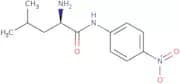
CAS:<p>Please enquire for more information about H-D-Leu-pNA including the price, delivery time and more detailed product information at the technical inquiry form on this page</p>Formula:C12H17N3O3Purity:Min. 95%Molecular weight:251.28 g/molH-Leu-Arg-Pro-OH
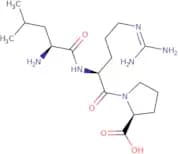
CAS:<p>Please enquire for more information about H-Leu-Arg-Pro-OH including the price, delivery time and more detailed product information at the technical inquiry form on this page</p>Formula:C17H32N6O4Purity:Min. 95%Molecular weight:384.47 g/molH-Ser-Tyr-betaNA
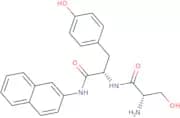
CAS:<p>Please enquire for more information about H-Ser-Tyr-betaNA including the price, delivery time and more detailed product information at the technical inquiry form on this page</p>Formula:C22H23N3O4Purity:Min. 95%Molecular weight:393.44 g/molBoc-Homoarg-OH·HCl
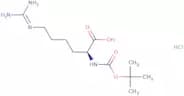
CAS:<p>Please enquire for more information about Boc-Homoarg-OH·HCl including the price, delivery time and more detailed product information at the technical inquiry form on this page</p>Formula:C12H24N4O4·HClPurity:Min. 95%Molecular weight:324.8 g/molCyclolinopeptide B Cyclo(-Pro-Pro-Phe-Phe-Val-Ile-Met-Leu-Ile)
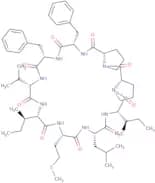
CAS:<p>Please enquire for more information about Cyclolinopeptide B Cyclo(-Pro-Pro-Phe-Phe-Val-Ile-Met-Leu-Ile) including the price, delivery time and more detailed product information at the technical inquiry form on this page</p>Formula:C56H83N9O9SPurity:Min. 95%Molecular weight:1,058.38 g/molBiotinyl-(Gln1)-Gastrin I (human) Biotinyl-Gln-Gly-Pro-Trp-Leu-Glu-Glu-Glu-Glu-Glu-Ala-Tyr-Gly-Trp-Met-Asp-Phe-NH2
CAS:<p>Please enquire for more information about Biotinyl-(Gln1)-Gastrin I (human) Biotinyl-Gln-Gly-Pro-Trp-Leu-Glu-Glu-Glu-Glu-Glu-Ala-Tyr-Gly-Trp-Met-Asp-Phe-NH2 including the price, delivery time and more detailed product information at the technical inquiry form on this page</p>Formula:C107H141N23O33S2Purity:Min. 95%Molecular weight:2,341.53 g/mol1,2-Distearoyl-rac-glycero-3-phosphocholine
CAS:<p>1,2-Distearoyl-rac-glycero-3-phosphocholine is a synthetic phospholipid, which is typically derived from the hydrogenation of naturally occurring lecithins. This compound serves as a key structural component in lipid bilayers, joining polar heads with hydrophobic tails to form stable membranes.</p>Formula:C44H88NO8PPurity:Min. 95%Molecular weight:790.15 g/molEglin c (60-63)-methyl ester acetate salt
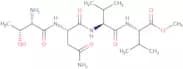
CAS:<p>Eglin C (60-63)-methyl ester acetate salt H-Thr-Asn-Val-Val-OMe acetate salt is a novel, potent cathepsin inhibitor that has inhibitory effects on leukocyte elastase. It is a hydrophobic and highly lipophilic molecule with a high degree of solubility in organic solvents. The amino acid residues are the key functional group responsible for the inhibitory effects of Eglin C.</p>Formula:C19H35N5O7Purity:Min. 95%Molecular weight:445.51 g/molHIV-1 gag Protein p24 (194-210)
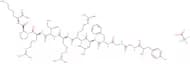
CAS:<p>Please enquire for more information about HIV-1 gag Protein p24 (194-210) including the price, delivery time and more detailed product information at the technical inquiry form on this page</p>Formula:C73H126N20O23SPurity:Min. 95%Molecular weight:1,683.97 g/molNeuromedin U-8 (porcine) trifluoroacetate salt
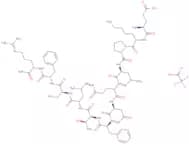
CAS:<p>Neuromedin U-8 (porcine) trifluoroacetate salt H-Tyr-Phe-Leu-Phe-Arg-Pro-Arg-Asn-NH2 trifluoroacetate salt is a molecule that inhibits the action of vasoactive intestinal peptide. It is a peptide hormone that has been shown to be involved in the regulation of bowel function and blood pressure. Neuromedin U-8 (porcine) trifluoroacetate salt H-Tyr-Phe-Leu-Phe-Arg-Pro-Arg-Asn NH2 trifluoroacetate salt has also been shown to inhibit cell proliferation, cancer, and inflammatory bowel disease. Neuromedin U 8 (porcine) trifluoroacetate salt H Tyr Phe Leu Phe Arg Pro Arg Asn NH2 trifluoroacetate salt binds to the receptor for</p>Formula:C54H78N16O10Purity:Min. 95%Molecular weight:1,111.3 g/molAnnexin A1 (1-11) (dephosphorylated) (human, bovine, chicken, porcine) trifluoroacetate salt
CAS:<p>Annexin A1 (1-11) is a peptide that is part of the annexin family. It is involved in the degranulation of cells and inhibits inflammation by inhibiting the production of pro-inflammatory cytokines. Annexin A1 (1-11) has been shown to be an anti-inflammatory compound as it binds to phospholipids on the surface of neutrophils, leading to inhibition of their chemotaxis and phagocytosis. This peptide also interacts with other annexins and prevents apoptosis by blocking caspase activity. Finally, it has been found that annexin A1 (1-11) can promote the healing of wounds in mice by accelerating reepithelialization and reducing scar formation. The concentration required for these effects are nanomolar concentrations.</p>Formula:C63H94N14O17SPurity:Min. 95%Molecular weight:1,351.57 g/molAmyloid P Component (27-38) amide trifluoroacetate salt
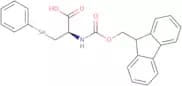
CAS:<p>Please enquire for more information about Amyloid P Component (27-38) amide trifluoroacetate salt including the price, delivery time and more detailed product information at the technical inquiry form on this page</p>Formula:C68H107N19O17SPurity:Min. 95%Molecular weight:1,494.76 g/molFmoc-L-Sec(phenyl)-OH
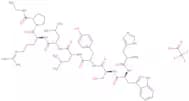
CAS:<p>Please enquire for more information about Fmoc-L-Sec(phenyl)-OH including the price, delivery time and more detailed product information at the technical inquiry form on this page</p>Formula:C24H21NO4SePurity:Min. 95%Molecular weight:466.39 g/mol(Des-Pyr 1,Des-Gly10,D-Leu6,Pro-NHEt 9)-LHRH trifluoroacetate salt
CAS:<p>Please enquire for more information about (Des-Pyr 1,Des-Gly10,D-Leu6,Pro-NHEt 9)-LHRH trifluoroacetate salt including the price, delivery time and more detailed product information at the technical inquiry form on this page</p>Formula:C54H79N15O10Purity:Min. 95%Molecular weight:1,098.3 g/molLeptin (93-105) (human)
CAS:<p>Please enquire for more information about Leptin (93-105) (human) including the price, delivery time and more detailed product information at the technical inquiry form on this page</p>Formula:C64H110N20O23Purity:Min. 95%Molecular weight:1,527.68 g/molH-Leu-Gly-Gly-OH
CAS:<p>H-Leu-Gly-Gly-OH is a protease enzyme that belongs to the family of hydrolases. It has been shown to have proteolytic activity with casein and protein synthesis with pancreatic enzymes. The kinetic data for this enzyme were determined by measuring the rate of hydrolysis at different pH levels. The optimum pH for this enzyme is 6.0, with a maximum activity at pH 7.5 and an inhibition at pH 4.0. This enzyme can be found in either the free form or as an integral membrane protein in lysosomes, where it exhibits high affinity for hydrogen bonds and low affinity for ionic bonds. H-Leu-Gly-Gly-OH is used in analytical methods such as chromatography and spectrophotometry to identify proteins in biological samples.END></p>Formula:C10H19N3O4Purity:Min. 95%Molecular weight:245.28 g/molKisspeptin-13 (human) trifluoroacetate salt
CAS:<p>Please enquire for more information about Kisspeptin-13 (human) trifluoroacetate salt including the price, delivery time and more detailed product information at the technical inquiry form on this page</p>Formula:C78H107N21O18Purity:Min. 95%Molecular weight:1,626.81 g/mol[2,6-Dimethyl-4-(3-[2-(Z-amino)-ethylcarbamoyl]-propoxy)-benzenesulfonyl]-Dap (Boc)-OMe
CAS:<p>Please enquire for more information about [2,6-Dimethyl-4-(3-[2-(Z-amino)-ethylcarbamoyl]-propoxy)-benzenesulfonyl]-Dap (Boc)-OMe including the price, delivery time and more detailed product information at the technical inquiry form on this page</p>Formula:C31H44N4O10SPurity:Min. 95%Molecular weight:664.77 g/molH-Leu-Trp-Met-Arg-Phe-OH acetate salt
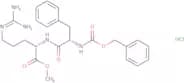
CAS:<p>H-Leu-Trp-Met-Arg-Phe-OH acetate salt is a molecule that transports amino acids across the cell membrane of bacteria, preventing bacterial growth. It is produced by proctolin and functional groups in dental plaque. This compound has been shown to inhibit the growth of bacteria in vitro by binding to hypochlorous acid, which is part of the antimicrobial activity of human neutrophils. H-Leu-Trp-Met-Arg-Phe-OH acetate salt has been used as a tracer for studying amino acid transport in E. coli cells and its uptake into extracellular vesicles. The product can also be used as an antiplaque agent due to its ability to inhibit the acid transport system and uptake of amino acids from the environment.</p>Formula:C37H53N9O6SPurity:Min. 95%Molecular weight:751.94 g/molZ-Phe-Arg-OMe·HCl
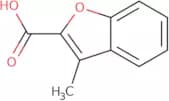
CAS:<p>Please enquire for more information about Z-Phe-Arg-OMe·HCl including the price, delivery time and more detailed product information at the technical inquiry form on this page</p>Formula:C24H31N5O5·HClPurity:Min. 95%Molecular weight:505.99 g/mol3-Methylbenzofuran-2-carboxylic acid
CAS:<p>3-Methylbenzofuran-2-carboxylic acid is a dianion that binds to the cell membrane and inhibits bacterial growth. This compound has been shown to be active against bacteria at low concentrations. 3-Methylbenzofuran-2-carboxylic acid has been used as an antibacterial agent for the treatment of gram-negative bacteria such as Escherichia coli and Proteus mirabilis. It also inhibits the growth of gram-positive bacteria including Staphylococcus aureus, Streptococcus pneumoniae, and Enterococcus faecalis. The reaction temperature required for the synthesis of this compound is high, but it can be prepared at lower temperatures by using anhydrous acetonitrile in place of hydrochloric acid.</p>Formula:C10H8O3Purity:Min. 95%Color and Shape:White PowderMolecular weight:176.17 g/molGM-CSF (96-112)
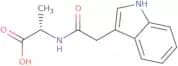
CAS:<p>Please enquire for more information about GM-CSF (96-112) including the price, delivery time and more detailed product information at the technical inquiry form on this page</p>Formula:C88H139N21O29SPurity:Min. 95%Molecular weight:1,987.24 g/molIndole-3-acetic-L-alanine
CAS:<p>Indole-3-acetic-L-alanine is a plant hormone that regulates root formation and transport. It is found in all plants, but the concentration varies depending on the plant, tissue type, and growth conditions. It has been shown to regulate root formation in triticum aestivum by inhibiting auxin transport to the roots. Indole-3-acetic acid also inhibits auxin transport to the shoot apex, leading to increased branching in triticum aestivum. This compound is hydrolyzed by root cell enzymes into indole-3-acetate and L-alanine. Genetic mechanisms underlying this phenomenon are not well understood at this time.</p>Formula:C13H14N2O3Purity:Min. 95%Color and Shape:PowderMolecular weight:246.26 g/molAcetyl-Exenatide trifluoroacetate salt
CAS:<p>Please enquire for more information about Acetyl-Exenatide trifluoroacetate salt including the price, delivery time and more detailed product information at the technical inquiry form on this page</p>Formula:C186H284N50O61SPurity:Min. 95%Molecular weight:4,228.61 g/mol2-Bromo-6-methylpyridin-3-ol
CAS:<p>2-Bromo-6-methylpyridin-3-ol is a heterocyclic organic compound. It is a pyridine ring with two methyl groups attached to the ring at positions 2 and 6. The bromine atom is at position 3. This is an important intermediate in the Suzuki coupling reaction, which uses it as a starting material for the synthesis of many other compounds. The dieckmann condensation reaction produces this compound from 2,6-dichloropyridine and other reagents. Fluorescent when exposed to UV light, this compound has been used as a probe for chloride ions in solution using mass spectroscopy. This substance also yields dieckmann condensation products with alkynes and chlorine or bromine. 2-Bromo-6-methylpyridin-3-ol can be produced by treating pyridine with methylacrylate in the presence of catalysts such as copper(II)</p>Formula:C6H6BrNOPurity:Min. 95%Molecular weight:188.02 g/molH-Gly-Gly-His-Ala-OH
CAS:<p>H-Gly-Gly-His-Ala-OH is a peptide of four amino acids. It has been shown experimentally that the side chain of His is always oriented in the same direction, regardless of the conformation. The proton shift constants and vicinal coupling constants for Gly, Gly and Ala are constant, while His has a variable proton shift constant. The experimental parameters for the molecule have been rationalized by using conformational shifts to explain their variability. For example, the proton shift constants have been found to be dependent on the rotation about an axis perpendicular to the peptide backbone. H-Ala-Gly-Gly-His-OH is a pentapeptide with five amino acids that differs from HGGHAOH by having Ala instead of His at position 1. The vicinal coupling constants are different and so are other experimental parameters.</p>Formula:C13H20N6O5Purity:Min. 95%Molecular weight:340.34 g/molFmoc-D-Val-Wang resin (200-400 mesh)
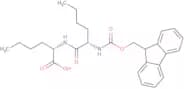
<p>Please enquire for more information about Fmoc-D-Val-Wang resin (200-400 mesh) including the price, delivery time and more detailed product information at the technical inquiry form on this page</p>Purity:Min. 95%Fmoc-Nle-Nle-OH
CAS:<p>Please enquire for more information about Fmoc-Nle-Nle-OH including the price, delivery time and more detailed product information at the technical inquiry form on this page</p>Formula:C27H34N2O5Purity:Min. 95%Molecular weight:466.57 g/molNeuromedin U-23 (rat) trifluoroacetate salt
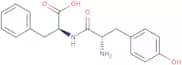
CAS:<p>Neuromedin U-23 (rat) is a peptide that belongs to the family of tachykinins, which are small neuropeptides that act as neurotransmitters in the central nervous system. It is a potent stimulator of intestinal motility and has been shown to have protective effects against oxidative stress in cells. Neuromedin U-23 (rat) shares sequence similarity with human neuromedin N-19 and binds to the same receptors in the brain, suggesting it may have similar physiological effects. This peptide has been shown to inhibit tumor cell growth by inducing apoptosis, but it does not appear to have any effect on healthy cells.</p>Formula:C124H180N34O31Purity:Min. 95%Molecular weight:2,642.97 g/molH-Tyr-Phe-OH
CAS:<p>H-Tyr-Phe-OH is a peptide that is derived from the amino acid sequence of human epidermal growth factor and has been shown to inhibit HIV infection in vitro. H-Tyr-Phe-OH binds to the dna binding site on the protein gp120, which is essential for viral binding to cells and subsequent infection. The peptide has also been shown to bind to serum aminotransferase levels and produce an antibody response in humans. This peptide has biological properties that may be useful for treatment of many infectious diseases, such as hepatitis and HIV infection.</p>Formula:C18H20N2O4Purity:Min. 95%Molecular weight:328.36 g/molAc-Val-Arg-Pro-Arg-AMC trifluoroacetate salt
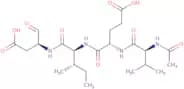
CAS:<p>Please enquire for more information about Ac-Val-Arg-Pro-Arg-AMC trifluoroacetate salt including the price, delivery time and more detailed product information at the technical inquiry form on this page</p>Formula:C34H51N11O7•C2HF3O2Purity:Min. 98 Area-%Color and Shape:PowderMolecular weight:839.86 g/molAc-Val-Glu-Ile-Asp-aldehyde (pseudo acid)
CAS:<p>Ac-Val-Glu-Ile-Asp-aldehyde is a pseudo acid that has been shown to induce apoptotic cell death in cultured cells. It is localized in the cerebellar granule and mitochondria of HL-60 cells and HK-2 cells. Ac-Val-Glu-Ile-Asp-aldehyde induces necrotic cell death when it binds to the serine protease zymogen, which is localized in the mitochondrial membrane. It also induces apoptosis by disrupting the mitochondrial membrane potential, leading to a release of cytochrome c into the cytosol. Ac-Val-Glu-Ile-Asp-aldehyde can bind to annexin and tubule cells, which are important for β cell function.</p>Formula:C22H36N4O9Purity:Min. 95%Molecular weight:500.54 g/molH-His-Glu-OH
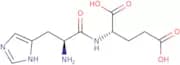
CAS:<p>H-His-Glu-OH is a compound that has been identified in bacterial cells. It is an amino acid with a high concentration of histidine, glutamic acid, and l-glutamic acid. This compound is found in the virus of influenza and may be the active ingredient that induces fever and inflammation. H-His-Glu-OH can be detected by chromatographic methods or clinical chemistry tests. It also has antiviral properties against influenza A (H1N1) virus.</p>Formula:C11H16N4O5Purity:Min. 95%Molecular weight:284.27 g/mol(D-Tyr27·36,D-Thr32)-Neuropeptide Y (27-36) trifluoroacetate salt
CAS:<p>Please enquire for more information about (D-Tyr27·36,D-Thr32)-Neuropeptide Y (27-36) trifluoroacetate salt including the price, delivery time and more detailed product information at the technical inquiry form on this page</p>Formula:C61H99N19O15Purity:Min. 95%Molecular weight:1,338.56 g/molZ-Ile-His-OH
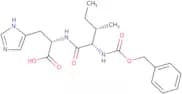
CAS:<p>Please enquire for more information about Z-Ile-His-OH including the price, delivery time and more detailed product information at the technical inquiry form on this page</p>Formula:C20H26N4O5Purity:Min. 95%Molecular weight:402.44 g/mol(Des-Lys38)-M65 trifluoroacetate salt
CAS:<p>Please enquire for more information about (Des-Lys38)-M65 trifluoroacetate salt including the price, delivery time and more detailed product information at the technical inquiry form on this page</p>Formula:C199H314N62O60S5Purity:Min. 95%Molecular weight:4,695.33 g/mol(Trp63,Trp64)-C3a (63-77)
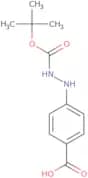
CAS:<p>Please enquire for more information about (Trp63,Trp64)-C3a (63-77) including the price, delivery time and more detailed product information at the technical inquiry form on this page</p>Formula:C86H134N26O18Purity:Min. 95%Molecular weight:1,820.15 g/mol4-(2'-N-Boc-hydrazino)benzoic acid
CAS:<p>Please enquire for more information about 4-(2'-N-Boc-hydrazino)benzoic acid including the price, delivery time and more detailed product information at the technical inquiry form on this page</p>Formula:C12H16N2O4Purity:Min. 95%Molecular weight:252.27 g/molMyristoyl-Phe-Ala-Arg-Lys-Gly-Ala-Leu-Arg-Gln-OH trifluoroacetate salt
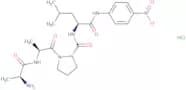
CAS:<p>Please enquire for more information about Myristoyl-Phe-Ala-Arg-Lys-Gly-Ala-Leu-Arg-Gln-OH trifluoroacetate salt including the price, delivery time and more detailed product information at the technical inquiry form on this page</p>Formula:C60H105N17O12Purity:Min. 95%Molecular weight:1,256.58 g/molH-Ala-Ala-Pro-Leu-pNA·HCl
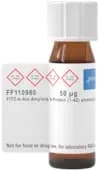
CAS:<p>Please enquire for more information about H-Ala-Ala-Pro-Leu-pNA·HCl including the price, delivery time and more detailed product information at the technical inquiry form on this page</p>Formula:C23H34N6O6·HClPurity:Min. 95%Molecular weight:527.01 g/molFITC-b-Ala-Amyloid b-Protein (1-42) ammonium salt
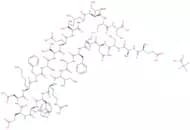
CAS:<p>Please enquire for more information about FITC-b-Ala-Amyloid b-Protein (1-42) ammonium salt including the price, delivery time and more detailed product information at the technical inquiry form on this page</p>Formula:C227H327N57O66S2Purity:Min. 95%Molecular weight:4,974.5 g/molAmylin (human) trifluoroacetate salt
CAS:<p>Amylin is a hormone that regulates the release of insulin from the pancreas. Amylin is a protein that consists of 39 amino acids, and in its natural form it is not soluble in water. The amyloid fibrils are insoluble aggregates of proteins that can be found in the brain tissue of patients with Alzheimer's disease. Amylin has been shown to have an entrapment efficiency greater than 96% by using polymeric particles with a diameter less than 50 microns. These particles are able to increase water solubility and nutrient metabolism, as well as improve evaporation rates. They also provide an increased surface area for absorption and pharmacological properties. Amylin has been shown to lower postprandial glycemia when used with insulin in type II diabetes mellitus patients, and may also be an anorectic agent.</p>Formula:C165H261N51O55S2Purity:Min. 95%Molecular weight:3,903.28 g/molAmyloid Bri Protein (1-23) trifluoroacetate salt
CAS:<p>Please enquire for more information about Amyloid Bri Protein (1-23) trifluoroacetate salt including the price, delivery time and more detailed product information at the technical inquiry form on this page</p>Formula:C116H175N31O35S2Purity:Min. 95%Molecular weight:2,627.95 g/molFA-Ala-Phe-NH2
CAS:<p>FA-Ala-Phe-NH2 is a synthetic, hydrophobic peptide that mimics the structure of a spermatozoal regulatory protein. It has been shown to be an irreversible metal chelator and is used as a substrate in assays for metalloendopeptidases. In vitro studies have also shown that this peptide interacts with lectins and can inhibit the binding of spermatozoa to egg zona pellucida.</p>Formula:C19H21N3O4Purity:Min. 95%Molecular weight:355.39 g/molDynorphin A (1-11) amide trifluoroacetate salt
CAS:<p>Dynorphin A (1-11) amide trifluoroacetate salt is a modified form of the opioid peptide dynorphin, which is a natural ligand for kappa-opioid receptors. It has affinity for the surface receptors and can be used to study the modifications that occur in cell function. Dynorphin A (1-11) amide trifluoroacetate salt has been shown to decrease cell function when it interacts with these surface receptors, which are found in brain homogenates and other tissues. Dynorphin A (1-11) amide trifluoroacetate salt also has an effect on brain cells, which may be due to its ability to alter conformational changes in proteins by binding to them. This can lead to alterations in the structure of certain enzymes or receptor proteins.</p>Formula:C63H104N22O12Purity:Min. 95%Molecular weight:1,361.64 g/molFmoc-Gly-Phe-OH
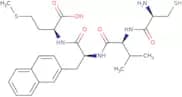
CAS:<p>Fmoc-Gly-Phe-OH is a photolytic residue that has been synthesized by solid-phase techniques. This molecule is an immobilized linker that can be used in photolabile devices to analyze the kinetics of biological processes. Fmoc-Gly-Phe-OH can also be used in supramolecular devices and regenerative medicine to measure the diameter of cells, as well as for regenerative purposes in humans.</p>Formula:C26H24N2O5Purity:Min. 95%Molecular weight:444.48 g/molH-Cys-Val-2-Nal-Met-OH TFA salt
CAS:<p>H-Cys-Val-2-Nal-Met-OH is a peptide sequence that contains two ancillary substituents and one bidentate ligand. It has the potential to be a bioactive ligand due to its ability to form heterocomplexes with coordination complexes. The peptide sequences are dianionic, making them highly suitable for use in labeling experiments. H-Cys-Val-2-Nal-Met-OH is also a ligand that can bind to diphosphine and be used for labeling purposes.</p>Formula:C26H36N4O5S2•C2HF3O2Purity:Min. 95%Molecular weight:662.74 g/molH-Asp(OtBu)-2-chlorotrityl resin (200-400 mesh) (Low Substitution)
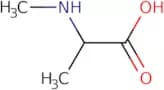
<p>Please enquire for more information about H-Asp(OtBu)-2-chlorotrityl resin (200-400 mesh) (Low Substitution) including the price, delivery time and more detailed product information at the technical inquiry form on this page</p>Purity:Min. 95%N-Methyl-DL-alanine
CAS:<p>N-Methyl-DL-alanine is an amino acid that is also known as d-alanine. It is a precursor for the synthesis of other amino acids such as histidine, methionine, and arginine. N-Methyl-DL-alanine is found in the mitochondria of cells and plays a role in energy metabolism. It has been shown to be taken up by cells through an active transport process and can act as a competitive inhibitor of mitochondrial uptake. At physiological concentrations, N-methyl DL-alanine inhibits fatty acid oxidation by decreasing the activity of carnitine palmitoyltransferase I (CPT I) and enhancing lipid accumulation in the liver. N-Methyl DL-alanine has been shown to inhibit cycloleucin A production by acting as an inhibitor of fatty acid synthase (FAS).</p>Formula:C4H9NO2Purity:Min. 95%Color and Shape:White PowderMolecular weight:103.12 g/mol2-Amino-5-methylpyridine
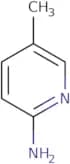
CAS:<p>2-Amino-5-methylpyridine is a chemical compound that belongs to the group of methyl ketones. It has a nitrogen atom and an oxygen atom in its structure, which allows it to form hydrogen bonds with other molecules. 2-Amino-5-methylpyridine can be obtained by reacting hydrochloric acid and xanthone in the presence of a base. The compound is highly reactive and has been shown to have antiinflammatory properties. This can be attributed to its ability to inhibit prostaglandin synthesis. 2-Amino-5-methylpyridine also has fluorescence properties that are sensitive to pH changes and can be used as a probe for metal ions.<br>2-Amino-5-methylpyridine is an organic compound that contains a methyl group, two nitrogen atoms, and one oxygen atom in its chemical structure. This molecule can form hydrogen bonds with other molecules due to its nitrogen atoms and oxygen atom,</p>Formula:C6H8N2Purity:Min. 95%Color and Shape:PowderMolecular weight:108.14 g/molDL-3-Amino-3-phenylpropionic acid
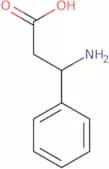
CAS:<p>DL-3-Amino-3-phenylpropionic acid is an amino acid that is synthesized by the reaction of malonic acid and ethyl ester. This compound is a competitive inhibitor of the enzyme pyruvate carboxylase and inhibits this enzyme in the conversion of pyruvic acid to acetyl CoA, which plays a key role in metabolism. DL-3-Amino-3-phenylpropionic acid has been shown to inhibit the growth of bacteria such as Escherichia coli, Salmonella typhimurium and Staphylococcus aureus. The inhibition of pyruvate carboxylase by DL-3-Amino-3-phenylpropionic acid prevents the production of acetaldehyde from pyruvate, which is toxic to cells.</p>Formula:C9H11NO2Purity:Min. 95%Molecular weight:165.19 g/molSomatostatin-25
CAS:<p>Somatostatin-25 H-Ser-Asn-Pro-Ala-Met-Ala-Pro-Arg-Glu-Arg-Lys-Ala-Gly-Cys-Lys-(disulfide bond) is a synthetic somatostatin analog that is conjugated to a linker that allows it to be administered intravenously. Somatostatin inhibits the release of growth hormone and insulin from the anterior pituitary gland, and also inhibits the release of other hormones such as glucagon and thyrotropin. Somatostatin has been shown to be effective in treating kidney disease, a condition characterized by increased levels of creatinine and blood urea nitrogen. This drug has been shown to be reversible with the removal of its linker. Somatostatin binds to receptors on pancreatic cells, inhibiting the secretion of digestive enzymes into the gastrointestinal tract. It also blocks insulin release from pancreatic beta cells, which may</p>Formula:C127H191N37O34S3Purity:Min. 95%Molecular weight:2,876.3 g/molTRAF6 Control Peptide trifluoroacetate salt
CAS:<p>Please enquire for more information about TRAF6 Control Peptide trifluoroacetate salt including the price, delivery time and more detailed product information at the technical inquiry form on this page</p>Formula:C139H232N34O42Purity:Min. 95%Molecular weight:3,051.53 g/molNeuropeptide S (rat) trifluoroacetate salt
CAS:<p>Please enquire for more information about Neuropeptide S (rat) trifluoroacetate salt including the price, delivery time and more detailed product information at the technical inquiry form on this page</p>Formula:C95H160N34O27Purity:Min. 95%Molecular weight:2,210.5 g/molBiotinyl-epsilonAhx-ω-Conotoxin GVIA trifluoroacetate salt
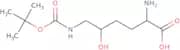
CAS:Controlled Product<p>Please enquire for more information about Biotinyl-epsilonAhx-omega-Conotoxin GVIA trifluoroacetate salt including the price, delivery time and more detailed product information at the technical inquiry form on this page</p>Formula:C136H207N41O46S7Purity:Min. 95%Molecular weight:3,376.81 g/molH-DL-δ-Hydroxy-DL-Lys(Boc)-OH
CAS:<p>Please enquire for more information about H-DL-delta-Hydroxy-DL-Lys(Boc)-OH including the price, delivery time and more detailed product information at the technical inquiry form on this page</p>Formula:C11H22N2O5Purity:Min. 95%Color and Shape:PowderMolecular weight:262.3 g/molAc-Glu-Ser-Met-Asp-aldehyde (pseudo acid)
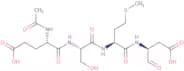
CAS:<p>Ac-Glu-Ser-Met-Asp-aldehyde is a molecule that is naturally produced by the human body. It has been shown to be an endogenous caspase activator, which may lead to apoptosis. Ac-Glu-Ser-Met-Asp-aldehyde can also bind to cholesterol and influence its synthesis, thus affecting the production of other proteins. This molecule has a protease activity and can cleave peptides at specific sites. The sequences of this molecule have been determined and it has been found that these sequences are similar to those found in other proteases such as serine proteases.</p>Formula:C19H30N4O10SPurity:Min. 95%Molecular weight:506.53 g/molSubstance P (5-11) trifluoroacetate salt
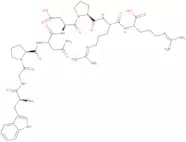
CAS:<p>Substance P is a bifunctional neuropeptide that acts as both a neurotransmitter and a neurohormone. The amino acid sequence of Substance P is H-Gln-Gln-Phe-Phe-Gly-Leu-Met-NH2. It is found in the brain and spinal cord, but also in other tissues such as the parotid gland and stomach. This peptide is released from nerve cells when they are stimulated by pain or anxiety, and it causes contraction of smooth muscles in the lungs, uterus, and gastrointestinal tract. Animal studies have shown that Substance P can be toxic to neonatal animals, leading to hypothyroidism and death. In vitro studies have shown that this peptide can induce the growth of glioma cells and tumors.</p>Formula:C41H60N10O9SPurity:Min. 95%Molecular weight:869.04 g/mol5-(H-Gly-Pro-Gly-Pro-amido)-9-[di-(3-sulfonylpropyl)amino]-benzo[a]phenoxazonium perchlorate
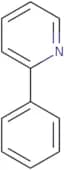
CAS:<p>Please enquire for more information about 5-(H-Gly-Pro-Gly-Pro-amido)-9-[di-(3-sulfonylpropyl)amino]-benzo[a]phenoxazonium perchlorate including the price, delivery time and more detailed product information at the technical inquiry form on this page</p>Formula:C36H42N7O11S2Purity:Min. 95%Molecular weight:812.89 g/mol2-Phenylpyridine
CAS:<p>2-Phenylpyridine is a heterocyclic organic compound that has been shown to have x-ray crystal structures. It has redox potentials, nitrogen atoms, and a fatty acid group attached. 2-Phenylpyridine has been shown to have nmr spectra that are characteristic of a transfer reaction mechanism. The steric interactions and the biphenyl groups have been shown to have ancillary effects on the reaction mechanism. 2-Phenylpyridine is also known to coordinate in a geometric shape called octahedral, which is most likely due to hydrogen bonding and photophysical properties. The analytical chemistry of this molecule consists of determining its melting point, boiling point, and density. 2-phenylpyridine</p>Formula:C11H9NPurity:Min. 95%Molecular weight:155.2 g/molH-D-Val-Leu-Lys-AMC acetate salt
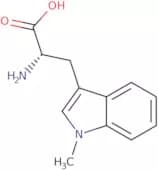
CAS:<p>Please enquire for more information about H-D-Val-Leu-Lys-AMC acetate salt including the price, delivery time and more detailed product information at the technical inquiry form on this page</p>Formula:C27H41N5O5Purity:Min. 95%Molecular weight:515.65 g/mol1-Methyl-L-tryptophan
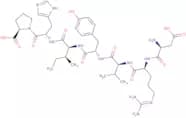
CAS:Controlled Product<p>1-Methyl-L-tryptophan is an activated form of the amino acid tryptophan. It has been shown to have immunomodulatory effects that are mediated by its ability to inhibit IDO1, which is an enzyme that regulates the production of inflammatory cytokines. 1-Methyl-L-tryptophan has been shown to reduce the severity of abdominal surgery in mice and exhibits anticancer activity against a variety of cancer cells. 1-Methyl-L-tryptophan also has antiemetic properties, as it has been shown to block the activation of 5HT3 receptors in the brainstem. This drug also activates polymerase chain reaction (PCR) and inhibits DNA synthesis by binding directly to DNA polymerase.</p>Formula:C12H14N2O2Purity:Min. 95%Color and Shape:PowderMolecular weight:218.25 g/mol(D-Pro7)-Angiotensin I/II (1-7) trifluoroacetate salt
CAS:<p>Please enquire for more information about (D-Pro7)-Angiotensin I/II (1-7) trifluoroacetate salt including the price, delivery time and more detailed product information at the technical inquiry form on this page</p>Formula:C41H62N12O11Purity:Min. 95%Molecular weight:899.01 g/molH-D-Leu-Thr-Arg-pNA acetate salt
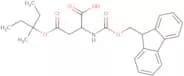
CAS:<p>Please enquire for more information about H-D-Leu-Thr-Arg-pNA acetate salt including the price, delivery time and more detailed product information at the technical inquiry form on this page</p>Formula:C22H36N8O6Purity:Min. 95%Molecular weight:508.57 g/molFmoc-D-Asp(OMpe)-OH
CAS:<p>Please enquire for more information about Fmoc-D-Asp(OMpe)-OH including the price, delivery time and more detailed product information at the technical inquiry form on this page</p>Formula:C25H29NO6Purity:Min. 95%Molecular weight:439.5 g/molDABCYL-(Asn670,Leu671)-Amyloid b/A4 Protein Precursor770 (669-674)-EDANS ammonium salt
CAS:<p>Please enquire for more information about DABCYL-(Asn670,Leu671)-Amyloid b/A4 Protein Precursor770 (669-674)-EDANS ammonium salt including the price, delivery time and more detailed product information at the technical inquiry form on this page</p>Formula:C54H70N12O15SPurity:Min. 95%Molecular weight:1,159.27 g/molBiotinyl-Neuropeptide W-23 (human) trifluoroacetate salt
CAS:<p>Please enquire for more information about Biotinyl-Neuropeptide W-23 (human) trifluoroacetate salt including the price, delivery time and more detailed product information at the technical inquiry form on this page</p>Formula:C129H197N37O30S2Purity:Min. 95%Molecular weight:2,810.31 g/molAcetyl-Cholecystokinin Octapeptide (2-8) (sulfated)
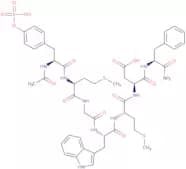
CAS:<p>Please enquire for more information about Acetyl-Cholecystokinin Octapeptide (2-8) (sulfated) including the price, delivery time and more detailed product information at the technical inquiry form on this page</p>Formula:C47H59N9O14S3Purity:Min. 95%Molecular weight:1,070.22 g/molFluorescein-6-carbonyl-Leu-Glu(OMe)-His-DL-Asp(OMe)-fluoromethylketone
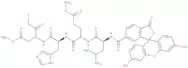
CAS:<p>Please enquire for more information about Fluorescein-6-carbonyl-Leu-Glu(OMe)-His-DL-Asp(OMe)-fluoromethylketone including the price, delivery time and more detailed product information at the technical inquiry form on this page</p>Formula:C45H47FN6O14Purity:Min. 95%Molecular weight:914.89 g/molZ-Ala-Ser-OH
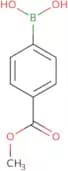
CAS:<p>Z-Ala-Ser-OH is a basic protein with a sequence of Z-Ala-Ser. It has a hydrophobic section and carboxylic acid group, which is why it is soluble in organic solvents. The dichroic spectra of this protein are characteristic for its secondary structure. This protein can be analyzed using the technique of dichroism, which allows one to determine its analogs as well as analyze its enzyme preparations. The amino acid residues found in this protein are Ala and Ser, which are basic and polar respectively.</p>Formula:C14H18N2O6Purity:Min. 95%Color and Shape:PowderMolecular weight:310.3 g/mol4-Methoxycarbonylphenylboronic acid
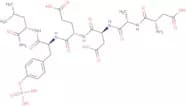
CAS:<p>4-Methoxycarbonylphenylboronic acid is an organic compound that can be synthesized from biphenyl. It is a diazonium salt with a bidentate ligand and a carbonyl group, which allows it to form an intermolecular hydrogen bond. The phenyl group of 4-methoxycarbonylphenylboronic acid can be oxidized to the corresponding carboxylic acid or reduced to the corresponding alcohol.<br>4-Methoxycarbonylphenylboronic acid is also soluble in halides, iodinations, and mercaptoacetic acid. This compound has been used as an acceptor in the oxidation of aluminium with diborane as a catalyst. 4-Methoxycarbonylphenylboronic acid has also been used to synthesize other compounds such as metronidazole (a drug) and erythromycin (an antibiotic).</p>Formula:C8H9BO4Purity:Min. 95%Color and Shape:White PowderMolecular weight:179.97 g/molEGF Receptor (988-993) (phosphorylated) (human)
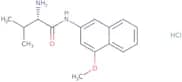
CAS:<p>Please enquire for more information about EGF Receptor (988-993) (phosphorylated) (human) including the price, delivery time and more detailed product information at the technical inquiry form on this page</p>Formula:C31H46N7O16PPurity:Min. 95%Molecular weight:803.71 g/molH-Val-4MbNA·HCl
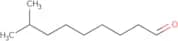
CAS:<p>Please enquire for more information about H-Val-4MbNA·HCl including the price, delivery time and more detailed product information at the technical inquiry form on this page</p>Formula:C16H20N2O2·HClPurity:Min. 95%Molecular weight:308.8 g/mol8-Methylnonanal
CAS:<p>8-Methylnonanal is a fatty acid that has been hydrogenated and sulfonated. It is an unsaturated, straight chain, alpha-methylene-containing molecule with the chemical formula CH3(CH2)4CH=CH(CH2)3COOH. 8-Methylnonanal can be used as an additive in polyolefin production to improve processability. 8-Methylnonanal is used as a reaction system for the synthesis of monomers and polymers. In addition, it reacts with sulfuric acid to produce sulfuric acid esters and alkyl sulfonic acids. This chemical also reacts with fatty acids to form various products such as fatty acid methyl esters (FAMEs).</p>Formula:C10H20OPurity:Min. 95%Molecular weight:156.27 g/molD-Valine benzyl ester 4-toluenesulfonate salt
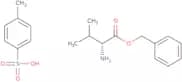
CAS:<p>D-Valine benzyl ester 4-toluenesulfonate salt is a fine chemical that is used as a building block for complex compounds, research chemicals, and reagents. It can be used as a valuable intermediate in the production of other chemicals or as a reaction component for chemical reactions. D-Valine benzyl ester 4-toluenesulfonate salt has been shown to be useful scaffold for the synthesis of peptides and proteins. The compound has been shown to have high quality.</p>Formula:C12H17NO2·C7H8O3SPurity:Min. 95%Color and Shape:PowderMolecular weight:379.47 g/mol2-Bromo-3-methylbenzoic acid
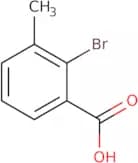
CAS:<p>2-Bromo-3-methylbenzoic acid is an alcohol that has been shown to be selective for the stereoselective synthesis of chiral secondary alcohols. It has been used in the reduction of 2-formylphenylboronic acid, yielding a mixture of the two possible diastereomers, and in the reductive elimination of carboxylic acids, which can be used as an alternative to the Baylis-Hillman reaction. The compound also has inhibitory activity against several bacteria, including methicillin resistant Staphylococcus aureus (MRSA) and Mycobacterium tuberculosis. 2-Bromo-3-methylbenzoic acid is photochromic and changes color from yellow to red when exposed to UV light.</p>Formula:C8H7BrO2Purity:Min. 95%Color and Shape:PowderMolecular weight:215.04 g/mol(DL-Isoser 1)-TRAP-6 trifluoroacetate salt
CAS:<p>Please enquire for more information about (DL-Isoser 1)-TRAP-6 trifluoroacetate salt including the price, delivery time and more detailed product information at the technical inquiry form on this page</p>Formula:C34H56N10O9Purity:Min. 95%Molecular weight:748.87 g/molH-Leu-Leu-Tyr-OH
CAS:<p>H-Leu-Leu-Tyr-OH is a water soluble polymer that is produced by the enzymatic polymerization of L-leucine and L-tyrosine. This polymer is cytotoxic and has been shown to bind to DNA in the cell nucleus, as well as inhibit protein synthesis. H-Leu-Leu-Tyr-OH was developed as an alternative to polyethylene glycol (PEG) due to its low toxicity, high biocompatibility, and ability to be easily synthesized.</p>Formula:C21H33N3O5Purity:Min. 95%Molecular weight:407.5 g/mol2-O-Benzyl-3-O-allyl-sn-glycerol
CAS:<p>Please enquire for more information about 2-O-Benzyl-3-O-allyl-sn-glycerol including the price, delivery time and more detailed product information at the technical inquiry form on this page</p>Formula:C13H18O3Purity:Min. 95%Molecular weight:222.28 g/molCyclo(-D-Ser-Pro-D-Val-Leu-D-Trp)
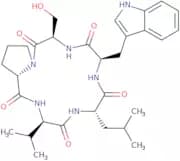
CAS:<p>Please enquire for more information about Cyclo(-D-Ser-Pro-D-Val-Leu-D-Trp) including the price, delivery time and more detailed product information at the technical inquiry form on this page</p>Formula:C30H42N6O6Purity:Min. 95%Molecular weight:582.69 g/molpTH (2-34) (human) acetate salt
CAS:<p>Please enquire for more information about pTH (2-34) (human) acetate salt including the price, delivery time and more detailed product information at the technical inquiry form on this page</p>Formula:C178H286N54O49S2Purity:Min. 95%Molecular weight:4,030.64 g/molH-Gly-Leu-Gly-Leu-OH
CAS:<p>Please enquire for more information about H-Gly-Leu-Gly-Leu-OH including the price, delivery time and more detailed product information at the technical inquiry form on this page</p>Formula:C16H30N4O5Purity:Min. 95%Molecular weight:358.43 g/molH-D-Pro-Phe-Arg-chloromethylketone trifluoroacetate salt
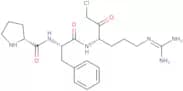
CAS:<p>H-D-Pro-Phe-Arg-chloromethylketone trifluoroacetate salt is a polyvalent antivenom that is used in the treatment of snakebites and insect stings. It has been shown to be effective in the treatment of life-threatening envenomations, including bites from cobras and other rattlesnakes. This drug is not active against nonactivated venom, such as those from bees or spiders. H-D-Pro-Phe-Arg-chloromethylketone trifluoroacetate salt binds to the cytolysin, which prevents its activity by inactivating it. The drug also has a vasoconstrictive effect, which limits blood flow to tissues and may reduce tissue damage caused by venom toxins.</p>Formula:C21H31ClN6O3Purity:Min. 95%Molecular weight:450.96 g/molCholecystokinin-33 (1-21) (porcine)
CAS:<p>Cholecystokinin-33 (1-21) (porcine) H-Lys-Ala-Pro-Ser-Gly-Arg-Val-Ser-Met-Ile-Lys-Asn-Leu-Gln, Ser, Leu, Asp, Pro, His, Arg is a linker that can be used to form peptide conjugates. It can be used as a cell type specific carrier to transport therapeutics across the blood brain barrier. It has also been shown to have therapeutic effects on cells in culture.</p>Formula:C98H169N33O30SPurity:Min. 95%Molecular weight:2,321.66 g/molH-Cys(Bzl)-AMC
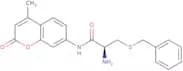
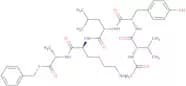
CAS:<p>H-Cys(Bzl)-AMC is a mesocosm study that measures the effects of nutrient additions on coastal ecosystems. Collaboratively, academics and stakeholders work to analyze datasets from these experiments to diagnose the impacts of nutrient inputs on coastal systems. This exploratory initiative will help stakeholders understand the impacts of nutrient inputs on their ecosystems in order to make better decisions about how they manage their natural resources.</p>Formula:C20H20N2O3SPurity:Min. 95%Molecular weight:368.45 g/molAc-Val-Tyr-Leu-Lys-Ala-SBzl
CAS:<p>Please enquire for more information about Ac-Val-Tyr-Leu-Lys-Ala-SBzl including the price, delivery time and more detailed product information at the technical inquiry form on this page</p>Formula:C38H56N6O7SPurity:Min. 95%Molecular weight:740.95 g/molZ-Gly-Gly-Arg-bNA·HCl
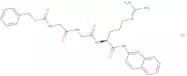
CAS:<p>Please enquire for more information about Z-Gly-Gly-Arg-bNA·HCl including the price, delivery time and more detailed product information at the technical inquiry form on this page</p>Formula:C28H33N7O5·HClPurity:Min. 95%Molecular weight:584.07 g/molFmoc-Lys(Mtt)-Wang resin (200-400 mesh)
<p>Please enquire for more information about Fmoc-Lys(Mtt)-Wang resin (200-400 mesh) including the price, delivery time and more detailed product information at the technical inquiry form on this page</p>Purity:Min. 95%Fmoc-Ile-Thr(Psi(Me ,Me)pro)-OH
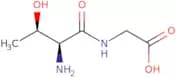
CAS:<p>Please enquire for more information about Fmoc-Ile-Thr(Psi(Me ,Me)pro)-OH including the price, delivery time and more detailed product information at the technical inquiry form on this page</p>Formula:C28H34N2O6Purity:Min. 95%Molecular weight:494.58 g/molH-Thr-Gly-OH
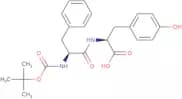
CAS:<p>H-Thr-Gly-OH is a synthetic polymerase chain reaction product. It is a mixture of H-Thr and Gly, which are two amino acids that are involved in the replication of DNA. The sequences of these two amino acids have been determined and found to be phylogenetically related to each other. H-Thr-Gly-OH was synthesized by the ethyl esterification of H-Thr with Gly. This reaction product has been shown to have locomotor activity in Drosophila melanogaster and may also possess some other properties that are unknown at this time.</p>Formula:C6H12N2O4Purity:Min. 95%Molecular weight:176.17 g/molBoc-Phe-Tyr-OH
CAS:<p>Boc-Phe-Tyr-OH is a pancreatic enzyme that has been shown to be stable in the presence of buffers and tissues. It is used for the treatment of cancer and pancreatic diseases, such as cystic fibrosis and diabetes. Boc-Phe-Tyr-OH has been shown to have high uptake rates in caco-2 cells, which are human intestinal cells that are used to study drug transport. This compound also has an inhibitory effect on cell proliferation and DNA synthesis.</p>Formula:C23H28N2O6Purity:Min. 95%Molecular weight:428.48 g/molHCV Core Protein (107-114)
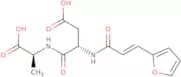
CAS:<p>Please enquire for more information about HCV Core Protein (107-114) including the price, delivery time and more detailed product information at the technical inquiry form on this page</p>Formula:C43H64N16O12Purity:Min. 95%Molecular weight:997.07 g/molFA-Asp-Ala-OH
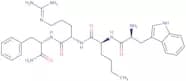
CAS:<p>FA-Asp-Ala-OH is a catalytic, acidic, and hydrophilic molecule. It has been shown to be an activating residue for carboxypeptidases. This molecule can hydrolyze other amino acids in the presence of water. Mutations to the FA-Asp-Ala-OH have been shown to have a profound effect on the kinetic properties of carboxypeptidases. The FA-Asp-Ala-OH residue is also important because it can increase the activity of carboxypeptidases by as much as 3 times as compared to wild type enzymes.</p>Formula:C14H16N2O7Purity:Min. 95%Molecular weight:324.29 g/molH-Trp-Nle-Arg-Phe-NH2 acetate salt
CAS:<p>H-Trp-Nle-Arg-Phe-NH2 acetate salt is a muscle relaxant that binds to the muscle receptor site, which is responsible for contraction of skeletal muscles. It has been shown to be effective in treating anterior retractor mytilus in horses.</p>Formula:C32H45N9O4Purity:Min. 95%Molecular weight:619.76 g/mol








![[2,6-Dimethyl-4-(3-[2-(Z-amino)-ethylcarbamoyl]-propoxy)-benzenesulfonyl]-Dap (Boc)-OMe](/_next/image/?url=https%3A%2Fstatic.cymitquimica.com%2Fproducts%2F3D%2Fthumb-webp%2FFD111582.webp&w=3840&q=75)












![5-(H-Gly-Pro-Gly-Pro-amido)-9-[di-(3-sulfonylpropyl)amino]-benzo[a]phenoxazonium perchlorate](/_next/image/?url=https%3A%2Fstatic.cymitquimica.com%2Fproducts%2F3D%2Fthumb-webp%2FFG110995.webp&w=3840&q=75)