Amino Acids (AA)
Amino acids (AAs) are the fundamental building blocks of proteins, playing a crucial role in various biological processes. These organic compounds are essential for protein synthesis, metabolic pathways, and cell signaling. In this category, you will find a comprehensive range of amino acids, including essential, non-essential, and modified forms, which are vital for research in biochemistry, molecular biology, and nutritional sciences. At CymitQuimica, we provide high-quality amino acids to support your research and development needs, ensuring accuracy and reliability in your experimental outcomes.
Subcategories of "Amino Acids (AA)"
- Amino Acid Derivatives(3,955 products)
- Amino Acid and Amino Acid Related Compounds(3,472 products)
- Amino Acids with Oxygen or Sulphur(168 products)
- Boc- Amino Acids(351 products)
- Fmoc Amino Acids(1,710 products)
Found 38263 products of "Amino Acids (AA)"
Sort by
Purity (%)
0
100
|
0
|
50
|
90
|
95
|
100
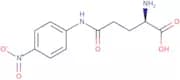
H-D-Glu(pNA)-OH
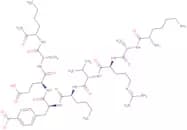
CAS:<p>Please enquire for more information about H-D-Glu(pNA)-OH including the price, delivery time and more detailed product information at the technical inquiry form on this page</p>Formula:C11H13N3O5Purity:Min. 95%Molecular weight:267.24 g/molHIV Protease Substrate IV
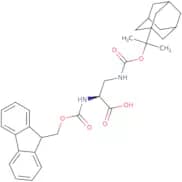
CAS:<p>Please enquire for more information about HIV Protease Substrate IV including the price, delivery time and more detailed product information at the technical inquiry form on this page</p>Formula:C49H83N15O13Purity:Min. 95%Molecular weight:1,090.28 g/molFmoc-Dap(Adpoc)-OH
CAS:<p>Please enquire for more information about Fmoc-Dap(Adpoc)-OH including the price, delivery time and more detailed product information at the technical inquiry form on this page</p>Formula:C32H38N2O6Purity:Min. 95%Molecular weight:546.65 g/molBoc-Glu(Lys-OH)-OH
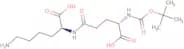
CAS:<p>Please enquire for more information about Boc-Glu(Lys-OH)-OH including the price, delivery time and more detailed product information at the technical inquiry form on this page</p>Formula:C16H29N3O7Purity:Min. 95%Molecular weight:375.42 g/molZ-Pro-Leu-OH
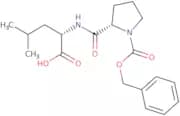
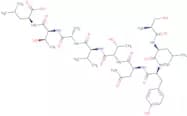
CAS:<p>The compound Z-Pro-Leu-OH is a peptidomimetic that has been shown to be an effective inhibitor of the enzyme l-amino acid oxidase, which catalyzes the oxidation of l-amino acids. This inhibition may be due to the protonation of the substrate and/or solvents in the enzyme active site. The molecule is hydrophobic, making it suitable for use in simulations and theoretical studies. Furthermore, this compound is identifiable by its retention time on high performance liquid chromatography (HPLC) and can be rationalized by its amide group.</p>Formula:C19H26N2O5Purity:Min. 95%Molecular weight:362.42 g/molH-Thr-Arg-Asn-Tyr-Tyr-Val-Arg-Ala-Val-Leu-OH
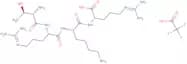
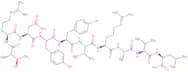
CAS:<p>Please enquire for more information about H-Thr-Arg-Asn-Tyr-Tyr-Val-Arg-Ala-Val-Leu-OH including the price, delivery time and more detailed product information at the technical inquiry form on this page</p>Formula:C57H91N17O15Purity:Min. 95%Molecular weight:1,254.44 g/molFor-Ala-Ala-Pro-Abu-SBzl
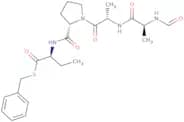
CAS:<p>Please enquire for more information about For-Ala-Ala-Pro-Abu-SBzl including the price, delivery time and more detailed product information at the technical inquiry form on this page</p>Formula:C23H32N4O5SPurity:Min. 95%Molecular weight:476.59 g/molH-Gly-Phe-NH2 acetate salt
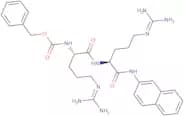
CAS:<p>Please enquire for more information about H-Gly-Phe-NH2 acetate salt including the price, delivery time and more detailed product information at the technical inquiry form on this page</p>Formula:C11H15N3O2·C2H4O2Purity:Min. 95%Molecular weight:281.31 g/molZ-Arg-Arg-bNA acetate salt
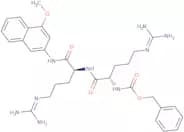
CAS:<p>Please enquire for more information about Z-Arg-Arg-bNA acetate salt including the price, delivery time and more detailed product information at the technical inquiry form on this page</p>Formula:C30H39N9O4Purity:Min. 95%Molecular weight:589.69 g/molZ-Leu-Ser-OMe
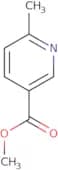
CAS:<p>Please enquire for more information about Z-Leu-Ser-OMe including the price, delivery time and more detailed product information at the technical inquiry form on this page</p>Formula:C18H26N2O6Purity:Min. 95%Molecular weight:366.41 g/molMethyl 6-methylnicotinate
CAS:<p>Methyl 6-methylnicotinate is a synthetic compound that has been shown to have cholinergic properties. It is an oxidation catalyst that can be used in the synthesis of methyl nicotinate, which is a drug for the treatment of influenza virus. Methyl 6-methylnicotinate also has been shown to inhibit the replication of influenza virus in vitro and in vivo. Methyl 6-methylnicotinate inhibits viral growth by binding to the antigenic site on hemagglutinin, preventing it from attaching to host cells. This compound also has been shown to inhibit the release of chloride ions in animal models and inhibits neuromuscular transmission. The molecular modeling studies revealed that methyl 6-methylnicotinate binds with high affinity to the active site of acetylcholinesterase enzyme and is able to form a covalent bond with its serine residue, thereby inhibiting its activity.</p>Formula:C8H9NO2Purity:Min. 95%Color and Shape:Colorless PowderMolecular weight:151.16 g/molBoc-β-Ala-PAM resin (200-400 mesh)
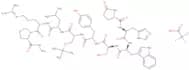
<p>Please enquire for more information about Boc-beta-Ala-PAM resin (200-400 mesh) including the price, delivery time and more detailed product information at the technical inquiry form on this page</p>Purity:Min. 95%Neuropeptide W-30 (human) trifluoroacetate salt
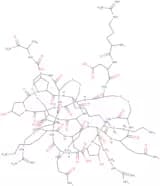
CAS:<p>Please enquire for more information about Neuropeptide W-30 (human) trifluoroacetate salt including the price, delivery time and more detailed product information at the technical inquiry form on this page</p>Formula:C165H249N49O37SPurity:Min. 95%Molecular weight:3,543.12 g/mol1-Boc-pyrrolidine-2,4-dione
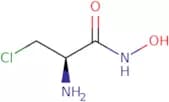
CAS:<p>Please enquire for more information about 1-Boc-pyrrolidine-2,4-dione including the price, delivery time and more detailed product information at the technical inquiry form on this page</p>Formula:C9H13NO4Purity:Min. 95%Molecular weight:199.2 g/molH-β-Chloro-Ala-NHOH hydrochloride salt
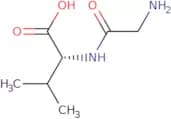
CAS:<p>Please enquire for more information about H-beta-Chloro-Ala-NHOH hydrochloride salt including the price, delivery time and more detailed product information at the technical inquiry form on this page</p>Formula:C3H7ClN2O2Purity:Min. 95%Molecular weight:138.55 g/molH-Gly-D-Val-OH
CAS:<p>H-Gly-D-Val-OH is a nonpolar amino acid that belongs to the group of amino acids. It is one of the 20 standard amino acids used by living cells and is found in proteins. The nitrogen atoms are located at the corners of a rectangle and are involved in hydrogen bonding. H-Gly-D-Val-OH is a component of fatty acids, which are molecules that form an important part of the human diet. Fatty acids are taken up by cells through endocytosis and metabolized within the cell cytoplasm by catabolism or anabolism. H-Gly-D-Val-OH has been shown to have kinetic properties in vitro and can be used as a ternary complex forming agent with glycine and D,L-valine when mixed with water. H Gly D Val OH also acts as a cyclic peptide, which can be synthesized from H Gly D Val OH with the help of</p>Formula:C7H14N2O3Purity:Min. 95%Molecular weight:174.2 g/molTumor Targeted Pro-Apoptotic Peptide trifluoroacetate salt
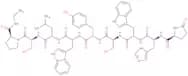
<p>Please enquire for more information about Tumor Targeted Pro-Apoptotic Peptide trifluoroacetate salt including the price, delivery time and more detailed product information at the technical inquiry form on this page</p>Formula:C94H174N32O22S2Purity:Min. 95%Molecular weight:2,168.72 g/mol(Des-Gly10,D-Trp6,Pro-NHEt 9)-LHRH (sea bream)
CAS:<p>Please enquire for more information about (Des-Gly10,D-Trp6,Pro-NHEt 9)-LHRH (sea bream) including the price, delivery time and more detailed product information at the technical inquiry form on this page</p>Formula:C61H76N14O13Purity:Min. 95%Molecular weight:1,213.34 g/mol(D-Arg0, Hyp 3,Igl5,D-Igl7, Oic 8)-Bradykinin trifluoroacetate salt
CAS:<p>Please enquire for more information about (D-Arg0, Hyp 3,Igl5,D-Igl7, Oic 8)-Bradykinin trifluoroacetate salt including the price, delivery time and more detailed product information at the technical inquiry form on this page</p>Formula:C64H95N19O13Purity:Min. 95%Molecular weight:1,338.56 g/mol(D-Ser6,Azagly10)-LHRH acetate salt
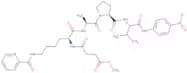
CAS:<p>Please enquire for more information about (D-Ser6,Azagly10)-LHRH acetate salt including the price, delivery time and more detailed product information at the technical inquiry form on this page</p>Formula:C55H76N18O14Purity:Min. 95%Molecular weight:1,213.3 g/molMeOSuc-Lys(2-picolinoyl)-Ala-Pro-Val-pNA
CAS:<p>Please enquire for more information about MeOSuc-Lys(2-picolinoyl)-Ala-Pro-Val-pNA including the price, delivery time and more detailed product information at the technical inquiry form on this page</p>Formula:C36H48N8O10Purity:Min. 95%Molecular weight:752.81 g/mol6-Bromo-1-methylindazole
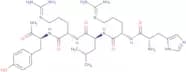
CAS:<p>6-Bromo-1-methylindazole is an industrial chemical that can be synthesized by the reaction of formate, methanol, and indazole. The synthesis method involves the esterification of methyl formate with indazole to produce 6-bromo-1-methylindazole. It can also be synthesized by the annulation of methyl formate and cyclopentadiene followed by hydrolysis. This chemical has several isomers that are distinguished from each other based on their synthesis methods. 6-Bromo-1-methylindazole has been shown to have a hydrolysis reaction when it reacts with water, producing methyl bromide and hydrogen bromide.</p>Formula:C8H7BrN2Purity:Min. 95%Molecular weight:211.06 g/mol(His32,Leu34)-Neuropeptide Y (32-36)
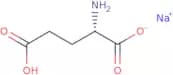
CAS:<p>Please enquire for more information about (His32,Leu34)-Neuropeptide Y (32-36) including the price, delivery time and more detailed product information at the technical inquiry form on this page</p>Formula:C33H54N14O6Purity:Min. 95%Molecular weight:742.87 g/molSodium L-glutamate
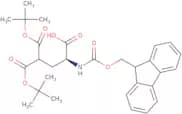
CAS:<p>Glutamate is the most abundant amino acid in the body and plays an important role in metabolism, brain function, and immune function. It is involved in many biochemical reactions and has been found to be associated with liver lesions, thermal expansion, and brain functions. Glutamate also has a role in diseases such as Huntington's disease, amyotrophic lateral sclerosis (ALS), and Parkinson's disease. Furthermore, glutamate is used as a neurotransmitter that regulates the central nervous system. The treatment of diseases can be done through glutamate replacement therapy or by inhibiting glutamate receptors. Glutamate levels in human serum have been shown to increase when blood sampling is taken from individuals with metabolic disorders. Results show high values for glutamate levels in human serum samples collected from patients with metabolic disorders.</p>Formula:C5H9NO4•NaPurity:Min. 95%Color and Shape:PowderMolecular weight:170.12 g/molN-Fmoc-L-γ-carboxyglutamic acid γ,γ-di-t-butyl ester
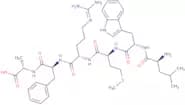
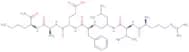
CAS:<p>Please enquire for more information about N-Fmoc-L-gamma-carboxyglutamic acid gamma,gamma-di-t-butyl ester including the price, delivery time and more detailed product information at the technical inquiry form on this page</p>Formula:C29H35NO8Purity:Min. 95%Molecular weight:525.59 g/molH-Leu-Trp-Met-Arg-Phe-Ala-OH acetate salt
CAS:<p>H-Leu-Trp-Met-Arg-Phe-Ala-OH acetate salt is a synthetic amino acid. It has been shown to be a substrate for peptidases and proteolytic enzymes, including serine protease. H-Leu-Trp-Met-Arg-Phe-Ala-OH acetate salt also has catalytic activity, which leads to the formation of methyl ketones. This product is used as an analytical reagent in the determination of specificities of proteolytic enzymes. It is also used to measure the activity of amyloid protein and peptidases.</p>Formula:C40H58N10O7SPurity:Min. 95%Molecular weight:823.02 g/molAc-Met-AMC
CAS:<p>Ac-Met-AMC is a nucleoside analog that is an active inhibitor of the enzyme DNA polymerase. This drug has been shown to be effective in preventing the growth of cancer cells in tissue cultures, and it has also been used to study the relationship between isoforms and oxygenated species. Ac-Met-AMC binds to the cytosolic side of the enzyme, which reduces its activity, but this binding does not affect the enzyme's ability to bind substrate or ATP. Ac-Met-AMC has been shown to hydrolyze with a rate constant of 6 x 10 M(-1) s(-1).</p>Formula:C17H20N2O4SPurity:Min. 95%Molecular weight:348.42 g/molH-Cys(NPys)-D-Arg-D-Arg-D-Arg-D-Arg-D-Arg-D-Arg-D-Arg-D-Arg-D-Arg-NH2 trifluoroacetate salt
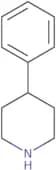
CAS:<p>Please enquire for more information about H-Cys(NPys)-D-Arg-D-Arg-D-Arg-D-Arg-D-Arg-D-Arg-D-Arg-D-Arg-D-Arg-NH2 trifluoroacetate salt including the price, delivery time and more detailed product information at the technical inquiry form on this page</p>Formula:C62H118N40O12S2Purity:Min. 95%Molecular weight:1,679.99 g/mol4-Phenyl-piperidine
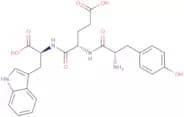
CAS:<p>4-Phenyl-piperidine is a nitro compound that has been shown to be toxic for the kidneys and nervous system. 4-Phenyl-piperidine has been shown to inhibit dopamine uptake in the striatum and locomotor activity in rats. It also inhibits the hydrolysis of hydrochloric acid, which produces hydrogen ion (H+) ions, resulting in an acidic environment. The chemical structures of 4-phenyl-piperidine are similar to those of tricyclic antidepressants drugs, such as amitriptyline and imipramine, with a phenyl ring attached to an amine group. This drug is used as a pharmaceutical preparation for treating depression by inhibiting the reuptake of serotonin and norepinephrine, which are neurotransmitters that affect mood.</p>Formula:C11H15NPurity:Min. 95%Molecular weight:161.24 g/molH-Tyr-Glu-Trp-OH
CAS:<p>Tyrosine is a non-essential amino acid that is an important component of proteins. It can also be synthesized in the body from the essential amino acid phenylalanine. Tyrosine is found in many foods and is made by plants, bacteria, and animals. The most common form of tyrosine in food is L-tyrosine. H-Tyr-Glu-Trp-OH is a neurotrophic factor that interacts with tyrosine kinase receptors to promote neuron survival and function. H-Tyr-Glu-Trp-OH has been shown to have neuroprotective effects in neonatal rats, preventing neuronal death due to genetic ablation or biochemical inhibition of neurotransmitter release.<br>Synaptic transmission refers to the propagation of nerve impulses across synapses, which are gaps between neurons. Neurotrophic factors are proteins produced by neurons that regulate the growth and maintenance of neurons.END> END></p>Formula:C25H28N4O7Purity:Min. 95%Molecular weight:496.51 g/molH-Arg-Val-Leu-psi(CH2NH)Phe-Glu-Ala-Nle-NH2
CAS:<p>H-Arg-Val-Leu-psi(CH2NH)Phe-Glu-Ala-Nle-NH2 is a compound which is structurally related to the amino acid histidine. It has been used as an indicator for Xanthochromia, a diagnostic for copper. H-Arg-Val-Leu-psi(CH2NH)Phe-Glu-Ala-Nle-NH2 has also been used in polyester production and as a monitoring agent for modifications of polylactic acid thermally.</p>Formula:C40H69N11O8Purity:Min. 95%Molecular weight:832.05 g/molFmoc-Leu-Wang resin (200-400 mesh)
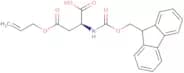
<p>Please enquire for more information about Fmoc-Leu-Wang resin (200-400 mesh) including the price, delivery time and more detailed product information at the technical inquiry form on this page</p>Purity:Min. 95%Fmoc-L-aspartic acid β-allyl ester
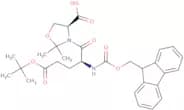
CAS:<p>Fmoc-L-aspartic acid beta-allyl ester is a specific interaction between an amide and an enzyme target. It has been shown to have anti-inflammatory properties by inhibiting the activity of COX-2, which inhibits the production of prostaglandins. Fmoc-L-aspartic acid beta-allyl ester is a cyclic peptide with a lactam ring system that has been synthesized in a stepwise manner on a solid phase. This molecule interacts with cell line A549 and blocks the proliferation of cancer cells. Fmoc-L-aspartic acid beta-allyl ester also contains a disulfide bond that stabilizes its structure.</p>Formula:C22H21NO6Purity:Min. 95%Molecular weight:395.41 g/molFmoc-Glu(OtBu)-Ser(Psi(Me,Me)pro)-OH
CAS:<p>Please enquire for more information about Fmoc-Glu(OtBu)-Ser(Psi(Me,Me)pro)-OH including the price, delivery time and more detailed product information at the technical inquiry form on this page</p>Formula:C30H36N2O8Purity:Min. 95%Color and Shape:PowderMolecular weight:552.62 g/molHippuryl-His-Leu-OH
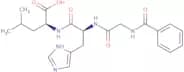
CAS:<p>Hippuryl-His-Leu-OH is a peptide that inhibits the activity of angiotensin converting enzyme (ACE) at a concentration of 50 μM. It has been shown to inhibit cyclase and other enzymes in vitro. The binding of this compound to ACE prevents the conversion of angiotensin I to angiotensin II, which is a potent vasoconstrictor. Hippuryl-His-Leu-OH also has inhibitory properties against atrial natriuretic peptide (ANP), and can be used as an antihypertensive agent. This drug has been shown to have growth factor β1 activities, and can be used for the treatment of cardiac diseases such as myocardial infarction. Structural analysis shows that this drug binds to the active site of ACE, inhibiting its activity by blocking access to substrate or by altering substrate specificity.</p>Formula:C21H27N5O5Purity:Min. 95%Color and Shape:White PowderMolecular weight:429.47 g/molNps-Lys(Boc)-OH·DCHA
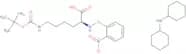
CAS:Controlled Product<p>Please enquire for more information about Nps-Lys(Boc)-OH·DCHA including the price, delivery time and more detailed product information at the technical inquiry form on this page</p>Formula:C17H25N3O6S·C12H23NPurity:Min. 95%Molecular weight:580.78 g/molCortistatin-29 (human) trifluoroacetate salt
CAS:<p>Please enquire for more information about Cortistatin-29 (human) trifluoroacetate salt including the price, delivery time and more detailed product information at the technical inquiry form on this page</p>Formula:C149H223N47O42S3Purity:Min. 95%Molecular weight:3,440.85 g/molPAR-4 (1-6) amide (human) trifluoroacetate salt
CAS:<p>Please enquire for more information about PAR-4 (1-6) amide (human) trifluoroacetate salt including the price, delivery time and more detailed product information at the technical inquiry form on this page</p>Formula:C28H42N8O8Purity:Min. 95%Molecular weight:618.68 g/molN-Boc-glycine
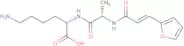
CAS:<p>N-Boc-glycine is a chemical compound used in the synthesis of cyclic peptides. N-Boc-glycine is synthesized by the reaction of glycine with methanol and hydrochloric acid in the presence of an activated form of carbon monoxide. The pharmacokinetic properties of N-Boc-glycine are similar to those for human immunoglobulin, and it can be used as a reference compound for preparative high performance liquid chromatography (HPLC). It has been shown that the nitrogen atoms in N-Boc-glycine are chemically stable, which makes it suitable for asymmetric synthesis. N-Boc-glycine also has potent antagonist effects on biochemical properties such as calcium channel blockade, inhibition of platelet aggregation, and inhibition of neutrophil chemotaxis.</p>Formula:C7H13NO4Purity:Min. 95%Color and Shape:White PowderMolecular weight:175.18 g/molN-(3-(2-Furyl)Acryloyl-Ala-Lys TFA salt
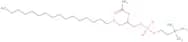
CAS:<p>FA-Ala-Lys-OH is a lysine derivative with a molecular weight of 243.2 daltons and a pKa of 6.5. It has been shown to be biologically active in humans and animals, and can be used as an amino acid supplement for patients with liver disease or kidney failure who require dialysis. FA-Ala-Lys-OH binds to the creatine kinase receptor on the surface of cells and causes cell lysis, which may be due to its ability to bind to the enzyme's allosteric site. This compound also has anti-viral properties, inhibiting the growth of recombinant virus mcf-7 in vitro by binding to erythrocyte membranes and disrupting protein synthesis. The 6-Fluoro-3-indoxyl beta D galactopyranoside is an antituberculosis drugs that belongs to the class of rifamycins. Rifapentine inhibits bacterial</p>Formula:C16H23N3O5Purity:Min. 95%Molecular weight:337.37 g/molEnantio-PAF C-16
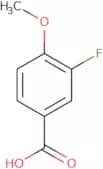
CAS:<p>Enantio-PAF C-16, or 3-O-Hexadecyl-2-O-acetyl-sn-glycero-1-phosphocholine, is a biologically inactive enatiomer of platelet-activating factor (PAF). It is a PAF receptor agonist.</p>Formula:C26H54NO7PPurity:Min. 95%Molecular weight:523.68 g/mol3-Fluoro-4-methoxybenzoic acid
CAS:<p>3-Fluoro-4-methoxybenzoic acid is a dipolar molecule with a fluorine atom. It has been synthesized experimentally and the yields are determined by the experimental conditions. 3-Fluoro-4-methoxybenzoic acid has two isomers, which can be differentiated by their resonances. The molecule also has an asymmetric C3(CF)2Cl group in the middle of its structure that can rotate freely.</p>Formula:C8H7FO3Purity:Min. 95%Color and Shape:PowderMolecular weight:170.14 g/molProlactin-Releasing Peptide (12-31) (human)
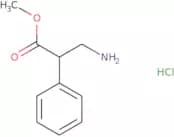
CAS:<p>Please enquire for more information about Prolactin-Releasing Peptide (12-31) (human) including the price, delivery time and more detailed product information at the technical inquiry form on this page</p>Formula:C104H158N32O26Purity:Min. 95%Molecular weight:2,272.57 g/molMethyl 3-amino-2-phenylpropanoate HCl
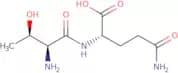
CAS:<p>Methyl 3-amino-2-phenylpropanoate HCl is a chemical intermediate that is synthesized in the biosynthesis of scopolamine and tenellin. It has been found to be an isotopically labeled analog of tropane alkaloids, which are a class of natural products that includes atropine, hyoscyamine, and scopolamine. Methyl 3-amino-2-phenylpropanoate HCl is one of many compounds that can provide structural insights into the biosynthesis and metabolism of these compounds.</p>Formula:C10H13NO2·HClPurity:Area-% Min. 95 Area-%Color and Shape:PowderMolecular weight:215.68 g/molH-Thr-Gln-OH
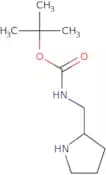
CAS:<p>Clostridium is a genus of Gram-positive bacteria that includes many important human pathogens. Clostridium perfringens is the most common cause of food poisoning, and can be fatal if not treated. It causes necrotizing enteritis in infants, who have less resistance to the toxins produced by this bacterium. The pathogenesis of C. perfringens has been shown to involve proteolytic activity, which breaks down proteins into smaller parts, and autocatalytic activity, which releases enzymes from within the cell to digest its own peptidoglycan layer. Proteolytic activity has also been shown to be involved in the development of cancer and other diseases such as atherosclerosis and Alzheimer's disease. There are numerous interventions available for preventing or treating clostridium infections: chlorate, streptomycin, penicillin, erythromycin, tetracycline, metronidazole, fluoroquinolones such as</p>Formula:C9H17N3O5Purity:Min. 95%Molecular weight:247.25 g/mol2-(Boc-Aminomethyl)pyrrolidine
CAS:<p>Please enquire for more information about 2-(Boc-Aminomethyl)pyrrolidine including the price, delivery time and more detailed product information at the technical inquiry form on this page</p>Formula:C10H20N2O2Purity:Min. 95%Molecular weight:200.28 g/molpTH (1-34) (rat)
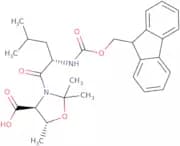
CAS:<p>Please enquire for more information about pTH (1-34) (rat) including the price, delivery time and more detailed product information at the technical inquiry form on this page</p>Formula:C180H291N55O48S2Purity:Min. 95%Molecular weight:4,057.71 g/molFmoc-Leu-Thr(Psi(Me,Me)pro)-OH
CAS:<p>Please enquire for more information about Fmoc-Leu-Thr(Psi(Me,Me)pro)-OH including the price, delivery time and more detailed product information at the technical inquiry form on this page</p>Formula:C28H34N2O6Purity:Min. 95%Molecular weight:494.58 g/molBoc-L-isoleucine
CAS:<p>Please enquire for more information about Boc-L-isoleucine including the price, delivery time and more detailed product information at the technical inquiry form on this page</p>Formula:C11H21NO4Purity:Min. 95%Molecular weight:231.29 g/molH-Leu-Gly-Arg-Ser-Gly-Gly-Asp-Ile-Ile-Lys-Lys-Met-Gln-Thr-Leu-OH
CAS:<p>Please enquire for more information about H-Leu-Gly-Arg-Ser-Gly-Gly-Asp-Ile-Ile-Lys-Lys-Met-Gln-Thr-Leu-OH including the price, delivery time and more detailed product information at the technical inquiry form on this page</p>Formula:C69H125N21O21SPurity:Min. 95%Molecular weight:1,616.93 g/mol(D-Ala2)-Leu-Enkephalin
CAS:<p>(D-Ala2)-Leu-Enkephalin H-Tyr-D-Ala-Gly-Phe-Leu-OH is a peptide that is a member of the endorphin family of endogenous analgesic compounds. It has been shown to have anti-inflammatory properties in clinical studies and to suppress bacterial growth in vitro. The compound has been implicated in the regulation of glucose homeostasis, as well as having an effect on body mass index and skin cells. (D-Ala2)-Leu-Enkephalin H-Tyr-D-Ala-Gly-Phe-Leu-(OH) is thought to modulate the activity of Toll like receptor 4, which is involved in inflammation and immune response.</p>Formula:C29H39N5O7Purity:Min. 95%Molecular weight:569.65 g/mol(Des-Gly10,D-Ser(tBu)6,Pro-NHNH29)-LHRH trifluoroacetate salt
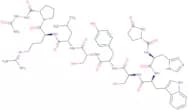
CAS:<p>Please enquire for more information about (Des-Gly10,D-Ser(tBu)6,Pro-NHNH29)-LHRH trifluoroacetate salt including the price, delivery time and more detailed product information at the technical inquiry form on this page</p>Formula:C58H83N17O13Purity:Min. 95%Molecular weight:1,226.39 g/molNeuropeptide Y (22-36) trifluoroacetate salt
CAS:<p>Please enquire for more information about Neuropeptide Y (22-36) trifluoroacetate salt including the price, delivery time and more detailed product information at the technical inquiry form on this page</p>Formula:C85H139N29O21Purity:Min. 95%Molecular weight:1,903.2 g/molH-Gly-Arg-Gly-Leu-Ser-Leu-Ser-Arg-OH
CAS:<p>Please enquire for more information about H-Gly-Arg-Gly-Leu-Ser-Leu-Ser-Arg-OH including the price, delivery time and more detailed product information at the technical inquiry form on this page</p>Formula:C34H64N14O11Purity:Min. 95%Molecular weight:844.96 g/molpTH (1-37) (human) trifluoroacetate salt
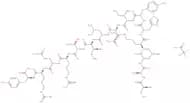
CAS:<p>Please enquire for more information about pTH (1-37) (human) trifluoroacetate salt including the price, delivery time and more detailed product information at the technical inquiry form on this page</p>Formula:C195H316N58O54S2Purity:Min. 95%Molecular weight:4,401.09 g/mol2,3,5,6-Tetra-methyl-pyrazine
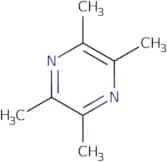
CAS:<p>2,3,5,6-Tetra-methyl-pyrazine is a chemical compound that is structurally similar to ATP. It has been shown to inhibit the mitochondrial membrane potential and induce apoptosis in rat heart cells. 2,3,5,6-Tetra-methyl-pyrazine has also been shown to inhibit ATP synthase activity and increase lactate levels in the presence of glucose. This compound inhibits cyclase activity and increases microdialysis probe signal pathways. 2,3,5,6-Tetra-methyl-pyrazine may be useful for the treatment of myocardial infarcts.</p>Formula:C8H12N2Purity:Min. 95%Molecular weight:136.19 g/molH-Gly-Arg-Ala-Asp-Ser-Pro-OH trifluoroacetate salt
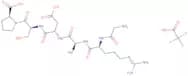
CAS:<p>H-Gly-Arg-Ala-Asp-Ser-Pro-OH trifluoroacetate salt is a peptide that binds to the α5β1 integrin receptor. It has been shown to inhibit the growth of carcinoma cell lines and induce apoptosis in tumor cells by binding to receptors on the surface of cancer cells. H-Gly-Arg-Ala-Asp-Ser-Pro-OH trifluoroacetate salt has also been shown to be effective against damaged tissue, such as adhesions, and promote wound healing by stimulating collagen production. This agent also has genotoxic effects and can cause DNA damage. H-Gly-Arg-Ala-Asp-Ser-Pro -OH trifluoroacetate salt may also have an antiapoptotic effect through its ability to bind with basic proteins, proapoptotic proteins, and epidermal growth factor receptor.</p>Formula:C23H39N9O10Purity:Min. 95%Molecular weight:601.61 g/molMyosin Light Chain Kinase (480-501)
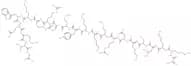
CAS:<p>H-AKKLSKDRMKKYMARRKWQKTG-NH2 peptide, corresponding to 480-501 amnino acids of Myosin Light Chain Kinase. Myosin Light Chain Kinase is a serine/threonine specific protein kinase that phosphorylates the myosin light chain.</p>Formula:C120H209N41O28S2Purity:Min. 95%Molecular weight:2,738.34 g/molAmyloid β-Protein (1-38) trifluoroacetate salt
CAS:<p>Please enquire for more information about Amyloid beta-Protein (1-38) trifluoroacetate salt including the price, delivery time and more detailed product information at the technical inquiry form on this page</p>Formula:C184H277N51O56SPurity:Min. 95%Molecular weight:4,131.54 g/molH-Tyr-Tyr-NH2·HCl
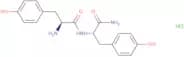
CAS:<p>Please enquire for more information about H-Tyr-Tyr-NH2·HCl including the price, delivery time and more detailed product information at the technical inquiry form on this page</p>Formula:C18H21N3O4·HClPurity:Min. 95%Molecular weight:379.84 g/molFibrinopeptide B (human) trifluoroacetate salt
CAS:<p>Fibrinopeptide B is a fibrinogen-derived peptide that has shown to inhibit the growth of HL-60 cells. It may be active as a receptor antagonist for thrombin and caproic acid. Fibrinopeptide B also inhibits angiogenesis by inhibiting the binding of acidic, basic proteins to the vascular endothelium in atherosclerotic lesions. The biological sample can be obtained from human serum or plasma.</p>Formula:C66H93N19O25Purity:Min. 95%Molecular weight:1,552.56 g/molNeuropeptide S (1-10) (human) trifluoroacetate salt
CAS:<p>Please enquire for more information about Neuropeptide S (1-10) (human) trifluoroacetate salt including the price, delivery time and more detailed product information at the technical inquiry form on this page</p>Formula:C42H68N14O14SPurity:Min. 95%Molecular weight:1,025.14 g/molZ-Ala-Tyr-OH
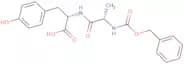
CAS:<p>Please enquire for more information about Z-Ala-Tyr-OH including the price, delivery time and more detailed product information at the technical inquiry form on this page</p>Formula:C20H22N2O6Purity:Min. 95%Molecular weight:386.4 g/molµ-Conotoxin GIIIA
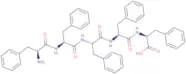
CAS:Controlled Product<p>Conotoxins are peptides that can bind to specific receptors on the surface of cells. Their function is to regulate ion channels and thus affect cellular physiology. Conotoxin GIIIA is a disulfide-bonded peptide with a molecular weight of 5808 Da. It has been shown to inhibit Na+ channel activity in human serum, and may have diagnostic and therapeutic applications for diseases such as epilepsy. The amino acid sequence of conotoxin GIIIA is Arg-Asp-Cys-Cys-Thr-Hyp-Hyp-Lys-Lys-Cys-Lys-Asp-Arg-Gln-Cys (NH2)</p>Formula:C100H170N38O32S6Purity:Min. 95%Molecular weight:2,609.05 g/molH-Phe-Phe-Phe-Phe-Phe-OH
CAS:<p>H-Phe-Phe-Phe-Phe-Phe-OH is a peptide that inhibits the protease dpp-iv. It is a potent inhibitor of dpp-iv, with an IC50 value of 0.2 μM. H-Phe-Phe-Phe-Phe-Phe-OH is not active against other proteases, such as papain and cathepsin B, and it does not inhibit the activity of pepsin. The inhibition effect of HFPHP has been shown to be dose dependent. Inhibition of dpp-IV by HFPHP leads to inhibition of the activation of other proenzymes such as trypsin and chymotrypsin, which are required for protein digestion in the stomach.</p>Formula:C45H47N5O6Purity:Min. 95%Molecular weight:753.88 g/molH-Val-Pro-Pro-OH
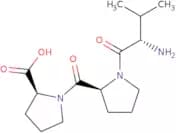
CAS:<p>H-Val-Pro-Pro-OH is a peptide that has been shown to have inhibitory properties on bacterial strains such as E. coli and Staphylococcus aureus. H-Val-Pro-Pro-OH is an ester hydrochloride derivative of the amino acid Valine, which has been shown to have antihypertensive effects in mice. H-Val-Pro-Pro-OH can be used for the treatment of hypertension and other cardiovascular diseases by modifying the activity of ion channels. H-Val-Pro-Pro--OH is a peptide that inhibits the production of nitric oxide (NO) and reactive oxygen species (ROS) in endothelial cells, which are involved in physiological functions such as blood pressure control and vasodilation. The mechanism by which H--Val--Pro--Pro--OH produces these effects may involve inhibition of NO synthase (NOS) and inhibition of ROS production from NADPH oxidase 2 (N</p>Formula:C15H25N3O4Purity:Min. 95%Molecular weight:311.38 g/molAc-Phe-Gly-pNA
CAS:<p>Ac-Phe-Gly-pNA is a peptidyl prodrug that has been shown to have proteolytic activity against cells of the malignant phenotype. Ac-Phe-Gly-pNA is converted to an active form by serine proteases, which are found on the surface of trophozoites and in cancerous cells. The sequence of Ac-Phe-Gly-pNA is homologous with a protein found in Giardia lamblia, and it has been shown to be active against this parasite. Ac-Phe-Gly-pNA can also be detected with fluorogenic substrates and aminopeptidase activity.</p>Formula:C19H20N4O5Purity:Min. 95%Molecular weight:384.39 g/molZ-Arg-Arg-4MbetaNA acetate salt
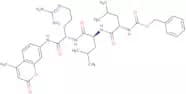
CAS:<p>Please enquire for more information about Z-Arg-Arg-4MbetaNA acetate salt including the price, delivery time and more detailed product information at the technical inquiry form on this page</p>Formula:C31H41N9O5·C2H4O2Purity:Min. 95%Molecular weight:679.77 g/molZ-Leu-Leu-Arg-AMC
CAS:<p>Z-Leu-Leu-Arg-AMC is a proteolytic substrate that is used to study the activation of Th17 cells. It activates these cells by binding to the antigen peptide and protease activity, which are involved in the immune response. Z-Leu-Leu-Arg-AMC has been shown to induce autoimmune diseases in mice, as well as other conditions such as chronic inflammation and obesity. This compound also has a potential drug target for neutralizing acidity, which could be useful in treating cancer and other diseases. Z-Leu-Leu-Arg-AMC is stable at acidic pHs and can be used for biochemical studies of proteases at acidic pHs.</p>Formula:C36H49N7O7Purity:Min. 95%Color and Shape:PowderMolecular weight:691.82 g/mol(H-Gly-Cys-OH)2 (Disulfide bond)
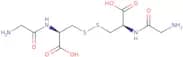
CAS:<p>Please enquire for more information about (H-Gly-Cys-OH)2 (Disulfide bond) including the price, delivery time and more detailed product information at the technical inquiry form on this page</p>Formula:C10H18N4O6S2Purity:Min. 95%Color and Shape:PowderMolecular weight:354.41 g/molExendin-4 (1-8) trifluoroacetate salt
CAS:<p>Please enquire for more information about Exendin-4 (1-8) trifluoroacetate salt including the price, delivery time and more detailed product information at the technical inquiry form on this page</p>Formula:C35H51N11O13Purity:Min. 95%Molecular weight:833.85 g/molHIV-1 gag Protein p17 (76-84) acetate salt
CAS:<p>Acetate salt of HIV-1 gag Protein p17 (76-84) is a reactive acridone, hydrocarbon, nitrogen atom and hydrates that is injected to regulate depression. Acetate salt of HIV-1 gag Protein p17 (76-84) has been shown to bind to the telomerase enzyme and inhibit cancer cell growth. Acetate salt of HIV-1 gag Protein p17 (76-84) also has a role in regulating metabolism in cells. Acetate salt of HIV-1 gag Protein p17 (76-84) has been shown to have solvating properties and can be used as a heterocyclic ring section in gas phase reactions.</p>Formula:C44H72N10O15Purity:Min. 95%Molecular weight:981.1 g/molH-Lys-Tyr-Ser-OH
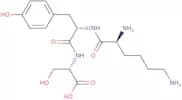
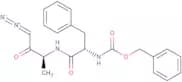
CAS:<p>H-Lys-Tyr-Ser-OH is a molecule that is the product of a racemase enzyme. This molecule is an acid with a pKa of 2.6, which means that it can exist as either a D or L form at pH values less than 2.6. The D form is more stable and has greater solubility in water than the L form. H-Lys-Tyr-Ser-OH stabilizes the conformation of erythromycin and other antibiotics by binding to Murein, which is the cell wall component responsible for conferring resistance to these drugs.</p>Formula:C18H28N4O6Purity:Min. 95%Molecular weight:396.44 g/molZ-Phe-Ala-diazomethylketone
CAS:<p>Z-Phe-Ala-diazomethylketone is a molecule that belongs to the class of hydrolase inhibitors. It has been shown to have inhibitory properties against trichomonas vaginalis and proteolytic activity against liver cells. Z-Phe-Ala-diazomethylketone also has a kinetic energy of 11.2 kcal/mol, which is higher than most protease inhibitors. This molecule has been shown to be effective as a cell vaccine in wild-type mice and as a protease inhibitor in brain cells. The optimal ph for this molecule is 7.5, which corresponds to its pKa value of 5.1.</p>Formula:C21H22N4O4Purity:Min. 95%Molecular weight:394.42 g/molMetorphamide (free acid)
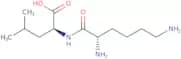
CAS:<p>Please enquire for more information about Metorphamide (free acid) including the price, delivery time and more detailed product information at the technical inquiry form on this page</p>Formula:C44H68N14O10SPurity:Min. 95%Molecular weight:985.17 g/molH-Lys-Leu-OH·HBr
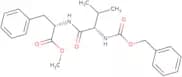
CAS:<p>Please enquire for more information about H-Lys-Leu-OH·HBr including the price, delivery time and more detailed product information at the technical inquiry form on this page</p>Formula:C12H25N3O3·HBrPurity:Min. 95%Molecular weight:340.26 g/molZ-Val-Phe-OMe
CAS:<p>Z-Val-Phe-OMe is an efficient method for the synthesis of a benzyl ester, which is a precursor to the anti-leishmanial drug Z-Val-Phe. The reaction is carried out in chloroform in the presence of ethyl or benzyl esters and ammonium chloride. This methodology was developed to provide a systematic approach to synthesize this compound. The reaction proceeds through a serine protease catalyzed hydrolysis of the amide bond on the surface of leishmania. Kinetic data shows that Z-Val-Phe-OMe has an IC50 value of 0.87 μM for leishmania and is more active than Z-Val-Phe against L. major, L. mexicana, and L. braziliensis strains.</p>Formula:C23H28N2O5Purity:Min. 95%Molecular weight:412.48 g/molH-Lys-Leu-OH acetate salt
CAS:<p>H-Lys-Leu-OH acetate salt is a derivatized amino acid ester that is used for the detection of lysine and leucine. It is used as an analyte in microextraction, with a sensitivity of 0.25 ng/mL, which can be increased to 0.5 ng/mL by derivatization. H-Lys-Leu-OH acetate salt has been used in the detection of acids and bases, particularly carboxylic acids and basic amino acids, respectively.</p>Formula:C12H25N3O3·C2H4O2Purity:Min. 95%Molecular weight:319.4 g/molFmoc-Ala-Wang resin (200-400 mesh)
<p>Wang resins are the standard supports for the synthesis of peptide acids by solid phase synthesis (SPS) using the Fmoc strategy.Fmoc protected amino acids are linked to Polystyrene-PHB - which is Wang resin consisting of 1% crosslinked polystyrene functionalized with the TFA labile p-benzyloxybenzyl alcohol linker.</p>Purity:Min. 95%H-Phe-Phe-Phe-Phe-OH
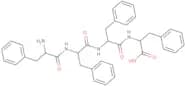
CAS:<p>Please enquire for more information about H-Phe-Phe-Phe-Phe-OH including the price, delivery time and more detailed product information at the technical inquiry form on this page</p>Formula:C36H38N4O5Purity:Min. 95%Molecular weight:606.71 g/molMoth Cytochrome C (MCC) Fragment
CAS:<p>Please enquire for more information about Moth Cytochrome C (MCC) Fragment including the price, delivery time and more detailed product information at the technical inquiry form on this page</p>Formula:C78H129N23O26Purity:Min. 95%Molecular weight:1,805 g/mol(Des-octanoyl)-Ghrelin (human) acetate salt
CAS:<p>Acetate salt</p>Formula:C141H235N47O41·xC2H4O2Purity:Min. 95%Molecular weight:3,244.67 g/molNeuropeptide Y (human, rat) trifluoroacetate salt
CAS:<p>Please enquire for more information about Neuropeptide Y (human, rat) trifluoroacetate salt including the price, delivery time and more detailed product information at the technical inquiry form on this page</p>Formula:C189H285N55O57SPurity:Min. 95%Molecular weight:4,271.69 g/molOxyntomodulin (bovine, dog, porcine) trifluoroacetate salt
CAS:<p>Please enquire for more information about Oxyntomodulin (bovine, dog, porcine) trifluoroacetate salt including the price, delivery time and more detailed product information at the technical inquiry form on this page</p>Formula:C192H295N59O60SPurity:Min. 95%Molecular weight:4,421.82 g/molH-Trp-Phe-Tyr-Ser(PO3H2)-Pro-Arg-pNA trifluoroacetate salt
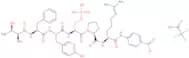
CAS:<p>Please enquire for more information about H-Trp-Phe-Tyr-Ser(PO3H2)-Pro-Arg-pNA trifluoroacetate salt including the price, delivery time and more detailed product information at the technical inquiry form on this page</p>Formula:C49H59N12O13PPurity:Min. 95%Molecular weight:1,055.04 g/molFA-Lys-Ala-OH
CAS:<p>FA-Lys-Ala-OH is a mutant enzyme that has an expressed constitutive mutation. It is a mutational variant of the wild type enzyme with an additive kinetic effect. The kinetic constants for this mutant were determined and correlated to determine the determinants of the mutations. This mutant has uncharged substitutions in its carboxypeptidase B active site, which changes its pH optimum from acidic to neutral values.</p>Formula:C16H23N3O5Purity:Min. 95%Molecular weight:337.37 g/molH-Ala-Met-OH
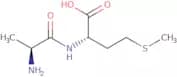
CAS:<p>H-Ala-Met-OH is a hydrophobic amino acid. It is found in the sequence of a number of proteins, including hormones and enzymes. The optimum temperature for this amino acid is around 15 degrees Celsius, which is why it can be found in the cocrystallized dodecyl and racemized divalent forms. H-Ala-Met-OH has been shown to have divalent properties due to its ability to bind with two metal ions at the same time. H-Ala-Met-OH also has an amino acid sequence that can be found in many different proteins and enzymes, such as N-acetyl-L-tyrosine. This amino acid has been used as a target for bioinformatics studies on hormone sequences for the reaction mechanism.</p>Formula:C8H16N2O3SPurity:Min. 95%Molecular weight:220.29 g/molH-D-Pro-Phe-Arg-pNA·2 HCl
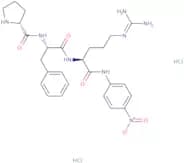
CAS:<p>Pro-Phe-Arg-pNA·2 HCl is a kallikrein substrate used to assay the activity of activated Hageman factor, that is the plasma protein and a serine protease also known as coagulation factor XII.</p>Formula:C26H34N8O5·2HClPurity:Min. 95%Molecular weight:611.52 g/molH-Pro-Phe-NH2·HCl
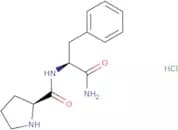
CAS:<p>Please enquire for more information about H-Pro-Phe-NH2·HCl including the price, delivery time and more detailed product information at the technical inquiry form on this page</p>Formula:C14H19N3O2·HClPurity:Min. 95%Molecular weight:297.78 g/mol1-[(3,3-Diphenylpropyl)methylamino]-2-methyl-2-propanol
CAS:<p>1-[(3,3-Diphenylpropyl)methylamino]-2-methyl-2-propanol is an epoxy that can be synthesized from benzene and lercanidipine. It has been used in the production of cinnamic acid and other molecules. This molecule can be prepared by reacting cinnamic acid with chloromethyl methyl ether in a ring-opening reaction. The chloride ion is utilized as a nucleophile to react with the amide nitrogen atom of the cinnamic acid molecule to form the amide bond. The large-scale production of 1-[(3,3-diphenylpropyl)methylamino]-2-methyl-2-propanol utilizes refluxing to remove water and other byproducts that are formed during the process.</p>Formula:C20H27NOPurity:Min. 95%Molecular weight:297.43 g/molG Protein Antagonist Pyr-Gln-D-Trp-Phe-D-Trp-D-Trp-Met-NH2
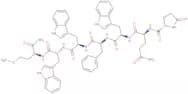
CAS:<p>G protein antagonist Pyr-Gln-D-Trp-Phe-D-Trp-D-Trp-Met-NH2 is a synthetic peptide that inhibits the activity of cyclase enzymes. It has been shown to inhibit skin cancer cells and has been shown to bind intracellular targets, such as protein kinase C, with high affinity. G protein antagonist Pyr-Gln-D-Trp-Phe-D-Trp-D-Trp--Met--NH2 has also been shown to inhibit the guanine nucleotide binding proteins (G proteins), which are necessary for cell signaling. G protein antagonist Pyr--Gln--D--Trp--Phe--D--Trp--D---Trp---Met---NH2 may also be used as an inhibitor of neurokinin 1 receptor activation and whole cell recordings have shown this drug to be potent antagonists of α subunit. G protein antagonist Pyr--Gln--D</p>Formula:C57H64N12O9SPurity:Min. 95%Molecular weight:1,093.26 g/molAnti-Kentsin trifluoroacetate salt
CAS:<p>Please enquire for more information about Anti-Kentsin trifluoroacetate salt including the price, delivery time and more detailed product information at the technical inquiry form on this page</p>Formula:C22H45N11O6Purity:Min. 95%Molecular weight:559.66 g/molProlactin-Releasing Peptide (1-31) (human)
CAS:<p>Please enquire for more information about Prolactin-Releasing Peptide (1-31) (human) including the price, delivery time and more detailed product information at the technical inquiry form on this page</p>Formula:C160H252N56O42SPurity:Min. 95%Molecular weight:3,664.13 g/molH-Lys-Pro-Tyr-OH acetate salt
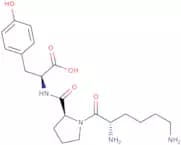
CAS:<p>Please enquire for more information about H-Lys-Pro-Tyr-OH acetate salt including the price, delivery time and more detailed product information at the technical inquiry form on this page</p>Formula:C20H30N4O5Purity:Min. 95%Molecular weight:406.48 g/molFmoc-D-Leu-Wang resin (200-400 mesh)
<p>Please enquire for more information about Fmoc-D-Leu-Wang resin (200-400 mesh) including the price, delivery time and more detailed product information at the technical inquiry form on this page</p>Purity:Min. 95%Ac-1-Nal-Abu-Phe-psi(CH2NH) Abu-Abu-1-Nal-NH2
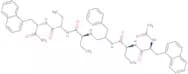
CAS:<p>Please enquire for more information about Ac-1-Nal-Abu-Phe-psi(CH2NH) Abu-Abu-1-Nal-NH2 including the price, delivery time and more detailed product information at the technical inquiry form on this page</p>Formula:C49H59N7O6Purity:Min. 95%Molecular weight:842.04 g/molH-Gly-Gly-AMC hydrochloride salt
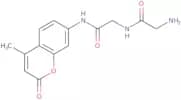
CAS:<p>H-Gly-Gly-AMC is a fluorescent substrate for the detection of protease activity. It can be used in a homogeneous assay to measure the protease activity of cells. The assay provides an accurate measurement of protease activity and the ability to normalize data to account for differences in cell number and protein content. H-Gly-Gly-AMC hydrochloride salt (HGG) is also a fluorogenic substrate for the determination of cell death or damage, which can be measured using aminoluciferin. This assay is based on the release of aminoluciferin from lysed cells, which fluoresces in proportion to the amount released.</p>Formula:C14H15N3O4Purity:Min. 95%Molecular weight:289.29 g/molDnp-Pro-Leu-Gly-Cys(Me)-His-Ala-D-Arg-NH2
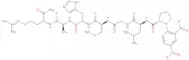
CAS:<p>Dnp-Pro-Leu-Gly-Cys(Me)-His-Ala-D-Arg-NH2 is a protease that was isolated from the fungus Aspergillus niger. It has been shown to have high efficiency in cleaving peptide bonds, which makes it useful for protein sequencing and analysis. Dnp-Pro-Leu-Gly-Cys(Me)-His-Ala-D-Arg-NH2 can be used as an enzyme in the production of collagenase, a protein that breaks down collagen. This enzyme also has potential applications in the production of analogs for use in chromatography and sequencing techniques. The variable amino acids at positions 2, 3, 5, 6, 7, 9, 10, 11, 12 and 13 are important for activity and substrate specificity. The enzyme's activity is optimal under high pressure conditions and at pH 8.0. Dnp--Pro--Leu--Gly--Cys</p>Formula:C38H57N15O11SPurity:Min. 95%Molecular weight:932.02 g/molZ-Ala-Ala-NH2
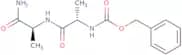
CAS:<p>Z-Ala-Ala-NH2 is a peptide that has been modified. Z-Ala-Ala-NH2 is a hydrolase and has the ability to hydrolyze peptides. It can be used in organic solvents as an unmodified hydrolase, or it can be modified with a nucleophile (such as an amine) to produce an active hydrolase. The unmodified form of Z-Ala-Ala-NH2 has been shown to have high yields and specificity for peptidyl substrates. This modification is also useful for the synthesis of amide bonds in peptides, which are more stable than ester bonds.</p>Formula:C14H19N3O4Purity:Min. 95%Molecular weight:293.32 g/molZ-Gly-Pro-Arg-pNA acetate salt
CAS:Controlled Product<p>Please enquire for more information about Z-Gly-Pro-Arg-pNA acetate salt including the price, delivery time and more detailed product information at the technical inquiry form on this page</p>Formula:C27H34N8O7·C2H4O2Purity:Min. 98 Area-%Color and Shape:PowderMolecular weight:642.66 g/mol





















![1-[(3,3-Diphenylpropyl)methylamino]-2-methyl-2-propanol](/_next/image/?url=https%3A%2Fstatic.cymitquimica.com%2Fproducts%2F3D%2Fthumb-webp%2FFD22513.webp&w=3840&q=75)