Amino Acids (AA)
Amino acids (AAs) are the fundamental building blocks of proteins, playing a crucial role in various biological processes. These organic compounds are essential for protein synthesis, metabolic pathways, and cell signaling. In this category, you will find a comprehensive range of amino acids, including essential, non-essential, and modified forms, which are vital for research in biochemistry, molecular biology, and nutritional sciences. At CymitQuimica, we provide high-quality amino acids to support your research and development needs, ensuring accuracy and reliability in your experimental outcomes.
Subcategories of "Amino Acids (AA)"
- Amino Acid Derivatives(3,955 products)
- Amino Acid and Amino Acid Related Compounds(3,451 products)
- Amino Acids with Oxygen or Sulphur(168 products)
- Boc- Amino Acids(351 products)
- Fmoc Amino Acids(1,710 products)
Found 38234 products of "Amino Acids (AA)"
Sort by
Purity (%)
0
100
|
0
|
50
|
90
|
95
|
100
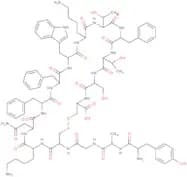
(D-Phe12)-Bombesin
CAS:<p>Please enquire for more information about (D-Phe12)-Bombesin including the price, delivery time and more detailed product information at the technical inquiry form on this page</p>Formula:C74H112N22O18SPurity:Min. 95%Molecular weight:1,629.88 g/mol4-Amino-N-(4-methylpyrimidin-2-yl)benzenesulfonamide
CAS:<p>4-Amino-N-(4-methylpyrimidin-2-yl)benzenesulfonamide (AMBPS) is a sulfonamide antimicrobial agent that belongs to the group of sulfa drugs. It is a potent inhibitor of tetracycline resistance in bacterial cells, and has been shown to be effective against infectious diseases such as tuberculosis, leprosy and pneumonia. AMBPS has also been used in wastewater treatment and biological studies with high values. This drug binds to sulfamerazine, which inhibits bacterial growth by inhibiting RNA synthesis. The hydrogen bonding interactions between AMBPS and sulfadiazine are thought to be responsible for the effects on congestive heart failure.</p>Formula:C11H12N4O2SPurity:Min. 95%Molecular weight:264.3 g/molH-Cys(Acm)-2-chlorotrityl resin (200-400 mesh) (Low Substitution)
<p>Please enquire for more information about H-Cys(Acm)-2-chlorotrityl resin (200-400 mesh) (Low Substitution) including the price, delivery time and more detailed product information at the technical inquiry form on this page</p>Purity:Min. 95%Platelet Factor 4 (58-70) (human)
CAS:<p>Please enquire for more information about Platelet Factor 4 (58-70) (human) including the price, delivery time and more detailed product information at the technical inquiry form on this page</p>Formula:C76H133N17O18Purity:Min. 95%Molecular weight:1,572.97 g/molH-Gly-Cys-Gly-OH
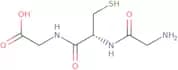
CAS:<p>H-Gly-Cys-Gly-OH is an amino acid sequence that has been evaluated for its interactions with other amino acids and proteins. It is a tripeptide heterocycle and can be found in the tissues of many organisms, including humans. H-Gly-Cys-Gly-OH can be found in bovine serum and has been shown to have reversed phase high performance liquid chromatography activity. This molecule also interacts with reversed phase high performance liquid chromatography, ion exchange, and tripeptides.</p>Formula:C7H13N3O4SPurity:Min. 95%Molecular weight:235.26 g/mol3-Hydroxy-4-methyl-2-nitro-benzoic acid
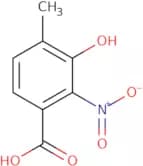
CAS:<p>3-Hydroxy-4-methyl-2-nitrobenzoic acid is an analog of the natural substrate for the enzyme nitroreductase. It can be used in oxidative coupling reactions to generate a covalently bonded product, which is immobilized on sepharose. 3-Hydroxy-4-methyl-2-nitrobenzoic acid has a high affinity for nucleic acids and can be used in biospecific assays. The chromophore of 3-hydroxy-4-methyl-2-nitrobenzoic acid is easily oxidized, leading to its use in nitroreduction reactions in which a nitro group is reduced to an amino group.</p>Purity:Min. 95%H-Lys-Phe-Gly-Lys-OH acetate salt
CAS:<p>Please enquire for more information about H-Lys-Phe-Gly-Lys-OH acetate salt including the price, delivery time and more detailed product information at the technical inquiry form on this page</p>Formula:C23H38N6O5Purity:Min. 95%Molecular weight:478.59 g/molFmoc-Lys(Boc)-Thr(Psi(Me ,Me)pro)-OH
CAS:<p>Please enquire for more information about Fmoc-Lys(Boc)-Thr(Psi(Me ,Me)pro)-OH including the price, delivery time and more detailed product information at the technical inquiry form on this page</p>Formula:C33H43N3O8Purity:Min. 95%Molecular weight:609.71 g/molH-Gly-His-Gly-OH
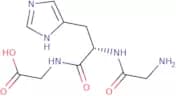
CAS:<p>H-Gly-His-Gly-OH is an amino acid that belongs to the class of peptide science. It is a protonated molecule with a histidine side chain, which has been shown to have enzyme inhibition properties. This amino acid has been used in model studies to determine the effect of acidic and basic ternary mixtures on the stability of proteins. H-Gly-His-Gly-OH has also been found to be effective as a chelate ring, which is a ring that binds metals such as iron and copper. Enzymes can form when this amino acid is present in solution with metal ions.</p>Formula:C10H15N5O4Purity:Min. 95%Molecular weight:269.26 g/molIGF-I (1-3)
CAS:<p>IGF-I (1-3) H-Gly-Pro-Glu-OH is a synthetic peptide that has been shown to be effective in treating neuronal death caused by glutamate. It binds to calcium ions and inhibits the activity of gamma-aminobutyric acid, which is an inhibitory neurotransmitter. IGF-I (1-3) H-Gly-Pro-Glu-OH also blocks fatty acid synthesis, leading to necrotic cell death. In vitro assays have shown that this drug can protect against blood group O erythrocytes from pyridoxal phosphate oxidation and protocatechuic acid binding. This drug has also been shown to increase locomotor activity in mice, as well as improve motor function in rats with experimental stroke.<br>IGF-I (1-3) H-Gly-Pro-Glu-OH is synthesized using a polymerase chain reaction technique and consists of amino acids 1 through 3 of</p>Formula:C12H19N3O6Purity:Min. 95%Molecular weight:301.3 g/molMethyl (2E)-3-(4-hydroxy-3-methoxyphenyl)acrylate
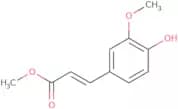
CAS:<p>Methyl (2E)-3-(4-hydroxy-3-methoxyphenyl)acrylate is a natural compound, which belongs to the group of ferulate esters. It has been shown that methyl (2E)-3-(4-hydroxy-3-methoxyphenyl)acrylate inhibits the activity of esterases, which are enzymes that hydrolyze esters. This inhibition leads to an accumulation of ferulic acid in the blood, which is associated with bowel disease. Methyl (2E)-3-(4-hydroxy-3-methoxyphenyl)acrylate has been shown to be effective against murine hepatoma cells and polymorphonuclear leucocytes, which are white blood cells that can be found in the blood and other tissues. The inhibitory effect on these cells may be due to its ability to bind to ferulic acid and caffeic acids.</p>Formula:C11H12O4Purity:Min. 95%Color and Shape:White PowderMolecular weight:208.21 g/molBrain-Binding Peptide
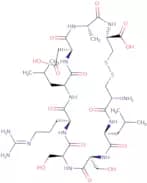
CAS:<p>Please enquire for more information about Brain-Binding Peptide including the price, delivery time and more detailed product information at the technical inquiry form on this page</p>Formula:C37H64N12O14S2Purity:Min. 95%Molecular weight:965.11 g/molAngiotensin I/II (3-7)
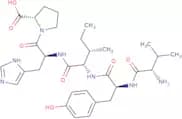
CAS:<p>Angiotensin I/II (3-7) H-Val-Tyr-Ile-His-Pro-OH is an antagonist of the angiotensin II receptor. It has been shown to be a cognitive enhancer by statistically improving treatments for behavioural problems in rats and mice. Angiotensin I/II (3-7) H-Val-Tyr-Ile-His-Pro-OH has also been shown to inhibit nicotinic acetylcholine receptors, which are involved in mediating the effects of neurotransmitters on muscle cells. This agent also inhibits angiotensin II receptors, leading to vasodilation and reduced blood pressure. The mechanism of action is not yet clear but may involve inhibition of protein kinase C. In preclinical studies, it has been shown that this drug facilitates behavioural effects such as memory retention and motor performance in rats when given before treatment with peptides such as substance P or calcitonin gene related pept</p>Formula:C31H45N7O7Purity:Min. 95%Molecular weight:627.73 g/molN-Tritylglycine
CAS:<p>N-Tritylglycine is an acidic amino acid that can be protonated in a highly acidic environment. It has been shown to inhibit the growth of tumor tissue by inducing apoptosis and inhibiting protein synthesis. N-Tritylglycine is used as a reagent for analytical chemistry, where it is used to detect amines such as histamine and serotonin. N-Tritylglycine also has been shown to be potent inhibitor of kinesin.</p>Formula:C21H19NO2Purity:Min. 95%Molecular weight:317.38 g/molpTH (2-38) (human) acetate salt
CAS:<p>Please enquire for more information about pTH (2-38) (human) acetate salt including the price, delivery time and more detailed product information at the technical inquiry form on this page</p>Formula:C194H314N58O53S2Purity:Min. 95%Molecular weight:4,371.06 g/molBoc-D-Ala-PAM resin (200-400 mesh)
<p>Please enquire for more information about Boc-D-Ala-PAM resin (200-400 mesh) including the price, delivery time and more detailed product information at the technical inquiry form on this page</p>Purity:Min. 95%Leu-Enkephalin amide acetate salt
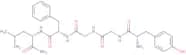
CAS:<p>Leu-Enkephalin amide acetate salt H-Tyr-Gly-Gly-Phe-Leu-NH2 acetate salt is a peptide that is used as an analgesic and antipyretic drug. It is a synthetic form of endogenous enkephalins, which are natural pain relievers. The chemical stability of Leu-Enkephalin amide acetate salt H-Tyr-Gly-Gly-Phe-Leu-NH2 acetate salt makes it an effective drug for chronic use, and it has been shown to have a low side effect profile. This compound also has been shown to block the synthesis of histamine in vivo, but its bioavailability in vivo is not high due to its rapid degradation by proteases.</p>Formula:C28H38N6O6Purity:Min. 95%Color and Shape:PowderMolecular weight:554.64 g/molH-His-Ser-OH
CAS:<p>H-His-Ser-OH is a type of histidine with a hydroxyl group at the 3' position. It is an amino acid found in proteins and natural products. H-His-Ser-OH has been shown to be a synthetic substrate for the production of monoclonal antibodies, which are used as therapeutic agents in cancer treatment. The metabolic disorders that affect H-His-Ser-OH include human serum albumin and hemoglobinuria. This amino acid also plays a role in cervical cancer, neutral pH, and amide bonds. H-His-Ser-OH is also known to be a growth factor and has been linked to autoimmune diseases, site specific phosphorylation, and peptide hormones.br>br>br></p>Formula:C9H14N4O4Purity:Min. 95%Molecular weight:242.23 g/molN-Fmoc-L-γ-carboxyglutamic acid γ,γ-di-t-butyl ester
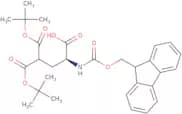
CAS:<p>Please enquire for more information about N-Fmoc-L-gamma-carboxyglutamic acid gamma,gamma-di-t-butyl ester including the price, delivery time and more detailed product information at the technical inquiry form on this page</p>Formula:C29H35NO8Purity:Min. 95%Molecular weight:525.59 g/molBoc-D-His(Boc)-OH benzene solvate
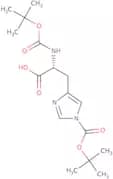
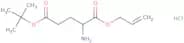
CAS:<p>Please enquire for more information about Boc-D-His(Boc)-OH benzene solvate including the price, delivery time and more detailed product information at the technical inquiry form on this page</p>Formula:C16H25N3O6Purity:Min. 95%Color and Shape:SolidMolecular weight:355.39 g/molH-Glu(OtBu)-allyl ester·HCl
CAS:<p>Please enquire for more information about H-Glu(OtBu)-allyl ester·HCl including the price, delivery time and more detailed product information at the technical inquiry form on this page</p>Formula:C12H21NO4·HClPurity:Min. 95%Molecular weight:279.76 g/molCys-Gly-Lys-Lys-Gly-Amyloid b-Protein (35-40) trifluoroacetate salt
CAS:<p>Please enquire for more information about Cys-Gly-Lys-Lys-Gly-Amyloid b-Protein (35-40) trifluoroacetate salt including the price, delivery time and more detailed product information at the technical inquiry form on this page</p>Formula:C43H79N13O12S2Purity:Min. 95%Molecular weight:1,034.3 g/mol(D-Ser6,Azagly10)-LHRH acetate salt
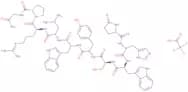
CAS:<p>Please enquire for more information about (D-Ser6,Azagly10)-LHRH acetate salt including the price, delivery time and more detailed product information at the technical inquiry form on this page</p>Formula:C55H76N18O14Purity:Min. 95%Molecular weight:1,213.3 g/mol(Tyr0)-Stresscopin (human)
CAS:<p>Please enquire for more information about (Tyr0)-Stresscopin (human) including the price, delivery time and more detailed product information at the technical inquiry form on this page</p>Formula:C204H335N57O55S2Purity:Min. 95%Molecular weight:4,530.33 g/molAmyloid Bri Protein Precursor277 (89-106) trifluoroacetate salt
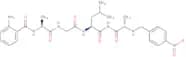
CAS:<p>Please enquire for more information about Amyloid Bri Protein Precursor277 (89-106) trifluoroacetate salt including the price, delivery time and more detailed product information at the technical inquiry form on this page</p>Formula:C87H141N21O30SPurity:Min. 95%Molecular weight:1,993.24 g/molAbz-Ala-Gly-Leu-Ala-p-nitrobenzylamide
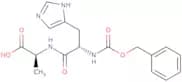
CAS:<p>Benzamidine is a benzamidase inhibitor that competitively binds to bacterial enzymes such as metalloendopeptidases and matrix metalloproteinases. It inhibits the degradation of collagen, resulting in a higher concentration of soluble extract. This drug also has an effect on spermatozoa, which may be due to its ability to inhibit bacterial enzymes that are involved with uptake and preload. Benzamidine has been shown to have a pH optimum of 8-9 and is most active at this pH range.</p>Formula:C28H37N7O7Purity:Min. 95%Molecular weight:583.64 g/molZ-His-Ala-OH
CAS:<p>Please enquire for more information about Z-His-Ala-OH including the price, delivery time and more detailed product information at the technical inquiry form on this page</p>Formula:C17H20N4O5Purity:Min. 95%Molecular weight:360.36 g/molCortistatin-29 (rat) trifluoroacetate salt
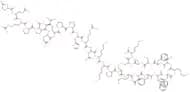
CAS:<p>Please enquire for more information about Cortistatin-29 (rat) trifluoroacetate salt including the price, delivery time and more detailed product information at the technical inquiry form on this page</p>Formula:C161H240N46O41S2Purity:Min. 95%Molecular weight:3,540.05 g/mol(Tyr(Me)21)-Neuropeptide Y (human, rat) trifluoroacetate salt
CAS:<p>Please enquire for more information about (Tyr(Me)21)-Neuropeptide Y (human, rat) trifluoroacetate salt including the price, delivery time and more detailed product information at the technical inquiry form on this page</p>Formula:C190H287N55O57SPurity:Min. 95%Molecular weight:4,285.71 g/molN-Boc-3-Azetidinol
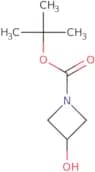
CAS:<p>This linker is chemically stable and not cleavable under standard intracellular or extracellular conditions. N-Boc-3-Azetidinol is also a versatile organic intermediate used primarily in the pharmaceutical industry for synthesizing a wide range of drugs, including antibacterials, immunosuppressants, and cancer therapies.</p>Formula:C8H15NO3Purity:Min. 95%Molecular weight:173.21 g/molTyr-Somatostatin-14
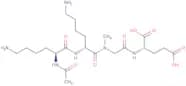
CAS:<p>Please enquire for more information about Tyr-Somatostatin-14 including the price, delivery time and more detailed product information at the technical inquiry form on this page</p>Formula:C85H113N19O21S2Purity:Min. 95%Molecular weight:1,801.05 g/molAcetyl-(D-Lys2, Sar 3)-Melanotropin-Potentiating Factor acetate salt
CAS:<p>Acetyl-(D-Lys2, Sar 3)-Melanotropin-Potentiating Factor acetate salt Ac-Lys-D-Lys-Sar-Glu-OH acetate salt is synthesized from a tetrapeptide. It has been shown to be neurotrophic and to stimulate the uptake of dopamine. Acetyl-(D-Lys2, Sar 3)-Melanotropin-Potentiating Factor acetate salt Ac-Lys-D-Lys-Sar-Glu-OH acetate salt has also been shown to be an analog of the growth factor nerve growth factor (NGF) and have similar effects on muscle tissue.</p>Formula:C22H40N6O8Purity:Min. 95%Molecular weight:516.59 g/molH-D-Ala-Gly-Gly-OH
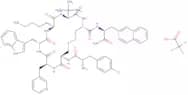
CAS:<p>H-D-Ala-Gly-Gly-OH is a bifunctional amide that can be used as an acceptor or donor. It has been shown to function in polymerase chain reactions, where it binds to the subunits of DNA polymerase and acts as an acceptor. This compound also has carboxypeptidase activity and isomerizes to form D-alanine at a thermodynamic equilibrium. H-D-Ala-Gly-Gly-OH is found in Geobacillus stearothermophilus, which displays cell lysis after being exposed to this compound. The same enzyme activity was found in Ochrobactrum anthropi, but not in other bacteria such as Streptomyces griseus or Bacillus subtilis.</p>Formula:C7H13N3O4Purity:Min. 95%Molecular weight:203.2 g/molH-p-Chloro-Phe-D-Cys-b-(3-pyridyl)-Ala-D-Trp-Lys-tBu-Gly-Cys-2-Nal-NH2 trifluoroacetate salt (Disulfide bond)
CAS:<p>Please enquire for more information about H-p-Chloro-Phe-D-Cys-b-(3-pyridyl)-Ala-D-Trp-Lys-tBu-Gly-Cys-2-Nal-NH2 trifluoroacetate salt (Disulfide bond) including the price, delivery time and more detailed product information at the technical inquiry form on this page</p>Formula:C59H71ClN12O8S2Purity:Min. 95%Molecular weight:1,175.86 g/molFmoc-Met-Wang resin (200-400 mesh)
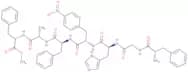
<p>Please enquire for more information about Fmoc-Met-Wang resin (200-400 mesh) including the price, delivery time and more detailed product information at the technical inquiry form on this page</p>Purity:Min. 95%H-Phe-Gly-His-p-nitro-Phe-Phe-Ala-Phe-OMe
CAS:<p>H-Phe-Gly-His-p-nitro-Phe-Phe-Ala-Phe-OMe is a protonated amino acid. It has been shown to have a high affinity for the histidine subsite of human thrombin. This compound has been found to have a kinetic rate of hydrolysis that is competitive with that of aspartic acid, but slower than that of valine. H-Phe-Gly-His-p-nitro-Phe--Phe--Ala--Phe--OMe also functions as an anticoagulant and inhibits clotting by inhibiting the conversion of fibrinogen to fibrin.</p>Formula:C48H54N10O10Purity:Min. 95%Molecular weight:931 g/molLys-(Des-Arg9,Leu8)-Bradykinin trifluoroacetate salt
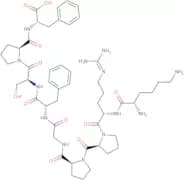
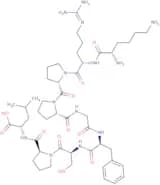
CAS:<p>Bradykinin is a peptide that is released in response to injury and inflammation. It has two receptors, B1 and B2. Bradykinin binds to the B2 receptor which leads to vasodilation, increased vascular permeability, and bronchoconstriction. Lys-(Des-Arg9,Leu8)-Bradykinin trifluoroacetate salt H-Lys-Arg-Pro-Pro-Gly-Phe-Ser-Pro-Leu (LBP) is a synthetic analogue of bradykinin that competes with bradykinin for binding sites on the bradykinin b2 receptor. LBP also inhibits lipoxygenase activity in vitro and in animals. This drug can be used as an antagonist against bradykinin b2 receptor or as an antiplatelet agent.</p>Formula:C47H75N13O11Purity:Min. 95%Molecular weight:998.18 g/molH-Leu-NHOH·TFA
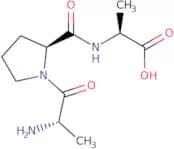
CAS:<p>H-Leu-NHOH·TFA is a histidine analogue that is used as a catalyst. It has been shown to be an effective inhibitor of corynebacteria, and can be used in the synthesis of fatty acids, which are important for cell membrane production. H-Leu-NHOH·TFA also binds to the enzyme synthetase and inhibits its activity, which blocks the conversion of ammonia and amino acids into polypeptides. This inhibition prevents bacterial growth. H-Leu-NHOH·TFA is active at acidic pH levels, with a maximum activity at pH 4.0. The optimum temperature for this compound is 50°C, but it will still work at temperatures up to 60°C.</p>Formula:C6H14N2O2·C2HF3O2Purity:Min. 95%Color and Shape:PowderMolecular weight:260.21 g/molH-Ala-Pro-Ala-OH
CAS:<p>H-Ala-Pro-Ala-OH is a fluorescent amino acid residue that can be used to study the structures of proteins. This amino acid is derived from histidine, and its fluorescence intensity increases when it binds to tryptophan residues near the active site of an enzyme. H-Ala-Pro-Ala-OH has been used for the structural analysis of mutant enzymes that have been engineered to show differences in substrate binding sites. This molecule also has a fluorogenic substrate, which can be used as a replacement for traditional substrates in order to highlight specific regions of a protein or enzyme. The quantum theory was used to calculate the x-ray diffraction data, which were then analyzed using software programs such as MOLMOL and XPLOR. These datasets were then used to create molecular models of H-Ala-Pro-Ala-OH.</p>Formula:C11H19N3O4Purity:Min. 95%Molecular weight:257.29 g/molrac 3,11-dichloro-6,11-dihydro-6-methyl-dibenzo[c,f][1,2]thiazepine 5,5-dioxide
CAS:<p>Racemic 3,11-dichloro-6,11-dihydro-6-methyl-dibenzo[c,f][1,2]thiazepine 5,5-dioxide is a hydrogen chloride salt of racemic 3,11-dichloro-6,11-dihydro-6-methyl dibenzo[c,f][1,2]thiazepine. Racemic 3,11 - dichloro - 6 , 11 - dihydro - 6 - methyl dibenzo [ c , f ] [ 1 , 2 ] thiazepine 5 , 5 - dioxide is used in the manufacture of high purity and high yield hydrogen chloride gas. Racemic 3,11 - dichloro - 6 , 11 - dihydro - 6 - methyl dibenzo [ c , f ] [ 1 , 2 ] thiazepine 5 , 5 - dioxide can be prepared by heating anhyd</p>Formula:C14H11Cl2NO2SPurity:Min. 95%Molecular weight:328.21 g/mol1-O-Octadecyl-2-O-methyl-rac-glycero-3-phosphocholine
CAS:<p>Edelfosine is a phospholipid that selectively binds to nuclear DNA, leading to apoptosis. It also binds to the G-protein coupled receptors and inhibits the release of Ca2+ from intracellular stores. Edelfosine has been shown to inhibit the growth of Leishmania in vitro as well as in vivo. This drug is being studied for its potential use in inflammatory bowel diseases, such as Crohn's disease and ulcerative colitis.</p>Formula:C27H58NO6PPurity:Min. 95%Molecular weight:523.73 g/mol(4S,5R)-3-Benzoyl-2-(4-methoxyphenyl)-4-phenyl-5-oxazolidinecarboxylic acid
CAS:<p>Please enquire for more information about (4S,5R)-3-Benzoyl-2-(4-methoxyphenyl)-4-phenyl-5-oxazolidinecarboxylic acid including the price, delivery time and more detailed product information at the technical inquiry form on this page</p>Formula:C24H21NO5Purity:Min. 95%Color and Shape:White To Off-White SolidMolecular weight:403.43 g/molH-Thr-Pro-OH·HCl
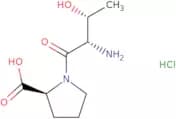
CAS:<p>Please enquire for more information about H-Thr-Pro-OH·HCl including the price, delivery time and more detailed product information at the technical inquiry form on this page</p>Formula:C9H16N2O4·HClPurity:Min. 95%Molecular weight:252.7 g/molN-(Hydroxymethyl)-phenylacetamide
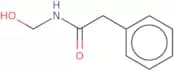
CAS:<p>N-(Hydroxymethyl)-phenylacetamide is an organic solvent that is used in the synthesis of certain antibiotics. It is a synthetic compound and can be obtained by reacting toluene with benzene, using a strong acid catalyst such as sulfuric acid. N-(Hydroxymethyl)-phenylacetamide has been used in the synthesis of isoquinolones, which are also antibiotics. This organic solvent can also be used for recrystallization, which is a process that helps purify solids from liquids or liquids from solids. The yield of this reaction is high, making it an efficient way to synthesize these compounds.</p>Formula:C9H11NO2Purity:Min. 95%Molecular weight:165.19 g/molH-Pro-His-Pro-Phe-His-Phe-Phe-Val-Tyr-Lys-OH
CAS:<p>H-Pro-His-Pro-Phe-His-Phe-Phe-Val-Tyr-Lys-OH is a monoclonal antibody that has been shown to inhibit the activity of enalaprilat, which is an enzyme inhibitor. H-Pro-His-Pro-Phe-His-Phe-Phe-Val--Tyr--Lys--OH binds to the active site of the enzyme and inhibits its activity. This drug has been shown to be effective against a number of infectious diseases, including HIV. It has also been shown to have diagnostic utility for renal function and congestive heart failure. H--Pro--His--Pro--Phe--His--Phe--Phe--Val----Tyr----Lys----OH has also been shown to inhibit protease activity in vitro. The biocompatible polymer coating used in this drug prevents degradation by enzymes in the body and enhances its stability in vivo.</p>Formula:C69H87N15O12Purity:Min. 95%Molecular weight:1,318.52 g/molAbz-Ala-Phe-Ala-Phe-Asp-Val-Phe-3-nitro-Tyr-Asp-OH trifluoroacetate salt
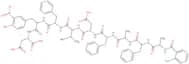
CAS:<p>Please enquire for more information about Abz-Ala-Phe-Ala-Phe-Asp-Val-Phe-3-nitro-Tyr-Asp-OH trifluoroacetate salt including the price, delivery time and more detailed product information at the technical inquiry form on this page</p>Formula:C62H71N11O18Purity:Min. 95%Molecular weight:1,258.29 g/mol1-Boc-pyrrolidine-2,4-dione
CAS:<p>Please enquire for more information about 1-Boc-pyrrolidine-2,4-dione including the price, delivery time and more detailed product information at the technical inquiry form on this page</p>Formula:C9H13NO4Purity:Min. 95%Molecular weight:199.2 g/molTyr-(D-Dab 4,Arg5,D-Trp8)-cyclo-Somatostatin-14 (4-11) trifluoroacetate salt
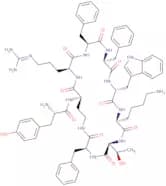
CAS:<p>Please enquire for more information about Tyr-(D-Dab 4,Arg5,D-Trp8)-cyclo-Somatostatin-14 (4-11) trifluoroacetate salt including the price, delivery time and more detailed product information at the technical inquiry form on this page</p>Formula:C67H85N15O11Purity:Min. 95%Molecular weight:1,276.49 g/mol(D-His2,D-Trp6)-LHRH trifluoroacetate salt
CAS:<p>Please enquire for more information about (D-His2,D-Trp6)-LHRH trifluoroacetate salt including the price, delivery time and more detailed product information at the technical inquiry form on this page</p>Formula:C64H82N18O13Purity:Min. 95%Molecular weight:1,311.45 g/molMet-Enkephalin acetate salt
CAS:<p>Please enquire for more information about Met-Enkephalin acetate salt including the price, delivery time and more detailed product information at the technical inquiry form on this page</p>Formula:C27H35N5O7S·xC2H4O2Purity:Min. 95%Molecular weight:573.66 g/molOxyntomodulin (human, mouse, rat) trifluoroacetate salt
CAS:<p>Please enquire for more information about Oxyntomodulin (human, mouse, rat) trifluoroacetate salt including the price, delivery time and more detailed product information at the technical inquiry form on this page</p>Formula:C192H295N61O60SPurity:Min. 95%Molecular weight:4,449.84 g/molGliadorphin-7 trifluoroacetate salt
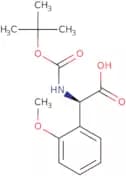
CAS:<p>Gliadorphin is a peptide that occurs in cow's milk. It has been shown to be effective against bacterial translocation, which is the passage of bacteria from the gut into other parts of the body. Gliadorphin also has a safety profile, with no observed adverse effects in animal studies and dietary trials. The biological samples used for this study were casein and urine samples. The antibodies used were polyclonal antibodies and Gliadorphin was tested for its ability to bind to bacterial proteins in vivo. Hydration may be necessary for optimal absorption of gliadorphin, as dehydration can affect immune reaction. Gliadorphin does not have any known side effects or drug interactions, but it should not be used by people with an allergy to casein or those who are allergic to mammalian serine proteases (such as trypsin).</p>Formula:C43H57N9O11Purity:Min. 95%Molecular weight:875.97 g/molBoc-(R)-2-methoxyphenylglycine
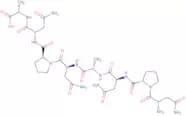
CAS:<p>Please enquire for more information about Boc-(R)-2-methoxyphenylglycine including the price, delivery time and more detailed product information at the technical inquiry form on this page</p>Formula:C14H19NO5Purity:Min. 95%Molecular weight:281.3 g/molH(-Asn-Pro-Asn-Ala)2-OH
CAS:<p>Please enquire for more information about H(-Asn-Pro-Asn-Ala)2-OH including the price, delivery time and more detailed product information at the technical inquiry form on this page</p>Formula:C32H50N12O13Purity:Min. 95%Molecular weight:810.81 g/molFmoc-Ala-Cys(Psi(Me ,Me)pro)-OH
<p>Please enquire for more information about Fmoc-Ala-Cys(Psi(Me ,Me)pro)-OH including the price, delivery time and more detailed product information at the technical inquiry form on this page</p>Formula:C24H26N2O5SPurity:Min. 95%Molecular weight:454.54 g/mol(Tyr0)-Fibrinopeptide A (human)
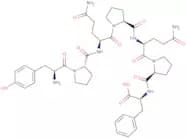
CAS:<p>Please enquire for more information about (Tyr0)-Fibrinopeptide A (human) including the price, delivery time and more detailed product information at the technical inquiry form on this page</p>Formula:C72H106N20O28Purity:Min. 95%Molecular weight:1,699.73 g/molLys-(Des-Arg9)-Bradykinin trifluoroacetate salt
CAS:<p>Lys-(Des-Arg9)-Bradykinin trifluoroacetate salt H-Lys-Arg-Pro-Pro-Gly-Phe-Ser-Pro-Phe-OH trifluoroacetate salt (KBP) is a peptide that increases blood pressure by binding to the b2 receptor. This drug has been shown to be a potent pressor in animals and humans, with a concentration response curve similar to that of epinephrine. KBP binds to the extracellular domain of the b2 receptor, which activates this receptor and promotes the release of growth factors, such as epidermal growth factor (EGF). The high affinity of KBP for the b2 receptor is thought to be due to its ability to sequester EGF.</p>Formula:C50H73N13O11Purity:Min. 95%Molecular weight:1,032.2 g/molH-Ala-Ala-Ala-Tyr-Ala-OH
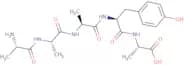
CAS:<p>Please enquire for more information about H-Ala-Ala-Ala-Tyr-Ala-OH including the price, delivery time and more detailed product information at the technical inquiry form on this page</p>Formula:C21H31N5O7Purity:Min. 95%Molecular weight:465.5 g/molSuc-Ala-Gly-Pro-Phe-pNA
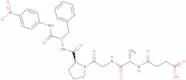
CAS:<p>Suc-Ala-Gly-Pro-Phe-pNA is an amide that has been synthesized for the stabilization of proteins, peptides and nucleic acids. It has shown to be effective in preventing isomerization of casein and phosphatase (casein kinase II) by stabilizing the alpha helix structure. Suc-Ala-Gly-Pro-Phe-pNA also prevents fk506 binding to endoplasmic reticulum protein tyrosine kinases and isomerizes tyrosine to phenylalanine. The tetrapeptide sequence has been shown to be similar to sequences found in cellular proteins. This compound is a synthetic analog of the natural amino acid proline and can be used as a substitute in peptides or nucleotide sequences, due to its ability to stabilize these molecules against proteolysis or hydrolysis.</p>Formula:C29H34N6O9Purity:Min. 95%Molecular weight:610.62 g/molZ-Arg-AMC hydrochloride salt
CAS:<p>Z-Arg-AMC hydrochloride salt is a proteolytic agent that inhibits serine proteases. It can be used to study the biological function of proteases and as a tool in the kinetic analysis of protease activity. Z-Arg-AMC hydrochloride salt has been shown to inhibit trypsin, chymotrypsin, and elastase enzymes at nanomolar concentrations. This compound also inhibits human pathogens such as enterovirus 71 and herpes simplex virus type 1, which are associated with severe disease symptoms. The structural analysis of Z-Arg-AMC hydrochloride salt has shown it to be a racemic mixture of L-Arginine and D-Arginine with an average molecular weight of 313.5 Da.</p>Formula:C24H27N5O5Purity:Min. 95%Molecular weight:465.5 g/molZ-Val-Asp(OMe)-Val-Ala-DL-Asp(OMe)-fluoromethylketone
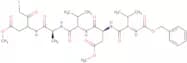
<p>Please enquire for more information about Z-Val-Asp(OMe)-Val-Ala-DL-Asp(OMe)-fluoromethylketone including the price, delivery time and more detailed product information at the technical inquiry form on this page</p>Formula:C32H46FN5O11Purity:Min. 95%Molecular weight:695.73 g/molH-Lys-Gly-Glu-OH
CAS:<p>H-Lys-Gly-Glu-OH is a peptide that binds to epidermal growth factor, increasing the production of new cells. This molecule has been shown to inhibit the growth of viruses, such as herpes simplex virus, and matrix metalloproteinase. This peptide also interacts with toll-like receptor 4, which is a protein that recognizes lipopolysaccharides in Gram-negative bacteria. Titration calorimetry has shown that H-Lys-Gly-Glu-OH has an effect on epidermal growth factor, which may be due to its effects on fatty acid metabolism or growth factors.</p>Formula:C13H24N4O6Purity:Min. 95%Molecular weight:332.35 g/molProadrenomedullin (12-20) (human)
CAS:<p>Please enquire for more information about Proadrenomedullin (12-20) (human) including the price, delivery time and more detailed product information at the technical inquiry form on this page</p>Formula:C56H86N18O11Purity:Min. 95%Molecular weight:1,187.4 g/molH-Met-Cys-Glu-Lys-OH trifluoroacetate salt
CAS:<p>Please enquire for more information about H-Met-Cys-Glu-Lys-OH trifluoroacetate salt including the price, delivery time and more detailed product information at the technical inquiry form on this page</p>Formula:C19H35N5O7S2Purity:Min. 95%Molecular weight:509.64 g/molH-Lys-Lys-OH hydrochloride salt
CAS:<p>Please enquire for more information about H-Lys-Lys-OH hydrochloride salt including the price, delivery time and more detailed product information at the technical inquiry form on this page</p>Formula:C12H26N4O3·xHClPurity:Min. 95%Molecular weight:274.36 g/molH-Leu-Leu-Val-Tyr-OH
CAS:<p>Please enquire for more information about H-Leu-Leu-Val-Tyr-OH including the price, delivery time and more detailed product information at the technical inquiry form on this page</p>Formula:C26H42N4O6Purity:Min. 95%Molecular weight:506.64 g/molH-Tyr-Ile-Gly-Ser-Arg-OH trifluoroacetate salt
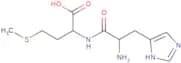
CAS:<p>The H-Tyr-Ile-Gly-Ser-Arg-OH trifluoroacetate salt is a synthetic peptide that has been shown to promote neuronal growth and axonal regeneration. This compound has been synthesized using a biocompatible polymer, collagen gel, and neurotrophic factors. The peptide is also able to stimulate the synthesis of collagen in mesenchymal cells cultured in tissue culture. The peptide can be used for treatment of subcutaneous tumors and neural injury.</p>Formula:C26H42N8O8Purity:Min. 95%Molecular weight:594.66 g/molH-His-Met-OH
CAS:<p>H-His-Met-OH is a histidine derivative that has been shown to have antioxidant properties. It is classified as an amide, and also acts as a chelating agent. The molecule can bind to metal ions and thereby scavenge free radicals. H-His-Met-OH has been shown to have anti-cancer activity in vitro and in vivo against kidney cancer cells. This compound also has the ability to inhibit the growth of Pseudomonas aeruginosa, which is an activated form of this bacterium, by preventing its respiration. H-His-Met-OH inhibits energy metabolism in cancer cells, which may be due to its ability to inhibit glucose uptake by inhibiting the glycolytic pathway.</p>Formula:C11H18N4O3SPurity:Min. 95%Molecular weight:286.35 g/mol1,2-Phenylene phosphorochloridite
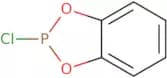
CAS:<p>1,2-Phenylene phosphorochloridite is a chemical that is an intermediate for the synthesis of perfluorinated compounds. It has been used as a precursor for the synthesis of biodiesel. The proton NMR spectrum shows three resonances: one at δ 3.8 ppm (J = 6 Hz) corresponding to the protons on the aromatic ring, one at δ 4.7 ppm (J = 6 Hz) corresponding to the protons on the chloro group, and one at δ 7.6 ppm (J = 2 Hz) corresponding to the protons on the methylene chain. This chemical can be prepared by reacting trifluoroacetic acid with phenol in a preparative method with nucleophilic substitution or by dehydrating fatty alcohols with halides in a dehydration reaction.</p>Formula:C6H4ClO2PPurity:Min. 95%Color and Shape:PowderMolecular weight:174.52 g/molL-Lysine methyl ester 2HCl
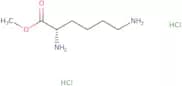
CAS:<p>L-Lysine methyl ester 2HCl is a lysine derivative that has been synthesized by reacting L-lysine with methanol and hydrochloric acid. This compound's cytotoxicity has been demonstrated in an inhibition study using calf thymus dna. L-Lysine methyl ester 2HCl contains amide, acid, and ester linkages, as well as hydrogen bonds that are typical of natural compounds. It is also biologically active and has a molecular weight of 246.3 g/mol. The chemical structure of this compound consists of a central l-lysine molecule with two methyl groups on the nitrogen atom. The compound also contains a carboxyl group on the end of the chain and an ester group on the second carbon atom from the end of the chain. L-Lysine methyl ester 2HCl can be found in soybeans and bovine fetal tissue. It exhibits morphological properties similar to other</p>Formula:C7H16N2O2·2HClPurity:Min. 95%Color and Shape:PowderMolecular weight:233.14 g/molH-Leu-Leu-Leu-NH2
CAS:<p>Please enquire for more information about H-Leu-Leu-Leu-NH2 including the price, delivery time and more detailed product information at the technical inquiry form on this page</p>Formula:C18H36N4O3Purity:Min. 95%Molecular weight:356.5 g/molZ-Ala-Ala-Lys-4MbetaNA formiate salt
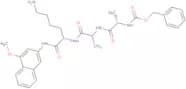
CAS:<p>Please enquire for more information about Z-Ala-Ala-Lys-4MbetaNA formiate salt including the price, delivery time and more detailed product information at the technical inquiry form on this page</p>Formula:C31H39N5O6·CH2O2Purity:Min. 95%Molecular weight:623.7 g/molGAP 27 acetate salt
CAS:<p>GAP 27 is a connexin that is expressed in the cardiac and skin cells. GAP 27 acetate salt H-Ser-Arg-Pro-Thr-Glu-Lys-Thr-Ile-Phe-Ile-Ile-OH acetate salt is made up of a number of amino acids, including serine, arginine, proline, glutamic acid, lysine, threonine and isoleucine. It has been shown to have biological function in vivo models and in vitro assays. GAP 27 acetate salt H-Ser-Arg-Pro-Thr-Glu-Lys-Thr--Ile--Phe--Ile--Ile--OH acetate salt has been shown to be non toxic to the heart and skin cells. This protein also shows growth factor activity when it interacts with toll like receptor 4 (TLR4) on human skin cells.</p>Formula:C60H101N15O17Purity:Min. 95%Molecular weight:1,304.53 g/molAc-Glu-Glu-Val-Val-Ala-Cys-pNA
CAS:<p>Please enquire for more information about Ac-Glu-Glu-Val-Val-Ala-Cys-pNA including the price, delivery time and more detailed product information at the technical inquiry form on this page</p>Formula:C34H50N8O13SPurity:Min. 95%Molecular weight:810.87 g/molArg-Glu(EDANS)-(Asn670,Leu671)-Amyloid β/A4 Protein Precursor770 (668-675)-Lys(DABCYL)-Arg trifluoroacetate salt
CAS:<p>Please enquire for more information about Arg-Glu(EDANS)-(Asn670,Leu671)-Amyloid beta/A4 Protein Precursor770 (668-675)-Lys(DABCYL)-Arg trifluoroacetate salt including the price, delivery time and more detailed product information at the technical inquiry form on this page</p>Formula:C91H129N25O25SPurity:Min. 95%Molecular weight:2,005.22 g/molH-Gln(Trt)-2-chlorotrityl resin (200-400 mesh) (Low Substitution)
<p>Please enquire for more information about H-Gln(Trt)-2-chlorotrityl resin (200-400 mesh) (Low Substitution) including the price, delivery time and more detailed product information at the technical inquiry form on this page</p>Purity:Min. 95%Suc-Ala-Phe-Lys-AMC trifluoroacetate salt
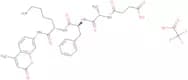
CAS:<p>Please enquire for more information about Suc-Ala-Phe-Lys-AMC trifluoroacetate salt including the price, delivery time and more detailed product information at the technical inquiry form on this page</p>Formula:C32H39N5O8·C2HF3O2Purity:Min. 95%Molecular weight:735.7 g/molSuc-Ala-Ala-Pro-Ile-pNA
CAS:<p>Suc-Ala-Ala-Pro-Ile-pNA is an enzyme that belongs to the family of zymogens. It is a tetrapeptide that is synthesized in the cytosol and transported into the lumen of the intestine, where it is cleaved by trypsin to form pepsin A. In humans, this enzyme has been localized to the duodenum and jejunum. Suc-Ala-Ala-Pro-Ile-pNA is activated by trypsin and cleaves proteins at their carboxyl side chains. It also binds to specific residues in proteins, including those with unpaired cysteine residues.</p>Formula:C27H38N6O9Purity:Min. 95%Molecular weight:590.63 g/molBoc-β-Ala-PAM resin (200-400 mesh)
<p>Please enquire for more information about Boc-beta-Ala-PAM resin (200-400 mesh) including the price, delivery time and more detailed product information at the technical inquiry form on this page</p>Purity:Min. 95%Ac-Tyr-OEt
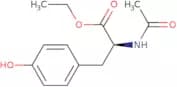
CAS:<p>Ac-Tyr-OEt is a synthetic peptide with the amino acid sequence Ac-Tyr-OEt. It is a signal peptide that enhances the efficiency of protein secretion in soybean cells. It binds to hydroxyl groups on sephadex g-100, which may be due to hydrogen bonding between the two. The rate constant for this reaction has been measured at 2.5 x 10^6 M^(-1)s^(-1) and the caproic acid concentration for half-maximal binding has been determined to be 3 mM. Ac-Tyr-OEt also has protease activity, as demonstrated by its ability to hydrolyze carboxypeptidase A at a rate of 1.7 x 10^4 min^(-1).</p>Formula:C13H17NO4Purity:Min. 95%Molecular weight:251.28 g/molpTH (44-68) (human)
CAS:<p>Please enquire for more information about pTH (44-68) (human) including the price, delivery time and more detailed product information at the technical inquiry form on this page</p>Formula:C117H199N41O41Purity:Min. 95%Molecular weight:2,836.08 g/molTRH-AMC acetate salt
CAS:<p>TRH-AMC acetate salt Pyr-His-Pro-AMC acetate salt is a potent and selective histidine kinase inhibitor that modulates the activity of many enzymes. TRH-AMC acetate salt Pyr-His-Pro-AMC acetate salt has a molecular weight of 476.9 g/mol and chemical formula C12H14N2O4S. The compound was synthesized by reacting tris(2,4,6-trimethoxybenzoyl)amine with pyridoxal 5'-phosphate and histidine in acetic acid. The synthesis reaction yielded a white solid that was then recrystallized from methanol to yield the final product. TRH-AMC acetate salt Pyr-His-Pro-AMC acetate salt has been shown to inhibit the enzymatic activity of numerous enzymes at nanomolar concentrations including: protein kinases, phosphatases, ligases</p>Formula:C26H28N6O6Purity:Min. 95%Molecular weight:520.54 g/molN-Acetyl-L-norleucyl-L-glutaminyl-L-histidyl-D-phenylalanyl-L-arginyl-D-tryptophylglycinamide
CAS:<p>Please enquire for more information about N-Acetyl-L-norleucyl-L-glutaminyl-L-histidyl-D-phenylalanyl-L-arginyl-D-tryptophylglycinamide including the price, delivery time and more detailed product information at the technical inquiry form on this page</p>Formula:C47H65N15O9Purity:Min. 95%Molecular weight:984.11 g/molPolistes Mastoparan
CAS:<p>Polistes mastoparan is a peptide that was extracted from the venom of the European beewolf. It has been shown to have high affinity for tumor cells and can be used as a diagnostic agent. Polistes mastoparan has also been shown to have anti-inflammatory properties and inhibit the formation rate of glycopeptide antibiotics. This peptide can bind to calmodulin, which may be due to its β-amino acid sequence. Polistes mastoparan inhibits the growth of Stenotrophomonas maltophilia in vitro by binding to fatty acids on the cell membrane.</p>Formula:C77H127N21O18Purity:Min. 95%Molecular weight:1,634.96 g/mol2-Methyl-2H-indazol-5-ylamine
CAS:<p>Please enquire for more information about 2-Methyl-2H-indazol-5-ylamine including the price, delivery time and more detailed product information at the technical inquiry form on this page</p>Formula:C8H9N3Purity:Min. 95%Molecular weight:147.18 g/molSuc-Val-Pro-Phe-4MbNA
CAS:<p>Please enquire for more information about Suc-Val-Pro-Phe-4MbNA including the price, delivery time and more detailed product information at the technical inquiry form on this page</p>Formula:C34H40N4O7Purity:Min. 95%Molecular weight:616.7 g/molH-Arg-Arg-Leu-Ile-Glu-Asp-Asn-Glu-Tyr-Thr-Ala-Arg-Gly-OH
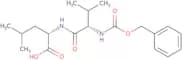
CAS:<p>H-Arg-Arg-Leu-Ile-Glu-Asp-Asn-Glu-Tyr-Thr-Ala-Arg-Gly-OH is a synthetic peptide that has been shown to have a homologous sequence with the amino acid sequence of a primary tumor. This peptide has strong binding affinity to tyrosine kinase, which is an enzyme involved in cellular signal transduction. H-Arg-Arg-Leu-Ile-Glu-Asp-Asn Glu Tyr Thr Ala Arg Gly OH has been shown to inhibit the growth of tumors and can be used as an analytical method for identifying carcinoma cells in vitro. HAAGLTEIGDATASNTTAHARGLTRALAGRGGYOH is also a potential drug for cardiovascular diseases, as it can be taken up intracellularly and may inhibit the proliferation of vascular smooth muscle cells.</p>Formula:C66H109N23O23Purity:Min. 95%Molecular weight:1,592.71 g/molZ-Val-Leu-OH
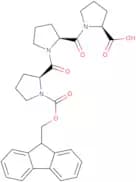
CAS:<p>Z-Val-Leu-OH is a model substrate for plant proteases, aminopeptidases and dipeptidases. It has been used as a standard to study the mechanism of hydrolysis by these enzymes. Z-Val-Leu-OH is hydrolyzed by these enzymes at optimally pH 8.0, with the rate increasing with temperature up to 45°C. The hydrolysis of Z-Val-Leu-OH by germination endosperm proteinase is inhibited by hemoglobin, which leads to increased levels of peptides in the endosperm.</p>Formula:C19H28N2O5Purity:Min. 95%Molecular weight:364.44 g/molFmoc-Pro-Pro-Pro-OH
CAS:<p>Please enquire for more information about Fmoc-Pro-Pro-Pro-OH including the price, delivery time and more detailed product information at the technical inquiry form on this page</p>Formula:C30H33N3O6Purity:Min. 95%Molecular weight:531.6 g/molAnti-Inflammatory Peptide 3
CAS:<p>Anti-Inflammatory Peptide 3 (AIP3) is a peptide that contains an ester linkages and a carboxylic ester, which are both hydrophobic. The amino acid sequence of AIP3 is H-Met-Gln-Met-Asn-Lys-Val-Leu-Asp-Ser. AIP3 has been shown to have antiinflammatory properties and can be used as a diagnostic tool for inflammation. This peptide also has prodrug properties and can be conjugated with drugs to form drug linkers.</p>Formula:C43H76N12O15S2Purity:Min. 95%Molecular weight:1,065.27 g/molBoc-D-Glu-OEt·DCHA
CAS:Controlled Product<p>Please enquire for more information about Boc-D-Glu-OEt·DCHA including the price, delivery time and more detailed product information at the technical inquiry form on this page</p>Formula:C12H21NO6·C12H23NPurity:Min. 95%Molecular weight:456.62 g/molOsteostatin (1-5) (human, bovine, dog, horse, mouse, rabbit, rat) trifluoroacetate salt
CAS:<p>Please enquire for more information about Osteostatin (1-5) (human, bovine, dog, horse, mouse, rabbit, rat) trifluoroacetate salt including the price, delivery time and more detailed product information at the technical inquiry form on this page</p>Formula:C27H41N9O8Purity:Min. 95%Molecular weight:619.67 g/molFmoc-Leu-Cys(Psi(Dmp,H)pro)-OH
CAS:<p>Please enquire for more information about Fmoc-Leu-Cys(Psi(Dmp,H)pro)-OH including the price, delivery time and more detailed product information at the technical inquiry form on this page</p>Formula:C33H36N2O7SPurity:Min. 95%Molecular weight:604.71 g/mol(Des-Gly10,D-His2,D-Leu6,Pro-NHEt 9)-LHRH
CAS:<p>Please enquire for more information about (Des-Gly10,D-His2,D-Leu6,Pro-NHEt 9)-LHRH including the price, delivery time and more detailed product information at the technical inquiry form on this page</p>Formula:C59H84N16O12Purity:Min. 95%Molecular weight:1,209.4 g/molH-Leu-Trp-Met-Arg-OH
CAS:<p>Histidine is a non-essential amino acid that is found in all living cells. It is a precursor of histamine and can be converted to tryptophan by decarboxylation. Histidine has been found to be essential for growth in some bacteria and yeast, but not in higher plants or animals. The formyl group of histidine can be oxidized to a sulfoxide or reduced to a formyl group. Histidine residues are often found in the protein matrix of proteomic samples, but can also be used as an analyte. The two most common methods for the detection of histidine are matrix-assisted laser desorption/ionization mass spectrometry (MALDI MS) and matrix-assisted laser desorption/ionization time-of-flight mass spectrometry (MALDI TOF MS). These methods allow for the minimization of background interference from other molecules present in the sample, such as tryptophan residues.</p>Formula:C28H44N8O5SPurity:Min. 95%Molecular weight:604.77 g/molExtracellular Death Factor trifluoroacetate salt
CAS:<p>Extracellular Death Factor is a molecule that binds to calmodulin, which is a protein found in all animal cells. Extracellular Death Factor can be used to induce apoptotic cell death in any type of cell, including cancer cells. The molecule is composed of three amino acids: H-Asn-Asn-Trp-Asn-Asn-OH. This compound has been shown to inhibit the replication of DNA and RNA in gram negative bacteria and tuberculosis cells. It also has an effect on the structural analysis of the molecule and causes light emission when exposed to ultraviolet light.</p>Formula:C27H36N10O10Purity:Min. 95%Molecular weight:660.64 g/molFmoc-Gly-Wang resin (200-400 mesh)
<p>Please enquire for more information about Fmoc-Gly-Wang resin (200-400 mesh) including the price, delivery time and more detailed product information at the technical inquiry form on this page</p>Purity:Min. 95%PDGF Antagonist
CAS:<p>H-Ala-Asn-Phe-Leu-Val-Trp-Glu-Ile-Val-Arg-Lys-Lys-Pro is a monoclonal antibody that inhibits proliferation of endothelial cells. It binds to PDGF, which is a potent growth factor. This drug has been shown to inhibit the growth of vascular smooth muscle cells in vitro and in vivo by inhibiting cholesterol synthesis. H-Ala-Asn-Phe-Leu-Val-Trp has also been shown to have antagonist effects on basic fibroblast growth factor and cyclic AMP, which are important mediators of choroidal neovascularization and blood vessel formation.</p>Formula:C77H122N20O17Purity:Min. 95%Molecular weight:1,599.92 g/mol1,9-Dimethyl-methylene blue zinc chloride
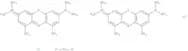
CAS:<p>1,9-Dimethyl-methylene blue zinc chloride double salt is a fluorescent dye that has been used in the study of hyaluronic acid and mesenchymal stem cells. The compound absorbs light at a wavelength of 580 nm, which is the same as the absorption wavelength for hyaluronic acid and mesenchymal stem cells. 1,9-Dimethyl-methylene blue zinc chloride double salt can be used to measure the amount of these compounds in tissues. This dye also shows sensitivity to artifacts such as hemolysis and lipemia, making it useful for research purposes.</p>Formula:(C18H22ClN3S)2•ZnCl2Purity:Min. 95%Color and Shape:PowderMolecular weight:832.11 g/molH-Leu-Leu-Leu-Phe-OMe·HCl
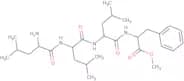
CAS:<p>Please enquire for more information about H-Leu-Leu-Leu-Phe-OMe·HCl including the price, delivery time and more detailed product information at the technical inquiry form on this page</p>Formula:C28H46N4O5·HClPurity:Min. 95%Molecular weight:555.15 g/mol












![rac 3,11-dichloro-6,11-dihydro-6-methyl-dibenzo[c,f][1,2]thiazepine 5,5-dioxide](/_next/image/?url=https%3A%2Fstatic.cymitquimica.com%2Fproducts%2F3D%2Fthumb-webp%2FFR27443.webp&w=3840&q=75)