Amino Acids (AA)
Amino acids (AAs) are the fundamental building blocks of proteins, playing a crucial role in various biological processes. These organic compounds are essential for protein synthesis, metabolic pathways, and cell signaling. In this category, you will find a comprehensive range of amino acids, including essential, non-essential, and modified forms, which are vital for research in biochemistry, molecular biology, and nutritional sciences. At CymitQuimica, we provide high-quality amino acids to support your research and development needs, ensuring accuracy and reliability in your experimental outcomes.
Subcategories of "Amino Acids (AA)"
- Amino Acid Derivatives(3,955 products)
- Amino Acid and Amino Acid Related Compounds(3,436 products)
- Amino Acids with Oxygen or Sulphur(168 products)
- Boc- Amino Acids(351 products)
- Fmoc Amino Acids(1,710 products)
Found 38216 products of "Amino Acids (AA)"
Sort by
Purity (%)
0
100
|
0
|
50
|
90
|
95
|
100
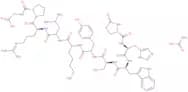
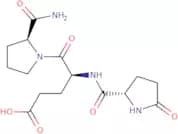
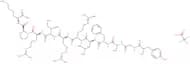
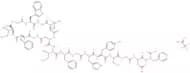
LHRH II trifluoroacetate salt
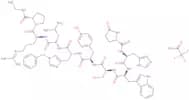
CAS:<p>LHRH II trifluoroacetate salt is a peptide hormone that is used to treat prostate cancer, breast cancer, and endometriosis. It binds to the ryanodine receptor in the cell membrane and induces the release of calcium from intracellular stores. LHRH II trifluoroacetate salt also promotes polymerase chain reactions which are important for DNA replication. This drug has been shown to increase epidermal growth factor (EGF) levels in carcinoma cell lines and has transcriptional regulatory activity in a model system. LHRH II trifluoroacetate salt can be used as an experimental model for clinical relevance because it can be used to study how hormones affect cellular processes such as transcriptional regulation.</p>Formula:C60H69N17O13Purity:Min. 95%Molecular weight:1,236.3 g/mol4-Fluoromethyl-α-methylbenzyl alcohol
CAS:<p>4-Fluoromethyl-alpha-methylbenzyl alcohol is a nonclassical molecule that has been synthesized. This molecule has been modeled computationally and the results indicate that it exhibits a planar geometry with a diastereomeric ratio of 1:1. The theoretical calculations show that the reaction of 4-fluoromethyl-alpha-methylbenzyl alcohol with water is exothermic, which would result in the formation of an intermediate hydroxide ion. Kinetic studies have shown that this molecule can undergo transfer reactions and dehydrogenation reactions, both of which are possible mechanisms for its reactivity.</p>Formula:C8H9FOPurity:Min. 95%Molecular weight:140.15 g/molCys-Gly-Lys-Lys-Gly-Amyloid b-Protein (35-40) trifluoroacetate salt
CAS:<p>Please enquire for more information about Cys-Gly-Lys-Lys-Gly-Amyloid b-Protein (35-40) trifluoroacetate salt including the price, delivery time and more detailed product information at the technical inquiry form on this page</p>Formula:C43H79N13O12S2Purity:Min. 95%Molecular weight:1,034.3 g/molH-Ala-Pro-4MbetaNA·HCl
CAS:<p>Please enquire for more information about H-Ala-Pro-4MbetaNA·HCl including the price, delivery time and more detailed product information at the technical inquiry form on this page</p>Formula:C19H23N3O3·HClPurity:Min. 95%Molecular weight:377.86 g/molpTH-Related Protein (1-34) (human, mouse, rat)
CAS:<p>PTH-Related Protein (1-34) is a potent antagonist of the PTH/PTHrP receptor, which belongs to the family of peptide hormones. It can be used for the treatment of osteoporosis and certain types of cancer. It inhibits bone resorption by binding to the receptor in bone cells and blocking PTH/PTHrP-induced activation of phosphaturic acid phosphatase. This drug also inhibits the production of insulin-like growth factor I (IGF-I) and its receptors, which may lead to an anti-cancer effect. PTH-Related Protein (1-34) has been shown to have a high specificity for the PTH/PTHrP receptor, with moderate affinity for other receptors such as glucagon and somatostatin. The peptide is amphipathic, meaning it has both hydrophilic and hydrophobic regions. This characteristic allows it to penetrate cell membranes more easily than other</p>Formula:C180H287N57O48Purity:Min. 95%Molecular weight:4,017.56 g/mol(D-Trp8)-γ2-MSH trifluoroacetate salt
CAS:<p>Please enquire for more information about (D-Trp8)-gamma2-MSH trifluoroacetate salt including the price, delivery time and more detailed product information at the technical inquiry form on this page</p>Formula:C74H99N21O16SPurity:Min. 95%Molecular weight:1,570.78 g/molpTH (1-38) (human)
CAS:<p>Please enquire for more information about pTH (1-38) (human) including the price, delivery time and more detailed product information at the technical inquiry form on this page</p>Formula:C197H319N59O55S2Purity:Min. 95%Molecular weight:4,458.14 g/molZ-Ala-Ser-OMe
CAS:<p>Z-Ala-Ser-OMe is a peptide that is produced by catalyzed amide bond formation between the carboxylic acid group of Z-Ala and the amino group of Ser. This peptide has been shown to have a molecular weight of 564.2 and a melting point of 139°C. The peptides are coupled by d-amino acid residues to form chains, which are then esterified with acyl groups to yield Z-Ala-Ser-OMe.</p>Formula:C15H20N2O6Purity:Min. 95%Molecular weight:324.33 g/molH-Ala-Pro-pNA hydrochloride salt
CAS:<p>H-Ala-Pro-pNA hydrochloride salt is a protease inhibitor that is used as a therapeutic agent for the treatment of hepatitis C. It has been shown to inhibit the activity of serine proteases, such as trypsin and chymotrypsin, by binding to their active site. H-Ala-Pro-pNA hydrochloride salt also inhibits the activity of DPPIV (dipeptidyl peptidase IV), which is an enzyme that cleaves the third amino acid from peptides in some blood cells. H-Ala-Pro-pNA hydrochloride salt has been shown to be effective in preventing diabetic nephropathy in animal models by inhibiting DPPIV activity.<br>H-Ala-Pro-pNA hydrochloride salt can be used to treat chronic hepatitis B and C infections. It binds to virus particles and prevents them from attaching themselves to host cells, thus preventing viral replication.</p>Formula:C14H18N4O4Purity:Min. 95%Molecular weight:306.32 g/molH-Gln-Glu-Lys-Gln-Asn-Thr-Val-Ala-Thr-Ala-His-Ala-Gly-Phe-Phe-Leu-Arg-Glu-Asn-Glu-Gly-OH
CAS:<p>Please enquire for more information about H-Gln-Glu-Lys-Gln-Asn-Thr-Val-Ala-Thr-Ala-His-Ala-Gly-Phe-Phe-Leu-Arg-Glu-Asn-Glu-Gly-OH including the price, delivery time and more detailed product information at the technical inquiry form on this page</p>Formula:C101H155N31O34Purity:Min. 95%Molecular weight:2,347.5 g/molAlternariol-9-methyl ether
CAS:<p>Alternariol-9-methyl ether is a natural compound that has been shown to have significant cytotoxic effects on murine hepatoma cells. This compound also synergizes with anti-retroviral drugs and has been found to be capable of inducing apoptosis in HIV-infected T cells at low concentrations. Alternariol-9-methyl ether is structurally related to the polycyclic aromatic hydrocarbons, such as alternariol, which are only weakly toxic to mice but are potent pro-apoptotic proteins when bound covalently to DNA. Structural analysis of this compound revealed that it inhibits the binding of a pro-apoptotic protein (Bid) to its target site on dsDNA, preventing Bid from initiating apoptosis. It is thought that this effect may be responsible for its synergistic interaction with active antiretroviral therapy.</p>Formula:C15H12O5Purity:Min. 95%Color and Shape:PowderMolecular weight:272.25 g/molZ-Lys(Fmoc)-OH
CAS:<p>Please enquire for more information about Z-Lys(Fmoc)-OH including the price, delivery time and more detailed product information at the technical inquiry form on this page</p>Formula:C29H30N2O6Purity:Min. 95%Molecular weight:502.56 g/molFor-Met-Lys-OH
CAS:<p>Please enquire for more information about For-Met-Lys-OH including the price, delivery time and more detailed product information at the technical inquiry form on this page</p>Formula:C12H23N3O4SPurity:Min. 95%Molecular weight:305.39 g/molFmoc-His(Fmoc)-OPfp
CAS:<p>Please enquire for more information about Fmoc-His(Fmoc)-OPfp including the price, delivery time and more detailed product information at the technical inquiry form on this page</p>Formula:C42H28N3O6F5Purity:Min. 95%Molecular weight:765.68 g/molH-Phe-Gly-His-p-nitro-Phe-Phe-Ala-Phe-OMe
CAS:<p>H-Phe-Gly-His-p-nitro-Phe-Phe-Ala-Phe-OMe is a protonated amino acid. It has been shown to have a high affinity for the histidine subsite of human thrombin. This compound has been found to have a kinetic rate of hydrolysis that is competitive with that of aspartic acid, but slower than that of valine. H-Phe-Gly-His-p-nitro-Phe--Phe--Ala--Phe--OMe also functions as an anticoagulant and inhibits clotting by inhibiting the conversion of fibrinogen to fibrin.</p>Formula:C48H54N10O10Purity:Min. 95%Molecular weight:931 g/molH-His-His-OH trifluoroacetate salt
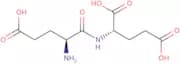
CAS:<p>H-His-His-OH trifluoroacetate salt is a compound that has been extensively studied for its potential use in antimicrobial peptides. It is a small molecule that inhibits the activity of enzymes by binding to a specific region on the enzyme's surface, thereby preventing the progression of an essential chemical reaction. H-His-His-OH trifluoroacetate salt has been shown to inhibit protein synthesis in bacteria and yeast cells, as well as in model systems. The inhibition of protein synthesis may be due to hydrogen bonding between the hydroxyl group on His and the amino groups on His. H-His-His-OH trifluoroacetate salt also has an inhibitory effect on enzymes catalysis and can enhance their activity when used with another substrate.</p>Formula:C12H16N6O3Purity:Min. 95%Molecular weight:292.29 g/molH-Glu-Glu-Glu-OH
CAS:<p>H-Glu-Glu-Glu-OH is an amino acid sequence that has been shown to have low toxicity and a high therapeutic index. It is a carboxyl group containing oligopeptide, which can be used as a treatment agent for various conditions. H-Glu-Glu-Glu-OH has an amino group and acidic side chain at the COOH terminus, which is responsible for its protonated form. This protonated form of H-Glu-Glu-Glu-OH binds to the follicle cells in the ovaries, inhibiting them from releasing eggs. The carboxyl terminus of H-Glu-Glu-Glgol OH is deprotonated, which allows it to bind to the cell membrane surface of cancer cells and inhibit their growth by interfering with protein synthesis.</p>Formula:C15H23N3O10Purity:Min. 95%Molecular weight:405.36 g/molSomatostatin-14 (7-14) trifluoroacetate salt
CAS:<p>Please enquire for more information about Somatostatin-14 (7-14) trifluoroacetate salt including the price, delivery time and more detailed product information at the technical inquiry form on this page</p>Formula:C49H66N10O12SPurity:Min. 95%Molecular weight:1,019.17 g/mol(Nle 35)-Amyloid b-Protein (1-42) ammonium salt
CAS:<p>Please enquire for more information about (Nle 35)-Amyloid b-Protein (1-42) ammonium salt including the price, delivery time and more detailed product information at the technical inquiry form on this page</p>Formula:C204H313N55O60Purity:Min. 95%Molecular weight:4,496 g/molFmoc-Pro-Pro-Pro-Pro-Pro-OH
CAS:<p>Please enquire for more information about Fmoc-Pro-Pro-Pro-Pro-Pro-OH including the price, delivery time and more detailed product information at the technical inquiry form on this page</p>Formula:C40H47N5O8Purity:Min. 95%Molecular weight:725.83 g/molPHM-27 (human) trifluoroacetate salt
CAS:<p>PHM-27 is a human protein that contains a c-terminal histidine and n-terminal lysine. It contains an amino acid composition of histidine, valine, alanine, aspartic acid, glycine, serine, threonine, arginine, and methionine. PHM-27 is present in the cardiovascular system, nervous system, gastrointestinal system, and respiratory system. It has been shown to be involved in the synthesis of peptides important for blood clotting.</p>Formula:C135H214N34O40SPurity:Min. 95%Molecular weight:2,985.41 g/mol2-(N-Phenyl-N-benzyl-aminomethyl)-imidazol
CAS:<p>Please enquire for more information about 2-(N-Phenyl-N-benzyl-aminomethyl)-imidazol including the price, delivery time and more detailed product information at the technical inquiry form on this page</p>Formula:C17H17N3Purity:Min. 95%Molecular weight:263.34 g/molFmoc-Gln(Mtt)-OPfp
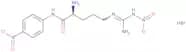
CAS:<p>Please enquire for more information about Fmoc-Gln(Mtt)-OPfp including the price, delivery time and more detailed product information at the technical inquiry form on this page</p>Formula:C46H35F5N2O5Purity:Min. 95%Molecular weight:790.77 g/molBz-Pro-Phe-Arg-pNA·HCl
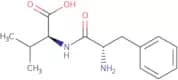
CAS:<p>Bz-Pro-Phe-Arg-pNA·HCl is a synthetic peptide that has been shown to be a specific marker for diagnosis of thrombocytopenia. The peptide is cleaved by proteases, including serine proteases and trypsin, and the resulting fragments are assayed in biochemical tests. Bz-Pro-Phe-Arg-pNA·HCl is synthesized by solid phase peptide synthesis with an N-terminal amide bond. This synthetic peptide can be used as a substrate for various serine proteases and trypsin to generate diagnostic fragments. Bz-Pro-Phe-Arg-pNA·HCl also specifically binds to wild type erythrocytes and hemocytes, which are cells that produce blood cells.</p>Formula:C33H38N8O6·HClPurity:Min. 95%Molecular weight:679.17 g/molZ-D-Phe-Val-OH
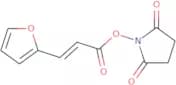
CAS:<p>N-hydroxysuccinimide is a reactive, nucleophilic compound that is used in the synthesis of peptides and other biologically active molecules. It reacts with carboxylic acids to form esters and with amines to form amides. N-hydroxysuccinimide is also used as an additive in organic reactions, such as carbodiimide coupling or benzoin condensation.</p>Formula:C22H26N2O5Purity:Min. 95%Molecular weight:398.45 g/molH-Gly-Gly-Asp-Ala-OH
CAS:<p>Please enquire for more information about H-Gly-Gly-Asp-Ala-OH including the price, delivery time and more detailed product information at the technical inquiry form on this page</p>Formula:C11H18N4O7Purity:Min. 95%Molecular weight:318.28 g/molH-Ala-allyl ester·p-tosylate
CAS:<p>H-Ala-allyl ester·p-tosylate is an organic solvent that has been used to synthesize cyclic peptides and amide derivatives. It is a molecule with a chiral center, which means that it can have two different structures that are mirror images of each other. The enantiomer of H-Ala-allyl ester·p-tosylate is the opposite of L-Ala-allyl ester·p-tosylate in terms of its physical properties and biological activity. Modifications on the side chain such as positioning or modifications can be made to the molecule. Disulfide bonds can also be introduced into the side chain to form linkers for polymerization initiators. Synthesis of H-Ala-allyl ester·p-tosylate requires strong conditions such as heating or irradiation with UV light, which makes it difficult for production.</p>Formula:C6H11NO2·C7H8O3SPurity:Min. 95%Molecular weight:301.36 g/molPrepro VIP (156-170) (human)
CAS:<p>Please enquire for more information about Prepro VIP (156-170) (human) including the price, delivery time and more detailed product information at the technical inquiry form on this page</p>Formula:C71H106N16O31Purity:Min. 95%Molecular weight:1,679.69 g/molBoc-(R)-2-methoxyphenylglycine
CAS:<p>Please enquire for more information about Boc-(R)-2-methoxyphenylglycine including the price, delivery time and more detailed product information at the technical inquiry form on this page</p>Formula:C14H19NO5Purity:Min. 95%Molecular weight:281.3 g/molH(-Asn-Pro-Asn-Ala)2-OH
CAS:<p>Please enquire for more information about H(-Asn-Pro-Asn-Ala)2-OH including the price, delivery time and more detailed product information at the technical inquiry form on this page</p>Formula:C32H50N12O13Purity:Min. 95%Molecular weight:810.81 g/mol2-Isobutyl-3-methoxypyrazine
CAS:<p>2-Isobutyl-3-methoxypyrazine is a hydrophobic compound that is not soluble in water. It has a bound form and can be titrated with calorimetry. 2-Isobutyl-3-methoxypyrazine is synthesized by reacting 2,2,4-trimethylpentane with methoxyacetone in the presence of sodium methylate. The compound has been detected as an odorant in numerous plant species and is believed to play a role in plant physiology. 2-Isobutyl-3-methoxypyrazine has been shown to have potent antiviral activity against infectious diseases such as HIV, herpes simplex virus type 1 (HSV1), and varicella zoster virus (VZV). This specific antiviral activity may be due to its ability to bind fatty acids by hydrogen bonds, which may interfere with the synthesis of viral membranes.</p>Formula:C9H14N2OPurity:Min. 95%Molecular weight:166.22 g/molZ-Gly-Leu-OH
CAS:<p>Z-Gly-Leu-OH is a synthetic peptide that is used as a substrate for proteases. It contains the amino acid sequence Gly-Leu-OH and has been shown to inhibit serine proteases with irreversible inhibition. Z-Gly-Leu-OH inhibits protease activity by binding to the enzyme's active site, which prevents it from catalyzing reactions and stabilizing the product of the reaction. The substrate can be cleaved by a protease in two ways: (1) hydrolysis of the amide bond between Gly and Leu or (2) protonation of the amide bond between Gly and Leu followed by elimination of water. These reactions are reversible because they are dependent on pH. In order to measure enzyme activity using this substrate, it must be conjugated with a fluorescent dye so that fluorescence can be detected following cleavage.</p>Formula:C16H22N2O5Purity:Min. 95%Molecular weight:322.36 g/mol(Thr28, Nle 31)-Cholecystokinin-33 (25-33) (sulfated)
CAS:<p>Please enquire for more information about (Thr28, Nle 31)-Cholecystokinin-33 (25-33) (sulfated) including the price, delivery time and more detailed product information at the technical inquiry form on this page</p>Formula:C55H74N14O18SPurity:Min. 95%Molecular weight:1,251.33 g/molLHRH (4-10) acetate salt
CAS:<p>Please enquire for more information about LHRH (4-10) acetate salt including the price, delivery time and more detailed product information at the technical inquiry form on this page</p>Formula:C33H53N11O9Purity:Min. 95%Molecular weight:747.84 g/molNeuropeptide Y-Lys(biotinyl) (free acid) (human, rat) trifluoroacetate salt
<p>Please enquire for more information about Neuropeptide Y-Lys(biotinyl) (free acid) (human, rat) trifluoroacetate salt including the price, delivery time and more detailed product information at the technical inquiry form on this page</p>Formula:C205H310N58O61S2Purity:Min. 95%Molecular weight:4,627.14 g/molH-Gly-Gly-OBzl·p-tosylate
CAS:<p>The product is a neutral amino acid with an aliphatic side-chain. The product has been shown to be stable when diluted, and is not subject to hydrolysis. It can be used as a reagent for peptide synthesis because it does not interfere with the reaction or alter the yield of desired products. The product has been shown to be reliable and produce polypeptides that are chemically identical to those obtained by other methods. It has been found that the product is additive in peptide synthesis reactions, so that it can be substituted for any one of the components without altering the yield of desired products.</p>Formula:C11H14N2O3·C7H8O3SPurity:Min. 95%Molecular weight:394.44 g/molH-Gly-Arg-Gly-Glu-Ser-OH trifluoroacetate salt
CAS:<p>Please enquire for more information about H-Gly-Arg-Gly-Glu-Ser-OH trifluoroacetate salt including the price, delivery time and more detailed product information at the technical inquiry form on this page</p>Formula:C18H32N8O9Purity:Min. 95%Molecular weight:504.5 g/molN-[(2RS,3RS)-2,3,4-Trihydroxy-butyl]-Val-Leu-anilide
CAS:<p>Please enquire for more information about N-[(2RS,3RS)-2,3,4-Trihydroxy-butyl]-Val-Leu-anilide including the price, delivery time and more detailed product information at the technical inquiry form on this page</p>Formula:C21H35N3O5Purity:Min. 95%Molecular weight:409.52 g/molH-Ala-Tyr-OEt·HCl
CAS:<p>Please enquire for more information about H-Ala-Tyr-OEt·HCl including the price, delivery time and more detailed product information at the technical inquiry form on this page</p>Formula:C14H20N2O4·HClPurity:Min. 95%Molecular weight:316.78 g/molSuc-Ala-Phe-Lys-AMC trifluoroacetate salt
CAS:<p>Please enquire for more information about Suc-Ala-Phe-Lys-AMC trifluoroacetate salt including the price, delivery time and more detailed product information at the technical inquiry form on this page</p>Formula:C32H39N5O8·C2HF3O2Purity:Min. 95%Molecular weight:735.7 g/molN-Methyl-2-fluoro-4-aminobenzamide
CAS:<p>N-Methyl-2-fluoro-4-aminobenzamide is a toxic compound that is commonly used as a reagent in chemical synthesis and research. It has been studied for its potential use in medicine, particularly in the treatment of castration-resistant prostate cancer. N-Methyl-2-fluoro-4-aminobenzamide acts as a nucleophilic agent, participating in reactions that involve the addition of an acyl group to a target molecule. Its stable formyl group allows for efficient reaction yields and reliable results. However, due to its toxic nature, caution must be exercised when handling this compound.</p>Formula:C8H9FN2OPurity:Min. 95%Molecular weight:168.17 g/molGLP-1 (7-36)-Lys(biotinyl) amide (human, bovine, guinea pig, mouse, rat) trifluoroacetate
CAS:<p>Please enquire for more information about GLP-1 (7-36)-Lys(biotinyl) amide (human, bovine, guinea pig, mouse, rat) trifluoroacetate including the price, delivery time and more detailed product information at the technical inquiry form on this page</p>Formula:C165H252N44O48S•(C2HF3O2)xPurity:Min. 95%Molecular weight:3,652.1 g/molACTH (4-10) trifluoroacetate salt
CAS:<p>ACTH (4-10) trifluoroacetate salt is a cholinergic agent that belongs to the class of neurotransmitters. It is synthesized from the naturally occurring hormone ACTH, which is released by the anterior pituitary gland in response to a variety of stimuli. This compound has been shown to have physiological effects on various organs, including adipose tissue and locomotor activity. It also shows neuroprotective effects in animal models and has neurotrophic properties. The therapeutic potential of this compound for brain functions is currently being explored.</p>Formula:C44H59N13O10SPurity:Min. 95%Molecular weight:962.09 g/molTRH-AMC acetate salt
CAS:<p>TRH-AMC acetate salt Pyr-His-Pro-AMC acetate salt is a potent and selective histidine kinase inhibitor that modulates the activity of many enzymes. TRH-AMC acetate salt Pyr-His-Pro-AMC acetate salt has a molecular weight of 476.9 g/mol and chemical formula C12H14N2O4S. The compound was synthesized by reacting tris(2,4,6-trimethoxybenzoyl)amine with pyridoxal 5'-phosphate and histidine in acetic acid. The synthesis reaction yielded a white solid that was then recrystallized from methanol to yield the final product. TRH-AMC acetate salt Pyr-His-Pro-AMC acetate salt has been shown to inhibit the enzymatic activity of numerous enzymes at nanomolar concentrations including: protein kinases, phosphatases, ligases</p>Formula:C26H28N6O6Purity:Min. 95%Molecular weight:520.54 g/molH-Gly-Gly-Lys-Arg-OH acetate salt
CAS:<p>The H-Gly-Gly-Lys-Arg-OH acetate salt is a diagnostic agent that belongs to the group of active analogues. It is an analogue of sialin, a compound that has been shown to be involved in the molecular pathogenesis of cancer tissues. Sialic acid is an important component of many glycoproteins and glycolipids found in the human body. This compound is metabolized by sialidase enzymes, which are present in various tissues and organs such as the brain, kidney, liver, and plasma. The H-Gly-Gly-Lys-Arg-OH acetate salt inhibits these enzymes by binding to them and preventing their action. This drug also inhibits ATP dependent transport systems for neuronal cells.</p>Formula:C16H32N8O5Purity:Min. 95%Molecular weight:416.48 g/molH-Gly-Gly-pNA·HCl
CAS:<p>Please enquire for more information about H-Gly-Gly-pNA·HCl including the price, delivery time and more detailed product information at the technical inquiry form on this page</p>Formula:C10H12N4O4·HClPurity:Min. 95%Molecular weight:288.69 g/molFmoc-His-OMe
CAS:<p>Please enquire for more information about Fmoc-His-OMe including the price, delivery time and more detailed product information at the technical inquiry form on this page</p>Formula:C22H21N3O4Purity:Min. 95%Molecular weight:391.42 g/molFmoc-Met-Wang resin (100-200 mesh)
<p>Please enquire for more information about Fmoc-Met-Wang resin (100-200 mesh) including the price, delivery time and more detailed product information at the technical inquiry form on this page</p>Purity:Min. 95%Ac-Ile-Glu-Thr-Asp-aldehyde (pseudo acid)
CAS:<p>Ac-Ile-Glu-Thr-Asp-aldehyde (pseudo acid) is a neurotrophic factor that plays an important role in the development and function of the nervous system. It stimulates the production of other neurotrophic factors such as NGF, BDNF, and GDNF. This protein has been shown to be involved in a number of autoimmune diseases, including multiple sclerosis and rheumatoid arthritis. Ac-Ile-Glu-Thr-Asp-aldehyde (pseudo acid) is also known to reduce neuronal death by binding to toll receptors on neurons and activating mitogen activated protein kinases. Acetylcholine esterase activity can also be inhibited by this protein. Acetylcholine esterase is responsible for breaking down acetylcholine, which is a neurotransmitter that transmits nerve impulses across the synapses between neurons. The inhibition of this enzyme leads to an increase in acetylcholine levels and increased transmission of</p>Formula:C21H34N4O10Purity:Min. 95%Molecular weight:502.52 g/molVIP (4-28) (human, mouse, rat) trifluoroacetate salt
CAS:<p>Please enquire for more information about VIP (4-28) (human, mouse, rat) trifluoroacetate salt including the price, delivery time and more detailed product information at the technical inquiry form on this page</p>Formula:C134H221N39O36SPurity:Min. 95%Molecular weight:2,986.5 g/molOsteostatin (1-5) (human, bovine, dog, horse, mouse, rabbit, rat) trifluoroacetate salt
CAS:<p>Please enquire for more information about Osteostatin (1-5) (human, bovine, dog, horse, mouse, rabbit, rat) trifluoroacetate salt including the price, delivery time and more detailed product information at the technical inquiry form on this page</p>Formula:C27H41N9O8Purity:Min. 95%Molecular weight:619.67 g/molBz-DL-Arg-AMC·HCl
CAS:<p>Please enquire for more information about Bz-DL-Arg-AMC·HCl including the price, delivery time and more detailed product information at the technical inquiry form on this page</p>Formula:C23H25N5O4·HClPurity:Min. 95%Molecular weight:471.94 g/mol(Des-Lys38)-M65 trifluoroacetate salt
CAS:<p>Please enquire for more information about (Des-Lys38)-M65 trifluoroacetate salt including the price, delivery time and more detailed product information at the technical inquiry form on this page</p>Formula:C199H314N62O60S5Purity:Min. 95%Molecular weight:4,695.33 g/molFibronectin CS-1 Fragment (1978-1982)
CAS:<p>Fibronectin CS-1 Fragment (1978-1982) H-Glu-Ile-Leu-Asp-Val-OH is a heterocyclic peptide that has inhibitory effects on the muscle cells. It inhibits the enzyme guanosine triphosphatase, which is responsible for releasing calcium ions from its intracellular storage site. Fibronectin CS-1 Fragment (1978-1982) H-Glu-Ile-Leu-Asp-Val-OH is an analog of the human protein fibronectin, and it can be used as a synthetic molecule to study how integrin receptors interact with different sequences of amino acids.</p>Formula:C26H45N5O10Purity:Min. 95%Molecular weight:587.66 g/molH-Pro-Pro-Pro-OH
CAS:<p>H-Pro-Pro-Pro-OH is a synthetic peptide that inhibits the production of reactive oxygen species (ROS) by acting as an antioxidant. It has been shown to have a protective effect on cells, preventing cell death and promoting cell survival. H-Pro-Pro-Pro-OH also has a significant inhibitory effect on superoxide radical production in nanotubes and photoreceptors. It can be used to prevent the oxidation of α-tocopherol, which is a lipid soluble vitamin found in vegetable oils. The three amino acids in the sequence are hydrolysed to proline, which is an essential amino acid for human metabolism, and two dipeptides with chemical structures similar to those found in natural peptides. The peptide was synthesized from proline, histidine and arginine. This molecule can be detected using polyacrylamide gel electrophoresis and fluorescence microscopy with enhanced optical properties as a chromophore.</p>Formula:C15H23N3O4Purity:Min. 95%Molecular weight:309.36 g/molL-Prolinamide
CAS:<p>Intermediate in the synthesis of vildagliptin</p>Formula:C5H10N2OPurity:Min. 95%Color and Shape:PowderMolecular weight:114.15 g/mol4-Formyl-phenyloxymethyl polystyrene resin (200-400 mesh)
<p>4-Formylphenyloxymethyl polystyrene resin (200-400 mesh) is a polymer that can be used in the synthesis of amide, aminoacylation, halides, piperidine, yields, imine, reductive amination and heterocycles. It has been shown to be especially useful for the synthesis of diazepinones. The resin is soluble in solvents such as dichloromethane and ethanol. 4-Formylphenyloxymethyl polystyrene resin can be prepared by reacting styrene with formaldehyde and phenol in a solvent such as tetrahydrofuran or pyridine at a temperature between 0°C and 50°C. This process is usually conducted under an inert atmosphere such as nitrogen or argon gas. The resin is then washed with diethylether followed by benzene to remove residual formaldehyde.</p>Purity:Min. 95%Tau-fluvalinate
CAS:<p>Tau-fluvalinate is a pesticide that is used to control ectoparasites. It has been shown to be effective against fleas, ticks, and mites. Tau-fluvalinate binds to the active site of the enzyme protein kinase C (PKC). This binding prevents the production of phosphatidylinositol 3,4,5-trisphosphate (PIP3), which is required for cell signaling pathways and protein synthesis. Tau-fluvalinate also inhibits detoxification enzymes such as glutathione S-transferase (GST) and cytochrome P450 reductase. Tau-fluvalinate has been shown to have no sublethal effects on insects in vitro or in vivo at doses below its LD50. Tau-fluvalinate can also be used as an analytical standard for detecting polycyclic aromatic hydrocarbons in water samples with chemical ionization gas chromatography.</p>Formula:C26H22ClF3N2O3Purity:Min. 95%Color and Shape:Clear LiquidMolecular weight:502.91 g/molRFRP-3 (rat)
CAS:<p>Please enquire for more information about RFRP-3 (rat) including the price, delivery time and more detailed product information at the technical inquiry form on this page</p>Formula:C88H134N26O25S2Purity:Min. 95%Molecular weight:2,020.3 g/molFmoc-Arg(Mtr)-Wang resin (200-400 mesh)
<p>Please enquire for more information about Fmoc-Arg(Mtr)-Wang resin (200-400 mesh) including the price, delivery time and more detailed product information at the technical inquiry form on this page</p>Purity:Min. 95%H-Arg-Val-Leu-psi(CH2NH)Phe-Glu-Ala-Nle-NH2
CAS:<p>H-Arg-Val-Leu-psi(CH2NH)Phe-Glu-Ala-Nle-NH2 is a compound which is structurally related to the amino acid histidine. It has been used as an indicator for Xanthochromia, a diagnostic for copper. H-Arg-Val-Leu-psi(CH2NH)Phe-Glu-Ala-Nle-NH2 has also been used in polyester production and as a monitoring agent for modifications of polylactic acid thermally.</p>Formula:C40H69N11O8Purity:Min. 95%Molecular weight:832.05 g/molFmoc-D-Thr(tBu)-Wang resin (200-400 mesh)
<p>Please enquire for more information about Fmoc-D-Thr(tBu)-Wang resin (200-400 mesh) including the price, delivery time and more detailed product information at the technical inquiry form on this page</p>Purity:Min. 95%(Phe1,Ser2)-TRAP-6 trifluoroacetate salt
CAS:<p>Please enquire for more information about (Phe1,Ser2)-TRAP-6 trifluoroacetate salt including the price, delivery time and more detailed product information at the technical inquiry form on this page</p>Formula:C34H56N10O9Purity:Min. 95%Molecular weight:748.87 g/molCyclo(-D-His-Pro)
CAS:<p>Please enquire for more information about Cyclo(-D-His-Pro) including the price, delivery time and more detailed product information at the technical inquiry form on this page</p>Formula:C11H14N4O2Purity:Min. 95%Molecular weight:234.25 g/molFmoc-Gln(Trt)-Wang resin (200-400 mesh)
<p>Please enquire for more information about Fmoc-Gln(Trt)-Wang resin (200-400 mesh) including the price, delivery time and more detailed product information at the technical inquiry form on this page</p>Purity:Min. 95%Biphalin trifluoroacetate salt (
CAS:<p>Biphalin trifluoroacetate salt (H-Tyr-D-Ala-Gly-Phe-NH)2 trifluoroacetate salt is a peptide hormone. It has been shown to be an opioid that binds to the μ and δ opioid receptors and inhibits the production of inflammatory mediators. Biphalin trifluoroacetate salt (H-Tyr-D-Ala-Gly-Phe-NH)2 trifluoroacetate salt has also been shown to have neuroprotective effects. This drug has low potency and can only be used in vivo models. Biphalin trifluoroacetate salt (H-Tyr-D-Ala-Gly-Phe-NH)2 trifluoroacetate salt is not active against skin cancer cells, but does show activity against other types of cancer cells.</p>Formula:C46H56N10O10Purity:Min. 95%Molecular weight:909 g/molFibronectin Adhesion-Promoting Peptide trifluoroacetate salt
CAS:<p>Fibronectin Adhesion-Promoting Peptide trifluoroacetate salt H-Trp-Gln-Pro-Pro-Arg-Ala-Arg-Ile-OH trifluoroacetate salt (FAP) is a synthetic peptide that promotes fibronectin adhesion. It binds to the amino acid sequence in the C terminal end of fibronectin, which is known to be responsible for binding to actin filaments and growth factors. FAP has been shown to promote wound healing by stimulating the proliferation of corneal epithelial cells in vitro. The mechanism of action of FAP may be due to its ability to bind to chloride ions, which are involved in the regulation of cell proliferation and migration.</p>Formula:C47H74N16O10Purity:Min. 95%Molecular weight:1,023.19 g/mol(Ala2)-Leu-Enkephalin
CAS:<p>Leu-enkephalin is an opioid peptide that is a neurotransmitter in the brain. It is synthesized from the proenkephalin precursor and acts on δ-opioid receptors and kappa-opioid receptors. Leu-enkephalin has been shown to have physiological effects such as analgesia, hypothermia, hyperalgesia, and decreased gastrointestinal motility. Leu-enkephalin also inhibits voltage-dependent calcium channels in neuronal cells by binding to them with high affinity. The binding of leu-enkephalin to these channels affects their function and leads to neuronal death. Disulfide bonds are formed between cysteine residues on leu-enkephalin to stabilize this protein's structure.</p>Formula:C29H39N5O7Purity:Min. 95%Molecular weight:569.65 g/mol5-Fluoro-2-methoxyphenylacetone
CAS:<p>5-Fluoro-2-methoxyphenylacetone is a chemical with a wide array of applications in research and industry. It is a versatile building block, useful intermediate, and reagent for organic synthesis. This compound has been used as a starting material in the synthesis of other compounds. CAS No. 1017082-10-8</p>Formula:C10H11FO2Color and Shape:PowderMolecular weight:182.19 g/molNeuropeptide Y (porcine) trifluoroacetate salt
CAS:<p>Neuropeptide Y (porcine) trifluoroacetate salt H-Tyr-Pro-Ser-Lys-Pro-Asp-Asn-Pro-Gly-Glu-Asp-Ala-Pro-Ala-Glu-Asp-Leu -Ala -Arg Tyr Tyr Ser Ala Leu Arg His Tyr Ile Asn Leu Ile Thr Arg Gln Arg Tyr NH2 trifluoroacetate salt is a peroxidase enzyme that is biotinylated and purified from porcine sources. It has been used as an antiserum in the development of a plate sealer.</p>Formula:C190H287N55O57Purity:Min. 95%Molecular weight:4,253.65 g/molBig Endothelin-3 (22-41) amide (human) trifluoroacetate salt
CAS:<p>Please enquire for more information about Big Endothelin-3 (22-41) amide (human) trifluoroacetate salt including the price, delivery time and more detailed product information at the technical inquiry form on this page</p>Formula:C102H156N30O31Purity:Min. 95%Molecular weight:2,298.51 g/molFmoc-N-methyl-O-tert-butyl-L-tyrosine
CAS:<p>Fmoc-N-methyl-O-tert-butyl-L-tyrosine is a peptide that mimics the natural substrate serine protease. It has been used to study protein-protein interactions in proteases and their cleavage specificity. This peptide was designed as a peptidomimetic, which is an analog of a protein or peptide. The systematic synthesis of this molecule has been studied extensively and it has been shown that the maximum number of modifications occurs at the N terminus and the minimal number at the C terminus. The residue of this molecule is modified by proteolytic modification, which is a chemical modification that changes the amino acid sequence. Fmoc-N-methyl-O-tert-butyl-L-tyrosine has minimal quantified stability, which means that it can be quantified but not stable for long periods of time.</p>Formula:C29H31NO5Purity:Min. 95%Molecular weight:473.56 g/molSeminal Plasma Inhibin (67-94) (human)
CAS:<p>Please enquire for more information about Seminal Plasma Inhibin (67-94) (human) including the price, delivery time and more detailed product information at the technical inquiry form on this page</p>Formula:C150H240N36O43S2Purity:Min. 95%Molecular weight:3,299.86 g/molAc-Leu-Asp-Gln-Trp-Phe-Gly-NH2
CAS:<p>Ac-Leu-Asp-Gln-Trp-Phe-Gly-NH2 is a peptide that was found to inhibit the activity of vasoactive intestinal peptide (VIP). It binds to VIP with high affinity and competitively inhibits its binding to VIP receptors. Ac-Leu-Asp-Gln-Trp-Phe-Gly-NH2 has an inhibitory effect on the maximal response of VIP in tissues, such as the intestine. This peptide also has an irritant effect on the intestine, which may be due to its competitive inhibition of VIP receptor sites. Ac-Leu-Asp-Gln-Trp-Phe Gly NH2 has been shown to have a concentration response curve for inhibiting the activity of Vip.</p>Formula:C39H51N9O10Purity:Min. 95%Molecular weight:805.88 g/molH-Arg-Phe-NH2 hydrochloride salt
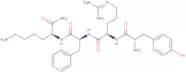
CAS:<p>H-Arg-Phe-NH2 hydrochloride salt (H-RF) is a physiological agent that has been shown to have effects on the response element binding protein. H-RF is a small, water soluble molecule that has been shown to act as an agonist for peptides and cation channels in vitro. The peptides are involved in the regulation of cardiac function and locomotor activity, while the cation channel regulates the opening and closing of potassium channels. The binding of H-RF to these receptors leads to positive changes in energy metabolism, which may be due to its ability to activate ATPase. H-RF also binds strongly to disulfide bonds found in proteins such as peptide hormones and enzymes. These disulfide bonds are important for maintaining protein structure and function.</p>Formula:C15H24N6O2Purity:Min. 95%Molecular weight:320.39 g/molHippuryl-Phe-Arg-OH
CAS:<p>Hippuryl-Phe-Arg-OH is a potent and selective inhibitor of angiotensin-converting enzyme (ACE) with a long duration of action. It has been shown to be a potentiator of captopril and enalaprilat in the biochemical validation for ACE inhibition. Hippuryl-Phe-Arg-OH has significant inhibitory activity against phosphatases such as carboxypeptidase A, phospholipase A2, and aminopeptidase N.</p>Formula:C24H30N6O5Purity:Min. 95%Molecular weight:482.53 g/molHIV Protease Substrate III-B (Native Sequence)
CAS:<p>Please enquire for more information about HIV Protease Substrate III-B (Native Sequence) including the price, delivery time and more detailed product information at the technical inquiry form on this page</p>Formula:C51H90N18O14SPurity:Min. 95%Molecular weight:1,211.44 g/molpTH-Related Protein Splice Isoform 3 (140-173) (human) trifluoroacetate salt
CAS:<p>Please enquire for more information about pTH-Related Protein Splice Isoform 3 (140-173) (human) trifluoroacetate salt including the price, delivery time and more detailed product information at the technical inquiry form on this page</p>Formula:C186H313N53O44S2Purity:Min. 95%Molecular weight:4,059.94 g/molFmoc-Leu-Gly-OH
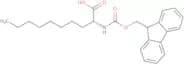
CAS:<p>Fmoc-Leu-Gly-OH is a dipeptide that is reversibly soluble in water and organic solvents. It has been found to be stable at millimeter and nanometer scales, which makes it suitable for use as a hydrogel or fiber. Fmoc-Leu-Gly-OH has also been shown to form membranes of variable thickness (from micrometers to nanometers) that are sensitive to pH changes. This means that the membrane can be used for sensing pH levels in a variety of environments. Dipeptides are amphiphiles, meaning they have both hydrophilic and lipophilic properties. This makes them useful for forming self-assembled structures, such as hydrogels and membranes, that are capable of transporting water molecules through the structure.</p>Formula:C23H26N2O5Purity:Min. 95%Color and Shape:PowderMolecular weight:410.46 g/molFmoc-4-(7-hydroxy-4-coumarinyl)-Abu-OH
CAS:<p>Please enquire for more information about Fmoc-4-(7-hydroxy-4-coumarinyl)-Abu-OH including the price, delivery time and more detailed product information at the technical inquiry form on this page</p>Formula:C28H23NO7Purity:Min. 95%Molecular weight:485.48 g/mol(Lys4)-Sarafotoxin C acetate salt
CAS:<p>A component of snake venom, this product contains disulfide bonds between Cys1 and Cys15/Cys3 and Cys11. <br>Due to their structural and functional homology to the endothelin peptides, Sarafotoxins can enhance vasoconstriction through stimulating the class A G-protein-coupled, endothelin ETA and ETB receptors. This in turn leads to left ventricular dysfunction and bronchoconstriction.</p>Formula:C105H153N27O36S5Purity:Min. 95%Molecular weight:2,529.83 g/mol(Leu31,Pro34)-Neuropeptide Y (13-36) (human, rat)
CAS:<p>Please enquire for more information about (Leu31,Pro34)-Neuropeptide Y (13-36) (human, rat) including the price, delivery time and more detailed product information at the technical inquiry form on this page</p>Formula:C134H206N39O35SPurity:Min. 95%Molecular weight:2,955.38 g/molPAR-3 (1-6) amide (human) trifluoroacetate salt
<p>Please enquire for more information about PAR-3 (1-6) amide (human) trifluoroacetate salt including the price, delivery time and more detailed product information at the technical inquiry form on this page</p>Formula:C29H46N10O7Purity:Min. 95%Molecular weight:646.74 g/mol(Met(O)35)-Amyloid b-Protein (1-40) trifluoroacetate salt
CAS:<p>Please enquire for more information about (Met(O)35)-Amyloid b-Protein (1-40) trifluoroacetate salt including the price, delivery time and more detailed product information at the technical inquiry form on this page</p>Formula:C194H295N53O59SPurity:Min. 95%Molecular weight:4,345.81 g/molNe-Fmoc-L-lysine
CAS:<p>Ne-Fmoc-L-lysine is an amine with a homopolypeptide backbone. It is insoluble in water and has a low profile. Ne-Fmoc-L-lysine is synthesized using solid phase chemistry, which can be used for the synthesis of nanocarriers. It has been shown to interact with other molecules such as polymers and proteins. Ne-Fmoc-L-lysine can also be used in supramolecular architectures and oriented microscopy techniques.</p>Formula:C21H24N2O4Purity:Min. 95%Molecular weight:368.43 g/molH-Trp-Val-OH
CAS:<p>H-Trp-Val-OH is a human protein that has been shown to be involved in the uptake of glucose into cells. H-Trp-Val-OH is also known as colony stimulating factor 1, which stimulates the growth and differentiation of hematopoietic cells. It has been shown to play a role in weight gain, insulin resistance, and type 2 diabetes. This monoclonal antibody has not been found to have any long term toxicity or genotoxicity in animal studies.</p>Formula:C16H21N3O3Purity:Min. 95%Molecular weight:303.36 g/molBoc-Gly-Phe-Gly-Lys-OH
CAS:<p>Boc-Gly-Phe-Gly-Lys-OH is an allergen that belongs to the group of flavonoids. It is a reaction product of cinnamates and methoxycinnamate, which are found in sunscreens. Boc-Gly-Phe-Gly-Lys-OH is used as a model for chemical carcinogens in studies on cancer. Boc-Gly-Phe-Gly-Lys-OH has been shown to be a potent skin cancer and radiation sensitizer. There are no known effects on humans, but it is possible that this compound may react with UV irradiation from sunlight, causing DNA damage and skin cancer.</p>Formula:C24H37N5O7Purity:Min. 95%Molecular weight:507.58 g/mol([15N]Gly)-Glutathione (reduced)
CAS:<p>Please enquire for more information about ([15N]Gly)-Glutathione (reduced) including the price, delivery time and more detailed product information at the technical inquiry form on this page</p>Purity:Min. 95%N-Boc-L-pyroglutamic acid ethyl ester
CAS:<p>N-Boc-L-pyroglutamic acid ethyl ester is a chiral building block that can be used for the preparation of amides. It is a good activating agent and is used to synthesize amide bonds from carboxylic acids. N-Boc-L-pyroglutamic acid ethyl ester can be used to synthesize sulfoxides and piperidines, which are ligands. It is also an amido, stereoselective and DPP-4 inhibitor. This chemical simplifies catalysis reactions by replacing the use of toxic solvents.</p>Formula:C12H19NO5Purity:Min. 95%Molecular weight:257.28 g/molGlutaryl-Ala-Ala-Phe-4MbNA
CAS:<p>Please enquire for more information about Glutaryl-Ala-Ala-Phe-4MbNA including the price, delivery time and more detailed product information at the technical inquiry form on this page</p>Formula:C31H36N4O7Purity:Min. 95%Molecular weight:576.64 g/molLysozyme C (46-61) (chicken) trifluoroacetate salt
CAS:<p>Lysozyme C (46-61) (chicken) trifluoroacetate salt is a conjugated synthetic peptide that binds to the antigen. It is a reactive molecule with solubilized properties that has been shown to bind to the peptide in binding experiments. This synthetic peptide has been found to be efficacious in transfected murine bone cells and antigen-presenting cells. The binding of Lysozyme C (46-61) (chicken) trifluoroacetate salt to phospholipid membranes may be due to its reactivity with the membrane's hydrophobic surface.</p>Formula:C72H116N22O29Purity:Min. 95%Molecular weight:1,753.82 g/molFmoc-N-Me-Arg(Pbf)-OH
CAS:<p>Fmoc-N-Me-Arg(Pbf)-OH is a radiopharmaceutical that is used in binding assays for the detection of cancer. It is a synthetic analog of the natural amino acid, lysine. The Fmoc group attaches to the terminal amine on one end of the molecule and is linked to the carboxylic acid on the other end through an ester bond. This allows for attachment of different drugs or other molecules to create a variety of analogs. Fmoc-N-Me-Arg(Pbf)-OH has been shown to have good binding properties with respect to cancer cells in vivo and diagnostic applications.</p>Formula:C35H42N4O7SPurity:Min. 95%Color and Shape:White PowderMolecular weight:662.8 g/molGly-Neuroendocrine Regulatory Peptide-3 (human, mouse, rat) trifluoroacetate salt
CAS:<p>Please enquire for more information about Gly-Neuroendocrine Regulatory Peptide-3 (human, mouse, rat) trifluoroacetate salt including the price, delivery time and more detailed product information at the technical inquiry form on this page</p>Formula:C146H234N46O52Purity:Min. 95%Molecular weight:3,465.7 g/molGhrelin-Cys(BMCC-biotinyl) (human) trifluoroacetate salt
<p>Please enquire for more information about Ghrelin-Cys(BMCC-biotinyl) (human) trifluoroacetate salt including the price, delivery time and more detailed product information at the technical inquiry form on this page</p>Formula:C178H293N53O48S2Purity:Min. 95%Molecular weight:4,007.69 g/molCyclo(-Arg-Ala-Asp-D-Phe-Cys) trifluoroacetate salt
CAS:<p>Please enquire for more information about Cyclo(-Arg-Ala-Asp-D-Phe-Cys) trifluoroacetate salt including the price, delivery time and more detailed product information at the technical inquiry form on this page</p>Formula:C25H36N8O7SPurity:Min. 95%Molecular weight:592.67 g/molH-D-Ala-Leu-Lys-AMC hydrochloride salt
CAS:<p>H-D-Ala-Leu-Lys-AMC hydrochloride salt is a zymogen that is the substrate for tissue plasminogen activator (tPA). It has been shown to inhibit the activity of fibrinogen and thrombin, two proteins involved in coagulation. H-D-Ala-Leu-Lys-AMC hydrochloride salt also inhibits the hydrolysis of fibrin clots by serine proteases and prevents the formation of new clots by inhibiting the activation of annexin. This drug has been shown to be effective in animal models with established atherosclerosis.</p>Formula:C25H37N5O5Purity:Min. 95%Molecular weight:487.59 g/molCell-permeable Caspase-1 Inhibitor I trifluoroacetate salt
CAS:<p>Please enquire for more information about Cell-permeable Caspase-1 Inhibitor I trifluoroacetate salt including the price, delivery time and more detailed product information at the technical inquiry form on this page</p>Formula:C97H160N20O24Purity:Min. 95%Molecular weight:1,990.43 g/molBoc-Ala-Ala-Pro-Ala-pNA
CAS:<p>Boc-Ala-Ala-Pro-Ala-pNA is a synthetic peptide analog of the amino acid sequence Pro-Gly-Arg. It has been shown to inhibit the proliferation of prostate cancer cells, as well as to inhibit tumor growth in animals. This peptide also inhibits protease activity in subtilisin and has been used to study the inhibition of angiogenesis by endothelial cell proliferation. The peptide is an inhibitor of ion exchange and has been used to study the effects of fatty acids on carcinoma cell lines. Boc-Ala-Ala-Pro-Ala-pNA has also been shown to be active against other animal cells and could be used for research purposes.</p>Formula:C25H36N6O8Purity:Min. 95%Molecular weight:548.59 g/molBoc-Asp(OcHex)-OSu
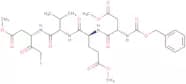
CAS:<p>Please enquire for more information about Boc-Asp(OcHex)-OSu including the price, delivery time and more detailed product information at the technical inquiry form on this page</p>Formula:C19H28N2O8Purity:Min. 95%Molecular weight:412.43 g/molZ-Leu-Glu(OMe)-Thr-DL-Asp(OMe)-fluoromethylketone
CAS:<p>Please enquire for more information about Z-Leu-Glu(OMe)-Thr-DL-Asp(OMe)-fluoromethylketone including the price, delivery time and more detailed product information at the technical inquiry form on this page</p>Formula:C30H43FN4O11Purity:Min. 95%Molecular weight:654.68 g/molAc-Cys(farnesyl)-OMe
CAS:<p>Ac-Cys(farnesyl)-OMe is a synthetic, methyl esterification product of farnesol and acetic acid. It is a protease activity inhibitor that has been shown to have bone resorption activity in rats. Ac-Cys(farnesyl)-OMe has been shown to inhibit the enzyme farnesyltransferase, which is involved in the posttranslational modification of proteins. This inhibition blocks the synthesis of sterols, which are necessary for bone resorption. Ac-Cys(farnesyl)-OMe has been shown to be active against multidrug resistant bacteria and may be used as an agent for treatment or prevention of heart disease.</p>Formula:C21H35NO3SPurity:Min. 95%Molecular weight:381.57 g/mol(H-Cys-Val-OH)2 (Disulfide bond)
CAS:<p>Please enquire for more information about (H-Cys-Val-OH)2 (Disulfide bond) including the price, delivery time and more detailed product information at the technical inquiry form on this page</p>Formula:C16H30N4O6S2Purity:Min. 95%Molecular weight:438.56 g/molBoc-Ala-Ala-Phe-pNA
CAS:<p>Please enquire for more information about Boc-Ala-Ala-Phe-pNA including the price, delivery time and more detailed product information at the technical inquiry form on this page</p>Formula:C26H33N5O7Purity:Min. 95%Molecular weight:527.57 g/molAc-Ala-Ala-OMe
CAS:<p>Ac-Ala-Ala-OMe is a molecule that has conformational and interaction properties. It is an amide residue found in proteins. The amino acid sequence of Ac-Ala-Ala-OMe contains an elongating residue with a specific profile, which can be used as a molecule to study acylases. Acetamide, the precursor of Ac-Ala-Ala-OMe, is an acid methyl ester that has been shown to interact with chloride ions. When acetamide interacts with chloride ions, it undergoes a shift in its structure and produces the product Ac-Ala-Ala-OMe. This process may be due to solvent effects (i.e., the effect of water).</p>Formula:C9H16N2O4Purity:Min. 95%Molecular weight:216.23 g/molTRAP-6 amide trifluoroacetate salt
CAS:<p>Protease-activated receptor 1 (PAR-1) selective activating peptide, TFA salt. 98%.</p>Formula:C34H57N11O8Purity:Min. 95%Color and Shape:PowderMolecular weight:747.89 g/molN-(2-Carbamoyl-ethyl)-Val-Leu-anilide
CAS:<p>Please enquire for more information about N-(2-Carbamoyl-ethyl)-Val-Leu-anilide including the price, delivery time and more detailed product information at the technical inquiry form on this page</p>Formula:C20H32N4O3Purity:Min. 95%Molecular weight:376.49 g/molTyrosinase (243-251) (human) acetate salt
CAS:<p>H-KCDICTDEY-OH peptide, corresponding to amino acids 243-251 of human Tyrosinase. The peptide is supplied as an acetate salt.</p>Formula:C44H68N10O18S2Purity:Min. 95%Molecular weight:1,089.2 g/molN-[(RS)-1-Carboxy-3-phenyl-propyl]-Ala-Ala-Phe-4-Abz-OH trifluoroacetate salt
CAS:<p>The N-[(RS)-1-carboxy-3-phenyl-propyl]-Ala-Ala-Phe-4-Abz-OH trifluoroacetate salt is a synthetic substrate for the study of metalloendopeptidase. This compound was used to develop a model system to study the function of human liver, and has been shown to inhibit the growth of PC12 cells. The N-[(RS)-1-Carboxy-3-phenyl-propyl]-Ala-Ala-Phe-4-Abz-OH trifluoroacetate salt is also an experimental model for congestive heart failure. This compound has been shown to increase glomerular filtration rate in experimental animals as well as basic fibroblast growth factor activity in cell culture by increasing intracellular calcium levels.</p>Formula:C32H36N4O7Purity:Min. 95%Molecular weight:588.65 g/molDABCYL-(Asn670,Leu671)-Amyloid b/A4 Protein Precursor770 (661-675)-EDANS ammonium salt
CAS:<p>Please enquire for more information about DABCYL-(Asn670,Leu671)-Amyloid b/A4 Protein Precursor770 (661-675)-EDANS ammonium salt including the price, delivery time and more detailed product information at the technical inquiry form on this page</p>Formula:C103H146N22O32SPurity:Min. 95%Molecular weight:2,236.46 g/molZ-Val-Leu-Arg-4MbNA·HCl
CAS:<p>Please enquire for more information about Z-Val-Leu-Arg-4MbNA·HCl including the price, delivery time and more detailed product information at the technical inquiry form on this page</p>Formula:C36H49N7O6·HClPurity:Min. 95%Molecular weight:712.28 g/mol(Glu1)-Fibrinopeptide B (human)
CAS:<p>Fibrinopeptide B (FPB) is a protein fragment of the blood clotting process. It is a member of the group of fibrinopeptides, which are formed by proteolytic cleavage of the precursor prothrombin. FPB is a low molecular weight peptide with an amino acid sequence that contains tryptophan and arginine residues, which are susceptible to oxidation by radiation. The presence of FPB in plasma can be used as an indicator for exposure to ionizing radiation. Matrix-assisted laser desorption/ionization (MALDI) mass spectrometry has been used to identify and quantify FPB in human plasma samples. This technique has also been applied to monitor the proteomic profile of activated platelets with high sensitivity using matrix molecules such as glycerol, ethylene glycol, and formamide as matrices for MALDI analysis.</p>Formula:C66H95N19O26Purity:Min. 95%Molecular weight:1,570.57 g/molIDR-1 trifluoroacetate salt
CAS:<p>IDR-1 is a peptide that is derived from the sequence of the human typhimurium protein. IDR-1 has been shown to have anti-inflammatory properties and modulates immune responses in mice. In particular, IDR-1 inhibits neutrophil chemotaxis by inhibiting formyl peptide receptor signaling. This peptide also inhibits bacterial chemokines, which are important for the recruitment of neutrophils. IDR-1 also has been shown to be effective against methicillin-resistant Staphylococcus aureus (MRSA) and pertussis.</p>Formula:C65H118N18O15Purity:Min. 95%Molecular weight:1,391.74 g/molH-Glu-Ala-Leu-Phe-Gln-pNA trifluoroacetate salt
CAS:<p>Please enquire for more information about H-Glu-Ala-Leu-Phe-Gln-pNA trifluoroacetate salt including the price, delivery time and more detailed product information at the technical inquiry form on this page</p>Formula:C34H46N8O10Purity:Min. 95%Molecular weight:726.78 g/molAxltide trifluoroacetate salt
CAS:<p>Please enquire for more information about Axltide trifluoroacetate salt including the price, delivery time and more detailed product information at the technical inquiry form on this page</p>Formula:C63H107N19O20S2Purity:Min. 95%Molecular weight:1,514.77 g/molH-Asp-Ala-His-Lys-OH
CAS:<p>Please enquire for more information about H-Asp-Ala-His-Lys-OH including the price, delivery time and more detailed product information at the technical inquiry form on this page</p>Formula:C19H31N7O7Purity:Min. 95%Molecular weight:469.49 g/molBoc-His(Tos)-PAM resin (200-400 mesh)
<p>Please enquire for more information about Boc-His(Tos)-PAM resin (200-400 mesh) including the price, delivery time and more detailed product information at the technical inquiry form on this page</p>Purity:Min. 95%Ac-Glu-pNA
CAS:<p>Ac-Glu-pNA is a synthetic substrate that is used in protease assays. Its amino acid sequence contains reactive groups, such as the carboxy terminal, that are cleaved by proteases. Ac-Glu-pNA has been shown to be a good substrate for thermophilic and licheniformis proteases and has been reported to be stable at neutral pH values.</p>Formula:C13H15N3O6Purity:Min. 95%Molecular weight:309.27 g/mol(D-Lys6)-LHRH (free acid) acetate salt
CAS:Controlled Product<p>Please enquire for more information about (D-Lys6)-LHRH (free acid) acetate salt including the price, delivery time and more detailed product information at the technical inquiry form on this page</p>Formula:C59H83N17O14Purity:Min. 95%Molecular weight:1,254.4 g/mol(D-Arg2,Lys4)-Dermorphin (1-4) amide
CAS:<p>Dermorphin is a neuropeptide that has been shown to reduce cortisol levels in badgers and has been shown to have biological activity in vitro. Dermorphin also has a number of pharmacokinetic properties, including water solubility, lipid solubility, and oral bioavailability. The drug binds to δ receptors and inhibits the enzyme activities of rat liver microsomes. Dermorphin is used as an analgesic for bowel disease, such as inflammatory bowel disease or hypogaea. Dermorphin has antinociceptive properties (pain-relieving).</p>Formula:C30H45N9O5Purity:Min. 95%Molecular weight:611.74 g/molTRH (free acid) Pyr-His-Pro-OH
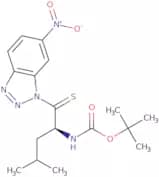
CAS:<p>TRH is a hormone that regulates the metabolic rate and stimulates the pancreas to release insulin. It also has been shown to be involved in regulating locomotor activity and is used in clinical trials for its potential therapeutic effects on Alzheimer’s disease. TRH binds to receptors on gland cells where it activates adenylate cyclase and increases intracellular levels of cAMP, which leads to an increase in cytosolic calcium concentration. TRH also binds to receptors on nerve cells and causes these cells to release neurotransmitters such as dopamine and serotonin. TRH is synthesized by the thyroid gland, pituitary gland, hypothalamus, or other tissues in response to stress or illness. TRH can be administered orally or injected intravenously; it is not active when taken orally because it is broken down by digestive enzymes before reaching the systemic circulation.</p>Formula:C16H21N5O5Purity:Min. 95%Molecular weight:363.37 g/molBoc-Thionoleu-1-(6-nitro)benzotriazolide
CAS:<p>Please enquire for more information about Boc-Thionoleu-1-(6-nitro)benzotriazolide including the price, delivery time and more detailed product information at the technical inquiry form on this page</p>Formula:C17H23N5O4SPurity:Min. 95%Molecular weight:393.46 g/molFibronectin Receptor Peptide (124-131)
CAS:<p>Please enquire for more information about Fibronectin Receptor Peptide (124-131) including the price, delivery time and more detailed product information at the technical inquiry form on this page</p>Formula:C49H72N8O15SPurity:Min. 95%Molecular weight:1,045.21 g/molAc-DL-Phe-pNA
CAS:<p>Ac-DL-Phe-pNA is a synthetic derivative of the natural substrate Ac-Lys-pNA. It binds to the active site of serine proteases and blocks the release of their active form, which results in inhibition of collagen synthesis. The reaction is reversible and it can be hydrolyzed by chymotrypsin or elastase. Ac-DL-Phe-pNA has been shown to inhibit protein–protein interactions between epimastigotes and extracellular matrix proteins, leading to cell death. This compound has also been found to have an optimum pH of 6.5, which is neutral.</p>Formula:C17H17N3O4Purity:Min. 95%Molecular weight:327.33 g/molType A Allatostatin II
CAS:<p>Allatostatin II is a fatty acid that has been shown to have receptor activity. It is an analog of the glycopeptide antibiotic gramicidin S and has been shown to inhibit the growth of bacteria and fungi. Allatostatin II also has diagnostic properties, which are used in biochemical tests for inflammatory diseases. The molecule is conjugated with various agents to form diagnostic agents or antibiotics, such as stenotrophomonas maltophilia and erythromycin. Allatostatin II is found in the human plasma, but its function is unknown.</p>Formula:C49H74N14O13Purity:Min. 95%Molecular weight:1,067.2 g/molAc-Met-AMC
CAS:<p>Ac-Met-AMC is a nucleoside analog that is an active inhibitor of the enzyme DNA polymerase. This drug has been shown to be effective in preventing the growth of cancer cells in tissue cultures, and it has also been used to study the relationship between isoforms and oxygenated species. Ac-Met-AMC binds to the cytosolic side of the enzyme, which reduces its activity, but this binding does not affect the enzyme's ability to bind substrate or ATP. Ac-Met-AMC has been shown to hydrolyze with a rate constant of 6 x 10 M(-1) s(-1).</p>Formula:C17H20N2O4SPurity:Min. 95%Molecular weight:348.42 g/molFibronectin Fragment (1376-1380) trifluoroacetate salt
CAS:<p>Please enquire for more information about Fibronectin Fragment (1376-1380) trifluoroacetate salt including the price, delivery time and more detailed product information at the technical inquiry form on this page</p>Formula:C24H39N11O8Purity:Min. 95%Molecular weight:609.64 g/mol(R,S)-α-Amino-3-hydroxy-5-methyl-4-isoxazolepropionic acid hydrobromide
CAS:<p>(R,S)-AMPA is a synthetic analog of the excitatory neurotransmitter glutamate, specifically designed to activate AMPA receptors, a subtype of ionotropic glutamate receptors. These receptors are pivotal in mediating fast synaptic transmission in the central nervous system. (R,S)-AMPA serves as a prototypical agonist for AMPA receptors, facilitating the study of receptor function and synaptic plasticity.</p>Formula:C7H10N2O4•HBrPurity:Min. 95%Molecular weight:267.08 g/mol((R)-4-Hydroxy-4-methyl-Orn (TRITC)7)-Phalloidin
<p>Please enquire for more information about ((R)-4-Hydroxy-4-methyl-Orn (TRITC)7)-Phalloidin including the price, delivery time and more detailed product information at the technical inquiry form on this page</p>Formula:C60H70N12O13S2Purity:Min. 95%Molecular weight:1,231.4 g/molH-Tyr-Glu-Trp-OH
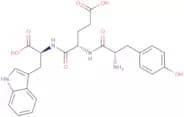
CAS:<p>Tyrosine is a non-essential amino acid that is an important component of proteins. It can also be synthesized in the body from the essential amino acid phenylalanine. Tyrosine is found in many foods and is made by plants, bacteria, and animals. The most common form of tyrosine in food is L-tyrosine. H-Tyr-Glu-Trp-OH is a neurotrophic factor that interacts with tyrosine kinase receptors to promote neuron survival and function. H-Tyr-Glu-Trp-OH has been shown to have neuroprotective effects in neonatal rats, preventing neuronal death due to genetic ablation or biochemical inhibition of neurotransmitter release.<br>Synaptic transmission refers to the propagation of nerve impulses across synapses, which are gaps between neurons. Neurotrophic factors are proteins produced by neurons that regulate the growth and maintenance of neurons.END> END></p>Formula:C25H28N4O7Purity:Min. 95%Molecular weight:496.51 g/mol(H-Cys-allyl ester)2·2 p-tosylate (Disulfide bond)
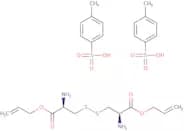
CAS:<p>Please enquire for more information about (H-Cys-allyl ester)2·2 p-tosylate (Disulfide bond) including the price, delivery time and more detailed product information at the technical inquiry form on this page</p>Formula:C12H20N2O4S2·2C7H8O3SPurity:Min. 95%Molecular weight:664.84 g/molHIV Protease Substrate VII
CAS:<p>Please enquire for more information about HIV Protease Substrate VII including the price, delivery time and more detailed product information at the technical inquiry form on this page</p>Formula:C52H81N15O14Purity:Min. 95%Molecular weight:1,140.29 g/mol(D-Trp32)-Neuropeptide Y (porcine) trifluoroacetate salt
CAS:<p>Please enquire for more information about (D-Trp32)-Neuropeptide Y (porcine) trifluoroacetate salt including the price, delivery time and more detailed product information at the technical inquiry form on this page</p>Formula:C197H290N56O56Purity:Min. 95%Molecular weight:4,338.75 g/molFmoc-Ser(tBu)-Pro-OH
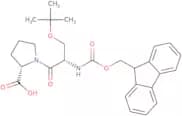
CAS:<p>Please enquire for more information about Fmoc-Ser(tBu)-Pro-OH including the price, delivery time and more detailed product information at the technical inquiry form on this page</p>Formula:C27H32N2O6Purity:Min. 95%Molecular weight:480.55 g/molBifunctional Antiplatelet Agent H(-Lys-Arg)3-Arg-Gly-Asp-Val-OH
CAS:<p>Please enquire for more information about Bifunctional Antiplatelet Agent H(-Lys-Arg)3-Arg-Gly-Asp-Val-OH including the price, delivery time and more detailed product information at the technical inquiry form on this page</p>Formula:C53H103N25O13Purity:Min. 95%Molecular weight:1,298.55 g/mol2-Methoxy-6-picolinic acid
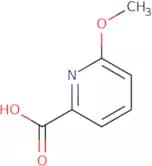
CAS:<p>2-Methoxy-6-picolinic acid (2MPA) is a picolinate that has been shown to be an effective catalyst for the conversion of alcohols into allylic alcohols. 2MPA is able to catalyze the reaction by abstracting hydrogen from the carbonyl group, and then adding it to the adjacent carbon. This reaction can produce peroxide as a byproduct, which is subsequently hydrolyzed to form water and alcohol. The β-unsaturated carbonyl group of 2MPA provides additional stability for this catalytic process.<br>2MPA can also be used as a catalyst in other reactions, such as the oxidation of benzylic alcohols with hydrogen peroxide to form benzylic carbonyl compounds.</p>Formula:C7H7NO3Purity:Min. 95%Color and Shape:PowderMolecular weight:153.14 g/molH-Thr(Ac)-OH·HCl
CAS:<p>Please enquire for more information about H-Thr(Ac)-OH·HCl including the price, delivery time and more detailed product information at the technical inquiry form on this page</p>Formula:C6H11NO4·HClPurity:Min. 95%Molecular weight:197.62 g/molC5a Anaphylatoxin (37-53) (human) trifluoroacetate salt
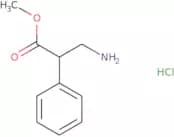
CAS:<p>Please enquire for more information about C5a Anaphylatoxin (37-53) (human) trifluoroacetate salt including the price, delivery time and more detailed product information at the technical inquiry form on this page</p>Formula:C82H141N27O22SPurity:Min. 95%Molecular weight:1,889.23 g/molMethyl 3-amino-2-phenylpropanoate HCl
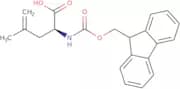
CAS:<p>Methyl 3-amino-2-phenylpropanoate HCl is a chemical intermediate that is synthesized in the biosynthesis of scopolamine and tenellin. It has been found to be an isotopically labeled analog of tropane alkaloids, which are a class of natural products that includes atropine, hyoscyamine, and scopolamine. Methyl 3-amino-2-phenylpropanoate HCl is one of many compounds that can provide structural insights into the biosynthesis and metabolism of these compounds.</p>Formula:C10H13NO2·HClPurity:Area-% Min. 95 Area-%Color and Shape:PowderMolecular weight:215.68 g/molFmoc-4,5-dehydro-L-leucine
CAS:<p>Please enquire for more information about Fmoc-4,5-dehydro-L-leucine including the price, delivery time and more detailed product information at the technical inquiry form on this page</p>Formula:C21H21NO4Purity:Min. 95%Color and Shape:PowderMolecular weight:351.4 g/molpTH (1-34) (rat)
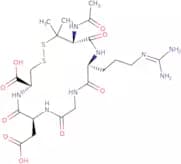
CAS:<p>Please enquire for more information about pTH (1-34) (rat) including the price, delivery time and more detailed product information at the technical inquiry form on this page</p>Formula:C180H291N55O48S2Purity:Min. 95%Molecular weight:4,057.71 g/molAc-Pen-Arg-Gly-Asp-Cys-OH (Disulfide bond)
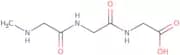
CAS:<p>Disulfide bond is an analytical method for the determination of the concentration-time curve. It is a cyclic peptide that competes with fibrinogen for binding to platelets. Disulfide bond has been shown to be an antagonist of receptor antagonist, and has potential applications in the treatment of autoimmune diseases. Disulfide bond can also be used as a model system for toxicological studies and experimental models in humans.</p>Formula:C22H36N8O9S2Purity:Min. 95%Molecular weight:620.7 g/molSar-Gly-Gly-OH
CAS:<p>Sar-Gly-Gly-OH is a zwitterionic, hydrophobic, and alkylating agent that is used to synthesize hyaluronic acid derivatives. It has been shown to form stable hydrogen bonds with metal ions such as copper (Cu) and zinc (Zn). Sar-Gly-Gly-OH has been used in the synthesis of various hyaluronic acid derivatives. These derivatives are used for the treatment of allergic conjunctivitis, dry eye, and other related conditions. Sar-Gly-Gly-OH also has low molecular weight and functional groups that allow it to react with other chemicals. The reaction products are aromatic hydrocarbons that can be used in techniques such as nuclear magnetic resonance spectroscopy.</p>Formula:C7H13N3O4Purity:Min. 95%Molecular weight:203.2 g/molFmoc-Lys(biotinyl)-Wang resin (200-400 mesh)
<p>Please enquire for more information about Fmoc-Lys(biotinyl)-Wang resin (200-400 mesh) including the price, delivery time and more detailed product information at the technical inquiry form on this page</p>Purity:Min. 95%(Nle 27)-GRF (1-29) amide (human)
CAS:<p>Please enquire for more information about (Nle 27)-GRF (1-29) amide (human) including the price, delivery time and more detailed product information at the technical inquiry form on this page</p>Formula:C150H248N44O42Purity:Min. 95%Molecular weight:3,339.85 g/mol(Ala1)-PAR-4 (1-6) (mouse) trifluoroacetate salt
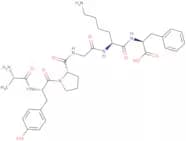
CAS:<p>(Ala1)-PAR-4 (1-6) (mouse) trifluoroacetate salt H-Ala-Tyr-Pro-Gly-Lys-Phe-OH trifluoroacetate salt is a potent inhibitor of protein kinase C, and has been shown to inhibit the growth of prostate cancer cells. It also inhibits phosphorylation of epidermal growth factor receptors, which leads to lower levels of epidermal growth factor in the cell. This drug also has antiplatelet effects and may be used as an antiplatelet agent for patients with vascular disease or diabetes.</p>Formula:C34H47N7O8Purity:Min. 95%Molecular weight:681.78 g/molAc-Phe-Gly-pNA
CAS:<p>Ac-Phe-Gly-pNA is a peptidyl prodrug that has been shown to have proteolytic activity against cells of the malignant phenotype. Ac-Phe-Gly-pNA is converted to an active form by serine proteases, which are found on the surface of trophozoites and in cancerous cells. The sequence of Ac-Phe-Gly-pNA is homologous with a protein found in Giardia lamblia, and it has been shown to be active against this parasite. Ac-Phe-Gly-pNA can also be detected with fluorogenic substrates and aminopeptidase activity.</p>Formula:C19H20N4O5Purity:Min. 95%Molecular weight:384.39 g/molMca-Pro-Leu-Gly-Leu-Dap (Dnp)-Ala-Arg-NH2 trifluoroacetate salt
CAS:<p>Please enquire for more information about Mca-Pro-Leu-Gly-Leu-Dap (Dnp)-Ala-Arg-NH2 trifluoroacetate salt including the price, delivery time and more detailed product information at the technical inquiry form on this page</p>Formula:C49H68N14O15Purity:Min. 95%Molecular weight:1,093.15 g/mol(Arg8)-Vasopressin (free acid) trifluoroacetate salt
CAS:<p>Please enquire for more information about (Arg8)-Vasopressin (free acid) trifluoroacetate salt including the price, delivery time and more detailed product information at the technical inquiry form on this page</p>Formula:C46H64N14O13S2Purity:Min. 95%Molecular weight:1,085.22 g/mol(1-Methyl-1H-pyrazol-4-yl)boronic acid
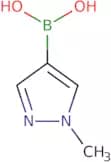
CAS:<p>(1-Methyl-1H-pyrazol-4-yl)boronic acid is a boronic acid that has been used for the synthesis of a number of heterocyclic compounds. Boronic acids are commonly used to synthesize phosphine ligands, which are reactive and can be used in cross-coupling reactions with organic halides, triflates, and tosylates. The efficiency of the reaction depends on the functional group present on the boron atom. (1-Methyl-1H-pyrazol-4-yl)boronic acid can inhibit the activity of many types of enzymes, including those involved in bacterial DNA synthesis and protein synthesis. (1-Methyl-1H-pyrazol-4-yl)boronic acid has been shown to have pharmacokinetic properties that depend on its ionization state.</p>Formula:C4H7BN2O2Purity:Min. 95%Molecular weight:125.92 g/mol(D-Ala2)-Leu-Enkephalin
CAS:<p>(D-Ala2)-Leu-Enkephalin H-Tyr-D-Ala-Gly-Phe-Leu-OH is a peptide that is a member of the endorphin family of endogenous analgesic compounds. It has been shown to have anti-inflammatory properties in clinical studies and to suppress bacterial growth in vitro. The compound has been implicated in the regulation of glucose homeostasis, as well as having an effect on body mass index and skin cells. (D-Ala2)-Leu-Enkephalin H-Tyr-D-Ala-Gly-Phe-Leu-(OH) is thought to modulate the activity of Toll like receptor 4, which is involved in inflammation and immune response.</p>Formula:C29H39N5O7Purity:Min. 95%Molecular weight:569.65 g/molH-Glu-Glu-OH
CAS:<p>H-Glu-Glu-OH is an organic acid that has proteolytic and gene product properties. It is a hyperactive compound that can be used as a sample preparation reagent for the detection of glutamic acid in proteins. H-Glu-Glu-OH inhibits protein synthesis by binding to ribosomes, which are responsible for the production of proteins in the cell, and prevents their function. Magnetic resonance spectroscopy has been used to investigate the uptake of H-Glu-Glu-OH into mammalian cells and ovarian follicles.</p>Formula:C10H16N2O7Purity:Min. 95 Area-%Color and Shape:White PowderMolecular weight:276.24 g/mol(S)-1-Phenyl-2-propanol
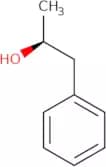
CAS:<p>(S)-1-Phenyl-2-propanol is a chiral, enantiopure alcohol that is used as a substrate for the preparation of various drugs. It can be prepared by the reduction of (R)-1-phenyl-2-propanol with sodium borohydride. To obtain the desired product, high substrate concentrations are required. Molecular modeling and bioreactor studies have shown that this process can also be carried out in cells. Subtilis sps. were found to be suitable for this process due to their ability to synthesize (S)-1-phenyl-2-propanol from 6-phosphate and l-tert-leucine in a stepwise manner. The use of subtilis sps. may reduce the cost and time needed for production of (S)-1-phenyl-2-propanol because it does not require expensive starting materials or purification steps.END>></p>Formula:C9H12OPurity:Min. 95%Color and Shape:Clear LiquidMolecular weight:136.19 g/molPyr-Trp-OH
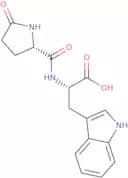
CAS:<p>Pyr-Trp-OH is a derivative of tryptophan. It has been found to be active in the brain and its metabolites have been shown to inhibit superoxide production by inhibiting the activity of hydroxylase and dismutase. Pyr-Trp-OH also inhibits serotonin synthesis, which may contribute to its antidepressant properties. Pyr-Trp-OH is an inhibitor of indoleamine 2,3 dioxygenase, an enzyme that converts tryptophan into kynurenine. This process generates hydrogen peroxide, which can lead to cell death. The conversion of tryptophan into serotonin also produces hydrogen peroxide, so it is possible that Pyr-Trp-OH may have antioxidant effects as well as antidepressant effects.</p>Formula:C16H17N3O4Purity:Min. 95%Molecular weight:315.32 g/mol(Des-Gly10,D-Tyr5,D-His(Bzl)6,Pro-NHEt 9)-LHRH trifluoroacetate salct
CAS:<p>Please enquire for more information about (Des-Gly10,D-Tyr5,D-His(Bzl)6,Pro-NHEt 9)-LHRH trifluoroacetate salct including the price, delivery time and more detailed product information at the technical inquiry form on this page</p>Formula:C66H86N18O12Purity:Min. 95%Molecular weight:1,323.5 g/mol(Pro30,Tyr32,Leu34)-Neuropeptide Y (28-36)
CAS:<p>Please enquire for more information about (Pro30,Tyr32,Leu34)-Neuropeptide Y (28-36) including the price, delivery time and more detailed product information at the technical inquiry form on this page</p>Formula:C57H91N17O12Purity:Min. 95%Molecular weight:1,206.44 g/molBoc-Ala-Gly-Gly-OH
CAS:<p>Boc-Ala-Gly-Gly-OH is a reactive compound that can be used to synthesize antibiotics. It can be used for the production of diazide, which is an antibiotic that inhibits bacterial growth by binding to DNA and preventing its replication. Boc-Ala-Gly-Gly-OH also has been used for the preparation of urethanes, which are used as coatings for medical devices or catheters. This compound is chiral and has been shown to have stereogenic properties in catalytic asymmetric epoxidation reactions.</p>Formula:C12H21N3O6Purity:Min. 95%Molecular weight:303.31 g/molZ-Ala-Ala-Asn-AMC
CAS:<p>Z-Ala-Ala-Asn-AMC is a molecule that is an analog of the amino acid alanine. It has been shown to be effective in inhibiting cancer cell viability and inducing apoptosis in MDA-MB-231 breast cancer cells, which can inhibit tumor growth. This molecule also inhibits protease activity, protein synthesis, and tubule cell proliferation. Z-Ala-Ala-Asn-AMC has applicability in the treatment of cancers and inflammatory diseases.</p>Formula:C28H31N5O8Purity:Min. 98 Area-%Color and Shape:PowderMolecular weight:565.57 g/molAloc-Ala-OH·DCHA
CAS:<p>Aloc-Ala-OH·DCHA is a linker that can be utilized in nucleotide synthesis. It is synthesized by reacting the amine group of alanine with the acid chloride of DCHA. The product of this reaction, Aloc-Ala-OH·DCHA, is an amide bond with a free hydroxyl group on one end and a free amino group on the other end. The C-terminal carboxylic acid function of this compound reacts with phosphoramidite to yield the desired n-terminal threonine residue. This linker can also be used to conjugate other compounds such as nucleosides or phosphodiester bonds.</p>Formula:C7H11NO4·C12H23NPurity:Min. 95%Color and Shape:SolidMolecular weight:354.48 g/molBoc-4-carboxymethyl-piperidine
CAS:<p>Boc-4-carboxymethyl-piperidine is a novel drug that has been shown to have significant correlations with the inhibition of fibrinogen and cellulose. It also has the ability to inhibit arsenite, which may be due to its dithiocarbamate group. Boc-4-carboxymethyl-piperidine has been shown to have significant biological activity in vitro. This molecule has been synthesized and crystallized, and x-ray data have been collected. The molecular structure of this molecule is shown below:</p>Formula:C12H21NO4Purity:Min. 95%Color and Shape:White PowderMolecular weight:243.3 g/molH-Val-Val-Val-Val-OH
CAS:<p>Please enquire for more information about H-Val-Val-Val-Val-OH including the price, delivery time and more detailed product information at the technical inquiry form on this page</p>Formula:C20H38N4O5Purity:Min. 95%Molecular weight:414.54 g/molH-Tyr-L-1,2,3,4-tetrahydroisoquinoline-3-carboxamide·HCl
CAS:<p>H-Tyr-L-1,2,3,4-tetrahydroisoquinoline-3-carboxamide·HCl is a monoclinic crystalline compound. It has a molecular weight of 607.14 and contains the dipeptide Tyr-Lys in its structure. H-Tyr-L-1,2,3,4-tetrahydroisoquinoline-3-carboxamide·HCl crystallizes in the P21/c space group and has an asymmetric unit cell with dimensions a=8.851 Å, b=7.965 Å and c=5.98 Å. This compound has been shown to have antibacterial properties against methicillin resistant Staphylococcus aureus (MRSA) isolates and Clostridium perfringens strains by inhibiting bacterial protein synthesis through inhibition of peptidyl transferase activity.</p>Formula:C19H21N3O3·HClPurity:Min. 95%Molecular weight:375.85 g/molFmoc-Trp-Wang resin (100-200 mesh)
<p>Please enquire for more information about Fmoc-Trp-Wang resin (100-200 mesh) including the price, delivery time and more detailed product information at the technical inquiry form on this page</p>Purity:Min. 95%Palmitoyl-Cys((RS)-2,3-di(palmitoyloxy)-propyl)-Ala-Gly-OH
CAS:<p>Palmitoyl-Cys((RS)-2,3-di(palmitoyloxy)-propyl)-Ala-Gly-OH is a molecule that can be used to generate an antigen against tumor necrosis factor alpha (TNFα). It has been shown to be able to bind TNFα and prevent it from binding to its receptors. This leads to a decrease in the production of cytokines, as well as a decrease in the activation of cytosolic guanylate cyclase. Palmitoyl-Cys((RS)-2,3-di(palmitoyloxy)-propyl)-Ala-Gly-OH has also been shown to inhibit the proliferation of cancer cells by inhibiting extracellular Ca2+ influx and cytosolic Ca2+ ion concentrations.</p>Formula:C59H111N3O9SPurity:Min. 95%Molecular weight:1,038.59 g/molAc-Leu-Glu-His-Asp-AMC trifluoroacetate salt
CAS:<p>Ac-Leu-Glu-His-Asp-AMC trifluoroacetate salt is a synthetic peptide that is derived from the amino acid sequence of caspases. Ac-Leu-Glu-His-Asp-AMC trifluoroacetate salt induces apoptosis in insect and E. coli cells by protease activity, which leads to cell death. The sequence of this peptide is found in Drosophila melanogaster and has been shown to induce apoptosis in insect cells. Caspases are enzymes that regulate apoptosis and play a key role in cell death.</p>Formula:C33H41N7O11Purity:Min. 95%Molecular weight:711.72 g/mol(Glu2)-TRH Pyr-Glu-Pro-NH2
CAS:<p>(Glu2)-TRH Pyr-Glu-Pro-NH2 is a colony-stimulating factor that has been shown to play a role in fertility and energy metabolism. It is also involved in the regulation of physiological functions, such as spermatozoa motility and enzyme inhibitors. (Glu2)-TRH Pyr-Glu-Pro-NH2 binds to its receptor on the surface of cells and stimulates cell growth. The biological function of this drug is not yet known.</p>Formula:C15H22N4O6Purity:Min. 95%Molecular weight:354.36 g/mol(Gly14)-Humanin (human) trifluoroacetate salt
CAS:<p>Please enquire for more information about (Gly14)-Humanin (human) trifluoroacetate salt including the price, delivery time and more detailed product information at the technical inquiry form on this page</p>Formula:C118H202N34O31S2Purity:Min. 95%Molecular weight:2,657.21 g/molTrt-Cys(Trt)-OH
CAS:<p>Trt-Cys(Trt)-OH is a selective dicyclohexyl carbodiimide reagent for the synthesis of amides from carboxylic acids. It is used as an intermediate in the synthesis of glutathione and other nitrogen-containing compounds. Trt-Cys(Trt)-OH reacts with hydrochloric acid to form a salt, which can be saponified to release the desired product. The hydrochloric acid converts the ester into a carboxylic acid, while the amine group on the glycine reacts with the carboxylic acid to form an amide. Trityl is also produced during this reaction, which can be removed by reduction with hydrogen gas and palladium on charcoal.</p>Formula:C41H35NO2SPurity:Min. 95%Molecular weight:605.79 g/mol(D-Trp6)-LHRH acetate salt
CAS:<p>Please enquire for more information about (D-Trp6)-LHRH acetate salt including the price, delivery time and more detailed product information at the technical inquiry form on this page</p>Formula:C64H82N18O13·xC2H4O2Purity:Min. 95%Molecular weight:1,311.45 g/molAlarin (rat) trifluoroacetate salt
CAS:<p>Please enquire for more information about Alarin (rat) trifluoroacetate salt including the price, delivery time and more detailed product information at the technical inquiry form on this page</p>Formula:C119H199N45O35Purity:Min. 95%Molecular weight:2,820.14 g/mol2-Phenylpropionic acid
CAS:<p>2-Phenylpropionic acid is a reactive chemical that can be synthesized by an asymmetric process. It has been used in the synthesis of nonsteroidal anti-inflammatory drugs, as it inhibits the activity of cyclooxygenase and lipoxygenase enzymes. This chemical also binds to the hydroxyl group on target proteins, inhibiting their function. 2-Phenylpropionic acid is metabolized by microbial metabolism and can inhibit the activity of drug-metabolizing enzymes such as CYP3A4 and CYP2D6. It may also interact with other drugs that are processed by these enzymes, including warfarin and carbamazepine. 2-Phenylpropionic acid is a competitive inhibitor that binds to the active site of an enzyme and blocks its access to its substrate molecule. The binding of 2-phenylpropionic acid to enzyme's active site prevents the reactant from entering and reacting with the enzyme, thereby preventing a</p>Formula:C9H10O2Purity:Min. 95%Color and Shape:Colorless Clear LiquidMolecular weight:150.17 g/molAc-Ala-Ala-Val-Ala-Leu-Leu-Pro-Ala-Val-Leu-Leu-Ala-Leu-Leu-Ala-Pro-Ile-Glu-Thr-Asp-aldehyde trifluoroacetate salt
CAS:<p>Please enquire for more information about Ac-Ala-Ala-Val-Ala-Leu-Leu-Pro-Ala-Val-Leu-Leu-Ala-Leu-Leu-Ala-Pro-Ile-Glu-Thr-Asp-aldehyde trifluoroacetate salt including the price, delivery time and more detailed product information at the technical inquiry form on this page</p>Formula:C95H162N20O26Purity:Min. 95%Molecular weight:2,000.42 g/molNocistatin (bovine) trifluoroacetate salt
CAS:<p>Please enquire for more information about Nocistatin (bovine) trifluoroacetate salt including the price, delivery time and more detailed product information at the technical inquiry form on this page</p>Formula:C82H135N21O32Purity:Min. 95%Molecular weight:1,927.07 g/molExperimental Allergic Encephalitogenic Peptide (human)
CAS:<p>Experimental Allergic Encephalitogenic Peptide (human) H-Phe-Ser-Trp-Gly-Ala-Glu-Gly-Gln-Arg-OH is a protein that is used as an adjuvant to increase the immune response. It is composed of a string of amino acids that are recognized by the immune system, but do not elicit an immune response on their own. The peptide can be administered intracutaneously or in the form of a vaccine. This peptide has been shown to have a basic nature and has been found to have lethal effects when administered at high doses.</p>Formula:C46H64N14O14Purity:Min. 95%Molecular weight:1,037.09 g/molpTH (1-31) amide (human)
CAS:<p>pTH (1-31) amide is a polymer conjugate that is used to treat osteoporosis. It has been shown to be effective in reducing the risk of fracture and increasing bone mineral density in animals. The compound binds to the extracellular domain of the estrogen receptor, altering its conformation and preventing it from interacting with other proteins in the nucleus. pTH (1-31) amide has also been shown to reduce blood pressure in animals by inhibiting angiotensin-converting enzyme. Clinical data on this drug are limited, but it has been well tolerated so far.</p>Formula:C162H270N50O46S2Purity:Min. 95%Molecular weight:3,718.32 g/molH-Arg(NO2)-pNA·HBr
CAS:<p>Please enquire for more information about H-Arg(NO2)-pNA·HBr including the price, delivery time and more detailed product information at the technical inquiry form on this page</p>Formula:C12H17N7O5·HBrPurity:Min. 95%Molecular weight:420.22 g/molFmoc-octyl-D-Gly-OH
CAS:<p>Fmoc-octyl-D-Gly-OH is a supramolecular polymer with a wide range of applications, including oil recovery and as a nanomaterial. Fmoc-octyl-D-Gly-OH is synthesized by the ring opening polymerization of octylglycol with D,L lactic acid. It has been shown to be an effective emulsifier in water, which may be due to its synergistic effect with other molecules. Fmoc-octyl-D-Gly-OH also has the ability to self assemble into a variety of morphologies such as nanoribbons, nanowires, and gel networks. This polymer can also be used as a hydrogenation catalyst for organic synthesis reactions that require high pressures and temperatures. Fmoc-octyl-D-Gly-OH has also been used in the production of ultrasonication devices for use in medicine.</p>Formula:C25H31NO4Purity:Min. 95%Molecular weight:409.52 g/molH-Pro-met-oh
CAS:<p>H-Pro-met-oh is an endoplasmic protein that is activated by the acidic α subunit. It belongs to a class of molecules called incompletely activated proteins, which are synthesized in the endoplasmic reticulum. H-Pro-met-oh has been shown to be a potential cancer therapeutic agent. The biochemical and cellular effects of this drug have been studied in vitro on C2C12 cells, which are mouse muscle cells. H-Pro-met-oh has been shown to stimulate fetal bovine growth factor (FGF), which may have therapeutic applications for treating cancer or other diseases where FGF levels are reduced.</p>Formula:C10H18N2O3SPurity:Min. 95%Molecular weight:246.33 g/molH-Ala-D-Glu(Lys-D-Ala-D-Ala-OH)-OH
CAS:<p>Teicoplanin is an amide-linked glycopeptide antibiotic that binds to the bacterial cell wall. It is used for the treatment of infections caused by staphylococci and p. aeruginosa, which are resistant to other antibiotics. The drug binds to a specific site on the bacterial cell wall, forming a coordination complex with the peptidoglycan layer and making it easier for water molecules to penetrate the cell wall. This leads to increased rates of cell death by osmosis. Teicoplanin enhances the activity of other antibiotics against Gram-positive bacteria by preventing their binding to penicillin-binding proteins in the bacterial cell walls.</p>Formula:C20H36N6O8Purity:Min. 95%Molecular weight:488.54 g/molZ-Asp(OMe)-Glu(OMe)-Val-DL-Asp(OMe)-fluoromethylketone
CAS:<p>Z-Asp(OMe)-Glu(OMe)-Val-DL-Asp(OMe)-fluoromethylketone is a small molecule that has been shown to induce apoptosis in cultured cells. It is a caspase-3 inhibitor, which prevents the activation of the caspase cascade and protects cells from oxidative injury. Low doses of Z-Asp(OMe)-Glu(OMe)-Val-DL-Asp(OMe)-fluoromethylketone have been shown to induce apoptosis in cultured cells, with no significant cytotoxicity at high doses. The mechanism of action for this agent is not yet known, but it may promote mitochondrial membrane potential loss and neuronal death by binding to DNA, or induce cell death through a caspase-independent pathway.</p>Formula:C30H41FN4O12Purity:Min. 95%Molecular weight:668.66 g/molAdipokinetic Hormone G (Gryllus bimaculatus)
CAS:<p>Adipokinetic hormone G is a peptide found in the hemolymph of Gryllus bimaculatus, a species of cricket. It has been shown to have anti-lipemic and antilipaemic effects in animal models. Adipokinetic hormone G can be detected by bioassay and matrix-assisted laser desorption/ionization (MALDI) mass spectrometry.</p>Formula:C43H57N11O12Purity:Min. 95%Molecular weight:919.98 g/molH-Phe-Val-OH
CAS:<p>H-Phe-Val-OH, also known as humanized Val-Phe-His-Leu (VHL), is a monoclonal antibody that binds to the antigen epidermal growth factor (EGF). It has been shown to have diagnostic and therapeutic properties in vitro. This antibody is used in the diagnosis of cancer tissues and is able to identify carcinoma cell lines. Furthermore, it can be used to diagnose hepatitis C virus infection. H-Phe-Val-OH blocks the binding of EGF with its receptor on the surface of cells and prevents the proliferation of cancerous cells. It also inhibits cancer growth by reducing the synthesis of proteins such as epidermal growth factor and transforming growth factor alpha.</p>Formula:C14H20N2O3Purity:Min. 98%Color and Shape:PowderMolecular weight:264.32 g/molHSV-1 Glycoprotein (gB) (497-507)
CAS:<p>Please enquire for more information about HSV-1 Glycoprotein (gB) (497-507) including the price, delivery time and more detailed product information at the technical inquiry form on this page</p>Formula:C59H91N15O18Purity:Min. 95%Molecular weight:1,298.44 g/molProcathepsin B (26-50) (rat)
CAS:<p>Please enquire for more information about Procathepsin B (26-50) (rat) including the price, delivery time and more detailed product information at the technical inquiry form on this page</p>Formula:C123H198N34O33SPurity:Min. 95%Molecular weight:2,713.16 g/molZ-L-Valine N-hydroxysuccinimide ester
CAS:<p>Z-L-Valine N-hydroxysuccinimide ester is a synthetic δ opioid ligand that has been shown to have potent inhibitory activity against casein. The compound has also been shown to have high affinity for opioid receptors and δ opioid receptors, which may be due to its ability to form supramolecular complexes with these proteins. Z-L-Valine N-hydroxysuccinimide ester binds to the receptor binding site of the protein, preventing it from interacting with other molecules. It is not selective for one receptor over another and can bind to both the δ and μ opioid receptors. This synthetic substance may be used as a lead compound in drug development.</p>Formula:C17H20N2O6Purity:Min. 95%Molecular weight:348.35 g/molH-Val-β-Ala-OH
CAS:<p>Please enquire for more information about H-Val-beta-Ala-OH including the price, delivery time and more detailed product information at the technical inquiry form on this page</p>Formula:C8H16N2O3Purity:Min. 95%Molecular weight:188.22 g/molAc-α-benzyl-muramyl-Ala-D-Glu(Lys(trans-(3-nitrocinnamoyl))-NH2)-NH2
CAS:<p>Please enquire for more information about Ac-alpha-benzyl-muramyl-Ala-D-Glu(Lys(trans-(3-nitrocinnamoyl))-NH2)-NH2 including the price, delivery time and more detailed product information at the technical inquiry form on this page</p>Formula:C41H56N8O14Purity:Min. 95%Molecular weight:884.93 g/molZ-D-Phe-Pro-OH
CAS:<p>D-Phe-Pro-OH is a tripeptide that is reversibly inactivated by methanol, chloromethyl ketone, and boronate esters. It can be used as an affinity label for the detection of aldehydes. This compound has been shown to be an inhibitor of protein synthesis and cell growth. It has also been used to synthesize analogs with similar properties, such as Z-D-Phe-Pro-OH.</p>Formula:C22H24N2O5Purity:Min. 95%Molecular weight:396.44 g/mol(Ala92)-Peptide 6
CAS:<p>Please enquire for more information about (Ala92)-Peptide 6 including the price, delivery time and more detailed product information at the technical inquiry form on this page</p>Formula:C93H155N31O26Purity:Min. 95%Molecular weight:2,123.42 g/mol(His(3-Me)2)-TRH trifluoroacetate salt
CAS:<p>Please enquire for more information about (His(3-Me)2)-TRH trifluoroacetate salt including the price, delivery time and more detailed product information at the technical inquiry form on this page</p>Formula:C17H24N6O4Purity:Min. 95%Molecular weight:376.41 g/molZ-D-Phe-Phe-Gly-OH
CAS:<p>Z-D-Phe-Phe-Gly-OH is a lysosomal carboxypeptidase that hydrolyzes peptides at the C terminus of proteins. It has a wide substrate specificity and can hydrolyze Z-D-Phe-Phe-Gly, Z-Arg-Lys, and L-Arg. This enzyme has been shown to have ion exchange chromatography activity. The elution profile for this enzyme on a sephadex G-100 column was found to have an optimum pH of 7.5 and elutes at a salt concentration of 0.5M NaCl. Carboxypeptidases are enzymes that cleave at the C terminus of proteins to produce smaller peptides or amino acids. They are involved in digestion, blood clotting, and cell signaling processes.</p>Formula:C28H29N3O6Purity:Min. 95%Color and Shape:White Off-White PowderMolecular weight:503.55 g/mol(D-Ala3)-Dynorphin A (1-11) amide trifluoroacetate salt
CAS:<p>Please enquire for more information about (D-Ala3)-Dynorphin A (1-11) amide trifluoroacetate salt including the price, delivery time and more detailed product information at the technical inquiry form on this page</p>Formula:C64H106N22O12Purity:Min. 95%Molecular weight:1,375.67 g/molFA-OSu
CAS:<p>FA-OSu is a nucleophile that is used in peptide synthesis. It has an affinity for amides, which can be used as a synthetic intermediate. FA-OSu is also a synergistic compound with perimeter, and has been shown to hydrolyse the amide bond of tetrapeptides. This product is insoluble in water and has been shown to be effective against P. aeruginosa by transpeptidation and hydrolysis. FA-OSu can be synthesized from commercially available chemicals or enzymatically from the amino acid phenylalanine.</p>Formula:C11H9NO5Purity:Min. 95%Molecular weight:235.19 g/molFmoc-Ala-Ala-Pro-OH
CAS:<p>Fmoc-Ala-Ala-Pro-OH is a building block that is used in organic synthesis as a reaction component or reagent. It can be used to synthesize a wide range of complex compounds with speciality chemical and fine chemical applications. Fmoc-Ala-Ala-Pro-OH is also a versatile building block that can be used to synthesize various useful scaffolds, such as the Fmoc amino acid sequence, which has been shown to bind heparin. This compound has high purity and can be used in research and development.</p>Formula:C26H29N3O6Purity:Min. 95%Color and Shape:PowderMolecular weight:479.53 g/molFmoc-Pro-Phe-OH
CAS:<p>Please enquire for more information about Fmoc-Pro-Phe-OH including the price, delivery time and more detailed product information at the technical inquiry form on this page</p>Formula:C29H28N2O5Purity:Min. 95%Molecular weight:484.54 g/molLeptin (126-140) (human)
CAS:<p>Please enquire for more information about Leptin (126-140) (human) including the price, delivery time and more detailed product information at the technical inquiry form on this page</p>Formula:C65H103N15O26Purity:Min. 95%Molecular weight:1,510.6 g/molH-Val-Arg-Lys-Arg-Thr-Leu-Arg-Arg-Leu-OH
CAS:<p>H-Val-Arg-Lys-Arg-Thr-Leu-Arg-Arg-Leu (HVLAHR) is a synthetic peptide that has been shown to have antiinflammatory properties. The peptide binds to the epidermal growth factor receptor (EGFR) and inhibits the production of proinflammatory cytokines and chemokines, such as IL1α, IL6, IL8, and TNFα. HVLAHR also binds to calmodulin and inhibits protein kinase C (PKC) activity. It has been shown that this peptide has neuroprotective effects in vitro by binding to neurogranin and inhibiting protein phosphorylation. HVLAHR can be used as a model organism in vitro to study protein kinase activity.</p>Formula:C51H100N22O11Purity:Min. 95%Molecular weight:1,197.48 g/molBombesin trifluoroacetate salt
CAS:<p>Trifluoroacetate salt</p>Formula:C71H110N24O18SPurity:Min. 95%Molecular weight:1,619.85 g/molL-Phenylalanine methyl ester
CAS:<p>Phenylalanine methyl ester is a metabolite of phenylalanine that is formed by the action of the enzyme phenylalaninase. It has been shown to have anti-inflammatory properties, which may be due to its ability to inhibit the production of pro-inflammatory cytokines such as colony-stimulating factor (CSF) and tumor necrosis factor alpha (TNFα). This drug also inhibits amyloid protein aggregation, a process that causes Alzheimer's disease. Phenylalanine methyl ester has been used in clinical trials for treating infectious diseases. The drug increases the number of white blood cells in the body and stimulates antibody production. Phenylalanine methyl ester binds to sodium citrate and forms stable complexes with hydrogen bonds or ionic interactions.</p>Formula:C10H13NO2Purity:Min. 95%Molecular weight:179.22 g/molAloc-OSu
CAS:<p>Aloc-OSu is a glycosylated glycopeptide antibiotic that belongs to the class of degradable antibiotics. The drug binds to the enzyme UDP-N-acetylglucosamine:glycoprotein glucosyltransferase, thereby inhibiting bacterial cell wall synthesis. Aloc-OSu has been shown to be effective against methicillin resistant Staphylococcus aureus (MRSA) and Clostridium perfringens, although is not active against acid-fast bacteria such as Mycobacterium tuberculosis or Mycobacterium avium complex. Aloc-OSu has shown anti-inflammatory properties, which may be due to its inhibition of prostaglandin synthesis.</p>Formula:C8H9NO5Purity:Min. 95%Molecular weight:199.16 g/molAnantin (linear sequence) trifluoroacetate salt
CAS:<p>Please enquire for more information about Anantin (linear sequence) trifluoroacetate salt including the price, delivery time and more detailed product information at the technical inquiry form on this page</p>Formula:C90H113N21O25Purity:Min. 95%Molecular weight:1,888.99 g/mol
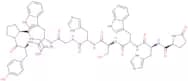

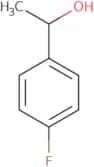
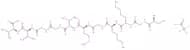
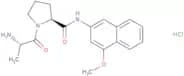

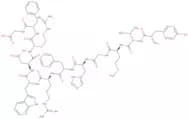
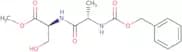


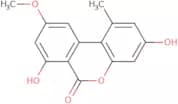
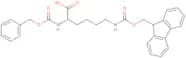
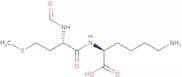
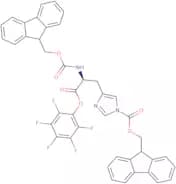
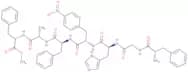
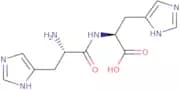
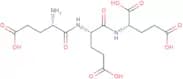
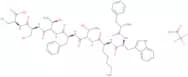

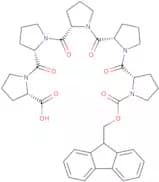
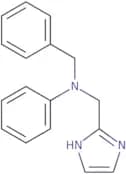


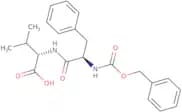
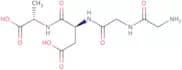

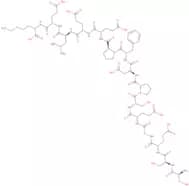
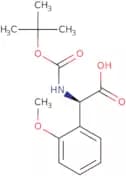
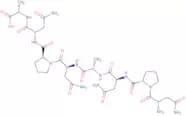
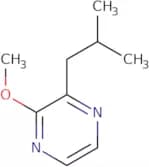
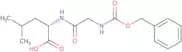


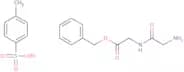

![N-[(2RS,3RS)-2,3,4-Trihydroxy-butyl]-Val-Leu-anilide](/_next/image/?url=https%3A%2Fstatic.cymitquimica.com%2Fproducts%2F3D%2Fthumb-webp%2FFT108329.webp&w=3840&q=75)

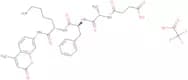
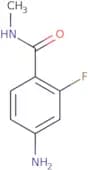


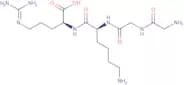




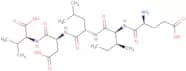

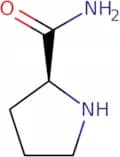


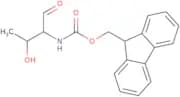
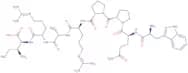

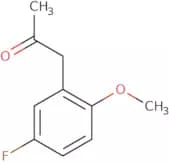

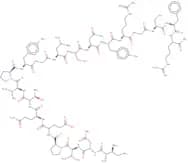
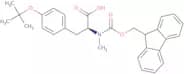
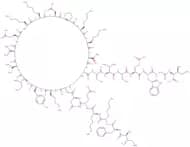
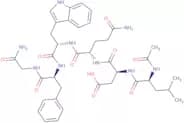
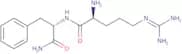
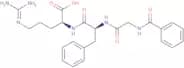

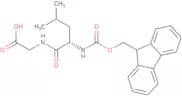


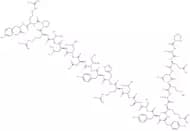


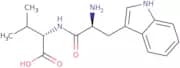
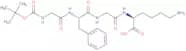
![([15N]Gly)-Glutathione (reduced)](/_next/image/?url=https%3A%2Fstatic.cymitquimica.com%2Fproducts%2F3D%2Fthumb-webp%2FFG109306.webp&w=3840&q=75)
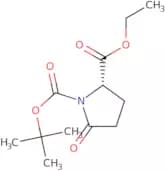

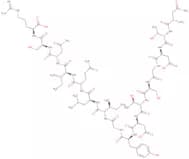
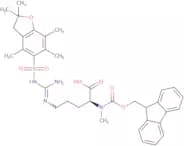
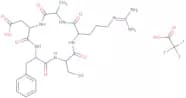
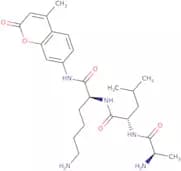


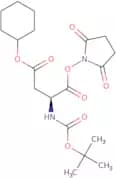
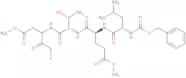
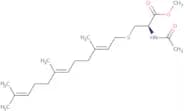
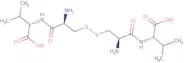
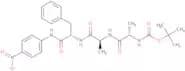

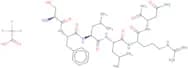
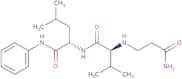
![N-[(RS)-1-Carboxy-3-phenyl-propyl]-Ala-Ala-Phe-4-Abz-OH trifluoroacetate salt](/_next/image/?url=https%3A%2Fstatic.cymitquimica.com%2Fproducts%2F3D%2Fthumb-webp%2FFR111118.webp&w=3840&q=75)