Amino Acids (AA)
Amino acids (AAs) are the fundamental building blocks of proteins, playing a crucial role in various biological processes. These organic compounds are essential for protein synthesis, metabolic pathways, and cell signaling. In this category, you will find a comprehensive range of amino acids, including essential, non-essential, and modified forms, which are vital for research in biochemistry, molecular biology, and nutritional sciences. At CymitQuimica, we provide high-quality amino acids to support your research and development needs, ensuring accuracy and reliability in your experimental outcomes.
Subcategories of "Amino Acids (AA)"
- Amino Acid Derivatives(3,957 products)
- Amino Acid and Amino Acid Related Compounds(3,472 products)
- Amino Acids with Oxygen or Sulphur(168 products)
- Boc- Amino Acids(351 products)
- Fmoc Amino Acids(1,710 products)
Found 38265 products of "Amino Acids (AA)"
Sort by
Purity (%)
0
100
|
0
|
50
|
90
|
95
|
100
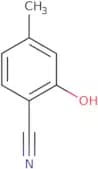
2-Hydroxy-4-methyl-benzonitrile
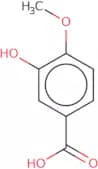
CAS:<p>2-Hydroxy-4-methylbenzonitrile is a high quality chemical, which can be used as a reagent, intermediate or building block in the synthesis of other compounds. It is a versatile building block and can be used to make compounds with various functional groups. 2-Hydroxy-4-methylbenzonitrile is also a useful scaffold for new drug discovery and has been shown to react with many different types of functional groups. This compound has been found to have antibacterial properties, making it useful for research into new antibiotics.</p>Formula:C8H7NOPurity:Min. 95%Molecular weight:133.15 g/mol3-Hydroxy-4-methoxybenzoic acid
CAS:<p>3-Hydroxy-4-methoxybenzoic acid is a phenolic acid with antiinflammatory activity. It can be found in the leaves of the plant "Anacardium occidentale" or as an intermediate in the synthesis of protocatechuic acid, which is formed by oxidation of 3-hydroxycinnamic acid. 3-Hydroxy-4-methoxybenzoic acid has been shown to inhibit bacterial growth and fungal infection in vitro. The compound also inhibits proinflammatory cytokine production by human monocytes and macrophages, which may be due to its hydroxyl group that can form hydrogen bonds with nucleophilic centers on proteins.<br>3-Hydroxy-4-methoxybenzoic acid can be prepared through extraction from acetate (1g) containing pyridine (2mL) and acetone (2mL). The extract is incubated at 50°C for 20 minutes before being cooled. The</p>Formula:C8H8O4Purity:Min. 95%Color and Shape:PowderMolecular weight:168.15 g/mol3-Methyl-2,4,5-trifluorobenzoic acid
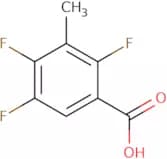
CAS:<p>3-Methyl-2,4,5-trifluorobenzoic acid is a fluoroquinolone antibiotic that inhibits the DNA gyrase and topoisomerase IV. It binds to bacterial 16S ribosomal RNA and inhibits protein synthesis, leading to cell death by inhibiting the production of proteins vital for cell division. 3-Methyl-2,4,5-trifluorobenzoic acid has been shown to be bactericidal in vitro against Gram-negative bacteria such as Escherichia coli and Pseudomonas aeruginosa. This drug also has a target enzyme modification activity with the potential to modify enzymes not usually targeted by fluoroquinolones.</p>Formula:C8H5F3O2Purity:Min. 95%Color and Shape:PowderMolecular weight:190.12 g/mol5-(2-methylpropyl)-3-(prop-2-ynylamino)cyclohex-2-en-1-one
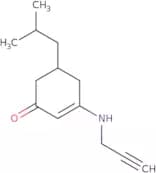
CAS:<p>Please enquire for more information about 5-(2-methylpropyl)-3-(prop-2-ynylamino)cyclohex-2-en-1-one including the price, delivery time and more detailed product information at the technical inquiry form on this page</p>Purity:Min. 95%Boc-Leu-Gly-Arg-AMC acetate salt
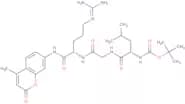
CAS:<p>Boc-Leu-Gly-Arg-AMC acetate salt is a potential drug target for leishmaniasis. It inhibits the growth of Leishmania by binding to the 17β-estradiol receptor and inhibiting protein synthesis. This drug also has a hydrolytic activity against proteins, which is activated by an acidic environment. It has been shown to inhibit the growth of bacteria including Staphylococcus aureus and Chlamydia pneumoniae by inhibiting urokinase-type plasminogen activator (uPA) and serine protease activities. Boc-Leu-Gly-Arg-AMC acetate salt has also been shown to inhibit cellular proliferation in cancer cells.</p>Formula:C29H43N7O7•C2H4O2Purity:Min. 98 Area-%Color and Shape:PowderMolecular weight:661.74 g/molFMoc-L-Allylglycine
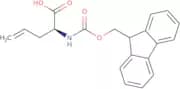
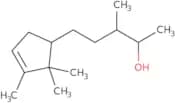
CAS:<p>FMoc-L Allylglycine is a synthetic reactive molecule that binds to the P2Y receptor. It is active in the cell maturation process and stimulates receptor activity. FMoc-L-Allylglycine has been shown to have anticancer properties, as well as an effect on human serum and bovine fetal serum. The nitrogen atoms in FMoc-L-Allylglycine are capable of forming strong bonds with buffers and imprinting agents, which can be used to study biomolecules. The disulfide bond in FMoc-L-Allylglycine can be cleaved with reductive conditions, making it a useful tool for the synthesis of peptides.</p>Formula:C20H19NO4Purity:Min. 95%Color and Shape:White PowderMolecular weight:337.37 g/mol5-(2,2,3-Trimethyl-3-cyclopentenyl)-3-methyl-pentan-2-ol
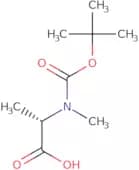
CAS:<p>5-(2,2,3-Trimethyl-3-cyclopentenyl)-3-methyl-pentan-2-ol (5MMPP) is a natural product that has been identified as an inhibitor of human immunodeficiency virus (HIV) replication. 5MMPP inhibits the formation of farnesyl diphosphate (FPP), which is essential for the production of protein kinase C and other cellular processes. This compound also blocks the HIV co-receptor CCR5, reducing the ability of HIV to latch onto cells. 5MMPP also has shown chemotactic activity against leukemia cells and skin cells in vitro, which may be due to its ability to stimulate growth factor release.</p>Formula:C14H26OPurity:Min. 95%Color and Shape:Colorless PowderMolecular weight:210.36 g/molBoc-N-methyl-L-alanine
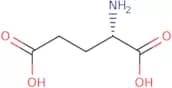
CAS:<p>Boc-N-methyl-L-alanine is a synthetic, active natural product that is used to diagnose cancer. It has been shown to be an inhibitor of serine protease and can be used to study the interactions between steric interactions and enzyme activity. Boc-N-methyl-L-alanine has also been shown to have anti-cancer activity by inhibiting acid conjugates in cancer cells. This compound can also be used for profiling purposes, as it has been shown to inhibit all trans retinoic acid (ATRA) production in prostate cancer cells.</p>Formula:C9H17NO4Purity:Min. 95%Color and Shape:White PowderMolecular weight:203.24 g/molγ-Polyglutamic acid sodium - MW > 700,000
CAS:<p>Gamma-Polyglutamic acid sodium - MW > 700,000 is a high molecular weight biopolymer, which is a salt form of polyglutamic acid. Its unique structure consists of glutamic acid units linked via γ-amide bonds, resulting in a robust and biodegradable polymer.The mode of action of gamma-Polyglutamic acid sodium involves its high water-binding capacity and viscosity, which make it exceptional in forming hydrogels. This property is pivotal in applications that require moisture retention or controlled release of active ingredients. Its biodegradability and non-toxic nature add to its versatility and safety profile.Gamma-Polyglutamic acid sodium is used across various fields, including biotechnology, pharmaceuticals, agriculture, and cosmetics. In biotechnology and pharmaceuticals, it is utilized as a drug delivery vehicle and tissue engineering scaffold due to its compatibility with human tissues. Its agricultural applications include acting as a soil conditioner and enhancing water retention. In cosmetics, it serves as a potent moisturizer and anti-aging ingredient.</p>Formula:(C5H7NO3)n•NaxPurity:Min. 90 Area-%Color and Shape:White Powder5-Chloro-2-methoxyacetophenone
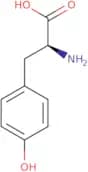
CAS:<p>5-Chloro-2-methoxyacetophenone is a byproduct of the synthesis of 2-hydroxybenzofuran. It is also used in the synthesis of tetracyclic benzopyrans, which are known to be potent analgesics and have been found to have anti-inflammatory properties. 5-Chloro-2-methoxyacetophenone can be obtained by decarbonylation (loss of carbon) or elimination reactions.</p>Formula:C9H9ClO2Purity:Min. 95%Color and Shape:Clear LiquidMolecular weight:184.62 g/molL-Tyrosine
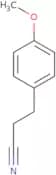
CAS:<p>Amino acid; precursor to neurotransmitters, hormones, pigments, natural phenols</p>Formula:C9H11NO3Color and Shape:White PowderMolecular weight:181.19 g/molβ-(p-Methoxyphenyl)propionitrile
CAS:<p>The synthesis of beta-(p-methoxyphenyl)propionitrile is a sustainable process that can be carried out in the laboratory. The reaction requires no catalysts or solvents and can be completed within an hour, with yields of up to 99%. This compound can be used as a precursor for other organic compounds, such as pharmaceuticals.</p>Formula:C10H11NOPurity:Min. 95%Color and Shape:Clear LiquidMolecular weight:161.2 g/mol2-[4-(2,2-Dichlorocyclopropyl)phenoxy]-2-methylpropanoic acid
CAS:<p>2-[4-(2,2-Dichlorocyclopropyl)phenoxy]-2-methylpropanoic acid (CGP) is a drug that blocks the nuclear receptor PPARγ. It has been shown to reduce cholesterol levels by inhibiting the synthesis of cholesterol, as well as reducing liver lesions in vivo. CGP also inhibits the growth of cancer cells through its ability to bind to DNA and regulate transcriptional activity. The response element for this compound is found in the promoter region of the gene encoding the growth factor-β1 (GF-β1), which is an important regulator of cell proliferation, differentiation, and apoptosis. CGP also inhibits peroxisome proliferator activator receptor α (PPARα) and γ (PPARγ). This inhibition leads to decreased expression of genes involved in lipid metabolism, such as acyl CoA synthase and fatty acid synthetase. CGP has also been shown to be carcinogenic in vivo</p>Formula:C13H14Cl2O3Purity:Min. 98 Area-%Color and Shape:PowderMolecular weight:289.15 g/mol1-Butyl-4-methylpyridinium chloride
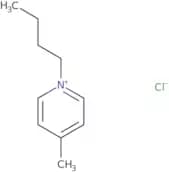
CAS:<p>1-Butyl-4-methylpyridinium chloride is a pyridine salt that is used for the treatment of osteoporosis. It has been shown to increase the rate of mineralization and reduce the viscosity of beta-amyloid peptide solutions. The biological activity of 1-butyl-4-methylpyridinium chloride has been demonstrated in animal studies, where it was shown to have a significant effect on calcium assays, hydrophilic interaction chromatography, and beta amyloid peptide. This drug also has pharmacokinetic properties that are similar to those of other pyridinium salts. Molecular modeling studies show that 1-butyl-4-methylpyridinium chloride binds well to calcium ions, which may be due to functional groups such as chlorides. This drug also has photocatalytic activity and can be used as a homogeneous catalyst in chromatographic science.</p>Formula:C10H16ClNPurity:Area-% Min. 95 Area-%Color and Shape:PowderMolecular weight:185.69 g/molBOC-β-alanine
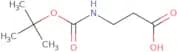
CAS:<p>BOC-β-alanine is a trifluoroacetic acid derivative that is activated with carbodiimides to form the ester hydrochloride. It has been shown to have anticancer activity in vitro and in vivo. BOC-β-alanine inhibits the synthesis of polypeptides by binding to the carboxyl group on the amino acid, thereby preventing protein formation. This compound also has an inhibitory effect on cell proliferation of 3T3-L1 preadipocytes in culture, which may be due to its ability to deplete fibrinogen from cells and inhibit activation of adenyl cyclase.</p>Formula:C8H15NO4Color and Shape:White PowderMolecular weight:189.21 g/mol[(2-Methylimidazo[2,1-b][1,3,4]thiadiazol-6-yl)methyl]amine dihydrochloride
CAS:<p>[(2-Methylimidazo[2,1-b][1,3,4]thiadiazol-6-yl)methyl]amine dihydrochloride is a high quality reagent with many uses. It is a complex compound that is used as an intermediate in the synthesis of many other compounds. This chemical has been shown to be useful as a scaffold for drug design and development. It also has been found to be a valuable building block for the synthesis of speciality chemicals and pharmaceuticals. This chemical can be used in reactions as a versatile building block and reaction component.</p>Formula:C6H8N4S·2HClPurity:Min. 95%Color and Shape:White PowderMolecular weight:241.14 g/mol2-Methyl-1,4-oxazepane
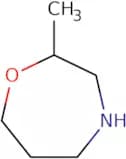
CAS:<p>2-Methyl-1,4-oxazepane is a fine chemical that can be used as a building block in organic synthesis. It is a versatile building block and can be used as a reaction component or intermediate. 2-Methyl-1,4-oxazepane has been used as an intermediate in the synthesis of various pharmaceutical drugs, including benzodiazepines and beta blockers. This compound is also used in the production of polyurethanes and other plastics.<br>2-Methyl-1,4-oxazepane has been classified by the Chemical Abstracts Service (CAS) as a speciality chemical with the number 1018614-41-9.</p>Formula:C6H13NOPurity:Min. 95%Color and Shape:Colorless PowderMolecular weight:115.17 g/mol4-(N-Boc-aminomethyl)aniline
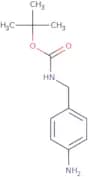
CAS:<p>4-(N-Boc-aminomethyl)aniline is a cavity-preventing agent that has been demonstrated to be neuroprotective in vitro. The drug also inhibits the growth of bacteria, fungi, and viruses in cell culture and animal models. 4-(N-Boc-aminomethyl)aniline is an innovative compound class that has shown potential for treating infectious diseases such as HIV, tuberculosis, and malaria. It has been shown to act by interfering with viral replication and inhibiting the production of inflammatory cytokines (e.g., tumor necrosis factor). Furthermore, 4-(N-Boc-aminomethyl)aniline can be used as a matrix effector or nucleophile to form hydrogen bonds with other molecules. It can also have an impact on nanomaterials when it is incorporated into their surface.</p>Formula:C12H18N2O2Purity:Min. 97 Area-%Color and Shape:Yellow PowderMolecular weight:222.28 g/mol1-O-Hexadecyl-rac-glycerol
CAS:<p>1-O-Hexadecyl-rac-glycerol (1OHR) is a synthetic compound that has been shown to inhibit the growth of leukemia and other cells in vitro. It inhibits the activity of enzymes involved in carbohydrate chemistry, such as benzalkonium chloride, surface glycoprotein, monoclonal antibody, and enzyme activities. It also causes cytosolic Ca2+ release from intracellular stores and decreases the concentration of intracellular calcium. 1OHR has a minimal toxicity for mammalian cells and does not inhibit protein synthesis.</p>Formula:C19H40O3Purity:Min. 95%Molecular weight:316.52 g/molL-Aspartic β-7-amido-4-methylcoumarin
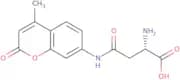
CAS:<p>L-Aspartic acid beta-7-amido-4-methylcoumarin (LAM) is a fluorescent amino acid that can be used to diagnose deficiencies of this amino acid. LAM is an experimental diagnostic chemical and has been tested in rats, rabbits, and humans. It is a fluorescent amino acid that binds to the 7th position on lysine residues in proteins. The binding of the fluorophore to the protein can be detected using fluorescence spectroscopy. The assay measures the intensity of fluorescence at 480 nm and 660 nm which corresponds to excitation at 320 nm and 420 nm respectively. LAM is currently being studied as a potential treatment for cancerous cells and their growth.</p>Formula:C14H14N2O5Purity:Min. 99 Area-%Color and Shape:White PowderMolecular weight:290.27 g/molFmoc-His(Trt)-OH
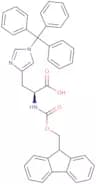
CAS:<p>Fmoc-His(Trt)-OH is an amino acid with the chemical formula HOOC-CH2-CH2-N(CH3)2. It has broad-spectrum antimicrobial activity and can be used as a chemosensor for trifluoroacetic acid. Fmoc-His(Trt)-OH also showed anticancer activity, which may be due to its ability to inhibit protein synthesis in cancer cells by inhibiting histidine decarboxylase. Fmoc-His(Trt)-OH is synthesized through a chemical reaction using trifluoroacetic acid, which reacts with His and Trt residues on the surface of the resin.</p>Formula:C40H33N3O4Purity:Min. 98 Area-%Color and Shape:White PowderMolecular weight:619.71 g/molFmoc-S-[2,3-bis(palmitoyloxy)propyl]-L-cysteine
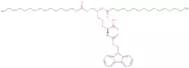
CAS:<p>Fmoc-S-[2,3-bis(palmitoyloxy)propyl]-L-cysteine is a fine chemical that is used as a building block in the synthesis of complex natural products and pharmaceuticals. It has versatile applications in both research and industry. Fmoc-S-[2,3-bis(palmitoyloxy)propyl]-L-cysteine is an intermediate or scaffold for the synthesis of many types of compounds, including antibiotics, anti-cancer agents, hormones, and anti-inflammatory drugs. This compound is soluble in organic solvents such as DMSO and DMF.</p>Formula:C53H83NO8SPurity:Min. 95 Area-%Color and Shape:White Off-White PowderMolecular weight:894.29 g/mol2,3-Difluoro-6-methoxybenzoic acid methyl ester
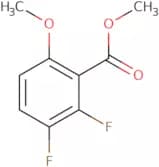
CAS:<p>2,3-Difluoro-6-methoxybenzoic acid methyl ester is a versatile building block that can be used in the production of fine chemicals and research chemicals. It is an intermediate for the synthesis of complex compounds and can be used as a reagent or speciality chemical in research. 2,3-Difluoro-6-methoxybenzoic acid methyl ester is also a useful building block for the synthesis of drugs.</p>Formula:C9H8F2O3Purity:Min. 95%Molecular weight:202.15 g/molN-(4-methylthio(3H-2,3,5-triazolyl))-3-phenylprop-2-enamide
CAS:<p>Please enquire for more information about N-(4-methylthio(3H-2,3,5-triazolyl))-3-phenylprop-2-enamide including the price, delivery time and more detailed product information at the technical inquiry form on this page</p>Formula:C12H12N4OSPurity:Min. 95%Color and Shape:PowderMolecular weight:260.32 g/molCyclic(glycyl-L-tyrosyl)
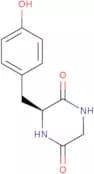
CAS:<p>Cyclic(glycyl-L-tyrosyl) is a phenolic compound and the main metabolite of the dietary supplement resveratrol. It has been shown to have interactions with cellular transport, as well as the ability to activate a number of proteins that are involved in cellular transport. Cyclic(glycyl-L-tyrosyl) also interacts with hydroxyl groups on proteins and activates them, which may lead to the uptake of these proteins by cells. This interaction between cyclic(glycyl-L-tyrosyl) and hydroxyl groups on proteins may be due to its conformation and affinity for this residue. Cyclic(glycyl-L-tyrosyl) has been reported to inhibit the binding of glucosamine to NUDIX hydrolase, as well as preventing glucosamine from activating NUDIX hydrolase.</p>Formula:C11H12N2O3Purity:Min. 98 Area-%Color and Shape:White Off-White PowderMolecular weight:220.22 g/molVal-Cit-PAB-OH
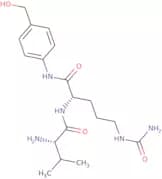
CAS:<p>The Val-Cit-PAB linker is an activated peptide linker that is cleaved by cathepsin B. It enables the selective intracellular release of attached drugs in ADC applications.</p>Formula:C18H29N5O4Purity:Min. 95%Color and Shape:PowderMolecular weight:379.45 g/molN,N'-Bis-Boc-1-guanylpyrazol
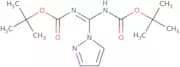
CAS:<p>N,N'-Bis-Boc-1-guanylpyrazol is a tetrapeptide that is used as a reagent in organic synthesis. It has been shown to have an inhibitory effect on the production and release of melanocortin and its related peptides, which are important for the regulation of body weight, appetite, and mood. N,N'-Bis-Boc-1-guanylpyrazol binds to sulfate groups on chondroitin sulfate proteoglycans. The inhibition of these sulfated proteoglycans leads to decreased levels of hyaluronic acid and a lack of water retention in the joints. This can cause symptoms such as pain and stiffness in joints, particularly those affected by osteoarthritis.</p>Formula:C14H22N4O4Purity:Min. 95%Color and Shape:White PowderMolecular weight:310.35 g/molO-Benzyl-L-tyrosine
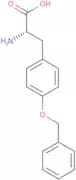
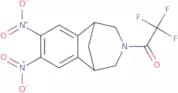
CAS:<p>O-Benzyl-L-tyrosine is an alkylated aromatic amino acid, which is synthesized by the reaction of chloromethyl ketone with proctolin. It has been shown to have anti-obesity properties in mice and rats. O-Benzyl-L-tyrosine has also been used to encapsulate a variety of drugs, including insulin, as well as small drug molecules like chemotherapeutic agents. The drug is immobilized in an organic polymer film through ester linkage. The film can be removed from the drug by dissolving it in chloroformate, or by exposing it to light and heat.</p>Formula:C16H17NO3Purity:Min. 95%Color and Shape:White/Off-White SolidMolecular weight:271.31 g/mol2,3,4,5-Tetrahydro-7,8-dinitro-3-(trifluoroacetyl)-1,5-methano-1H-3-benzazepine
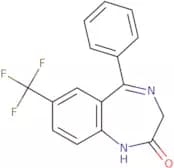
CAS:<p>2,3,4,5-Tetrahydro-7,8-dinitro-3-(trifluoroacetyl)-1,5-methano-1H-3-benzazepine is a supplement that may be used to treat depression. It has been shown to have a receptor activity on the acetylcholine receptors. 2,3,4,5-Tetrahydro-7,8-dinitro-3-(trifluoroacetyl)-1,5-methano-1H-3-benzazepine has also been shown to increase the activity of the endothelial function by increasing the production of nitric oxide. This drug has also been shown to be an effective treatment for reducing appetite in cases of anorexia nervosa and for treating Alzheimer's disease. The drug works by activating nicotinic acetylcholine receptors in the brain.</p>Formula:C13H10F3N3O5Purity:Min. 98 Area-%Color and Shape:PowderMolecular weight:345.23 g/mol5-Phenyl-7-(Trifluoromethyl)-1,3-Dihydro-1,4-Benzodiazepin-2-One
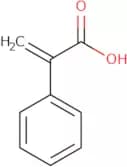
CAS:Controlled Product<p>5-Phenyl-7-(Trifluoromethyl)-1,3-Dihydro-1,4-Benzodiazepin-2-One is a pyrethroid that has been shown to have an effective dose of 10 μg/kg in pharmacological tests. It has been shown to modulate hydrogen bond formation and the hydrophobic effects of diazepam. 5-Phenyl-7-(Trifluoromethyl)-1,3-Dihydro-1,4-Benzodiazepin-2-One is a monomer that can be used for the treatment of cancer. This active compound has been found to bind to the benzodiazepine binding site on GABA receptors in the brain and has been shown to induce digitonin release from nerve endings. It also binds with carbonyl groups which are found on proteins and nucleic acids.</p>Formula:C16H11F3N2OPurity:Min. 95%Molecular weight:304.27 g/mol2-Phenylacrylic acid
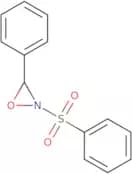
CAS:<p>2-Phenylacrylic acid is a chromatographic method that can be used as a cross-linking agent in the synthesis of polycarboxylic acids. It has been shown to protonate tiglic acid, which is an important component in the formation of polycarboxylic acids. 2-Phenylacrylic acid also has acidic properties and can be used as a conditioning agent for the synthesis of hydroxylated molecules. This compound has been shown to have hepatic steatosis-inducing effects and may also contribute to metabolic disorders such as diabetes mellitus type II. Molecular modeling studies have shown that 2-phenylacrylic acid is able to bind with human liver cells, which may be due to its hydroxyl group.</p>Formula:C9H8O2Purity:Min. 95%Color and Shape:PowderMolecular weight:148.16 g/mol2-(Phenylsulfonyl)-3-phenyloxaziridine
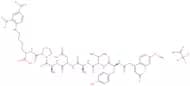
CAS:<p>2-(Phenylsulfonyl)-3-phenyloxaziridine is a fluorescent compound that is used as a substrate for enolate reactions. It has been shown to undergo a stereoselective reaction with 3-chloroperoxybenzoic acid, which can be used in the synthesis of 2,4-disubstituted pyridines.</p>Formula:C13H11NO3SPurity:Min. 98 Area-%Color and Shape:White Off-White PowderMolecular weight:261.3 g/molMca-Tyr-Val-Ala-Asp-Ala-Pro-Lys(Dnp)-OH trifluoroacetate
CAS:<p>Please enquire for more information about Mca-Tyr-Val-Ala-Asp-Ala-Pro-Lys(Dnp)-OH trifluoroacetate including the price, delivery time and more detailed product information at the technical inquiry form on this page</p>Formula:C53H64N10O19•(C2HF3O2)xPurity:95%NmrColor and Shape:PowderMolecular weight:1,145.13 g/mol5-Methoxyindole-2-carboxylic acid
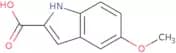
CAS:<p>5-Methoxyindole-2-carboxylic acid is a molecule that belongs to the class of diazonium salts. It is a potent inhibitor of mitochondrial membrane potential and has been shown to have anti-diabetic effects in animal models. 5-Methoxyindole-2-carboxylic acid also inhibits sperm motility, which may be due to its ability to inhibit uv absorption. This compound has been shown to be an effective agent in the treatment of brain infarctions when administered chronically orally. The mechanism of action is not known, but it may involve inhibition of potassium ion uptake or hydrogen bond formation with fatty acids.</p>Formula:C10H9NO3Color and Shape:PowderMolecular weight:191.18 g/molN-α-Fmoc-Nε-1-(4,4-dimethyl-2,6-dioxocyclohex-1-ylidene)ethyl-L-lysine
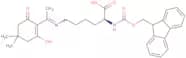
CAS:<p>N-alpha-Fmoc-Nepsilon-1-(4,4-dimethyl-2,6-dioxocyclohex-1-ylidene)ethyl-L-lysine is a synthetic amide with a peptide backbone. It has been shown to have anti tumor activity in vivo and in vitro against a variety of solid tumor xenografts. The compound was conjugated to the integrin receptor ligand RGD, which is expressed on the surface of various types of cancer cells. This modification increased the uptake of N-alpha-Fmoc-Nepsilon-1-(4,4 dimethyl 2,6 dioxocyclohex1 ylidene)ethyl L lysine by leukemia cells and solid tumor xenografts.</p>Formula:C31H36N2O6Purity:Min. 98 Area-%Color and Shape:Slightly Yellow PowderMolecular weight:532.63 g/mol5-Methyl-2-pyrazinecarboxylic acid
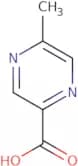
CAS:<p>5-Methyl-2-pyrazinecarboxylic acid is a natural compound that can be found in plants. It has been shown to have antidiabetic properties and to be useful as a fluorescence probe. 5-Methyl-2-pyrazinecarboxylic acid can be synthesized by the condensation of pyrazinamide with formaldehyde, followed by oxidation with sodium formate. The synthesis of 5-methyl-2-pyrazinecarboxylic acid can also be achieved by heating an aqueous solution of pyrazinamide at 100°C for 30 minutes. This process yields the desired product in high yield, which is then purified by recrystallization or column chromatography.</p>Formula:C6H6N2O2Purity:Min. 95%Color and Shape:PowderMolecular weight:138.12 g/molN-[(S)-(2,3,4,5,6-Pentafluorophenoxy)phenoxyphosphinyl]-L-alanine 1-methylethyl ester
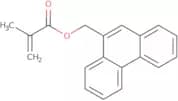
CAS:<p>Intermediate in the synthesis of sofosbubir</p>Formula:C18H17F5NO5PPurity:Min. 97 Area-%Color and Shape:White PowderMolecular weight:453.3 g/mol(9-Phenanthryl)methyl methacrylate
CAS:<p>9-Phenanthryl)methyl methacrylate is a fluorescent pigment that is used as a nanomaterial. It is an acidic material and can be used in coatings to improve the properties of materials. 9-Phenanthryl)methyl methacrylate has been shown to have fluorescence resonance energy transfer (FRET) properties, which may be due to its monolayer structure and chromophore. The diameter of this particle ranges from 10-20 nm, with a water permeability of 20% at pH 7.0 and 0.1% at pH 2.0. This pigment has a high degree of surface roughness, which is due to its morphology and the microenvironment in which it exists.</p>Formula:C19H16O2Purity:Min. 95 Area-%Color and Shape:PowderMolecular weight:276.33 g/mol3-Carboxy-5-(2-chlorophenyl)-1-phenylpyrazole
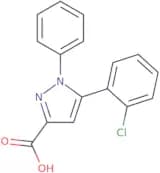
CAS:Controlled Product<p>3-Carboxy-5-(2-chlorophenyl)-1-phenylpyrazole is a white solid that is soluble in organic solvents. It is a useful scaffold that can be used as a starting material for the synthesis of complex compounds. 3-Carboxy-5-(2-chlorophenyl)-1-phenylpyrazole has been shown to be an intermediate in the synthesis of speciality chemicals and fine chemicals, such as pesticides and pharmaceuticals.</p>Formula:C16H11ClN2O2Purity:Min. 95%Molecular weight:298.72 g/molAcetyl-L-leucine methyl ester
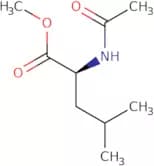
CAS:<p>Acetyl-L-leucine methyl ester is a molecule that has been synthesized by demethylating acetyl-L-leucine. It is an analog of acetylcholine and is able to interact with the catalytic subunit of phosphatase. Acetyl-L-leucine methyl ester hydrolyses to release L-leucine and methyl acetate in a ratio of 1:1. This molecule has been shown to be a substrate for phosphatases, which are enzymes that catalyze the dephosphorylation process. The reaction of acetyl-L-leucine methyl ester with phosphatases is reversible, as it hydrolyzes into L-leucine and methyl acetate.</p>Formula:C9H17NO3Purity:Min. 95%Color and Shape:PowderMolecular weight:187.24 g/molN-Methyl-β-alaninenitrile
CAS:<p>N-Methyl-beta-alaninenitrile is a fine chemical that is used as a versatile building block in the synthesis of complex compounds. It can be used as a reagent to synthesize other chemicals, or as an intermediate in the production of pharmaceuticals. N-Methyl-beta-alaninenitrile is also useful in the synthesis of high quality and useful scaffolds.</p>Formula:C4H8N2Purity:Min. 98.0 Area-%Molecular weight:84.12 g/mol2-Bromo-N-methyl-ethylamine hydrobromide
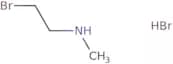
CAS:<p>2-Bromo-N-methyl-ethylamine hydrobromide is a versatile building block that can be used in the synthesis of many fine chemicals. It is a high quality research chemical that is used to synthesize complex compounds. 2-Bromo-N-methyl-ethylamine hydrobromide is also used as a reagent and reaction component for organic synthesis, especially for the production of pharmaceuticals and other speciality chemicals. CAS No. 40052-63-9</p>Formula:C3H9Br2NPurity:Min. 95%Color and Shape:PowderMolecular weight:218.92 g/mol(Des-Gly10,D-His2,D-Trp6,Pro-NHEt 9)-LHRH trifluoroacetate
CAS:<p>Please enquire for more information about (Des-Gly10,D-His2,D-Trp6,Pro-NHEt 9)-LHRH trifluoroacetate including the price, delivery time and more detailed product information at the technical inquiry form on this page</p>Formula:C64H83N17O12•(C2HF3O2)xPurity:Min. 95%Molecular weight:1,282.45 g/molN,N-Diallyl-5-methoxytryptamine
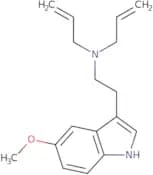
CAS:Controlled Product<p>N,N-Diallyl-5-methoxytryptamine (DMAT) is a synthetic cannabinoid that has been shown to produce effects similar to those of tetrahydrocannabinol. It has been used in clinical studies to study the effects of cannabinoids on the central nervous system. DMAT binds with high affinity to 5-HT2A receptors and low affinity to histamine H1 receptors. DMAT also binds moderately with 5-HT1A receptors, which are serotonin receptors found in the cerebral cortex and hippocampus regions of the brain. DMAT is a potent monoamine neurotransmitter reuptake inhibitor, which means it prevents the reuptake of monoamines such as dopamine, norepinephrine, and serotonin by blocking their transporters. This results in an increase in extracellular concentrations of these monoamines. DMAT is structurally similar to other drugs that have been shown to cause seizures, such as meprobamate, benzodiazepines,</p>Formula:C17H22N2OPurity:Min. 95%Molecular weight:270.37 g/molFmoc-Cys((S)-2,3-di(palmitoyloxy)-propyl)-OH
CAS:<p>Fmoc-Cys((S)-2,3-di(palmitoyloxy)-propyl)-OH is a reagent used in the synthesis of complex compounds. It is also a useful scaffold for the synthesis of speciality chemicals and versatile building blocks. This compound is an intermediate that can be used in the preparation of fine chemicals and pharmaceuticals. Fmoc-Cys((S)-2,3-di(palmitoyloxy)-propyl)-OH has a CAS number of 139573-78-7 and can be purchased as a high quality chemical.</p>Formula:C53H83NO8SPurity:Min. 95 Area-%Color and Shape:Slightly Yellow PowderMolecular weight:894.29 g/mol9-Methyl-2,3,7-trihydroxy-6-fluorone
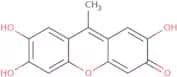
CAS:<p>9-Methyl-2,3,7-trihydroxy-6-fluorone (9MHF) is a natural compound found in honeybee propolis. It has been shown to have anticancer activity against a range of tumour types. 9MHF inhibits the replication of DNA by binding to single-stranded regions in the DNA molecule and preventing the formation of double helices. The optimum concentration for 9MHF is 0.1 μM. At this concentration, it was found that 9MHF had chemoresistance properties and could inhibit replication in staphylococcus cells at concentrations as low as 1 μM. This compound also has antioxidant properties, with redox potentials of -0.09 V and -0.06 V for its oxidized and reduced forms respectively.BR>BR><br>9MHF is an inhibitor that binds to basic dyes such as methylene blue or gentian violet and prevents them from binding to the bacterial cell</p>Formula:C14H10O5Purity:Min. 95%Color and Shape:Yellow PowderMolecular weight:258.23 g/molFmoc-O-benzyl-L-serine
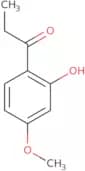
CAS:<p>Fmoc-O-benzyl-L-serine is a synthetic amino acid that is synthesized by the reaction of piperidine and L-serine. This amino acid has high specificity and is used in the synthesis of human cell lines. Fmoc-O-benzyl-L-serine may be useful for bone morphogenetic protein (BMP) activation, cancer treatment, and other therapeutic purposes. It also integrates with a linker to form peptides or proteins, which can be optimized for specific uses. The synthesis methods of this amino acid are proteolytic, solid phase synthesis, and optimization.</p>Formula:C25H23NO5Purity:(%) Min. 99%Color and Shape:White PowderMolecular weight:417.45 g/mol2'-Hydroxy-4'-methoxypropiophenone
CAS:<p>2'-Hydroxy-4'-methoxypropiophenone is a phenolic compound that belongs to the class of organic chemicals. It has a potent antibacterial activity and inhibits lipid peroxidation. 2'-Hydroxy-4'-methoxypropiophenone has been shown to inhibit the growth of gram-negative bacteria, such as Escherichia coli and Salmonella typhimurium. It also inhibits the production of nitric oxide and prostaglandin E2, which are proinflammatory mediators. This compound is active against anaerobic bacteria such as Clostridium difficile, Enterococcus faecalis, and Bacillus subtilis. 2'-Hydroxy-4'-methoxypropiophenone also exhibits antioxidant activity by inhibiting free radical generation from α-tocopherol.</p>Formula:C10H12O3Purity:Min. 95%Color and Shape:PowderMolecular weight:180.2 g/mol4-Chloro-2-methylbenzyl alcohol
CAS:<p>4-Chloro-2-methylbenzyl alcohol is an organic compound that has a sensor and hydroxyl group. It is used in pest control as an insecticide. 4-Chloro-2-methylbenzyl alcohol has been shown to be effective against ants, cockroaches, and other insects. There are multiple instabilities of this compound, including low oxygen stability when exposed to air, which may lead to the degradation of this chemical. Impurities in 4-chloro-2-methylbenzyl alcohol may also lead to its instability as it reacts with alkali metals at high temperatures. The instability of 4-chloro-2-methylbenzyl alcohol can be reduced by storing it at low temperatures or by adding cryogenic substances such as liquid nitrogen or carbon dioxide gas.</p>Formula:C8H9ClOPurity:Min. 95%Molecular weight:156.61 g/mol4'-Methoxy-3',β-dimethyl-β-nitrostyrene
<p>4'-Methoxy-3',beta-dimethyl-beta-nitrostyrene is a fine chemical that belongs to the group of versatile building blocks. It is an intermediate for the synthesis of complex compounds, research chemicals, and speciality chemicals. 4'-Methoxy-3',beta-dimethyl-beta-nitrostyrene is a useful reagent in organic synthesis and can be used as a reaction component or scaffold. It has been shown to have high quality and it can be used as a useful building block.</p>Formula:C11H13NO3Purity:Min. 95%Color and Shape:PowderMolecular weight:207.23 g/mol


![2-[4-(2,2-Dichlorocyclopropyl)phenoxy]-2-methylpropanoic acid](/_next/image/?url=https%3A%2Fstatic.cymitquimica.com%2Fproducts%2F3D%2Fthumb-webp%2FFD11320.webp&w=3840&q=75)
![[(2-Methylimidazo[2,1-b][1,3,4]thiadiazol-6-yl)methyl]amine dihydrochloride](/_next/image/?url=https%3A%2Fstatic.cymitquimica.com%2Fproducts%2F3D%2Fthumb-webp%2FFM123820.webp&w=3840&q=75)

![Fmoc-S-[2,3-bis(palmitoyloxy)propyl]-L-cysteine](/_next/image/?url=https%3A%2Fstatic.cymitquimica.com%2Fproducts%2F3D%2Fthumb-webp%2FFF47755.webp&w=3840&q=75)

![N-[(S)-(2,3,4,5,6-Pentafluorophenoxy)phenoxyphosphinyl]-L-alanine 1-methylethyl ester](/_next/image/?url=https%3A%2Fstatic.cymitquimica.com%2Fproducts%2F3D%2Fthumb-webp%2FFP59695.webp&w=3840&q=75)