Amino Acids (AA)
Amino acids (AAs) are the fundamental building blocks of proteins, playing a crucial role in various biological processes. These organic compounds are essential for protein synthesis, metabolic pathways, and cell signaling. In this category, you will find a comprehensive range of amino acids, including essential, non-essential, and modified forms, which are vital for research in biochemistry, molecular biology, and nutritional sciences. At CymitQuimica, we provide high-quality amino acids to support your research and development needs, ensuring accuracy and reliability in your experimental outcomes.
Subcategories of "Amino Acids (AA)"
- Amino Acid Derivatives(3,955 products)
- Amino Acid and Amino Acid Related Compounds(3,465 products)
- Amino Acids with Oxygen or Sulphur(168 products)
- Boc- Amino Acids(351 products)
- Fmoc Amino Acids(1,710 products)
Found 38248 products of "Amino Acids (AA)"
Sort by
Purity (%)
0
100
|
0
|
50
|
90
|
95
|
100
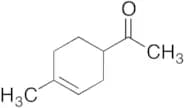
1-(4-Methyl-3-cyclohexen-1-yl)ethanone
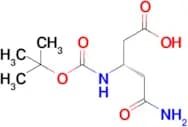
CAS:<p>Applications 1-(4-methyl-3-cyclohexen-1-yl)ethanone is an essential oil found in Cedrus atlantica wood and orange peels.<br>References Uehara, Ayaka, et al.: Phytochemistry, 144, 208-215 (2017); Liu, Bo, et al.: Yancao Keji, (9), 52-56 (2014)<br></p>Formula:C9H14OColor and Shape:NeatMolecular weight:138.207(S)-5-Amino-3-((tert-butoxycarbonyl)amino)-5-oxopentanoic acid
CAS:Purity:95+%Molecular weight:246.263000488281253-Hydroxy-O-methyl-L-tyrosine Hydrochloride
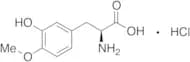
CAS:Controlled Product<p>Applications 3-Hydroxy-O-methyl-L-tyrosine Hydrochloride is used in the preparation of tyrosine-based components of natural products such as saframycin MX1 and its analogs, which are naturally potent anti-tumor agents currently under clinical development.<br>References Schmidt, E.W.; et al.: Tetrahedron Lett, 45, 3921 (2004); Nelson, J.T.; et al.: AEM, 73, 3575 (2007)<br></p>Formula:C10H13NO4·HClColor and Shape:NeatMolecular weight:247.675a-Methacrylic Acid
CAS:Controlled Product<p>Stability Light Sensitive<br>Applications α-Methacrylic acid is used in chemistry as a stabilizing agent, forming a thin capping layer on the surface of nanoparticles. α-Methacrylic acid is also used as a surfactant, so that control is maintained during nanocrystal growth. α-Methacrylic acid is also used as a chelating agent.<br> Not a dangerous good if item is equal to or less than 1g/ml and there is less than 100g/ml in the package<br>References Peng, W., et al.: J. Cryst. Growth, 279, 454 (2005); Qu, S., et al.: Appl. Phys. Lett., 80, 3605 (2002); Zhao, G., et al.: Phys. C: Supercond., 468, 2317 (2008)<br></p>Formula:C4H6O2Color and Shape:ColourlessMolecular weight:86.09N-Acetyl-L-alanine
CAS:Controlled Product<p>Applications N-Acetyl-L-alanine is used as a biomarker for prostate cancer.<br>References Jansen, R., et al.: Clin. Biochem., 38, 362 (2005),<br></p>Formula:C5H9NO3Color and Shape:NeatMolecular weight:131.134-(naphthalene-2-carbonyl)-8-propyl-1-oxa-4,8-diazaspiro[4.5]decane-3-carboxylic acid
CAS:Purity:95.0%Molecular weight:382.45999145507813-Methylquinoline
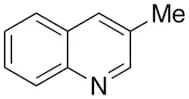
CAS:Controlled Product<p>Applications It can be degraded efficiently by the QL-degrading bacteria.<br>References Shukla, O., et al.: Microbios., 59, 47 (1989), Oh, Y; Biotechnol Bioeng 1994, 44, 533,,,<br></p>Formula:C10H9NColor and Shape:NeatMolecular weight:143.192-Methylpropylamine
CAS:<p>Applications 2-Methylpropylamine is used in the synthesis of arylsulfonamide inhibitors that act upon afflictions of osteoarthritis. In addition, it is used in the synthesis of novel reservatrol amide derivatives that act as anti-tumor agents.<br> Not a dangerous good if item is equal to or less than 1g/ml and there is less than 100g/ml in the package<br>References Yao, Ri-Sheng. et al.: Eur. J. Med. Chem. Lett., 62, 222 (2013); Nuti, E. et al.: Eur. j. Med. Chem., 62, 379 (2013)<br></p>Formula:C4H11NColor and Shape:NeatMolecular weight:73.144-Methoxy-3-nitrobenzonitrile
CAS:Controlled Product<p>Applications 4-Methoxy-3-nitrobenzonitrile<br></p>Formula:C8H6N2O3Color and Shape:NeatMolecular weight:178.154,5-Dihydro-5-methyl-3,4-diphenyl-5-isoxazolol
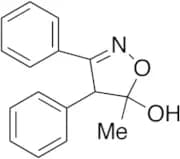
CAS:Controlled Product<p>Applications 4,5-Dihydro-5-methyl-3,4-diphenyl-5-isoxazolol is an intermediate for the preparation of Valdecoxib.<br></p>Formula:C16H15NO2Color and Shape:NeatMolecular weight:253.30t-Boc-aminooxyacetic Acid
CAS:Controlled Product<p>Applications A Boc-protected bifunctional linking reagent.<br>References Jimenez-Castells, C., et al.: Bioorg. Med. Chem. Lett., 17, 5155 (2007), Carmona, S., et al.: Mol. Pharm., 6, 706 (2009), Nagahori, N., et al.: Biochem., 48, 583 (2009),<br></p>Formula:C7H13NO5Color and Shape:NeatMolecular weight:191.18L-Leucine
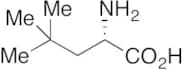
CAS:Controlled Product<p>Applications L-Leucine is an essential amino acid. L-Leucine acts as a nutrient signal to stimulate protein synthesis. It has also activates the mammalian target of rapamycin kinase that regulates cell growth.<br>References Demant, T. et al.: Am. J. Physiol., 270, E1022 (1996); Diraison, F. et al.: Am. J. Physiol., 277, E529 (1999); Suryawan, A. et al.: J. Anim. Sci., 89, 2004 (2011); Peyrollier, K. et al.: Biochem. J., 350, 361 (2000);<br></p>Formula:C6H13NO2Color and Shape:NeatMolecular weight:131.17N-Pivaloylglycine
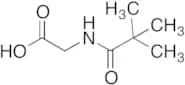
CAS:Controlled Product<p>Applications N-Pivaloylglycine is used in the biological study between dogs and rats. In a high dose toxicity study of pivalic acid (PA), PA caused skeletal muscle disorder in dog, and a significant increase of pivaloyl carnitine (PC) was observed in canine muscle, but not in rat muscle.<br>References Yamaguchi, T., et al.: Toxicol. Appl. Pharmacol., 214, 61-68 (2006)<br></p>Formula:C7H13NO3Color and Shape:NeatMolecular weight:159.183’,5’-Di-O-acetyl-2’-azido-2’-deoxy-5-methyluridine
CAS:<p>Please enquire for more information about 3’,5’-Di-O-acetyl-2’-azido-2’-deoxy-5-methyluridine including the price, delivery time and more detailed product information at the technical inquiry form on this page</p>Purity:Min. 95%6-Bromo-4-fluoro-2-methyl-1-propan-2-ylbenzimidazole
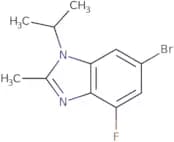
CAS:<p>6-Bromo-4-fluoro-2-methyl-1-propan-2-ylbenzimidazole is an environmental pollutant that can be found in deionized water, as a result of the reaction between hydrochloric acid and benzene. It has been synthesized using the industrial synthesis method by reacting n-hexane with sodium sulfate, followed by treatment with acetone and hydriodic acid. 6BFMBI is a white solid that reacts with hydrogen to produce acetone and formaldehyde. The reaction time for this compound is about three hours at room temperature.</p>Formula:C11H12BrFN2Purity:Min. 95%Color and Shape:PowderMolecular weight:271.13 g/mol2,3-Dimethyl-1,3-benzothiazol-3-ium,4-methylbenzene-1-sulfonate
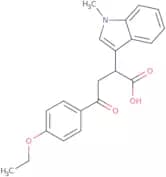
CAS:<p>2,3-Dimethyl-1,3-benzothiazol-3-ium,4-methylbenzene-1-sulfonate is a non-selective fluorescent dye that has been shown to be an effective diagnostic tool for the detection of single strands of DNA. This compound is used in the lab to identify single nucleotide polymorphisms. 2,3-Dimethyl-1,3-benzothiazol-3-ium,4-methylbenzene-1sulfonate can be synthesized from ferrocene and its optical properties can be modified by substituting the sulfur atom with other heterocycles such as thiophene or benzothiazole. The fluorescence of this compound can be further enhanced by protonation or by attaching a fluorescent probe such as rhodamine B.</p>Formula:C16H17NO3S2Purity:Min. 95%Color and Shape:PowderMolecular weight:335.44 g/mol4-(4-Ethoxyphenyl)-2-(1-methylindol-3-yl)-4-oxobutanoic acid
CAS:<p>Please enquire for more information about 4-(4-Ethoxyphenyl)-2-(1-methylindol-3-yl)-4-oxobutanoic acid including the price, delivery time and more detailed product information at the technical inquiry form on this page</p>Purity:Min. 95%L-Methionine [R,S]-sulfoximine
CAS:<p>L-Methionine [R,S]-sulfoximine is a sulfoximide that inhibits the synthesis of methionine. Methionine is an essential amino acid that is converted to homocysteine and then to cysteine in the body. L-Methionine [R,S]-sulfoximine has been shown to inhibit the conversion of methionine to cysteine in vivo by acting as a competitive inhibitor of methioninase.</p>Formula:C5H12N2O3SPurity:(Elemental Analysis) Min. 97%Color and Shape:PowderMolecular weight:180.23 g/mol2-Amino-1-(1-aza-2-(4-methylthiophenyl)vinyl)ethene-1,2-dicarbonitrile
CAS:<p>Please enquire for more information about 2-Amino-1-(1-aza-2-(4-methylthiophenyl)vinyl)ethene-1,2-dicarbonitrile including the price, delivery time and more detailed product information at the technical inquiry form on this page</p>Formula:C12H10N4SPurity:Min. 95%Color and Shape:PowderMolecular weight:242.3 g/mol2-Methoxyphenylacetonitrile
CAS:<p>2-Methoxyphenylacetonitrile is a chemical that is used in the manufacture of pharmaceuticals. It has antibacterial activity and can be used to treat typhoid fever, staphylococcal infections, and mental disorders such as schizophrenia. 2-Methoxyphenylacetonitrile is an alkylating agent that reacts with nucleophiles in proteins, DNA, and RNA. These reactions lead to the destruction of the bacterial cell wall and inhibition of protein synthesis. The mechanism by which 2-methoxyphenylacetonitrile exerts its antibacterial effect may involve formation of a reactive intermediate that inhibits bacterial ribonucleotide reductase. The addition of an electron to this intermediate leads to the formation of a covalent bond with one or more amino acids in the protein acceptor, thereby preventing further growth and division of bacteria.</p>Formula:C9H9NOPurity:Min. 90%Color and Shape:White PowderMolecular weight:147.17 g/molCyclo(Gly-L-Gln)
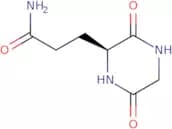
CAS:<p>Cyclo(Gly-L-Gln) is an endogenous compound related to the cyclic peptide family, which includes neuropeptides such as β-endorphin. Cyclo(Gly-L-Gln) has been found to increase intracerebroventricular (i.c.v.) levels of β-endorphin and dopamine in rats, leading to a depression recovery response. The molecule has dose-dependent effects on the opioid receptor, with low doses acting as an agonist and high doses acting as an antagonist. This drug is also not polar and has a conformation that is similar to nicotine, which may explain its addictive properties and ability to induce dependence.</p>Formula:C7H11N3O3Purity:Min. 95%Color and Shape:PowderMolecular weight:185.18 g/mol(+)-Biotin-sarcosine
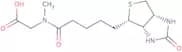
CAS:<p>Please enquire for more information about (+)-Biotin-sarcosine including the price, delivery time and more detailed product information at the technical inquiry form on this page</p>Formula:C13H21N3SO4Purity:Min. 95%Molecular weight:315.39 g/molBoc-Ser(Tos)-OMe
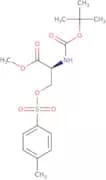
CAS:<p>Boc-Ser(Tos)-OMe is a c6 alkyl, electrophilic and methyl ester. It has been used as an intermediate in the synthesis of drugs such as cefuroxime and tetracycline. This compound is also used to produce organic fluorine compounds that are important in the manufacture of plastics, insecticides, perfumes and pharmaceuticals. Boc-Ser(Tos)-OMe is an inorganic compound with a fluoro group, which is an important component for the production of polymers. The chloro group also plays an important role in this process by introducing chlorine into the polymer chain. The ammonium group can be replaced by other functional groups like alkoxy or alkyl groups to produce different derivatives. Boc-Ser(Tos)-OMe undergoes oxidative reactions when exposed to air or light to form a carboxylic acid derivative, which can be removed by treatment with acids.</p>Formula:C16H23NO7SPurity:Min. 95%Color and Shape:PowderMolecular weight:373.42 g/mol3-(1-Methylhydrazino)-1,2-benzisothiazole 1,1-dioxide
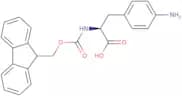
CAS:<p>3-(1-Methylhydrazino)-1,2-benzisothiazole 1,1-dioxide is a fine chemical that is used as a building block for more complex compounds. This molecule has been shown to be an effective intermediate in the production of research chemicals. 3-(1-Methylhydrazino)-1,2-benzisothiazole 1,1-dioxide can be used as a reagent and is available at high quality.</p>Formula:C8H9N3O2SPurity:Min. 95%Color and Shape:White PowderMolecular weight:211.24 g/molFmoc-4-amino-L-phenylalanine
CAS:<p>Fmoc-4-amino-L-phenylalanine is a molecule with the amino acid, aminophenylalanine, that is used in devices to detect epithelial cells. It has been functionalized with a fluoro group and can be used as a fluorescent probe for the detection of epithelial cells. Fmoc-4-amino-L-phenylalanine can also be used to diagnose tumors and tumor cells by detecting their presence in urine samples. This peptide has been shown to have anti-tumor properties when it interacts with the tumor cell membrane, which may be due to its ability to inhibit protein synthesis and induce apoptosis.</p>Formula:C24H22N2O4Purity:Min. 97 Area-%Color and Shape:Off-White PowderMolecular weight:402.44 g/molN-Methyltetrahydrofolic acid
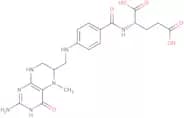
CAS:<p>N-Methyltetrahydrofolic acid is a form of folic acid, which is an important vitamin for the production of red blood cells and the prevention of neural tube defects. It can be found in food such as leafy vegetables, whole grains, and citrus fruits. N-Methyltetrahydrofolic acid is important for DNA synthesis and energy metabolism. It also has been shown to exert antioxidant effects in human serum.</p>Formula:C20H25N7O6Purity:Min. 97.5 Area-%Color and Shape:White PowderMolecular weight:459.46 g/mol1-Ethyl-3-methylimidazolium chloride
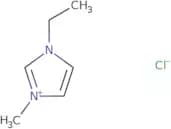
CAS:<p>1-Ethyl-3-methylimidazolium chloride (EMIMCl) is a coordination complex that is acidic and soluble in water. It has transport properties and chemical stability, with a low redox potential of 0.161 V. EMIMCl can be used to produce ionic liquids that are stable and dissolve many organic molecules. EMIMCl has been shown to react with glycosidic bonds in cellulose to produce ionic cellulose, which can then be dissolved in the ionic liquid. The thermal expansion of EMIMCl is about 3.2 x 10^-6/°C at 300 K, while the thermal expansion coefficient for crystalline cellulose is about 9 x 10^-6/°C at 300 K.</p>Formula:C6H11ClN2Purity:Min. 95%Color and Shape:PowderMolecular weight:146.62 g/mol2-(2-(2-Chloro-3-(2-(1,3 ,3-trimethylindolin-2-ylidene)ethylidene)cyclopent-1-enyl)vinyl)-1,3 ,3-trimethyl-3H-indolium4-methylbenzenesulfonate
CAS:<p>2-(2-(2-Chloro-3-(2-(1,3,3-trimethylindolin-2-ylidene)ethylidene)cyclopent-1-enyl)vinyl)-1,3,3-trimethyl-3H-indolium4-methylbenzenesulfonate is a fine chemical that belongs to the class of indole derivatives. It is a versatile building block for the synthesis of various compounds. 2-(2-(2-Chloro-3-(2-(1,3,3-trimethylindolin-2-ylidene)ethylidene)cyclopent-1 -enyl)vinyl)-1,3,3 -trimethyl - 3H - indolium4 - methylbenzenesulfonate can be used in the synthesis of organic compounds and other heterocyclic compounds. This compound can also be used as a reagent or special</p>Formula:C38H41ClN2O3SPurity:Min. 98 Area-%Color and Shape:PowderMolecular weight:641.26 g/mol3-Chloro-L-tyrosine
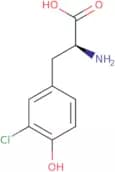
CAS:<p>3-Chloro-L-tyrosine (3CT) is a reactive, nitrogen containing molecule that has been used as a model system to study oxidative injury in the heart. The molecule reacts with the air and oxygen in the environment, producing reactive oxygen species (ROS) that can cause oxidative injury. 3CT has been shown to inhibit ATP binding cassette transporter A1 (ABCA1), which is involved in cholesterol efflux from macrophages. 3CT also promotes the release of eosinophil peroxidase from eosinophils and induces tumor necrosis factor alpha (TNF-α). The analytical method for 3CT includes liquid chromatography-mass spectrometry/mass spectrometry (LC-MS/MS).</p>Formula:C9H10NO3ClPurity:Min. 95%Color and Shape:PowderMolecular weight:215.63 g/molFmoc-His(3-Me)-OH
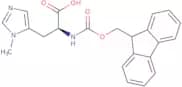
CAS:<p>Fmoc-His(3-Me)-OH is a synthetic amino acid that is used in the synthesis of peptides. It is potent inhibitor of L-type calcium channels, which are involved in the regulation of muscle contraction and vasoconstriction. Fmoc-His(3-Me)-OH has been shown to be effective at inhibiting L-type calcium channels in rat skeletal muscle.</p>Formula:C22H21N3O4Purity:Min. 95%Color and Shape:PowderMolecular weight:391.42 g/molAMPD
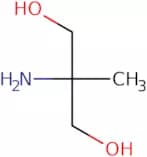
CAS:<p>AMPD, also known as 2-Amino-2-methyl-1,3-propanediol, is a buffer solution with a pH range of 7.8-9.7 and a pKa of 8.8. This chemical buffer is used in molecular biology, protein studies, enzyme assays, and separation techniques such as isatachophoresis (ITP) and SDS-gradient gel electrophoresis.</p>Formula:C4H11NO2Purity:Min. 95%Color and Shape:PowderMolecular weight:105.14 g/molH-Glu-Glu-Leu-OH
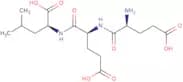
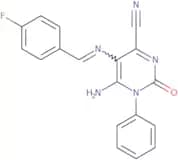
CAS:<p>H-Glu-Glu-Leu-OH is a vitamin that is essential for the production of hydroxyproline, which aids in the formation of collagen. It is also used to treat osteoarthritis and rheumatoid arthritis. H-Glu-Glu-Leu-OH is synthesized from glutamate, glutamic acid, and leucine in the liver and kidney. This reaction proceeds by two steps: first, glutamate carboxylase converts glutamate to α-ketoglutarate; then, aspartate aminotransferase converts α-ketoglutarate to aspartate semialdehyde. Aspartate semialdehyde is converted to H-Glu-Glu-Leu by an enzyme called glutamyl aminopeptidase. The reaction mechanism of this enzyme has been studied experimentally and theoretically using sodium bicarbonate (NaHCO) as a buffer. The sequential nature</p>Formula:C16H27N3O8Purity:Min. 95%Color and Shape:White Off-White PowderMolecular weight:389.40 g/mol5-(1-Aza-2-(4-fluorophenyl)vinyl)-4-imino-2-oxo-3-phenyl-1H-1,3-diazine-6-carbonitrile
CAS:<p>Please enquire for more information about 5-(1-Aza-2-(4-fluorophenyl)vinyl)-4-imino-2-oxo-3-phenyl-1H-1,3-diazine-6-carbonitrile including the price, delivery time and more detailed product information at the technical inquiry form on this page</p>Formula:C18H12FN5OPurity:Min. 95%Color and Shape:PowderMolecular weight:333.32 g/molN-α-Benzoyl-L-arginine amide hydrochloride
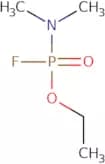
CAS:<p>N-alpha-Benzoyl-L-arginine amide hydrochloride (BA) is a synthetic, noncompetitive inhibitor of phosphodiesterase. It has been shown to inhibit protease activity in vitro and rhizosphere enzyme activities in vivo. BA also inhibits the formation of hippuric acid from benzoic acid, which is a reaction catalyzed by the enzyme phosphatase. The kinetics of this inhibition have been studied using a number of different substrates and enzymes. BA binds to the catalytic site on the enzyme, sterically hindering binding of the substrate and preventing hydrolysis.</p>Formula:C13H19N5O2·HClPurity:Min. 95%Color and Shape:PowderMolecular weight:313.78 g/molN-(Ethoxy-Fluorophosphoryl)-N-Methylmethanamine
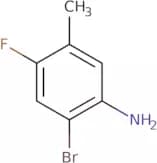
CAS:Controlled Product<p>Ethoxy-Fluorophosphoryl-N-Methylmethanamine is a chemical that belongs to the class of nerve agents. It can be used as an antidote for sarin poisoning. This compound reacts with the enzyme butyrylcholinesterase, which breaks down acetylcholine in the synapses. In this way, it blocks the transmission of nerve impulses and causes muscle paralysis. Ethoxy-Fluorophosphoryl-N-Methylmethanamine acts as an antagonist of acetylcholine receptors in both animals and humans. It also inhibits cholinesterase activity in blood pressure regulation, which leads to increased blood pressure levels. When administered at sublethal doses, this compound induces a long lasting sensitization of the central nervous system to other cholinergic drugs such as atropine or nerve gases such as sarin.</p>Formula:C4H11FNO2PPurity:Min. 95%Molecular weight:155.11 g/mol2-Bromo-4-fluoro-5-methylaniline
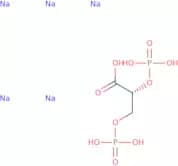
CAS:<p>2-Bromo-4-fluoro-5-methylaniline (BFM) is a reactive intermediate that is used as a building block in the synthesis of various organic compounds. It is also used in research and development for the preparation of pharmaceuticals, pesticides, herbicides, and dyes. BFM is a versatile intermediate that can be used in many different types of reactions. This chemical belongs to the group of halogenated methylanilines and has a CAS number of 1065076-39-2.</p>Formula:C7H7BrFNPurity:Min. 95%Color and Shape:PowderMolecular weight:204.04 g/mol2,3-Diphospho-D-glyceric acid pentasodium salt
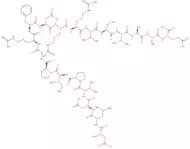
CAS:<p>2,3-Diphospho-D-glyceric acid pentasodium salt is a pyridine complex that is found in nature as a constant. It is also synthesized by humans and can be formed in the laboratory. 2,3-Diphospho-D-glyceric acid pentasodium salt is reactive and has been shown to be useful for producing radical species. This compound has been analysed in the human body at physiological concentrations and has been shown to interact with endogenous molecules such as lipids. The interaction of this compound with lipids could be due to its ability to form emulsions.</p>Formula:C3H3Na5O10P2Purity:Min. 95%Color and Shape:PowderMolecular weight:375.95 g/molCalcineurin Substrate trifluoroacetate salt H-Asp-Leu-Asp-Val-Pro-Ile-Pro-Gly-Arg-Phe-Asp-Arg-Arg-Val-Ser-Val-Ala-Ala-Glu-OH trifluo roacetate salt
CAS:<p>Please enquire for more information about Calcineurin Substrate trifluoroacetate salt H-Asp-Leu-Asp-Val-Pro-Ile-Pro-Gly-Arg-Phe-Asp-Arg-Arg-Val-Ser-Val-Ala-Ala-Glu-OH trifluo roacetate salt including the price, delivery time and more detailed product information at the technical inquiry form on this page</p>Formula:C92H150N28O29Purity:Min. 95%Molecular weight:2,112.35 g/mol4-Methyl-2H-1,4-benzoxazin-3(4H)-one
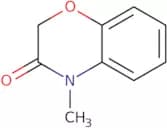
CAS:<p>4-Methyl-2H-1,4-benzoxazin-3(4H)-one is an organic compound that is a hydrogen chloride salt. It is used in the isolation and identification of catechols. The compound has been shown to form condensation products with cellulose, which are detected using analytical techniques such as chromatography and spectrophotometry. 4-Methyl-2H-1,4-benzoxazin-3(4H)-one has a trifluoride ion as its chromophore, which can be detected using analytical techniques.</p>Formula:C9H9NO2Purity:Min. 95%Color and Shape:PowderMolecular weight:163.17 g/molN-Acetyl-L-Phenylalanine
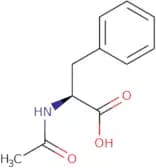
CAS:<p>N-Acetyl-L-Phenylalanine is a reactive compound that is involved in the metabolism of amino acids. It has been shown to inhibit liver cell growth and induce apoptosis. The reaction mechanism of N-acetyl-L-phenylalanine has been extensively studied, with studies showing it to react with carbonyl oxygens, hydrogen bond, and intramolecular hydrogen. N-Acetyl-L-phenylalanine has also been shown to have an optimum pH of 6.5 and its chemical formula is C10H11NO2.</p>Formula:C11H13NO3Purity:Min. 95%Color and Shape:PowderMolecular weight:207.23 g/molEstradiol 17-valerate
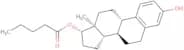
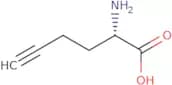
CAS:<p>Estradiol is a form of the hormone estrogen that has been modified to be more lipophilic. It is used in combination with other drugs to treat menopausal symptoms and as an adjuvant for the treatment of breast cancer in women. Estradiol 17-valerate is also used in the treatment of schizophrenia, although not as often as estradiol valerate, because it has a shorter duration of action. The mechanism of action is thought to be due to its ability to increase the concentration of dopamine at nerve terminals by blocking reuptake or inhibiting its metabolism. This may result in relief from distal tubule dysfunction and an improvement in urinary tract symptoms associated with benign prostatic hypertrophy. There are many other possible mechanisms of action including the prevention of bone loss, increased bone age, and increased NMDA receptor binding potentials.</p>Formula:C23H32O3Purity:Min. 95%Color and Shape:PowderMolecular weight:356.5 g/molL-Homopropargylglycine
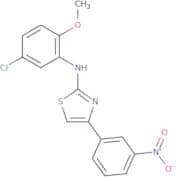
CAS:<p>L-Homopropargylglycine is a small molecule that inhibits the activity of enzymes involved in fatty acid synthesis. It has been shown to inhibit the activity of enzymes involved in mitochondrial membrane potential and reactive oxygen species production, as well as collagen degradation. L-Homopropargylglycine is used to study the molecular mechanisms of lipid metabolism and mitochondrial function, as well as for wastewater treatment. L-Homopropargylglycine has also been studied as a potential drug for the treatment of metabolic syndrome, diabetes, and cancer.</p>Formula:C6H9NO2Purity:Min. 95%Color and Shape:PowderMolecular weight:127.14 g/mol(5-Chloro-2-methoxyphenyl)(4-(3-nitrophenyl)(2,5-thiazolyl))amine
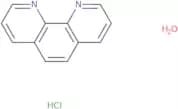
CAS:<p>Please enquire for more information about (5-Chloro-2-methoxyphenyl)(4-(3-nitrophenyl)(2,5-thiazolyl))amine including the price, delivery time and more detailed product information at the technical inquiry form on this page</p>Purity:Min. 95%o-Phenanthroline monohydrochloride monohydrate
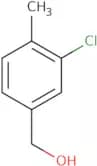
CAS:<p>o-Phenanthroline monohydrochloride monohydrate is a ligand that is used in crystallography to study the crystal structure of metal ions. It has been shown to be an efficient catalyst for the ring-opening of chloroformates, and can also be used as an analytical reagent that is capable of detecting chlorine in organic compounds. The hydrate form of o-phenanthroline monohydrochloride has a molecular formula of C12H14ClN3O4·2H2O and a molecular weight of 392.7 g/mol.</p>Formula:C12H8N2·HCl·H2OColor and Shape:PowderMolecular weight:234.68 g/mol3-Chloro-4-methylbenzyl alcohol - Technical grade
CAS:<p>3-Chloro-4-methylbenzyl alcohol is a building block chemical that is used in the synthesis of a variety of organic compounds. It is a versatile chemical that can be used as a reagent, reaction component, and intermediate. 3-Chloro-4-methylbenzyl alcohol has been found to be useful in the synthesis of complex compounds, such as 4-chloromethoxybenzoic acid and 3-(3,5-dimethoxyphenyl)acetic acid. This chemical can also be used to produce speciality chemicals, such as 3-(2-(2,4-dichlorophenoxy)ethyl)benzonitrile.</p>Formula:C8H9ClOPurity:Min. 95%Color and Shape:Colorless PowderMolecular weight:156.61 g/molN-Benzyl-4-phenyl pyridinium tetrafluoroborate
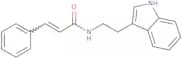
CAS:<p>N-Benzyl-4-phenyl pyridinium tetrafluoroborate is a fine chemical that can be used as a building block in the synthesis of complex compounds. It has been shown to have versatile applications in organic synthesis, such as being a useful intermediate and reaction component. N-Benzyl-4-phenyl pyridinium tetrafluoroborate is an extremely high quality reagent with few side effects and low toxicity.</p>Formula:C18H16N•BF4Purity:Min. 95%Molecular weight:333.13 g/molN-(2-Indol-3-ylethyl)-3-phenylprop-2-enamide
CAS:<p>N-(2-indol-3-ylethyl)-3-phenylprop-2-enamide is a serotonin analog that has been shown to inhibit the production of tryptophan decarboxylase in organisms. This compound has also been shown to be an inhibitor of the biosynthesis of p-coumaric acid, which is involved in the synthesis of lignin, phytoalexins, and other phenolic compounds. N-(2-indol-3-ylethyl)-3-phenylprop-2-enamide may be useful as a fungicide against pyricularia or as an antimicrobial against microbial infections.</p>Formula:C19H18N2OPurity:Min. 95%Color and Shape:PowderMolecular weight:290.36 g/mol1-(2-Methoxyphenyl)-2-nitroethane
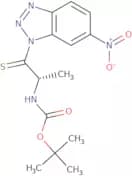
CAS:<p>1-(2-Methoxyphenyl)-2-nitroethane is a natural alkaloid that is found in the plant Piper methysticum. This compound has been shown to inhibit the transformation of nitroalkenes to nitropropene and nitrobenzene. The synthetic studies on this compound are mainly focused on its effects on other nitroalkenes. It has been shown that 1-(2-methoxyphenyl)-2-nitroethane can be used as an inhibitor of cyclization reactions, such as the synthesis of indole alkaloids, which are important in many pharmacological processes and biological systems.</p>Formula:C9H9NO3Purity:Min. 95%Color and Shape:PowderMolecular weight:179.17 g/molBoc-Thionoala-1-(6-nitro)benzotriazolide
CAS:<p>Please enquire for more information about Boc-Thionoala-1-(6-nitro)benzotriazolide including the price, delivery time and more detailed product information at the technical inquiry form on this page</p>Formula:C14H17N5O4SPurity:Min. 95%Molecular weight:351.38 g/mol




![4-(naphthalene-2-carbonyl)-8-propyl-1-oxa-4,8-diazaspiro[4.5]decane-3-carboxylic acid](/_next/image/?url=https%3A%2Fstatic.cymitquimica.com%2Fproducts%2F10%2Fthumb-webp%2FF525733.webp&w=3840&q=75)





![L-Methionine [R,S]-sulfoximine](/_next/image/?url=https%3A%2Fstatic.cymitquimica.com%2Fproducts%2F3D%2Fthumb-webp%2FFM25156.webp&w=3840&q=75)