Amino Acids (AA)
Amino acids (AAs) are the fundamental building blocks of proteins, playing a crucial role in various biological processes. These organic compounds are essential for protein synthesis, metabolic pathways, and cell signaling. In this category, you will find a comprehensive range of amino acids, including essential, non-essential, and modified forms, which are vital for research in biochemistry, molecular biology, and nutritional sciences. At CymitQuimica, we provide high-quality amino acids to support your research and development needs, ensuring accuracy and reliability in your experimental outcomes.
Subcategories of "Amino Acids (AA)"
- Amino Acid Derivatives(3,995 products)
- Amino Acid and Amino Acid Related Compounds(3,482 products)
- Amino Acids with Oxygen or Sulphur(168 products)
- Boc- Amino Acids(351 products)
- Fmoc Amino Acids(1,710 products)
Found 38351 products of "Amino Acids (AA)"
Sort by
Purity (%)
0
100
|
0
|
50
|
90
|
95
|
100
6-Fluoro-5-Methyl-2-[(5-Methyl-1H-Imidazol-4-Yl)Methyl]-2,3,4,5-Tetrahydro-1H-Pyrido[4,3-b]Indol-1-One
CAS:Controlled Product<p>6-Fluoro-5-Methyl-2-[(5-Methyl-1H-Imidazol-4-Yl)Methyl]-2,3,4,5-Tetrahydro-1H-Pyrido[4,3-b]Indol-1-One is a drug that belongs to the class of fatty acid esters. It has been shown to be effective in clinical trials for the treatment of symptoms of dry eye syndrome. 6FMETI has a low safety profile and does not cause any adverse effects in humans. The drug can be administered by intravenous injection or oral administration and has a long elimination half life of 36 hours. 6FMETI is metabolized by hydrolysis to its active form, 5FMTI, which is then conjugated with glucuronic acid or methyl glutaryl coenzyme A to form an inactive metabolite. This drug also has good pharmacokinetic properties</p>Formula:C17H17FN4OPurity:Min. 95%Molecular weight:312.34 g/molbeta-Estradiol 3-methyl ether
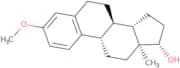
CAS:Controlled ProductBeta-estradiol 3-methyl ether is a synthetic estrogen that is used as an oral contraceptive. It has been shown to be effective in the treatment of secondary amenorrhea and menorrhagia, as well as in the prevention of pregnancy. Beta-estradiol 3-methyl ether has been shown to increase fibrinogen levels and may be useful in the treatment of thrombocytopenia. A bolus dose of beta-estradiol 3-methyl ether may also be used to induce abortion, resulting in a decrease in blood pressure. The active form is taken up by cells via passive diffusion and is converted into estradiol by cytochrome P450 enzymes. Beta-estradiol 3-methyl ether binds to fatty acids with two or more carbon atoms, which then enter the cell by facilitated diffusion through specific membrane protein carriers. These carriers are blocked by atropine sulfate, preventing uptake of beta-estradiol 3-methyl etherFormula:C19H26O2Purity:Min. 98 Area-%Color and Shape:PowderMolecular weight:286.41 g/molFmoc-ApH(Cbm)-OH
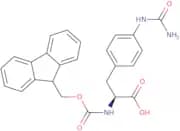
CAS:Fmoc-ApH(Cbm)-OH is a high quality and versatile building block. It is also a useful scaffold for the synthesis of complex compounds. Fmoc-ApH(Cbm)-OH can be used as a reagent in research chemical and speciality chemical reactions, and it has been shown to be an intermediate for the synthesis of other molecules. Fmoc-ApH(Cbm)-OH belongs to the category of fine chemicals, which are often used in the manufacturing of pharmaceuticals and agricultural chemicals. CAS No.: 324017-23-4Formula:C25H23N3O5Purity:Min. 97 Area-%Color and Shape:PowderMolecular weight:445.47 g/molN,O-Bis-Boc-L-tyrosine
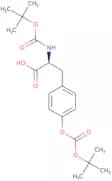
CAS:<p>N,O-Bis-Boc-L-tyrosine is a synthetic protease inhibitor that is a diastereomer of the natural substrate tyrosine. It binds to the active site of the enzyme and prevents it from cleaving peptide bonds. N,O-Bis-Boc-L-tyrosine has been shown to inhibit proteolytic activity in vitro and in vivo, specifically targeting proteases such as trypsin, chymotrypsin, elastase, cathepsin G, and thrombin. The analogues show specific interaction with various glycoconjugates and have been used to synthesize tripeptides and peptidomimetics for use as drugs against cancer. Dermorphin is an opioid peptide derived from the N,O-bis Boc L tyrosine analogue that is able to interact with receptors on neurons in the brain.</p>Formula:C19H27NO7Purity:Min. 95%Color and Shape:SolidMolecular weight:381.42 g/molL-Tryptophan β-naphthylamide
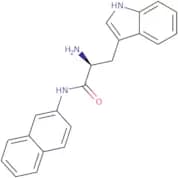
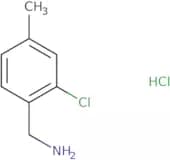
CAS:L-Tryptophan beta-naphthylamide is a fine chemical that is useful for research purposes. It can be used as a versatile building block in the synthesis of other chemicals and can also be used as a reaction component. L-Tryptophan beta-naphthylamide has been used to synthesize complex compounds such as 5,6-dihydroindolizine, which has been shown to have anti-inflammatory properties. This compound can also be used as a reagent in organic synthesis.Formula:C21H19N3OPurity:Min. 95%Color and Shape:PowderMolecular weight:329.4 g/mol2-Chloro-4-methylbenzylamine hydrochloride
CAS:2-Chloro-4-methylbenzylamine hydrochloride is a fine chemical that is used in the research, development and manufacturing of pharmaceuticals, agrochemicals, polymers and other organic compounds. 2-Chloro-4-methylbenzylamine hydrochloride can be used as an intermediate for the synthesis of a variety of drugs with different structures. It is also useful as a reagent in organic synthesis. The product has been classified by the EU as an SDS (Substances of Very High Concern) due to its potential for use in the production of nerve agents like sarin gas.Formula:C8H10ClN•HClPurity:Min. 95%Molecular weight:192.09 g/molN-[6-Chloro-5-(2-methoxyphenoxy)-(2,2-bipyrimidine)4-4-yl]-(1,1-dimethylethyl)-benzenesulfonamide
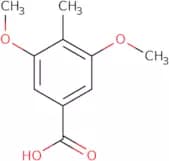
CAS:<p>N-[6-Chloro-5-(2-methoxyphenoxy)-(2,2-bipyrimidine)4-4-yl]-(1,1-dimethylethyl)-benzenesulfonamide is a reagent that can be used as a reaction component in the synthesis of complex compounds. It has high quality and is a versatile building block for the synthesis of speciality chemicals. N-[6-Chloro-5-(2-methoxyphenoxy)-(2,2-bipyrimidine)4-4-yl]-(1,1-dimethylethyl)-benzenesulfonamide is also a useful intermediate in the synthesis of fine chemicals.</p>Formula:C25H24ClN5O4SPurity:Min. 95%Color and Shape:White PowderMolecular weight:526.01 g/mol3,5-Dimethoxy-4-methylbenzoic acid
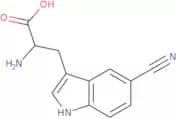
CAS:3,5-Dimethoxy-4-methylbenzoic acid is an organic compound that has a carboxylate group and a long chain. It is synthesized from 3,5-dimethoxybenzoic acid through the borohydride reduction of the primary alcohols to produce a mixture of 2,3,4-trimethoxybenzoic acid and 3,5-dimethoxybenzoic acid. The nitro group on the phenolic ring can be reduced to the corresponding amine with sodium borohydride. 3,5-Dimethoxy-4-methylbenzoic acid has been found in natural products such as Cephalotaxus fortunei and Acacia confusa.Formula:C10H12O4Purity:Min. 95%Color and Shape:PowderMolecular weight:196.2 g/mol5-Cyano-DL-tryptophan
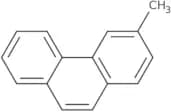
CAS:5-Cyano-DL-tryptophan is an antimicrobial peptide that exhibits potent antimicrobial activity against Gram-positive and Gram-negative bacteria. It also has a high affinity for the bacterial ribosome, which leads to inhibition of protein synthesis. 5-Cyano-DL-tryptophan can be synthesized by dehydration of tryptophan in a model system. The molecule is an analog of the natural amino acid tryptophan and has fluorescence properties that are sensitive to hydration levels. 5-Cyano-DL-tryptophan binds to the peptide binding site on the ribosome and induces a frequency shift in its fluorescence emission spectrum when bound. This property makes it a useful tool for studying peptide binding sites on the ribosome.Formula:C12H11N3O2Purity:Min. 95%Color and Shape:Yellow PowderMolecular weight:229.23 g/mol3-Methylphenanthrene
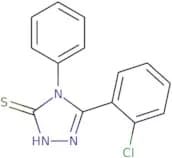
CAS:3-Methylphenanthrene is a compound that inhibits the reductase activity of aromatic hydrocarbons. 3-Methylphenanthrene has been shown to inhibit both bacterial and mammalian reductases, with interactive effects on the enzyme's substrate molecule. It also shows an inhibitory effect on axonal growth, which may be due to its ability to reduce fatty acid uptake, as well as its ability to interact with the aromatic hydrocarbon uptake system. 3-Methylphenanthrene is easily detected by spectrometry analyses and can be used as a substrate molecule for bacterial enzymes.Formula:C15H12Purity:Min. 98%Color and Shape:White PowderMolecular weight:192.26 g/mol3-(2-chlorophenyl)-4-phenyl-1,2,4-triazoline-5-thione
CAS:Please enquire for more information about 3-(2-chlorophenyl)-4-phenyl-1,2,4-triazoline-5-thione including the price, delivery time and more detailed product information at the technical inquiry form on this pagePurity:Min. 95%N-[(8-Fluoro-2,3-Dihydro-1-Methyl-5-Phenyl-1H-1,4-Benzodiazepin-2-Yl)Methyl]-3-Furancarboxamide
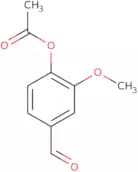
CAS:Controlled ProductN-[(8-Fluoro-2,3-Dihydro-1-Methyl-5-Phenyl-1H-1,4-Benzodiazepin-2-Yl)Methyl]-3-Furancarboxamide is a hydrophobic, implanting drug with an iontophoresis device. It has been shown to have therapeutic effects in cancer. The drug is a targetable molecule that can be used for diagnostic purposes and the treatment of various cancers. N-[(8-Fluoro-2,3-Dihydro-1,5 -Phenyl 1H -1,4 Benzodiazepin 2 Yl) Methyl] 3 Furancarboxamide has been shown to inhibit cell proliferation by blocking the synthesis of proteins required for DNA replication and also inhibits the activity of protein kinase C.Purity:Min. 95%4-Acetoxy-3-methoxybenzaldehyde
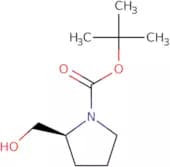
CAS:<p>4-Acetoxy-3-methoxybenzaldehyde is an antimicrobial agent that is used specifically for the treatment of lemongrass oil and eugenol. It has been shown to be effective against a wide range of microorganisms, such as Escherichia coli, Pseudomonas aeruginosa, Salmonella enterica, Staphylococcus aureus, and Streptococcus pneumoniae. 4-Acetoxy-3-methoxybenzaldehyde has been shown to inhibit the growth of bacteria by binding to the 50S ribosomal subunit. The molecule also has hydroxyl group which can react with potassium dichromate and sodium carbonate. This reaction results in the formation of 4-acetoxy-3-hydroxybenzaldehyde through an S N 2 substitution mechanism.</p>Formula:C10H10O4Purity:Min. 95%Color and Shape:PowderMolecular weight:194.18 g/molN-Boc-L-prolinol
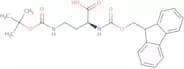
CAS:<p>N-Boc-L-prolinol is a chiral proline derivative that has been modified with an allyl group. It is a potent nicotinic acetylcholine antagonist, and it has been shown to have immune functions in vitro. The synthesis of N-Boc-L-prolinol occurs through a three-step process involving the use of organocatalysts, asymmetric synthesis, and stereoselective reactions. This molecule is also useful for the study of apoptotic signaling pathways in cells.</p>Formula:C10H19NO3Purity:Min. 95%Color and Shape:White PowderMolecular weight:201.26 g/molFmoc-Dab(Boc)-OH
CAS:Fmoc-Dab(Boc)-OH is a fatty acid that is conjugated to an amino acid. It has been shown to have binding activity against activated, solid-phase synthesis, and synthetic compounds. Fmoc-Dab(Boc)-OH is a cyclic lipopeptide with antimicrobial properties. It has been shown to be active against resistant microorganisms such as Enterococcus faecalis and Pseudomonas aeruginosa. This molecule has also been shown to have pro-inflammatory cytokine activity in human colon carcinoma cells, which may lead to the suppression of tumor growth.Formula:C24H28N2O6Purity:Min. 95 Area-%Color and Shape:White Off-White PowderMolecular weight:440.49 g/mol4-Hydroxy-2-methylindole
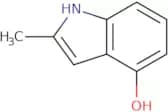
CAS:4-Hydroxy-2-methylindole is an organic compound that belongs to the class of metal salts. It can be obtained as a white solid by reacting indole with alkali metal hydroxide or alkali metal carbonate in the presence of water at high temperatures. The reaction yields 4-hydroxy-2-methylindole and hydrogen chloride gas, which are removed by distillation. 4-Hydroxy-2-methylindole is used in the production of epichlorohydrin, which is a raw material for polyurethane resins and olefins.Formula:C9H9NOPurity:Min. 95%Color and Shape:PowderMolecular weight:147.17 g/molSolvent Blue 63
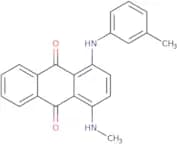
CAS:1-[2,(3)-Methylanilino]-4-(methylamino)anthraquinone is a diazo dye that emits light when irradiated with UV-A or UV-B radiation. It is used as a fluorescent stain in electron microscopy to detect and identify the presence of metals and metal oxides in films. The compound is also used in polyvinyl chloride (PVC) films to increase thermal expansion and viscosity. 1-[2,(3)-Methylanilino]-4-(methylamino)anthraquinone may be used as a substrate film for the production of polyurethane foam for furniture cushions and automotive components. The compound can be acylated with fatty acids such as p-hydroxybenzoic acid to give it desirable properties such as lower viscosity, better adhesion, or improved light emission. This reaction can be catalyzed by heat or radiation.Formula:C22H18N2O2Purity:Min. 95%Color and Shape:PowderMolecular weight:342.39 g/mol5-Methoxy-2-methylbenzoic acid
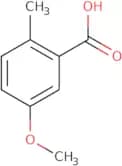
CAS:5-Methoxy-2-methylbenzoic acid is an intermediate in the synthesis of vitamin D3. It can also be used to synthesize calciferol, a configurationally stable form of vitamin D3 that has been shown to be optically active. Lactonic forms are composed of a 5-methoxy group and a 2-methylbenzoic acid moiety. Enantiomers are compounds with the same chemical formula but different arrangements of their atoms in space and each enantiomer is capable of rotating plane polarized light in opposite directions.Formula:C9H10O3Purity:Min. 95%Color and Shape:PowderMolecular weight:166.17 g/mol3-(4-methoxy-1-naphthyl)acrylic acid
CAS:Please enquire for more information about 3-(4-methoxy-1-naphthyl)acrylic acid including the price, delivery time and more detailed product information at the technical inquiry form on this pagePurity:Min. 95%Boc-4-hydroxypiperidine-2-carboxylic acid
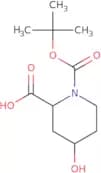
CAS:Boc-4-hydroxypiperidine-2-carboxylic acid is a high quality, reagent, and complex compound. It has CAS No. 917835-93-9 and can be used as an intermediate or building block in synthesis of other chemicals. In addition, Boc-4-hydroxypiperidine-2-carboxylic acid is a versatile building block that is used in the manufacture of speciality chemicals and research chemicals.Formula:C11H19NO5Purity:Min. 95%Color and Shape:PowderMolecular weight:245.27 g/molFmoc-D-Trp-OH
CAS:Fmoc-D-Trp-OH is a cinchonidine analog that is synthesized through the coupling of two amino acid molecules, D-Trp and Fmoc-Lys. This compound has been shown to have anti-cancer properties in tumor xenografts, which may be due to its ability to bind hydrogen bonding interactions with proteins. Fmoc-D-Trp-OH also has an anti-inflammatory effect on Alzheimer's disease and cancer cells, which could be due to its ability to inhibit immune cell recruitment and increase apoptosis rates. In addition, it can be used as an optical imaging agent for the detection of brain tumors.Formula:C26H22N2O4Purity:Min. 95%Color and Shape:PowderMolecular weight:426.46 g/molN,N-Diethyl-2-[4-[(Z)-1-(4-Fluorophenyl)-2-Phenylethenyl]Phenoxy]Ethanamine
CAS:Controlled ProductDiethylstilbestrol (DES) is a synthetic, nonsteroidal estrogen that is used to treat breast cancer and other estrogen-dependent conditions. DES binds to the estrogen receptor and acts as an agonist. It has minimal liver toxicity and is not metabolized by the body because it is rapidly excreted in urine. DES can be synthesized from benzyl chloride and diethylstolbesterol. This process requires two steps: first, benzyl chloride reacts with diethylstilbesterol to form a triazene intermediate; second, treatment of the triazene intermediate with hydrogen chloride yields DES.Formula:C26H28FNOPurity:Min. 95%Molecular weight:389.51 g/molD-Methionine
CAS:<p>D-methionine is a form of the amino acid methionine that is synthesized in plants. It has been studied for its potential to help with various metabolic disorders, including osteoarthritis and primary sclerosing cholangitis. D-methionine provides methionine to the body, which is essential for the formation of collagen and elastin. In addition, it has been shown to have a protective effect against neuronal death in a model system. D-methionine may be beneficial for people with liver disease, but more research is needed.</p>Formula:C5H11NO2SPurity:Min. 95%Color and Shape:White Off-White PowderMolecular weight:149.21 g/mol2-Methylhydroquinone
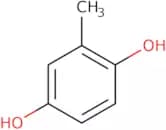
CAS:2-Methylhydroquinone is a reactive oxygen species (ROS) that can bind to DNA, forming covalent adducts. It has been shown to have an optimum concentration of 10 μM, and the hydroxyl group on its phenolic ring enables it to form hydrogen bonding interactions with nucleic acids. 2-Methylhydroquinone has been shown to inhibit angiogenic process in vitro and in vivo, as well as inhibiting the growth of tumor cells by binding to DNA. This compound also inhibits the transfer of methyl groups from methyl donors such as S-adenosylhomocysteine and methionine to acceptor molecules such as p-hydroxybenzoic acid.Formula:C7H8O2Purity:Min. 95%Color and Shape:PowderMolecular weight:124.14 g/molO-Methyl-D-threonine
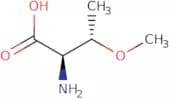
CAS:O-Methyl-D-threonine is an amino acid that is biosynthesized from O-methylserine and D-threonine. It belongs to the class of β-lactam antibiotics and inhibits peptidoglycan synthesis by binding to the catalytic site of the enzyme synthase, which is required for the formation of β-lactam rings in peptidoglycan. The crystal structure of O-methylserine has been determined and analyzed. Mutations in the catalytic tripeptide have been shown to affect its activity, as well as protonation state and carboxylate groups.Formula:C5H11NO3Purity:Min. 98 Area-%Color and Shape:White Off-White PowderMolecular weight:133.15 g/mol2-Methylphenylacetone
CAS:2-Methylphenylacetone (2MP) is a cocatalyst that is used in cross-coupling reactions. It has been shown to be an effective methyl donor and titanium oxide activator. 2MP is also used in the dehydrogenative coupling of acetone and toluene, which leads to the formation of aliphatic products with nature and mechanisms of reactivity similar to those observed in benzene.Formula:C10H12OPurity:Min. 95%Color and Shape:LiquidMolecular weight:148.2 g/molN-Methyl-β-alanine
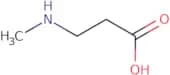
CAS:<p>N-Methyl-β-alanine is a synthetic amino acid that can be used as an additive to animal feed. It has been shown to synergistically increase the potency of dermorphin, a peptide that is derived from the skin of frogs. N-Methyl-β-alanine has also been found to have a useful application in industrial chemistry because it can be used to produce fluorophores, which are substances that emit visible light and are often used in paints and plastics. This substance is also a powerful antinociceptive agent, meaning it reduces pain. It is also active against amines, which are organic compounds containing nitrogen.</p>Formula:C4H9NO2Purity:Min. 95%Color and Shape:PowderMolecular weight:103.12 g/molN-[2-(Fmoc-amino)-ethyl]glycine tert-butylester hydrochloride
CAS:Please enquire for more information about N-[2-(Fmoc-amino)-ethyl]glycine tert-butylester hydrochloride including the price, delivery time and more detailed product information at the technical inquiry form on this pageFormula:C23H28N2O4·HClPurity:Min. 95%Color and Shape:PowderMolecular weight:432.94 g/molFmoc-S-trityl-L-homocysteine
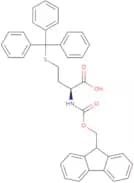
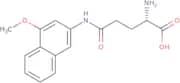
CAS:Fmoc-S-trityl-L-homocysteine is a positron analog that can be used for the diagnosis of cancer. It is labeled with carbon-11, fluorine-18, or nitrogen-13 and can be identified by PET scanning. Fmoc-S-trityl-L-homocysteine has been shown to exhibit epidermal growth factor activity in vitro and in vivo models. This compound also helps in the diagnosis of cancer, as it binds to the surface of tumor cells and increases uptake by these cells. Fmoc-S-trityl-L-homocysteine is a congener of epidermal growth factor that may be used as a model system for other growth factors.Formula:C38H33NO4SPurity:Min. 97 Area-%Color and Shape:Off-White PowderMolecular weight:599.74 g/molγ-Glutamyl-4-methoxy-β-naphthylamide
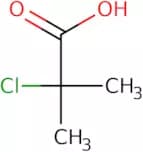
CAS:<p>Gamma-Glutamyl-4-methoxy-beta-naphthylamide is a versatile building block that can be used in the synthesis of a variety of complex compounds. It is a high quality chemical that is useful as an intermediate in organic syntheses and as a reagent in research. Gamma-Glutamyl-4-methoxy-beta-naphthylamide has been shown to be an effective scaffold for the preparation of other chemical substances.</p>Formula:C16H18N2O4Purity:Min. 95%Molecular weight:302.33 g/mol2-Chloro-2-methylpropionic acid
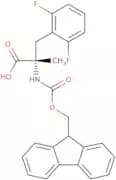
CAS:<p>2-Chloro-2-methylpropionic acid (MCPA) is a chemical compound that belongs to the group of organic compounds called acyl chlorides. It is used in industry for the production of acrylic acid and polyacrylic acid, as well as in the production of herbicides. MCPA is produced by reacting an alkali metal with 2-chloroethanol and thioacetic acid. This reaction can be catalyzed by a variety of compounds, including palladium chloride, nickel chloride, and titanium tetrachloride. The high yield of this reaction makes it suitable for commercial use. MCPA also has been shown to stimulate cell growth through its inhibition of monomers from polymerization into polymers.</p>Formula:C4H7ClO2Purity:Min. 95%Color and Shape:PowderMolecular weight:122.55 g/molFmoc-a-Me-Phe(2,6-DiF)-OH
CAS:Fmoc-a-Me-Phe(2,6-DiF)-OH is a versatile building block useful in the synthesis of complex compounds. The compound is a reagent that has been used in the synthesis of various research chemicals and speciality chemicals. Fmoc-a-Me-Phe(2,6-DiF)-OH has also been used as an intermediate for the synthesis of other compounds that are useful as reaction components or scaffolds.Formula:C25H21F2NO4Purity:Min. 95%Color and Shape:PowderMolecular weight:437.44 g/molH-Gly-pro-pNA.p-tosylate
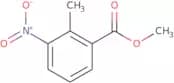
CAS:H-Gly-pro-pNA.p-tosylate is a monoclonal antibody that recognizes the amino acid sequence of hepatitis C virus (HCV) p7 protein. It can be used for the diagnosis of HCV infection and has been shown to have a high specificity and sensitivity for detection in liver cells. H-Gly-pro-pNA.p-tosylate is not an enzyme, but it does inhibit protease activity in hepatic tissues and cancer tissues. It has also been shown to be active against wild type strains of bacteria and can be used as a diagnostic agent for bacterial strains.Formula:C13H16N4O4•C7H8O3SPurity:Min. 95%Color and Shape:PowderMolecular weight:464.49 g/molMethyl 2-methyl-3-nitrobenzoate
CAS:Methyl 2-methyl-3-nitrobenzoate is a synthetic drug that has potent antitumor activity and inhibits tumor growth in a variety of animal models. It acts by inhibiting protein synthesis and inducing apoptosis, as well as by inhibiting the production of TNF-α. Methyl 2-methyl-3-nitrobenzoate is an alkylating agent that reacts with DNA, RNA, and other cell components to form crosslinks between them. This prevents the cells from dividing or repairing themselves. The inhibition of protein synthesis may be due to methyl 2-methyl-3-nitrobenzoate's ability to react with amide groups on proteins.Formula:C9H9NO4Purity:Min. 95%Color and Shape:PowderMolecular weight:195.17 g/mol8-Methyl-3,8-diazabicyclo[3.2.1]octane dihydrochloride
CAS:8-Methyl-3,8-diazabicyclo[3.2.1]octane dihydrochloride is a high quality reagent that is used as an intermediate in the synthesis of complex compounds. This compound has been shown to be useful as a scaffold for the synthesis of new compounds and is also a versatile building block for reactions in organic chemistry. 8-Methyl-3,8-diazabicyclo[3.2.1]octane dihydrochloride is also used as a speciality chemical and research chemical in various fields such as pharmaceuticals, agrochemicals, and other industries.Formula:C7H16Cl2N2Purity:Min. 95 Area-%Color and Shape:PowderMolecular weight:199.12 g/mol8-Methylxanthine
CAS:8-Methylxanthine is a metabolite of caffeine and theophylline. It has been shown to be a pro-inflammatory cytokine that stimulates the production of other pro-inflammatory cytokines such as interleukin (IL)-1β, IL-6, and tumor necrosis factor alpha (TNFα). 8-Methylxanthine is also a substrate for cytochrome P450 enzyme activity, which is responsible for metabolizing many drugs and other chemicals in the body. This compound has been detected in human liver and urine samples. 8-Methylxanthine has cytotoxic properties and may serve as an antioxidant. Mass spectrometric detection methods are used to identify this compound in biological fluids.Formula:C6H6N4O2Purity:Min. 95%Color and Shape:PowderMolecular weight:166.14 g/mol3-Methoxybenzylamine
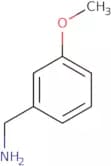
CAS:<p>3-Methoxybenzylamine is a fatty acid amide that is synthesized from benzylamine derivatives. The compound is a viscosity enhancer and antioxidant, and has been shown to inhibit the reaction of 3-hydroxybutyric acid with hydrochloric acid. 3-Methoxybenzylamine has also been used as a dietary supplement in tissue samples to reduce the effects of oxidation on the fatty acid chains. This compound has an asymmetric synthesis, which can be achieved by reacting an amine with an acyl chain.</p>Formula:C8H11NOPurity:Min. 95%Color and Shape:Clear LiquidMolecular weight:137.18 g/mol4'-Methoxyacetophenone
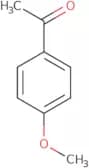
CAS:4'-Methoxyacetophenone is a compound that belongs to the group of detergent compositions. It has a phase transition temperature of about 75°C and meets the requirements for use in laundry detergents. 4'-Methoxyacetophenone is an antimicrobial agent that can be used in personal care products, such as soaps and lotions. It has been shown to be effective against bacteria, such as Staphylococcus aureus, Pseudomonas aeruginosa, and Escherichia coli. The antibacterial activity of 4'-methoxyacetophenone may be due to its hydroxyl group and phosphotungstic acid moiety. This compound also reacts with thione compounds and carbonyl groups to form acylation reactions.Formula:C9H10O2Purity:Min. 95%Color and Shape:White Or Clear Colourless Solid Or Liquid (May Vary)Molecular weight:150.17 g/molFmoc-Ser(tBu)-Wang resin (200-400 mesh)
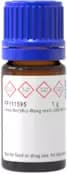
Fmoc-Ser(tBu)-Wang resin is a versatile building block that is used in the synthesis of complex compounds. It has a CAS number and is available as a fine chemical or reagent. Fmoc-Ser(tBu)-Wang resin is an intermediate for research chemicals, reaction components, and speciality chemicals. This material can be used as an important building block in the synthesis of many useful compounds and has high quality.Formula:C22H24NO4RPurity:Min. 95%Color and Shape:PowderMolecular weight:366.43 g/molH-Ser-Asp-OH
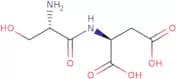
CAS:H-Ser-Asp-OH is a peptide that is the product of the prokaryotic gene, mycobacterium avium. It has been shown to inhibit the translation of mRNA into protein in mycobacteria. H-Ser-Asp-OH also has an anti-inflammatory effect on human cells by inhibiting the synthesis of prostaglandins. This peptide also has antiviral properties and can be used as a treatment for chronic kidney disease (CKD) and hepatitis C. The drug is not effective against HIV infection or hepatitis B virus, however, because it does not inhibit reverse transcriptase or bind to viral DNA.Formula:C7H12N2O6Purity:Min. 95 Area-%Color and Shape:PowderMolecular weight:220.18 g/mol3-Phenylcoumarin
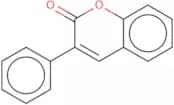
CAS:<p>3-Phenylcoumarin is a naturally occurring compound that has been shown to have cytotoxic effects on cervical cancer cells. It is also a reactive and inflammatory agent, which can lead to the development of inflammatory diseases in humans. 3-Phenylcoumarin has been shown to inhibit the growth of cancer cells by inhibiting DNA synthesis and cell division, as well as by causing programmed cell death. This compound was found to be effective at an effective dose of 10µM in a rotarod test. The molecular modeling studies suggest that 3-phenylcoumarin binds to the active site of human liver microsomal cytochrome P450 enzymes and inhibits their activity. Viscosity has also been found to be an important factor for determining the solubility and stability of this compound.</p>Formula:C15H10O2Purity:Min. 95%Color and Shape:PowderMolecular weight:222.24 g/mol8-Chloro-3α,4-dihydro-6-(2-fluorophenyl)-1-methyl-3H-imidazo[1,5-α][1,4]benzo-diazepine
CAS:Controlled Product<p>Please enquire for more information about 8-Chloro-3α,4-dihydro-6-(2-fluorophenyl)-1-methyl-3H-imidazo[1,5-α][1,4]benzo-diazepine including the price, delivery time and more detailed product information at the technical inquiry form on this page</p>Formula:C18H15ClFN3Purity:Min. 90%Color and Shape:PowderMolecular weight:327.78 g/mol3-Methylphenoxyacetic acid
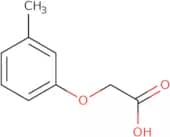
CAS:<p>3-Methylphenoxyacetic acid is an organic compound that has a zirconium atom in its chemical structure. This molecule is acidic and can be found in the form of a hydrate. 3-Methylphenoxyacetic acid has been shown to be soluble in organic solvents such as benzene, chloroform, and methylene chloride. The molecular weight of this compound is not yet known, but the calculated density is 1.49 g/mL. 3-Methylphenoxyacetic acid has a planar molecular geometry and the intramolecular hydrogen bonds are formed by O1 and O3 with H1 and H2 respectively. The Lewis electron dot diagram for this molecule indicates that there are no lone pairs on any atoms.</p>Formula:C9H10O3Purity:Min. 95%Color and Shape:White PowderMolecular weight:166.17 g/molGlycine 4-nitroanilide
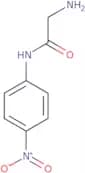
CAS:<p>Glycine 4-nitroanilide, also known as Gly-Pro-pNA, is a compound used in various scientific applications. It is a colorimetric substrate for prolyl endopeptidase, and its enzymatic cleavage releases p-nitroanilide (pNA), which can be quantified. This compound is commonly used in aminopeptidase assays and in the functional characterization and activity determination of post-proline cleaving enzymes (PPCEs).<br>Additionally, it is mentioned as a substrate for studying soil nitrogen depolymerization, specifically in aminopeptidase assays using nitroanilide substrates.<br>The compound is also used in studying the catalytic activity of enzymes such as gamma-glutamyltransferase (GGT).</p>Formula:C8H9N3O3Purity:Min. 97 Area-%Color and Shape:Off-White PowderMolecular weight:195.18 g/mol3-Methoxy-4,5-methylenedioxybenzaldehyde
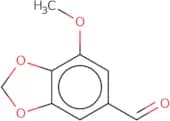
CAS:Controlled Product3-Methoxy-4,5-methylenedioxybenzaldehyde (MMDA) is an amine that is used in the synthesis of drugs and pharmaceuticals. It is a major component of myristicin, which is found in nutmeg. MMDA can be synthesized from aluminium chloride, hydrochloric acid and pyridine. The molecule has a skeleton that is recemic at acidic pH values and mesoionic at basic pH values. This compound also reacts with acetyl chloride to form 3,4-dimethoxyacetophenone, which can be chromatographically separated from other compounds. The chromatography produces flavonoid derivatives such as quercetin, 3′-methoxyquercetin and 3′,4′-dimethoxyquercetin. Flavonoids are polyphenolic compounds found in plants that have antioxidant properties. Chromatographic separation of these compounds can be done using spectrometric methods toFormula:C9H8O4Purity:Min. 95 Area-%Color and Shape:Off-White PowderMolecular weight:180.16 g/mol3-Methoxybenzamidine hydrochloride
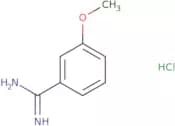
CAS:3-Methoxybenzamidine hydrochloride is a chemical that belongs to the group of acid chlorides. It is used in organic synthesis as an intermediate for the production of triazines, which are used as herbicides and insecticides. 3-Methoxybenzamidine hydrochloride is usually prepared by reacting methylamine with nitrous acid. The use of 3-methoxybenzamidine hydrochloride in organic synthesis has been shown to be highly efficient, with yields up to 95%. This chemical also exhibits fluorescence at low temperatures.Formula:C8H10N2O·HClPurity:Min. 95%Color and Shape:PowderMolecular weight:186.64 g/mol2-Methyl-3-nitrophenylacetic acid
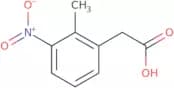
CAS:2-Methyl-3-nitrophenylacetic acid is an alkali metal, which is obtained by the condensation of 2-methylphenol and nitric acid. The synthesis of this compound can be achieved through catalytic reduction of the nitro group with hydrogen in the presence of a nickel catalyst. This method has been shown to produce high yields. 2-Methyl-3-nitrophenylacetic acid is mildly toxic to humans and animals. It is a dopaminergic agent that has been used as a precursor for the production of ropinirole hydrochloride, which is used in the treatment of Parkinson's disease.Formula:C9H9NO4Purity:Min. 95%Color and Shape:PowderMolecular weight:195.17 g/mol5-Methyl-2-nitrobenzoic acid
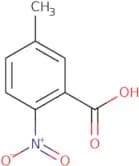
CAS:5-Methyl-2-nitrobenzoic acid is a nitro compound that has been shown to have potent cytotoxicity in vivo. 5-Methyl-2-nitrobenzoic acid inhibits the proliferation of cervical cancer cells in vitro, and induces apoptosis. The functional groups present on this molecule are nitro and methyl. The linear model used to describe the structure of 5-methyl-2-nitrobenzoic acid is an electron withdrawing group, which is why it has such potent cytotoxic effects. It also shows optical properties such as vibrational spectroscopy, which can be used to identify this moleculeFormula:C8H7NO4Purity:Min. 95%Color and Shape:PowderMolecular weight:181.15 g/mol5-Methyl-4-isoxazolecarboxylic acid
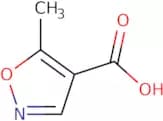
CAS:5-Methyl-4-isoxazolecarboxylic acid (5MI) is an organic compound that belongs to the family of hydroxyl-containing compounds. It is a colorless solid with a melting point of 51 degrees Celsius. 5MI has been used as a pharmaceutical preparation and an anti-inflammatory drug. 5MI is also used in the synthesis of other drugs, such as carbonyl compounds and amides. This chemical can be found in animals, plants and bacteria, but it can also be prepared synthetically.Formula:C5H5NO3Purity:Min. 95%Color and Shape:PowderMolecular weight:127.1 g/molN-Benzyloxycarbonyl-L-leucine
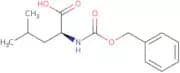
CAS:N-Benzyloxycarbonyl-L-leucine is a peptidomimetic that has been shown to be effective against P. aeruginosa. The peptidyl amino group has a nucleophilic character, which allows it to react with the carboxyl group of L-lysine and form an amide bond. N-Benzyloxycarbonyl-L-leucine was found to be effective at low doses in inhibiting the growth of P. aeruginosa, and may also have therapeutic potential for treating lymphocytic leukemia. This compound is racemized into its two stereoisomers, D-N-benzyloxycarbonyl-L-leucine and L-N-benzyloxycarbonyl-L-leucine, which have different effects on cell membranes.Formula:C14H19NO4Purity:Min. 98 Area-%Color and Shape:Clear LiquidMolecular weight:265.31 g/mol
![6-Fluoro-5-Methyl-2-[(5-Methyl-1H-Imidazol-4-Yl)Methyl]-2,3,4,5-Tetrahydro-1H-Pyrido[4,3-b]Indol-1…](/_next/image/?url=https%3A%2Fstatic.cymitquimica.com%2Fproducts%2F3D%2Fthumb-webp%2FFF102588.webp&w=3840&q=75)

![N-[6-Chloro-5-(2-methoxyphenoxy)-(2,2-bipyrimidine)4-4-yl]-(1,1-dimethylethyl)-benzenesulfonamide](/_next/image/?url=https%3A%2Fstatic.cymitquimica.com%2Fproducts%2F3D%2Fthumb-webp%2FFC20113.webp&w=3840&q=75)
![N-[(8-Fluoro-2,3-Dihydro-1-Methyl-5-Phenyl-1H-1,4-Benzodiazepin-2-Yl)Methyl]-3-Furancarboxamide](/_next/image/?url=https%3A%2Fstatic.cymitquimica.com%2Fproducts%2F3D%2Fthumb-webp%2FFF102093.webp&w=3840&q=75)


![N,N-Diethyl-2-[4-[(Z)-1-(4-Fluorophenyl)-2-Phenylethenyl]Phenoxy]Ethanamine](/_next/image/?url=https%3A%2Fstatic.cymitquimica.com%2Fproducts%2F3D%2Fthumb-webp%2FFD99813.webp&w=3840&q=75)


![N-[2-(Fmoc-amino)-ethyl]glycine tert-butylester hydrochloride](/_next/image/?url=https%3A%2Fstatic.cymitquimica.com%2Fproducts%2F3D%2Fthumb-webp%2FFF49771.webp&w=3840&q=75)

![8-Methyl-3,8-diazabicyclo[3.2.1]octane dihydrochloride](/_next/image/?url=https%3A%2Fstatic.cymitquimica.com%2Fproducts%2F3D%2Fthumb-webp%2FFM140960.webp&w=3840&q=75)

![8-Chloro-3α,4-dihydro-6-(2-fluorophenyl)-1-methyl-3H-imidazo[1,5-α][1,4]benzo-diazepine](/_next/image/?url=https%3A%2Fstatic.cymitquimica.com%2Fproducts%2F3D%2Fthumb-webp%2FFC36926.webp&w=3840&q=75)