Amino Acids (AA)
Amino acids (AAs) are the fundamental building blocks of proteins, playing a crucial role in various biological processes. These organic compounds are essential for protein synthesis, metabolic pathways, and cell signaling. In this category, you will find a comprehensive range of amino acids, including essential, non-essential, and modified forms, which are vital for research in biochemistry, molecular biology, and nutritional sciences. At CymitQuimica, we provide high-quality amino acids to support your research and development needs, ensuring accuracy and reliability in your experimental outcomes.
Subcategories of "Amino Acids (AA)"
- Amino Acid Derivatives(3,978 products)
- Amino Acid and Amino Acid Related Compounds(3,477 products)
- Amino Acids with Oxygen or Sulphur(168 products)
- Boc- Amino Acids(351 products)
- Fmoc Amino Acids(1,710 products)
Found 38329 products of "Amino Acids (AA)"
Sort by
Purity (%)
0
100
|
0
|
50
|
90
|
95
|
100
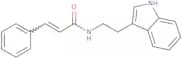
N-(2-Indol-3-ylethyl)-3-phenylprop-2-enamide
CAS:<p>N-(2-indol-3-ylethyl)-3-phenylprop-2-enamide is a serotonin analog that has been shown to inhibit the production of tryptophan decarboxylase in organisms. This compound has also been shown to be an inhibitor of the biosynthesis of p-coumaric acid, which is involved in the synthesis of lignin, phytoalexins, and other phenolic compounds. N-(2-indol-3-ylethyl)-3-phenylprop-2-enamide may be useful as a fungicide against pyricularia or as an antimicrobial against microbial infections.</p>Formula:C19H18N2OPurity:Min. 95%Color and Shape:PowderMolecular weight:290.36 g/mol3-Methyluracil
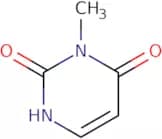
CAS:<p>3-Methyluracil is a molecule with the molecular formula CH3CHO. It has a protonated form, which is NH2CH2COOH, and an unprotonated form, which is NHCH2COOH. The protonation of 3-methyluracil can be seen in the hydrogen bonding between the two molecules. 3-Methyluracil is found in clinical studies as an effective treatment for obesity. It also has been shown to have nucleobase sequence specificity and can be used to detect adenosine in RNA sequences. 3-Methyluracil is a nucleophilic base that can bond with hydroxide ions from water or other protic solvents. This reaction results in the molecule becoming more acidic, which can be seen by the decrease in pH level when it comes into contact with hydrochloric acid.</p>Formula:C5H6N2O2Purity:Min. 95 Area-%Color and Shape:White Off-White PowderMolecular weight:126.11 g/mol2,4-Dimethoxy-3-methylbenzoic acid
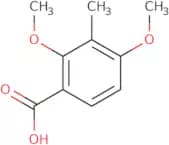
CAS:<p>2,4-Dimethoxy-3-methylbenzoic acid is a fine chemical that is used as a versatile building block in the synthesis of other organic compounds. 2,4-Dimethoxy-3-methylbenzoic acid has been used in research to generate novel compounds with desired properties. It is also used as a reaction component and speciality chemical. The compound can be reacted with sodium methoxide in methanol to form 2,4-dimethoxybenzaldehyde, which is an intermediate for the synthesis of other chemicals. It also reacts with nitric acid to form 2,4-dimethylbenzoic acid and oleum. These reactions are useful for the production of certain drugs or for the synthesis of polymers.</p>Formula:C10H12O4Purity:Min. 95%Molecular weight:196.2 g/mol7-Amino-2-(4-methoxyphenyl)[1,2,4]triazolo[1,5-a]pyrimidin-5(4H)-one
CAS:<p>7-Amino-2-(4-methoxyphenyl)[1,2,4]triazolo[1,5-a]pyrimidin-5(4H)-one is a fine chemical that belongs to the category of versatile building blocks. It can be used as a reagent for research purposes and as a speciality chemical for the production of complex compounds. This compound is also an important building block for the synthesis of compounds with high quality and useful scaffolds.</p>Formula:C12H11N5O2Purity:Min. 95%Color and Shape:PowderMolecular weight:257.25 g/mol1-(2-Methoxyphenyl)-2-nitroethane
CAS:1-(2-Methoxyphenyl)-2-nitroethane is a natural alkaloid that is found in the plant Piper methysticum. This compound has been shown to inhibit the transformation of nitroalkenes to nitropropene and nitrobenzene. The synthetic studies on this compound are mainly focused on its effects on other nitroalkenes. It has been shown that 1-(2-methoxyphenyl)-2-nitroethane can be used as an inhibitor of cyclization reactions, such as the synthesis of indole alkaloids, which are important in many pharmacological processes and biological systems.Formula:C9H9NO3Purity:Min. 95%Color and Shape:PowderMolecular weight:179.17 g/mol3-Amino-3-methylbutanoic acid
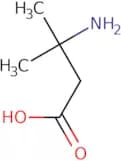
CAS:<p>3-Amino-3-methylbutanoic acid is a carbonaceous compound that can be synthesized from b-alanine and perchloroethylene. It is used in the manufacture of butanoic acid, which is an important industrial chemical. 3-Amino-3-methylbutanoic acid has been shown to exist as four isomers, each with a different molecular weight. The isomers are produced by a synthetic process involving the reaction of b-alanine and perchloroethylene. In an amination reaction, the compounds are heated in the presence of ammonia gas or ammonium chloride to form 3-amino-3-methylbutanoic acid.</p>Formula:C5H11NO2Purity:Min 95%Color and Shape:PowderMolecular weight:117.15 g/mol2-Methylindole
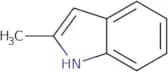
CAS:<p>2-Methylindole is a reactive molecule that can undergo electrophilic substitution at the 2-position. It reacts with a variety of nitrogen nucleophiles, acylating them at the 2-position. These reactions are catalyzed by enzymes such as carbonyl reductase and methyl ketone reductase. The reaction mechanism is not yet fully understood, but it has been proposed that it proceeds through an acylation reaction between two molecules of 2-methylindole to form a linear product. The regiospecificity of this reaction has been demonstrated in vivo using a model system.</p>Formula:C9H9NColor and Shape:PowderMolecular weight:131.17 g/mol2,4-Bis(dodecylthiomethyl)-6-methylphenol
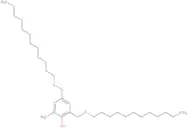
CAS:2,4-Bis(dodecylthiomethyl)-6-methylphenol is a block copolymer that contains polystyrene and polyvinyl chloride in a 1:1 ratio. It is used as an additive for polymers to improve the stability of the polymer. 2,4-Bis(dodecylthiomethyl)-6-methylphenol has been shown to be synergistic with silicone, diethylene glycol, and ethylene glycol. This additive stabilizes the polymer by preventing it from breaking down into its component parts.Formula:C33H60OS2Purity:Min. 95%Color and Shape:White Slightly Yellow PowderMolecular weight:536.96 g/mol1,1-Methanediyl bismethanethiosulfonate
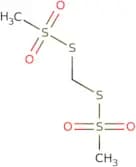
CAS:<p>1,1-Methanediyl bismethanethiosulfonate is a fine chemical that is a useful building block in organic synthesis. It is a speciality chemical used as a reagent in research, and has been used in the production of other chemicals like pharmaceuticals, agrochemicals and dyes. 1,1-Methanediyl bismethanethiosulfonate is also an intermediate for the production of polymers or plastics. This compound can be used as a building block to produce complex compounds with versatile scaffolds.</p>Formula:C3H8O4S4Purity:Min. 95%Color and Shape:Off-White SolidMolecular weight:236.36 g/mol4-Nitro-L-phenylalanine
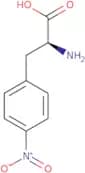
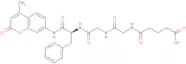
CAS:<p>4-Nitro-L-phenylalanine is a nitroprotease inhibitor that binds to the active site of the enzyme, preventing access of substrate. It is used as an analytical reagent for determination of nitrite, and has been shown to have antiviral and anti-inflammatory activities. 4-Nitro-L-phenylalanine has also been shown to inhibit the growth of human leukemia cells and enhance their sensitivity to chemotherapy drugs. This drug has been found to cause a decrease in dopamine levels in rats and may be useful in the treatment of Parkinson's disease.</p>Formula:C9H10N2O4Purity:Min. 98 Area-%Color and Shape:PowderMolecular weight:210.19 g/molGlutaryl-Gly-Gly-Phe-AMC
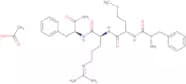
CAS:<p>Glutaryl-Gly-Gly-Phe-AMC is a proteolytic peptide which is used in the study of the proteasome. It has been shown to have affinity for the proteasome, and can be used as a monoclonal antibody for both immunohistochemical analysis and two-dimensional electrophoresis. The peptide was sequenced and found to have no homology to any known protein or peptide. Glutaryl-Gly-Gly-Phe-AMC has been shown to bind specifically to β amyloid (Aβ) subunits in cell homogenates and cytosol, as well as nuclei in tissue sections from AD brain. In addition, it has been shown that this peptide can be fluorescently labeled with Alexa Fluor 488 or 594 dye for use in microscopy studies.</p>Formula:C28H30N4O8Purity:Min. 98 Area-%Color and Shape:PowderMolecular weight:550.56 g/molH-Phe-Met-Arg-Phe-NH2 acetate
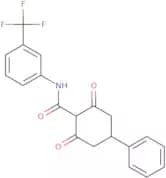
CAS:Controlled Product<p>H-Phe-Met-Arg-Phe-NH2 acetate is a high quality reagent that is useful in the synthesis of complex compounds. It can be used as an intermediate for the production of fine chemicals and speciality chemicals, as well as being a versatile building block in the synthesis of organic compounds. H-Phe-Met-Arg-Phe-NH2 acetate can also be used to make research chemicals or reaction components.</p>Formula:C29H42N8O4S•(C2H4O2)xPurity:Min. 95%Color and Shape:PowderMolecular weight:598.76 g/mol(2,6-dioxo-4-phenylcyclohexyl)-N-(3-(trifluoromethyl)phenyl)formamide
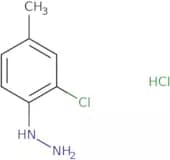
CAS:<p>Please enquire for more information about (2,6-dioxo-4-phenylcyclohexyl)-N-(3-(trifluoromethyl)phenyl)formamide including the price, delivery time and more detailed product information at the technical inquiry form on this page</p>Purity:Min. 95%(2-Chloro-4-methylphenyl)hydrazine hydrochloride
CAS:(2-Chloro-4-methylphenyl)hydrazine hydrochloride is a high quality reagent that is a useful intermediate for the synthesis of complex compounds. It has been used as a building block for the synthesis of speciality chemicals and research chemicals. This compound can be used to produce versatile building blocks and reaction components.Formula:C7H9ClN2·HClPurity:Min. 95%Color and Shape:PowderMolecular weight:193.07 g/mol2,6-Dichloro-3-methylaniline
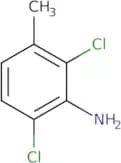
CAS:2,6-Dichloro-3-methylaniline is a wastewater treatment chemical that is used to remove ammonia from wastewater. It is an allosteric modulator that can bind to different sites on the same protein and change its function. 2,6-Dichloro-3-methylaniline has been shown to inhibit the growth of bladder cancer cells in vitro and in vivo by affecting the production of dopamine. This compound may also be effective in treating other cancers such as breast cancer and prostate cancer. 2,6-Dichloro-3-methylaniline has been shown to inhibit population growth in some bacteria by binding to DNA gyrase and topoisomerase IV enzymes.Formula:C7H7Cl2NPurity:Min. 95%Color and Shape:PowderMolecular weight:176.04 g/mol3-Oxo-2-phenyl butanamide
CAS:Controlled Product3-Oxo-2-phenyl butanamide is an amphetamine that has been shown to be a potential marker for wastewater. 3-Oxo-2-phenyl butanamide is one of the many intermediates in the synthesis of amphetamine from phenylacetone and can be found in wastewater as an impurity. This compound has also been used as a marker for wastewater treatment malfunctioning. 3-Oxo-2-phenyl butanamide is excreted into the environment through urine, and its presence can be measured in water samples by gas chromatography/mass spectrometry or liquid chromatography/mass spectrometry.Formula:C10H11NO2Purity:Min. 95%Color and Shape:PowderMolecular weight:177.2 g/mol3-Methylpiperidin-3-ol
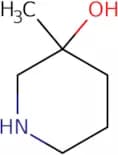
CAS:<p>3-Methylpiperidin-3-ol is a chemical compound that has been found to be useful as a building block for the synthesis of various complex compounds. This product is used in research and as a reagent. 3-Methylpiperidin-3-ol is also known by the CAS number 473730-88-0.</p>Formula:C6H13NOPurity:Min. 95%Color and Shape:Yellow solid.Molecular weight:115.17 g/molStyrenated phenol
CAS:<p>2,4,6-Tris-(1-phenyl-ethyl)phenol is a phenolic compound that is used to manufacture polyvinyl chloride. It has been shown to be an effective antioxidant and can be used in treatments of polyvinyl chloride products. 2,4,6-Tris-(1-phenyl-ethyl)phenol is hydrophobic and can be used as a coating agent for surfaces that are exposed to water or moisture. 2,4,6-Tris-(1-phenyl-ethyl)phenol has been shown to inhibit the enzymatic reaction between chlorine and hydrophobic compounds. This chemical also has optical properties that are sensitive to changes in pH levels and temperature.</p>Formula:C30H30OPurity:Min. 95%Molecular weight:406.56 g/molD-Proline
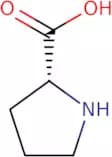
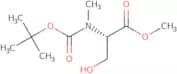
CAS:D-Proline is a non-essential amino acid that can be synthesized by the body. It is a racemic mixture of the two stereoisomers, L-proline and D-proline. Research has shown that D-proline inhibits the enzyme racemase, which converts L-proline to D-proline. Racemase inhibition leads to an accumulation of L-proline, which may reduce disease activity in some cases. D-Proline also inhibits liver cells and trigeminal nerve cells, leading to decreased pain. The asymmetric synthesis of picolinic acid from D-pyridoxal 5'-phosphate catalyzed by prolinase occurs at a pH optimum around 2.8. This reaction is used as a model system for studying chemical biology and antimicrobial peptides. D-Proline can be found in E coli K12 and other bacteria with analytical chemistry techniques such as gas chromatography mass spectrometry (GCFormula:C5H9NO2Color and Shape:PowderMolecular weight:115.13 g/molBoc-N-Me-Ser-OMe
CAS:Boc-N-Me-Ser-OMe is a fine chemical that is used as a building block for the synthesis of a wide range of organic compounds. It is also used as an intermediate in the synthesis of complex compounds and is often used as a reaction component. Boc-N-Me-Ser-OMe has been shown to be useful in the synthesis of pharmaceuticals, agrochemicals, and other chemicals. This compound has been identified by its CAS number: 122902-81-2.Formula:C10H19NO5Purity:Min. 95%Color and Shape:PowderMolecular weight:233.26 g/mol1-(3-Methylphenyl)ethanol
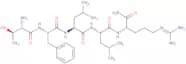
CAS:<p>1-(3-Methylphenyl)ethanol is an organic compound that has a hydroxyl group, homochiral carbonyl group, and aromatic hydrocarbon. It is a product of the catalysed reaction between a hydroxyl compound and an alkyne molecule. The reaction mechanism begins with the formation of an imine intermediate. This intermediate then undergoes a double displacement to form the desired product and regenerate the catalyst. 1-(3-Methylphenyl)ethanol can be used as a building block for other organic compounds, such as epoxides or esters.</p>Formula:C9H12OPurity:Min. 95%Color and Shape:Clear LiquidMolecular weight:136.19 g/molH-Thr-Phe-Leu-Leu-Arg-NH2
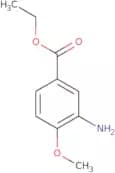
CAS:<p>H-Thr-Phe-Leu-Leu-Arg-NH2 is a peptide that has been shown to reduce the severity of lung inflammation and injury in rats with pulmonary hypertension. It also prevents the release of proinflammatory cytokines such as tumor necrosis factor alpha (TNFα) and interleukin 6 (IL6). This peptide also induces an antibody response against collagen gel, which is used to treat fibrotic diseases and wounds. The peptide binds to the soybean trypsin inhibitor, preventing it from inhibiting protease enzymes, thereby allowing for protein synthesis. H-Thr-Phe-Leu-Leu-Arg-NH2 has been shown to have antiapoptotic effects by restoring mitochondrial membrane potential in cancer cells. This peptide can be used as a therapeutic agent for various diseases including primary pulmonary hypertension, cancer tissues, and mitochondrial disorders.</p>Formula:C31H53N9O6Purity:Min. 95%Color and Shape:White PowderMolecular weight:647.81 g/mol3-Amino-4-methoxybenzoic acid ethyl ester
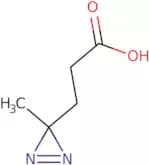
CAS:<p>3-Amino-4-methoxybenzoic acid ethyl ester is a chemical building block that can be used in the synthesis of various organic compounds. It is an important reaction component, and can also be used as a reagent or useful scaffold. 3-Amino-4-methoxybenzoic acid ethyl ester is soluble in organic solvents and has a high quality. This chemical has been shown to be useful for research purposes.</p>Formula:C10H13NO3Purity:Min. 95%Color and Shape:PowderMolecular weight:195.22 g/mol3-(3-Methyl-3H-diazirine-3-yl)propionic acid
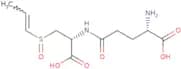
CAS:<p>3-(3-Methyl-3H-diazirine-3-yl)propionic acid (3MDZ) is a fluorophore that can be used in cancer research. It has been shown to bind to the active site of human SIRT1 and inhibit its activity, which leads to cell death by deacylating histone H3. 3MDZ is also able to bind to carbenes, which are highly reactive molecules that have been implicated in aging and cancer. 3MDZ has shown chemopreventive effects against tumor formation and growth by binding to the carbenes and preventing them from forming reactive oxygen species. It can be used as a fluorescent probe for studying the interactions between carbenes and nucleic acids.</p>Formula:C5H8N2O2Purity:Min. 95%Color and Shape:Clear LiquidMolecular weight:128.13 g/molL-γ-Glutamyl-3-(1-propenylsulfinyl)-L-alanine
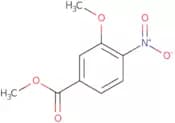
CAS:<p>Please enquire for more information about L-γ-Glutamyl-3-(1-propenylsulfinyl)-L-alanine including the price, delivery time and more detailed product information at the technical inquiry form on this page</p>Formula:C11H18N2O6SPurity:Min. 95%Color and Shape:PowderMolecular weight:306.34 g/mol3-Methoxy-4-nitrobenzoic acid methyl ester
CAS:<p>3-Methoxy-4-nitrobenzoic acid methyl ester is a dianellidin, a type of natural product. It is an ionizing acid that catalyzes the reaction between carboxylic acids and hydroxyl compounds. This compound is used to produce some drugs, such as methyldopate, which is an antiarrhythmic drug that slows heart rate. The catalytic rate of 3-methoxy-4-nitrobenzoic acid methyl ester can be increased by buffers and solvents (e.g., methanol). These compounds increase the concentration of the reactants in solution and reduce the activation energy required for the reaction to take place. Uncatalyzed reactions are slow because there are no molecules to act as intermediates in the process.</p>Formula:C9H9NO5Purity:95%NmrColor and Shape:PowderMolecular weight:211.17 g/mol4'-Methoxy-3',beta-dimethyl-beta-nitrostyrene
<p>4'-Methoxy-3',beta-dimethyl-beta-nitrostyrene is a fine chemical that belongs to the group of versatile building blocks. It is an intermediate for the synthesis of complex compounds, research chemicals, and speciality chemicals. 4'-Methoxy-3',beta-dimethyl-beta-nitrostyrene is a useful reagent in organic synthesis and can be used as a reaction component or scaffold. It has been shown to have high quality and it can be used as a useful building block.</p>Formula:C11H13NO3Purity:Min. 95%Color and Shape:PowderMolecular weight:207.23 g/mol2-[(4-Amino-2-methyl-5-nitrylbenzyl)amino]ethylalcohol
CAS:<p>2-[(4-Amino-2-methyl-5-nitrylbenzyl)amino]ethylalcohol is a reactive, hydrated, colorant that belongs to the group of hydroxy compounds. It has a chromophore and is used in the production of cosmetics. 2-[(4-Amino-2-methyl-5-nitrylbenzyl)amino]ethylalcohol is used for alkalization and in the production of particle pigments. This compound can be found in fatty acid esters, as it has a long hydrocarbon chain, which makes it soluble. It also has fatty acids and an amine group that provides color.</p>Formula:C9H13N3O3Purity:Min. 95%Molecular weight:211.22 g/molIndole-3-acetyl-L-valine
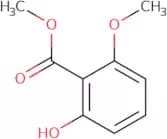
CAS:Indole-3-acetyl-L-valine (IAV) is a naturally occurring amino acid that binds to the surface glycoprotein of wild-type viruses. It inhibits viral replication by inhibiting the production of basic proteins, which are necessary for viral life. IAV also has inhibitory properties against the toll-like receptor, which may be due to its ability to inhibit growth factor signaling. IAV has been shown to decrease the number of opportunistic fungal and bacterial infections in humans, with no adverse effects on human health. This drug has no effect on healthy cells and can be used as an adjuvant for the treatment of HIV and other viral infections.Formula:C15H18N2O3Purity:Min. 95%Color and Shape:PowderMolecular weight:274.32 g/mol2-Hydroxy-6-methoxybenzoic acid methyl ester
CAS:<p>2-Hydroxy-6-methoxybenzoic acid methyl ester is a biologically active molecule that has been shown to have antibacterial activity. It is structurally similar to the natural compound 2,6-dimethoxyphenol and can be used as a substitute for this compound in bioassays. The antibacterial activity of 2-hydroxy-6-methoxybenzoic acid methyl ester is due to its ability to inhibit enzymes involved in DNA repair and cell division. This compound also inhibits the growth of cancer cells and weevils by interfering with their metabolism.</p>Formula:C9H10O4Purity:Min. 95%Color and Shape:PowderMolecular weight:182.17 g/mol4-Methoxyresorcinol
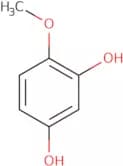
CAS:<p>4-Methoxyresorcinol is a chemical compound that has the molecular formula CHNO. It has a hydroxyl group in the 4-position and a methyl group on the 8-position. The intramolecular hydrogen of this molecule is denatured by heating to about 220°C. This process converts it into resorcinol, which is structurally similar but has different properties. 4-Methoxyresorcinol can be used as a polymerization initiator for polycarboxylic acid or quinoline derivatives, and its analytical methods are used in determining its structure.</p>Formula:C7H8O3Purity:Min. 95%Color and Shape:PowderMolecular weight:140.14 g/mol3-(N-Methyl-N-pentylamino)propionic acid hydrochloride
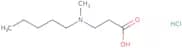
CAS:<p>Trichloroethylene is a chlorinated hydrocarbon that is primarily used as a solvent. The propionic acid is the monosodium salt of 3-(N-Methyl-N-pentylamino)propionic acid hydrochloride, which is an organic compound. The monohydrate and trichloride are two polymorphic forms of this substance. Acetone and unreacted Trichloroethylene are substances that may be formed during the chemical process. The alkaline form of Trichloroethylene may be obtained by refluxing the substance with sodium hydroxide in water or with potassium hydroxide in alcohol. This substance can also exist in a polymorphic form.</p>Formula:C9H20ClNO2Purity:Min. 95%Color and Shape:PowderMolecular weight:209.71 g/mol(S)-(+)-2-Phenylpropionic acid
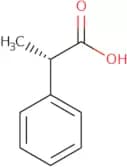
CAS:<p>(S)-(+)-2-Phenylpropionic acid is an organic solvent that is catalyzed by a hydroxy group. It has been shown to be active against bacterial strains in the presence of borohydride reduction and immobilized on polystyrene beads. The enzyme activities were stereoselectively inhibited in the presence of (R)-(-)2-phenylpropionic acid, which is an enantiomer of (S)-(+)2-phenylpropionic acid. This inhibition may be due to the ability of this compound to form a more stable radical coupling with fatty acids such as oleic acid. The reaction temperature can affect the stereoselectivity, with higher temperatures favoring (R)-(-)2-phenylpropionic acid.</p>Formula:C9H10O2Purity:Min. 98 Area-%Color and Shape:Clear LiquidMolecular weight:150.17 g/molH-Phe-Trp-NH2·HCl
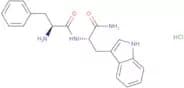
CAS:<p>H-Phe-Trp-NH2·HCl is a chemical reagent that is used as a reaction component in organic synthesis. H-Phe-Trp-NH2·HCl is a versatile building block, useful intermediate, and useful scaffold for the synthesis of complex compounds. It has been shown to be a fine chemical with high quality and high purity. CAS No. 38678-69-2.</p>Formula:C20H22N4O2•HClPurity:Min. 95%Color and Shape:SolidMolecular weight:386.88 g/mol2-Methoxycinnamic acid
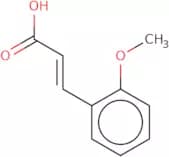
CAS:<p>2-Methoxycinnamic acid is a fine chemical that is used as a building block for research chemicals, pharmaceuticals, and other products. It is a versatile building block that can be used in the synthesis of complex compounds with diverse structures. 2-Methoxycinnamic acid is also an intermediate for the production of cinnamates, which are useful in the production of synthetic dyes.</p>Formula:C10H10O3Purity:Min. 95%Color and Shape:White PowderMolecular weight:178.18 g/mol(S)-(+)-5,6,7,8-Tetrahydro-8-methylindan-1,5-dione
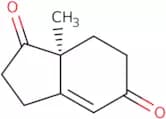
CAS:<p>(S)-(+)-5,6,7,8-Tetrahydro-8-methylindan-1,5-dione is a chemical compound with a molecular formula of C9H14O2 that has the chemical name of methyl 8-(hydroxymethyl)indane-1,5-dione. This compound is an enantiopure substance that exists as a single stereoisomer and can be synthesized from two different starting materials. It is not commercially available but can be prepared from boronic acid and methanol or from methylamine and hydroxyacetone. The reaction time for this synthesis varies depending on the starting material used and the desired purity level. (S)-(+)-5,6,7,8-Tetrahydro-8-methylindan-1,5-dione is used in organic synthesis as an alternative to other chiral diols.</p>Formula:C10H12O2Purity:Min. 95%Color and Shape:White PowderMolecular weight:164.2 g/mol3,5-Difluoro-4-methoxybenzoic acid
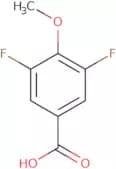
CAS:<p>3,5-Difluoro-4-methoxybenzoic acid is a chemical compound that is used as both a starting material and an intermediate in organic synthesis. It can be obtained from the reaction of 2,4-difluoro-3-methoxybenzoyl chloride with 3,5-dimethoxyaniline. 3,5-Difluoro-4-methoxybenzoic acid has been shown to be useful as a building block in the synthesis of other compounds with potent antibiotic activity such as fluoroquinolones. This compound is also used to synthesize aminomethylcyclohexane and methylaminomethylcyclohexane, which are useful in the manufacture of pesticides.</p>Formula:C8H6F2O3Purity:Min. 95%Color and Shape:PowderMolecular weight:188.13 g/mol4-Methoxybenzaldehyde
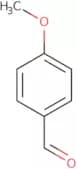
CAS:<p>4-Methoxybenzaldehyde is a surfactant with a Langmuir adsorption isotherm. It can be used in analytical methods for the determination of sodium carbonate at concentrations of 1 mg/mL and higher. The redox potentials of 4-methoxybenzaldehyde are +0.37 and -0.35 volts, which corresponds to group P2. The reaction mechanism for 4-methoxybenzaldehyde is the oxidation of the compound by potassium permanganate (KMnO4) in aqueous solution to form 4-hydroxybenzoic acid (4HB). The fluorescent derivative of 4-methoxybenzaldehyde is magnesium salt, which has been shown to react with ryanodine receptors in skeletal muscle cells, leading to a decrease in calcium release from the sarcoplasmic reticulum. Process optimization may be necessary for this product due to its limited applications in analytical chemistry.</p>Formula:C8H8O2Purity:Min. 95%Color and Shape:Colorless Clear LiquidMolecular weight:136.15 g/molN-Methylbis(trifluoroacetamide)
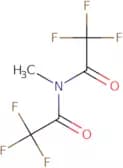
CAS:<p>N-Methylbis(trifluoroacetamide) is a molecule that is used in the preparation of an analytical method. This molecule reacts with human serum and urine to produce a reaction solution. The matrix effect can be seen in metabolic disorders, such as the case of creatine kinase which is not affected by the derivatization. N-Methylbis(trifluoroacetamide) is also used to prepare samples for solid phase microextraction with basic structures that are amines.</p>Formula:C5H3F6NO2Purity:Min. 95%Color and Shape:Clear LiquidMolecular weight:223.07 g/mol4-Methyl-5-nonanol
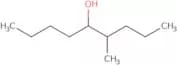
CAS:<p>4-Methyl-5-nonanol is a synthetic pheromone that is used in the analytical methods of weevil traps. The odorant binding proteins on the surface of the weevil are attracted to this chemical, which binds to them through hydrophobic interactions. This trap is stereoselective, as it only attracts male weevils. 4-Methyl-5-nonanol has been shown to have a high specificity and sensitivity as an analytical tool for weevil traps, with no cross reactivity with other insects such as beetles or ants.</p>Formula:C10H22OPurity:Min. 95%Color and Shape:Clear LiquidMolecular weight:158.28 g/moltrans-3-Hydroxy-L-proline
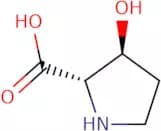
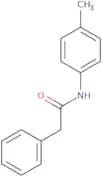
CAS:<p>Please enquire for more information about trans-3-Hydroxy-L-proline including the price, delivery time and more detailed product information at the technical inquiry form on this page</p>Formula:C5H9NO3Purity:Min. 95%Color and Shape:White PowderMolecular weight:131.13 g/molN-(4-Methylphenyl)-2-phenylacetamide
CAS:<p>2-Phenylacetamide is a solvent that can be used as a component in alkylation reactions. It is commonly used as a component of chlorinated solvents and has been shown to catalyze the reaction with benzyl chloride. 2-Phenylacetamide can be used to produce solar cells by sensitizing the surface of silicon wafers with this solvent. Researchers have also studied the alkylation reaction of phenylacetamide with methyl iodide and benzyl chloride, which can be carried out at room temperature and does not require any catalyst. This reaction was found to proceed well under gas chromatographic conditions.</p>Formula:C15H15NOPurity:Min. 95%Molecular weight:225.29 g/mol4-Methyl-1H-1,2,3-benzotriazole
CAS:<p>4-Methyl-1H-1,2,3-benzotriazole is a corrosion inhibitor that is used in the treatment of wastewater. It has been shown to have synergic effects with other corrosion inhibitors such as benzotriazole, glycol ethers, and sodium citrate. 4-Methyl-1H-1,2,3-benzotriazole also inhibits organic matter degradation by acting as an inhibitor. This compound has been shown to adsorb on Langmuir monolayers at low concentrations and can be used as an analytical method for copper ions. The adsorption of 4-methylbenzotriazole onto metal hydroxides was found to be dependent on pH and the presence of other ions in solution.</p>Formula:C7H7N3Purity:Min. 95%Color and Shape:PowderMolecular weight:133.15 g/molSubstance P acetate salt
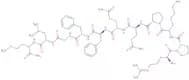
CAS:<p>The Substance P acetate salt is a white or off-white crystalline powder. It is soluble in ethanol and methanol, sparingly soluble in water, and insoluble in ether. The Substance P acetate salt has been widely used as a research chemical and building block for the synthesis of complex compounds. The CAS number for the substance is 137348-11-9.</p>Formula:C63H98N18O13S·C2H4O2Purity:Min. 95 Area-%Color and Shape:PowderMolecular weight:1,407.68 g/molDL-Methionine-DL-sulfoximine
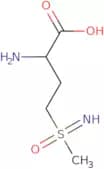
CAS:<p>DL-Methionine sulfoximine is a drug that blocks the synthesis of glutathione, an important antioxidant and detoxifying agent. DL-Methionine sulfoximine may be useful in preventing or treating eye disorders, such as age-related macular degeneration and retinitis pigmentosa. It also has been shown to have beneficial effects in animal models of epilepsy, Alzheimer’s disease, Parkinson's disease, and stroke. DL-Methionine sulfoximine has been shown to have beneficial effects in animal models of epilepsy, Alzheimer’s disease, Parkinson's disease, and stroke. This drug is being studied for its potential use in metabolic disorders such as diabetes and obesity.</p>Formula:C5H12N2O3SPurity:Min. 95%Color and Shape:White PowderMolecular weight:180.23 g/molPAR-3 (1-6) (human) trifluoroacetate salt
CAS:<p>Please enquire for more information about PAR-3 (1-6) (human) trifluoroacetate salt including the price, delivery time and more detailed product information at the technical inquiry form on this page</p>Formula:C29H45N9O8Purity:Min. 95%Molecular weight:647.72 g/molMethyl 5-allyl-2-hydroxy-3-methoxybenzoate
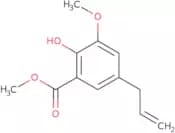
CAS:Methyl 5-allyl-2-hydroxy-3-methoxybenzoate is a chemical compound that belongs to the class of organic compounds known as esters. It is a colorless crystalline solid, which has been found to be useful in the synthesis of other chemical compounds. Methyl 5-allyl-2-hydroxy-3-methoxybenzoate is stable at high temperatures and it was found to be catalytic in reactions involving carbonates. The crystal structure of methyl 5-allyl-2-hydroxy-3-methoxybenzoate has been analyzed using XRD and FTIR spectroscopy. The product yields have been determined by GC analysis and IR spectroscopy.Formula:C12H14O4Purity:Min. 95%Color and Shape:PowderMolecular weight:222.24 g/mol4--Methylacetophenone azine
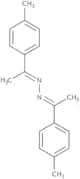
CAS:<p>4-Methylacetophenone azine is a useful chemical with a variety of applications. It is a versatile building block, which can be used as an intermediate for the synthesis of complex compounds and as a reaction component in organic synthesis. 4-Methylacetophenone azine has been shown to be effective in the production of research chemicals and speciality chemicals. This product is high quality and can be used as a reagent in organic synthesis.</p>Formula:C18H20N2Purity:Min. 95%Color and Shape:PowderMolecular weight:264.36 g/molEthyl 2-hydroxy-5-methoxybenzoate
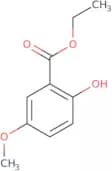
CAS:<p>Ethyl 2-hydroxy-5-methoxybenzoate (EHMB) is a phenolic compound that belongs to the group of salicylic acid. It is a natural product present in crucifers such as cabbage, broccoli, and cauliflower. EHMB has been shown to induce apoptosis in human leukemia cells through the inhibition of DNA methylation. The results showed that EHMB induces apoptosis in human leukemia cells by targeting the epigenetic regulator protein MLL1, which inhibits DNA methyltransferase 1 activity and leads to decreased levels of 5mC. EHMB also induces apoptosis in lung cancer cells by inhibiting cell proliferation and inducing cell death through the inhibition of GTPase activity, which leads to decreased levels of cyclin D1 and increased levels of p27. EHMB also regulates stem cell function by modulating gene expression; it has been shown that this compound can promote stem cell-like properties in mouse embryonic fibrobl</p>Formula:C10H12O4Purity:Min. 95%Color and Shape:Clear LiquidMolecular weight:196.2 g/molN-Methyl mesoporphyrin IX
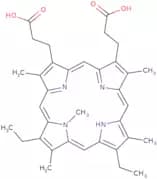
CAS:N-Methyl mesoporphyrin IX is a molecule that inhibits the activity of enzymes such as carboxylesterases, proteases, and aminopeptidases. It binds to the active site of these enzymes and blocks the enzyme's activity. N-Methyl mesoporphyrin IX has been shown to inhibit cancer cells in humans and can be used as an adjunct treatment for cancer. This drug also has anti-inflammatory properties due to its ability to inhibit prostaglandins synthesis. N-Methyl mesoporphyrin IX has been shown to have an effect on plant physiology by inhibiting plant growth and photosynthesis. N-Methyl mesoporphyrin IX is also able to enhance hybridization reactions between dsDNA duplexes, which may be useful in research involving DNA sequencing or gene mapping.Formula:C35H40N4O4Purity:Min. 95%Color and Shape:PowderMolecular weight:580.72 g/mol

![7-Amino-2-(4-methoxyphenyl)[1,2,4]triazolo[1,5-a]pyrimidin-5(4H)-one](/_next/image/?url=https%3A%2Fstatic.cymitquimica.com%2Fproducts%2F3D%2Fthumb-webp%2FFA134729.webp&w=3840&q=75)



![2-[(4-Amino-2-methyl-5-nitrylbenzyl)amino]ethylalcohol](/_next/image/?url=https%3A%2Fstatic.cymitquimica.com%2Fproducts%2F3D%2Fthumb-webp%2FFA146928.webp&w=3840&q=75)