Amino Acids (AA)
Amino acids (AAs) are the fundamental building blocks of proteins, playing a crucial role in various biological processes. These organic compounds are essential for protein synthesis, metabolic pathways, and cell signaling. In this category, you will find a comprehensive range of amino acids, including essential, non-essential, and modified forms, which are vital for research in biochemistry, molecular biology, and nutritional sciences. At CymitQuimica, we provide high-quality amino acids to support your research and development needs, ensuring accuracy and reliability in your experimental outcomes.
Subcategories of "Amino Acids (AA)"
- Amino Acid Derivatives(3,957 products)
- Amino Acid and Amino Acid Related Compounds(3,472 products)
- Amino Acids with Oxygen or Sulphur(168 products)
- Boc- Amino Acids(351 products)
- Fmoc Amino Acids(1,710 products)
Found 38265 products of "Amino Acids (AA)"
Sort by
Purity (%)
0
100
|
0
|
50
|
90
|
95
|
100
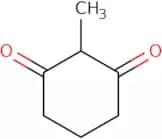
2-Methyl-1,3-cyclohexanedione
CAS:<p>2-Methyl-1,3-cyclohexanedione is an organic compound that has been used in the synthesis of a variety of drugs. The functional theory for this type of reaction is based on the conformational properties and steric interactions of the reactants. This compound can react with alkyl halides to form ethers or esters by using a lipase or boronic ester as a catalyst. 2-Methyl-1,3-cyclohexanedione has also been used in asymmetric syntheses and radiation damage studies. It is stable under acidic conditions and its carbonyl group can be replaced with a supercritical carbon dioxide group to make it more chemically stable.</p>Formula:C7H10O2Purity:Min. 98%Color and Shape:PowderMolecular weight:126.15 g/mol3-Fluoro-4-methylbenzoic acid
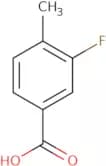
CAS:<p>3-Fluoro-4-methylbenzoic acid is an organic compound that is used as a ligand in coordination chemistry. This compound is an alkynyl ligand with a selenium atom at the 3 position, and it can be used to make metal complexes with cycloalkyl and heterocycloalkyl rings. 3-Fluoro-4-methylbenzoic acid has been shown to be a potent inhibitor of matrix metalloproteinase activity.</p>Formula:C8H7FO2Purity:Min. 95%Color and Shape:PowderMolecular weight:154.14 g/molN,N-Diallyl-5-methoxytryptamine
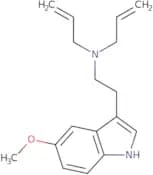
CAS:Controlled Product<p>N,N-Diallyl-5-methoxytryptamine (DMAT) is a synthetic cannabinoid that has been shown to produce effects similar to those of tetrahydrocannabinol. It has been used in clinical studies to study the effects of cannabinoids on the central nervous system. DMAT binds with high affinity to 5-HT2A receptors and low affinity to histamine H1 receptors. DMAT also binds moderately with 5-HT1A receptors, which are serotonin receptors found in the cerebral cortex and hippocampus regions of the brain. DMAT is a potent monoamine neurotransmitter reuptake inhibitor, which means it prevents the reuptake of monoamines such as dopamine, norepinephrine, and serotonin by blocking their transporters. This results in an increase in extracellular concentrations of these monoamines. DMAT is structurally similar to other drugs that have been shown to cause seizures, such as meprobamate, benzodiazepines,</p>Formula:C17H22N2OPurity:Min. 95%Molecular weight:270.37 g/mol5-Bromo-2-hydroxy-3-methoxybenzoic acid
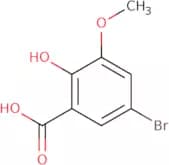
CAS:<p>5-Bromo-2-hydroxy-3-methoxybenzoic acid (5BHB) is a phenolic compound that has been shown to have fungicidal properties. The uptake of 5BHB in the brain was studied using positron emission tomography and computerized tomography scans in monkeys. The affinity of 5BHB for the dopamine D2 receptor, and its ability to inhibit methylation reactions, were also investigated. The results show that 5BHB is able to cross the blood-brain barrier and bind with high affinity to the dopamine D2 receptor. These findings suggest that 5BHB may be used as a therapeutic agent for Parkinson's disease.</p>Formula:C8H7BrO4Purity:Min. 95%Color and Shape:PowderMolecular weight:247.04 g/molVal-Cit-PAB-OH
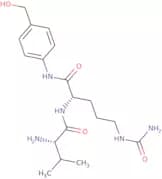
CAS:<p>The Val-Cit-PAB linker is an activated peptide linker that is cleaved by cathepsin B. It enables the selective intracellular release of attached drugs in ADC applications.</p>Formula:C18H29N5O4Purity:Min. 95%Color and Shape:PowderMolecular weight:379.45 g/mol4-(Hydroxymethyl)-5-methyl-1,3-dioxol-2-one
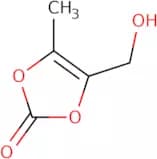
CAS:<p>4-(Hydroxymethyl)-5-methyl-1,3-dioxol-2-one is a reagent used in organic synthesis, particularly for the introduction of the non-chiral (oxodioxolenyl)methyl carbamate group to active pharmaceutical ingredients (APIs) to afford the corresponding pro-drug. The pro-drug helps to increase the bio-availability of the active drug which is generated in vivo by a base catalysed decomposition process that destroys the 1,3-dioxol-2-one ring. A high-profile example of this is the hypertension drug Alizsartan medoxomil. 4-(Hydroxymethyl)-5-methyl-1,3-dioxol-2-one can be reacted with oxalyl chloride to afford (5-methyl-2-oxo-1,3-dioxol-4-yl)methyloxyoxayl chloride which provides for an alternative approach to introduce the (oxodioxolenyl)methyl carbamate group.</p>Formula:C5H6O4Purity:Min. 95%Color and Shape:Colorless Clear LiquidMolecular weight:130.1 g/mol5-Methoxyisoxazole-4-carboxylic acid ethyl ester
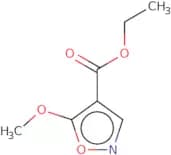
CAS:<p>5-Methoxyisoxazole-4-carboxylic acid ethyl ester is a fine chemical that has been used as a reagent, speciality chemical, and complex building block. It is also useful as a versatile intermediate for the synthesis of other organic compounds. 5-Methoxyisoxazole-4-carboxylic acid ethyl ester has been shown to react with alcohols and amines to form ethers and amides respectively. The compound can be used in the synthesis of polymers and pharmaceutical intermediates. 5-Methoxyisoxazole-4-carboxylic acid ethyl ester has a molecular weight of 210.24 g/mol and CAS No. 1314983-30-6.</p>Formula:C7H9NO4Purity:Min. 95%Molecular weight:171.15 g/mol5-Methoxyindole-3-acetonitrile
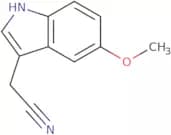
CAS:<p>5-Methoxyindole-3-acetonitrile is a synthetic compound used as a reference for the synthesis of melatonin. It is produced by the addition of magnesium to 5-methoxyindole, followed by reaction with cyanide and nitrile. The synthesis of this compound was first published in 1938 and has since been used as a reference for many other studies. It has been shown that 5-methoxyindole-3-acetonitrile has high performance liquid chromatography properties, with a linear range from 0.5 to 50 mg/mL and an ultraviolet spectrum that falls within the region between 220 nm and 400 nm. A molecular modeling study was conducted on this compound, which showed that it conforms with 4-hydroxy indole ring systems found in natural products such as tryptophan and serotonin. This product also has fluorescent properties, which are caused by its electron withdrawing group (cyano).</p>Formula:C11H10N2OPurity:Min. 95%Color and Shape:PowderMolecular weight:186.21 g/mol3-Chloro-4-methylbenzyl alcohol - Technical grade
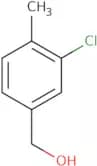
CAS:<p>3-Chloro-4-methylbenzyl alcohol is a building block chemical that is used in the synthesis of a variety of organic compounds. It is a versatile chemical that can be used as a reagent, reaction component, and intermediate. 3-Chloro-4-methylbenzyl alcohol has been found to be useful in the synthesis of complex compounds, such as 4-chloromethoxybenzoic acid and 3-(3,5-dimethoxyphenyl)acetic acid. This chemical can also be used to produce speciality chemicals, such as 3-(2-(2,4-dichlorophenoxy)ethyl)benzonitrile.</p>Formula:C8H9ClOPurity:Min. 95%Color and Shape:Colorless PowderMolecular weight:156.61 g/molN-Methyltetrahydrofolic acid
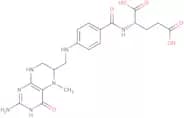
CAS:<p>N-Methyltetrahydrofolic acid is a form of folic acid, which is an important vitamin for the production of red blood cells and the prevention of neural tube defects. It can be found in food such as leafy vegetables, whole grains, and citrus fruits. N-Methyltetrahydrofolic acid is important for DNA synthesis and energy metabolism. It also has been shown to exert antioxidant effects in human serum.</p>Formula:C20H25N7O6Purity:Min. 97.5 Area-%Color and Shape:White PowderMolecular weight:459.46 g/mol4,6-Dichloro-5-methoxypyrimidine
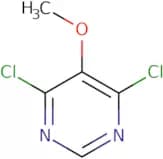
CAS:<p>4,6-Dichloro-5-methoxypyrimidine is a reactive intermediate in the synthesis of sulfadoxine. It is a chlorinating agent that reacts with alkanes and alkenes to produce halogenated products. 4,6-Dichloro-5-methoxypyrimidine can be used as a reagent to synthesize malonic acid and formamide. This compound has been used as an isotopic label for studies of the efficiency of the reaction between malonic acid and formamide. The chloride ions are used in this study to monitor the reaction rate. 4,6-Dichloro-5-methoxypyrimidine is also an intermediate in the synthesis of sulfanilamide and aminophenol.</p>Formula:C5H4Cl2N2OPurity:Min. 95%Color and Shape:PowderMolecular weight:179 g/molFmoc-His(Trt)-OH
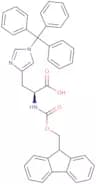
CAS:<p>Fmoc-His(Trt)-OH is an amino acid with the chemical formula HOOC-CH2-CH2-N(CH3)2. It has broad-spectrum antimicrobial activity and can be used as a chemosensor for trifluoroacetic acid. Fmoc-His(Trt)-OH also showed anticancer activity, which may be due to its ability to inhibit protein synthesis in cancer cells by inhibiting histidine decarboxylase. Fmoc-His(Trt)-OH is synthesized through a chemical reaction using trifluoroacetic acid, which reacts with His and Trt residues on the surface of the resin.</p>Formula:C40H33N3O4Purity:Min. 98 Area-%Color and Shape:White PowderMolecular weight:619.71 g/mol2-[(2-Carboxyphenyl)amino]-3-methoxybenzoic acid
CAS:<p>2-[(2-Carboxyphenyl)amino]-3-methoxybenzoic acid is a fine chemical that is used as a building block, reagent, and speciality chemical in the synthesis of other compounds. This compound is a versatile building block for the synthesis of complex compounds with many applications. 2-[(2-Carboxyphenyl)amino]-3-methoxybenzoic acid is a complex compound that can be used as an intermediate or scaffold in the manufacture of pharmaceuticals, agrochemicals, and other organic syntheses.</p>Formula:C15H13NO5Purity:Min. 95%Molecular weight:287.27 g/mol(S)-2,3,5,6-Tetrahydro-6-phenylimidazo[2,1-b]thiazole
CAS:<p>The drug, 2,3,5,6-tetrahydro-6-phenylimidazo[2,1-b]thiazole (TEM), is a small molecule with potent immunomodulatory properties. TEM is a competitive inhibitor of the enzyme histamine N-methyltransferase and inhibits the synthesis of histamine and other proinflammatory mediators. It also has anthelmintic activity against nematodes and exhibits anti-inflammatory activities in animal models of autoimmune diseases such as lupus erythematosus and inflammatory skin diseases such as psoriasis. TEM is also a potent inhibitor of lymphocyte transformation. This drug can be used for the treatment of chronic viral hepatitis, which is caused by hepatitis B or C virus infections. TEM binds to the active site on the enzyme RNA polymerase II that catalyzes DNA transcription to produce messenger RNA. TEM blocks RNA synthesis by binding to the template strand of DNA, preventing</p>Formula:C11H12N2SPurity:Min. 97 Area-%Color and Shape:PowderMolecular weight:204.29 g/molD-His(Bzl)-OH
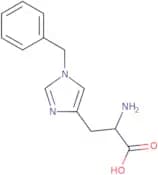
CAS:<p>D-His(Bzl)-OH is a chromatographic ligand that has been used in the preparation of recombinant proteins and vaccines. D-His(Bzl)-OH is an amphipathic molecule with a hydrophilic head group and hydrophobic tail group. It has been shown to be an effective inhibitor of papillomavirus, as well as other viruses such as HIV, herpes simplex virus, poliovirus, and vesicular stomatitis virus. D-His(Bzl)-OH has also been shown to induce antibody production in micelles when conjugated to antigens. The binding of D-His(Bzl)-OH to the viral envelope protein can be increased by increasing pH or by adding ammonium sulfate or chloride ions. Increasing the flow rate during chromatography will also increase the progressions of D-His(Bzl)-OH through the column.</p>Formula:C13H15N3O2Purity:Min. 95%Color and Shape:White PowderMolecular weight:245.28 g/molBoc-1-amino-4,7,10-trioxa-13-tridecanamine
CAS:<p>Boc-1-amino-4,7,10-trioxa-13-tridecanamine (BocAT) is a triazine compound that has been used to synthesize azides as well as to inhibit the growth of cancer cells. The inhibition of tumor cells is achieved through the covalent attachment of BocAT to lysine residues on the cell surface. This process leads to cell death by preventing the synthesis of proteins necessary for cell division and metabolism. BocAT has also been shown to bind gadolinium and other metal ions with high specificity. It can be used in vivo for tumor tissue localization and imaging with magnetic resonance imaging (MRI).</p>Formula:C15H32N2O5Purity:Min. 95%Color and Shape:Yellow LiquidMolecular weight:320.43 g/molFmoc-AEEAc-AEEAc-OH
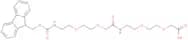
CAS:<p>Fmoc-AEEAc-AEEAc-OH is a coupling agent that is used in the industrial production of polypeptides and peptides. It has been shown to be reactive with amino acids, amino acid derivatives, and other compounds. Fmoc-AEEAc-AEEAc-OH can be synthesized by reacting an acetic acid derivative with an amine (e.g., AEEAc) in the presence of a base catalyst or by coupling two equivalents of the AEEAc derivative. The reactivity and efficiency of this coupling agent are influenced by both the type and concentration of reactants used in the synthesis process.</p>Formula:C27H34N2O9Purity:Min. 95%Color and Shape:PowderMolecular weight:530.57 g/mol1-Methyl-2-imidazolidinone
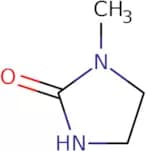
CAS:<p>1-Methyl-2-imidazolidinone is an organic molecule that has nucleophilic attack properties. It is a chiral molecule that has mesomeric and lactam structures. The ligand has dipole, tetramethylurea, and hydroxy groups. 1-Methyl-2-imidazolidinone is used as a solvent for the preparation of some pharmaceuticals, such as ampicillin, amoxicillin, and cefditoren pivoxil. It is also used in the synthesis of other compounds such as ethyl acetate, chloroformates, and epoxy compounds. 1-Methyl-2-imidazolidinone is used as an additive to increase the volatility of solvents or to lower the melting point of polymers in order to make them more suitable for processing.</p>Formula:C4H8N2OPurity:Min. 95%Color and Shape:PowderMolecular weight:100.12 g/molN-Acetyl-L-leucine
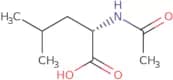
CAS:<p>N-Acetyl-L-leucine is a natural amino acid that has been shown to have therapeutic potential in the treatment of neurodegenerative diseases. N-acetyl-L-leucine binds to DNA duplexes and inhibits the formation of protein aggregates, which are associated with neurodegenerative disorders. N-acetyl-L-leucine also has a high affinity for neuronal receptors, which may be due to its basic nature. In addition, this compound is able to inhibit oxidative stress induced by glutamate and nitric oxide, as well as mitochondrial membrane potential loss. It also protects against neuronal death induced by amide or cytosolic Ca2+.</p>Formula:C8H15NO3Color and Shape:White PowderMolecular weight:173.21 g/mol1-N-Acetyl-3-nitro-p-phenylenediamine
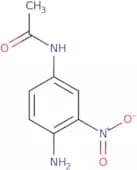
CAS:<p>1-N-Acetyl-3-nitro-p-phenylenediamine is a hydrolytic product of 1,4-diaminobenzene. It is an intermediate in the preparation of naphthalene diamine and has been shown to hydrolyze in acidic solutions.</p>Formula:C8H9N3O3Purity:Min. 95%Color and Shape:PowderMolecular weight:195.18 g/molα-Methylhydrocinnamic acid
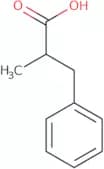
CAS:<p>Alpha-methylhydrocinnamic acid (AMHA) is a synthetic enantiomer of 2-phenylbutyric acid, which has been shown to inhibit the growth of k562 cells. It is also a substrate for fatty acid synthase and may play an important role in fatty acid metabolism. AMHA has been shown to inhibit the production of reactive oxygen species by phagocytic cells exposed to ionizing radiation, which may be due to its ability to scavenge hydroxyl radicals. The effect of AMHA on hematopoietic cells, including neutrophils and bone marrow cells, has not yet been determined.</p>Formula:C10H12O2Purity:Min. 95%Color and Shape:White Clear LiquidMolecular weight:164.2 g/mol4-Borono-L-phenylalanine
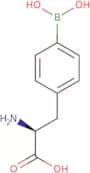
CAS:<p>4-Borono-L-phenylalanine is a boron-containing compound that has been used to study the biological effects of radiation. 4-Borono-L-phenylalanine is an analytical tool for measuring neutron scattering and other physical properties. It has also been used as a biochemical probe in studies of DNA duplexes. 4-Borono-L-phenylalanine is toxic to cells, inhibiting protein synthesis, and it can induce apoptosis in tumor cells. In experimental models, 4-borono-L phenylalanine can be administered orally or intravenously and has shown acute toxicity in animals at doses of up to 1000 mg/kg body weight.</p>Formula:C9H12BNO4Purity:Min. 95%Color and Shape:White PowderMolecular weight:209.01 g/molD-Lysine HCl
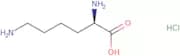
CAS:<p>D-Lysine HCl is an amino acid that is used as a dietary supplement for the treatment of L-lysine deficiency. It is a precursor to protein synthesis and has been shown to have an inhibitory effect on neuronal function. D-Lysine HCl can be synthesized from lysine by hydrolysis with hydrochloric acid in the presence of piperazine. This reaction produces dibenzoate and d-piperazine, which are then reacted with l-tartaric acid to form the final product. D-Lysine HCl is usually purified from this mixture by gel chromatography or ion exchange chromatography.</p>Formula:C6H14N2O2·HClColor and Shape:White PowderMolecular weight:182.65 g/mol2',6'-Dimethoxy-β-methyl-β-nitrostyrene
CAS:<p>2',6'-Dimethoxy-beta-methyl-beta-nitrostyrene is a chemical building block that is useful for the synthesis of complex organic molecules. It is an intermediate in the manufacture of pharmaceuticals, pesticides and dyes. 2',6'-Dimethoxy-beta-methyl-beta-nitrostyrene is an important component in the production of research chemicals and speciality chemicals. The compound has been assigned CAS number 78904-44-6.</p>Formula:C11H13NO4Purity:Min. 95%Molecular weight:223.23 g/mol6-Fluoro-5-Methyl-2-[(5-Methyl-1H-Imidazol-4-Yl)Methyl]-2,3,4,5-Tetrahydro-1H-Pyrido[4,3-b]Indol-1-One
CAS:Controlled Product<p>6-Fluoro-5-Methyl-2-[(5-Methyl-1H-Imidazol-4-Yl)Methyl]-2,3,4,5-Tetrahydro-1H-Pyrido[4,3-b]Indol-1-One is a drug that belongs to the class of fatty acid esters. It has been shown to be effective in clinical trials for the treatment of symptoms of dry eye syndrome. 6FMETI has a low safety profile and does not cause any adverse effects in humans. The drug can be administered by intravenous injection or oral administration and has a long elimination half life of 36 hours. 6FMETI is metabolized by hydrolysis to its active form, 5FMTI, which is then conjugated with glucuronic acid or methyl glutaryl coenzyme A to form an inactive metabolite. This drug also has good pharmacokinetic properties</p>Formula:C17H17FN4OPurity:Min. 95%Molecular weight:312.34 g/molS-(3-Hydroxypropyl)-L-cysteine
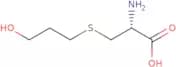
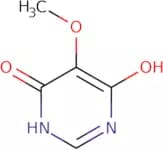
CAS:<p>S-(3-Hydroxypropyl)-L-cysteine is a fatty acid that belongs to the group of fudosteine. It is an endogenous amino acid and has been shown to stimulate the growth of epidermal cells in culture. S-(3-Hydroxypropyl)-L-cysteine has also been shown to have anti-inflammatory effects in rat neutrophils, although it is not yet clear how this occurs. S-(3-Hydroxypropyl)-L-cysteine has not been associated with any toxic effects in animals or humans, but should be used with caution as there are no toxicity studies available.</p>Formula:C6H13NO3SPurity:Min. 95%Molecular weight:179.24 g/mol4,6-Dihydroxy-5-methoxypyrimidine
CAS:<p>4,6-Dihydroxy-5-methoxypyrimidine is a white crystalline solid. It is soluble in alkali, acid ethyl, and alcohol. This compound can be used as a solvent for organic substances and has been shown to methylate phosphorus oxychloride. 4,6-Dihydroxy-5-methoxypyrimidine is also used in the synthesis of nucleosides.</p>Formula:C5H6N2O3Purity:Min. 95%Molecular weight:142.11 g/mol5-Acetamido-6-amino-3-methyluracil hydrate
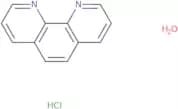
CAS:<p>5-Acetamido-6-amino-3-methyluracil hydrate (AAU) is a drug that is used as an analytical reagent in the determination of caffeine, 5-hydroxytryptophan, and other compounds. It can be used to assess interactions between drugs and enzyme activities. AAU has been shown to be a suitable substrate for many enzymes, including alcohol dehydrogenase, acetylcholinesterase, catalase, and glucose oxidase. The sample preparation procedure is performed by dissolving the compound in water or ethanol. The sample is then filtered before it is analyzed using high performance liquid chromatography (HPLC). The chemical properties of AAU are such that it can be easily transported from one place to another without undergoing significant changes in physical properties. AAU has been shown to have no effect on biological samples when exposed to radiation.</p>Formula:C7H10N4O3·H2OPurity:Min. 95%Color and Shape:Slightly Yellow PowderMolecular weight:216.2 g/molo-Phenanthroline monohydrochloride monohydrate
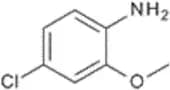
CAS:<p>o-Phenanthroline monohydrochloride monohydrate is a ligand that is used in crystallography to study the crystal structure of metal ions. It has been shown to be an efficient catalyst for the ring-opening of chloroformates, and can also be used as an analytical reagent that is capable of detecting chlorine in organic compounds. The hydrate form of o-phenanthroline monohydrochloride has a molecular formula of C12H14ClN3O4·2H2O and a molecular weight of 392.7 g/mol.</p>Formula:C12H8N2·HCl·H2OColor and Shape:PowderMolecular weight:234.68 g/mol4-Chloro-2-methoxyaniline
CAS:<p>4-Chloro-2-methoxyaniline is an organic compound with the chemical formula CHClNO. It is a colorless liquid that smells like benzene. 4-Chloro-2-methoxyaniline reacts with diazonium salt to produce a red-orange dye and is used to create other azo compounds. It also reacts with anionic substances and can be used in fibre production. 4-Chloro-2-methoxyaniline has been shown to have fungicidal properties, which may be due to its ability to oxidize the fungal cell membrane.</p>Formula:C7H8ClNOPurity:Min. 98 Area-%Molecular weight:157.6 g/mol2-[4-(4-Chloro-a-phenylbenzyl)-1-piperazinyl]-ethoxyacetic acid hydrochloride
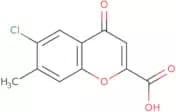
CAS:<p>2-[4-(4-Chloro-a-phenylbenzyl)-1-piperazinyl]-ethoxyacetic acid hydrochloride is a chemical compound that has been used to investigate the possible neuroprotective effects of cetirizine, an antihistamine. This drug was developed as a prodrug of cetirizine, which is converted in vivo to its active form. The main mechanism of action for this drug is inhibition of histamine release from mast cells and basophils by blocking H1 receptors. 2-[4-(4-Chloro-a-phenylbenzyl)-1-piperazinyl]-ethoxyacetic acid hydrochloride has also been shown to have beneficial effects on allergic symptoms and bowel disease in experimental models and clinical properties.</p>Formula:C21H25ClN2O3·HClPurity:Min. 95%Color and Shape:PowderMolecular weight:425.35 g/mol6-Chloro-7-methylchromone-2-carboxylic acid
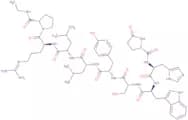
CAS:<p>6-Chloro-7-methylchromone-2-carboxylic acid is a fine chemical that has been used as a versatile building block for the synthesis of complex compounds. It has been shown to be an effective reaction component in the synthesis of 1,4-benzoquinones and N'-acylhydrazones. 6-Chloro-7-methylchromone-2-carboxylic acid is also a useful intermediate in the preparation of other chemicals, such as pharmaceuticals and pesticides. This compound can be used as an additive to improve the quality of high purity reagents.</p>Formula:C11H7ClO4Purity:Min. 95%Molecular weight:238.62 g/mol(Des-Gly10,D-Ser4,D-Leu6,Pro-NHEt 9)-LHRH trifluoroacetate
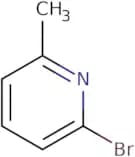
CAS:<p>Please enquire for more information about (Des-Gly10,D-Ser4,D-Leu6,Pro-NHEt 9)-LHRH trifluoroacetate including the price, delivery time and more detailed product information at the technical inquiry form on this page</p>Formula:C59H84N16O12•(C2HF3O2)xPurity:Min. 98 Area-%Color and Shape:PowderMolecular weight:1,209.4 g/mol2-Bromo-6-methylpyridine
CAS:<p>2-Bromo-6-methylpyridine (2BMPy) is an organic compound that belongs to the group of pyridinium halides. It is soluble in common solvents such as water, ethanol, and acetone. 2BMPy has been shown to act as a glutamate receptor antagonist and has been used in the study of glutamate receptors, including their subtypes. This chemical has also been shown to have antioxidant properties and can be used in the prevention of atherosclerosis.</p>Formula:C6H6BrNPurity:Min. 95%Color and Shape:Clear LiquidMolecular weight:172.02 g/molFmoc-Thr(tBu)-Thr(Psi(Me,Me)pro)-OH
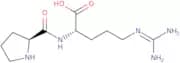
CAS:<p>Fmoc-Thr(tBu)-Thr(Psi(Me, Me)pro)-OH is a versatile building block that can be used as a starting material for the synthesis of a wide range of compounds. It is often used as an intermediate in organic chemistry reactions and can be converted to a variety of other compounds with different functional groups. This compound has been shown to be useful in the production of pharmaceuticals and research chemicals. Fmoc-Thr(tBu)-Thr(Psi(Me, Me)pro)-OH is also important for generating high-quality chemical products, such as speciality chemicals and reagents that are difficult to synthesize. The CAS number for this compound is 1676104-73-6.</p>Formula:C30H38N2O7Purity:Min. 98 Area-%Color and Shape:PowderMolecular weight:538.63 g/molH-Pro-Arg-OH acetate salt
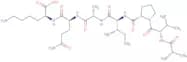
CAS:<p>H-Pro-Arg-OH acetate salt is a synthetic, antioxidative molecule that has been shown to lower blood pressure in animals. It is also an effective inhibitor of the oxidation of diploid cells and has been shown to be safe for long-term use. H-Pro-Arg-OH acetate salt is used as a structural probe for studies on the binding of fibrinogen to plasminogen. This compound has also been shown to reduce protamine's ability to inhibit fibrinolysis, which may lead to improved blood clotting times.</p>Formula:C11H21N5O3Purity:Min. 95%Color and Shape:PowderMolecular weight:271.32 g/molSmac-N7 Peptide trifluoroacetate salt
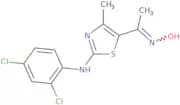
CAS:<p>Smac-N7 is a peptide that binds to the mitochondrial pathway of apoptosis and inhibits the activation of caspase-3. This peptide has been shown to inhibit the death ligand, which would normally trigger the release of cytochrome c from mitochondria and activate other caspases. In addition, Smac-N7 has been shown to induce cleavage activity in cells. It also prevents the protein survivin from binding to cellular receptors, which may be responsible for its ability to inhibit cell proliferation.</p>Formula:C33H59N9O9Purity:Min. 95%Molecular weight:725.88 g/mol(2,4-dichlorophenyl)(3-((hydroxyimino)ethyl)-4-methyl(2,5-thiazolyl))amine
CAS:<p>Please enquire for more information about (2,4-dichlorophenyl)(3-((hydroxyimino)ethyl)-4-methyl(2,5-thiazolyl))amine including the price, delivery time and more detailed product information at the technical inquiry form on this page</p>Purity:Min. 95%Boc-Leu-OH monohydrate
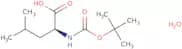
CAS:<p>Boc-Leu-OH monohydrate is a thrombin receptor inhibitor that is used as an antithrombotic agent. It has been shown to inhibit the activity of nucleoside phosphorylase, which converts nucleosides into their corresponding nucleotides. Boc-Leu-OH monohydrate has also been found to be stable in acidic environments. The chemical stability of this molecule can be attributed to its structure and modification with 3-mercaptopropionic acid. This compound has been shown to have anti-inflammatory properties by inhibiting prostaglandin synthesis by inhibiting the conversion of glutamic acid into prostaglandins.</p>Formula:C11H21NO4·H2OPurity:Min. 98 Area-%Color and Shape:White Off-White PowderMolecular weight:249.3 g/molD,L-Cystathionine
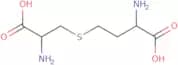
CAS:<p>Cystathionine is a sulfur-containing amino acid that is the precursor of cysteine. Cystathionine synthase, the enzyme that catalyzes the formation of cystathionine, is inhibited by L-cysteine and glutathione. Cystathionine has been shown to be an important growth factor for fibroblasts and osteoblasts in culture as well as a regulator of gene expression. It also has been shown to be essential for iron homeostasis, as it increases iron absorption from the gut and reduces iron excretion in bile. Cystathionine is a highly reactive molecule with a high redox potential and can cause oxidative injury to cells, which may contribute to bowel disease. Cystathionine has been shown to have receptor activity in neurons, and its physiological effects are similar to those of glutamate.</p>Formula:C7H14N2O4SPurity:Min. 95%Color and Shape:PowderMolecular weight:222.26 g/mol4-Methoxybenzenecarbothioamide
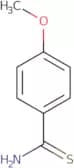
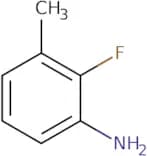
CAS:<p>4-Methoxybenzenecarbothioamide is a urea nitrogen analogue that inhibits the synthesis of urea and other nitrogenous compounds. It is an inhibitor of the enzyme pyruvic transaminase, which converts pyruvate to alanine. The drug is also an inhibitor of the enzyme lactam synthetase, which catalyzes the formation of lactams from amino acids. This activity results in decreased production of cancer cells and renal toxicity. 4-Methoxybenzenecarbothioamide has been shown to have anticancer activity in vitro against a number of human cancer cell lines, including A549 lung carcinoma cells and MCF-7 breast cancer cells.</p>Formula:C8H9NOSPurity:Min. 98 Area-%Color and Shape:Off-White Yellow PowderMolecular weight:167.23 g/mol2-Fluoro-3-methylaniline
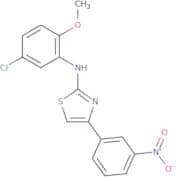
CAS:<p>2-Fluoro-3-methylaniline is a reactive, biomolecular, research chemical that belongs to the class of allosteric modulators. It has been shown to have muscarinic M1 receptor antagonist activity and can be used as a pharmacophore for the development of cholinergic drugs. 2-Fluoro-3-methylaniline also has carbonylation and formylation properties. It forms 1-bromo-2-iodobenzene through reductive amination with benzyne. This reaction is both intramolecular and allosteric, thus making it a useful tool for studying these types of reactions.</p>Formula:C7H8FNPurity:Min. 95%Color and Shape:Clear LiquidMolecular weight:125.14 g/mol(5-Chloro-2-methoxyphenyl)(4-(3-nitrophenyl)(2,5-thiazolyl))amine
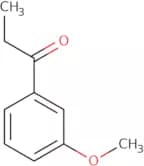
CAS:<p>Please enquire for more information about (5-Chloro-2-methoxyphenyl)(4-(3-nitrophenyl)(2,5-thiazolyl))amine including the price, delivery time and more detailed product information at the technical inquiry form on this page</p>Purity:Min. 95%3'-Methoxypropiophenone
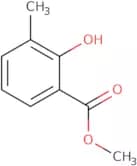
CAS:<p>3'-Methoxypropiophenone is an acylating agent that is used in the synthesis of racemic and optically active phenylacetic acids. It can be prepared by the reaction of ketones with methoxypropiolic acid, which is catalyzed by a base such as sodium ethoxide. 3'-Methoxypropiophenone also has been shown to undergo transformation reactions with hydrogenolysis and salt formation. The deprotection step involves removal of a protective group such as dimethylamine or diastereomer.</p>Formula:C10H12O2Purity:Min. 95%Color and Shape:PowderMolecular weight:164.2 g/molMethyl 3-methylsalicylate
CAS:<p>Methyl 3-methylsalicylate is a member of the class of organic compounds known as phenols. It has a molecular formula of C6H5OCH3 and a molecular weight of 126.08 g/mol. The compound possesses three methoxy groups, two hydroxyl groups, and one methyl group. Methyl 3-methylsalicylate is used in dyestuffs and as an intermediate in the synthesis of pyrazole derivatives. Methyl 3-methylsalicylate has been shown to induce behavioral responses in model organisms such as honeybees and ants, which may be due to its ability to affect their cuticular hydrocarbons.</p>Formula:C9H10O3Purity:Min. 95%Color and Shape:Colorless PowderMolecular weight:166.17 g/mol2,5-Dimethoxy-N-[(2-methoxyphenyl)methyl]-4-(trifluoromethyl)benzeneethanamine
CAS:Controlled Product<p>2,5-Dimethoxy-N-[(2-methoxyphenyl)methyl]-4-(trifluoromethyl)benzeneethanamine is a synthetic drug that belongs to the group of psychotropic drugs. It has been shown to cause death in rats, which is likely due to its ability to inhibit serotonin uptake by neurons. 2,5-Dimethoxy-N-[(2-methoxyphenyl)methyl]-4-(trifluoromethyl)benzeneethanamine also inhibits the enzyme monoamine oxidase and prevents the breakdown of monoamines such as serotonin. This drug has been shown to have both stimulant and depressant properties. 2,5-Dimethoxy-N-[(2-methoxyphenyl)methyl]-4-(trifluoromethyl)benzeneethanamine can be quantified in human blood samples using liquid chromatography with a</p>Formula:C19H22F3NO3Purity:Min. 95%Molecular weight:369.38 g/mol2-acetyl-N-phenyl-3-((3-(trifluoromethyl)phenyl)amino)prop-2-enamide
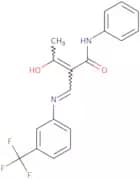
CAS:<p>Please enquire for more information about 2-acetyl-N-phenyl-3-((3-(trifluoromethyl)phenyl)amino)prop-2-enamide including the price, delivery time and more detailed product information at the technical inquiry form on this page</p>Formula:C18H15F3N2O2Purity:Min. 95%Color and Shape:PowderMolecular weight:348.32 g/mol1-Methyl-1,4-dihydronicotinamide
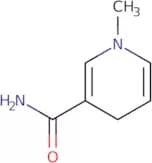
CAS:<p>1-Methyl-1,4-dihydronicotinamide (1MDNA) is a flavine adenine dinucleotide analog that has been shown to be a potent inhibitor of the enzyme catalase. 1MDNA binds to the active site of the enzyme and prevents hydrogen peroxide from being converted into water and oxygen. This inhibition slows down or stops the reaction, which leads to reduced production of reactive oxygen species. 1MDNA inhibits other enzymes in a similar manner, including transferases and kinases. The kinetic properties of 1MDNA have been studied by performing kinetic studies on model systems at different temperatures. X-ray crystal structures have also been obtained for 1MDNA bound to catalase and ferredoxin.</p>Formula:C7H10N2OPurity:Min. 95%Color and Shape:PowderMolecular weight:138.17 g/molN-(2-Indol-3-ylethyl)(4-methylphenyl)formamide
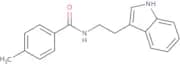
CAS:<p>Please enquire for more information about N-(2-Indol-3-ylethyl)(4-methylphenyl)formamide including the price, delivery time and more detailed product information at the technical inquiry form on this page</p>Formula:C18H18N2OPurity:Min. 95%Color and Shape:PowderMolecular weight:278.35 g/mol(R)-2-((4-Aminophenethyl)amino)-1-phenylethanol hydrochloride
CAS:<p>Intermediate in the synthesis of mirabegron</p>Formula:C16H20N2O·HClPurity:Min. 95%Color and Shape:PowderMolecular weight:292.8 g/mol

![2-[(2-Carboxyphenyl)amino]-3-methoxybenzoic acid](/_next/image/?url=https%3A%2Fstatic.cymitquimica.com%2Fproducts%2F3D%2Fthumb-webp%2FFC19799.webp&w=3840&q=75)
![(S)-2,3,5,6-Tetrahydro-6-phenylimidazo[2,1-b]thiazole](/_next/image/?url=https%3A%2Fstatic.cymitquimica.com%2Fproducts%2F3D%2Fthumb-webp%2FFL138922.webp&w=3840&q=75)


![6-Fluoro-5-Methyl-2-[(5-Methyl-1H-Imidazol-4-Yl)Methyl]-2,3,4,5-Tetrahydro-1H-Pyrido[4,3-b]Indol-1…](/_next/image/?url=https%3A%2Fstatic.cymitquimica.com%2Fproducts%2F3D%2Fthumb-webp%2FFF102588.webp&w=3840&q=75)

![2-[4-(4-Chloro-a-phenylbenzyl)-1-piperazinyl]-ethoxyacetic acid hydrochloride](/_next/image/?url=https%3A%2Fstatic.cymitquimica.com%2Fproducts%2F3D%2Fthumb-webp%2FFC33467.webp&w=3840&q=75)

![2,5-Dimethoxy-N-[(2-methoxyphenyl)methyl]-4-(trifluoromethyl)benzeneethanamine](/_next/image/?url=https%3A%2Fstatic.cymitquimica.com%2Fproducts%2F3D%2Fthumb-webp%2FFD100429.webp&w=3840&q=75)