Amino Acids (AA)
Subcategories of "Amino Acids (AA)"
- Amino Acid Derivatives(3,999 products)
- Amino Acid and Amino Acid Related Compounds(3,487 products)
- Amino Acids with Oxygen or Sulphur(168 products)
- Boc- Amino Acids(351 products)
- Fmoc Amino Acids(1,710 products)
Found 38352 products of "Amino Acids (AA)"
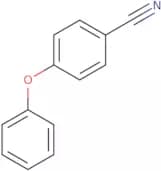
4-Phenoxybenzonitrile
CAS:4-Phenoxybenzonitrile is a synthetic, electron deficient amide that has been shown to react with various halides in vitro. 4-Phenoxybenzonitrile is stable in the presence of copper oxide and can be recycled. It also reacts with fatty acid and monoacylglycerol, which are drug targets for the prevention of hyperlipidemia. In vitro studies have shown that 4-phenoxybenzonitrile potently inhibits potassium phosphate uptake by cells. The reaction mechanism for this inhibition is not known, but it may involve a palladium-catalyzed coupling.
Formula:C13H9NOPurity:Min. 95%Color and Shape:PowderMolecular weight:195.22 g/molPoly-L-glutamic acid sodium, MW 50,000-100,000
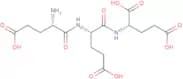
CAS:Poly-L-glutamic acid sodium, MW 50,000-100,000 is a treatment agent that belongs to the group of oligopeptides. It is a low-dose therapeutic agent for the treatment of hair loss and alopecia. The amino acid sequence of this product has been shown to be similar to that of methionine and contains carboxyl groups. Poly-L-glutamic acid sodium, MW 50,000-100,000 is formed by the deprotonation and protonation of amino groups and carboxyl groups in an acidic environment.Formula:(C5H9NO4)x•NaxPurity:Min. 95%Color and Shape:PowderFmoc-L-alanine pentafluorophenyl ester
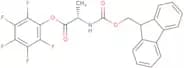
CAS:Fmoc-L-alanine pentafluorophenyl ester is a drug that inhibits the growth of microorganisms by inhibiting the synthesis of folic acid. It is used to treat patients with drug-resistant bacteria, such as Mycobacterium tuberculosis, and has shown toxic effects on human cells. Fmoc-L-alanine pentafluorophenyl ester binds to the enzyme dihydrofolate reductase and blocks the production of tetrahydrofolate, which is essential for DNA synthesis. This drug also inhibits human cells by binding to DNA gyrase in the bacterial cell wall.END>Formula:C24H16F5NO4Purity:Min. 95%Color and Shape:PowderMolecular weight:477.38 g/molZ-O-4-Toluenesulfonyl-L-serine methyl ester
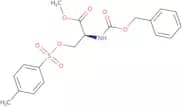
CAS:Z-O-4-Toluenesulfonyl-L-serine methyl ester is a new chemical substance that has been synthesized as a potential pharmaceutical formulation. It has been shown to have protective effects against ischemia reperfusion injury in rats, reducing the damage to muscle and other tissues caused by ischemia reperfusion. The mechanism of action may be due to glyceride release and creatine production, which can maintain perfusion during periods of ischemia. Z-O-4-Toluenesulfonyl-L-serine methyl ester has also been shown to be effective in preventing damage to platelets during induction of ischemia.Formula:C19H21NO7SPurity:Min. 95%Color and Shape:PowderMolecular weight:407.44 g/molApelin-17 trifluoroacetate
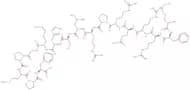
CAS:Apelin-17 trifluoroacetate is a reaction component, reagent and useful scaffold for the synthesis of complex compounds. It is a high quality, research chemical that is used in the synthesis of fine chemicals. Apelin-17 trifluoroacetate has versatile building block and can be used as a useful intermediate or as a speciality chemical. It also has high reactivity and is soluble in organic solvents.
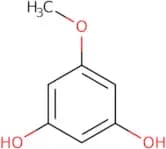
Formula:C96H156N34O20S•C2HF3O2Purity:Min. 95%Color and Shape:PowderMolecular weight:2,252.57 g/mol5-Methoxyresorcinol
CAS:5-Methoxyresorcinol is a plant product that has been shown to inhibit protein synthesis. It was found to have a second-order rate constant of 0.079 M-1s-1 at pH 7, which is much lower than the first order rate constant for urea hydrolysis (0.71 M-1s-1). 5-Methoxyresorcinol has also been shown to demethylate methyl glycosides and synthesize cell cultures. This product inhibits the replication of herpes simplex virus by inhibiting the synthesis of viral proteins in infected cells and blocking the maturation of progeny virus particles.
Formula:C7H8O3Purity:Min. 95%Color and Shape:Slightly Yellow PowderMolecular weight:140.14 g/molDL-Proline
CAS:A useful as an intermediate in the synthesis of peptides, proteins, and other organic molecules. It can be used as a reagent or as an additive to other chemicals.Formula:C5H9NO2Purity:Min. 99 Area-%Molecular weight:115.13 g/mol2-(2-(2-Chloro-3-(2-(1,3 ,3-trimethylindolin-2-ylidene)ethylidene)cyclopent-1-enyl)vinyl)-1,3 ,3-trimethyl-3H-indolium4-methylbenzenesulfonate
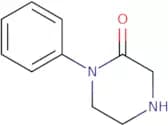
CAS:2-(2-(2-Chloro-3-(2-(1,3,3-trimethylindolin-2-ylidene)ethylidene)cyclopent-1-enyl)vinyl)-1,3,3-trimethyl-3H-indolium4-methylbenzenesulfonate is a fine chemical that belongs to the class of indole derivatives. It is a versatile building block for the synthesis of various compounds. 2-(2-(2-Chloro-3-(2-(1,3,3-trimethylindolin-2-ylidene)ethylidene)cyclopent-1 -enyl)vinyl)-1,3,3 -trimethyl - 3H - indolium4 - methylbenzenesulfonate can be used in the synthesis of organic compounds and other heterocyclic compounds. This compound can also be used as a reagent or specialFormula:C38H41ClN2O3SPurity:Min. 98 Area-%Color and Shape:PowderMolecular weight:641.26 g/mol1-Phenyl-piperazin-2-one
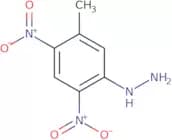
CAS:1-Phenyl-piperazin-2-one is a versatile chemical that can be used as a building block in the synthesis of complex compounds. This compound is also used as a reagent and speciality chemical. It is an important intermediate in organic synthesis and has been used in the preparation of pharmaceuticals, pesticides, and herbicides. 1-Phenyl-piperazin-2-one can be prepared by reacting phenylacetonitrile with nitrous acid to form the nitrile followed by hydrolysis to produce the corresponding carboxylic acid.Formula:C10H12N2OPurity:Min. 95%Color and Shape:PowderMolecular weight:176.22 g/mol2,4-Dinitro-5-methylphenylhydrazine
CAS:2,4-Dinitro-5-methylphenylhydrazine (DMN) is a fine chemical that is used as a versatile building block in the synthesis of complex compounds. It can be used to synthesize high quality reagents and reaction components for research purposes. DMN has been shown to have a number of properties that make it useful in industrial processes, including its stability and resistance to heat and light.
Formula:C7H8N4O4Purity:Min. 95%Color and Shape:PowderMolecular weight:212.16 g/molN-[6-Chloro-5-(2-methoxyphenoxy)-(2,2-bipyrimidine)4-4-yl]-(1,1-dimethylethyl)-benzenesulfonamide
CAS:N-[6-Chloro-5-(2-methoxyphenoxy)-(2,2-bipyrimidine)4-4-yl]-(1,1-dimethylethyl)-benzenesulfonamide is a reagent that can be used as a reaction component in the synthesis of complex compounds. It has high quality and is a versatile building block for the synthesis of speciality chemicals. N-[6-Chloro-5-(2-methoxyphenoxy)-(2,2-bipyrimidine)4-4-yl]-(1,1-dimethylethyl)-benzenesulfonamide is also a useful intermediate in the synthesis of fine chemicals.
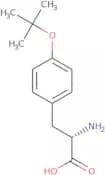
Formula:C25H24ClN5O4SPurity:Min. 95%Color and Shape:White PowderMolecular weight:526.01 g/molO-tert-Butyl-L-tyrosine
CAS:O-tert-Butyl-L-tyrosine is a biostable, low molecular weight, hydrophobic, and diffraction active compound. It can be used as a solvent for chiral and non-chiral compounds. O-tert-Butyl-L-tyrosine has been shown to have biological function in the synthesis of peptides, proteins, and amides. This compound also has an effect on gelation and is often used in organic solvents.
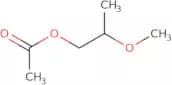
Formula:C13H19NO3Purity:Min. 95%Color and Shape:SolidMolecular weight:237.29 g/mol2-Methoxypropyl acetate
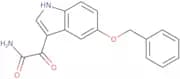
CAS:2-Methoxypropyl acetate is a cross-linking agent that is used in water treatment. It is used as an additive to deionized water and can be found in high concentrations in wastewater. 2-Methoxypropyl acetate reacts with xylene to produce light emission, which makes it suitable for use as a chemical marker. The optimum dose of 2-methoxypropyl acetate ranges from 0.025% to 0.2%. 2-Methoxypropyl acetate has been shown to be toxic when injected into rats at doses of 100 mg/kg body weight, but not at doses of 25 mg/kg body weight or less. This compound was also shown to cause protrusion and necrosis of the nasal septum in rats after administration at doses of 500 mg/kg body weight.Formula:C6H12O3Purity:Min. 95%Color and Shape:Colourless LiquidMolecular weight:132.16 g/mol5-Benzyloxyindole-3-glyoxylamide
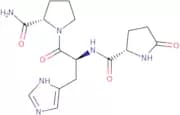
CAS:5-Benzyloxyindole-3-glyoxylamide is a versatile building block that can be used in the synthesis of complex compounds. It has been shown to have a high quality and is useful as a reagent for research purposes. 5-Benzyloxyindole-3-glyoxylamide can be used as a reaction component and is useful as an intermediate in organic synthesis. 5BIGA has CAS number 22424-62-0 and is also known as 3-(benzyloxy)-5-(2,2,2-trifluoroethoxy)indole glyoxamide.Formula:C17H14N2O3Purity:Min. 95%Molecular weight:294.3 g/molL-Pyroglutamyl-L-histidyl-L-prolinamide
CAS:L-Pyroglutamyl-L-histidyl-L-prolinamide (PGC) is a pyrrolidine that is used for the treatment of neurologic disorders. It has been shown to be effective in treating depression and a number of other neurologic disorders, including Parkinson's disease, Alzheimer's disease, and epilepsy. PGC has also been shown to have an antidepressant effect in women with depression who are pregnant or have recently given birth. In addition, it has been found to be clinically effective in the treatment of symptoms associated with Parkinson’s Disease. PGC is not absorbed into the bloodstream and must be injected directly into muscle tissue or fat cells in order to produce its therapeutic effects.Formula:C16H22N6O4Purity:Min. 95%Color and Shape:White PowderMolecular weight:362.38 g/mol2-Chloro-1-methylquinolinium tetrafluoroborate
CAS:2-Chloro-1-methylquinolinium tetrafluoroborate (2CQBF) is a synthetic compound that inhibits protein synthesis. It has been used as an analytical reagent for the determination of proteins, including those in urine samples. 2CQBF has been shown to be effective in the treatment of cancer and other diseases, such as lupus erythematosus, arthritis, and psoriasis.Formula:C10H9ClN•BF4Purity:Min. 95%Color and Shape:White PowderMolecular weight:265.44 g/molN-Glycidyl phthalimide
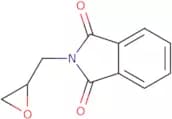
CAS:N-Glycidyl phthalimide is a dithiocarbamic compound that has been shown to inhibit blood coagulation. It is synthesized by the reaction of chloroacetic acid with phthalic anhydride and glycine, which leads to the formation of a homochiral product. N-Glycidyl phthalimide has been shown to be effective in vivo in animal models and has biological relevance, as it can be enzymatically hydrolyzed to form 5-hydroxytetrahydrofolate, which is necessary for DNA synthesis. The rate enhancement of this process may be due to the carbonyl group on the molecule, which interacts with enzymes such as carboxypeptidase A and cathepsin C.Formula:C11H9NO3Purity:Min. 95%Color and Shape:PowderMolecular weight:203.19 g/molN,O-Bis-acetyl-L-tyrosine
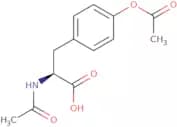
CAS:N,O-Bis-acetyl-L-tyrosine is a bioreversible acetylated amino acid that is synthesized from L-tyrosine. It can be used in the preparation of creatine kinase. N,O-Bis-acetyl-L-tyrosine has been shown to bind to the aromatic residues on creatine kinase and inhibit its activity. The acetylation of lysine residues may be reversible, but this process requires the presence of a hydroxyl group on the tyrosine residue. This reaction is catalyzed by a lysine residue on creatine kinase. Studies have shown that the kinetic properties of N,O-Bis-acetyl-L-tyrosine are similar to those of L-tyrosine and therefore it can be used as an alternative substrate for creatine biosynthesis.Formula:C13H15NO5Purity:Min. 98 Area-%Color and Shape:White PowderMolecular weight:265.26 g/molL-Leucine 4-nitroanilide
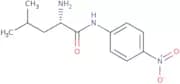
CAS:L-Leucine 4-nitroanilide serves as a substrate for the colorimetric determination of leucine aminopeptidase. The application of L-Leucine-p-nitroanilide includes its utilization as a substrate in studies assessing the intestinal leucine aminopeptidase activity of juvenile rainbow trout (Oncorhynchus mykiss). Additionally, it plays a role in insulin-regulated aminopeptidase inhibition assays and is employed to determine exopeptidase activity.Formula:C12H17N3O3Purity:(Titration) 99 To 101%Color and Shape:PowderMolecular weight:251.28 g/mol4-Methoxyphenylmagnesium bromide - 0.5M solution in THF
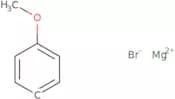
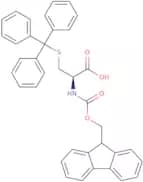
CAS:4-Methoxyphenylmagnesium bromide - 0.5M solution in THF is a cytotoxic agent that binds to the estrogen receptor, which is involved in breast cancer cell proliferation and differentiation. It is an azide that has been shown to react with hydrochloric acid to form an amide. This reaction may be stereoselective and involve dehydration of the amine group. The mechanism of this reaction involves the formation of a trifluoroacetic acid derivative, which undergoes unsaturated alkyl halogenation followed by chloride ion attack on the double bond. 4-Methoxyphenylmagnesium bromide - 0.5M solution in THF has been shown to inhibit the proliferation of human MCF-7 breast cancer cells, as well as other estrogen receptor modulators such as amines and trifluoroacetic acid.Formula:C7H7BrMgOPurity:Min. 95%Color and Shape:PowderMolecular weight:211.34 g/molFmoc-Cys(Trt)-OH
CAS:Fmoc-Cys(Trt)-OH is a cyclic peptide that has potent antitumor activity. It binds to albumin and inhibits protein synthesis, leading to cell death by inhibiting the production of proteins vital for cell division. Fmoc-Cys(Trt)-OH has been shown to be effective against cancer cells in vitro and in vivo. Fmoc-Cys(Trt)-OH also binds the plasma glucose, which may be due to its ability to impede insulin release from the pancreas. This compound is synthesized by a stepwise light-induced solid-phase synthesis with trifluoroacetic acid as a solvent.
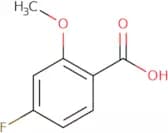
Formula:C37H31NO4SPurity:Min. 98 Area-%Color and Shape:White PowderMolecular weight:585.71 g/mol4-Fluoro-2-methoxybenzoic acid
CAS:4-Fluoro-2-methoxybenzoic acid is a versatile building block that is used in the synthesis of many complex compounds. It is a reagent, which means it can be used as an intermediate in the synthesis of other compounds. 4-Fluoro-2-methoxybenzoic acid is also a useful scaffold for the preparation of new chemical entities with specific pharmaceutical properties. The CAS number for this compound is 395-82-4.Formula:C8H7FO3Purity:Min. 95%Color and Shape:PowderMolecular weight:170.14 g/molEthyl [2-methyl-3-(chlorosulfonyl)phenoxy]acetate
CAS:Ethyl [2-methyl-3-(chlorosulfonyl)phenoxy]acetate is a fine chemical that has been used as a building block in the synthesis of other complex chemicals. It is also an intermediate for the production of pesticides and pharmaceuticals. The compound can be used to form more than one hundred different organic compounds, which makes it a versatile building block. It can be reacted with other chemicals to create new compounds, such as drugs or herbicides.Formula:C11H13ClO5SPurity:Min. 95 Area-%Color and Shape:PowderMolecular weight:292.74 g/molL-Glutamine
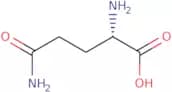
CAS:L-Glutamine is an amino acid that is important for protein synthesis and the maintenance of muscle mass. It is also a precursor for other compounds, such as nucleotides and glutathione, which are required for maintaining cell viability. L-Glutamine may be used to treat bowel diseases, such as Crohn's disease, by improving the function of the intestines and reducing intestinal permeability. It has been shown to decrease levels of oxidative injury in cells by acting as an antioxidant. L-Glutamine may also be used to help prevent or treat infectious diseases by increasing the activity of transcription activators that protect cells from oxidative injury. L-Glutamine can be administered intravenously or orally and can be used as a biocompatible polymer carrier for drugs that are difficult to administer due to their poor water solubility.
Formula:C5H10N2O3Purity:Min. 95%Color and Shape:White PowderMolecular weight:146.14 g/mol2-N-Methylaminoethyl chloride·HCl
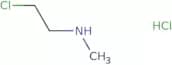
CAS:2-N-Methylaminoethyl chloride·HCl is a nitro compound that has been programmed to inhibit PD-1. It is an inhibitor of this protein, which is involved in the regulation of immune responses. Inhibition of PD-1 can lead to an increase in T cell function and proliferation, as well as the production of cytokines. 2-N-Methylaminoethyl chloride·HCl has been shown to be a potent inhibitor of PD-1 with a Ki value of 2 nM, and it inhibits PD-L1 at concentrations up to 10 μM. This drug also inhibits resorcinol at low concentrations (0.5 μM). It is a synthetic molecule that was generated for screening purposes and does not have any other known biological activity.
Formula:C3H8ClN·HClPurity:Min. 95%Color and Shape:PowderMolecular weight:130.02 g/mol4-Methylbenzamidine hydrochloride
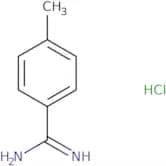
CAS:4-Methylbenzamidine hydrochloride is a synthetic molecule that has been shown to have anticancer activity. It is an efficient method for the preparation of modified chromenones, which are biomolecules with anticancer activity. 4-Methylbenzamidine hydrochloride can be used as a template molecule to synthesize biologically active molecules, such as etoposide, which is a synthetic anti-cancer drug. The hydroxyl group in 4-methylbenzamidine hydrochloride is nucleophilic and can undergo dehydrogenative reactions with various reagents. 4-Methylbenzamidine hydrochloride has been shown to inhibit the growth of cancer cells in vitro and in vivo. It inhibits the synthesis of DNA, RNA, and proteins by binding to the ribosomal RNA of cancer cells and preventing protein synthesis.Formula:C8H10N2·HClPurity:Min. 95%Color and Shape:PowderMolecular weight:170.64 g/mol3-Amino-4-methoxybenzanilide
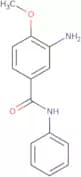
CAS:3-Amino-4-methoxybenzanilide is a white, crystalline solid that is soluble in organic solvents. It reacts with hydrochloric acid to form hydrogen chloride and 3-amino-4-methoxybenzoic acid. 3-Amino-4-methoxybenzanilide is used as an analytical reagent for determining the chloride content of various materials. The heat energy needed for the reaction to occur optimally is between 55 and 75 degrees Celsius. The optimal reaction system includes hydrochloric acid, an organic solvent, and diazonium salt activated by hydrogen chloride gas. The reaction time is 2 hours at room temperature and the analytical method used is titrimetric analysis using triticum aestivum as the particle.Formula:C14H14N2O2Purity:Min. 95%Color and Shape:PowderMolecular weight:242.27 g/mol2-Methylstyrene
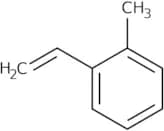
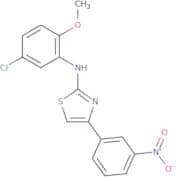
CAS:2-Methylstyrene is a synthetic compound that is used in the manufacture of various industrial chemicals and plastics. It is produced by the catalytic polymerization of styrene with sodium salts, calcium stearate, and sodium carbonate. 2-Methylstyrene can also be synthesized from chloroacetic acid and hydrogen chloride. This chemical has been shown to undergo cationic polymerization when it reacts with an amine or a hydroxyl group. 2-Methylstyrene is soluble in organic solvents such as benzene or chloroform. It has been used as a film-forming polymer in analytical chemistry due to its high volatility and low viscosity.Formula:C9H10Purity:Min. 95%Molecular weight:118.18 g/mol(5-Chloro-2-methoxyphenyl)(4-(3-nitrophenyl)(2,5-thiazolyl))amine
CAS:Please enquire for more information about (5-Chloro-2-methoxyphenyl)(4-(3-nitrophenyl)(2,5-thiazolyl))amine including the price, delivery time and more detailed product information at the technical inquiry form on this page
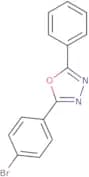
Purity:Min. 95%2-(4-Bromophenyl)-5-phenyl-1,3,4-oxadiazole
CAS:2-(4-Bromophenyl)-5-phenyl-1,3,4-oxadiazole is a fluorescent and x-ray active molecule. It is a cross-coupled compound that can be used in devices for photophysical applications such as fluorescence and x-ray detection. This compound has been shown to have efficiencies of up to 90% for the detection of excitation light at 295 nm. 2-(4-Bromophenyl)-5-phenyl-1,3,4-oxadiazole has also been used in the preparation of high performance liquid phase extraction columns with good results. The reaction time and irradiation are important factors when considering this molecule for use in photophysical applications.
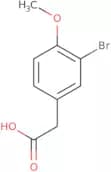
Formula:C14H9BrN2OPurity:Min. 95%Color and Shape:PowderMolecular weight:301.14 g/mol3-Bromo-4-methoxyphenylacetic acid
CAS:3-Bromo-4-methoxyphenylacetic acid is a benzyl ester of hydroxybenzoic acid. It is used as a synthetic precursor for the synthesis of curare and related compounds. 3-Bromo-4-methoxyphenylacetic acid was first synthesized in 1869 by German chemist Wilhelm Koenigs and has been widely used as a synthetic intermediate in organic chemistry. This compound can be prepared from bromobenzene, methoxybenzene, and acetic acid in the presence of dimethyl ether or nitrite. 3-Bromo-4-methoxyphenylacetic acid is also used to produce nitromethane, an alkylating agent that reacts with amines, alcohols, thiols, and sulfides to form N-substituted nitro compounds.
Formula:C9H9BrO3Purity:Min. 95%Color and Shape:PowderMolecular weight:245.07 g/mol1-Ethyl-3-methylimidazolium chloride
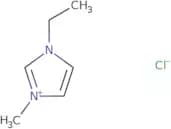
CAS:1-Ethyl-3-methylimidazolium chloride (EMIMCl) is a coordination complex that is acidic and soluble in water. It has transport properties and chemical stability, with a low redox potential of 0.161 V. EMIMCl can be used to produce ionic liquids that are stable and dissolve many organic molecules. EMIMCl has been shown to react with glycosidic bonds in cellulose to produce ionic cellulose, which can then be dissolved in the ionic liquid. The thermal expansion of EMIMCl is about 3.2 x 10^-6/°C at 300 K, while the thermal expansion coefficient for crystalline cellulose is about 9 x 10^-6/°C at 300 K.Formula:C6H11ClN2Purity:Min. 95%Color and Shape:PowderMolecular weight:146.62 g/mol1-Methyl-DL-tryptophan
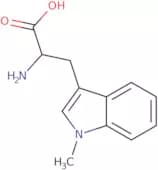
CAS:Controlled Product1-Methyl-DL-tryptophan is a chemical that inhibits the production of tumor necrosis factor (TNF) in mice with a tumor. The compound has been shown to be effective against infectious diseases, including HIV, by inhibiting the production of TNF and other cytokines. 1-Methyl-DL-tryptophan also has the ability to inhibit the activity of toll-like receptor 4 and toll-like receptor 5, which are important in inflammatory responses. 1-Methyl-DL-tryptophan is an indoleamine and may have anti-cancer properties due to its ability to inhibit polymerase chain reaction (PCR).Formula:C12H14N2O2Purity:Min. 95%Color and Shape:PowderMolecular weight:218.25 g/mol1,2-Dipalmitoyl-sn-glycero-3-phosphatidic acid sodium
CAS:1,2-Dipalmitoyl-sn-glycero-3-phosphatidic acid sodium (DPPA) is a drug substance that has been used in primary culture to study the cell membrane of hepatocytes. This compound is a phospholipid with a cavity at one end and contains two hydroxy groups that can be conjugated to other molecules. It has been shown to be effective against Hepatitis B virus and mesenchymal stromal cells. DPPA has also been used as an adjuvant for gadolinium contrast agents for magnetic resonance imaging. Gadolinium may bind to the hydroxy groups on DPPA, which increases its birefringence and brightness on MRI scans.Formula:C35H69Na2O8PPurity:Min. 98 Area-%Color and Shape:White PowderMolecular weight:694.87 g/mol3-Bromo-4-methoxycinnamic acid
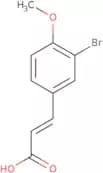
CAS:3-Bromo-4-methoxycinnamic acid is an organic compound that is used as a reagent, a useful scaffold, and a useful intermediate. It has been shown to be an excellent building block for the synthesis of complex compounds. 3-Bromo-4-methoxycinnamic acid can be used in the production of fine chemicals.
Formula:C10H9BrO3Purity:Min. 95%Color and Shape:PowderMolecular weight:257.08 g/mol5-Methyl-2-nitrobenzoic acid
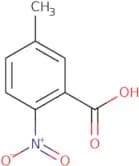
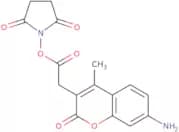
CAS:5-Methyl-2-nitrobenzoic acid is a nitro compound that has been shown to have potent cytotoxicity in vivo. 5-Methyl-2-nitrobenzoic acid inhibits the proliferation of cervical cancer cells in vitro, and induces apoptosis. The functional groups present on this molecule are nitro and methyl. The linear model used to describe the structure of 5-methyl-2-nitrobenzoic acid is an electron withdrawing group, which is why it has such potent cytotoxic effects. It also shows optical properties such as vibrational spectroscopy, which can be used to identify this moleculeFormula:C8H7NO4Purity:Min. 95%Color and Shape:PowderMolecular weight:181.15 g/mol7-Amino-4-methyl-3-coumarinacetic acid N-succinimidyl ester
CAS:7-Amino-4-methyl-3-coumarinacetic acid N-succinimidyl ester is a synthetic amino acid with a reactive carboxylic acid group. It is used as a crosslinker in biochemistry and has been shown to have biological properties in plants. 7-Amino-4-methyl-3-coumarinacetic acid N-succinimidyl ester reacts with the acidic groups of proteins, DNA, or RNA, and is an important component of some second order rate constants. This chemical is also used for the neutralization of histological stains such as haematoxylin.
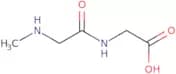
Formula:C16H14N2O6Purity:Min. 90 Area-%Color and Shape:PowderMolecular weight:330.29 g/molSar-Gly-OH
CAS:Sar-Gly-OH is a high quality, reagent chemical that is a useful intermediate in the production of complex compounds. It has CAS No. 38082-72-3 and can be used as a fine chemical, speciality chemical, or research chemical. Sar-Gly-OH is also a versatile building block that can be used in the production of many different types of compounds. It has been shown to be an important reaction component in the synthesis of several types of pharmaceuticals and other organic materials.Formula:C5H10N2O3Purity:Min. 95%Color and Shape:PowderMolecular weight:146.14 g/molBoc-4-hydroxymethyl-L-phenylalanine dicyclohexyl ammonium salt
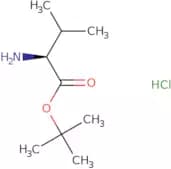
CAS:Controlled ProductBoc-4-Hydroxymethyl-L-Phenylalanine Dicyclohexyl Ammonium Salt is a versatile building block and intermediate for the synthesis of complex compounds. It is a useful reagent for research chemicals, speciality chemicals, and fine chemicals. This compound can be used as a high quality and useful scaffold in the synthesis of various types of pharmaceuticals.Formula:C27H44N2O5Purity:Min. 95%Color and Shape:PowderMolecular weight:476.65 g/molL-Valine tert-butyl ester hydrochloride
CAS:L-Valine tert-butyl ester hydrochloride is a chiral diastereomeric, stereocontrolled acid ester. This product is a kinetically controlled reaction of L-valine and toluene that produces a racemic mixture of the cis and trans isomers in the ratio of 1:1. The cis isomer has been shown to be more effective than the trans isomer as a peptidomimetic. This product also exhibits stereogenic properties when reacted with acid anhydrides.Formula:C9H19NO2·HClPurity:Min. 95%Color and Shape:PowderMolecular weight:209.71 g/molN-alpha-Benzoyl-L-arginine amide hydrochloride
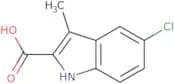
CAS:N-alpha-Benzoyl-L-arginine amide hydrochloride (BA) is a synthetic, noncompetitive inhibitor of phosphodiesterase. It has been shown to inhibit protease activity in vitro and rhizosphere enzyme activities in vivo. BA also inhibits the formation of hippuric acid from benzoic acid, which is a reaction catalyzed by the enzyme phosphatase. The kinetics of this inhibition have been studied using a number of different substrates and enzymes. BA binds to the catalytic site on the enzyme, sterically hindering binding of the substrate and preventing hydrolysis.Formula:C13H19N5O2·HClPurity:Min. 95%Color and Shape:PowderMolecular weight:313.78 g/mol5-Chloro-3-methyl-1H-indole-2-carboxylic acid
CAS:5-Chloro-3-methyl-1H-indole-2-carboxylic acid (5CMC) is a versatile building block and research chemical. It has been shown to be an effective intermediate for the synthesis of many complex compounds with interesting pharmacological properties. 5CMC is also used as a speciality chemical in the production of pharmaceuticals, agrochemicals, and other chemicals. The compound is a fine chemical that can be used in various research and industrial applications.
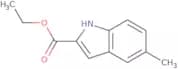
Formula:C10H8ClNO2Purity:Min. 95 Area-%Color and Shape:PowderMolecular weight:209.63 g/molEthyl 5-methylindole-2-carboxylate
CAS:Ethyl 5-methylindole-2-carboxylate is an antioxidant that is used as a reagent in the synthesis of other compounds. It has been shown to inhibit cancer cell growth in vitro via its ability to inhibit the metabolic activity of human hepatoma cells. Ethyl 5-methylindole-2-carboxylate has also been shown to have cytotoxic activity against human hepatoma cells in vitro, and may be a potential anticancer drug candidate.Formula:C12H13NO2Purity:Min. 95%Color and Shape:PowderMolecular weight:203.24 g/molL-Histidine monohydrochloride monohydrate
CAS:L-Histidine monohydrochloride monohydrate is a histidine derivative that is used in the treatment of chronic oral and bowel diseases. L-histidine has been shown to activate phospholipase A2, which releases arachidonic acid from phospholipids. Arachidonic acid then reacts with other molecules to form prostaglandins and leukotrienes. L-histidine also inhibits the release of tumor necrosis factor (TNF) by blocking the activity of lipoxygenase, or it can stimulate the production of prostaglandins and leukotrienes that suppress inflammation in animal models. L-histidine monohydrochloride monohydrate has been shown to have an anti-inflammatory effect in animals with inflammatory bowel disease due to its ability to inhibit the production of prostaglandin E2 (PGE2). This drug has also been shown to be capable of neutralizing acidic ph by forming a salt withFormula:C6H9N3O2·HCl·H2OColor and Shape:White PowderMolecular weight:209.63 g/molAc-Phe-Arg-AMC hydrochloride
CAS:Ac-Phe-Arg-AMC hydrochloride is a versatile building block that is used in the synthesis of complex compounds and research chemicals.
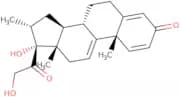
It is a fine chemical with CAS No. 177028-04-5. Ac-Phe-Arg-AMC hydrochloride is soluble in water, ethanol, and acetone, and insoluble in ether. This compound can be used as an intermediate for the synthesis of research chemicals with high quality or as a reagent. Ac-Phe-Arg-AMC hydrochloride can be used to produce a variety of useful scaffolds for medicinal chemistry or organic chemistry applications.Formula:C27H32N6O5·HClPurity:Min. 95 Area-%Color and Shape:PowderMolecular weight:557.04 g/mol16a-Methyl-9,11-dehydro prednisolone
CAS:Controlled ProductPrednisolone is a steroid hormone that has been used for the treatment of inflammatory bowel disease. It has been shown to be effective in the treatment of bowel diseases and is also used as a replacement therapy for adrenal insufficiency. Prednisolone has an excellent safety profile and does not cause insulin resistance or weight gain, unlike some other steroids. It can be used to treat inflammatory diseases such as rheumatoid arthritis and psoriasis. The anti-inflammatory properties of prednisolone are due to its ability to bind to the mineralocorticoid receptor, which prevents the binding of cortisol. This blocks the conversion of cholesterol into pregnenolone, which is required for the production of glucocorticoids and mineralocorticoids. 16a-Methyl-9,11-dehydro prednisolone (16D) is a metabolite that can be found in blood plasma after oral administration of prednisolone. 16D bindsFormula:C22H28O4Purity:Min. 97 Area-%Color and Shape:PowderMolecular weight:356.46 g/mol2,4,6-Trimethoxy-3-methylbenzaldehyde
CAS:2,4,6-Trimethoxy-3-methylbenzaldehyde is a flavanone that is structurally related to the drug ciprofloxacin. The two molecules share a common molecular framework with the addition of a hydroxyl group on the 2 position of the benzene ring. In molecular docking studies, 2,4,6-Trimethoxy-3-methylbenzaldehyde has shown antitubercular activity against Mycobacterium tuberculosis and Mycobacterium avium complex. It is also an inhibitor of protein tyrosine phosphatase and has been shown to have antibacterial activity against various strains of bacteria.Formula:C11H14O4Purity:Min. 95%Color and Shape:PowderMolecular weight:210.23 g/mol3-Amino-4-methylpyridine
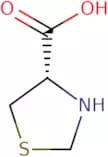
CAS:3-Amino-4-methylpyridine is a chemical compound that belongs to the group of organic compounds. It is used as an intermediate in the synthesis of podophyllotoxin, a cytotoxic agent that inhibits protein synthesis and cell division. 3-Amino-4-methylpyridine binds to mammalian cells with high affinity and inhibits protein synthesis by inhibiting the enzyme ribosomal protein S6 kinase. This compound also has an inhibitory effect on tofacitinib citrate, which is a drug used for treatment of rheumatoid arthritis. 3-Amino-4-methylpyridine has been shown to be effective against chloride ions in its reaction mechanism, making it suitable for use in organic synthesis.Formula:C6H8N2Purity:Min. 98 Area-%Color and Shape:PowderMolecular weight:108.14 g/molD-Thiaproline
CAS:D-Thiaproline is a pro-inflammatory cytokine that belongs to the group of tnf-α. It has been shown to have depressant activity on mitochondria and can be used as a sample preparation agent. D-Thiaproline has also been shown to inhibit the uptake of various neurotransmitters, such as serotonin and dopamine, in rat brain synaptosomes. This compound also has functional groups, such as hydroxyl, carboxyl, and amino acid groups, which are necessary for reactions with other molecules. D-Thiaproline is an isomer of L-thiaproline and can be differentiated from this form by its protonated amine group at pH 7.0 and by its zwitterionic nature.
Formula:C4H7NO2SPurity:Min. 95%Color and Shape:PowderMolecular weight:133.2 g/molL-Arginine a-ketoglutarate (1:1)
CAS:L-Arginine a-ketoglutarate (1:1) is a water soluble compound that is used as a precursor for the synthesis of polyamines. It is also an intermediate in the urea cycle and can be used to synthesize glutamate, glutamine, and argininosuccinic acid. L-Arginine a-ketoglutarate (1:1) has been shown to improve myocardial function and reduce infarct size in animal models. This drug has also been shown to augment neuroprotective properties of metoprolol succinate on cerebellar Purkinje neurons in vitro. The degradation of L-arginine a-ketoglutarate (1:1) by monoamine oxidase B produces hydrogen peroxide, which may be responsible for its cardioprotective effects.Formula:C6H14N4O2·C5H6O5Purity:Min. 95%Color and Shape:PowderMolecular weight:320.3 g/mol


![N-[6-Chloro-5-(2-methoxyphenoxy)-(2,2-bipyrimidine)4-4-yl]-(1,1-dimethylethyl)-benzenesulfonamide](/_next/image/?url=https%3A%2Fstatic.cymitquimica.com%2Fproducts%2F3D%2Fthumb-webp%2FFC20113.webp&w=3840&q=75)

![Ethyl [2-methyl-3-(chlorosulfonyl)phenoxy]acetate](/_next/image/?url=https%3A%2Fstatic.cymitquimica.com%2Fproducts%2F3D%2Fthumb-webp%2FFE22936.webp&w=3840&q=75)