Amino Acids (AA)
Amino acids (AAs) are the fundamental building blocks of proteins, playing a crucial role in various biological processes. These organic compounds are essential for protein synthesis, metabolic pathways, and cell signaling. In this category, you will find a comprehensive range of amino acids, including essential, non-essential, and modified forms, which are vital for research in biochemistry, molecular biology, and nutritional sciences. At CymitQuimica, we provide high-quality amino acids to support your research and development needs, ensuring accuracy and reliability in your experimental outcomes.
Subcategories of "Amino Acids (AA)"
- Amino Acid Derivatives(3,957 products)
- Amino Acid and Amino Acid Related Compounds(3,472 products)
- Amino Acids with Oxygen or Sulphur(168 products)
- Boc- Amino Acids(351 products)
- Fmoc Amino Acids(1,710 products)
Found 38265 products of "Amino Acids (AA)"
Sort by
Purity (%)
0
100
|
0
|
50
|
90
|
95
|
100
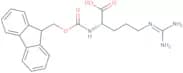
α-Fmoc-L-arginine
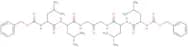
CAS:<p>Alfa-Fmoc-L-arginine is a synthetic amino acid that has been shown to have biological properties. It is also a precursor to the industrial preparation of polymers and pharmaceuticals. Alfa-Fmoc-L-arginine has been used in studies on heart function, as it can be converted into nitric oxide, which helps regulate blood pressure and circulation. This molecule has also been shown to have an anticancer activity. The anticancer activity may be due to its ability to inhibit the production of survivin, which is an inhibitor of apoptosis. Alfa-Fmoc-L-arginine also has acidic and nucleophilic attack properties that allow it to react with carbonyl oxygens in fatty acids. This reaction leads to the formation of a molecule with two carboxylic acids which are polar molecules that are soluble in water.</p>Formula:C21H24N4O4Purity:Min. 95%Color and Shape:SolidMolecular weight:396.44 g/mol1,3-Bis-(Z-Leu-Leu)-diaminoacetone
CAS:<p>1,3-Bis-(Z-Leu-Leu)-diaminoacetone is a synthetic diketone inhibitor, which is a formulation derived through specialized organic synthesis. It functions by targeting and inhibiting aspartic proteases, a class of enzymes that play critical roles in numerous biological processes, including protein degradation and processing. This compound's mechanism involves the reversible covalent modification of the enzyme's active site, leading to an obstruction of its catalytic function.</p>Formula:C43H64N6O9Purity:Min. 95%Color and Shape:PowderMolecular weight:809 g/molPoly-L-glutamic acid sodium, MW 50,000-100,000
CAS:<p>Poly-L-glutamic acid sodium, MW 50,000-100,000 is a treatment agent that belongs to the group of oligopeptides. It is a low-dose therapeutic agent for the treatment of hair loss and alopecia. The amino acid sequence of this product has been shown to be similar to that of methionine and contains carboxyl groups. Poly-L-glutamic acid sodium, MW 50,000-100,000 is formed by the deprotonation and protonation of amino groups and carboxyl groups in an acidic environment.</p>Formula:(C5H9NO4)x•NaxPurity:Min. 95%Color and Shape:PowderFmoc-4-amino-D-Phe(Boc)-4-amino-D-Phe(Boc)-OH
<p>Fmoc-4-amino-D-Phe(Boc)-4-amino-D-Phe(Boc)-OH is a high quality, versatile building block. It is a speciality chemical with CAS No. 614837-53-8 and can be used in research and development of new drugs. The compound has a wide range of applications in the pharmaceutical industry as it is an intermediate or reagent for peptide synthesis and also as a reaction component in the synthesis of complex compounds. Fmoc-4-amino-D-Phe(Boc)-4-amino-D-Phe(Boc)-OH is also used as a useful scaffold for the construction of novel biologically active molecules.</p>Formula:C43H48N4O9Purity:Min. 95%Color and Shape:White To Off-White SolidMolecular weight:764.86 g/mol1-Palmitoyl-2-ω-(2-Diazo-3,3,3-Trifluoropropionyloxy)Lauroyl-Sn-Glycero-3-Phosphocholine
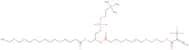
CAS:<p>1-Palmitoyl-2-omega-(2-Diazo-3,3,3-Trifluoropropionyloxy)Lauroyl-Sn-Glycero-3-Phosphocholine is a potential therapy for pulmonary fibrosis. It is an admixture of two phospholipids containing the fatty acid palmitic acid and omega-(2,3,3,3,-trifluoroethoxy)acetyl lauroylglycerophosphocholine. The molecule is activated by carbon monoxide (CO), which converts it to a form that can be taken up by cells. CO has been shown to inhibit the growth of cells in culture and in animal models of pulmonary fibrosis. Treatment with the molecule also inhibits production of galacturonic acid and oligosaccharides from lysophosphatidylethanolamine and its derivatives.</p>Formula:C39H71F3N3O10PPurity:Min. 95%Molecular weight:829.96 g/mol2'-Ethoxycarbonylmethoxy-4'-(3-methyl-2-butenyloxy)acetophenone
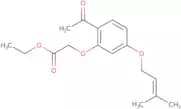
CAS:<p>2'-Ethoxycarbonylmethoxy-4'-(3-methyl-2-butenyloxy)acetophenone is a centrosymmetric molecule with a crystal structure. It has been shown to form dimers in the solid state.</p>Formula:C17H22O5Purity:Min. 95%Color and Shape:PowderMolecular weight:306.35 g/mol(3-(2,6-dichlorophenyl)-5-methylisoxazol-4-yl)-N-(2-indol-3-ylethyl)formamide
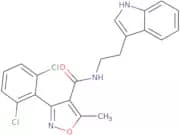
CAS:<p>Please enquire for more information about (3-(2,6-dichlorophenyl)-5-methylisoxazol-4-yl)-N-(2-indol-3-ylethyl)formamide including the price, delivery time and more detailed product information at the technical inquiry form on this page</p>Purity:Min. 95%Fmoc-4-amino-L-phenylalanine
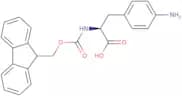
CAS:<p>Fmoc-4-amino-L-phenylalanine is a molecule with the amino acid, aminophenylalanine, that is used in devices to detect epithelial cells. It has been functionalized with a fluoro group and can be used as a fluorescent probe for the detection of epithelial cells. Fmoc-4-amino-L-phenylalanine can also be used to diagnose tumors and tumor cells by detecting their presence in urine samples. This peptide has been shown to have anti-tumor properties when it interacts with the tumor cell membrane, which may be due to its ability to inhibit protein synthesis and induce apoptosis.</p>Formula:C24H22N2O4Purity:Min. 97 Area-%Color and Shape:Off-White PowderMolecular weight:402.44 g/mol4-Methyldiphenylamine
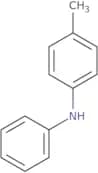
CAS:<p>4-Methyldiphenylamine is a polymerization inhibitor that can be used in the manufacture of polymers and paints. It has been shown to inhibit the polymerization of phenylenediamines, biphenyls, anilines, and other compounds. 4-Methyldiphenylamine is not soluble in water and must be dissolved in an organic solvent such as acetone or alcohol before use. This compound is also known for its ability to form complexes with aluminium ions and phosphotungstic acid. It reacts with chloride to form a yellow/brown solid that can be removed by filtration or decantation. The optimal reaction time ranges from 3 hours to 24 hours, depending on the substrate being used. Impurities may include chromatographic peaks at Rf 0.67, 0.59, and 0.50; these impurities can be removed by washing with deionized water or by using a different solvent system during chromatography. 4</p>Formula:C13H13NPurity:Min. 95%Molecular weight:183.25 g/molPoly[2-methoxy-5-(2-ethylhexyloxy)-1,4-phenylenevinylene - M.W. average 40,000-70,000
CAS:<p>Poly[2-methoxy-5-(2-ethylhexyloxy)-1,4-phenylenevinylene] is a polymeric material that is soluble in various organic solvents. It has a high refractive index and can be used as an optical filter or polarizer. Poly[2-methoxy-5-(2-ethylhexyloxy)-1,4-phenylenevinylene] particles are monodisperse with an average size of 40,000 to 70,000 daltons. This material has been shown to have excellent light absorption properties and can be made into nanoparticles for use in biomedical applications.</p>Formula:(C18H28O2)nPurity:Min. 95%Color and Shape:Powder1,3-Dimethoxy-2-methylimidazoliumbis(trifluoromethylsulfonyl)imide
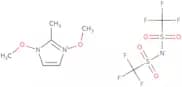
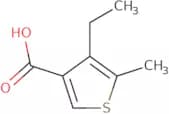
CAS:<p>Please enquire for more information about 1,3-Dimethoxy-2-methylimidazoliumbis(trifluoromethylsulfonyl)imide including the price, delivery time and more detailed product information at the technical inquiry form on this page</p>Formula:C8H11F6N3O6S2Purity:Min. 95%Color and Shape:PowderMolecular weight:423.31 g/mol4-Ethyl-5-methylthiophene-3-carboxylic acid
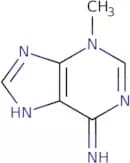
CAS:<p>4-Ethyl-5-methylthiophene-3-carboxylic acid is a chemical compound that can be used as an intermediate for the synthesis of other compounds. It is also a building block and a versatile building block in organic synthesis, with many applications in research and industry. This compound has a CAS number of 884497-34-1 and is classified as a speciality chemical.</p>Formula:C8H10O2SPurity:Min. 95%Color and Shape:PowderMolecular weight:170.23 g/mol3-Methyladenine
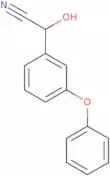
CAS:<p>3-Methyladenine is a glycosylase that cleaves the glycosidic bond between the 3rd and 4th carbon of the ribose ring of the nucleotide 3-methyladenine. It also has synergistic effects with other agents that induce autophagy, such as rapamycin, and increases the expression of a response element in mouse monoclonal antibody. 3-Methyladenine inhibits growth factor-β1 and neuronal death by inducing apoptosis in cells overexpressing nuclear DNA polymerase. This drug is also used to study apoptosis by using a model system.</p>Formula:C6H7N5Purity:Min. 90 Area-%Color and Shape:PowderMolecular weight:149.15 g/mol2-Hydroxy-2-(3-phenoxyphenyl)acetonitrile
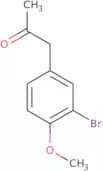
CAS:<p>2-Hydroxy-2-(3-phenoxyphenyl)acetonitrile is an organic compound that is synthesized by the reaction of 3-phenoxybenzaldehyde with nitrous acid in aqueous solution. This compound can be racemized by the enzyme lipase and esterified to form an ester linkage. 2-Hydroxy-2-(3-phenoxyphenyl)acetonitrile has been shown to exhibit insecticidal activity against various strains of bacteria, including Bacillus subtilis, Staphylococcus aureus, and Escherichia coli. 2HPA is a pyrethroid insecticide that has been shown to inhibit lipid synthesis by binding to phospholipids in the bacterial cell membrane. This inhibits the production of fatty acids and glycerol phosphate, inhibiting the growth of the bacteria.</p>Formula:C14H11NO2Purity:Min. 95%Color and Shape:Clear LiquidMolecular weight:225.24 g/mol(5-Bromo-4-methoxyphenyl)acetone
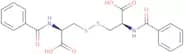
CAS:<p>5-Bromo-4-methoxyphenyl)acetone (BMA) is a versatile building block that is used in the production of fine chemicals, research chemicals, and reagents. It has been shown to be a useful scaffold for the synthesis of complex compounds. BMA is also an intermediate for the production of other chemicals. This chemical has been shown to have high quality with a wide range of uses as a reaction component or useful scaffold.</p>Formula:C10H11BrO2Purity:Min. 95%Molecular weight:243.1 g/molN,N'-Dibenzoyl-L-cystine
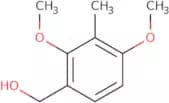
CAS:<p>N,N'-Dibenzoyl-L-cystine is a chiral molecule that was synthesized by the asymmetric synthesis of a racemic mixture of N,N'-dibenzoyl-D-cysteine. The supramolecular structure of this compound is due to the hydrogen bonding interactions between the amines and peroxides. This molecule has been studied for use as a drug in the treatment of cancer and other diseases. It also has potential applications in the field of biotechnology and chemical engineering.</p>Formula:C20H20N2O6S2Purity:Min. 95%Color and Shape:PowderMolecular weight:448.51 g/mol2,4-Dimethoxy-3-methylbenzyl alcohol
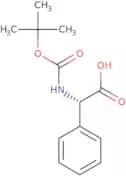
CAS:<p>2,4-Dimethoxy-3-methylbenzyl alcohol is a syntheses and deuterium analogue of orsellinic acid. It has been shown to inhibit bacterial growth in the presence of an oxygen atmosphere.</p>Formula:C10H14O3Purity:Min. 95%Molecular weight:182.22 g/molBoc-L-Phg-OH
CAS:<p>Boc-L-Phg-OH is a synthetic molecule that binds to the receptor for spasticity and inhibits spasticity. It has been shown to have potent inhibition of t-cell leukemia and virus replication. Boc-L-Phg-OH is a fluorescent compound that can be used as a molecular probe for studies of protein dynamics in living cells. The pharmacokinetic properties of this compound have also been studied, suggesting that it could be an effective treatment for tuberculosis.</p>Formula:C13H17NO4Purity:Min. 95%Color and Shape:White PowderMolecular weight:251.28 g/mol(1-Methylpiperidin-2-yl)methanol
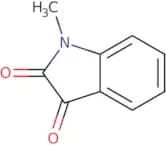
CAS:<p>(1-Methylpiperidin-2-yl)methanol is a gaseous organic acid that belongs to the piperazine class of compounds. It is used as an intermediate in the synthesis of various pharmaceuticals, including antipsychotics and antidepressants. (1-Methylpiperidin-2-yl)methanol has been shown to be an agonist of ganglion cells and can be used for the treatment of glaucoma. This compound also has shown to have anti-inflammatory properties, which may be due to its ability to inhibit nitric oxide production. Furthermore, (1-methylpiperidin-2-yl)methanol has been shown to inhibit 13c nuclear magnetic resonance spectroscopy with epoxides and hydroxyl groups. The reaction product is a crystalline solid with a molecular formula of C6H14O3N2, which corresponds to the molecular formula of 2-(dimethylam</p>Formula:C7H15NOPurity:Min. 95%Color and Shape:Clear LiquidMolecular weight:129.2 g/mol1-Methyl-1H-indole-2,3-dione
CAS:<p>1-Methyl-1H-indole-2,3-dione is a chemical compound that belongs to the class of indole derivatives. It can be synthesized by reacting 2,3-dihydroxybenzaldehyde with 2,2'-azobis(2-amidinopropane) dihydrochloride and methyl iodide in the presence of copper (II) acetate. This reaction mechanism is similar to that of other reactions involving an intramolecular hydrogen transfer. The binding constants for 1-methyl-1H-indole-2,3-dione are very high and this compound has been shown to inhibit herpes simplex virus replication in vitro. 1MIDD binds to the active site of tryptophan fluorescence and synchronous fluorescence proteins. 1MIDD also binds to copper ions in a coordination geometry that is similar to that found for other compounds containing a carbonyl group.</p>Formula:C9H7NO2Purity:Min. 95%Color and Shape:PowderMolecular weight:161.16 g/mol4-Methylphenyl hydrazine hydrochloride
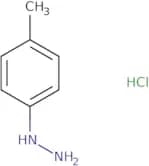
CAS:<p>4-Methylphenyl hydrazine hydrochloride is a chemical compound that has been shown to be an effective treatment for lung tumors. It has been shown to inhibit tumorigenesis in animal models by the inhibition of angiogenesis and tumor growth. This drug is administered as a subcutaneous injection and can cause hemorrhaging, inflammation, and necrosis at the injection site. 4-Methylphenyl hydrazine hydrochloride has also been postulated to have anti-tumorigenic properties in animals.<br>4-Methylphenyl hydrazine hydrochloride inhibits the production of adenomas and adenocarcinomas in rats when given orally or intragastrically, but not when given intravenously.</p>Formula:C7H10N2·HClPurity:Min 98%Molecular weight:158.63 g/molS-(Carboxymethyl)-L-cysteine
CAS:<p>S-(Carboxymethyl)-L-cysteine (CMC) is a thiol containing compound that is used as a dietary supplement. It has been shown to have beneficial effects on chronic cough and asthma symptoms in two-way crossover studies with human subjects. CMC has also been shown to reduce the production of proinflammatory mediators by inhibiting toll-like receptor 4 (TLR4) activation, which is important for the development of respiratory problems. CMC has also been shown to inhibit mitochondrial functions in cells and produce side effects such as light sensitivity and stomach upset when taken at high doses.</p>Formula:C5H9NO4SPurity:Min. 95%Color and Shape:PowderMolecular weight:179.2 g/molH-Asn-Val-OH
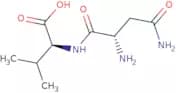
CAS:<p>H-Asn-Val-OH is a dipeptide and a useful peptide building block</p>Formula:C9H17N3O4Purity:Min. 95%Molecular weight:231.25 g/molBenzoyl-L-tyrosine amide
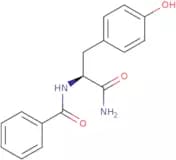
CAS:<p>Benzoyl-L-tyrosine amide is a reaction intermediate that is a competitive inhibitor of serine proteases. It binds to the active site of the enzyme and inhibits the breakdown of proteins by blocking the access of other reactants. Benzoyl-L-tyrosine amide has been shown to inhibit proteolytic activity in subtilis, an enzyme isolated from Bacillus licheniformis. The amino acid composition and binding properties are similar to those found in natural substrates. Benzoyl-L-tyrosine amide has been synthesized and its binding affinity towards histidine residues has been determined by titration calorimetry and fluorophosphate assay.</p>Formula:C16H16N2O3Purity:Min. 95%Color and Shape:PowderMolecular weight:284.31 g/molN-α-[2,4-Dinitro-5-fluorophenyl]-L-valine amide
CAS:<p>N-alpha-[2,4-Dinitro-5-fluorophenyl]-L-valine amide is an acidic amino acid that is used as a reagent in organic synthesis. It has been shown to have amide and hydrogen bond properties. This compound has been shown to be involved in the biosynthesis of carboxylic acids and primary amino acids. It also absorbs UV light at 265 nm and can be used for determination of uv absorption using high performance liquid chromatography (HPLC).</p>Formula:C11H13N4O5FPurity:Min. 95%Color and Shape:Yellow PowderMolecular weight:300.24 g/mol6-Methoxycoumarin
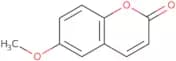
CAS:<p>6-Methoxycoumarin is a potent inhibitor drug that inhibits the activity of monoamine oxidase (MAO). It has been shown to have anti-feedant properties in laboratory experiments and is used as an antifeedant. 6-Methoxycoumarin also fluoresces under ultraviolet light, which can be used to identify its presence in a solution. 6-Methoxycoumarin is a derivative of coumarin and has the same skeleton with two methoxy groups attached. The compound can be identified by its chemical structure and predictable fluorescence properties. 6-Methoxycoumarin has been shown to bind to amines, which are organic compounds containing nitrogen, on the chromatographic column, allowing for easy detection.</p>Formula:C10H8O3Purity:Min. 95%Color and Shape:PowderMolecular weight:176.17 g/molα-Methylbenzyl alcohol
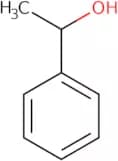
CAS:<p>Alpha-methylbenzyl alcohol is a fatty acid that is used as a chemical intermediate in the synthesis of pharmaceutical agents. It has been shown to inhibit phosphotungstic acid (PTA) hydrolysis and surface methodology, as well as to have carcinogenic potential. Alpha-methylbenzyl alcohol has also been found to be an inhibitor of phospholipase A2, which catalyzes the hydrolysis of glycerophospholipids into free fatty acids and lysophospholipids. Alpha-methylbenzyl alcohol inhibits the reaction by binding reversibly with the hydroxyl group on enzyme active site. The kinetic mechanism studies of alpha-methylbenzyl alcohol have revealed that it is a competitive inhibitor for enzymes such as protein kinase C and leucine aminopeptidase.</p>Formula:C8H10OPurity:Min. 95%Color and Shape:Clear LiquidMolecular weight:122.16 g/molL-Alanine 4-nitroanilide hydrochloride
CAS:<p>L-alanine 4-nitroanilide hydrochloride (H-Ala-pNAHCl) functions as a substrate for L-alanine aminopeptidase, an enzyme found in bacterial cell walls that catalyzes the cleavage of L-alanine from peptides. Notably, significant activity of L-alanine aminopeptidase is specific to gram-negative microbes. Thus, the utilization of H-Ala-pNAHCl can provide evidence for distinguishing between gram-positive and gram-negative organisms. When acted upon by L-alanine aminopeptide, it undergoes cleavage into L-alanine and 4-nitroanine, with the latter compound causing bacterial suspensions to exhibit a yellow coloration.</p>Formula:C9H11N3O3•HClPurity:Min. 95%Color and Shape:PowderMolecular weight:245.66 g/molDL-Ornithine hydrochloride
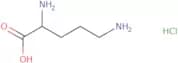
CAS:<p>Ornithine hydrochloride (OHCl) is a food additive that functions as a cross-linking agent in polyvinyl chloride. OHCl is used to modify the properties of polyvinyl chloride, such as thermal expansion and viscosity. It also functions as an effective dose for preventing radiation and is often used in sample preparation of histidine. OHCl reacts with hydrochloric acid to form the solute ornithine hydrochloride, which can be used to study the optical properties of this compound. Ornithine hydrochloride has been shown to have anti-inflammatory effects when administered intravenously due to its ability to inhibit cyclooxygenase enzymes.</p>Formula:C5H12N2O2•HClPurity:One SpotColor and Shape:PowderMolecular weight:168.62 g/mol(9-Phenanthryl)methyl methacrylate
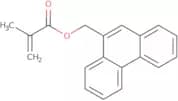
CAS:<p>9-Phenanthryl)methyl methacrylate is a fluorescent pigment that is used as a nanomaterial. It is an acidic material and can be used in coatings to improve the properties of materials. 9-Phenanthryl)methyl methacrylate has been shown to have fluorescence resonance energy transfer (FRET) properties, which may be due to its monolayer structure and chromophore. The diameter of this particle ranges from 10-20 nm, with a water permeability of 20% at pH 7.0 and 0.1% at pH 2.0. This pigment has a high degree of surface roughness, which is due to its morphology and the microenvironment in which it exists.</p>Formula:C19H16O2Purity:Min. 95 Area-%Color and Shape:PowderMolecular weight:276.33 g/mol4-(4-Fluorophenyl)-1,2,3,6-tetrahydro-1-methylpyridine hydrochloride (1:1)
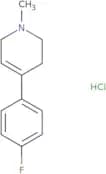
CAS:<p>4-(4-Fluorophenyl)-1,2,3,6-tetrahydro-1-methylpyridine hydrochloride (1:1) is a neuroleptic drug that has analgesic and antihistaminic effects. It is an alkylthio compound that inhibits serotonin release from the pre-synaptic neuron. 4-(4-Fluorophenyl)-1,2,3,6-tetrahydro-1-methylpyridine hydrochloride (1:1) also blocks the uptake of dopamine by nerve cells in the brain and prevents its conversion to norepinephrine. This medicine acts as an antagonist for both alpha and beta receptors because it binds to the benzene ring of these neurotransmitters. The alpha receptor antagonist properties of this drug are due to its ability to prevent norepinephrine from binding with alpha receptors on muscle cells. The beta receptor antagonist properties are due to its ability</p>Formula:C12H14FN•HClPurity:Min. 95%Color and Shape:PowderMolecular weight:227.71 g/mol3-(1-Methylhydrazino)-1,2-benzisothiazole 1,1-dioxide
CAS:<p>3-(1-Methylhydrazino)-1,2-benzisothiazole 1,1-dioxide is a fine chemical that is used as a building block for more complex compounds. This molecule has been shown to be an effective intermediate in the production of research chemicals. 3-(1-Methylhydrazino)-1,2-benzisothiazole 1,1-dioxide can be used as a reagent and is available at high quality.</p>Formula:C8H9N3O2SPurity:Min. 95%Color and Shape:White PowderMolecular weight:211.24 g/mol4-Methyl hippuric acid
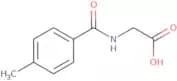
CAS:<p>4-Methyl hippuric acid is a metabolite of benzoic acid, and is excreted in the urine as an end product of phenylalanine metabolism. The matrix effect is a phenomenon that is observed when chromatographic analysis occurs in the presence of impurities or other substances. It can be minimized by using an optimum concentration of hydrochloric acid to extract the analyte from the sample matrix. 4-Methyl hippuric acid can be detected in urine samples by using a chromatographic method and then quantified by measuring its s-phenylmercapturic acid content. This compound has been used as a marker for determining blood pressure and has also been shown to have antihypertensive effects.</p>Formula:C10H11NO3Purity:Min. 95%Color and Shape:PowderMolecular weight:193.2 g/mol5-Methoxy-3-methylbenzonitrile
CAS:<p>5-Methoxy-3-methylbenzonitrile is a versatile chemical with a wide range of applications in pharmaceuticals, agrochemicals, and other industries. It is used as a reaction component in the synthesis of drugs such as indomethacin and methotrexate. It is also useful for the production of high-quality research chemicals. 5-Methoxy-3-methylbenzonitrile has been shown to be an efficient building block for the synthesis of complex compounds with diverse structures.</p>Formula:C9H9NOPurity:Min. 95%Color and Shape:PowderMolecular weight:147.17 g/mol3-Bromo-2-methoxybenzyl alcohol
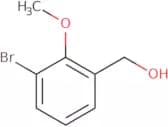
CAS:<p>3-Bromo-2-methoxybenzyl alcohol is a reaction component that is used in the synthesis of a number of chemical compounds. It has been shown to be a useful scaffold, with versatile building blocks and intermediates. 3-Bromo-2-methoxybenzyl alcohol is an intermediate for the synthesis of complex compounds such as antihypertensive drugs, anti-inflammatory agents, and immunosuppressant drugs. This compound also has a variety of uses in research including as a reagent for the determination of enzyme activity and as an analytical reference standard.</p>Formula:C8H9BrO2Purity:Min. 95%Color and Shape:PowderMolecular weight:217.06 g/mol2,4-Dihydroxy-6-methoxyquinoline
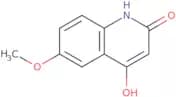
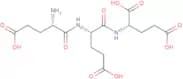
CAS:<p>2,4-Dihydroxy-6-methoxyquinoline is a compound that exhibits antifungal properties. It has been shown to have activity against Aspergillus flavus, Aspergillus fumigatus, Candida albicans and other fungi. 2,4-Dihydroxy-6-methoxyquinoline also inhibits the growth of E. coli and A. aureus in vitro. Elemental analysis showed that this compound possesses antibacterial properties and can inhibit the growth of Staphylococcus aureus.</p>Formula:C10H9NO3Purity:Min. 95%Color and Shape:PowderMolecular weight:191.18 g/molL-Glutathione oxidized
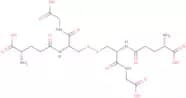
CAS:<p>Marker for oxidative stress; hydrogen acceptor in NADP and NADPH assay</p>Formula:C20H32N6O12S2Purity:Min. 98.0 Area-%Color and Shape:White PowderMolecular weight:612.64 g/mol6-Methyl-DL-tryptophan
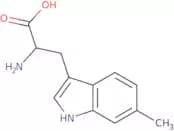
CAS:<p>6-Methyl-DL-tryptophan is a naturally occurring amino acid that is used as a precursor in the synthesis of the neurotransmitter serotonin. 6-Methyl-DL-tryptophan is synthesized from the amino acid L-tryptophan by the enzyme tryptophan synthase. It is also found in dietary sources such as nuts and seeds, but not in significant quantities. 6-Methyl-DL-tryptophan has been shown to inhibit cancer cells in vitro and has been shown to be effective against prostate cancer cells. The inhibition mechanism for this drug has not yet been elucidated, but it may be due to frameshifting and/or inhibition of protein synthesis.</p>Formula:C12H14N2O2Purity:Min. 95%Color and Shape:White PowderMolecular weight:218.25 g/mol4-Methoxy-2,3,5-trifluorobenzoic acid
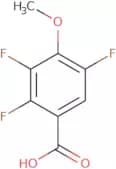
CAS:<p>4-Methoxy-2,3,5-trifluorobenzoic acid is a versatile building block that can be used in the synthesis of complex compounds. It is a high quality chemical that can be used as a reagent or speciality chemical in research. This compound has been shown to have many uses including as an intermediate for the synthesis of other chemicals and as a reaction component. 4-Methoxy-2,3,5-trifluorobenzoic acid can also be used as an important scaffold in the design of new drugs.</p>Formula:C8H5F3O3Purity:Min. 95%Color and Shape:White PowderMolecular weight:206.12 g/molD-Alanine amide hydrochloride
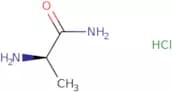
CAS:<p>D-Alanine amide hydrochloride is a molecule that belongs to the class of organic solvents. It is a chiral compound with high specificity for d-alanine. D-Alanine amide hydrochloride has been shown to block bacterial strains such as Acinetobacter, Ochrobactrum and Stenotrophomonas maltophilia. This drug also inhibits the growth of bacteria by binding to the active site of enzymes, preventing them from catalyzing reactions. The stereoselectivity of this drug is due to its pharmacophore that mimics the three amino acids found in d-alanine: an amide, an aliphatic chain, and a hydroxyl group.</p>Formula:C3H8N2O·HClColor and Shape:White Off-White PowderMolecular weight:124.57 g/molL-Threonine
CAS:<p>L-Threonine is an amino acid that is classified as a non-essential amino acid. It is a precursor for the synthesis of proteins and other important compounds in the body, such as neurotransmitters. L-Threonine has been shown to be necessary for the function of enzymes that catalyze reactions in cells. This amino acid also plays a role in protein synthesis and can help regulate transcriptional regulation of genes. L-Threonine has been shown to have antioxidant properties, which may be due to its ability to scavenge anion radicals and inhibit lipid peroxidation.</p>Formula:C4H9NO3Purity:(Titration)Color and Shape:White PowderMolecular weight:119.12 g/molCyclo(L-Pro-L-Tyr)
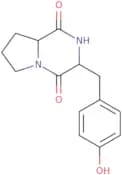
CAS:<p>Cyclo(-Pro-Tyr) is a natural product that belongs to the class of antimicrobial agents. It has been shown to inhibit the growth of colorectal adenocarcinoma cells by reducing mitochondrial membrane potential and inhibiting protein synthesis. Cyclo(-Pro-Tyr) also has antimicrobial properties against bacteria, including Enterococcus faecalis and Escherichia coli. The biological properties of Cyclo(-Pro-Tyr) have been investigated in vitro with tissue culture and acetate extracts, demonstrating its ability to inhibit the production of fatty acids, as well as its wound healing abilities. Cyclo(-Pro-Tyr) is a synthetase that uses methyl myristate as a substrate and etoac extract as an electron donor. The enzyme converts methyl myristate into cyclopropane fatty acid ester, which can be used for the synthesis of polymers such as polypropylene and polyethylene terephthalate.</p>Formula:C14H16N2O3Purity:Min. 95%Color and Shape:PowderMolecular weight:260.29 g/molFmoc-S-tert-butoxycarbonylmethyl-L-cysteine
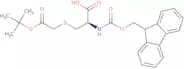
CAS:<p>Fmoc-S-tert-butoxycarbonylmethyl-L-cysteine is a polylactic residue with a propenone cyclic structure. It is soluble in organic solvents and has an aromatic heterocyclic ring. Fmoc-S-tert-butoxycarbonylmethyl-L-cysteine can be used to synthesize pesticides, nicotine, and immunogens.</p>Formula:C24H27NO6SPurity:Min. 97 Area-%Color and Shape:White PowderMolecular weight:457.54 g/mol1-Benzoyloxy-2-methoxybenzene
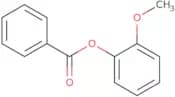
CAS:<p>1-Benzoyloxy-2-methoxybenzene is a diphenyl ether that has been shown to have analgesic, anti-inflammatory and antipyretic properties. It inhibits the secretion of pancreatic enzymes, which may be due to its interaction with the hydroxyl group on the cavity of the enzyme. 1-Benzoyloxy-2-methoxybenzene also inhibits intestinal fluid production in rats with ulcerative colitis, which may be due to its ability to inhibit bond cleavage in lysosomes by interacting with the hydroxy group on the cavity of lysosomal enzymes. When applied topically, 1-Benzoyloxy-2-methoxybenzene has been shown to be effective in alleviating pain from abrasions or other wounds in rats and humans. This drug also has a stereoselective effect on benzoate, inhibiting its action at high concentrations.</p>Formula:C14H12O3Purity:Min. 95%Color and Shape:PowderMolecular weight:228.24 g/mol5-Hydroxy-2-methyl-2-adamantanol
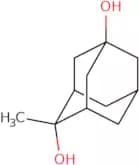
CAS:<p>5-Hydroxy-2-methyl-2-adamantanol is a fine chemical that is used as a building block in research and development of various products. It can be used to make other substances, such as pharmaceuticals and cosmetics. 5-Hydroxy-2-methyl-2-adamantanol is also a versatile intermediate in the synthesis of complex molecules, such as peptides and polymers. This product is soluble in water and has a high quality standard. It is also an excellent reagent for many reactions, such as condensation, esterification, nitration, oxidation, reduction, and decarboxylation.</p>Formula:C11H18O2Purity:Min. 95%Molecular weight:182.26 g/mol3-Hydroxy-2-methylbenzyl alcohol
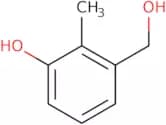
CAS:<p>3-Hydroxy-2-methylbenzyl alcohol is a solvent with a high molecular weight. It is insoluble in water and has good solvency power for organic solvents. 3-Hydroxy-2-methylbenzyl alcohol has anisotropy, which means it can rotate the plane of polarization of light passing through it. 3-Hydroxy-2-methylbenzyl alcohol is used as a reagent to measure the degree of birefringence, which is the property of crystalline materials that causes light passing through them to split into two rays with different polarizations. This property can be used to identify the type and size of chains in crystals. 3HMBAA has been shown to be soluble in organic solvents, but not in water or other nonpolar solvents. The theory behind this is that molecules are generally more soluble in liquids similar to themselves than they are in liquids that are dissimilar from themselves. Hel</p>Formula:C8H10O2Purity:Min. 95%Color and Shape:Off-White PowderMolecular weight:138.16 g/molCyclo(-L-Leu-L-Phe)
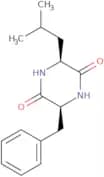
CAS:<p>Cyclo(-L-Leu-L-Phe) is a nonribosomal peptide that inhibits bacterial growth. It is synthesized from the amino acids L-leucine, L-phenylalanine, and L-tyrosine. The antibacterial activity of this compound was tested in fibroblast cells and human lung tissue. Cyclo(-L-Leu-L-Phe) showed no cytotoxicity in these cell lines at concentrations up to 10 µg/mL. Cyclo(-L-Leu-L-Phe) also has antimicrobial activity against Streptomyces lividans and other bacteria. Cyclo(-L-Leu-L-Phe) can be detected by high performance liquid chromatography (HPLC).</p>Formula:C15H20N2O2Purity:Min. 95%Color and Shape:White PowderMolecular weight:260.33 g/molL-Cysteine hydrochloride hydrate
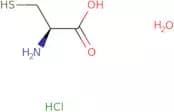
CAS:<p>L-Cysteine hydrochloride hydrate is an amino acid that belongs to the group of antimicrobial agents. It is a precursor in the biosynthesis of proteins and nucleic acids. L-Cysteine hydrochloride hydrate inhibits bacterial growth by reacting with iron and forming an insoluble complex that cannot be used for metabolic processes. Cysteine also reacts with dehydroascorbic acid to form a fluorescent compound, which can be detected using fluorescence probe and fluorometric methods. This reaction is pH dependent, with a lower pH favoring the formation of the fluorescent product. The optimum pH for this reaction is approximately 7.0-8.5, at which point it is most effective against bacteria such as Escherichia coli, Pseudomonas aeruginosa, and Staphylococcus aureus.</p>Formula:C3H7NO2S·HCl·xH2OColor and Shape:PowderMolecular weight:157.62 g/mol(S)-3-Thienylglycine
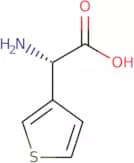
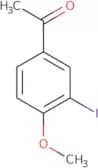
CAS:<p>(S)-3-Thienylglycine is a versatile building block that has been used in the synthesis of complex compounds. It is a product of the amino acid glycine, and can be synthesized from 3-thiophenecarboxylic acid. The compound has been shown to be a useful intermediate in research chemical synthesis, as well as a reagent or speciality chemical. It is also used as a reaction component and scaffold for the production of other chemicals. (S)-3-Thienylglycine has been shown to be useful in the preparation of pharmaceuticals, agrochemicals, and other products.</p>Formula:C6H7NO2SPurity:Min. 95%Color and Shape:White To Yellow SolidMolecular weight:157.19 g/mol3'-Iodo-4'-methoxyacetophenone
CAS:<p>3'-Iodo-4'-methoxyacetophenone is a chemical compound that is used in the synthesis of other organic compounds. It is a byproduct of the reaction between acetophenone and iodomethane. 3'-Iodo-4'-methoxyacetophenone is soluble in most solvents, such as ethanol, ether, chloroform, and acetone. The compound has a CAS number of 79324-77-9.</p>Formula:C9H9IO2Purity:Min. 95%Color and Shape:PowderMolecular weight:276.07 g/mol



![N-α-[2,4-Dinitro-5-fluorophenyl]-L-valine amide](/_next/image/?url=https%3A%2Fstatic.cymitquimica.com%2Fproducts%2F3D%2Fthumb-webp%2FFD48428.webp&w=3840&q=75)