Amino Acids (AA)
Subcategories of "Amino Acids (AA)"
- Amino Acid Derivatives(4,012 products)
- Amino Acid and Amino Acid Related Compounds(3,490 products)
- Amino Acids with Oxygen or Sulphur(168 products)
- Boc- Amino Acids(351 products)
- Fmoc Amino Acids(1,710 products)
Found 38366 products of "Amino Acids (AA)"
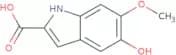
5-Hydroxy-6-methoxyindole-carboxylic acid
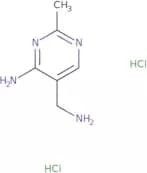
CAS:5-Hydroxy-6-methoxyindole-carboxylic acid (5-HMICA) is a molecule that is found in the pericardium and urine of patients with cancer. 5-HMICA has been shown to suppress tumor growth and activate cell mediated cytotoxicity in vitro. It also induces T helper type 1 (Th1) immune responses, which are associated with the production of cytokines such as interferon gamma and tumor necrosis factor alpha.Formula:C10H9NO4Color and Shape:PowderMolecular weight:207.18 g/mol4-Amino-5-aminomethyl-2-methylpyrimidine dihydrochloride
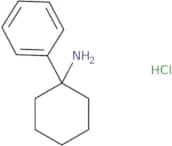
CAS:4-Amino-5-aminomethyl-2-methylpyrimidine dihydrochloride is a vitamin B1 derivative that is biosynthesized by marine algal cells. It is active at high concentrations, and has been shown to have an interaction with the active site residues of hydrogen chloride. This analog has been used in genomic analyses and can be detected by mass spectrometry. It also has the ability to inhibit the growth of phytoplankton, which are microscopic plants living near the surface of water. The concentration of 4-amino-5-aminomethyl-2-methylpyrimidine dihydrochloride in seawater can be determined using a constant scaling factor based on plankton biomass.Formula:C6H10N4•(HCl)2Purity:Min. 95%Color and Shape:Slightly Yellow PowderMolecular weight:211.09 g/mol1-Phenylcyclohexanamine hydrochloride
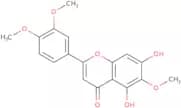
CAS:Controlled Product1-Phenylcyclohexanamine hydrochloride is a secondary amine that binds to the nicotinic acetylcholine receptor. It has been shown to inhibit the activity of rat liver microsomes and dopamine, with a primary amino group. The analogs of 1-phenylcyclohexanamine hydrochloride are active and have been shown to inhibit acetylcholinesterase in rat brain tissue. This inhibition leads to an increase in the neurotransmitter acetylcholine, which causes an excitatory effect on the central nervous system. 1-Phenylcyclohexanamine hydrochloride is also used as a molecular model for studying glutamate receptors because of its similar structure.Formula:C12H18ClNPurity:Min. 95%Molecular weight:211.73 g/molEupatilin
CAS:Eupatilin is a flavonoid compound, which is derived from the Artemisia species. This plant-based source has been traditionally used in various medicinal applications across different cultures. Eupatilin’s mode of action involves inhibition of pro-inflammatory cytokines and modulation of signaling pathways associated with inflammation, such as the NF-kB pathway. Additionally, it has been found to possess antioxidant activities, which further contributes to its therapeutic potential.Formula:C18H16O7Purity:Min. 95%Color and Shape:PowderMolecular weight:344.32 g/mol7-Methoxy-1-tetralone
CAS:7-Methoxy-1-tetralone is a synthetic compound that inhibits the activity of hepg2 cells. It has been shown to induce apoptosis in these cells and inhibit tumor growth in vivo. This substance is a fatty acid derivative that can be synthesized by Friedel-Crafts acylation of 7-methoxycoumarin with oleic acid. 7-Methoxy-1 tetralone has been shown to have antitumor effects in vitro, as well as in vivo animal studies. The inhibition of hepg2 cells may be due to damage to the cell membrane, which leads to the release of lysosomal enzymes and cell death.Formula:C11H12O2Purity:Min. 95%Color and Shape:PowderMolecular weight:176.21 g/molBoc-N-methyl-D-isoleucine
CAS:Boc-N-methyl-D-isoleucine is a useful building block and research chemical. It is a high quality, complex compound that is versatile for use as a reaction component or scaffold. Boc-N-methyl-D-isoleucine can be used to produce fine chemicals, pharmaceuticals, herbicides, pesticides, and other products.Formula:C12H23NO4Purity:Min. 95%Color and Shape:PowderMolecular weight:245.32 g/mol[3-(2-Methoxyethoxy)benzyl]amine
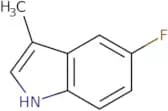
CAS:[3-(2-Methoxyethoxy)benzyl]amine is a high-quality chemical that can be used as an intermediate in the synthesis of complex compounds. It is also a useful scaffold for the synthesis of other chemicals, such as pharmaceuticals and pesticides. This compound also has many uses in research, such as being a versatile building block and reaction component.Formula:C10H15NO2Purity:Min. 95%Color and Shape:PowderMolecular weight:181.23 g/mol5-Fluoro-3-methylindole
CAS:5-Fluoro-3-methylindole is a reactive compound that is not soluble in water. It has a molecular weight of 288.5 and an ionization potential of 7.8 eV. 5-Fluoro-3-methylindole can act as a potent antagonist by binding to the pharmacophore, which is the three hydrogen bonding sites on the benzodiazepine receptor. This drug has been shown to be reactive with halides, nitro, and magnesium, as well as with some endogenous compounds such as nitroarenes and amides. 5-Fluoro-3-methylindole also reacts with fluorescence ligands and transfer agents.Formula:C9H8FNPurity:Min. 95%Molecular weight:149.16 g/molN-Methyl-N-phenylglycine hydrochloride
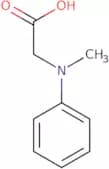
CAS:N-Methyl-N-phenylglycine hydrochloride (NMPG) is a glycopeptide antibiotic and immunosuppressant that is used to treat inflammatory bowel disease. NMPG binds to the D-alanyl-D-alanine moiety of bacterial cell wall peptidoglycan, inhibiting the synthesis of bacterial cell wall and leading to bacterial death. NMPG has been shown to be active against Escherichia coli, Klebsiella pneumoniae, and Helicobacter pylori. NMPG also has antibacterial activity against Acinetobacter baumannii and Enterococcus faecalis. The asymmetric synthesis of NMPG is enhanced by the presence of acrylonitrile.Formula:C9H11NO2·HClPurity:Min. 95%Color and Shape:PowderMolecular weight:201.65 g/molN-(4-Hydroxyphenyl)-5-methyl-2-1H-pyridone
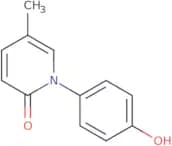
CAS:N-(4-Hydroxyphenyl)-5-methyl-2-1H-pyridone is a molecule that is found in plasma samples and has been shown to inhibit the growth of cells. It is a potent inhibitor of tubulointerstitial injury, which is the most common type of kidney disease. The mechanism of this drug has been shown to involve the inhibition of primary amino acid uptake. This compound also inhibits urea synthesis and decreases plasma concentrations by increasing the rate of elimination. In addition, it has been shown to have an inhibitory effect on growth factors such as EGF, bFGF, IGF-1, and PDGF. N-(4-Hydroxyphenyl)-5-methyl-2-1H-pyridone can be synthesized by heating at high temperatures (thermally activated).Formula:C12H11NO2Purity:Min. 95%Color and Shape:Off-White PowderMolecular weight:201.22 g/molFmoc-N-Me-Asp(OtBu)-OH
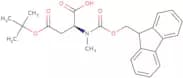
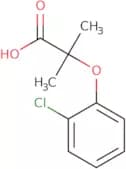
CAS:Fmoc-N-Me-Asp(OtBu)-OH is a synthetic peptide with potential immunosuppressive properties. It has been shown to inhibit the proliferation of human lymphocytes in response to lipopolysaccharides (LPS) and also to suppress the release of cytokines such as IL-1β, IL-6, and TNFα. The effects were dose dependent and could be reversed by the addition of a neutralizing antibody. This peptide can be used as an immunosuppressant in clinical trials that are investigating treatments for myasthenia gravis. Fmoc-N-Me-Asp(OtBu)-OH has been synthesised using chemical synthesis methods from commercially available reagents.Formula:C24H27NO6Purity:Min. 98 Area-%Color and Shape:PowderMolecular weight:425.47 g/mol2-(2-Chlorophenoxy)-2-methylpropanoic acid
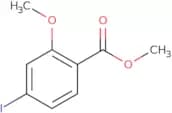
CAS:2-(2-Chlorophenoxy)-2-methylpropanoic acid is a plant hormone that is involved in the mediation of plant responses to various biotic and abiotic stressors. It is synthesized from salicylic acid by the enzyme phenylalanine ammonia-lyase and its structure resembles that of hydrogen peroxide. Its linear growth-promoting activity is mediated by the formation of 2,4-dichlorophenoxyacetic acid, which activates the production of hydrogen peroxide and induces cell expansion. The biosynthesis of this compound has been shown in plants through studies on excised tissues.Formula:C10H11ClO3Purity:Min. 95%Color and Shape:PowderMolecular weight:214.65 g/mol4-Iodo-2-methoxybenzoic acid methyl ester
CAS:4-Iodo-2-methoxybenzoic acid methyl ester is a high quality chemical that can be used as a versatile building block in chemical synthesis. It is a complex compound that has been shown to be an effective reagent for research, which can be used in the synthesis of new complex compounds. 4-Iodo-2-methoxybenzoic acid methyl ester is also useful as an intermediate or reaction component in organic syntheses. This chemical is available for purchase at a CAS number of 148490-97-5.Formula:C9H9IO3Purity:Min. 95%Color and Shape:PowderMolecular weight:292.07 g/mol4-Methoxybenzoin
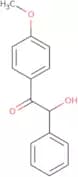
CAS:4-Methoxybenzoin is a phenolic compound that belongs to the carbinols. It is an aromatic hydrocarbon that can be synthesized by heating benzaldehyde with methanol and sodium carbonate in ethanol. 4-Methoxybenzoin is used as a chemical intermediate for the synthesis of other chemicals, such as quinidine, anisole, thiosemicarbazide and hydrochloric acid. 4-Methoxybenzoin has been shown to react with cellulose acetate to form an acidic photodegradation product. This reaction can be suppressed by adding sulfuric acid or sodium sulfite.Formula:C15H14O3Purity:Min. 95%Color and Shape:White PowderMolecular weight:242.27 g/molKinetin-9-glucoside
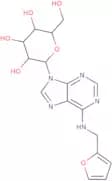
CAS:Kinetin-9-glucoside is a conjugate of kinetin and glucose. It has been shown to inhibit the growth of several types of bacteria, including Pseudomonas aeruginosa, Staphylococcus aureus, and Streptococcus pyogenes. Kinetin-9-glucoside also has anti-inflammatory properties that may be due to its ability to inhibit prostaglandin synthesis. Kinetin-9-glucoside is used in tissue culture for the induction of plant regeneration from callus tissue or from excised root tissues. Kinetin-9-glucoside has been shown to stimulate the formation of apical roots in plantlets and promote cell division in neuronal cells.Formula:C16H19N5O6Purity:Min. 95 Area-%Color and Shape:PowderMolecular weight:377.35 g/molbeta-Estradiol 3-methyl ether
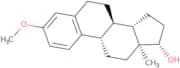
CAS:Controlled ProductBeta-estradiol 3-methyl ether is a synthetic estrogen that is used as an oral contraceptive. It has been shown to be effective in the treatment of secondary amenorrhea and menorrhagia, as well as in the prevention of pregnancy. Beta-estradiol 3-methyl ether has been shown to increase fibrinogen levels and may be useful in the treatment of thrombocytopenia. A bolus dose of beta-estradiol 3-methyl ether may also be used to induce abortion, resulting in a decrease in blood pressure. The active form is taken up by cells via passive diffusion and is converted into estradiol by cytochrome P450 enzymes. Beta-estradiol 3-methyl ether binds to fatty acids with two or more carbon atoms, which then enter the cell by facilitated diffusion through specific membrane protein carriers. These carriers are blocked by atropine sulfate, preventing uptake of beta-estradiol 3-methyl etherFormula:C19H26O2Purity:Min. 98 Area-%Color and Shape:PowderMolecular weight:286.41 g/mol4'-Methoxycarbonylbenzo-15-crown 5-ether
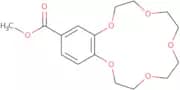
CAS:4'-Methoxycarbonylbenzo-15-crown 5-ether (4MBC) is a gestational, microstructural, extracellular and thermodynamic teratogen that has been shown to have a high level of resistance to hyaluronidase. 4MBC binds to hyaluronic acid, which is a component of the synovial fluid in the joints. The binding of 4MBC to hyaluronic acid results in inhibition of cartilage growth, which leads to joint degradation. This drug also has been shown to cause fetal bovine serum proteins to precipitate. 4MBC is associated with an increased risk for body mass index (BMI) greater than 30 kg/m2 and an increased risk of radiofrequency ablation (RFA) for benign uterine masses.Formula:C16H22O7Purity:Min. 95%Color and Shape:White PowderMolecular weight:326.34 g/molFmoc-ApH(Cbm)-OH
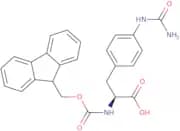
CAS:Fmoc-ApH(Cbm)-OH is a high quality and versatile building block. It is also a useful scaffold for the synthesis of complex compounds. Fmoc-ApH(Cbm)-OH can be used as a reagent in research chemical and speciality chemical reactions, and it has been shown to be an intermediate for the synthesis of other molecules. Fmoc-ApH(Cbm)-OH belongs to the category of fine chemicals, which are often used in the manufacturing of pharmaceuticals and agricultural chemicals. CAS No.: 324017-23-4Formula:C25H23N3O5Purity:Min. 97 Area-%Color and Shape:PowderMolecular weight:445.47 g/molN-Isovalerylglycine
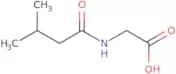
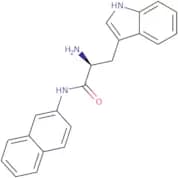
CAS:N-Isovalerylglycine is a metabolite of the branched-chain amino acid leucine. It is found in the urine of patients with acidemia due to ethylmalonic aciduria, but not in healthy individuals. N-Isovalerylglycine has been shown to be an intermediate compound for the synthesis of acetoacetate and isovalerylglycine from acetyl-CoA. This metabolite can be used as a marker for diagnosing metabolic disorders such as diabetes mellitus, obesity, and polycystic ovary syndrome.Formula:C7H13NO3Purity:Min. 95%Color and Shape:White PowderMolecular weight:159.18 g/molL-Tryptophan β-naphthylamide
CAS:L-Tryptophan beta-naphthylamide is a fine chemical that is useful for research purposes. It can be used as a versatile building block in the synthesis of other chemicals and can also be used as a reaction component. L-Tryptophan beta-naphthylamide has been used to synthesize complex compounds such as 5,6-dihydroindolizine, which has been shown to have anti-inflammatory properties. This compound can also be used as a reagent in organic synthesis.Formula:C21H19N3OPurity:Min. 95%Color and Shape:PowderMolecular weight:329.4 g/molDisopyramid
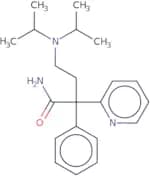
CAS:Controlled Producta-[2-(Diisopropylamino)ethyl]-a-phenyl-2-pyridineacetamide is a hydrogen bond donor. It has been shown to have cytotoxicity in vitro, with parameters that can be used for accurate prediction of descriptors. These descriptors are informative and insightful, which can be used for regression analyses and linear regression methods. The pharmacokinetic properties of a-[2-(Diisopropylamino)ethyl]-a-phenyl-2-pyridineacetamide have been studied in humans and have shown linearity between dose and plasma concentration.
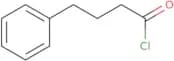
Formula:C21H29N3OColor and Shape:White PowderMolecular weight:339.47 g/mol4-Phenylbutyryl chloride
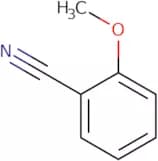
CAS:4-Phenylbutyryl chloride is a chemical with a chiral center and an asymmetric carbon atom. The chemical can be synthesized by the reaction of phenylacetic acid and butyric acid chloride. This compound has been shown to have hypoglycemic effects in animal studies, which may be due to its ability to inhibit the activity of alpha-glucosidase. 4-Phenylbutyryl chloride has also been used for the synthesis of some drugs, including acarbose, miglitol, and glipizide. It has also been shown to have anti-cancer properties in prostate cancer cells. 4-Phenylbutyryl chloride is metabolized by the liver into urinary metabolites that are detectable in urine samples.Formula:C10H11ClOPurity:Min. 97 Area-%Color and Shape:Brown Off-White Yellow Clear LiquidMolecular weight:182.65 g/mol2-Methoxybenzonitrile
CAS:2-Methoxybenzonitrile is a reactive molecule that can undergo a variety of reactions. In simulations, 2-methoxybenzonitrile reacts with carbon tetrachloride to form chlorobenzene and hydrochloric acid. The reaction mechanism involves the metal surface, which is believed to act as a catalyst and transfer the molecule to the receptor binding site on the substrate molecule. 2-Methoxybenzonitrile has been shown to react with various functional groups on a substrate molecule, including ester, amide, nitrile, sulfide, sulfone, and phosphate groups. This reaction system also produces different reaction products depending on the type of functional group.
Formula:C8H7NOPurity:Min. 95%Color and Shape:Clear LiquidMolecular weight:133.15 g/molZinc glycinate
CAS:Zinc glycinate is a form of zinc that is well-absorbed in the gut and has low toxicity. It is used to treat metabolic disorders such as fatty acid oxidation, ethylene diamine oxidation, and antimicrobial peptide synthesis. Zinc glycinate also inhibits the activity of enzymes involved in reactions involving acid complex, nutrient solution, drug interactions, and tissue antigens. Zinc glycinate binds to picolinic acid (a metabolite of tryptophan) and inhibits mitochondrial membrane potential. Structural analysis shows that zinc glycinate has a molecular weight of 196.2 g/mol and an empirical formula of C9H12N2O6Zn.
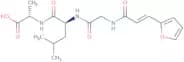
Formula:C4H8N2O4ZnPurity:Min. 95%Color and Shape:PowderMolecular weight:213.5 g/molFA-Gly-Leu-Ala-OH TFA
CAS:FA-Gly-Leu-Ala-OH TFA is a high quality reagent that can be used for the synthesis of complex compounds. It is an intermediate for the production of fine chemicals and speciality chemicals, which are used as reaction components in the synthesis of versatile building blocks. This compound is also an excellent scaffold for research chemicals and useful as a building block in the synthesis of speciality chemicals.Formula:C18H25N3O6•TFAPurity:Min. 95%Color and Shape:PowderMolecular weight:493.43 g/mol4-[2-[[3-(4-Hydroxyphenyl)-1-methylpropyl]amino]ethyl]-1,2-benzenediol hydrochloride
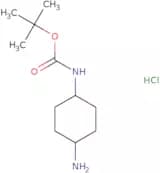
CAS:Dobutamine is a beta-adrenergic agonist that causes the heart to contract and increase blood pressure. It is used for pharmacological treatment of congestive heart failure and ventricular arrhythmias, as well as during angiography of the coronary arteries. Dobutamine stimulates dopamine receptors in the heart, which increases the systolic pressure. Dobutamine has been shown to be effective in improving myocardial contractility, left ventricle function, and cardiac output in patients with chronic congestive heart failure. This drug also improves left ventricular regional wall motion, papillary muscle function, and mitral valve regurgitation. Dobutamine may cause side effects such as nausea, vomiting, headache, or chest pain.Formula:C18H24ClNO3Purity:Min. 95%Color and Shape:PowderMolecular weight:337.84 g/molBoc-1,4-trans-diaminocyclohexane hydrochloride
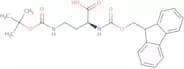
CAS:Boc-1,4-trans-diaminocyclohexane hydrochloride is a versatile building block that can be used to synthesize complex compounds and research chemicals. It has been used as a reagent, specialty chemical and useful intermediate in many different reactions. Boc-1,4-trans-diaminocyclohexane hydrochloride is also a high quality building block that can be utilized to produce pharmaceuticals, agrochemicals and other speciality chemicals. This compound is also an important scaffold for the synthesis of biologically active molecules.Formula:C11H22N2O2·HClPurity:Min. 95%Color and Shape:PowderMolecular weight:250.77 g/molFmoc-Dab(Boc)-OH
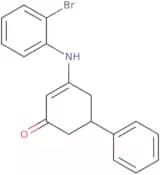
CAS:Fmoc-Dab(Boc)-OH is a fatty acid that is conjugated to an amino acid. It has been shown to have binding activity against activated, solid-phase synthesis, and synthetic compounds. Fmoc-Dab(Boc)-OH is a cyclic lipopeptide with antimicrobial properties. It has been shown to be active against resistant microorganisms such as Enterococcus faecalis and Pseudomonas aeruginosa. This molecule has also been shown to have pro-inflammatory cytokine activity in human colon carcinoma cells, which may lead to the suppression of tumor growth.Formula:C24H28N2O6Purity:Min. 95 Area-%Color and Shape:White Off-White PowderMolecular weight:440.49 g/mol3-((2-bromophenyl)amino)-5-phenylcyclohex-2-en-1-one
CAS:Please enquire for more information about 3-((2-bromophenyl)amino)-5-phenylcyclohex-2-en-1-one including the price, delivery time and more detailed product information at the technical inquiry form on this pagePurity:Min. 95%N-Boc-ethylenediamine
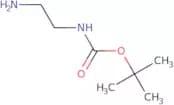
CAS:N-Boc-ethylenediamine is a chemical compound that belongs to the group of peptide hormones. It is historically used as a building block for peptides, such as luteinizing hormone releasing hormone (LHRH), which control reproduction and regulate the release of hormones. N-Boc-ethylenediamine has been shown to inhibit dpp-iv, an enzyme that breaks down proteins needed for cell growth and survival. This inhibition leads to cell death by apoptosis, or programmed cell death. N-Boc-ethylenediamine has also been shown to be an antimicrobial peptide against gram negative bacteria. The synthesis of this compound can be accomplished through several methods, including using diazonium salt or histone proteins. The analytical method involves hydrogen bonding between the amines and trifluoroacetic acid in order to produce the desired product.
Formula:C7H16N2O2Purity:Min. 95%Color and Shape:Clear LiquidMolecular weight:160.21 g/mol3-Hydroxy-4-methoxybenzoic acid
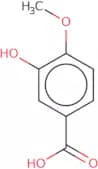
CAS:3-Hydroxy-4-methoxybenzoic acid is a phenolic acid with antiinflammatory activity. It can be found in the leaves of the plant "Anacardium occidentale" or as an intermediate in the synthesis of protocatechuic acid, which is formed by oxidation of 3-hydroxycinnamic acid. 3-Hydroxy-4-methoxybenzoic acid has been shown to inhibit bacterial growth and fungal infection in vitro. The compound also inhibits proinflammatory cytokine production by human monocytes and macrophages, which may be due to its hydroxyl group that can form hydrogen bonds with nucleophilic centers on proteins. 3-Hydroxy-4-methoxybenzoic acid can be prepared through extraction from acetate (1g) containing pyridine (2mL) and acetone (2mL). The extract is incubated at 50°C for 20 minutes before being cooled. TheFormula:C8H8O4Purity:Min. 95%Color and Shape:PowderMolecular weight:168.15 g/mol1-Keto-6-methoxy-1,2,3,4-tetrahydro-β-carboline
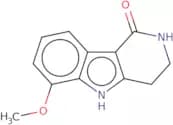
CAS:1-Keto-6-methoxy-1,2,3,4-tetrahydro-beta-carboline is a versatile building block that can be used in the synthesis of various compounds. It is an intermediate that can be used to synthesize other compounds such as 1-methylpiperazine and 1-(2,4-dichlorophenyl)piperazine. It has been shown to have high quality and is useful as a reagent for the synthesis of many different compounds. 1-Keto-6-methoxy-1,2,3,4-tetrahydro-beta carboline is also a useful scaffold for research chemicals and speciality chemicals. CAS No: 128487–09–2Formula:C12H12N2O2Purity:Min. 95%Molecular weight:216.24 g/mol3-((2-Mercapto-1-methylpropyl)thio)-2-butanol
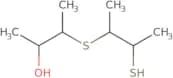
CAS:3-((2-Mercapto-1-methylpropyl)thio)-2-butanol is a high quality synthetic intermediate that can be used as a reagent, a building block for the synthesis of complex compounds, or as an intermediate for the production of speciality chemicals. 3-((2-Mercapto-1-methylpropyl)thio)-2-butanol is soluble in organic solvents and has a high boiling point. It is also useful as a reaction component in the synthesis of fine chemicals and research chemicals. 3-(2 Mercaptoethylthio) 2 butanol has CAS No. 54957-02-7, and may be found under various synonyms such as 1-(3 mercaptoethylthio) butane, 1-(3 mercaptoethylthiobutane), or 1-[3-(mercaptomethyl)propyl] thiobutane.
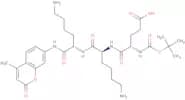
Formula:C8H18OS2Purity:Min. 95%Color and Shape:Colorless Clear LiquidMolecular weight:194.36 g/molBoc-Glu-Lys-Lys-AMC acetate salt
CAS:Boc-Glu-Lys-Lys-AMC acetate salt is a synthetic, potent inhibitor of trypsin and other serine proteases. It is a basic protein with a molecular weight of 9,000 Da that has been obtained by chemical synthesis. This inhibitor binds to the active site of the enzyme and prevents it from cleaving peptide bonds. Boc-Glu-Lys-Lys-AMC acetate salt is an activator of plasminogen in vitro, which may be due to its ability to bind to lysine residues on the surface of tissue plasminogen activator.Formula:C32H48N6O9•C2H4O2Purity:Min. 97 Area-%Color and Shape:PowderMolecular weight:720.81 g/molBz-Arg-AMC hydrochloride
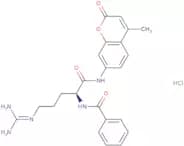
CAS:Bz-Arg-AMC·HCl is a fluorescent substrate for the enzyme trypsin. It is used to measure the extent of proteolysis in biological systems and can be used in aquaculture to measure the activity of enzymes in fish stomachs. Bz-Arg-AMC·HCl has been found to be stable over a wide range of temperatures, pH, and salt concentrations.
Formula:C23H25N5O4•HClPurity:Min. 95%Color and Shape:White/Off-White SolidMolecular weight:471.94 g/molLaricitrin-3,5'-di-O-glucoside
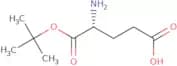
Laricitrin-3,5'-di-O-glucoside is an organic compound that can be used as a research chemical. Laricitrin-3,5'-di-O-glucoside is a building block for the synthesis of other compounds and has been used in the synthesis of novel antibiotics. This compound is also a useful intermediate in the production of 3,6-dihydroxychalcone.Formula:C28H32O18Purity:Min. 95%Molecular weight:656.54 g/molH-D-Glu-OtBu
CAS:H-D-Glu-OtBu is a fine chemical that is useful as a scaffold for the synthesis of complex compounds. It is used as a versatile building block in the preparation of research chemicals and speciality chemicals, and as an intermediate in the preparation of complex compounds. H-D-Glu-OtBu has been shown to be highly reactive and can be used in reactions involving metal salt or organic reagents. This compound is used as a reaction component, which can be produced by reacting acetyl chloride with D-glucamine. H-D-Glu-OtBu is also known by CAS No. 25456-76-2 and has a high quality purity level of 99%.Formula:C9H17NO4Purity:Min. 95%Color and Shape:PowderMolecular weight:203.24 g/mol3-Fluoro-5-methylbenzonitrile
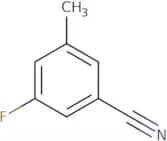
CAS:3-Fluoro-5-methylbenzonitrile is a reactive halogen molecule that can be used in model compounds, such as 3-fluoro-5-methylbenzoic acid. It has been shown to react with nucleophiles in the presence of microwaves, yielding high yields. The compound can be labeled with a variety of labels, including fluorine isotopes, which can be useful for tracking the compound's metabolism.Formula:C8H6FNPurity:Min. 95%Color and Shape:PowderMolecular weight:135.14 g/mol4-Bromo-3-methylpyrazole
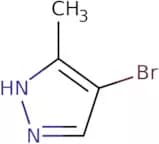
CAS:4-Bromo-3-methylpyrazole is a 3-methylpyrazole that has been shown to have an inhibitory effect on the growth of plants. It is used as a predictive model for pyrazole compounds and has been shown to be an additive in crop plants. 4-Bromo-3-methylpyrazole can be activated by diazo compounds, such as nitrosamines, leading to a variety of chemical reactions. The descriptor for this compound is C6H4BrN2.Formula:C4H5BrN2Color and Shape:PowderMolecular weight:161 g/mol2-Iodo-6-methylbenzoic acid
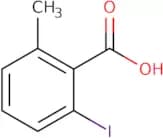
CAS:2-Iodo-6-methylbenzoic acid is a chemical used as an additive in the manufacture of plastics, paints and rubber. It is also a ligand for some transition metals. 2-Iodo-6-methylbenzoic acid has been found to be an active natural product that can be synthesized from phthalimides or other amines. 2-Iodo-6-methylbenzoic acid reacts with donepezil to form a multistep reaction intermediate called A, which is then oxidized by a transition metal to form the final product, aricept. The operational mechanism of this reaction is not yet fully understood, but it may involve an alkene intermediate.Formula:C8H7IO2Purity:Min. 95%Color and Shape:PowderMolecular weight:262.04 g/mol2-(2-Butyl)-4-{4-[4-(4-methyloxy-phenyl)-piperazin-1-yl]-phenyl}-2,4-dihydro-[1,2,4]-triazol-3-one
CAS:2-(2-Butyl)-4-{4-[4-(4-methyloxy-phenyl)-piperazin-1-yl]-phenyl}-2,4-dihydro-[1,2,4]-triazol-3-one (ITZ) is an antifungal drug that inhibits the synthesis of ergosterol. It is used in the treatment of systemic fungal infections such as candidiasis and cryptococcosis. ITZ is a metabolite of itraconazole and fluconazole. The presence of impurities in ITZ can be detected by liquid chromatography with a diode array detector or a fluorescence detector. An antiinfective drug product should be bioequivalent to the reference product and have comparable levels of impurities. Chromatograms are used to identify peaks on a graph and measure their height (area under the curve) to determine how much of each substance is present in the sample.Formula:C23H29N5O2Purity:Min. 95%Color and Shape:White To Yellow SolidMolecular weight:407.51 g/molN-Me-D-Tyr-OH·HCl
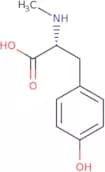
CAS:N-Me-D-Tyr-OH·HCl is an antibiotic that belongs to the group of esters. It has been shown to inhibit the growth of bacteria by binding to the 50S ribosomal subunit. N-Me-D-Tyr-OH·HCl was analyzed using gas chromatography and found to have a retention time of 3.6 minutes. This antibiotic has been used as a substrate for chemical analysis and identification of methyl esters, which are derivatives of carboxylic acids with methyl groups added to the molecule.Formula:C10H13NO3·HClPurity:Min. 95%Color and Shape:PowderMolecular weight:231.68 g/molN-tert-Boc-L-aspartic acid tert-butyl ester
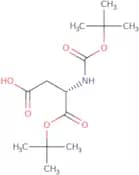
CAS:N-tert-Boc-L-aspartic acid tert-butyl ester is a chemical compound that is synthesized in the laboratory. It has been shown to have an insulinotropic effect on plasma samples and may be used in the treatment of cancer. The ring opening of N-tert-Boc-L-aspartic acid tert-butyl ester yields L-aspartic acid, which can be used for the synthesis of collagen or glycopeptide. This chemical is also found to stimulate T cells and has been shown to inhibit proliferation of cancer cells in vitro.Formula:C13H23NO6Purity:Min. 95%Color and Shape:White PowderMolecular weight:289.32 g/molNalpha,Nalpha-Bis-(carboxymethyl)-L-lysine
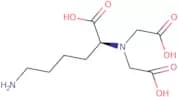
CAS:Nalpha,Nalpha-Bis-(carboxymethyl)-L-lysine is a synthetic amino acid that has been used to immobilize proteins and enzymes. It can be used as an inhibitor in cell culture because it binds to the ryanodine receptor, which regulates calcium release from the sarcoplasmic reticulum. This amino acid has also been shown to inhibit kinesin, a protein involved in the movement of organelles along microtubules. In addition, Nalpha,Nalpha-Bis-(carboxymethyl)-L-lysine has been found to be effective against colony-stimulating factor (CSF) and may serve as a model system for enzymatic reactions.Formula:C10H18N2O6Purity:Area-% Max. 95 Area-%Color and Shape:White Off-White PowderMolecular weight:262.26 g/molH-Leu-Glu-OH
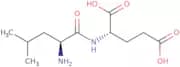
CAS:24-Epibrassinolide is a synthetic molecule that has an optical rotation of +19.4° at 20°C. It is also known as H-Leu-Glu-OH and is a product of the reaction between epibatidine and L-glutamic acid. This molecule has been synthesized to study the role of 24-epibrassinolide in photosynthesis, chlorophyll synthesis, and membrane stability. The phosphate group is attached to the amino group on the n-terminal amino acid. 24-Epibrassinolide has an amino acid composition consisting of leucine, glutamate, glutamine, glycine, proline, serine, cysteine, tyrosine, asparagine, histidine and lysine. 24-Epibrassinolide was first isolated from chloroplasts using refluxing water with ammonium chloride as a solvent. This molecule can be found in nature as well.Formula:C11H20N2O5Purity:Min. 95 Area-%Color and Shape:PowderMolecular weight:260.29 g/molCalcium β-hydroxy-β-methylbutyrate monohydrate
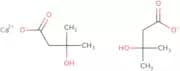
CAS:Calcium b-hydroxy-b-methylbutyrate monohydrate is a dietary supplement that has been shown to be effective in the treatment of skin conditions such as eczema. It is a calcium salt of the natural fatty acid, b-hydroxy-b-methylbutyrate, which is naturally found in kidney beans. This product may also be used for kidney disease and other health care products. The extract from this compound has been shown to increase collagen production in skin cells, as well as protein synthesis and casein production. Calcium b-hydroxy-b-methylbutyrate monohydrate can also bind with acetate (a chemical compound) and form calcium acetate, which has been shown to have antihypertensive effects.Formula:C5H10O3•Ca0•(H2O)0Purity:Min 97%Color and Shape:White PowderMolecular weight:294.36 g/mol5-Bromo-3-methoxybenzyl alcohol
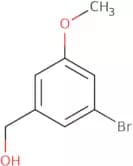
CAS:5-Bromo-3-methoxybenzyl alcohol is a synthetic hydroxyphenyl compound that can be used as a coupling agent. It is prepared by the reaction of bromoacetaldehyde with 3-hydroxybenzyl alcohol in the presence of an amine base, such as pyridine. 5-Bromo-3-methoxybenzyl alcohol can also be used to synthesize pyridines and bromides.Formula:C8H9BrO2Purity:Min. 95%Color and Shape:PowderMolecular weight:217.06 g/molZ-Gly-Pro-AMC
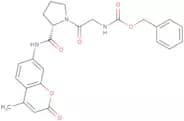
CAS:Z-Gly-Pro-AMC is a substrate molecule that mimics the natural substrate of dipeptidyl peptidase IV (DPP-IV) and is used in the study of plant physiology. It has been shown to inhibit DPP-IV activity by binding to the enzyme’s active site, preventing it from cleaving biologically active peptides. This drug also has an antidiabetic effect, which may be due to its ability to inhibit α-amylase activity. Z-Gly-Pro-AMC also has been shown to increase locomotor activity and reduce body weight in rats with metabolic disorders. Z-Gly-Pro-AMC inhibits serine proteases, such as trypsin, chymotrypsin, elastase, and cathepsin G, which are involved in tumor progression.
Formula:C25H25N3O6Purity:Min. 98%Color and Shape:White PowderMolecular weight:463.48 g/mol2-Chloro-5-methoxyaniline hydrochloride
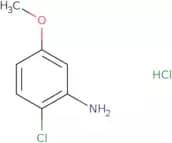
CAS:2-Chloro-5-methoxyaniline hydrochloride is an intercalating agent that is used in the treatment of cancer. It binds to DNA and causes a breakage of the hydrogen bonds between the two strands, which leads to cell death. The 2-Chloro-5-methoxyaniline hydrochloride molecule has affinity for lactams, which are sugar molecules found in cell walls of bacteria, fungi, and plants. This compound can be metabolized by lactamase enzymes that are found in cancer cells and other cells. The metabolized products are fluorescent, which allows them to be detected by fluorescence microscopy. 2-Chloro-5-methoxyaniline hydrochloride has been shown to inhibit the growth of lung cancer cells and leukemia cells by interfering with their ability to synthesize DNA and RNA.Formula:C7H8ClNO•HClPurity:Min. 95%Color and Shape:PowderMolecular weight:194.06 g/mol(3-Methoxyphenyl)acetonitrile
CAS:3-Methoxyphenylacetonitrile (3MPAN) is a small molecule that has been shown to inhibit the activity of kinases, which are enzymes that transfer phosphate groups from ATP onto other substrates. 3MPAN has been found to be selective for the estrogen receptor alpha (ERα), with little or no effect on ERβ, and shows promise as a potential drug for hormone-dependent breast cancer. It also inhibits fatty acid synthesis and is active against some viruses. 3MPAN binds to the enzyme's ATP binding site and blocks phosphorylation by preventing access of ATP. This prevents DNA synthesis and protein synthesis, leading to cell death.
Formula:C9H9NOPurity:Min. 95%Color and Shape:PowderMolecular weight:147.17 g/mol



![[3-(2-Methoxyethoxy)benzyl]amine](/_next/image/?url=https%3A%2Fstatic.cymitquimica.com%2Fproducts%2F3D%2Fthumb-webp%2FFM134467.webp&w=3840&q=75)

![4-[2-[[3-(4-Hydroxyphenyl)-1-methylpropyl]amino]ethyl]-1,2-benzenediol hydrochloride](/_next/image/?url=https%3A%2Fstatic.cymitquimica.com%2Fproducts%2F3D%2Fthumb-webp%2FFH27507.webp&w=3840&q=75)
![2-(2-Butyl)-4-{4-[4-(4-methyloxy-phenyl)-piperazin-1-yl]-phenyl}-2,4-dihydro-[1,2,4]-triazol-3-one](/_next/image/?url=https%3A%2Fstatic.cymitquimica.com%2Fproducts%2F3D%2Fthumb-webp%2FFB19470.webp&w=3840&q=75)