Amino Acids (AA)
Subcategories of "Amino Acids (AA)"
- Amino Acid Derivatives(4,016 products)
- Amino Acid and Amino Acid Related Compounds(3,490 products)
- Amino Acids with Oxygen or Sulphur(168 products)
- Boc- Amino Acids(351 products)
- Fmoc Amino Acids(1,710 products)
Found 38369 products of "Amino Acids (AA)"
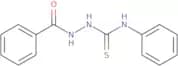
1-benzoyl-4-phenyl-3-thiosemicarbazide
CAS:1-Benzoyl-4-phenyl-3-thiosemicarbazide is an adsorbent that has been shown to be a bidentate ligand. It is used as a corrosion inhibitor and exhibits potentiodynamic polarization. The adsorption isotherm of 1-benzoyl-4-phenyl-3-thiosemicarbazide has been measured using Langmuir and Freundlich techniques. This compound has been shown to have fluorescent properties. 1-Benzoyl-4-phenyl-3-thiosemicarbazide also reacts with thiocyanates, yielding the reaction product 1,2,4,5,6 - hexahydrobenzothiazole.Purity:Min. 95%2-Methyl-4,9-dihydro-3-thia-4,9-diazabenzo[f]azulene-10-one
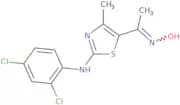
CAS:2-Methyl-4,9-dihydro-3-thia-4,9-diazabenzo[f]azulene-10-one is a high quality reagent that can be used as a useful intermediate or fine chemical. This compound is a complex compound with CAS No. 221176-49-4, which is used as a useful scaffold for the synthesis of other compounds. It also has a variety of uses in research and is versatile building block for organic synthesis. 2-Methyl-4,9-dihydro-3-thia-4,9 -diazabenzo[f]azulene 10 one can be used in reactions such as Friedel Crafts alkylation and amidation reactions to produce valuable substances.Formula:C12H10N2OSPurity:Min. 95%Color and Shape:SolidMolecular weight:230.29 g/mol(2,4-dichlorophenyl)(3-((hydroxyimino)ethyl)-4-methyl(2,5-thiazolyl))amine
CAS:Please enquire for more information about (2,4-dichlorophenyl)(3-((hydroxyimino)ethyl)-4-methyl(2,5-thiazolyl))amine including the price, delivery time and more detailed product information at the technical inquiry form on this page
Purity:Min. 95%(1-Methylethyl)boronic acid
CAS:(1-Methylethyl)boronic acid is a boronic acid that can be used as a catalyst in organic synthesis. This compound is an organometallic compound that has been shown to be a good catalyst for the polymerization of olefins, and for the preparation of copolymers with polyenes. It can also be used in asymmetric synthesis and as a site-specific ligand in transition metal catalyzed reactions. (1-Methylethyl)boronic acid has been shown to inhibit protease activity and may have therapeutic potential for metabolic disorders such as obesity.Formula:C3H9BO2Purity:Min. 95%Color and Shape:PowderMolecular weight:87.91 g/molL-Allylglycine
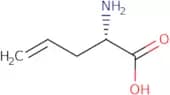
CAS:L-Allylglycine is an antimicrobial agent that inhibits the growth of bacteria by binding to the glutamate receptor. L-Allylglycine has been shown to inhibit the locomotor activity in rats, which may be due to its ability to bind with the serotonergic system and dopamine receptors. L-Allylglycine also binds to Toll-like receptor 4, a protein found on macrophages and microglia in the brain, which may contribute to its neuroprotective effects. It has been shown that L-allylglycine can inhibit a glutamate receptor in mitochondria, which is responsible for the production of ATP. This inhibition prevents DNA replication and cell division, leading to cell death. The asymmetric synthesis of this molecule allows it to have a greater affinity for bacterial cells than mammalian cells.Formula:C5H9NO2Purity:Min. 95%Color and Shape:White PowderMolecular weight:115.13 g/mol1-[(5-Methoxy-1-methyl-1H-indol-3-yl)methyl]piperidine-4-carboxylic acid
CAS:Controlled ProductPlease enquire for more information about 1-[(5-Methoxy-1-methyl-1H-indol-3-yl)methyl]piperidine-4-carboxylic acid including the price, delivery time and more detailed product information at the technical inquiry form on this pageFormula:C17H22N2O3Purity:Min. 95%Molecular weight:302.37 g/molL-Tyrosine tert-butyl ester
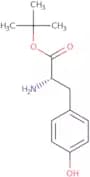
CAS:L-Tyrosine tert-butyl ester is a hydrophobic analog of L-tyrosine. It is a competitive inhibitor of ATP, which slows down the second order rate constant. It also has the ability to reduce lipid hydroperoxides and maintain atp levels in cells that have been irradiated with ultraviolet light. The crystal x-ray diffraction pattern of this molecule suggests that it might be an octameric molecule, which would explain its hydrophobic properties. Its structure may be rationalized by intramolecular hydrogen bonds between the tyrosine and tert-butyl esters.Formula:C13H19NO3Purity:Min. 95%Color and Shape:White PowderMolecular weight:237.29 g/molBoc-Asp-OMe
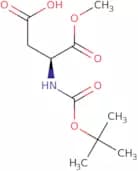
CAS:Boc-Asp-OMe is a peptidomimetic that mimics the hydrogen bonding pattern of aspartic acid. It has been shown to have an intramolecular sequence, which can be cyclic or non-cyclic, and an enantioselective conformation. Boc-Asp-OMe is able to form a hydrogen bond with its neighboring amino acid in the peptide chain and is hydrophobic due to its organic chemistry. This molecule also has a phenyl ring with a carbon bond, which can form n-glycosylations. The conformational and stereochemical properties of this molecule are dependent on the environment it is in.
Formula:C10H17NO6Purity:Min. 95%Color and Shape:PowderMolecular weight:247.25 g/molFmoc-9-aminononanoic acid
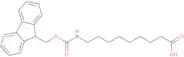
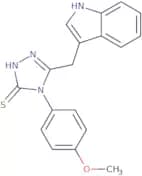
CAS:Fmoc-9-aminononanoic acid is a versatile building block that can be used in the synthesis of complex compounds. This compound has been shown to be useful for the production of speciality chemicals and research chemicals, as well as for the preparation of reagents and reaction components. Fmoc-9-aminononanoic acid is also a high quality intermediate with a wide range of applications. It can be used as an electrophile or nucleophile in organic synthesis reactions, or it can be used as a scaffold to prepare more complicated molecules.Formula:C24H29NO4Purity:Min. 98 Area-%Color and Shape:PowderMolecular weight:395.49 g/mol5-(Indol-3-ylmethyl)-4-(4-methoxyphenyl)-1,2,4-triazole-3-thiol
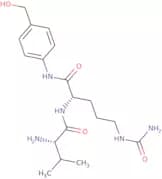
CAS:Please enquire for more information about 5-(Indol-3-ylmethyl)-4-(4-methoxyphenyl)-1,2,4-triazole-3-thiol including the price, delivery time and more detailed product information at the technical inquiry form on this pageFormula:C18H16N4OSPurity:Min. 95%Color and Shape:PowderMolecular weight:336.41 g/molVal-Cit-PAB-OH
CAS:The Val-Cit-PAB linker is an activated peptide linker that is cleaved by cathepsin B. It enables the selective intracellular release of attached drugs in ADC applications.Formula:C18H29N5O4Purity:Min. 95%Color and Shape:PowderMolecular weight:379.45 g/mol1-Methyl-3-[3-methyl-4-[4-[(trifluoromethyl)sulfonyl]phenoxy]phenyl]-1,3,5-triazine-2,4,6(1H,3H,5H)-trione
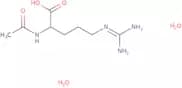
CAS:Ponazuril is a veterinary drug that belongs to the group of chemotherapeutics. It is used in the treatment of endoparasites, such as nematodes and cestodes, which are parasites that live inside the human body. Ponazuril is administered orally or by injection and has been shown to have minimal toxicity in CD-1 mice. Ponazuril binds to DNA polymerase, inhibiting RNA synthesis and protein synthesis. This leads to cell death by apoptosis and necrosis. The drug also inhibits DNA replication in the parasite and blocks parasite growth.Formula:C18H14F3N3O6SPurity:Min. 95%Color and Shape:PowderMolecular weight:457.38 g/molN-α-Acetyl-DL-arginine dihydrate
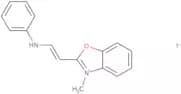
CAS:N-alpha-Acetyl-DL-arginine dihydrate (AAD) is a versatile building block that can be used to synthesize functionalized molecules. AAD is an intermediate for the production of pharmaceuticals and other useful compounds. It is also a reaction component in organic synthesis, and has been shown to have high purity.Formula:C8H16N4O3•(H2O)2Purity:90%Color and Shape:PowderMolecular weight:252.27 g/mol2-ω-Anilinovinylbenzoxazolylmethyl iodide
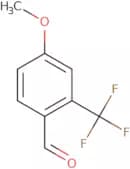
CAS:2-Omega-anilinovinylbenzoxazolylmethyl iodide is an organic reagent that is a useful intermediate and building block in synthesis of complex compounds. It has CAS No. 84100-14-1. 2-Omega-anilinovinylbenzoxazolylmethyl iodide is a fine chemical, which can be used as a speciality chemical for research purposes and as versatile building blocks in the synthesis of complex compounds. This product has many uses, including being a reaction component that can be used to synthesize other chemicals or functional materials.Formula:C16H15N2O•IPurity:Min. 95%Molecular weight:378.21 g/mol4-Methoxy-2-(trifluoromethyl)benzaldehyde
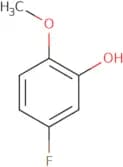
CAS:4-Methoxy-2-(trifluoromethyl)benzaldehyde is a chemical that has been used in the synthesis of a variety of compounds. It is an important intermediate for the production of pharmaceuticals, agrochemicals, and fine chemicals. This compound can be used as a building block to produce other organic compounds with high quality. 4-Methoxy-2-(trifluoromethyl)benzaldehyde can also be used as a reagent in organic chemistry reactions, such as the synthesis of indoles. The CAS number for this compound is 106312-36-1.Formula:C9H7F3O2Purity:Min. 95%Color and Shape:PowderMolecular weight:204.15 g/mol5-Fluoro-2-methoxyphenol
CAS:5-Fluoro-2-methoxyphenol is a heterodimeric natural product that consists of anisoles and acetanilides. It has been shown to induce liver microsomes in rats, as well as hypervalent organometallic complexes with methoxy groups. 5-Fluoro-2-methoxyphenol also exhibits vinylic shift and product synthesis abilities. This compound is useful for the synthesis of acetanilides and other compounds with a methoxy group. Reagents such as phenyllithium, butyllithium, and lithium diisopropylamide are used in this synthesis.Formula:C7H7FO2Purity:Min. 95%Color and Shape:Clear LiquidMolecular weight:142.13 g/molFmoc-Phe(4-NO2)-Wang resin
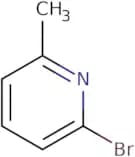
Fmoc-Phe(4-NO2)-Wang resin is a versatile and useful building block, which can be used as a reagent, speciality chemical, and useful scaffold. This compound has been shown to be a useful building block in the synthesis of complex compounds with high quality. Fmoc-Phe(4-NO2)-Wang resin is also a useful intermediate in the synthesis of research chemicals.Color and Shape:White Powder2-Bromo-6-methylpyridine
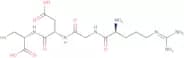
CAS:2-Bromo-6-methylpyridine (2BMPy) is an organic compound that belongs to the group of pyridinium halides. It is soluble in common solvents such as water, ethanol, and acetone. 2BMPy has been shown to act as a glutamate receptor antagonist and has been used in the study of glutamate receptors, including their subtypes. This chemical has also been shown to have antioxidant properties and can be used in the prevention of atherosclerosis.Formula:C6H6BrNPurity:Min. 95%Color and Shape:Clear LiquidMolecular weight:172.02 g/molH-Arg-Gly-Asp-Cys-OH
CAS:H-Arg-Gly-Asp-Cys-OH is a biomimetic amino acid that possesses the same three-dimensional structure as the amino acid sequence found in the human epidermal growth factor receptor 2 (HER2). This compound has been shown to inhibit the activity of enzymes, such as kinases, which are involved in cancer cell division. It also can be used to target and destroy cancer cells using gene therapy. H-Arg-Gly-Asp-Cys-OH binds to messenger RNA and inhibits its translation into protein, which may lead to cell death. H-Arg-Gly-Asp-Cys -OH has been shown to bind specifically with HER2 receptors on breast cancer cells and promote their destruction by inducing apoptosis.Formula:C15H27N7O7SPurity:Min. 95%Color and Shape:PowderMolecular weight:449.48 g/mol5-Hydroxy-2-methylindole
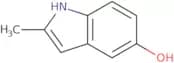
CAS:5-Hydroxy-2-methylindole is a product that transfers serotonin and melatonin, which are neurotransmitters. It can be used in animal studies to investigate the effects on cancer cells and its potential as an anti-cancer agent. 5-Hydroxy-2-methylindole can also be used to stabilize nitro compounds, such as TNT and RDX, by inhibiting the oxidation of these substances. This compound has been shown to have antiviral properties against HIV and HSV and may also have potentials for treating Alzheimer's disease. 5-Hydroxy-2-methylindole is synthesized by reacting indole with hydrogen peroxide in the presence of a halogeno (e.g., chlorine) or ferrous salts. The reaction rate of this synthesis depends on the concentrations of these reactants.Formula:C9H9NOColor and Shape:PowderMolecular weight:147.17 g/mol5-Methoxyindole-2-carboxylic acid
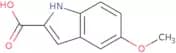
CAS:5-Methoxyindole-2-carboxylic acid is a molecule that belongs to the class of diazonium salts. It is a potent inhibitor of mitochondrial membrane potential and has been shown to have anti-diabetic effects in animal models. 5-Methoxyindole-2-carboxylic acid also inhibits sperm motility, which may be due to its ability to inhibit uv absorption. This compound has been shown to be an effective agent in the treatment of brain infarctions when administered chronically orally. The mechanism of action is not known, but it may involve inhibition of potassium ion uptake or hydrogen bond formation with fatty acids.Formula:C10H9NO3Color and Shape:PowderMolecular weight:191.18 g/mol2,4-Dihydroxy-6-methoxyquinoline
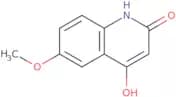
CAS:2,4-Dihydroxy-6-methoxyquinoline is a compound that exhibits antifungal properties. It has been shown to have activity against Aspergillus flavus, Aspergillus fumigatus, Candida albicans and other fungi. 2,4-Dihydroxy-6-methoxyquinoline also inhibits the growth of E. coli and A. aureus in vitro. Elemental analysis showed that this compound possesses antibacterial properties and can inhibit the growth of Staphylococcus aureus.Formula:C10H9NO3Purity:Min. 95%Color and Shape:PowderMolecular weight:191.18 g/mol4-Hydroxy-3-methylbenzaldehyde
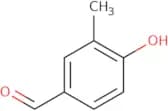
CAS:4-Hydroxy-3-methylbenzaldehyde is a fungicidal agent that has been shown to have activity against Cryptococcus neoformans. It inhibits the mitochondrial functions of this fungus, which leads to cell death by disrupting the synthesis of fatty acids and other cellular components. 4-Hydroxy-3-methylbenzaldehyde binds to C. neoformans with high affinity, producing a reaction product that interferes with the organism's ability to produce butyric acid. The molecular modelling of this compound shows that it is a pyrazole ring with two benzyl groups on either side of an aldehyde group. This chemical also inhibits gram-negative bacteria by binding to fatty acids in their outer membrane.Formula:C8H8O2Purity:Min. 95%Color and Shape:PowderMolecular weight:136.15 g/mol1,1'-Ethylidene-bis-(L-tryptophan)
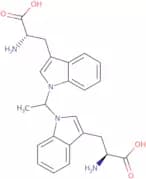
CAS:L-tryptophan is an essential amino acid that is used in the synthesis of proteins. It is also a precursor to serotonin, an important neurotransmitter. L-tryptophan is found in many foods, including milk, eggs, fish, meat and some beans. It can be taken as a dietary supplement or as a drug for the treatment of depression. The chemical structure of L-tryptophan consists of 1,1'-ethylidene-bis-(L-tryptophan). This molecule has been shown to be synthesized from subcutaneous tissues and can be detected by immunohistochemical staining methods. L-Tryptophan has been shown to inhibit protein synthesis in muscle tissue and subcutaneous tissue.Formula:C24H26N4O4Purity:Min. 95%Color and Shape:White PowderMolecular weight:434.49 g/mol5-Methoxy-2,3-Dihydro-Isoindol-1-One
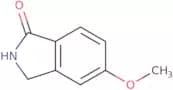
CAS:5-Methoxy-2,3-Dihydro-Isoindol-1-One is a chemical compound that can be used as a building block in organic synthesis. It is an intermediate in the synthesis of various pharmaceuticals and other organic compounds. 5-Methoxy-2,3-Dihydro-Isoindol-1-One is soluble in ethanol, methanol, diethyl ether, chloroform, and benzene. This chemical has been classified as being safe for human use by the FDA.Formula:C9H9NO2Purity:Min. 95%Color and Shape:PowderMolecular weight:163.17 g/molH-Pro-Phe-Arg-AMC acetate salt
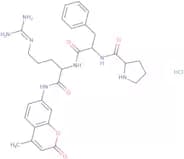
CAS:Fluorogenic substrate targeting pancreatic and urinary KallikreinFormula:C30H37N7O5·C2HF3O2Purity:Min. 95%Color and Shape:White Off-White PowderMolecular weight:575.66 g/mol3,5,7,4'-Tetramethoxyflavone
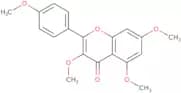
CAS:3,5,7,4'-Tetramethoxyflavone is a flavonoid that has been shown to have antidiabetic effects in animal studies. The mechanism of action of 3,5,7,4'-tetramethoxyflavone is not clear; however it is thought to involve the regulation of insulin sensitivity and energy metabolism. This compound has also been shown to inhibit the growth of Mycobacterium tuberculosis and other bacteria by interacting with their adenosine receptors. 3,5,7,4'-Tetramethoxyflavone binds to the basophilic leukemia cell line and inhibits its uptake of adenosine through the ccaat/enhancer-binding protein complex.
Formula:C19H18O6Purity:Min. 95%Molecular weight:342.34 g/mol3-Methyl 2H-furo[2,3-c]pyran-2-one
CAS:3-Methyl 2H-furo[2,3-c]pyran-2-one (3MHFP) is a plant hormone that belongs to the group of butenolides. It is a karrikin and has been shown to have a variety of physiological effects in plants. 3MHFP binds to specific receptors on the plasma membrane, which causes an increase in Ca++ and K+ ion flow through cell membranes. This leads to inhibition of enzymes such as dehydrocostus lactone oxidase, which are involved in the production of reactive oxygen species (ROS). 3MHFP also affects seed germination, stimulating it at low concentrations and inhibiting it at high concentrations. The mechanisms underlying these effects are not fully understood, but may be due to its ability to regulate metabolism.
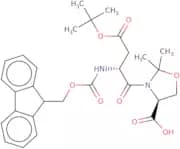
Formula:C8H6O3Purity:Min. 98 Area-%Color and Shape:Yellow PowderMolecular weight:150.13 g/molFmoc-D-Asp(OtBu)-L-Ser(Psi(Me,Me)pro)-OH
Fmoc-D-Asp(OtBu)-L-Ser(Psi(Me,Me)pro)-OH is a high quality reagent that can be used as an intermediate in the synthesis of complex compounds. It is a useful building block for the synthesis of speciality chemicals and research chemicals. Fmoc-D-Asp(OtBu)-L-Ser(Psi(Me,Me)pro)-OH is also a versatile building block that can be used to synthesize different types of compounds.Formula:C29H34N2O8Purity:Min. 95%Color and Shape:PowderMolecular weight:538.59 g/molN-Methyl-5-tetrazolethiol
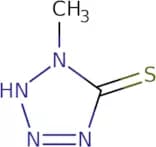
CAS:N-Methyl-5-tetrazolethiol is a vitamin B6 (pyridoxine) analog that inhibits bacterial growth by competitively inhibiting enzymes involved in the synthesis of folate. It has been shown to be toxic for animals and humans at high doses, but the toxicity of this compound has not been studied extensively. N-Methyl-5-tetrazolethiol has been shown to inhibit the activity of enzymes such as methionine synthase, cytochrome C reductase, and nitroreductase in vitro. This drug is used as a treatment for infectious diseases such as malaria and toxoplasmosis. The mechanism of action of N-methyl tetrazolethiol is not known, but it is believed to be related to its ability to inhibit enzyme activity.Formula:C2H4N4SPurity:Min. 95 Area-%Color and Shape:PowderMolecular weight:116.15 g/mol3-Fluoro-L-tyrosine
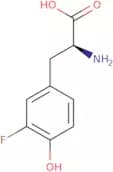
CAS:3-Fluoro-L-tyrosine is a hydroxylated amino acid that is used as a pharmacological agent. 3-Fluoro-L-tyrosine has been shown to be a substrate for the enzyme tyrosinase, which catalyzes the conversion of L-tyrosine into 3,4 dihydroxyphenylalanine (DOPA). 3-Fluoro-L-tyrosine also reacts with bacterial enzymes and may have antibacterial properties.Formula:C9H10FNO3Purity:Min. 95%Color and Shape:PowderMolecular weight:199.18 g/mol6-Methoxyindole
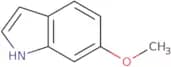
CAS:6-Methoxyindole is an acetate extract of the plant 5-methoxyindole. It has been shown to be a 5-HT1A receptor agonist in animals, and has been shown to have cardiac effects in rats. 6-Methoxyindole is also used as a precursor for the synthesis of diphenylacetylindoles. 6-Methoxyindole is one of the molecules that can be recombined to form a batcho-leimgruber indole (BLI).
Formula:C9H9NOPurity:Min. 99 Area-%Color and Shape:PowderMolecular weight:147.17 g/molMethyl 3-hydroxy-2-methylbenzoate
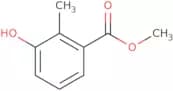
CAS:Methyl 3-hydroxy-2-methylbenzoate is a metabolite that is created when methyl 3-hydroxybenzoate is irradiated with UV light. It can be used as a reagent in Wittig reactions and can be brominated to produce bromoethyl 3-hydroxy-2-methylbenzoate. Methyl 3-hydroxy-2-methylbenzoate is also an intermediate in the acetylation of phenols and the organometallic demethylation of methyltetrahydrofolate. Methyl 3-hydroxybenzoate reacts with chlorides to produce methyl 2,3,4,5,6-pentahydroxybenzoate. This reaction is catalyzed by Streptomyces species. This compound can be converted into other compounds through various reactions including the wittig reaction and hydrolysis with amines such as ethanolamine or isopropylamine.Formula:C9H10O3Purity:Min. 95%Color and Shape:White PowderMolecular weight:166.17 g/mol2,3-Difluoro-6-methoxybenzoic acid methyl ester
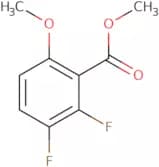
CAS:2,3-Difluoro-6-methoxybenzoic acid methyl ester is a versatile building block that can be used in the production of fine chemicals and research chemicals. It is an intermediate for the synthesis of complex compounds and can be used as a reagent or speciality chemical in research. 2,3-Difluoro-6-methoxybenzoic acid methyl ester is also a useful building block for the synthesis of drugs.Formula:C9H8F2O3Purity:Min. 95%Molecular weight:202.15 g/mol1-(Hydroxyimino)-1-(5-methyl-3-(3-pyridyl)(2,4-thiazolyl))ethane
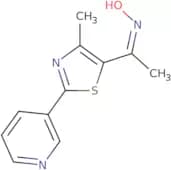
CAS:Please enquire for more information about 1-(Hydroxyimino)-1-(5-methyl-3-(3-pyridyl)(2,4-thiazolyl))ethane including the price, delivery time and more detailed product information at the technical inquiry form on this pageFormula:C11H11N3OSPurity:Min. 95%Color and Shape:PowderMolecular weight:233.29 g/mol2-Ethoxy-3-methoxybenzaldehyde
CAS:2-Ethoxy-3-methoxybenzaldehyde is a coordination compound that contains two thiolate ligands, one carbonyl group, and a chelate ring with sulfur. The compound has been shown to bind to the active site of thiosemicarbazide in the enzyme sulfite oxidase, which catalyzes the oxidation of sulfite to sulfate. 2-Ethoxy-3-methoxybenzaldehyde has also been shown to be an effective ligand for rhenium.
Formula:C10H12O3Purity:Min. 95%Molecular weight:180.2 g/molGlycyl-glycyl-glycIne
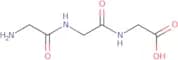
CAS:Glycyl-glycyl-glycine is a compound that has been shown to have thermal expansion properties. It can be used as a thermometer because it changes its volume in response to temperature changes. Glycyl-glycyl-glycine is structurally similar to the amino acid glycine and can form hydrogen bonds with other molecules. The phase transition temperature of Glycyl-glycyl-glycine has been determined by metal chelate titration calorimetry, which is a technique for measuring the heat capacity change of a chemical reaction. This compound was also found to bind fluorescent probes and methyl myristate, which are compounds often used to study enzyme activities. Glycyl-glycyl-glycine has also been shown to react with x-ray diffraction data and vitro assays, both of which are methods used to study molecular structures.
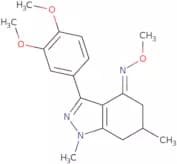
Formula:C6H11N3O4Purity:Min. 98 Area-%Color and Shape:PowderMolecular weight:189.17 g/mol3-(3,4-dimethoxyphenyl)-1,6-dimethyl-(5,6,7-trihydro1H-indazol)-4-O-methyloxime
CAS:Please enquire for more information about 3-(3,4-dimethoxyphenyl)-1,6-dimethyl-(5,6,7-trihydro1H-indazol)-4-O-methyloxime including the price, delivery time and more detailed product information at the technical inquiry form on this page
Purity:Min. 95%4-Fluoro-3-phenoxy benzoic acid
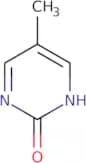
CAS:4-Fluoro-3-phenoxy benzoic acid is a metabolite of pyrethroid insecticides. This metabolite can be found in urine samples and has been detected in the general population. The concentration of 4-fluoro-3-phenoxy benzoic acid in urine is higher in females than males, which may be due to the excretion of metabolites from insecticide exposure. It has also been shown that this metabolite is found at higher concentrations in people with high levels of carboxylic acids. It is not known if 4-fluoro-3-phenoxy benzoic acid is harmful to humans or other animals.Formula:C13H9FO3Purity:Min. 95%Color and Shape:White PowderMolecular weight:232.21 g/mol5-Methylpyrimidin-2-ol
CAS:5-Methylpyrimidin-2-ol is a photophysical, hydroxy group, and hydroxyl group. It has been shown to have an inhibitory effect on DNA methylation by glycosidic bond with the sugar moiety of the nucleotide. 5-Methylpyrimidin-2-ol reacts with the base moiety of the nucleotide to form an analog that inhibits RNA synthesis and is competitive against pyrimidine nucleosides. 5-Methylpyrimidin-2-ol also has a hydrogen bonding property that can react with other molecules such as proteins or sugars to form hydrogen bonds. This reaction rate is increased by fluorescence resonance energy transfer (FRET).
Formula:C5H6N2OPurity:Min. 95%Color and Shape:PowderMolecular weight:110.11 g/mol3-Methoxy-4-nitrobenzoic acid
CAS:3-Methoxy-4-nitrobenzoic acid is a potent and selective inhibitor of aromatase that can be used for the treatment of breast cancer. 3-Methoxy-4-nitrobenzoic acid inhibits the activity of serine proteases, which are enzymes important in protein degradation and cellular signaling. This drug has been shown to inhibit the activity of many other types of kinases, and this makes it a good candidate for use as an anti-cancer agent. 3-Methoxy-4-nitrobenzoic acid also has been shown to inhibit the formation and development of brain tumors when administered via whole body or brain uptake techniques. In addition to inhibiting tumor growth, this drug can prevent metastasis by preventing circulating tumor cells from entering new tissues. The inhibition of estrogen synthesis by 3methoxy-4 nitrobenzoic acid leads to breast cancer cell death in vitro and in vivo.
Formula:C8H7NO5Purity:Min. 95%Color and Shape:PowderMolecular weight:197.14 g/molN-Methyldibutylamine
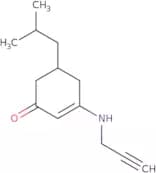
CAS:N-Methyldibutylamine is an aliphatic hydrocarbon that has antimicrobial activity. It is a colorless liquid at room temperature and has a boiling point of 78°C. N-Methyldibutylamine can be used as a solvent for polymers and resins, in the manufacture of plastics, and in the production of enamels. It also has potential applications in cancer research due to its ability to inhibit the growth of tumor cells.Formula:C9H21NPurity:Min. 95%Color and Shape:Clear LiquidMolecular weight:143.27 g/mol5-(2-methylpropyl)-3-(prop-2-ynylamino)cyclohex-2-en-1-one
CAS:Please enquire for more information about 5-(2-methylpropyl)-3-(prop-2-ynylamino)cyclohex-2-en-1-one including the price, delivery time and more detailed product information at the technical inquiry form on this pagePurity:Min. 95%2-Methylindole-3-acetic acid
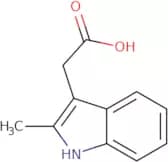
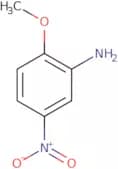
CAS:2-Methylindole-3-acetic acid is a molecule that has been shown to interact with membrane lipids and induce lipid peroxidation. It also interacts with the molecule creatinine, which is excreted in urine, and has been shown to increase urinary levels of creatinine. 2-Methylindole-3-acetic acid has been shown to have antioxidant activity by scavenging radicals and inhibiting lipid peroxidation. The mechanism for this activity is due to its ability to form hydrogen bonds with radicals and react with them, thereby removing them from the cell membrane. 2-Methylindole-3-acetic acid also interacts with receptor protein within the cell, targeting intracellular targets such as DNA and RNA molecules. This compound is an endogenous hormone that may reduce cholesterol levels in cells. 2-Methylindole-3-acetic acid was first isolated from the bark of "Indocalamus latifolius" (Formula:C11H11NO2Purity:Min. 95%Molecular weight:189.21 g/mol2-Methoxy-5-nitroaniline
CAS:2-Methoxy-5-nitroaniline is a nitro compound that is cytotoxic at high doses. It is a diazonium salt that can be synthesised from hydrochloric acid and nitrous acid. The toxicity of 2-methoxy-5-nitroaniline has been tested in rats and found to have significant cytotoxicity at doses of 5000 mg/kg, with a LD50 of 2700 mg/kg. The chemical structure of 2-methoxy-5-nitroaniline consists of an amine group, two nitro groups, and two methyl groups. This compound can be synthesized by reacting ammonia with formaldehyde in the presence of nitric acid. 2-Methoxy-5-nitroaniline has shown to inhibit transcription polymerase chain reactions (PCR) in mouse erythrocytes at concentrations as low as 0.1 mM. DietaryFormula:C7H8N2O3Purity:95%NmrColor and Shape:PowderMolecular weight:168.15 g/mol1-Butanoic acid-2-(O-methyl-L-tyrosine)-1-carbaoxytocin
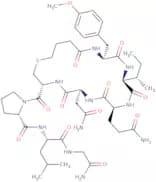
CAS:1-Butanoic acid-2-(O-methyl-L-tyrosine)-1-carbaoxytocin (BMT) is a synthetic analog of oxytocin. Oxytocin is a hormone that is produced in the hypothalamus and released by the pituitary gland to stimulate uterine contractions and milk letdown in mammals. 1-Butanoic acid-2-(O-methyl-L-tyrosine)-1-carbaoxytocin has been shown to bind to the oxytocin receptor and stimulate the release of insulin, which may be useful for treating type 2 diabetes. BMT also stimulates epidermal growth factor (EGF) production and induces skin cell growth. It has been used as an animal health drug for stimulating appetite, increasing weight gain, reducing inflammation, and lowering blood pressure.Formula:C45H69N11O12SPurity:Min. 95%Color and Shape:White PowderMolecular weight:988.16 g/molTribenuron-methyl
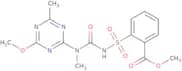
CAS:Tribenuron-methyl is an herbicide that inhibits the activity of acetolactate synthase (ALS) in plants, which is an enzyme involved in the production of the branched-chain amino acid valine. Tribenuron-methyl has been shown to inhibit ALS activity in wheat and some resistant mutants of ALS are still inhibited by this herbicide. The synergic effect between tribenuron-methyl and other herbicides is also important for controlling weeds. Resistant mutants can be reduced using a dispersive solid-phase extraction method, which involves applying a liquid solvent to the soil, extracting water-soluble molecules from the soil, and then concentrating them on a solid phase such as silica gel. This extraction method was used to study the metabolism of herbicides in wheat plants.Formula:C15H17N5O6SPurity:Min. 95%Color and Shape:PowderMolecular weight:395.39 g/molButaphosphan
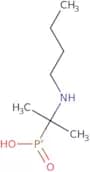
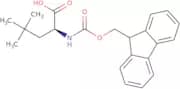
CAS:Butaphosphan is a drug that has been shown to have clinical relevance for the treatment of metabolic disorders. It is a prodrug that is converted into butaprost-diol, which has been shown to improve insulin sensitivity and reduce aminotransferase activity in rats. Butaphosphan can be used as an alternative to aminotransferase inhibitors such as ursodeoxycholic acid and cholestyramine for the treatment of patients with primary biliary cirrhosis. This drug has also been shown to have a protective effect on fatty acid metabolism, which may be due to its ability to inhibit the activity of enzymes involved in fatty acid synthesis. Butaphosphan is metabolized by cytochrome P450 enzymes and hydroxylases and can be detected using LC-MS/MS methods. The drug has also been shown to have beneficial effects on cortisol concentrations and liver histology when administered orally.Formula:C7H18NO2PPurity:Min. 95%Color and Shape:White PowderMolecular weight:179.2 g/molFmoc-neopentylglycine
CAS:Fmoc-neopentylglycine is a versatile building block that can be used in the synthesis of complex compounds. It is a high quality and useful intermediate for synthesis, as well as a reaction component or scaffold. Fmoc-neopentylglycine has been shown to be an effective reagent in organic synthesis. This compound has also been used to synthesize drug candidates, including anti-cancer agents, inhibitors of protein translation, and antibiotics. Its versatility makes it a very useful building block for research chemicals and speciality chemicals.
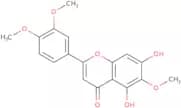
Formula:C22H25NO4Purity:Min. 95%Color and Shape:White PowderMolecular weight:367.44 g/molEupatilin
CAS:Eupatilin is a flavonoid compound, which is derived from the Artemisia species. This plant-based source has been traditionally used in various medicinal applications across different cultures. Eupatilin’s mode of action involves inhibition of pro-inflammatory cytokines and modulation of signaling pathways associated with inflammation, such as the NF-kB pathway. Additionally, it has been found to possess antioxidant activities, which further contributes to its therapeutic potential.Formula:C18H16O7Purity:Min. 95%Color and Shape:PowderMolecular weight:344.32 g/mol

![2-Methyl-4,9-dihydro-3-thia-4,9-diazabenzo[f]azulene-10-one](/_next/image/?url=https%3A%2Fstatic.cymitquimica.com%2Fproducts%2F3D%2Fthumb-webp%2FFM21976.webp&w=3840&q=75)

![1-[(5-Methoxy-1-methyl-1H-indol-3-yl)methyl]piperidine-4-carboxylic acid](/_next/image/?url=https%3A%2Fstatic.cymitquimica.com%2Fproducts%2F3D%2Fthumb-webp%2FFM128176.webp&w=3840&q=75)
![1-Methyl-3-[3-methyl-4-[4-[(trifluoromethyl)sulfonyl]phenoxy]phenyl]-1,3,5-triazine-2,4,6(1H,3H,5H…](/_next/image/?url=https%3A%2Fstatic.cymitquimica.com%2Fproducts%2F3D%2Fthumb-webp%2FFM27105.webp&w=3840&q=75)

![3-Methyl 2H-furo[2,3-c]pyran-2-one](/_next/image/?url=https%3A%2Fstatic.cymitquimica.com%2Fproducts%2F3D%2Fthumb-webp%2FFM25390.webp&w=3840&q=75)