Amino Acids (AA)
Subcategories of "Amino Acids (AA)"
- Amino Acid Derivatives(4,016 products)
- Amino Acid and Amino Acid Related Compounds(3,490 products)
- Amino Acids with Oxygen or Sulphur(168 products)
- Boc- Amino Acids(351 products)
- Fmoc Amino Acids(1,710 products)
Found 38369 products of "Amino Acids (AA)"
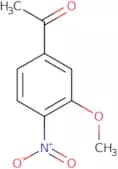
3-Methoxy-4-nitroacetophenone
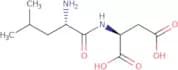
CAS:3-Methoxy-4-nitroacetophenone is an enamine that can be used in the synthesis of a variety of organic compounds. It is a good reducing agent and can be used to synthesize nitrophenols and nitrosamines. Catalytic hydrogenation, transfer hydrogenation, and reductive condensation reactions all use 3-methoxy-4-nitroacetophenone as a starting material. It has been shown to react with a range of alcohols to form acetals, which are stable compounds with a protective group on the alcohol. Cyclization reactions using 3-methoxy-4-nitroacetophenone have also been reported. This compound has been crystallized in pure form.Formula:C9H9NO4Purity:Min. 95%Color and Shape:PowderMolecular weight:195.17 g/molH-Leu-Asp-OH
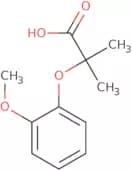
CAS:H-Leu-Asp-OH is a phenolic compound that is synthesized by the esterification of L-leucine and L-aspartic acid. The solubility of H-Leu-Asp-OH in organic solvents, such as dichloromethane and ethanol, is higher than in water. This product can be used as a solvent for other substances and as a boosting agent for other products during clinical trials. It has been shown to have health effects on humans, but more research is needed to determine any possible side effects or long term health problems.Formula:C10H18N2O5Purity:Min. 95%Color and Shape:White PowderMolecular weight:246.26 g/mol2-(2-Methoxyphenoxy)-2-methylpropanoic acid
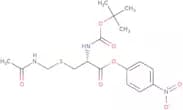
CAS:2-(2-Methoxyphenoxy)-2-methylpropanoic acid is a versatile building block that can be used as a reagent in organic synthesis. It is also an intermediate for the synthesis of various pharmaceuticals, including 2-methoxyestradiol and methoxymacroin. This compound is commercially available from chemical suppliers and can be used to synthesize other compounds with a variety of functional groups.Formula:C11H14O4Purity:Area-% Min. 95 Area-%Color and Shape:PowderMolecular weight:210.23 g/molBoc-S-acetamidomethyl-L-cysteine 4-nitrophenyl ester
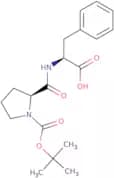
CAS:Please enquire for more information about Boc-S-acetamidomethyl-L-cysteine 4-nitrophenyl ester including the price, delivery time and more detailed product information at the technical inquiry form on this pageFormula:C17H23N3O7SPurity:Min. 95%Color and Shape:PowderMolecular weight:413.45 g/molBoc-Pro-Phe-OH
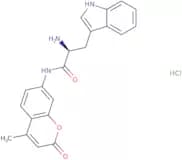
CAS:Boc-Pro-Phe-OH is an ionic liquid that contains a chloride anion. It has been shown to have the ability to dissolve organic compounds, such as 1-methylimidazole, imidazolium, proline, and chloride ions. It has been observed using FTIR and mass spectroscopy that Boc-Pro-Phe-OH forms hydrogen bonds with the chloride ion. The thermal stability of Boc-Pro-Phe-OH has been measured at 250°C for one hour in air with no decomposition observed. This compound also has a low vapor pressure and can be stored in a liquid state at room temperature.Formula:C19H26N2O5Purity:Min. 95%Color and Shape:PowderMolecular weight:362.42 g/molL-Tryptophan-7-amido-4-methylcoumarin
CAS:Please enquire for more information about L-Tryptophan-7-amido-4-methylcoumarin including the price, delivery time and more detailed product information at the technical inquiry form on this pageFormula:C21H19N3O3Purity:Min. 95%Color and Shape:PowderMolecular weight:361.39 g/mol2-Chloro-N-(2-ethyl-6-methylphenyl)propanamide
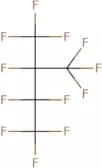
CAS:Please enquire for more information about 2-Chloro-N-(2-ethyl-6-methylphenyl)propanamide including the price, delivery time and more detailed product information at the technical inquiry form on this pageFormula:C12H16ClNOPurity:Min. 95%Molecular weight:225.71 g/molPerfluoro-2-Methylbutane
CAS:Controlled ProductPerfluoro-2-methylbutane is a pharmaceutical dosage form of a perfluorinated liquid. It is used in clinical practice for the treatment of chronic obstructive pulmonary disease (COPD), asthma, or other respiratory disorders. This drug is also used as an inhalation agent in the treatment of adults with acute bronchitis, emphysema, or other airway obstruction. Perfluoro-2-methylbutane has shown resistance to bacteria that are resistant to natural and synthetic polymers. The diameter of Perfluoro-2-methylbutane particles is between 2 and 10 micrometers and it has a viscosity of about 5 centipoise. It has been shown that the reaction time for this drug can be reduced by adding hexamer, which acts as a surfactant for the gas phase. The active substances in Perfluoro-2-methylbutane are unsaturated ketones such as 3-pentanone, 3-hex
Formula:C5F12Purity:Min. 95%Molecular weight:288.03 g/molDL-α-Methyltryptophan
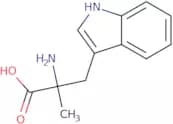
CAS:DL-alpha-Methyltryptophan is a metabolite of the amino acid tryptophan. It is a monoamine neurotransmitter that has been implicated in brain function and inflammatory lesions. DL-alpha-Methyltryptophan can be used as a potential drug target for the treatment of Parkinson's disease, depression, and anxiety disorders. The hydroxyl group on the indole ring of DL-alpha-Methyltryptophan gives it an increased reactivity with oxygen, which allows it to be oxidized by monoamine oxidase B (MAO B) to 3-hydroxyanthranilic acid. This reaction can be inhibited by MAO A inhibitors such as clorgyline or selegiline. The oxidation of DL-alpha-Methyltryptophan leads to increased concentrations of serotonin in the brain and increased activity of aminotransferases.Formula:C12H14N2O2Purity:Min. 98 Area-%Color and Shape:PowderMolecular weight:218.25 g/mol2-Chloro-L-phenylalanine
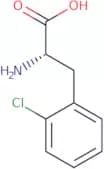
CAS:2-Chloro-L-phenylalanine (2CLP) is a fatty acid that can be used as a pharmacological agent. It has been shown to have an anti-inflammatory effect in the form of an inflammatory lesion in animals. 2CLP is also able to inhibit monoamine neurotransmitters, such as phenolic acid, which is involved in energy metabolism and mitochondrial functions. 2CLP has been shown to increase bile acids and decrease serum cholesterol levels. The chemical structure of 2CLP makes it difficult for the body to absorb it. This chemical has not been tested on humans, but studies have shown that it may be effective when combined with other drugs.
Formula:C9H10ClNO2Purity:Min. 95%Color and Shape:White PowderMolecular weight:199.63 g/mol2-(Boc-amino)-3-methylpyridine
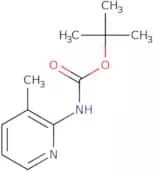
CAS:2-(Boc-amino)-3-methylpyridine is a cytotoxic agent that has been shown to inhibit the proliferation of cancer cells. It is a potent cytotoxic agent that can be used to treat cancer. 2-(Boc-amino)-3-methylpyridine inhibits the growth of cancer cells by inhibiting the activity of B-Raf, a protein involved in cell proliferation and apoptosis. The anticancer properties are due to its ability to inhibit protein synthesis in cells by inhibiting the enzyme carbinolamine N-methyltransferase, which is required for the synthesis of methionine. 2-(Boc-amino)-3-methylpyridine also inhibits DNA and RNA synthesis in cells. This drug has been shown to have antiangiogenic effects, which may be due to its ability to inhibit vascular endothelial growth factor (VEGF) production.
END>Formula:C11H16N2O2Purity:Min. 95%Color and Shape:PowderMolecular weight:208.26 g/molH-Lys-Pro-AMC hydrochloride
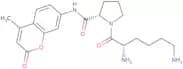
CAS:H-Lys-Pro-AMC hydrochloride is a fine chemical that is a versatile building block, useful intermediate, and speciality chemical. It can be used as a reaction component or in research or production of other chemicals. H-Lys-Pro-AMC hydrochloride can be used to make high quality reagents for use in research and production of other chemicals. This compound has been shown to be useful as a scaffold for the synthesis of complex compounds.Formula:C21H28N4O4·HClPurity:Min. 98 Area-%Color and Shape:SolidMolecular weight:436.93 g/molCapryloyl glycine
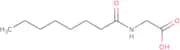
CAS:Capryloyl glycine is a non-protein amino acid that has been identified as a potential biomarker for photosynthetic activity. Capryloyl glycine is a potent inhibitor of the growth of bacteria, fungi and yeasts. It was found to inhibit the growth of bacteria by blocking their ability to synthesize fatty acids in liver cells. Capryloyl glycine also inhibits the production of glycerides in skin cells, which may have therapeutic applications for certain skin disorders.Formula:C10H19NO3Purity:Min. 95%Color and Shape:PowderMolecular weight:201.26 g/mol3,5,7,4'-Tetramethoxyflavone
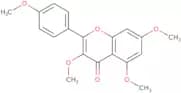
CAS:3,5,7,4'-Tetramethoxyflavone is a flavonoid that has been shown to have antidiabetic effects in animal studies. The mechanism of action of 3,5,7,4'-tetramethoxyflavone is not clear; however it is thought to involve the regulation of insulin sensitivity and energy metabolism. This compound has also been shown to inhibit the growth of Mycobacterium tuberculosis and other bacteria by interacting with their adenosine receptors. 3,5,7,4'-Tetramethoxyflavone binds to the basophilic leukemia cell line and inhibits its uptake of adenosine through the ccaat/enhancer-binding protein complex.
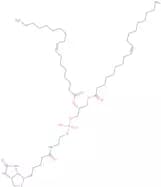
Formula:C19H18O6Purity:Min. 95%Molecular weight:342.34 g/mol1,2-Dioleoyl-sn-glycero-3-phosphatidylethanolamino (+)-biotin
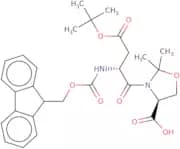
CAS:This is a speciality chemical and is not intended for use in food, drug, or cosmetic applications. This fine chemical is a useful building block, which can be used to synthesize complex compounds. It has been shown to have high reactivity with a variety of reagents, making it an excellent research component.Formula:C51H92N3O10PSPurity:Min. 95%Color and Shape:PowderMolecular weight:970.33 g/molFmoc-D-Asp(OtBu)-L-Ser(Psi(Me,Me)pro)-OH
Fmoc-D-Asp(OtBu)-L-Ser(Psi(Me,Me)pro)-OH is a high quality reagent that can be used as an intermediate in the synthesis of complex compounds. It is a useful building block for the synthesis of speciality chemicals and research chemicals. Fmoc-D-Asp(OtBu)-L-Ser(Psi(Me,Me)pro)-OH is also a versatile building block that can be used to synthesize different types of compounds.Formula:C29H34N2O8Purity:Min. 95%Color and Shape:PowderMolecular weight:538.59 g/molN-Methyl-5-tetrazolethiol
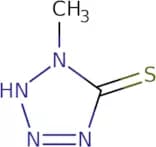
CAS:N-Methyl-5-tetrazolethiol is a vitamin B6 (pyridoxine) analog that inhibits bacterial growth by competitively inhibiting enzymes involved in the synthesis of folate. It has been shown to be toxic for animals and humans at high doses, but the toxicity of this compound has not been studied extensively. N-Methyl-5-tetrazolethiol has been shown to inhibit the activity of enzymes such as methionine synthase, cytochrome C reductase, and nitroreductase in vitro. This drug is used as a treatment for infectious diseases such as malaria and toxoplasmosis. The mechanism of action of N-methyl tetrazolethiol is not known, but it is believed to be related to its ability to inhibit enzyme activity.Formula:C2H4N4SPurity:Min. 95 Area-%Color and Shape:PowderMolecular weight:116.15 g/mol2-Fluoro-5-methylbenzonitrile
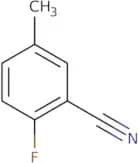
CAS:2-Fluoro-5-methylbenzonitrile (2FMBC) is a molecule that has a molecular weight of 153.22 g/mol and a melting point of -30°C. It also has a boiling point of 190°C at 14 mmHg, and it is soluble in ethanol, ether, acetone, benzene, chloroform, carbon disulfide, and nitrobenzene. 2FMBC can be found in the vibrational spectrum from 400 to 700 nm with a maximum absorption frequency of 724 nm. The infrared spectrum for 2FMBC ranges from 700 cm-1 to 3200 cm-1. The molecular orbital theory predicts that the energy levels for this molecule are symmetrical and unsymmetrical. It has been shown by x-ray data that 2FMBC's dipole moment is 0 D.Formula:C8H6FNPurity:Min. 95%Color and Shape:PowderMolecular weight:135.14 g/mol2,3-Difluoro-6-methoxybenzoic acid methyl ester
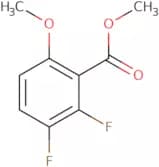
CAS:2,3-Difluoro-6-methoxybenzoic acid methyl ester is a versatile building block that can be used in the production of fine chemicals and research chemicals. It is an intermediate for the synthesis of complex compounds and can be used as a reagent or speciality chemical in research. 2,3-Difluoro-6-methoxybenzoic acid methyl ester is also a useful building block for the synthesis of drugs.Formula:C9H8F2O3Purity:Min. 95%Molecular weight:202.15 g/mol2-fluoro-5-methoxybenzaldehyde
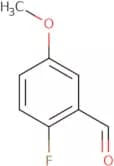
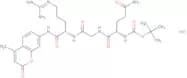
CAS:2-fluoro-5-methoxybenzaldehyde is an asymmetric synthesis that has been shown to inhibit the growth of cancer cells by inhibiting a protein called MT2. 2-Fluoro-5-methoxybenzaldehyde is a nucleophilic compound and reacts with the electrophilic carbon in the enolate to form a sulfoxide, which can be hydrolyzed by acid. This reaction inhibits cancer cell growth as it prevents cellular metabolism and amino acid biosynthesis.Formula:C8H7FO2Purity:Min. 95%Molecular weight:154.14 g/molBoc-Gln-Gly-Arg-AMC·HCl
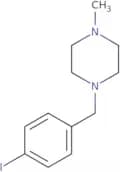
CAS:Boc-Gln-Gly-Arg-AMC·HCl is a reagent that is used as a reaction component in the synthesis of peptides, antibiotics, and other complex compounds. Boc-Gln-Gly-Arg-AMC·HCl is also a useful scaffold for the synthesis of new fine chemicals. This chemical has a CAS number of 133448-21-2, and is classified as a speciality chemical and versatile building block. It can be used to synthesize various fine chemicals with high purity and quality.Formula:C28H40N8O8·HClPurity:Min. 95%Color and Shape:PowderMolecular weight:653.13 g/mol1-(4-Iodobenzyl)-4-methylpiperazine
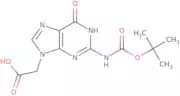
CAS:Controlled Product1-(4-Iodobenzyl)-4-methylpiperazine is a chemical compound that is used as a building block for the synthesis of other organic compounds. It is also a reagent for organic synthesis and can be used to prepare high-quality research chemicals. 1-(4-Iodobenzyl)-4-methylpiperazine has many applications, including use as a versatile building block and a reaction component in the preparation of complex compounds. This chemical compound has CAS No. 102294-97-3 and can be found under the name "1-(4-iodobenzyl)piperazine".Formula:C12H17IN2Purity:Min. 95%Color and Shape:PowderMolecular weight:316.18 g/molN2-Boc-guanine-9-acetic acid
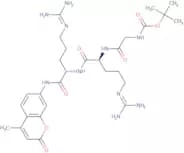
CAS:N2-Boc-guanine-9-acetic acid is a versatile building block that is used as a reagent, speciality chemical and intermediate in the synthesis of complex compounds. It has shown high quality, high purity and usefulness as an intermediate in the synthesis of organic molecules. This compound can be used to generate large quantities of guanine derivatives which are important building blocks for many types of research chemicals. N2-Boc-guanine-9-acetic acid is also useful as a reaction component or scaffold in organic syntheses.Formula:C12H15N5O5Purity:Min. 95 Area-%Color and Shape:White Off-White PowderMolecular weight:309.28 g/molBoc-Gly-Arg-Arg-AMC acetate salt
CAS:Boc-Gly-Arg-Arg-AMC acetate salt is a protease inhibitor that inhibits the activity of serine proteases. This protein is a potent and selective inhibitor of the NS3 protease from hepatitis C virus, which is responsible for the cleavage of polyproteins into mature proteins. Boc-Gly-Arg-Arg-AMC acetate salt has been shown to be effective in transfection experiments and polymerase chain reaction, as well as in inhibiting the activity of soybean trypsin and mammalian tissue proteases.
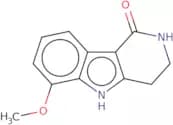
Formula:C29H44N10O7•(C2H4O2)xPurity:Min. 98 Area-%Color and Shape:PowderMolecular weight:644.72 g/mol1-Keto-6-methoxy-1,2,3,4-tetrahydro-β-carboline
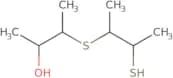
CAS:1-Keto-6-methoxy-1,2,3,4-tetrahydro-beta-carboline is a versatile building block that can be used in the synthesis of various compounds. It is an intermediate that can be used to synthesize other compounds such as 1-methylpiperazine and 1-(2,4-dichlorophenyl)piperazine. It has been shown to have high quality and is useful as a reagent for the synthesis of many different compounds. 1-Keto-6-methoxy-1,2,3,4-tetrahydro-beta carboline is also a useful scaffold for research chemicals and speciality chemicals. CAS No: 128487–09–2Formula:C12H12N2O2Purity:Min. 95%Molecular weight:216.24 g/mol3-((2-Mercapto-1-methylpropyl)thio)-2-butanol
CAS:3-((2-Mercapto-1-methylpropyl)thio)-2-butanol is a high quality synthetic intermediate that can be used as a reagent, a building block for the synthesis of complex compounds, or as an intermediate for the production of speciality chemicals. 3-((2-Mercapto-1-methylpropyl)thio)-2-butanol is soluble in organic solvents and has a high boiling point. It is also useful as a reaction component in the synthesis of fine chemicals and research chemicals. 3-(2 Mercaptoethylthio) 2 butanol has CAS No. 54957-02-7, and may be found under various synonyms such as 1-(3 mercaptoethylthio) butane, 1-(3 mercaptoethylthiobutane), or 1-[3-(mercaptomethyl)propyl] thiobutane.
Formula:C8H18OS2Purity:Min. 95%Color and Shape:Colorless Clear LiquidMolecular weight:194.36 g/mol4-Methylthiophenol
CAS:4-Methylthiophenol is a colorless liquid that is soluble in water. It has a molecular weight of 98.12 and an empirical formula of C6H7O2S. 4-Methylthiophenol is used as an analytical reagent, solvent, and chemical intermediate. It exhibits hydrogen bonding interactions with sodium carbonate and trifluoroacetic acid and forms a salt with sodium carbonate. The molecule's stability increases when it interacts with amines and the presence of nucleophiles such as water or alcohols. 4-Methylthiophenol has been shown to be effective at enhancing the fluorescence signal emitted by amines, which makes it useful for laser ablation mass spectrometry (LA-MS). 4-Methylthiophenol can also be used for kinetic energy measurements using FTIR spectroscopy because it will absorb infrared light at 1680 cm−1 from the CO2 laser beam.Formula:C7H8SPurity:Min. 95%Color and Shape:White PowderMolecular weight:124.2 g/mol3-Methyl-2-benzothiazolinone hydrazone hydrochloride monohydrate
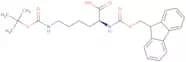
CAS:3-Methyl-2-benzothiazolinone hydrazone hydrochloride monohydrate is a diazonium salt that inhibits the activity of tyrosinase. It is used in pharmaceutical preparations as an inhibitor molecule to treat skin cancer. This compound has been shown to inhibit the production of melanin, which protects cells from damage by ultraviolet (UV) radiation. 3-Methyl-2-benzothiazolinone hydrazone hydrochloride monohydrate binds to tyrosinase and prevents it from forming radicals, which are necessary for the formation of melanin. The inhibition of this enzyme results in skin that is less susceptible to UV radiation and therefore less likely to develop skin cancer.Formula:C8H9N3S·HCl·H2OPurity:Min. 98 Area-%Color and Shape:PowderMolecular weight:233.72 g/molFmoc-Lys(Boc)-OH
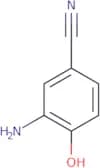
CAS:Fmoc-Lys(Boc)-OH is a synthetic amino acid that has been used to synthesize polypeptides. It is prepared by the reaction of naphthalene, trifluoroacetic acid and copper (II) acetate in an acidic environment. The synthesis of Fmoc-Lys(Boc)-OH involves the use of a high salt and coordination geometry for the copper complex. This amino acid can be used as a cancer drug, because it inhibits NS3 protease, which is an enzyme that promotes tumor growth. Fmoc-Lys(Boc)-OH also binds to carbohydrate receptors on cancer cells and inhibits uptake of these cells by macrophages.Formula:C26H32N2O6Purity:Min. 98 Area-%Color and Shape:White PowderMolecular weight:468.54 g/mol2-Amino-4-cyano-phenol
CAS:2-Amino-4-cyano-phenol is a compound that has been shown to have antitubercular activity. It modulates the activity of cromakalim, which is a drug used for the treatment of tuberculosis. 2-Amino-4-cyano-phenol is also an antibacterial agent and has been shown to activate bacterial DNA replication and protein synthesis. The mechanism of action of this compound is thought to be due in part to its ability to bind with the ribosomes on the outside surface of cells and inhibit their function. 2-Amino-4-cyano-phenol has also been shown to have structural similarities with phenylephrine, which inhibits bacterial growth by binding to DNA gyrase, thereby preventing transcription and replication.Formula:C7H6N2OPurity:Min. 95%Color and Shape:PowderMolecular weight:134.14 g/molSuc-Ala-Ala-Ala-AMC
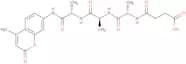
CAS:Suc-Ala-Ala-Ala-AMC is a fluorogenic substrate that can be used to measure the activity of serine proteases. Suc-Ala-Ala-Ala-AMC has been shown to have high values in mammalian tissue. It also has high activity against many bacteria and fungi, as well as proteolytic enzymes such as collagenase and matrix metalloproteinase. This substrate is activated by phorbol esters and has an optimum pH of 5.5. Suc-Ala-Ala-Ala AMC is a model protein for determining the antibacterial efficacy of various antibiotics.Formula:C23H28N4O8Purity:Min. 95%Color and Shape:PowderMolecular weight:488.49 g/mol1,2-Bis-(4-methoxyphenylcyclohexan-1,2-diol)
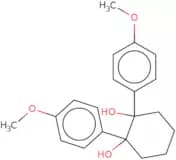
CAS:1,2-Bis-(4-methoxyphenylcyclohexan-1,2-diol) is a high quality reagent that is an important intermediate for the synthesis of complex compounds. It is also a useful building block in the synthesis of fine chemicals and speciality chemicals. This compound can be used as a versatile building block in the synthesis of various organic compounds. 1,2-Bis-(4-methoxyphenylcyclohexan-1,2-diol) is also a reaction component that can be used to synthesize pharmaceuticals and other research chemicals.Formula:C20H24O4Purity:Min. 95%Molecular weight:328.4 g/mol2-(4-Ethylphenoxy)-2-methylpropanoic acid
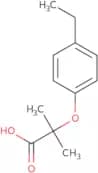
CAS:2-(4-Ethylphenoxy)-2-methylpropanoic acid is a versatile building block that can be used as a reagent, speciality chemical, or useful intermediate for the synthesis of various compounds. It is also an important reaction component for the synthesis of 2-(4-ethylphenoxy)ethanol and 2-(4-ethylphenoxy)acetic acid. This compound has been identified by the Chemical Abstracts Service (CAS No. 17413-77-3).Formula:C12H16O3Purity:Min. 95%Color and Shape:PowderMolecular weight:208.25 g/mol2-(4-Methylphenyl)ethanol
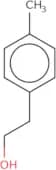
CAS:2-(4-Methylphenyl)ethanol is a chemical compound that is used as a solvent. It is also used in the synthesis of 2-hydroxyphenylacetic acid, an intermediate in the synthesis of 4-methylbenzoic acid and 4-methylphenol. The toxicologic properties of 2-(4-methylphenyl)ethanol are not well known. However, it has been shown to inhibit tyrosinase activity and stimulate melanogenesis in rats. The chemical structure of 2-(4-methylphenyl)ethanol consists of two functional groups: a phenyl group with a methyl substitution and an alcohol group. The molecular formula for this compound is C9H12O2, which indicates that it contains one carbon atom, nine hydrogen atoms, one oxygen atom, and two hydrogens. This compound has been studied by nuclear magnetic resonance spectroscopy (NMR).Formula:C9H12OPurity:Min. 95%Color and Shape:Clear LiquidMolecular weight:136.19 g/mol4-Methoxy estrone
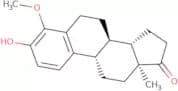
CAS:Controlled Product4-Methoxy estrone is a metabolite of estradiol that has been shown to induce cellular transformation in vitro and tumorigenesis in vivo. It can be found in the urine of women with breast cancer and is also produced during pregnancy. 4-Methoxy estrone has been shown to have a high affinity for catechol-O-methyltransferase (COMT) enzyme, which may contribute to its carcinogenic effects. Studies have also shown that 4-methoxy estrone can be metabolized by hydroxylation at the 4 position to form catechol estrogen metabolites, which are associated with preeclampsia. This compound has been identified as an endocrine disruptor that alters metabolic profiles when administered to animals.Formula:C19H24O3Purity:Min. 95%Color and Shape:PowderMolecular weight:300.39 g/molH-Lys-AMC
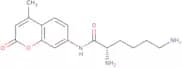
CAS:H-Lys-AMC is a proteolytic enzyme preparation that was originally isolated from the bacterium Staphylococcus epidermidis. It is active against a wide range of bacteria, including Staphylococcus aureus, and has been shown to inhibit the growth of these bacteria in vitro. Carboxypeptidase activity has been demonstrated using an ion-exchange chromatography technique on S. epidermidis culture supernatants. H-Lys-AMC has also been shown to have antibiotic sensitivity against many strains of bacteria, including S. epidermidis and staphylococci.Formula:C16H21N3O3Purity:Min. 95%Color and Shape:SolidMolecular weight:303.36 g/mol1,10-Phenanthroline monohydrate
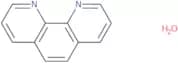
CAS:1,10-Phenanthroline monohydrate is a metal chelate that binds to DNA by hydrogen bonds. It has been shown to have an intramolecular hydrogen and a linear calibration curve with a coefficient of determination (r2) of 0.998. The rate constant for the reaction of 1,10-phenanthroline monohydrate with DNA is 5.00 x 10 M-1 s-1 at 25°C in water and pH 7.4 buffer. The coordination geometry for 1,10-phenanthroline monohydrate is octahedral with the axial ligands occupying the equatorial positions and the equatorial ligands occupying the axial positions. This compound has been shown to be active against HL-60 cells, which causes cancerous transformations in vitro. Fluorescence spectrometry data shows that 1,10-phenanthroline monohydrate can bind to DNA in vitro but not in vivo.Formula:C12H10N2OPurity:Min. 95%Color and Shape:Off-White PowderMolecular weight:198.22 g/mol2-Chloro-5-methyl-1,4-benzoquinone
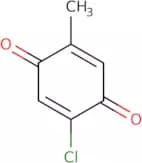
CAS:2-Chloro-5-methyl-1,4-benzoquinone is a heterocyclic organic compound with the molecular formula CHClO. It is a crystalline solid that occurs in two forms, the alpha and beta forms. The alpha form consists of an asymmetric unit containing two fused rings, one with five carbon atoms and another with six. The beta form has a similar structure but the ring with six carbon atoms is replaced by a carbon atom substituted for sulfur. 2-Chloro-5-methyl-1,4-benzoquinone can be used as an emulsifying agent or to produce benzoquinone by oxidation of hydroquinone or by electrochemical reduction of methylene blue. This chemical also has been used as an electron acceptor in supramolecular chemistry studies.Formula:C7H5ClO2Purity:Min. 95%Color and Shape:PowderMolecular weight:156.57 g/molH-D-Glu-OtBu
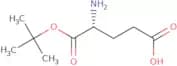
CAS:H-D-Glu-OtBu is a fine chemical that is useful as a scaffold for the synthesis of complex compounds. It is used as a versatile building block in the preparation of research chemicals and speciality chemicals, and as an intermediate in the preparation of complex compounds. H-D-Glu-OtBu has been shown to be highly reactive and can be used in reactions involving metal salt or organic reagents. This compound is used as a reaction component, which can be produced by reacting acetyl chloride with D-glucamine. H-D-Glu-OtBu is also known by CAS No. 25456-76-2 and has a high quality purity level of 99%.Formula:C9H17NO4Purity:Min. 95%Color and Shape:PowderMolecular weight:203.24 g/mol4-Fluoro-3-methoxybenzoic acid
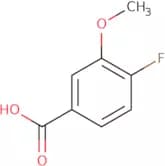
CAS:4-Fluoro-3-methoxybenzoic acid is a chiral, organic compound. It is an estrogen antagonist that binds to the estrogen receptor. 4-Fluoro-3-methoxybenzoic acid has been shown to inhibit tumor growth by blocking the interaction of estradiol with its receptor in the cancer cell line MCF-7. The metabolically active form of this compound is 4′-hydroxymethyl 4′,4″-difluorobenzoate and it can be converted into other metabolites such as 3′,4′,5′,6′-tetrahydroxybenzoic acid. This conversion may be mediated by cytochrome P450 enzymes or through hydrolysis by esterases or glucuronidases. The stereoisomers of 4-fluoro-3 methoxybenzoic acid are erythro and threo forms which have different affinities forFormula:C8H7FO3Purity:Min. 95%Color and Shape:PowderMolecular weight:170.14 g/molH-Gly-Pro-pNA•hydrochloride
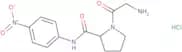
CAS:H-Gly-Pro-pNA is an antidiabetic drug that inhibits the activity of dipeptidyl peptidase IV (DPP IV), a family of enzymes that catalyses the cleavage of the amino acid sequence of proline and arginine. The inhibitory effect on DPP IV by H-Gly-Pro-pNA was demonstrated using magnetic resonance spectroscopy, chromatographic assays, and electrospray ionization mass spectrometry. H-Gly-Pro-pNA also has hydrophobic properties and can interact with other drugs that are lipophilic. In vitro assays have been used to determine the inhibition activity of H-Gly-Pro-pNA against various proteins involved in diabetes mellitus, including aminopeptidases, carboxypeptidases and endopeptidases.Formula:C13H16N4O4•HClPurity:Min. 95%Color and Shape:White PowderMolecular weight:328.75 g/mol(E)-N-(3-Methylaminopropyl)-2-thiopheneacrylamide
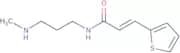
CAS:(E)-N-(3-Methylaminopropyl)-2-thiopheneacrylamide is a high quality chemical that can be used as an intermediate in the synthesis of complex compounds. It is also a useful scaffold and building block for the synthesis of speciality chemicals with versatile reactions.Formula:C11H16N2OSPurity:Min. 95%Color and Shape:Colorless Clear LiquidMolecular weight:224.32 g/molClobetasol Propionate - Impurity B
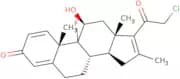
CAS:Controlled Product(11β)-21-Chloro-9-fluoro-11-hydroxy-16-methylpregna-1,4,16-triene-3,20-dione is a chemical compound that can be used as a building block in the synthesis of other chemicals. It is structurally related to progesterone and has been found to have antiandrogenic properties. This product can also be used as a reagent or speciality chemical in research. It is high quality and versatile. (11β)-21-Chloro-9-fluoro-11-hydroxy-16-methylpregna 1,4,16 triene 3,20 dione has been shown to have an effect on the body's reproductive system by binding to the androgen receptor.Formula:C22H26ClFO3Purity:Min. 95%Color and Shape:PowderMolecular weight:392.89 g/molN-(5-Amino-2-methylphenyl)-4-(3-pyridyl)-2-pyrimidineamine
CAS:Imatinib is an anticancer drug that belongs to the class of trimethyls. It is a potent inhibitor of tyrosine-specific protein kinases, including Bcr-Abl and Src family kinases. It has been shown to have antineoplastic properties in human cells in vitro. Imatinib is structurally similar to the anticancer agent lapatinib and inhibits G1 phase cell cycle progression by preventing phosphorylation of retinoblastoma protein (Rb). Imatinib is also genotoxic due to its structural similarity to other known genotoxic compounds such as bromo-2′-deoxyuridine and 2-chloroimidazole.
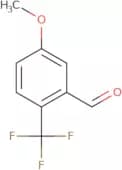
Formula:C16H15N5Purity:Min. 95%Color and Shape:PowderMolecular weight:277.32 g/mol5-Methoxy-2-(trifluoromethyl)benzaldehyde
CAS:5-Methoxy-2-(trifluoromethyl)benzaldehyde (5MFBA) is a potential anticancer compound that has been shown to inhibit the growth of pancreatic cancer cells. 5MFBA is formed by the reaction of methoxybenzene and trifluoromethyl bromide in the presence of copper chloride, which acts as a dehydrogenase. This compound also has prognostic and clinicopathological implications in patients with pancreatic cancer, as well as staining properties in tissues. 5MFBA modulates biological function via reactive oxygen species (ROS) production, which induces cell apoptosis. Research on this compound has been done on cancer tissues from various organs, including breast and prostate cancers.Formula:C9H7F3O2Purity:Min. 95%Color and Shape:PowderMolecular weight:204.15 g/mol4'-Methoxypropiophenone
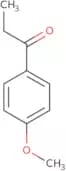
CAS:4'-Methoxypropiophenone is an alkanoid compound. It has been shown to have anticancer activity and the ability to produce light emission. 4'-Methoxypropiophenone is a phosphotungstic acid (PTA) light-sensitive dye that can be used for detection of acidic compounds. The PTA dye binds to the analyte and produces an intense blue or green light when irradiated with UV or visible light. This process is called photoluminescence. 4'-Methoxypropiophenone has also been shown to have insecticidal properties, which may be due to its arylation reaction with proteins in the insect cell membrane. 4'-Methoxypropiophenone is often used as a model system for studying Friedel-Crafts reactions, which are chemical reactions that involve the addition of multiple molecules of an alkene across a double bond to form substituted aromatic compounds. In this case, one molecule of 4Formula:C10H12O2Purity:Min. 98 Area-%Color and Shape:Colorless Slightly Yellow Clear LiquidMolecular weight:164.2 g/mol(5-Bromo-2-methoxyphenyl)acetonitrile
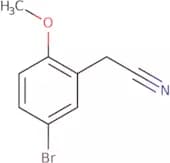
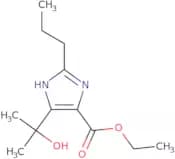
CAS:5-Bromo-2-methoxyphenyl)acetonitrile is a chemical building block that can be used in the synthesis of complex compounds. It is a versatile intermediate that can be used as a reagent in organic reactions. This compound has been shown to be useful as a reaction component and is a high quality product. 5-Bromo-2-methoxyphenyl)acetonitrile has CAS number 7062-40-0 and is listed on the Chemical Abstracts Service (CAS).Formula:C9H8BrNOPurity:Min. 95%Molecular weight:226.07 g/mol4-(1-Hydroxy-1-methylethyl)-2-propyl-1H-imidazole-5-carboxylic acid ethyl ester
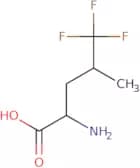
CAS:4-(1-Hydroxy-1-methylethyl)-2-propyl-1H-imidazole-5-carboxylic acid ethyl ester is a synthetic drug with pharmacological properties that are similar to those of the natural product medoxomil. It has been shown to be a potent blocker of the GABA receptor and is used for the treatment of epilepsy. 4-(1-Hydroxy-1-methylethyl)-2-propyl-1H-imidazole-5-carboxylic acid ethyl ester has been shown to be an inhibitor of rat liver microsomes and also has a high affinity for the enzyme cilexetil, which is responsible for the conversion of cilexetil into its active form.Formula:C12H20N2O3Purity:Min. 95%Color and Shape:PowderMolecular weight:240.3 g/mol5,5,5-Trifluoro-DL-leucine
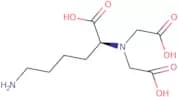
CAS:5,5,5-Trifluoro-DL-leucine is a chemical compound that has been shown to be stable in the presence of hydrogen and can be used as an analog for leucine. It has been shown to bind with the ribosome and inhibit protein synthesis in bacteria. 5,5,5-Trifluoro-DL-leucine binds to the ribosomal A site and blocks peptide bond formation. It also inhibits glucose monitoring by interfering with the binding of glucose to the G protein. 5,5,5-Trifluoro-DL-leucine also has structural properties that are similar to those of 2,3,-dihydrobenzofuran (DHF). This similarity may account for its ability to denature proteins.Formula:C6H10F3NO2Purity:Min. 95%Color and Shape:PowderMolecular weight:185.14 g/molNalpha,Nalpha-Bis-(carboxymethyl)-L-lysine
CAS:Nalpha,Nalpha-Bis-(carboxymethyl)-L-lysine is a synthetic amino acid that has been used to immobilize proteins and enzymes. It can be used as an inhibitor in cell culture because it binds to the ryanodine receptor, which regulates calcium release from the sarcoplasmic reticulum. This amino acid has also been shown to inhibit kinesin, a protein involved in the movement of organelles along microtubules. In addition, Nalpha,Nalpha-Bis-(carboxymethyl)-L-lysine has been found to be effective against colony-stimulating factor (CSF) and may serve as a model system for enzymatic reactions.Formula:C10H18N2O6Purity:Area-% Max. 95 Area-%Color and Shape:White Off-White PowderMolecular weight:262.26 g/mol