Amino Acids (AA)
Subcategories of "Amino Acids (AA)"
- Amino Acid Derivatives(4,016 products)
- Amino Acid and Amino Acid Related Compounds(3,490 products)
- Amino Acids with Oxygen or Sulphur(168 products)
- Boc- Amino Acids(351 products)
- Fmoc Amino Acids(1,710 products)
Found 38369 products of "Amino Acids (AA)"
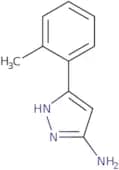
3-(2-Methylphenyl)-1H-pyrazol-5-amine
CAS:3-(2-Methylphenyl)-1H-pyrazol-5-amine is a chemical compound that can be used as a reactant, reagent, or scaffold in the synthesis of other compounds. It is a useful building block and intermediate for the synthesis of complex compounds. 3-(2-Methylphenyl)-1H-pyrazol-5-amine has been shown to have high purity and quality and is available at a reasonable price. This chemical is also versatile, as it can be used in reactions with other chemicals to form diverse products. 3-(2-Methylphenyl)-1H-pyrazol-5-amine belongs to CAS No. 57860-42-1 and is a fine chemical that can be used for research purposes only.Formula:C10H11N3Purity:Min. 95%Color and Shape:Off-White To Light Brown LiquidMolecular weight:173.21 g/mol1-((Diiodomethyl)sulfonyl)-4-methylbenzene
CAS:1-((Diiodomethyl)sulfonyl)-4-methylbenzene is a preservative that is used in cosmetics and pharmaceuticals. The toxicity of this compound was studied using the cationic surfactant tebuconazole as a probe. 1-((Diiodomethyl)sulfonyl)-4-methylbenzene has been shown to have antimicrobial properties, with biocidal activity against bacteria, fungi, and yeasts. It has been shown to be effective against Staphylococcus aureus, Escherichia coli, Pseudomonas aeruginosa, and Aspergillus niger at concentrations of 0.5%. This compound also showed good antibacterial efficacy in water vapor byproducts.Formula:C8H8I2O2SPurity:Min. 95 Area-%Color and Shape:PowderMolecular weight:422.02 g/mol7-Methyladenine
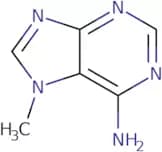
CAS:7-Methyladenine is a nitrogen-containing compound that has been shown to cause an increase in renal blood flow. It is also a synthetic estrogen. 7-Methyladenine is mainly metabolized by methylation, and it can be detected in urine samples. This substance has been shown to have a direct effect on cardiac contractility and blood pressure. 7-Methyladenine also has the ability to stimulate the growth of cells and tissues, as well as being able to inhibit the synthesis of certain proteins.Formula:C6H7N5Purity:Min. 95%Color and Shape:White To Off-White SolidMolecular weight:149.15 g/molZ-Val-Val-Arg-AMC
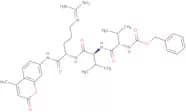
CAS:Z-Val-Val-Arg-AMC is a protease inhibitor that inhibits the activity of the ubiquitin-proteasome pathway. It was first synthesized in an attempt to inhibit the activity of cathepsin B, but it was found to inhibit other proteases and is now used as a research reagent. Z-Val-Val-Arg-AMC has been shown to have pharmacokinetic properties similar to those of zwitterionic drugs, which may be due to its high degree of water solubility. This drug also has antiinflammatory and antiproteolytic effects and may have potential use in the treatment of cancer and autoimmune diseases. Z-Val-Val-Arg-AMC inhibits autophagy by inhibiting lysosomal degradation mediated by autophagy protein LC3B and plays a role in apoptosis.Formula:C34H45N7O7Purity:Min. 95%Color and Shape:PowderMolecular weight:663.76 g/molFmoc-Thr(tBu)-Ser(Psi(Me,Me)pro)-OBzl
Fmoc-Thr(tBu)-Ser(Psi(Me,Me)pro)-OBzl is a high quality, research chemical that is used as an intermediate in the synthesis of complex compounds. It is a useful building block and can be used to make speciality chemicals. This reagent has many uses including being a useful scaffold for organic synthesis and a reaction component in the production of other fine chemicals. Fmoc-Thr(tBu)-Ser(Psi(Me,Me)pro)-OBzl has CAS No. 7791-02-8 and may be found in the following chemical structure:Formula:C36H42N2O7Purity:Min. 95%Color and Shape:PowderMolecular weight:614.73 g/molD-Threonine
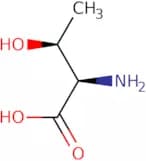
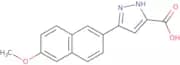
CAS:D-Threonine is a non-essential amino acid that is used in the synthesis of proteins. It is an essential amino acid for humans, and its production can be catalyzed by aldolase enzymes. D-Threonine has been shown to have anti-inflammatory properties, which may be due to its ability to inhibit the reaction mechanism of hydroxyl group enzymes. D-Threonine also inhibits cell lysis through the inhibition of certain bacterial enzymes, such as genus or kinetic. D-Threonine can also be synthetized from L-threonine by enzyme inhibitors or asymmetric synthesis.Formula:C4H9NO3Purity:Min. 95%Color and Shape:PowderMolecular weight:119.12 g/mol5-(6-Methoxynaphthalen-2-yl)-1H-pyrazole-3-carboxylic acid
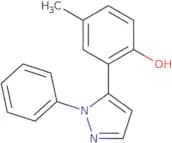
CAS:5-(6-Methoxynaphthalen-2-yl)-1H-pyrazole-3-carboxylic acid is a fine chemical that is used as an intermediate in research, development and production of pharmaceuticals. It can be also used as a reagent and speciality chemical, as well as a reaction component and useful scaffold when combined with other molecules. This compound has been found to be stable in air and water, which makes it easy to handle. 5-(6-Methoxynaphthalen-2-yl)-1H-pyrazole-3-carboxylic acid has CAS No. 1257877-12-5.Formula:C15H12N2O3Purity:Min. 95%Color and Shape:Off-White PowderMolecular weight:268.27 g/mol1-Phenyl-1H-5-(2'-hydroxy-5'-methylphenyl)pyrazole
CAS:1-Phenyl-1H-5-(2'-hydroxy-5'-methylphenyl)pyrazole is a chemical compound with the molecular formula C14H10N2O. It is a white crystalline solid that can be used as a building block, intermediate, or reagent in organic synthesis. It is soluble in most solvents, but insoluble in water. 1-Phenyl-1H-5-(2'-hydroxy-5'-methylphenyl)pyrazole has been used as a useful scaffold for high quality compounds and research chemicals. The CAS number for this chemical compound is 90617-39-3.Formula:C16H14N2OPurity:Min. 95%Molecular weight:250.3 g/mol4-Amino-N-(tert-butoxycarbonyl)-D-phenylalanine
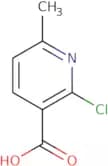
CAS:Formula:C14H20N2O4Purity:>97.0%(HPLC)Color and Shape:Light orange to Yellow to Green powder to crystalMolecular weight:280.322-Chloro-6-methylnicotinic acid
CAS:2-Chloro-6-methylnicotinic acid is a protonated nicotinic acid derivative with potent inhibitory activity against hepatitis C virus. It has been shown to inhibit the replication of the virus by competitive inhibition at the 2-chloro-6-methylnicotinic acid site on the viral genome. It also inhibits the synthesis of viral proteins, which are necessary for viral replication. The molecule has been shown to have an inhibitory effect on other RNA viruses such as influenza and HIV, but it is not active against DNA viruses such as herpes simplex or adenovirus. 2-Chloro-6-methylnicotinic acid is absorbed orally and its pharmacokinetic properties are well understood. This compound can be used as a probe in supramolecular chemistry to study hydrogen bonding and biomolecular interactions.Formula:C7H6ClNO2Purity:Min. 95%Color and Shape:Yellow SolidMolecular weight:171.58 g/mol6-Amino-8-methyl-2H-1,4-benzoxazin-3(4H)-one
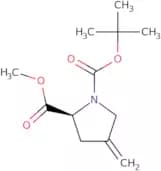
CAS:6-Amino-8-methyl-2H-1,4-benzoxazin-3(4H)-one is a fine chemical that is a useful building block for research chemicals and speciality chemicals. It can be used as a reagent in organic synthesis, as well as in the production of high quality and versatile building blocks. 6-Amino-8-methyl-2H-1,4-benzoxazin-3(4H)-one can be reacted to form useful scaffolds or intermediates that are valuable in the process of making complex compounds.Formula:C9H10N2O2Purity:Min. 95%Color and Shape:PowderMolecular weight:178.19 g/molN-Boc-4-methylene-L-proline methyl ester
CAS:N-Boc-4-methylene-L-proline methyl ester is a versatile building block for the synthesis of complex compounds. It is an intermediate that can be used in the production of pharmaceuticals, agrochemicals, and other speciality chemicals. The compound has been shown to have an inhibitory effect on HIV replication.Formula:C12H19NO4Purity:Min. 95%Color and Shape:Colorless PowderMolecular weight:241.28 g/molO-(N-Boc-2-aminoethyl)-O'-(N-diglycolyl-2-aminoethyl)hexaethyleneglycol
CAS:O-(N-Boc-2-aminoethyl)-O'-(N-diglycolyl-2-aminoethyl)hexaethyleneglycol is a PEG compound with two different functional groups (also known as heterobifunctional). Unlike homobifunctional PEG compounds (same functional group on both ends), this type of compounds are more versatile as have two different anchor points. O-(N-Boc-2-aminoethyl)-O'-(N-diglycolyl-2-aminoethyl)hexaethyleneglycol is used as a linker and spacer to add a PEG moiety, via pegylation (a bioconjugation technique) to proteins, peptides, oligonucleotides, small molecules and nanoparticles.Formula:C25H48N2O13Purity:Min. 95%Color and Shape:PowderMolecular weight:584.65 g/molTrt-cysteamine hydrochloride
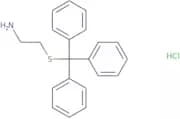
CAS:Trt-cysteamine hydrochloride is a prodrug that is metabolized to cysteamine in vivo. Cysteamine inhibits the production of tumor necrosis factor (TNF) by binding to its receptor and blocking NF-κB signaling pathways. In vitro models have shown that trt-cysteamine hydrochloride has minimal effects on cells, but when used in vivo, it can inhibit oxidative stress and induce cell death. Trt-cysteamine hydrochloride also binds to molecular targets with disulfide bonds, which may be potential therapeutic targets for cancer treatment.Formula:C21H21NS·HClPurity:Min. 95%Color and Shape:White Off-White PowderMolecular weight:355.92 g/molBoc-N-methyl-b-alanine
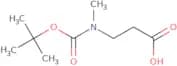
CAS:Boc-N-methyl-b-alanine is a reagent that can be used as an intermediate in the synthesis of complex compounds. It is also a useful building block for the synthesis of speciality chemicals and research chemicals. Boc-N-methyl-b-alanine has been used as a versatile scaffold to synthesize novel chemical compounds. This compound has been shown to be useful in reactions involving the formation of carbon bonds, such as those found in natural products, pharmaceuticals, and other organic molecules.Formula:C9H17NO4Purity:Min. 95%Color and Shape:White To Off-White SolidMolecular weight:203.24 g/mol4-Methoxy-3,5-dimethyl-2-pyridinecarboxaldehyde
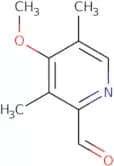
CAS:4-Methoxy-3,5-dimethyl-2-pyridinecarboxaldehyde is a trifunctional molecule that has been shown to suppress the growth of cancer cells in mice. This compound is an inhibitor of acid synthesis and has also been shown to be an antirheumatic drug. 4-Methoxy-3,5-dimethyl-2-pyridinecarboxaldehyde inhibits the activity of three enzymes: synthetase, an enzyme that synthesizes fatty acids; 3-ketoacyl CoA synthase, which synthesizes ketones; and enoyl CoA reductase, which produces fatty acids. The long term efficacy of this molecule has not yet been studied in humans.Formula:C9H11NO2Purity:Min. 95%Color and Shape:Colourless LiquidMolecular weight:165.19 g/molN-alpha-Boc-L-2,3-diaminopropionic acid
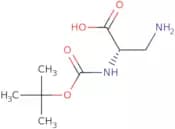
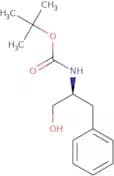
CAS:N-alpha-Boc-L-2,3-diaminopropionic acid is a synthetic amino acid that has been shown to have anticancer properties. The amino acid contains a functional group with two carboxylates and a disulfide bond. It has also been shown to inhibit the nuclear factor kappa B ligand (NFκB) and hepg2 cells, leading to cell death. This agent is a glycopeptide conjugate that inhibits the growth of mammalian cells by preventing protein synthesis. N-alpha-Boc-L-2,3-diaminopropionic acid has been shown to be cytotoxic in vitro against human leukemia HL60 cells.Formula:C8H16N2O4Purity:Min. 95%Color and Shape:White PowderMolecular weight:204.22 g/molN-Boc-L-phenylalaninol
CAS:N-Boc-L-phenylalaninol is a monomer that has been shown to inhibit the activity of proteinases. It binds to the active site of the enzymes and inhibits their catalytic activity, thereby preventing them from cleaving peptide bonds. N-Boc-L-phenylalaninol also has hydroxyl groups that can be used for further derivatization to produce derivatives with different functional groups, such as sulfonic acids or isosteres. The carbonyl group in this compound can be used for conjugation reactions with other molecules, such as proteins or nucleic acids.
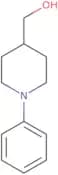
Formula:C14H21NO3Purity:Min. 95%Color and Shape:White PowderMolecular weight:251.32 g/mol(1-Phenylpiperidin-4-yl)methanol
CAS:1-Phenylpiperidin-4-yl)methanol is a versatile building block that is used in the synthesis of many complex compounds. It is also a reagent and intermediate for the production of fine chemicals, speciality chemicals, and research chemicals. 1-Phenylpiperidin-4-yl)methanol has a CAS number of 697306-45-9 and it's molecular formula is C14H21NO.Formula:C12H17NOPurity:Min. 95%Color and Shape:Red PowderMolecular weight:191.27 g/mol2-Methyl-1,4-phenylene bis(4-((6-(acryloyloxy)hexyl)oxy)benzoate)
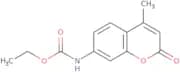
CAS:2-Methyl-1,4-phenylene bis(4-((6-(acryloyloxy)hexyl)oxy)benzoate) is a monomer that can reversibly form polymers. It is used in the fabrication of actuators, which are components of machines that convert electrical energy into mechanical movement. 2-Methyl-1,4-phenylene bis(4-((6-(acryloyloxy)hexyl)oxy)benzoate) monomers are used to create polymers in a process called programmed actuation. This process involves using a light source to program the polymer's deformation and orientation. This polymer can be fabricated with a variety of patterns for different purposes.Formula:C39H44O10Purity:Min. 95%Color and Shape:PowderMolecular weight:672.76 g/mol7-Carbethoxyamino-4-methylcoumarin
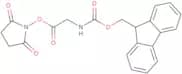
CAS:7-Carbethoxyamido-4-methylcoumarin is a aminocoumarin that exhibits anticancer activity. It is able to inhibit the activity of DPP-IV, an enzyme that degrades insulin in the body. 7-Carbethoxyamido-4-methylcoumarin has been shown to inhibit cancer cells and lung cancer cell lines, as well as breast cancer cells and cells with diabetes. This compound has also been shown to have anticancer activity in vivo in rats.Formula:C13H13NO4Purity:Min. 90%Color and Shape:PowderMolecular weight:247.25 g/molFmoc-glycine N-hydroxysuccinimide ester
CAS:Fmoc-glycine N-hydroxysuccinimide ester is a reagent and building block that is used in the synthesis of peptides and other organic compounds. It has many uses, including as a reaction component, a speciality chemical, and a versatile building block. Fmoc-glycine N-hydroxysuccinimide ester is also a useful intermediate for complex compounds or fine chemicals. This product is available to purchase at wholesale pricing in quantities ranging from 1 gram to 5 kilograms.Formula:C21H18N2O6Purity:Min. 95 Area-%Color and Shape:White Off-White PowderMolecular weight:394.38 g/molPhenylthiohydantoin-Δ-threonine
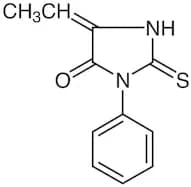
CAS:Formula:C11H10N2OSPurity:>90.0%(HPLC)Color and Shape:White to Light yellow to Light orange powder to crystalMolecular weight:218.273,4-Difluoro-2-methoxybenzonitrile
CAS:3,4-Difluoro-2-methoxybenzonitrile is an organic chemical compound that is a useful scaffold for the synthesis of complex compounds. It reacts with nucleophiles such as Grignard reagents to form a wide range of products. 3,4-Difluoro-2-methoxybenzonitrile has been shown to be a versatile building block for the synthesis of high quality and speciality chemicals, including pharmaceuticals and agrochemicals. This chemical is also used as a research chemical, which can be used in drug discovery and development. The CAS number for this chemical is 886496-72-6.Formula:C8H5F2NOPurity:Min. 95%Color and Shape:Clear LiquidMolecular weight:169.13 g/mol1-Hexyl-3-methylimidazolium hexafluorophosphate
CAS:1-Hexyl-3-methylimidazolium hexafluorophosphate is a cationic surfactant that is soluble in water. It has been shown to be effective for the removal of heavy metals, organic pollutants, and radioactive substances from wastewater by anion exchange resin. This compound also interacts with potassium hexafluorophosphate (KFP) to form a highly efficient ion pair. The transport properties of 1-hexyl-3-methylimidazolium hexafluorophosphate are due to its concentration dependent interactions with water molecules, which are affected by the temperature and pressure. The Langmuir adsorption isotherm has been used to describe the equilibrium between 1-hexyl-3-methylimidazolium hexafluorophosphate and KFP.Formula:C10H19F6N2PPurity:Min. 95%Color and Shape:Colourless To Yellow LiquidMolecular weight:312.24 g/molH-His-Pro-OH
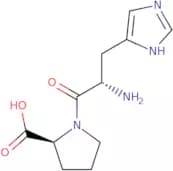
CAS:H-His-Pro-OH is a nucleotide that is synthesized from the precursor His-Pro by the enzyme histidine kinase and phosphotransferase. H-His-Pro-OH is a substrate for ribonucleotide reductase, which catalyzes the conversion of H-His-Pro to deoxyadenosine monophosphate (dAMP). The enzyme adenyl cyclase catalyzes the conversion of dAMP to cyclic AMP (cAMP) and guanylate cyclase catalyzes the conversion of GTP to cGMP. These reactions are important in regulating cellular physiology. H-His-Pro has been shown to have an hypoglycemic effect when administered with insulin in experimental models, suggesting it may be useful for treating metabolic disorders such as diabetes mellitus.Formula:C11H16N4O3Purity:Min. 95%Molecular weight:252.27 g/molN-(4-Methoxyphenyl)ethane-1,2-diamine
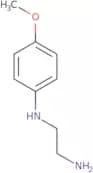
CAS:N-(4-Methoxyphenyl)ethane-1,2-diamine is a synthetic compound that has been shown to inhibit the activity of cathepsins. It can be used in the treatment of diseases caused by these enzymes, such as osteoarthritis and Alzheimer's disease. N-(4-Methoxyphenyl)ethane-1,2-diamine has a pharmacokinetic profile that is favorable for oral administration. The drug is absorbed from the gastrointestinal tract readily and undergoes extensive metabolism in the liver. This process leads to the formation of active metabolites which are excreted in urine or bile. N-(4-Methoxyphenyl)ethane-1,2-diamine also inhibits nitroalkanes with activated aromatic rings, such as 4-nitrobenzaldehyde and 2,4,6-trinitrobenzene.Formula:C9H14N2OPurity:Min. 95%Color and Shape:Slightly Yellow PowderMolecular weight:166.22 g/mol1-Methyl-1H-indol-4-ol
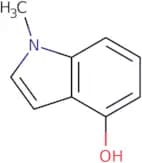
CAS:1-Methyl-1H-indol-4-ol is a sulfur containing natural product that has been shown to have antimicrobial activity. The compound is structurally similar to karanjin, an alkaloid found in the plant genus Camellia. In vitro studies with 1-methyl-1H-indol-4-ol have demonstrated antimicrobial activity against Gram positive bacteria such as Bacillus subtilis and Staphylococcus aureus, as well as anti fungal effects against Candida albicans and Cryptococcus neoformans. Furanoflavonoids are compounds that contain a furan ring and flavonoid group. 1-Methyl-1H-indol-4-ol is one of these compounds and has been shown to inhibit the growth of fungi by inhibiting the synthesis of proteins necessary for cell division.Formula:C9H9NOPurity:Min. 95%Color and Shape:PowderMolecular weight:147.17 g/mol3-Methyl-2-hydroxy-3H-imidazo[4,5-f]quinoline
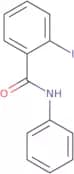
CAS:3-Methyl-2-hydroxy-3H-imidazo[4,5-f]quinoline is a high quality reagent that can be used as an intermediate or building block in the synthesis of other compounds. It is a fine chemical with CAS No. 144486-08-8 and can be used as a speciality chemical in research. This compound has versatile building blocks that are useful in reactions and have been shown to be a reaction component in the synthesis of various compounds.Formula:C11H9N3OPurity:Min. 95%Color and Shape:Yellow PowderMolecular weight:199.21 g/mol2-Iodo-N-phenylbenzamide
CAS:2-Iodo-N-phenylbenzamide is a palladium compound that inhibits bacterial growth by binding to DNA and preventing transcription. The drug binds to the DNA as a monomer, but also forms polymeric matrixes with other drugs. 2-Iodo-N-phenylbenzamide has been shown to have genotoxic effects on subtilis and methicillin resistant Staphylococcus aureus (MRSA) in vitro, which may be due to its ability to form crosslinks between adjacent strands of DNA. 2-Iodo-N-phenylbenzamide has been shown to be an effective anti-bacterial agent against MRSA, methicillin resistant coagulase negative staphylococci and erythromycin resistant strains of Streptococcus pyogenes.Formula:C13H10INOPurity:Min. 95%Molecular weight:323.13 g/mol(1R,3S,5S)-3-(3-Isopropyl-5-methyl-4H-1,2,4-triazol-4-yl)-8-azabicyclo[3.2.1]octane
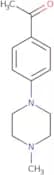
CAS:(1R,3S,5S)-3-(3-Isopropyl-5-methyl-4H-1,2,4-triazol-4-yl)-8-azabicyclo[3.2.1]octane is a versatile building block that can be used in the synthesis of complex compounds. It is a reagent and speciality chemical with applications in research or as a useful intermediate in the synthesis of other chemicals. (1R,3S,5S)-3-(3-Isopropyl-5-methyl-4H-1,2,4-triazol-4-yl)-8-azabicyclo[3.2.1]octane is also a useful scaffold for the synthesis of other compounds with specific properties such as high quality and usefulness as reaction components.Formula:C13H22N4Purity:Min. 95%Color and Shape:White PowderMolecular weight:234.34 g/mol4-(4-Methylpiperazino)acetophenone
CAS:4-(4-Methylpiperazino)acetophenone is a chemical compound that can be used as a building block in the synthesis of more complex compounds. It is a versatile intermediate and can be used to synthesize other compounds. 4-(4-Methylpiperazino)acetophenone has been shown to act as a reaction component in the synthesis of pharmaceuticals, pesticides, and agrochemicals. This compound has high purity and quality.
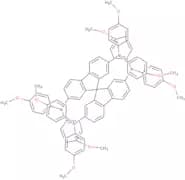
Formula:C13H18N2OPurity:Min. 95%Color and Shape:PowderMolecular weight:218.30 g/mol2,2',7,7'-Tetrakis-(N,N-di-4-methoxyphenylamino)-9,9'-spirobifluorene - Sublimed grade
CAS:2,2',7,7'-Tetrakis-(N,N-di-4-methoxyphenylamino)-9,9'-spirobifluorene (TPB) is a model system for investigating the transport of light signal in polymers. TPB can be used as a component in solar cells to increase their efficiency and improve their resistance to heat. TPB has shown high resistance to hydrochloric acid and other aggressive chemicals. TPB has been shown to be an effective photoelectron donor with a redox potential that is close to the one of copper; this property can be used for electrochemical impedance spectroscopy.Formula:C81H68N4O8Purity:Min. 95%Color and Shape:Off-white to yellow solid.Molecular weight:1,225.43 g/molLaricitrin-3,7,5'-tri-O-glucoside
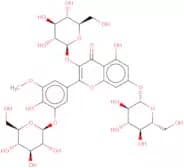
CAS:Laricitrin-3,7,5'-tri-O-glucoside is a fine chemical that can be used as a versatile building block. It is an intermediate in the synthesis of many complex compounds and useful scaffolds. Laricitrin-3,7,5'-tri-O-glucoside has been shown to react with other chemicals in order to form new compounds. This compound also has potential applications in research as a reaction component or speciality chemical. Laricitrin-3,7,5'-tri-O-glucoside has high purity and quality and is available at a reasonable price.
Formula:C34H42O23Purity:Min. 95%Molecular weight:818.68 g/mol(S)-(+)-2-Phenylglycine methyl ester hydrochloride
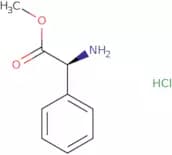
CAS:(S)-(+)-2-Phenylglycine methyl ester hydrochloride is a nitro compound that inhibits the production of nitric oxide (NO) by inhibiting the enzyme nitric oxide synthase. It has shown inhibitory effects on bronchial hyperresponsiveness in animals with bronchial asthma and ischemic reperfusion injury. The compound also inhibits nitrogen-induced allergic reactions and inflammatory diseases. (S)-(+)-2-Phenylglycine methyl ester hydrochloride has been shown to have a protective effect against prostate cancer in animal models, although it was not active against prostate cancer cells in vitro. This may be due to its inability to cross the cell membrane or its inability to effectively penetrate the nucleus, which is where cancerous cells originate. The functional groups present on this molecule include amide, carbonyl, and hydroxyl groups.Formula:C9H12ClNO2Purity:Min. 95%Color and Shape:White To Off-White SolidMolecular weight:201.65 g/mol1-Methylindole-6-carboxylic acid
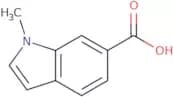
CAS:1-Methylindole-6-carboxylic acid is a versatile building block that is used in the synthesis of more complex compounds. It can be used as a reagent, speciality chemical, and useful building block for pharmaceuticals and other research chemicals. 1-Methylindole-6-carboxylic acid has been shown to be an effective intermediate for the production of a number of different compounds. The compound can also act as a reaction component or scaffold for chemical reactions.Formula:C10H9NO2Purity:Min. 95%Color and Shape:PowderMolecular weight:175.18 g/mol(R)-(+)-N-Benzyl-1-phenylethylamine
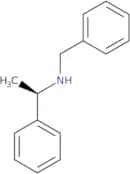
CAS:(R)-(+)-N-Benzyl-1-phenylethylamine is an enantiomer of phenylethylamine. It is a chiral, vinylic amine that can be used to produce catalytic asymmetric Grignard reactions. The synthesis of this compound starts with the addition of benzyl chloride to 1-phenylethylamine. This reaction produces (R)-(+)-N-benzyl-1-phenylethylamine as the major product and its corresponding bisulfate salt as the minor product. This compound has been shown to be an anti HIV drug in a number of studies, which may be due to its ability to inhibit reverse transcriptase and/or prevent viral entry into cells.
Formula:C15H17NPurity:Min. 95%Color and Shape:Colourless To Pale Yellow LiquidMolecular weight:211.3 g/mol3-Methyladipic acid
CAS:3-Methyladipic acid is a molecule that is formed from the chemical reaction of ethylmalonic acid and pyrimidine compounds. 3-Methyladipic acid can be found in urine samples, where it is excreted as a hydrated form. It is also soluble in organic solvents such as ethanol and acetone. This compound has been used to identify the presence of fatty acids in biological fluids by liquid chromatography. The addition of malonic acid to 3-methyladipic acid changes its phase composition, which can be observed using a polarizing microscope. 3-Methyladipic acid has also been used to study tubule cells, which are found in the kidney and are involved in the reabsorption of water and electrolytes.Formula:C7H12O4Purity:Min. 95%Color and Shape:PowderMolecular weight:160.17 g/mol1-(5-Chloro-2-methoxyphenyl)piperazine HCl
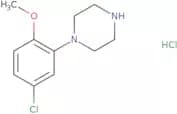
CAS:Controlled Product1-(5-Chloro-2-methoxyphenyl)piperazine HCl is a fine chemical that belongs to the group of research chemicals. It is used as a reagent, speciality chemical and intermediate in organic synthesis. 1-(5-Chloro-2-methoxyphenyl)piperazine HCl is an effective building block for complex compounds, which can be used in reactions involving acetals, amides, nitriles, sulfones, sulfonamides and imines. This compound also has versatile building blocks and is a useful scaffold in organic synthesis.Formula:C11H16Cl2N2OPurity:Min. 95%Color and Shape:Off-White PowderMolecular weight:263.16 g/molFmoc-Dap(Z)-OH
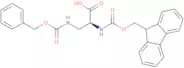
CAS:Fmoc-Dap(Z)-OH is a versatile building block that has been used as a reagent, speciality chemical and useful intermediate. It has also been used in the synthesis of pharmaceuticals, such as anti-inflammatory drugs and antibiotics. Fmoc-Dap(Z)-OH is an important building block for the synthesis of complex compounds with high quality and useful scaffolds.Formula:C26H24N2O6Purity:Min. 98 Area-%Color and Shape:PowderMolecular weight:460.48 g/molN-Boc-glycine N-carboxyanhydride
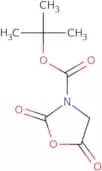
CAS:N-Boc-glycine N-carboxyanhydride is a reagent that is used to prepare the activated ester of pyridine with an alkyl ester. It is soluble in a variety of solvents and has a high reactivity. This product can be used in peptide synthesis, especially for the protection of alpha amino groups during coupling reactions. It has been shown to have good fluorine atom properties, as well as an electronegativity that is higher than that of chlorine or bromine.Formula:C8H11NO5Purity:Min. 98 Area-%Color and Shape:PowderMolecular weight:201.18 g/molDL-Valine
CAS:Valine is a non-essential, branched-chain amino acid that is used for the treatment of bowel disease. Valine is a water-soluble, colorless and odorless crystalline powder that has a sour taste. It can be prepared by reacting valeric acid with ammonia in the presence of an alkali or by hydrolysis of proteins. Valine is also widely distributed in animal tissues, where it participates in the biosynthesis of important biological compounds such as coenzyme A. The optimum concentration to achieve maximum electrochemical impedance spectroscopy (EIS) signal was observed at 20 mM. The EIS signal was found to be dependent on the pH and protein content of the solution matrix. Valine binds to human serum albumin and exhibits strong hydrogen bonding interactions. In addition, valine possesses a signal peptide that helps export it from cells into blood plasma.Formula:C5H11NO2Color and Shape:PowderMolecular weight:117.15 g/molN-Boc-2-methyl-L-proline
CAS:N-Boc-2-methyl-L-proline is a chemical compound that is used as a building block in the synthesis of other compounds. This substance is also an intermediate in the production of pharmaceuticals and pesticides. The compound has been shown to have high quality, versatility, and complexity. N-Boc-2-methyl-L-proline can be used as a reagent for research or as a speciality chemical. The CAS number for this substance is 103336-06-7.Formula:C11H19NO4Purity:Min. 95%Color and Shape:White To Off-White SolidMolecular weight:229.27 g/molPyr-Val-OH
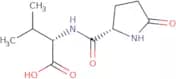
CAS:Pyr-Val-OH is a molecule that is catalysed by the enzyme histone deacetylase. Pyr-Val-OH has been shown to inhibit cancer cell proliferation and growth. Pyr-Val-OH also has been shown to reduce bacterial vaginosis in mice with bacterial vaginosis, as well as nephrology dialysis patients. Pyr-Val-OH is a diagnostic marker for cancer, bacterial vaginosis and nephrology dialysis patients. It can be used to diagnose these conditions by profiling specific metabolic profiles. This molecule may also be used in the diagnosis of bladder cancer, as it reacts with amp-activated protein, which is elevated in bladder cancer patients.Formula:C10H16N2O4Purity:Min. 95%Color and Shape:PowderMolecular weight:228.25 g/mol5-Amino-N-(3-amino-2,2-dimethyl-3-oxopropyl)-4-hydroxy-2-isopropyl-7-[4-methoxy-3-(3-methoxypropoxy)benzyl]-8-methylnonanamide fumar ate
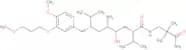
CAS:5-Amino-N-(3-amino-2,2-dimethyl-3-oxopropyl)-4-hydroxy-2-isopropyl-7-[4-methoxy-3-(3-methoxypropoxy)benzyl]-8-methylnonanamide fumar ate is a drug that inhibits the activity of angiotensin II, which is a hormone produced by the body. It is used as monotherapy for treatment of hypertension. 5AMINO has been shown to be effective in lowering blood pressure when administered alone and has been shown to be well tolerated. For this drug, the most frequently reported adverse reactions are nausea and dizziness. This drug should not be taken with other antihypertensive drugs or nonsteroidal antiinflammatory drugs such as ibuprofen (Motrin®). In addition, patients with diabetes should monitor their blood sugar levels carefully while taking this medication.Formula:C30H53N3O6Purity:Min. 95%Color and Shape:PowderMolecular weight:551.76 g/molN1-Methyl-beta-alaninamide
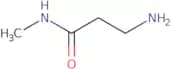
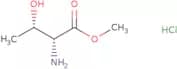
CAS:N1-Methyl-beta-alaninamide (NMA) is an organic compound that is used as a reagent, useful scaffold, or high quality research chemical. NMA belongs to the group of compounds called amino acid amides. It can be used as a building block for complex compounds and fine chemicals. The CAS number for this product is 4874-18-4.Formula:C4H10N2OPurity:Min. 95%Color and Shape:Orange PowderMolecular weight:102.14 g/molD-Threonine methyl ester hydrochloride
CAS:D-Threonine methyl ester hydrochloride is a versatile building block that is used in the synthesis of complex compounds. It can be used as a reagent, speciality chemical, and useful scaffold in organic chemistry. D-Threonine methyl ester hydrochloride has been shown to react with a variety of electrophiles and nucleophiles to form diverse products. This product is also used as a reaction component for the synthesis of high quality chemical intermediates.Formula:C5H11NO3·HClPurity:Min. 98%Color and Shape:PowderMolecular weight:169.61 g/molFmoc-D-allo-isoleucine
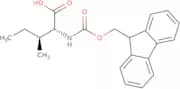
CAS:Fmoc-D-allo-isoleucine is a β-amino acid that is used in the synthesis of calpinactam, a multidrug used to treat tuberculosis. The chemical structure of Fmoc-D-allo-isoleucine has been analyzed by spectroscopic methods and found to be labile. This product is susceptible to hydrolysis and can undergo modifications such as dehydration, oxidation, or racemization. Fmoc-D-allo-isoleucine has shown antimycobacterial activity when tested against M. tuberculosis.Formula:C21H23NO4Purity:Min. 95%Color and Shape:PowderMolecular weight:353.41 g/mol5-Methoxy-2-nitrophenylamine
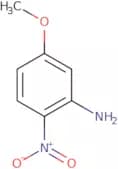
CAS:5-Methoxy-2-nitrophenylamine (5MN) is a synthetic compound. It has been shown to produce an inhibitory effect on Alzheimer's disease and Leishmania infantum by inhibiting the formation of amyloid beta (Aβ) and leishmanicidal alpha-ketoglutarate, respectively. 5MN has also been observed to stabilize supramolecular structures in magnetic resonance spectroscopy experiments. This chemical is synthesized from 4-amino-3-nitrophenol and methylamine by reacting them in the presence of sodium hydroxide and sulfuric acid under refluxing conditions. The reaction products are analyzed using FTIR spectroscopy, as shown below:Formula:C7H8N2O3Purity:Min. 95%Color and Shape:PowderMolecular weight:168.15 g/mol4-Methyl-4H-1,2,4-triazole-3-thiol
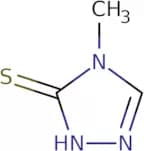
CAS:4-Methyl-4H-1,2,4-triazole-3-thiol is a corrosion inhibitor that has been used in the production of polyurethane foam. It is synthesized by the reaction of ethylene diamine with sulfur trioxide and water. This compound has a molecular weight of 184.14 g/mol and an acidic nature due to the presence of four protonated amines on its structure. The compound can be characterized by gravimetric analysis, structural analysis, and FTIR spectroscopy. 4-Methyl-4H-1,2,4-triazole-3-thiol is toxic to rats when administered orally at 2000 mg/kg and also causes irritation to rabbits when applied topically at 200 µg/ear. !--Formula:C3H5N3SPurity:Min. 97 Area-%Color and Shape:White PowderMolecular weight:115.16 g/mol










![3-Methyl-2-hydroxy-3H-imidazo[4,5-f]quinoline](/_next/image/?url=https%3A%2Fstatic.cymitquimica.com%2Fproducts%2F3D%2Fthumb-webp%2FFM25639.webp&w=3840&q=75)
![(1R,3S,5S)-3-(3-Isopropyl-5-methyl-4H-1,2,4-triazol-4-yl)-8-azabicyclo[3.2.1]octane](/_next/image/?url=https%3A%2Fstatic.cymitquimica.com%2Fproducts%2F3D%2Fthumb-webp%2FFI21099.webp&w=3840&q=75)