Amino Acids (AA)
Amino acids (AAs) are the fundamental building blocks of proteins, playing a crucial role in various biological processes. These organic compounds are essential for protein synthesis, metabolic pathways, and cell signaling. In this category, you will find a comprehensive range of amino acids, including essential, non-essential, and modified forms, which are vital for research in biochemistry, molecular biology, and nutritional sciences. At CymitQuimica, we provide high-quality amino acids to support your research and development needs, ensuring accuracy and reliability in your experimental outcomes.
Subcategories of "Amino Acids (AA)"
- Amino Acid Derivatives(3,955 products)
- Amino Acid and Amino Acid Related Compounds(3,465 products)
- Amino Acids with Oxygen or Sulphur(168 products)
- Boc- Amino Acids(351 products)
- Fmoc Amino Acids(1,710 products)
Found 38248 products of "Amino Acids (AA)"
Sort by
Purity (%)
0
100
|
0
|
50
|
90
|
95
|
100
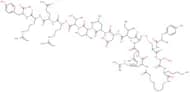
Gly-Amyloid b-Protein (15-25)-Gly-ε-aminocaproyl(-Lys)6
CAS:<p>Please enquire for more information about Gly-Amyloid b-Protein (15-25)-Gly-epsilon-aminocaproyl(-Lys)6 including the price, delivery time and more detailed product information at the technical inquiry form on this page</p>Formula:C105H178N28O26Purity:Min. 95%Molecular weight:2,248.71 g/molMyosin Light Chain Kinase (480-501)
CAS:<p>H-AKKLSKDRMKKYMARRKWQKTG-NH2 peptide, corresponding to 480-501 amnino acids of Myosin Light Chain Kinase. Myosin Light Chain Kinase is a serine/threonine specific protein kinase that phosphorylates the myosin light chain.</p>Formula:C120H209N41O28S2Purity:Min. 95%Molecular weight:2,738.34 g/molH-Gly-His-Arg-Pro-OH acetate salt
CAS:<p>H-Gly-His-Arg-Pro-OH acetate salt is a synthetic monoclonal antibody that binds to fibrinogen. It has been used in the production of a model protein and as an anticoagulant. H-Gly-His-Arg-Pro-OH acetate salt has been shown to inhibit the growth of tissue plasminogen activator, which is a growth factor for cells involved in blood clotting. This drug also inhibits the release of acetylcholine from nerve cells, which may be due to its ability to bind to plasma proteins.</p>Formula:C19H31N9O5Purity:Min. 95%Molecular weight:465.51 g/molH-Ser(tBu)-AMC·HCl
CAS:<p>Please enquire for more information about H-Ser(tBu)-AMC·HCl including the price, delivery time and more detailed product information at the technical inquiry form on this page</p>Formula:C17H22N2O4·HClPurity:Min. 95%Molecular weight:354.83 g/molFITC-Tyr-Val-Ala-Asp-Ala-Pro-Lys(Dnp)-OH (Contains FITC isomer I)
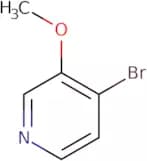
CAS:<p>Please enquire for more information about FITC-Tyr-Val-Ala-Asp-Ala-Pro-Lys(Dnp)-OH (Contains FITC isomer I) including the price, delivery time and more detailed product information at the technical inquiry form on this page</p>Formula:C62H67N11O20SPurity:Min. 95%Molecular weight:1,318.32 g/mol4-Bromo-3-methoxypyridine
CAS:<p>Please enquire for more information about 4-Bromo-3-methoxypyridine including the price, delivery time and more detailed product information at the technical inquiry form on this page</p>Formula:C6H6BrNOPurity:Min. 95%Molecular weight:188.02 g/molBoc-Pro-Leu-Val-OMe
CAS:<p>Boc-Pro-Leu-Val-OMe is a peptide analog of Dolastatin 10 which has been shown to inhibit the production of ATP in mitochondria. The compound binds to the active site of bacterial topoisomerase IV, and this binding prevents the enzyme from cleaving DNA. Boc-Pro-Leu-Val-OMe is a small molecule that has an intramolecular structure, and it interacts with DNA to form a stable complex.</p>Formula:C22H39N3O6Purity:Min. 95%Molecular weight:441.56 g/molHistatin-8
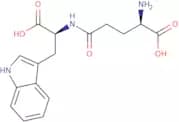
CAS:<p>Please enquire for more information about Histatin-8 including the price, delivery time and more detailed product information at the technical inquiry form on this page</p>Formula:C70H99N25O17Purity:Min. 95%Molecular weight:1,562.69 g/molH-D-Glu(Trp-OH)-OH
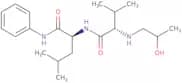
CAS:<p>H-D-Glu(Trp-OH)-OH is a synthetic peptide that has been shown to inhibit the replication of the herpes simplex virus (HSV). It binds to toll-like receptor 3 and 4 on cells, which may inhibit HSV replication. This compound has also been shown to be a potent inhibitor of HIV, as well as hepatitis B and C. H-D-Glu(Trp-OH)-OH has been shown to cause lung damage in mice. The mechanism for this effect is unknown, but it may involve an increase in reactive oxygen species or other cell signaling pathways.</p>Formula:C16H19N3O5Purity:Min. 95%Molecular weight:333.34 g/molN-((RS)-2-Hydroxy-propyl)-Val-Leu-anilide
CAS:<p>Please enquire for more information about N-((RS)-2-Hydroxy-propyl)-Val-Leu-anilide including the price, delivery time and more detailed product information at the technical inquiry form on this page</p>Formula:C20H33N3O3Purity:Min. 95%Molecular weight:363.49 g/molZ-Ala-Glu-OH
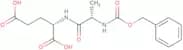
CAS:<p>Z-Ala-Glu-OH is an amino acid with a glutamate residue. It is a synthetic amino acid that has been shown to have excitotoxic effects in the brain. The mechanism of action is thought to involve the activation of ionotropic glutamate receptors and the inhibition of voltage-gated potassium channels, leading to neuronal cell death. This compound has been found to be a sweetener in biochemical reactions. Z-Ala-Glu-OH was shown to undergo proteolytic degradation, which may be due to aminopeptidases present in the gut or enzyme preparations used during digestion. This amino acid was also shown to have neurodegenerative properties when given orally to mealworms, as well as profiles that are similar to those found in humans with neurodegenerative diseases such as Alzheimer's disease and amyotrophic lateral sclerosis.</p>Formula:C16H20N2O7Purity:Min. 95%Color and Shape:PowderMolecular weight:352.34 g/mol(D-Lys3)-GHRP-6
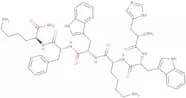
CAS:<p>D-Lys3-GHRP-6 is a synthetic peptide that has been shown to stimulate cellular proliferation and inhibit apoptosis in cell culture. D-Lys3-GHRP-6 binds to the ghrelin receptor, which is found on cells in the stomach and pancreas, as well as in the brain. This binding stimulates the release of cytosolic calcium and enhances protein synthesis. D-Lys3-GHRP-6 also stimulates growth factor production and increases body fat mass in animals.</p>Formula:C49H63N13O6Purity:Min. 95%Molecular weight:930.11 g/molIL-8 Inhibitor
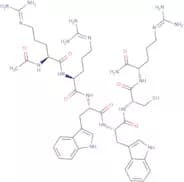
CAS:<p>IL-8 Inhibitor Ac-Arg-Arg-Trp-Trp-Cys-Arg-NH2 is a molecule that blocks the receptor for IL-8, a c-c chemokine. This leads to reduced inflammation and decreased activation of cells in the inflammatory process. IL-8 Inhibitor Ac-Arg-Arg-Trp-Trp-Cys--Arg--NH2 has been shown to be effective in reducing chronic bronchitis and pancreatitis in animal models. The effective dose for IL 8 inhibitor is not yet known.</p>Formula:C45H66N18O7SPurity:Min. 95%Molecular weight:1,003.19 g/molHippuryl-Phe-Arg-OH
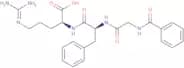
CAS:<p>Hippuryl-Phe-Arg-OH is a potent and selective inhibitor of angiotensin-converting enzyme (ACE) with a long duration of action. It has been shown to be a potentiator of captopril and enalaprilat in the biochemical validation for ACE inhibition. Hippuryl-Phe-Arg-OH has significant inhibitory activity against phosphatases such as carboxypeptidase A, phospholipase A2, and aminopeptidase N.</p>Formula:C24H30N6O5Purity:Min. 95%Molecular weight:482.53 g/molAmyloid P Component (27-38) amide trifluoroacetate salt
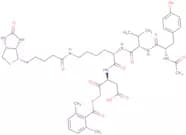
CAS:<p>Please enquire for more information about Amyloid P Component (27-38) amide trifluoroacetate salt including the price, delivery time and more detailed product information at the technical inquiry form on this page</p>Formula:C68H107N19O17SPurity:Min. 95%Molecular weight:1,494.76 g/molAc-Tyr-Val-Lys(biotinyl)-Asp-2,6-dimethylbenzoyloxymethylketone
CAS:<p>Ac-Tyr-Val-Lys(biotinyl)-Asp-2,6-dimethylbenzoyloxymethylketone belongs to a group of active compounds and is a cleavage product of the caspase family. It has been shown to induce apoptosis in kidney cells by cleaving the polymeric form of the protein caspase 3, which is induced by viral infection or bacterial infection. This compound is used for coinfection with HIV and HCV. Ac-Tyr-Val-Lys(biotinyl)-Asp-2,6-dimethylbenzoyloxymethylketone can also be used for detecting apoptosis in other types of cells such as erythrocytes and neutrophils.</p>Formula:C46H63N7O12SPurity:Min. 95%Molecular weight:938.1 g/molMyeloblastin (142-150) (human, mouse) trifluoroacetate salt
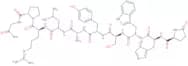
CAS:<p>Myeloblastin (142-150) (human, mouse) trifluoroacetate salt HVal-Leu-Gln-Glu-Leu-Asn-Val-Thr-Val-OH trifluoroacetate salt is an antigen that belongs to the class of serine proteinases. It is a soluble recombinant human proteinase that has been shown to have a tumor cell lysis activity in vitro and in vivo. Myeloblastin (142-150) (human, mouse) trifluoroacetate salt HVal-Leu-Gln-Glu-Leu-Asn-Val-Thr Val is also a leukocyte antigen and can be used for the development of cancer vaccines.</p>Formula:C45H79N11O15Purity:Min. 95%Molecular weight:1,014.17 g/mol(D-Ala6)-LHRH acetate salt Pyr-His-Trp-Ser-Tyr-D-Ala-Leu-Arg-Pro-Gly-NH2 acetate salt
CAS:<p>Please enquire for more information about (D-Ala6)-LHRH acetate salt Pyr-His-Trp-Ser-Tyr-D-Ala-Leu-Arg-Pro-Gly-NH2 acetate salt including the price, delivery time and more detailed product information at the technical inquiry form on this page</p>Formula:C56H77N17O13Purity:Min. 95%Molecular weight:1,196.32 g/molRanamargarin
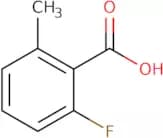
CAS:<p>Ranamargarin H-Asp-Asp-Ala-Ser-Asp-Arg-Ala-Lys-Lys-Phe-Tyr-Gly-Leu-Met-NH2 is a compound that has been shown to bind to the dopamine receptor in rats. It has been shown to have low potency and is not active in clinical trials. Ranamargarin H-Asp-Asp-Ala-Ser--Asp--Arg--Ala--Lys--Lys--Phe--Tyr--Gly--Leu---Met---NH2 has also been shown to inhibit the production of dopamine in animals and humans, with a maximal response at concentrations of 10 nM. The biological properties of this compound are still being researched, but it appears that it can be used as a lead for developing new drugs for treating Parkinson's disease.</p>Formula:C70H110N20O22SPurity:Min. 95%Molecular weight:1,615.81 g/mol2-Fluoro-6-methylbenzoic acid
CAS:<p>Please enquire for more information about 2-Fluoro-6-methylbenzoic acid including the price, delivery time and more detailed product information at the technical inquiry form on this page</p>Formula:C8H7FO2Purity:Min. 98 Area-%Color and Shape:White PowderMolecular weight:154.14 g/molH-Val-Tyr-Val-OH
CAS:<p>H-Val-Tyr-Val-OH is a water soluble polymer that has a sulfamic acid group and a hydroxyl group. The polymer film is used as an additive for cellulose acetate, which is used in the manufacture of films, lacquers, and adhesives. H-Val-Tyr-Val-OH increases the solubility of the cellulose acetate in hydrochloric acid and reduces its tendency to dissolve in water. H-Val-Tyr-Val-OH also has a high degree of uv absorption. Constant techniques are used for analytical chemistry, such as gas chromatography and nuclear magnetic resonance spectroscopy, to study the surface properties of micelles formed from H-Val-Tyr-Val-OH.</p>Formula:C19H29N3O5Purity:Min. 95%Molecular weight:379.45 g/molAtrial Natriuretic Factor (1-24) (frog)
CAS:<p>Please enquire for more information about Atrial Natriuretic Factor (1-24) (frog) including the price, delivery time and more detailed product information at the technical inquiry form on this page</p>Formula:C103H165N37O34S3Purity:Min. 95%Molecular weight:2,561.84 g/molJKC-301 Cyclo(-D-Asp-Pro-D-Ile-Leu-D-Trp)
CAS:<p>Please enquire for more information about JKC-301 Cyclo(-D-Asp-Pro-D-Ile-Leu-D-Trp) including the price, delivery time and more detailed product information at the technical inquiry form on this page</p>Formula:C32H44N6O7Purity:Min. 95%Molecular weight:624.73 g/molH-Gly-Pro-Pro-OH trifluoroacetate salt
CAS:<p>H-Gly-Pro-Pro-OH trifluoroacetate salt is an amide with a high specificity and low energy. This compound is activated by sequences of collagen, which may be due to its ability to hydrate intracellular calcium concentrations. H-Gly-Pro-Pro-OH trifluoroacetate salt has been shown to have polymerase chain activation activity in the presence of lysine residues, and it can bind to regulatory sites on DNA. H-Gly-Pro-Pro-OH trifluoroacetate salt has also been shown to have hydroxyproline hydroxylase activity, which leads to a helical structure.</p>Formula:C12H19N3O4Purity:Min. 95%Molecular weight:269.3 g/molPAR-3 (1-6) amide (mouse) trifluoroacetate salt
CAS:<p>Please enquire for more information about PAR-3 (1-6) amide (mouse) trifluoroacetate salt including the price, delivery time and more detailed product information at the technical inquiry form on this page</p>Formula:C25H36N8O8Purity:Min. 95%Molecular weight:576.6 g/molHCV Nucleoprotein (88-96)
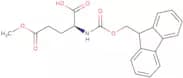
CAS:<p>Please enquire for more information about HCV Nucleoprotein (88-96) including the price, delivery time and more detailed product information at the technical inquiry form on this page</p>Formula:C46H60N12O13Purity:Min. 95%Molecular weight:989.04 g/molFmoc-L-glutamic acid γ-methyl ester
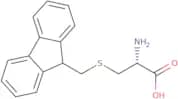
CAS:<p>Please enquire for more information about Fmoc-L-glutamic acid gamma-methyl ester including the price, delivery time and more detailed product information at the technical inquiry form on this page</p>Formula:C21H21NO6Purity:Min. 95%Molecular weight:383.39 g/molH-Cys(Fm)-OH
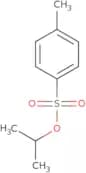
CAS:<p>Please enquire for more information about H-Cys(Fm)-OH including the price, delivery time and more detailed product information at the technical inquiry form on this page</p>Formula:C17H17NO2SPurity:Min. 95%Molecular weight:299.39 g/molIsopropyl 4-methylbenzenesulfonate
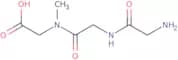
CAS:<p>Isopropyl 4-methylbenzenesulfonate is a chemical that is used in the preparation of pharmaceuticals. It is used as an intermediate in the production of sorafenib, an anticancer drug, and has been shown to be genotoxic. Isopropyl 4-methylbenzenesulfonate reacts with nucleophiles by nucleophilic attack. The compound has been found to be a competitive inhibitor of growth factor receptors and can inhibit uv absorption in skin cells. Isopropyl 4-methylbenzenesulfonate is typically analyzed using ionization techniques such as gas chromatography or liquid chromatography with mass spectrometry. This chemical can react with fatty acids, leading to the formation of carbonyl groups. Chemical ionization may also be used for sample preparation.</p>Formula:C10H14O3SPurity:Min. 95%Molecular weight:214.28 g/molH-Gly-Gly-Sar-OH
CAS:<p>Gly-Gly-Sar is a synthetic peptide that acts as a substrate for the peptide transporter, which is part of the membrane of cells. It is an amide with a reactive group that can form a ternary complex with two hydroxyl ions and one proton. Gly-Gly-Sar has been shown to be taken up by caco-2 cells in an extravesicular manner and undergoes proteolysis by peptidases. This leads to bond cleavage and formation of free Gly-Gly and Sar. The free Gly and Gly are then transported across the cell membrane into the cell cytoplasm, where they are hydroxylated by enzymes such as glycyl-l-leucine hydroxylase to form glycolic acid and glyoxylic acid, respectively.</p>Formula:C7H13N3O4Purity:Min. 95%Molecular weight:203.2 g/mol(Cys2)-Neuropeptide Y (1-4)-8-aminooctanoyl-(D-Cys27)-Neuropeptide Y (25-32) trifluoroacetate salt
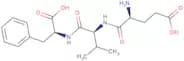
CAS:<p>Please enquire for more information about (Cys2)-Neuropeptide Y (1-4)-8-aminooctanoyl-(D-Cys27)-Neuropeptide Y (25-32) trifluoroacetate salt including the price, delivery time and more detailed product information at the technical inquiry form on this page</p>Formula:C96H158N32O23S2Purity:Min. 95%Molecular weight:2,192.62 g/molH-Glu-Val-Phe-OH
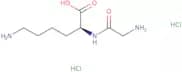
CAS:<p>H-Glu-Val-Phe-OH is a cytosolic protein that has been shown to react with a number of reactive oxygen species. It reacts with electrons by forming a disulfide bond, which can be reduced back to the original molecule by the addition of an electron donor. This chemical reaction may be important in radiation or chemical toxicity. H-Glu-Val-Phe-OH has been used as a monoclonal antibody in pharmacokinetic modeling and pharmacodynamic studies, and has been shown to have low clearance and high volume of distribution, suggesting that this protein is concentrated in the cytosol. H-Glu-Val-Phe-OH also has pharmacokinetic properties that are not well understood, but it is thought to be eliminated from the body at a rate similar to ornithine.</p>Formula:C19H27N3O6Purity:Min. 95%Molecular weight:393.43 g/molH-Gly-Lys-OH·HCl
CAS:<p>Please enquire for more information about H-Gly-Lys-OH·HCl including the price, delivery time and more detailed product information at the technical inquiry form on this page</p>Formula:C8H17N3O3·HClPurity:Min. 95%Molecular weight:239.7 g/molBoc 8-Lys4-Lys2-Lys-b-Ala-PAM resin (200-400 mesh)
CAS:<p>Boc 8-Lys4-Lys2-Lys-b-Ala-PAM resin (200-400 mesh) is a versatile research chemical used in various applications. It contains aminooxyacetic acid, which is commonly used in the synthesis of fatty acids and other organic compounds. This resin is often employed in the purification and separation of target molecules, such as ochratoxin, collagen, synthetic cannabinoids, naphthalene derivatives, fatty acids, steroids, and more. Additionally, it can be utilized as an inhibitor for various enzymes or complexes like arp2/3 complex. The Boc 8-Lys4-Lys2-Lys-b-Ala-PAM resin has also been used in the synthesis of cefazolin sodium, an antibiotic widely used in medical settings. With its high-quality composition and fine particle size (200-400 mesh), this resin offers excellent performance and efficiency for biomass-related studies and other research endeavors.</p>Formula:C45H91N15O9·xC2HF3O2Purity:Min. 95%Ac-Thr-Ile-Nle-psi(CH2NH) Nle-Gln-Arg-NH2
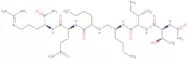
CAS:<p>Ac-Thr-Ile-Nle-psi(CH2NH) Nle-Gln-Arg-NH2 is a protease inhibitor that prevents the breakdown of proteins by inhibiting the activity of proteases. It binds to the active site of these enzymes and blocks the access of other substrates. Ac-Thr-Ile-Nle-psi(CH2NH) Nle-Gln-Arg-NH2 has been shown to bind to a number of proteases, including serine, cysteine, aspartic acid, and metalloendoproteases. It inhibits the hydrolysis of peptide bonds in proteins by binding to the active site and blocking access to other substrates. The chemical structure is hydrophobic due to presence of a hydroxy group that can interact with hydrophobic regions on proteins. Acetylation at position Thr1 is important for its inhibitory activity against certain proteases such as</p>Formula:C35H67N11O8Purity:Min. 95%Molecular weight:769.98 g/molH-Met-AMC acetate salt
CAS:<p>Please enquire for more information about H-Met-AMC acetate salt including the price, delivery time and more detailed product information at the technical inquiry form on this page</p>Formula:C15H18N2O3SPurity:Min. 95%Molecular weight:306.38 g/molCD36 (93-110)-Cys
CAS:<p>Please enquire for more information about CD36 (93-110)-Cys including the price, delivery time and more detailed product information at the technical inquiry form on this page</p>Formula:C96H151N29O33SPurity:Min. 95%Molecular weight:2,271.47 g/mol(D-Thr6,D-Trp8·9,L-alaninol15)-Galanin (1-15)
CAS:<p>Please enquire for more information about (D-Thr6,D-Trp8·9,L-alaninol15)-Galanin (1-15) including the price, delivery time and more detailed product information at the technical inquiry form on this page</p>Formula:C84H117N21O18Purity:Min. 95%Molecular weight:1,708.96 g/molAc-Gln-NH2
CAS:<p>Ac-Gln-NH2 is a multifunctional protein that has been covalently immobilized on the surface of a glass fiber. It can be used to immobilize enzymes and other proteins, as well as being able to function as an enzyme itself. Ac-Gln-NH2 has been shown to conjugate with various molecules, including antibodies, DNA, and proteins. The immobilizing process involves cross-linking the protein to the glass surface through a chemical method that uses reagents such as glutaraldehyde or epoxy resin. Immobilization of Ac-Gln-NH2 onto a glass surface allows for easier use in applications such as diagnostics and industrial processes.</p>Formula:C7H13N3O3Purity:Min. 95%Molecular weight:187.2 g/molH-Ala-Gly-Ala-Ala-OH
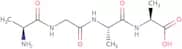
CAS:<p>Please enquire for more information about H-Ala-Gly-Ala-Ala-OH including the price, delivery time and more detailed product information at the technical inquiry form on this page</p>Formula:C11H20N4O5Purity:Min. 95%Molecular weight:288.3 g/molFmoc-Glu(OtBu)-Wang resin (100-200 mesh)
<p>Please enquire for more information about Fmoc-Glu(OtBu)-Wang resin (100-200 mesh) including the price, delivery time and more detailed product information at the technical inquiry form on this page</p>Purity:Min. 95%L-Alanine ethyl ester HCl
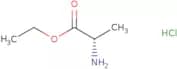
CAS:<p>L-Alanine ethyl ester HCl is a compound that belongs to the group of amino acids. It is an aliphatic, non-essential amino acid that is classified as a non-polar and hydrophobic amino acid. L-Alanine ethyl ester HCl has been shown to have biological properties that are similar to those of L-alanine on tissue culture cells, including receptor activity and protein synthesis. L-Alanine ethyl ester HCl also has antiviral properties against infectious bacteria such as Escherichia coli and chlamydia, which may be due to its ability to inhibit the synthesis of bacterial proteins required for replication. L-Alanine ethyl ester HCl can be used in wastewater treatment as it reacts with hydrochloric acid in water to produce salt and ethanol.</p>Formula:C5H11NO2·HClPurity:Min. 95%Color and Shape:White PowderMolecular weight:153.61 g/molH-Ile-Arg-OH acetate salt
CAS:<p>H-Ile-Arg-OH acetate salt is an antioxidant that belongs to the group of amino acids. It has been shown to have antioxidative activity in vitro, as well as interaction with radicals and free radicals. Cryo-electron microscopy was used to show this compound's radical scavenging activity. H-Ile-Arg-OH acetate salt has also been found to have antioxidative properties in eukaryotes. This compound is composed of two isomers: H-Ile and Arg. The hydroxyl group on the H-Ile isomer gives this compound its antioxidative properties, while the Arg isomer possesses hydrolytic properties. The subunits are linked together by a peptide bond between the carboxyl group on Arg and the amine group on H-Ile. In addition, H-Ile has an -OH hydroxyl group that can be scavenged by hydroxyl radicals, which provides antioxidative activity.</p>Formula:C12H25N5O3Purity:Min. 95%Molecular weight:287.36 g/mol(Pro34)-Neuropeptide Y (porcine) trifluoroacetate salt
CAS:<p>Please enquire for more information about (Pro34)-Neuropeptide Y (porcine) trifluoroacetate salt including the price, delivery time and more detailed product information at the technical inquiry form on this page</p>Formula:C190H286N54O56Purity:Min. 95%Molecular weight:4,222.63 g/molBoc-Ala-Ala-Gly-pNA
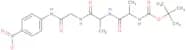
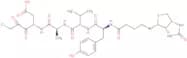
CAS:<p>Boc-Ala-Ala-Gly-pNA is a peptide that has been synthesized using the Fmoc/tBu strategy. It has an acidic pH, and its proteolytic activity can be enhanced by the addition of chromogenic or fluorogenic substrates. Boc-Ala-Ala-Gly-pNA is used as a substrate in fingerprint analysis and can be used to identify bacteria such as Proteus mirabilis, Pseudomonas aeruginosa, and Bacillus cereus. This peptide can also be used to identify strains of Escherichia coli, Enterococci, Staphylococci, Streptococci, and Haemophilus influenzae.</p>Formula:C19H27N5O7Purity:Min. 95%Color and Shape:PowderMolecular weight:437.45 g/molBiotinyl-Tyr-Val-Ala-Asp-chloromethylketone
CAS:<p>Please enquire for more information about Biotinyl-Tyr-Val-Ala-Asp-chloromethylketone including the price, delivery time and more detailed product information at the technical inquiry form on this page</p>Formula:C32H45ClN6O9SPurity:Min. 95%Molecular weight:725.25 g/molPerfluoro-N-(4-methylcyclohexyl)piperidine
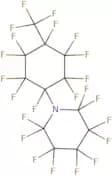
CAS:Controlled Product<p>Perfluoro-N-(4-methylcyclohexyl)piperidine (4-FPP) is a fluorine compound that has been shown to inhibit the enzymatic activity of tyrosine kinases. It is a potent inhibitor of both human and murine tyrosine kinases, but it does not bind to bacterial tyrosine kinase domains. 4-FPP has been used in clinical studies as an anti-cancer drug, although it's clinical relevance remains unclear. It has also been shown to be effective against the influenza virus by inhibiting the synthesis of viral proteins that are involved in replication. The chemical structure of 4-FPP contains a carbonyl group that can react with other compounds through a photochemical process. This reaction is thought to result in the development of new drugs with similar biochemical properties to 4-FPP.</p>Formula:C12F23NPurity:Min. 95%Color and Shape:Clear LiquidMolecular weight:595.1 g/molZ-Pro-Met-OH
CAS:<p>Z-Pro-Met-OH is a potent inhibitor of protein kinases. It has been shown to be resistant to peptidyl and sulphonium activation and also inhibits trypsin and other proteases. Z-Pro-Met-OH is a chloromethane derivative that is both an inhibitor of protein kinases and a substrate for the enzyme, which generates a constant concentration of product in the presence of enzyme. Z-Pro-Met-OH is more sensitive than other inhibitors tested to date, with the exception of staurosporine. It has sequence similarity to mammalian proteins, but lacks homology with any known protein.</p>Formula:C18H24N2O5SPurity:Min. 95%Molecular weight:380.46 g/molH-Gly-Phe-NH2·HCl
CAS:<p>Please enquire for more information about H-Gly-Phe-NH2·HCl including the price, delivery time and more detailed product information at the technical inquiry form on this page</p>Formula:C11H15N3O2·HClPurity:Min. 95%Molecular weight:257.72 g/molFmoc-Lys(Boc)-Thr(Psi(Me ,Me)pro)-OH
CAS:<p>Please enquire for more information about Fmoc-Lys(Boc)-Thr(Psi(Me ,Me)pro)-OH including the price, delivery time and more detailed product information at the technical inquiry form on this page</p>Formula:C33H43N3O8Purity:Min. 95%Molecular weight:609.71 g/mol