Amino Acids (AA)
Amino acids (AAs) are the fundamental building blocks of proteins, playing a crucial role in various biological processes. These organic compounds are essential for protein synthesis, metabolic pathways, and cell signaling. In this category, you will find a comprehensive range of amino acids, including essential, non-essential, and modified forms, which are vital for research in biochemistry, molecular biology, and nutritional sciences. At CymitQuimica, we provide high-quality amino acids to support your research and development needs, ensuring accuracy and reliability in your experimental outcomes.
Subcategories of "Amino Acids (AA)"
- Amino Acid Derivatives(3,955 products)
- Amino Acid and Amino Acid Related Compounds(3,464 products)
- Amino Acids with Oxygen or Sulphur(168 products)
- Boc- Amino Acids(351 products)
- Fmoc Amino Acids(1,710 products)
Found 38247 products of "Amino Acids (AA)"
Sort by
Purity (%)
0
100
|
0
|
50
|
90
|
95
|
100
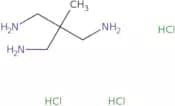
2-(Aminomethyl)-2-methyl-1,3-propanediamine trihydrochloride
CAS:<p>Please enquire for more information about 2-(Aminomethyl)-2-methyl-1,3-propanediamine trihydrochloride including the price, delivery time and more detailed product information at the technical inquiry form on this page</p>Formula:C5H15N3•(HCl)3Purity:Min. 95%Color and Shape:PowderMolecular weight:226.57 g/molFmoc-Leu-Wang resin (200-400 mesh)
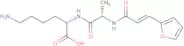
<p>Please enquire for more information about Fmoc-Leu-Wang resin (200-400 mesh) including the price, delivery time and more detailed product information at the technical inquiry form on this page</p>Purity:Min. 95%N-(3-(2-Furyl)Acryloyl-Ala-Lys TFA salt
CAS:<p>FA-Ala-Lys-OH is a lysine derivative with a molecular weight of 243.2 daltons and a pKa of 6.5. It has been shown to be biologically active in humans and animals, and can be used as an amino acid supplement for patients with liver disease or kidney failure who require dialysis. FA-Ala-Lys-OH binds to the creatine kinase receptor on the surface of cells and causes cell lysis, which may be due to its ability to bind to the enzyme's allosteric site. This compound also has anti-viral properties, inhibiting the growth of recombinant virus mcf-7 in vitro by binding to erythrocyte membranes and disrupting protein synthesis. The 6-Fluoro-3-indoxyl beta D galactopyranoside is an antituberculosis drugs that belongs to the class of rifamycins. Rifapentine inhibits bacterial</p>Formula:C16H23N3O5Purity:Min. 95%Molecular weight:337.37 g/molObestatin (human) trifluoroacetate salt
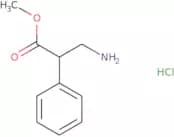
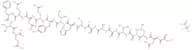
CAS:<p>Please enquire for more information about Obestatin (human) trifluoroacetate salt including the price, delivery time and more detailed product information at the technical inquiry form on this page</p>Formula:C116H176N32O33Purity:Min. 95%Molecular weight:2,546.83 g/molMethyl 3-amino-2-phenylpropanoate HCl
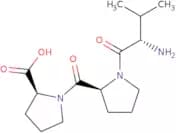
CAS:<p>Methyl 3-amino-2-phenylpropanoate HCl is a chemical intermediate that is synthesized in the biosynthesis of scopolamine and tenellin. It has been found to be an isotopically labeled analog of tropane alkaloids, which are a class of natural products that includes atropine, hyoscyamine, and scopolamine. Methyl 3-amino-2-phenylpropanoate HCl is one of many compounds that can provide structural insights into the biosynthesis and metabolism of these compounds.</p>Formula:C10H13NO2·HClPurity:Area-% Min. 95 Area-%Color and Shape:PowderMolecular weight:215.68 g/molH-Val-Pro-Pro-OH
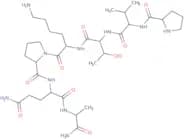
CAS:<p>H-Val-Pro-Pro-OH is a peptide that has been shown to have inhibitory properties on bacterial strains such as E. coli and Staphylococcus aureus. H-Val-Pro-Pro-OH is an ester hydrochloride derivative of the amino acid Valine, which has been shown to have antihypertensive effects in mice. H-Val-Pro-Pro-OH can be used for the treatment of hypertension and other cardiovascular diseases by modifying the activity of ion channels. H-Val-Pro-Pro--OH is a peptide that inhibits the production of nitric oxide (NO) and reactive oxygen species (ROS) in endothelial cells, which are involved in physiological functions such as blood pressure control and vasodilation. The mechanism by which H--Val--Pro--Pro--OH produces these effects may involve inhibition of NO synthase (NOS) and inhibition of ROS production from NADPH oxidase 2 (N</p>Formula:C15H25N3O4Purity:Min. 95%Molecular weight:311.38 g/molN-Methyl-L-trans-4-hydroxyproline hydrochloride
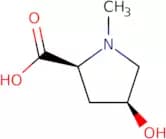
CAS:<p>N-Methyl-L-trans-4-hydroxyproline hydrochloride is a bioactive compound that is present in the leaves of Semecarpifolia. It has been found to have antioxidant and anti-inflammatory properties. The chemical structure of N-methyl-L-trans-4-hydroxyproline hydrochloride is cyclic, butanamide, hexane, ethanolic extracts, and semecarpifolia. The family Meliaceae includes species such as Eucalyptus, which produces the bioactive compound cineole. Solvents used in this process are hexane and ethanolic extracts.</p>Formula:C6H11NO3·HClPurity:Min. 95%Color and Shape:PowderMolecular weight:181.62 g/molZ-Phe-Ala-diazomethylketone
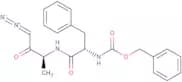
CAS:<p>Z-Phe-Ala-diazomethylketone is a molecule that belongs to the class of hydrolase inhibitors. It has been shown to have inhibitory properties against trichomonas vaginalis and proteolytic activity against liver cells. Z-Phe-Ala-diazomethylketone also has a kinetic energy of 11.2 kcal/mol, which is higher than most protease inhibitors. This molecule has been shown to be effective as a cell vaccine in wild-type mice and as a protease inhibitor in brain cells. The optimal ph for this molecule is 7.5, which corresponds to its pKa value of 5.1.</p>Formula:C21H22N4O4Purity:Min. 95%Molecular weight:394.42 g/molL-Glutamic acid 5-benzyl ester
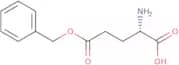
CAS:<p>L-Glutamic acid 5-benzyl ester is an amino acid that has been synthesized to have a lysine residue. It is an ester hydrochloride and has been shown to have broad-spectrum antimicrobial properties. L-glutamic acid 5-benzyl ester's antimicrobial activity is thought to be due to its chemical structure which allows it to act as an antimicrobial peptide, binding to receptors on the surface of bacterial cells and inhibiting their growth. L-glutamic acid 5-benzyl ester also inhibits osteogenic genes in cervical cancer cells, but not in normal cells.</p>Formula:C12H15NO4Purity:Min. 95%Color and Shape:White Off-White PowderMolecular weight:237.25 g/molFluorescein-6-carbonyl-Ile-Glu(OMe)-Thr-DL-Asp(OMe)-fluoromethylketone
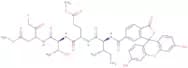
CAS:<p>Please enquire for more information about Fluorescein-6-carbonyl-Ile-Glu(OMe)-Thr-DL-Asp(OMe)-fluoromethylketone including the price, delivery time and more detailed product information at the technical inquiry form on this page</p>Formula:C43H47FN4O15Purity:Min. 95%Molecular weight:878.85 g/molH-Lys-Pro-4MbNA·2 HCl
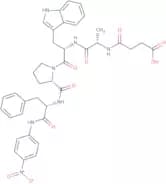
CAS:<p>Please enquire for more information about H-Lys-Pro-4MbNA·2 HCl including the price, delivery time and more detailed product information at the technical inquiry form on this page</p>Formula:C22H30N4O3·2HClPurity:Min. 95%Molecular weight:471.42 g/molSuc-Ala-Trp-Pro-Phe-pNA
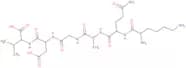
CAS:<p>Suc-Ala-Trp-Pro-Phe-pNA is a cyclosporine analog that inhibits the activity of protein isomerases. It has been shown to inhibit the phosphatase activity of casein and stabilize peptide bonds in bovine serum albumin. Suc-Ala-Trp-Pro-Phe-pNA can also be used as a substrate for tyrosine kinase and amide bond formation. Suc-Ala-Trp-Pro-Phe-pNA is an inhibitor of FK506 binding to its receptor, which may be due to its ability to compete with tyrosine residues for binding sites. This compound also exhibits stabilization effects on protein structures by inhibiting the degradation of proteins by proteolytic enzymes or other chemical agents.</p>Formula:C38H41N7O9Purity:Min. 95%Molecular weight:739.77 g/molH-Lys-Gln-Ala-Gly-Asp-Val-OH
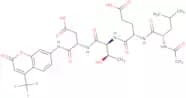
CAS:<p>H-Lys-Gln-Ala-Gly-Asp-Val-OH is a synthetic peptide that is used as a research tool. It is synthesized by recombinant e. coli cells and has been shown to have strong affinity for the specific ligand, fluorescence and microbial assays. This synthetic peptide is hydrophilic and can be detected using confocal microscopy. It also exhibits biodegradability in an e. coli environment, which may be due to its lysine residue.</p>Formula:C25H44N8O10Purity:Min. 95%Molecular weight:616.66 g/molAc-Leu-Glu-Thr-Asp-AFC
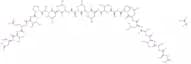
CAS:<p>Please enquire for more information about Ac-Leu-Glu-Thr-Asp-AFC including the price, delivery time and more detailed product information at the technical inquiry form on this page</p>Formula:C31H38F3N5O12Purity:Min. 95%Molecular weight:729.66 g/molAc-Ala-Ala-Val-Ala-Leu-Leu-Pro-Ala-Val-Leu-Leu-Ala-Leu-Leu-Ala-Pro-Ile-Glu-Thr-Asp-aldehyde trifluoroacetate salt
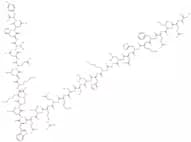
CAS:<p>Please enquire for more information about Ac-Ala-Ala-Val-Ala-Leu-Leu-Pro-Ala-Val-Leu-Leu-Ala-Leu-Leu-Ala-Pro-Ile-Glu-Thr-Asp-aldehyde trifluoroacetate salt including the price, delivery time and more detailed product information at the technical inquiry form on this page</p>Formula:C95H162N20O26Purity:Min. 95%Molecular weight:2,000.42 g/mol(Nle 8·18,Tyr34)-pTH (3-34) amide (bovine)
CAS:<p>Please enquire for more information about (Nle 8·18,Tyr34)-pTH (3-34) amide (bovine) including the price, delivery time and more detailed product information at the technical inquiry form on this page</p>Formula:C177H279N53O48Purity:Min. 95%Molecular weight:3,917.44 g/mol(His(1-Me)2)-LHRH trifluoroacetate salt
CAS:<p>Please enquire for more information about (His(1-Me)2)-LHRH trifluoroacetate salt including the price, delivery time and more detailed product information at the technical inquiry form on this page</p>Formula:C56H77N17O13Purity:Min. 95%Molecular weight:1,196.32 g/mol3-Methoxybenzyl chloride
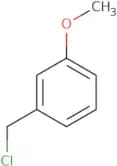
CAS:<p>3-Methoxybenzyl chloride is a polymer conjugate that has the chemical formula C6H5CH2ClO. It reacts with hydroxy groups to form ester bonds. The compound was synthesized by reacting 3-methoxybenzyl chloride with hydrochloric acid in vitro, and the resulting product was found to have antimicrobial properties. In vivo studies have shown that this compound binds to receptors in rat striatal tissue. 3-Methoxybenzyl chloride also showed fluorescence properties when exposed to ultraviolet light and can be used for molecular modeling. Titration calorimetry has been used to study the thermal stability of this polymer conjugate.</p>Formula:C8H9ClOPurity:Min. 95%Molecular weight:156.61 g/mol2-Iodo-5-methoxybenzoic acid
CAS:<p>2-Iodo-5-methoxybenzoic acid is a macrocyclic compound that has been synthesized in the Wittig reaction. It was first prepared by catalyzed intramolecular aryl demethylation of 2-iodo-5-nitrobenzoic acid, followed by coupling with methyl vinyl ketone. The cytotoxic activity of this compound is due to its ability to inhibit the synthesis of protein and DNA and induce apoptosis. This molecule has been shown to be effective against liverworts and ethers.</p>Formula:C8H7IO3Purity:Min. 95%Color and Shape:PowderMolecular weight:278.04 g/molH-Arg-Arg-Arg-Arg-Arg-Arg-Arg-OH trifluoroacetate salt
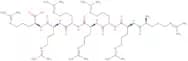
CAS:<p>The Arg-Arg-Arg-Arg-Arg-Arg-Arg-Arg-OH trifluoroacetate salt is a biologically active form of arginine. It has been shown to inhibit the activity of both NS3 protease and NS4A protease from the hepatitis C virus (HCV). It also inhibits tumor cell growth in vitro, which may be due to its ability to upregulate epidermal growth factor receptor (EGFR) expression on tumor cells. The Arg-Arg-Arg-Arg-Arg-Arg-Arghydrogen trifluoroacetate salt is an inhibitor of estrogen receptor modulators that are used as therapeutic agents for breast cancer.</p>Formula:C42H86N28O8Purity:Min. 95%Molecular weight:1,111.32 g/molCys-Gly-Lys-Lys-Gly-Amyloid b-Protein (36-42) trifluoroacetate salt
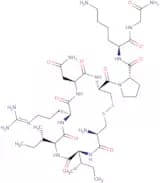
CAS:<p>Please enquire for more information about Cys-Gly-Lys-Lys-Gly-Amyloid b-Protein (36-42) trifluoroacetate salt including the price, delivery time and more detailed product information at the technical inquiry form on this page</p>Formula:C47H86N14O13SPurity:Min. 95%Molecular weight:1,087.34 g/molAc-Gln-NH2
CAS:<p>Ac-Gln-NH2 is a multifunctional protein that has been covalently immobilized on the surface of a glass fiber. It can be used to immobilize enzymes and other proteins, as well as being able to function as an enzyme itself. Ac-Gln-NH2 has been shown to conjugate with various molecules, including antibodies, DNA, and proteins. The immobilizing process involves cross-linking the protein to the glass surface through a chemical method that uses reagents such as glutaraldehyde or epoxy resin. Immobilization of Ac-Gln-NH2 onto a glass surface allows for easier use in applications such as diagnostics and industrial processes.</p>Formula:C7H13N3O3Purity:Min. 95%Molecular weight:187.2 g/mol(Des-Gly10,D-Pyr 1,D-Leu6,Pro-NHEt 9)-LHRH trifluoroacetate salt
<p>Please enquire for more information about (Des-Gly10,D-Pyr 1,D-Leu6,Pro-NHEt 9)-LHRH trifluoroacetate salt including the price, delivery time and more detailed product information at the technical inquiry form on this page</p>Formula:C59H84N16O12Purity:Min. 95%Molecular weight:1,209.4 g/molNeuropeptide Y (13-36) (porcine) trifluoroacetate salt
CAS:<p>Please enquire for more information about Neuropeptide Y (13-36) (porcine) trifluoroacetate salt including the price, delivery time and more detailed product information at the technical inquiry form on this page</p>Formula:C135H209N41O36Purity:Min. 95%Molecular weight:2,982.36 g/molZ-Leu-Arg-Gly-Gly-AMC acetate salt
CAS:Controlled Product<p>Please enquire for more information about Z-Leu-Arg-Gly-Gly-AMC acetate salt including the price, delivery time and more detailed product information at the technical inquiry form on this page</p>Formula:C34H44N8O8Purity:Min. 95%Molecular weight:692.76 g/molSeminalplasmin Fragment (SPF) Analog
CAS:<p>Seminalplasmin Fragment (SPF) is a potent antibacterial agent that has been shown to inhibit the growth of Leishmania. It binds to the target cells, forming a covalent bond with the surface of the cell membrane. The SPF analog H-Pro-Lys-Leu-Leu-Lys-Thr-Phe-Leu-Ser-Lys-Trp-Ile-Gly-OH has been shown to have an increased antimicrobial spectrum due to its increased stability in acidic environments. This analog is also active against Gram positive bacteria and can be synthesized using cyclic peptide chemistry. This drug has been shown to have hemolytic activity, meaning that it inhibits red blood cell lysis by binding to phospholipids on the surface of red blood cells.</p>Formula:C76H123N17O16Purity:Min. 95%Molecular weight:1,530.89 g/molKemptamide trifluoroacetate salt
CAS:<p>Kemptamide is a peptide that has been shown to have cytotoxic and anti-proliferative effects on renal cancer cells. It is a synthetic analogue of an endogenous peptide, Lys-Lys-Arg-Pro-Gln-Arg-Ala-Thr-Ser-Asn-Val-Phe, that is found in porcine kidney. Kemptamide’s cytotoxic activity may be due to its ability to inhibit the activity of phosphatases. Kemptamide also has regulatory properties and can modulate the expression of genes that are involved in cell growth and apoptosis. This peptide has been shown to be reactive with kidney cells, which may lead to its therapeutic effect on renal cancer.</p>Formula:C65H112N24O18Purity:Min. 95%Molecular weight:1,517.74 g/molH-Trp-Trp-OH
CAS:<p>H-Trp-Trp-OH is a reaction product of the amino acid tryptophan and various electron donors. The radical form of H-Trp-Trp-OH has been studied using 2D nuclear magnetic resonance (NMR) spectroscopy to determine its structure. In addition, H-Trp-Trp-OH has been used to study the mechanism of protein phosphorylation reactions. This chemical can be prepared from a solution of tryptophan in water and an oxidizing agent such as hydrogen peroxide or sodium hypochlorite. The frequency shift observed for H-Trp-Trp-OH was attributed to the presence of a constant that was found to be 10 Hz/M, indicating that this substance is a radical form. The sample preparation technique used in this experiment consisted of adding an equal volume of acetic acid to an unknown sample and then centrifuging it at 5000 rpm for five minutes before measuring its fluorescence emission.</p>Formula:C22H22N4O3Purity:Min. 95%Molecular weight:390.44 g/molScyliorhinin I
CAS:<p>Scyliorhinin I H-Ala-Lys-Phe-Asp-Lys-Phe-Tyr-Gly-Leu-Met-NH2 is a peptide that has been conjugated to an aminopropyl linker. It has shown cardioprotective effects in vitro, which may be due to its ability to inhibit the activity of angiotensin converting enzyme (ACE). Scyliorhinin I H-Ala-Lys-Phe-Asp-Lys-Phe-Tyr-Gly-Leu-Met NH2 also inhibits the production of ACTH and corticosterone in the dogfish. This peptide is not highly potent, but it does have a biphasic response in submandibular gland cells.</p>Formula:C59H87N13O13SPurity:Min. 95%Molecular weight:1,218.47 g/molH-Lys(4-nitro-Z)-pyrrolidide·HCl
CAS:<p>Please enquire for more information about H-Lys(4-nitro-Z)-pyrrolidide·HCl including the price, delivery time and more detailed product information at the technical inquiry form on this page</p>Formula:C18H26N4O5·HClPurity:Min. 95%Molecular weight:414.88 g/molBiotinyl-Atrial Natriuretic Factor (1-28) (human) trifluoroacetate salt
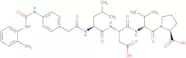
CAS:<p>Please enquire for more information about Biotinyl-Atrial Natriuretic Factor (1-28) (human) trifluoroacetate salt including the price, delivery time and more detailed product information at the technical inquiry form on this page</p>Formula:C137H217N47O41S4Purity:Min. 95%Molecular weight:3,306.75 g/mol(4-((2-Methylphenyl)aminocarbonyl)-aminophenyl)acetyl-Fibronectin CS-1 Fragment (1980-1983)
CAS:<p>Please enquire for more information about (4-((2-Methylphenyl)aminocarbonyl)-aminophenyl)acetyl-Fibronectin CS-1 Fragment (1980-1983) including the price, delivery time and more detailed product information at the technical inquiry form on this page</p>Formula:C36H48N6O9Purity:Min. 95%Molecular weight:708.8 g/molH-Arg-Gly-Asp-Ser-Pro-Ala-Ser-Ser-Lys-Pro-OH
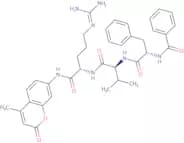
CAS:<p>H-Arg-Gly-Asp-Ser-Pro-Ala-Ser-Ser-Lys-Pro-OH is a peptide that is derived from the sequence of fibronectin. It has been shown to be taken up by urchin cells, which are spherical and have a toroidal shape. This peptide also has modular properties and forms a particle with a pegylated molecule. The amino acid sequence of this peptide is unmodified. H-Arg-Gly-Asp-Ser-Pro-Ala-Ser-Ser-Lys Pro -OH is a synthetic ligand that can be used in the ligation of mesenchyme cells.</p>Formula:C40H68N14O16Purity:Min. 95%Molecular weight:1,001.05 g/molBz-Phe-Val-Arg-AMC hydrochloride salt
CAS:<p>Bz-Phe-Val-Arg-AMC is a synthetic substrate that is used to measure proteolytic activity. It has been shown to be hydrolyzed by serine proteases, such as trypsin and chymotrypsin, at a rate proportional to the enzyme's concentration. The rate of hydrolysis was determined using a kinetic assay in which the release of AMC from the peptide bond was measured using an ultraviolet spectrophotometer. Bz-Phe-Val-Arg-AMC has also been used to study the effects of various food additives on proteolytic activity. This test can be used as a diagnostic tool for inflammatory diseases, such as Crohn's disease and ulcerative colitis.</p>Formula:C37H43N7O6Purity:Min. 95%Molecular weight:681.78 g/molCys-CD36 (139-155) trifluoroacetate salt
CAS:<p>Please enquire for more information about Cys-CD36 (139-155) trifluoroacetate salt including the price, delivery time and more detailed product information at the technical inquiry form on this page</p>Formula:C87H133N25O26SPurity:Min. 95%Molecular weight:1,977.21 g/molZ-Leu-Leu-Glu-AMC
CAS:<p>Fluorogenic substrate for proteosome II</p>Formula:C35H44N4O9Purity:Min. 95%Molecular weight:664.75 g/molH-Ile-Arg-Pro-OH
CAS:<p>Please enquire for more information about H-Ile-Arg-Pro-OH including the price, delivery time and more detailed product information at the technical inquiry form on this page</p>Formula:C17H32N6O4Purity:Min. 95%Molecular weight:384.47 g/molLauroyl-glycine
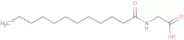
CAS:<p>Lauroyl-glycine is a fatty acid with a long acyl chain. It is an intermediate in the synthesis of lauric acid, which is used in the production of detergents and soaps. Lauroyl-glycine has been shown to be useful as a model system for skin condition studies due to its detergent properties.</p>Formula:C14H27NO3Purity:Min. 95%Molecular weight:257.37 g/molFmoc-D-Ser(BSi)-OH
CAS:<p>Please enquire for more information about Fmoc-D-Ser(BSi)-OH including the price, delivery time and more detailed product information at the technical inquiry form on this page</p>Formula:C24H31NO5SiPurity:Min. 95%Molecular weight:441.59 g/molSorbin (147-153) amide (porcine) trifluoroacetate salt
CAS:<p>Please enquire for more information about Sorbin (147-153) amide (porcine) trifluoroacetate salt including the price, delivery time and more detailed product information at the technical inquiry form on this page</p>Formula:C33H58N10O9Purity:Min. 95%Molecular weight:738.88 g/mol(Lys8)-Conopressin S
CAS:<p>Please enquire for more information about (Lys8)-Conopressin S including the price, delivery time and more detailed product information at the technical inquiry form on this page</p>Formula:C41H73N15O10S2Purity:Min. 95%Molecular weight:1,000.25 g/molThrombin B-Chain (147-158) (human)
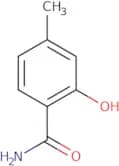
CAS:<p>Please enquire for more information about Thrombin B-Chain (147-158) (human) including the price, delivery time and more detailed product information at the technical inquiry form on this page</p>Formula:C54H84N16O18Purity:Min. 95%Molecular weight:1,245.34 g/mol4-Methylsalicylamide
CAS:<p>4-Methylsalicylamide is a chemical compound that belongs to the class of isonicotinic amides. It is a potent anti-inflammatory agent with minimal inhibitory concentration (MIC) values of 4 µg/mL for gram-positive bacteria and 8 µg/mL for gram-negative bacteria. This compound has been shown to be effective against methicillin-resistant Staphylococcus aureus (MRSA) and Clostridium perfringens, although is not active against acid-fast bacteria such as Mycobacterium tuberculosis or Mycobacterium avium complex. 4-Methylsalicylamide has been shown to have an inhibitory effect on ring-opening, which may be due to its ability to acetylate mitochondrial membranes, altering the membrane potential. The molecular modeling studies also showed that 4MSAM binds at the same site as antibiotics such as penicillin and erythromycin in bacterial ribos</p>Formula:C8H9NO2Purity:Min. 95%Color and Shape:PowderMolecular weight:151.16 g/molCRF (6-33) (human, rat)
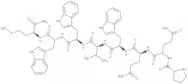
CAS:<p>CRF (6-33) is a neuropeptide that is found in the human cerebral cortex and rat liver. It has been shown to inhibit protein synthesis and sequenced by Edmond H. Fischer, who also discovered corticotropin-releasing factor (CRF). CRF (6-33) binds to its receptor CRFR1, which activates phospholipase C and generates inositol 1,4,5-triphosphate. This leads to the release of calcium from intracellular stores and the activation of protein kinase C. The release of calcium ions into the cytosol causes an increase in intracellular levels of cAMP, which activates a series of reactions responsible for the cellular effects of CRF. CRF (6-33) has been shown to be involved in depression by controlling neurotransmitter levels.br></p>Formula:C141H231N41O43SPurity:Min. 95%Molecular weight:3,220.66 g/molVIP sulfoxide (human, mouse, rat) trifluoroacetate salt
CAS:<p>Please enquire for more information about VIP sulfoxide (human, mouse, rat) trifluoroacetate salt including the price, delivery time and more detailed product information at the technical inquiry form on this page</p>Formula:C147H238N44O43SPurity:Min. 95%Molecular weight:3,341.8 g/mol(D-Pro4,D-Trp7·9·10,Val8)-Substance P (4-11)
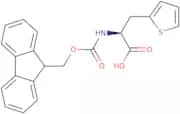
CAS:<p>Please enquire for more information about (D-Pro4,D-Trp7·9·10,Val8)-Substance P (4-11) including the price, delivery time and more detailed product information at the technical inquiry form on this page</p>Formula:C58H74N14O10SPurity:Min. 95%Molecular weight:1,159.36 g/molFmoc-b-(2-thienyl)-L-alanine
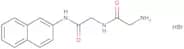
CAS:<p>Please enquire for more information about Fmoc-b-(2-thienyl)-L-alanine including the price, delivery time and more detailed product information at the technical inquiry form on this page</p>Formula:C22H19NO4SPurity:Min. 95%Molecular weight:393.46 g/molH-Gly-Gly-bNA·HBr
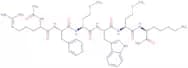
CAS:<p>Please enquire for more information about H-Gly-Gly-bNA·HBr including the price, delivery time and more detailed product information at the technical inquiry form on this page</p>Formula:C14H15N3O2·HBrPurity:Min. 95%Molecular weight:338.2 g/molAc-Arg-Phe-Met-Trp-Met-Lys-NH2 TFA salt
CAS:<p>Ac-Arg-Phe-Met-Trp-Met-Lys-NH2 is an opioid receptor agonist with a high affinity for the μ-, δ-, and κ-opioid receptors. Ac-Arg-Phe-Met-Trp-Met-Lys-NH2 binds to these receptors, thereby inhibiting the release of neurotransmitters that transmit pain signals from the peripheral nerves to the brain. Acetyl fentanyl also inhibits the binding of opioid receptor antagonists such as naloxone, which is used in emergency rooms to block or reverse the effects of opioids. Acetyl fentanyl has been shown to be an effective analgesic in animal studies.</p>Formula:C44H66N12O7S2•xC2HF3O2Purity:Min. 95%Molecular weight:939.2 g/molCarboxymethyl-Phe-Leu-OH
CAS:<p>Carboxymethyl-Phe-Leu-OH (CMPLE) is a metalloprotease inhibitor that inhibits the activity of proteases, such as serine proteases and cysteine proteases. CMPLE is used to treat infectious diseases caused by bacteria, fungi, or parasites. CMPLE also has been shown to inhibit the formation of inflammatory responses in autoimmune and inflammatory diseases. This drug can be used in combination with benzalkonium chloride or monoclonal antibodies to treat hematopoietic cells. The optimum pH for this drug is 7.5, and it denatures at high temperatures. It also binds to epithelial surface glycoproteins in the gastrointestinal tract and may be useful for treating ulcers caused by Helicobacter pylori infection.</p>Formula:C17H24N2O5Purity:Min. 95%Molecular weight:336.38 g/mol