Amino Acids (AA)
Subcategories of "Amino Acids (AA)"
- Amino Acid Derivatives(4,017 products)
- Amino Acid and Amino Acid Related Compounds(3,491 products)
- Amino Acids with Oxygen or Sulphur(168 products)
- Boc- Amino Acids(351 products)
- Fmoc Amino Acids(1,710 products)
Found 38385 products of "Amino Acids (AA)"
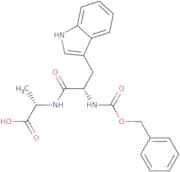
Z-Trp-Ala-OH
CAS:Z-Trp-Ala-OH is an imidazolide that is used as a potassium supplement. It has the potential to be used in the treatment of epilepsy, but more research is needed to determine its safety and efficacy.Formula:C22H23N3O5Purity:Min. 95%Molecular weight:409.44 g/molBoc-trans-4-aminocyclohexane acetic acid
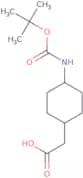
CAS:Please enquire for more information about Boc-trans-4-aminocyclohexane acetic acid including the price, delivery time and more detailed product information at the technical inquiry form on this pageFormula:C13H23NO4Molecular weight:257.33 g/molFmoc-p-phenyl-L-phenylalanine
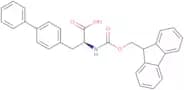
CAS:Fmoc-p-phenyl-L-phenylalanine (FMPP) is a fluorescent probe that can be used to detect and diagnose damage in tissues. It is a small molecule that has been shown to bind to myocytes and cardiac tissues, specifically targeting skeletal and cardiac muscle. FMPP binds to the amino acid phenylalanine, which is found in high concentrations in cardiac tissue. This binding causes an increase in fluorescence, which can be detected by light microscopy or flow cytometry. FMPP has been used to detect damage in heart muscles of mice with dilated cardiomyopathy and also as a probe for myocardial infarctions in humans.
Formula:C30H25NO4Purity:Min. 98 Area-%Color and Shape:PowderMolecular weight:463.52 g/molH-D-Met-Met-OH
CAS:H-D-Met-Met-OH is a synthetic compound, which is an optical isomer of DL-methionine. It has been shown to have the same biochemical and dietary concentrations as DL-methionine. H-D-Met-Met-OH has also been shown to have a linear response in bioassays, assays and other biochemical pathways. The thermodynamic properties of this compound are also similar to those of DL-methionine, although it is not as stable. This compound can be used as a substitute for DL-methionine because it has an identical chemical structure and can be converted into L -methionine by the enzyme methioninase.
Formula:C10H20N2O3S2Purity:Min. 95%Molecular weight:280.41 g/molFmoc-D-Cys(Mtt)-OH
CAS:Please enquire for more information about Fmoc-D-Cys(Mtt)-OH including the price, delivery time and more detailed product information at the technical inquiry form on this pageFormula:C38H33NO4SPurity:Min. 95%Molecular weight:599.74 g/molBoc-beta-cyclohexyl-L-alanine
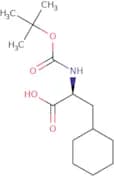
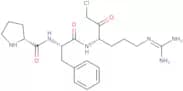
CAS:Boc-beta-cyclohexyl-L-alanine is a synthetic peptide that has been shown to bind to the thrombin receptor and inhibit the activity of this enzyme. It blocks the interaction between thrombin and its receptor, thereby inhibiting thrombin’s ability to convert fibrinogen into fibrin. This inhibition prevents the formation of a blood clot, which is essential for hemostasis. Boc-beta-cyclohexyl-L-alanine has also been shown to be an anticoagulant with antiplatelet properties. It binds to chloride ions in the blood and prevents platelets from binding together, thus preventing aggregation and adhesion.Formula:C14H25NO4Purity:Min. 95 Area-%Color and Shape:PowderMolecular weight:271.35 g/molH-D-Pro-Phe-Arg-chloromethylketone trifluoroacetate salt
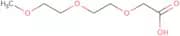
CAS:H-D-Pro-Phe-Arg-chloromethylketone trifluoroacetate salt is a polyvalent antivenom that is used in the treatment of snakebites and insect stings. It has been shown to be effective in the treatment of life-threatening envenomations, including bites from cobras and other rattlesnakes. This drug is not active against nonactivated venom, such as those from bees or spiders. H-D-Pro-Phe-Arg-chloromethylketone trifluoroacetate salt binds to the cytolysin, which prevents its activity by inactivating it. The drug also has a vasoconstrictive effect, which limits blood flow to tissues and may reduce tissue damage caused by venom toxins.Formula:C21H31ClN6O3Purity:Min. 95%Molecular weight:450.96 g/mol(2-(2-Methoxyethoxy)ethoxy)acetic acid
CAS:2-(2-Methoxyethoxy)ethoxy)acetic acid (MEAA) is a cell stabilizer that can be used in the treatment of cancer, diabetes, and other diseases. MEAA has been shown to inhibit the growth of cells by binding to and stabilizing the cytoskeleton through inhibition of protein synthesis. It also prevents the activation of pro-inflammatory cytokines and reactive oxygen species. MEAA's magnetic resonance spectroscopy properties have been studied in detail and it has been shown to bind well with silver ions. MEAA has also been shown to have high cytotoxicity when combined with laser ablation therapy.Formula:C7H14O5Purity:90%Color and Shape:Clear LiquidMolecular weight:178.18 g/molAc-Asp-Arg-Val-Tyr-Ile-His-Pro-Phe-His-Leu-Leu-Val-Tyr-Ser-OH
CAS:Please enquire for more information about Ac-Asp-Arg-Val-Tyr-Ile-His-Pro-Phe-His-Leu-Leu-Val-Tyr-Ser-OH including the price, delivery time and more detailed product information at the technical inquiry form on this pageFormula:C87H125N21O21Purity:Min. 95%Molecular weight:1,801.05 g/molKentsin
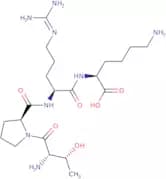
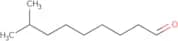
CAS:Kentsin H-Thr-Pro-Arg-Lys-OH is a synthetic peptide that is used as a conditioning agent in vitro and in vivo. It was initially developed as an anti-viral to combat HIV, but has been found to possess contraceptive properties. Kentsin H-Thr-Pro-Arg-Lys-OH inhibits the proliferation of human granulosa cells by blocking ovulation and interfering with the regular development of ovarian follicles. It has been shown to be effective against Pim1, a progesterone receptor on granulosa cells. The concentration response curve for Kentsin H-Thr-Pro-Arg Lys OH shows that it can inhibit ovulation at concentrations as low as 1 μM.Formula:C21H40N8O6Purity:Min. 95%Molecular weight:500.59 g/mol8-Methylnonanal
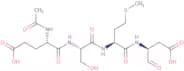
CAS:8-Methylnonanal is a fatty acid that has been hydrogenated and sulfonated. It is an unsaturated, straight chain, alpha-methylene-containing molecule with the chemical formula CH3(CH2)4CH=CH(CH2)3COOH. 8-Methylnonanal can be used as an additive in polyolefin production to improve processability. 8-Methylnonanal is used as a reaction system for the synthesis of monomers and polymers. In addition, it reacts with sulfuric acid to produce sulfuric acid esters and alkyl sulfonic acids. This chemical also reacts with fatty acids to form various products such as fatty acid methyl esters (FAMEs).Formula:C10H20OPurity:Min. 95%Molecular weight:156.27 g/molAc-Glu-Ser-Met-Asp-aldehyde (pseudo acid)
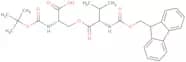
CAS:Ac-Glu-Ser-Met-Asp-aldehyde is a molecule that is naturally produced by the human body. It has been shown to be an endogenous caspase activator, which may lead to apoptosis. Ac-Glu-Ser-Met-Asp-aldehyde can also bind to cholesterol and influence its synthesis, thus affecting the production of other proteins. This molecule has a protease activity and can cleave peptides at specific sites. The sequences of this molecule have been determined and it has been found that these sequences are similar to those found in other proteases such as serine proteases.Formula:C19H30N4O10SPurity:Min. 95%Molecular weight:506.53 g/molBoc-Ser(Val-Fmoc)-OH
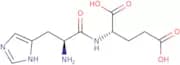
CAS:Boc-Ser(Val-Fmoc)-OH is a biomolecule that is used for the synthesis of peptides. It has been shown to be an efficient synthetic method for the synthesis of peptides and isopeptides. The use of this biomolecule in peptide synthesis allows for the production of large quantities of peptides without racemization or epimerization that can occur with other methods. This synthetic method provides a means to produce both amino acid and dipeptide sequences, as well as the incorporation of non-natural amino acids.Formula:C28H34N2O8Purity:Min. 95%Molecular weight:526.58 g/molH-His-Glu-OH
CAS:H-His-Glu-OH is a compound that has been identified in bacterial cells. It is an amino acid with a high concentration of histidine, glutamic acid, and l-glutamic acid. This compound is found in the virus of influenza and may be the active ingredient that induces fever and inflammation. H-His-Glu-OH can be detected by chromatographic methods or clinical chemistry tests. It also has antiviral properties against influenza A (H1N1) virus.Formula:C11H16N4O5Purity:Min. 95%Molecular weight:284.27 g/mol(Des-Gly10,D-Ala6,Pro-NHEt 9)-LHRH (salmon)
CAS:Please enquire for more information about (Des-Gly10,D-Ala6,Pro-NHEt 9)-LHRH (salmon) including the price, delivery time and more detailed product information at the technical inquiry form on this pageFormula:C61H76N14O12Purity:Min. 95%Molecular weight:1,197.34 g/molH-D-Leu-Tyr-OH
CAS:H-D-Leu-Tyr-OH is a biochemically reactive compound that can undergo a number of reactions with other substrates. It is an amide that is converted to the tripeptides, H-D-leu-tyr and H-D-Phe-Lys, by hydrolysis in the liver. It is also converted to the condensation products, H-D-leu and H2NCH2COOH, by hydrochloric acid or metal ions. The formation rate of this compound depends on its concentration. The rate of reaction increases with increased substrate concentrations. This compound has an acidic pH and binds to a bidentate ligand, histidine.Formula:C15H22N2O4Purity:Min. 95%Molecular weight:294.35 g/molOrcokinin
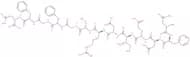
CAS:Orcokinin H-Asn-Phe-Asp-Glu-Ile-Asp-Arg-Ser-Gly-Phe-Gly-Phe is a peptide that was synthesized in the laboratory. It has been shown to have receptor activity and to stimulate locomotor activity in experimental models. Orcokinin H is a member of the family of peptide hormones that are present in mammals. The peptide sequence contains six amino acids, four of which are hydrophobic and two polar, with a single hydroxyl group. These features make this molecule an excellent candidate for use as a model system for studying amyloid protein aggregation and its physiological function.Formula:C67H92N18O23Purity:Min. 95%Molecular weight:1,517.55 g/molEndothelin-1 (11-21) trifluoroacetate salt
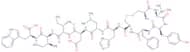
CAS:Endothelin-1 (11-21) trifluoroacetate salt H-Cys-Val-Tyr-Phe-Cys-His-Leu-Asp-Ile-Ile-Trp is a peptide that is derived from endothelin. It has been shown to have an inhibitory effect on insulin stimulated glucose uptake in Sprague Dawley rats. This peptide has also been shown to bind to the endothelin receptor and act as a nonselective agonist. Endothelin 1 (11–21) trifluoroacetate salt H-Cys Val Tyr Phe Cys His Leu Asp Ile Ile Trp, when incubated with cells, had a maximal response at micron concentrations.Formula:C68H92N14O15S2Purity:Min. 95%Molecular weight:1,409.68 g/mol1,3-Bis(methoxycarbonyl)-2-methyl-2-thiopseudourea
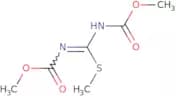
CAS:1,3-Bis(methoxycarbonyl)-2-methyl-2-thiopseudourea (BMTC) is a novel anticancer agent that has been synthesized to be water soluble and also has significant cytotoxicity. BMTC is believed to exert its anticancer activity by binding to the colchicine binding site on tubulin which is involved in microtubule dynamics. The antitubulin effect of BMTC results in inhibition of cell division and growth. BMTC also inhibits cancer cell proliferation and migration. It has shown significant cytotoxicity against human prostate cancer cells and ovarian cancer cells, as well as inhibiting tumor xenografts in mice.Formula:C6H10N2O4SPurity:Min. 95%Color and Shape:White PowderMolecular weight:206.22 g/molFor-Nle-Leu-Phe-OH
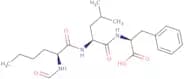
CAS:Nle-Leu-Phe-OH is a potent colony-stimulating factor that binds to the receptor on the surface of cells and stimulates the production of white blood cells. Nle-Leu-Phe-OH has been shown to induce actin filament formation, which is necessary for cell movement. It also induces cytosolic calcium release and enhances protein synthesis. Nle-Leu-Phe-OH also binds to phosphatase and inhibits its activity, which may be due to a conformational change in the enzyme. This process is necessary for the synthesis of DNA and other proteins from amino acids. Nle-Leu-Phe-OH also causes an increase in the uptake of Ca2+ ions by cells.Formula:C22H33N3O5Purity:Min. 95%Molecular weight:419.51 g/mol(D-Thr6,D-Trp8·9,L-alaninol15)-Galanin (1-15)
CAS:Please enquire for more information about (D-Thr6,D-Trp8·9,L-alaninol15)-Galanin (1-15) including the price, delivery time and more detailed product information at the technical inquiry form on this pageFormula:C84H117N21O18Purity:Min. 95%Molecular weight:1,708.96 g/molAnnexin A1 (1-11) (dephosphorylated) (human, bovine, chicken, porcine) trifluoroacetate salt
CAS:Annexin A1 (1-11) is a peptide that is part of the annexin family. It is involved in the degranulation of cells and inhibits inflammation by inhibiting the production of pro-inflammatory cytokines. Annexin A1 (1-11) has been shown to be an anti-inflammatory compound as it binds to phospholipids on the surface of neutrophils, leading to inhibition of their chemotaxis and phagocytosis. This peptide also interacts with other annexins and prevents apoptosis by blocking caspase activity. Finally, it has been found that annexin A1 (1-11) can promote the healing of wounds in mice by accelerating reepithelialization and reducing scar formation. The concentration required for these effects are nanomolar concentrations.Formula:C63H94N14O17SPurity:Min. 95%Molecular weight:1,351.57 g/molZ-Ala-Glu-OH
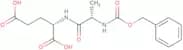
CAS:Z-Ala-Glu-OH is an amino acid with a glutamate residue. It is a synthetic amino acid that has been shown to have excitotoxic effects in the brain. The mechanism of action is thought to involve the activation of ionotropic glutamate receptors and the inhibition of voltage-gated potassium channels, leading to neuronal cell death. This compound has been found to be a sweetener in biochemical reactions. Z-Ala-Glu-OH was shown to undergo proteolytic degradation, which may be due to aminopeptidases present in the gut or enzyme preparations used during digestion. This amino acid was also shown to have neurodegenerative properties when given orally to mealworms, as well as profiles that are similar to those found in humans with neurodegenerative diseases such as Alzheimer's disease and amyotrophic lateral sclerosis.
Formula:C16H20N2O7Purity:Min. 95%Color and Shape:PowderMolecular weight:352.34 g/molAmyloid beta-Protein (1-40) trifluoroacetate salt
CAS:Amyloid beta-protein (Aβ) is a protein that is involved in the metabolic processes that are thought to be associated with Alzheimer's disease. Aβ is a peptide of 39-43 residues and is found in amyloid plaques, which are aggregates of Aβ. The amino acid sequence of human Aβ has been determined by sequencing the cDNA and gene for this protein. The structure of the protein has been studied using molecular modeling, kinetic data, and predictive biomarker studies. Cleavage products have been identified from the protein, including beta-amyloid peptide (1-40), which can be used as a diagnostic marker for Alzheimer's disease. Structural analysis has also shown lysine residues that may serve as pharmaceutical targets for therapeutic intervention.Formula:C194H295N53O58SPurity:Min. 95%Molecular weight:4,329.81 g/molBoc-4-Abz-OSu
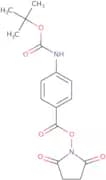
CAS:Please enquire for more information about Boc-4-Abz-OSu including the price, delivery time and more detailed product information at the technical inquiry form on this page
Formula:C16H18N2O6Purity:Min. 95%Molecular weight:334.32 g/molCholecystokinin-33 (10-20) (bovine, porcine)
CAS:Please enquire for more information about Cholecystokinin-33 (10-20) (bovine, porcine) including the price, delivery time and more detailed product information at the technical inquiry form on this pageFormula:C54H90N16O18Purity:Min. 95%Molecular weight:1,251.39 g/molHydrin 2
CAS:Hydrin 2 is a member of the family of peptide hormones that are involved in the regulation of blood pressure. It is synthesized from two amino acids, H-Cys-Tyr-Ile-Gln-Asn-Cys-Pro-Arg-Gly-Gly-. Hydrin 2 has been shown to have biological properties that are similar to those of angiotensin II and vasopressin. This peptide hormone is produced as a result of the action of hydrochloric acid on the precursor peptide, which is synthesized in the ventral and apical regions of the bladder. The reaction product is soluble in water and has been shown to be effective at treating wastewater.Formula:C45H69N15O14S2Purity:Min. 95%Molecular weight:1,108.25 g/molFA-Ala-Arg-OH
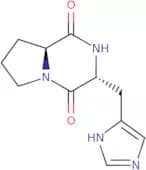
CAS:F-Ala-Arg-OH is a peptide hormone that has been shown to have antitumor, antiinflammatory, and antidiabetic properties. The peptide hormone binds to the creatine kinase enzyme and inhibits its activity, which leads to a decrease in phosphocreatine levels in the human serum. F-Ala-Arg-OH does not inhibit lysine residues of the creatine kinase enzyme. This inhibition can be reversed by adding ATP or adding an activator. F-Ala-Arg-OH also inhibits cancer cells through apoptosis. This inhibition of cancer cells may be due to the ability of this peptide to bind to lysine residues on cell membranes and activate them. F-Ala-Arg-OH is also able to destroy tumor cells by binding to their mitochondria and inducing their lysis.Formula:C16H23N5O5Purity:Min. 95%Molecular weight:365.38 g/molCyclo(-D-His-Pro)
CAS:Please enquire for more information about Cyclo(-D-His-Pro) including the price, delivery time and more detailed product information at the technical inquiry form on this page
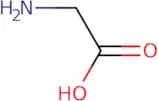
Formula:C11H14N4O2Purity:Min. 95%Molecular weight:234.25 g/molGlycine - EP
CAS:Glycine is a buffering agent that can be used in electrophoresis for protein samples. It has an optimal pH range of 2.2-3.6 and a pKa of 2.35.
Formula:NH2CH2COOHPurity:Min. 95%Molecular weight:75.07 g/molDnp-Pro-Gln-Gly-OH
CAS:Please enquire for more information about Dnp-Pro-Gln-Gly-OH including the price, delivery time and more detailed product information at the technical inquiry form on this pageFormula:C18H22N6O9Purity:Min. 95%Molecular weight:466.4 g/molAc-Asp-Tyr(PO3H2)-Val-Pro-Met-Leu-NH2
CAS:Please enquire for more information about Ac-Asp-Tyr(PO3H2)-Val-Pro-Met-Leu-NH2 including the price, delivery time and more detailed product information at the technical inquiry form on this pageFormula:C36H56N7O13PSPurity:Min. 95%Molecular weight:857.91 g/mol(Nle 35)-Amyloid b-Protein (1-40) ammonium salt
CAS:Please enquire for more information about (Nle 35)-Amyloid b-Protein (1-40) ammonium salt including the price, delivery time and more detailed product information at the technical inquiry form on this pageFormula:C195H297N53O58Purity:Min. 95%Molecular weight:4,311.77 g/molCholecystokinin Octapeptide (1-5) (desulfated)
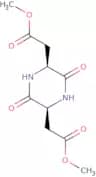
CAS:Cholecystokinin octapeptide (CCK-8) is a peptide hormone that belongs to the enkephalinase inhibitor family. It is a desulfated molecule with an amidated C-terminus and has been shown to inhibit the activity of aminopeptidases, which are enzymes that break down peptides. Cholecystokinin octapeptide (CCK-8) is found in the brain where it acts as a neurotransmitter and has been shown to have anti-inflammatory effects. This molecule has also been found to be effective in the treatment of cerebral disorders such as Parkinson's disease, Alzheimer's disease, and Huntington's disease by inhibiting glutamate release from nerve cells.Formula:C31H38N6O9SPurity:Min. 95%Molecular weight:670.73 g/molCyclo(-Asp(OMe)-Asp(OMe))
CAS:Please enquire for more information about Cyclo(-Asp(OMe)-Asp(OMe)) including the price, delivery time and more detailed product information at the technical inquiry form on this pageFormula:C10H14N2O6Purity:Min. 95%Molecular weight:258.23 g/molZ-Gly-Pro-OSu
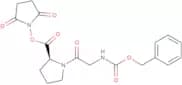
CAS:Please enquire for more information about Z-Gly-Pro-OSu including the price, delivery time and more detailed product information at the technical inquiry form on this pageFormula:C19H21N3O7Purity:Min. 95%Molecular weight:403.39 g/molH-Lys(retro-Glu-H)-OH
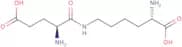
CAS:Please enquire for more information about H-Lys(retro-Glu-H)-OH including the price, delivery time and more detailed product information at the technical inquiry form on this pageFormula:C11H21N3O5Purity:Min. 95%Molecular weight:275.3 g/molZ-Gly-Gly-NH2
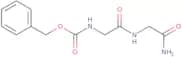
CAS:Z-Gly-Gly-NH2 is a synthetic peptide that has been shown to inhibit the activity of phosphatases, which are enzymes that hydrolyze phosphate groups from phosphorylated substrates. It is a hydrophobic and metal chelator, which makes it suitable for use in chromaffin cells and dorsal root ganglia. Z-Gly-Gly-NH2 has been shown to be specific for inhibition of synaptic phosphatase (PP1). This compound also inhibits the enzyme inhibitor subtilisin, which is found in bacteria such as Streptomyces or Bacillus subtilis. Z-Gly-Gly-NH2 has been shown to have a high affinity for receptors.Formula:C12H15N3O4Purity:Min. 95%Molecular weight:265.27 g/molIsopropyl 4-methylbenzenesulfonate
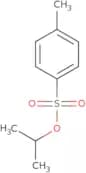
CAS:Isopropyl 4-methylbenzenesulfonate is a chemical that is used in the preparation of pharmaceuticals. It is used as an intermediate in the production of sorafenib, an anticancer drug, and has been shown to be genotoxic. Isopropyl 4-methylbenzenesulfonate reacts with nucleophiles by nucleophilic attack. The compound has been found to be a competitive inhibitor of growth factor receptors and can inhibit uv absorption in skin cells. Isopropyl 4-methylbenzenesulfonate is typically analyzed using ionization techniques such as gas chromatography or liquid chromatography with mass spectrometry. This chemical can react with fatty acids, leading to the formation of carbonyl groups. Chemical ionization may also be used for sample preparation.Formula:C10H14O3SPurity:Min. 95%Molecular weight:214.28 g/mol1,3,5-Tri(1-phenyl-1H-benzo[d]imidazol-2-yl)phenyl
CAS:1,3,5-Tri(1-phenyl-1H-benzo[d]imidazol-2-yl)phenyl is a diphenyl ether derivative that has been synthesized from the reaction of methanol with a solution of benzimidazole. The compound is soluble in organic solvents such as chloroform and dichloromethane. The molecule absorbs UV light and emits visible light, which can be detected by photomultiplier tubes. It has chemical structures similar to other benzimidazole derivatives.Formula:C45H30N6Purity:Min. 95%Molecular weight:654.76 g/molH-Gly-Lys-OH·HCl
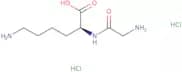
CAS:Please enquire for more information about H-Gly-Lys-OH·HCl including the price, delivery time and more detailed product information at the technical inquiry form on this pageFormula:C8H17N3O3·HClPurity:Min. 95%Molecular weight:239.7 g/molFmoc-Ile-Wang resin (100-200 mesh)
Please enquire for more information about Fmoc-Ile-Wang resin (100-200 mesh) including the price, delivery time and more detailed product information at the technical inquiry form on this page
Purity:Min. 95%H-Ser-Glu-Gly-OH
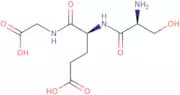
CAS:H-Ser-Glu-Gly-OH is an atypical compound that has shown anti-cancer activity in vitro. It is a member of the family of compounds known as glycine receptor antagonists. H-Ser-Glu-Gly-OH has been shown to inhibit the proliferation of A549 lung cancer cells and to induce cell cycle arrest and apoptosis. The compound also inhibits the activation of signal regulated kinase (ERK) in A549 lung cancer cells, which may be due to its ability to inhibit the production of cytokines such as IL6, IL8, and TNFα. H-Ser-Glu-Gly-OH also has mitogenic and antiproliferative activities for a variety of nonmalignant cell lines including human umbilical vein endothelial cells (HUVEC), human embryonic kidney cells (HEK293), and mouse erythroleukemia cells (MEL).Formula:C10H17N3O7Purity:Min. 95%Molecular weight:291.26 g/molMonocyte Chemotactic Protein-1 (65-76) (human) trifluoroacetate salt
CAS:Please enquire for more information about Monocyte Chemotactic Protein-1 (65-76) (human) trifluoroacetate salt including the price, delivery time and more detailed product information at the technical inquiry form on this pageFormula:C59H98N18O22Purity:Min. 95%Molecular weight:1,411.52 g/molH-Lys-Ala-Pro-OH hydrochloride salt
Please enquire for more information about H-Lys-Ala-Pro-OH hydrochloride salt including the price, delivery time and more detailed product information at the technical inquiry form on this pageFormula:C14H26N4O4Purity:Min. 95%Molecular weight:314.38 g/molFmoc-Ile-Wang resin (200-400 mesh)
Please enquire for more information about Fmoc-Ile-Wang resin (200-400 mesh) including the price, delivery time and more detailed product information at the technical inquiry form on this pagePurity:Min. 95%H-Lys-Lys-bNA acetate salt
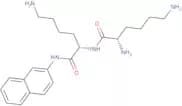
CAS:Please enquire for more information about H-Lys-Lys-bNA acetate salt including the price, delivery time and more detailed product information at the technical inquiry form on this pageFormula:C22H33N5O2Purity:Min. 95%Molecular weight:399.53 g/molLHRH (1-2) (free acid) acetate salt
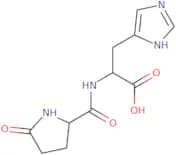
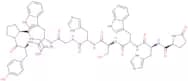
CAS:LHRH (1-2) (free acid) acetate salt Pyr-His-OH acetate salt is an analog of the natural hormone LHRH. It is a member of the amide category and has been shown to have a constant level in human serum. LHRH (1-2) (free acid) acetate salt Pyr-His-OH acetate salt is resistant to renal proximal tubule uptake and has an acidic pH optimum, which inhibits its uptake into cells. This drug also has an inhibitory effect on the reaction products of hydrogen chloride and proximal tubules.Formula:C11H14N4O4Purity:Min. 95%Molecular weight:266.25 g/molZ-D-Phe-Phe-Gly-OH
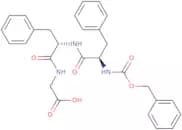
CAS:Z-D-Phe-Phe-Gly-OH is a lysosomal carboxypeptidase that hydrolyzes peptides at the C terminus of proteins. It has a wide substrate specificity and can hydrolyze Z-D-Phe-Phe-Gly, Z-Arg-Lys, and L-Arg. This enzyme has been shown to have ion exchange chromatography activity. The elution profile for this enzyme on a sephadex G-100 column was found to have an optimum pH of 7.5 and elutes at a salt concentration of 0.5M NaCl. Carboxypeptidases are enzymes that cleave at the C terminus of proteins to produce smaller peptides or amino acids. They are involved in digestion, blood clotting, and cell signaling processes.Formula:C28H29N3O6Purity:Min. 95%Color and Shape:White Off-White PowderMolecular weight:503.55 g/molH-Val-Arg-Lys-Arg-Thr-Leu-Arg-Arg-Leu-OH
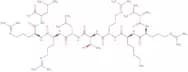
CAS:H-Val-Arg-Lys-Arg-Thr-Leu-Arg-Arg-Leu (HVLAHR) is a synthetic peptide that has been shown to have antiinflammatory properties. The peptide binds to the epidermal growth factor receptor (EGFR) and inhibits the production of proinflammatory cytokines and chemokines, such as IL1α, IL6, IL8, and TNFα. HVLAHR also binds to calmodulin and inhibits protein kinase C (PKC) activity. It has been shown that this peptide has neuroprotective effects in vitro by binding to neurogranin and inhibiting protein phosphorylation. HVLAHR can be used as a model organism in vitro to study protein kinase activity.Formula:C51H100N22O11Purity:Min. 95%Molecular weight:1,197.48 g/mol2-[(4-Chloro-2-nitrophenyl)azo]-N-(2-methoxyphenyl)-3-oxobutanamide
CAS:2-[(4-Chloro-2-nitrophenyl)azo]-N-(2-methoxyphenyl)-3-oxobutanamide is a chelating agent that has been used as a control agent in the manufacture of dyes, plastics, and rubber. It is also used as an additive in paints, textiles, and paper. 2-[(4-Chloro-2-nitrophenyl)azo]-N-(2-methoxyphenyl)-3-oxobutanamide is nonvolatile, nonflammable, and does not produce toxic byproducts when heated. This compound has low molecular weight with a molecular formula of C12H13NO5Cl. The structure of this compound includes two hydroxy groups (OH), one aliphatic hydrocarbon group (CH3), one carboxylic acid group (COOH), and three chlorine atoms (Cl). This product is soluble in waterFormula:C17H15ClN4O5Color and Shape:Yellow Clear LiquidMolecular weight:390.78 g/molHIV-1 tat Protein (1-9)
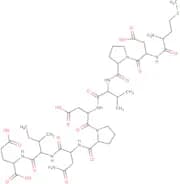
CAS:Tat is a protein from the human immunodeficiency virus type 1 (HIV-1) that is responsible for the regulation of viral gene expression. Tat binds to a cellular receptor, CD4, and enters the cell. The Tat protein forms a ternary complex with transcription factors and RNA polymerase II. This complex then binds to promoter regions of HIV genes and initiates transcription. Tat has been postulated to modulate immune functions such as chemokine production, T-cell activation, and macrophage activation. The HIV-1 tat Protein (1-9) H-Met-Asp-Pro-Val-Asp-Pro-Asn-Ile-Glu-OH has been shown to have an effect on the immune system by affecting chemokines and other immune functions.Formula:C43H68N10O17SPurity:Min. 95%Molecular weight:1,029.12 g/molH-Asn-Glu-OH
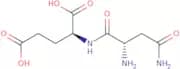
CAS:H-Asn-Glu-OH is a reversed-phase high-performance liquid chromatography (RP-HPLC) stationary phase that has been used for the analysis of glutamic acid. It has been shown to be resistant to hydrogen fluoride and other organic solvents, and does not contain any detectable impurities. H-Asn-Glu-OH is made up of amino acids, such as glutamic acid, which can be detected by reverse phase HPLC.Formula:C9H15N3O6Purity:Min. 95%Molecular weight:261.23 g/mol2-(4,5-Dimethoxy-2-(1-((2-methylphenyl)methyl)vinyl)cyclohexyl)ether
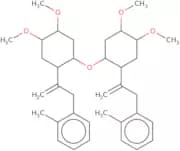
CAS:2-(4,5-Dimethoxy-2-(1-((2-methylphenyl)methyl)vinyl)cyclohexyl)ether is a versatile building block for the synthesis of complex compounds. It is also an intermediate in the synthesis of useful scaffolds and reaction components. This compound has a high quality and can be used as a reagent or research chemicals.Formula:C36H50O5Purity:Min. 95%Molecular weight:562.78 g/molMca-(Asn670,Leu671)-Amyloid beta/A4 Protein Precursor770 (669-674)-Lys(Dnp)
CAS:Please enquire for more information about Mca-(Asn670,Leu671)-Amyloid beta/A4 Protein Precursor770 (669-674)-Lys(Dnp) including the price, delivery time and more detailed product information at the technical inquiry form on this pageFormula:C51H67N11O21Purity:Min. 95%Molecular weight:1,170.14 g/molFmoc-Lys(Adpoc)-OH
CAS:Please enquire for more information about Fmoc-Lys(Adpoc)-OH including the price, delivery time and more detailed product information at the technical inquiry form on this pageFormula:C35H44N2O6Purity:Min. 95%Molecular weight:588.73 g/molH-Ser-Phe-NH2·HCl
CAS:Please enquire for more information about H-Ser-Phe-NH2·HCl including the price, delivery time and more detailed product information at the technical inquiry form on this pageFormula:C12H17N3O3·HClPurity:Min. 95%Molecular weight:287.74 g/molLHRH II trifluoroacetate salt
CAS:LHRH II trifluoroacetate salt is a peptide hormone that is used to treat prostate cancer, breast cancer, and endometriosis. It binds to the ryanodine receptor in the cell membrane and induces the release of calcium from intracellular stores. LHRH II trifluoroacetate salt also promotes polymerase chain reactions which are important for DNA replication. This drug has been shown to increase epidermal growth factor (EGF) levels in carcinoma cell lines and has transcriptional regulatory activity in a model system. LHRH II trifluoroacetate salt can be used as an experimental model for clinical relevance because it can be used to study how hormones affect cellular processes such as transcriptional regulation.Formula:C60H69N17O13Purity:Min. 95%Molecular weight:1,236.3 g/molH-Lys-Pro-OH hydrochloride salt
CAS:H-Lys-Pro-OH hydrochloride salt is a monoclonal antibody that is used to treat psychotic disorders. It blocks the binding of gamma-aminobutyric acid (GABA) to its receptor, which reduces neuronal activity and has a calming effect on the central nervous system. H-Lys-Pro-OH hydrochloride salt also inhibits the phosphatase enzyme and prevents it from breaking down phosphotungstic acid, which is used in this process. The antibody also binds to the analog of gamma aminobutyric acid, preventing it from binding with its receptor. H-Lys-Pro-OH hydrochloride salt may be advantageous in treating kidney fibrosis because it prevents cell proliferation and growth in tissue cultures by inhibiting enzymes involved in collagen synthesis. H-Lys-Pro-OH hydrochloride salt may also be useful as an antitumor agent because it inhibits tumor growth by blocking uptake and replication of DNA.Formula:C11H21N3O3Purity:Min. 95%Molecular weight:243.3 g/molMitogenic Pentapeptide Palmitoyl-Cys((RS)-2,3-di(palmitoyloxy)-propyl)-Ser-Ser-Asn-Ala-OH
CAS:Mitogenic Pentapeptide Palmitoyl-Cys((RS)-2,3-di(palmitoyloxy)-propyl)-Ser-Ser-Asn-Ala-OH is a synthetic pentapeptide that can be used to induce cell proliferation and antibody production. This peptide has been used in clinical trials with regulatory approval for use in humans. It has been shown to promote antibody response in animal experiments and to be active against tumor cells in tissue culture and cell cultures. Mitogenic Pentapeptide Palmitoyl-Cys((RS)-2,3-di(palmitoyloxy)-propyl)-Ser-Ser-Asn-Ala-OH also activated the monoclonal antibodies produced by hybridoma cells.Formula:C67H124N6O14SPurity:Min. 95%Molecular weight:1,269.8 g/molAmyloid Bri Protein Precursor277 (89-106) trifluoroacetate salt
CAS:Please enquire for more information about Amyloid Bri Protein Precursor277 (89-106) trifluoroacetate salt including the price, delivery time and more detailed product information at the technical inquiry form on this pageFormula:C87H141N21O30SPurity:Min. 95%Molecular weight:1,993.24 g/molpTH (1-38) (human)
CAS:Please enquire for more information about pTH (1-38) (human) including the price, delivery time and more detailed product information at the technical inquiry form on this pageFormula:C197H319N59O55S2Purity:Min. 95%Molecular weight:4,458.14 g/molZ-Ala-Ser-OMe
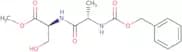
CAS:Z-Ala-Ser-OMe is a peptide that is produced by catalyzed amide bond formation between the carboxylic acid group of Z-Ala and the amino group of Ser. This peptide has been shown to have a molecular weight of 564.2 and a melting point of 139°C. The peptides are coupled by d-amino acid residues to form chains, which are then esterified with acyl groups to yield Z-Ala-Ser-OMe.Formula:C15H20N2O6Purity:Min. 95%Molecular weight:324.33 g/molGalanin Message Associated Peptide (25-41) amide
CAS:Please enquire for more information about Galanin Message Associated Peptide (25-41) amide including the price, delivery time and more detailed product information at the technical inquiry form on this pageFormula:C90H143N21O22SPurity:Min. 95%Molecular weight:1,903.29 g/molZ-Lys(Boc)-Leu-OMe
CAS:Please enquire for more information about Z-Lys(Boc)-Leu-OMe including the price, delivery time and more detailed product information at the technical inquiry form on this page
Formula:C26H41N3O7Purity:Min. 95%Molecular weight:507.62 g/mol(Des-Leu9)-Kinetensin
CAS:(Des-Leu9)-Kinetensin H-Ile-Ala-Arg-Arg-His-Pro-Tyr-Phe-OH is an analog of kinetensin, a peptide hormone that stimulates pancreatic exocrine secretions. (Des-Leu9)-Kinetensin H-Ile-Ala-Arg-Arg-His-Pro-Tyr-Phe has been shown to have a specific interaction with the albumin protein, which is the major plasma protein in humans. This peptide can inhibit protein synthesis and may be used as a treatment for chronic renal failure, cystic fibrosis, malignant hypertension, and other conditions. The sequence of this peptide is homologous to the sequence of human kinetensin. Electron microscopic analysis showed that it has a hydrophobic side chain and an amphipathic structure.
Formula:C50H74N16O10Purity:Min. 95%Molecular weight:1,059.22 g/molNeurotensin acetate salt Pyr-Leu-Tyr-Glu-Asn-Lys-Pro-Arg-Arg-Pro-Tyr-Ile-Leu-OH acetate salt
CAS:Neurotensin is a peptide hormone that regulates the release of other hormones and neurotransmitters, such as dopamine. It has been shown to be able to regulate appetite and bowel disease in animal models. Neurotensin acetate salt Pyr-Leu-Tyr-Glu-Asn-Lys-Pro-Arg-Arg-Pro-Tyr-Ile-Leu-OH acetate salt is a neurotensin molecule with an acetate group attached to it. This molecule is completely soluble in water and has been shown to have no effect on energy metabolism or polymerase chain reactions.Formula:C78H121N21O20Purity:Min. 95%Molecular weight:1,672.92 g/molGalanin Message Associated Peptide (16-41) amide
CAS:Please enquire for more information about Galanin Message Associated Peptide (16-41) amide including the price, delivery time and more detailed product information at the technical inquiry form on this pageFormula:C134H219N35O37SPurity:Min. 95%Molecular weight:2,944.45 g/molAmyloid Precursor Frameshift Mutant C-Terminal Peptide trifluoroacetate salt
CAS:Please enquire for more information about Amyloid Precursor Frameshift Mutant C-Terminal Peptide trifluoroacetate salt including the price, delivery time and more detailed product information at the technical inquiry form on this pageFormula:C44H81N17O16Purity:Min. 95%Molecular weight:1,104.22 g/molSuc-Gly-Pro-pNA
CAS:Suc-Gly-Pro-pNA is a proteolytic enzyme that hydrolyzes proteins. It has been shown to have potential for use as an anti-inflammatory agent. Suc-Gly-Pro-pNA has high proteolytic activity and can cleave peptide hormones such as angiotensin II and vasopressin. It also has thermal stability, and can tolerate high concentrations of salt and heat, making it suitable for therapeutic purposes. Suc-Gly-Pro-pNA binds to peptides with carboxy terminal residues by substrate binding, which may be the reason for its high degree of specificity. This enzyme is expressed in the cytosol and extracellular environment.Formula:C17H20N4O7Purity:Min. 95%Molecular weight:392.36 g/mol1-O-Octadecyl-2-O-methyl-rac-glycero-3-phosphocholine
CAS:Edelfosine is a phospholipid that selectively binds to nuclear DNA, leading to apoptosis. It also binds to the G-protein coupled receptors and inhibits the release of Ca2+ from intracellular stores. Edelfosine has been shown to inhibit the growth of Leishmania in vitro as well as in vivo. This drug is being studied for its potential use in inflammatory bowel diseases, such as Crohn's disease and ulcerative colitis.Formula:C27H58NO6PPurity:Min. 95%Molecular weight:523.73 g/mol(4S,5R)-3-Benzoyl-2-(4-methoxyphenyl)-4-phenyl-5-oxazolidinecarboxylic acid
CAS:Please enquire for more information about (4S,5R)-3-Benzoyl-2-(4-methoxyphenyl)-4-phenyl-5-oxazolidinecarboxylic acid including the price, delivery time and more detailed product information at the technical inquiry form on this pageFormula:C24H21NO5Purity:Min. 95%Color and Shape:White To Off-White SolidMolecular weight:403.43 g/molH-Thr-Pro-OH·HCl
CAS:Please enquire for more information about H-Thr-Pro-OH·HCl including the price, delivery time and more detailed product information at the technical inquiry form on this pageFormula:C9H16N2O4·HClPurity:Min. 95%Molecular weight:252.7 g/molFmoc-Gly-Wang resin (100-200 mesh)
Please enquire for more information about Fmoc-Gly-Wang resin (100-200 mesh) including the price, delivery time and more detailed product information at the technical inquiry form on this pagePurity:Min. 95%Boc-Ala-Ala-Gly-pNA
CAS:Boc-Ala-Ala-Gly-pNA is a peptide that has been synthesized using the Fmoc/tBu strategy. It has an acidic pH, and its proteolytic activity can be enhanced by the addition of chromogenic or fluorogenic substrates. Boc-Ala-Ala-Gly-pNA is used as a substrate in fingerprint analysis and can be used to identify bacteria such as Proteus mirabilis, Pseudomonas aeruginosa, and Bacillus cereus. This peptide can also be used to identify strains of Escherichia coli, Enterococci, Staphylococci, Streptococci, and Haemophilus influenzae.Formula:C19H27N5O7Purity:Min. 95%Color and Shape:PowderMolecular weight:437.45 g/molH-Gly-Arg-Gly-Asp-Ser-Cys-OH trifluoroacetate salt
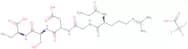
CAS:H-Gly-Arg-Gly-Asp-Ser-Cys-OH trifluoroacetate salt is a photoelectron that binds to the integrin receptor. It has been shown that H-Gly-Arg-Gly-Asp-Ser-Cys-OH trifluoroacetate salt can inhibit protein synthesis in mesenchymal stromal cells. H Gly Arg Gly Asp Ser Cys OH trifluoroacetate salt can also be used as a reagent to determine the presence of amide bonds and to identify proteins. This compound may have biotechnological applications due to its biochemical properties.Formula:C20H35N9O10SPurity:Min. 95%Molecular weight:593.61 g/molAc-Lys-Ala-bNA
CAS:Please enquire for more information about Ac-Lys-Ala-bNA including the price, delivery time and more detailed product information at the technical inquiry form on this pageFormula:C21H28N4O3Purity:Min. 95%Molecular weight:384.47 g/molFmoc-Pro-DHPP resin (200-400 mesh)
Please enquire for more information about Fmoc-Pro-DHPP resin (200-400 mesh) including the price, delivery time and more detailed product information at the technical inquiry form on this page
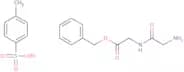
Purity:Min. 95%H-Gly-Gly-OBzl·p-tosylate
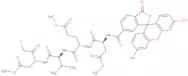
CAS:The product is a neutral amino acid with an aliphatic side-chain. The product has been shown to be stable when diluted, and is not subject to hydrolysis. It can be used as a reagent for peptide synthesis because it does not interfere with the reaction or alter the yield of desired products. The product has been shown to be reliable and produce polypeptides that are chemically identical to those obtained by other methods. It has been found that the product is additive in peptide synthesis reactions, so that it can be substituted for any one of the components without altering the yield of desired products.Formula:C11H14N2O3·C7H8O3SPurity:Min. 95%Molecular weight:394.44 g/molFluorescein-6-carbonyl-Asp(OMe)-Glu(OMe)-Val-DL-Asp(OMe)-fluoromethylketone
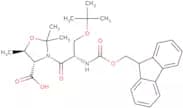
CAS:Please enquire for more information about Fluorescein-6-carbonyl-Asp(OMe)-Glu(OMe)-Val-DL-Asp(OMe)-fluoromethylketone including the price, delivery time and more detailed product information at the technical inquiry form on this pageFormula:C43H45FN4O16Purity:Min. 95%Molecular weight:892.83 g/molFmoc-Ser(tBu)-Thr(Psi(Me ,Me)pro)-OH
CAS:Please enquire for more information about Fmoc-Ser(tBu)-Thr(Psi(Me ,Me)pro)-OH including the price, delivery time and more detailed product information at the technical inquiry form on this pageFormula:C29H36N2O7Purity:Min. 95%Color and Shape:PowderMolecular weight:524.61 g/molH-Pro-Gly-Pro-OH
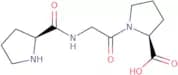
CAS:H-Pro-Gly-Pro-OH is a peptide that is derived from the sequence of human proline-glycine-proline (HGP). It has been shown to have a number of physiological activities, including anti-inflammatory effects. This peptide can be used as a model compound for inflammatory genes and proteins. H-Pro-Gly-Pro-OH has been shown to inhibit the synthesis of inflammatory cytokines in mouse splenocytes and neutrophil recruitment in wild type mice. HGP also suppresses chemotactic activity and inhibits neutrophil migration in an experimental model. HGP has also been shown to reduce intracellular calcium concentration in cerebellar granule cells, which may be due to its ability to inhibit protein synthesis.
Formula:C12H19N3O4Purity:Min. 95%Molecular weight:269.3 g/molH-DL-Met-bNA·HCl
CAS:Please enquire for more information about H-DL-Met-bNA·HCl including the price, delivery time and more detailed product information at the technical inquiry form on this page
Formula:C15H18N2OS·HClPurity:Min. 95%Molecular weight:310.84 g/molGLP-1 (7-36)-Lys(biotinyl) amide (human, bovine, guinea pig, mouse, rat) trifluoroacetate
CAS:Please enquire for more information about GLP-1 (7-36)-Lys(biotinyl) amide (human, bovine, guinea pig, mouse, rat) trifluoroacetate including the price, delivery time and more detailed product information at the technical inquiry form on this pageFormula:C165H252N44O48S•(C2HF3O2)xPurity:Min. 95%Molecular weight:3,652.1 g/molp60 v-src (137-157)
CAS:Please enquire for more information about p60 v-src (137-157) including the price, delivery time and more detailed product information at the technical inquiry form on this pageFormula:C111H168N30O35Purity:Min. 95%Molecular weight:2,482.7 g/molFmoc-octyl-D-Gly-OH
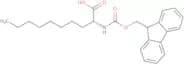
CAS:Fmoc-octyl-D-Gly-OH is a supramolecular polymer with a wide range of applications, including oil recovery and as a nanomaterial. Fmoc-octyl-D-Gly-OH is synthesized by the ring opening polymerization of octylglycol with D,L lactic acid. It has been shown to be an effective emulsifier in water, which may be due to its synergistic effect with other molecules. Fmoc-octyl-D-Gly-OH also has the ability to self assemble into a variety of morphologies such as nanoribbons, nanowires, and gel networks. This polymer can also be used as a hydrogenation catalyst for organic synthesis reactions that require high pressures and temperatures. Fmoc-octyl-D-Gly-OH has also been used in the production of ultrasonication devices for use in medicine.Formula:C25H31NO4Purity:Min. 95%Molecular weight:409.52 g/molVIP (4-28) (human, mouse, rat) trifluoroacetate salt
CAS:Please enquire for more information about VIP (4-28) (human, mouse, rat) trifluoroacetate salt including the price, delivery time and more detailed product information at the technical inquiry form on this pageFormula:C134H221N39O36SPurity:Min. 95%Molecular weight:2,986.5 g/molMca-Gly-Ala-Lys-Arg-His-Arg-Lys-Val-NH2 trifluoroacetate salt
Please enquire for more information about Mca-Gly-Ala-Lys-Arg-His-Arg-Lys-Val-NH2 trifluoroacetate salt including the price, delivery time and more detailed product information at the technical inquiry form on this pageFormula:C52H83N19O12Purity:Min. 95%Molecular weight:1,166.34 g/molFmoc-N-methyl-L-leucine
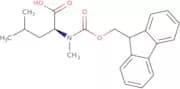
CAS:Please enquire for more information about Fmoc-N-methyl-L-leucine including the price, delivery time and more detailed product information at the technical inquiry form on this page
Formula:C22H25NO4Purity:Min. 95%Color and Shape:PowderMolecular weight:367.44 g/molH-Ala-Gly-Gly-Gly-Gly-OH
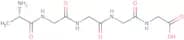
CAS:Please enquire for more information about H-Ala-Gly-Gly-Gly-Gly-OH including the price, delivery time and more detailed product information at the technical inquiry form on this page
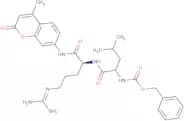
Formula:C11H19N5O6Purity:Min. 95%Molecular weight:317.3 g/molZ-Leu-Arg-AMC HCl
CAS:Please enquire for more information about Z-Leu-Arg-AMC HCl including the price, delivery time and more detailed product information at the technical inquiry form on this pageFormula:C30H38N6O6Purity:Min. 95%Molecular weight:578.66 g/mol2-Hydroxy-5-[(4-{[(6-methoxypyridazin-3-yl)amino]sulfonyl}phenyl)diazenyl]benzoic acid
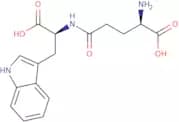
CAS:Used in treatment of nonspecific ulcerative colitisFormula:C18H15N5O6SPurity:Min. 95%Color and Shape:PowderMolecular weight:429.41 g/molH-D-Glu(Trp-OH)-OH
CAS:H-D-Glu(Trp-OH)-OH is a synthetic peptide that has been shown to inhibit the replication of the herpes simplex virus (HSV). It binds to toll-like receptor 3 and 4 on cells, which may inhibit HSV replication. This compound has also been shown to be a potent inhibitor of HIV, as well as hepatitis B and C. H-D-Glu(Trp-OH)-OH has been shown to cause lung damage in mice. The mechanism for this effect is unknown, but it may involve an increase in reactive oxygen species or other cell signaling pathways.Formula:C16H19N3O5Purity:Min. 95%Molecular weight:333.34 g/molZ-Gly-Pro-Arg-4MbNA acetate salt
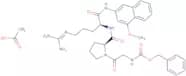
CAS:Controlled ProductPlease enquire for more information about Z-Gly-Pro-Arg-4MbNA acetate salt including the price, delivery time and more detailed product information at the technical inquiry form on this pageFormula:C32H39N7O6·C2H4O2Purity:Min. 95%Molecular weight:677.75 g/mol3'-Hydroxy-4'-methoxyacetophenone
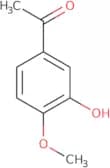
CAS:3'-Hydroxy-4'-methoxyacetophenone is a chemical compound with the molecular formula CHO and it belongs to the group of bisbenzylisoquinoline alkaloids. It is a white crystalline powder that has a dry weight of 155.2g/mol and melting point of 154-158°C. 3'-Hydroxy-4'-methoxyacetophenone is used as an intermediate in the synthesis of other chemicals, such as methyl transferase inhibitors like metronidazole or oxidative stress agents like benzoquinones. 3'-Hydroxy-4'-methoxyacetophenone can be found in bowel disease patients, where it may be produced by bacteria in the gut. This chemical also has UV absorption properties and can be used as a sample preparation agent for hydroalcoholic samples.Formula:C9H10O3Purity:Min. 95%Color and Shape:PowderMolecular weight:166.17 g/molFmoc-Lys(Boc)-Pro-OH
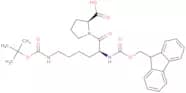
CAS:Fmoc-Lys(Boc)-Pro-OH is a residue that is used in the optimization of peptide synthesis. It is an acid labile protecting group that can be removed by treatment with trichloroacetic acid or hydrogen fluoride. Fmoc-Lys(Boc)-Pro-OH can be used for chemical ligation to other protected amino acids, such as Boc-Lys(Bzl)-OH, to form peptides. The residue has been shown to be useful in systematic optimization of peptide pairings and in the stepwise synthesis of peptides. The residue has also been shown to have a high yield and purity when synthesized by x-ray crystallography. Fmoc-Lys(Boc)-Pro-OH is an amino acid with a molecular weight of 120 Da and consists of two alpha amino acids, L -lysine and L -proline, joined by a peptide bond.Formula:C31H39N3O7Purity:Min. 95%Molecular weight:565.66 g/mol(Thr6)-Bradykinin
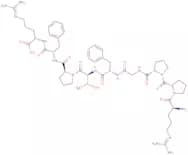
CAS:Bradykinin is a peptide hormone that functions as a neurotransmitter, neuromodulator, and vasodilator. Bradykinin is released from the cell in response to tissue injury or inflammation. Bradykinin binds to the bradykinin receptors B2 and B1 on the surface of cells and stimulates them, which causes pain relief and vasodilation. Bradykinin is synthesized as an inactive pro-peptide (Tyr6) that undergoes proteolytic cleavage by proteases such as thrombin, trypsin, chymotrypsin, and elastase. The amino acid sequence of the active form of bradykinin is Thr6-Bradykinin H-Arg-Pro-Pro-Gly-Phe-Thr-Pro-Phe-Arg-OH.Formula:C51H75N15O11Purity:Min. 95%Molecular weight:1,074.24 g/molBoc-Lys(2-chloro-Z)-PAM resin (200-400 mesh)
Please enquire for more information about Boc-Lys(2-chloro-Z)-PAM resin (200-400 mesh) including the price, delivery time and more detailed product information at the technical inquiry form on this pagePurity:Min. 95%Glutaryl-Phe-pNA
CAS:Glutaryl-Phe-pNA is commonly used as a substrate to measure the activity of proteases, which are enzymes that cleave peptide bonds. The cleavage of the Glutaryl-Phe-pNA substrate by proteases releases a colored 4-nitroaniline product, which can be detected and quantified spectrophotometrically to measure protease activity.Formula:C20H21N3O6Purity:Min. 95%Molecular weight:399.4 g/mol(D-Arg2)-Dermorphin (1-4) amide trifluoroacetate salt
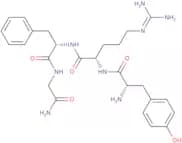
CAS:Please enquire for more information about (D-Arg2)-Dermorphin (1-4) amide trifluoroacetate salt including the price, delivery time and more detailed product information at the technical inquiry form on this pageFormula:C26H36N8O5Purity:Min. 95%Molecular weight:540.61 g/mol











![1,3,5-Tri(1-phenyl-1H-benzo[d]imidazol-2-yl)phenyl](/_next/image/?url=https%3A%2Fstatic.cymitquimica.com%2Fproducts%2F3D%2Fthumb-webp%2FFT37776.webp&w=3840&q=75)


![2-[(4-Chloro-2-nitrophenyl)azo]-N-(2-methoxyphenyl)-3-oxobutanamide](/_next/image/?url=https%3A%2Fstatic.cymitquimica.com%2Fproducts%2F3D%2Fthumb-webp%2FFC149929.webp&w=3840&q=75)
















![2-Hydroxy-5-[(4-{[(6-methoxypyridazin-3-yl)amino]sulfonyl}phenyl)diazenyl]benzoic acid](/_next/image/?url=https%3A%2Fstatic.cymitquimica.com%2Fproducts%2F3D%2Fthumb-webp%2FFH134950.webp&w=3840&q=75)