Amino Acids (AA)
Subcategories of "Amino Acids (AA)"
- Amino Acid Derivatives(4,016 products)
- Amino Acid and Amino Acid Related Compounds(3,490 products)
- Amino Acids with Oxygen or Sulphur(168 products)
- Boc- Amino Acids(351 products)
- Fmoc Amino Acids(1,710 products)
Found 38383 products of "Amino Acids (AA)"
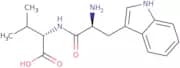
H-Trp-Val-OH
CAS:H-Trp-Val-OH is a human protein that has been shown to be involved in the uptake of glucose into cells. H-Trp-Val-OH is also known as colony stimulating factor 1, which stimulates the growth and differentiation of hematopoietic cells. It has been shown to play a role in weight gain, insulin resistance, and type 2 diabetes. This monoclonal antibody has not been found to have any long term toxicity or genotoxicity in animal studies.Formula:C16H21N3O3Purity:Min. 95%Molecular weight:303.36 g/mol([15N]Gly)-Glutathione (reduced)
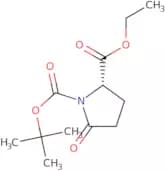
CAS:Please enquire for more information about ([15N]Gly)-Glutathione (reduced) including the price, delivery time and more detailed product information at the technical inquiry form on this pagePurity:Min. 95%N-Boc-L-pyroglutamic acid ethyl ester
CAS:N-Boc-L-pyroglutamic acid ethyl ester is a chiral building block that can be used for the preparation of amides. It is a good activating agent and is used to synthesize amide bonds from carboxylic acids. N-Boc-L-pyroglutamic acid ethyl ester can be used to synthesize sulfoxides and piperidines, which are ligands. It is also an amido, stereoselective and DPP-4 inhibitor. This chemical simplifies catalysis reactions by replacing the use of toxic solvents.
Formula:C12H19NO5Purity:Min. 95%Molecular weight:257.28 g/molFibronectin Fragment (196-203)
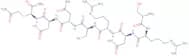
CAS:Fibronectin fragment (196-203) H-Ser-Arg-Asn-Arg-Cys-Asn-Asp-Gln, is a synthetic peptide that has been shown to have antiinflammatory properties. It can inhibit the inflammatory response by inhibiting the production of cytokines and chemokines. Fibronectin fragment (196-203) H-Ser-Arg-Asn-Arg-Cys-Asn, has also been shown to inhibit angiogenesis and tumor growth in vitro, as well as stabilize blood vessels and reduce the incidence of lymphatic vessel leakage. This peptide may be used in cancer therapy and for other diseases such as Kaposi's sarcoma, rheumatoid arthritis, autoimmune diseases, or infectious diseases.Formula:C35H62N18O14SPurity:Min. 95%Molecular weight:991.05 g/molSuc-Ala-Ala-Val-Ala-pNA
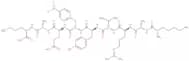
CAS:Suc-Ala-Ala-Val-Ala-pNA is a synthetic peptide that is structurally similar to the natural peptide Vasoactive Intestinal Peptide. The amino acid sequence of this peptide is identical to that of the natural peptide with the exception of two additional amino acids, Ala and Val. Suc-Ala-Ala-Val-Ala-pNA has been shown to have vasoactive properties and it can be used for the treatment of inflammatory diseases such as Crohn's disease. This peptide has also been shown to inhibit protease activity by binding to the reactive site on serine proteases, which are involved in the degradation of extracellular proteins.Formula:C24H34N6O9Purity:Min. 95%Molecular weight:550.56 g/molFmoc-Asp-OAll
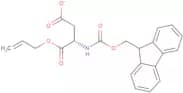
CAS:Fmoc-Asp-OAll is a cyclic peptide that has been shown to be active against human cancer cell lines in vitro. Fmoc-Asp-OAll binds to integrin receptors, inhibiting the prostaglandin synthesis pathway and thus reducing inflammation. It also inhibits the activity of enzymes that are involved in inflammatory responses. Fmoc-Asp-OAll is synthesized on solid phase by chemical ligation.Formula:C22H21NO6Purity:Min. 95%Color and Shape:PowderMolecular weight:395.41 g/molMethyl 3,5-dichloro-4-methoxybenzoate
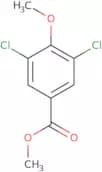
CAS:Methyl 3,5-dichloro-4-methoxybenzoate is a fine chemical and useful building block for research chemicals. It belongs to the class of speciality chemicals and can be used as a reagent in organic synthesis. Methyl 3,5-dichloro-4-methoxybenzoate is a versatile building block that has been reported in the synthesis of many complex compounds. This compound can also be used as an intermediate or scaffold for medicinal chemistry applications.Formula:C9H8Cl2O3Purity:Min. 95%Molecular weight:235.06 g/molCell-permeable Caspase-1 Inhibitor I trifluoroacetate salt
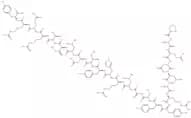
CAS:Please enquire for more information about Cell-permeable Caspase-1 Inhibitor I trifluoroacetate salt including the price, delivery time and more detailed product information at the technical inquiry form on this pageFormula:C97H160N20O24Purity:Min. 95%Molecular weight:1,990.43 g/molMethylenedi-p-phenyl diisocyanate
CAS:Methylenedi-p-phenyl diisocyanate (MDI) is a glycol ether, which is a potent inducer of allergic reactions. It can be found in polyurethane foam insulation and in the production of diphenyl and diisocyanate. MDI has been shown to cause asthma, skin inflammation, and other respiratory problems. MDI is highly toxic to aquatic life and can cause long term effects on fish populations. The toxicity of MDI depends on the concentration and duration of exposure, as well as the species that it is administered to. High concentration exposure for a short period of time will result in death by respiratory failure or cardiac arrest. Longer exposure at lower concentrations may lead to liver, kidney, lung damage or cancerous tumor development.Formula:C15H10N2O2Purity:Min. 95%Molecular weight:250.25 g/molNeuropeptide Y (13-36) (porcine) trifluoroacetate salt
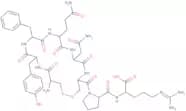
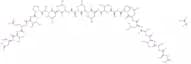
CAS:Please enquire for more information about Neuropeptide Y (13-36) (porcine) trifluoroacetate salt including the price, delivery time and more detailed product information at the technical inquiry form on this pageFormula:C135H209N41O36Purity:Min. 95%Molecular weight:2,982.36 g/molOsteogenic Growth Peptide (10-14) trifluoroacetate salt
CAS:Osteogenic growth peptide is a cyclic peptide that has been shown to activate the production of collagen and other proteins in fibroblasts. It has also been found to promote hematopoietic cell proliferation, as well as stimulate growth in cultured cells. Osteogenic growth peptide is an analog of TGF-β1, but it differs by having a tyrosine residue at the 10th position instead of an arginine residue. This difference in amino acid sequence alters the activity of this peptide and produces a new compound with different biological effects.Formula:C24H29N5O7Purity:Min. 95%Molecular weight:499.52 g/molProcollagen Type I (212-216) H-Lys-Thr-Thr-Lys-Ser-OH
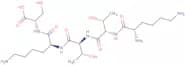
CAS:Procollagen type I (212-216) H-Lys-Thr-Thr-Lys-Ser-OH is a tetrapeptide that is the most abundant component of human skin. It has been shown to have biological properties and can be synthesized in vitro. Procollagen type I (212-216) H-Lys-Thr-Thr-Lys-Ser-OH has an absorption maximum at 265 nm, which makes it suitable for use in uv protection creams. It also has a high chemical stability and can be stored for up to two years without degradation. Procollagen type I (212-216) H-Lys-Thr-Thr-Lys-Ser-OH is used as a substrate in cell culture to study protein synthesis and transcription, or polymerase chain reaction, technique. This peptide also inhibits the activity of proteases such as trypsin and chymotrypsin, makingFormula:C23H45N7O9Purity:Min. 95%Color and Shape:White Off-White PowderMolecular weight:563.65 g/molAc-Cys(farnesyl)-OMe
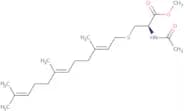
CAS:Ac-Cys(farnesyl)-OMe is a synthetic, methyl esterification product of farnesol and acetic acid. It is a protease activity inhibitor that has been shown to have bone resorption activity in rats. Ac-Cys(farnesyl)-OMe has been shown to inhibit the enzyme farnesyltransferase, which is involved in the posttranslational modification of proteins. This inhibition blocks the synthesis of sterols, which are necessary for bone resorption. Ac-Cys(farnesyl)-OMe has been shown to be active against multidrug resistant bacteria and may be used as an agent for treatment or prevention of heart disease.Formula:C21H35NO3SPurity:Min. 95%Molecular weight:381.57 g/molHippuryl-Cys(2-aminoethyl)-OH hydrochloride salt
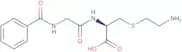
CAS:Please enquire for more information about Hippuryl-Cys(2-aminoethyl)-OH hydrochloride salt including the price, delivery time and more detailed product information at the technical inquiry form on this pageFormula:C14H19N3O4SPurity:Min. 95%Molecular weight:325.38 g/molH-Cys(4-methoxytrityl)-2-chlorotrityl resin (200-400 mesh)
Please enquire for more information about H-Cys(4-methoxytrityl)-2-chlorotrityl resin (200-400 mesh) including the price, delivery time and more detailed product information at the technical inquiry form on this pagePurity:Min. 95%Fmoc-Dap(Ac)-OH
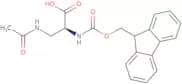
CAS:Fmoc-Dap(Ac)-OH is a fine chemical that is used as a building block in the synthesis of complex compounds. It reacts with various nucleophiles to form an amide bond, and has been shown to be useful for both research and industrial applications. Fmoc-Dap(Ac)-OH can also be used as a reagent to synthesize peptides, which are biologically active compounds that form the basis of many drugs. This versatile intermediate is also used as a scaffold in the construction of more complex molecules. Fmoc-Dap(Ac)-OH has CAS No. 181952-29-4 and is classified as a speciality chemical by the International Union of Pure and Applied Chemistry (IUPAC).Formula:C20H20N2O5Purity:Min. 95%Color and Shape:PowderMolecular weight:368.38 g/molH-Gly-Phe-Tyr-OH
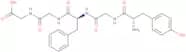
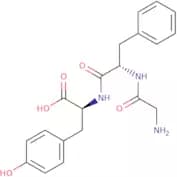
CAS:H-Gly-Phe-Tyr-OH is a water soluble polymer that can be conjugated to drugs. The polymer is composed of methacrylamide and Gly, Phe, and Tyr residues. This polymer is used in the treatment of cancer by conjugating a drug to the polymer to make it water soluble. H-Gly-Phe-Tyr-OH can also be used as a polymeric carrier for docetaxel or gemcitabine.Formula:C20H23N3O5Purity:Min. 95%Molecular weight:385.41 g/mol4-Bromo-2-methylbut-1-ene
CAS:4-Bromo-2-methylbut-1-ene is an alkylating agent that reacts with DNA, RNA and proteins. It has been shown to be effective in the treatment of bladder cancer. 4-Bromo-2-methylbut-1-ene is used as a trifluoride source for boron trifluoride etherate, which is then reacted with plant tissues. This reaction yields a prenyl group, which can be further processed to yield an alkynyl group. The alkynyl group can be reacted with anhydrous sodium to form a chloride salt. This salt can then react with carbon monoxide to form a carbone molecule, which is the final product of this chemical process.Purity:Min. 95%FA-Lys-Leu-OH
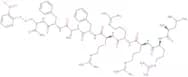
CAS:Please enquire for more information about FA-Lys-Leu-OH including the price, delivery time and more detailed product information at the technical inquiry form on this pageFormula:C19H29N3O5Purity:Min. 95%Molecular weight:379.45 g/molH-Leu-Arg-Arg-Arg-Arg-Phe-D-Ala-Phe-Cys(NPys)-NH2
CAS:Please enquire for more information about H-Leu-Arg-Arg-Arg-Arg-Phe-D-Ala-Phe-Cys(NPys)-NH2 including the price, delivery time and more detailed product information at the technical inquiry form on this pageFormula:C59H92N24O11S2Purity:Min. 95%Molecular weight:1,377.65 g/molZ-Phe-Gly-Phe-Gly-OH
CAS:Please enquire for more information about Z-Phe-Gly-Phe-Gly-OH including the price, delivery time and more detailed product information at the technical inquiry form on this pageFormula:C30H32N4O7Purity:Min. 95%Molecular weight:560.6 g/molSuc-Ala-Pro-Ala-AMC
CAS:Suc-Ala-Pro-Ala-AMC is a synthetic peptide that is used as a fluorescent substrate to measure the activity of serine proteases. It is used in plant physiology and has been shown to be effective in the treatment of inflammatory diseases. Suc-Ala-Pro-Ala-AMC is an acidic molecule with a pKa of 3.1. This means it can exist as both a zwitterion, with a positive charge on one end and negative charge on the other, or as an ionized molecule with both ends having a negative charge. The zwitterionic form is more stable than the ionized form at low pH levels and will therefore be present at higher concentrations at lower pH values. Suc-Ala-Pro-Ala-AMC shows proteolytic activity against peptidases such as papain, bromelain, trypsin, and chymotrypsin. It also binds to neutroph
Formula:C25H30N4O8Purity:Min. 95%Molecular weight:514.53 g/molH-Ala-Gly-Ala-Ala-OH
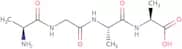
CAS:Please enquire for more information about H-Ala-Gly-Ala-Ala-OH including the price, delivery time and more detailed product information at the technical inquiry form on this page
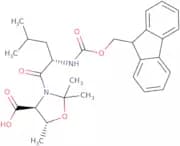
Formula:C11H20N4O5Purity:Min. 95%Molecular weight:288.3 g/molFmoc-Leu-Thr(Psi(Me,Me)pro)-OH
CAS:Please enquire for more information about Fmoc-Leu-Thr(Psi(Me,Me)pro)-OH including the price, delivery time and more detailed product information at the technical inquiry form on this pageFormula:C28H34N2O6Purity:Min. 95%Molecular weight:494.58 g/mol[5-(5,6-Dimethyl-1,3-benzoxazol-2-yl)-2-methylphenyl]amine
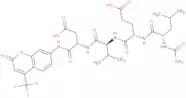
CAS:[5-(5,6-Dimethyl-1,3-benzoxazol-2-yl)-2-methylphenyl]amine is a high quality chemical used in the research and development of new drugs. It is useful as a building block or intermediate for complex compounds, such as pharmaceuticals, agrochemicals, and dyes. It is also used as an intermediate to produce other chemicals with antimicrobial properties. This compound can be used in the production of many different types of products.Formula:C16H16N2OPurity:Min. 95%Color and Shape:Beige PowderMolecular weight:252.31 g/molAc-Leu-Glu-Val-Asp-AFC
CAS:Please enquire for more information about Ac-Leu-Glu-Val-Asp-AFC including the price, delivery time and more detailed product information at the technical inquiry form on this pageFormula:C32H40F3N5O11Purity:Min. 95%Molecular weight:727.68 g/molH-beta-Cyclohexyl-Ala-OMe·HCl
CAS:Please enquire for more information about H-beta-Cyclohexyl-Ala-OMe·HCl including the price, delivery time and more detailed product information at the technical inquiry form on this pageFormula:C10H19NO2·HClPurity:Min. 95%Molecular weight:221.72 g/molHemokinin 1 (human) trifluoroacetate salt
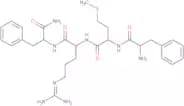
CAS:Hemokinin-1 is a hematopoietic cell growth factor that belongs to the group of neuropeptides. This protein has been shown to stimulate the production of white blood cells and is used as an adjuvant in vaccines. Hemokinin-1 stimulates the production of inflammatory cytokines and other proinflammatory substances. It also has been found to be involved in autoimmune diseases, cancer, and infectious diseases. The antigen binding site on Hemokinin-1 is located at residues Thr-Gly-Lys-Ala-Ser-Gln-Phe-Phe-Gly-Leu (TGLKSGPFGL) and the receptor binding site at residues Met-NH2. The receptor for Hemokinin 1 is the neurokinin 1 receptor (NK1R).Formula:C54H84N14O14SPurity:Min. 95%Molecular weight:1,185.4 g/molH-Phe-Met-D-Arg-Phe-NH2 acetate salt
CAS:Please enquire for more information about H-Phe-Met-D-Arg-Phe-NH2 acetate salt including the price, delivery time and more detailed product information at the technical inquiry form on this pageFormula:C29H42N8O4SPurity:Min. 95%Molecular weight:598.76 g/molTRH (free acid) Pyr-His-Pro-OH
CAS:TRH is a hormone that regulates the metabolic rate and stimulates the pancreas to release insulin. It also has been shown to be involved in regulating locomotor activity and is used in clinical trials for its potential therapeutic effects on Alzheimer’s disease. TRH binds to receptors on gland cells where it activates adenylate cyclase and increases intracellular levels of cAMP, which leads to an increase in cytosolic calcium concentration. TRH also binds to receptors on nerve cells and causes these cells to release neurotransmitters such as dopamine and serotonin. TRH is synthesized by the thyroid gland, pituitary gland, hypothalamus, or other tissues in response to stress or illness. TRH can be administered orally or injected intravenously; it is not active when taken orally because it is broken down by digestive enzymes before reaching the systemic circulation.Formula:C16H21N5O5Purity:Min. 95%Molecular weight:363.37 g/molH-Phe-Ser-OH
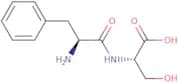
CAS:H-Phe-Ser-OH is a molecule that is present in the bacterial strain. It can be used in diagnosis, where it can be detected by messenger RNA profiling and kinetic analysis of uptake. In vitro synthesis of H-Phe-Ser-OH was performed using caco-2 cells and metabolic profiles were obtained from this experiment. Hydroxyl groups are found on the molecule, which are important for diagnostic purposes. This molecule has been shown to form hydrogen bonds with other molecules, which may also be useful for diagnostic tests.Formula:C12H16N2O4Purity:Min. 95%Molecular weight:252.27 g/mol(H-Cys-Ala-OH)2 (Disulfide bond)
CAS:Please enquire for more information about (H-Cys-Ala-OH)2 (Disulfide bond) including the price, delivery time and more detailed product information at the technical inquiry form on this pageFormula:C12H22N4O6S2Purity:Min. 95%Molecular weight:382.46 g/molExendin-3
CAS:Please enquire for more information about Exendin-3 including the price, delivery time and more detailed product information at the technical inquiry form on this pageFormula:C184H282N50O61SPurity:Min. 95%Molecular weight:4,202.57 g/molH-Asn-AMC trifluoroacetate salt
CAS:Please enquire for more information about H-Asn-AMC trifluoroacetate salt including the price, delivery time and more detailed product information at the technical inquiry form on this pageFormula:C14H15N3O4Purity:Min. 95%Molecular weight:289.29 g/molEntero-Kassinin
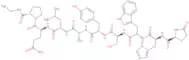
CAS:Please enquire for more information about Entero-Kassinin including the price, delivery time and more detailed product information at the technical inquiry form on this pageFormula:C58H89N15O21SPurity:Min. 95%Molecular weight:1,364.48 g/mol(Des-Gly10,D-Leu6,[13C6]Leu7,Pro-NHEt 9)-LHRH trifluoroacetate salt
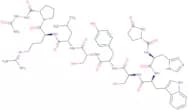
Please enquire for more information about (Des-Gly10,D-Leu6,[13C6]Leu7,Pro-NHEt 9)-LHRH trifluoroacetate salt including the price, delivery time and more detailed product information at the technical inquiry form on this pagePurity:Min. 95%1-Boc-pyrrolidine-2,4-dione
CAS:Please enquire for more information about 1-Boc-pyrrolidine-2,4-dione including the price, delivery time and more detailed product information at the technical inquiry form on this pageFormula:C9H13NO4Purity:Min. 95%Molecular weight:199.2 g/molH-Pro-His-Pro-Phe-His-Phe-Phe-Val-Tyr-Lys-OH
CAS:H-Pro-His-Pro-Phe-His-Phe-Phe-Val-Tyr-Lys-OH is a monoclonal antibody that has been shown to inhibit the activity of enalaprilat, which is an enzyme inhibitor. H-Pro-His-Pro-Phe-His-Phe-Phe-Val--Tyr--Lys--OH binds to the active site of the enzyme and inhibits its activity. This drug has been shown to be effective against a number of infectious diseases, including HIV. It has also been shown to have diagnostic utility for renal function and congestive heart failure. H--Pro--His--Pro--Phe--His--Phe--Phe--Val----Tyr----Lys----OH has also been shown to inhibit protease activity in vitro. The biocompatible polymer coating used in this drug prevents degradation by enzymes in the body and enhances its stability in vivo.Formula:C69H87N15O12Purity:Min. 95%Molecular weight:1,318.52 g/mol(D-Ser6,Azagly10)-LHRH acetate salt
CAS:Please enquire for more information about (D-Ser6,Azagly10)-LHRH acetate salt including the price, delivery time and more detailed product information at the technical inquiry form on this pageFormula:C55H76N18O14Purity:Min. 95%Molecular weight:1,213.3 g/molPAR-1 (1-6) (mouse, rat) trifluoroacetate salt
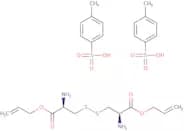
CAS:Please enquire for more information about PAR-1 (1-6) (mouse, rat) trifluoroacetate salt including the price, delivery time and more detailed product information at the technical inquiry form on this pageFormula:C37H54N10O9Purity:Min. 95%Molecular weight:782.89 g/mol(H-Cys-allyl ester)2·2 p-tosylate (Disulfide bond)
CAS:Please enquire for more information about (H-Cys-allyl ester)2·2 p-tosylate (Disulfide bond) including the price, delivery time and more detailed product information at the technical inquiry form on this pageFormula:C12H20N2O4S2·2C7H8O3SPurity:Min. 95%Molecular weight:664.84 g/molH-D-Ala-D-Ala-D-Ala-D-Ala-D-Ala-D-Ala-OH
CAS:Please enquire for more information about H-D-Ala-D-Ala-D-Ala-D-Ala-D-Ala-D-Ala-OH including the price, delivery time and more detailed product information at the technical inquiry form on this pageFormula:C18H32N6O7Purity:Min. 95%Molecular weight:444.48 g/molHIV Protease Substrate VII
CAS:Please enquire for more information about HIV Protease Substrate VII including the price, delivery time and more detailed product information at the technical inquiry form on this pageFormula:C52H81N15O14Purity:Min. 95%Molecular weight:1,140.29 g/molH-Tyr-Lys-OH
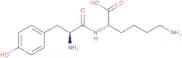
CAS:H-Tyr-Lys-OH is a small drug molecule that has been shown to inhibit protein synthesis. It binds to the active site of the transcription-polymerase chain and competitively inhibits the binding of RNA polymerase. H-Tyr-Lys-OH has also been shown to have anti-inflammatory properties, which may be due to its ability to inhibit prostaglandin synthesis. H-Tyr-Lys-OH's conformational properties are similar to those found in proteins such as glutamic acid and lysine.Formula:C15H23N3O4Purity:Min. 95%Molecular weight:309.36 g/molH-Leu-Tyr-Leu-OH
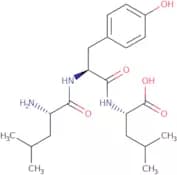
CAS:H-Leu-Tyr-Leu-OH is a molecule that contains a pyrrolidine ring and methyl groups. The molecule is an amino acid, which is one of the twenty that are used to form proteins. It has three terminal residues, which are H, Leu, and Tyr. The crystallographic structure of the compound was determined by x-ray crystallographic studies and it was found to be orthorhombic with a sephadex crystal lattice. The molecular conformation of this compound can be altered through kinetic or equilibrium processes.Formula:C21H33N3O5Purity:Min. 95%Molecular weight:407.5 g/mol(D-Trp32)-Neuropeptide Y (porcine) trifluoroacetate salt
CAS:Please enquire for more information about (D-Trp32)-Neuropeptide Y (porcine) trifluoroacetate salt including the price, delivery time and more detailed product information at the technical inquiry form on this pageFormula:C197H290N56O56Purity:Min. 95%Molecular weight:4,338.75 g/molLIP1 (human) trifluoroacetate salt
Please enquire for more information about LIP1 (human) trifluoroacetate salt including the price, delivery time and more detailed product information at the technical inquiry form on this pageFormula:C133H229N45O37Purity:Min. 95%Molecular weight:3,050.52 g/molSuc-Ala-Pro-Leu-Phe-pNA
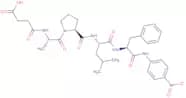
CAS:Suc-Ala-Pro-Leu-Phe-pNA is a synthetic protease with regulatory, mycological, and proteolytic properties. It has been shown to be effective against anisopliae, nematodes, and serine proteases. Suc-Ala-Pro-Leu-Phe-pNA has been synthesized by the chemical coupling of three amino acids: alanine, proline, and phenylalanine. The sequence of this protease is SEQ ID NO:1. Suc-Ala-Pro-Leu-Phe-pNA has a pH optimum of 3.0 and exhibits significant activity at acidic pHs (less than 6). The enzyme also displays kinetic properties that are typical for serine proteases. The buffer used in the assay should be Tris or phosphate buffered saline (PBS) at pH 7.2 to 8.0 with a salt concentration of 150 mM NaCl orFormula:C33H42N6O9Purity:Min. 95%Molecular weight:666.72 g/molMca-Arg-Pro-Lys-Pro-Tyr-Ala-Nva-Trp-Met-Lys(Dnp)-NH2 trifluoroacetate salt
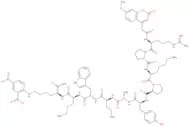
CAS:Please enquire for more information about Mca-Arg-Pro-Lys-Pro-Tyr-Ala-Nva-Trp-Met-Lys(Dnp)-NH2 trifluoroacetate salt including the price, delivery time and more detailed product information at the technical inquiry form on this pageFormula:C79H105N19O19SPurity:Min. 95%Molecular weight:1,656.86 g/mol(Arg8,des-Gly-NH29)-Vasopressin
CAS:Vasopressin is a hormone that is released from the posterior pituitary gland and stimulates the release of water from the kidneys. Vasopressin binds to receptors in the kidney tubules and increases water permeability and urine volume. Vasopressin also has been shown to be effective in reducing sensitivity to ionizing radiation, which may be due to its ability to bind with sulfur-containing amino acids such as cysteine and glutathione. The radiolabeled form of vasopressin is used as a tracer for measuring lung function, including volumes of air flow, gas density, and gas volume.Formula:C44H61N13O12S2Purity:Min. 95%Molecular weight:1,028.17 g/molSuc-Ala-Ala-Pro-Asp-pNA
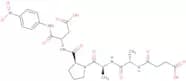
CAS:Suc-Ala-Ala-Pro-Asp-pNA is a synthetic substrate that has been expressed, synthesized, and purified. It is hydrophobic with a phenylmethyl residue that is reactive. Suc-Ala-Ala-Pro-Asp-pNA has been shown to have protease activity in plate assays against serine proteases and has an acidic ph optimum. Suc-Ala-Ala-Pro-Asp-pNA also has an ionizable side chain at the reactive site and is thermostable.Formula:C25H32N6O11Purity:Min. 95%Molecular weight:592.56 g/molMethyl 3-amino-2-phenylpropanoate HCl
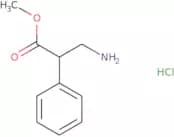
CAS:Methyl 3-amino-2-phenylpropanoate HCl is a chemical intermediate that is synthesized in the biosynthesis of scopolamine and tenellin. It has been found to be an isotopically labeled analog of tropane alkaloids, which are a class of natural products that includes atropine, hyoscyamine, and scopolamine. Methyl 3-amino-2-phenylpropanoate HCl is one of many compounds that can provide structural insights into the biosynthesis and metabolism of these compounds.Formula:C10H13NO2·HClPurity:Area-% Min. 95 Area-%Color and Shape:PowderMolecular weight:215.68 g/molPeptide 46
CAS:Peptide 46 is a synthetic peptide that has been shown to be effective in the treatment of cancer. It binds to an antigen-presenting cell, which presents the peptide to a T-cell receptor on a cytotoxic T-cell. The binding of the peptide to this receptor leads to activation of the cytotoxic T-cell, resulting in killing of cells bearing the peptide sequence. This peptide can also be used as an adjuvant for cancer therapy, as it induces regulatory responses in immune cells. Peptide 46 has been shown to have inhibitory effects on intracellular targets and sequences that are involved in regulating gene expression. It can also bind specifically to DNA sequences and linkers that are found in cancer tissues.Formula:C100H174N40O31Purity:Min. 95%Molecular weight:2,432.7 g/molFmoc-Cys(Acm)-Wang resin (200-400 mesh)
Please enquire for more information about Fmoc-Cys(Acm)-Wang resin (200-400 mesh) including the price, delivery time and more detailed product information at the technical inquiry form on this pagePurity:Min. 95%H-Glu-bNA
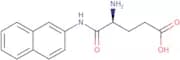
CAS:H-Glu-bNA is a synthetic peptide that has been shown to have aminopeptidase activity. H-Glu-bNA has been used as a marker for the presence of proteolytic bacteria in milk and cheese products. The enzyme hydrolyzes peptides at the carboxyl terminal end of amino acids, releasing them from protein molecules. It is also used to study the action of proteases on casein, which are enzymes that break down the proteins found in milk. The enzyme can be assayed in vitro using lactococci or other bacterial cells. This product is not intended for use as an antibiotic or antimicrobial agent and should not be taken internally.Formula:C15H16N2O3Purity:Min. 95%Molecular weight:272.3 g/molH-Tyr-Ala-OH
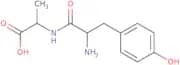
CAS:Tyr-Ala-OH is a peptide hormone that inhibits the enzyme tyrosinase, which is needed for melanin synthesis. Tyr-Ala-OH has been shown to be effective in the treatment of autoimmune diseases and inflammatory diseases. This drug also has strong antioxidant properties and can inhibit proton release from cells. The mechanism of action appears to be through competitive inhibition of the enzyme dipeptidyl peptidase 4 (DPP4), which breaks down glucagon-like peptide (GLP) 1 and GLP 2, both of which have anti-inflammatory effects.Formula:C12H16N2O4Purity:Min. 95%Molecular weight:252.27 g/molH-Arg-4MbetaNA hydrochloride salt
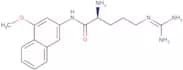
CAS:Please enquire for more information about H-Arg-4MbetaNA hydrochloride salt including the price, delivery time and more detailed product information at the technical inquiry form on this pageFormula:C17H23N5O2·xHClPurity:Min. 95%Molecular weight:365.86 g/mol(Tyr34)-pTH (7-34) amide (bovine) trifluoroacetate salt
CAS:Please enquire for more information about (Tyr34)-pTH (7-34) amide (bovine) trifluoroacetate salt including the price, delivery time and more detailed product information at the technical inquiry form on this pageFormula:C156H244N48O40S2Purity:Min. 95%Molecular weight:3,496.04 g/molFmoc-N-Me-D-Arg(Mtr)-OH
CAS:Please enquire for more information about Fmoc-N-Me-D-Arg(Mtr)-OH including the price, delivery time and more detailed product information at the technical inquiry form on this pageFormula:C32H38N4O7SPurity:Min. 95%Molecular weight:622.73 g/molN-Methyl-L-trans-4-hydroxyproline hydrochloride
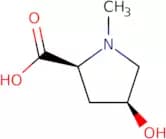
CAS:N-Methyl-L-trans-4-hydroxyproline hydrochloride is a bioactive compound that is present in the leaves of Semecarpifolia. It has been found to have antioxidant and anti-inflammatory properties. The chemical structure of N-methyl-L-trans-4-hydroxyproline hydrochloride is cyclic, butanamide, hexane, ethanolic extracts, and semecarpifolia. The family Meliaceae includes species such as Eucalyptus, which produces the bioactive compound cineole. Solvents used in this process are hexane and ethanolic extracts.Formula:C6H11NO3·HClPurity:Min. 95%Color and Shape:PowderMolecular weight:181.62 g/molAc-Gly-Ala-Lys-AMC trifluoroacetate salt
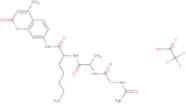
Please enquire for more information about Ac-Gly-Ala-Lys-AMC trifluoroacetate salt including the price, delivery time and more detailed product information at the technical inquiry form on this pageFormula:C23H31N5O6Purity:Min. 95%Molecular weight:473.52 g/molAsn-Ala-Intercellular Adhesion Molecule 1 (1-21) (human)
CAS:Please enquire for more information about Asn-Ala-Intercellular Adhesion Molecule 1 (1-21) (human) including the price, delivery time and more detailed product information at the technical inquiry form on this pageFormula:C99H173N29O32SPurity:Min. 95%Molecular weight:2,313.68 g/molZ-Ala-Ala-NH2
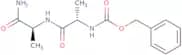
CAS:Z-Ala-Ala-NH2 is a peptide that has been modified. Z-Ala-Ala-NH2 is a hydrolase and has the ability to hydrolyze peptides. It can be used in organic solvents as an unmodified hydrolase, or it can be modified with a nucleophile (such as an amine) to produce an active hydrolase. The unmodified form of Z-Ala-Ala-NH2 has been shown to have high yields and specificity for peptidyl substrates. This modification is also useful for the synthesis of amide bonds in peptides, which are more stable than ester bonds.Formula:C14H19N3O4Purity:Min. 95%Molecular weight:293.32 g/molFmoc-Lys(N3)-OH
CAS:Fmoc-Lys(N3)-OH is a glutamic acid molecule with a specific lysine and histidine residue. It has been shown to be cytotoxic in vitro, specifically targeting cancer cells. Fmoc-Lys(N3)-OH can be conjugated to vancomycin or other molecules that are not normally cell permeable for the treatment of neurodegenerative diseases. The divalent nature of this molecule allows it to cross the blood-brain barrier. Solid phase synthesis is used to produce this compound, which is then purified by chromatography and characterized by mass spectrometry.Formula:C21H22N4O4Purity:Min. 95%Molecular weight:394.42 g/molN-alpha-Fmoc-N-delta-Boc-D-ornithine
CAS:N-alpha-Fmoc-N-delta-Boc-D-ornithine (NFDO) is an antibiotic that belongs to the group of macrocyclic, cyclic antibiotics. This drug has antibacterial activity against gram-negative pathogens and is most effective against E. coli. NFDO is synthesized by a solid phase synthesis that occurs in two stages: first, FMOC protected amino acids are coupled to the resin and then deprotection is carried out with piperidine in DMF at room temperature. The final product is obtained by cleavage of the peptide from the resin with trifluoroacetic acid and purification by HPLC.Formula:C25H30N2O6Purity:Min. 95%Color and Shape:White PowderMolecular weight:454.52 g/mol(D-Trp6)-LHR
Please enquire for more information about (D-Trp6)-LHR including the price, delivery time and more detailed product information at the technical inquiry form on this pageFormula:C83H115N25O17Purity:Min. 95%Molecular weight:1,734.96 g/molFmoc-Trp-Wang resin (100-200 mesh)
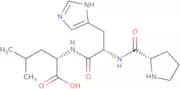
Please enquire for more information about Fmoc-Trp-Wang resin (100-200 mesh) including the price, delivery time and more detailed product information at the technical inquiry form on this pagePurity:Min. 95%H-Pro-His-Leu-OH
CAS:H-Pro-His-Leu-OH is a tripeptide with a sequence of L-proline, H-histidine, and D-leucine. It is an experimental substrate for peptide transporters and has been shown to be taken up by E. coli. This peptide is specific for Borrelia burgdorferi, the organism that causes Lyme disease.Formula:C17H27N5O4Purity:Min. 95%Molecular weight:365.43 g/molZ-Asp(OMe)-Glu(OMe)-Val-DL-Asp(OMe)-fluoromethylketone
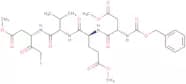
CAS:Z-Asp(OMe)-Glu(OMe)-Val-DL-Asp(OMe)-fluoromethylketone is a small molecule that has been shown to induce apoptosis in cultured cells. It is a caspase-3 inhibitor, which prevents the activation of the caspase cascade and protects cells from oxidative injury. Low doses of Z-Asp(OMe)-Glu(OMe)-Val-DL-Asp(OMe)-fluoromethylketone have been shown to induce apoptosis in cultured cells, with no significant cytotoxicity at high doses. The mechanism of action for this agent is not yet known, but it may promote mitochondrial membrane potential loss and neuronal death by binding to DNA, or induce cell death through a caspase-independent pathway.Formula:C30H41FN4O12Purity:Min. 95%Molecular weight:668.66 g/mol(Des-octanoyl)-Ghrelin (mouse, rat) trifluoroacetate salt
CAS:Please enquire for more information about (Des-octanoyl)-Ghrelin (mouse, rat) trifluoroacetate salt including the price, delivery time and more detailed product information at the technical inquiry form on this pageFormula:C139H231N45O41Purity:Min. 95%Molecular weight:3,188.6 g/mol(Glu2)-TRH Pyr-Glu-Pro-NH2
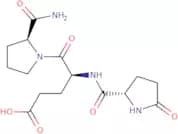
CAS:(Glu2)-TRH Pyr-Glu-Pro-NH2 is a colony-stimulating factor that has been shown to play a role in fertility and energy metabolism. It is also involved in the regulation of physiological functions, such as spermatozoa motility and enzyme inhibitors. (Glu2)-TRH Pyr-Glu-Pro-NH2 binds to its receptor on the surface of cells and stimulates cell growth. The biological function of this drug is not yet known.Formula:C15H22N4O6Purity:Min. 95%Molecular weight:354.36 g/mol(Tyr38,Phe42·46)-Osteocalcin (38-49) (human)
CAS:Please enquire for more information about (Tyr38,Phe42·46)-Osteocalcin (38-49) (human) including the price, delivery time and more detailed product information at the technical inquiry form on this pageFormula:C73H101N19O17Purity:Min. 95%Molecular weight:1,516.7 g/molH-Asn(Trt)-2-chlorotrityl resin (200-400 mesh) (Low Substitution)
Please enquire for more information about H-Asn(Trt)-2-chlorotrityl resin (200-400 mesh) (Low Substitution) including the price, delivery time and more detailed product information at the technical inquiry form on this pagePurity:Min. 95%Ac-Ala-Ala-Val-Ala-Leu-Leu-Pro-Ala-Val-Leu-Leu-Ala-Leu-Leu-Ala-Pro-Ile-Glu-Thr-Asp-aldehyde trifluoroacetate salt
CAS:Please enquire for more information about Ac-Ala-Ala-Val-Ala-Leu-Leu-Pro-Ala-Val-Leu-Leu-Ala-Leu-Leu-Ala-Pro-Ile-Glu-Thr-Asp-aldehyde trifluoroacetate salt including the price, delivery time and more detailed product information at the technical inquiry form on this pageFormula:C95H162N20O26Purity:Min. 95%Molecular weight:2,000.42 g/mol1-Methylbiguanide sulfate
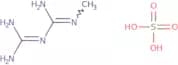
CAS:Please enquire for more information about 1-Methylbiguanide sulfate including the price, delivery time and more detailed product information at the technical inquiry form on this pageFormula:C4H8N8H2SO4Purity:Min. 95%Molecular weight:266.24 g/mol(Met(O)35)-Amyloid b-Protein (1-42)
CAS:Please enquire for more information about (Met(O)35)-Amyloid b-Protein (1-42) including the price, delivery time and more detailed product information at the technical inquiry form on this pageFormula:C203H311N55O61SPurity:Min. 95%Molecular weight:4,530.04 g/mol(Tyr1)-pTH (1-34) (human) trifluoroacetate salt
CAS:Please enquire for more information about (Tyr1)-pTH (1-34) (human) trifluoroacetate salt including the price, delivery time and more detailed product information at the technical inquiry form on this pageFormula:C189H295N55O51S2Purity:Min. 95%Molecular weight:4,217.84 g/molAnti-Kentsin trifluoroacetate salt
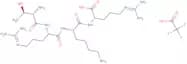
CAS:Please enquire for more information about Anti-Kentsin trifluoroacetate salt including the price, delivery time and more detailed product information at the technical inquiry form on this pageFormula:C22H45N11O6Purity:Min. 95%Molecular weight:559.66 g/mol(His(1-Me)2)-LHRH trifluoroacetate salt
CAS:Please enquire for more information about (His(1-Me)2)-LHRH trifluoroacetate salt including the price, delivery time and more detailed product information at the technical inquiry form on this pageFormula:C56H77N17O13Purity:Min. 95%Molecular weight:1,196.32 g/mol(Des-Gly10,D-Ala6,Pro-NHEt 9)-LHRH II (chicken)
CAS:Please enquire for more information about (Des-Gly10,D-Ala6,Pro-NHEt 9)-LHRH II (chicken) including the price, delivery time and more detailed product information at the technical inquiry form on this pageFormula:C61H72N16O12Purity:Min. 95%Molecular weight:1,221.33 g/mol(Ala31, Aib 32)-Neuropeptide Y (porcine) trifluoroacetate salt
CAS:Please enquire for more information about (Ala31, Aib 32)-Neuropeptide Y (porcine) trifluoroacetate salt including the price, delivery time and more detailed product information at the technical inquiry form on this page
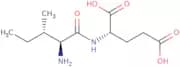
Formula:C187H281N55O56Purity:Min. 95%Molecular weight:4,195.57 g/molH-Ile-Glu-OH
CAS:Please enquire for more information about H-Ile-Glu-OH including the price, delivery time and more detailed product information at the technical inquiry form on this pageFormula:C11H20N2O5Purity:Min. 95 Area-%Color and Shape:PowderMolecular weight:260.29 g/molPhenylac-Leu-Asp-Phe-D-Pro-NH2
CAS:Phenylac-Leu-Asp-Phe-D-Pro-NH2 is a molecule that inhibits the inflammatory response by binding to the active site of proteinase 3. It has been shown to be effective in treating bowel disease, such as Crohn's disease, and also shows potential for use in other inflammatory diseases, including autoimmune diseases and blood disorders. Phenylac-Leu-Asp-Phe-D-Pro-NH2 is an inhibitor of proprotein convertase 3 (PC3) and has been shown to inhibit the activity of PC3 in vitro. This inhibition leads to reduced production of inflammatory cytokines and decreased inflammation in animal models. Clinical studies have demonstrated that phenylacetic acid ester derivatives are safe for use in humans.Formula:C32H41N5O7Purity:Min. 95%Molecular weight:607.7 g/molAmyloid Bri Protein (1-34) trifluoroacetate salt
CAS:Please enquire for more information about Amyloid Bri Protein (1-34) trifluoroacetate salt including the price, delivery time and more detailed product information at the technical inquiry form on this pageFormula:C173H273N49O52S2Purity:Min. 95%Molecular weight:3,935.45 g/molAc-Trp-NHMe
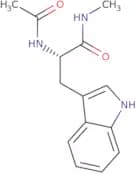
CAS:Ac-Trp-NHMe is a hydrogen bond acceptor, which is a functional group that can form hydrogen bonds with other molecules. It is found in proteins and has been extensively studied by protein data bank. The amide group of Ac-Trp-NHMe forms a hydrogen bond with the carbonyl group of the amino acid tryptophan. The molecule has been used as a model system for studying the fluorescence properties of tryptophan, and to understand vibrational spectra. Ac-Trp-NHMe has also been shown to be an important chemical in plants, where it is involved in the formation of the dry weight of plants and water molecules.Formula:C14H17N3O2Purity:Min. 95%Molecular weight:259.3 g/molMca-Gly-Ala-Lys(Ac)-Arg-His-Arg-Lys-Val-NH2 trifluoroacetate salt
CAS:Please enquire for more information about Mca-Gly-Ala-Lys(Ac)-Arg-His-Arg-Lys-Val-NH2 trifluoroacetate salt including the price, delivery time and more detailed product information at the technical inquiry form on this pageFormula:C54H85N19O13Purity:Min. 95%Molecular weight:1,208.37 g/molH-Arg-Arg-Arg-Arg-Arg-Arg-Arg-OH trifluoroacetate salt
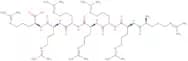
CAS:The Arg-Arg-Arg-Arg-Arg-Arg-Arg-Arg-OH trifluoroacetate salt is a biologically active form of arginine. It has been shown to inhibit the activity of both NS3 protease and NS4A protease from the hepatitis C virus (HCV). It also inhibits tumor cell growth in vitro, which may be due to its ability to upregulate epidermal growth factor receptor (EGFR) expression on tumor cells. The Arg-Arg-Arg-Arg-Arg-Arg-Arghydrogen trifluoroacetate salt is an inhibitor of estrogen receptor modulators that are used as therapeutic agents for breast cancer.Formula:C42H86N28O8Purity:Min. 95%Molecular weight:1,111.32 g/mol(Met186)-Melanocyte Protein PMEL 17 (185-193) (human, bovine, mouse) trifluoroacetate salt
CAS:Please enquire for more information about (Met186)-Melanocyte Protein PMEL 17 (185-193) (human, bovine, mouse) trifluoroacetate salt including the price, delivery time and more detailed product information at the technical inquiry form on this pageFormula:C47H74N10O14SPurity:Min. 95%Molecular weight:1,035.22 g/molH-Lys-Thr-OH hydrochloride salt
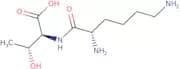
CAS:H-Lys-Thr-OH hydrochloride salt is a synthetic amino acid that has been used in the synthesis of a cyclic peptide. The synthesis was achieved by metathesis reactions, which involved the reaction of an acid chloride with a chiral amine to form an ester. H-Lys-Thr-OH hydrochloride salt has been shown to have high binding constants to its targets and can be used as a selective reagent for the synthesis of virus proteins. It is also able to bind to carboxylate groups, which are common in wild type viruses and gene products. This reagent also has cleavage products, which can be used for efficient method for synthesizing cyclic peptides.
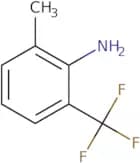
Formula:C10H21N3O4Purity:Min. 95%Molecular weight:247.29 g/mol2-methyl-6-(trifluoromethyl)aniline
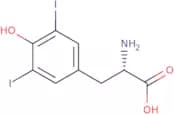
CAS:2-Methyl-6-(trifluoromethyl)aniline is a colorless, oily liquid with a sulfurous odor. It is soluble in water and alcohol. The reaction rate of 2-methyl-6-(trifluoromethyl)aniline with sulfoxides is faster than that of benzyl anilines, but slower than that of anilino derivatives. The addition of hydrophobic groups to the 2-methyl-6-(trifluoromethyl)aniline molecule increases the reaction rate. 2-Methyl-6-(trifluoromethyl)aniline can be used as an anesthetic agent because it is a potent inhibitor of nerve conduction in sciatic nerves. It also has been shown to be effective in desulfurizing propylene, which is important for the production of polypropylene plastics and synthetic rubber. 2-Methyl-6-(trifluFormula:C8H8F3NPurity:Min. 95%Molecular weight:175.15 g/mol3,5-Diiodo-L-tyrosine
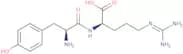
CAS:3,5-Diiodo-L-tyrosine (3DILT) is an iodinated amino acid that can be used as a marker for human immunodeficiency virus (HIV) infection. It is synthesized by the reaction of 3,5-diiodotyrosine with L-tyrosine in the presence of a metal chelate and dinucleotide phosphate. This reaction proceeds via nucleophilic substitution on the aromatic ring with an iodide ion. The product is then purified to remove unreacted 3,5-diiodotyrosine and the metal chelate. 3DILT reacts with antibodies in a luminescence immunoassay to produce light that can be detected. The detection limit of this assay is 10 pg/mL.Formula:C9H9I2NO3Purity:Min. 95%Molecular weight:432.98 g/mol(D-Arg2)-Kyotorphin acetate salt
CAS:(D-Arg2)-Kyotorphin acetate salt H-Tyr-D-Arg-OH acetate salt is a peptide that contains two amino acid residues, D-arginine and L-tyrosine. It has been shown to have analgesic properties in animal models of pain, and is also thought to be involved with bowel disease, congestive heart failure, and platelet aggregation. The biological activity of this peptide has been studied using whole cell recordings in the presence of an experimental model (rat dorsal root ganglion neurons). Kyotorphin acetate salt H-Tyr-D-Arg-OH acetate salt was found to inhibit enzyme activities such as cyclase and phosphodiesterase. This peptide binds to opioid receptors and acts as an electrochemical detector for cyclases, which are enzymes that produce cyclic adenosine monophosphate (cAMP). Kyotorphin acetate salt H-Tyr-DFormula:C15H23N5O4Purity:Min. 95%Molecular weight:337.37 g/molMCH-Gene-Overprinted-Polypeptide-27 (rat)
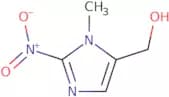
CAS:Please enquire for more information about MCH-Gene-Overprinted-Polypeptide-27 (rat) including the price, delivery time and more detailed product information at the technical inquiry form on this pageFormula:C145H227N39O40S4Purity:Min. 95%Molecular weight:3,284.86 g/mol(3-Methyl-2-nitro-3H-imidazol-4-yl)methanol
CAS:3-Methyl-2-nitro-3H-imidazol-4-yl)methanol is a fluorescent probe that can be used to detect hypoxic tumor cells. It has been shown to selectively react with the methylethyl group in Trichomonas vaginalis. 3-Methyl-2-nitro-3H-imidazol-4-yl)methanol is bioreductive and can be activated by nitro groups in proteins, which are found in the active site of enzymes such as bacterial dna gyrase. This probe has been shown to bind to the sn38 position of bacterial DNA, but not mammalian DNA.Formula:C5H7N3O3Purity:Min. 95%Molecular weight:157.13 g/molH-beta-Ala-Trp-OH
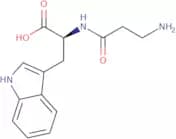
CAS:Please enquire for more information about H-beta-Ala-Trp-OH including the price, delivery time and more detailed product information at the technical inquiry form on this page
Formula:C14H17N3O3Purity:Min. 95%Molecular weight:275.3 g/mol1-O-Octadecyl-sn-glycerol
CAS:1-O-Octadecyl-sn-glycerol (1ODG) is a dietary lipid that is absorbed by the gastrointestinal tract and transported to the liver. It is used in cell culture as a substitute for lipids that are not available or cannot be used for experiments. 1ODG is also found in human lung and colon tissues, where it may act as a growth factor. 1ODG has been shown to inhibit herpes simplex virus type I (HSV-1) replication in cultured cells by increasing intracellular calcium levels and inhibiting viral DNA synthesis. It can also increase fatty acid synthesis and induce cellular proliferation of tissue culture cells, such as lung fibroblasts.Formula:C21H44O3Purity:Min. 95%Molecular weight:344.57 g/molH-p-Chloro-Phe-D-Cys-b-(3-pyridyl)-Ala-D-Trp-Lys-Val-Cys-p-chloro-Phe-NH2 trifluoroacetate salt (Disulfide bond)
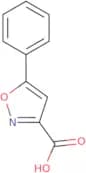
CAS:Please enquire for more information about H-p-Chloro-Phe-D-Cys-b-(3-pyridyl)-Ala-D-Trp-Lys-Val-Cys-p-chloro-Phe-NH2 trifluoroacetate salt (Disulfide bond) including the price, delivery time and more detailed product information at the technical inquiry form on this pageFormula:C54H66Cl2N12O8S2Purity:Min. 95%Molecular weight:1,146.22 g/mol5-Phenylisoxazole-3-carboxylic acid
CAS:5-Phenylisoxazole-3-carboxylic acid is a phenoxy compound that has been shown to inhibit the growth of tuberculosis bacteria. This drug binds to the postsynaptic potential in the cell membrane and inhibits the effector proteins from interacting with the receptor, preventing neurotransmitter release. The molecular modeling study showed that 5-Phenylisoxazole-3-carboxylic acid interacts with ethyl esters and rifampin, which inhibits xanthine oxidase. Xanthine oxidase inhibitors are used as a treatment for gout and hyperuricemia. 5-Phenylisoxazole-3-carboxylic acid also has fluorimetric properties, which can be used to measure its concentration in biological samples such as urine or plasma. Nitro groups in this drug make it susceptible to oxidation by nitric oxide, which can be monitored using nmr spectra.Formula:C10H7NO3Purity:Min. 95%Molecular weight:189.17 g/molAmylin (8-37) (human) trifluoroacetate salt
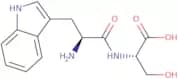
CAS:Please enquire for more information about Amylin (8-37) (human) trifluoroacetate salt including the price, delivery time and more detailed product information at the technical inquiry form on this pageFormula:C138H216N42O45Purity:Min. 95%Molecular weight:3,183.45 g/molH-Trp-Ser-OH
CAS:H-Trp-Ser-OH is a synthetic fatty acid that has been shown to inhibit the growth of tumor cells. It was found to have an effect on insulin sensitivity in mice, suggesting it may have potential for treatment of diabetes. H-Trp-Ser-OH also inhibits the production of IL-6 and TNF-α in cultured human monocytes, which may be due to its ability to induce apoptosis. The effects of this compound on cancer are not yet known.
Formula:C14H17N3O4Purity:Min. 95%Molecular weight:291.3 g/mol

![([15N]Gly)-Glutathione (reduced)](/_next/image/?url=https%3A%2Fstatic.cymitquimica.com%2Fproducts%2F3D%2Fthumb-webp%2FFG109306.webp&w=3840&q=75)








![[5-(5,6-Dimethyl-1,3-benzoxazol-2-yl)-2-methylphenyl]amine](/_next/image/?url=https%3A%2Fstatic.cymitquimica.com%2Fproducts%2F3D%2Fthumb-webp%2FFD134975.webp&w=3840&q=75)



![(Des-Gly10,D-Leu6,[13C6]Leu7,Pro-NHEt 9)-LHRH trifluoroacetate salt](/_next/image/?url=https%3A%2Fstatic.cymitquimica.com%2Fproducts%2F3D%2Fthumb-webp%2FFD109775.webp&w=3840&q=75)