Amino Acids (AA)
Subcategories of "Amino Acids (AA)"
- Amino Acid Derivatives(4,012 products)
- Amino Acid and Amino Acid Related Compounds(3,490 products)
- Amino Acids with Oxygen or Sulphur(168 products)
- Boc- Amino Acids(351 products)
- Fmoc Amino Acids(1,710 products)
Found 38366 products of "Amino Acids (AA)"
(3E,11E)-Tridecadiene-6,8,10-Triyne-1,13-diol-2-O-ß-D-Glucopyranoside
CAS:Formula:C19H22O8Molecular weight:378.38Ref: 4Z-T-269001
Discontinued productRef: 4Z-Z-039
Discontinued product(2-Methoxy-2-methylpropaneisocyanide)copper(I) tetrafluoroborate
CAS:Formula:C24H44CuN4O4·BF4Molecular weight:516.19 86.80Ref: 4Z-C-352001
Discontinued productRef: 4Z-F-249
Discontinued productRef: 4Z-L-138049
Discontinued productRef: 4Z-H-018017
Discontinued productAcetylcysteine Impurity 9 Sodium Salt
CAS:Formula:C8H14NO4S·NaColor and Shape:White To Off-White SolidMolecular weight:220.26 22.99Ref: 4Z-C-7733
Discontinued productRef: 4Z-A-859
Discontinued productRef: 4Z-P-229007
Discontinued productRef: 4Z-P-283018
Discontinued productRef: 4Z-E-5349
Discontinued productRef: 4Z-A-267114
Discontinued productRef: 4Z-C-77106
Discontinued productRef: 4Z-C-7773
Discontinued productRef: 4Z-E-174001
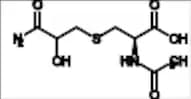
Discontinued productAcetylcysteine Impurity 8
CAS:Formula:C8H14N2O5SColor and Shape:White To Off-White SolidMolecular weight:250.27Ref: 4Z-C-77010
Discontinued productRef: 4Z-E-5354
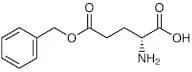
Discontinued product5-Benzyl D-Glutamate
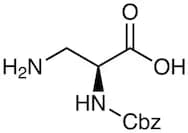
CAS:Formula:C12H15NO4Purity:>98.0%(T)(HPLC)Color and Shape:White to Almost white powder to crystalMolecular weight:237.263-Amino-N-benzyloxycarbonyl-L-alanine
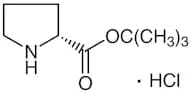
CAS:Formula:C11H14N2O4Purity:>98.0%(T)(HPLC)Color and Shape:White to Almost white powder to crystalMolecular weight:238.24D-Proline tert-Butyl Ester Hydrochloride
CAS:Formula:C9H17NO2·HClPurity:>98.0%(GC)(T)Color and Shape:White to Almost white powder to crystalMolecular weight:207.70Ref: 4Z-P-147057
Discontinued productRef: 4Z-A-155046
Discontinued productRef: 4Z-P-5452
Discontinued productRef: 4Z-C-77119
Discontinued productRef: 4Z-P-219016
Discontinued productRef: 4Z-G-1311
Discontinued productRef: 4Z-P-116027
Discontinued productVitamin E Related Compound 1 (2-Methyl-2-(4,8,12-Trimethyltridecyl)-6-Chromanol)
CAS:Formula:C26H44O2Molecular weight:388.64Ref: 4Z-V-086
Discontinued productRef: 4Z-P-116028
Discontinued productRef: 4Z-A-767
Discontinued productRef: 4Z-A-331069
Discontinued productRef: 4Z-C-77150
Discontinued productRef: 4Z-P-116029
Discontinued product(Z)-4-Hydroxy-N-Desmethyl Tamoxifen (Endoxifen) β-D-Glucuronide
CAS:Formula:C31H35NO8Molecular weight:549.62Ref: 4Z-T-0133
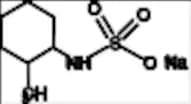
Discontinued productSodium N-(2-Methylcyclohexyl)sulfamate
CAS:Formula:C7H14NO3S·NaColor and Shape:White To Off-White SolidMolecular weight:192.25 22.99Ref: 4Z-S-054005
Discontinued productRef: 4Z-C-77143
Discontinued productRef: 4Z-P-228085
Discontinued productRef: 4Z-C-77151
Discontinued productRef: 4Z-P-212058
Discontinued productRef: 4Z-G-1310
Discontinued productN-Nitroso (S)-Diphenylprolinol
Formula:C17H18N2O2Color and Shape:Yellow LiquidMolecular weight:282.34Ref: 4Z-N-103016
Discontinued productRef: 4Z-C-77136
Discontinued product2,3,4,9-Tetrahydro-2-methyl-9-phenyl-1H-pyrido[3,4-b]indol-1-one
CAS:Formula:C18H16N2OMolecular weight:276.34Ref: 4Z-H-153
Discontinued productRef: 4Z-P-57150
Discontinued productRef: 4Z-I-091003
Discontinued productRef: 4Z-A-155020
Discontinued productD-Threo-Methylphenidate EP Impurity A-d9 (D-Threo-Methylphenidate USP Related Compound A-d9 (Free Form), D-Threo-Ritalinic Acid-d9)
Formula:C13H8D9NO2Molecular weight:228.34Ref: 4Z-M-137037
Discontinued productRef: 4Z-C-418026
Discontinued productRef: 4Z-P-212022
Discontinued productRef: 4Z-P-116030
Discontinued productRef: 4Z-C-77138
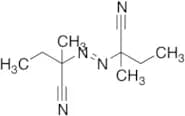
Discontinued product2,2'-Azobis-(2-methylbutyronitrile)
CAS:Applications 2,2'-AZOBIS-(2-METHYLBUTYRONITRILE) (cas# 13472-08-7) is a useful research chemical.
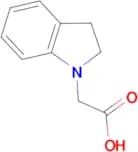
Dangerous Goods Info This compound is forbidden to ship by air under IATA regulations.Formula:C10H16N4Color and Shape:White to Off-White SolidMolecular weight:192.27(2,3-Dihydro-1H-indol-1-yl)acetic acid
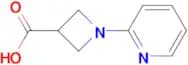
CAS:Purity:95.0%Color and Shape:SolidMolecular weight:177.20300292968751-(Pyridin-2-yl)azetidine-3-carboxylic acid
CAS:Color and Shape:SolidMolecular weight:178.1909942626953Ref: 10-F693590
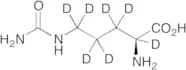
Discontinued productL-Citrulline-d7
CAS:Controlled ProductApplications L-Citrulline-d7, is the labeled analogue of L-Citrulline (C535700), which is an amino acid, first isolated from the juice of watermelon, Citrullus vulgaris Schrad., Cucurbitaceae. It is also used in the treatment of asthenia.
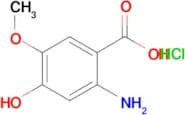
References Kurtz, et al.: J. Biol. Chem., 122, 477 (1938), Rajantie, J., et al.: J. Pediatr., 97, 927 (1980), Carpenter, T.O., et al.: N. Engl. J. Med., 312, 290 (1985),Formula:C6D7H6N3O3Color and Shape:NeatMolecular weight:182.232-amino-4-hydroxy-5-methoxybenzoic acid hydrochloride
CAS:Purity:95.0%Molecular weight:219.6199951171875DL-Methionine Methylsulfonium Chloride
CAS:Controlled ProductApplications DL-Methionine methylsulfonium chloride (cas# 3493-12-07) is a useful research chemical.
Formula:C6H14ClNO2SColor and Shape:NeatMolecular weight:199.7(S)-2-(4-(2-(2-Amino-4-oxo-4,7-dihydro-1H-pyrrolo[2,3-d]pyrimidin-5-yl)ethyl)benzamido)pentanedioic acid
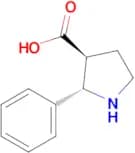
CAS:Purity:95.0%Color and Shape:Solid, Blue powderMolecular weight:427.4169921875(1R,4R)-rel-2-Benzyl-5-(tert-butoxycarbonyl)-2,5-diazabicyclo[2.2.1]heptane-3-carboxylic acid
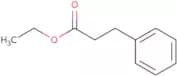
CAS:Molecular weight:332.4Ethyl 3-phenylpropionate
CAS:Ethyl 3-phenylpropionate is a clear, colorless liquid with a fruity odor. It has been used in the production of perfumes and as a solvent. The compound is also known to be used in the synthesis of other organic compounds and can be found in dry weight. Palladium complexes are formed when ethyl 3-phenylpropionate is mixed with palladium chloride or palladium acetate. Ethyl 3-phenylpropionate is an intermediate in the conversion of ethyl decanoate to methyl anthranilate by diethyl succinate and p. pastoris. This conversion takes place at room temperature and below the phase transition temperature (T). The compound has been shown to have low lp-pla2 activity, which may be due to its lack of hydroxyl group.
Formula:C11H14O2Purity:Min. 95%Color and Shape:Colorless PowderMolecular weight:178.23 g/molRef: 3D-FE39043
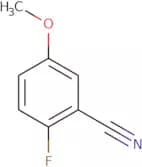
Discontinued product2-Fluoro-5-methoxybenzonitrile
CAS:2-Fluoro-5-methoxybenzonitrile is a metal catalyst that has been shown to be effective in the synthesis of various organic compounds. The use of ultrasound can increase the yields of reactions involving 2-fluoro-5-methoxybenzonitrile. 2-Fluoro-5-methoxybenzonitrile has also been demonstrated as a pharmacological agent with a number of potential applications. It inhibits the activity of phosphodiesterase 4, which may lead to an improved therapeutic profile for conditions such as asthma and erectile dysfunction. 2-Fluoro-5-methoxybenzonitrile is also used in photochemical reactions, where it acts as an inhibitor to prevent the formation of undesired products.
Formula:C8H6FNOPurity:Min. 95%Color and Shape:PowderMolecular weight:151.14 g/molRef: 3D-FF64148
Discontinued productFmoc-Cys((R)-2,3-di(palmitoyloxy)-propyl)-OH
CAS:Fmoc-Cys((R)-2,3-di(palmitoyloxy)-propyl)-OH is a versatile building block that is useful for the synthesis of complex compounds. This compound has been shown to be a useful intermediate in the synthesis of pharmaceuticals, organic dyes and research chemicals. Fmoc-Cys((R)-2,3-di(palmitoyloxy)-propyl)-OH is a fine chemical that is used as a reagent in organic synthesis. It has CAS No. 139573-77-6 and can be used as a speciality chemical or reaction component.
Formula:C53H83NO8SPurity:Min. 95 Area-%Color and Shape:White PowderMolecular weight:894.29 g/molRef: 3D-FF111417
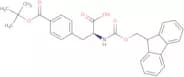
Discontinued productFmoc-(4-tert-butyloxycarbonyl)-L-phenylalanine
CAS:Fmoc-(4-tert-butyloxycarbonyl)-L-phenylalanine is a chemical compound that is used as a building block in organic synthesis. This chemical has been shown to be useful as a reagent in the synthesis of natural products and pharmaceuticals, such as immunosuppressants and anticancer agents. Fmoc-(4-tert-butyloxycarbonyl)-L-phenylalanine is also used as an intermediate for the production of other chemicals, including pharmaceuticals, pesticides, and fragrance chemicals. The CAS number for this compound is 183070-44-2.
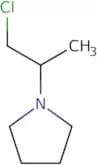
Formula:C29H29NO6Purity:Min. 95%Color and Shape:White PowderMolecular weight:487.54 g/mol1-(2-Chloro-1-methylethyl)pyrrolidine hydrochloride
CAS:1-(2-Chloro-1-methylethyl)pyrrolidine hydrochloride is a versatile building block that can be used in the synthesis of fine chemicals, complex compounds, research chemicals, reagents and specialty chemicals. This compound is also useful as a building block for the synthesis of pharmaceuticals and chemical products. 1-(2-Chloro-1-methylethyl)pyrrolidine hydrochloride is a high quality chemical that can be used as a reaction component or scaffold for the synthesis of new chemical entities.Formula:C7H15Cl2NPurity:Min. 95%Color and Shape:PowderMolecular weight:184.1 g/molRef: 3D-FC116878
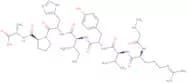
Discontinued product(Sar 1,Ala8)-Angiotensin II
CAS:Angiotensin II is a peptide hormone that is involved in the regulation of blood pressure and fluid and electrolyte balance. It also acts as a vasoconstrictor by binding to angiotensin receptors on vascular smooth muscle cells. Angiotensin II is produced from angiotensin I by the action of renin. The high-resolution linear reformulating (HRLR) technique is used to estimate the spectrum and parameters of this molecule. This technique uses iterative methods for estimating the frequency response function and parameters for each frequency, including nonlinear ones. HRLR has been shown to be an accurate estimator with a frequency range from 0 to 10 kHz, which has not been achieved with other techniques.
Formula:C43H67N13O10Purity:Min. 95 Area-%Color and Shape:PowderMolecular weight:926.07 g/molRef: 3D-FS108518
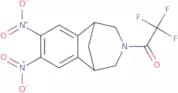
Discontinued product2,3,4,5-Tetrahydro-7,8-dinitro-3-(trifluoroacetyl)-1,5-methano-1H-3-benzazepine
CAS:2,3,4,5-Tetrahydro-7,8-dinitro-3-(trifluoroacetyl)-1,5-methano-1H-3-benzazepine is a supplement that may be used to treat depression. It has been shown to have a receptor activity on the acetylcholine receptors. 2,3,4,5-Tetrahydro-7,8-dinitro-3-(trifluoroacetyl)-1,5-methano-1H-3-benzazepine has also been shown to increase the activity of the endothelial function by increasing the production of nitric oxide. This drug has also been shown to be an effective treatment for reducing appetite in cases of anorexia nervosa and for treating Alzheimer's disease. The drug works by activating nicotinic acetylcholine receptors in the brain.Formula:C13H10F3N3O5Purity:Min. 98 Area-%Color and Shape:PowderMolecular weight:345.23 g/molRef: 3D-FT11984
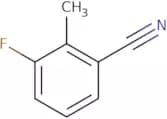
Discontinued product3-Fluoro-2-methylbenzonitrile
CAS:3-Fluoro-2-methylbenzonitrile is a novel androgen receptor modulator that binds to the androgen receptor with high affinity and selectivity. 3-Fluoro-2-methylbenzonitrile has been shown to have agonistic activity in vivo. It has been proposed as an alternative to testosterone for the treatment of muscle wasting, osteoporosis, and other hormone deficiencies. 3-Fluoro-2-methylbenzonitrile is metabolized by CYP3A4 enzymes, which may be modified to improve its metabolic stability and thus increase its bioavailability. In addition, modifications of 3-fluoro-2-methylbenzonitrile may be made that would improve its pharmacokinetic profile (e.g., naphthalene profiles).
Formula:C8H6FNPurity:Min. 95%Color and Shape:PowderMolecular weight:135.14 g/molRef: 3D-FF33625
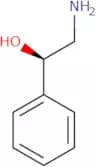
Discontinued product(R)-2-Amino-1-phenylethanol
CAS:(R)-2-Amino-1-phenylethanol is a molecule that has antimicrobial activity. It binds to the active site of bacterial enzymes, such as those involved in the synthesis of cell walls, and inhibits the growth of bacteria through competitive inhibition. This molecule also has a dihedral angle that is similar to that of other molecules with antibacterial activity. (R)-2-Amino-1-phenylethanol is an enantiomer, which means it can be synthesized from either (S)- or (R)-1-phenylethanol. The racemic form is more active than any individual enantiomer.
Formula:C8H11NOPurity:Min. 95%Color and Shape:PowderMolecular weight:137.18 g/molRef: 3D-FA64085
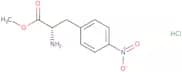
Discontinued product4-Nitro-L-phenylalanine methyl ester hydrochloride
CAS:4-Nitro-L-phenylalanine methyl ester hydrochloride is a 4-nitrophenyl derivative of L-phenylalanine. It is a useful building block, reagent, or scaffold in organic synthesis. This compound finds use as a precursor to other derivatives and it has been used in the preparation of complex compounds. 4-Nitro-L-phenylalanine methyl ester hydrochloride is also used as a reaction component for the synthesis of different organic compounds and as a useful intermediate.
Formula:C10H13N2O4ClPurity:Min. 98 Area-%Color and Shape:White PowderMolecular weight:260.67 g/molRef: 3D-FN45027
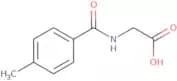
Discontinued product4-Methyl hippuric acid
CAS:4-Methyl hippuric acid is a metabolite of benzoic acid, and is excreted in the urine as an end product of phenylalanine metabolism. The matrix effect is a phenomenon that is observed when chromatographic analysis occurs in the presence of impurities or other substances. It can be minimized by using an optimum concentration of hydrochloric acid to extract the analyte from the sample matrix. 4-Methyl hippuric acid can be detected in urine samples by using a chromatographic method and then quantified by measuring its s-phenylmercapturic acid content. This compound has been used as a marker for determining blood pressure and has also been shown to have antihypertensive effects.
Formula:C10H11NO3Purity:Min. 95%Color and Shape:PowderMolecular weight:193.2 g/molRef: 3D-FM25508
Discontinued productAc-Phe-Arg-AMC hydrochloride
CAS:Ac-Phe-Arg-AMC hydrochloride is a versatile building block that is used in the synthesis of complex compounds and research chemicals.
It is a fine chemical with CAS No. 177028-04-5. Ac-Phe-Arg-AMC hydrochloride is soluble in water, ethanol, and acetone, and insoluble in ether. This compound can be used as an intermediate for the synthesis of research chemicals with high quality or as a reagent. Ac-Phe-Arg-AMC hydrochloride can be used to produce a variety of useful scaffolds for medicinal chemistry or organic chemistry applications.Formula:C27H32N6O5·HClPurity:Min. 95 Area-%Color and Shape:PowderMolecular weight:557.04 g/molRef: 3D-FA110473
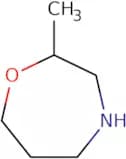
Discontinued product2-Methyl-1,4-oxazepane
CAS:2-Methyl-1,4-oxazepane is a fine chemical that can be used as a building block in organic synthesis. It is a versatile building block and can be used as a reaction component or intermediate. 2-Methyl-1,4-oxazepane has been used as an intermediate in the synthesis of various pharmaceutical drugs, including benzodiazepines and beta blockers. This compound is also used in the production of polyurethanes and other plastics.
2-Methyl-1,4-oxazepane has been classified by the Chemical Abstracts Service (CAS) as a speciality chemical with the number 1018614-41-9.Formula:C6H13NOPurity:Min. 95%Color and Shape:Colorless PowderMolecular weight:115.17 g/molRef: 3D-FM133973
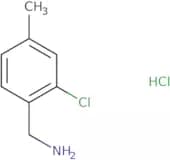
Discontinued product2-Chloro-4-methylbenzylamine hydrochloride
CAS:2-Chloro-4-methylbenzylamine hydrochloride is a fine chemical that is used in the research, development and manufacturing of pharmaceuticals, agrochemicals, polymers and other organic compounds. 2-Chloro-4-methylbenzylamine hydrochloride can be used as an intermediate for the synthesis of a variety of drugs with different structures. It is also useful as a reagent in organic synthesis. The product has been classified by the EU as an SDS (Substances of Very High Concern) due to its potential for use in the production of nerve agents like sarin gas.Formula:C8H10ClN•HClPurity:Min. 95%Molecular weight:192.09 g/molRef: 3D-FC67364
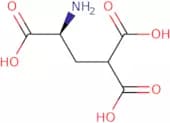
Discontinued productH-gamma-Carboxy-Glu-OH
CAS:H-gamma-carboxy-Glu-OH is a synthetic peptide with the amino acid sequence H-gamma-Carboxy-Glu. It is a glp-1 analogue and its function is to regulate glucose homeostasis. The protein has been shown to have antiapoptotic effects in human osteosarcoma cells. H-gamma-carboxy-Glu-OH has also been shown to regulate mitochondrial membrane potential, which is required for cell signaling pathways and calcium binding. H-gamma-carboxy-Glu-OH's receptor molecule is known as the GPCR, which plays an important role in the regulation of cell signaling pathways and calcium binding. H gamma carboxy Glu OH is a cyclic peptide that contains disulfide bonds. This compound has the basic structure of an alpha helix, which consists of many turns of amino acids bonded together by hydrogen bonds between individual amino acids
Formula:C6H9NO6Purity:Min. 95%Color and Shape:PowderMolecular weight:191.14 g/molRef: 3D-FC107880
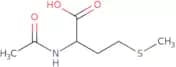
Discontinued productN-Acetyl-DL-methionine
CAS:N-Acetyl-DL-methionine is an amide of the amino acid methionine and acetyl coenzyme A. It has a number of biological properties including being a precursor to protein synthesis, a regulator of fatty acid metabolism, and an inhibitor of glutamate pyruvate transaminase. It can be found in bacterial strains as well as in human serum. N-Acetyl-DL-methionine is synthesized by the reaction of methylamine with acetyl coenzyme A in the presence of ammonia or other nitrogenous bases. The chemical structure of this compound consists of two nitrogen atoms and an acetyl group bonded to a carbon atom that is attached to a methyl group and another carbon atom that forms part of an amide bond with the amino acid methionine. This molecule has been observed using nmr spectroscopic data to form hydrogen bonds with proteins.
Formula:C7H13NO3SPurity:Min. 95%Color and Shape:PowderMolecular weight:191.25 g/molRef: 3D-FA10863
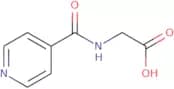
Discontinued product2-(Pyridin-4-ylformamido)acetic acid
CAS:2-(Pyridin-4-ylformamido)acetic acid is a chemical intermediate that is used in the synthesis of other compounds. It is a chemical building block, useful for the production of fine chemicals and speciality chemicals. 2-(Pyridin-4-ylformamido)acetic acid can be used as a reaction component or reagent in organic synthesis. It has been shown to have high purity and quality for research purposes. CAS No. 2015-20-5.br>
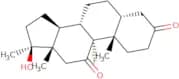
2-(Pyridin-4-ylformamido)acetic acid can be used to synthesize a variety of compounds with different properties, such as antihistamines, antibiotics, antihypertensives, and antipsychotics.Formula:C8H8N2O3Purity:Min. 95 Area-%Color and Shape:PowderMolecular weight:180.16 g/mol9-Fluoro-17β-Hydroxy-17-Methyl-5β-Androstane-3,11-Dione
CAS:Controlled Product9-Fluoro-17beta-Hydroxy-17-Methyl-5β-Androstane-3,11-Dione is a chemical compound that has oxidizing properties. It is a white or light yellow crystalline powder that can be prepared from potassium and 9-fluoroandrostenedione. The compound is insoluble in water, but soluble in organic solvents. It has a melting point of about 138°C, and does not react with alkali metals or bases. 9FAD has been shown to have thermal treatment applications for the fields of pulverulent materials and input introduction. Thermally applied, it can be used to increase the surface area of input materials such as coal and ore, as well as being able to convert them into more reactive forms.
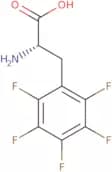
Formula:C20H29FO3Purity:Min. 95%Molecular weight:336.44 g/mol2,3,4,5,6-Pentafluoro-L-phenylalanine
CAS:2,3,4,5,6-Pentafluoro-L-phenylalanine (PFPA) is a substrate molecule that has been shown to inhibit the α1 subunit of the Na+/K+ ATPase in human heart cells. PFPA also inhibits the growth of bacteria in culture and is active against bacterial strains that have developed resistance to other antimicrobial agents. PFPA is also effective against bowel disease caused by H. pylori. PFPA has been shown to inhibit the production of an antimicrobial peptide by hl-60 cells in vitro and has been shown to be effective against a number of infectious diseases including tuberculosis and some autoimmune diseases.
Formula:C9H6F5NO2Purity:Min. 95%Color and Shape:PowderMolecular weight:255.14 g/molRef: 3D-FP99622
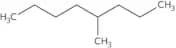
Discontinued product4-Methyloctane
CAS:4-Methyloctane is a hydrocarbon that consists of a chain of eight carbon atoms and four methyl groups. The chemical formula is CH3(CH2)4CH3. 4-Methyloctane has been shown to reduce the proliferation of leukemia cells and human macrophages, which may be due to its ability to inhibit fatty acid synthesis. It also has been shown to have protonation properties, which is why it can be used as a reaction intermediate for many organic reactions.
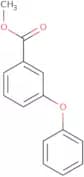
Formula:C9H20Purity:Min. 95%Color and Shape:Colorless Clear LiquidMolecular weight:128.26 g/molMethyl 3-phenoxybenzoate
CAS:Methyl 3-phenoxybenzoate is a fatty acid that is used in the production of insecticides. It is also used as a solvent, fuel additive, and plasticizer. Methyl 3-phenoxybenzoate has shown to have an effect on insects by inhibiting the uptake of pyrethroid insecticides into the insect's body. In addition, it was found to be resistant to rats and unaffected by metabolic pathways in rat brain tissue.
Formula:C14H12O3Purity:Min. 95%Molecular weight:228.24 g/molRef: 3D-FM70581
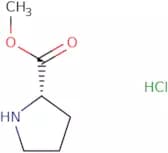
Discontinued productL-Proline methyl ester hydrochloride
CAS:L-Proline methyl ester hydrochloride is an organic compound that is classified as a trifluoroacetic acid ester. It has significant antiproliferative activity and induces apoptotic cell death in colorectal carcinoma cells. L-Proline methyl ester hydrochloride also inhibits the proliferation of lymphocytes by inhibiting protein synthesis, which may be due to its conformational properties. L-Proline methyl ester hydrochloride is synthesized by reacting L-proline with trifluoroacetic acid and subsequently hydrolyzing the resulting ester with hydrochloric acid. The synthesis can be carried out in two steps: first, a chloride ion is added to the protonated form of the amine; second, the protonated form of the amine reacts with hydrophobic compounds such as dodecyl amines or ethyl acetate to form an alkyl group. This reaction can also be carried out using
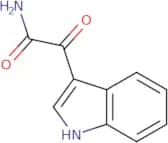
Formula:C6H12ClNO2Color and Shape:White PowderMolecular weight:165.62 g/molIndole-3-glyoxylamide
CAS:Indole-3-glyoxylamide is a synthetic compound that was originally developed as a potential anti-cancer drug. It has been shown to inhibit glycogen synthase kinase 3 (GSK-3) and thereby reduce the production of proinflammatory cytokines in bowel disease. Indole-3-glyoxylamide also inhibits inflammatory bowel disease by inhibiting secretory phospholipase A2, which prevents the release of arachidonic acid from phospholipids. This synthesis is required for the production of prostaglandins and leukotrienes, which are involved in the inflammatory process. The compound has been shown to have immunomodulatory effects in chronic bronchitis, with an inhibitory effect on neutrophil chemotaxis, macrophage activity, and cytokine production. Indole-3-glyoxylamide has also been shown to be effective against cancer cells in vitro and in vivo animal models. It is metabolized through
Formula:C10H8N2O2Purity:Min. 95%Color and Shape:PowderMolecular weight:188.18 g/molRef: 3D-FI30472
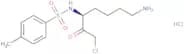
Discontinued productN-alpha-Tosyl-L-lysine chloromethyl ketone HCl
CAS:N-alpha-Tosyl-L-lysine chloromethyl ketone HCl is a chemical compound that binds to DNA. It has been shown to induce neuronal death and caspase-independent cell death in HL60 cells. The compound can also be used as a biochemical probe to study the apoptosis pathway. N-alpha-Tosyl-L-lysine chloromethyl ketone HCl is currently being investigated as an antiinflammatory agent for chronic coughs due to its ability to inhibit proteases.Formula:C14H21ClN2O3S·HClPurity:Min. 95%Color and Shape:PowderMolecular weight:369.31 g/molRef: 3D-FT28926
Discontinued product1-Phenyl-piperidine
CAS:1-Phenyl-piperidine is a psychoactive compound that has been shown to have strong binding affinity for the κ-opioid receptors. It has also been shown to increase locomotor activity in mice and produce hallucinations. 1-Phenyl-piperidine has a number of biological properties including inhibition of dopamine uptake, induction of myocardial infarcts, and toxicity to the ischemic brain. It binds with high affinity to the multidrug efflux pumps such as P-glycoprotein (Pgp) and MDR1, which are responsible for removing drugs from cells. Pgp is induced by cytochrome P450 3A4 (CYP3A4) inhibitors such as ketoconazole, erythromycin, fluconazole, itraconazole, clarithromycin, telithromycin, nefazodone, and grapefruit juice.
Formula:C11H15NPurity:Min. 95%Color and Shape:PowderMolecular weight:161.24 g/mol1-Palmitoyl-rac-glycerol
CAS:1-Palmitoyl-rac-glycerol is a fatty acid that contains nitrogen atoms. It has hypoglycemic effects and is used to treat metabolic disorders. 1-Palmitoyl-rac-glycerol has been shown to have a protective effect on the liver by decreasing the levels of triglycerides in the blood and preventing lipid peroxidation. It also improves glucose metabolism and insulin sensitivity. 1-Palmitoyl-rac-glycerol is an important component of biological membranes, where it forms a hydrophobic region that helps maintain membrane structure. This compound also has hemolytic activity, which may be due to its ability to bind with phospholipids or cell membranes, leading to changes in their permeability or stability. The stability of 1-palmitoyl-rac glycerol can be tested by adding reagents such as sodium nitrite or potassium permanganate, which will cause a color change from yellow to brown if it reacts
Formula:C19H38O4Purity:Min. 95%Color and Shape:PowderMolecular weight:330.5 g/molRef: 3D-FP26736
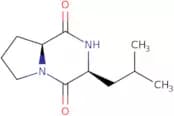
Discontinued productCyclo(L-prolyl-L-leucyl)
CAS:Cyclo(L-prolyl-L-leucyl) is a cyclic lipopeptide that inhibits the transcription of DNA. It binds to the polymerase chain and blocks the transcription process, which prevents the production of RNA. Cyclo(L-prolyl-L-leucyl) has been shown to have an inhibitory effect on human pathogens such as fungi, protozoa, or bacteria. Cyclo(L-prolyl-L-leucyl) also has anti-cancer properties and is used for cancer treatment. Cyclo(L-prolyl-L-leucyl) is extracted from an acetate extract and purified by chromatography. The purified product is then tested in vitro using assays including magnetic resonance spectroscopy.
Formula:C11H18N2O2Purity:Min. 95%Color and Shape:PowderMolecular weight:210.27 g/molRef: 3D-FC20681
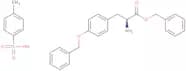
Discontinued productO-Benzyl-L-tyrosine benzyl ester 4-toluenesulfonate
CAS:O-Benzyl-L-tyrosine benzyl ester 4-toluenesulfonate salt is a fine chemical that belongs to the category of useful scaffolds and versatile building blocks. It is a high quality reagent that can be used as a reaction component in the preparation of complex compounds. This compound has shown to be useful in research on various types of drugs, including analgesics, antibiotics, antihistamines, antidepressants, antipsychotics and others.
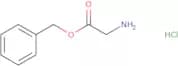
Formula:C23H23NO3•C7H8O3SPurity:Min. 95%Color and Shape:White solid.Molecular weight:533.64 g/molBenzyl glycinate hydrochloride
CAS:Benzyl glycinate hydrochloride is a piperidinecarboxylic acid ester that is bound to a benzyl group. It is chemically stable and has biological properties that are similar to those of oxytocin. This drug may be used as an antiviral agent or in the treatment of infectious diseases, such as hepatitis. The binding of benzyl glycinate hydrochloride to the ns3 protease prevents the conversion of amide-containing prodrugs into active form. The ester hydrochloride moiety in this molecule may act as a competitive inhibitor against carboxylesterases found in erythrocytes, which are responsible for the hydrolysis of oxytocin. Benzyl glycinate hydrochloride also binds to the oxytocin receptor and may be used as an oxytocin mimetic.
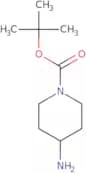
Formula:C9H11NO2•HClPurity:Min. 97 Area-%Color and Shape:PowderMolecular weight:201.65 g/mol4-Amino-1-Boc-piperidine
CAS:4-Amino-1-Boc-piperidine is a potent inhibitor of the CCR5 receptor. It is an x-ray crystal structure with a hydroxide solution that inhibits the growth of cancer cells. The inhibitor binding site for 4-Amino-1-Boc-piperidine was determined to be the CCR5 receptor, which is located on the surface of hematopoietic cells. The compound has been shown to inhibit human T lymphocyte proliferation in vitro and inhibit HIV replication in infected patients. 4-Amino-1-Boc-piperidine is able to inhibit the growth of cancer cells by blocking the production of cytokines, such as interleukin 2, that are needed for cell division and growth.
Formula:C10H20N2O2Purity:Min. 95%Color and Shape:PowderMolecular weight:200.28 g/molRef: 3D-FA09405
Discontinued productN-[(4-Amino-2-methylpyrimidin-5-yl)methyl]formamide
CAS:N-[(4-Amino-2-methylpyrimidin-5-yl)methyl]formamide (NAMPT) is a triazolo compound that inhibits the ATP binding cassette transporter and blocks the uptake of uridine and pyrimidine compounds. It also inhibits inorganic pyrophosphatase, which is an enzyme that catalyzes the hydrolysis of pyrophosphate to inorganic phosphate. NAMPT has been shown to be a substrate for hypochlorous acid production in neutrophils, suggesting it may play a role in the regulation of oxidative stress. Chemical biology studies have demonstrated that NAMPT plays a physiological function as an intermediate in vitamin B1 biosynthesis.
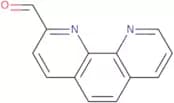
Formula:C7H10N4OPurity:Min. 95%Color and Shape:PowderMolecular weight:166.18 g/mol1,10-Phenanthroline-2-carbaldehyde
CAS:1,10-Phenanthroline-2-carbaldehyde is a phenylhydrazone compound that has been shown to have anticancer activity. It is also a supramolecular complex, which means it can form hydrogen bonds and coordinate bonds with other molecules. The anticancer activity of 1,10-phenanthroline-2-carbaldehyde may be due to its ability to inhibit the growth of prostate carcinoma cells. This compound also inhibits the growth of human cervical carcinoma cells by binding to their DNA and inhibiting the synthesis of RNA and protein. 1,10-Phenanthroline-2-carbaldehyde is being studied for its potential as an inhibitor of tumor angiogenesis.
1,10-Phenanthroline-2-carbaldehyde has been shown to have antiplatelet aggregation effects in platelets from healthy humans as well as those with type 2 diabetes mellitus or chronic kidney disease.Formula:C13H8N2OPurity:Min. 90 Area-%Color and Shape:Off-White PowderMolecular weight:208.22 g/molRef: 3D-FP34912
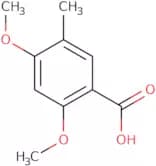
Discontinued product2,4-Dimethoxy-5-methylbenzoic acid
CAS:2,4-Dimethoxy-5-methylbenzoic acid is a compound that belongs to the class of useful building blocks. It has a high quality and can be used as a reagent, complex compound, and useful intermediate in the synthesis of fine chemicals. 2,4-Dimethoxy-5-methylbenzoic acid is also a versatile building block that can be used for the production of speciality chemicals such as research chemicals.
Formula:C10H12O4Purity:Min. 95%Molecular weight:196.2 g/molRef: 3D-FD67032
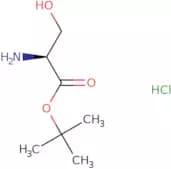
Discontinued productL-Serine tert-butyl ester hydrochloride
CAS:L-Serine tert-butyl ester hydrochloride is a conditionally catalytic reagent that is used to synthesize aromatic compounds. It is an effective catalyst for toluene hydroxylation, and can be used in the synthesis of L-serine from serine. The tert-butyl group on the molecule prevents side reactions by sterically hindering other molecules from reacting with the reagent.
Formula:C7H15O3N·HClPurity:Area-% Min. 95 Area-%Color and Shape:White PowderMolecular weight:197.66 g/molRef: 3D-FS48949
Discontinued product











![2,3,4,9-Tetrahydro-2-methyl-9-phenyl-1H-pyrido[3,4-b]indol-1-one](/_next/image/?url=https%3A%2Fstatic.cymitquimica.com%2Fproducts%2F4Z%2Fthumb-webp%2FH-153.webp&w=3840&q=75)






![2-[4-(methylamino)-3-nitrobenzoyl]benzoic acid](/_next/image/?url=https%3A%2Fstatic.cymitquimica.com%2Fproducts%2F10%2Fthumb-webp%2FF518183.webp&w=3840&q=75)
![(S)-2-(4-(2-(2-Amino-4-oxo-4,7-dihydro-1H-pyrrolo[2,3-d]pyrimidin-5-yl)ethyl)benzamido)pentanedioi…](/_next/image/?url=https%3A%2Fstatic.cymitquimica.com%2Fproducts%2F10%2Fthumb-webp%2FF079404.webp&w=3840&q=75)
![(1R,4R)-rel-2-Benzyl-5-(tert-butoxycarbonyl)-2,5-diazabicyclo[2.2.1]heptane-3-carboxylic acid](/_next/image/?url=https%3A%2Fstatic.cymitquimica.com%2Fproducts%2F10%2Fthumb-webp%2FF986861.webp&w=3840&q=75)





![N-[(4-Amino-2-methylpyrimidin-5-yl)methyl]formamide](/_next/image/?url=https%3A%2Fstatic.cymitquimica.com%2Fproducts%2F3D%2Fthumb-webp%2FFA31702.webp&w=3840&q=75)