


Amino Acids (AA)
Subcategories of "Amino Acids (AA)"
- Amino Acid Derivatives(4,016 products)
- Amino Acid and Amino Acid Related Compounds(3,490 products)
- Amino Acids with Oxygen or Sulphur(168 products)
- Boc- Amino Acids(351 products)
- Fmoc Amino Acids(1,710 products)
Found 38369 products of "Amino Acids (AA)"
7-Methoxy-1-tetralone
CAS:7-Methoxy-1-tetralone is a synthetic compound that inhibits the activity of hepg2 cells. It has been shown to induce apoptosis in these cells and inhibit tumor growth in vivo. This substance is a fatty acid derivative that can be synthesized by Friedel-Crafts acylation of 7-methoxycoumarin with oleic acid. 7-Methoxy-1 tetralone has been shown to have antitumor effects in vitro, as well as in vivo animal studies. The inhibition of hepg2 cells may be due to damage to the cell membrane, which leads to the release of lysosomal enzymes and cell death.Formula:C11H12O2Purity:Min. 95%Color and Shape:PowderMolecular weight:176.21 g/molBoc-N-methyl-D-isoleucine
CAS:Boc-N-methyl-D-isoleucine is a useful building block and research chemical. It is a high quality, complex compound that is versatile for use as a reaction component or scaffold. Boc-N-methyl-D-isoleucine can be used to produce fine chemicals, pharmaceuticals, herbicides, pesticides, and other products.Formula:C12H23NO4Purity:Min. 95%Color and Shape:PowderMolecular weight:245.32 g/mol7-Methylindole
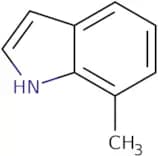
CAS:7-Methylindole is a biochemical substance that is synthesized in the body. It is produced in the liver, and it can be found in the brain, heart, and kidney. 7-Methylindole has been shown to have cancer-fighting properties. 7-Methylindole binds to DNA by methylating nucleic acid bases, which causes a change in the genetic code. This leads to tumor cells being more sensitive to treatment with other substances that inhibit DNA synthesis or repair, such as anthranilate and 5-methoxyindole.
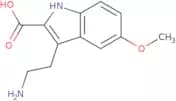
Formula:C9H9NPurity:Min 98%Color and Shape:PowderMolecular weight:131.17 g/mol3-(2-Aminoethyl)-5-methoxy-1H-indole-2-carboxylic acid
CAS:3-(2-Aminoethyl)-5-methoxy-1H-indole-2-carboxylic acid is a fine chemical that is used as a building block for research chemicals, reagents, and specialty chemicals. It has the CAS No. 52648-13-2. 3-(2-Aminoethyl)-5-methoxy-1H-indole-2-carboxylic acid is also a versatile building block for synthesis of complex compounds with high quality and is a reaction component in many reactions. This compound can serve as an intermediate or scaffold in chemical synthesis.Formula:C12H14N2O3Purity:Min. 95%Color and Shape:White PowderMolecular weight:234.25 g/molFmoc-a-Me-Glu(OtBu)-OH
CAS:Fmoc-a-Me-Glu(OtBu)-OH is a versatile chemical that can be used to synthesize complex compounds in the laboratory. It is a useful building block for organic synthesis and can be used as a reagent, speciality chemical, or useful scaffold. It has been shown to be of high quality and is often used as an intermediate for other compounds. Fmoc-a-Me-Glu(OtBu)-OH is also listed by CAS number 1072845-48-7.
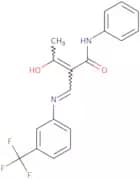
Formula:C25H29NO6Purity:Min. 97 Area-%Color and Shape:PowderMolecular weight:439.5 g/mol2-acetyl-N-phenyl-3-((3-(trifluoromethyl)phenyl)amino)prop-2-enamide
CAS:Please enquire for more information about 2-acetyl-N-phenyl-3-((3-(trifluoromethyl)phenyl)amino)prop-2-enamide including the price, delivery time and more detailed product information at the technical inquiry form on this pageFormula:C18H15F3N2O2Purity:Min. 95%Color and Shape:PowderMolecular weight:348.32 g/mol(R)-N-Methyl-3-(1-naphthoxy)-3-(2-thienyl)propylamine hydrochloride
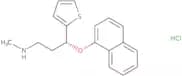
CAS:Controlled Product(R)-N-Methyl-3-(1-naphthoxy)-3-(2-thienyl)propylamine hydrochloride is a nonsteroidal anti-inflammatory drug that has been shown to be effective for the treatment of osteoarthritis, rheumatoid arthritis, ankylosing spondylitis, and chronic low back pain. This drug can also be used for other inflammatory conditions such as psoriasis and Crohn's disease. The mechanism of action of (R)-N-Methyl-3-(1-naphthoxy)-3-(2-thienyl)propylamine hydrochloride is not fully understood. It may work by blocking the synthesis of prostaglandins in the body. This drug is metabolized in the liver to its active form, which binds to cyclooxygenase 1 and 2 enzymes to inhibit the production of prostaglandins. It also inhibits human serum x-rayFormula:C18H19NOS•HClPurity:Min. 95%Color and Shape:White To Off-White SolidMolecular weight:333.88 g/molFmoc-N-Me-Asp(OtBu)-OH
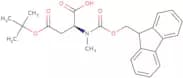
CAS:Fmoc-N-Me-Asp(OtBu)-OH is a synthetic peptide with potential immunosuppressive properties. It has been shown to inhibit the proliferation of human lymphocytes in response to lipopolysaccharides (LPS) and also to suppress the release of cytokines such as IL-1β, IL-6, and TNFα. The effects were dose dependent and could be reversed by the addition of a neutralizing antibody. This peptide can be used as an immunosuppressant in clinical trials that are investigating treatments for myasthenia gravis. Fmoc-N-Me-Asp(OtBu)-OH has been synthesised using chemical synthesis methods from commercially available reagents.Formula:C24H27NO6Purity:Min. 98 Area-%Color and Shape:PowderMolecular weight:425.47 g/mol1-Boc-amino-3,6,9-trioxaundecanyl-11-ol
CAS:1-Boc-amino-3,6,9-trioxaundecanyl-11-ol is a PEG polymer categorised as monofunctional (OH-PEG-X). Used as a linker, 1-boc-amino-3,6,9-trioxaundecanyl-11-ol is used to attached PEG to proteins, peptides, oligonucleotides, nanoparticles and small molecules via pegylation, a bioconjugation technique.Formula:C13H27NO6Purity:Min. 95%Color and Shape:Clear LiquidMolecular weight:293.36 g/molBoc-L-cysteine
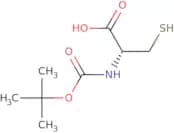
CAS:Boc-L-cysteine is a precursor of L-cysteine, which is the rate-limiting amino acid in the production of glutathione. It is obtained by incubating L-cysteine with allyl bromide and hydrochloric acid. Boc-L-cysteine can be reversibly converted to its conjugate (Boc) and back again. The conversion from Boc to Boc-L-cysteine is catalyzed by an enzyme called fatty acid synthase. The conversion from Boc to L-cysteine is catalyzed by thiolase, which converts it to cystathionine. Analysis of this product can be done using magnetic resonance spectroscopy and chromatography.Formula:C8H15NO4SPurity:Min. 95 Area-%Color and Shape:White PowderMolecular weight:221.28 g/molFmoc-4-(Boc-amino)-D-phenylalanine
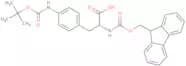
CAS:Fmoc-4-(Boc-amino)-D-phenylalanine is a versatile building block and a useful intermediate in organic synthesis. It is used as a reaction component in the synthesis of pharmaceuticals, antibiotics, herbicides, pesticides and other organic compounds. Fmoc-4-(Boc-amino)-D-phenylalanine is also used as an additive for the production of polyurethane foams. This compound has a high quality and purity level and can be used as a reagent for chemical reactions.Formula:C29H30N2O6Purity:Min. 98 Area-%Color and Shape:White Off-White PowderMolecular weight:502.56 g/mol4-Methoxybenzoin
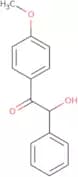
CAS:4-Methoxybenzoin is a phenolic compound that belongs to the carbinols. It is an aromatic hydrocarbon that can be synthesized by heating benzaldehyde with methanol and sodium carbonate in ethanol. 4-Methoxybenzoin is used as a chemical intermediate for the synthesis of other chemicals, such as quinidine, anisole, thiosemicarbazide and hydrochloric acid. 4-Methoxybenzoin has been shown to react with cellulose acetate to form an acidic photodegradation product. This reaction can be suppressed by adding sulfuric acid or sodium sulfite.Formula:C15H14O3Purity:Min. 95%Color and Shape:White PowderMolecular weight:242.27 g/molH-Val-AMC
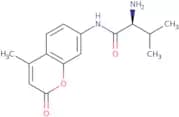
CAS:H-Val-AMC is a scleral depressant that has been shown to lower intraocular pressure (IOP) in humans and animals. It is a non-penetrating agent that has been show to be well tolerated in humans with no significant side effects. H-Val-AMC can be used as an alternative to medications such as timolol, which are not well tolerated by many patients. The effectiveness of H-Val-AMC is statistically significant when compared to timolol and other agents, but it does not produce a substantial reduction in IOP. This drug should be administered in conjunction with other glaucoma treatment methods including positioning, suturing, perimetry, pachymetry and sclerectomy.Formula:C15H18N2O3Purity:Min. 95%Color and Shape:PowderMolecular weight:274.32 g/mol2-Hydroxy-4-methoxyacetophenone
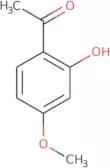
CAS:2-Hydroxy-4-methoxyacetophenone is a compound that has been shown to have a minimal toxicity profile and a wide range of pharmacological activities. It inhibits the activity of NF-κB, which is an inflammatory signaling protein, and also has antioxidant properties. 2-Hydroxy-4-methoxyacetophenone has been shown to reduce the severity of cardiovascular disease by inhibiting oxidative injury in the mitochondria and reducing oxidative stress. This drug also reduces atherosclerotic lesions and prevents hypoglycemia by increasing glucose uptake in tissues. Moreover, it can be used to treat leukemia inhibitory factor in patients with chronic myeloid leukemia (CML).Formula:C9H10O3Purity:Min. 95%Color and Shape:PowderMolecular weight:166.17 g/mol(2S)-N-Boc-2-amino-4-azido-butanoic acid methyl ester
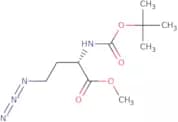
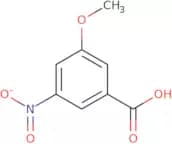
CAS:(2S)-N-Boc-2-amino-4-azido-butanoic acid methyl ester is a high quality, reagent, complex compound, useful intermediate, fine chemical that is used as a building block in the synthesis of speciality chemicals.Formula:C10H18N4O4Purity:Min. 95%Color and Shape:PowderMolecular weight:258.27 g/mol3-Methoxy-5-nitrobenzoic acid
CAS:3-Methoxy-5-nitrobenzoic acid is an organic compound that has mesomorphic and switchable properties. It is a chalcone derivative, with homologues such as 3-hydroxybenzoic acid. It is synthesized from the reaction of nitrous acid and 3-methoxybenzoic acid. The synthesis of this compound can be achieved by two different routes: peroxide oxidation or fluorine substitution. Both routes produce the same product, but offer different advantages. The first route involves the addition of hydrogen peroxide to 3-methoxybenzoic acid, which produces a mixture of products containing 3-methoxy-5-nitrobenzoic acid. This route is advantageous in that it can be conducted at room temperature with high yields, but the disadvantage is that this method produces a mixture of products which may contain undesired byproducts. The second route involves the use of sodium hypofluorite and potassium
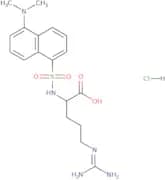
Formula:C8H7NO5Purity:Min. 95%Color and Shape:PowderMolecular weight:197.14 g/molα-Dansyl-L-arginine hydrochloride
CAS:a-Dansyl-L-arginine hydrochloride is a substrate that binds to albumin and is an antimicrobial peptide. It has been shown to have a fatty acid adsorption mechanism and inactivated. The molecule is an amide with a structural analysis using analytical chemistry, titration calorimetry, and hyperbolic graphs. The enhancement constant is a constant term that is used in the Arrhenius equation for kinetic studies.Formula:C18H25N5O4S•HClPurity:Min. 95%Color and Shape:PowderMolecular weight:443.95 g/molFmoc-(S)-4-amino-2-carboxymethyl-1,3,4,5-tetrahydro-2H-[2]benzazepin-3-one
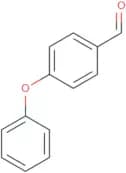
CAS:Fmoc-(S)-4-amino-2-carboxymethyl-1,3,4,5-tetrahydro-2H-[2]benzazepin-3-one is a specialized chemical compound, which is an Fmoc-protected amino acid derivative. This compound is synthesized through a series of organic synthesis steps that incorporate chiral precursors to ensure enantiomeric purity. As a building block for peptide synthesis, it acts by introducing a protected amino function into the peptide chain, providing stability and selectivity during the synthesis process.The primary applications of Fmoc-(S)-4-amino-2-carboxymethyl-1,3,4,5-tetrahydro-2H-[2]benzazepin-3-one are in the fields of medicinal chemistry and drug discovery, where it plays a crucial role in the development of novel peptide-based therapeutics. This compound is particularly valuable due to its ability to enhance the bioavailability and metabolic stability of peptides, allowing for the exploration of new therapeutic pathways and functions. Its use is integral in the design of peptides with specific biological activities, facilitating research into new pharmacological agents and treatments.Formula:C27H24N2O5Purity:Min. 95%Molecular weight:456.49 g/mol4-Phenoxybenzaldehyde
CAS:4-Phenoxybenzaldehyde is a phenolic compound that has potent inhibitory activity against bacteria. It was shown to have the highest antibacterial activity among alkanoic acids, with an MIC of less than 2 µg/mL. 4-Phenoxybenzaldehyde is produced by the condensation of phenol and acetaldehyde in the presence of a solid catalyst and potassium hydroxide. This reaction produces a mixture of products, including 4-phenoxybenzaldehyde, which can be purified by recrystallization or column chromatography. The biosynthetic pathway for 4-phenoxybenzaldehyde in plants has been elucidated and includes two steps: one involving pyrazole ring formation and another involving hydroxyl group formation.Formula:C13H10O2Purity:Min. 95%Molecular weight:198.22 g/mol8-Hydroxy-7-methoxy-2-oxo-2H-1-benzopyran-3-carboxylic acid
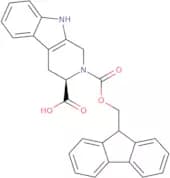
8-Hydroxy-7-methoxy-2-oxo-2H-1-benzopyran-3-carboxylic acid is a versatile building block with a broad range of applications. It has been used in the synthesis of many complex compounds and research chemicals, including CAS No. 1207819-96-6. This chemical can be used as a reagent to produce important biological molecules such as antibiotics, antivirals, and antihypertensives.Formula:C11H7NO8Purity:Min. 95%Color and Shape:Green SolidMolecular weight:281.18 g/molFmoc-D-1,2,3,4-tetrahydronorharman-3-carboxylic acid
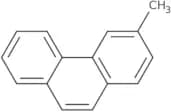
CAS:Fmoc-D-1,2,3,4-tetrahydronorharman-3-carboxylic acid is a fine chemical that is a versatile building block and reaction intermediate. It is a high quality compound with CAS No. 268731-07-3. Fmoc-D-1,2,3,4-tetrahydronorharman-3-carboxylic acid can be used as a reagent for the synthesis of complex compounds and scaffolds. This compound has been shown to have useful properties in the research field.Formula:C27H22N2O4Purity:Min. 95%Molecular weight:438.47 g/mol3-Methylphenanthrene
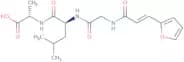
CAS:3-Methylphenanthrene is a compound that inhibits the reductase activity of aromatic hydrocarbons. 3-Methylphenanthrene has been shown to inhibit both bacterial and mammalian reductases, with interactive effects on the enzyme's substrate molecule. It also shows an inhibitory effect on axonal growth, which may be due to its ability to reduce fatty acid uptake, as well as its ability to interact with the aromatic hydrocarbon uptake system. 3-Methylphenanthrene is easily detected by spectrometry analyses and can be used as a substrate molecule for bacterial enzymes.Formula:C15H12Purity:Min. 98%Color and Shape:White PowderMolecular weight:192.26 g/molFA-Gly-Leu-Ala-OH TFA
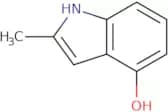
CAS:FA-Gly-Leu-Ala-OH TFA is a high quality reagent that can be used for the synthesis of complex compounds. It is an intermediate for the production of fine chemicals and speciality chemicals, which are used as reaction components in the synthesis of versatile building blocks. This compound is also an excellent scaffold for research chemicals and useful as a building block in the synthesis of speciality chemicals.Formula:C18H25N3O6•TFAPurity:Min. 95%Color and Shape:PowderMolecular weight:493.43 g/mol4-Hydroxy-2-methylindole
CAS:4-Hydroxy-2-methylindole is an organic compound that belongs to the class of metal salts. It can be obtained as a white solid by reacting indole with alkali metal hydroxide or alkali metal carbonate in the presence of water at high temperatures. The reaction yields 4-hydroxy-2-methylindole and hydrogen chloride gas, which are removed by distillation. 4-Hydroxy-2-methylindole is used in the production of epichlorohydrin, which is a raw material for polyurethane resins and olefins.Formula:C9H9NOPurity:Min. 95%Color and Shape:PowderMolecular weight:147.17 g/molSolvent Blue 63
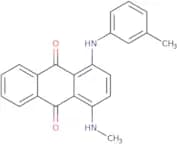
CAS:1-[2,(3)-Methylanilino]-4-(methylamino)anthraquinone is a diazo dye that emits light when irradiated with UV-A or UV-B radiation. It is used as a fluorescent stain in electron microscopy to detect and identify the presence of metals and metal oxides in films. The compound is also used in polyvinyl chloride (PVC) films to increase thermal expansion and viscosity. 1-[2,(3)-Methylanilino]-4-(methylamino)anthraquinone may be used as a substrate film for the production of polyurethane foam for furniture cushions and automotive components. The compound can be acylated with fatty acids such as p-hydroxybenzoic acid to give it desirable properties such as lower viscosity, better adhesion, or improved light emission. This reaction can be catalyzed by heat or radiation.Formula:C22H18N2O2Purity:Min. 95%Color and Shape:PowderMolecular weight:342.39 g/mol4-Phenoxycinnamic acid
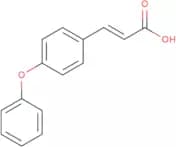
CAS:4-Phenoxycinnamic acid is a useful scaffold and building block in organic chemistry. It is a versatile chemical intermediate with a CAS number of 2215-83-0, often used in the synthesis of other molecules. 4-Phenoxycinnamic acid has recently been shown to be an effective reagent for the conversion of nitrobenzene to benzyl alcohols, which are useful in the production of pharmaceuticals. This compound can also be used as a high-quality research chemical and as a speciality chemical for use in laboratory experimentation.Formula:C15H12O3Purity:Min. 95%Color and Shape:PowderMolecular weight:240.25 g/mol7,8-Dihydroxy-4-phenylcoumarin
CAS:7,8-Dihydroxy-4-phenylcoumarin (7,8-DPC) is a coumarin derivative that inhibits human cytochrome P450 enzymes. It binds to the heme group of the enzyme and is reversible by hydroxylation. 7,8-DPC has been shown to inhibit catalytic activity in rat liver microsomes and recombinant human cytochrome P450 enzymes. This molecule has also been shown to be an irreversible inhibitor of human cytochrome P450 2C9. The carbonyl group found on the 7,8-DPC molecule's structure is responsible for its inhibitory activities.
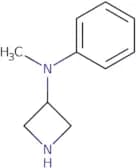
Formula:C15H10O4Purity:Min. 95%Color and Shape:PowderMolecular weight:254.24 g/molN-Methyl-N-phenylazetidin-3-amine hydrochloride
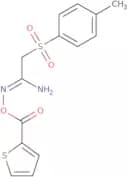
CAS:N-Methyl-N-phenylazetidin-3-amine hydrochloride is a white solid with a melting point of 175°C. It is soluble in water, ethanol, and ether. N-Methyl-N-phenylazetidin-3-amine hydrochloride is an intermediate for the synthesis of chemical compounds that are used in research and development. This compound can be used as a building block to create complex compounds with biological activity. It can also be used as a scaffold to create novel chemical compounds that have not been observed before. The quality of this chemical is high, making it suitable for research purposes.Formula:C10H15N2ClPurity:Min. 95%Color and Shape:Solid.Molecular weight:198.69 g/mol2-Amino-1-aza-3-((4-methylphenyl)sulfonyl)prop-1-enyl thiophene-2-carboxylate
CAS:Please enquire for more information about 2-Amino-1-aza-3-((4-methylphenyl)sulfonyl)prop-1-enyl thiophene-2-carboxylate including the price, delivery time and more detailed product information at the technical inquiry form on this pageFormula:C14H14N2O4S2Purity:Min. 95%Color and Shape:PowderMolecular weight:338.4 g/molTribenuron-methyl
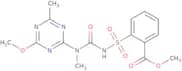
CAS:Tribenuron-methyl is an herbicide that inhibits the activity of acetolactate synthase (ALS) in plants, which is an enzyme involved in the production of the branched-chain amino acid valine. Tribenuron-methyl has been shown to inhibit ALS activity in wheat and some resistant mutants of ALS are still inhibited by this herbicide. The synergic effect between tribenuron-methyl and other herbicides is also important for controlling weeds. Resistant mutants can be reduced using a dispersive solid-phase extraction method, which involves applying a liquid solvent to the soil, extracting water-soluble molecules from the soil, and then concentrating them on a solid phase such as silica gel. This extraction method was used to study the metabolism of herbicides in wheat plants.Formula:C15H17N5O6SPurity:Min. 95%Color and Shape:PowderMolecular weight:395.39 g/molN-[2-(Fmoc-amino)-ethyl]glycine tert-butylester hydrochloride
CAS:Please enquire for more information about N-[2-(Fmoc-amino)-ethyl]glycine tert-butylester hydrochloride including the price, delivery time and more detailed product information at the technical inquiry form on this pageFormula:C23H28N2O4·HClPurity:Min. 95%Color and Shape:PowderMolecular weight:432.94 g/mol3-Bromo-5-methylphenol
CAS:3-Bromo-5-methylphenol is an enolate that can be used to synthesize methicillin-resistant dibenzofurans. The synthesis of these compounds is a multistep process, which includes the formation of an enolate from 3-bromo-5-methylphenol and subsequent displacement with a variety of electrophiles. The use of 3-bromo-5-methylphenol as an enolate allows for high yields in the synthesis of dibenzofurans. Further, this compound has antibacterial properties and is effective against both gram positive and negative bacteria. 3-Bromo-5-methylphenol also has chloride and sulfonation properties, which have been used to make advances in the development of antibacterial agents.
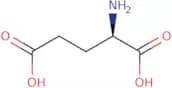
Formula:C7H7BrOPurity:Min. 95%Color and Shape:PowderMolecular weight:187.03 g/molGlutamic acid
CAS:Glutamic acid is a non-essential amino acid that is present in all cells. It is one of the most abundant amino acids and plays an important role in the biochemical properties and biological properties of living organisms. Glutamic acid has been found to be an important neurotransmitter and is involved in neuronal activity, which can lead to death. It also has been shown to be a potent inhibitor of DNA polymerase, which may explain the structural analysis of glutamic acid as a divalent cation coordination-activator molecule. Glutamate can be used as a model system for studying glutamate receptor function and its optimum concentration is determined using vitro assays. The dinucleotide phosphate (NADPH) oxidase pathway may be involved in the toxicity of glutamic acid as it produces reactive oxygen species.
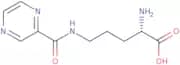
Formula:C5H9NO4Purity:Min. 95%Color and Shape:White PowderMolecular weight:147.13 g/molNd-Pyrazinylcarbonyl-L-ornithine
CAS:Nd-Pyrazinylcarbonyl-L-ornithine is a versatile building block for the synthesis of complex compounds. This compound is used as a reagent for research and as a speciality chemical. It has been shown to be an intermediate in organic chemistry and as a reaction component in organic synthesis. Nd-Pyrazinylcarbonyl-L-ornithine is also useful as a scaffold in drug development, with its applications including antiviral agents, antibiotics, anticancer drugs, and antifungal drugs.Formula:C10H14N4O3Purity:Min. 95%Color and Shape:SolidMolecular weight:238.24 g/molFmoc-a-Me-Phe(2,6-DiF)-OH
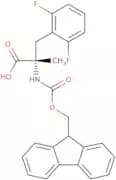
CAS:Fmoc-a-Me-Phe(2,6-DiF)-OH is a versatile building block useful in the synthesis of complex compounds. The compound is a reagent that has been used in the synthesis of various research chemicals and speciality chemicals. Fmoc-a-Me-Phe(2,6-DiF)-OH has also been used as an intermediate for the synthesis of other compounds that are useful as reaction components or scaffolds.Formula:C25H21F2NO4Purity:Min. 95%Color and Shape:PowderMolecular weight:437.44 g/molL-Lysine amide dihydrochloride
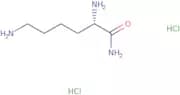
CAS:L-Lysine amide dihydrochloride is a crystalline compound that is used for the treatment of tumours. It has been shown to bind to the enzyme iridoid synthase, which is involved in the formation of imines and aldehydes. L-Lysine amide dihydrochloride also inhibits the production of staining compounds, such as fluorine and heterocycles. The compound may also be used cosmetically as an anti-aging agent because it can inhibit the production of collagenase and elastase, which cause degradation of collagen.Formula:C6H15N3O•HCl2Purity:Min. 95%Color and Shape:Off-White PowderMolecular weight:218.12 g/mol4-(N-Methylamino)benzonitrile
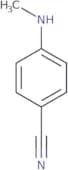
CAS:4-(N-Methylamino)benzonitrile is a chemical compound that has an inhibitory effect on the reaction rate of amines. It is activated in the presence of light and can be used to measure the concentration of amines in solution. The fluorescence emission spectrum of 4-(N-Methylamino)benzonitrile changes with the concentration of amines, which can be detected by a photometer. Kinetic data for this compound show that it has two reaction intermediates and shows a multiexponential decay with a hydrogen bond interaction as well as an inhibitory effect on the reaction rate. This chemical also exhibits thermally activated inhibition properties and has an activation energy constant of 0.3 kcal/mol.Formula:C8H8N2Purity:Min. 95%Color and Shape:PowderMolecular weight:132.16 g/molL-Cystine
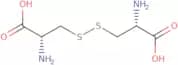
CAS:L-Cystine is a nonessential amino acid in humans. It is a sulfur-containing amino acid, which forms the cystine molecule with another L-cysteine molecule. Cystine has been shown to have antioxidant properties due to its redox potentials and ability to form disulfide bonds. L-Cystine can be synthesized by the enzyme ATP-binding cassette transporter using the redox potential of NADH. It also plays an important role in protein synthesis, as it is a component of many proteins, including those that are involved in neural death and bowel disease. L-Cystine has also been found to have physiological effects on the human body at levels that are not toxic.Formula:C6H12N2O4S2Purity:Min 98.5%Color and Shape:White PowderMolecular weight:240.3 g/mol8-Methyl-3,8-diazabicyclo[3.2.1]octane dihydrochloride
CAS:8-Methyl-3,8-diazabicyclo[3.2.1]octane dihydrochloride is a high quality reagent that is used as an intermediate in the synthesis of complex compounds. This compound has been shown to be useful as a scaffold for the synthesis of new compounds and is also a versatile building block for reactions in organic chemistry. 8-Methyl-3,8-diazabicyclo[3.2.1]octane dihydrochloride is also used as a speciality chemical and research chemical in various fields such as pharmaceuticals, agrochemicals, and other industries.Formula:C7H16Cl2N2Purity:Min. 95 Area-%Color and Shape:PowderMolecular weight:199.12 g/mol3-Hydroxy-1-methylazetidine
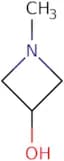
CAS:3-Hydroxy-1-methylazetidine is a reagent that has a high quality and is useful as an intermediate, scaffold, or building block. It can be used in the synthesis of complex compounds. 3-Hydroxy-1-methylazetidine has been shown to be useful in reactions to produce fine chemicals and research chemicals. This chemical has versatile uses including being a reaction component for the synthesis of speciality chemicals.Formula:C4H9NOPurity:Min. 95%Color and Shape:Clear LiquidMolecular weight:87.12 g/molN-a,e-Bis-Boc-L-lysine N-hydroxysuccinimide ester
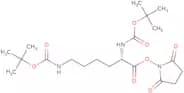
CAS:N-a,e-Bis-Boc-L-lysine N-hydroxysuccinimide ester is a drug that is used to treat cancer. It has been shown to increase the uptake of cancer cells in vitro and in vivo, as well as inhibit the proliferation of cancer cells. This drug has also been shown to be fusogenic and cause cell death by interfering with lysine residues, which are important for cellular function. The mechanism of action for this drug is not yet fully understood, but it may be due to the inhibition of fatty acid synthesis or an acidic environment.Formula:C20H33N3O8Purity:Min. 95%Color and Shape:PowderMolecular weight:443.49 g/mol3-Phenylcoumarin
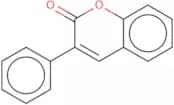
CAS:3-Phenylcoumarin is a naturally occurring compound that has been shown to have cytotoxic effects on cervical cancer cells. It is also a reactive and inflammatory agent, which can lead to the development of inflammatory diseases in humans. 3-Phenylcoumarin has been shown to inhibit the growth of cancer cells by inhibiting DNA synthesis and cell division, as well as by causing programmed cell death. This compound was found to be effective at an effective dose of 10µM in a rotarod test. The molecular modeling studies suggest that 3-phenylcoumarin binds to the active site of human liver microsomal cytochrome P450 enzymes and inhibits their activity. Viscosity has also been found to be an important factor for determining the solubility and stability of this compound.
Formula:C15H10O2Purity:Min. 95%Color and Shape:PowderMolecular weight:222.24 g/mol3-Methylphenoxyacetic acid
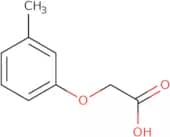
CAS:3-Methylphenoxyacetic acid is an organic compound that has a zirconium atom in its chemical structure. This molecule is acidic and can be found in the form of a hydrate. 3-Methylphenoxyacetic acid has been shown to be soluble in organic solvents such as benzene, chloroform, and methylene chloride. The molecular weight of this compound is not yet known, but the calculated density is 1.49 g/mL. 3-Methylphenoxyacetic acid has a planar molecular geometry and the intramolecular hydrogen bonds are formed by O1 and O3 with H1 and H2 respectively. The Lewis electron dot diagram for this molecule indicates that there are no lone pairs on any atoms.
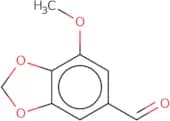
Formula:C9H10O3Purity:Min. 95%Color and Shape:White PowderMolecular weight:166.17 g/mol3-Methoxy-4,5-methylenedioxybenzaldehyde
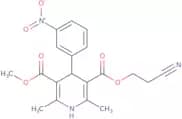
CAS:Controlled Product3-Methoxy-4,5-methylenedioxybenzaldehyde (MMDA) is an amine that is used in the synthesis of drugs and pharmaceuticals. It is a major component of myristicin, which is found in nutmeg. MMDA can be synthesized from aluminium chloride, hydrochloric acid and pyridine. The molecule has a skeleton that is recemic at acidic pH values and mesoionic at basic pH values. This compound also reacts with acetyl chloride to form 3,4-dimethoxyacetophenone, which can be chromatographically separated from other compounds. The chromatography produces flavonoid derivatives such as quercetin, 3′-methoxyquercetin and 3′,4′-dimethoxyquercetin. Flavonoids are polyphenolic compounds found in plants that have antioxidant properties. Chromatographic separation of these compounds can be done using spectrometric methods toFormula:C9H8O4Purity:Min. 95 Area-%Color and Shape:Off-White PowderMolecular weight:180.16 g/mol1,4-Dihydro-2,6-dimethyl-4-(3-nitrophenyl)-3,5-pyridinedicarboxylic acid 3-(2-cyanoethyl) 5-methyl ester
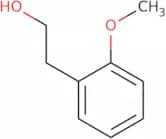
CAS:1,4-Dihydro-2,6-dimethyl-4-(3-nitrophenyl)-3,5-pyridinedicarboxylic acid 3-(2-cyanoethyl) 5-methyl ester is a chemical compound that has the CAS number 75130-24-4. It is a white powder with a melting point of 144°C. This chemical is soluble in acetone, ether and chloroform. It can be used as a building block for organic synthesis due to its versatility and useful scaffold.Formula:C19H19N3O6Purity:Min. 95%Color and Shape:White to yellow solid.Molecular weight:385.37 g/mol2-(2-Methoxyphenethyl) alcohol
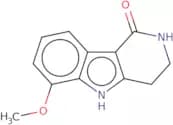
CAS:2-(2-Methoxyphenethyl) alcohol (2MPE) is a ligand that binds to the phenylpropanoid glycosides, which are responsible for the biosynthesis of plant pigments. It has been shown to inhibit tyrosinase and tyrosinase activity in vitro. 2MPE is used in radiopharmaceuticals as a radioactive label. It has also been shown to inhibit melanogenesis and the synthesis of volatile compounds in corncob at high temperatures. 2MPE is found in rhodiola and together with 2-hydroxyphenylacetic acid, it inhibits bacterial growth by inhibiting protein synthesis.Formula:C9H12O2Purity:Min. 98%Color and Shape:Clear LiquidMolecular weight:152.19 g/mol1-Keto-6-methoxy-1,2,3,4-tetrahydro-β-carboline
CAS:1-Keto-6-methoxy-1,2,3,4-tetrahydro-beta-carboline is a versatile building block that can be used in the synthesis of various compounds. It is an intermediate that can be used to synthesize other compounds such as 1-methylpiperazine and 1-(2,4-dichlorophenyl)piperazine. It has been shown to have high quality and is useful as a reagent for the synthesis of many different compounds. 1-Keto-6-methoxy-1,2,3,4-tetrahydro-beta carboline is also a useful scaffold for research chemicals and speciality chemicals. CAS No: 128487–09–2Formula:C12H12N2O2Purity:Min. 95%Molecular weight:216.24 g/molO-Benzyl-L-tyrosine
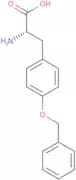
CAS:O-Benzyl-L-tyrosine is an alkylated aromatic amino acid, which is synthesized by the reaction of chloromethyl ketone with proctolin. It has been shown to have anti-obesity properties in mice and rats. O-Benzyl-L-tyrosine has also been used to encapsulate a variety of drugs, including insulin, as well as small drug molecules like chemotherapeutic agents. The drug is immobilized in an organic polymer film through ester linkage. The film can be removed from the drug by dissolving it in chloroformate, or by exposing it to light and heat.Formula:C16H17NO3Purity:Min. 95%Color and Shape:White/Off-White SolidMolecular weight:271.31 g/mol3-((2-Mercapto-1-methylpropyl)thio)-2-butanol
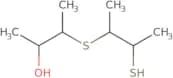
CAS:3-((2-Mercapto-1-methylpropyl)thio)-2-butanol is a high quality synthetic intermediate that can be used as a reagent, a building block for the synthesis of complex compounds, or as an intermediate for the production of speciality chemicals. 3-((2-Mercapto-1-methylpropyl)thio)-2-butanol is soluble in organic solvents and has a high boiling point. It is also useful as a reaction component in the synthesis of fine chemicals and research chemicals. 3-(2 Mercaptoethylthio) 2 butanol has CAS No. 54957-02-7, and may be found under various synonyms such as 1-(3 mercaptoethylthio) butane, 1-(3 mercaptoethylthiobutane), or 1-[3-(mercaptomethyl)propyl] thiobutane.
Formula:C8H18OS2Purity:Min. 95%Color and Shape:Colorless Clear LiquidMolecular weight:194.36 g/mol4-Amino-5-chloro-2,3-dihydro-N-[1-(3-methoxypropyl)-4-piperidinyl]-7-benzofurancarboxamide
CAS:The drug 4-Amino-5-chloro-2,3-dihydro-N-[1-(3-methoxypropyl)-4-piperidinyl]-7-benzofurancarboxamide (BZP) is a histamine H2 receptor antagonist. It binds to the histamine H2 receptor in the stomach and duodenum, thereby blocking stomach acid production. BZP has been shown to be effective for treating symptoms of constipation or diarrhoea caused by inflammatory bowel disease or abdominal surgery. BZP also reduces the risk of relapse after surgery but does not affect long term efficacy. This drug is not available in the United States and has significant interactions with other drugs and symptoms including constipation, bowel disease, long term efficacy, and analytical method.Formula:C18H26ClN3O3Purity:Min. 95%Color and Shape:White PowderMolecular weight:367.87 g/mol



![Fmoc-(S)-4-amino-2-carboxymethyl-1,3,4,5-tetrahydro-2H-[2]benzazepin-3-one](/_next/image/?url=https%3A%2Fstatic.cymitquimica.com%2Fproducts%2F3D%2Fthumb-webp%2FFF50028.webp&w=3840&q=75)
![N-[2-(Fmoc-amino)-ethyl]glycine tert-butylester hydrochloride](/_next/image/?url=https%3A%2Fstatic.cymitquimica.com%2Fproducts%2F3D%2Fthumb-webp%2FFF49771.webp&w=3840&q=75)

![8-Methyl-3,8-diazabicyclo[3.2.1]octane dihydrochloride](/_next/image/?url=https%3A%2Fstatic.cymitquimica.com%2Fproducts%2F3D%2Fthumb-webp%2FFM140960.webp&w=3840&q=75)
![4-Amino-5-chloro-2,3-dihydro-N-[1-(3-methoxypropyl)-4-piperidinyl]-7-benzofurancarboxamide](/_next/image/?url=https%3A%2Fstatic.cymitquimica.com%2Fproducts%2F3D%2Fthumb-webp%2FFA27248.webp&w=3840&q=75)