Amino Acids (AA)
Subcategories of "Amino Acids (AA)"
- Amino Acid Derivatives(4,017 products)
- Amino Acid and Amino Acid Related Compounds(3,491 products)
- Amino Acids with Oxygen or Sulphur(168 products)
- Boc- Amino Acids(351 products)
- Fmoc Amino Acids(1,710 products)
Found 38385 products of "Amino Acids (AA)"
1-(3-Methylphenyl)ethanol
CAS:1-(3-Methylphenyl)ethanol is an organic compound that has a hydroxyl group, homochiral carbonyl group, and aromatic hydrocarbon. It is a product of the catalysed reaction between a hydroxyl compound and an alkyne molecule. The reaction mechanism begins with the formation of an imine intermediate. This intermediate then undergoes a double displacement to form the desired product and regenerate the catalyst. 1-(3-Methylphenyl)ethanol can be used as a building block for other organic compounds, such as epoxides or esters.
Formula:C9H12OPurity:Min. 95%Color and Shape:Clear LiquidMolecular weight:136.19 g/molRef: 3D-FM66949
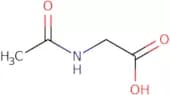
Discontinued productN-Acetylglycine
CAS:N-Acetylglycine is an amide, which is a molecule with both a carboxylate and hydroxyl group. It belongs to the class of antimicrobial agents and has been shown to inhibit the growth of bacteria by inhibiting synthesis of folic acid and other metabolites. N-Acetylglycine also inhibits the formation of terminal residues from amino acids. The analytical method for this compound is based on the reaction between n-acetylglycine and hydrogen chloride in methanol. This produces picolinic acid, which can be detected using ultraviolet spectroscopy at a wavelength of 325 nm.
Formula:C4H7NO3Purity:Min. 95%Color and Shape:White PowderMolecular weight:117.1 g/molRef: 3D-FA10861
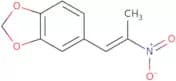
Discontinued product1-(3,4-Methylenedioxyphenyl) 2-nitropropene
CAS:1-(3,4-Methylenedioxyphenyl) 2-nitropropene (1-MPNP) is a phosphatase inhibitor that is active against gram-negative bacteria by inhibiting enterotoxins and chlamydia. 1-MPNP inhibits the activity of tyrosine phosphatases, which are enzymes that play a major role in bacterial virulence. 1-MPNP competitively inhibits the activity of tyrosine phosphatases and prevents them from catalyzing the hydrolysis of polyphosphate substrates. This inhibition leads to an accumulation of polyphosphates in the bacterial cell membrane, which disrupts its permeability and leads to cell death.
Formula:C10H9NO4Purity:Min. 97.5 Area-%Color and Shape:Yellow PowderMolecular weight:207.18 g/molRef: 3D-FM67977
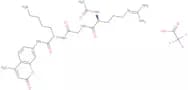
Discontinued productAc-Arg-Gly-Lys-AMC trifluoroacetate salt
CAS:Ac-Arg-Gly-Lys-AMC trifluoroacetate salt is a fine chemical that is used as a building block in the synthesis of complex compounds. Ac-Arg-Gly-Lys-AMC trifluoroacetate salt has been used as a reagent, speciality chemical and intermediate in research projects. Ac-Arg-Gly-Lys-AMC trifluoroacetate salt can be used to produce useful scaffolds for medicinal chemistry studies.
Formula:C26H38N8O6•C2HF3O2Purity:Min. 97 Area-%Color and Shape:PowderMolecular weight:672.65 g/molRef: 3D-FA110610
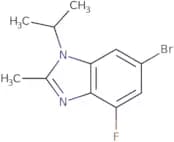
Discontinued product6-Bromo-4-fluoro-2-methyl-1-propan-2-ylbenzimidazole
CAS:6-Bromo-4-fluoro-2-methyl-1-propan-2-ylbenzimidazole is an environmental pollutant that can be found in deionized water, as a result of the reaction between hydrochloric acid and benzene. It has been synthesized using the industrial synthesis method by reacting n-hexane with sodium sulfate, followed by treatment with acetone and hydriodic acid. 6BFMBI is a white solid that reacts with hydrogen to produce acetone and formaldehyde. The reaction time for this compound is about three hours at room temperature.
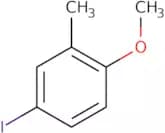
Formula:C11H12BrFN2Purity:Min. 95%Color and Shape:PowderMolecular weight:271.13 g/mol4-Iodo-2-methylanisole
CAS:4-Iodo-2-methylanisole (4IM) is a naphthalene that is regiospecifically eliminated after activation by nitrate in an acidic medium. The hydrochloride salt of 4IM, koenigicine, has been shown to produce estrogen levels in the female rat similar to those produced by 17β-estradiol. The synthesis of 4IM involves the nitration of 2-methylanisole followed by iodine oxidation. This reaction produces a mixture of mono-, di-, and tri-iodonapthalenes. The product obtained from this reaction is purified with column chromatography or recrystallization.
Theory predicts that 4IM will be oxidized to 4-iodo-2,6-dimethylanisole by terpene oxidants such as acetonitrile or ozone.Formula:C8H9IOPurity:Min. 95%Color and Shape:PowderMolecular weight:248.06 g/molRef: 3D-FI64636
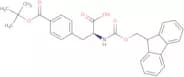
Discontinued productFmoc-(4-tert-butyloxycarbonyl)-L-phenylalanine
CAS:Fmoc-(4-tert-butyloxycarbonyl)-L-phenylalanine is a chemical compound that is used as a building block in organic synthesis. This chemical has been shown to be useful as a reagent in the synthesis of natural products and pharmaceuticals, such as immunosuppressants and anticancer agents. Fmoc-(4-tert-butyloxycarbonyl)-L-phenylalanine is also used as an intermediate for the production of other chemicals, including pharmaceuticals, pesticides, and fragrance chemicals. The CAS number for this compound is 183070-44-2.
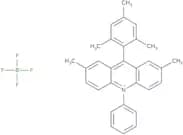
Formula:C29H29NO6Purity:Min. 95%Color and Shape:White PowderMolecular weight:487.54 g/mol9-Mesityl-2,7-dimethyl-10-phenylacridinium tetrafluoroborate
CAS:9-Mesityl-2,7-dimethyl-10-phenylacridinium tetrafluoroborate is a versatile building block and reagent for organic synthesis. It is a fine chemical that is used in the production of research chemicals and speciality chemicals. 9-Mesityl-2,7-dimethyl-10-phenylacridinium tetrafluoroborate can be used as a reaction component to synthesize complex compounds with various functional groups. It has been reported to have high quality, being both useful and stable. CAS NO: 1621020-00-5Formula:C30H28BF4NColor and Shape:Yellow PowderMolecular weight:489.35 g/molRef: 3D-FM76605
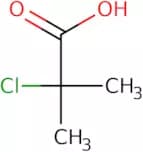
Discontinued product2-Chloro-2-methylpropionic acid
CAS:2-Chloro-2-methylpropionic acid (MCPA) is a chemical compound that belongs to the group of organic compounds called acyl chlorides. It is used in industry for the production of acrylic acid and polyacrylic acid, as well as in the production of herbicides. MCPA is produced by reacting an alkali metal with 2-chloroethanol and thioacetic acid. This reaction can be catalyzed by a variety of compounds, including palladium chloride, nickel chloride, and titanium tetrachloride. The high yield of this reaction makes it suitable for commercial use. MCPA also has been shown to stimulate cell growth through its inhibition of monomers from polymerization into polymers.
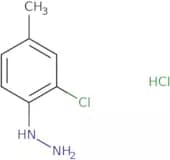
Formula:C4H7ClO2Purity:Min. 95%Color and Shape:PowderMolecular weight:122.55 g/mol(2-Chloro-4-methylphenyl)hydrazine hydrochloride
CAS:(2-Chloro-4-methylphenyl)hydrazine hydrochloride is a high quality reagent that is a useful intermediate for the synthesis of complex compounds. It has been used as a building block for the synthesis of speciality chemicals and research chemicals. This compound can be used to produce versatile building blocks and reaction components.Formula:C7H9ClN2·HClPurity:Min. 95%Color and Shape:PowderMolecular weight:193.07 g/molRef: 3D-FC67862
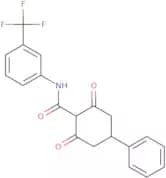
Discontinued product(2,6-dioxo-4-phenylcyclohexyl)-N-(3-(trifluoromethyl)phenyl)formamide
CAS:Please enquire for more information about (2,6-dioxo-4-phenylcyclohexyl)-N-(3-(trifluoromethyl)phenyl)formamide including the price, delivery time and more detailed product information at the technical inquiry form on this page
Purity:Min. 95%Ref: 3D-FD169870
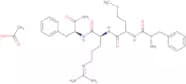
Discontinued productH-Phe-Met-Arg-Phe-NH2 acetate
CAS:Controlled ProductH-Phe-Met-Arg-Phe-NH2 acetate is a high quality reagent that is useful in the synthesis of complex compounds. It can be used as an intermediate for the production of fine chemicals and speciality chemicals, as well as being a versatile building block in the synthesis of organic compounds. H-Phe-Met-Arg-Phe-NH2 acetate can also be used to make research chemicals or reaction components.
Formula:C29H42N8O4S•(C2H4O2)xPurity:Min. 95%Color and Shape:PowderMolecular weight:598.76 g/molRef: 3D-FP108832
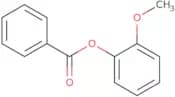
Discontinued product1-Benzoyloxy-2-methoxybenzene
CAS:1-Benzoyloxy-2-methoxybenzene is a diphenyl ether that has been shown to have analgesic, anti-inflammatory and antipyretic properties. It inhibits the secretion of pancreatic enzymes, which may be due to its interaction with the hydroxyl group on the cavity of the enzyme. 1-Benzoyloxy-2-methoxybenzene also inhibits intestinal fluid production in rats with ulcerative colitis, which may be due to its ability to inhibit bond cleavage in lysosomes by interacting with the hydroxy group on the cavity of lysosomal enzymes. When applied topically, 1-Benzoyloxy-2-methoxybenzene has been shown to be effective in alleviating pain from abrasions or other wounds in rats and humans. This drug also has a stereoselective effect on benzoate, inhibiting its action at high concentrations.
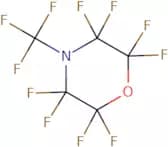
Formula:C14H12O3Purity:Min. 95%Color and Shape:PowderMolecular weight:228.24 g/molPerfluoro-N-Methylmorpholine
CAS:Perfluoro-N-Methylmorpholine (PMM) is a perfluorinated solvent with high boiling point, which makes it suitable for high temperature and pressure applications. PMM is an acyl halide that can be used as a solvent or in the synthesis of other perfluorinated compounds. The cyclic structure of PMM provides stability and high yields. The oxidation resistance of PMM allows it to be used in harsh environments. Cleavage products from PMM are not toxic, making this compound environmentally friendly. PMM can be used in organic chemistry as a solvent for reactions involving dialkylamino groups, such as the production of cyclic compounds. It can also be used in the synthesis of perfluorinated polymers as well as in the manufacture of coatings, foams, lubricants, and surfactants.
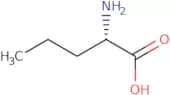
Formula:C5F11NOPurity:Min. 95%Color and Shape:Clear LiquidMolecular weight:299.04 g/molL-Norvaline
CAS:L-Norvaline is a hydrophobic amino acid that is synthesized in the body from the essential amino acid valine. It is an important intermediate in the biosynthesis of other amino acids, such as L-leucine and L-isoleucine. L-Norvaline has been shown to inhibit bacterial growth and can be used as an antimicrobial agent. It also inhibits the polymerase chain reaction by binding to DNA and RNA, thereby blocking transcription. This drug has been shown to increase energy metabolism, improve renal function, and reduce metabolic disorders in animals. These effects are thought to be due to its ability to bind with carbonyl oxygens on lysine residues of proteins.
Formula:C5H11NO2Purity:Min. 95%Color and Shape:PowderMolecular weight:117.15 g/molRef: 3D-FN47252
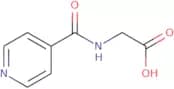
Discontinued product2-(Pyridin-4-ylformamido)acetic acid
CAS:2-(Pyridin-4-ylformamido)acetic acid is a chemical intermediate that is used in the synthesis of other compounds. It is a chemical building block, useful for the production of fine chemicals and speciality chemicals. 2-(Pyridin-4-ylformamido)acetic acid can be used as a reaction component or reagent in organic synthesis. It has been shown to have high purity and quality for research purposes. CAS No. 2015-20-5.br>
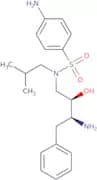
2-(Pyridin-4-ylformamido)acetic acid can be used to synthesize a variety of compounds with different properties, such as antihistamines, antibiotics, antihypertensives, and antipsychotics.Formula:C8H8N2O3Purity:Min. 95 Area-%Color and Shape:PowderMolecular weight:180.16 g/mol4-Amino-N-((2R,3S)-3-amino-2-hydroxy-4-phenylbutyl)-N-ispobutylbenzenesulfonamide
CAS:4-Amino-N-((2R,3S)-3-amino-2-hydroxy-4-phenylbutyl)-N-isobutylbenzenesulfonamide is an amide that is used to treat HIV infections. It has been shown to have potent anti-viral activity against HIV infected cells in the laboratory and can inhibit the replication of HIV by interfering with the virus's ability to use the reverse transcriptase enzyme. 4ABAB has been shown to bind to the enzyme ribonuclease H (crth2), which is responsible for breaking down viral RNA. This binding prevents crth2 from cleaving viral RNA, thus inhibiting DNA synthesis and preventing cell death. 4ABAB also interferes with a hydrogen bond between ethyl group and the hydroxyl group on crth2, leading to a decrease in activity.
Formula:C20H29N3O3SPurity:Min. 95%Color and Shape:White PowderMolecular weight:391.53 g/molRef: 3D-FA58013
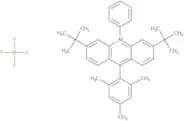
Discontinued product3,6-Bis(1,1-dimethylethyl)-10-phenyl-9-(2,4,6-trimethylphenyl)-acridinium tetrafluoroborate
CAS:3,6-Bis(1,1-dimethylethyl)-10-phenyl-9-(2,4,6-trimethylphenyl)-acridinium tetrafluoroborate is a high quality reagent that is used as an intermediate in the synthesis of other compounds. It has CAS No. 1810004-87-5 and a molecular weight of 345.7 g/mol. This compound is useful for the synthesis of complex compounds and can be used in fine chemicals. 3,6-Bis(1,1-dimethylethyl)-10-phenyl-9-(2,4,6-trimethylphenyl)-acridinium tetrafluoroborate is also useful for research purposes and can be used as a scaffold for drug discovery. It is also a versatile building block that can be used in reactions to produce speciality chemicals and reaction components such as esters or amides.Formula:C36H40BF4NPurity:Min 95%Color and Shape:PowderMolecular weight:573.51 g/molRef: 3D-FB76607
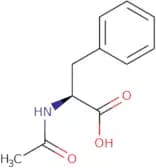
Discontinued productN-Acetyl-L-Phenylalanine
CAS:N-Acetyl-L-Phenylalanine is a reactive compound that is involved in the metabolism of amino acids. It has been shown to inhibit liver cell growth and induce apoptosis. The reaction mechanism of N-acetyl-L-phenylalanine has been extensively studied, with studies showing it to react with carbonyl oxygens, hydrogen bond, and intramolecular hydrogen. N-Acetyl-L-phenylalanine has also been shown to have an optimum pH of 6.5 and its chemical formula is C10H11NO2.
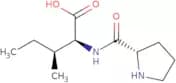
Formula:C11H13NO3Purity:Min. 95%Color and Shape:PowderMolecular weight:207.23 g/molH-Pro-Ile-OH
CAS:H-Pro-Ile-OH is an amino acid that is found in the mitochondria of cells. It is a prodrug that binds to angiotensin and blocks its conversion to angiotensin II, which has been shown to have blood pressure lowering effects. H-Pro-Ile-OH has been shown to be a competitive inhibitor of oligopeptidase, with a half maximal inhibitory concentration (IC50) of 0.5 mM, and has also been shown to have antihypertensive properties.
Formula:C11H20N2O3Purity:Min. 95%Color and Shape:PowderMolecular weight:228.29 g/molRef: 3D-FP108157
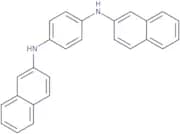
Discontinued productN,N'-Di-2-naphthyl-1,4-phenylenediamine
CAS:N,N'-Di-2-naphthyl-1,4-phenylenediamine is a chemical compound that is used in the production of polyvinyl chloride (PVC). It can be used as an antimicrobial agent to prevent the growth of bacteria and fungi. It is also used as a crosslinking agent in the production of PVC. The reaction solution consists of hydrochloric acid and methyl ethyl chloride. The monochloride is then reacted with 2-naphthol, followed by reaction with benzalkonium chloride. The final product is N,N'-di-(2-naphthyl)-1,4-(phenylene) diamine monochloride.
Formula:C26H20N2Purity:Min. 95 Area-%Color and Shape:PowderMolecular weight:360.45 g/molRef: 3D-FD62297
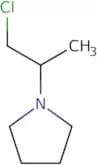
Discontinued product1-(2-Chloro-1-methylethyl)pyrrolidine hydrochloride
CAS:1-(2-Chloro-1-methylethyl)pyrrolidine hydrochloride is a versatile building block that can be used in the synthesis of fine chemicals, complex compounds, research chemicals, reagents and specialty chemicals. This compound is also useful as a building block for the synthesis of pharmaceuticals and chemical products. 1-(2-Chloro-1-methylethyl)pyrrolidine hydrochloride is a high quality chemical that can be used as a reaction component or scaffold for the synthesis of new chemical entities.Formula:C7H15Cl2NPurity:Min. 95%Color and Shape:PowderMolecular weight:184.1 g/molRef: 3D-FC116878
Discontinued productN3-Orn(Boc) cyclohexylamine
CAS:N3-Orn(Boc) cyclohexylamine is a chemical intermediate that is used in the synthesis of complex compounds. It can be used as a building block or an intermediate in the synthesis of many fine chemicals, such as pharmaceuticals, agrochemicals, and fragrances. N3-Orn(Boc) cyclohexylamine is also used in reactions involving amines and alcohols to produce useful scaffolds. This chemical product has been shown to be safe for human use with no significant adverse side effects at doses up to 100mg/kg body weight.
Formula:C10H18N4O4•C6H13NPurity:Min. 95%Color and Shape:PowderMolecular weight:357.4 g/mol1-Palmitoyl-2-oleoyl-rac-glycerol
CAS:1-Palmitoyl-2-oleoyl-rac-glycerol is a fatty acid that is made in the mitochondria and is an intermediate in the production of diacylglycerol. It has been shown to have a linear response with cellular protein levels, and it has been shown to be involved in the genetic mechanisms of cells. 1-Palmitoyl-2-oleoyl-rac-glycerol has been found to have a number of protein targets, including phosphatidylinositide 3 kinase, PKC, and Akt. This molecule also has been used as an analytical method for measuring fatty acids in tissue samples and has been shown to alter enzyme levels, such as those found in prostaglandin synthase 2. 1-Palmitoyl-2-oleoyl-rac-glycerol can be synthesized by laser ablation or chromatographic science methods.
Formula:C37H70O5Purity:Min. 95%Color and Shape:Solidified MassMolecular weight:594.95 g/molRef: 3D-FP159222
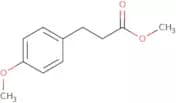
Discontinued productMethyl 4-methoxyphenylpropionate
CAS:Methyl 4-methoxyphenylpropionate is a pyridine derivative that is used as a solvent, reagent, and intermediate in organic synthesis. It has been shown to be a marker for aerosols in the environment and has been detected in the atmosphere of Beijing, China. The methyl ester can also be used to synthesize dienones and benzyl mesylates.
Formula:C11H14O3Purity:Min. 95%Color and Shape:PowderMolecular weight:194.23 g/molRef: 3D-FM33379
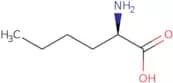
Discontinued productD-Norleucine
CAS:D-Norleucine is a non-protein amino acid that is an important part of the synthesis of proteins. It has been shown to be a competitive inhibitor of the racemase enzyme, which converts D-alanine to L-alanine. The target cell for this reaction is unknown, but it may be related to the protein synthesis process. D-Norleucine has also been shown to inhibit the growth of Mycobacterium avium and other acid-fast bacteria by interfering with the production of ATP and incorporation into cellular structures. This inhibition is caused by its ability to form ionic bonds with functional groups in these compounds.
Formula:C6H13NO2Purity:Min. 95%Color and Shape:PowderMolecular weight:131.17 g/molRef: 3D-FN37268
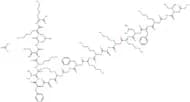
Discontinued productPexiganan acetate
CAS:Controlled ProductPexiganan acetate is the acetate salt form of a polymyxin B derivative that has potent antimicrobial activity against both Gram-positive and Gram-negative bacteria. It has been shown to be effective in the treatment of tissue infections, especially those caused by human pathogens such as Staphylococcus aureus, Pseudomonas aeruginosa, and Escherichia coli. Pexiganan also has significant activity against Mycobacterium tuberculosis and other mycobacteria. The mechanism of action for pexiganan is not fully understood but it may involve the inhibition of bacterial cell wall synthesis, or the disruption of bacterial membranes. Pexiganan was originally isolated from a marine sponge off the coast of Australia in 1961. It had been classified as an antimicrobial peptide (AMP) because of its chemical structure, which includes a polymyxin B moiety. Pexiganan’s AMP classification was later challenged when researchers found that it did
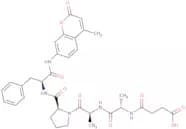
Formula:C122H210N32O22•(C2H4O2)xPurity:Min. 95%Color and Shape:PowderMolecular weight:2,477.18 g/molSuc-Ala-Ala-Pro-Phe-AMC
CAS:Suc-Ala-Ala-Pro-Phe-AMC is a synthetic substrate for proteolytic enzymes. This substrate has been shown to be hydrolyzed by pancreatic trypsin and soybean trypsin with similar rates. Suc-Ala-Ala-Pro-Phe-AMC is also a substrate for erythrocyte eosinophil peroxidase, which has been shown to have an optimum pH of 5.0. The reaction mechanism of this substrate is not yet fully understood, but it may involve the formation of a Schiff base between the amino group on the proline residue and the carbonyl group on the AMC moiety. Suc-Ala-Ala-Pro-Phe-AMC also reacts with surface membranes and can be used as an indicator of protease activity.
Formula:C34H39N5O9Purity:Min. 98 Area-%Color and Shape:PowderMolecular weight:661.7 g/molRef: 3D-FS48217
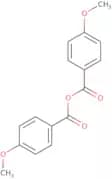
Discontinued product4-Methoxybenzoic anhydride
CAS:4-Methoxybenzoic anhydride is a nonsteroidal anti-inflammatory drug (NSAID) that has a hydroxy group, which makes it susceptible to nucleophilic attack. The reaction mechanism of 4-methoxybenzoic anhydride involves hydroxyl group and phosphorus pentachloride. Kinetic data for the reaction was obtained from kinetic studies. The kinetic study found that the rate of the reaction increased with increasing concentration of amines and amides in the reaction mixture. 4-Methoxybenzoic anhydride has been shown to have antiinflammatory activity in various tests on animals, including rats, guinea pigs, and rabbits. The mechanism of this activity may be due to its ability to inhibit prostaglandin synthesis by blocking cyclooxygenase enzyme activity.
Formula:C16H14O5Purity:Min. 95%Color and Shape:PowderMolecular weight:286.28 g/molRef: 3D-FM35899
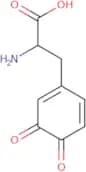
Discontinued productDopaquinone
CAS:Please enquire for more information about Dopaquinone including the price, delivery time and more detailed product information at the technical inquiry form on this page
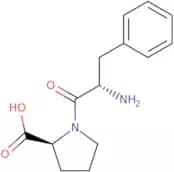
Formula:C9H9NO4Purity:Min. 95%Molecular weight:195.17 g/molH-Phe-Pro-OH
CAS:H-Phe-Pro-OH is a cyclic peptide that is a structural mimic of the natural amino acid gamma-aminobutyric acid (GABA) and has been shown to be an effective inhibitor of the p450 enzymes responsible for carcinogen activation. The peptide binds to response elements in DNA and RNA, which prevents transcription of genes that are involved in cancer development. H-Phe-Pro-OH also inhibits collagen production and has hemolytic activity due to hydrogen bonding with erythrocytes. This peptide can be used as an antimicrobial agent against Gram negative bacteria, including Pseudomonas aeruginosa, Klebsiella pneumoniae, Escherichia coli, and Salmonella typhimurium. In addition, it has been shown to inhibit the growth of Gram positive bacteria such as Staphylococcus aureus and Clostridium perfringens. The mechanism by which this compound inhibits bacterial growth is
Formula:C14H18N2O3Purity:Min. 95%Color and Shape:PowderMolecular weight:262.3 g/molRef: 3D-FP108146
Discontinued productCyclic(glycyl-L-tyrosyl)
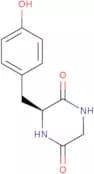
CAS:Cyclic(glycyl-L-tyrosyl) is a phenolic compound and the main metabolite of the dietary supplement resveratrol. It has been shown to have interactions with cellular transport, as well as the ability to activate a number of proteins that are involved in cellular transport. Cyclic(glycyl-L-tyrosyl) also interacts with hydroxyl groups on proteins and activates them, which may lead to the uptake of these proteins by cells. This interaction between cyclic(glycyl-L-tyrosyl) and hydroxyl groups on proteins may be due to its conformation and affinity for this residue. Cyclic(glycyl-L-tyrosyl) has been reported to inhibit the binding of glucosamine to NUDIX hydrolase, as well as preventing glucosamine from activating NUDIX hydrolase.
Formula:C11H12N2O3Purity:Min. 98 Area-%Color and Shape:White Off-White PowderMolecular weight:220.22 g/molRef: 3D-FC46820
Discontinued productH-gamma-Carboxy-Glu-OH
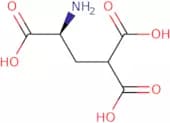
CAS:H-gamma-carboxy-Glu-OH is a synthetic peptide with the amino acid sequence H-gamma-Carboxy-Glu. It is a glp-1 analogue and its function is to regulate glucose homeostasis. The protein has been shown to have antiapoptotic effects in human osteosarcoma cells. H-gamma-carboxy-Glu-OH has also been shown to regulate mitochondrial membrane potential, which is required for cell signaling pathways and calcium binding. H-gamma-carboxy-Glu-OH's receptor molecule is known as the GPCR, which plays an important role in the regulation of cell signaling pathways and calcium binding. H gamma carboxy Glu OH is a cyclic peptide that contains disulfide bonds. This compound has the basic structure of an alpha helix, which consists of many turns of amino acids bonded together by hydrogen bonds between individual amino acids
Formula:C6H9NO6Purity:Min. 95%Color and Shape:PowderMolecular weight:191.14 g/molRef: 3D-FC107880
Discontinued product5-Phenyl-1H-tetrazole
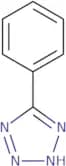
CAS:5-Phenyl-1H-tetrazole is a heterocyclic compound that has been shown to have hydrogen bonding interactions with biological molecules. 5-Phenyl-1H-tetrazole is also able to react with glycol ethers to form a glycol ether derivative, which has the ability to inhibit the activity of choroidal neovascularization. 5-Phenyl-1H-tetrazole is used in electrochemical impedance spectroscopy (EIS) as a tracer molecule, and in structural analysis of solid materials such as polymers and metals. It has been shown that 5-phenyl tetrazole can bind to receptors on cell membranes and can be used as a ligand in coordination geometry.
Formula:C7H6N4Purity:Min. 95%Color and Shape:PowderMolecular weight:146.15 g/molRef: 3D-FP34444
Discontinued productMethyl 3-phenoxybenzoate
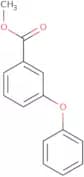
CAS:Methyl 3-phenoxybenzoate is a fatty acid that is used in the production of insecticides. It is also used as a solvent, fuel additive, and plasticizer. Methyl 3-phenoxybenzoate has shown to have an effect on insects by inhibiting the uptake of pyrethroid insecticides into the insect's body. In addition, it was found to be resistant to rats and unaffected by metabolic pathways in rat brain tissue.
Formula:C14H12O3Purity:Min. 95%Molecular weight:228.24 g/molRef: 3D-FM70581
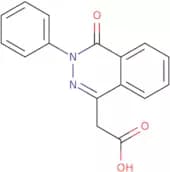
Discontinued product3-Phenyl-4-phthalazinone-1-acetic acid
CAS:3-Phenyl-4-phthalazinone-1-acetic acid (3PPAA) is an organic compound that can be used to synthesize gold nanoparticles. Gold nanoparticles are ferroelectric and have a dipole moment. 3PPAA can be modeled using simulations with the panthera program, which is able to predict the effect of various parameters on the morphology of the particles. The shape of the gold nanoparticles can be controlled by changing the concentration of 3PPAA in water and by adding or removing a stabilizing agent such as sodium bicarbonate. 3PPAA has been shown to have a strong interaction with mitochondrial DNA, which could lead to death of cells by interfering with mitochondrial function.Formula:C16H12N2O3Purity:Min. 95%Color and Shape:SolidMolecular weight:280.28 g/molRef: 3D-FP66707
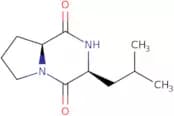
Discontinued productCyclo(L-prolyl-L-leucyl)
CAS:Cyclo(L-prolyl-L-leucyl) is a cyclic lipopeptide that inhibits the transcription of DNA. It binds to the polymerase chain and blocks the transcription process, which prevents the production of RNA. Cyclo(L-prolyl-L-leucyl) has been shown to have an inhibitory effect on human pathogens such as fungi, protozoa, or bacteria. Cyclo(L-prolyl-L-leucyl) also has anti-cancer properties and is used for cancer treatment. Cyclo(L-prolyl-L-leucyl) is extracted from an acetate extract and purified by chromatography. The purified product is then tested in vitro using assays including magnetic resonance spectroscopy.
Formula:C11H18N2O2Purity:Min. 95%Color and Shape:PowderMolecular weight:210.27 g/molRef: 3D-FC20681
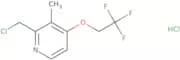
Discontinued product2-Chloromethyl-3-methyl-4-(2,2,2-trifluoroethoxy)pyridine, hydrochloride
CAS:Please enquire for more information about 2-Chloromethyl-3-methyl-4-(2,2,2-trifluoroethoxy)pyridine, hydrochloride including the price, delivery time and more detailed product information at the technical inquiry form on this page
Formula:C9H10Cl2F3NOPurity:Min. 95%Molecular weight:276.08 g/molRef: 3D-FC20275
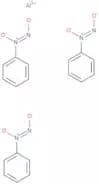
Discontinued productN-Nitroso-N-phenylhydroxylamine aluminium
CAS:N-Nitroso-N-phenylhydroxylamine aluminium (NNPA) is a nitrated organic compound that belongs to the thioxanthone family. It is a colorless, oily liquid that has a strong odor of hydrochloric acid. NNPA is used in the production of polyester resins and coatings, as well as in the manufacture of methacrylate polymers. The reaction system for this compound consists of aluminum chloride and calcium carbonate. This substance can be prepared by reacting trimethylolpropane with methacrylates and magnesium in an organic solvent such as isopropyl alcohol or acetone. NNPA can also be synthesized by reacting zinc powder with ammonium bicarbonate, followed by carbamoylation with an organic amine such as isopropylcarbamate.
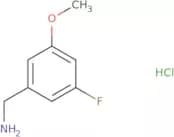
Formula:C18H15AlN6O6Purity:Min. 95%Color and Shape:White PowderMolecular weight:438.33 g/mol3-Fluoro-5-methoxybenzylamine hydrochloride
CAS:3-Fluoro-5-methoxybenzylamine hydrochloride is a chemical building block that can be used in organic synthesis. It is a versatile building block and can be used to synthesize complex compounds. 3-Fluoro-5-methoxybenzylamine hydrochloride is used as a reaction component and reagent for the production of pharmaceuticals, agricultural chemicals, and other organic compounds. It has CAS number 1158269-22-7 and can be found in the Chemical Abstract Services database.
Formula:C8H10FNO•HClPurity:Min. 95%Color and Shape:Clear LiquidMolecular weight:191.63 g/molRef: 3D-FF67172
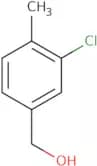
Discontinued product3-Chloro-4-methylbenzyl alcohol - Technical grade
CAS:3-Chloro-4-methylbenzyl alcohol is a building block chemical that is used in the synthesis of a variety of organic compounds. It is a versatile chemical that can be used as a reagent, reaction component, and intermediate. 3-Chloro-4-methylbenzyl alcohol has been found to be useful in the synthesis of complex compounds, such as 4-chloromethoxybenzoic acid and 3-(3,5-dimethoxyphenyl)acetic acid. This chemical can also be used to produce speciality chemicals, such as 3-(2-(2,4-dichlorophenoxy)ethyl)benzonitrile.
Formula:C8H9ClOPurity:Min. 95%Color and Shape:Colorless PowderMolecular weight:156.61 g/molRef: 3D-FC70227
Discontinued product(Des-Gly10,D-Tyr5,D-Trp6,Pro-NHEt 9)-LHRH trifluoroacetate salt
CAS:Please enquire for more information about (Des-Gly10,D-Tyr5,D-Trp6,Pro-NHEt 9)-LHRH trifluoroacetate salt including the price, delivery time and more detailed product information at the technical inquiry form on this page
Formula:C64H83N17O12Purity:Min. 95%Color and Shape:PowderMolecular weight:1,282.45 g/molRef: 3D-FD109428
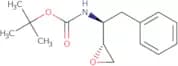
Discontinued product(2R,3S)-3-(tert-Butoxycarbonyl)amino-1,2-epoxy-4-phenylbutane
CAS:The compound (2R,3S)-3-(tert-Butoxycarbonyl)amino-1,2-epoxy-4-phenylbutane is an epoxide with a thionyl chloride mediated reaction. This compound has been shown to react with amines and nucleophiles to form epoxides. The time required for this reaction was found to be dependent on the concentration of the amine. The reaction was also found to be chiral as it produced a mixture of diastereomers. When irradiated, this compound undergoes a stereoselective reaction that leads to a new epoxide product.
Formula:C15H21NO3Purity:Min. 95%Color and Shape:Off-White PowderMolecular weight:263.34 g/molRef: 3D-FB07938
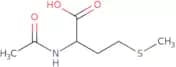
Discontinued productN-Acetyl-DL-methionine
CAS:N-Acetyl-DL-methionine is an amide of the amino acid methionine and acetyl coenzyme A. It has a number of biological properties including being a precursor to protein synthesis, a regulator of fatty acid metabolism, and an inhibitor of glutamate pyruvate transaminase. It can be found in bacterial strains as well as in human serum. N-Acetyl-DL-methionine is synthesized by the reaction of methylamine with acetyl coenzyme A in the presence of ammonia or other nitrogenous bases. The chemical structure of this compound consists of two nitrogen atoms and an acetyl group bonded to a carbon atom that is attached to a methyl group and another carbon atom that forms part of an amide bond with the amino acid methionine. This molecule has been observed using nmr spectroscopic data to form hydrogen bonds with proteins.
Formula:C7H13NO3SPurity:Min. 95%Color and Shape:PowderMolecular weight:191.25 g/molRef: 3D-FA10863
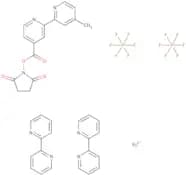
Discontinued productBis(2,2'-bipyridine)-4'-methyl-4-carboxybipyridine-ruthenium N-succinimidyl ester-bis(hexafluorophosphate)
CAS:Bis(2,2'-bipyridine)-4'-methyl-4-carboxybipyridine-ruthenium N-succinimidyl ester-bis(hexafluorophosphate) is a molecule that inhibits the activity of matrix metalloproteinases. It binds to the active site of the enzyme and blocks its activity. This drug has been shown to be effective in inhibiting the activity of MMPs in cells, but not in tissue culture because it does not cross cell membranes. Bis(2,2'-bipyridine)-4'-methyl-4-carboxybipyridine-ruthenium N-succinimidyl ester-bis(hexafluorophosphate) has also been shown to have a low detection limit and can detect low levels of matrix metalloproteinase activity in cells.
Formula:C36H29F12N7O4P2RuPurity:Min. 95%Color and Shape:PowderMolecular weight:1,014.66 g/molRef: 3D-FB29197
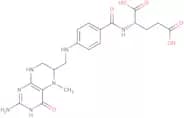
Discontinued productN-Methyltetrahydrofolic acid
CAS:N-Methyltetrahydrofolic acid is a form of folic acid, which is an important vitamin for the production of red blood cells and the prevention of neural tube defects. It can be found in food such as leafy vegetables, whole grains, and citrus fruits. N-Methyltetrahydrofolic acid is important for DNA synthesis and energy metabolism. It also has been shown to exert antioxidant effects in human serum.
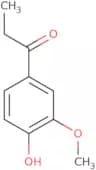
Formula:C20H25N7O6Purity:Min. 97.5 Area-%Color and Shape:White PowderMolecular weight:459.46 g/mol4-Hydroxy-3-methoxypropiophenone
CAS:4-Hydroxy-3-methoxypropiophenone is a contaminating compound that has been found in water vapor and may be generated by the thermal degradation of fatty acids. This chemical is also present in wood and lignin. The ether linkages in this chemical make it resistant to hydrolysis, making it difficult to remove from water or other substances. 4-Hydroxy-3-methoxypropiophenone is produced by the chronic bronchitis and filamentous fungus, but carbon sources are required for its production. It can be used as a starting material for the synthesis of other organic compounds with hydroxyl groups, such as phenols and coumarins.
Formula:C10H12O3Purity:Min. 95%Color and Shape:PowderMolecular weight:180.2 g/molRef: 3D-FH67519
Discontinued product3-((4,5-dichloroimidazolyl)methyl)-4-bromo-2-methyl-1-phenyl-3-pyrazolin-5-one
CAS:Please enquire for more information about 3-((4,5-dichloroimidazolyl)methyl)-4-bromo-2-methyl-1-phenyl-3-pyrazolin-5-one including the price, delivery time and more detailed product information at the technical inquiry form on this page
Purity:Min. 95%Ref: 3D-FD169753
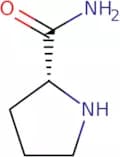
Discontinued productD-Proline amide
CAS:Intermediate in the synthesis of vildagliptin
Formula:C5H10N2OPurity:Min. 95%Color and Shape:PowderMolecular weight:114.15 g/molRef: 3D-FP48181
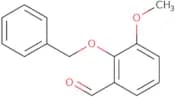
Discontinued product2-Benzyloxy-3-methoxybenzaldehyde
CAS:2-Benzyloxy-3-methoxybenzaldehyde is an enantiopure compound that has been shown to have antiproliferative effects on cancer cells. It was also found to have a strong binding affinity for DNA and protein. The antiproliferative effects of 2-Benzyloxy-3-methoxybenzaldehyde were found to be due to its ability to bind to dna and inhibit the enzyme activity of pyrazine-2-carboxylic acid, leading to a decrease in the production of proteins vital for cell division. 2-Benzyloxy-3-methoxybenzaldehyde has been shown to have anticancer activity against colorectal cancer cells and may serve as a lead compound for future drug development.
Formula:C15H14O3Purity:Min. 95%Molecular weight:242.27 g/molRef: 3D-FB158927
Discontinued product