Peptides
Subcategories of "Peptides"
Found 30060 products of "Peptides"
Osteopontin Light Tryptic Peptide Standard (4nmol)
For Protein Identification and QuantitationPurity:Min. 95%Anti Acidic-FGF (1-15) (Bovine) Serum
Anti Acidic-FGF (1-15) (Bovine) Serum is a research tool used to study the activation of FGF receptors and their ligands. It contains peptides that are derived from the extracellular domain of human acidic FGF (1-15). This serum stimulates the activation of FGF receptors, which are important in cell growth, proliferation, and survival. Anti Acidic-FGF (1-15) Serum is purified by ion exchange chromatography and contains no detectable amounts of other proteins. It is supplied as a lyophilized powder at a concentration of 10 mg/mL.Purity:Min. 95%Anti Peptide YY (PYY), Human Serum
Anti Peptide YY (PYY), human serum is a research tool that activates the ion channels of cells. It is a peptide and belongs to the group of hormones called gut hormones. The antibody is used in research to study protein interactions, receptor-ligand binding, and pharmacology. This product is also used as an inhibitor for peptide YY (PYY).Purity:Min. 95%Endokinin D, human
Endokinin D is a peptide that is derived from the precursor of kininogen. Endokinin D binds to endothelin receptors and activates ion channels, which are proteins that control the flow of ions across cell membranes. It has been shown to be an inhibitor of phospholipase C activation and an activator of potassium channels. It also has high purity and is a research tool for studying cell biology and pharmacology.Formula:C73H111N19O20Purity:Min. 95%Molecular weight:1,574.8 g/molICI 174864
CAS:Please enquire for more information about ICI 174864 including the price, delivery time and more detailed product information at the technical inquiry form on this page
Formula:C34H46N4O6Purity:Min. 95%Molecular weight:606.75 g/molVal-His-Leu-Thr-Pro-Glu
Please enquire for more information about Val-His-Leu-Thr-Pro-Glu including the price, delivery time and more detailed product information at the technical inquiry form on this page
Formula:C31H50N8O10Purity:Min. 95%Molecular weight:694.78 g/molBiotin-dPEG®23-Azide
Biotin-dPEG®23-Azide is a PEG compound with two different functional groups (also known as heterobifunctional). Unlike homobifunctional PEG compounds (same functional group on both ends), this type of compounds are more versatile as have two different anchor points. Biotin-dPEG®23-Azide is used as a linker and spacer to add a PEG moiety, via pegylation (a bioconjugation technique) to proteins, peptides, oligonucleotides, small molecules and nanoparticles.Formula:C58H112N6O25SPurity:Min. 95%Molecular weight:1,325.60 g/molAnti PHI (13-27), Human Serum
Anti PHI (13-27) is a peptide that is used as a research tool for cell biology and pharmacology. It has been shown to bind to the human receptor, the peptide sequence of which is the same as that of the human PHI(1-27). This peptide can activate ion channels and inhibit ligand binding to receptors. Anti PHI (13-27) has also been shown to inhibit some protein interactions such as those between activated protein kinase C and its substrates. Anti PHI (13-27) can be used in antibody production, immunoprecipitation, and Western blotting. The CAS number for Anti PHI (13-27) is 207900-10-2.Purity:Min. 95%sTfR Heavy Tryptic Peptide Standard (4nmol)
A soluble transferrin receptor (sTfR) heavy tryptic peptide standard for protein identification and quantitation studies. sTfR is a cleaved extracellular segments of the transferrin receptor 1 and it can be used to measure the status of iron in the blood and thus help in studies into anemia, where iron is deficient.Purity:Min. 95%DAMGO acetate
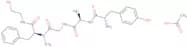
CAS:Controlled Product?-opioid receptor agonist
Formula:C26H35N5O6·C2H4O2Purity:Min. 95%Color and Shape:PowderMolecular weight:573.64 g/molStaphylococcal Protein A Recombinant
Staphylococcal protein A (SPA) is a protein that binds to and removes foreign substances, such as bacteria and toxins, from the body. SPA has been shown to bind to the Fc region of antibodies and prevent their activation. This may be due to its ability to inhibit calpains, which are enzymes that cleave proteins at specific sites. Recombinant SPA has been shown to have an approximate molecular mass of 45 kDa. It can be used in chromatographic techniques for purification of proteins and as an additive for protein solutions. SPA also has catalytic properties, which may be due to its ability to act as a catalytic subunit in Escherichia coli.br>
Purity:Min. 95%DOTA tris(TBE)-Amido-dPEG®23-Maleimide
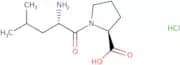
DOTA tris(TBE)-Amido-dPEG®23-Maleimide is a PEG compound with two different functional groups (also known as heterobifunctional). Unlike homobifunctional PEG compounds (same functional group on both ends), this type of compounds are more versatile as have two different anchor points. DOTA tris(TBE)-Amido-dPEG®23-Maleimide is used as a linker and spacer to add a PEG moiety, via pegylation (a bioconjugation technique) to proteins, peptides, oligonucleotides, small molecules and nanoparticles.Purity:Min. 95%Molecular weight:1,779.15 g/molH-Leu-Pro-OH hydrochloride
CAS:Please enquire for more information about H-Leu-Pro-OH hydrochloride including the price, delivery time and more detailed product information at the technical inquiry form on this pageFormula:C11H20N2O3•HClPurity:Min. 95%Color and Shape:PowderMolecular weight:264.75 g/molAIP-III
CAS:AIP-III is a peptide that belongs to the group of activators. It binds to the nicotinic acetylcholine receptor, thereby activating it. AIP-III has been shown to cause significant changes in the activity of ion channels and is used as a research tool for pharmacology and protein interactions. AIP-III has been found to be a potent inhibitor of various types of cancer cells in cell culture experiments, although its effects on humans are unknown.
Formula:C38H58N8O10SPurity:Min. 95%Molecular weight:818.98 g/mol2'-5' Oligoadenylate Synthetase 1, human, recombinant
The 2'-5' oligoadenylate synthetase 1 (2-5A-1) is a protein that in humans is encoded by the OAS1 gene. This enzyme catalyzes the synthesis of 2'-5' oligoadenylates, which are potent activators of PKC and MAPK. 2-5A-1 has been shown to increase intracellular calcium levels, activate PKC and MAPK, and induce apoptosis in human cells.Purity:Min. 95%Relaxin H2 (human) trifluoroacetate salt
CAS:Relaxin H2 is a hormone that is produced in the ovaries and has significant interactions with cyclase. It has been shown to bind to the receptor for relaxin and inhibit its activity. Relaxin H2 has been shown to be a potent inhibitor of cardiac growth factor-β1, which may contribute to its anti-fibrotic effects. This drug is also an inhibitor of fatty acid synthesis and can lead to metabolic disorders, such as glomerular filtration rate, by inhibiting the production of natriuretic peptide levels.
Formula:C256H408N74O74S8Purity:Min. 95%Molecular weight:5,962.95 g/molH-SDEGGYTCFFRDHSYQEE-OH
MOG(91-108) corresponds to amino acids 97 to 108 of the rat myelin oligodendrocyte glycoprotein (MOG).
Muscarinic Toxin 1
A synthetic snake toxin peptide sourced from the Green Mamba, Dendroaspis angusticeps. It is an agonist for Muscarinic Acetylcholine Receptor-1 (M1) and has disulfide bonds between Cys3-Cys24, Cys17-Cys42, Cys46-Cys58, and Cys59-Cys64. This product is available as a 0.1mg vial.Formula:C326H499N87O101S8Purity:Min. 95%Molecular weight:7,509.5 g/molACE2 (18-740) Human, Fc
ACE2 (18-740) is a human protein that is encoded by the ACE2 gene. ACE2 is a member of the enkephalinase family, which cleaves peptides at the carboxy terminal amino acid. ACE2 has been shown to be an effective inhibitor of coronavirus and other viral proteases, including those from SARS-CoV and MERS-CoV. It has also been shown to inhibit angiotensin converting enzyme 2 (ACE2), which plays an important role in regulating blood pressure.Purity:Min. 95%Muscarinic Toxin Alpha
A synthetic snake toxin, sourced from the black mamba, Dendroaspis polylepis and it is a ligand for Muscarinic Acetylcholine Receptor-3/5 (M3/M5) (non-specific ligand). This product is available as a 0.1mg vials and has disulfide bonds between Cys3-Cys24, Cys17-Cys42, Cys46-Cys58, and Cys59-Cys64.Formula:C326H491N89O102S8Purity:Min. 95%Molecular weight:7,545.4 g/molZ-Gly-Pro-Leu-Gly
CAS:Z-Gly-Pro-Leu-Gly is a synthetic peptide with a kinetic and biochemical profile that is similar to that of the bacterial enzyme monoiodotyrosine hydroxylase. Z-Gly-Pro-Leu-Gly has been shown to react with the substrate, monoiodotyrosine, by forming hydrogen bonds. The enzyme activities of Z-Gly-Pro-Leu-Gly are inhibited by neutral pH and increased at acidic pH. The optimum pH for this reaction is 4.5. When injected subcutaneously, Z-Gly-Pro-Leu-Gly can penetrate the skin and hydrolyze monoiodotyrosine in ascidians.
Formula:C23H32N4O7Purity:Min. 95%Molecular weight:476.52 g/molAnti Chromogranin A (344-374), Human Serum
Anti-chromogranin A (344-374) is a peptide that binds to the receptor for gastrin. It is used as a research tool and can be used to study the pharmacology of gastrin and the role of this hormone in the regulation of stomach acid production. Anti-chromogranin A (344-374) is purified from human serum, with an antibody specific to the peptide immobilized on a solid support.Purity:Min. 95%Prorenin (314-337), human
Prorenin is a peptide that is a member of the renin-angiotensin system. It is an activator of angiotensin converting enzyme that converts angiotensin I to angiotensin II, which has potent cardiovascular effects. Prorenin (314-337) is purified from human plasma by ion exchange chromatography and has a purity >98%. It can be used as a research tool or as an antibody for immunohistochemical staining. Prorenin (314-337) has been shown to inhibit the activity of several ion channels, including Ca2+ channels, Na+ channels, and K+ channels in rat brain cells.Purity:Min. 95%Methoxytrityl-S-dPEG®4-Acid
CAS:Methoxytrityl-S-dPEG®4-Acid is a PEG compound with two different functional groups (also known as heterobifunctional). Unlike homobifunctional PEG compounds (same functional group on both ends), this type of compounds are more versatile as have two different anchor points. Methoxytrityl-S-dPEG®4-Acid is used as a linker and spacer to add a PEG moiety, via pegylation (a bioconjugation technique) to proteins, peptides, oligonucleotides, small molecules and nanoparticles.
Formula:C51H103NO26Purity:Min. 95%Molecular weight:1,146.35 g/molAngiotensin II, human
CAS:Angiotensin II is a peptide that is involved in the regulation of blood pressure and fluid balance. Angiotensin II has been shown to be an activator of angiotensin-converting enzyme (ACE), which converts angiotensin I into angiotensin II. ACE is inhibited by the drug captopril, which reduces the conversion of angiotensin I to angiotensin II. Angiotensin II has also been shown to activate potassium channels, including voltage-gated potassium channels, and inhibit calcium channels. It has been found to bind to the receptor AT1 and trigger a number of responses, including vasoconstriction and increased heart rate. The ligand for this receptor is angiotensin II. The pharmacology of Angiotensin II includes its ability to act as an inhibitor on protein interactions with various proteins or enzymes, such as alpha-1 antitrypsin or beta-2 adrenergic receptors.Formula:C50H71N13O12•CH3COOH•4H2OPurity:Min. 95%Molecular weight:1,178.31 g/molH2N-PEG-O-C3H6-COOH hydrochloride
H2N-PEG-O-C3H6-COOH hydrochloride is a PEG compound with two different functional groups (also known as heterobifunctional). Unlike homobifunctional PEG compounds (same functional group on both ends), this type of compounds are more versatile as have two different anchor points. H2N-PEG-O-C3H6-COOH hydrochloride is used as a linker and spacer to add a PEG moiety, via pegylation (a bioconjugation technique) to proteins, peptides, oligonucleotides, small molecules and nanoparticles.Purity:Min. 95%Anti Motilin (Porcine) Serum
Anti Motilin (Porcine) Serum is a potent inhibitor of motilin, a peptide hormone that stimulates the gastrointestinal tract. The anti motilin serum is useful for pharmacological research as well as in cell biology, where it can be used to inhibit motilin-induced contraction in cultured cells. Anti motilin also serves as an excellent research tool for studying the regulation of other receptors and ion channels. It has been shown to activate these receptors and ion channels.Purity:Min. 95%Bis-MAL-Lysine-dPEG®4-TFP Ester
Bis-MAL-Lysine-dPEG®4-TFP Ester is a peptide containing polyethylene glycol (PEG) as spacer to alter their pharmacokinetic properties and pharmodynamics.Formula:C19H38O9Purity:Min. 95%Molecular weight:410.5 g/molMAL-dPEG®8-t-Boc-Hydrazide
CAS:MAL-dPEG®8-t-Boc-Hydrazide is a PEG compound with two different functional groups (also known as heterobifunctional). Unlike homobifunctional PEG compounds (same functional group on both ends), this type of compounds are more versatile as have two different anchor points. MAL-dPEG®8-t-Boc-Hydrazide is used as a linker and spacer to add a PEG moiety, via pegylation (a bioconjugation technique) to proteins, peptides, oligonucleotides, small molecules and nanoparticles.Formula:C31H54N4O14Purity:Min. 95%Molecular weight:706.78 g/molDBCO-dPEG®4-TFP Ester
DBCO-dPEG®4-TFP Ester is a PEG compound with two different functional groups (also known as heterobifunctional). Unlike homobifunctional PEG compounds (same functional group on both ends), this type of compounds are more versatile as have two different anchor points. DBCO-dPEG®4-TFP Ester is used as a linker and spacer to add a PEG moiety, via pegylation (a bioconjugation technique) to proteins, peptides, oligonucleotides, small molecules and nanoparticles.Purity:Min. 95%Molecular weight:714.7 g/molHP MS Calibrator-8 (25nmol)
HP MS Calibrator-8 (25nmol) is a peptide that is used in proteomics research. It contains haptoglobin beta chain, haptoglobin alpha chain, zonulin, tryptic peptide and trypTides. This product can be used to identify the presence of Haptoglobin beta chain in samples. HP MS Calibrator-8 (25nmol) also has the ability to inhibit protein synthesis in human cells.Purity:Min. 95%GnGn-bi-Asn-PABA
GnGn-bi-Asn-PABA is a peptide that has been shown to activate the nicotinic acetylcholine receptor. It binds to the ligand binding site of the receptor and mimics the natural neurotransmitter acetylcholine, increasing the probability of neurotransmitter release. GnGn-bi-Asn-PABA has also been shown to inhibit calcium ion channels and ligand gated ion channels, which are proteins that regulate the flow of ions in and out of cells. GnGn-bi-Asn-PABA is a research tool used for studying cell biology and pharmacology.Formula:C63H103N9O37Purity:Min. 95%Molecular weight:1,578.5 g/molBDNF Human
Brain-derived neurotrophic factor (BDNF) is a protein that belongs to the neurotrophin family of growth factors. It regulates the growth, differentiation, and survival of neurons in the brain and spinal cord. BDNF is produced by neural cells in response to neuronal activity, or by nerve injury. BDNF has been shown to be involved in cellular proliferation and inhibition of apoptosis in tumors. BDNF regulates transcriptional regulation and mRNA splicing, as well as neurotransmission.br> BDNF acts as a regulator for non-small-cell lung cancer tumor growth. It can bind to other proteins such as tropomyosin, which are found on cell surfaces and inside cells. This binding modifies the activity of these proteins and alters their interactions with other proteins that regulate cell functions such as contraction and secretion.Purity:> 97% As Determined By Rp-Hplc And Sds-Page.Amino-dPEG®24 Acid
CAS:Amino-dPEG®24 Acid is a PEG compound with two different functional groups (also known as heterobifunctional). Unlike homobifunctional PEG compounds (same functional group on both ends), this type of compounds are more versatile as have two different anchor points. Amino-dPEG®24 Acid is used as a linker and spacer to add a PEG moiety, via pegylation (a bioconjugation technique) to proteins, peptides, oligonucleotides, small molecules and nanoparticles.Formula:C51H103NO26Purity:Min. 95%Molecular weight:1,146.35 g/molGlucagon, human
Glucagon is a peptide hormone that is produced by alpha cells in the pancreas. It has many effects, including increasing blood sugar levels and causing the release of fatty acids from fat cells. Glucagon also stimulates the liver to release glucose into the bloodstream. Glucagon binds to specific receptors on the membrane of cells, which then causes adenylate cyclase activity and increased production of cyclic AMP (cAMP). This hormone is used in cancer treatment because it can stimulate cell growth, inhibit apoptosis, and cause cancerous tumors to shrink.Purity:Min. 95%DNP-dPEG®12-Acid
DNP-dPEG®12-Acid is a PEG compound with two different functional groups (also known as heterobifunctional). Unlike homobifunctional PEG compounds (same functional group on both ends), this type of compounds are more versatile as have two different anchor points. DNP-dPEG®12-Acid is used as a linker and spacer to add a PEG moiety, via pegylation (a bioconjugation technique) to proteins, peptides, oligonucleotides, small molecules and nanoparticles.Purity:Min. 95%Methionyl-Lysyl-Bradykinin (Human, Bovine)
Methionyl-Lysyl-Bradykinin is a peptide that is used as a research tool to study the interactions of bradykinin, its receptor, and ion channels. This product can be used in the study of pharmacology and cell biology. Methionyl-Lysyl-Bradykinin has been shown to inhibit the activity of ion channels by binding to their receptors. This product may also be used as an antibody or ligand in order to study protein interactions.Formula:C61H94N18O13S•3CH3COOH•2H2OPurity:Min. 95%Molecular weight:1,535.79 g/moldPEG®24-SATA (S-Acetyl-dPEG®24-NHS Ester)
dPEG®24-SATA (S-Acetyl-dPEG®24-NHS Ester) is a PEG compound with two different functional groups (also known as heterobifunctional). Unlike homobifunctional PEG compounds (same functional group on both ends), this type of compounds are more versatile as have two different anchor points. dPEG®24-SATA (S-Acetyl-dPEG®24-NHS Ester) is used as a linker and spacer to add a PEG moiety, via pegylation (a bioconjugation technique) to proteins, peptides, oligonucleotides, small molecules and nanoparticles.Purity:(%) Min. 97%Molecular weight:1,302.51 g/molFRETS-25Glu (1 umol) (1umol)
Frets-25Glu is a peptide inhibitor of the alpha subunit of the voltage-gated potassium channel. It is a high purity, water-soluble, stable peptide that can be used as a research tool to study the function of ion channels and receptors. Frets-25Glu has been shown to inhibit potassium channel currents in rat dorsal root ganglion neurons and rat dorsal spinal cord neurons. It also binds to the alpha subunit of voltage-gated potassium channels in rat brain tissue.Purity:Min. 95%GH Bovine
GH Bovine is a peptide hormone that stimulates the production of IGF-1, which is an important regulator of growth and metabolism. GH Bovine binds to the GH receptor, a G protein-coupled receptor, and triggers its activation. It also interacts with other receptors, such as the insulin receptor. GH Bovine is a research tool for studying the interactions between proteins. GH Bovine has been used in pharmacology to study the role of GH in humans, including its effects on cancer cells. GH Bovine has been shown to have an inhibitory effect on cell proliferation and DNA synthesis in vitro. This product is highly purified and has a CAS number of 714-69-2.
Purity:Min. 95%CINC-1/gro (Rat)
CINC-1/gro is a recombinant protein of the rat CINC-1. It is used as an activator or ligand for the caspase-1/caspase-4 cascade and as a receptor for TNF-α, IL-1β, and IL-18. CINC-1 is a member of the NODO family of cytoplasmic proteins that are involved in intracellular signaling pathways. CINC-1 can be activated by different stimuli such as apoptotic cells, dsRNA, or ATP and then binds to various receptors on the cell surface including those for TNFα, IL1β, and IL18. CINC-1 has been shown to activate caspases by cleaving Bid into tBid and activating caspase 8. This activation leads to subsequent cleavage of procaspases 3, 6, 7, 9, 10, 11 which eventually results in apoptosis or programmed cellFormula:C343H572N98O97S7Purity:Min. 95%Molecular weight:7,845.3 g/molCCK-Tetrapeptide (30-33)
CAS:CCK-Tetrapeptide (30-33) is a peptide hormone that is structurally related to cholecystokinin. It has been shown to inhibit the activity of adenylate cyclase and phosphodiesterase, which are enzymes that are involved in cellular signaling. CCK-Tetrapeptide (30-33) has significant interactions with other drugs and can cause symptoms such as nausea, vomiting, diarrhea, or headache.Formula:C29H36N6O6S•HCI•H2OPurity:Min. 95%Molecular weight:651.18 g/molFRETS-25Leu (1 umol) (1umol)
FRETS-25Leu is a synthetic peptide that belongs to the group of ligands and has been shown to bind to ion channels. It is used as a research tool in pharmacology, cell biology, and biochemistry. FRETS-25Leu binds to the receptor, activates it, and opens the channel. The high purity of this product makes it suitable for research purposes.Purity:Min. 95%TDIF [CLE41/44 Peptide]
CAS:TDIF is a research tool that can be used to study the activation of receptors. It is a ligand that binds to the receptor and activates it. TDIF has been shown to activate ion channels, inhibit cell proliferation, and induce apoptosis in some cancer cells. TDIF is also an inhibitor that prevents protein interactions. This peptide has been shown to be synthesized with high purity and can be used as a research tool for studying cell biology, pharmacology, or life science.Formula:C53H82N16O21Purity:Min. 95%Molecular weight:1,279.3 g/molInsulin, porcine, recombinant
Insulin Porcine is a two chain, glycosylated polypeptide chain containing 51 amino acids and having a molecular mass of 5777 Dalton. The a and b chains are joined by two interchain disulfide bonds with the a chain containing an intrachain disulfide bond. Insulin regulates the cellular uptake, utilization, and storage of glucose, amino acids, and fatty acids and inhibits the breakdown of glycogen, protein, and fat.
Purity:Min. 95%Casein Kinase II Assay Kit
Custom research peptide; min purity 95%.Formula:C45H73N19O24Purity:Min. 95%Molecular weight:1,264.2 g/molLeu-Enkephalin
Custom research peptide; min purity 95%.Formula:C28H38N6O6Purity:Min. 95%Molecular weight:554.65 g/molgp100 (476-485)
Custom research peptide; min purity 95%.Formula:C57H83N13O15Purity:Min. 95%Molecular weight:1,190.38 g/molRSV M (187-195)
Custom research peptide; min purity 95%.Formula:C42H76N12O13Purity:Min. 95%Molecular weight:957.15 g/molgp100 (614-622)
Custom research peptide; min purity 95%.
Formula:C56H101N19O11SPurity:Min. 95%Molecular weight:1,248.61 g/molPA (224-233), Influenza
Custom research peptide; min purity 95%.Formula:C53H80N14O17Purity:Min. 95%Molecular weight:1,185.31 g/molHBV env (335-343)
Custom research peptide; min purity 95%.Formula:C56H84N10O11Purity:Min. 95%Molecular weight:1,073.35 g/molGastrin Releasing Peptide, human
CAS:Custom research peptide; min purity 95%.Formula:C130H204N38O31S2Purity:Min. 95%Molecular weight:2,859.4 g/molW-K-Y-M-V-M-NH2
Custom research peptide; min purity 95%.Formula:C41H61N9O7S2Purity:Min. 95%Molecular weight:856.13 g/molFibrinogen γ-Chain (117-133)
Custom research peptide; min purity 95%.Formula:C84H147N25O27Purity:Min. 95%Molecular weight:1,939.26 g/molInfluenza HA (518-526)
Custom research peptide; min purity 95%.Formula:C42H69N9O15Purity:Min. 95%Molecular weight:940.07 g/mol[Phe1,Ser2,Tyr6]-PAR-1 (1-6) amide (human)
Custom research peptide; min purity 95%.Formula:C39H60N10O8Purity:Min. 95%Molecular weight:796.98 g/molPhthalimidooxy-dPEG®12-NHS Ester
Phthalimidooxy-dPEG®12-NHS Ester is a PEG compound with two different functional groups (also known as heterobifunctional). Unlike homobifunctional PEG compounds (same functional group on both ends), this type of compounds are more versatile as have two different anchor points. Phthalimidooxy-dPEG®12-NHS Ester is used as a linker and spacer to add a PEG moiety, via pegylation (a bioconjugation technique) to proteins, peptides, oligonucleotides, small molecules and nanoparticles.
Formula:C39H60N2O19Purity:Min. 95%Molecular weight:860.9 g/molC-Peptide 2 (rat)
Custom research peptide; min purity 95%.Formula:C135H222N38O49Purity:Min. 95%Molecular weight:3,161.5 g/molNS2(114-121), Influenza
Custom research peptide; min purity 95%.
Formula:C48H74N12O12Purity:Min. 95%Molecular weight:1,011.2 g/mol[Trp63, 64]-C3a (63-77)
Custom research peptide; min purity 95%.Formula:C86H134N26O18Purity:Min. 95%Molecular weight:1,820.19 g/molTyrosinase (243-251) (human)
Custom research peptide; min purity 95%.
Formula:C44H68N10O18S2Purity:Min. 95%Molecular weight:1,089.2 g/molGLP-1 (1-37) (human, bovine, guinea pig, mouse, rat)
Custom research peptide; min purity 95%.Formula:C186H275N51O59Purity:Min. 95%Molecular weight:4,169.57 g/molACTH (1-13), human
CAS:Custom research peptide; min purity 95%.
Formula:C75H106N20O19SPurity:Min. 95%Molecular weight:1,623.9 g/molParathyroid Hormone (1-34), human
Custom research peptide; min purity 95%.Formula:C181H291N55O51S2Purity:Min. 95%Molecular weight:4,117.8 g/molEndothelin 3, human, rat
CAS:Custom research peptide; min purity 95%.Formula:C121H168N26O33S4Purity:Min. 95%Molecular weight:2,643.1 g/molCEA (605-613)
Custom research peptide; min purity 95%.Formula:C43H69N11O14Purity:Min. 95%Molecular weight:964.09 g/molSubstance P (5-11)/Hepta- Substance P
Custom research peptide; min purity 95%.
Formula:C41H60N10O9SPurity:Min. 95%Molecular weight:869.06 g/molLuteinizing Hormone Releasing Hormone LH-RH
CAS:Custom research peptide; min purity 95%.Formula:C55H75N17O13Purity:Min. 95%Molecular weight:1,182.4 g/molEα (52-68)
Custom research peptide; min purity 95%.Formula:C73H118N20O25Purity:Min. 95%Molecular weight:1,675.87 g/molInfluenza HA (110-119)
Custom research peptide; min purity 95%.Formula:C63H90N14O16Purity:Min. 95%Molecular weight:1,299.5 g/mol[Lys0]-Bradykinin (Kallidin)
Custom research peptide; min purity 95%.Formula:C56H85N17O12Purity:Min. 95%Molecular weight:1,188.41 g/molSubstance P, Free Acid
Custom research peptide; min purity 95%.
Formula:C63H97N17O14SPurity:Min. 95%Molecular weight:1,348.65 g/molEGF Receptor Substrate 2
Custom research peptide; min purity 95%.Formula:C54H82N13O24PPurity:Min. 95%Molecular weight:1,328.32 g/molPAR-4 (1-6) amide (mouse)
Custom research peptide; min purity 95%.Formula:C33H46N8O7Purity:Min. 95%Molecular weight:666.78 g/mol[Des-Gly77,His78] Myelin Basic Protein (68-84), bovine
Custom research peptide; min purity 95%.Formula:C73H115N23O26Purity:Min. 95%Molecular weight:1,730.87 g/molAF-2, nematode
Custom research peptide; min purity 95%.Formula:C47H70N14O10Purity:Min. 95%Molecular weight:991.17 g/molδ-MSH
Custom research peptide; min purity 95%.
Formula:C74H99N21O16SPurity:Min. 95%Molecular weight:1,570.81 g/molMagainin 2
Custom research peptide; min purity 95%.
Formula:C114H180N30O29SPurity:Min. 95%Molecular weight:2,466.95 g/molMagainin I
Magainins, also known as PGS (peptide glycine serine) are anti-microbial peptides originally isolated from the skin of the African clawed frog Xenopus laevis, they belong to a large family of amphibian amphipathic alpha-helical cationic anti-microbial peptides (CAMPs). Magainin I is active against a wide spectrum of pathogens including Gram-positive and Gram-negative bacteria, fungi and protozoa and has anti-viral properties against HIV and herpes simplex virus. Magainins also displays anti-tumour activities and are known to facilitate wound closure and to reduce inflammation.Magainin peptides act by first binding to and then causing eventual collapse of the membrane. Magainins, carry several positive charges, and interact best with membranes with a negative surface charge, such as bacteria or tumour cells. However they are non-toxic to healthy eukaryotic cells which are charge-neutral at their outer membrane. The physical mode of action of these peptides reduces the ability of target organisms to develop resistance to them, suggesting good therapeutic potential.
Color and Shape:PowderMolecular weight:2,321.3 g/molCRAMP (6-39)
Amino acids 6-39 of the cathelicidin-related anti-microbial peptide (CRAMP), the mouse homologue of the human LL-37 anti-microbial peptide.CRAMP possesses potent anti-bacterial activity against Gram-positive and Gram-negative bacterial strains with no haemolytic activity. As well as displaying direct anti-microbial activity, CRAMP also binds to lipopolysaccharide (LPS) to neutralise its activity.CRAMP is a cationic peptide, encoded for by the Camp gene and is highly expressed in bone marrow. Its expression is up-regulated by infectious and inflammatory signals and it is secreted by cells such as neutrophils-epithelial cells-and macrophages.Molecular weight:3,878.61 g/molOctaneuropeptide
Custom research peptide; min purity 95%.Formula:C41H74N12O11Purity:Min. 95%Molecular weight:911.1 g/molGIP (3-42), human
Custom research peptide; min purity 95%.Formula:C214H324N58O63SPurity:Min. 95%Molecular weight:4,749.38 g/molBradykinin [Hyp3]
Custom research peptide; min purity 95%.
Formula:C30H72N15O10Purity:Min. 95%Molecular weight:1,077.23 g/mol[Cys(AF647)]-Jak2/3 substrate
This peptide is phosphorylated by Janus kinase 2 and 3 (JAK2 and JAK3) and is an ideal substrate for use in kinase assays. The JAK family of kinases is essential for the signalling of a host of immune modulators in tumour, stromal, and immune cells where they are highly expressed. JAK family proteins mediate the signalling of the interferon (IFN), IL-6, and IL-2 families of cytokines.JAK kinases are associated with cytokine receptors. Cytokine binding to these receptors results in activation of JAK kinases and receptor phosphorylation. Phosphorylated cytokine receptors recruit STAT proteins, which are then phosphorylated by the activated JAK kinases. Phosphorylated STAT proteins form homo- and hetero-dimers that translocate into the nucleus and function as transcription factors.This peptide contains an N-terminal Alexa Fluor 647 florescent dye. A cysteine residue has been added to the N-terminus for conjugation of the dye via the cysteine thiol moiety. AF647 is a bright, far-red-fluorescent dye with excitation between 594 nm and 633 nm, and is pH-insensitive over a wide molar range.[Met5,Arg6,Phe7] Enkephalin
Custom research peptide; min purity 95%.Formula:C42H56N10O9SPurity:Min. 95%Molecular weight:877.04 g/molTyr-CRF (human, rat)
Custom research peptide; min purity 95%.Formula:C217H353N61O65S2Purity:Min. 95%Molecular weight:4,920.73 g/molAmylin (20-29) (human)
Custom research peptide; min purity 95%.
Formula:C43H68N12O16Purity:Min. 95%Molecular weight:1,009.09 g/molHIV QK10
Custom research peptide; min purity 95%.Formula:C51H86N14O13SPurity:Min. 95%Molecular weight:1,135.4 g/molHBV core14, (HBA31)
Custom research peptide; min purity 95%.Formula:C53H95N17O18Purity:Min. 95%Molecular weight:1,258.45 g/molSTAL - 2
CAS:Protease-activated receptor 1 (PAR-1) selective activating peptide, 95%, TFA saltFormula:C34H57N11O8Purity:Min. 95%Molecular weight:747.9 g/molBradykinin [Des-Arg9]
Custom research peptide; min purity 95%.Formula:C44H61N11O10Purity:Min. 95%Molecular weight:904.04 g/mol[Glu1] Fibrinopeptide B, human
Custom research peptide; min purity 95%.Formula:C66H95N19O26Purity:Min. 95%Molecular weight:1,570.6 g/molDynorphin A (1-17), (Prodynorphin 209-225), Porcine
Custom research peptide; min purity 95%.Formula:C99H155N31O23Molecular weight:2,147.53 g/molActivity-Dependent Neurotrophic Factor, ADNF
Custom research peptide; min purity 95%.Formula:C41H74N12O12Purity:Min. 95%Molecular weight:927.12 g/mol




















![TDIF [CLE41/44 Peptide]](/_next/image/?url=https%3A%2Fstatic.cymitquimica.com%2Fproducts%2F3D%2Fthumb-webp%2FPBP-4512-V.webp&w=3840&q=75)

![[Phe1,Ser2,Tyr6]-PAR-1 (1-6) amide (human)](/_next/image/?url=https%3A%2Fstatic.cymitquimica.com%2Fproducts%2F3D%2Fthumb-webp%2FPP16885.webp&w=3840&q=75)

![[Trp63, 64]-C3a (63-77)](/_next/image/?url=https%3A%2Fstatic.cymitquimica.com%2Fproducts%2F3D%2Fthumb-webp%2FPT16887.webp&w=3840&q=75)
![[Lys0]-Bradykinin (Kallidin)](/_next/image/?url=https%3A%2Fstatic.cymitquimica.com%2Fproducts%2F3D%2Fthumb-webp%2FPL16878.webp&w=3840&q=75)

![[Des-Gly77,His78] Myelin Basic Protein (68-84), bovine](/_next/image/?url=https%3A%2Fstatic.cymitquimica.com%2Fproducts%2F3D%2Fthumb-webp%2FPD16873.webp&w=3840&q=75)


![Bradykinin [Hyp3]](/_next/image/?url=https%3A%2Fstatic.cymitquimica.com%2Fproducts%2F3D%2Fthumb-webp%2FPB16921.webp&w=3840&q=75)
![[Cys(AF647)]-Jak2/3 substrate](/_next/image/?url=https%3A%2Fstatic.cymitquimica.com%2Fproducts%2F3D%2Fthumb-webp%2FCRB1110313.webp&w=3840&q=75)
![[Met5,Arg6,Phe7] Enkephalin](/_next/image/?url=https%3A%2Fstatic.cymitquimica.com%2Fproducts%2F3D%2Fthumb-webp%2FPM16880.webp&w=3840&q=75)

![Bradykinin [Des-Arg9]](/_next/image/?url=https%3A%2Fstatic.cymitquimica.com%2Fproducts%2F3D%2Fthumb-webp%2FPB16925.webp&w=3840&q=75)
![[Glu1] Fibrinopeptide B, human](/_next/image/?url=https%3A%2Fstatic.cymitquimica.com%2Fproducts%2F3D%2Fthumb-webp%2FPG16876.webp&w=3840&q=75)