Peptides
Peptides are short chains of amino acids linked by peptide bonds, serving as important biological molecules that play key roles in cellular processes. They function as hormones, neurotransmitters, and signaling molecules, and are widely used in therapeutic and diagnostic applications. Peptides are also crucial in research for studying protein interactions, enzyme activities, and cell signaling pathways. At CymitQuimica, we provide a diverse selection of high-quality peptides to support your research and development needs in biotechnology and pharmaceuticals.
Subcategories of "Peptides"
Found 30433 products of "Peptides"
Sort by
Purity (%)
0
100
|
0
|
50
|
90
|
95
|
100
Eledoisin Related Peptide
CAS:<p>Eledoisin is a novel ion channel activator that belongs to the group of peptides. It has been shown to activate voltage-gated sodium channels and calcium channels in cell culture, which may be due to its ability to inhibit the phosphorylation of L-type channels. Eledoisin also binds to human and rat receptors with high affinity, exhibiting a ligand binding affinity of IC50 = 0.5 nM. The amino acid sequence of eledoisin is related to that of other peptides such as beta-amyloid, calcitonin, bombesin, and thyrotropin releasing hormone (TRH).</p>Formula:C34H58N8O6SPurity:Min. 95%Molecular weight:706.94 g/molCl-Ac-(OH)Leu-Ala-Gly-NH2
CAS:<p>Cl-Ac-(OH)Leu-Ala-Gly-NH2 is a peptide with an amino acid composition of Cl-Ac-(OH)Leu-Ala-Gly. It is synthesized by the chemical reaction of hydrochloric acid and L-alanine. This peptide has been shown to be an irreversible inhibitor of metalloendopeptidase, preventing the breakdown of proteins in the stomach. The pH profile for this peptide is acidic and its molecular weight is approximately 1296 daltons.</p>Formula:C13H23N4O5ClPurity:Min. 95%Molecular weight:350.8 g/molDynorphin A (Human, 1-13)
CAS:<p>As a dynorphin peptide, Dynorphin A has affinity for opioid receptors in particular it favors kappa-opioid receptors and residues 1-13 of the Dynorphin A peptide are crucial for its potency. Kappa-opioid receptors are expressed in the brain, peripheral tissues and the spinal cord and are located in areas involved in pain. For example when Dynorphin A binds to kappa-opioid receptors, dopamine is inhibited in areas of the brain prevalent in drug addiction, thus demonstrated Dynorphin A to have antagonistic effects on the brain reward circuit. Dynorphin A could be a useful research tool for studying analgesia, reward and addiction.<br>This product is available as a 0.5mg vial.</p>Formula:C75H126N24O15Purity:Min. 95%Molecular weight:1,604 g/molMelanin-Concentrating Hormone (Human)
CAS:<p>Melanin-concentrating hormone (MCH) is a neuropeptide that is used to study the regulation of food intake and body weight. MCH binds to its receptor, the melanocortin-4 receptor (MC4R), which is coupled to an ion channel. This binding causes the release of potassium ions from cells, leading to depolarization and increased neuronal excitability. It has been shown that MCH can be used as a research tool for studying ion channels, ligand-receptor interactions, and cell biology.</p>Formula:C105H160N30O26S4Purity:Min. 95%Molecular weight:2,386.8 g/molCbz-N-Amido-dPEG®4-Acid
CAS:<p>Cbz-N-Amido-dPEG®4-Acid is a PEG compound with two different functional groups (also known as heterobifunctional). Unlike homobifunctional PEG compounds (same functional group on both ends), this type of compounds are more versatile as have two different anchor points. Cbz-N-Amido-dPEG®4-Acid is used as a linker and spacer to add a PEG moiety, via pegylation (a bioconjugation technique) to proteins, peptides, oligonucleotides, small molecules and nanoparticles.</p>Purity:Min. 95%Molecular weight:399.44 g/mol2,3,4,6-Tetra-O-Acetyl-α-D-Mannopyranosyl Fluoride
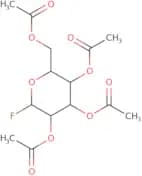
CAS:<p>2,3,4,6-Tetra-O-acetyl-α-D-mannopyranosyl fluoride is a fluorinated glycoside that is used as a reagent in organic synthesis to fluorinate alcohols and amines. It selectively reacts with primary and secondary alcohols to give the corresponding fluorides. The product can be used for the synthesis of carboxylic acids and esters. 2,3,4,6-Tetra-O-acetyl-α-D-mannopyranosyl fluoride is also used in biochemistry research as a substrate for oligosaccharide synthesis. This product has been shown to react with proteins to form peptides and with DNA to form nucleosides.</p>Formula:C14H19O9FPurity:Min. 95%Molecular weight:350.29 g/molSecretin (Human)
CAS:<p>Secretin (human) is a peptide hormone that is produced in the duodenum and is involved in the regulation of pancreatic bicarbonate, gastric acid and osmoregulation. Secretin binds to secretin receptors which are G-protein coupled receptors and are expressed in pancreatic centroacinar cells. Secretin binds to these receptors and activates adenylate cyclase which converts ATP into cAMP which results in the secretion of bicarbonate from the pancreas. Secretin plays a role in osmoregulation through its effects on the kidney, pituitary gland and the hypothalamus. This product is available as a 0.5mg vial.</p>Formula:C130H220N44O40Purity:Min. 95%Molecular weight:3,039.4 g/molFMRF-Amide
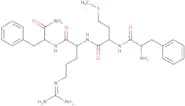
CAS:<p>A molluscan cardioexcitatory neuropeptide which has the potential to be used in cell biology, pharmacological, and protein-protein interaction studies. This product is available as an FMRF-Amide.</p>Formula:C29H42N8O4SPurity:Min. 95%Molecular weight:598.76 g/molSomatostatin (Human, Ovine, Porcine, Rat, Mouse)
CAS:<p>Somatostatin is a peptide hormone that has been found to inhibit pituitary growth hormone release as well as endocrine, pancreatic and GI secretions. It is widely expressed throughout the body for example in the gastrointestinal (GI) tract, hypothalamus, pancreas and the central nervous system. In the central nervous system somatostatin plays a role in neurotransmission modification and it has also demonstrated to be effective against a number of cancers such as squamous carcinoma. This product contains disulfide bonds between Cys3-Cys14 and is available as a 0.5mg vial.</p>Formula:C76H10N18O19S2Purity:Min. 95%Molecular weight:1,637.9 g/molAngiotensin IV acetate
CAS:<p>Angiotensin IV (Human) is a peptide hormone and peptidase inhibitor that belongs to the family of angiotensins. It is produced by the renin-angiotensin system and inhibits the action of angiotensin converting enzyme, an enzyme that converts angiotensin I into angiotensin II. Angiotensin IV has been used for research purposes as well as for therapeutic applications in cardiovascular diseases, hypertension, and congestive heart failure. Angiotensin IV is a high purity product with a purity greater than 99%.</p>Formula:C40H54N8O8Purity:Min. 95%Molecular weight:774.91 g/molAc-Val-Asp-Val-Ala-Asp-AMC
CAS:Controlled Product<p>Ac-Val-Asp-Val-Ala-Asp-AMC is a research tool used to study the function of ion channels. It is an activator that binds to the receptor site on ATP sensitive potassium channels. Ac-Val-Asp-Val-Ala-Asp-AMC has been shown to inhibit calcium and sodium ion flux through ion channels, as well as high purity and good solubility. This peptide is useful for studying protein interactions, pharmacology, and life science research.</p>Formula:C33H44N6O12Purity:Min. 95%Molecular weight:716.74 g/molAc-Gly-Lys-OMe • AcOH [AGLME]
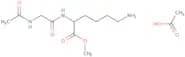
CAS:<p>Ac-Gly-Lys-OMe • AcOH is a synthetic substrate that is used in enzymatic reactions. This product is a peptide that contains an amide bond and a disulfide bond. It has been shown to be inactive when exposed to human serum for up to 30 minutes. Ac-Gly-Lys-OMe • AcOH has been shown to have inhibitory effects on the activity of monoclonal antibodies as well as dodecyl, which belongs to the group of lipids found in blood plasma. The rate of this reaction increases with increasing temperature and pH, but decreases with increasing concentrations of AGLME or dodecanol.</p>Formula:C11H21N3O4•CH3COOHPurity:Min. 95%Molecular weight:319.35 g/molLipoamido-dPEG®8-Acid
CAS:<p>Lipoamido-dPEG®8-Acid is a PEG molecule conjugated with a lipid moiety. Lipoamido-dPEG®8-Acid, conjugated to this lipid constituent, is very important especially in drug delivery and vaccine development as it helps improve the stability and circulation time of lipid nanoparticles (LNPs) and liposomes.</p>Formula:C41H67F4NO15S2Purity:Min. 95%Molecular weight:954.09 g/molAmyloid β-Protein (42-1)
CAS:<p>Amyloid Beta-Protein (42-1) is a recombinant form of the protein, amyloid beta-protein, that is relevant to Alzheimer's disease. It is used as a research tool and for pharmacological studies. Amyloid Beta-Protein (42-1) has been shown to bind to ion channels and activate them. This product can be used as an antibody or cell biology research tool.</p>Formula:C203H311N55O60SPurity:Min. 95%Molecular weight:4,514 g/molCoV-2 Spike (1000-1200)
<p>CoV-2 Spike (1000-1200) is a ProSpec that is used for the detection of Angiotensin Converting Enzyme 2 (ACE-2). The spike protein binds to ACE-2, which can be found in the human blood plasma. The CoV-2 Spike (1000-1200) can be used for the detection of coronavirus such as MERS-CoV and SARS-CoV. It can also be used to detect Proteins in samples such as COVID-19.</p>Purity:Min. 95%Cyclo(Arg-Gly-Asp-D-Phe-Val)
CAS:<p>Cyclo(Arg-Gly-Asp-D-Phe-Val) is a cyclic peptide that inhibits the activity of surface glycoprotein enzymes. It has shown to be effective against malignant brain tumor cells and has anti-angiogenic effects. Cyclo(Arg-Gly-Asp-D-Phe-Val) also inhibits integrin receptor function by binding to the αVβ3 or αVβ5 integrin, which may be useful for biomarker identification. This compound is potent as an antagonist to epidermal growth factor (EGF), which may have potential use in treating benign prostatic hyperplasia.</p>Formula:C26H38N8O7Purity:Min. 95%Molecular weight:574.63 g/molSuc-Ala-Ala-Ala-AMC
CAS:<p>Suc-Ala-Ala-Ala-AMC is a peptide that is used as a research tool to study protein interactions. It can be used to activate an antibody or receptor and to inhibit the activity of ion channels. This compound has been shown to bind to the Ligand Binding Domain of the Beta2 adrenergic receptor, which is expressed in the heart and lungs. Suc-Ala-Ala-Ala-AMC is also known as 73617-90-0, and has CAS No. 73617-90-0.</p>Formula:C23H28N4O8Purity:Min. 95%Molecular weight:488.49 g/molRelaxin-2 (Human)
CAS:<p>Relaxin-2 is a peptide hormone that belongs to the insulin family of hormones. It is produced by the corpus luteum and placenta. The relaxin-2 receptor is a G protein coupled receptor belonging to the superfamily of class A receptors, which are known as rhodopsin-like receptors. Relaxin-2 has been shown to activate ion channels in cells, leading to an increase in intracellular calcium levels. This hormone has also been shown to inhibit protein interactions and regulate cell growth and differentiation through its interaction with the receptor. The pharmacological effects of relaxin-2 are mediated by binding to the ligand-binding domain on the receptor, which leads to activation of a number of intracellular signaling pathways.</p>Formula:C256H408N74O74S8Purity:Min. 95%Molecular weight:5,963 g/molt-boc-N-EDA
CAS:<p>N-Ethyl-2,6-dimethylbenzene-1,4-diamine (EDA) is a building block in the synthesis of peptides. N-Ethyl-2,6-dimethylbenzene-1,4-diamine is used to prepare dPEG�� by reacting with ethylene diamine. The product is purified by vacuum distillation and used for reagents.</p>Formula:C13H27NO6Purity:Min. 95%Molecular weight:293.36 g/mol2-Deoxy-2-Phthalimido-3,4,6-Tri-O-Acetyl-α-D-Galactopyranosyl Fluoride
CAS:<p>2-Deoxy-2-Phthalimido-3,4,6-Tri-O-Acetyl-α-D-Galactopyranosyl Fluoride is a glycosyl. It is a building block for the synthesis of peptides and other biochemicals. This compound is used in the preparation of fluorinated analogs of carbohydrates and glycosides to study their properties. 2DGTF has been shown to inhibit the activity of many enzymes, including DNA polymerase, topoisomerase II, protein kinase C, phospholipase A2, mitochondrial ATP synthase and proteases.</p>Formula:C20H20NO9FPurity:Min. 95%Molecular weight:437.37 g/molChymostatin (0.5 mg vial)
CAS:<p>Chymostatin is a protein-based inhibitor that binds to the receptor site of amyloid beta peptides, preventing them from aggregating and thereby inhibiting the formation of amyloid plaques. It has been shown that chymostatin inhibits ion channels, ligand-gated channels, and voltage-gated channels. Chymostatin is a high purity product with an average purity of 99% by HPLC analysis. It is also available in a variety of concentrations (0.5 mg vial).</p>Formula:C31H42N6O7Purity:Min. 95%Molecular weight:610.72 g/molE-64
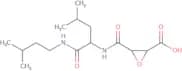
CAS:<p>E-64 is a research tool that is used to study protein interactions. It has been shown to inhibit ion channels, such as the nicotinic acetylcholine receptor and the voltage-gated calcium channel. E-64 binds to receptors in the cell membrane, blocking ion channels and altering intracellular signaling pathways. E-64 has been shown to inhibit nitric oxide synthase, which may account for its anti-inflammatory properties. E-64 also inhibits an enzyme called protein tyrosine phosphatase 1B (PTP1B), which is involved in insulin resistance and type 2 diabetes mellitus.</p>Formula:C15H27N5O5Purity:Min. 95%Molecular weight:357.41 g/molm-dPEG®4-Amine
CAS:<p>m-dPEG®4-Amine is a PEG compound with two different functional groups (also known as heterobifunctional). Unlike homobifunctional PEG compounds (same functional group on both ends), this type of compounds are more versatile as have two different anchor points. m-dPEG®4-Amine is used as a linker and spacer to add a PEG moiety, via pegylation (a bioconjugation technique) to proteins, peptides, oligonucleotides, small molecules and nanoparticles.</p>Purity:Min. 95%Molecular weight:207.27 g/molStresscopin-Related Peptide (Human)
CAS:<p>Stresscopin-Related Peptide (Human) is a protein that belongs to the class of peptides. The peptide is an activator of receptor for glucocorticoids, and it also can bind with other receptors. Stresscopin-Related Peptide (Human) has been shown to interact with ion channels and ligands, such as antibodies, in the human body. This product is purified to ≥98% and available in a research grade form. It is not intended for use in humans or animals.</p>Formula:C205H358N68O57Purity:Min. 95%Molecular weight:4,687.5 g/molGalanin (Rat)
CAS:<p>Galanin is a peptide that belongs to the family of neuropeptides and is found in the endocrine system, the central and peripheral nervous systems. It has been shown to inhibit the release of acetylcholine in the central nervous system and interestingly in Alzheimer’s disease patients, hyperinervation of galanin fibres has been found. Galanin is also known to have a variety of physiological effects including inhibition of insulin release, stimulation of prolactin and growth hormone secretion and it also plays a role in feeding, mood, cognition, neuroendocrine regulation and affects gastrointestinal motility. Galanin asserts its effects through associated with G-protein coupled receptors. This product is available as a 0.5mg vial.</p>Formula:C141H211N43O41Purity:Min. 95%Molecular weight:3,164.5 g/molm-dPEG®Acid (MW = 148)
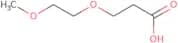
CAS:<p>m-dPEG®Acid (MW = 148) is a PEG compound with two different functional groups (also known as heterobifunctional). Unlike homobifunctional PEG compounds (same functional group on both ends), this type of compounds are more versatile as have two different anchor points. m-dPEG®Acid (MW = 148) is used as a linker and spacer to add a PEG moiety, via pegylation (a bioconjugation technique) to proteins, peptides, oligonucleotides, small molecules and nanoparticles.</p>Purity:Min. 95%Molecular weight:148.16 g/molMOG (35-51) cit46 human
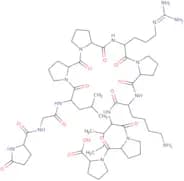
<p>Myelin oligodendrocyte glycoprotein (MOG) is a member of the immunoglobulin (Ig) protein superfamily and is expressed exclusively in the central nervous system (CNS) on the surface of myelin sheaths and oligodendrocyte processes. MOG is expressed at the onset of myelination, and therefore is a potential marker for oligodendrocyte maturation.MOG contains an extracellular domain, a transmembrane domain, a cytoplasmic loop, a membrane-associated region and a cytoplasmic tail. MOG may function as a cell surface receptor or cell adhesion molecule. -Fifteen different alternatively spliced isoforms have been detected in humans. These are present either on the cell surface, the endoplasmic reticulum in the endocytic system, or in secreted form.The secreted form of MOG may trigger autoimmunity if released into the cerebrospinal fluid and periphery. MOG is thought to be a key target for autoantibodies and cell-mediated immune responses in inflammatory demyelinating diseases such as multiple sclerosis (MS) and is therefore widely studied in this field.Fragment (35-51) of the human MOG can be rapidly degraded by the serine protease CatG. Conversion of arginine 46 to citrulline in this peptide reduces the sensitivity of the citrullinated MOG 35-51 peptide to degradation. This peptide has an uncharged C-terminal amide.</p>Molecular weight:2,135.1 g/molBoc-Ile-Glu-Gly-Arg-AMC
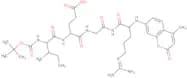
CAS:<p>Boc-Ile-Glu-Gly-Arg-AMC is a cell permeable inhibitor of protein interactions that binds to the peptide sequences of the extracellular domain of the epidermal growth factor receptor (EGFR). Boc-Ile-Glu-Gly-Arg-AMC can be used as a research tool to study protein interactions, as well as an inhibitor for EGFR. It is soluble in DMSO and water. This product has been shown to inhibit the activity of ion channels such as voltage dependent calcium channels, potassium channels, and sodium channels. Boc-Ile-Glu-Gly-Arg-AMC also inhibits antibody binding to its antigen.</p>Formula:C34H50N8O10Purity:Min. 95%Molecular weight:730.81 g/molZ-Ala-Ala-Leu-pNA
CAS:<p>Z-Ala-Ala-Leu-pNA is a synthetic substrate that is used as a chemical test for serine proteases. It is synthesized by the addition of a single amino acid to the C-terminal end of Z-Ala-Ala-Leu. This substrate has been used in kinetic studies and biochemical analysis, such as biophysical and proteolytic properties. The enzyme preparation that hydrolyzes this substrate is often immobilized on a solid support, such as agarose beads or polystyrene or glass beads, so that it can be applied to an assay plate. Z-Ala-Ala-Leu-pNA is also used in functional group analyses of proteins.</p>Formula:C26H33N5O7Purity:Min. 95%Molecular weight:527.57 g/molAmyloid β-Protein (Human, 1-43)
CAS:<p>Amyloid beta (Aβ) is a peptide that is associated with the development of Alzheimer's disease. It is used as a research tool in cell biology, pharmacology and neuroscience. Amyloid beta-protein has been shown to activate certain receptors on the surface of cells, including ion channels. This protein also binds to antibodies that are specific for Aβ and can be used in immunohistochemistry experiments.</p>Formula:C207H318N56O62SPurity:Min. 95%Molecular weight:4,615.1 g/molZ-Phe-Arg-AMC
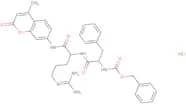
CAS:<p>sold as the HCl salt</p>Formula:C33H36N6O6Purity:Min. 95%Molecular weight:612.68 g/molBig Endothelin-1 (Human, 1-38)
CAS:<p>This product has disulfide bonds between Cys1-Cys15 and Cys3-Cys11 and is available as a 0.5mg vial. Big Endothelin-1 (Human, 1-38) is a peptide that is a member of the endothelin family and is part of the 39 amino acids of Big Endothelin-1 which is a precursor of Endothelin-1 (ET-1). ET-1 exhibits vasoconstrictive properties and is an activator of endothelin G-protein coupled receptors. Furthermore ET-1 is produced when inflammation, vascular stress or hypoxia occurs. In vivo Big Endothelin-1 has a greater half life compared to ET-1 and therefore makes it useful to study secretory activity in the endothelial system.<br>Overall Big Endothelin-1 (Human, 1-38) can be used as a research tool for studying protein interactions, receptor activation and function, and ligand binding. This peptide is also used in pharmacology to study the effects of therapeutic agents on receptor activity and expression.</p>Formula:C189H282N48O56S5Purity:Min. 95%Molecular weight:4,282.9 g/molBz-Arg-NH2 • HCl • H20
CAS:<p>Bz-Arg-NH2 is a proteolytic variant of the enzyme arginase. It is inactivated by ammonium sulfate and competitively by constant. The active site of Bz-Arg-NH2 contains an aldehyde group, which is responsible for its proteolytic activity. Peptides & Biochemicals offers this product as a solute to be used in affinity chromatography and filtration experiments. This product has been shown to be most active at pH 6.0 with an optimum temperature of 37°C. The chloromethyl ketone can be used as a marker for this product during fractionation due to its fluorescing properties.</p>Formula:C13H19N5O2•HCI•H2OPurity:Min. 95%Molecular weight:331.8 g/molPentosidine
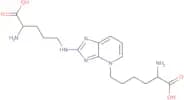
CAS:<p>A Pentosidine product which can be used as a biomarker for Advanced Glycation End Products (known as AGEs) and for Glycation-Oxidative stress which is seen in diabetes mellitus type 2. It is available in the Trifluoroacetate Salt form and as a 0.1mg vial.</p>Formula:C17H26N6O4Purity:Min. 95%Molecular weight:378.43 g/molm-dPEG®36-Azide (Azido-m-dPEG®36)
CAS:<p>m-dPEG®36-Azide (Azido-m-dPEG®36) is a PEG compound with two different functional groups (also known as heterobifunctional). Unlike homobifunctional PEG compounds (same functional group on both ends), this type of compounds are more versatile as have two different anchor points. m-dPEG®36-Azide (Azido-m-dPEG®36) is used as a linker and spacer to add a PEG moiety, via pegylation (a bioconjugation technique) to proteins, peptides, oligonucleotides, small molecules and nanoparticles.</p>Formula:C48H97N3O24Purity:Min. 95%Molecular weight:1,100.29 g/molLipoamido-dPEG®36-TFP Ester
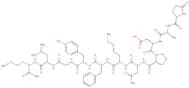
CAS:<p>Lipoamido-dPEG®36-TFP Ester is a PEG molecule conjugated with a lipid moiety. Lipoamido-dPEG®36-TFP Ester, conjugated to this lipid constituent, is very important especially in drug delivery and vaccine development as it helps improve the stability and circulation time of lipid nanoparticles (LNPs) and liposomes.</p>Formula:C16H20N2O10Purity:Min. 95%Molecular weight:400.34 g/mol[Ala11, D-Leu15]-Orexin B (Human)
CAS:<p>Orexin B is a peptide that belongs to the orexin family and is used in research. It has been shown to bind to orexin receptors, which are G-protein coupled receptors. Orexin B activates these receptors and is an activator of Ligand-gated ion channels such as NMDA (N-methyl-D-aspartate) receptors. It also binds with high affinity to the human M1 muscarinic acetylcholine receptor and inhibits Ca2+ currents in neuronal cells. Orexin B is also a ligand for the L1 class of immunoglobulin superfamily cell adhesion molecules, which are involved in cell biology.</p>Formula:C120H206N44O35SPurity:Min. 95%Molecular weight:2,857.3 g/molAbz-Glu-Pro-Phe-Trp-Glu-Asp-Gln-EDDnp
CAS:<p>Abz-Glu-Pro-Phe-Trp-Glu-Asp-Gln-EDDnp is a peptide that is used as a research tool for the study of protein interactions, receptor activation, and ion channels. It has shown to be an activator of receptors and ion channels. The Abz-Glu-Pro-Phe-Trp-Glu-Asp-Gln is a cyclic peptide which can bind to the GluR2 receptor on the postsynaptic membrane. This binding causes an influx of calcium ions and depolarization of the postsynaptic cell membrane.</p>Formula:C59H68N14O19Purity:Min. 95%Molecular weight:1,277.25 g/molAdjuvant Peptide
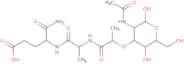
CAS:<p>Adjuvant Peptide is a glycol ether that has been shown to have biological properties. It is used in the production of Immunoassays and other biochemicals. Adjuvant Peptide is an experimental model for immunity, as it stimulates cellular responses and alters the immune system's response to antigens. It shows potential for use in treating bowel diseases, such as ulcerative colitis, because of its ability to stimulate macrophage activity and induce cytokine production.</p>Formula:C19H32N4O11•2H2OPurity:Min. 95%Molecular weight:528.51 g/molCBZ-N-Amido-dPEG®36-Acid
CAS:<p>CBZ-N-Amido-dPEG®36-Acid is a PEG compound with two different functional groups (also known as heterobifunctional). Unlike homobifunctional PEG compounds (same functional group on both ends), this type of compounds are more versatile as have two different anchor points. CBZ-N-Amido-dPEG®36-Acid is used as a linker and spacer to add a PEG moiety, via pegylation (a bioconjugation technique) to proteins, peptides, oligonucleotides, small molecules and nanoparticles.</p>Formula:C83H157NO40Purity:Min. 95%Molecular weight:1,809.12 g/molAmyloid β-Protein (Human, 1-28)
CAS:<p>Amyloid β-Protein (Human, 1-28) is a peptide that belongs to the group of research tools. It is an activator of ion channels and can be used as a research tool for Life Science, Cell Biology, and Pharmacology. Amyloid β-Protein (Human, 1-28) has been shown to regulate the interactions between proteins with its receptor or ligand. This protein has also been shown to inhibit the activity of ion channels and may be useful in treating diseases such as Alzheimer's disease. The chemical formula for this peptide is C17H22N4O2 and its molecular weight is 368.4 g/mol.</p>Formula:C145H209N41O46Purity:Min. 95%Molecular weight:3,262.5 g/molSalusin-α (Human)
CAS:<p>Salusin-Alpha is a human protein that belongs to the peptide family. It has the ability to activate a receptor and is used in research as a pharmacology and cell biology tool. Salusin-Alpha binds to ion channels and inhibits their function, which may be due to its ability to inhibit ligand binding. Salusin-Alpha is used in research as an inhibitor of peptides and antibodies, which are used in research as receptor ligands. This product has been shown to have high purity, with no detectable contaminants such as proteases, lipases, or nucleases. The CAS number for this product is 624735-22-4.</p>Formula:C114H192N40O30Purity:Min. 95%Molecular weight:2,603 g/molAc-Val-Glu-Ile-Asp-AMC
CAS:<p>Ac-Val-Glu-Ile-Asp-AMC is a peptide that binds to the acetylcholine receptor, which is a protein that plays an important role in the transmission of nerve signals. Ac-Val-Glu-Ile-Asp-AMC is used as a research tool to study the binding of ligands and receptors. It can be purchased from Sigma Aldrich with purity greater than 98%.</p>Formula:C32H43N5O11Purity:Min. 95%Molecular weight:673.71 g/mol30 mL Manual Reaction Vessel
<p>The manual reaction vessel is a laboratory tool for chemical reactions. It is a sealed, sterile glass vessel that can be opened and closed to allow the introduction of chemicals. The manual reaction vessel has an opening at one end for adding reagents, and a stopcock at the other end for controlling the flow of reactants. The manual reaction vessel is used in research to study protein interactions and receptor ligand interactions. It is also used in pharmacology to study drug binding and as a cell biology research tool. This product is made from high purity borosilicate glass, which ensures it will not break down due to chemical exposure or thermal shock. It has no seams or welds that could release contaminants into the environment.</p>Purity:Min. 95%m-dPEG®8-Propionaldehyde
CAS:<p>m-dPEG®8-Propionaldehyde is a PEG compound with two different functional groups (also known as heterobifunctional). Unlike homobifunctional PEG compounds (same functional group on both ends), this type of compounds are more versatile as have two different anchor points. m-dPEG®8-Propionaldehyde is used as a linker and spacer to add a PEG moiety, via pegylation (a bioconjugation technique) to proteins, peptides, oligonucleotides, small molecules and nanoparticles.</p>Formula:C29H65N3O17S2Purity:Min. 95%Molecular weight:912.08 g/molCbz-N-Amido-dPEG®6-Acid
CAS:<p>Cbz-N-Amido-dPEG®6-Acid is a PEG compound with two different functional groups (also known as heterobifunctional). Unlike homobifunctional PEG compounds (same functional group on both ends), this type of compounds are more versatile as have two different anchor points. Cbz-N-Amido-dPEG®6-Acid is used as a linker and spacer to add a PEG moiety, via pegylation (a bioconjugation technique) to proteins, peptides, oligonucleotides, small molecules and nanoparticles.</p>Purity:Min. 95%Molecular weight:487.54 g/molParathyroid Hormone (Human, 1-44)
CAS:<p>Amino acids 1-44 of the Parathyroid Hormone (PTH) which is a peptide hormone that is secreted from the parathyroid gland in the event of abnormal serum calcium levels and it ultimately regulates calcium and phosphate levels in the body. The PTH exerts its activity through binding to the G-protein coupled receptor type 1 PTH receptor, which activates adenylate cyclase or phospholipase C thus activating pathways involved in the mediation of bone resorption and bone formation. This product is suitable for life science applications and is available as a 0.5mg vial.</p>Formula:C225H366N68O61S2Purity:Min. 95%Molecular weight:5,063.9 g/molPHM-27 (Human)
CAS:<p>PHM-27 is a peptide that is used as a research tool in the fields of cell biology, pharmacology and immunology. It is also used to study protein interactions and receptor/ligand interactions.</p>Formula:C135H214N34O40SPurity:Min. 95%Molecular weight:2,985.4 g/molPhysalaemin
CAS:<p>Physalaemin is a peptide that has been found to be an activator of the G-protein coupled receptor. Physalaemin has been shown to inhibit ion channels, such as potassium channels and calcium channels. Physalaemin may also inhibit the activity of certain ligands, such as bradykinin and substance P. This peptide can also act as a research tool for pharmacology and cell biology.</p>Formula:C58H84N14O16SPurity:Min. 95%Molecular weight:1,265.4 g/molt-boc-N-Amido-dPEG®36-Acid
CAS:<p>t-boc-N-Amido-dPEG®36-Acid is a PEG compound with two different functional groups (also known as heterobifunctional). Unlike homobifunctional PEG compounds (same functional group on both ends), this type of compounds are more versatile as have two different anchor points. t-boc-N-Amido-dPEG®36-Acid is used as a linker and spacer to add a PEG moiety, via pegylation (a bioconjugation technique) to proteins, peptides, oligonucleotides, small molecules and nanoparticles.</p>Formula:C80H159NO40Purity:Min. 95%Molecular weight:1,775.1 g/molLipoamido-dPEG®4-TFP Ester
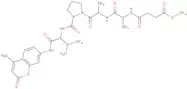
CAS:<p>Lipoamido-dPEG®4-TFP Ester is a PEG molecule conjugated with a lipid moiety. Lipoamido-dPEG®4-TFP Ester, conjugated to this lipid constituent, is very important especially in drug delivery and vaccine development as it helps improve the stability and circulation time of lipid nanoparticles (LNPs) and liposomes.</p>Formula:C31H62O15Purity:Min. 95%Molecular weight:674.81 g/molSuc(OMe)-Ala-Ala-Pro-Val-AMC
CAS:<p>Suc(OMe)-Ala-Ala-Pro-Val-AMC is an activator ligand that binds to the receptor. It is a research tool and is used in cell biology, antibody production, ion channels and pharmacology. This compound can be used as an inhibitor for protein interactions. Suc(OMe)-Ala-Ala-Pro-Val-AMC has high purity and is a peptide. The CAS number of this compound is 72252-90-5.</p>Formula:C31H41N5O9Purity:Min. 95%Molecular weight:627.69 g/molAzido-dPEG® 8-NHS ester
CAS:<p>Azido-dPEG® 8-NHS ester is a PEG compound with two different functional groups (also known as heterobifunctional). Unlike homobifunctional PEG compounds (same functional group on both ends), this type of compounds are more versatile as have two different anchor points. Azido-dPEG® 8-NHS ester is used as a linker and spacer to add a PEG moiety, via pegylation (a bioconjugation technique) to proteins, peptides, oligonucleotides, small molecules and nanoparticles.</p>Purity:Min. 95%Molecular weight:564.58 g/molAmino-dPEG®4-t-boc-hydrazide
CAS:<p>Amino-dPEG®4-t-boc-hydrazide is a PEG compound with two different functional groups (also known as heterobifunctional). Unlike homobifunctional PEG compounds (same functional group on both ends), this type of compounds are more versatile as have two different anchor points. Amino-dPEG®4-t-boc-hydrazide is used as a linker and spacer to add a PEG moiety, via pegylation (a bioconjugation technique) to proteins, peptides, oligonucleotides, small molecules and nanoparticles.</p>Formula:C16H33N3O7Purity:Min. 95%Molecular weight:379.45 g/molZ-Gly-Pro-Arg-AMC
CAS:<p>Z-Gly-Pro-Arg-AMC is a synthetic peptide that can inhibit the activity of various enzymes. It has been shown to be an inhibitor of protein interactions, activator of ligand, and receptor. This peptide is used as a research tool in cell biology and pharmacology studies. Z-Gly-Pro-Arg-AMC is also used in high purity applications (e.g., ion channels) and antibody production.</p>Formula:C31H37N7O7Purity:Min. 95%Molecular weight:619.67 g/mol[D-Ala2,Met5]-Enkephalin
CAS:<p>[D-Ala2,Met5]-Enkephalin is a peptide. It is a potent and specific activator of opioid receptors. It has been used to study the effects of opioid peptides on ion channels and receptor interactions, as well as for research into protein interactions and pharmacology.</p>Formula:C28H37N5O7SPurity:Min. 95%Molecular weight:587.69 g/molTFP-dPEG®4-( m-dPEG®24)3-Ester
CAS:<p>TFP-dPEG®4-( m-dPEG®24)3-Ester is a research tool that can be used as an activator or ligand for cell biology, antibody characterization, ion channels, and protein interactions. This product may also be used in pharmacology and peptide synthesis. TFP-dPEG®4-( m-dPEG®24)3-Ester is also an inhibitor of CAS No. 1108750-59-9.</p>Formula:C31H56N4O16Purity:Min. 95%Molecular weight:740.79 g/molAmino-dPEG®2-t-butyl ester
CAS:<p>Amino-dPEG®2-t-butyl ester is a PEG compound with two different functional groups (also known as heterobifunctional). Unlike homobifunctional PEG compounds (same functional group on both ends), this type of compounds are more versatile as have two different anchor points. Amino-dPEG®2-t-butyl ester is used as a linker and spacer to add a PEG moiety, via pegylation (a bioconjugation technique) to proteins, peptides, oligonucleotides, small molecules and nanoparticles.</p>Formula:C42H65NO16Purity:Min. 95%Molecular weight:839.96 g/molBevacizumab Light chain
<p>Light chain of the bevacizumab monoclonal antibody, sold as the antitumour therapeutic Avastin. It prevents vascular endothelial growth factor (VEGF) from binding to VEGF receptors 1 and 2 thus inhibiting angiogenesis in tumours.</p>Molecular weight:1,282.6 g/molTau (195-209) Light
<p>Amino acids 195-209 of tubulin-associated unit (tau). This region represents a tau tryptic peptide and is part of the core of the tau protein. Tau is a phosphoprotein involved in microtubule (MT) assembly and stability as well as brain development. Tau is phosphorylated at multiple sites by several protein kinases, including cyclic-AMP-dependent protein kinases and casein kinase type-1. Tau phosphorylation causes tau to change shape, negatively regulating its ability to stimulate MT assembly. Tau is also glycosylated, and-O-glycosylation may have a role in its subcellular localisation and degradation.Malfunctioning tau protein contributes to the structural core of the paired helical filaments (PHFs), which make up neurofibrillary tangles (NFTs). NFTs are often observed in neurodegenerative disorders, such as Alzheimer disease and other tauopathies. Tau is expressed from a single gene and is alternatively spliced to yield six different isoforms in the adult central nervous system (CNS).</p>Molecular weight:1,392.6 g/molCbz-N-Amido-dPEG®12-Acid
CAS:<p>Cbz-N-Amido-dPEG®12-Acid is a PEG compound with two different functional groups (also known as heterobifunctional). Unlike homobifunctional PEG compounds (same functional group on both ends), this type of compounds are more versatile as have two different anchor points. Cbz-N-Amido-dPEG®12-Acid is used as a linker and spacer to add a PEG moiety, via pegylation (a bioconjugation technique) to proteins, peptides, oligonucleotides, small molecules and nanoparticles.</p>Purity:Min. 95%Molecular weight:751.86 g/molMorphine Tolerance Peptide
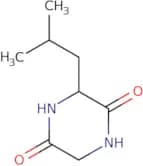
CAS:<p>Morphine tolerance peptide is a cyclic peptide analog of morphine. It has been shown to have an affinity for the kappa-opioid receptor that is similar to that of morphine, but it has a higher potency and a longer duration of action. The molecular modeling study indicates that the analog interacts with the receptor in a similar manner as morphine and exhibits high selectivity for this receptor. The analog also shares many of the same features as morphine in terms of depressant effect and locomotor activity, but does not produce any kind of withdrawal syndrome.</p>Formula:C8H14N2O2Purity:Min. 95%Molecular weight:170.21 g/molAzido-dPEG®7-Amine
CAS:<p>Azido-dPEG®7-Amine is a PEG compound with two different functional groups (also known as heterobifunctional). Unlike homobifunctional PEG compounds (same functional group on both ends), this type of compounds are more versatile as have two different anchor points. Azido-dPEG®7-Amine is used as a linker and spacer to add a PEG moiety, via pegylation (a bioconjugation technique) to proteins, peptides, oligonucleotides, small molecules and nanoparticles.</p>Purity:Min. 95%Molecular weight:394.46 g/mol[Met(O)12]-ANP (Human, 1-28)
CAS:<p>[Met(O)12]-ANP (Human, 1-28) is a peptide that activates the guanylate cyclase. It has been shown to bind to the receptor for ANP, which is present in many cell types. The binding of [Met(O)12]-ANP (Human, 1-28) to its receptor leads to an increase in intracellular cGMP levels and consequently an increase in intracellular cAMP levels. This product is a research tool for protein interactions and can be used as an inhibitor or activator. The purity of this product is >98%.</p>Formula:C127H203N45O40S3Purity:Min. 95%Molecular weight:3,096.4 g/molm-dPEG®12-Lipoamide
CAS:<p>m-dPEG®12-Lipoamide is a PEG molecule conjugated with a lipid moiety. m-dPEG®12-Lipoamide, conjugated to this lipid constituent, is very important especially in drug delivery and vaccine development as it helps improve the stability and circulation time of lipid nanoparticles (LNPs) and liposomes.</p>Purity:Min. 95%[Nle8,18,Tyr34]-Parathyroid Hormone (Human, 1-34)
CAS:<p>Peptide product related to the 1-34 amino acids of the Parathyroid Hormone (PTH) and available as a 0.5mg vial.<br>PTH is a peptide hormone that is secreted from the parathyroid gland in the event of abnormal serum calcium levels and it ultimately regulates calcium and phosphate levels in the body. The PTH exerts its activity through binding to the G-protein coupled receptor type 1 PTH receptor, which activates adenylate cyclase or phospholipase C thus activating pathways involved in the mediation of bone resorption and bone formation. This product is suitable for life science applications.</p>Formula:C183H295N55O52Purity:Min. 95%Molecular weight:4,097.6 g/moldPEG®12 Biotin Acid
CAS:<p>dPEG®12 Biotin Acid is a PEG compound with two different functional groups (also known as heterobifunctional). Unlike homobifunctional PEG compounds (same functional group on both ends), this type of compounds are more versatile as have two different anchor points. dPEG®12 Biotin Acid is used as a linker and spacer to add a PEG moiety, via pegylation (a bioconjugation technique) to proteins, peptides, oligonucleotides, small molecules and nanoparticles.</p>Purity:Min. 95%Molecular weight:844.02 g/molm-dPEG®12-TFP Ester
CAS:<p>m-dPEG®12-TFP Ester is a PEG compound with two different functional groups (also known as heterobifunctional). Unlike homobifunctional PEG compounds (same functional group on both ends), this type of compounds are more versatile as have two different anchor points. m-dPEG®12-TFP Ester is used as a linker and spacer to add a PEG moiety, via pegylation (a bioconjugation technique) to proteins, peptides, oligonucleotides, small molecules and nanoparticles.</p>Formula:C60H118O32Purity:Min. 95%Molecular weight:1,395.61 g/molEndothelin-3 (Human)
CAS:<p>Endothelin-3 (ET-3) is a protein that belongs to the large family of endothelin peptides which activate the G-protein coupled receptors ETA and ETB. However ET-3 has lower affinity for the ETA receptors compared to Endothelin-1 (ET-1) and Endothelin-2 (ET-2), whereas all three endothelins have similar affinity for ETB receptors. As ETB receptors make up around 90% of the endothelin receptors found in the cerebral cortex in humans, ET-3 can be nicknamed the ‘brain endothelin’. Also through ET-3’s activation of ETB receptors, ET-3 is involved in the development of the enteric nervous system which controls within the gut, blood flow, secretion and intestinal motility. This product has disulfide bonds between Cys1-Cys and Cys3-Cys11, is sourced from Porcine, Rat and Rabbit and is available as a 0.5mg vial</p>Formula:C121H168N26O33S4Purity:Min. 95%Molecular weight:2,643 g/molBNP-32 (Rat)
CAS:<p>BNP-32 is a peptide that is an activator of the B2 receptor. It has been shown to inhibit the ion channels in cells, which may be due to its binding to the ligand-binding site on the receptor. BNP-32 has also been shown to bind to antibodies and can be used as a research tool for cell biology or other areas of life science. BNP-32 is a high purity product with CAS No. 123337-89-3.</p>Formula:C146H239N47O44S3Purity:Min. 95%Molecular weight:3,452.9 g/molBradykinin-Potentiator B
CAS:<p>Bradykinin-potentiator B is a peptide that belongs to the group of activators. It has been shown to activate ion channels and is used as a research tool for studying protein interactions, receptor pharmacology, and ligand binding. Bradykinin-potentiator B can be used in cell biology for studying protein interactions with antibodies or receptors. Bradykinin potentiator B binds to the receptor site and activates it by changing its conformation. This leads to changes in the cell's behavior, such as increased secretion of hormones or neurotransmitters.</p>Formula:C56H91N15O13Purity:Min. 95%Molecular weight:1,182.4 g/molE-64-c
CAS:<p>E-64-c is a research tool that is used to activate the receptor of a cell. This ligand can bind to the receptor and form a complex, which will then be able to interact with other proteins in the cell. This process can lead to changes in ion channel activity, protein synthesis, or gene expression. E-64-c has been shown to inhibit the activity of ion channels such as calcium channels and potassium channels, as well as protein synthesis. It also binds to antibodies and blocks their binding sites on cells.br><br>E-64-c is a high purity ligand that can be used for studying protein interactions or pharmacological purposes. The potency of this ligand has been tested by measuring its ability to inhibit the binding of various peptides such as vasopressin and angiotensin II.</p>Formula:C15H26N2O5Purity:Min. 95%Molecular weight:314.38 g/molBz-Gly-Gly-Gly [Hippuryl-Glycyl-Glycine]
CAS:<p>Bz-Gly-Gly-Gly is a prodrug that is metabolized by enzymatic hydrolysis to its active form, hippurylglycylglycine. The prodrug has been shown to have minimal toxicity in mice and humans, and it binds to the target enzyme of infectious diseases (e.g., HIV) with high affinity. Bz-Gly-Gly-Gly has been shown to be effective in vitro against human immunodeficiency virus type 1 (HIV1) and mouse tumor models, as well as in vivo against mouse leukemia cells. The drug has also been shown to be safe at physiological levels in mice.</p>Formula:C13H15N3O5Purity:Min. 95%Molecular weight:293.28 g/molD-Arginyl-[Hyp3,Thi5,D-Tic7,Oic8]-Bradykinin
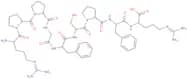
CAS:<p>D-Arginyl-[Hyp3,Thi5,D-Tic7,Oic8]-Bradykinin is a synthetic peptide that is used as a research tool. It has been shown to activate ion channels and receptor proteins in studies on cell biology and pharmacology. This peptide also inhibits the binding of ligands to their receptors, which may be due to its structural similarity with other peptides that bind to the same receptor. D-Arginyl-[Hyp3,Thi5,D-Tic7,Oic8]-Bradykinin is an inhibitor of protein interactions.</p>Formula:C59H89N19O13SPurity:Min. 95%Molecular weight:1,304.5 g/molm-dPEG®2-NHS Ester
CAS:<p>m-dPEG®2-NHS Ester is a PEG compound with two different functional groups (also known as heterobifunctional). Unlike homobifunctional PEG compounds (same functional group on both ends), this type of compounds are more versatile as have two different anchor points. m-dPEG®2-NHS Ester is used as a linker and spacer to add a PEG moiety, via pegylation (a bioconjugation technique) to proteins, peptides, oligonucleotides, small molecules and nanoparticles.</p>Formula:C18H28N2O9Purity:Min. 95%Molecular weight:416.42 g/molHydroxy-dPEG®24-t-Butyl Ester
CAS:<p>Hydroxy-dPEG®24-t-Butyl Ester is a PEG polymer categorised as monofunctional (OH-PEG-X). Used as a linker, hydroxy-dPEG®24-t-Butyl Ester is used to attached PEG to proteins, peptides, oligonucleotides, nanoparticles and small molecules via pegylation, a bioconjugation technique.</p>Formula:C16H26N2O7Purity:Min. 95%Molecular weight:358.39 g/molOrexin-B (Rat, Mouse)
CAS:<p>Orexin B is a neuropeptide that is produced by a small group of neurons in the hypothalamus, a region of the brain that plays a critical role in regulating various physiological functions, including sleep, appetite, and energy balance.<br>Orexin B, also known as hypocretin-2, plays a role in promoting wakefulness and arousal. Studies have shown that disruptions in the orexin system are associated with various sleep disorders, including narcolepsy and insomnia. In addition, orexin B has been shown to be involved in the regulation of appetite and energy metabolism, and is being explored as a potential target for the treatment of obesity and other metabolic disorders. Therefore, orexin B is an important neuropeptide and is an active area of research in neuroscience and medicine.</p>Formula:C126H215N45O34SPurity:Min. 95%Molecular weight:2,936.4 g/mol[Sar1,Thr8]-Angiotensin II
CAS:<p>Angiotensin II is a peptide that is produced in the body and has a variety of effects. It is an activator of angiotensin receptors, which are found on cells throughout the body. Angiotensin II also binds to ligand binding sites on the surface of cells, which are called receptors. The receptor-ligand complex activates or inhibits ion channels in the cell membrane, which results in changes in cell function.</p>Formula:C44H69N13O11Purity:Min. 95%Molecular weight:956.1 g/molNeuropeptide W-30 (Human)
CAS:<p>Neuropeptide W-30 is a peptide that has been shown to activate the receptor for neuropeptide W (NPW). Neuropeptide W is a member of the tachykinin family of peptides, which are known to function as activators of G protein-coupled receptors. Neuropeptide W-30 has been shown to be a potent inhibitor of ion channels and ligand-gated ion channels, including potassium channels, calcium channels, and sodium channels. Neuropeptide W-30 also blocks the release of neurotransmitters such as acetylcholine, noradrenaline, dopamine, and serotonin in animal cells.</p>Formula:C165H249N49O37SPurity:Min. 95%Molecular weight:3,543.1 g/molFmoc-N-Amido-dPEG®24-Acid
CAS:<p>Fmoc-N-Amido-dPEG®24-Acid is a PEG compound with two different functional groups (also known as heterobifunctional). Unlike homobifunctional PEG compounds (same functional group on both ends), this type of compounds are more versatile as have two different anchor points. Fmoc-N-Amido-dPEG®24-Acid is used as a linker and spacer to add a PEG moiety, via pegylation (a bioconjugation technique) to proteins, peptides, oligonucleotides, small molecules and nanoparticles.</p>Purity:Min. 95%Molecular weight:1,368.59 g/molBiotin-dPEG®23-MAL
CAS:<p>Biotin-dPEG®23-MAL is a PEG compound with two different functional groups (also known as heterobifunctional). Unlike homobifunctional PEG compounds (same functional group on both ends), this type of compounds are more versatile as have two different anchor points. Biotin-dPEG®23-MAL is used as a linker and spacer to add a PEG moiety, via pegylation (a bioconjugation technique) to proteins, peptides, oligonucleotides, small molecules and nanoparticles.</p>Formula:C65H119N5O28SPurity:Min. 95%Molecular weight:1,450.72 g/molAlarin
CAS:<p>Alarin is a peptide that is an activator of the nicotinic acetylcholine receptor. It has been shown to activate the receptor in a number of systems, including calf-thymus DNA and purified protein. Alarin binds to the ligand-binding site of the acetylcholine receptor, which leads to channel opening. Alarin has been shown to interact with ion channels and can be used as a research tool for cell biology and pharmacology studies.</p>Formula:C127H205N43O35Purity:Min. 95%Molecular weight:2,894.3 g/molBiotin-dPEG®4-Hydrazide
CAS:<p>Biotin-dPEG®4-Hydrazide is a PEG compound with two different functional groups (also known as heterobifunctional). Unlike homobifunctional PEG compounds (same functional group on both ends), this type of compounds are more versatile as have two different anchor points. Biotin-dPEG®4-Hydrazide is used as a linker and spacer to add a PEG moiety, via pegylation (a bioconjugation technique) to proteins, peptides, oligonucleotides, small molecules and nanoparticles.</p>Formula:C22H25NO6Purity:Min. 95%Molecular weight:399.44 g/molBoc-Gly-OH
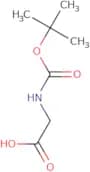
CAS:<p>Boc-Gly-OH is a cyclic peptide with a fatty acid acyl chain. It is synthesized by reacting the amino acid glycine with sodium carbonate in the presence of trifluoroacetic acid to form the intermediate Boc-Gly-OSu. The product is then reacted with allyl bromide in a second step to produce Boc-Gly-OCH2CH2Br and then reacted with calcium chloride to yield the final product. Boc-Gly-OH has been used as an HIV inhibitor, which may be due to its ability to bind to both CD4 and gp120 proteins on the surface of HIV. This binding inhibits viral entry into host cells by blocking protease activity and fusion of viral envelope with host cell membrane, leading to inhibition of HIV infection.</p>Formula:C7H13NO4Purity:Min. 95%Molecular weight:175.18 g/molChlorotoxin
CAS:<p>Chlorotoxin is an ion channel activator that is characterized by its high purity and affinity. It has been shown to bind to the acetylcholine receptor in the brain, which leads to increased levels of acetylcholine at the synapse and subsequent activation of postsynaptic neurons. Chlorotoxin also inhibits potassium channels, leading to hyperpolarization of cells and a decrease in neuronal activity. The peptide is used as a research tool for cell biology and pharmacology studies.</p>Formula:C158H249N53O47S11Purity:Min. 95%Molecular weight:3,995.7 g/molGly-Leu
CAS:<p>Gly-Leu is a cyclic peptide that was originally isolated from human serum. It has been shown to have antibiotic activity against bacteria such as Escherichia coli and Staphylococcus aureus. This drug also inhibits the enzyme activities of trifluoroacetic acid, sodium citrate, and calcium binding. Gly-Leu has been shown to have anti-tumour properties in vivo by inhibiting the growth of carcinoma cell lines and inducing apoptosis in these cells. It also has immunomodulatory effects on autoimmune diseases such as multiple sclerosis.</p>Formula:C8H16N2O3Purity:Min. 95%Molecular weight:188.22 g/molAc-Abu-Tle-Leu-Gln-AMC
<p>Ac-Abu-Tle-Leu-Gln-AMC is a peptide that activates the ion channels of ligand gated calcium channels. It is an inhibitor of the glycine receptor, which is a type of ligand gated ion channel. Ac-Abu-Tle-Leu-Gln-AMC binds to the agonist binding site and blocks the neurotransmitter glycine from activating the receptor. This peptide has been shown to be effective in inhibiting neuronal excitability in rodent models.</p>Purity:Min. 95%Bradykinin (Human, Bovine, Rat, Mouse)
CAS:<p>Bradykinin is a peptide hormone that is produced in the body by the kininase enzyme. It is an activator of ion channels and ligand for the G-protein coupled receptors B1, B2, and B3. Bradykinin is used as a research tool to study cell biology, pharmacology, and life science. It interacts with proteins such as erythrocyte protein band 4.4, alpha-2-macroglobulin receptor, alpha-bungarotoxin binding protein, beta-chain integrin receptor, and platelet membrane glycoprotein IIb/IIIa receptor. Bradykinin has been shown to inhibit the activity of bradykinin B1 receptor (Ki = 0.4 nM) and bradykinin B2 receptor (Ki = 0.6 nM).</p>Formula:C50H73N15O11Purity:Min. 95%Molecular weight:1,060.2 g/molAc-Tyr-Val-Ala-Asp-AMC
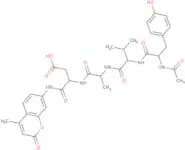
CAS:<p>Ac-Tyr-Val-Ala-Asp-AMC is a peptide that is used as a research tool to activate ion channels in cells and study the effects of ligands on these channels. It is also used in cell biology to study protein interactions, although it does not bind to any specific receptor. Ac-Tyr-Val-Ala-Asp-AMC belongs to the group of inhibitors and can be used for pharmacological purposes. The chemical structure of this peptide consists of a covalent bond between an amino acid and an acetylated form of a fluorescent molecule, which makes it suitable for use in fluorescence microscopy. Acetylated Tyr (Ac-Tyr) is one of the six amino acids found in proteins and has the ability to inhibit the activity of ion channels by binding to their external cavity. Acetylation at position 2 or 3 on Tyr can increase its affinity for calcium ion channels and affect their activation or de</p>Formula:C33H39N5O10Purity:Min. 95%Molecular weight:665.69 g/molEbelactone A
CAS:<p>Ebelactone A is a natural product that belongs to the class of antimicrobial agents. It is an orally active prodrug that is converted into the active form, 7-hydroxyebelactone, in the liver. Ebelactone A has been shown to inhibit bacterial growth and platelet aggregation in a model system. The compound also has anti-inflammatory properties and has been shown to be beneficial in models of cardiac, inflammatory bowel disease and other metabolic disorders. In addition, it may have therapeutic potential for trigeminal nerve injury and bowel disease.</p>Formula:C20H34O4Purity:Min. 95%Molecular weight:338.48 g/molGla17,21,24-Osteocalcin (Human)
CAS:<p>Gla17,21,24-Osteocalcin is a peptide that belongs to the family of proteins that have bone-building properties. Osteocalcin is produced by osteoblasts and its production increases in response to activation by parathyroid hormone. It is also an activator of ion channels and has been found to be involved in regulating calcium homeostasis. Gla17,21,24-Osteocalcin has been shown to inhibit protein interactions with the receptor and ligand. This peptide also binds to receptor sites on cells and inhibits the activity of G protein-coupled receptors (GPCRs).</p>Formula:C269H381N67O82S2Purity:Min. 95%Molecular weight:5,929.4 g/molTAME hydrochloride
CAS:<p>Tos-Arg-OMe • HCl is a peptide that has been shown to modulate the responsiveness of cells to sodium channels. Tos-Arg-OMe • HCl may also be useful as an anti-cancer drug, as it inhibits cancer cell growth and induces apoptosis. This peptide has been shown to be an effective treatment for HIV infection by inhibiting viral replication. It also reduces inflammation and prevents the development of other opportunistic infections in animal models.</p>Formula:C14H22N4O4S·ClHPurity:Min. 95%Molecular weight:378.87 g/molAPP669-711
<p>APP669-711, also known as Amyloid Precursor Protein (APP) 669-711 or Aβ−3–40, may have a potential use as a biomarker for Alzheimer's disease.</p>Purity:Min. 95%Urocortin II (Mouse)
CAS:<p>Urocortin II is a peptide of the corticotropin-releasing factor receptor family that is synthesized in the brain. It has been shown to inhibit the activity of other peptides and proteins, and can be used as a research tool for studying protein interactions, receptor binding, ion channel activity, and ligand binding. Urocortin II has been shown to activate receptors in mouse brain tissue, which may provide insight into its function as a regulator of stress responses.</p>Formula:C187H320N56O50Purity:Min. 95%Molecular weight:4,152.9 g/moldPEG®4 Biotin Acid
CAS:<p>dPEG®4 Biotin Acid is a PEG compound with two different functional groups (also known as heterobifunctional). Unlike homobifunctional PEG compounds (same functional group on both ends), this type of compounds are more versatile as have two different anchor points. dPEG®4 Biotin Acid is used as a linker and spacer to add a PEG moiety, via pegylation (a bioconjugation technique) to proteins, peptides, oligonucleotides, small molecules and nanoparticles.</p>Purity:Min. 95%Molecular weight:491.6 g/molParathyroid Hormone (Human, 1-34)
CAS:<p>This product which is available as a 0.5mg vial is amino acids 1-34 of the 84 amino acid parathyroid hormone (PTH) and can be used as an adenylate cyclase and bone growth stimulating peptide. It is possible that in can be used in research in the treatments of some types of osteoporosis.<br>PTH is a peptide hormone that is secreted from the parathyroid gland in the event of abnormal serum calcium levels and it ultimately regulates calcium and phosphate levels in the body. The PTH exerts its activity through binding to the G-protein coupled receptor type 1 PTH receptor, which activates adenylate cyclase or phospholipase C thus activating pathways involved in the mediation of bone resorption and bone formation. This product is suitable for life science applications.</p>Formula:C181H291N55O51S2Purity:Min. 95%Molecular weight:4,117.7 g/molBis-dPEG®17-PFP Ester
CAS:<p>Bis-dPEG®17-PFP Ester is a PEG polymer categorised as homobifunctional PEG (X-PEG X). Used as a linker, bis-dPEG®17-PFP Ester is used to attached PEG to proteins, peptides, oligonucleotides, nanoparticles and small molecules via pegylation, a bioconjugation technique.</p>Formula:C50H72F10O21Purity:Min. 95%Molecular weight:1,199.08 g/molZ-Asp-CH2-DCB
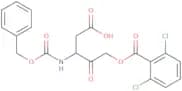
CAS:<p>Z-Asp-CH2-DCB is a peptide that is an activator of cell membrane ion channels and receptor proteins. It has been shown to inhibit the interaction between ligands and receptors, thus blocking the binding of chemical signals with their corresponding cells. This chemical signal can be either neurotransmitters or hormones. Z-Asp-CH2-DCB is also a research tool for studying protein interactions and cellular processes, such as ion channel activation.</p>Formula:C20H17NO7Cl2Purity:Min. 95%Molecular weight:454.26 g/molUroguanylin Isomer A (Human)
CAS:<p>Uroguanylin is a peptide that is released by cells in the intestine. It binds to the guanylate cyclase receptor, which stimulates the production of cyclic GMP (cGMP). This leads to an increase in intestinal water and electrolyte secretion. Uroguanylin Isomer A (Human) is a high-purity peptide that can be used as a research tool for studying ligand-receptor interactions and as an inhibitor of ion channels.</p>Formula:C64H102N18O26S4Purity:Min. 95%Molecular weight:1,667.9 g/molSuc-Ala-Ala-pNA
CAS:<p>Suc-Ala-Ala-pNA is a synthetic peptide that has been shown to inhibit the activity of enzymes in the metabolic pathway of cholesterol biosynthesis. It also inhibits the activity of phospholipase A2 and cyclooxygenase, which are involved in arachidonic acid metabolism. Suc-Ala-Ala-pNA is a hydrophobic molecule that can be used as an inhibitor for enzymes such as esterases, aminopeptidases, amidases, carboxypeptidases, and proteases. Suc-Ala-Ala-pNA has been shown to have antiatherosclerotic properties because it inhibits the production of lipid peroxides.</p>Formula:C16H20N4O7Purity:Min. 95%Molecular weight:380.35 g/mol





![Ac-Gly-Lys-OMe • AcOH [AGLME]](/_next/image/?url=https%3A%2Fstatic.cymitquimica.com%2Fproducts%2F3D%2Fthumb-webp%2FSGK-3058.webp&w=3840&q=75)











![[Ala11, D-Leu15]-Orexin B (Human)](/_next/image/?url=https%3A%2Fstatic.cymitquimica.com%2Fproducts%2F3D%2Fthumb-webp%2FPOR-4483-S.webp&w=3840&q=75)







![[D-Ala2,Met5]-Enkephalin](/_next/image/?url=https%3A%2Fstatic.cymitquimica.com%2Fproducts%2F3D%2Fthumb-webp%2FPEK-4116-V.webp&w=3840&q=75)






![[Met(O)12]-ANP (Human, 1-28)](/_next/image/?url=https%3A%2Fstatic.cymitquimica.com%2Fproducts%2F3D%2Fthumb-webp%2FPAF-4145-V.webp&w=3840&q=75)

![[Nle8,18,Tyr34]-Parathyroid Hormone (Human, 1-34)](/_next/image/?url=https%3A%2Fstatic.cymitquimica.com%2Fproducts%2F3D%2Fthumb-webp%2FPTH-4129-V.webp&w=3840&q=75)


![Bz-Gly-Gly-Gly [Hippuryl-Glycyl-Glycine]](/_next/image/?url=https%3A%2Fstatic.cymitquimica.com%2Fproducts%2F3D%2Fthumb-webp%2FSGG-3128.webp&w=3840&q=75)
![D-Arginyl-[Hyp3,Thi5,D-Tic7,Oic8]-Bradykinin](/_next/image/?url=https%3A%2Fstatic.cymitquimica.com%2Fproducts%2F3D%2Fthumb-webp%2FPKB-4293-V.webp&w=3840&q=75)


![[Sar1,Thr8]-Angiotensin II](/_next/image/?url=https%3A%2Fstatic.cymitquimica.com%2Fproducts%2F3D%2Fthumb-webp%2FPAN-4102-V.webp&w=3840&q=75)