Peptides
Peptides are short chains of amino acids linked by peptide bonds, serving as important biological molecules that play key roles in cellular processes. They function as hormones, neurotransmitters, and signaling molecules, and are widely used in therapeutic and diagnostic applications. Peptides are also crucial in research for studying protein interactions, enzyme activities, and cell signaling pathways. At CymitQuimica, we provide a diverse selection of high-quality peptides to support your research and development needs in biotechnology and pharmaceuticals.
Subcategories of "Peptides"
Found 30340 products of "Peptides"
Sort by
Purity (%)
0
100
|
0
|
50
|
90
|
95
|
100
Dnp-Pro-Leu-Gly-Leu-Trp-Ala-D-Arg-NH2
CAS:<p>Dnp-Pro-Leu-Gly-Leu-Trp-Ala-D-Arg-NH2 is a synthetic substrate for the enzyme sodium citrate synthase. Dnp is an inhibitor of the citrate synthase enzyme, which prevents the conversion of oxaloacetate to citrate and the formation of acetyl CoA. The use of deuterium has shown that this compound binds in a manner similar to but more stable than acetic acid. Polyclonal antibodies were raised against this synthetic substrate and found to be effective in inhibiting epidermal growth factor (EGF) synthesis by blocking the activation of EGF receptors on cell surfaces. This process reduces ulceration and cell proliferation in cell culture systems. The antibody also inhibits atherosclerotic lesion development in animal models, as well as collagen production by cells. This protein's tryptophan fluorescence indicates that it is a neutral peptide with a high degree of hydrophob</p>Formula:C45H64N14O11Purity:Min. 95%Molecular weight:977.1 g/molFmoc-D-Asn(Trt)-OH
CAS:<p>Fmoc-D-Asn(Trt)-OH is a Fmoc-protected amino acid that can be used in peptide synthesis. It is an unusual Fmoc-protected amino acid and is a building block for the synthesis of peptides. Fmoc-D-Asn(Trt)-OH is also an intermediate in the synthesis of other, more complicated, compounds.</p>Formula:C38H32N2O5Purity:Min. 95%Molecular weight:596.69 g/molBoc-Cys(MBzl)-OH
CAS:<p>Boc-Cys(MBzl)-OH is a peptide that inhibits cellular protein interactions. It is an inhibitor of the enzyme acetylcholinesterase and prevents the breakdown of the neurotransmitter acetylcholine. Boc-Cys(MBzl)-OH also has been shown to be an activator of the Ligand-gated ion channels, which are involved in regulating neuronal activity. This peptide can be used as a research tool for studying ion channels and their receptors.</p>Formula:C16H23NO5SPurity:Min. 95%Molecular weight:341.43 g/mol[Gly14]-Humanin
CAS:<p>Humanin is an endogenous peptide which is encoded for by mitochondrial DNA. It has been described as a rescue factor due to it demonstrating the capabilities of abolishing neuronal cell death, therefore is can be used to as a potential treatment of Alzheimer’s disease. Another function of Humanin is it can inhibit mitochondira-dependent apoptosis through preventing the formation of apoptotic bodies and the release of Cytochrome C.<br>Humanin has been found to be related to aging related cardiovascular disease (ACVDs) due to evidence of Humanin serum levels as age increases. Furthermore Humanin increases the expression of antioxidant defense system proteins and impedes complexes I and III from their activity in the electron transport chain in myocardial cells and mitochondria, therefore decreasing oxidative stress damage caused by H2O2. Humanin further reduces reactive oxygen species production and protects cardiomyocytes and fibroblasts, from oxidative stress.<br>Overall Humanin has a variety of protective functions such as mitochondrial homeostasis and redox systems regulation, anti-aging, prevention of myocardial fibrosis, anti-inflammation, metabolism improvement and autophagy promotion. It has also been found to improve beta-cell survival and thus can be used as a diabetes treatment due to it improving insulin secretion and resistance.<br>This Humanin product has had the serine at position 14 on the amino acid chain replaced with a Glycine. This modification has been known to enhance the cytoprotective activity of Humanin by 1000 fold and proves to be highly anti-apoptotic. Therefore this product is of scientific interest for research laboratories. It is available as a 0.5mg vial.</p>Formula:C118H202N34O31S2Purity:Min. 95%Molecular weight:2,657.2 g/molFmoc-Lys(Fmoc)-OH
CAS:<p>Fmoc-Lys(Fmoc)-OH is an antibacterial agent that can be synthesized from a number of precursors. It has been shown to inhibit the uptake of mannose by staphylococcus cells and its subsequent use in the synthesis of bacterial cell walls. Fmoc-Lys(Fmoc)-OH also inhibits the growth of viruses, such as HIV, and human immunodeficiency virus type 1 (HIV-1), by binding to mannose receptors on the surface of macrophage-like cells. Intramolecular hydrogen bonds stabilise this complex, which prevents it from breaking down. This allows Fmoc-Lys(Fmoc)-OH to remain in the body for a longer period of time than other antibiotics that are broken down by enzymes. Fmoc-Lys(Fmoc)-OH has also been shown to be an effective antibacterial agent against Staphylococcus a</p>Formula:C36H34N2O6Purity:Min. 98.0 Area-%Molecular weight:590.67 g/molBoc-Arg(Tos)-OH
CAS:<p>Boc-Arg(Tos)-OH is a building block used in the synthesis of peptides. It is a solid-phase synthesis that can be used as a catalyst for transfer hydrogenation and transfer chemistry. Boc-Arg(Tos)-OH is typically used to produce lactam, amide, and dermorphin. This molecule is acetylated before use in the synthesis of peptides or proteins.</p>Formula:C18H28N4O5SPurity:Min. 95%Molecular weight:428.5 g/molH-Gly-Arg-Gly-Asp-Asn-Pro-OH
CAS:<p>H-Gly-Arg-Gly-Asp-Asn-Pro-OH is a peptide that is used in the detection of damaged tissue. This peptide has been shown to have significant cytotoxicity, with an EC50 at around 100 nM. H-Gly-Arg-Gly-Asp-Asn-Pro-OH has also been shown to be reactive with integrin receptors, which are found on the surface of pluripotent cells and are involved in cell adhesion. The fluorescence intensity of this peptide increases when it binds to the integrin receptor, indicating that it may be useful for measuring changes in cellular calcium levels.</p>Formula:C23H38N10O10Purity:Min. 95%Molecular weight:614.62 g/molOrexin-A (Human)
CAS:<p>This Orexin A (Human) product has disulfide bonds between Cys6-Cys12 and Cys7-Cys14, is sourced from: rat, mouse, bovine and is available as a 0.1mg vial. Orexin A is an isoform of orexin and is a neuropeptide produced in the cells of the hypothalamus. Orexins are involved in sleep cycles through exciting neurons and affecting acetylcholine, histamine, dopamine and norepinephrine systems.</p>Formula:C152H243N47O44S4Purity:Min. 95%Molecular weight:3,561.1 g/molAprotinin
CAS:<p>Aprotinin is a pharmacological agent that inhibits the activity of enzymes such as plasmin, kallikrein, and trypsin. It is used to prevent or reduce the severity of ischemia-reperfusion injury in heart surgery. Aprotinin also inhibits platelet aggregation and promotes blood coagulation. The drug has been shown to inhibit the activity of x-ray crystallographic inhibitor molecules that are involved in intermolecular hydrogen bonding and multivariate logistic regression. Aprotinin has been shown to have effects on eosinophil cationic protein (ECP), which may be related to its anti-inflammatory properties.</p>Formula:C284H432N84O79S7Purity:Min. 95%Molecular weight:6,511.53 g/molFmoc-Acc-OH
CAS:<p>Fmoc-Acc-OH is a proteolytic amino acid with an apical profile. It is used as a building block for peptide synthesis and as a tool for the synthesis of peptides, proteins, and other biomolecules. Fmoc-Acc-OH has been shown to induce apoptosis in cancer cells and viruses. This amino acid also has biochemical properties that include reversine-treated apoptotic signaling and anti-inflammatory activities.</p>Formula:C26H19NO6Purity:Min. 95%Molecular weight:441.44 g/molInsulin (Human)
CAS:<p>Human insulin is a peptide hormone produced by beta cells in the pancreas. The insulin receptor is found on the surface of liver, fat, and muscle cells. When binding to its receptor, insulin opens ion channels allowing potassium ions to flow into the cell and sodium ions to flow out of the cell. This change in ion concentration causes an electrical potential across the membrane that triggers an influx of calcium ions from outside the cell. These changes result in an increase in glucose uptake by tissues and inhibition of glucose production by the liver. Insulin also binds to a secondary receptor called IGF-1R (insulin-like growth factor) which activates intracellular signaling pathways involving PI3K and Akt kinase. Insulin can be used as a research tool for studying protein-protein interactions or as a pharmacological agent for diabetes treatment. <br>This product is enzymatically derived from Porcine Insulin A-chain, available as a 0.5mg vial and contains disulfide bonds between CysA6-CysA11,CysA7-CysB7, and CysA20-CysB19.</p>Formula:C257H383N65O77S6Purity:Min. 95%Molecular weight:5,807.6 g/molFmoc-Pra-OH
CAS:<p>Fmoc-Pra-OH is a bioconjugate used in Click Chemistry. Click Chemistry is a chemical reaction that joins two components together by forming an amide bond between the carboxyl group of one component and the amino group on the other component. Fmoc-Pra-OH was synthesized by reacting the epidermal growth factor (EGF) with a cyclic peptide containing an acid moiety, which was conjugated to the azide group of an azidopropargyl linker. This bioconjugate has been shown to have proliferative activity in vitro and structural studies have been performed to understand its reactivity.</p>Formula:C20H17NO4Purity:Min. 98.0 Area-%Molecular weight:335.36 g/molChymostatin
CAS:<p>Chymostatin is a protein that inhibits the polymerase chain reaction (PCR) by binding to the DNA polymerase. It has been shown to have a hypoglycemic effect in mice with myocardial infarcts and can also induce apoptosis in inflammatory lesions. Chymostatin binds to intracellular targets, such as cell factor and pro-apoptotic protein, which are involved in energy metabolism and inflammatory lesion. The inhibition of these targets may be due to its chemical biology properties, which include the formation of disulfide bonds and basic proteins. Chymostatin is not active against bacterial cells but can inhibit enzyme activities in mammalian cells.</p>Formula:C31H42N6O7Purity:Min. 95%Molecular weight:610.71 g/molH-Ala-Ala-Ala-pNA • HCl
CAS:<p>H-Ala-Ala-Ala-pNA • HCl is a porcine pancreatic elastase inhibitor. It is a chromogenic substrate that inhibits the proteolytic activity of elastase by binding to the active site and blocking its access to the peptide bond. H-Ala-Ala-Ala-pNA • HCl is used as an enzyme inhibitor in biochemistry and molecular biology research, and has been shown to inhibit enzymatic activity of human leukocyte elastase. The peptide is also a substrate for astacin, which cleaves it at the Cys residue.</p>Formula:C15H21N5O5•HClPurity:Min. 95%Molecular weight:387.83 g/molChemotactic Peptide
CAS:<p>As a chemotactic peptide, For-Met-Leu-Phe (FMLP) has chemotactic properties, which means it can attract cells. For example it is a chemoattractant for phagocytic leukocytes and neutrophils. Neutrophils which have seven transmembrane G-protein coupled receptors are activated during the acute inflammatory response by FMLP and other chemotactic factors which bind to its surface receptors. This results in the activate of NF- κB, MAPK and PI3K pathways. In particular FMLP is known to induce Interleukin-8 (IL-8) which is responsible for both tissue damage and the pathogenesis of inflammatory processes resulting from neutrophils. Chemotactic peptide have been used to study the function of polymorphonuclear leukocytes and other white blood cells in inflammation. Chemotactic peptides are often used as fluorescent probes to measure intracellular metabolic responses to chemoattractant stimulation.<br>This product is available as a 0.5mg vial.</p>Formula:C21H31N3O5SPurity:Min. 95%Molecular weight:437.55 g/molBoc-Cys(4-CH3Bzl)-OH
CAS:<p>Boc-Cys(4-CH3Bzl)-OH is a building block for the synthesis of peptides and other biologically active molecules. It is a protected amino acid that can be used in peptide synthesis, and it is commonly used as a building block for the synthesis of Boc-protected L-amino acids.</p>Formula:C16H23NO4SPurity:Min. 95%Molecular weight:325.42 g/molAc-Leu-Pro-Phe-Phe-Asp-NH2
CAS:<p>Ac-Leu-Pro-Phe-Phe-Asp-NH2 is a potential therapeutic for Alzheimer's disease. It has been shown to reduce the production of reactive oxygen species and inhibit the formation of amyloid beta oligomers. Ac-Leu-Pro-Phe-Phe-Asp-NH2 also reduces the frequency of protofibrils, which are aggregates that may play a role in Alzheimer's disease pathology. This peptide has been shown to have a protective effect on cell populations, which may lead to therapeutics that can delay or prevent Alzheimer's disease. Ac-Leu-Pro-Phe-Phe-Asp NH2 is an inhibitor of amyloid beta peptides and modulates their aggregation into protofibrils.</p>Formula:C35H46N6O8Purity:Min. 95%Molecular weight:678.89 g/molCyclo(Arg-Gly-Asp-D-Phe-Cys)
CAS:<p>Cyclo(Arg-Gly-Asp-D-Phe-Cys) is a cyclic peptide that can form stable complexes with platinum. It has been shown to have anticancer activity against cervical cancer cells in tissue culture. Cyclo(Arg-Gly-Asp-D-Phe-Cys) binds to the integrin receptor on the surface of cancer cells, which leads to changes in redox potential, leading to cell death by apoptosis or necrosis. Cyclo(Arg-Gly-Asp-D-Phe-Cys) also has pharmacological properties that make it a good candidate for treatment of cancer.</p>Formula:C24H34N8O7SPurity:Min. 95%Molecular weight:578.65 g/molBoc-Lys(Cl-Z)-OH
CAS:<p>Boc-Lys(Cl-Z)-OH is a research tool that belongs to the group of peptides. It is an inhibitor of ion channels and can be used as a pharmacological agent. Boc-Lys(Cl-Z)-OH is an agonist of G protein coupled receptors, which are found on cell membranes. It may also be used to activate receptor tyrosine kinases. Boc-Lys(Cl-Z)-OH is a high purity product with > 99% purity.</p>Formula:C19H27N2O6ClPurity:Min. 95%Molecular weight:414.88 g/molZ-Leu-Leu-Leu-H (aldehyde)
CAS:<p>Z-Leu-Leu-Leu-H (aldehyde) is an inhibitor that binds to a receptor and prevents the binding of a ligand. This competitive inhibition is reversible and can be used as a research tool to study protein interactions. The high purity of this product makes it ideal for use in pharmacology, cell biology, and life science research.</p>Formula:C26H41N3O5Purity:Min. 95%Molecular weight:475.62 g/molBoc-D-Thr(Bzl)-OH
CAS:<p>Boc-D-Thr(Bzl)-OH is a peptide that is used as an activator or inhibitor of ion channels. It has been shown to inhibit the activity of L-type voltage dependent calcium channels and N-type voltage dependent sodium channels, as well as potassium channels. This peptide binds to the receptor site on the channel and blocks ion transport through the channel. Boc-D-Thr(Bzl)-OH can also be used to study protein interactions with receptors and ligands, as well as pharmacology.</p>Formula:C16H23NO5Purity:Min. 95%Molecular weight:309.36 g/molH-Thr-Phe-Leu-Leu-Arg-NH2
CAS:<p>The endothelium is a layer of cells that lines the inner surface of blood vessels and lymphatic vessels, forming a barrier between circulating blood or lymph and the rest of the body. It is involved in maintaining vascular homeostasis as well as in inflammation. The endothelium regulates vascular tone and blood pressure through release of nitric oxide (NO) and other substances, such as prostacyclin, vasoactive peptides, endothelin-1, tumor necrosis factor-α, interleukin-1β, and thromboxane A2. Endothelial cells are activated by various means such as increased intracellular Ca2+ concentration or basic fibroblast growth factor (bFGF). This activation can be inhibited by receptor antagonists such as neurokinin-1 receptor antagonists.</p>Formula:C31H53N9O6Purity:Min. 95%Molecular weight:647.81 g/molMyelin PLP (139-151)
CAS:<p>Myelin PLP (139-151) is a basic protein that belongs to the family of oligodendrocyte-myelin glycoproteins. It has been shown to activate toll-like receptor, which is a pattern recognition receptor that recognizes invading pathogens and triggers an immune response. Myelin PLP (139-151) may play a role in the development of autoimmune diseases, as it has been found to be a target for autoantibodies. It has also been shown to have antioxidative properties, which may help prevent free radical damage in the brain and other tissues. The monoclonal antibody against this protein can be used for immunohistological analysis.</p>Formula:C72H104N20O17Purity:Min. 95%Molecular weight:1,521.72 g/molCNP-22 (Human, Porcine, Rat)
CAS:CNP-22 is a peptide that has been shown to activate ion channels, inhibit protein interactions, and bind to receptors. It has been used in research as an antibody activator, ligand inhibitor, and receptor antagonist. CNP-22 is a non-protein with a molecular weight of 714.Formula:C93H157N27O28S3Purity:Min. 95%Molecular weight:2,197.6 g/molDiprotin A
CAS:<p>Diprotin A is a peptide that is involved in cell signaling and has been shown to interact with ion channels and receptors. It is an activator of the Fc receptor, which is responsible for the activation of immune cells. This peptide can also be used as a research tool to study protein interactions or as an antibody to study ligands or receptors. Diprotin A can be used in the pharmacological treatment of diseases such as cancer, inflammation, and pain.</p>Formula:C17H31N3O4Purity:Min. 95%Molecular weight:341.45 g/molAc-Asp-Glu-Asp(Edans)-Glu-Glu-Abu-L-Lactoyl-Ser-Lys(Dabcyl)-NH2
CAS:<p>Ac-Asp-Glu-Asp(Edans)-Glu-Glu-Abu-L-Lactoyl-Ser-Lys(Dabcyl)-NH2 is an enzyme substrate that acts as a competitive inhibitor of the hepatitis C protease. It has been shown to inhibit the activity of the hepatitis C protease in cell culture, and can be used to identify other inhibitors of this protease. Ac-Asp-Glu-Asp(Edans)-Glu-Glu-Abu-L-Lactoyl-Ser-Lys(Dabcyl)-NH2 is a peptide with an amino acid sequence that is not found in any known proteins.</p>Formula:C68H89N15O25SPurity:Min. 95%Molecular weight:1,548.62 g/molPTH-rP (Human, 7-34 Amide)
CAS:PTH-rP (Human, 7-34 Amide), sourced from rat, and mouse and available as a 0.5mg vial, is an antagnoist of the A Parathyroid Hormone related Peptide (PTH-rP). PTH-rP is a peptide that belongs to the group of activators. PTH-rP has been shown to activate phospholipase C, which leads to increased intracellular calcium levels and activation of protein kinase C. PTH-rP also binds to the receptor for parathyroid hormone (PTH), and activates it by binding to its extracellular domain. This receptor is found in most cells in the body, including those in bone, kidney, gut and brain. The ligand-receptor interaction causes an increase in intracellular calcium levels that triggers a cascade of downstream effects on cell metabolism and gene expression.Formula:C153H247N49O37Purity:Min. 95%Molecular weight:3,364.9 g/molAlpha-Mating Factor
CAS:<p>Alpha-Mating Factor is a peptide that belongs to the group of ligands. It has been shown to bind to the androgen receptor with high affinity and act as an activator for this receptor. Alpha-Mating Factor is also able to bind to the beta-adrenergic receptor. This protein has been shown to have ion channel activity, which may be due to its inhibition of potassium channels. Alpha-Mating Factor is used in research as a tool for studying cell biology and cell signalling pathways.</p>Formula:C82H114N20O17SPurity:Min. 95%Molecular weight:1,684 g/molMyelin PLP (139-151) acetate
CAS:<p>Myelin PLP (139-151) acetate salt is a cyclic peptide that is derived from the sequence of human myelin basic protein and contains the sequence PLP (139-151). This peptide has shown to have antioxidative properties. It has been shown to have an inhibitory effect on the production of proinflammatory cytokines in experimental autoimmune encephalomyelitis (EAE), which is a model for multiple sclerosis. The peptide has also been shown to block signal pathways, such as toll-like receptor 4, and decrease Ca2+ overload. Clinical relevance remains unclear.</p>Formula:C72H104N20O17•(C2H4O2)xPurity:Min. 95%Molecular weight:1,521.76 g/molOVA Peptide (257-264)
CAS:<p>SIINFEKL sequence.OVA Peptide (257-264) is a fragment of the OVA protein that stimulates an antibody response. It has been shown to activate various types of immune cells, such as T-cells, B-cells and macrophages.</p>Formula:C45H74N10O13Purity:Min. 95%Molecular weight:963.15 g/molPeptide YY (Dog, Mouse, Porcine, Rat, 3-36)
CAS:PYY (3-36), a Y2 receptor agonist, is released from the body's gastrointestinal tract in proportion to caloric intake. It has been shown that peripheral injection of PYY (3-36) in rats inhibited food intake and reduced weight gain. In addition, infusion of PYY (3-36) in humans significantly decreased appetite and reduced food intake by 33% over 24h, which suggests that PYY (3-36) has a role in 'longer term' regulation of food intake. Thus, the PYY (3-36) may represent a lead compound for the development of drugs for the treatment of obesity. This product is available as an Acetate salt.Formula:C176H272N52O54Purity:Min. 95%Molecular weight:3,980.45 g/molUDP-β-L-Rhamnose
CAS:<p>UDP-β-L-Rhamnose is a pentose sugar that is used as a research tool and an activator. It has been shown to be an inhibitor of ion channels and protein interactions, as well as a ligand for certain receptors. This compound has high purity and can be used in the study of cell biology, pharmacology, and immunology.</p>Formula:C15H24N2O16P2Purity:Min. 95%Molecular weight:550.3 g/molEnfuvirtide
CAS:<p>TFA salt. Enfuviritide is a bicyclic heterocycle that is used in the treatment of HIV/AIDS. It binds to the HIV-1 envelope protein, preventing it from binding to CD4+ cells and infecting them. Enfuviritide has been shown to be effective at increasing the levels of active antiretroviral therapy and has shown significant cytotoxicity against HIV-1 and other infectious viruses. This drug also inhibits viral life by binding to the viral envelope protein gp120 and preventing it from binding to CD4+ cells. However, this drug may have long-term toxicity and may cause drug interactions with other drugs that are metabolized by cytochrome P450 enzymes. Enfuviritide has inhibitory properties against a wide range of antimicrobial agents including Gram-positive bacteria, Gram-negative bacteria, fungi, protozoa, and enveloped viruses.</p>Formula:C204H301N51O64Purity:Min. 95%Molecular weight:4,491.98 g/molH-Ser-Phe-Leu-Leu-Arg-NH2
CAS:<p>H-Ser-Phe-Leu-Leu-Arg-NH2 is a peptide that contains a cyclic backbone with aromatic residues. It has been shown to enhance the release of catecholamines from rat striatal slices and to inhibit platelet activation by thrombin receptor. It is also an agonist at the thrombin receptor and has been found to be effective in inhibiting the proteolytic activity of serine proteases such as thrombin, trypsin, and elastase. This peptide exhibits conformational properties that are favorable for interaction with protein receptors.</p>Formula:C30H51N9O6Purity:Min. 95%Molecular weight:633.78 g/molK-252A
CAS:<p>K-252A is an antimicrobial agent that inhibits the growth of bacteria. It binds to the response element in the promoter region of genes and blocks gene transcription, thereby preventing protein synthesis. K-252A has been shown to inhibit the growth of bacteria that are resistant to many other antibiotics, including ampicillin, chloramphenicol, clindamycin, erythromycin, gentamicin and kanamycin. This drug also induces significant up-regulation of cyclic nucleotide phosphodiesterases (PDE) and cytosolic Ca2+ in vitro. K-252A has been shown to cause neuronal death in vitro by inhibiting axonal growth. K-252A also inhibits leukemia inhibitory factor (LIF) from binding to its receptor on mouse lymphocytes.</p>Formula:C27H21N3O5Purity:Min. 95%Molecular weight:467.49 g/molFmoc-ß-Ala-OH
CAS:<p>Fmoc-ß-Ala-OH is a synthetic amino acid that is used in the synthesis of cyclic peptides. It has been shown to have receptor activity, such as the ability to bind to an erythrocyte membrane protein. Fmoc-ß-Ala-OH is also able to stimulate macrophage-like cells and polypeptide synthesis. Fmoc-ß-Ala-OH has been synthesized by chemical ligation, followed by purification on an agarose gel. This synthetic amino acid is used as a building block for affinity ligands, which are compounds that bind to specific receptors or other molecules with high specificity and affinity.</p>Formula:C18H17NO4Purity:Min. 98.0 Area-%Molecular weight:311.34 g/molAzido-dPEG®4-NHS ester
CAS:<p>Azido-dPEG®4-NHS ester is a PEG compound with two different functional groups (also known as heterobifunctional). Unlike homobifunctional PEG compounds (same functional group on both ends), this type of compounds are more versatile as have two different anchor points. Azido-dPEG®4-NHS ester is used as a linker and spacer to add a PEG moiety, via pegylation (a bioconjugation technique) to proteins, peptides, oligonucleotides, small molecules and nanoparticles.</p>Formula:C15H24N4O8Purity:Min. 95%Molecular weight:388.37 g/molTos-Lys-OMe.HCl
CAS:<p>Tos-Lys-OMe.HCl is a peptide substrate for the enzyme trypsin, which is an endopeptidase that cleaves proteins to smaller fragments. Tos-Lys-OMe.HCl is used in the study of proteolytic enzyme action and as a tool in biochemical research.</p>Formula:C14H22N2O4S•HCIPurity:Min. 95%Molecular weight:350.86 g/mol6-Alkynyl-L-fucose tetraacetate
CAS:<p>1,2,3,4-Tetra-O-acetyl-5-alkynyl-L-fucose is a per-O-acetylated version of 5-alkynyl-L-fucose, an inhibitor of the cellular fucosylation pathway. 1,2,3,4-Tetra-O-acetyl-5-alkynyl-L-fucose can pass through the eukaryotic cell membrane somewhat better than 5-alkynyl-L-fucose can itself, is deacetylated by cellular esterases and interferes with the biosynthesis of the fucosyl-donor and fucosyltransferase substrate GDP-Fuc, thus reducing fucosylation levels during glycoprotein biosynthesis.</p>Formula:C15H18O9Purity:Min. 95%Molecular weight:342.3 g/molAmino-dPEG®4-t-Butyl Ester
CAS:<p>Amino-dPEG®4-t-Butyl Ester is a PEG compound with two different functional groups (also known as heterobifunctional). Unlike homobifunctional PEG compounds (same functional group on both ends), this type of compounds are more versatile as have two different anchor points. Amino-dPEG®4-t-Butyl Ester is used as a linker and spacer to add a PEG moiety, via pegylation (a bioconjugation technique) to proteins, peptides, oligonucleotides, small molecules and nanoparticles.</p>Formula:C15H31NO6Purity:Min. 95%Molecular weight:321.41 g/molBoc-Asp(OBzl)-Pro-Arg-MCA
CAS:<p>Boc-Asp(OBzl)-Pro-Arg-MCA is a peptide that can activate the receptor GPRC6A. The peptide has been shown to activate the receptor by binding to it and activating the signal transduction pathway. This peptide is also an inhibitor of ion channels, such as voltage-gated potassium channels. Boc-Asp(OBzl)-Pro-Arg-MCA is a high purity product with CAS No. 113866-00-5.</p>Formula:C37H47N7O9Purity:Min. 95%Molecular weight:733.81 g/molH-Lys(Boc)-2-ClTrt-Resin (200-400 mesh) 1% DVB
<p>The H-Lys(Boc)-2-ClTrt-Resin is a resin used in peptide synthesis. The resin is a crosslinkable polystyrene with an amine functionality that can be used to synthesize peptides. This resin contains the thiols, building blocks, and alcohols necessary for the synthesis of peptides. The H-Lys(Boc)-2-ClTrt-Resin is available in two mesh sizes: 200 mesh or 400 mesh.</p>Purity:Min. 95%Amyloid Beta-Protein (Human, 1-16) Antiserum
<p>This product is an antiserum targeting amino acids 1-16 of the amyloid beta-protein which is a key component of extracellular plaques found in the brains of patients with Alzheimer’s disease (AD). It may also be involved in the pathogenesis of other neurodegenerative diseases such as Huntington’s disease and Parkinson’s disease. Targeting this protein may be key to drug discovery and the treatment of AD and other diseases this protein is associated with. Furthermore amyloid beta peptides located in the cerebrospinal fluid are well known biomarkers used to diagnose AD. Although AD is not yet curable, an early diagnosis can be useful in that patients can be treated to delay or improve symptoms.</p>Purity:Min. 95%Fmoc-Lys(Boc)-Rink-Amide MBHA Resin
<p>Fmoc-Lys(Boc)-Rink-Amide MBHA Resin is a resin that is used in the synthesis of peptides.Crosslinkage (DVB): max 1%Swelling, DCM for 3min: ca 9ml/g</p>Purity:Min. 95%Ac-D-Arg-[Cys-Met-Leu-Asn-Arg-Val-Tyr-Arg-Pro-Cys]-NH2
<p>Ac-D-Arg-[Cys-Met-Leu-Asn-Arg-Val-Tyr-Arg-Pro-Cys]-NH2 is a disulfide rich peptide that has been shown to act as a hormone receptor. The peptide binds with high affinity to the Melanin Concentrating Hormone Receptor, which is found in the hypothalamus and regulates metabolism. Ac-D-Arg-[Cys-Met-Leu-Asn-Arg-Val-Tyr-Arg]NH2 has been shown to regulate melanin production through its interaction with Melanin Concentrating Hormone.</p>Purity:Min. 95%H-Val-2-ClTrt-Resin (100-200 mesh) 1% DVB
<p>H-Val-2-ClTrt-Resin (100-200 mesh) 1% DVB is a resin for peptide synthesis. It is used as a building block for the synthesis of peptides. H-Val-2-ClTrt-Resin (100-200 mesh) 1% DVB is soluble in dichloromethane and ether.</p>Purity:Min. 95%Cytokeratin 8, human, recombinant
<p>Cytokeratin 8 is a human protein that is encoded by the KRT8 gene. It is a type I transmembrane protein that consists of three alpha-helical domains. Cytokeratin 8 has been shown to be involved in the regulation of keratinocyte migration, differentiation and proliferation. Recombinant human cytokeratin 8 is produced using Escherichia coli as a host cell. The recombinant form of this protein can be used to study cytokeratin 8's role in cellular processes.</p>Purity:Min. 95%Fmoc-Ile-Rink-Amide MBHA Resin
<p>Fmoc-Ile-Rink-Amide MBHA Resin is a resin that is used in the synthesis of peptides. It is composed of amino acid building blocks, which are connected to form polymers. The resin is insoluble in water and organic solvents, which makes it suitable for use in peptide synthesis and other applications. Fmoc-Ile-Rink-Amide MBHA Resin can be used as an alternative to polystyrene and polypropylene resins because it has a higher loading capacity and is more stable at high temperatures.</p>Purity:Min. 95%Nesfatin-1 Like Peptide (Mouse)
<p>Nesfatin-1 Like Peptide (Mouse) is a peptide that regulates feeding behavior and insulin secretion. It is an insulinotropic peptide, which means it stimulates the release of insulin from pancreatic beta cells. Nesfatin-1 Like Peptide (Mouse) has been shown to be upregulated in the hypothalamus during fasting, thereby regulating feeding behavior. This peptide also has neurologic effects, such as stimulating locomotor activity, and may have antiinflammatory effects.</p>Formula:C382H599N107O128Purity:Min. 95%Molecular weight:8,738.67 g/molH-Ala-2-ClTrt-Resin (100-200 mesh) 1% DVB
<p>For preparation of acids, alcohols, thiols, or amines</p>Purity:Min. 95%H-Thr(tBu)-2-ClTrt-Resin (200-400 mesh) 1% DVB
<p>H-Thr(tBu)-2-ClTrt-Resin is an amine resin that is used as a building block for the synthesis of peptides. It is used in conjunction with other resins and chemicals to produce a wide variety of peptides. The resin contains 1% DVB, which improves the solubility and stability of the resin. This product can be used in a variety of applications, including peptide synthesis, protein sequencing, and antibody production.</p>Purity:Min. 95%H-Glu(Edans)-Pro-Leu-Phe-Ala-Glu-Arg-Lys(Dabcyl)-OH
<p>H-Glu(Edans)-Pro-Leu-Phe-Ala-Glu-Arg-Lys(Dabcyl)-OH is a peptide and biochemical that belongs to the group of enzyme substrates. It is a nonapeptide that contains an amidated lysine residue at the N terminus and the sequence H-Glu(Edans)-Pro-Leu is repeated. The amidated lysine residue facilitates the attachment of H-Glu(Edans)-Pro-Leu to an enzyme substrate, in this case calpain. H-Glu(Edans)-Pro-Leu binds to calpain by forming a covalent bond with a reactive cysteine residue on the enzyme's active site, thereby inhibiting its activity.</p>Formula:C72H97N17O16SPurity:Min. 95%Molecular weight:1,488.74 g/molBQ-788 Sodium Salt
CAS:BQ-788 is a sodium salt that has high resistance to corrosion. It is effective in wastewater treatment, as it can be used as a coagulant and flocculant. BQ-788 is an electrochemical impedance spectroscopy (EIS) active ingredient that has been shown to have good thermodynamic data. This chemical substance also displays optimum concentration at 6 mM in sulfuric acid and crystalline cellulose, with a solubility of 2.5% at room temperature. The EIS measurements were performed on the locomotor activity of rats with metabolic disorders, which led to the conclusion that BQ-788 is an important factor for locomotor activity through its effects on the central nervous system and peripheral nervous system.Formula:C34H50N5O7NaPurity:Min. 95%Molecular weight:663.8 g/molLY2112688 trifluoroacetate
CAS:<p>Please enquire for more information about LY2112688 trifluoroacetate including the price, delivery time and more detailed product information at the technical inquiry form on this page</p>Formula:C51H70N18O11S2•(C2HF3O2)xPurity:Min. 95%Color and Shape:PowderMolecular weight:1,175.35 g/molFmoc-Met-Rink-Amide MBHA Resin
<p>Fmoc-Met-Rink-Amide MBHA Resin is a peptide that can be used as an activator for antibodies, research tool for ion channels and life science. It has high purity and is a CAS No. The resin is an inhibitor for protein interactions and can be used to study pharmacology.</p>Purity:Min. 95%H-Asn(Trt)-2-ClTrt-Resin (200-400 mesh) 1% DVB
<p>H-Asn(Trt)-2-ClTrt-Resin is a resin that contains two reactive amino groups. It has been used in peptide synthesis, which is the process of making long chains of amino acids by linking them together with chemical reactions. The resin is also useful for the synthesis of alcohols, amines, or thiols. H-Asn(Trt)-2-ClTrt-Resin is a building block that can be used to make other chemicals.</p>Purity:Min. 95%(Gly-Pro-Pro)7
<p>Gly-Pro-Pro (Gly-Pro-Pro)7 is a peptide that has been shown to inhibit the activity of various proteases, including collagenase and elastase. It also inhibits the activity of matrix metalloproteinases, which are enzymes that degrade collagen and other extracellular matrix proteins. Gly-Pro-Pro (Gly-Pro-Pro)7 is therefore potentially useful for the treatment of diseases involving excessive degradation of connective tissue.</p>Formula:C84H121N21O22Purity:Min. 95%Molecular weight:1,777.03 g/molFmoc-Thr(tBu)-Wang Resin (100-200 mesh) 1% DVB
<p>Fmoc-Thr(tBu)-Wang Resin (100-200 mesh) 1% DVB is a pharmacological research tool that is used to study protein interactions. It is also used as an inhibitor in the synthesis of peptides and has a high purity. This resin can be used for the production of antibodies, which are antibodies that specifically bind to a particular antigen. Fmoc-Thr(tBu)-Wang Resin (100-200 mesh) 1% DVB is an ion channel inhibitor that blocks voltage gated sodium channels, which are involved in pain transmission.</p>Purity:Min. 95%Abz-Arg-Arg-Arg-Arg-Ser-Ala-Gly-Tyr(NO2)-NH2
<p>The peptide is a serine protease substrate and has been shown to inhibit the dengue virus NS3 serine protease. The peptide has been shown to inhibit the enzyme activity of human neutrophil elastase, cathepsin G, chymotrypsin, and trypsin. The peptide also inhibits the activity of various protein kinases such as PKC, ERK1/2, PKA and PI3K.</p>Formula:C48H77N23O13Purity:Min. 95%Molecular weight:1,184.3 g/molBKT140
CAS:<p>BKT140 is a potent and selective inhibitor of the CXCR4 receptor. It blocks binding of the chemokine stromal cell-derived factor-1α (SDF-1α) to its receptor, inhibiting cellular proliferation and inducing apoptosis in human cancer cells. BKT140 also inhibits the activity of cyclin-dependent kinases, which are enzymes that regulate the progress of cells through the cell cycle.</p>Formula:C97H144FN33O19S2Purity:Min. 95%Molecular weight:2,159.53 g/molH-D-Ala-D-Nal(2')-Ala-Trp-D-Phe-Lys-NH2
<p>H-D-Ala-D-Nal(2')-Ala-Trp-D-Phe-Lys-NH2 is a Growth-Hormone Secretagogue (GHS) receptor agonist which usually associates with the peptide hormone, Ghrelin to stimulates growth hormone release from the anterior pituitary gland and stimulate food intake.</p>Formula:C45H55N9O6Purity:Min. 95%Molecular weight:818 g/molSrc Homology 2 Domain (Biotinylated)
CAS:<p>Src Homology 2 Domain (Biotinylated) is a peptide that binds to the SH2 domain, which is a part of the Src family of kinases. This domain is important for cell signaling. The peptide can be used as a ligand in research or as a probe to detect and map protein-protein interactions. It can also be used to measure the activity of kinases and measure changes in protein-protein interactions. The peptide contains an N-terminal biotin tag, which allows it to be detected using streptavidin conjugated to an enzyme substrate, such as horseradish peroxidase.</p>Formula:C82H122N15O27SPPurity:Min. 95%Molecular weight:1,812.97 g/molTau Conotoxin CnVA
CAS:<p>Tau Conotoxin CnVA is a peptide toxin derived from the venom of the cone snail. It has been shown to be a receptor agonist and to cause pain. Tau Conotoxin CnVA is a disulfide-rich peptide that has been shown to have neurotoxic effects in mammalian cells.</p>Formula:C72H116N24O17S4Purity:Min. 95%Molecular weight:1,718.13 g/molH-Arg-Arg-Leu-Ile-Glu-Asp-Ala-Glu-Tyr(H2PO3)-Ala-Ala-Arg-Gly-NH2
H-Arg-Arg-Leu-Ile-Glu-Asp-Ala-Glu-Tyr(H2PO3)-Ala-Ala-Arg-Gly-NH2 is a peptide with a molecular weight of 5,879 Da. It has an active form that is phosphorylated on tyrosine at the 20th amino acid position and dephosphorylated at the 22nd amino acid position.Formula:C64H108N23O23PPurity:Min. 95%Molecular weight:1,598.69 g/molFmoc-Asn(Trt)-Wang Resin (100-200 mesh) 1% DVB
<p>Fmoc-Asn(Trt)-Wang resin is a resin that is used for solid phase peptide synthesis. It is a polystyrene with an amino acid sequence of Asn(Trt) and Wang. This resin can be used as a research tool to study receptor-ligand interactions, protein interactions, and peptide synthesis. It has been shown to be an excellent high-purity reagent for antibody production. Fmoc-Asn(Trt)-Wang resin has also been shown to inhibit the activation of ion channels by binding to the receptor site on the channel protein.</p>Purity:Min. 95%H-Ser(tBu)-2-ClTrt-Resin (200-400 mesh) 1% DVB
<p>H-Ser(tBu)-2-ClTrt-Resin (200-400 mesh) 1% DVB is a resin for use in peptide synthesis. It has been shown to give good results with alcohols, amines, and thiols. This resin can be used to build peptide chains by forming linkages between amino acid residues. H-Ser(tBu)-2-ClTrt-Resin (200-400 mesh) 1% DVB is also used as a building block in the synthesis of small molecules.</p>Purity:Min. 95%Myelin Basic Protein (1-20)
<p>The myelin sheath which is located in both the Central Nervous System (CNS) and the Peripheral Nervous System is crucial for neural insulation and the salutatory conduction of nerve impulses. When this myelin sheath is destroyed neurodegeneration and conduction failure occur. This can be observed in demyelinating diseases in the CNS such as: acute disseminated encephalomyelitis and multiple sclerosis and within the PNS: Guillain–Barré syndrome and Charcot–Marie–Tooth disease.<br>Myelin Basic Protein (MBP) from which this product is derived is the second most abundant protein in myelin. It has been found to be an intrinsically disordered protein and depending on the environmental conditions it can change its conformation. It also folds into ⍺-helical structures which allow MBP to bind tightly to lipid bilayer surfaces. MBP also interacts with other proteins, namely cytoskeletal proteins and calmodulin and may be involved in signalling pathways.<br>Although more research needs to be carried out, it is thought that MBP significantly contributes to the pathogenesis of multiple sclerosis. As MBP is an autoantigen it can be recognized and cleaved by autoantibodies and is a substrate for the immunoproteasome. Additional research has found that post-translational modifications of MBP such as the removal of arginine are increased in and may be involved in the pathogenesis of multiple sclerosis. Therefore this protein derived from MBP can be used to mimic Neurodegenerative disease phenotypes in research and animal models.</p>Formula:C92H156N30O32SPurity:Min. 95%Molecular weight:2,226.51 g/mol[Dap3]-Ghrelin (Rat)
<p>[Dap3]-Ghrelin (Rat) is an analog of the peptide hormone Ghrelin and is a growth-hormone releasing peptide. Ghrelin has various effects on the body, including stimulating appetite, nutrient sensing and meal initiation. It has also been found to regulate insulin resistance, diabetes and obesity and asserts its functional affects through acting as an endogenous ligand for the growth hormone secretagogue receptor (GHS-R). Its wider functions such as glucose homeostasis, energy homeostasis, cardio-protective effects, its role in bone metabolism and its potential to be a target for cancer means that it can be used to develop therapies for a whole spectrum of diseases.</p>Formula:C147H246N46O41Purity:Min. 95%Molecular weight:3,313.88 g/molChorionic Gonadotropin Human
<p>Human chorionic gonadotropin (hCG) is a peptide hormone produced in pregnancy, that is made by the embryo soon after conception and later by the part of the placenta. Its role is to prevent the disintegration of the corpus luteum of the ovary and thereby maintain progesterone production that is critical for a pregnancy in humans. hCG may have additional functions, for instance it is thought that it affects the immune tolerance of the pregnancy. Early pregnancy testing generally is based on the detection or measurement of hCG.</p>Purity:Min. 95%TentaGel® R RAM Resin (90 um), Rink-type
<p>TentaGel® R RAM Resin (90 um), Rink-type can be used for the preparation of peptide amides (Rink-type) (90 µm) 018-022 meq/g and is specially designed for difficult and long sequences.<br>TentaGel, is a gelatinous resin, an important support for solid phase synthesis. TentaGel resins are constructed with a backbone of low crosslinked polystyrene grafted with polyoxyethylene (polyethylene glycol) as shown below. The typical chain length of POE (n) is approximately 68 ethylene oxide units or an average MW of 3000. This long chain creates a spacer that effectively separates the reactive site (X) from the crosslinked backbone matrix.</p>Purity:Min. 95%H-ε-Aca-2-ClTrt-Resin (200-400 mesh) 1% DVB
<p>H-ε-Aca-2-ClTrt-Resin (200-400 mesh) 1% DVB is a building block used in the synthesis of peptides. This resin has been designed to be compatible with amines, thiols, and alcohols, which are important for peptide synthesis. H-ε-Aca-2-ClTrt Resin (200-400 mesh) 1% DVB is an acid form of the amino acid Dde. It can be used for the preparation of solid phase peptide synthesis and for the purification of peptides after cleavage from the resin.</p>Purity:Min. 95%Marfey's reagent
CAS:Marfey's reagent is a mixture of l-tartaric acid, hydrochloric acid and trifluoroacetic acid. It is used to determine the presence of β-amino acids in urine samples by reacting with the amide group on the β-amino acid. The reaction produces a white precipitate that can be filtered and analyzed using a UV spectrophotometer or LC/MS/MS. Marfey's reagent has significant cytotoxicity and should not be used in cell culture experiments.Formula:C9H9FN4O5Purity:Min. 95%Molecular weight:272.19 g/molGalacto-RGD2
<p>When 99mTc-labeled, this cyclic RGD dimer is a useful tool for tumor imaging. This novel galacto RGD dimer has enhanced hydrophilic properties that improve biodistribution and tumor-imaging in comparison to 3P-RGD2 tracer. This product is available as a trifluoroacetate salt.</p>Formula:C91H137N29O32Purity:Min. 95%Molecular weight:2,149.24 g/molGM CSF Human
GM CSF Human is a protein that belongs to the GM-CSF family. GM-CSF proteins are cytokines that activate neutrophils and macrophages, which play an important role in the immune system. This protein is a potent activator of receptor and peptides, as well as ion channels. It has been shown to inhibit ligand binding to receptors and inhibit the function of antibodies. The antibody can be used as a research tool for Cell Biology or to study the effects of drugs on ion channels. The CAS number for this protein is 57722-07-1.Purity:Min. 95%Suc-Ala-Ala-Pro-Gly-pNA
<p>Suc-Ala-Ala-Pro-Gly-pNA is a peptide substrate for elastase, an enzyme that breaks down elastin and other proteins. This substrate is used to investigate the role of elastin in pancreatic development and can be used as a probe for the study of peptide proteases. Suc-Ala-Ala-Pro-Gly-pNA has been shown to be a potential inhibitor of pancreatic cancer cell proliferation.</p>Formula:C23H30N6O9Purity:Min. 95%Molecular weight:534.53 g/molZ-Ile-Ser-OH
CAS:<p>Z-Ile-Ser-OH is a fine chemical that belongs to the group of useful scaffolds and versatile building blocks. It is a useful intermediate in research and as a reaction component in speciality chemicals. Z-Ile-Ser-OH has been shown to be an excellent reagent for complex compounds. This compound is used as a building block for pharmaceuticals, agrochemicals, and other chemicals. Z-Ile-Ser-OH has high quality and can be used as a research chemical or as an intermediate for other chemical syntheses.</p>Formula:C17H24N2O6Purity:Min. 95 Area-%Color and Shape:PowderMolecular weight:352.38 g/molC5aR2 agonist
<p>C5a receptor 2 (C5aR2, or C5L2) is a seven transmembrane non-G-protein-signalling receptor which binds the complement activation peptide C5a ligand. The complement cascade is a highly sophisticated network of innate immune proteins that are activated in response to invading pathogens or tissue injury. C5aR2 regulates the release of certain cytokines and is involved in a number of inflammatory conditions. C5aR2 can recruit and form a complex with β-arrestins, which can modulate ERK1/2 signalling in macrophages and neutrophils. C5aR2 has both pro- and anti-inflammatory actions. P32 is a functionally selective C5aR2 ligand which is able to recruit β-arrestin 2 with high efficacy, inhibit C5a-induced ERK1/2 activation and can selectively inhibit LPS-induced IL-6 release from human monocyte-derived macrophages (HMDMs). Functionally selective ligands for C5aR2 such as this are novel tools that can selectively modulate C5a activity and are therefore valuable tools in investigating C5aR2 function.</p>Molecular weight:1,118.5 g/mol1,2-Dimyristoyl-rac-glycerol
CAS:<p>1,2-Dimyristoyl-rac-glycerol (1,2-DMG) is a monomolecular fatty acid that has been found to inhibit the replication of herpes simplex virus. It binds to the surface glycoprotein and inhibits the release of diacylglycerol from the lipid membrane. 1,2-DMG also inhibits the activity of acyl chain enzymes, which are necessary for the synthesis of fatty acids in trypanosomes. This inhibition prevents the growth and proliferation of lung fibroblasts and may be beneficial in treating cancer. The ionisation mass spectrum shows that 1,2-DMG has a molecular weight of 270 Da. The binding affinity between 1,2-DMG and water is 9 x 10 M at room temperature.</p>Formula:C31H60O5Purity:Min. 90%Color and Shape:White PowderMolecular weight:512.81 g/molTemporin A
<p>Temporin A is a short, linear, basic and highly hydrophobic anti-microbial peptide (AMP) isolated from the frog, Rana temporaria. Temporin A is particularly active against Gram-positive bacteria including those arranged in biofilms. Temporin A is also active against some Gram-negative bacteria and Leishmania parasites.Temporin A adopts an alpha-helical conformation in a membrane-mimicking environment and is able to perturb the membrane of microbial cells. Temporin A is practically non-haemolytic up to concentrations five-times higher than their minimum inhibitory concentration (MIC) against Gram-positive bacteria.</p>Molecular weight:1,396.76 g/molClick Arg9
<p>Cell penetrating peptides (CPP) are a keen area of molecule design to create the ideal vector for transporting macromolecule cargo into the cell. There is also a crossover of CPP acting as antimicrobial peptides (AMP) due to their ability to permeabilise the lipid membrane. AMPs are now being considered as a tool against the rise of antibiotic-resistant bacteria. CPPs and AMPS tend to be 10 - 30 amino acids long, cationic, and rich in arginine (R) and tryptophan (W). The presence of R and W in the backbone have been used to generate de novo CPP/AMP peptides with improved functions. Of these, nonarginine (R9) was shown to have the highest cellular uptake against other CPPs tested, lowest cytotoxicity and significant antimicrobial activity.R9 is provided here with a N-terminal alkyne attachment. Two of the most regularly encountered functional groups for click chemistry are azides and alkynes, and the azide-alkyne cycloaddition has become the most popular click reaction. The use of click chemistry with alkyne-R9 allows a wide variety of applications and has already been used for conjugation, modification and peptide design.</p>Color and Shape:PowderMolecular weight:1,502 g/molSARS-CoV-2 NSP13 (326-340)
<p>The SARS-CoV-2 non-structural protein 13 (NSP13) has been identified as a target for anti-viral therapeutics due to its highly conserved sequence and is essential for viral replication. NSP13 is part of the helicase superfamily 1B. As an NTPase and RNA helicase, NSP13 binds to RNA-dependent RNA polymerase and acts in concert with the replication-transcription complex to stimulate backtracking and further activate NSP13 helicase activity. These factors make NSP13 a good target for developing new antiviral drugs. In addition, the identification of epitopes within the NSP13 sequence can help design more effective SARS-CoV-2 vaccines.Models have predicted epitopes exhibiting antigenicity, stability and interactions with MHC class-I and class-II molecules. NSP13 (326-340) is an epitope candidate with various HLA restrictions. This epitope can be used to better vaccine design for more durable CD4+ and CD8+ T cell responses for long-lasting immunity.</p>Molecular weight:1,694 g/molFAM49B (190-198) Mouse
<p>Fragment of Family with sequence similarity 49 member B (FAM49B), a mitochondria-localized protein that regulates mitochondrial fission and cancer progression. Within tumour environments, such as those seen in pancreatic ductal adenocarcinoma, the expression of FAM49B is reduced. The ability of FAM49B to control redox reactions in the mitochondria allows it to suppress cancer cell proliferation.</p>Color and Shape:PowderMolecular weight:1,041.5 g/molH1 labeled 4-peptide mixture
<p>H-VNSVIEK^-OHH-EQLSSVSSFER^-OHH-TLDYHDSNVK^-OHH-ITFEATGNLVAPR^-OHR^ = Arginine (U-13C6,15N4)K^ = Lysine (U-13C6,15N2)Peptide purity: >98%AAA: Concentration - Duplicate100 aliquots/pack total to equal 1nmol/peptide/vial dry aliquots</p>dfTAT
<p>Cell-penetrating peptides (CPP) conjugated to biomolecular cargo can provide targeted molecular treatments. This could be revolutionary for numerous conditions such as cancer, muscular dystrophy and many more. CPP often use the endosomal system to enter the cell. Still, they vary in their ability to escape the endosome allowing the cargo to reach its intended area within the cell. Most CPP activity escaping the endosome is weak, and the method is unclear.Dimeric fluorescent TAT (dfTAT) is a CPP composed of 2 TAT peptides with an N-terminal fluorophore tetramethylrhodamine. When incubated with cells, it shows a cytosolic localisation. A simple co-incubation method of dfTAT with a cargo results in efficient endosomal leakage and release of the cargo to the cytosol. dfTAT has been shown to efficiently deliver a wide variety of cargos to the cell, including transcription factors, antibodies, and metal-organic framework (MOF) nanoparticles. One of the significant advantages of using dfTAT is that the co-incubation method of delivery allows dfTAT, and the cargo can be added as separate entities. This enables the controlled titration of material into cells through the modulation of cargo concentration independent of dfTAT.</p>Molecular weight:4,074.3 g/molAnoplin
<p>Antimicrobial and cytolytic peptide isolated from the venom of the spider wasp Anoplius samariensis. Anoplin has potent and board-spectrum antimicrobial activity against both Gram-positive and Gram-negative bacteria, antifungal properties against some plant pathogenic fungi, and no haemolytic activity against human erythrocytes. At 10 amino acids long, anoplin is the smallest naturally occurring antimicrobial and cytolytic peptide, its small size may have advantages for chemical manipulation and medical application.</p>Molecular weight:1,153.5 g/molAzhx-Penetratin
<p>Identification of cell penetrating conjugates has aided numerous areas of scientific development. The Drosophila transcription factor Antennapedia contains a homeodomain that can be internalised by cells to the cytoplasm and to the nucleus in a receptor-independent mechanism. The key residues for internalisation have been sequenced (RQIKIWFQNRRMKWKK), named penetratin, and used in several studies to aid entry of fusion proteins into cells.The full 60 amino acid homeodomain was fused to a T cell epitope of the influenza nucleoprotein and successfully internalised into T cells for presentation. The fragment known as penetratin was fused to a ligand for Grb-2 resulting in inhibition of downstream Grb-2 signalling events.- Penetratin has also been used in vivo to prime cytotoxic T lymphocytes by conjugating short antigenic peptides to the CPP. This penetratin has been synthesised with an N-terminal 6-azidohexanoic acid (Azhx) which can be used for various applications as a linker.</p>Color and Shape:PowderMolecular weight:2,384.4 g/molH-V^LSGEDKSNIK-OH
<p>Peptide H-V^LSGEDKSNIK-OH is a Research Peptide with significant interest within the field academic and medical research. This peptide is available for purchase at Cymit Quimica in multiple sizes and with a specification of your choice.</p>Pep63
<p>Soluble amyloid-β (Aβ) oligomers are key to Alzheimer's disease (AD) pathology. Aβ oligomers constitute a significant component of senile plaques, and the presence of plaques is used to define AD. Soluble Aβ is the most neurotoxic species- its presence correlates with AD onset and early progression. There is no current treatment to prevent the formation of neurotoxic Aβ oligomers. A proposed strategy to treat AD is the inhibition of Aβ oligomer interacting with the NMDA receptor. Disruption of NMDA receptor function and signalling molecules affect neuronal plasticity and development.Pep63 was identified via peptide array to block the interaction between Aβ oligomers and EphB2. Mouse AD model stereotactic administration of Pep63 into the dorsal hippocampus blocked the interaction between Aβ and EphB2, as shown by co-immunoprecipitation and Western blotting. Reduced Aβ presence was detected following Pep63 treatment seen by ELIZA. Pep63 effectively reverses impaired memory deficits determined by the Morris water maze (MWM) on the AD mouse model.</p>Molecular weight:1,145.7 g/molJelleine 2
<p>Jelleines are a family of very small (8-9 amino acid residues long) host defence peptides (HDPs) isolated from the royal jelly of honey bees (Apis mellifera). Jelleines do not present any similarity with other HDPs from other honeybees and are produced by the workers and secreted into Royal Jelly (RJ), providing abroad-spectrum protection of the bee hive against microbial infections. The Jelleines are not considered cytolytic or directly involved with inflammatory effects. Jelleine-II may be a product of a tryptic digestion of MRJP-1, which is produced in the hypopharyngeal glands of the worker honeybee and secreted into the RJ- an exoproteinase action either on N-or on C-terminal positions of the tryptic fragment could result in the formation of the Jelleines-I and -IV, respectively. Possess antimicrobial properties against yeast, fungi, gram-positive and gram-negative bacteria.PLEASE NOTE that in several published articles the sequence of Jelleine-2 has been printed as TPFKISLHL-NH2-NH2, due to a mistake in the original reference: Fontana et al., (2004). The correct sequence, is TPFKISIHL-NH2.</p>Molecular weight:1,053.6 g/mol[5-FAM]-DAG peptide
<p>Cyclic DAG peptide targets connective tissue growth factor (CTGF/CCN2), present in the extracellular matrix, endothelial cells and overexpressed in several brain diseases. CTGF is a matricellular protein that acts as a regulator of several cellular functions, including cell adhesion, migration, mitogenesis, differentiation, and survival. CTGF is up regulated in Alzheimer's disease, Parkinson's disease, brain injury, glioblastoma, and cerebral infarction.DAG peptide has been shown to home to the brain in mouse models of glioblastoma, traumatic brain injury, and Parkinson's disease when exogenously delivered, making it an attractive target for the treatment of glioblastoma and other brain disorders. DAG may be of use as a tool to enhance delivery of therapeutics and imaging agents to sites of brain diseases.Peptide is labelled with an N-terminal 5-carboxyfluorescein (5-FAM), a widely used green fluorescent tag.</p>Molecular weight:1,363.5 g/molLL-17-32
<p>This peptide represents the anti-microbial domain of the LL-37 peptide. LL-37 is a member of the large cationic family of anti-microbial peptides called cathelicidins which have broad-spectrum anti-microbial activity and are expressed in many species. The only cathelicidin found in humans is LL-37- this is produced in epithelial cells, by proteolytic cleavage from the C-terminal of the hCAP-18 protein. LL-37 can be processed into different forms of anti-microbial peptides. As well as its anti-microbial properties LL-37 also has anti-cancer properties and regulates many aspects of the innate immune system, overexpression of LL-37 has been linked to autoimmune diseases such as asthma and psoriasis.</p>Molecular weight:2,044.2 g/molOrexin A (monkey)
<p>Orexin A is one of two closely related peptides- the orexins (also known as hypocretins). These small neuropeptides are secreted from orexin-containing neurons, located mainly in the lateral hypothalamus (LH). Orexins function via the binding and activation of two G-protein-coupled receptors (GPCRs)- orexin receptor type 1 (OX1R) and 2 (OX2R).Orexins play several vital roles in a range of physiological activities, including: circadian rhythm, feeding behaviour, energy balance, glucose metabolism, neuroendocrine functions, stress-adaptive responses and reward and addiction. Orexins have also been linked to the pathological processes of neurological diseases such as: narcolepsy- depression- ischemic stroke- drug addiction and Alzheimer's disease.This Orexin A peptide contains two disulphide bridges, one between cysteine 7 and cysteine 13, and the other between cysteine 8 and 15. Orexin-A appears to be the isoform most important for the feeding response.</p>Molecular weight:3,813 g/molBiotin-Jak2 substrate
<p>This peptide is phosphorylated by Janus kinase 2 and 3 (JAK2 and JAK3) and is an ideal substrate for use in kinase assays. The JAK family of kinases is essential for the signalling of a host of immune modulators in tumour, stromal, and immune cells where they are highly expressed. JAK family proteins mediate the signalling of the interferon (IFN), IL-6, and IL-2 families of cytokines.JAK kinases are associated with cytokine receptors. Cytokine binding to these receptors results in activation of JAK kinases and receptor phosphorylation. Phosphorylated cytokine receptors recruit STAT proteins, which are then phosphorylated by the activated JAK kinases. Phosphorylated STAT proteins form homo- and hetero-dimers that translocate into the nucleus and function as transcription factors.This peptide contains an N-terminal biotin tag for easy detection and purification.</p>Color and Shape:PowderMolecular weight:1,782.96 g/molANP (9-22)
<p>ANP (9-22) is derived from the atrial natriuretic peptide (ANP) which is a cardiac hormone involved in maintaining cardio-renal homeostasis. This occurs through the activation of the guanylyl cyclase-coupled receptor, resulting in the increased concentration of cyclic guanylate monophosphate. Moreover its function in the processes of anti-proliferation and anti-angiogenesis allow it to take part in the cardiovascular remodelling process.ANP is a member of the natriuretic peptide family and it is encoded by the NPPA gene, located on chromosome 1. Once synthesized from the 151 amino acid pre-prohormone into its biologically active form, ANP is secreted by the atrial cardiomyocytes in the circulating forms: ANP (1-98) and ANP (99-126). This synthesis process involves the signal peptide being removed from the pre-prohormone resulting in proANP (1-126) which is converted into the circulating forms by the type II transmembrane serine protease Corin.</p>Color and Shape:PowderMolecular weight:1,373.7 g/molSkeletal muscle-targeted peptide MSP
<p>Gene therapy is potentially an ideal treatment for muscle tissue myopathies but targeting remains an issue. The large volume of muscle in the body versus the requirement for tissue-specificity is of particular concern. This heptapeptide has been shown to preferentially bind skeletal myofibers and thus can be used to study targeting of peptide/gene-delivery to muscle tissue. Research into gene therapy of Duchenne muscular dystrophy (DMD) and spinal muscular atrophy (SMA) has been of particular interest with muscle targeting peptides. This product already shows ideal placement to continue that research to overcome some of these issues.</p>Molecular weight:674.4 g/molL17E
CAS:<p>L17E is an endosomolytic peptide derived from the cationic and membrane-lytic spider venom peptide M-lycotoxin and contains a substitution of leucine by glutamic acid at position 17. L17E is able to promote the endocytic uptake and cytosolic delivery of exosome-encapsulated proteins.A major obstacles to intracellular targeting by antibodies is the limited release of the antibodies into the cytosol, once inside endosomes. L17E can achieve an enhanced cellular uptake via the induction of micropinocytosis. Once inside the endosome, positively charged L17E is able to preferentially disrupt negatively charged endosomal membranes to enable a marked cytosolic liberation of antibodies (immunoglobulins G (IgGs)) from endosomes.L17E had little pH dependence and no enhanced helical structure is needed for L17E-mediated membrane lysis.</p>Formula:C134H219N37O32Color and Shape:PowderMolecular weight:2,857.7 g/molNeuromedin U 8
<p>Neuromedin U (NmU) is a neuropeptide expressed in various organs including the brain, gut, bone marrow and lungs. NmU has a wide range of roles in physiology including: decreasing appetite and body weight and increasing gross locomotor activity, heat production, oxygen consumption, uterine smooth muscle contraction, body temperature, and bone mass. It is also involved in regulating circadian rhythm, stress response and blood flow and ion transport in the gut. NmU can also stimulate cytokine production and promote mast cell-mediated inflammation and is important during the early proliferative stages of erythroid development. NmU has been shown to be a c-Myb target gene and NmU in turn activates protein kinase C-βII, a factor associated with hematopoietic differentiation-proliferation.Two related G protein-coupled receptors have been identified as NmU receptors: NMU-R1: expressed in various tissues, including the small intestine and lung, and NMU-R2: predominantly expressed in the hypothalamus and the small intestine. Activation of these receptors via NmU binding mobilises intracellular Ca2+ stores and downstream signalling.</p>Molecular weight:1,110.6 g/molSARS-CoV-2 Nucleoprotein 2 (261-275)
<p>The coronavirus (CoV) nucleoprotein is the major component of CoV structural proteins. Also known as the nucleocapsid protein, it is an abundant RNA-binding protein critical for viral genome packaging. These factors make nucleoprotein a good target for developing new antiviral drugs. In addition, the identification of epitopes within the nucleoprotein sequence can help design more effective SARS-CoV-2 vaccines.Models have predicted epitopes exhibiting antigenicity, stability and interactions with MHC class-I and class-II molecules. Nucleoprotein (261-275) is an epitope candidate with various HLA restrictions. This epitope can be used to better vaccine design for more durable CD4+ and CD8+ T cell responses for long-lasting immunity.</p>Molecular weight:1,654.9 g/molGalanin (2-30) acid
<p>Galanin is predominantly an inhibitory neuropeptide expressed in humans and other mammals' brains, spinal cords, and gut. Galanin signalling occurs through three G protein-coupled receptors GalR1-3. Galanin has been implicated in many biologically diverse functions, including nociception, waking and sleep regulation, cognition, feeding, mood regulation and blood pressure regulation. Galanin appears to have neuroprotective activity as its biosynthesis is increased 2-10 fold upon axotomy and during seizure activity in peripheral tissues and the brain.The clinical relevance of galanin is related to several chronic neural disorders, including Alzheimer's disease, epilepsy, depression and cancer- those who suffer from type 2 diabetes mellitus, depression and Alzheimer's disease often express high levels of galanin. Conversely, intervention with galanin agonists (for example, M617, M1145 and M1153) were able to ameliorate disease symptoms such as Alzheimer's and have pro-nociceptive effects. Specifically, activation of GAL2 can alleviate such disease features in human and rodent models. This galanin (2-30) peptide has been used to characterise Galanin's binding sites and affinity for GALR receptors via competition binding analysis. Galanin (2-30) is a full agonist of the GALR2 receptor compared to its affinity for GALR1.</p>Molecular weight:3,098.5 g/molCE dipeptide
<p>CE-acid is a dipeptide of glutamate and cysteine. CE-acid has a formal charge of 0 and a range of biological and chemical uses. EC-acid is also available in our catalogue.</p>Molecular weight:250.1 g/molCALP3 - Calcium like peptide 3
CAS:<p>Cell-permeable calmodulin (CaM) agonist that binds to the EF-hand/Ca2+-binding site and can activate phosphodiesterase in the absence of Ca2+ and inhibit Ca2+ mediated cytotoxicity and apoptosis.</p>Formula:C44H68N10O9Molecular weight:881.07 g/moldodecapeptide AR71
<p>The dodecapeptide AR71 prevents melanoma inhibitory activity (MIA) dimerisation and hence inhibits (MIA). It therefore has the potential to be used as a therapeutic in melanoma.</p>Molecular weight:1,550.8 g/molDystrophin (396-405)
<p>Forms of inherited muscular dystrophy such as Duchenne muscular dystrophy (DMD) and Becker muscular dystrophy (BMD) result from mutations targeting the dystrophin gene. These disorders are X-linked, progressive, and cause the gradual weakening of the muscles leading to respiratory failure and ultimately reduces the patient lifespan.In DMD, mutations lead to the production of premature stop codons and hence the truncated dystrophin protein product is vulnerable to nonsense mediated decay and degradation. Therefore, dystrophin production in muscle cells is reduced. On the other hand, nonsense mutations which also contribute to DMD, cause exon skipping in BMD and result in an internally truncated protein product which are partially functional. The symptoms of BMD are later onset compared with DMD which develop in patients between 2 to 7 years.Treatments of dystrophin disorders are in clinical trials including antisense oligonucleotide exon skipping and gene therapy. However, the efficacies of these treatments are not easily quantified. Currently levels of muscular dystrophin are quantified by western blot which can be unreliable. The peptide provided here, aligning residues dystrophin (396-405), has been shown to provide absolute quantification of dystrophin levels from biopsies using parallel reaction monitoring. This will hopefully allow better management of dystrophin disorders with better quantifications tools based on dystrophin (396-405). Further study with this dystrophin fragment could prove to be a vital step in the understanding and treatment of dystrophin disorders. Within our catalogue we also have other peptides tested for dystrophin quantification available plus the full-length dystrophin protein.</p>SARS-CoV-2 Nucleoprotein (353-370)
<p>The coronavirus (CoV) nucleoprotein is the major component of CoV structural proteins. Also known as the nucleocapsid protein, it is an abundant RNA-binding protein critical for viral genome packaging. These factors make nucleoprotein a good target for developing new antiviral drugs. In addition, the identification of epitopes within the nucleoprotein sequence can help design more effective SARS-CoV-2 vaccines.Models have predicted epitopes exhibiting antigenicity, stability and interactions with MHC class-I and class-II molecules. Nucleoprotein (353-370) is an epitope candidate with various HLA restrictions. This epitope can be used to better vaccine design for more durable CD4+ and CD8+ T cell responses for long-lasting immunity.</p>Molecular weight:2,111.1 g/molnef protein fragment (Acetyl/amide) [Human immunodeficiency virus 1]
<p>Nef is an accessory protein highly conserved amongst all primate lentiviruses, it is essential for viral replication in vivo- it is expressed by human immunodeficiency virus (HIV) HIV-1 and HIV-2. Nef acts as a downregulator of class I human leukocyte antigens (HLA) expression in HIV-infected cells to help circumvent the immune response, such as Cytotoxic T lymphocytes (CTL) activity. An intact nef gene is critical for high viral loads, linked to development of acquired immunodeficiency syndrome (AIDS). Certain alleles of HLA have been associated with maintaining a seronegative status such as HLA-A*1101.This nef peptide sequence contains the region considered to be a a C-proximal adaptor-protein (AP) interaction site. The presence of various nef motifs such as this are an intense area of investigation to understand if they are a factor in patients who remain clinically asymptomatic. This nef fragment is provided with an N-terminal acetyl group to increase its stability.</p>Molecular weight:1,135.6 g/molEpinecidin-1
<p>Epinecidin-1 is an antimicrobial peptide which can act against Gram-negative and Gram-positive bacteria. Its cytotoxic properties give it potential to be used in cancer therapy.</p>Color and Shape:PowderMolecular weight:2,333 g/molApelin (65-76), human
<p>Apelin (65-76), human is derived from the apelin peptide which acts as a ligand for the apelin receptor (APJ) G protein coupled receptor and is a substrate for angiotensin converting enzyme 2. Preprapelin, encoded for by APLN located on Xq25-26.1, is cleaved to form either apelin 36 or apelin 17, 12 and 13. As a member of the adipokine hormone family, which are involved in processes such as vascular homeostasis and angiogenesis, the apelin is secreted from adipose tissue.Apelin has been found to be expressed in the spinal cord and the human brain and when performing immunohistochemistry it was observed that apelin-17 is significantly expressed in the human heart, brain, lungs and endothelial cells.Both apelin and the apelin receptor are widely distributed around the body thus apelin has been found to be associated with cardiovascular diseases, obesity, diabetes and cancer. Studies exploring myocardial infarction showed there to be greater apelin mRNA expression during human heart failure compared to in healthy tissue. Apelin protects against heart failure due to, the pyroglutamyl form of apelin, playing a role in decreasing infarct size of myocardial infarctions. Furthermore in rats with hypertension, the expression of apelin and APJ was decreased.</p>Molecular weight:1,402.8 g/molHLA-A*02:01 NY-ESO-1 (157-165)
<p>HLA-A*02 is a class I major histocompatibility complex (MHC) allele which is part of the HLA-A group of human major histocompatibility complex (MHC) leukocyte antigens (HLA). HLA-A is a human MHC class I cell surface receptor and is involved in presenting short polypeptides to the immune system. These polypeptides are typically 7-11 amino acids in length and originate from proteins being expressed by the cell. Cytotoxic T cells in the blood "read" the peptide presented by the complex and should only bind to non-self peptides. If binding occurs, a series of events is initiated culminating in cell death via apoptosis. New York oesophageal squamous cell carcinoma 1 (NY-ESO-1) is part of a well-characterized group of cancer/testis antigens (CTAs). Normally, NY-ESO-1 expression is restricted to germ cells and placental cells, however NY-ESO-1 is also expressed in several cancers including: neuroblastoma- myeloma- metastatic melanoma- synovial sarcoma as well as bladder- oesophageal- hepatocellular- head and neck- non-small cell lung- ovarian- prostate and breast cancers and is often associated with poor prognosis. NY-ESO-1 is also able to elicit a spontaneous immune response, being the most immunogenic among the CTA family members and is therefore the most promising CTA candidate target for cancer immunotherapy.NY-ESO-1 is coexpressed with melanoma antigen gene C1, a member of the MAGE family of CTAs which is involved in cell cycle progression and apoptosis.</p>Molecular weight:1,093.5 g/molNeurotensin
<p>Neurotensin (NT) is involved in food absorption in the gut as well as acting as a neurotransmitter in the central nervous system (CNS). In the intestine, NT increases fatty acid translocation, in part by increasing intestinal blood flow. In the CNS, NT regulates pathways associated with ghrelin and leptin which mediate satiety and food ingestion. NT is also involved in the regulation of Luteinizing hormone (LH) and Prolactin release and also plays a role in hypotension- analgesia- gut contraction- vascular permeability- maintaining energy homeostasis- fat storage and metabolic disorders. Higher plasma pro-NT levels are associated with obesity and insulin resistance. NT is therefore a potential target for treating obesity-related diseases.NT is secreted from neuroendocrine cells in the small intestine upon fat intake and exerts its physiological actions by binding three NT receptor (NTR) types- NTR1, NTR2, and NTR3.NTR1 is highly expressed in various tumour cells including- small cell carcinoma/small cell lung cancer (SCLC)- meningiomas- astrocytomas- glioblastoma- pancreatic and colonic carcinoma, and breast and prostate cancers. NTR1 is therefore a possible target for novel cancer therapy.</p>Molecular weight:1,801 g/molHistone H2A (1-20)
<p>The histone H2A residues 1-20 are derived from histone 2A (H2A) which is one of the four core his-tones (H2A, H2B, H3 and H4) fundamental in compacting eukaryotic DNA into a structure known as the nucleosome. The nucleosome arises when 147 base pairs of DNA wrap around a H3-H4 tetramer and two H2A-H2B dimers, forming the histone octamer core.At the site of DNA entry on the outer nucleosome, the C-terminus of H2A is present and is able to interact with linker histones or other factors. This allows for variation and changes in nucleosome stability to occur. Furthermore Histone H2A has histone variants such as H2A.Z and H2A.X (which are present in all organisms) and these variants alter the organisation of the DNA.Due to histones containing a large number of lysine and arginine residues they have a positive net charge which interacts in an electrostatic manner with the negatively charged phosphate groups in DNA. The transcriptional activation or silencing of the chromatin is controlled by ATP-dependent chromatin remodelling factors and histone modifying enzymes which target histone proteins. Both processes function to alter to change the positioning of the nucleosome, allowing the DNA it to be either available to the transcription machinery or inaccessible.</p>Molecular weight:2,086.2 g/mol[5-FAM]-beta-Amyloid (1-15) Human
<p>Fluorescein labelled amyloid β 1-15 (Aβ1-15 ). Aβ1-15 is one of many short Aβ species found in vivo and is formed by the cleavage of Aβ precursor protein by β- and alpha-secretase.Amyloid β-protein (Aβ) has been identified as the key subunit of the extracellular plaques found in the brains of patients with Alzheimer's disease (AD) and Down's syndrome (DS). Aβ has therefore been extensively studied as a potential target for treatment of AD.Aβ is formed from the cleavage of the large, transmembrane protein- APP (amyloid precursor protein). Cleavage of APP by β- and then γ-secretases results in the formation of Aβ. Aβ can aggregate to produce amyloid-β oligomers, which are thought to be highly neurotoxic. Over time Aβ can further aggregate to produce the characteristic senile plaques present in AD and DS. Aβ can be degraded by enzymes such as neprilysin, insulin degrading enzyme or endothelin converting enzyme. At physiological levels Aβ may be involved in controlling synaptic activity and neuronal survival.Fluorescein (FAM) is a hugely popular fluorescent tag due to its excellent fluorescence quantum yield and relatively high absorptivity as well as being highly water soluble.</p>Molecular weight:2,183.8 g/mol[5-FAM]-pVec
<p>Cell-penetrating peptides (CPPs) have the ability to cross cell membrane bilayers without causing lethal membrane damage. CPPs themselves can exert biological activity and can be formed endogenously, or alternatively they can enhance transport of different cargoes across cell membranes. Vascular endothelial-cadherin-derived peptide (pVec) is an amphipathic CPP, these are characterised by both hydrophobic and hydrophilic regions. The charged region interacts with the cell membrane, while the hydrophobic region causes membrane perturbation, enabling translocation. pVec is derived from vascular endothelial cadherin, which is able to cross the blood brain barrier. Peptide is labelled with an N-terminal 5-carboxyfluorescein (5-FAM), a widely used green fluorescent tag.</p>Molecular weight:2,567.01 g/molAD01
<p>AD01 is a derivative of the FK506 binding protein-like (FKBPL), and exerts potent anti-angiogenic activity in vitro and in vivo to control tumour growth. Recent studies have shown that AD-01 inhibits Rac-1 activity, and up-regulates RhoA and the actin binding proteins, profilin and vinculin. In this way, the anti-angiogenic proteins, FKBPL, and AD-01, offer a promising and alternative approach for targeting both CD44 positive tumours and vasculature networks. Recent clinical studies have shown that AD01 and other FKBPL-based peptides may offer an alternative for targeting treatment-resistant breast cancer stem cells.</p>Molecular weight:2,574.3 g/molHLA-A*02:01 Polymerase (417-425)
<p>HLA-A*02 is a class I major histocompatibility complex (MHC) allele which is part of the HLA-A group of human major histocompatibility complex (MHC) leukocyte antigens (HLA). HLA-A is a human MHC class I cell surface receptor and is involved in presenting short polypeptides to the immune system. These polypeptides are typically 7-11 amino acids in length and originate from proteins being expressed by the cell. Cytotoxic T cells in the blood "read" the peptide presented by the complex and should only bind to non-self peptides. If binding occurs, a series of events is initiated culminating in cell death via apoptosis. Hepatitis B virus (HBV) polymerase is a multifunctional enzyme that can use both RNA and DNA as a template for amplification and also has an RNase H function. First the polymerase acts on the HBV pre-genomic RNA (pgRNA) to reverse transcribe it to form the (-) DNA strand. Simultaneously the RNA template is degraded by the polymerases RNase H activity, except for a stretch of RNA at 5' end of the pgRNA which is used to prime the synthesis of the (+) DNA strand. This process results in a new partially double-stranded relaxed circular DNA molecule (rcDNA) within a new capsid.</p>Molecular weight:1,031.6 g/molAra h 3 (278-284) peanut Allergen
<p>Ara h 3 is one of the major allergens from peanut (Arachis hypogaea) out of approximately 13 potentially important allergens described. The Ara h 3 allergen is recognised by serum IgE from approximately 45% of peanut allergy patients.The peanut (Arachis hypogaea) is a member of the legume (Leguminosae) family, which includes beans and peas. Ara h 3 belongs to the glycinin family of legume storage proteins (S11 plant storage proteins) and is extensively proteolytically processed. This peptide represents a trypic peptide of Ara h 3.</p>Molecular weight:884.14 g/molSialokinins I
<p>Peptide derived from the Sialokinin neuropeptide which is involved in smooth muscle contraction. It is homologous to mammalian Substance P and was first identified in mosquito Ae. Aegypti.</p>Color and Shape:PowderMolecular weight:1,143.5 g/molHistone H3 (20-36) K27Me3
<p>The Histone H3 (20-36)-K27Me3 is derived from Histone 3 (H3) which is one of the four core histones (H2A, H2B, H3 and H4) fundamental in compacting eukaryotic DNA into the nucleosome. The nucleosome arises when 147 base pairs of DNA wrap around a H3-H4 tetramer and two H2A-H2B dimers, forming the histone octamer core. Both H4 and H3 are highly conserved and perform roles in binding to segments of DNA which enter and leave the nucleosome and in chromatin formation. Similar to the other core histone, H3 has a globular domain and a flexible N-terminal domain, 'histone tail' which can undergo modifications such as acetylation, methylation, phosphorylation and ubiquitination. Due to histones containing a large number of lysine and arginine residues they have a positive net charge which interacts in an electrostatic manner with the negatively charged phosphate groups in DNA. The transcriptional activation or silencing of the chromatin is controlled by ATP-dependent chromatin remodelling factors and histone modifying enzymes which target histone proteins. Both processes function to alter to change the positioning of the nucleosome, allowing the DNA it to be either available to the transcription machinery or inaccessible.The Histone H3 (20-36) lysine 27 has been trimethylated which is usually a marker of repressive chromatin. H3K27 trimethylation also prevents H3 from interacting with SET1-like complexes, thus inhibiting the trimethylation of H3K4.</p>Molecular weight:1,668 g/molPD-1 (27-41)
<p>PD-1 (27-41) peptide is derived from the programmed cell death-1 (PD-1) which interacts with its ligand, PD-L1 to regulate immune homeostasis. PD-1 and its ligand PD-L1 are critical in regulating T cell activation, tolerance and immuno-pathology. PD-1 is an immune checkpoint and guards against autoimmunity through two mechanisms. First, it promotes apoptosis of antigen-specific T-cells in lymph nodes. Second, it reduces apoptosis in regulatory T cells.Several types of cancer cells overexpress PD-L1 in order to escape from the PD-1/PD-L1 immuno-surveillance mechanism. Consequently PD-1 inhibitors and PD-L1 inhibitors could be used as a therapeutic in the treatment of cancers.</p>Color and Shape:PowderMolecular weight:1,679.8 g/molYSA amide
<p>YSA binds to the extracellular domain of ephrin type-A receptor 2 (EphA2) with high affinity and selectivity. YSA binding activates EphA2 and its tumour suppressing downstream signalling pathways (including inhibition of the PI3K/Akt and ERK pathways), and promotes receptor internalisation.EphA2 is highly expressed in many types of solid tumour, and the level of EphA2 expression is positively correlated with malignancy and poor prognosis in some cancer types.YSA has been shown to be an effective targeting peptide of chemotherapeutic drugs to EphA2 expressing tumours. YSA-drug conjugates are able to selectively target EphA2 expressing tumours, both activating tumour supressing downstream signalling pathways, and becoming effectively internalised by cancer cells to further increase the potency of the chemotherapeutic drug. YSA-drug conjugates have been shown to be dramatically more effective at inhibiting tumour growth than chemotherapy alone. Selective tumour targeting with YSA could also reduce the systemic toxicity caused by nonselective and highly toxic chemotherapy agents, and thus reduce adverse side effects of chemotherapy.The uncharged C-terminal amide has the potential to increase the biological activity of this peptide.</p>Molecular weight:1,345.6 g/molPTH (1-34) human
<p>PTH 1-34, is a biologically active peptide fragment of parathyroid hormone (PTH). PHT 1-34 has been shown to enhance bone fracture healing by promoting osteogenesis. PTH 1-34 also has chondrogenic properties.PTH is an 84-amino-acid polypeptide hormone (PTH 1-84) which is secreted by the parathyroid glands along with its fragments (such as PTH 1-34 and PTH 7-84). PTH increases calcium and decrease phosphate levels in the blood and the abundance of PTH-derived peptides is regulated by blood calcium levels. PTH inhibits the bone growth-promoting activity of osteoblasts and induces osteoclasts to resorb bone and release calcium and phosphate ions into the blood. PTH binds to and activates the receptor parathyroid hormone receptor 1 (PTHR1). PTHR1 is a G-protein-coupled receptor (GPCR) which regulates mineral ion homeostasis, bone turnover and skeletal development.</p>Color and Shape:PowderMolecular weight:4,115.1 g/molGalanin Human
<p>Galanin is a neuropeptide synthesised and released by the brainstem locus coeruleus (LC). Galanin is expressed in most LC neurons in rodents and humans. Galanin has been shown to inhibit LC activity by hyperpolarising LC neurons, suppressing their spontaneous firing rate, and enhancing alpha2-adrenergic receptor-mediated negative feedback. Galanin is also a potent trophic and neuroprotective factor throughout the nervous system.Galanin is widely distributed from the central nervous system, peripheral regions and endocrine system. Galanin's overarching function is as an inhibitory, hyper-polarizing neuromodulator for classical neurotransmitters like acetylcholine and serotonin. Galanin interacts with 3 receptor subtypes GalR1-3 which are G protein-coupled receptors and are inserted into the plasma membrane. GalR1 is believed to activate a Gβγ pathway to regulate MAPK activation. GalR2 can also activate the MAPK pathway but unlike GalR1 there is detectable inositol phosphate production. GalR3 is associated with the Gα pathway, activation of the receptor leads to cellular influx of K+. Each receptor has been associated with neurological diseases such as GalR3 and epilepsy.Galanin protects against a variety of physiological insults in vitro, including excitotoxicity and β-amyloid toxicity. Changes in galanin have been widely studied in relation to Alzheimer's disease and galaninergic neurons have been shown to be spared in late-stage Alzheimer's relative to non-galaninergic neurones.</p>Molecular weight:3,157.41 g/mol(PFR)2-[Rh110]
<p>Soybean trypsin inhibitor inhibits trypsin, factor Xa, plasmin, and plasma kallikrein activity in serum-free cell culture media. It does not inhibit metallo-, cysteine, aspartic proteases, or tissue kallikrein (serine proteases).Kallikreins (KLKs) are a large family of secreted serine proteases with either trypsin-like or chymotrypsin-like specificity which carry out many biological functions. The KLK proteases are involved in pathways that regulate skin desquamation, tooth enamel formation, kidney function, seminal liquefaction, synaptic neural plasticity, and brain function. Disruptions in the function of KLK activity has been linked to several pathologies, including respiratory diseases, neurodegeneration, anxiety, schizophrenia, skin-barrier dysfunction, pathological inflammation, and cancer.</p>Molecular weight:1,130.6 g/molRelaxin 3 B1-22R amide
<p>Relaxin-3 is part of the insulin/relaxin superfamily with various roles, including appetite, stress, and addiction. Relaxin-3 binds to its cognate receptor relaxin family peptide 3 receptor (RXFP3). B1-22R is a single-chain relaxin-3 antagonist for RXFP3 no interaction is found with RXFP1 or RXFP4. B1-22R is a truncation of the B-chain of relaxin-3 and the addition of an arginine residue at the C-terminus-B1-22R acts as a RXFP3 antagonist. B1-22R has been used to perform structural analysis relationships (SARs) and residue scanning to understand the critical residues and conformation of the interaction between B1-22R and RXFP3. B1-22R can generate more potent analogs of relaxin-3 that are more stable and serve as models for drug design targeting the relaxin-3 receptor for regulation of addiction, stress, and appetite.B1-22R is provided in the amide form.</p>Molecular weight:2,620.5 g/molCBL (167-180) Light
<p>CBL (167-180) is derived from the CBL E3 ubiquitin ligase which targets receptor tyrosine kinases to lysosome degradation. CBL and its family member CBL-B are expressed in hematopoietic cells and as E3 ubiquitin ligases they contain a tyrosine kinase domain and an RF domain joined by a linker domain. The function of the RF domain is to transfer ubiquitin from E2 ubiquitin-conjugating enzymes onto the target protein which is often phosphorylated. Consequently the ubiquitinated substrate, the receptor tyrosine kinases, are ultimately targeted to the lysosome for degradation.EGFR is an example of a receptor tyrosine kinase whose activation is prevented by CBL and CBL-B when they bind and recruit GRb2, the adapter protein to EGFR. Consequently the ubiquitinylation of EGFR occurs and targets it for recognition by the endosomal protein complex and then lysosome degradation.It has also been found that the CBL family can negatively regulate through ubiquitinylation, PI 3-kinases, Rap G-protein guanine nucleotide exchange factor (GEF), C3G and Rho GTPase GEF Vav which are all non-receptors.If CBL becomes non-functional it can be associated with malignancies such as acute myeloid leukemia and myelodysplastic syndrome.</p>Molecular weight:1,540.8 g/molHuman Influenza Hemagglutinin (HA) Tag (YPYDVPDYA)
<p>Haemagglutinin (HA) peptide YPYDVPDYA – HA Tag</p>Molecular weight:1,101.5 g/molTetanus Toxin (1174-1189)
<p>Tetanus Toxin (1174-1189) is a protein that is derived from the single-chain polypeptide neurotoxin produced by Clostridium tetani. The neurotoxins produced by Clostridium tetani are among the most potent molecules known to humankind. Once in the body, the toxin binds to the basal lamina at the neuromuscular junction. From here, the toxin is transported to inhibitory interneurons in the spinal cord, where it prevents the release of neurotransmitters, which causes spastic paralysis.</p>Molecular weight:1,984 g/molEBV BRLF1 (148-156) (HLA-A3)
<p>EBV BRLF1 (148-156) (HLA-A3) is an immunodominant CEF control peptide that is derived from the Epstein-Barr virus (EBV). EBV targets B cells, which can cause lytic infection and the consequent death of these cells. Natural killer (NK) cells, invariant (iNKT) cells, CD4T cells and CD8 T cells are essential to control the action of EBV-infected cells. EBV BRLF1 (148-156) (HLA-A3) is defined as a CEF control peptide due to its antigenic properties. Clinically, this peptide is a suitable epitope for CD8+ T cells and can be used to stimulate the release of IFNg. HLA-A3 refers to the cell HLA type that this peptide acts on.The BRLF1 protein is a transcriptional activator that interacts with the amino and carboxy termini of the CREB-binding protein (CBP). CBP activates the lytic EBV gene SM, meaning the interaction between CBP and BRLF1 is responsible for EBV particles switching from latent to lytic viral replication.</p>Molecular weight:1,142.6 g/molC-terminal Sortagging-[Cys(AF488)]
<p>This C-terminal Sortagging peptide acts as a (oligo)glycine nucleophile in the final steps of a sortagging protein labelling reaction. This reaction results in the [Cys(AF488)] fluorescent moiety being attached to the C-terminus of the target protein or peptide.A substrate peptide containing the LPXTG motif is recognised and cleaved by the enzyme Sortase A (SrtA) from Staphylococcus aureus. The catalytic cysteine residue in the active site of SrtA, serves as a nucleophile to cleave the peptide bond between threonine and glycine of the substrate peptide. Cleavage results in the formation of a thioacyl intermediate between the substrate peptide and SrtA. This intermediate is then resolved by the N-terminus of this (oligo)glycine nucleophile peptide, resulting in the creation of a new peptide bond that links the substrate peptide to this peptide and its fluorescent dye. This method of protein labelling is known as sortagging.This peptide contains the AF488 fluorescent dye AF488 is a bright green dye with excitation at 488 nm, it is water soluble and stable from pH 4 to pH 10.</p>Color and Shape:PowderMolecular weight:989.2 g/molCREB327/active transcription factor CREB-A (113-126) [5-FAM] amide, Human
<p>CREB is a transcription factor that regulates diverse cellular responses including: proliferation- survival and differentiation- adaptive immune responses- glucose homeostasis- spermatogenesis- circadian rhythms and synaptic plasticity associated with memory. CREB is induced by a variety of growth factors and inflammatory signals and subsequently mediates the transcription of genes containing a cAMP-responsive element, including IL-2, IL-6, IL-10, and TNF-alpha. In the immune system, CREB induces an anti-apoptotic survival signal in monocytes and macrophages, has a role in promoting the proliferation, survival and regulation of T and B lymphocytes and is required for the generation and maintenance of regulatory T cells. CREB also often promotes anti-inflammatory immune responses, such as through the inhibition of NF-KB activity, the induction of IL-10, and the generation of Tregs. These anti-inflammatory responses could be protective by inhibiting unwanted inflammation, tissue damage, and autoimmune responses, or they could be pathogenic in the context of infection and tumour immunosurveillance. Peptide is labelled with an N-terminal 5-carboxyfluorescein (5-FAM), a widely used green fluorescent tag.</p>Molecular weight:2,087.1 g/molDystrophin (2690-2700)
<p>Forms of inherited muscular dystrophy such as Duchenne muscular dystrophy (DMD) and Becker muscular dystrophy (BMD) result from mutations targeting the dystrophin gene. These disorders are X-linked, progressive, and cause the gradual weakening of the muscles leading to respiratory failure and ultimately reduces the patient lifespan.In DMD, mutations lead to the production of premature stop codons and hence the truncated dystrophin protein product is vulnerable to nonsense mediated decay and degradation. Therefore, dystrophin production in muscle cells is reduced. On the other hand, nonsense mutations which also contribute to DMD, cause exon skipping in BMD and result in an internally truncated protein product which are partially functional. The symptoms of BMD are later onset compared with DMD which develop in patients between 2 to 7 years.Treatments of dystrophin disorders are in clinical trial including antisense oligonucleotide exon skipping and gene therapy. However, the efficacies of these treatments are not easily quantified. Currently levels of muscular dystrophin are quantified by western blot which can be unreliable. The peptide provided here, aligning residues dystrophin (2690-2700), has been tested via western blot, mass spectrometry, immunostaining and RT-PCR to try and provide the most robust method of validation of dystrophin levels possible. Further study with this dystrophin fragment could prove to be a vital step in the understanding and treatment of dystrophin disorders. Within our catalogue we also have other peptides tested for dystrophin quantification available plus the full-length dystrophin protein.</p>MOG (34-56) Human amide
<p>Myelin oligodendrocyte glycoprotein (MOG) is a member of the immunoglobulin (Ig) protein superfamily and is expressed exclusively in the central nervous system (CNS) on the surface of myelin sheaths and oligodendrocyte processes. MOG is expressed at the onset of myelination, and therefore is a potential marker for oligodendrocyte maturation.MOG contains an extracellular domain, a transmembrane domain, a cytoplasmic loop, a membrane-associated region and a cytoplasmic tail. MOG may function as a cell surface receptor or cell adhesion molecule. Fifteen different alternatively spliced isoforms have been detected in humans. These are present either on the cell surface, the endoplasmic reticulum in the endocytic system, or in secreted form.The secreted form of MOG may trigger autoimmunity if released into the cerebrospinal fluid and periphery. MOG is thought to be a key target for autoantibodies and cell-mediated immune responses in inflammatory demyelinating diseases such as multiple sclerosis (MS) and is therefore widely studied in this field.The MOG (34-56) fragment is in the most potent auto-antigenic region of MOG, and is highly effective at inducing experimental autoimmune/allergic encephalomyelitis (EAE), an animal model that resembles MS. This peptide has an uncharged C-terminal amide.</p>Color and Shape:PowderMolecular weight:2,763.14 g/molHS1 protein (160-168)
<p>Reactivity to human leukocyte antigens (HLAs) is a risen concern in clinical treatments such as organ transplant rejection. Understanding the epitopes causing reactivity and the signalling pathways could lead to better clinical therapies. The peptides presented by the non-classical HLA-G are important for a largely tolerogenic role and are considered part of an immune checkpoint. This, therefore, makes understanding ligand characteristics and HLA-G a target for cancer therapies. The HS1 fragment (160-168) has been identified as an epitope that human leukocyte antigen HLA-G naturally presents, determined by liquid chromatographic tandem mass spectrometry (LC-Ms/MS). This epitope has been used extensively in the literature to help understand the natural ligand presentation of HLA-G.For example, leukocyte immunoglobulin (Ig)-like receptors (LILRs) are key regulators of the immune response and therefore targets for therapeutics. Inhibitory LILRB1 and LILRB2 with HLA-G are pivotal for immunotolerance during pregnancy and autoimmune diseases plus cancer cell immune evasion. HS1 fragment (160-168) was used in binding affinity assays to clarify the conformational plasticity of the interaction between the receptor, the HLA antigen, and the various peptides HLA-G can accommodate.</p>Color and Shape:PowderMolecular weight:1,091.6 g/mol[5-FAM]/[Lys(Dnp)]-SARS-CoV-2 S1/S2
<p>Fluorescence resonance energy transfer (FRET) peptide substrate derived from SARS-CoV-2 spike (S) S1/S2 site. This FRET peptide exhibits internal fluorescence quenching when intact, however hydrolysis of the peptide between the donor/acceptor pair generates fluorescence, enabling the quantitative measure of enzymatic activity. The S1/S2 site of SARS-CoV-2 S is efficiently cleaved by a wide range of proteases including furin.SARS-CoV-2 Spike (S) protein is one of the four essential structural proteins from the coronavirus SARS-CoV-2. S protein is a large, class I viral transmembrane protein essential for viral entry into the cell via binding to the host angiotensin-converting enzyme 2 (ACE2) receptor. S assembles as a trimer on the surface of the virion, giving it its distinctive 'corona' or crown-like appearance. The ectodomains of S proteins are divided into two subunits, S1 and S2. S1 helps in host receptor binding and is further divided into two subdomains: N-terminal domain (NTD) and C-terminal domain (CTD), both of which act as receptor-binding domains. The S1 CTD contains the receptor-binding motif (RBM). The S2 subunit accounts for fusion. Peptide contains an N-terminal 5-carboxyfluorescein (5-FAM), a widely used green fluorescent tag and a 2, 4-dinitrophenyl (Dnp) quencher.</p>Molecular weight:1,864.8 g/molCNP (1-22), Human, Porcine
<p>C-type natriuretic peptide (CNP) is expressed from numerous tissue types but primarily within the central nervous system and the bone. CNP binds the natriuretic peptide receptor B (NPR-B) and acts as an autocrine/paracrine factor. CNP signalling acts as a positive regulator of endochondral bone growth. Both CNP and NPR-B are being explored as therapeutic targets for growth disorders including achondroplasia. CNP (1-22) is the major form of CNP found in the plasma. Exogenous CNP (1-22) can be cleared quite effectively, administration of a constant 'high' dose was able to overcome this obstacle to induce endochondral ossification and accelerated bone growth. However, CNP (1-22) may have the potential to induce systemic vascular resistance and blood pressure issues which would need to be addressed before future clinical applications. Researchers are trying to better establish the function and role of CNP (1-22) one strategy has been the addition of conjugates, such as the C-terminal of ghrelin, to try and improve the clinical efficacy.</p>Color and Shape:PowderMolecular weight:2,196.1 g/molovalbumin (371-382), chicken
<p>Ovalbumin (OVA) is the primary protein in egg-white, and is involved in initiating food allergies and asthma. It is a highly immunogenic protein and can be used for peptide conjugation in the development of antibodies.OVA (371-382) is a class I (Kb)-restricted peptide epitope of OVA. The ovalbumin fragment is presented by the class I MHC molecule, H-2Kb.</p>Molecular weight:1,344.7 g/molC-Terminal Sortagging-AAA-[Lys(Biotin]
<p>This peptide is recognised and cleaved by the enzyme Sortase A (SrtA) from-Staphylococcus aureus. The catalytic cysteine residue in the active site of SrtA, serves as a nucleophile to cleave the peptide bond between threonine and glycine. Cleavage results in the formation of a thioacyl intermediate between the peptide and SrtA. This intermediate is then resolved by the N-terminus of an (oligo)alanine residues as acyl acceptors, resulting in the creation of a new peptide bond that links the peptide and its biotin tag to the incoming nucleophile.- This method of protein labelling is known as sortagging.This peptide contains an C-terminal biotin tag for detection and purification.</p>Color and Shape:PowderMolecular weight:584.3 g/mol(Ala11, D-Leu15)-Orexin B human
<p>Orexin B is one of two closely related peptides- the orexins (also known as hypocretins). These small neuropeptides are secreted from orexin-containing neurons, located mainly in the lateral hypothalamus (LH). Orexins function via the binding and activation of two G-protein-coupled receptors (GPCRs)- orexin receptor type 1 (OX1) and 2 (OX2).[Ala(11), D-Leu(15)]orexin-B is a highly potent and selectiveOX2 receptor agonist which can discriminate between the OX1 and OX2 receptors, with a 400-fold selectivity for the OX2 over OX1. [Ala(11), D-Leu(15)]orexin-B is therefore a beneficial tool for addressing the functional roles of OX2.The L-leucine residue at position 11 of orexin B is important for selectivity to OX2 over OX1. L-Alanine substitution at position 11 and D-leucine substitution at positions 15 maintain the potency of orexin-B to OX2, while significantly reducing the potency for OX1.Orexins play several vital roles in a range of physiological activities, including: circadian rhythm- feeding behaviour- energy balance- glucose metabolism- neuroendocrine functions- stress-adaptive responses and reward and addiction. Orexins have also been linked to the pathological processes of neurological diseases such as: narcolepsy- depression- ischemic stroke- drug addiction and Alzheimer's disease.</p>Molecular weight:898.5 g/molBMAP-18
<p>Bovine myeloid antimicrobial peptide-27 (BMAP-27) belongs to the cathelicidin family of peptides which displays rapid bactericidal activity against Staphylococcus aureus, Streptococcus uberis, and Escherichia coli. Cathelicidins belong to the large group of cationic peptides with amphipathic properties and have an important role in the mammalian innate immune system. BMAP-27 is cytotoxic to human erythrocytes and neutrophils, although at higher than microbicidal concentrations. It has a potential for the treatment of bacterial infections in individuals with cystic fibrosis-associated lung infections.</p>Molecular weight:3,281.1 g/molMOG (92-106) Mouse, Rat
<p>Myelin oligodendrocyte glycoprotein (MOG) is a member of the immunoglobulin (Ig) protein superfamily and is expressed exclusively in the central nervous system (CNS) on the surface of myelin sheaths and oligodendrocyte processes. MOG is expressed at the onset of myelination, and therefore is a potential marker for oligodendrocyte maturation.MOG contains an extracellular domain, a transmembrane domain, a cytoplasmic loop, a membrane-associated region and a cytoplasmic tail.- MOG may function as a cell surface receptor or cell adhesion molecule. -Fifteen different alternatively spliced isoforms have been detected in humans. These are present either on the cell surface, the endoplasmic reticulum in the endocytic system, or in secreted form.The secreted form of MOG may trigger autoimmunity if released into the cerebrospinal fluid and periphery. MOG is thought to be a key target for autoantibodies and cell-mediated immune responses in inflammatory demyelinating diseases such as multiple sclerosis (MS) and is therefore widely studied in this field.Fragment 92-106 of MOG is able to induce experimental autoimmune/allergic encephalomyelitis (EAE), an animal model that resembles MS.</p>Color and Shape:PowderMolecular weight:1,823.9 g/mol[Sulfo-Cyanine3]-LifeAct (Abp140 1-17)
<p>[Sulfo-Cyanine3]-LifeAct (Abp140 1-17) contains the fluorophore sulfo-cyanine3 and the 17 amino acid peptide lifeact derived from amino acids 1-17 of the Saccharomyces cerevisiae actin binding protein, Abp140. These first 17 amino acids of Abp140 are crucial in allowing lifeact to localise to actin filaments (F-actin) and therefore it can be used as a cytoskeletal marker. One application of lifeact is in the study of plant development and pathogen defence as filamentous actin within the plant's actin cytoskeleton is important in key processes such as cell division, membrane trafficking and stomatal movements. The addition of Atto655 which has single molecule (SM) imaging properties allows the location of lifeAct (Abp140 1-17) binding to be detected.</p>Molecular weight:2,521.2 g/molPyroglutamyl beta-Amyloid (4-14) Biotin
<p>Pyroglutamyl β-Amyloid (4-14) Biotin is derived from Amyloid-β, which has been identified as the key subunit of the extracellular plaques found in the brains of patients with Alzheimer's disease (AD) and Down's syndrome (DS). Aβ has therefore been extensively studied as a potential target for treatment of AD.Aβ is formed from the cleavage of the large, transmembrane protein- APP (amyloid precursor protein). Cleavage of APP by β- and then γ-secretases results in the formation of Aβ. Aβ can aggregate to produce amyloid-β oligomers, which are thought to be highly neurotoxic. Over time Aβ can further aggregate to produce the characteristic senile plaques present in AD and DS. Aβ can be degraded by enzymes such as neprilysin, insulin degrading enzyme or endothelin converting enzyme. At physiological levels Aβ may be involved in controlling synaptic activity and neuronal survival.This peptide contains a C-terminal Biotin tag that is covalently bonded via ethylenediamine and can be used for detection and purification. Additionally, there is a Pyroglutamyl molecule located at the N-terminal position.</p>Molecular weight:1,761.8 g/molSmBiT
<p>NanoLuc (Nluc) is an engineered luciferase protein which was developed from the luciferase of deep-sea shrimp (Oplophorus gracilirostris). This luciferase protein is considerably smaller than firefly or Renilla luciferase yet has higher luminescent intensity.In the NanoBiT assay system the NanoLuc luciferase protein has been separated into a large fragment, LgBiT, and a small fragment SmBiT which corresponds to the C-terminal. When these two fragments interact NanoLuc activity is restored.</p>Color and Shape:PowderMolecular weight:1,338.7 g/molGlucagon (3-29)
<p>The cleavage of proglucagon forms glucagon. Increased levels of glucagon that can't be regulated are linked to diabetic hyperglycaemia and other pathologies. Typically, glucagon levels should be suppressed as glucose levels rise. However, the opposite has generally been found to be accurate, and the nature of this elevated immunoreactive glucagon has led to more research. Hyperglucagonaemia is a characteristic of several pathologies, but the detection of immunoreactive glucagon has yet to be fully verified due to the nature of available detection.Glucagon can be hydrolysed by dipeptidyl peptidase IV (DPIV) to products such as (18-29) and (3-29). Current methods for detecting glucagon rely on antibodies to the N terminus or C-terminus to detect pancreatic glucagon. However, these antibodies may also detect truncated forms due to a pathology affecting the secretion, clearance or processing of proglucagon-derived peptides. Theoretically, these can be used in a sandwich process to detect only full-length glucagon. Therefore, the availability of the truncated glucagon (3-29) as a control to test the sensitivity of the available antibodies and the ELISAs is useful. Plasma levels from hyperglucagonaemic patients and healthy counterparts were used as a control to test the commercial glucagon assays and ELISAs. The truncated glucagon (3-29) provided valuable information about the sensitivity and specificity of the antibodies that have been used as an industry standard for glucagon measurement. This truncated glucagon is vital in ensuring our research moves forward with more controls and fewer assumptions.</p>Color and Shape:PowderMolecular weight:3,298.5 g/molVIP (1-12)
<p>Vasoactive intestinal peptide (VIP) is a neuropeptide found throughout the body and the central nervous system (CNS). VIP is located within cell bodies and nerve endings of the enteric nervous system, brain and pancreas. VIP neurons in the peripheral system fire to regulate blood vessels, and the CNS innervate cerebral vasculature. VIP binds to G protein-coupled receptors VPAC1 and VPAC2. VIP and VPAC2 are detected in circular smooth muscle cells of cerebral arterioles. VIP and VPAC1 are also found in lymphatic tissue. VIP can block inflammation, modify the Th response favouring Th2 and induce regulatory T cells. VIP has been recognised as an immunosuppressive neuropeptide and studied as a treatment for inflammatory conditions. Model administration of VIP and VIP (1-12) can reduce the severity of experimental autoimmune encephalomyelitis (EAE). This suggests VIP and fragment (1-12) could lead to VIP-based therapies for inflammatory disorders such as multiple sclerosis (MS).The VIP N-terminal (1-12) has also been used in mass spectrometry as a control and to generate a method for C-terminal sequence analysis by MALDI-TOF MS.</p>Color and Shape:PowderMolecular weight:1,424.6 g/molNeuropeptide S rat
<p>Neuropeptide S (NPS) is a neuropeptide found in mammalian brains, primarily in neurons in the lateral parabrachial nucleus, the-peri-locus coeruleus and the principle sensory 5 nucleus of the trigeminus. NPS is involved in several neuroendocrine, behavioural and inflammatory responses, including: reducing anxiety in mice- suppressing appetite and inducing wakefulness and hyperactivity. NPS treatment can be used to improve fear extinction in mice and limit fear memory retrieval after fear reduction training, thus making it an interesting target for treatment of post-traumatic stress disorder. NPS exerts its actions by binding to a G-protein coupled receptor, NPSR</p>Color and Shape:PowderMolecular weight:2,209.2 g/molCMV pp65 (495-503) (HLA-A2)
<p>Portion of HCMV pp65</p>Color and Shape:PowderMolecular weight:942.5 g/molHPV16 E7 (86-93)
<p>Immunogenic Human Cytotoxic T lymphocytes (CTL) epitope encoded by human papillomavirus 16 type E7 with very high affinity binding to the HLA-A*0201 molecule.</p>Color and Shape:PowderMolecular weight:814.5 g/molIL-33 peptide
<p>IL-33 is a member of the IL-1 superfamily of cytokines, a determination based in part on the molecules β-trefoil structure, a conserved structure type described in other IL-1 cytokines. IL-33 acts intracellularly as a nuclear factor and extracellularly as a cytokine.IL-33 has been associated with several disease states through Genome Wide Association Studies: asthma, allergy, endometriosis and hay fever. A single-nucleotide polymorphism rs928413 (A/G), is located in the 5' upstream region of IL33 gene, and its minor 'G' allele was identified as a susceptible variant for early childhood asthma and atopic asthma development.</p>Molecular weight:1,031.6 g/molSifuvirtude
<p>Inhibitor of HIV-1-mediated cell-cell fusion in a dose-dependent manner, and exhibits high potency against infections by a wide range of primary and laboratory-adapted HIV-1 isolates from multiple genotypes. Highly effective against T20 resistant strains.</p>Molecular weight:4,725.2 g/molHSP70/DnaK Substrate Peptide
<p>Model substrate peptide for heat shock protein 70 (HSP70)/ Chaperone protein DnaK. Binds to the substrate binding domain of DnaK and is used in co-crystallisation assays. DnaK is the most well studied heat shock proteins and is central in protein folding and in shuttling misfolded peptides to other chaperones and proteases for resolution. In the presence of ADP, this substrate peptide interacts with DnaK with high affinity, however when ATP is bound to DnaK, substrate binding is far weaker.</p>Molecular weight:785.5 g/molGastrin Releasing Peptide, human
CAS:<p>Mammalian bombesin-like peptide neurotransmitter that is an agonist for the gastrin-releasing peptide receptor (GRPR). It exhibits physiological functions such as gastrin and somatostatin release and chemoattraction within the immune system.</p>Molecular weight:2,857.5 g/molCardiac Targeting Peptide CTP
<p>The pathology of coronary heart disease (CHD) and ischemia are linked to the health of endothelial cells in the heart.- However, providing molecular therapies specifically into myocardium remains elusive. The cardiac targeting peptide (CTP) was shown to specifically transduce cardiomyocytes as it is a cationic PTD.This peptide can be used as a conjugate to deliver molecules specifically to the heart. This can be a crucial tool for research into therapeutic drug delivery for ischemic attacks and infarctions. This peptide is research quality and therefore for research purposes only, and not for use in a therapeutic setting.</p>Color and Shape:PowderMolecular weight:1,431.7 g/molBiotin-Substance P
<p>Substance P (SP) is a peptide that is highly conserved across the animal kingdom and is involved in a number of inflammatory and growth promoting processes. SP has a net positive charge at physiological pH, it is an amphiphilic peptide with positively charged residues at the N-terminus and hydrophobic residues at the C-terminus, this controls how it interacts with cell membranes. SP is stable in plasma (several hours) but has a short half-life in tissues (seconds/minutes).SP is encoded by the TAC1 gene and is a member of the tachykinin peptide hormone family. SP is expressed by many cell types including: neurons, astrocytes, microglia, epithelial cells, endothelial cells, immune cells such as T cells and macrophages- dendritic cells and eosinophils and some stem cells and progenitor cells. The huge variety of cell types expressing SP suggest it is involved in a wide variety of physiological and pathophysiological functions.SP mediates its functions by interacting with members of the neurokinin (NK) family of G protein-coupled receptors with high selectivity. Among these, SP binds to NK1R with the highest affinity, this receptor is expressed in a wide range of tissue types.Biotin (B7) has been added to the N-terminus.</p>Formula:C73H112N20O15S2Molecular weight:1,573.96 g/molHPV E7 protein (49-57)
<p>Human Papillomavirus (HPV) E7 protein (49-57) immunogenic Human Cytotoxic T lymphocytes (CTL) epitope encoded by human papillomavirus 16 type E7 with very high affinity binding to defined HLA molecule. CEF control peptides are the gold standard for effectively stimulating adaptive immune cells in cytokine assays.</p>Color and Shape:PowderMolecular weight:1,119.6 g/molBoc-Val-Pro-Arg-AMC
<p>Boc-VPR-AMC is a fluorogenic peptide substrate composed of the short peptide chain, Valine-Proline-Arginine (VPR) and the fluorophore, 7-amino-4-methlycoumarin (AMC). Fluorogenic peptide substrates such as Boc-VPR-AMC have high sensitivity and specificity and therefore can be used to detect molecules of interest. For example within the field of scientific forensics, Boc-VPR-AMC can be used to investigate deposits of saliva in situ. When Fluorogenic peptide substrates are incubated with specific enzymes, fluorescence is emitted due to the release of the fluorophore from the peptide-fluorophore bond. When Boc-APR-AMC interacts with its target enzyme, the 7-amino-4-methylcoumarin fluorophore is released causing a fluorescent emission at 440nm.</p>Molecular weight:627.3 g/molSARS-CoV-2 Nucleoprotein (271-285)
<p>The coronavirus (CoV) nucleoprotein is the major component of CoV structural proteins. The nucleoprotein has a critical role in virus assembly and RNA transcription. The nucleoprotein is essential in the formation of helical ribonucleoproteins and in regulating viral RNA synthesis. The nucleoprotein can also regulate infected host cellular mechanisms. It is highly expressed during infection and may induce protective immune responses against SARS-CoV and SARS-CoV-2.The nucleoprotein residues TQAFGRRGPEQTQGN (271-285) from SARS-CoV-2 have been identified as a T-cell epitope with a predicted HLA restriction. Immune targeting of confirmed epitopes may potentially offer protection against SARS-CoV-2 and help the development of vaccines for long-lasting immunity.</p>Molecular weight:1,645.8 g/molMotilin (1-16)
<p>Residues 1-16 of the gastrointestinal hormone motilin, secreted from endocrine cells in the small intestines, mainly from the jejunum and duodenum, in response to the fasting, drinking water or the mechanical stimulus of eating.</p>Molecular weight:1,985 g/molHLA-A*02:01 Polymerase (400-408)
<p>HLA-A*02 is a class I major histocompatibility complex (MHC) allele which is part of the HLA-A group of human major histocompatibility complex (MHC) leukocyte antigens (HLA). HLA-A is a human MHC class I cell surface receptor and is involved in presenting short polypeptides to the immune system. These polypeptides are typically 7-11 amino acids in length and originate from proteins being expressed by the cell. Cytotoxic T cells in the blood "read" the peptide presented by the complex and should only bind to non-self peptides. If binding occurs, a series of events is initiated culminating in cell death via apoptosis. Hepatitis B virus (HBV) polymerase is a multifunctional enzyme that can use both RNA and DNA as a template for amplification and also has an RNase H function. First the polymerase acts on the HBV pre-genomic RNA (pgRNA) to reverse transcribe it to form the (-) DNA strand. Simultaneously the RNA template is degraded by the polymerases RNase H activity, except for a stretch of RNA at 5' end of the pgRNA which is used to prime the synthesis of the (+) DNA strand. This process results in a new partially double-stranded relaxed circular DNA molecule (rcDNA) within a new capsid.</p>Molecular weight:1,014.6 g/molH-VSVGLLLVK^-OH
<p>Peptide H-VSVGLLLVK^-OH is a Research Peptide with significant interest within the field academic and medical research. This peptide is available for purchase at Cymit Quimica in multiple sizes and with a specification of your choice.</p>SIVmac239 - 86
<p>Custom research peptide; min purity 95%. For different specs please use the Peptide Quote Tool</p>Molecular weight:1,562.8 g/molSIVmac239 - 4
Custom research peptide; min purity 95%. For different specs please use the Peptide Quote ToolMolecular weight:1,767.1 g/molPantinin-3
<p>Pantinin-3, like other pantinin peptides, has high activity against Gram-positive bacteria yet weak activity against Gram-negative bacteria. With the exception of S. aureus, pantinin-3 displays the highest activity against all Gram-negative bacteria for which it has been tested. Pantinin-3 also displays activity against Candida tropicalis and has relatively mild haemolytic activity against human red blood cells.</p>Color and Shape:PowderMolecular weight:1,491.77 g/molSARS-CoV-2 NSP13 (556-570)
<p>The SARS-CoV-2 non-structural protein 13 (NSP13) has been identified as a target for anti-viral therapeutics due to its highly conserved sequence and is essential for viral replication. NSP13 is part of the helicase superfamily 1B. As an NTPase and RNA helicase, NSP13 binds to RNA-dependent RNA polymerase and acts in concert with the replication-transcription complex to stimulate backtracking and further activate NSP13 helicase activity. These factors make NSP13 a good target for developing new antiviral drugs. In addition, the identification of epitopes within the NSP13 sequence can help design more effective SARS-CoV-2 vaccines.Models have predicted epitopes exhibiting antigenicity, stability and interactions with MHC class-I and class-II molecules. NSP13 (556-570) is an epitope candidate with various HLA restrictions. This epitope can be used to better vaccine design for more durable CD4+ and CD8+ T cell responses for long-lasting immunity.</p>Molecular weight:1,717.9 g/molH-I^LAR-OH
<p>Peptide H-I^LAR-OH is a Research Peptide with significant interest within the field academic and medical research. This peptide is available for purchase at Cymit Quimica in multiple sizes and with a specification of your choice.</p>H-AVLGTSNFK^-OH
<p>Peptide H-AVLGTSNFK^-OH is a Research Peptide with significant interest within the field academic and medical research. This peptide is available for purchase at Cymit Quimica in multiple sizes and with a specification of your choice.</p>H-VNVEDAGGETLGR^-OH
<p>Peptide H-VNVEDAGGETLGR^-OH is a Research Peptide with significant interest within the field academic and medical research. This peptide is available for purchase at Cymit Quimica in multiple sizes and with a specification of your choice.</p>SIVmac239 - 24
<p>Custom research peptide; min purity 95%. For different specs please use the Peptide Quote Tool</p>Molecular weight:1,831.1 g/molOXA (17-33)
<p>Orexin-A (also known as hypocretin-1) is a hypothalamic neuropeptide that regulates feeding behaviour, reward processes, cognition, the sleep-wake cycle and stress. Orexin-A is involved in stress induced mental illness such as major depressive disorder and anxiety disorders and may therefore be a potential target for treatment of these conditions.Orexins are excitatory neuropeptides generated from the prepro-orexin precursor that is exclusively localised in cells of the lateral and posterior hypothalamic region. Orexins are also widely expressed in human and mammalian retinas, such as bipolar cells, amacrine cells and ganglion cells.Orexin-A activates the orphan G-protein-coupled orexin receptor, type 1 (OX1R) and 2 (OX2R). There are approximately 10,000-20,000 orexinergic neurons in the human brain.</p>Molecular weight:1,747.9 g/molH-EQL^SSVSSFER-OH
<p>Peptide H-EQL^SSVSSFER-OH is a Research Peptide with significant interest within the field academic and medical research. This peptide is available for purchase at Cymit Quimica in multiple sizes and with a specification of your choice.</p>LCBiot-VQIVYKPVDLSKV-OH
<p>Peptide LCBiot-VQIVYKPVDLSKV-OH is a Research Peptide with significant interest within the field academic and medical research. This peptide is available for purchase at Cymit Quimica in multiple sizes and with a specification of your choice.</p>H-IALGGLLFPASNLR^-OH
<p>Peptide H-IALGGLLFPASNLR^-OH is a Research Peptide with significant interest within the field academic and medical research. This peptide is available for purchase at Cymit Quimica in multiple sizes and with a specification of your choice.</p>Histone H2A (1-20)-GGK(Biotin)
<p>The Histone H2A residues 1 to 20 are derived from histone 2A (H2A) which is one of the four core histones (H2A, H2B, H3 and H4) fundamental in compacting eukaryotic DNA into a structure known as the nucleosome. The nucleosome arises when 147 base pairs of DNA wrap around a H3-H4 tetramer and two H2A-H2B dimers, forming the histone octamer core.At the site of DNA entry on the outer nucleosome, the C-terminus of H2A is present and is able to interact with linker histones or other factors. This allows for variation and changes in nucleosome stability to occur. Furthermore Histone H2A has histone variants such as H2A.Z and H2A.X (which are present in all organisms) and these variants alter the organisation of the DNA.Due to histones containing a large number of lysine and arginine residues they have a positive net charge which interacts in an electrostatic manner with the negatively charged phosphate groups in DNA. The transcriptional activation or silencing of the chromatin is controlled by ATP-dependent chromatin remodelling factors and histone modifying enzymes which target histone proteins. Both processes function to alter to change the positioning of the nucleosome, allowing the DNA it to be either available to the transcription machinery or inaccessible.Biotin has been added to the lysine on GGK.</p>Molecular weight:898.5 g/molH-FASIR^-OH
Peptide H-FASIR^-OH is a Research Peptide with significant interest within the field academic and medical research. This peptide is available for purchase at Cymit Quimica in multiple sizes and with a specification of your choice.H-NEQEQPLGQWHL^S-OH
<p>Peptide H-NEQEQPLGQWHL^S-OH is a Research Peptide with significant interest within the field academic and medical research. This peptide is available for purchase at Cymit Quimica in multiple sizes and with a specification of your choice.</p>Corazonin
<p>Custom research peptide; min purity 95%. For different specs please use the Peptide Quote Tool</p>Formula:C61H78N16O18Molecular weight:1,323.3 g/molHistone H1 derived peptide
<p>H1 is the linker histone and is important for chromatin condensation, it binds to the nucleosomal core particles and protects the free linker DNA (ˆ¼20 bp) between each nucleosome. H1 can fine-tune transcription in a locus-specific manner. H1 is involved in several processes, its interaction partners include: pre-mRNA splicing factors- histone chaperones- components of the transcription machinery and DNA-damage response factors. There a 12 subtypes of the H1 linker histone, and they are thought to have specific functions, making H1 the most divergent histone protein family. Like other histones, H1's are extensively post-translationally modified with modifications including: methylation, acetylation, ubiquitination, formylation, poly-ADP ribosylation and phosphorylation.Changes in H1 composition and expression levels are seen in several cancers and other diseases.</p>Color and Shape:PowderMolecular weight:1,251.8 g/molAc-SEEEDPAPSRKIHFSTAPIQVFST-NH2
<p>Peptide Ac-SEEEDPAPSRKIHFSTAPIQVFST-NH2 is a Research Peptide with significant interest within the field academic and medical research. This peptide is available for purchase at Cymit Quimica in multiple sizes and with a specification of your choice.</p>H-AQGFTEDTIVFLPQTDK^-OH
Peptide H-AQGFTEDTIVFLPQTDK^-OH is a Research Peptide with significant interest within the field academic and medical research. This peptide is available for purchase at Cymit Quimica in multiple sizes and with a specification of your choice.Dynorphin A (1-12), porcine
CAS:<p>Custom research peptide; min purity 95%. For different specs please use the Peptide Quote Tool</p>Formula:C69H114N22O14Molecular weight:1,475.82 g/molH-FSPDDSAGASALL^^R-OH
<p>Peptide H-FSPDDSAGASALL^^R-OH is a Research Peptide with significant interest within the field academic and medical research. This peptide is available for purchase at Cymit Quimica in multiple sizes and with a specification of your choice.</p>Ac-Qph-NH2
<p>Peptide Ac-Qph-NH2 is a Research Peptide with significant interest within the field academic and medical research. This peptide is available for purchase at Cymit Quimica in multiple sizes and with a specification of your choice.</p>Histone H3 (1-20) K4Me3, K9Ac-GG-[Lys(5-FAM)]
<p>Histone H3 (1-20) K4Me3, K9Ac-GG-[Lys(5-FAM)] is derived from Histone 3 (H3) which is one of the four core histones fundamental for compacting eukaryotic DNA into the nucleosome.-Lysine 4 of Histone H3 (1-20) K4Me3, K9Ac-GG-[Lys(5-FAM)] has been tri-methylated, lysine 9 has been acetylated and the C-terminal has been labelled with 5-Carboxyfluorescein (5-FAM), a widely used green, fluorescent tag. Additionally, this peptide contains an uncharged C-terminal amide.LD: Histone H3 (1-20) K4Me3, K9Ac-GG-[Lys(5-FAM)] is derived from Histone 3 (H3) which is one of the four core histones (H2A, H2B, H3 and H4) fundamental in compacting eukaryotic DNA into the nucleosome. The nucleosome arises when 147 base pairs of DNA wrap around a H3-H4 tetramer and two H2A-H2B dimers, forming the histone octamer core. Both H4 and H3 are highly conserved and perform roles in binding to segments of DNA which enter and leave the nucleosome and in chromatin formation. Similar to the other core histone, H3 has a globular domain and a flexible N-terminal domain, 'histone tail' which can undergo modifications such as acetylation, methylation, phosphorylation and ubiquitination. Due to histones containing a large number of lysine and arginine residues they have a positive net charge which interacts in an electrostatic manner with the negatively charged phosphate groups in DNA. The transcriptional activation or silencing of the chromatin is controlled by ATP-dependent chromatin remodelling factors and histone modifying enzymes which target histone proteins. Both processes function to alter the positioning of the nucleosome, allowing the DNA it to be either available or inaccessible to the transcription machinery.The lysine at position 4 of this peptide has been tri-methylated and it is implicated in studies that this modification may remodel the chromatin so that it is more accessible to transcription factors, which may ultimately increase the level of gene expression. The lysine at position 9 has been acetylated, which neutralizes the positive charge on the amino acid, loosening the chromatin structure. This alteration to the accessibility of chromatin promotes the initiation of transcription.Additionally, Histone H3 (1-20) K4Me3, K9Ac-GG-[Lys(5-FAM)] has a C-terminal GKK linker labelled with 5-Carboxyfluorescein (5-FAM), a widely used green fluorescent tag. This peptide also has an uncharged C-terminal amide.</p>Molecular weight:2,866.5 g/molGag protein (181-189) acetyl/amide [Simian immunodeficiency virus]
<p>Gag peptide, derived from the simian immunodeficiency virus (SIV), is a homologue of the human immunodeficiency virus (HIV) gag protein which interacts with viral components in order to induce the infectious form of the virus. SIV can be used to model HIV.</p>Molecular weight:1,124.5 g/molApidaecin IB
<p>Apidaecin IB was isolated from the honeybee Apis mellifera. As a cationic proline-rich antimicrobial peptide (PrAMP), Apidaecin IB shows sequence homology with drosocin but is devoid of any pore-forming activity. Apidaecin IB is most active against gram-negative bacteria, it can navigate the outer membrane to the periplasm and then to the cytoplasm. Apidaecin IB is a non-lytic AMP, the main target of its antimicrobial activity appears to be inhibition of the chaperone heat shock protein DnaK. Toxicity appears to be exclusively to bacteria and thus has been trialled as a treatment for systemic bacterial infections. Numerous analogues and derivatives are being investigated to establish Apidaecin IB mode of action and also to improve its functionality.</p>Formula:C95H150N32O23Color and Shape:PowderMolecular weight:2,107.42 g/molACTH (15-24) Cys
<p>Human adrenocorticotropic hormone (ACTH), also known as corticotropin, is a tropic hormone produced and secreted by the anterior pituitary gland and member of the melanocortins peptide family. ACTH is cleaved from the precursor proopiomelanocortin (POMC). ACTH is an important component of the hypothalamic-pituitary-adrenal (HPA) axis and is often produced in response to biological stress. ACTH acts to increase the production and release of cortisol via its interaction with the ACTH receptor- ACTHR, also known as melanocortin type 2 receptor (MC2R). Receptor activation increases the intracellular concentration of cAMP via adenylyl cyclase.Abnormal ACTH levels in the body has been linked to primary adrenal insufficiency/Addison's disease, Cushing's disease and secondary adrenal insufficiency. ACTH (15-24) has been shown to be a competitive ACTH receptor antagonist and can be used as a method to combat the overproduction of cortisol. Treatment with ACTH (15-24) inhibits activation of a specific melanocortin 2 receptor (MC2R) by inhibiting adrenocorticotropin hormone (ACTH)-induced production of cortisol. ACTH (15-24) is provided here with a C-terminal cysteine residue for conjugation reactions.</p>Molecular weight:1,371.8 g/molVisperas2pY
<p>An immunoreceptor tyrosine-based activation motif (ITAM) is a phosphorylation site consisting of a conserved sequence of four amino acids that is repeated twice in the cytoplasmic tails of cell-surface non-catalytic tyrosine-phosphorylated receptors. The major role of ITAMs is its involvement in the initiation of signalling pathway and the subsequent activation of immune cells. The motif has the following structure: YxxL/I. where xx are any two amino acids. Two of these signatures are typically separated by between 6 and 8 amino acids in the cytoplasmic tail of the molecule (YxxL/Ix(6-8)YxxL/I). ITAMs are found in the CD3 and θ¶-chains of the T cell receptor (TCR) complex. TCR is a multi-subunit receptor on the surface of T cells. TCR contains two ligand binding chains containing 20 phosphorylation sites, distributed on 10 ITAMs. The TCR θ¶-chain is a homodimer subunit that contains six ITAMs (12 sites). These sites are phosphorylated by the membrane-anchored Src family tyrosine kinase Lck and Fyn and are dephosphorylated by the transmembrane phosphatases CD148 and CD45. When both tyrosines in an ITAM are phosphorylated they generate docking sites for the tandem SH2 domains of the cytosolic tyrosine kinase ZAP-70. Bound ZAP-70 can phosphorylate tyrosines on other substrates that initiate the signal transduction that leads to T cell activation. The multiple ITAMs on the TCR function mainly to amplify subsequent signalling.T cells rely on the TCR to recognize antigens, in the form of peptides bound to major histocompatibility complexes (MHC), on the surfaces of antigen-presenting cells. Binding of TCR to antigen-MCH complexes leads to proliferation, differentiation, and the secretion of effector cytokines, contributing to the elimination of infections.</p>Molecular weight:2,672.1 g/molAc-AKFVAAWTL-NH2
Peptide Ac-AKFVAAWTL-NH2 is a Research Peptide with significant interest within the field academic and medical research. This peptide is available for purchase at Cymit Quimica in multiple sizes and with a specification of your choice.Fluor-YGG-OH
<p>Peptide Fluor-YGG-OH is a Research Peptide with significant interest within the field academic and medical research. This peptide is available for purchase at Cymit Quimica in multiple sizes and with a specification of your choice.</p>LCBiot-GHSFADPASNLGLEDIIRKALMGSF-OH
<p>Peptide LCBiot-GHSFADPASNLGLEDIIRKALMGSF-OH is a Research Peptide with significant interest within the field academic and medical research. This peptide is available for purchase at Cymit Quimica in multiple sizes and with a specification of your choice.</p>beta-Amyloid (1-12) Biotin
<p>β-Amyloid 1-12 (Aβ1-12) is one of many short Aβ species found in vivo and is formed by the cleavage of amyloid β precursor protein by β- and α-secretase. Amyloid β-protein (Aβ) has been identified as the key subunit of the extracellular plaques found in the brains of patients with Alzheimer disease (AD) and Down syndrome (DS). Aβ has therefore been extensively studied as a potential target for treatment of AD.Aβ is formed from the cleavage of the large, transmembrane protein- APP (amyloid precursor protein). Cleavage of APP by β- and then α-secretases results in the formation of Aβ. Aβ can aggregate to produce amyloid-β oligomers, which are thought to be highly neurotoxic. Over time Aβ can further aggregate to produce the characteristic senile plaques present in AD and DS. Aβ can be degraded by enzymes such as neprilysin, insulin degrading enzyme or endothelin converting enzyme. At physiological levels Aβ may be involved in controlling synaptic activity and neuronal survival.-Biotin is C-terminally linked to the peptide via ethylenediamine for convenient detection and purification. Alternative β-Amyloid fragments and labels are also available, please refer to our peptide catalogue for availability.</p>Molecular weight:1,691.7 g/molH-VGAHAGEYGAEALER^-OH
<p>Peptide H-VGAHAGEYGAEALER^-OH is a Research Peptide with significant interest within the field academic and medical research. This peptide is available for purchase at Cymit Quimica in multiple sizes and with a specification of your choice.</p>gp96-II
<p>Heat shock protein gp96 inhibitor which binds to and antagonizes gp96 mediated lipopolysaccharide (LPS) induced cytokine production. Anti-inflammatory in a number of in vivo and in vitro models.</p>Molecular weight:4,461.6 g/molGRP (14-27), human, porcine
<p>Mammalian bombesin-like neuropeptide- first isolated from pig spinal cord, which can stimulate rat uterine smooth muscle contraction and gastrin and somatostatin secretion in vitro. Increases blood pressure and pancreatic exocrine secretion in dogs.</p>Color and Shape:PowderMolecular weight:1,666.8 g/mol
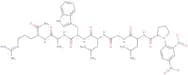


![[Gly14]-Humanin](/_next/image/?url=https%3A%2Fstatic.cymitquimica.com%2Fproducts%2F3D%2Fthumb-webp%2FPHN-4385-V.webp&w=3840&q=75)

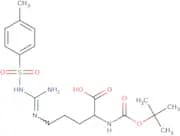
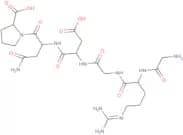


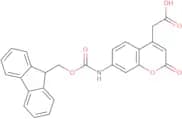

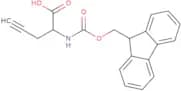
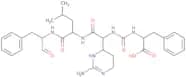
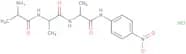
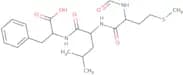


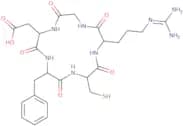
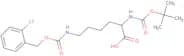

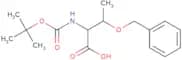

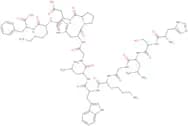
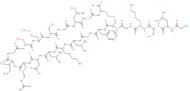
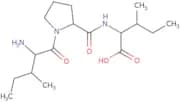
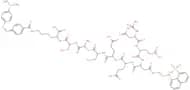

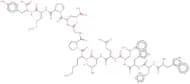


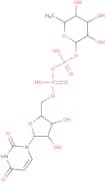

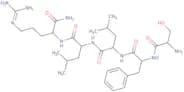
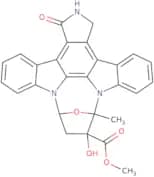
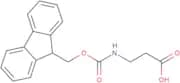



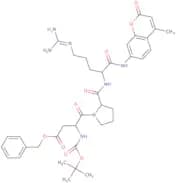


![Ac-D-Arg-[Cys-Met-Leu-Asn-Arg-Val-Tyr-Arg-Pro-Cys]-NH2](/_next/image/?url=https%3A%2Fstatic.cymitquimica.com%2Fproducts%2F3D%2Fthumb-webp%2FPMC-3886-PI.webp&w=3840&q=75)









![[Dap3]-Ghrelin (Rat)](/_next/image/?url=https%3A%2Fstatic.cymitquimica.com%2Fproducts%2F3D%2Fthumb-webp%2FPGH-3680-PI.webp&w=3840&q=75)


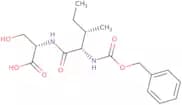

![[5-FAM]-DAG peptide](/_next/image/?url=https%3A%2Fstatic.cymitquimica.com%2Fproducts%2F3D%2Fthumb-webp%2FCRB1100887.webp&w=3840&q=75)
![nef protein fragment (Acetyl/amide) [Human immunodeficiency virus 1]](/_next/image/?url=https%3A%2Fstatic.cymitquimica.com%2Fproducts%2F3D%2Fthumb-webp%2FCRB1001225.webp&w=3840&q=75)

![[5-FAM]-beta-Amyloid (1-15) Human](/_next/image/?url=https%3A%2Fstatic.cymitquimica.com%2Fproducts%2F3D%2Fthumb-webp%2FCRB1100839.webp&w=3840&q=75)
![S413-PV-[Cys(Npys)]](/_next/image/?url=https%3A%2Fstatic.cymitquimica.com%2Fproducts%2F3D%2Fthumb-webp%2FCRB1000425.webp&w=3840&q=75)
![[5-FAM]-pVec](/_next/image/?url=https%3A%2Fstatic.cymitquimica.com%2Fproducts%2F3D%2Fthumb-webp%2FCRB1100281.webp&w=3840&q=75)
![(PFR)2-[Rh110]](/_next/image/?url=https%3A%2Fstatic.cymitquimica.com%2Fproducts%2F3D%2Fthumb-webp%2FCRB1100413.webp&w=3840&q=75)
![C-terminal Sortagging-[Cys(AF488)]](/_next/image/?url=https%3A%2Fstatic.cymitquimica.com%2Fproducts%2F3D%2Fthumb-webp%2FCRB1110801.webp&w=3840&q=75)
![CREB327/active transcription factor CREB-A (113-126) [5-FAM] amide, Human](/_next/image/?url=https%3A%2Fstatic.cymitquimica.com%2Fproducts%2F3D%2Fthumb-webp%2FCRB1001211.webp&w=3840&q=75)

![[5-FAM]/[Lys(Dnp)]-SARS-CoV-2 S1/S2](/_next/image/?url=https%3A%2Fstatic.cymitquimica.com%2Fproducts%2F3D%2Fthumb-webp%2FCRB1101580.webp&w=3840&q=75)

![C-Terminal Sortagging-AAA-[Lys(Biotin]](/_next/image/?url=https%3A%2Fstatic.cymitquimica.com%2Fproducts%2F3D%2Fthumb-webp%2FCRB1000650.webp&w=3840&q=75)
![[Sulfo-Cyanine3]-LifeAct (Abp140 1-17)](/_next/image/?url=https%3A%2Fstatic.cymitquimica.com%2Fproducts%2F3D%2Fthumb-webp%2FCRB1130630.webp&w=3840&q=75)

![Histone H3 (1-20) K4Me3, K9Ac-GG-[Lys(5-FAM)]](/_next/image/?url=https%3A%2Fstatic.cymitquimica.com%2Fproducts%2F3D%2Fthumb-webp%2FCRB1101263.webp&w=3840&q=75)
![Gag protein (181-189) acetyl/amide [Simian immunodeficiency virus]](/_next/image/?url=https%3A%2Fstatic.cymitquimica.com%2Fproducts%2F3D%2Fthumb-webp%2FCRB1001216.webp&w=3840&q=75)