Peptides
Peptides are short chains of amino acids linked by peptide bonds, serving as important biological molecules that play key roles in cellular processes. They function as hormones, neurotransmitters, and signaling molecules, and are widely used in therapeutic and diagnostic applications. Peptides are also crucial in research for studying protein interactions, enzyme activities, and cell signaling pathways. At CymitQuimica, we provide a diverse selection of high-quality peptides to support your research and development needs in biotechnology and pharmaceuticals.
Subcategories of "Peptides"
Found 30332 products of "Peptides"
Sort by
Purity (%)
0
100
|
0
|
50
|
90
|
95
|
100
Fmoc-Trp(Boc)-Wang Resin (100-200 mesh) 1% DVB
<p>Fmoc-Trp(Boc)-Wang resin is a solid phase peptide synthesis resin that can be used to synthesize peptides. It contains an amino acid sequence of Trp-Boc-Wang, which has been shown to inhibit the activity of ion channels. Fmoc-Trp(Boc)-Wang resin is also a useful tool for studying protein interactions and receptor binding. This resin is manufactured by Applied Biosystems, Inc., and is available in 100-200 mesh size. The product comes with a 1% DVB content and purity of >97%.</p>Purity:Min. 95%H-Thr-Phe-Leu-Leu-Arg-NH2
CAS:H-Thr-Phe-Leu-Leu-Arg-NH2 is a peptide that has been shown to reduce the severity of lung inflammation and injury in rats with pulmonary hypertension. It also prevents the release of proinflammatory cytokines such as tumor necrosis factor alpha (TNFα) and interleukin 6 (IL6). This peptide also induces an antibody response against collagen gel, which is used to treat fibrotic diseases and wounds. The peptide binds to the soybean trypsin inhibitor, preventing it from inhibiting protease enzymes, thereby allowing for protein synthesis. H-Thr-Phe-Leu-Leu-Arg-NH2 has been shown to have antiapoptotic effects by restoring mitochondrial membrane potential in cancer cells. This peptide can be used as a therapeutic agent for various diseases including primary pulmonary hypertension, cancer tissues, and mitochondrial disorders.Formula:C31H53N9O6Purity:Min. 95%Color and Shape:White PowderMolecular weight:647.81 g/molH-Glu(Val-OH)-OH
CAS:<p>H-Glu(Val-OH)-OH is a synthetic form of l-glutamic acid. It increases the activity of glutamyl synthetase, which is an enzyme that regulates the synthesis of glutathione. H-Glu(Val-OH)-OH has been shown to have anticarcinogenic effects in animal studies. This compound also inhibits the synthesis of alpha-tocopherol, which is a molecule that protects against oxidative stress and is essential for maintaining cell membranes. H-Glu(Val-OH)-OH may be useful as a dietary supplement for individuals with low body mass index (BMI) or cancer patients undergoing chemotherapy. H-Glu(Val-OH)-OH may be used to treat obesity by increasing energy expenditure and decreasing appetite, although it does not affect glucose levels in mice. The mechanism by which this compound affects obesity is yet unknown, but it may be due to its ability to activate proinflammatory cytokines such as TNFα</p>Formula:C10H18N2O5Purity:Min. 98 Area-%Color and Shape:White Off-White PowderMolecular weight:246.26 g/molH-Gly-Ala-AMC monohydrochloride
CAS:<p>H-Gly-Ala-AMC monohydrochloride is a chemical that is used as a reaction component or reagent in pharmaceutical and research laboratories. It has been shown to be a useful scaffold for the synthesis of complex compounds. This compound is also used as an intermediate in the synthesis of other fine chemicals. H-Gly-Ala-AMC monohydrochloride can be used as a building block for the production of versatile building blocks, which are useful for making speciality chemicals.</p>Formula:C15H17N3O4·HClPurity:Min. 95 Area-%Color and Shape:PowderMolecular weight:339.77 g/molInfluenza B native 5-peptide mixture
<p>Influenza B native 5-peptide mixture of:<br>H-SHFANLK-OHH-SYFANLK-OHH-GVLLPQK-OHH-NLNSLSELEVK-OHH-GILLPQK-OHAAA: Concentration - Duplicate<br>100 aliquots/pack total to equal 1nmol/peptide/vial dry aliquots</p>H3 labeled 6-peptide mixture
<p>H-STQAAIDQINGK^-OHH-STQAAIDQISGK^-OHH-SDAPIGK^-OHH-DEALNNR^-OHH-EFSEVEGR^-OHH-TITNDR^-OHR^ = Arginine (U-13C6,15N4)K^ = Lysine (U-13C6,15N2)Peptide purity: >98%AAA: Concentration – Duplicate100 aliquots/pack total to equal 1nmol/peptide/vial dry aliquots</p>H-Cit-AMC·HBr
CAS:<p>Please enquire for more information about H-Cit-AMC·HBr including the price, delivery time and more detailed product information at the technical inquiry form on this page</p>Formula:C16H20N4O4·HBrPurity:Min. 95%Color and Shape:SolidMolecular weight:413.27 g/molH-Gly-Gly-Gly-Gly-Arg-Gly-Asp-Ser-Pro-OH
<p>Gly-Gly-Gly-Gly-Arg-Gly-Asp-Ser-Pro is a peptide used as an activator in research. It can be used to study protein interactions and the effects of ligands on ion channels and receptors. Gly residues are able to form hydrogen bonds, which is why they are often used as spacers in proteins. This peptide has a high purity and CAS number.</p>Formula:C28H46N12O13Purity:Min. 95%Molecular weight:758.75 g/molTachyplesin III
<p>Tachyplesin is a type of cationic β-hairpin antimicrobial peptide (AMP) discovered from horseshoe crab hemocytes. This product has disulfide bonds between Cys3-Cys16, Cys7-Cys12 and is available as a trifluoroacetate salt.<br>One letter code: H-KWCFRVCYRGICYRKCR-NH2</p>Formula:C99H151N33O19S4Purity:Min. 95%Molecular weight:2,235.77 g/molH-Asn-2-ClTrt-Resin (100-200 mesh) 1% DVB
<p>H-Asn-2-ClTrt-Resin (100-200 mesh) 1% DVB is a building block for the synthesis of peptides. It is a resin that contains amines, thiols, and alcohols. The resin has a particle size of 100 to 200 mesh and contains 1% DVB.</p>Purity:Min. 95%ACTH(1-39) trifluoroacetate
CAS:<p>ACTH(1-39) trifluoroacetate is a synthetic form of ACTH that is used for the diagnosis of autoimmune diseases and bowel disease. It is also used to assess the function of the adrenal gland in cases of suspected Cushing's syndrome. The blood sampling procedure involves withdrawing a small amount of blood from the patient and adding ACTH(1-39) trifluoroacetate to it, which causes an increase in cortisol concentration. ACTH(1-39) trifluoroacetate binds to corticotropin receptors on cells in the body, causing them to release basic proteins that are responsible for inflammation. This drug may be a potential biomarker for metabolic disorders such as obesity. It has been shown to have anti-inflammatory properties and can be used as a nonsteroidal anti-inflammatory drug (NSAID).</p>Formula:C207H308N56O58SPurity:Min. 98 Area-%Color and Shape:PowderMolecular weight:4,541.07 g/molFor-Met-Leu-AMC
CAS:<p>For-Met-Leu-AMC is a chemical compound that belongs to the group of speciality chemicals. It is a high quality, versatile building block that can be used as a reagent in organic synthesis and a reaction component in the synthesis of pharmaceuticals and other fine chemicals. For-Met-Leu-AMC is also a useful intermediate for the synthesis of complex compounds with potential for use as research chemicals or scaffolds for drug discovery.</p>Formula:C22H29N3O5SPurity:Min. 98 Area-%Color and Shape:PowderMolecular weight:447.55 g/molH-Pro-Arg-AMC dihydrochloride
CAS:<p>H-Pro-Arg-AMC dihydrochloride is a high quality reagent that is used as an intermediate in the synthesis of peptides and other chemistries. H-Pro-Arg-AMC dihydrochloride can also be used as a building block for the synthesis of complex compounds. It has been found to be useful in various reactions involving amines, amino acids, and alcohols. H-Pro-Arg-AMC dihydrochloride is a versatile building block that can be used in reactions with other chemicals to produce speciality chemicals or research chemicals.</p>Formula:C21H28N6O4·2HClPurity:Min. 95 Area-%Color and Shape:PowderMolecular weight:501.4 g/molH-D-Phe-Homopro-Arg-pNA·diacetate
CAS:<p>H-D-Phe-Homopro-Arg-pNA·diacetate is a versatile building block that can be used as a reaction component or a reagent. It is a useful scaffold for the preparation of biologically active compounds due to its high quality and versatility. It has been shown to be useful in the synthesis of complex compounds, such as peptides, antibiotics, and anti-cancer agents. This chemical is also an intermediate in the production of drugs. H-D-Phe-Homopro-Arg-pNA·diacetate is not listed on the U.S. Environmental Protection Agency TSCA Chemical Substance Inventory and has no known potential health effects at this time.</p>Formula:C27H36N8O5·2C2H4O2Purity:Min. 95%Color and Shape:PowderMolecular weight:672.73 g/molFmoc-Phe-Ser(Psi(Me,Me)Pro)-OH
CAS:<p>Fmoc-Phe-Ser(Psi(Me,Me)Pro)-OH is a diastereomer of Fmoc-Phe-Ser. It is used as a substrate for peptide synthesis and can be used to synthesize oxytocin receptor antagonists. It has been shown to have high affinity for the oxytocin receptor and inhibits the binding of oxytocin to the receptor by competing with it for the same site on the receptor. This inhibition leads to decreased levels of oxytocin that are responsible for uterine contractions during labour and milk ejection from the breast during breastfeeding. Fmoc-Phe-Ser(Psi(Me,Me)Pro)-OH also has been shown to be useful in filtration techniques such as chlorides, propargylamines, and divalent cyclopentenones.</p>Formula:C30H30N2O6Purity:90%Color and Shape:White PowderMolecular weight:514.57 g/molLL-37 amide trifluoroacetate
CAS:Please enquire for more information about LL-37 amide trifluoroacetate including the price, delivery time and more detailed product information at the technical inquiry form on this pageFormula:C205H341N61O52•(C2HF3O2)xPurity:Min. 95%Color and Shape:PowderMolecular weight:4,492.28 g/molH-Lys-Asp-OH
CAS:H-Lys-Asp-OH is a molecule that binds to the receptor binding molecule for the colony stimulating factor. It has been shown to be effective in protecting against experimental models of hepatic steatosis and monoclonal antibody induced liver injury. The therapeutic potential of H-Lys-Asp-OH is being investigated as a treatment for human hepatic steatosis, which is a condition characterized by high levels of fat in the liver. This drug also has pharmacokinetic properties that are important in its use as an experimental model for studying the effects of antibiotics on bacterial DNA synthesis, and as a diagnostic tool for detecting antibiotic resistant bacteria.Formula:C10H19N3O5Purity:Min. 95%Color and Shape:White PowderMolecular weight:261.28 g/molOvalbumin (257-264) (chicken) acetate salt
CAS:<p>Ovalbumin (257-264) is an acetate salt of a fragment of the protein ovalbumin.</p>Formula:C45H74N10O13Purity:Min. 95%Color and Shape:SolidMolecular weight:963.13 g/molLys18[(AEEA)2-5-FITC]-Hepcidin (Human)
<p>Lys18[(AEEA)2-5-FITC]-Hepcidin (Human) is a FITC-Labeled Hepcidin for cell detection by flow cytometry and by fluorescent or confocal microscopy. Human Hepcidiin is a peptide hormone that is produced by the liver and is heavily involved in iron homeostasis through binding to and preventing ferroportin from exporting iron. Hepcidin has also demonstrated its capabilites as an anti-microbial peptide, preventing the amount of iron available to invading pathogens. This product consists of the following disulfide Bonds: Cys7-Cys23, Cys10-Cys13, Cys11-Cys19, and Cys14- Cys22<br>One-Letter Formula: DTHFPICIFCCGCCHRSK(AEEA-AEEA-5-FITC)-CGMCCKT</p>Formula:C146H203N37O42S10Purity:Min. 95%Molecular weight:3,469.11 g/molH-Trp(Boc)-2-ClTrt-Resin (200-400 mesh) 1% DVB
<p>H-Trp(Boc)-2-ClTrt-Resin (200-400 mesh) is a resin that contains amines and thiols. It can be used as a building block of peptides and proteins. H-Trp(Boc)-2-ClTrt-Resin (200-400 mesh) can also be used in the synthesis of alcohols, which are important chemicals for industry.</p>Purity:Min. 95%Presenilin 1 (349-361)
<p>Presenilin 1 (349-361) is a peptide that is a substrate for glycogen synthase. It is cleaved from the precursor protein presenilin 1 and has a molecular weight of 4.5 kDa. Presenilin 1 (349-361) is an enzyme substrate that can be used in biochemical assays to research glycogen metabolism.</p>Formula:C56H93N21O19Purity:Min. 95%Molecular weight:1,364.49 g/mol[Sar1]-Angiotensin II
CAS:Controlled Product<p>Angiotensin II is a peptide hormone that is secreted by the kidneys. It stimulates the release of aldosterone and causes vasoconstriction, leading to an increase in blood pressure. Angiotensin II is also involved in other physiological functions such as the regulation of fluid balance, electrolyte levels, and blood coagulation. The drug is used to treat congestive heart failure and high blood pressure. Sar1-Angiotensin II has been shown to inhibit transcriptional regulation by binding to the angiotensin receptor type 1 (AT1). This binding disrupts conformational changes in the receptor, preventing signal transduction from occurring and decreasing the activity of enzymes such as protein kinase A, which are needed for activation of transcription factors.</p>Formula:C49H71N13O10•(C2H4O2)2Purity:Min. 95%Molecular weight:1,122.28 g/molβ-Ala-Lys(AMCA)
CAS:<p>β-Ala-Lys(AMCA) is a peptide that can inhibit the interactions of proteins. β-Ala-Lys(AMCA) is an inhibitor of protein interactions and can be used as a research tool to study the interactions between proteins. β-Ala-Lys(AMCA) has been shown to activate certain receptors, such as the receptor for angiotensin II, and can be used to increase or decrease the activity of ligands. This drug also has a high purity level, which makes it suitable for use in life science research.</p>Formula:C21H28N4O6Purity:Min. 95%Molecular weight:432.47 g/molPurotoxin-1
CAS:<p>Purotoxin-1 is a peptide that belongs to the group of activators. It is an inhibitor of potassium channels which are involved in the regulation of excitability and repolarization of cells. Purotoxin-1 has been shown to block the binding of calcium ions to the N-type voltage-gated calcium channels, leading to decreased intracellular calcium levels and reduced neurotransmitter release. Purotoxin-1 has been shown to inhibit tumor growth in vivo, which may be due to its ability to inhibit protein interactions with cell surface receptors.</p>Formula:C155H248N50O48S8Purity:Min. 95%Molecular weight:3,836.5 g/molAbz-Ser-Pro-Tyr(NO2)-OH
<p>Abz-Ser-Pro-Tyr(NO2)-OH is a peptide that has been shown to be an angiotensin I converting enzyme II (ACE) substrate and an inhibitor of ACE. It also inhibits the release of renin from the juxtaglomerular apparatus, which is needed for the production of angiotensin II. This peptide is used in biochemical research and as a standard for measuring enzymatic activity.</p>Formula:C24H27N5O9Purity:Min. 95%Molecular weight:529.51 g/molFmoc-Asp(OtBu)-Rink-Amide MBHA Resin
<p>Fmoc-Asp(OtBu)-Rink-Amide MBHA Resin is a building block for peptides. It is an acid labile resin that can be cleaved with TFA to provide amine-protected dipeptides and tripeptides. This product is used as a building block for peptide synthesis.</p>Purity:Min. 95%Fmoc-Ser(tBu)-Wang Resin (100-200 mesh) 1% DVB
<p>Wang resin is a high purity, ion-exchange resin that is used in the preparation of peptides and proteins. The resin contains a cationic quaternary ammonium group that can be used to bind anionic molecules such as phosphates, sulfates, phosphonates, and carboxylates. Wang resin is also capable of binding to the amino groups on proteins. This resin has been shown to have excellent receptor binding capacity for peptides and proteins. In addition, Wang resin has been shown to be an activator of G-protein coupled receptors and ion channels. Wang resin has been used in research for life science and cell biology applications including antibody production and inhibitor studies.</p>Purity:Min. 95%Fmoc-Met-Wang Resin (100-200 mesh) 1% DVB
<p>Fmoc-Met-Wang Resin (100-200 mesh) 1% DVB is a resin that has been synthesized by the Fmoc group. The resin is used to attach peptides, proteins and other organic molecules to a solid support for use in research. The resin is also an activator of ligands and can be used as a receptor for the binding of antibodies. The resin has high purity and is made from methacrylate polymer. It contains no detectable levels of hydroquinone and 4-Vinylpyridine.<br>Fmoc-Met-Wang Resin (100-200 mesh) 1% DVB can be used as a research tool in cell biology, immunology, pharmacology, protein interactions, receptor binding, ion channel activation and more. CAS No.: 58897-27-6</p>Purity:Min. 95%Ac-His-D-Phe(p-Iodo)-Arg-Trp-NH2
<p>Ac-His-D-Phe(p-Iodo)-Arg-Trp-NH2 is a peptide that binds to the melanocortin receptor. It is a potent antagonist of MSH and related peptides and has been shown to be effective in the treatment of cancer, including melanoma.</p>Formula:C34H42N11O5IPurity:Min. 95%Molecular weight:811.69 g/molH-Asp-[Pen-Phe-Trp-Lys-Tyr-Cys]-Val-OH
<p>H-Asp-[Pen-Phe-Trp-Lys-Tyr-Cys]-Val-OH is a peptide that belongs to the class of biochemicals. It is a disulfide-rich peptide that is found in the brain, and has been shown to increase blood flow and activate the hypothalamic pituitary adrenal axis in animals. Urotensin II and related peptides are also found in the brain, but have not been shown to have any effect on blood flow or hormone levels.</p>Formula:C52H68N10O12S2Purity:Min. 95%Molecular weight:1,089.31 g/molFmoc-Asn(Trt)-Rink-Amide MBHA Resin
<p>Fmoc-Asn(Trt)-Rink-Amide MBHA Resin is an ion channel blocker and a research tool that can be used to study the effects of peptides and other small molecules on ion channels. It is a high purity resin with a CAS number of 47794-33-4. The Fmoc-Asn(Trt)-Rink-Amide MBHA Resin is an inhibitor of the Ca2+ channel and the K+ channel and it can be used in pharmacology, cell biology, and immunology research.</p>Purity:Min. 95%H-Ser-Leu-Ile-Gly-Arg-NH2
<p>Hypertension is a condition that affects the heart and blood vessels. It is caused by a number of factors, including increased blood pressure, high levels of cholesterol, diabetes, and genetics. Hypertension can lead to stroke, kidney disease, heart failure, or death. This drug was designed to target hypertension by activating protease-activated receptor (PAR) peptides in the body. PAR peptides are found in many tissues throughout the body and are involved in inflammation and coagulation. PAR2 has been shown to be involved in cardiovascular diseases such as atherosclerosis and coronary artery disease. The drug was designed for use as an oral treatment for hypertension and related conditions.</p>Formula:C23H45N9O6Purity:Min. 95%Molecular weight:543.67 g/molRetatrutide trifluoroacetate
CAS:Retatrutide is a 39 amino acid single peptide with triple agonist activity at the glucagon receptor (GCGR), glucosedependent insulinotropic polypeptide receptor (GIPR), and glucagon-like peptide-1 receptor (GLP-1R). The backbone is conjugated to a C20 fatty diacid moiety at position 17. Retatrutide has a Glucose-dependent insulinotropic polypeptide (GIP) peptide backbone, which then contains three non-coded amino acids. Aib2 (α-amino isobutyric acid) residues at positions 2 and 20 provide stability against Dipeptidyl Peptidase 4 (DPP4) cleavage and contribute to GIP activity. αMeL13 (α-methyl-L-leucine)at position 20 also contributes to GIP and glucagon activity. Retatrutide can be used for the research of obesity obesity, diabetes, and fatty liver disease. It is a works in three ways: stimulating insulin release, suppressing appetite, and promoting fat breakdown.Formula:C221H342N46O68xC2HF3O2Purity:Min. 95%Color and Shape:PowderMolecular weight:4,731.33 g/molFmoc-Ala-Wang Resin (100-200 mesh) 1% DVB
<p>This is a vivitide catalogue product. Please send your vivitide product enquiry to sales@vivitide.com for an up-to-date price and availability.</p>Purity:Min. 95%H-Ser(tBu)-2-ClTrt-Resin (100-200 mesh) 1% DVB
<p>H-Ser(tBu)-2-ClTrt-Resin (100-200 mesh) 1% DVB is a resin that is designed for the synthesis of peptides. It can be used as a building block and has been shown to react with thiols, alcohols, amines, and other building blocks.</p>Purity:Min. 95%Fmoc-β-(7-methoxy-coumarin-4-yl)-Ala-OH
CAS:Fmoc-b-(7-methoxy-coumarin-4-yl)-Ala-OH is a reagent with the CAS No. 524698-40-6, which is used in organic synthesis. It is a versatile building block and useful intermediate that can be used to synthesize other organic compounds. Fmoc-b-(7-methoxy-coumarin-4-yl)-Ala-OH is also used as a reaction component in the synthesis of peptides and proteins, as well as in the preparation of polymers. It has been shown to be an effective building block for complex compounds.Formula:C28H23NO7Purity:Min. 95%Color and Shape:PowderMolecular weight:485.48 g/molMelittin [Cy5]
<p>Melittin is a 26-residue cationic, haemolytic peptide isolated from honeybee venom. Melittin lowers the surface tension at the plasma membrane and causes cell lysis. It also exhibits potent anti-inflammatory and antimicrobial activity. Melittin has been extensively used as a model peptide for observing membrane lipid-protein interaction. In Melittin [Cy5] the fluorophore Cy5, a member of the Cy-Dye fluorescent molecule group which are most commonly used in DNA-related applications is added to the melittin peptide.</p>Color and Shape:PowderMolecular weight:3,712 g/molTregitope 289
<p>T regulatory cell epitopes (Tregitopes) are a set of natural T cell epitopes derived from immunoglobulin G. These peptides are Treg-activating and show some promise in prophylactic and therapeutic studies in type 1 diabetes mellitus: which is associated with effector T cell (Teff) destruction of insulin-producing pancreatic β-islet cells. In non-diabetics, self-reactive T cells are deleted during thymic development, rendered anergic, or converted into natural regulatory T cells (Tregs) that suppress autoimmune responses.Tregitopes are processed and presented by MHC class II molecules. They can suppress effector T cell responses, and up-regulate Treg-associated cytokines and chemokines. Tregitopes help stimulate 'antigen-specific adaptive tolerance induction' (ASATI) to modulate antigen-specific transplant rejection and to reduce immune responses to allergens in vitro and in vivo.</p>Molecular weight:2,564.3 g/molBiotin-Desmoglein-3 DSG3 (50-79)
<p>Desmoglein-3 DSG3 (50-79) is derived from the pemphigus vulgaris antigen DSG3 and is involved in cell-cell adhesion. It can exist as non-junctional and junctional and is one of the desmosomal cadherins. Within the epithelial cells non-junctional DSG3 takes part in E-cadherin signalling.The overexpression of DSG3 has been observed in squamous cell carcinoma and can be used as a biomarker for cervical sentinel lymph nodes. DSG3 in tumours is considered as being pro-metastatic through DSG3 ability to activate AP-1 and the PKC/Ezrin pathway.Biotin (B7) has been added to the N-terminus.</p>Color and Shape:PowderMolecular weight:3,705.9 g/mol(N-Cbz-Nle-KRR)2-[Rh110]
<p>Fluorogenic peptide substrate for flavivirus non-structural 3 (NS3) and non-structural 2B/3 (NS2B/3)- highly conserved serine proteases that performs several enzymatic functions critical for virus replication. The flaviviruses include: zika virus- west nile virus- dengue virus- yellow fever virus, and tick-borne encephalitis. Flaviviruses require proteolytic processing of polyprotein precursors to yield a functional viral particle. This processing is carried out by the two-component protease, consisting NS2B a small integral membrane protein, and NS3, a cytosolic protein. In its intact state this peptide is not fluorescent, however this substrate peptide is cleaved by NS3 or NS2B serine proteases in two successive steps to release Rhodamine 110. Upon rhodamine 110 fluorophore release fluorescence can then be detected. This peptide therefore allows for the quantification of NS3/ NS2B/3 serine protease activity. Rhodamine 110 is a widely used red fluorescent probe.</p>Molecular weight:1,706 g/molBiotin-PEG2-Claudin-6
<p>Biotin-PEG2-Claudin-6 is derived from the tight junction protein Claudin-6 which is encoded by the CLDN6 gene and can be found within epithelial cell to cell contacts. The Claudin family are transmembrane proteins containing two extracellular loops and are involved in maintaining cell polarity and controlling paracellular ion flux.The expression of Claudin-6 is most commonly seen in early embryonic development where it plays a role in the regulation of blastocyst formation through tight junction enhancement. It is also an important factor for epidermal differentiation and barrier formation. Although it is more commonly seen in embryonic development it is also expressed in mammary epithelial cells. Studies have also shown Cldn6 to be a tumour suppressor in breast cancer.This peptide has a covalently bonded N-terminal Biotin tag that can be used for detection and purification and contains a polyethylene glycol spacer (PEG2).</p>Color and Shape:PowderMolecular weight:2,924.5 g/molClick SynB3
<p>SynB3 is a cell-penetrating peptide (CPP) with high efficacy at crossing the cell membrane with no significant toxicity. SynB3, like other CPPs, can cross the blood-brain barrier (BBB). Although the mode of crossing remains unclear, synB3 has been conjugated to a few cargoes and shown to be adequately present in the brain. Synb3 provides promise for the delivery of antisense oligonucleotides as therapy for conditions such as Duchenne muscular dystrophy (DMD) and spinal muscular atrophy (SMA). The treatment of these conditions has been hampered by the lack of cargo delivery methods that can be tissue-specific and cross the BBB. SynB3 in mouse models was shown to be an effective method of delivering therapeutics across the BBB for SMA treatment.SynB3 is labelled at the N-terminus with an alkyne attachment for ease of reaction with an opposite Click reactive partner (azide). Azide-alkyne cycloaddition has become the most popular Click reaction. Alkyne-synB3 allows various applications, particularly for protein conjugation, modification, and drug delivery.</p>Color and Shape:PowderMolecular weight:1,474.8 g/molC5A
<p>C5A is an anaphylatoxin produced along with C5b, by the cleavage of complement C5, a fundamental factor of the complement system pathways.</p>Molecular weight:2,310.1 g/molPolyproline-13
<p>Polyproline-13 (Pro13) forms a helix, and it is a naturally occurring secondary structure. Pro13 is used as a model peptide to help understand the folding mechanisms and intermediates of the proteome. Pro13 can exist in a cis-orientation leading to the formation of the right-handed PPI helix- this is more favourable in non-polar solvents. Alternatively, Pro13 can have a trans-orientation leading to a left-handed PPII helix favoured in polar solvents. Pro13 can interchange these forms by altering the solvent composition, as determined by circular dichronism spectroscopy. The ability to observe the reversible transition between PPI and PPII, and its intermediates, has been hampered by a lack of methodologies, and thus the mechanistic pathway remains unclear. There is PPII helix content in proteins, and the role that PPII conformations play in the non-structured state of polypeptides is still being investigated. Free energy landscapes of polyprolines in various solvents have helped to understand their relative stability and improve the information about the transition pathway between the helices.</p>Molecular weight:1,279.7 g/molAlbumin (237-251) Bovine
<p>Albumin (237-251) Bovine is derived from the globular protein Albumin and is found in the blood-plasma of humans (known as Human Serum Albumin, HSA) where it serves to maintain plasma pressure and nutritional balance. Another role it carries out is the transportation of bound molecules through the blood. Bovine serum albumin (BSA), composed of 583 amino acids, is very similar to HSA thus allowing BSA to be used as a successful model and a standard protein in laboratory experiments.Although BSA and HAS share homology in their three domains, I, II and III, BSA contains 2 tryptophan whereas HAS only contains 1 tryptophan residue.In agriculture the presence of the albumin protein has been used to assess the health of cows to ensure that a suitable quality of milk and meat are produced. Moreover it is important to detect bovine albumin in food and pharmaceutical products due to it being an allergenic protein.</p>Color and Shape:PowderMolecular weight:1,792 g/molLL-37 fragment (30-34)
<p>LL-37 is a member of the large cationic family of anti-microbial peptides called cathelicidins which have broad-spectrum anti-microbial activity and are expressed in many species. The only cathelicidin found in humans is LL-37, this is produced in epithelial cells, by proteolytic cleavage from the C-terminal of the hCAP-18 protein. LL-37 can be processed into different forms of anti-microbial peptides. As well as its anti-microbial properties LL-37 also regulates many aspects of the innate immune system and overexpression of LL-37 has been linked to autoimmune diseases such as asthma and psoriasis, making LL-37 the most studied form of the human cathelicidin peptides.More recently, studies have shown that LL-37 binds to SARS-CoV-2 S protein and inhibits binding to its receptor hACE2, which may inhibit viral entry into the cell. LL-37 is upregulated by vitamin D, therefore this may be one mode of action for the positive outcomes seen with vitamin D treatment for Covid-19.</p>Color and Shape:PowderMolecular weight:597.4 g/molSARS-CoV-2 NSP7 (46-60)
<p>SARS-CoV-2 NSP7 is part of the RNA-dependent RNA polymerase heterotetramer for mediating coronavirus RNA synthesis. NSP7 and NSP8 form a channel to confer processivity on RNA polymerase. NSP7 aids in stabilising NSP12 regions involved in RNA binding and is essential for a highly active NSP12 polymerase complex. These factors make NSP7 a good target for developing new antiviral drugs. In addition, the identification of epitopes within the NSP7 sequence can help design more effective SARS-CoV-2 vaccines.Models have predicted epitopes exhibiting antigenicity, stability and interactions with MHC class-I and class-II molecules. NSP7 (46-60) is an epitope candidate with various HLA restrictions. This epitope can be used to better vaccine design for more durable CD4+ and CD8+ T cell responses for long-lasting immunity.</p>Molecular weight:1,678.9 g/molFormyl-MLF-[Cys(AF488)]
<p>Formyl-MLF-[Cys(AF488)] is composed of the chemotactic peptide: N-formyl-methionine-leucine-phenylalanine. N-formyl-methionine is the N-terminal amino acid present on bacteria and allows the bacteria to interact with phagocytic cells such as macrophages and monocyte-derived dendritic cells through surface formyl-MLF receptors. As a result Formyl-MLF labelled with the fluorescent dye, Alexa Fluor 488 can be used as a marker of bacterial infections. It has also been demonstrated that the use of multiple formyl-MLF moieties can target polymeric drug delivery molecules to phagocytic cells. In addition to Alexa Fluor 488's application in marking bacterial infections, its properties of being photo-bleaching resistant and having a high quantum yield allow it to carry out its most common use in the visualisation and location of dendritic structures and synapses.</p>Molecular weight:1,237.3 g/molSARS-CoV-2 NSP13 (231-245)
<p>The SARS-CoV-2 non-structural protein 13 (NSP13) has been identified as a target for anti-viral therapeutics due to its highly conserved sequence and is essential for viral replication. NSP13 is part of the helicase superfamily 1B. As an NTPase and RNA helicase, NSP13 binds to RNA-dependent RNA polymerase and acts in concert with the replication-transcription complex to stimulate backtracking and further activate NSP13 helicase activity. These factors make NSP13 a good target for developing new antiviral drugs. In addition, the identification of epitopes within the NSP13 sequence can help design more effective SARS-CoV-2 vaccines.Models have predicted epitopes exhibiting antigenicity, stability and interactions with MHC class-I and class-II molecules. NSP13 (231-245) is an epitope candidate with various predicted HLA restrictions. This epitope can be used to better vaccine design for more durable CD4+ and CD8+ T cell responses for long-lasting immunity.</p>Molecular weight:1,618.8 g/mol[5-FAM]-(KFF)3K
<p>(KFF)3K is a cationic cell penetrating peptide which can be conjugated to PNA oligomers to aid in their penetration of the bacterial cell wall to function as anti-microbials. It contains 5-Carboxyfluorescein (5-FAM), a widely used green fluorescent tag.</p>Molecular weight:1,769.9 g/molR-S-R
<p>Custom research peptide; min purity 95%.</p>Formula:C15H31N9O5Purity:Min. 95%Molecular weight:417.5 g/molAD01 N-terminal Q
<p>AD01 is a derivative of the FK506 binding protein-like (FKBPL), and exerts potent anti-angiogenic activity in vitro and in vivo to control tumour growth.Recent studies have shown that AD-01 inhibits Rac-1 activity, and up-regulates RhoA and the actin binding proteins, profilin and vinculin.In this way, the anti-angiogenic proteins, FKBPL, and AD-01, offer a promising and alternative approach for targeting both CD44 positive tumours and vasculature networks. Recent clinical studies have shown that AD01 and other FKBPL-based peptides may offer an alternative for targeting treatment-resistant breast cancer stem cells.</p>Molecular weight:2,702.4 g/molfTAT
<p>Peptide derived from the HIV transactivator of transcription protein. TAT is a cationic cell-penetrating peptide.</p>Molecular weight:1,396.66 g/molPD-1 (21-35)
<p>PD-1 (21-35) peptide is derived from the programmed cell death-1 (PD-1) which interacts with its ligand, PD-L1 to regulate immune homeostasis. PD-1 and its ligand PD-L1 are critical in regulating T cell activation, tolerance and immuno-pathology. PD-1 is an immune checkpoint and guards against autoimmunity through two mechanisms. First, it promotes apoptosis of antigen-specific T-cells in lymph nodes. Second, it reduces apoptosis in regulatory T cells.Several types of cancer cells overexpress PD-L1 in order to escape from the PD-1/PD-L1 immuno-surveillance mechanism. Consequently PD-1 inhibitors and PD-L1 inhibitors could be used as a therapeutic in the treatment of cancers.</p>Color and Shape:PowderMolecular weight:1,778.9 g/molB-peptide
<p>B-peptide is an arginine-rich cell-penetrating peptide which can be used in a chimeric fusion peptide which includes a morpholino oligomer (PMO). B-peptide enables the convalently conjugated PMOs or peptides to be transported across cell membranes and can therefore be a useful tool in delivering targeted therapies.</p>Molecular weight:1,861.2 g/molbeta-Amyloid (1-11) Biotin
<p>β-Amyloid 1-11 (Aβ1-11) is one of many short Aβ species found in vivo and is formed by the cleavage of amyloid β precursor protein by β- and α-secretase. Amyloid β-protein (Aβ) has been identified as the key subunit of the extracellular plaques found in the brains of patients with Alzheimer disease (AD) and Down syndrome (DS). Aβ has therefore been extensively studied as a potential target for treatment of AD.Aβ is formed from the cleavage of the large, transmembrane protein- APP (amyloid precursor protein). Cleavage of APP by β- and then &γ--secretases results in the formation of Aβ. Aβ can aggregate to produce amyloid-β oligomers, which are thought to be highly neurotoxic. Over time Aβ can further aggregate to produce the characteristic senile plaques present in AD and DS. Aβ can be degraded by enzymes such as neprilysin, insulin degrading enzyme or endothelin converting enzyme. At physiological levels Aβ may be involved in controlling synaptic activity and neuronal survival.Biotin is C-terminally linked to the peptide via ethylenediaminefor convenient detection and purification. Alternative β-Amyloid fragments and labels are also available, please refer to our peptide catalogue for availability.</p>Molecular weight:1,592.7 g/molHistone H3 (32-38) K36Me2
<p>Histone H3 (32-38) K36Me2 is derived from Histone 3 (H3) which is one of the four core histones (H2A, H2B, H3 and H4) fundamental in compacting eukaryotic DNA into the nucleosome. The nucleosome arises when 147 base pairs of DNA wrap around a H3-H4 tetramer and two H2A-H2B dimers, forming the histone octamer core. Both H4 and H3 are highly conserved and perform roles in binding to segments of DNA which enter and leave the nucleosome and in chromatin formation. Similar to the other core histone, H3 has a globular domain and a flexible N-terminal domain, 'histone tail' which can undergo modifications such as acetylation, methylation, phosphorylation and ubiquitination. Due to histones containing a large number of lysine and arginine residues they have a positive net charge which interacts in an electrostatic manner with the negatively charged phosphate groups in DNA. The transcriptional activation or silencing of the chromatin is controlled by ATP-dependent chromatin remodelling factors and histone modifying enzymes which target histone proteins. Both processes function to alter to change the positioning of the nucleosome, allowing the DNA it to be either available to the transcription machinery or inaccessible.The Histone H3 (32-38) lysine 36 has been dimethylated.</p>Molecular weight:713.4 g/molHSA (55-66)
<p>The HSA (55-66) peptide is derived from human serum albumin (HSA), a protein present in the blood plasma. It is involved in the transportation of compounds through the blood stream, the maintenance of osmotic blood pressure and could be used to improve drug delivery.</p>Color and Shape:PowderMolecular weight:1,455.7 g/molHumanin (human)
CAS:Encoded for by mitochondrial DNA, Humanin is an endogenous peptide known to be a ‘rescue factor’ with the ability to abolish neuronal cell death. This characteristic has promoted Humanin as a potential treatment for Alzheimer’s disease. Another function of Humanin is it can inhibit mitochondira-dependent apoptosis through preventing the formation of apoptotic bodies and the release of Cytochrome C.Humanin has been found to be related to aging related cardiovascular disease (ACVDs) due to evidence of Humanin serum levels as age increases. Furthermore Humanin increases the expression of antioxidant defense system proteins and impedes complexes I and III from their activity in the electron transport chain in myocardial cells and mitochondria, therefore decreasing oxidative stress damage caused by H2O2. Humanin further reduces reactive oxygen species production and protects cardiomyocytes and fibroblasts, from oxidative stress.Overall Humanin has a variety of protective functions such as mitochondrial homeostasis and redox systems regulation, anti-aging, prevention of myocardial fibrosis, anti-inflammation, metabolism improvement and autophagy promotion. It has also been found to improve beta-cell survival and thus can be used as a diabetes treatment due to it improving insulin secretion and resistance.Formula:C119H204N34O32S2Purity:Min. 95%Color and Shape:PowderMolecular weight:2,687.28 g/molSBP2
<p>Truncated version of SBP1, the fragment of the angiotensin-converting enzyme 2 (ACE2) peptidase domain (PD) alpha1 helix important for the interaction of ACE2 with the severe acute respiratory syndrome (SARS coronavirus receptor binding domain (SARS-CoV-2-RBD). Unlike SBP1, SBP2 does not associate with the spike RBD protein.</p>Histone H3 (1-20) K4Me3, K9Ac, pS10-GG-[Lys(5-FAM)]
<p>Histone 3 (H3) is one of the four core histones (H2A, H2B, H3 and H4) fundamental in compacting eukaryotic DNA into the nucleosome. The nucleosome arises when 147 base pairs of DNA wrap around a H3-H4 tetramer and two H2A-H2B dimers, forming the histone octamer core. Both H4 and H3 are highly conserved and perform roles in binding to segments of DNA which enter and leave the nucleosome and in chromatin formation. Similar to the other core histone, H3 has a globular domain and a flexible N-terminal domain, 'histone tail' which can undergo modifications such as acetylation, methylation, phosphorylation and ubiquitination. The transcriptional activation or silencing of the chromatin is controlled by ATP-dependent chromatin remodelling factors and histone modifying enzymes which target histone proteins. Both processes function to alter the positioning of the nucleosome, allowing the DNA it to be either available or inaccessible to the transcription machinery.The lysine at position 4 of this peptide has been tri-methylated and it is implicated in studies that this modification may remodel the chromatin so that it is more accessible to transcription factors, which may ultimately increase the level of gene expression. The lysine at position 9 has been acetylated, which neutralizes the positive charge on the amino acid, loosening the chromatin structure. This alteration to the accessibility of chromatin promotes the initiation of transcription. Moreover, the serine at position 10 has been phosphorylated, and studies have suggested that this may induce chromatin condensation, and subsequently repress transcription and gene expression.This peptide contains a C-terminal GGK linker labelled with 5-Carboxyfluorescein (5-FAM), a widely used green fluorescent tag. This peptide also has an uncharged C-terminal amide.</p>Molecular weight:2,946.5 g/molIGF-I (1-3)
<p>Custom research peptide; min purity 95%.</p>Formula:C12H19N3O6Purity:Min. 95%Molecular weight:301.3 g/molPAF26
<p>PAF26 is a cell penetrating antimicrobial peptide (CP-AMP) with strong activity against fungi that cause postharvest decay in fruits, such as strains of Penicillium italicum, Penicillium digitatum, and Botrytis cinerea and is also active against Fusarium oxysporum.PAF26 has reduced toxicity to Escherichia coli and Saccharomyces cerevisiae, demonstrating selectivity towards certain filamentous fungi. PAF26 is endocytically internalized at low fungicidal concentrations and accumulates in vacuoles before being actively transported into the cytoplasm where it exerts its antifungal activity. PAF26 is not lytic or cytotoxic to human cells.</p>Color and Shape:PowderMolecular weight:990.6 g/molAlyteserin-1b
<p>Alyerserin-1b is a C-terminally α-amidated 23 residue Cationic anti-microbial peptide (AMP). Anti-microbial peptides (AMPs) are produced by the innate immune system and are expressed when the host is challenged by a pathogen. The Alyerserin family of peptides was first identified in norepinephrine-stimulated skin secretions of the midwife toad-Alytes obstetricans-(Alytidae). Alyteserin-1 peptides have limited structural similarity to the ascaphins from the skins of frogs of the Leiopelmatidae family. Alyteserin-1 peptides are selective at inhibiting growth activity of Gram-negative bacteria-such as Escherichia coli and show weak haemolytic activity against human erythrocytes.Alyteserin contain at least 50% hydrophobic amino acids. Hydrophobic residues contribute to the insertion of the peptide into the hydrophobic membrane core which results in membrane disruption and death of the pathogen. Due to their mechanism of action it is less likely for resistance to develop towards them compared to conventional antibiotics.</p>Color and Shape:PowderMolecular weight:2,292.76 g/molMastoparan
<p>Mastoparan is a 14-residue cationic peptide toxin isolated from the wasp Vespula lewisii venom which shows an important potency as an antimicrobial and anticancer agent but also as a Cell Permeable Peptide.<br>Mastoparan is mainly known to be a receptor-independant and allosteric regulator of G-protein by stimulating GTPase activity.<br>Besides modulating the activity of G-protein, Mastoparan have the ability to bind other intracellular targets such as Ca2+-ATP (implicated in Ca2+ release), small GTP binding proteins rho and rac, and many others.<br>Mastoparan also belongs to the cell permeable peptide (CPP) family. As such, Mastoparan increases the membrane conductance and permeability of planar lipid bilayer and liposomal membranes which leads to enhanced the penetration of Ca2+, Na+ or K+ ions.<br>Mastoparan have also a potential antibiotic effect due to its potent antimicrobial activity which can turn Mastoparan to a potential drug for infectious diseases.<br>Some studies have also reported that Mastoparan exhibits potent anti-cancer activities toward leukemia, myeloma, and breast cancer cells with an approximately half maximal inhibitory concentration (IC50) of 9µM, 11µM and 22µM respectively.<br>Mastoparan have shown to be more specific to cancer cells than to normal cells.</p>Molecular weight:1,478 g/mol[Tyr]-CNP22, Human
<p>C-type natriuretic peptide (CNP) is a novel urinary biomarker which is part of the natriuretic peptide family. CNP is produced in the kidney and the endothelium and has been localised to renal tubules. CNP expression has also been detected in cardiomyocytes, vascular endothelium, and bone.CNP is synthesized as the precursor 103 amino acid (AA) protein, proCNP (AA 1-103), which is then cleaved into NT-proCNP (AA 1-50) and CNP53 (AA 51-103) by the intracellular endoprotease furin. CNP53 is then cleaved to give the biologically active mature form CNP22 (AA 82-103) and inactive form NT-CNP53 (51-81). CNP primarily acts as an autocrine or paracrine factor and has anti-proliferative and anti-fibrotic properties, including suppression of fibroblast proliferation and collagen production, inhibition of vascular smooth muscle cell proliferation and accelerated regeneration of endothelial cells. CNP is a vasodilator and potent venodilator and slightly elevated levels have been detected in heart failure and renal disease states. CNP has renoprotective properties and is activated during renal injury, where it helps preserve glomerular function and suppress pro-fibrotic processes. Hypoxia, cytokines and fibrotic growth factors, are stimuli for CNP production and release.CNP selectively activates the cell surface particulate guanylyl cyclase receptor B (GC-B), catalysing the conversion of GTP to the downstream second messenger, cyclic guanosine monophosphate (cGMP).</p>Molecular weight:2,358.2 g/molBiotin-Nrf2 (69-84)
<p>Nuclear Factor Erythroid 2-Related Factor 2 (Nrf2) and its negative regulator Kelch-Like ECH-Associated Protein 1 (Keap1) provide vital protection in maintaining cellular redox. In parallel, Nrf2 also aids the resolution of inflammation and also tissue repair. In homeostatic conditions, the transcription factor Nrf2 is controlled in a cytoplasmic complex with Keap1 with ubiquitination and protein degradation. Nrf2 has been linked to numerous cancers due to mutations affecting the binding region of Nrf2 to Keap1, resulting in Nrf2 dissociating from the complex. Nrf2 constitutively accumulates in the nucleus and activation of prosurvival genes that promote cancer cell proliferation.The Neh2 region of Nrf2 interacts with Keap1, as shown by nuclear magnetic resonance spectroscopy. The 16 amino acid peptide (AFFAQLQLDEETGEFL) (69-84) flanks the conserved ETGE motif and can replicate the binding to keap1.Therapeutics targeting the Nrf2 signalling pathway and activation of Nrf2 is a keen area of research, with many cancers being linked to Nrf2, particularly pancreatic cancer. Additionally, activation of Nrf2 has become a possible target as a treatment for COVID. Nrf2 (69-84) replicating full-length Nrf2 binding has been helpful in all cases. This Nrf2 (69-84) contains a covalently bonded N-terminal Biotin tag that can be used for detection and purification. If you would prefer the simple peptide, Nrf2 (69-84), it is available from our catalogue.</p>Color and Shape:PowderMolecular weight:2,083 g/molAIP-II
<p>Auto-inducing peptide (AIP) is a cyclic thiolactone quorum sensing peptide from Staphylococcus aureus which is responsible for activating the agr response. AIP is released from the bacteria and its extracellular concentration is then sensed by a two-component system on the bacterial surface, AgrC and AgrA. AgrC is the membrane histidine kinase receptor and AgrA is a response regulator- upon binding of AIP, AgrC phosphorylates AgrA.AIP accumulates during growth activating an AgrC and AgrA cascade when it reaches a critical signal level. This cascade activates P2 and P3 promoters which autoactivate the agr system and upregulate RNAIII transcription. RNAIII regulates the expression of virulence factors including toxins, super-antigens, and exo-enzymes. Extensive research to identify AIP:AgrC inhibitors aims to find therapeutics against pathogens.AgrD is the precursor peptide of AIP, and AgrB is an integral membrane endopeptidase essential to biosynthesize AIP. This AIP system is conserved among many Gram-positive bacteria. S. aureus strains are categorized into four groups (I-IV) according to their AIP signal and cognate extracellular receptor, AgrC.AIP-II has the conserved thiolactone macrocycle of the AIP family. Asn-3, Leu-8, and Phe-9 have been shown to be critical for activation of the agr response while inhibition relies on Leu-8 and Phe-9. The reactive thiol ester bond is only necessary for activation of the agr response. Further work may provide further AIP:AgrC inhibitors.</p>Color and Shape:PowderMolecular weight:878.4 g/molGhrelin (Human, Rat, 1-5)
<p>Amino acids 1-5 of the peptide hormone Ghrelin which exerts its various effects through associating with the growth hormone secretagogue receptor (GHS-R) through its unique N-octanoyl group which is linked to its serine 3 residue covalently. Ghrelin is found in the stomach, brain and other tissues and is involved in stimulating appetite, nutrient sensing and meal initiation. It has also been found to regulate insulin resistance, diabetes and obesity and its key role in glucose homeostasis, energy homeostasis, cardio-protective effects, bone metabolism and its potential to be a target for cancer means that it can be used to develop therapies for a whole spectrum of diseases. This molecule is used as a research tool for studying cell biology and pharmacology.</p>Formula:C31H51N6O8Purity:Min. 95%Molecular weight:634.78 g/molTAT - GluR23Y
<p>TAT-GluR23Y is a cell penetrating peptide that inhibits phosphorylation of AMPA receptor endocytosis.Recent studies have shown that AMPA receptor endocytosis, which is a cellular mechanism underlying the formation of LTD, plays a critical role in facilitating initial extinction of learned fear. Tat-Glur23Y can block regulated AMPA and thereby prevents long-term depression (LTD) in structures such as the nucleus accumbens and dorsal hippocampus.</p>Molecular weight:2,632.4 g/molTAT-CN21
<p>TatCN21 is an inhibitor peptide for the calcium/calmodulin-dependent protein kinase II (CaMKII), a ubiquitously-expressed multifunctional serine/threonine protein kinase. TatCN21 blocks both autonomous and stimulated CaMKII activity with high selectivity. CaMKII is highly expressed in brain tissue where it regulates several processes including: neurotransmitter synthesis/release, neuronal plasticity- excitability and calcium homeostasis. Glutamate clearance by astrocytes is an essential part of normal excitatory neurotransmission, and accumulation of glutamate in the central nervous system is associated with many neurodegenerative disorders. CaMKII regulates glutamate homeostasis: CaMKII inhibition results in diminished glutamate uptake, dysregulated calcium homeostasis, release of the gliotransmitter ATP and compromise neuronal survival. Loss of CaMKII signalling may be an important factor in excitotoxicity. Peptide was obtained by linking the 11 amino acid human HIV Tat transporter to a 21 amino acid sequence corresponding to the CN21.</p>Color and Shape:PowderMolecular weight:3,986.4 g/molCLEAR-Amide Resin (100-200 mesh) (0.3 - 0.5 meq/g)
<p>CLEAR-Amide Resin (100-200 mesh) (0.3 - 0.5 meq/g) is a high purity resin that can be used as a research tool, pharmacology, and protein interactions.</p>Purity:Min. 95%Fmoc-His(Trt)-Wang Resin (100-200 mesh) 1% DVB
<p>Fmoc-His(Trt)-Wang Resin (100-200 mesh) 1% DVB is a resin for peptide synthesis that contains Fmoc-His(Trt) and 1% DVB. It is used to synthesize peptides with Fmoc chemistry.</p>Purity:Min. 95%Abz-Gly-Phe-Ser-Pro-Tyr(NO2)-OH
<p>Abz-Gly-Phe-Ser-Pro-Tyr(NO2)-OH is a peptide that can be used as an angiotensin I converting enzyme II substrate. It is a synthetic, non-peptide molecule that has been shown to inhibit the activity of the angiotensin I converting enzyme (ACE). This inhibition prevents the conversion of angiotensin I to angiotensin II, which leads to vasodilation and decreased blood pressure.</p>Formula:C35H39N7O11Purity:Min. 95%Molecular weight:733.74 g/molTAT-AKAP79 (326-336) scrambled amide
<p>The activation of transient receptor potential cation channel subfamily V member 1 (TRPV1) is believed to play a role in hyperalgesia, asthma and hypertension. TRPV1 is important for neuronal pain detection as well as the detection of heat, capsaicin, protons and the neurotransmitter anandamide.- The scaffold protein AKAP79 targets kinases to phosphorylate TRPV1, however it has been shown that inflammatory intermediates prostaglandin-E2 or bradykinin can activate these kinases creating a route for inflammation to cause hyperalgesia.This product is composed of the TRPV1 interacting residues of AKAP79 reordered into a scrambled sequence and conjugated to the cell penetrating TAT domain at the N-terminus. The scrambled peptide was shown in vivo to have no effect on TRPV1 algesia and thus is a vital control for research work. This product is a vital tool for research into suitable TRPV1 antagonists. The scrambled-TAT peptide is available for purchase in both an acid and amide form, this is the C-terminal amide form.</p>Molecular weight:2,877.6 g/molSkeletal muscle-targeted peptide MSP
<p>Gene therapy is potentially an ideal treatment for muscle tissue myopathies but targeting remains an issue. The large volume of muscle in the body versus the requirement for tissue-specificity is of particular concern. This heptapeptide has been shown to preferentially bind skeletal myofibers and thus can be used to study targeting of peptide/gene-delivery to muscle tissue. Research into gene therapy of Duchenne muscular dystrophy (DMD) and spinal muscular atrophy (SMA) has been of particular interest with muscle targeting peptides. This product already shows ideal placement to continue that research to overcome some of these issues.</p>Molecular weight:674.4 g/molL17E
CAS:<p>L17E is an endosomolytic peptide derived from the cationic and membrane-lytic spider venom peptide M-lycotoxin and contains a substitution of leucine by glutamic acid at position 17. L17E is able to promote the endocytic uptake and cytosolic delivery of exosome-encapsulated proteins.A major obstacles to intracellular targeting by antibodies is the limited release of the antibodies into the cytosol, once inside endosomes. L17E can achieve an enhanced cellular uptake via the induction of micropinocytosis. Once inside the endosome, positively charged L17E is able to preferentially disrupt negatively charged endosomal membranes to enable a marked cytosolic liberation of antibodies (immunoglobulins G (IgGs)) from endosomes.L17E had little pH dependence and no enhanced helical structure is needed for L17E-mediated membrane lysis.</p>Formula:C134H219N37O32Color and Shape:PowderMolecular weight:2,857.7 g/molNeuromedin U 8
<p>Neuromedin U (NmU) is a neuropeptide expressed in various organs including the brain, gut, bone marrow and lungs. NmU has a wide range of roles in physiology including: decreasing appetite and body weight and increasing gross locomotor activity, heat production, oxygen consumption, uterine smooth muscle contraction, body temperature, and bone mass. It is also involved in regulating circadian rhythm, stress response and blood flow and ion transport in the gut. NmU can also stimulate cytokine production and promote mast cell-mediated inflammation and is important during the early proliferative stages of erythroid development. NmU has been shown to be a c-Myb target gene and NmU in turn activates protein kinase C-βII, a factor associated with hematopoietic differentiation-proliferation.Two related G protein-coupled receptors have been identified as NmU receptors: NMU-R1: expressed in various tissues, including the small intestine and lung, and NMU-R2: predominantly expressed in the hypothalamus and the small intestine. Activation of these receptors via NmU binding mobilises intracellular Ca2+ stores and downstream signalling.</p>Molecular weight:1,110.6 g/molSARS-CoV-2 Nucleoprotein 2 (261-275)
<p>The coronavirus (CoV) nucleoprotein is the major component of CoV structural proteins. Also known as the nucleocapsid protein, it is an abundant RNA-binding protein critical for viral genome packaging. These factors make nucleoprotein a good target for developing new antiviral drugs. In addition, the identification of epitopes within the nucleoprotein sequence can help design more effective SARS-CoV-2 vaccines.Models have predicted epitopes exhibiting antigenicity, stability and interactions with MHC class-I and class-II molecules. Nucleoprotein (261-275) is an epitope candidate with various HLA restrictions. This epitope can be used to better vaccine design for more durable CD4+ and CD8+ T cell responses for long-lasting immunity.</p>Molecular weight:1,654.9 g/molGalanin (2-30) acid
<p>Galanin is predominantly an inhibitory neuropeptide expressed in humans and other mammals' brains, spinal cords, and gut. Galanin signalling occurs through three G protein-coupled receptors GalR1-3. Galanin has been implicated in many biologically diverse functions, including nociception, waking and sleep regulation, cognition, feeding, mood regulation and blood pressure regulation. Galanin appears to have neuroprotective activity as its biosynthesis is increased 2-10 fold upon axotomy and during seizure activity in peripheral tissues and the brain.The clinical relevance of galanin is related to several chronic neural disorders, including Alzheimer's disease, epilepsy, depression and cancer- those who suffer from type 2 diabetes mellitus, depression and Alzheimer's disease often express high levels of galanin. Conversely, intervention with galanin agonists (for example, M617, M1145 and M1153) were able to ameliorate disease symptoms such as Alzheimer's and have pro-nociceptive effects. Specifically, activation of GAL2 can alleviate such disease features in human and rodent models. This galanin (2-30) peptide has been used to characterise Galanin's binding sites and affinity for GALR receptors via competition binding analysis. Galanin (2-30) is a full agonist of the GALR2 receptor compared to its affinity for GALR1.</p>Molecular weight:3,098.5 g/mol8-Azido-3,6-Dioxaoctanoic Acid
CAS:<p>8-Azido-3,6-Dioxaoctanoic Acid is a PEG compound with two different functional groups (also known as heterobifunctional). Unlike homobifunctional PEG compounds (same functional group on both ends), this type of compounds are more versatile as have two different anchor points. 8-Azido-3,6-Dioxaoctanoic Acid is used as a linker and spacer to add a PEG moiety, via pegylation (a bioconjugation technique) to proteins, peptides, oligonucleotides, small molecules and nanoparticles.</p>Formula:C6H11N3O4Purity:Min. 95%Molecular weight:189.17 g/molCE dipeptide
<p>CE-acid is a dipeptide of glutamate and cysteine. CE-acid has a formal charge of 0 and a range of biological and chemical uses. EC-acid is also available in our catalogue.</p>Molecular weight:250.1 g/molCALP3 - Calcium like peptide 3
CAS:<p>Cell-permeable calmodulin (CaM) agonist that binds to the EF-hand/Ca2+-binding site and can activate phosphodiesterase in the absence of Ca2+ and inhibit Ca2+ mediated cytotoxicity and apoptosis.</p>Formula:C44H68N10O9Molecular weight:881.07 g/moldodecapeptide AR71
<p>The dodecapeptide AR71 prevents melanoma inhibitory activity (MIA) dimerisation and hence inhibits (MIA). It therefore has the potential to be used as a therapeutic in melanoma.</p>Molecular weight:1,550.8 g/molDystrophin (396-405)
<p>Forms of inherited muscular dystrophy such as Duchenne muscular dystrophy (DMD) and Becker muscular dystrophy (BMD) result from mutations targeting the dystrophin gene. These disorders are X-linked, progressive, and cause the gradual weakening of the muscles leading to respiratory failure and ultimately reduces the patient lifespan.In DMD, mutations lead to the production of premature stop codons and hence the truncated dystrophin protein product is vulnerable to nonsense mediated decay and degradation. Therefore, dystrophin production in muscle cells is reduced. On the other hand, nonsense mutations which also contribute to DMD, cause exon skipping in BMD and result in an internally truncated protein product which are partially functional. The symptoms of BMD are later onset compared with DMD which develop in patients between 2 to 7 years.Treatments of dystrophin disorders are in clinical trials including antisense oligonucleotide exon skipping and gene therapy. However, the efficacies of these treatments are not easily quantified. Currently levels of muscular dystrophin are quantified by western blot which can be unreliable. The peptide provided here, aligning residues dystrophin (396-405), has been shown to provide absolute quantification of dystrophin levels from biopsies using parallel reaction monitoring. This will hopefully allow better management of dystrophin disorders with better quantifications tools based on dystrophin (396-405). Further study with this dystrophin fragment could prove to be a vital step in the understanding and treatment of dystrophin disorders. Within our catalogue we also have other peptides tested for dystrophin quantification available plus the full-length dystrophin protein.</p>Fmoc-Acc-Resin
<p>Fmoc-ACC-Resin is a resin for the synthesis of peptides that has been used for the synthesis of Fmoc-protected amino acids and peptides. The resin is a solid support that can be used in automated peptide synthesizers. It can be used in the synthesis of peptides with N-terminal amine or carboxylic acid groups, such as Fmoc-amino acids, Fmoc-NHS esters, and side chain protected amino acids.</p>Purity:Min. 95%Galanin (1-13)
<p>Galanin is a widely distributed neuropeptide in the central nervous system (CNS), peripheral regions and endocrine system. Galanin has a role in energy homeostasis. Central injections of galanin to the amygdala led to food intake in rats. Galanin also acts in the CNS to inhibit neurotransmitter release, such as acetylcholine. Galanin has been implicated in numerous neurological conditions, including Alzheimer's disease, depression, and epilepsy.Galanin interacts with 3 receptor subtypes, GalR1-3 which are G protein-coupled receptors inserted into the plasma membrane. GalR1 is believed to activate a Gβγ pathway to regulate MAPK activation. GalR2 can also activate the MAPK pathway, but unlike GalR1, there is detectable inositol phosphate production. GalR3 is associated with the Galphai/o pathway. Activation of the receptor leads to a cellular influx of potassium ions.The galanin active N-terminal fragment (1-16) has been identified as a highly potent agonist for the galanin receptors. This has become a basis for galanin-based peptides, which are neuroactive. These are being investigated as a potential source for anticonvulsant neuropeptides as a therapeutic for conditions such as epilepsy. A library of galanin fragments has allowed screening of their properties to be assessed. Galanin fragments have different affinities for GalR receptors. Galanin (1-13) has been shown to act as a high-affinity receptor antagonist in competitive receptor displacement tests using rats. Numerous chimeric peptides have been generated with galanin (1-13) to generate peptides for studying galinergic signalling. Examples of chimeric peptide tools used with galanin (1-13) are the neuropeptide Y fragment (named M32) and a bradykinin fragment (called M35).</p>Color and Shape:PowderMolecular weight:1,346.7 g/molC7
<p>Selective peptide ligand for FRalpha, demonstrating specific binding to FRalpha expression cells and tumour targeting ability in vivo.</p>Molecular weight:1,374.7 g/molM12 muscle-homing peptide
<p>Gene therapy is potentially an ideal treatment for muscle tissue myopathies but targeting remains an issue. The large volume of muscle in the body versus the requirement for tissue-specificity is of particular concern. This heptapeptide has been shown to preferentially bind myofibers and thus can be used to study targeting of peptide/gene- delivery to muscle tissue. Research into gene therapy of Duchenne muscular dystrophy (DMD) and Spinal muscular atrophy (SMA) has been of particular interest with muscle targeting peptides.- This product has been shown to orientate to muscle and heart tissue and when conjugated to a phosphorodiamidate morpholino oligomer (PMO)-increases dystrophin expression by 25%. This product already shows ideal placement to continue cardiac research to overcome some of these issues.</p>Color and Shape:PowderMolecular weight:1,416.8 g/molSARS-CoV-2 ORF7a-10 (69-86)
<p>ORF7a is an accessory protein that is key to SARS-CoV-2 evading the immune system. ORF7a acts on the secretory pathway to lower surface MHC-I expression by specifically interacting with the MHC-I heavy chain and delaying its export from the endoplasmic reticulum. These factors make the ORF6 protein a viable target for developing new antiviral drugs. In addition, the identification of epitopes within the ORF7a-10 protein sequence can help design more effective SARS-CoV-2 vaccines.Models have predicted epitopes exhibiting antigenicity, stability and interactions with MHC class-I and class-II molecules. ORF7a-10 protein (69-86) is an epitope candidate with various predicted HLA restrictions. This epitope can be used to better vaccine design for more durable CD4+ and CD8+ T cell responses for long-lasting immunity.</p>Molecular weight:2,052.2 g/molHistone H3 (1-22) K9Me1-Biotin
<p>Histone H3 (1-22) K9Me1-Biotin is derived from Histone 3 (H3) which is one of the four core histones (H2A, H2B, H3 and H4) fundamental in compacting eukaryotic DNA into the nucleosome. The nucleosome arises when 147 base pairs of DNA wrap around a H3-H4 tetramer and two H2A-H2B dimers, forming the histone octamer core. Both H4 and H3 are highly conserved and perform roles in binding to segments of DNA which enter and leave the nucleosome and in chromatin formation. Similar to the other core histone, H3 has a globular domain and a flexible N-terminal domain, 'histone tail' which can undergo modifications such as acetylation, methylation, phosphorylation and ubiquitination. Due to histones containing a large number of lysine and arginine residues they have a positive net charge which interacts in an electrostatic manner with the negatively charged phosphate groups in DNA. The transcriptional activation or silencing of the chromatin is controlled by ATP-dependent chromatin remodelling factors and histone modifying enzymes which target histone proteins. Both processes function to alter the positioning of the nucleosome, allowing the DNA it to be either available or inaccessible to the transcription machinery.Another modification process histones can undergo is biotinylation where the covalent attachment of a biotin molecule is catalysed by the enzyme Biotinidase. This cleaves biocytin to generate a biotinyl-thiester intermediate. The biotinyl can then be transferred onto the histone lysine ɛ-amino group which in this case it is covalently attached to Histone 3. Overall the biotinylation sites identified in histone 3 are: K4, K9 and K18. The presence of biotinylated histones have been detected in human cells such as lymphocytes and lymphomas.</p>Color and Shape:PowderMolecular weight:2,823.7 g/molHepcidin-24 (Human)
<p>Consisting of the disulfide Bonds: Cys6- Cys22, Cys9-Cys12, Cys10- Cys18, and Cys13-Cys21 and of the trifluoroacetate salt form, this product can be used as an internal standard for Hepcidin assays.Hepcidin-24 is a peptide hormone that plays a key role in the regulation of iron metabolism in the body. It is produced by the liver and is secreted into the bloodstream, where it interacts with cells in the intestine and other tissues to control the absorption and distribution of iron.<br>Hepcidin acts as a negative regulator of iron uptake and release by binding to and inhibiting the activity of ferroportin, a protein that facilitates the export of iron from cells into the bloodstream. When hepcidin levels are high, ferroportin activity is reduced, leading to decreased iron absorption from the diet and reduced iron release from cells. When hepcidin-24 levels are low, ferroportin activity is increased, leading to increased iron absorption and release.<br>Imbalances in hepcidin levels can lead to a variety of disorders, including iron-deficiency anemia, hemochromatosis (an iron overload disorder), and anemia of chronic disease. Therefore, hepcidin-24 is a key target for the development of treatments for these and other iron-related disorders.<br>In addition to its role in iron metabolism, hepcidin has been shown to have antimicrobial properties, as it can inhibit the growth of certain bacteria and fungi. It may also be involved in the regulation of immune function and inflammation.</p>Formula:C109H165N33O28S9Purity:Min. 95%Molecular weight:2,674.31 g/molOVA (251-264)
<p>Ovalbumin (OVA) is the primary protein in egg-white, and is involved in initiating food allergies and asthma. It is a highly immunogenic protein and can be used for peptide conjugation in the development of antibodies.OVA (251-264) is a class I (Kb)-restricted peptide epitope of OVA. The ovalbumin fragment is presented by the class I MHC molecule, H-2Kb.</p>Molecular weight:1,631.9 g/molANP 1-28 Human
<p>ANP (1-28) is derived from the atrial natriuretic peptide (ANP) which is a cardiac hormone involved in maintaining cardio-renal homeostasis. This occurs through the activation of the guanylyl cyclase-coupled receptor, resulting in the increased concentration of cyclic guanylate monophosphate. Moreover its function in the processes of anti-proliferation and anti-angiogenesis allow it to take part in cardiovascular remodelling.ANP is a member of the natriuretic peptide family and it is encoded by the NPPA gene, located on chromosome 1. Once synthesized from the 151 amino acid pre-prohormone into its biologically active form, ANP is secreted by the atrial cardiomyocytes in the circulating forms: ANP (1-98) and ANP (99-126). This synthesis process involves the signal peptide being removed from the pre-prohormone resulting in pro-ANP (1-126) which is converted into the circulating forms by the type II transmembrane serine protease Corin.</p>Molecular weight:3,078.4 g/molHistone H3 (1-21) K4Me3
<p>Histone H3 (1 - 21) K4Me3 is derived from Histone 3 (H3) which is one of the four core histones (H2A, H2B, H3 and H4) fundamental in compacting eukaryotic DNA into the nucleosome. The nucleosome arises when 147 base pairs of DNA wrap around a H3-H4 tetramer and two H2A-H2B dimers, forming the histone octamer core. Both H4 and H3 are highly conserved and perform roles in binding to segments of DNA which enter and leave the nucleosome and in chromatin formation. Similar to the other core histone, H3 has a globular domain and a flexible N-terminal domain, 'histone tail' which can undergo modifications such as acetylation, methylation, phosphorylation and ubiquitination. Due to histones containing a large number of lysine and arginine residues they have a positive net charge which interacts in an electrostatic manner with the negatively charged phosphate groups in DNA. The transcriptional activation or silencing of the chromatin is controlled by ATP-dependent chromatin remodelling factors and histone modifying enzymes which target histone proteins. Both processes function to alter the positioning of the nucleosome, allowing the DNA it to be either available or inaccessible to the transcription machinery.Lysine 4 of Histone H3 (1 - 21) K4Me3 has been tri-methylated.</p>Molecular weight:2,296.4 g/molBDC2.5 mimotope 1040-51
<p>BDC2.5 mimotope 1040-51 is a mimotope of BDC2.5 T cells which can recognise glutamic acid decarboxylase epitopes.</p>Color and Shape:PowderMolecular weight:1,297.7 g/molH-His(Trt)-2-ClTrt-Resin (200-400 mesh) 1% DVB
<p>H-His(Trt)-2-ClTrt-Resin (200-400 mesh) 1% DVB is a resin for peptide synthesis. It contains thiols, building blocks, alcohols, amines, and other functional groups. The resin is used as a building block in the synthesis of peptides.</p>Purity:Min. 95%Jelleine 1
<p>Jelleines are a family of very small (8-9 amino acid residues long) host defence peptides (HDPs) isolated from the royal jelly of honey bees (Apis mellifera). Jelleines do not present any similarity with other HDPs from other honeybees and are produced by the workers and secreted into Royal Jelly and provide abroad-spectrum protection of the bee hive against microbial infections. The Jelleines are not considered cytolytic or directly involved with inflammatory effects.Jelleine-I may be produced by tryptic digestion of MRJP-1 (produced in the hypopharyngeal glands of the worker honeybee and secreted into the royal jelly), followed by an exoproteinase action on N-terminal of the tryptic fragment. Jelleine-I is only 953.24-Da and exhibits excellent anti-microbial activity against both gram positive and gram negative bacteria and fungi. Jelleine-I increases the production of cellular ROS and binds with genomic DNA, which may contribute to its anti-fungal activity.PLEASE NOTE that in several published articles the sequence of Jelleine-I has been printed as PFKLSLHL -NH2, due to a mistake in the original reference: Fontana et al., (2004). The correct sequence, is PFKISIHL-NH2.</p>Molecular weight:952.6 g/molBiotinylated TAT (47-57)
<p>Biotinylated Tat Peptide available in the trifluroacetate salt form. TAT(Transactivated-transcripiton) Peptide Derived from the HIV TAT Protein, is a Cell-Penetrating Peptide which has the ability to transport itself across cell membranes independently. Cell penetrating peptides (CPPs) can be used to carry other molecules into the cell and therefore can be used in many applications. Such applications may include: drug delivery, where small drug peptides or nucleic acids can be delivered into target cells or where CPPs are conjugated to imaging agents such as fluorescent dyes or radiolabeled molecules they can be used for in vivo or in vitro imaging in diagnostics.</p>Formula:C74H132N34O16SPurity:Min. 95%Molecular weight:1,786.16 g/molCyclo[Arg-Ala-Asp-D-Tyr-Lys(PEG)]
<p>Cyclo[Arg-Ala-Asp-D-Tyr-Lys(PEG)] is a peptide containing polyethylene glycol (PEG) as spacer to alter their pharmacokinetic properties and pharmodynamics.</p>Formula:C34H54N10O11Purity:Min. 95%Molecular weight:778.87 g/molUty HY Peptide (246-254) Mouse
<p>Graft versus host (GVH) rejection has been linked to the mismatch of minor histocompatibility (H) antigens even when matched for the major antigens of the major histocompatibility complex (MHC). The minor H antigens are encoded by autosomal and Y chromosome genes, they function as supports to MHC during synthesis. The prevention of GVH disease induced by minor H antigens is currently managed with immunosuppression. Using models and H antigen epitopes can provide research in to how GVH disease could be better managed by inducing tolerance. Mice are the preferred model for H antigen research due to their homogeneity apart from the Y chromosomal genes of the males. The peptide provided here is the T-cell epitope for the male-specific transplantation antigen (H-Y). It was derived from the mouse ubiquitously transcribed tetratricopeptide repeat gene on the Y chromosome (Uty) protein. Uty HY Peptide has been used to investigate transplantation tolerance of male to female grafts by inhibiting the effector CD4+ and CD8+ T-cell responses.</p>Molecular weight:1,194.5 g/molMART-1 (26-35)
CAS:<p>Native Melan-A (26-35) decapeptide derives from the melanocyte lineage-specific protein Melan-A/MART-1, which is expressed in almost 75-100% of primary and metastatic melanomas.<br>The region 26-35 of Melan-A protein acts as an antigenic peptide that is recognized by CD8+ tumor-reactive cytolytic T lymphocytes (CTLs) for designing antigen-specific cancer vaccines1. It has been shown that CD8+ Melan-A-specific CTLs isolated from melanoma patients efficiently lyse the Melan-A-expressing HLA-A*0201+ melanoma cell line. However, CTLs preferentially recognize the Melan-A (26-35) peptide as compared with the Melan-A (27-35) peptide. Moreover, the Melan-A (26-35) A27L analog (ELAGIGILTV) has a higher binding affinity to HLA-A*0201 than the native Melan-A (26-35) peptide (EAAGIGILTV), and consequently displays more potent antigenicity and immunogenicity.<br>It has been reported that the concentration of Melan-A (26-35) A27L analog required to obtain 50% of maximal antigenic activity (EC50) is 0.01nM, whereas that of the native Melan-A (26-35) peptide is 0.25nM1. Therefore, the relative activity of Melan-A (26-35) A27L analog is 25 fold higher than that of the native Melan-A (26-35) peptide.<br>Furthermore, functional competition assay has shown that the concentration of Melan-A (26-35) A27L analog required to achieve 50% inhibition (IC50) of tumor lysis is 2nM, which is 10 fold lower than that of the native Melan-A (26-35) peptide. Regarding peptide stability in human serum, the half-lifes (t1/2) of the native Melan-A (26-35) peptide and the A27L analog are quite similar (45 and 40min, respectively) as measured by HPLC-ESI-MS, but much higher than that of the Melan-A (27-35) nonapeptide (5min).</p>Formula:C42H74N10O14Color and Shape:PowderMolecular weight:943.1 g/molNatalizumab LC46-58 KGN deimmunised
<p>Natalizumab LC46-58 KGN deimmunised</p>Molecular weight:1,452.8 g/molBiotin-Influenza A NP (147-155) (H-2Kd)
<p>Influenza A nucleoprotein (NP) residues 147-155 (TYQRTRALV) is from a conserved region of the nucleoprotein that is positively selected. NP (147-155) is an effective immunodominant CTL epitope MHC allele H-2Kd in mice that can induce an effective antigen-specific immunity. This was validated by HLA binding and cytotoxicity assays in human cells. Immunisation of mice with the NP (147-155) offers protection against a fatal dosage of influenza. In addition, the NP (147-155) epitope can stimulate antigen-specific T cells in T cell assays such as ELISPOT to understand humoral responses to viral infection. Further work with the NP (147-155) epitope can help new flu vaccine design to provide more effective protection. This epitope is provided with a C-terminal biotin sequence for easier purification and detection.</p>Molecular weight:1,332.7 g/molJAG-1, scrambled
<p>Scrambled peptide of JAG-1(188-204). Jagged - 1 is a cell surface ligand for in the Notch pathway. Notch receptors and ligands are present on the extracellular service of cells and require cell-cell contact for engagement. Ligand binding to Notch receptors results in the proteolytic cleavage of membrane-bound Notch receptors, thus allowing the intercellular region to be transported to the nucleus and become a transcriptional activator. The ligand-induced Notch activation is regulated by E3 ubiquitin ligases, Mindbomb1 (Mib-1) and Neuralized.JAG1 is widely expressed throughout mammalian development, across many tissues and developmental stages. Notch signalling plays a critical role in cellular fate determination including muscle cell differentiation, neurogenesis, and the development of the sensory regions of the inner ear- heart- kidney- eye- lung and other tissues.Jag-1 has been implicated in breast- cervical- colorectal- endometrial- gastric- head and neck- ovarian- hepatocellular- lung- pancreatic- prostate, and kidney and adrenocortical cancers, leukemia and lymphoma. Co-overexpression of Notch-1 and Jagged-1 predicts the poorest overall cancer survival. JAG1 mutations have also been associated Alagille syndrome.</p>Molecular weight:2,105.9 g/molTruncated flagellin 22 (flg22)
<p>Flagellin is the structural protein which forms the major portion of bacterial flagella filaments. The N- and C- terminals of flagellin are highly conserved regions, whereas the central core can vary greatly between bacterial species. Flagellin 22 (flg22) is the most conserved stretch of amino acids across bacterial species and is located towards the N-terminal of flagellin.Flg22 is a potent elicitor of plant immune responses and is recognised in plants by the membrane bound leucine-rich repeat-receptor kinase FLAGELLIN SENSITIVE 2 (FLS2). Flg22 induces defence gene expression to trigger both local and systemic immune responses and is thus widely used in plant defence studies.Truncated flagellin 22 (flg22-θ”2) represents amino acids 1-20 of flg22. It is a strong and selective agonist of tomato FLS2, with weak agonist activity towards Arabidopsis FLS2 even at high concentrations.</p>Molecular weight:2,087.1 g/molTAT protein (28-35) [Simian immunodeficiency virus]
<p>Trans-activator of transcription (TAT) is a key protein from simian immunodeficiency virus (SIV). SIVs are retroviruses which cause often non-pathogenic infections of members of the simian species (monkey). Human immunodeficiency virus strains (HIV) developed from the SIV's. During HIV infection a small amount of TAT protein is produced early on which binds to an RNA stem-loop structure, the trans-activating response element (TAR), located at the 5' ends of HIV-1 transcripts, this binding results in increased production of full-length viral RNA. This positive feedback loop allows HIV to have an explosive response once a threshold level of TAT is produced, helping it defeat the bodies immune response. TAT protein also associates with RNA polymerase II complexes during early transcription elongation. TAT is also released into the host bloodstream where it can be absorbed by neighbouring, uninfected cells. TAT is toxic to these cells and induces apoptosis and inhibition of T-cell proliferation, thus assisting in the progression toward AIDS. Thus, TAT appears to be involved in both host immune suppression and viral dissemination.TAT is being investigated as a therapeutic target and as an agent to be used in a potential HIV vaccine.</p>Molecular weight:817.4 g/molHuman Influenza Hemagglutinin (HA) Tag (YPYDVPDYA)
<p>Haemagglutinin (HA) peptide YPYDVPDYA – HA Tag</p>Molecular weight:1,101.5 g/molTetanus Toxin (1174-1189)
<p>Tetanus Toxin (1174-1189) is a protein that is derived from the single-chain polypeptide neurotoxin produced by Clostridium tetani. The neurotoxins produced by Clostridium tetani are among the most potent molecules known to humankind. Once in the body, the toxin binds to the basal lamina at the neuromuscular junction. From here, the toxin is transported to inhibitory interneurons in the spinal cord, where it prevents the release of neurotransmitters, which causes spastic paralysis.</p>Molecular weight:1,984 g/molEBV BRLF1 (148-156) (HLA-A3)
<p>EBV BRLF1 (148-156) (HLA-A3) is an immunodominant CEF control peptide that is derived from the Epstein-Barr virus (EBV). EBV targets B cells, which can cause lytic infection and the consequent death of these cells. Natural killer (NK) cells, invariant (iNKT) cells, CD4T cells and CD8 T cells are essential to control the action of EBV-infected cells. EBV BRLF1 (148-156) (HLA-A3) is defined as a CEF control peptide due to its antigenic properties. Clinically, this peptide is a suitable epitope for CD8+ T cells and can be used to stimulate the release of IFNg. HLA-A3 refers to the cell HLA type that this peptide acts on.The BRLF1 protein is a transcriptional activator that interacts with the amino and carboxy termini of the CREB-binding protein (CBP). CBP activates the lytic EBV gene SM, meaning the interaction between CBP and BRLF1 is responsible for EBV particles switching from latent to lytic viral replication.</p>Molecular weight:1,142.6 g/molC-terminal Sortagging-[Cys(AF488)]
<p>This C-terminal Sortagging peptide acts as a (oligo)glycine nucleophile in the final steps of a sortagging protein labelling reaction. This reaction results in the [Cys(AF488)] fluorescent moiety being attached to the C-terminus of the target protein or peptide.A substrate peptide containing the LPXTG motif is recognised and cleaved by the enzyme Sortase A (SrtA) from Staphylococcus aureus. The catalytic cysteine residue in the active site of SrtA, serves as a nucleophile to cleave the peptide bond between threonine and glycine of the substrate peptide. Cleavage results in the formation of a thioacyl intermediate between the substrate peptide and SrtA. This intermediate is then resolved by the N-terminus of this (oligo)glycine nucleophile peptide, resulting in the creation of a new peptide bond that links the substrate peptide to this peptide and its fluorescent dye. This method of protein labelling is known as sortagging.This peptide contains the AF488 fluorescent dye AF488 is a bright green dye with excitation at 488 nm, it is water soluble and stable from pH 4 to pH 10.</p>Color and Shape:PowderMolecular weight:989.2 g/molHepcidin-9 (Mouse)
<p>Hepidin-9 (mouse), a trifluoroacetate Salt product, is a variant of the peptide hormone hepcidin-25 that is produced in mice. Hepcidin plays a critical role in regulating iron metabolism in the body by controlling the activity of ferroportin, a protein that facilitates the export of iron from cells into the bloodstream.<br>In mice, hepcidin is primarily produced in the liver, and its expression is regulated by a variety of factors, including iron status, inflammation, and erythropoietic signals. Hepcidin has been found to play a critical role in the development of iron-related disorders in mice, including anemia and iron overload.<br>The study of Hepcidin-9 can provided important insights into the regulation of iron metabolism in mammals and may help to inform the development of treatments for iron-related disorders in humans.</p>Formula:C50H73N11O13SPurity:Min. 95%Molecular weight:1,068.27 g/molGALA Peptide
<p>GALA is a synthetic pH sensitive peptide designed to better understand viral fusion proteins interaction with membranes. This could ultimately lead to better drug delivery systems by more efficient cell entry and escape from the endosome to enter the nucleus.GALA is 30 amino acids long, sufficient to span the lipid bilayer. The EALA repeats are designed to create a hydrophobic face that can allow lipid interaction when GALA is in an alpha helical conformation. Glutamic acid is inserted with the EALA repeats to create a pH-dependent negatively charged sidechain. In neutral pH conditions GALA is in a random coil conformation. In acidic conditions (pH 5) GALA forms an amphipathic helix which can bind to the lipid bilayer. The interaction varies depending on the composition of the lipid membrane. Most importantly, interaction with negative or neutrally-charge bilayers leads to the formation of a transbilayer pore formed of approximately 10 GALA peptides. GALA has already been utilised for this purpose at low pH to deliver genes into the nucleus of cells in vitro. The composition of the membrane effects the formation and bilayer-destabilizing properties of GALA however, GALA has a strong potential for future applications for the delivery of genes, DNA and drugs into the cell.</p>Color and Shape:PowderMolecular weight:3,032.40 g/molDes-n-Octanoyl-[Ser3]-Ghrelin (Human, Rat, 1-5)
<p>Des-n-octanoyl-[Ser3]-ghrelin (DOG) is an analog of ghrelin. It has been shown to reduce food intake in rats and humans. DOG reduces the amount of ghrelin that is released from the stomach, which leads to a reduction in appetite. The mechanism by which this occurs is not clear, but it may be related to its effect on neurons in the hypothalamus or other parts of the brain that regulate feeding behavior. DOG also has effects on cells in the pancreas, liver, and adipose tissue that are involved in regulating blood glucose levels and energy metabolism.</p>Formula:C23H36N6O7Purity:Min. 95%Molecular weight:508.58 g/molN-L-Glutamyl-L-Lysine
<p>The human oligopeptide transporter (PEPT1) is a critical transporter of dipeptides, tripeptides, and peptide-like drugs, including β-lactam and cephalosporin antibiotics, and ACE inhibitors. Therefore, there is an effort to understand better the transport mechanism and substrate requirements of PEPT1 to improve drug uptake.N-L-Glutamyl-L-Lysine is a dipeptide that naturally occurs in the body during protein degradation. It has been used in functional transport assays with other dipeptides to understand PEPT1 binding specificity with substrates and how this affects the conformation. N-L-Glutamyl-L-Lysine, along with other short peptides, is a vital tool in studying facilitator transporters like PEPT1. N-L-Glutamyl-L-Lysine has two charges and forms an intramolecular salt bridge that places the side chains in close proximity to fit the transporter better. N-L-Glutamyl-L-Lysine has helped understand that PEPT1 doesn't bind all dipeptides, and not all bound peptides are transported. Further work with N-L-Glutamyl-L-Lysine could further define the structure&minus-transport relationships of PEPT1 for better drug transportation.</p>Molecular weight:275.1 g/molBNP-32 human
CAS:<p>This 32 amino acid peptide contains a 17 amino acid ring structure that is common to all natriuretic peptides. It is also called the brain natriuretic peptide (BNP) because it was first identified in porcine brain- however, the main source of this peptide is not the brain but the cardiac ventricle. This cardiac neurohormone is secreted from the ventricles in response to volume expansion and pressure overload. It has natriuretic and vasodilatory effects and suppresses the renin-angiotensin-aldosterone system.</p>Formula:C143H244N50O42S4Color and Shape:PowderMolecular weight:3,463.8 g/molMOG (92-106) Mouse, Rat
<p>Myelin oligodendrocyte glycoprotein (MOG) is a member of the immunoglobulin (Ig) protein superfamily and is expressed exclusively in the central nervous system (CNS) on the surface of myelin sheaths and oligodendrocyte processes. MOG is expressed at the onset of myelination, and therefore is a potential marker for oligodendrocyte maturation.MOG contains an extracellular domain, a transmembrane domain, a cytoplasmic loop, a membrane-associated region and a cytoplasmic tail.- MOG may function as a cell surface receptor or cell adhesion molecule. -Fifteen different alternatively spliced isoforms have been detected in humans. These are present either on the cell surface, the endoplasmic reticulum in the endocytic system, or in secreted form.The secreted form of MOG may trigger autoimmunity if released into the cerebrospinal fluid and periphery. MOG is thought to be a key target for autoantibodies and cell-mediated immune responses in inflammatory demyelinating diseases such as multiple sclerosis (MS) and is therefore widely studied in this field.Fragment 92-106 of MOG is able to induce experimental autoimmune/allergic encephalomyelitis (EAE), an animal model that resembles MS.</p>Color and Shape:PowderMolecular weight:1,823.9 g/mol[Sulfo-Cyanine3]-LifeAct (Abp140 1-17)
<p>[Sulfo-Cyanine3]-LifeAct (Abp140 1-17) contains the fluorophore sulfo-cyanine3 and the 17 amino acid peptide lifeact derived from amino acids 1-17 of the Saccharomyces cerevisiae actin binding protein, Abp140. These first 17 amino acids of Abp140 are crucial in allowing lifeact to localise to actin filaments (F-actin) and therefore it can be used as a cytoskeletal marker. One application of lifeact is in the study of plant development and pathogen defence as filamentous actin within the plant's actin cytoskeleton is important in key processes such as cell division, membrane trafficking and stomatal movements. The addition of Atto655 which has single molecule (SM) imaging properties allows the location of lifeAct (Abp140 1-17) binding to be detected.</p>Molecular weight:2,521.2 g/molAmyloid beta peptide(1-40) trifluoroxalate - synthetic
CAS:<p>Amyloid beta peptide (Aβ) is a neurotrophic factor that is involved in the pathogenic mechanism of Alzheimer's disease. This drug inhibits the production of Aβ by binding to the enzyme, secretase. It has been shown that Aβ binds to a transporter protein and is transported into cells, where it accumulates in the cytoplasm. The physiological levels of Aβ are regulated by proteins called "gene chaperones" which prevent Aβ from aggregating into plaques. Dextran sulfate inhibits this process by binding to amyloid and preventing it from accumulating in the cytoplasm. Amyloid beta peptide trifluoroxalate (ATFX) has been shown to inhibit the production of Aβ with structural analysis, inhibition of cellular uptake and secretion, and inhibition of fibrillization. ATFX also has potential as a biomarker for Alzheimer's disease because it can be detected at low concentrations in urine or serum</p>Formula:C194H295N53O58S·C2HF3O2Purity:Min. 95%Color and Shape:White PowderMolecular weight:4,443.83 g/molPyroglutamyl beta-Amyloid (4-14) Biotin
<p>Pyroglutamyl β-Amyloid (4-14) Biotin is derived from Amyloid-β, which has been identified as the key subunit of the extracellular plaques found in the brains of patients with Alzheimer's disease (AD) and Down's syndrome (DS). Aβ has therefore been extensively studied as a potential target for treatment of AD.Aβ is formed from the cleavage of the large, transmembrane protein- APP (amyloid precursor protein). Cleavage of APP by β- and then γ-secretases results in the formation of Aβ. Aβ can aggregate to produce amyloid-β oligomers, which are thought to be highly neurotoxic. Over time Aβ can further aggregate to produce the characteristic senile plaques present in AD and DS. Aβ can be degraded by enzymes such as neprilysin, insulin degrading enzyme or endothelin converting enzyme. At physiological levels Aβ may be involved in controlling synaptic activity and neuronal survival.This peptide contains a C-terminal Biotin tag that is covalently bonded via ethylenediamine and can be used for detection and purification. Additionally, there is a Pyroglutamyl molecule located at the N-terminal position.</p>Molecular weight:1,761.8 g/molMOG (40-54)
<p>Amino acids 40-54 derived from the Immunogenic Myelin Oligodendrocyte protein (MOG). Produced by oligodendrocytes, MOG is an integral part of the oligodendrocyte surface membrane, located in the central nervous system (CNS) and plays an important role in the maintenance and disintegration of the myelin sheath. Unique within their immunoglobulin superfamily, MOG is composed of a transmembrane hydrophobic domain, an extracellular immunoglobulin variable (IgV) domain, a short cytoplasmic loop and within the membrane bilayer there is a second hydrophobic region and after this, a cytoplasmic end. In addition to 218 amino acids of the mature MOG protein, it contains a 29 amino acids long signal peptide.<br>MOG has not only been found to be expressed in the CNS but also at low levels in the peripheral nervous system. Generally MOG is expressed during myelination and functions to maintain the myelin sheath’s structurally integrity through mediating interactions between the myelin and the immune system. This is possible due to its adhesion characteristics and its external location which makes it accessible to antibodies and T-cells. Furthermore is has been suggested that MOG is involved in regulating oligodendrocyte microtubule stability and it can be used as a differentiation marker for oligodendrocyte maturation.Myelin forms a lipid layer around neurons which insulates them. MOG has immunodmainant epitopes: 1-22; 35-55 and 92-106 and this is located at the dimer interface which is formed by MOG IgV domains forming a dimer. These MOG epitopes are recognized by encepalitogenic T cells as foreign antigens. As a result demyelination occurs and this happens in the disease state of Multiple Sclerosis (MS).<br>As MOG is associated with inflammatory demyelinating diseases within the CNS such as neuromyelitis optica spectrum disorders and acute disseminated encephalomyelitis, this MOG (40-54) product can be used to induce these disease states in animals models.<br>One-Letter Formula: YRSPFSRVVHLYRNG</p>Formula:C84H127N27O21Purity:Min. 95%Molecular weight:1,851.12 g/molH-Glu(Met-OH)-OH
CAS:<p>H-Glu(Met-OH)-OH is an enzyme that catalyzes the conversion of stachyose to sucrose. It is also a synthetase that catalyzes the formation of fatty acids. H-Glu(Met-OH)-OH has been shown to be active in cancer cells and may be used as a potential therapeutic target for cancer treatment. This enzyme is inhibited by sodium hydroxide solution, hydrochloric acid, and urea nitrogen. The activity of H-Glu(Met-OH)-OH is measured by its ability to synthesize fatty acids from glucose in the presence of ATP and NADPH. Hydroxide solution can also be used to measure the activity of H-Glu(Met-OH)-OH as it converts stachyose to sucrose in the presence of ATP, NADP+, and sodium hydroxide solution. The rate at which this reaction occurs can be measured using a spectrophotometer with a carboxylate absorb</p>Formula:C10H18N2O5SPurity:Min. 95%Color and Shape:SolidMolecular weight:278.33 g/molLeuprolide Human
<p>Leuprolide is a synthetic hormone that is used for the treatment of prostate cancer. It works by blocking the production of hormones called luteinizing hormone and follicle-stimulating hormone in the body. Leuprolide is also used to treat endometriosis, uterine fibroids, and early puberty. This drug has been shown to have an inhibitory effect on prostate cancer cells in vitro and in vivo.</p>Formula:C59H84N16O12Purity:Min. 95%Molecular weight:1208.64546SmBiT
<p>NanoLuc (Nluc) is an engineered luciferase protein which was developed from the luciferase of deep-sea shrimp (Oplophorus gracilirostris). This luciferase protein is considerably smaller than firefly or Renilla luciferase yet has higher luminescent intensity.In the NanoBiT assay system the NanoLuc luciferase protein has been separated into a large fragment, LgBiT, and a small fragment SmBiT which corresponds to the C-terminal. When these two fragments interact NanoLuc activity is restored.</p>Color and Shape:PowderMolecular weight:1,338.7 g/molH-Asp(OtBu)-2-ClTrt-Resin (100-200 mesh) 1% DVB
<p>H-Asp(OtBu)-2-ClTrt-Resin is a resin that is used for peptide synthesis. It can be used in the synthesis of building blocks, such as thiols, alcohols, amines, and so on. H-Asp(OtBu)-2-ClTrt-Resin can be found in the Tools for Peptide Synthesis category.</p>Purity:Min. 95%Glucagon (3-29)
<p>The cleavage of proglucagon forms glucagon. Increased levels of glucagon that can't be regulated are linked to diabetic hyperglycaemia and other pathologies. Typically, glucagon levels should be suppressed as glucose levels rise. However, the opposite has generally been found to be accurate, and the nature of this elevated immunoreactive glucagon has led to more research. Hyperglucagonaemia is a characteristic of several pathologies, but the detection of immunoreactive glucagon has yet to be fully verified due to the nature of available detection.Glucagon can be hydrolysed by dipeptidyl peptidase IV (DPIV) to products such as (18-29) and (3-29). Current methods for detecting glucagon rely on antibodies to the N terminus or C-terminus to detect pancreatic glucagon. However, these antibodies may also detect truncated forms due to a pathology affecting the secretion, clearance or processing of proglucagon-derived peptides. Theoretically, these can be used in a sandwich process to detect only full-length glucagon. Therefore, the availability of the truncated glucagon (3-29) as a control to test the sensitivity of the available antibodies and the ELISAs is useful. Plasma levels from hyperglucagonaemic patients and healthy counterparts were used as a control to test the commercial glucagon assays and ELISAs. The truncated glucagon (3-29) provided valuable information about the sensitivity and specificity of the antibodies that have been used as an industry standard for glucagon measurement. This truncated glucagon is vital in ensuring our research moves forward with more controls and fewer assumptions.</p>Color and Shape:PowderMolecular weight:3,298.5 g/molVIP (1-12)
<p>Vasoactive intestinal peptide (VIP) is a neuropeptide found throughout the body and the central nervous system (CNS). VIP is located within cell bodies and nerve endings of the enteric nervous system, brain and pancreas. VIP neurons in the peripheral system fire to regulate blood vessels, and the CNS innervate cerebral vasculature. VIP binds to G protein-coupled receptors VPAC1 and VPAC2. VIP and VPAC2 are detected in circular smooth muscle cells of cerebral arterioles. VIP and VPAC1 are also found in lymphatic tissue. VIP can block inflammation, modify the Th response favouring Th2 and induce regulatory T cells. VIP has been recognised as an immunosuppressive neuropeptide and studied as a treatment for inflammatory conditions. Model administration of VIP and VIP (1-12) can reduce the severity of experimental autoimmune encephalomyelitis (EAE). This suggests VIP and fragment (1-12) could lead to VIP-based therapies for inflammatory disorders such as multiple sclerosis (MS).The VIP N-terminal (1-12) has also been used in mass spectrometry as a control and to generate a method for C-terminal sequence analysis by MALDI-TOF MS.</p>Color and Shape:PowderMolecular weight:1,424.6 g/molNeuropeptide S rat
<p>Neuropeptide S (NPS) is a neuropeptide found in mammalian brains, primarily in neurons in the lateral parabrachial nucleus, the-peri-locus coeruleus and the principle sensory 5 nucleus of the trigeminus. NPS is involved in several neuroendocrine, behavioural and inflammatory responses, including: reducing anxiety in mice- suppressing appetite and inducing wakefulness and hyperactivity. NPS treatment can be used to improve fear extinction in mice and limit fear memory retrieval after fear reduction training, thus making it an interesting target for treatment of post-traumatic stress disorder. NPS exerts its actions by binding to a G-protein coupled receptor, NPSR</p>Color and Shape:PowderMolecular weight:2,209.2 g/molCMV pp65 (495-503) (HLA-A2)
<p>Portion of HCMV pp65</p>Color and Shape:PowderMolecular weight:942.5 g/molKKALLALALHHLAHLALHLALALKKA
<p>KKALLALALHHLAHLALHLALALKKA is an amphipathic peptide antibiotic that is able to selectively inhibit the growth of Gram-positive bacteria. It has been shown to be effective against a range of Gram-positive bacteria including methicillin-resistant Staphylococcus aureus (MRSA), Clostridium perfringens, and Streptococcus pneumoniae. KKALLALALHHLAHLALHLALALKKA has also been shown to have biochemicals and peptides that are active in the treatment of bacterial infections.</p>Formula:C132H228N38O27Purity:Min. 95%Molecular weight:2,779.53 g/molHPV16 E7 (86-93)
<p>Immunogenic Human Cytotoxic T lymphocytes (CTL) epitope encoded by human papillomavirus 16 type E7 with very high affinity binding to the HLA-A*0201 molecule.</p>Color and Shape:PowderMolecular weight:814.5 g/molFGF 9 Mouse
<p>FGF-9 is a peptide that belongs to the FGF family. It is also known as heparin-binding growth factor, and has been shown to stimulate cell proliferation, angiogenesis, and bone formation. FGF-9 has been shown to activate EGFR and ERBB2 (HER2) receptor tyrosine kinases. In addition, it has been demonstrated to inhibit chloride channels such as CFTR and K+ channels. FGF-9 is a potent inhibitor of protein interactions with the extracellular matrix (ECM). This inhibition may be due to its ability to bind ECM proteins such as fibronectin and vitronectin.<br>FGF-9 is purified by a high performance liquid chromatography process that yields a product with >98% purity.br>br><br>CAS No: 97766-81-3<br>br>br><br>Receptor: EGFR <br>Ligand: Fibronect</p>Purity:Min. 95%IL-33 peptide
<p>IL-33 is a member of the IL-1 superfamily of cytokines, a determination based in part on the molecules β-trefoil structure, a conserved structure type described in other IL-1 cytokines. IL-33 acts intracellularly as a nuclear factor and extracellularly as a cytokine.IL-33 has been associated with several disease states through Genome Wide Association Studies: asthma, allergy, endometriosis and hay fever. A single-nucleotide polymorphism rs928413 (A/G), is located in the 5' upstream region of IL33 gene, and its minor 'G' allele was identified as a susceptible variant for early childhood asthma and atopic asthma development.</p>Molecular weight:1,031.6 g/molSifuvirtude
<p>Inhibitor of HIV-1-mediated cell-cell fusion in a dose-dependent manner, and exhibits high potency against infections by a wide range of primary and laboratory-adapted HIV-1 isolates from multiple genotypes. Highly effective against T20 resistant strains.</p>Molecular weight:4,725.2 g/molHSP70/DnaK Substrate Peptide
<p>Model substrate peptide for heat shock protein 70 (HSP70)/ Chaperone protein DnaK. Binds to the substrate binding domain of DnaK and is used in co-crystallisation assays. DnaK is the most well studied heat shock proteins and is central in protein folding and in shuttling misfolded peptides to other chaperones and proteases for resolution. In the presence of ADP, this substrate peptide interacts with DnaK with high affinity, however when ATP is bound to DnaK, substrate binding is far weaker.</p>Molecular weight:785.5 g/molGastrin Releasing Peptide, human
CAS:<p>Mammalian bombesin-like peptide neurotransmitter that is an agonist for the gastrin-releasing peptide receptor (GRPR). It exhibits physiological functions such as gastrin and somatostatin release and chemoattraction within the immune system.</p>Molecular weight:2,857.5 g/molCardiac Targeting Peptide CTP
<p>The pathology of coronary heart disease (CHD) and ischemia are linked to the health of endothelial cells in the heart.- However, providing molecular therapies specifically into myocardium remains elusive. The cardiac targeting peptide (CTP) was shown to specifically transduce cardiomyocytes as it is a cationic PTD.This peptide can be used as a conjugate to deliver molecules specifically to the heart. This can be a crucial tool for research into therapeutic drug delivery for ischemic attacks and infarctions. This peptide is research quality and therefore for research purposes only, and not for use in a therapeutic setting.</p>Color and Shape:PowderMolecular weight:1,431.7 g/molHPV E7 protein (49-57)
<p>Human Papillomavirus (HPV) E7 protein (49-57) immunogenic Human Cytotoxic T lymphocytes (CTL) epitope encoded by human papillomavirus 16 type E7 with very high affinity binding to defined HLA molecule. CEF control peptides are the gold standard for effectively stimulating adaptive immune cells in cytokine assays.</p>Color and Shape:PowderMolecular weight:1,119.6 g/molLysostaphin Recombinant
<p>Lysostaphin is a bacteriolytic enzyme that is produced by the bacteria Staphylococcus simulans. It cleaves the cross-linked pentaglycine bridges in bacterial cell walls which are essential for their structural integrity. Lysostaphin displays a broad spectrum of activity against Gram-positive and Gram-negative bacteria, including methicillin-resistant Staphylococcus aureus (MRSA). The recombinant form of lysostaphin has been expressed in E. coli and can be used to produce large quantities of lysostaphin for therapeutic use. Expression of lysostaphin in E. coli has also allowed for the production of other polypeptides with antimicrobial properties, such as the clostridial bacteriocins and staphylokinase.</p>Purity:>95% By Rp-HplcBoc-Val-Pro-Arg-AMC
<p>Boc-VPR-AMC is a fluorogenic peptide substrate composed of the short peptide chain, Valine-Proline-Arginine (VPR) and the fluorophore, 7-amino-4-methlycoumarin (AMC). Fluorogenic peptide substrates such as Boc-VPR-AMC have high sensitivity and specificity and therefore can be used to detect molecules of interest. For example within the field of scientific forensics, Boc-VPR-AMC can be used to investigate deposits of saliva in situ. When Fluorogenic peptide substrates are incubated with specific enzymes, fluorescence is emitted due to the release of the fluorophore from the peptide-fluorophore bond. When Boc-APR-AMC interacts with its target enzyme, the 7-amino-4-methylcoumarin fluorophore is released causing a fluorescent emission at 440nm.</p>Molecular weight:627.3 g/molSuc-Ala-Pro-Ala-pNA
CAS:<p>Suc-Ala-Pro-Ala-pNA is a synthetic substrate that inhibits serine proteases. It has been shown to inhibit thrombin, trypsin, and chymotrypsin at low concentrations. Suc-Ala-Pro-Ala-pNA is used as an anticoagulant in rat neutrophils and it has also been found to have chemotactic activity for neutrophils at high concentrations. The substrate was also found to be an efficient method of detecting the presence of protease activity in plant physiology experiments. In addition to its use as a proteinase inhibitor, Suc-Ala-Pro-Ala-pNA can also be used as an antiplatelet agent.</p>Formula:C21H27N5O8Purity:Min. 95%Molecular weight:477.47 g/molSARS-CoV-2 Nucleoprotein (271-285)
<p>The coronavirus (CoV) nucleoprotein is the major component of CoV structural proteins. The nucleoprotein has a critical role in virus assembly and RNA transcription. The nucleoprotein is essential in the formation of helical ribonucleoproteins and in regulating viral RNA synthesis. The nucleoprotein can also regulate infected host cellular mechanisms. It is highly expressed during infection and may induce protective immune responses against SARS-CoV and SARS-CoV-2.The nucleoprotein residues TQAFGRRGPEQTQGN (271-285) from SARS-CoV-2 have been identified as a T-cell epitope with a predicted HLA restriction. Immune targeting of confirmed epitopes may potentially offer protection against SARS-CoV-2 and help the development of vaccines for long-lasting immunity.</p>Molecular weight:1,645.8 g/molMotilin (1-16)
<p>Residues 1-16 of the gastrointestinal hormone motilin, secreted from endocrine cells in the small intestines, mainly from the jejunum and duodenum, in response to the fasting, drinking water or the mechanical stimulus of eating.</p>Molecular weight:1,985 g/molHLA-A*02:01 Polymerase (400-408)
<p>HLA-A*02 is a class I major histocompatibility complex (MHC) allele which is part of the HLA-A group of human major histocompatibility complex (MHC) leukocyte antigens (HLA). HLA-A is a human MHC class I cell surface receptor and is involved in presenting short polypeptides to the immune system. These polypeptides are typically 7-11 amino acids in length and originate from proteins being expressed by the cell. Cytotoxic T cells in the blood "read" the peptide presented by the complex and should only bind to non-self peptides. If binding occurs, a series of events is initiated culminating in cell death via apoptosis. Hepatitis B virus (HBV) polymerase is a multifunctional enzyme that can use both RNA and DNA as a template for amplification and also has an RNase H function. First the polymerase acts on the HBV pre-genomic RNA (pgRNA) to reverse transcribe it to form the (-) DNA strand. Simultaneously the RNA template is degraded by the polymerases RNase H activity, except for a stretch of RNA at 5' end of the pgRNA which is used to prime the synthesis of the (+) DNA strand. This process results in a new partially double-stranded relaxed circular DNA molecule (rcDNA) within a new capsid.</p>Molecular weight:1,014.6 g/molPantinin-3
<p>Pantinin-3, like other pantinin peptides, has high activity against Gram-positive bacteria yet weak activity against Gram-negative bacteria. With the exception of S. aureus, pantinin-3 displays the highest activity against all Gram-negative bacteria for which it has been tested. Pantinin-3 also displays activity against Candida tropicalis and has relatively mild haemolytic activity against human red blood cells.</p>Color and Shape:PowderMolecular weight:1,491.77 g/molH-Gly-Asp-Gly-Val-D-Ile-Thr-Arg-Ile-Arg-OH
<p>H-Gly-Asp-Gly-Val-D-Ile-Thr-Arg-Ile-Arg-OH is a peptide that is used in biochemical research. It is a synthetic peptide that has been shown to inhibit the enzyme phospholipase A2 in vitro and has been demonstrated to be a potent inhibitor of the growth of cancer cells.</p>Formula:C41H75N15O13Purity:Min. 95%Molecular weight:986.15 g/molSARS-CoV-2 NSP13 (556-570)
<p>The SARS-CoV-2 non-structural protein 13 (NSP13) has been identified as a target for anti-viral therapeutics due to its highly conserved sequence and is essential for viral replication. NSP13 is part of the helicase superfamily 1B. As an NTPase and RNA helicase, NSP13 binds to RNA-dependent RNA polymerase and acts in concert with the replication-transcription complex to stimulate backtracking and further activate NSP13 helicase activity. These factors make NSP13 a good target for developing new antiviral drugs. In addition, the identification of epitopes within the NSP13 sequence can help design more effective SARS-CoV-2 vaccines.Models have predicted epitopes exhibiting antigenicity, stability and interactions with MHC class-I and class-II molecules. NSP13 (556-570) is an epitope candidate with various HLA restrictions. This epitope can be used to better vaccine design for more durable CD4+ and CD8+ T cell responses for long-lasting immunity.</p>Molecular weight:1,717.9 g/molOXA (17-33)
<p>Orexin-A (also known as hypocretin-1) is a hypothalamic neuropeptide that regulates feeding behaviour, reward processes, cognition, the sleep-wake cycle and stress. Orexin-A is involved in stress induced mental illness such as major depressive disorder and anxiety disorders and may therefore be a potential target for treatment of these conditions.Orexins are excitatory neuropeptides generated from the prepro-orexin precursor that is exclusively localised in cells of the lateral and posterior hypothalamic region. Orexins are also widely expressed in human and mammalian retinas, such as bipolar cells, amacrine cells and ganglion cells.Orexin-A activates the orphan G-protein-coupled orexin receptor, type 1 (OX1R) and 2 (OX2R). There are approximately 10,000-20,000 orexinergic neurons in the human brain.</p>Molecular weight:1,747.9 g/molHistone H2A (1-20)-GGK(Biotin)
<p>The Histone H2A residues 1 to 20 are derived from histone 2A (H2A) which is one of the four core histones (H2A, H2B, H3 and H4) fundamental in compacting eukaryotic DNA into a structure known as the nucleosome. The nucleosome arises when 147 base pairs of DNA wrap around a H3-H4 tetramer and two H2A-H2B dimers, forming the histone octamer core.At the site of DNA entry on the outer nucleosome, the C-terminus of H2A is present and is able to interact with linker histones or other factors. This allows for variation and changes in nucleosome stability to occur. Furthermore Histone H2A has histone variants such as H2A.Z and H2A.X (which are present in all organisms) and these variants alter the organisation of the DNA.Due to histones containing a large number of lysine and arginine residues they have a positive net charge which interacts in an electrostatic manner with the negatively charged phosphate groups in DNA. The transcriptional activation or silencing of the chromatin is controlled by ATP-dependent chromatin remodelling factors and histone modifying enzymes which target histone proteins. Both processes function to alter to change the positioning of the nucleosome, allowing the DNA it to be either available to the transcription machinery or inaccessible.Biotin has been added to the lysine on GGK.</p>Molecular weight:898.5 g/molHistone H1 derived peptide
<p>H1 is the linker histone and is important for chromatin condensation, it binds to the nucleosomal core particles and protects the free linker DNA (ˆ¼20 bp) between each nucleosome. H1 can fine-tune transcription in a locus-specific manner. H1 is involved in several processes, its interaction partners include: pre-mRNA splicing factors- histone chaperones- components of the transcription machinery and DNA-damage response factors. There a 12 subtypes of the H1 linker histone, and they are thought to have specific functions, making H1 the most divergent histone protein family. Like other histones, H1's are extensively post-translationally modified with modifications including: methylation, acetylation, ubiquitination, formylation, poly-ADP ribosylation and phosphorylation.Changes in H1 composition and expression levels are seen in several cancers and other diseases.</p>Color and Shape:PowderMolecular weight:1,251.8 g/molHistone H3 (1-20) K4Me3, K9Ac-GG-[Lys(5-FAM)]
<p>Histone H3 (1-20) K4Me3, K9Ac-GG-[Lys(5-FAM)] is derived from Histone 3 (H3) which is one of the four core histones fundamental for compacting eukaryotic DNA into the nucleosome.-Lysine 4 of Histone H3 (1-20) K4Me3, K9Ac-GG-[Lys(5-FAM)] has been tri-methylated, lysine 9 has been acetylated and the C-terminal has been labelled with 5-Carboxyfluorescein (5-FAM), a widely used green, fluorescent tag. Additionally, this peptide contains an uncharged C-terminal amide.LD: Histone H3 (1-20) K4Me3, K9Ac-GG-[Lys(5-FAM)] is derived from Histone 3 (H3) which is one of the four core histones (H2A, H2B, H3 and H4) fundamental in compacting eukaryotic DNA into the nucleosome. The nucleosome arises when 147 base pairs of DNA wrap around a H3-H4 tetramer and two H2A-H2B dimers, forming the histone octamer core. Both H4 and H3 are highly conserved and perform roles in binding to segments of DNA which enter and leave the nucleosome and in chromatin formation. Similar to the other core histone, H3 has a globular domain and a flexible N-terminal domain, 'histone tail' which can undergo modifications such as acetylation, methylation, phosphorylation and ubiquitination. Due to histones containing a large number of lysine and arginine residues they have a positive net charge which interacts in an electrostatic manner with the negatively charged phosphate groups in DNA. The transcriptional activation or silencing of the chromatin is controlled by ATP-dependent chromatin remodelling factors and histone modifying enzymes which target histone proteins. Both processes function to alter the positioning of the nucleosome, allowing the DNA it to be either available or inaccessible to the transcription machinery.The lysine at position 4 of this peptide has been tri-methylated and it is implicated in studies that this modification may remodel the chromatin so that it is more accessible to transcription factors, which may ultimately increase the level of gene expression. The lysine at position 9 has been acetylated, which neutralizes the positive charge on the amino acid, loosening the chromatin structure. This alteration to the accessibility of chromatin promotes the initiation of transcription.Additionally, Histone H3 (1-20) K4Me3, K9Ac-GG-[Lys(5-FAM)] has a C-terminal GKK linker labelled with 5-Carboxyfluorescein (5-FAM), a widely used green fluorescent tag. This peptide also has an uncharged C-terminal amide.</p>Molecular weight:2,866.5 g/molGag protein (181-189) acetyl/amide [Simian immunodeficiency virus]
<p>Gag peptide, derived from the simian immunodeficiency virus (SIV), is a homologue of the human immunodeficiency virus (HIV) gag protein which interacts with viral components in order to induce the infectious form of the virus. SIV can be used to model HIV.</p>Molecular weight:1,124.5 g/molApidaecin IB
<p>Apidaecin IB was isolated from the honeybee Apis mellifera. As a cationic proline-rich antimicrobial peptide (PrAMP), Apidaecin IB shows sequence homology with drosocin but is devoid of any pore-forming activity. Apidaecin IB is most active against gram-negative bacteria, it can navigate the outer membrane to the periplasm and then to the cytoplasm. Apidaecin IB is a non-lytic AMP, the main target of its antimicrobial activity appears to be inhibition of the chaperone heat shock protein DnaK. Toxicity appears to be exclusively to bacteria and thus has been trialled as a treatment for systemic bacterial infections. Numerous analogues and derivatives are being investigated to establish Apidaecin IB mode of action and also to improve its functionality.</p>Formula:C95H150N32O23Color and Shape:PowderMolecular weight:2,107.42 g/molACTH (15-24) Cys
<p>Human adrenocorticotropic hormone (ACTH), also known as corticotropin, is a tropic hormone produced and secreted by the anterior pituitary gland and member of the melanocortins peptide family. ACTH is cleaved from the precursor proopiomelanocortin (POMC). ACTH is an important component of the hypothalamic-pituitary-adrenal (HPA) axis and is often produced in response to biological stress. ACTH acts to increase the production and release of cortisol via its interaction with the ACTH receptor- ACTHR, also known as melanocortin type 2 receptor (MC2R). Receptor activation increases the intracellular concentration of cAMP via adenylyl cyclase.Abnormal ACTH levels in the body has been linked to primary adrenal insufficiency/Addison's disease, Cushing's disease and secondary adrenal insufficiency. ACTH (15-24) has been shown to be a competitive ACTH receptor antagonist and can be used as a method to combat the overproduction of cortisol. Treatment with ACTH (15-24) inhibits activation of a specific melanocortin 2 receptor (MC2R) by inhibiting adrenocorticotropin hormone (ACTH)-induced production of cortisol. ACTH (15-24) is provided here with a C-terminal cysteine residue for conjugation reactions.</p>Molecular weight:1,371.8 g/mol[TAMRA]-beta-Amyloid (1-15) Human
<p>Amyloid β 1-15 (Aβ1-15) is one of many short Aβ species found in vivo and is formed by the cleavage of amyloid β precursor protein by β- and alpha-secretase.Aβ has been identified as the key subunit of the extracellular plaques found in the brains of patients with Alzheimer's disease (AD) and Down's syndrome (DS). Aβ has therefore been extensively studied as a potential target for treatment of AD.Aβ is formed from the cleavage of the large, transmembrane protein- APP (amyloid precursor protein). Cleavage of APP by β- and then γ-secretases results in the formation of Aβ. Aβ can aggregate to produce amyloid-β oligomers, which are thought to be highly neurotoxic. Over time Aβ can further aggregate to produce the characteristic senile plaques present in AD and DS. Aβ can be degraded by enzymes such as neprilysin, insulin degrading enzyme or endothelin converting enzyme. At physiological levels Aβ may be involved in controlling synaptic activity and neuronal survival.Contains an N-terminal Carboxytetramethylrhodamine (TAMRA) fluorophore. TAMRA is a pH-stable orange-red fluorescenct dye with good photostability.</p>Molecular weight:2,237.9 g/molFmoc-Ile-Wang Resin (100-200 mesh) 1% DVB
<p>Fmoc-Ile-Wang resin is a polystyrene resin which is used in the synthesis of peptides. It has a high loading capacity, and can be cleaved with hydrofluoric acid. The Fmoc-Ile-Wang resin contains 1% DVB as an acidic scavenger to prevent the formation of side products. The resin is also available in 100-200 mesh size.</p>Purity:Min. 95%PMX 205
<p>C5a receptor peptide antagonist which can ameliorate experimentally-induced colon inflammation in mice. It can also reduce fibrillar amyloid deposits, decrease hyperphosphorylated tau levels and rescue cognitive function in a mouse model of Alzheimer's Disease. Also improves hindlimb grip strength and slows disease progression in the hSOD1G93A-mouse model of amyotrophic lateral sclerosis. Orally active and brain penetrant.</p>Molecular weight:838.5 g/molBiotin gliadin-derived peptide
<p>Biotin gliadin-derived peptides derived from Gliadin peptides, the component of wheat involved in the gastrointestinal symptoms of wheat allergy and Celiac Disease (CD). During wheat allergies histamines and leukotrienes are secreted due to gliadin peptide sequences cross-linking two IgE molecules on mast cells and basophils.The glutamine and proline rich peptides of which Gliadin is composed of are resistant to proteolysis during digestion, leaving them active in the gastrointestinal tract. Subsequently these are deamidated by tissue transglutaminase and can bind to HLA-DQ2 or DQ8. As a result in patients with the autoimmune disease CD, there is a Th-mediated inflammatory immune response against these gliadin peptides.Gliadin can exert additional effects on the intestinal microbiota and ileal barrier function. It has been found that gut microbiota members such as Bifidobacterium and lactobacillus have the ability to digest and inactivate gliadin peptides hence reducing their inflammatory effects in the gastrointestinal system.Here Biotin (B7) has been added. Biotin is a cofactor for several mammalian biotin-dependent carboxylases which are involved in processes such as gluconeogenesis, amino acid metabolism and fatty acid synthesis.</p>Color and Shape:PowderMolecular weight:1,564.7 g/molSpexin 2 (53-70) Human, Mouse, Rat
<p>Spexin is a neuropeptide encoded by SPX genes, and homologs have been found amongst many vertebrates. The SPX genes encode a preprohormone that leads to the mature hormone spexin, which is highly conserved amongst higher vertebrates. Another form, SPX2, has been identified and named spexin 2. Both sequences of spexin and spexin 2 are highly conserved, suggesting they each play vital roles.Like spexin, spexin 2 is widely expressed in various tissues. This is an amidated spexin-2 (53-70) peptide showing similar biological function to its non- amidated version. Spexin-2, when administered to rats, decreases heart rate and increases urine flow rate. Intraventricular NPQ(53-70) delivery also causes antinociceptive activity in mice's warm water tail withdrawal assay.</p>Molecular weight:2,158.1 g/molSOD1 (147-153) human
<p>The SOD1 homodimer forms a β-barrel and contains an intramolecular disulphide bond and a binuclear Cu/Zn site in each subunit. This Cu/Zn site holds a copper and zinc ion and is responsible for catalysing the disproportionation of ROS, namely superoxide to hydrogen peroxide and dioxygen. In binding to copper and zinc ions, SOD1 is one of three superoxide dismutases responsible for destroying free superoxide radicals.The clinical relevance of SOD1 is related to its function in regulating ROS in the mitochondria of cells. Most notably, SOD1 is a crucial enzyme involved in ROS release during oxidative stress by ischemia-reperfusion injury, specifically in the myocardium as part of ischemic heart disease. During ischemia reperfusion, ROS release substantially contribute to the cell damage and death via a direct effect on the cell as well as via apoptotic signals. SOD1 is known to have a capacity to limit the detrimental effects of ROS. As such, SOD1 is important for its cardioprotective effects.</p>Molecular weight:656.4 g/molL-Pen(p-Me-Bzl)
<p>L-Penicillamine (L-Pen) is a metabolite of penicillin and is the toxic from of penicillin’s two enantiomers L-Pen and D-Pen. While D-Pen is a clinically useful metal chelator protein with its ability to help treat Wilson’s diseases and possible Alzheimer’s disease, L-Pen can result in neuritis and marrow damage. It is important therefore that methods are developed, particularly in the pharmaceutical industry, to identify and eliminate the presence of L-Pen. One such method is using a chiral molecular imprinting technique.</p>Formula:C13H19NO2SPurity:Min. 95%Molecular weight:253.2 g/molH-Cys(Trt)-2-ClTrt-Resin (100-200 mesh) 1% DVB
<p>H-Cys(Trt)-2-ClTrt-Resin (100-200 mesh) 1% DVB is a resin for peptide synthesis. It is an acid-labile thiolated polystyrene resin with a low degree of substitution. The resin has been shown to be stable in the presence of strong acid, and can be used for the synthesis of peptides. This product contains 1% DVB as a protective colloid, which resists hydrolysis by acids and bases.</p>Purity:Min. 95%[Azhx]-[Lys(Mca)]-P11-8
<p>The P11-family of peptides comprises over 20 different peptides which self-assemble into β-sheet structures to form self-supporting isotropic hydrogels under physiological conditions (pH 7.4, 140 mM NaCl). Self-assembling peptides of the P11-family undergo one-dimensional self-assembly, forming single molecule thick, micrometer-long β-sheet nanotapes. Further assembly results in the nanotapes stacking in pairs to form ribbons which further assemble to form fibrils, then pairs of fibrils can entwine to form fibres. Such self-assembling peptides are important biomaterials and may be useful for the development of novel biomaterials for tissue engineering scaffolds and dental enamel remineralisation.</p>Molecular weight:2,151.1 g/molHistone H3 (1-20) K4Me3
<p>Histone H3 (1-20) K4Me3 is derived from Histone 3 (H3) which is one of the four core histones (H2A, H2B, H3 and H4) fundamental in compacting eukaryotic DNA into the nucleosome. The nucleosome arises when 147 base pairs of DNA wrap around a H3-H4 tetramer and two H2A-H2B dimers, forming the histone octamer core. Both H4 and H3 are highly conserved and perform roles in binding to segments of DNA which enter and leave the nucleosome and in chromatin formation. Similar to the other core histone, H3 has a globular domain and a flexible N-terminal domain, 'histone tail' which can undergo modifications such as acetylation, methylation, phosphorylation and ubiquitination. Due to histones containing a large number of lysine and arginine residues they have a positive net charge which interacts in an electrostatic manner with the negatively charged phosphate groups in DNA. The transcriptional activation or silencing of the chromatin is controlled by ATP-dependent chromatin remodelling factors and histone modifying enzymes which target histone proteins. Both processes function to alter the positioning of the nucleosome, allowing the DNA it to be either available or inaccessible to the transcription machinery.Lysine 4 of H3 (1-20) has been tri-methylated.</p>Color and Shape:PowderMolecular weight:2,224.3 g/molHistone H3 (1-18)
<p>Histone H3 (1-18) is derived from Histone 3 (H3) which is one of the four core histones (H2A, H2B, H3 and H4) fundamental in compacting eukaryotic DNA into the nucleosome. The nucleosome arises when 147 base pairs of DNA wrap around a H3-H4 tetramer and two H2A-H2B dimers, forming the histone octamer core. Both H4 and H3 are highly conserved and perform roles in binding to segments of DNA which enter and leave the nucleosome and in chromatin formation. Similar to the other core histone, H3 has a globular domain and a flexible N-terminal domain 'histone tail' which can undergo modifications such as acetylation, methylation, phosphorylation and ubiquitination. Due to histones containing a large number of lysine and arginine residues they have a positive net charge which interacts in an electrostatic manner with the negatively charged phosphate groups in DNA. The transcriptional activation or silencing of the chromatin is controlled by ATP-dependent chromatin remodelling factors and histone modifying enzymes which target histone proteins. Both processes function to alter the positioning of the nucleosome, allowing the DNA it to be either available or inaccessible to the transcription machinery.</p>Color and Shape:PowderMolecular weight:1,942.23 g/mol[5-FAM]-Galanin (2-30)-[Cys] (Human)
<p>Galanin is predominantly an inhibitory neuropeptide expressed in humans and other mammals' brains, spinal cords, and gut. Galanin signalling occurs through three G protein-coupled receptors. The functional role of galanin remains largely unknown- however, galanin is predominantly involved in the modulation and inhibition of neuron action potentials. Galanin has been implicated in many biologically diverse functions, including nociception, waking and sleep regulation, cognition, feeding, mood regulation and blood pressure regulation. Galanin appears to have neuroprotective activity as its biosynthesis is increased 2-10 fold upon axotomy and during seizure activity in peripheral tissues and the brain.The clinical relevance of galanin is related to several chronic neural disorders, including Alzheimer's disease, epilepsy, depression and cancer those who suffer from type 2 diabetes mellitus, depression and Alzheimer's disease often express high levels of galanin. Conversely, intervention with galanin agonists (for example, M617, M1145 and M1153) manifests anti-insulin resistance and anti-Alzheimer's disease characteristics and ameliorates or reinforces depression-like behaviour. Specifically, activation of GAL2 can alleviate such disease features in human and rodent models. This galanin (2-30) peptide has been used to characterise Galanin's binding sites and affinity for GALR receptors via competition binding analysis. Galanin (2-30) is a full agonist of the GALR2 receptor compared to its affinity for GALR1.Galanin (2-30) is provided with an N-terminal 5-FAM, a widely used green fluorescent reagent ideal for peptide labelling and detection and a C-terminal cysteine for site-specific conjugation. The excitation/emission for this reagent is 490 nm/520 nm.</p>Color and Shape:PowderMolecular weight:3,558.6 g/molACTH (1-39) Human
<p>Human adrenocorticotropic hormone (ACTH) also known as corticotropin. ACTH is a tropic hormone produced and secreted by the anterior pituitary gland and member of the melanocortins peptide family. ACTH is cleaved from the precursor proopiomelanocortin (POMC). ACTH is an important component of the hypothalamic-pituitary-adrenal (HPA) axis and is often produced in response to biological stress. ACTH acts to increase the production and release of cortisol via its interaction with the ACTH receptor ACTHR, also known as melanocortin type 2 receptor (MC2R). Receptor activation increases the intracellular concentration of cAMP via adenylyl cyclase.Abnormal ACTH levels in the body has been linked to primary adrenal insufficiency/Addison's disease, Cushing's disease and secondary adrenal insufficiency</p>Color and Shape:PowderMolecular weight:4,541.07 g/molAYPGFK Protease-Activated Receptor-4 (PAR-4)
<p>Protease activated receptors (PARs) are a distinctive four-member family of seven transmembrane G protein-coupled receptors (GPCRs) widely expressed in inflammatory cells. PARs are cleaved by certain serine proteases to expose a tethered ligand domain, this ligand domain then binds to and activates the receptors to initiate multiple signalling cascades. These PAR-activating proteases therefore represent PAR agonists. This PAR-4 agonist peptide represents the N-terminal sequence of the 'tethered ligand' and is therefore capable of activating the receptor independently of N-terminal proteolysis.</p>Molecular weight:680.4 g/mol[5-FAM]-RKOpep
<p>Peptide identified through phage display that binds to colorectal cancer cell line RKO cells, as well as other cancer cells including Caco-2, HCT 116 and HCT-15, but not to normal cells, possibly through targeting the monocarboxylate transporter 1, which has been implicated in colorectal cancer progression and prognosis. It contains 5-carboxyfluorescein (5-FAM), a widely used green fluorescent tag.</p>Molecular weight:1,278.4 g/molLeu-AFC.HCl
<p>Aminopeptidase fluorogenic substrate. Upon cleavage of the bond between leucine and the 7-amino-4-trifluoromethylcoumarin (AFC) group an increase in fluorescence between 495-505nm can be detected using an excitation wavelength of 395-400nm.</p>Molecular weight:378.77 g/molClick Pip1
<p>Delivery of peptide nucleic acid (PNA) oligonucleotides to targeted cells is becoming a viable therapeutic strategy by redirecting RNA splicing for conditions like Duchenne muscular dystrophy (DMD). The use of novel cell-penetrating peptides (CPP) has helped create targeted, and increased activity of the PNAs delivered.PNA internalization peptides (Pip) is a specifically designed CPP for conjugation to PNAs. Pips were designed to improve PNA activity observed in HeLa cells determined by splicing redirection assays and increased serum stability determined by mass spectrometry. Of the Pip series, Pip1 enters the cell in an energy-dependent manner, primarily via clathrin-dependent endocytosis. Pip1 conjugated to a PNA was determined to be well transported into the cell but is not the most stable against proteolysis. However, this may benefit some cargo depending on the intracellular destination. As a CPP for DMD, the proteolysis of Pip1 was deemed an issue but showed promise for other conjugates in HeLa cells.Pip1 is labelled at the N-terminus with an alkyne attachment for ease of reaction with an opposite Click reactive partner (azide). Azide-alkyne cycloaddition has become the most popular Click reaction. Alkyne-Pip1 allows various applications, particularly for protein conjugation, modification, and drug delivery.</p>Color and Shape:PowderMolecular weight:3,243 g/molOsteogenic Growth Peptide (OGP)
<p>Osteogenic Growth Peptide (OGP) is derived from the C-terminal sequence ALKRQGRTLYGFGG of Histone H4. This 14-aa peptide is produced from alternative translation of Histone H4 mRNA.</p>Color and Shape:PowderMolecular weight:1,522.8 g/molHistone H3 (1-20) K4Me3-GG-[Lys(5-FAM)]
<p>Histone H3 (1-20) K4Me3-GG-[Lys(5-FAM)] is derived from Histone 3 (H3) which is one of the four core histones (H2A, H2B, H3 and H4) fundamental in compacting eukaryotic DNA into the nucleosome. The nucleosome arises when 147 base pairs of DNA wrap around a H3-H4 tetramer and two H2A-H2B dimers, forming the histone octamer core. Both H4 and H3 are highly conserved and perform roles in binding to segments of DNA which enter and leave the nucleosome and in chromatin formation. Similar to the other core histone, H3 has a globular domain and a flexible N-terminal domain, 'histone tail' which can undergo modifications such as acetylation, methylation, phosphorylation and ubiquitination. Due to histones containing a large number of lysine and arginine residues they have a positive net charge which interacts in an electrostatic manner with the negatively charged phosphate groups in DNA. The transcriptional activation or silencing of the chromatin is controlled by ATP-dependent chromatin remodelling factors and histone modifying enzymes which target histone proteins. Both processes function to alter the positioning of the nucleosome, allowing the DNA it to be either available or inaccessible to the transcription machinery.The lysine at position 4 of this peptide has been tri-methylated and it is implicated in studies that this modification may remodel the chromatin so that it is more accessible to transcription factors, which may ultimately increase the level of gene expression.Additionally, Histone H3 (1-20) K4Me3-GG-[Lys(5-FAM)] has a C-terminal GKK linker labelled with 5-Carboxyfluorescein (5-FAM), a widely used green fluorescent tag. This peptide also has an uncharged C-terminal amide.</p>Molecular weight:2,824.5 g/molACT1
<p>α-connexin carboxyl terminal peptide that specifically targets and maintains Cx43 at gap junction sites between cell-cell membrane borders of breast cancer cell.- Thus it augments gap junction activity and impairs proliferation and survival of breast cancer cells with no effect on non-transformed cells.</p>Molecular weight:3,255.8 g/molHeart-homing peptide
<p>The pathology of cardiovascular disease (CVD) is linked to the health of endothelial cells in the heart.- However, the specific characteristics of the cardiovascular endothelial cells are still being uncovered. The heart homing peptide specifically binds to a receptor on cardiovascular endothelial cells. This peptide can be used as a conjugate to deliver molecules specifically to the heart. This can be a crucial tool in therapeutic drug delivery for CVD, angiogenesis, and thrombosis.</p>Molecular weight:627.3 g/molBiotin-TAT (47-57)
<p>Biotin-Tat (47-57) is a cell penetrating cationic peptide derived from the N-terminus of the Tat protein, which is a trans-activator of the transcription protein present in the human immunodeficiency virus (HIV). Specifically Biotin-TAT (47-57) is located within the arginine-rich basic domain 48-60 of the TAT peptide which as a whole has three domains which function to aid HIV through transactivation, DNA binding and nuclear transport. As a cell penetrating peptide (CPP) TAT aids in the cellular uptake of molecules and hence serves a valuable purpose in transduction methods. This property has been demonstrated through its ability of allowing toxins such as the neurotoxin Botulinum neurotoxin Type A, produced by the Clostridium botulinum type A bacteria to penetrate the skin barrier non-invasively. Additionally, Biotin-TAT (47-57) can be used to deliver proteins, fluorophores, chelators and DNA to target cells.This peptide contains a covalently bonded N-terminal Biotin tag that can be used for detection and purification.</p>Molecular weight:1,786.13 g/molCyclo[Arg-Gly-Asp-D-Phe-Lys(Mal)]
<p>Cyclo[Arg-Gly-Asp-D-Phe-Lys(Mal)] is a peptide, or small protein, that has been shown to have anti-inflammatory and anti-tumor activities. Cyclo[Arg-Gly-Asp-D-Phe-Lys(Mal)] is a cyclic peptide with three maleimidopropionic acid residues and contains the amino acid sequence Arg - Gly - Asp - D - Phe - Lys (Mal). The peptide has been shown to inhibit the production of nitric oxide in macrophages by blocking the release of arginase from these cells. This inhibition of arginase leads to decreased production of nitric oxide, which is an important mediator in inflammation. Cyclo[Arg-Gly-Asp-D-Phe-Lys(Mal)] also inhibits tumor cell proliferation through its ability to inhibit protein synthesis and induce apoptosis.</p>Formula:C34H46N10O10Purity:Min. 95%Molecular weight:754.81 g/molIFN g Mouse
<p>IFN-g Mouse is a recombinant protein that belongs to the group of cytokines. It has been shown to be an activator of cells and is used as a research tool. IFN-g Mouse is also an inhibitor of ion channels and ligands for cell surface receptors, which are important in regulating cellular processes. IFN-g Mouse contains a number of peptides and antibodies that can be used for research purposes.</p>Purity:>95% By Sds-Page And Rp-Hplc.Suc-LLVY-[Rh110]-[D-Pro]
<p>Fluorogenic substrate peptide of the 20S proteasome. In its intact state this peptide is non-fluorescent, however when Rhodamine fluorophore is released upon hydrolysation, fluorescence can be detected. This peptide is therefore a useful tool for analysing the activity of the 20S proteasome as well as other chymotrypsin-like proteases and calpains. This peptide is also a substrate for chymase, papain, carboxypeptidase Y, proteinase yscE (kexin) and ingensin.The presence of the D-proline residue on the C terminal of the rhodamine molecule ensures one directional rhodamine cleavage which simplifies fluorescence studies. Rhodamine 110 is a laser grade fluorescent dye with excitation maxima at 496 nm and emission maxima at 522 nm.</p>Molecular weight:1,015.5 g/molBoc-L-Glutamic Acid bis-Propargyl Amide
<p>Boc-L-Glutamic Acid bis-Propargyl Amide is a building block for Click Chemistry. It is a white solid that is soluble in DMF, DMSO and other organic solvents. This product can be used as a reagent for peptide synthesis and as an intermediate for the synthesis of amino acids. Boc-L-Glutamic Acid bis-Propargyl Amide reacts with dimethylaminoethanol to form the corresponding amide. It has been shown that this product can be used in click chemistry reactions to form amides and ureas.</p>Formula:C16H23N3O4Purity:Min. 95%Molecular weight:321.3 g/molAlloferon 1
<p>Alloferon 1, a member of the Alloferons is extracted from the blood of experimentally infected Callifora vicina fly and demonstrates both antimicrobial and anti-tumour activity . The Alloferons are bioactive, cationic peptides and exhibit the ability to stimulate Natural Killer cell activity and IFN synthesis. Due to studies investigating the effect Alloferon 1 would have on the central nervous system it was shown that Alloferon 1 had no toxic effects and therefore has the potential to be used as an anti-tumour therapeutic.</p>Color and Shape:PowderMolecular weight:1,264.6 g/molIGRP Catalytic Subunit-related Protein (206-214)
<p>Peptide corresponding to residues 206-214 of murine islet-specific glucose-6-phosphatase catalytic subunit-related protein (IGRP), the autoantigen targeted by pathogenic CD8+ T cells in non obese diabetic (NOD) mice. Cells that recognize IGRP(206-214) are present in the earliest islet infiltrates of NOD mice and undergo avidity maturation as islet inflammation progresses to overt disease.</p>Molecular weight:1,094.6 g/molDOTA-(Tyr3)-octreotate Acetate Salt
<p>DOTA-conjugated somatostatin analogue for labelling with radiometals such as gallium-67 or gallium-68, indium-111, and yttrium-90. Known as DOTA-TATE, this is a useful tool in receptor-mediated tumour imaging and peptide receptor-targeted radionuclide therapy. Binding of DOTA-TATE is detected by scintigraphy even at low level. The high expression of somatostatin receptors allows their successful use as radiolabelled octreotide analogues for tumour tracing in nuclear medicine. Binding of DOTA-TATE can occur at sights of inflammatory or immunologic diseases where increased lymphocyte binding is occurring.A few radioligands have been applied on the basis of peptide receptor recognition in the past. However, an optimal radiopeptide for receptor-targeted radionuclide therapy has yet to be achieved. Ongoing developments may result in peptides more suitable for this kind of receptor-targeted radionuclide therapy. Further work with this DOTA-TATE could provide that vital inroad.</p>Molecular weight:1,434.6 g/mol[Ala353,357]-Presenilin 1 (349-361)
<p>This is a peptide fragment of presenilin 1 (349-361) with an amino acid sequence of Ala353,357. It has a molecular weight of 4.1 kDa and a pI of 5.2. The peptide is synthesized by the enzyme glycogen synthase and may be used as a substrate for this enzyme.</p>Formula:C56H93N21O17Purity:Min. 95%Molecular weight:1,332.5 g/molSARS-CoV-2 NSP7 (31-45)
<p>SARS-CoV-2 NSP7 is part of the RNA-dependent RNA polymerase heterotetramer for mediating coronavirus RNA synthesis. NSP7 and NSP8 form a channel to confer processivity on RNA polymerase. NSP7 aids in stabilising NSP12 regions involved in RNA binding and is essential for a highly active NSP12 polymerase complex. These factors make NSP7 a good target for developing new antiviral drugs. In addition, the identification of epitopes within the NSP7 sequence can help design more effective SARS-CoV-2 vaccines.Models have predicted epitopes exhibiting antigenicity, stability and interactions with MHC class-I and class-II molecules. NSP7 (31-45) is an epitope candidate with various HLA restrictions. This epitope can be used to better vaccine design for more durable CD4+ and CD8+ T cell responses for long-lasting immunity.</p>Molecular weight:1,709.9 g/molDes-n-Octanoyl-[Ser3]-Ghrelin (Human, 1-18)
<p>Des-n-Octanoyl-[Ser3]-Ghrelin (Human, 1-18) is a non-acylated analog of Ghrelin (Human, 1-18), amino acids 1-18 of the peptide hormone Ghrelin. This peptide does not contain the unique N-octanoyl group which is linked to Ghrelin's third serine residue covalently and which allows Ghrelin to associate with the growth hormone secretagogue receptor (GHS-R). Through interaction with the GHS-R, Ghrelin can exert its various effects on the body such as stimulating appetite, nutrient sensing, meal initiation and the regulation of insulin resistance, diabetes and obesity. Its wider functions are also associated with glucose homeostasis, energy homeostasis, cardio-protective effects, bone metabolism and its potential to be a target for cancer means that it can be used to develop therapies for a whole spectrum of diseases. This molecule is used as a research tool for studying cell biology and pharmacology.</p>Formula:C88H143N31O29Purity:Min. 95%Molecular weight:2,099.31 g/molGalanin (2-13)
<p>Galanin is a widely distributed neuropeptide in the central nervous system, peripheral regions and endocrine system. Galanin has a role in energy homeostasis. Central injections of galanin to the amygdala led to food intake in rats. Galanin also acts in the CNS to inhibit neurotransmitter release, such as acetylcholine. Galanin has been implicated in numerous neurological conditions, including Alzheimer's disease, depression, and epilepsy.Galanin interacts with 3 receptor subtypes, GalR1-3 G protein-coupled receptors which are inserted into the plasma membrane. GalR1 is believed to activate a Gβγ pathway to regulate MAPK activation. GalR2 can also activate the MAPK pathway, but unlike GalR1, there is detectable inositol phosphate production. GalR3 is associated with the Galphai/o pathway- receptor activation leads to a cellular influx of potassium ions.The galanin active fragment (1-16) has been identified as a highly potent agonist for the galanin receptors from binding assays. This has become a basis for galanin-based peptides, which are neuroactive. These are being investigated as a potential source for anticonvulsant neuropeptides as a therapeutic for conditions such as epilepsy. A library of galanin fragments has allowed screening of their properties to be assessed and used to generate chimeric peptides. Galanin fragments have different affinities for GalR receptors- however, the N-terminal (1-16) residues have been shown to have a conserved affinity for the receptors. This galanin (2-13) peptide is provided in the amide form. The acidic form is also available in our catalogue.</p>Color and Shape:PowderMolecular weight:1,289.7 g/molSARS-CoV-2 Nucleoprotein (51-65)
<p>The coronavirus (CoV) nucleoprotein is the major component of CoV structural proteins. The nucleoprotein has a critical role in virus assembly and RNA transcription. The nucleoprotein is essential in the formation of helical ribonucleoproteins and in regulating viral RNA synthesis. The nucleoprotein can also regulate infected host cellular mechanisms. It is highly expressed during infection and may induce protective immune responses against SARS-CoV and SARS-CoV-2.The nucleoprotein residues SWFTALTQHGKEDLK (51-65) from SARS-CoV-2 have been identified as a T-cell epitope with a predicted HLA restriction. Immune targeting of confirmed epitopes may potentially offer protection against SARS-CoV-2 and help the development of vaccines for long-lasting immunity.</p>Molecular weight:1,759.9 g/molIntegrin-binding cell adhesive peptide
<p>Derived from fibronectin, integrin-binding cell adhesive peptide can be used as an adhesion ligand, it contains the cell binding motif RGD. Providing integrin-mediated cell adhesion is a valuable tool for a wide variety of research applications particularly in cell culture and implants. The integrin-binding cell adhesive peptide can also functionalise biomolecules. This has been successfully demonstrated by the generation of a protease-degradable hydrogel containing the integrin-binding cell adhesive peptide that can support skin formation in vitro. Integrin-binding cell adhesive peptide has also been used to form hydrogels to adhere numerous cell lines, for example to study extracellular vesicle secretion.</p>Color and Shape:PowderMolecular weight:861.3 g/molTriptorelin acetate
CAS:<p>Triptorelin is an agonist of gonadotrophin-releasing hormone (GnRH-R). Androgen-deprivation therapy (ADT), based on GnRH agonists and antagonists, is the standard therapeutic approach for prostate cancer (PCa) patients. In castration-resistant prostate cancer (CRPC) GnRH agonists are associated with significant anti-proliferative/pro-apoptotic, anti-metastatic and anti-angiogenic effects, mediated by the Gαi/cAMP signalling cascade. The tryptophan residue in this peptide is replaced with the D-amino acids making the peptide resistant to degradation from proteases and therefore increasing the half-life of the peptide in vivo. Peptide is for research purposes only, strictly not for human use.</p>Molecular weight:1,310.6 g/mol


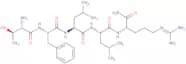
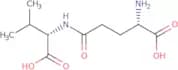

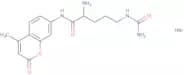


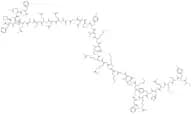
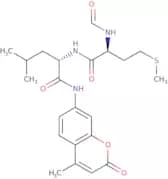
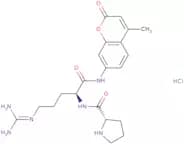
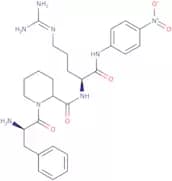

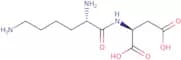
![Lys18[(AEEA)2-5-FITC]-Hepcidin (Human)](/_next/image/?url=https%3A%2Fstatic.cymitquimica.com%2Fproducts%2F3D%2Fthumb-webp%2FPLP-3793-PI.webp&w=3840&q=75)


![[Sar1]-Angiotensin II](/_next/image/?url=https%3A%2Fstatic.cymitquimica.com%2Fproducts%2F3D%2Fthumb-webp%2FPAN-3948-PI.webp&w=3840&q=75)


![H-Asp-[Pen-Phe-Trp-Lys-Tyr-Cys]-Val-OH](/_next/image/?url=https%3A%2Fstatic.cymitquimica.com%2Fproducts%2F3D%2Fthumb-webp%2FPUT-3640-PI.webp&w=3840&q=75)




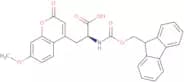
![Melittin [Cy5]](/_next/image/?url=https%3A%2Fstatic.cymitquimica.com%2Fproducts%2F3D%2Fthumb-webp%2FCRB1130465.webp&w=3840&q=75)
![(N-Cbz-Nle-KRR)2-[Rh110]](/_next/image/?url=https%3A%2Fstatic.cymitquimica.com%2Fproducts%2F3D%2Fthumb-webp%2FCRB1100372.webp&w=3840&q=75)
![Formyl-MLF-[Cys(AF488)]](/_next/image/?url=https%3A%2Fstatic.cymitquimica.com%2Fproducts%2F3D%2Fthumb-webp%2FCRB1110384.webp&w=3840&q=75)
![[5-FAM]-(KFF)3K](/_next/image/?url=https%3A%2Fstatic.cymitquimica.com%2Fproducts%2F3D%2Fthumb-webp%2FCRB1101018.webp&w=3840&q=75)
![Histone H3 (1-20) K4Me3, K9Ac, pS10-GG-[Lys(5-FAM)]](/_next/image/?url=https%3A%2Fstatic.cymitquimica.com%2Fproducts%2F3D%2Fthumb-webp%2FCRB1101265.webp&w=3840&q=75)
![[Tyr]-CNP22, Human](/_next/image/?url=https%3A%2Fstatic.cymitquimica.com%2Fproducts%2F3D%2Fthumb-webp%2FCRB1001623.webp&w=3840&q=75)








![Cyclo[Arg-Ala-Asp-D-Tyr-Lys(PEG)]](/_next/image/?url=https%3A%2Fstatic.cymitquimica.com%2Fproducts%2F3D%2Fthumb-webp%2FRGD-3005-PI.webp&w=3840&q=75)



![TAT protein (28-35) [Simian immunodeficiency virus]](/_next/image/?url=https%3A%2Fstatic.cymitquimica.com%2Fproducts%2F3D%2Fthumb-webp%2FCRB1001237.webp&w=3840&q=75)
![C-terminal Sortagging-[Cys(AF488)]](/_next/image/?url=https%3A%2Fstatic.cymitquimica.com%2Fproducts%2F3D%2Fthumb-webp%2FCRB1110801.webp&w=3840&q=75)
![Des-n-Octanoyl-[Ser3]-Ghrelin (Human, Rat, 1-5)](/_next/image/?url=https%3A%2Fstatic.cymitquimica.com%2Fproducts%2F3D%2Fthumb-webp%2FPGH-3648-PI.webp&w=3840&q=75)
![[Sulfo-Cyanine3]-LifeAct (Abp140 1-17)](/_next/image/?url=https%3A%2Fstatic.cymitquimica.com%2Fproducts%2F3D%2Fthumb-webp%2FCRB1130630.webp&w=3840&q=75)


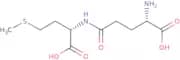






![Histone H3 (1-20) K4Me3, K9Ac-GG-[Lys(5-FAM)]](/_next/image/?url=https%3A%2Fstatic.cymitquimica.com%2Fproducts%2F3D%2Fthumb-webp%2FCRB1101263.webp&w=3840&q=75)
![Gag protein (181-189) acetyl/amide [Simian immunodeficiency virus]](/_next/image/?url=https%3A%2Fstatic.cymitquimica.com%2Fproducts%2F3D%2Fthumb-webp%2FCRB1001216.webp&w=3840&q=75)
![[TAMRA]-beta-Amyloid (1-15) Human](/_next/image/?url=https%3A%2Fstatic.cymitquimica.com%2Fproducts%2F3D%2Fthumb-webp%2FCRB1100840.webp&w=3840&q=75)


![[Azhx]-[Lys(Mca)]-P11-8](/_next/image/?url=https%3A%2Fstatic.cymitquimica.com%2Fproducts%2F3D%2Fthumb-webp%2FCRB1100526.webp&w=3840&q=75)

![[5-FAM]-Galanin (2-30)-[Cys] (Human)](/_next/image/?url=https%3A%2Fstatic.cymitquimica.com%2Fproducts%2F3D%2Fthumb-webp%2FCRB1100332.webp&w=3840&q=75)
![[5-FAM]-RKOpep](/_next/image/?url=https%3A%2Fstatic.cymitquimica.com%2Fproducts%2F3D%2Fthumb-webp%2FCRB1101540.webp&w=3840&q=75)
![Histone H3 (1-20) K4Me3-GG-[Lys(5-FAM)]](/_next/image/?url=https%3A%2Fstatic.cymitquimica.com%2Fproducts%2F3D%2Fthumb-webp%2FCRB1101261.webp&w=3840&q=75)
![Cyclo[Arg-Gly-Asp-D-Phe-Lys(Mal)]](/_next/image/?url=https%3A%2Fstatic.cymitquimica.com%2Fproducts%2F3D%2Fthumb-webp%2FRGD-3795-PI.webp&w=3840&q=75)

![Suc-LLVY-[Rh110]-[D-Pro]](/_next/image/?url=https%3A%2Fstatic.cymitquimica.com%2Fproducts%2F3D%2Fthumb-webp%2FCRB1100533.webp&w=3840&q=75)

![[Ala353,357]-Presenilin 1 (349-361)](/_next/image/?url=https%3A%2Fstatic.cymitquimica.com%2Fproducts%2F3D%2Fthumb-webp%2FSPR-3630-PI.webp&w=3840&q=75)

![Des-n-Octanoyl-[Ser3]-Ghrelin (Human, 1-18)](/_next/image/?url=https%3A%2Fstatic.cymitquimica.com%2Fproducts%2F3D%2Fthumb-webp%2FPGH-3645-PI.webp&w=3840&q=75)