Peptides
Peptides are short chains of amino acids linked by peptide bonds, serving as important biological molecules that play key roles in cellular processes. They function as hormones, neurotransmitters, and signaling molecules, and are widely used in therapeutic and diagnostic applications. Peptides are also crucial in research for studying protein interactions, enzyme activities, and cell signaling pathways. At CymitQuimica, we provide a diverse selection of high-quality peptides to support your research and development needs in biotechnology and pharmaceuticals.
Subcategories of "Peptides"
Found 30318 products of "Peptides"
Sort by
Purity (%)
0
100
|
0
|
50
|
90
|
95
|
100
Ac-KIFMTK-NH2
Peptide Ac-KIFMTK-NH2 is a Research Peptide with significant interest within the field academic and medical research. This peptide is available for purchase at Cymit Quimica in multiple sizes and with a specification of your choice.Ac-EQKLISEEDLC-OH
<p>Peptide Ac-EQKLISEEDLC-OH is a Research Peptide with significant interest within the field academic and medical research. This peptide is available for purchase at Cymit Quimica in multiple sizes and with a specification of your choice.</p>TentaGel® R RAM Resin (90 um), Rink-type
<p>TentaGel® R RAM Resin (90 um), Rink-type can be used for the preparation of peptide amides (Rink-type) (90 µm) 018-022 meq/g and is specially designed for difficult and long sequences.<br>TentaGel, is a gelatinous resin, an important support for solid phase synthesis. TentaGel resins are constructed with a backbone of low crosslinked polystyrene grafted with polyoxyethylene (polyethylene glycol) as shown below. The typical chain length of POE (n) is approximately 68 ethylene oxide units or an average MW of 3000. This long chain creates a spacer that effectively separates the reactive site (X) from the crosslinked backbone matrix.</p>Purity:Min. 95%Ac-Lys-N-Me-Leu-Val-N-Me-Phe-Phe-NH2
CAS:Ac-Lys-N-Me-Leu-Val-N-Me-Phe-Phe-NH2 is a peptide that has been shown to inhibit the formation of amyloid fibrils in Alzheimer's Disease. Ac-Lys-N-Me-Leu-Val-N-Me-Phe (KLVFF) is a biologically active peptide that is membrane permeable, allowing it to cross the blood brain barrier and enter the central nervous system. It inhibits the fibrillogenesis of amyloid beta protein, preventing it from aggregating into plaques.Formula:C39H59N7O6Purity:Min. 95%Molecular weight:721.95 g/molH-QEVPLATLEPLVK^-OH
<p>Peptide H-QEVPLATLEPLVK^-OH is a Research Peptide with significant interest within the field academic and medical research. This peptide is available for purchase at Cymit Quimica in multiple sizes and with a specification of your choice.</p>H-GILTVDELLAIR^-OH
<p>Peptide H-GILTVDELLAIR^-OH is a Research Peptide with significant interest within the field academic and medical research. This peptide is available for purchase at Cymit Quimica in multiple sizes and with a specification of your choice.</p>CMVpp65 - 43 (TRQQNQWKEPDVYYT)
Custom research peptide; min purity 95%. For different specs please use the Peptide Quote ToolMolecular weight:1,956.1 g/molH-Gln(Trt)-2-ClTrt-Resin (100-200 mesh) 1% DVB
<p>H-Gln(Trt)-2-ClTrt-Resin (100-200 mesh) 1% DVB is a resin for the synthesis of peptides. It is a building block that can be used to synthesize peptides. H-Gln(Trt)-2-ClTrt-Resin (100-200 mesh) 1% DVB is an alcohols, amines, and thiols resin that can be used to synthesize peptides. H-Gln(Trt)-2-ClTrt-Resin (100-200 mesh) 1% DVB has been shown to react with thiols, alcohols and amines, which are building blocks for peptide synthesis.</p>Purity:Min. 95%SIVmac239 - 37
<p>Custom research peptide; min purity 95%. For different specs please use the Peptide Quote Tool</p>Molecular weight:1,731.1 g/molH-SDVYCEVCEFLVK^-OH
<p>Peptide H-SDVYCEVCEFLVK^-OH is a Research Peptide with significant interest within the field academic and medical research. This peptide is available for purchase at Cymit Quimica in multiple sizes and with a specification of your choice.</p>H-IEIYPTSLTK^-OH
Peptide H-IEIYPTSLTK^-OH is a Research Peptide with significant interest within the field academic and medical research. This peptide is available for purchase at Cymit Quimica in multiple sizes and with a specification of your choice.LCBiot-HASTNMGLEAIIRKALMGKYDQW-OH
Peptide LCBiot-HASTNMGLEAIIRKALMGKYDQW-OH is a Research Peptide with significant interest within the field academic and medical research. This peptide is available for purchase at Cymit Quimica in multiple sizes and with a specification of your choice.Ac-GEEIYGEFD-NH2
<p>Peptide Ac-GEEIYGEFD-NH2 is a Research Peptide with significant interest within the field academic and medical research. This peptide is available for purchase at Cymit Quimica in multiple sizes and with a specification of your choice.</p>Lys-Leu-Val-Val-Val-Gly-Ala-Gly-Gly-Val
<p>Custom research peptide; min purity 95%. For different specs please use the Peptide Quote Tool</p>Formula:C41H75N11O11Molecular weight:898.1 g/molH-HLVDEPQNLIK^-OH
Peptide H-HLVDEPQNLIK^-OH is a Research Peptide with significant interest within the field academic and medical research. This peptide is available for purchase at Cymit Quimica in multiple sizes and with a specification of your choice.Myelin Oligodendrocyte Glycoprotein(35-55), rat MOG(35-55)
CAS:Myelin oligodendrocyte glycoprotein (MOG) is a type I integral membrane glycoprotein of the immunoglobulin superfamily (Ig) found exclusively in mammals. The 26-28 kDa protein is located on the external surface of the oligodendrocyte membrane, mostly on the peripheral lamellae of myelin sheaths of the Central nervous system (CNS). The immunodominant 35-55 epitope of MOG (MOG 35-55) is a primary target for both cellular and humoral immune responses1. Anti-MOG antibodies and the abnormal activation of encepalitogenic T cells upon recognition of MOG (35-55) peptide cause the destruction of myelin sheath during Multiple sclerosis (MS), a common inflammatory autoimmune disorder of the CNS. Although MOG is a minor component of the CNS, the 35-55 epitope of MOG (MOG 35-55) is strongly immunogenic and therefore is widely used for in vivo biological evaluation and immunological studies of the Experimental Autoimmune Encephalomyelitis (EAE), a mouse animal model for T-cell-mediated inflammatory demyelinating autoimmune diseases of the CNS. Administration of MOG (35-55) peptide in mice produces anti-MOG antibodies that cause demyelination and a chronic Experimental Autoimmune Encephalomyelitis. Anti-MOG antibodies are observed in cerebrospinal fluid (CFS) and the serum of MS pateints. There is a direct correlation between the severity of the MS symptomes and anti-MOG titers. The progression of Multiple sclerosis is rapid and relapses occur more frequently in presence of anti-MOG antibodies. Therefore, anti-MOG antibodies are an indicator for the prognosis and progression of Multiple sclerosis. They can be detected by MOG (35-55) epitope-coated ELISA for quantification. MOG (35-55)-induced EAE models can help elucidating the immunopathological mechanism of Multiple sclerosis and promote the developement of novel therapeutics. One therapeutic approach consists on the administration of a mixture of peptides, representing immunodominant epitopes of different myelin proteins including MOG peptide at a proper dose to modulate the immune response and induce tolerance.Formula:C118H177N35O29SPurity:Min. 95%Molecular weight:2,582 g/molBoc-LFGGY-OH
<p>Peptide Boc-LFGGY-OH is a Research Peptide with significant interest within the field academic and medical research. This peptide is available for purchase at Cymit Quimica in multiple sizes and with a specification of your choice.</p>SARS-CoV-2 nucleocapsid phosphoprotein (301-315)
<p>Custom research peptide; min purity 95%. For different specs please use the Peptide Quote Tool</p>H-ISVYYNEATGGK^-OH
<p>Peptide H-ISVYYNEATGGK^-OH is a Research Peptide with significant interest within the field academic and medical research. This peptide is available for purchase at Cymit Quimica in multiple sizes and with a specification of your choice.</p>[Asn370]-Tyrosinase (368-376)
<p>Custom research peptide; min purity 95%. For different specs please use the Peptide Quote Tool</p>Formula:C42H67N11O15S2Molecular weight:1,030.19 g/molH-ALGISPFHEHAEVVFTANDSGPR^-OH
<p>Peptide H-ALGISPFHEHAEVVFTANDSGPR^-OH is a Research Peptide with significant interest within the field academic and medical research. This peptide is available for purchase at Cymit Quimica in multiple sizes and with a specification of your choice.</p>Neuroendocrine Regulatory Peptide-1 (human)
CAS:Custom research peptide; min purity 95%. For different specs please use the Peptide Quote ToolFormula:C113H192N36O39Molecular weight:2,678.99 g/molIDR-1
CAS:Custom research peptide; min purity 95%. For different specs please use the Peptide Quote ToolFormula:C65H118N18O15Molecular weight:1,391.76 g/molH-LFGGFNSSDTVTSPQR^-OH
<p>Peptide H-LFGGFNSSDTVTSPQR^-OH is a Research Peptide with significant interest within the field academic and medical research. This peptide is available for purchase at Cymit Quimica in multiple sizes and with a specification of your choice.</p>HIF-1 α (556-574)
<p>HIF-1 alpha (556-574) is derived from hypoxia-inducible factor 1-alpha (HIF-1 alpha), a subunit of the heterodimeric transcription factor HIF-1 and is responsible for maintaining oxygen homeostasis. HIF-1 alpha is expressed under hypoxic conditions and is oxygen sensitive. Hypoxia can occur in cancer, heart disease and pulmonary disorders.Structurally HIF-1 alpha contains a N-terminal transactivation domain (N-TAD) which stabilises HIF-1 alpha and a C-terminal transactivation domain (C-TAD) which under hypoxic conditions regulates the transcription of HIF-1 alpha. Moreover HIF-1 alpha features an oxygen dependent degradation domain containing two proline residues and a lysine532. The two proline residues are substrates of prolyl-4-hydroxylases (PHDs) which in the presence of sufficient oxygen, are hydroxylated. Similarly the lysine residue is acetylated by arrest-defective-1 and this is reduced in hypoxic conditions. These hydroxylated prolines and acetylated lysine target HIF-1 alpha for ubiquitination and degradation.</p>Purity:Min. 95%Color and Shape:PowderMolecular weight:2,253 g/molStearate-DLIEEAASRPVDAVPEQVKAAGAY-OH
<p>Peptide Stearate-DLIEEAASRPVDAVPEQVKAAGAY-OH is a Research Peptide with significant interest within the field academic and medical research. This peptide is available for purchase at Cymit Quimica in multiple sizes and with a specification of your choice.</p>SIVmac239 - 18
<p>Custom research peptide; min purity 95%. For different specs please use the Peptide Quote Tool</p>Molecular weight:1,625.8 g/molVIR-165
<p>Custom research peptide; min purity 95%. For different specs please use the Peptide Quote Tool</p>Formula:C109H158N22O25S2Molecular weight:2,240.7 g/molAla-Val-Ile
<p>Custom research peptide; min purity 95%. For different specs please use the Peptide Quote Tool</p>Formula:C14H27N3O4Molecular weight:301.38 g/molH-SEFVVPDLELPSWLTTGNYR^-OH
<p>Peptide H-SEFVVPDLELPSWLTTGNYR^-OH is a Research Peptide with significant interest within the field academic and medical research. This peptide is available for purchase at Cymit Quimica in multiple sizes and with a specification of your choice.</p>H-SNQEVLEFVTSGGR^-OH
<p>Peptide H-SNQEVLEFVTSGGR^-OH is a Research Peptide with significant interest within the field academic and medical research. This peptide is available for purchase at Cymit Quimica in multiple sizes and with a specification of your choice.</p>H-YLVIQGDER^-OH
Peptide H-YLVIQGDER^-OH is a Research Peptide with significant interest within the field academic and medical research. This peptide is available for purchase at Cymit Quimica in multiple sizes and with a specification of your choice.H-VIFGLFGK^-OH
<p>Peptide H-VIFGLFGK^-OH is a Research Peptide with significant interest within the field academic and medical research. This peptide is available for purchase at Cymit Quimica in multiple sizes and with a specification of your choice.</p>H-LLGASVLGL^-OH
<p>Peptide H-LLGASVLGL^-OH is a Research Peptide with significant interest within the field academic and medical research. This peptide is available for purchase at Cymit Quimica in multiple sizes and with a specification of your choice.</p>Myelin Basic Protein (111-129)
<p>The myelin sheath which is located in both the Central Nervous System (CNS) and the Peripheral Nervous System is crucial for neural insulation and the salutatory conduction of nerve impulses. When this myelin sheath is destroyed neurodegeneration and conduction failure occur and theses occurrences can be observed in demyelinating diseases in the CNS such as: acute disseminated encephalomyelitis and multiple sclerosis and within the PNS: Guillain–Barré syndrome and Charcot–Marie–Tooth disease.Myelin Basic Protein (MBP) from which this product is derived is the second most abundant protein in myelin. It has been found to be an intrinsically disordered protein and depending on the environmental conditions it can change its conformation. It also folds into ⍺-helical structures which allow MBP to bind tightly to lipid bilayer surfaces. MBP also interacts with other proteins, namely cytoskeletal proteins and calmodulin and may be involved in signalling pathways.<br>Although more research needs to be carried out, it is thought that MBP significantly contribute to the pathogenesis of multiple sclerosis. As MBP is an autoantigen it can be recognized and cleaved by autoantibodies and is a substrate for the immunoproteasome. Additional research has found that post-translational modifications of MBP such as the removal of arginine are increased and may be involved in the pathogenesis of multiple sclerosis. Therefore this protein derived from MBP can be used to mimic Neurodegenerative disease phenotypes in research and animal models.<br>One-Letter Formula: LSRFSWGAEGQRPGFGYGG</p>Formula:C92H129N27O26Purity:Min. 95%Molecular weight:2,029.22 g/molH-R^EQAPNLVY-OH
<p>Peptide H-R^EQAPNLVY-OH is a Research Peptide with significant interest within the field academic and medical research. This peptide is available for purchase at Cymit Quimica in multiple sizes and with a specification of your choice.</p>Ac-LTRIV-NH2
<p>Peptide Ac-LTRIV-NH2 is a Research Peptide with significant interest within the field academic and medical research. This peptide is available for purchase at Cymit Quimica in multiple sizes and with a specification of your choice.</p>H-AQTAHIVLEDGTK^-OH
<p>Peptide H-AQTAHIVLEDGTK^-OH is a Research Peptide with significant interest within the field academic and medical research. This peptide is available for purchase at Cymit Quimica in multiple sizes and with a specification of your choice.</p>pE-RPRLSHKGPMP-OH
<p>Peptide pE-RPRLSHKGPMP-OH is a Research Peptide with significant interest within the field academic and medical research. This peptide is available for purchase at Cymit Quimica in multiple sizes and with a specification of your choice.</p>H-VIFDANAPVAVR^-OH
Peptide H-VIFDANAPVAVR^-OH is a Research Peptide with significant interest within the field academic and medical research. This peptide is available for purchase at Cymit Quimica in multiple sizes and with a specification of your choice.H-AHVQVVDSNGNR^-OH
<p>Peptide H-AHVQVVDSNGNR^-OH is a Research Peptide with significant interest within the field academic and medical research. This peptide is available for purchase at Cymit Quimica in multiple sizes and with a specification of your choice.</p>SIVmac239 - 84
<p>Custom research peptide; min purity 95%. For different specs please use the Peptide Quote Tool</p>Molecular weight:1,613 g/molH-LVSSENFDDYMK^-OH
Peptide H-LVSSENFDDYMK^-OH is a Research Peptide with significant interest within the field academic and medical research. This peptide is available for purchase at Cymit Quimica in multiple sizes and with a specification of your choice.H-VVGARGVGK^-OH
<p>Peptide H-VVGARGVGK^-OH is a Research Peptide with significant interest within the field academic and medical research. This peptide is available for purchase at Cymit Quimica in multiple sizes and with a specification of your choice.</p>α-CGRP (mouse, rat)
CAS:<p>Endogenous calcitonin gene-related peptide receptor (CGRP) agonist which is secreted in both peripheral and central neurons. It is a potent vasodilator and can function in the transmission of nociception as well as acting as an appetite suppressant and contributing to gastric acid secretion. It also has a function in temperature homeostasis, increases heart rate, and can play a role in the release of the pituitary hormone.</p>Formula:C162H262N50O52S2Purity:Min. 95%Color and Shape:PowderMolecular weight:3,806.25 g/molDabcyl-TLNFPISP-Edans
<p>Peptide Dabcyl-TLNFPISP-Edans is a Research Peptide with significant interest within the field academic and medical research. This peptide is available for purchase at Cymit Quimica in multiple sizes and with a specification of your choice.</p>Vitamin D Receptor (VDR)
Custom research peptide; min purity 95%. For different specs please use the Peptide Quote ToolTyrosinase precursor (1-9)
<p>Custom research peptide; min purity 95%. For different specs please use the Peptide Quote Tool</p>H-YSDYFKPFSTGK^-OH
<p>Peptide H-YSDYFKPFSTGK^-OH is a Research Peptide with significant interest within the field academic and medical research. This peptide is available for purchase at Cymit Quimica in multiple sizes and with a specification of your choice.</p>H-Arg-Ala-Asp-Ser-Lys-OH
<p>H-Arg-Ala-Asp-Ser-Lys-OH is a peptide that is used in biochemistry research as a substrate for protease enzymes. It has the sequence H-Arg-Ala-Asp-Ser-Lys and is labeled with a fluorescent dye.</p>Formula:C22H41N9O9Purity:Min. 95%Molecular weight:575.63 g/molH-QVSDLISVLR^-OH
Peptide H-QVSDLISVLR^-OH is a Research Peptide with significant interest within the field academic and medical research. This peptide is available for purchase at Cymit Quimica in multiple sizes and with a specification of your choice.H-EDALNETR^-OH
Peptide H-EDALNETR^-OH is a Research Peptide with significant interest within the field academic and medical research. This peptide is available for purchase at Cymit Quimica in multiple sizes and with a specification of your choice.H-EILDLAAATER^-OH
Peptide H-EILDLAAATER^-OH is a Research Peptide with significant interest within the field academic and medical research. This peptide is available for purchase at Cymit Quimica in multiple sizes and with a specification of your choice.CMVpp65 - 110 (RKSASSATACTSGVM)
<p>Custom research peptide; min purity 95%. For different specs please use the Peptide Quote Tool</p>Molecular weight:1,456.7 g/molH-IVASTLSNPELFEEWTGNVK^-OH
Peptide H-IVASTLSNPELFEEWTGNVK^-OH is a Research Peptide with significant interest within the field academic and medical research. This peptide is available for purchase at Cymit Quimica in multiple sizes and with a specification of your choice.[Cys17] - β - Amyloid (1 - 17)
<p>Custom research peptide; min purity 95%. For different specs please use the Peptide Quote Tool</p>Formula:C93H135N29O30S1Molecular weight:2,171.5 g/molAc-QEPEPPEPFEYIDD-NH2
<p>Peptide Ac-QEPEPPEPFEYIDD-NH2 is a Research Peptide with significant interest within the field academic and medical research. This peptide is available for purchase at Cymit Quimica in multiple sizes and with a specification of your choice.</p>Biotinyl-Gly-Gly-OH
CAS:<p>Please enquire for more information about Biotinyl-Gly-Gly-OH including the price, delivery time and more detailed product information at the technical inquiry form on this page</p>Formula:C14H22N4O5SPurity:Min. 95%Molecular weight:358.41 g/molH-SFQLFGSPPGQ^R-OH
<p>Peptide H-SFQLFGSPPGQ^R-OH is a Research Peptide with significant interest within the field academic and medical research. This peptide is available for purchase at Cymit Quimica in multiple sizes and with a specification of your choice.</p>H-LETAPNISK^-OH
Peptide H-LETAPNISK^-OH is a Research Peptide with significant interest within the field academic and medical research. This peptide is available for purchase at Cymit Quimica in multiple sizes and with a specification of your choice.Biotin-Substance P
<p>Substance P (SP) is a peptide that is highly conserved across the animal kingdom and is involved in a number of inflammatory and growth promoting processes. SP has a net positive charge at physiological pH, it is an amphiphilic peptide with positively charged residues at the N-terminus and hydrophobic residues at the C-terminus, this controls how it interacts with cell membranes. SP is stable in plasma (several hours) but has a short half-life in tissues (seconds/minutes).SP is encoded by the TAC1 gene and is a member of the tachykinin peptide hormone family. SP is expressed by many cell types including: neurons, astrocytes, microglia, epithelial cells, endothelial cells, immune cells such as T cells and macrophages- dendritic cells and eosinophils and some stem cells and progenitor cells. The huge variety of cell types expressing SP suggest it is involved in a wide variety of physiological and pathophysiological functions.SP mediates its functions by interacting with members of the neurokinin (NK) family of G protein-coupled receptors with high selectivity. Among these, SP binds to NK1R with the highest affinity, this receptor is expressed in a wide range of tissue types.Biotin (B7) has been added to the N-terminus.</p>Formula:C73H112N20O15S2Molecular weight:1,573.96 g/molH-QLLALLPSL^-OH
<p>Peptide H-QLLALLPSL^-OH is a Research Peptide with significant interest within the field academic and medical research. This peptide is available for purchase at Cymit Quimica in multiple sizes and with a specification of your choice.</p>H-VFLENVIR^-OH
<p>Peptide H-VFLENVIR^-OH is a Research Peptide with significant interest within the field academic and medical research. This peptide is available for purchase at Cymit Quimica in multiple sizes and with a specification of your choice.</p>Ac-PLGIEVDIDVEHGGKRC-NH2
<p>Peptide Ac-PLGIEVDIDVEHGGKRC-NH2 is a Research Peptide with significant interest within the field academic and medical research. This peptide is available for purchase at Cymit Quimica in multiple sizes and with a specification of your choice.</p>H-[Cys-Arg-Gly-Asp-Lys-Gly-Pro-Asp-Cys]-NH2
<p>H-[Cys-Arg-Gly-Asp-Lys-Gly-Pro-Asp-Cys]-NH2 is a peptide that was originally isolated from the venom of the Brazilian spider, Phoneutria nigriventer. This peptide has been shown to have anti tumor activity in mice by targeting and binding to the tumor cells. H-[Cys-Arg-Gly-Asp-Lys-Gly-Pro-Asp-Cys]-NH2 is also a cell penetrating peptide (CPP) that can penetrate into the cell and disrupts cancer cell growth. It is also a disulfide rich peptide with RGD sequence which binds to integrins on the surface of tumor cells and induces apoptosis.</p>Formula:C35H58N14O13S2Purity:Min. 95%Molecular weight:947.07 g/molH-EVFVHPNYSK^-OH
<p>Peptide H-EVFVHPNYSK^-OH is a Research Peptide with significant interest within the field academic and medical research. This peptide is available for purchase at Cymit Quimica in multiple sizes and with a specification of your choice.</p>H-FYGAEIVSALDYLHSEK^-OH
<p>Peptide H-FYGAEIVSALDYLHSEK^-OH is a Research Peptide with significant interest within the field academic and medical research. This peptide is available for purchase at Cymit Quimica in multiple sizes and with a specification of your choice.</p>H-YSTDVSVDEVK^-OH
<p>Peptide H-YSTDVSVDEVK^-OH is a Research Peptide with significant interest within the field academic and medical research. This peptide is available for purchase at Cymit Quimica in multiple sizes and with a specification of your choice.</p>H-IQSFLGGAPTEDLK^-OH
<p>Peptide H-IQSFLGGAPTEDLK^-OH is a Research Peptide with significant interest within the field academic and medical research. This peptide is available for purchase at Cymit Quimica in multiple sizes and with a specification of your choice.</p>5Fam-F-OH
Peptide 5Fam-F-OH is a Research Peptide with significant interest within the field academic and medical research. This peptide is available for purchase at Cymit Quimica in multiple sizes and with a specification of your choice.H-SGGVVK^-OH
Peptide H-SGGVVK^-OH is a Research Peptide with significant interest within the field academic and medical research. This peptide is available for purchase at Cymit Quimica in multiple sizes and with a specification of your choice.Val-Ile-Gly
<p>Custom research peptide; min purity 95%. For different specs please use the Peptide Quote Tool</p>Formula:C13H25N3O4Molecular weight:287.36 g/molH-DTHFPICIFCCGCCHRSK^CGMCCK^T-OH
<p>Peptide H-DTHFPICIFCCGCCHRSK^CGMCCK^T-OH is a Research Peptide with significant interest within the field academic and medical research. This peptide is available for purchase at Cymit Quimica in multiple sizes and with a specification of your choice.</p>Ac-EEEEEEE-NH2
<p>Peptide Ac-EEEEEEE-NH2 is a Research Peptide with significant interest within the field academic and medical research. This peptide is available for purchase at Cymit Quimica in multiple sizes and with a specification of your choice.</p>H-FMDVYQR^-OH
<p>Peptide H-FMDVYQR^-OH is a Research Peptide with significant interest within the field academic and medical research. This peptide is available for purchase at Cymit Quimica in multiple sizes and with a specification of your choice.</p>Des-n-Octanoyl-[Ser3]-Ghrelin (Human, 1-14)
<p>Des-n-Octanoyl-[Ser3]-Ghrelin (Human, 1-14) is a non-Acylated Analog of Ghrelin (Human, 1-14), amino acids 1-14 of the peptide hormone Ghrelin. This peptide does not contain the unique N-octanoyl group which is linked to Ghrelin's third serine residue covalently and which allows Ghrelin to associate with the growth hormone secretagogue receptor (GHS-R). Through interaction with the GHS-R, Ghrelin can exert its various effects on the body such as stimulating appetite, nutrient sensing, meal initiation and the regulation of insulin resistance, diabetes and obesity. Its wider functions are also associated with glucose homeostasis, energy homeostasis, cardio-protective effects, bone metabolism and its potential to be a target for cancer means that it can be used to develop therapies for a whole spectrum of diseases. This molecule is used as a research tool for studying cell biology and pharmacology.</p>Formula:C68H106N22O23Purity:Min. 95%Molecular weight:1,599.74 g/mola-MSH, amide
CAS:<p>Custom research peptide; min purity 95%. For different specs please use the Peptide Quote Tool</p>Formula:C118H174N34O35SMolecular weight:1,664.91 g/mol[Glu1]-Fibrinopeptide B
Fibrinopeptide B is a peptidic, biologically active peptide with the sequence Glu-Lys-Arg-Val. It is an epitope of the fibrinogen protein and has been reported to be involved in various biological processes such as cell proliferation, inflammation, and coagulation. Fibrinopeptide B is also a mass spectrometry standard for calibrating mass spectrometers. Biochemicals such as peptides and proteins can be identified by using this peptide. Fibrinopeptide B may also play a role in cancer metastasis and atherosclerosis.Formula:C66H95N19O26Purity:Min. 95%Molecular weight:1,570.6 g/molFmoc-His(Trt)-Wang Resin (100-200 mesh) 1% DVB
<p>Fmoc-His(Trt)-Wang Resin (100-200 mesh) 1% DVB is a resin for peptide synthesis that contains Fmoc-His(Trt) and 1% DVB. It is used to synthesize peptides with Fmoc chemistry.</p>Purity:Min. 95%H-YNSGK^-OH
<p>Peptide H-YNSGK^-OH is a Research Peptide with significant interest within the field academic and medical research. This peptide is available for purchase at Cymit Quimica in multiple sizes and with a specification of your choice.</p>H-KALYDYAPI-OH
<p>Peptide H-KALYDYAPI-OH is a Research Peptide with significant interest within the field academic and medical research. This peptide is available for purchase at Cymit Quimica in multiple sizes and with a specification of your choice.</p>Formula:C51H74N10O13Color and Shape:PowderMolecular weight:1,053.21 g/molCyclo[Arg-Gly-Asp-D-Phe-Lys(Biotin)]
<p>Cyclo[Arg-Gly-Asp-D-Phe-Lys(Biotin)] is a peptide macrocycle that is known to bind to integrin and be active against cancer cells. It has been shown to inhibit the growth of cancer cells by inhibiting cell adhesion, which leads to a reduction in the production of biochemicals such as fibronectin. Cyclo[Arg-Gly-Asp-D-Phe-Lys(Biotin)] binds strongly to the integrin receptor on the surface of many types of cancer cells, including those that are resistant to conventional chemotherapy drugs. This peptide macrocycle also inhibits proteolytic cleavage by metalloproteinases and enhances tumor vascularization, making it an attractive candidate for use in cancer treatment.</p>Formula:C37H55N11O9SPurity:Min. 95%Molecular weight:829.98 g/molHepcidin (canine)
<p>This product is a Liver-Expressed Antimicrobial Peptide of Canine source containing the disulfide Bonds: Cys7-Cys23, Cys10-Cys13, Cys11-Cys19, and Cys14-Cys22. Hepcidin is a peptide hormone that controls the release of iron from storage cells in the liver. It inhibits erythropoiesis by limiting the availability of iron for red blood cell production. This peptide also exhibits anti-microbial properties in that in response to inflammatory cytokines hepcidin leads to a decreased release of iron from enterocytes, hepatocytes and macrophages and further leads to ferroportin degradation and internalization. This product may be useful for use in research into disorders where iron dysregulation is paramount for pathogenesis and also in inflammatory diseases.</p>Purity:Min. 95%H-SIIVFNLL^-OH
<p>Peptide H-SIIVFNLL^-OH is a Research Peptide with significant interest within the field academic and medical research. This peptide is available for purchase at Cymit Quimica in multiple sizes and with a specification of your choice.</p>H-LGDLYEEEMR^-OH
<p>Peptide H-LGDLYEEEMR^-OH is a Research Peptide with significant interest within the field academic and medical research. This peptide is available for purchase at Cymit Quimica in multiple sizes and with a specification of your choice.</p>H-EGPR^NQDWL-OH
<p>Peptide H-EGPR^NQDWL-OH is a Research Peptide with significant interest within the field academic and medical research. This peptide is available for purchase at Cymit Quimica in multiple sizes and with a specification of your choice.</p>H-DLLLPQPDLR^-OH
<p>Peptide H-DLLLPQPDLR^-OH is a Research Peptide with significant interest within the field academic and medical research. This peptide is available for purchase at Cymit Quimica in multiple sizes and with a specification of your choice.</p>Fmoc-Ser(tBu)-Rink-Amide MBHA Resin
<p>The resin is used for the synthesis of peptides and other small molecules. The resin is a polystyrene-divinylbenzene copolymer that is functionalized with an amino acid sequence. It can be used in automated peptide synthesizers to perform solid phase peptide synthesis.</p>Purity:Min. 95%Ac-LVLRLR-NH2
Peptide Ac-LVLRLR-NH2 is a Research Peptide with significant interest within the field academic and medical research. This peptide is available for purchase at Cymit Quimica in multiple sizes and with a specification of your choice.H-ALAEHGIVFGEPK^-OH
<p>Peptide H-ALAEHGIVFGEPK^-OH is a Research Peptide with significant interest within the field academic and medical research. This peptide is available for purchase at Cymit Quimica in multiple sizes and with a specification of your choice.</p>H-AQAVHPGYGFLSENK^-OH
<p>Peptide H-AQAVHPGYGFLSENK^-OH is a Research Peptide with significant interest within the field academic and medical research. This peptide is available for purchase at Cymit Quimica in multiple sizes and with a specification of your choice.</p>H-EGYYGYTG^AFR^-OH
Peptide H-EGYYGYTG^AFR^-OH is a Research Peptide with significant interest within the field academic and medical research. This peptide is available for purchase at Cymit Quimica in multiple sizes and with a specification of your choice.H-F^F-OH
<p>Peptide H-F^F-OH is a Research Peptide with significant interest within the field academic and medical research. This peptide is available for purchase at Cymit Quimica in multiple sizes and with a specification of your choice.</p>H-VLVLDTDYKK^-OH
<p>Peptide H-VLVLDTDYKK^-OH is a Research Peptide with significant interest within the field academic and medical research. This peptide is available for purchase at Cymit Quimica in multiple sizes and with a specification of your choice.</p>H-IEDGFSLK^-OH
<p>Peptide H-IEDGFSLK^-OH is a Research Peptide with significant interest within the field academic and medical research. This peptide is available for purchase at Cymit Quimica in multiple sizes and with a specification of your choice.</p>H-YQGFIFDIVTK^-OH
<p>Peptide H-YQGFIFDIVTK^-OH is a Research Peptide with significant interest within the field academic and medical research. This peptide is available for purchase at Cymit Quimica in multiple sizes and with a specification of your choice.</p>H-EVFDFSQR^-OH
<p>Peptide H-EVFDFSQR^-OH is a Research Peptide with significant interest within the field academic and medical research. This peptide is available for purchase at Cymit Quimica in multiple sizes and with a specification of your choice.</p>Gly-Gly-Gly-Gly-Arg-Gly-Asp-Tyr
Custom research peptide; min purity 95%. For different specs please use the Peptide Quote ToolFormula:C29H43N11O12Molecular weight:737.72 g/molalpha-Mating Factor acetate salt
CAS:<p>Alpha-Mating Factor acetate salt is a complex compound that is a useful intermediate, building block, and reaction component. Alpha-Mating Factor acetate salt has been shown to be a useful scaffold for the synthesis of other compounds. It can also be used as a reagent in research or as a speciality chemical. Alpha-Mating Factor acetate salt is soluble in water and most organic solvents, making it versatile in its applications.</p>Formula:C82H114N20O17S·xC2H4O2Purity:Min. 95%Color and Shape:PowderMolecular weight:1,683.97 g/molH-Met-Pro-OH·HCl
CAS:<p>Please enquire for more information about H-Met-Pro-OH·HCl including the price, delivery time and more detailed product information at the technical inquiry form on this page</p>Formula:C10H18N2O3S•HClPurity:Min. 95%Color and Shape:PowderMolecular weight:282.79 g/molLCBiot-LVLRLRGG-OH
<p>Peptide LCBiot-LVLRLRGG-OH is a Research Peptide with significant interest within the field academic and medical research. This peptide is available for purchase at Cymit Quimica in multiple sizes and with a specification of your choice.</p>HPV 16 E2 69-77 (HLA-A*02:01)
<p>Custom research peptide; min purity 95%. For different specs please use the Peptide Quote Tool</p>SIVmac239 - 113
<p>Custom research peptide; min purity 95%. For different specs please use the Peptide Quote Tool</p>Molecular weight:1,606.9 g/molH- LGRLSQELHRLQTYPRTNTGSNTY-OH
<p>supplied as the TFA salt</p>Formula:C120H191N39O38Molecular weight:2,806 g/molH1 labeled 4-peptide mixture
<p>H-VNSVIEK^-OHH-EQLSSVSSFER^-OHH-TLDYHDSNVK^-OHH-ITFEATGNLVAPR^-OHR^ = Arginine (U-13C6,15N4)K^ = Lysine (U-13C6,15N2)Peptide purity: >98%AAA: Concentration - Duplicate100 aliquots/pack total to equal 1nmol/peptide/vial dry aliquots</p>Ac-CLKYFGKALENPTR-NH2
<p>Peptide Ac-CLKYFGKALENPTR-NH2 is a Research Peptide with significant interest within the field academic and medical research. This peptide is available for purchase at Cymit Quimica in multiple sizes and with a specification of your choice.</p>Ac-Qpy-NH2
<p>Peptide Ac-Qpy-NH2 is a Research Peptide with significant interest within the field academic and medical research. This peptide is available for purchase at Cymit Quimica in multiple sizes and with a specification of your choice.</p>Ac-KTEEISEVNLDAEF-NH2
<p>Peptide Ac-KTEEISEVNLDAEF-NH2 is a Research Peptide with significant interest within the field academic and medical research. This peptide is available for purchase at Cymit Quimica in multiple sizes and with a specification of your choice.</p>Synthetic SAA1 (1-76) protein (Human)
<p>Custom research peptide; min purity 95%. For different specs please use the Peptide Quote Tool</p>Molecular weight:8,575.21 g/molBiot-PKTPKKAKKL-OH
<p>Peptide Biot-PKTPKKAKKL-OH is a Research Peptide with significant interest within the field academic and medical research. This peptide is available for purchase at Cymit Quimica in multiple sizes and with a specification of your choice.</p>H-LHDFRHQIL^-OH
Peptide H-LHDFRHQIL^-OH is a Research Peptide with significant interest within the field academic and medical research. This peptide is available for purchase at Cymit Quimica in multiple sizes and with a specification of your choice.Influenza B labeled 5-peptide mixture
<p>Influenza B labelled 5-peptide mixture of:<br>H-SHFANLK^-OHH-SYFANLK^-OHH-GVLLPQK^-OHH-NLNSLSELEVK^-OHH-GILLPQK^-OH<br>K^ = Lysine (U-13C6,15N2)<br>100 aliquots/pack total to equal 1nmol/peptide/vial dry aliquots</p>ACTH(1-39) trifluoroacetate
CAS:<p>ACTH(1-39) trifluoroacetate is a synthetic form of ACTH that is used for the diagnosis of autoimmune diseases and bowel disease. It is also used to assess the function of the adrenal gland in cases of suspected Cushing's syndrome. The blood sampling procedure involves withdrawing a small amount of blood from the patient and adding ACTH(1-39) trifluoroacetate to it, which causes an increase in cortisol concentration. ACTH(1-39) trifluoroacetate binds to corticotropin receptors on cells in the body, causing them to release basic proteins that are responsible for inflammation. This drug may be a potential biomarker for metabolic disorders such as obesity. It has been shown to have anti-inflammatory properties and can be used as a nonsteroidal anti-inflammatory drug (NSAID).</p>Formula:C207H308N56O58SPurity:Min. 98 Area-%Color and Shape:PowderMolecular weight:4,541.07 g/molFor-Met-Leu-AMC
CAS:<p>For-Met-Leu-AMC is a chemical compound that belongs to the group of speciality chemicals. It is a high quality, versatile building block that can be used as a reagent in organic synthesis and a reaction component in the synthesis of pharmaceuticals and other fine chemicals. For-Met-Leu-AMC is also a useful intermediate for the synthesis of complex compounds with potential for use as research chemicals or scaffolds for drug discovery.</p>Formula:C22H29N3O5SPurity:Min. 98 Area-%Color and Shape:PowderMolecular weight:447.55 g/molH-Pro-Arg-AMC dihydrochloride
CAS:<p>H-Pro-Arg-AMC dihydrochloride is a high quality reagent that is used as an intermediate in the synthesis of peptides and other chemistries. H-Pro-Arg-AMC dihydrochloride can also be used as a building block for the synthesis of complex compounds. It has been found to be useful in various reactions involving amines, amino acids, and alcohols. H-Pro-Arg-AMC dihydrochloride is a versatile building block that can be used in reactions with other chemicals to produce speciality chemicals or research chemicals.</p>Formula:C21H28N6O4·2HClPurity:Min. 95 Area-%Color and Shape:PowderMolecular weight:501.4 g/molPhytosulfokine-α
CAS:<p>Phytosulfokine (PSK) was introduced in 1996 by Matsubayashi and Sakagami of Nagoya University. It is the world's first peptide phytohormone to be isolated from asparagus culture medium. Tyr undergoes post-translational sulfation modification, which is essential for bioactivity. As an example of oxidative peptides showing bioactivity, in animals, CCK-octapeptide (26-33) (sulfated form), PCK-4100-V, CCK-33 (Human), PCK-4201-S and CCK-33 (Porcine), PCK-4176-S are known, but they were first found in plants. The functions of phytosulfokine are i) plant cell proliferation and differentiation activity acting at nanomolar concentrations ii) chlorophyll synthesis-promoting activityiii) formation of adventitious roots and buds iv) adventitious embryogenesisv) involvement in disease resistance The active expression of these PSKs is accompanied by membrane-bound LRR receptors, which are PSK receptors. Leucine-rich repeat receptor-like kinase is involved.</p>Formula:C33H46N6O16S2Purity:Min. 95%Molecular weight:846.88 g/molH-Ala-2-ClTrt-Resin (200-400 mesh) 1% DVB
For preparation of acids, alcohols, thiols, or aminesPurity:Min. 95%Psalmotoxin 1
CAS:<p>Psalmotoxin 1 is a peptide that is an activator of ion channels. It has been shown to bind to the acetylcholine receptor, nicotinic acetylcholine receptor, and the glycine receptor. It also inhibits protein interactions with its high-affinity binding affinity for the alpha-subunit of phospholipase A2.</p>Formula:C200H318N62O57S6Purity:Min. 95%Molecular weight:4,695.42 g/molH-D-Phe-Homopro-Arg-pNA·diacetate
CAS:<p>H-D-Phe-Homopro-Arg-pNA·diacetate is a versatile building block that can be used as a reaction component or a reagent. It is a useful scaffold for the preparation of biologically active compounds due to its high quality and versatility. It has been shown to be useful in the synthesis of complex compounds, such as peptides, antibiotics, and anti-cancer agents. This chemical is also an intermediate in the production of drugs. H-D-Phe-Homopro-Arg-pNA·diacetate is not listed on the U.S. Environmental Protection Agency TSCA Chemical Substance Inventory and has no known potential health effects at this time.</p>Formula:C27H36N8O5·2C2H4O2Purity:Min. 95%Color and Shape:PowderMolecular weight:672.73 g/molFmoc-Phe-Wang Resin (100-200 mesh) 1% DVB
<p>Fmoc-Phe-Wang Resin is a research tool that is used as an activator, ligand, or receptor for cell biology and protein interactions. It is also used for the synthesis of peptides. Fmoc-Phe-Wang Resin has been used in pharmacology to study ion channels and high purity proteins with high affinity. This resin can be used in antibody production and other life science applications.</p>Purity:Min. 95%rec IL-4 (murine)
CAS:<p>Please enquire for more information about rec IL-4 (murine) including the price, delivery time and more detailed product information at the technical inquiry form on this page</p>Purity:Min. 95%Fmoc-Trp-Wang Resin (100-200 mesh) 1% DVB
<p>Fmoc-Trp-Wang Resin (100-200 mesh) 1% DVB is a peptide resin that is used in the solid phase synthesis of peptides and small molecules. This product has been shown to be an effective inhibitor for Ion channels, Receptor, Ligand, and even Cell Biology. It is also a high purity reagent that can be used in a variety of applications including Pharmacology and Protein interactions. The Fmoc-Trp-Wang Resin (100-200 mesh) 1% DVB is available for purchase with CAS No. 680904-06-4.</p>Purity:Min. 95%H-Pro-Val-OH
CAS:<p>H-Pro-Val-OH is an amide that is used to treat renal disorders by inhibiting leukocyte elastase. It has been shown to be a potent inhibitor of serine proteases, including chymotrypsin and trypsin. H-Pro-Val-OH binds to the active site on serine proteases and blocks the release of peptides from the enzyme. The binding constant for H-Pro-Val-OH with chymotrypsin was found to be in the range of 3 x 10 M, which is significantly higher than that for other amides. In addition, H-Pro-Val-OH inhibits cytolysis by lysosomal enzymes and protects against liver injury caused by chronic liver disease. This drug also shows low molecular weight and high water solubility, making it effective in treating acute hepatitis.</p>Formula:C10H18N2O3Purity:Min. 95%Color and Shape:PowderMolecular weight:214.26 g/molKKALLALALHHLAHLALHLALALKKA
<p>KKALLALALHHLAHLALHLALALKKA is an amphipathic peptide antibiotic that is able to selectively inhibit the growth of Gram-positive bacteria. It has been shown to be effective against a range of Gram-positive bacteria including methicillin-resistant Staphylococcus aureus (MRSA), Clostridium perfringens, and Streptococcus pneumoniae. KKALLALALHHLAHLALHLALALKKA has also been shown to have biochemicals and peptides that are active in the treatment of bacterial infections.</p>Formula:C132H228N38O27Purity:Min. 95%Molecular weight:2,779.53 g/molAc-GGMEDIYFEFMGGKKK-NH2
<p>Peptide Ac-GGMEDIYFEFMGGKKK-NH2 is a Research Peptide with significant interest within the field academic and medical research. This peptide is available for purchase at Cymit Quimica in multiple sizes and with a specification of your choice.</p>H-D-Val-Leu-Arg-AFC
<p>This fluorogenic substrate is commonly used to measure protease activity. When in the presence to the protease of interest, H-D-Val-Leu-Arg-AFC is cleaved by the enzyme and a fluorescent compound is released. The amount of substrate cleaved is proportional to fluorescence increase, enabling the protease activity to be quantified. This makes H-D-Val-Leu-Arg-AFC perfect for use in investigating the activity and function of protease enzymes such as kallikrein. Specifically, it can be used in biochemical research as a fluorescent indicator of proteolysis and peptide release by kallikrein (excitation wavelength 400 nm and emission wavelength 505 nm).</p>Formula:C27H38F3N7O5Purity:Min. 95%Molecular weight:597.64 g/molAc-IKPDVAVSC-NH2
<p>Peptide Ac-IKPDVAVSC-NH2 is a Research Peptide with significant interest within the field academic and medical research. This peptide is available for purchase at Cymit Quimica in multiple sizes and with a specification of your choice.</p>H-TFRRRN-NH2
<p>Peptide H-TFRRRN-NH2 is a Research Peptide with significant interest within the field academic and medical research. This peptide is available for purchase at Cymit Quimica in multiple sizes and with a specification of your choice.</p>H-HHGPTITAK^-OH
<p>Peptide H-HHGPTITAK^-OH is a Research Peptide with significant interest within the field academic and medical research. This peptide is available for purchase at Cymit Quimica in multiple sizes and with a specification of your choice.</p>H-ESSSHHPGIAEFPSR^-OH
Peptide H-ESSSHHPGIAEFPSR^-OH is a Research Peptide with significant interest within the field academic and medical research. This peptide is available for purchase at Cymit Quimica in multiple sizes and with a specification of your choice.Mu-Conotoxin GS
<p>A synthetic cone snail toxin, sourced from the marine snail, Conus geographus. This product has disulfide bonds between Cys2-Cys14, Cys9-Cys19, and Cys13-Cys27 and is available as a 0.5mg vial.</p>Formula:C136H226N52O48S7Purity:Min. 95%Molecular weight:3,618.1 g/molH-ADIYTEQVGR^-OH
<p>Peptide H-ADIYTEQVGR^-OH is a Research Peptide with significant interest within the field academic and medical research. This peptide is available for purchase at Cymit Quimica in multiple sizes and with a specification of your choice.</p>Ac-WDWDWDWDWDWDWDWDWDWD-NH2
Peptide Ac-WDWDWDWDWDWDWDWDWDWD-NH2 is a Research Peptide with significant interest within the field academic and medical research. This peptide is available for purchase at Cymit Quimica in multiple sizes and with a specification of your choice.H-ELISNASDALDK^-OH
<p>Peptide H-ELISNASDALDK^-OH is a Research Peptide with significant interest within the field academic and medical research. This peptide is available for purchase at Cymit Quimica in multiple sizes and with a specification of your choice.</p>Biot-EADPTGHSY-OH
Peptide Biot-EADPTGHSY-OH is a Research Peptide with significant interest within the field academic and medical research. This peptide is available for purchase at Cymit Quimica in multiple sizes and with a specification of your choice.H-ITFGGPSDSTGSNQNGER^-OH
<p>Peptide H-ITFGGPSDSTGSNQNGER^-OH is a Research Peptide with significant interest within the field academic and medical research. This peptide is available for purchase at Cymit Quimica in multiple sizes and with a specification of your choice.</p>R-S-R
<p>Peptide R-S-R is a Research Peptide with significant interest within the field academic and medical research. This peptide is available for purchase at Cymit Quimica in multiple sizes and with a specification of your choice.</p>Formula:C15H31N9O5Molecular weight:417.5 g/molAc-IAMVD-OH
<p>Peptide Ac-IAMVD-OH is a Research Peptide with significant interest within the field academic and medical research. This peptide is available for purchase at Cymit Quimica in multiple sizes and with a specification of your choice.</p>H-ALDLLDR^-OH
<p>Peptide H-ALDLLDR^-OH is a Research Peptide with significant interest within the field academic and medical research. This peptide is available for purchase at Cymit Quimica in multiple sizes and with a specification of your choice.</p>Lys18[(AEEA)2-5-FITC]-Hepcidin (Human)
<p>Lys18[(AEEA)2-5-FITC]-Hepcidin (Human) is a FITC-Labeled Hepcidin for cell detection by flow cytometry and by fluorescent or confocal microscopy. Human Hepcidiin is a peptide hormone that is produced by the liver and is heavily involved in iron homeostasis through binding to and preventing ferroportin from exporting iron. Hepcidin has also demonstrated its capabilites as an anti-microbial peptide, preventing the amount of iron available to invading pathogens. This product consists of the following disulfide Bonds: Cys7-Cys23, Cys10-Cys13, Cys11-Cys19, and Cys14- Cys22<br>One-Letter Formula: DTHFPICIFCCGCCHRSK(AEEA-AEEA-5-FITC)-CGMCCKT</p>Formula:C146H203N37O42S10Purity:Min. 95%Molecular weight:3,469.11 g/mol2-Furoyl-Orn-Leu-Arg-Gly-Ile-Leu-NH2
<p>2-Furoyl-Orn-Leu-Arg-Gly-Ile-Leu-NH2 is a small peptide with potent pharmacological effects in bowel disease. It is an inhibitor of autophagy and proinflammatory cytokines, and it has been shown to inhibit the receptor activity of growth factor β1 (GFβ1) in cancer tissues. 2-Furoyl-Orn-Leu-Arg-Gly-Ile-Leu is a basic protein with chemical properties that make it an ideal candidate for use as an experimental model for studying diseases such as bowel disease, neurodegenerative diseases, and diabetes. This peptide also inhibits the methyltransferase activity of toll like receptor 4 (TLR4), which is a key player in inflammation and carcinogenesis.</p>Formula:C36H63N11O8Purity:Min. 95%Molecular weight:777.97 g/molCMV pp65 (Human, 495-503)
<p>CMV pp65 (Human, 495-503) is an immunogenic peptide, which is derived from the Human Cytomegalovirus (HCMV) phosphoprotein pp65. Also known as CEF20 or Cytomegalovirus pp65 (495-503), this peptide is a fragment of a viral protein known to play a significant role in the immune response to CMV infection. The source of this peptide is the viral protein itself, specifically a conserved region within it.The mode of action involves its recognition by cytotoxic T lymphocytes (CTLs), which are crucial for evaluating cellular immune responses in research settings. Researchers use it to monitor and study immune responses to HCMV, particularly in contexts involving immunocompromised individuals such as transplant recipients, where CMV infection poses significant risks.In applications, CMV pp65 (495-503) is primarily utilized in immunological studies, including T-cell assays and vaccine research, to better understand the dynamics of immune responses to CMV. Its role in scientific investigations is central to developing therapeutic strategies and diagnostic tools related to CMV and other related viral infections.</p>Formula:C42H74N10O12SPurity:Min. 95%Molecular weight:943.18 g/molH-LPSTSGSEGVPFR^-OH
Peptide H-LPSTSGSEGVPFR^-OH is a Research Peptide with significant interest within the field academic and medical research. This peptide is available for purchase at Cymit Quimica in multiple sizes and with a specification of your choice.GO-CoA-Tat (Rat, Mouse)
<p>GO-CoA-Tat is a cell-penetrating peptide that inhibits ghrelin O-acyltransferase, a key enzyme in the production of ghrelin. GO-CoA-Tat has been shown to reduce body weight and improve glucose tolerance in animal models of obesity. It has also been shown to be an effective inhibitor of cell proliferation.</p>Formula:C146H245N54O47P3SPurity:Min. 95%Molecular weight:3,633.92 g/molRetatrutide trifluoroacetate
CAS:Retatrutide is a 39 amino acid single peptide with triple agonist activity at the glucagon receptor (GCGR), glucosedependent insulinotropic polypeptide receptor (GIPR), and glucagon-like peptide-1 receptor (GLP-1R). The backbone is conjugated to a C20 fatty diacid moiety at position 17. Retatrutide has a Glucose-dependent insulinotropic polypeptide (GIP) peptide backbone, which then contains three non-coded amino acids. Aib2 (α-amino isobutyric acid) residues at positions 2 and 20 provide stability against Dipeptidyl Peptidase 4 (DPP4) cleavage and contribute to GIP activity. αMeL13 (α-methyl-L-leucine)at position 20 also contributes to GIP and glucagon activity. Retatrutide can be used for the research of obesity obesity, diabetes, and fatty liver disease. It is a works in three ways: stimulating insulin release, suppressing appetite, and promoting fat breakdown.Formula:C221H342N46O68xC2HF3O2Purity:Min. 95%Color and Shape:PowderMolecular weight:4,731.33 g/molFmoc-Cys(Trt)-Wang Resin (100-200 mesh) 1% DVB
<p>Fmoc-Cys(Trt)-Wang Resin (100-200 mesh) 1% DVB is a research tool that is used as an activator, ligand or receptor for cell biology, antibody production or ion channels. It has been used in the study of protein interactions and pharmacology. Fmoc-Cys(Trt)-Wang Resin (100-200 mesh) 1% DVB is a high purity resin that can be used to synthesize peptides and compounds for life science purposes. It is also an inhibitor that can be used to block enzymatic reactions.</p>Purity:Min. 95%H-SEQLGGDVESYDK^-OH
<p>Peptide H-SEQLGGDVESYDK^-OH is a Research Peptide with significant interest within the field academic and medical research. This peptide is available for purchase at Cymit Quimica in multiple sizes and with a specification of your choice.</p>MOCAc-Pro-Cha-Gly-Nva-His-Ala-Dap(Dnp)-NH2
<p>MOCAc-Pro-Cha-Gly-Nva-His-Ala-Dap(Dnp)-NH2 is a peptide that inhibits the activity of various proteases, including collagenase, MMPs and stromelysin. It has been shown to inhibit cancer cells in vitro and to reduce tumor growth in vivo. MOCAc-Pro-Cha-Gly-Nva-His-Ala-Dap(Dnp)-NH2 may be useful for the treatment of angiogenesis and metastasis, which are hallmarks of cancer.<br>MOCAc is an inhibitor of matrix metalloproteinases (MMPs), which are enzymes that break down the extracellular matrix and basement membrane during tissue remodeling. MOCAc inhibits both type I (collagenases) and type II (gelatinases) collagenase activity, as well as other proteolytic activities such as stromelysin or elast</p>Formula:C51H65N8O13Purity:Min. 95%Molecular weight:1,100.16 g/molAc-CKIQEFHVDGKE-NH2
<p>Peptide Ac-CKIQEFHVDGKE-NH2 is a Research Peptide with significant interest within the field academic and medical research. This peptide is available for purchase at Cymit Quimica in multiple sizes and with a specification of your choice.</p>H-NTAYLQMNSL^R-OH
Peptide H-NTAYLQMNSL^R-OH is a Research Peptide with significant interest within the field academic and medical research. This peptide is available for purchase at Cymit Quimica in multiple sizes and with a specification of your choice.SARS-CoV-2 ORF3a prot_1 A2 (HLA-A*02:01)
Custom research peptide; min purity 95%. For different specs please use the Peptide Quote ToolHXB2 gag NO-43/aa169 - 183
<p>Custom research peptide; min purity 95%. For different specs please use the Peptide Quote Tool</p>Molecular weight:1,563.8 g/molH-VYKSPVVSGDTSPRHL-NH2
<p>Peptide H-VYKSPVVSGDTSPRHL-NH2 is a Research Peptide with significant interest within the field academic and medical research. This peptide is available for purchase at Cymit Quimica in multiple sizes and with a specification of your choice.</p>Acetyl-Histone H4 (1-23) K16Ac-GG-[Lys(5-FAM)]
<p>Histone 4 (H4) is one of the four core histones (H2A, H2B, H3 and H4) which are essential for compacting eukaryotic DNA into the nucleosome. Due to the high lysine and arginine content, histones have a net positive charge and therefore electrostatically interact with negatively charged DNA. The nucleosome arises when 147 base pairs of DNA wrap around a H3-H4 tetramer and two H2A-H2B dimers, forming the histone octamer core. Like other core histones, H4 has a globular domain and a flexible N-terminal domain, the histone tail, which can undergo modifications such as acetylation, methylation, phosphorylation and ubiquitination.Gene transcriptional activation or inactivation is controlled by ATP-dependent chromatin remodelling factors and histone modifying enzymes. Both processes function to alter the positioning of the nucleosome, allowing the DNA within to be either accessible to the transcription machinery or inaccessible. H4 lysine rich tail plays a role in the higher order chromatin folding.The lysine at position 16 has been acetylated, which neutralizes the positive charge on the amino acid, loosening the chromatin structure. This alteration to the accessibility of chromatin promotes the initiation of transcription.Acetyl-Histone H4 (1-23) K16Ac-GG-[Lys(5-FAM)] has a C-terminal GGK linker labelled with 5-Carboxyfluorescein (5-FAM), a widely used green fluorescent tag. Additionally, this peptide has an uncharged C-terminal amide and is protected from N-terminal modifications by a covalently bonded acetyl group.</p>Molecular weight:3,042.6 g/molRhodopsin Epitope Tag
<p>ID4 is a highly versatile epitope tag. The peptide sequence is highly specific to rhodopsin and related photoreceptor proteins, meaning when used with monoclonal antibodies off-target signals are virtually non-existent. ID4 is also devoid of charged residues therefore reducing nonspecific ionic interactions. Monoclonal antibodies also bind to ID4 with high affinity therefore there is less need for inserting multiple copies of ID4.</p>Molecular weight:902.4 g/molMotilin (1-10)
<p>Residues 1-10 of the gastrointestinal hormone motilin, secreted from endocrine cells in the small intestines, mainly from the jejunum and duodenum, in response to the fasting, drinking water or the mechanical stimulus of eating.</p>Molecular weight:1,184.6 g/molSendai Virus nucleoprotein (324-332)
<p>The identification of T cell epitopes is vital for a range of immunological functions including viral vaccine design. Current influenza vaccines are designed to induce protective humoral immunity by exposure to inactivated influenza leading to an induction of potent CD4+ T cell memory. However, little is known about how these primed CD4+ T cells effect the response to other viruses that share a common T cell epitope.Sendai Virus nucleoprotein (324-332) has been identified as a T cell epitope and used in T cell assays to stimulate a response. Further use of Sendai virus nucleoprotein (324-332) epitope in vitro could help uncover the effect of immune response to heterologous viruses with common epitopes. It may also help understand the impact of using primed CD4+ T cell as vaccines. This could have consequences for future vaccine design to improve specificity and potency of the immune cells.</p>Molecular weight:949.08 g/molNeurokinin A (Substance K)
<p>Neurokinin A (NKA) is a member of the classical tachykinins family of peptides which also includes substance P and neurokinin B. These peptides are primarily found in the nervous system where they act as neurotransmitters and neuromodulators. They also play key roles in neuronal inflammation, and high levels of NKA have been linked to poor prognosis of some tumours.The tachykinin peptides are characterised by a common C-terminal sequence, Phe-X-Gly-Leu-Met-NH2, where X represents either an aromatic (Phe, Tyr) or a branched aliphatic (Val, Ile) amino acid.This C-terminal region is thought to be responsible for activating the receptor. The divergent N-terminal region is thought to play a role in determining the receptor subtype selectivity. NKA binds preferentially to the NK2 receptor.</p>Molecular weight:1,132.6 g/molPhosphorylated CHKtide
<p>CHKtide is a synthetic peptide substrate for checkpoint-kinase-1 and 2 (CHK1/CHK2) as well as salt-inducible kinase (SIKs) for use in kinase assays. CHKtide has been derived from CDC25C which is phosphorylated by CHK1/CHK2 in one of the DNA repair pathways. SIKs are serine/threonine kinases that are part of a complex network that regulate sodium homeostasis and blood pressure.The serine residue at position 5 of this peptide has been phosphorylated.</p>Color and Shape:PowderMolecular weight:2,779.4 g/molBoc-L-Glutamic Acid bis-Propargyl Amide
<p>Boc-L-Glutamic Acid bis-Propargyl Amide is a building block for Click Chemistry. It is a white solid that is soluble in DMF, DMSO and other organic solvents. This product can be used as a reagent for peptide synthesis and as an intermediate for the synthesis of amino acids. Boc-L-Glutamic Acid bis-Propargyl Amide reacts with dimethylaminoethanol to form the corresponding amide. It has been shown that this product can be used in click chemistry reactions to form amides and ureas.</p>Formula:C16H23N3O4Purity:Min. 95%Molecular weight:321.3 g/molGalanin (3-13)-Biotin
<p>Galanin is a neuropeptide synthesised and released by the brainstem locus coeruleus (LC). Galanin is expressed in most LC neurons in rodents and humans. Galanin has been shown to inhibit LC activity by hyperpolarising LC neurons, suppressing their spontaneous firing rate, and enhancing alpha2-adrenergic receptor-mediated negative feedback. Galanin is also a potent trophic and neuroprotective factor throughout the nervous system.Galanin is widely distributed in the central nervous, peripheral, and endocrine systems. Galanin's overarching function is as an inhibitory, hyper-polarizing neuromodulator for classical neurotransmitters like acetylcholine and serotonin. Galanin interacts with 3 receptor subtypes, GalR1-3, which are G protein-coupled receptors inserted into the plasma membrane. GalR1 is believed to activate a Gβγ pathway to regulate MAPK activation. GalR2 can also activate the MAPK pathway, but unlike GalR1, there is detectable inositol phosphate production. GalR3 is associated with the Galphai/o pathway. Activation of the receptor leads to a cellular influx of K+. Each receptor has been associated with neurological diseases such as GalR3 and epilepsy.N-terminal fragments are naturally occurring in vivo but their relevance is not clear. Some N-terminal fragments reduce metabolic and functional disorders in experimental heart damage. Using N-terminal fragments such as galanin (3-13) can clarify the function of full-length galanin during myocardial ischemia and reperfusion injury. This may highlight new agonists/antagonists for the galanin GalR receptors that can be putative therapeutic targets.A C-terminal biotin tag for easy detection and purification has been added to the galanin (3-13) fragment. Cymit Quimica Laboratories Ltd is a custom peptide provider. If you desire an alternate tag, please contact us to request a custom synthesis.</p>Color and Shape:PowderMolecular weight:1,372.7 g/molACTH (1-24) Human
<p>Amino acids 1-24 of human adrenocorticotropic hormone (ACTH), induces glucocorticoid production by adrenal cells with the same potency as full length ACTH. ACTH, also known as corticotropin, is a tropic hormone produced and secreted by the anterior pituitary gland and member of the melanocortins peptide family. ACTH is cleaved from the precursor proopiomelanocortin (POMC). ACTH is an important component of the hypothalamic-pituitary-adrenal (HPA) axis and is often produced in response to biological stress. ACTH acts to increase the production and release of cortisol via its interaction with the ACTH receptor- ACTHR, also known as melanocortin type 2 receptor (MC2R). Receptor activation increases the intracellular concentration of cAMP via adenylyl cyclase.Abnormal ACTH levels in the body has been linked to primary adrenal insufficiency/Addison's disease, Cushing's disease and secondary adrenal insufficiency.</p>Molecular weight:2,933.44 g/molDes 1-10 Obestatin (Rat, Mouse)
<p>A truncated analog of Obestatin, a 23 amino acid gastrointestinal peptide, encoded for by the ghrelin gene and is known to reduce food intake through supressing appetite. This peptide has been found to influence the pancreas, cardiovascular system and adipose tissues as well as the gastrointestinal system. One study showed that when high-fat diet fed rats were given chronic administration of obestatin it prevented the development of non-alcoholic fatty liver disease. Consequently Obestatin has the potential to be used in preventing obesity-related diseases.</p>Formula:C61H98N22O18Purity:Min. 95%Molecular weight:1,427.6 g/molhumanized anti-Tac (HAT) binding peptide
<p>Affinity chromatography and protein purification are more successful with highly selective ligands such as short peptides. Phage libraries have been utilised to identify novel peptides for target proteins. IgG1 monoclonal antibody is traditionally purified using protein A but is not ideal due to cost and methodology. EPIHRSTLTALL was found via phage library screening as the most selective ligand possible IgG1, and also highly stable. It binds to the constant region of IgG1 known as humanized anti-Tac (HAT). HAT is a humanized monoclonal antibody against the low-affinity p55 subunit of the interleukin IL-2 receptor.</p>Molecular weight:1,349.8 g/molPeptide5
<p>Connexin43 mimetic peptide which can reduce swelling, astrogliosis, neuroinflammation and neuronal cell death following spinal cord injury ex vivo and in vivo. Reduces mechanical pain hypersensitivity by specifically targeting the NLRP3 inflammasome in the spinal cord. Possesses analgesic effects in mouse neuropathic pain models.</p>Molecular weight:1,394.7 g/molDes-n-Octanoyl-[Ser3]-Ghrelin (Human, 1-18)
<p>Des-n-Octanoyl-[Ser3]-Ghrelin (Human, 1-18) is a non-acylated analog of Ghrelin (Human, 1-18), amino acids 1-18 of the peptide hormone Ghrelin. This peptide does not contain the unique N-octanoyl group which is linked to Ghrelin's third serine residue covalently and which allows Ghrelin to associate with the growth hormone secretagogue receptor (GHS-R). Through interaction with the GHS-R, Ghrelin can exert its various effects on the body such as stimulating appetite, nutrient sensing, meal initiation and the regulation of insulin resistance, diabetes and obesity. Its wider functions are also associated with glucose homeostasis, energy homeostasis, cardio-protective effects, bone metabolism and its potential to be a target for cancer means that it can be used to develop therapies for a whole spectrum of diseases. This molecule is used as a research tool for studying cell biology and pharmacology.</p>Formula:C88H143N31O29Purity:Min. 95%Molecular weight:2,099.31 g/molAc-Pro-Arg-Asn-Lys-Acc-NH2
<p>Ac-Pro-Arg-Asn-Lys-Acc-NH2 is a peptide that is used to study the catalytic mechanism of enzymes. It has been shown to be an effective substrate for tryptase, which is an enzyme that plays a role in the degradation of proteins. Ac-Pro-Arg-Asn-Lys-Acc-NH2 binds to the active site of tryptase and undergoes a series of reactions that lead to its hydrolysis. The rate constants for these reactions have been measured in order to determine kinetic constants.</p>Formula:C34H49N11O9Purity:Min. 95%Molecular weight:755.84 g/molIDR-1
<p>As an antimicrobial peptide (AMP), IDR-1 acts indirectly on pathogenic bacterial infections. IDR-1 is proposed to function by upregulating monocyte cytokines (interleukins) while also reducing a pro-inflammatory cytokine. IDR-1 has been tested for its ability to aid against the rise of multi-drug resistant bacteria. In mouse models, IDR-1 is protective against Gram-positive and Gram-negative pathogens. Supply of IDR-1 can also attenuate methicillin-resistant staphylococcus aureus (MRSA)-induced pneumonia. The IDR-1 sequence is being studied as a template to hopefully generate more potent synthetic versions.</p>Molecular weight:1,391.74 g/molCilengitide (Linear)
<p>Cilengitide is a cyclic arginine-glycine-aspartic acid (RGD) motif containing peptide that selectively inhibits the integrin alphav subunit. Integrins are cell adhesion molecules which mediate cell-cell and cell-matrix interactions and creating a scaffold for tissue organisation. Integrins also act to regulate cell attachment, proliferation, differentiation, apoptosis and motility.Integrin alphav can form heterodimers with integrin subunits subunits β1, β3, β5, β6, or β8. Cilengitide is a highly specific antagonist of alphavβ3 and alphavβ5 integrins. It also and shows anti-angiogenic effects and inhibits growth and promotes apoptosis of tumour cells that express integrins, such as glioblastoma.Cilengitide has gone on to phase II trials for cancers such as glioblastoma, melanoma, prostate, breast, lung and head and neck cancers.</p>Molecular weight:592.3 g/molMART-1 Fragment
<p>Tumour antigens recognised by cytotoxic T cells (CTLs) are a keen area of research to develop antigen-specific cancer therapies. However, hurdles are weak immunogenicity and high rates of degradation in vivo. In the search for a melanoma vaccine, the human tumour antigen Melan-A/MART-1 (27-35) has been used as a model to design peptides with improved characteristics for use in anti-tumour vaccines. The MART-1 fragment provided here has an alanine substituted at position one from MART-1 (27-35) this is a natural variant of MART-1 found in the population. Melan-A specific CTL assays showed this MART-1 fragment A27L to be a superagonist with higher affinity than the parent peptide. Also, the MART-1 fragment is a more stable complex with HLA-A*0201 than the parent peptide as determined by degradation experiments using a functional cytolytic assay. The superagonist activity of the MART-1 fragment and the stability of the peptide may be a considerable step towards an anti-melanoma vaccine.</p>Molecular weight:855.5 g/mol[5-FAM]-C7
<p>Selective peptide ligand for FRalpha, demonstrating specific binding to FRalpha expression cells and tumour targeting ability in vivo. It contains 5-carboxyfluorescein (5-FAM), a widely used green fluorescent tag.</p>Molecular weight:1,732.7 g/molGalanin Mouse, Rat
<p>Galanin (mouse, rat) is 29 amino acids, 1 less than human galanin. Galanin is a widely distributed neuropeptide in the central nervous, peripheral, and endocrine systems. Galanin interacts with 3 receptor subtypes, GalR1-3. These G protein-coupled receptors are inserted into the plasma membrane. Galanin has a role in energy homeostasis. Central injections of galanin to the amygdala lead to food intake in rats.Galanin has been shown to inhibit glutamate release from the hippocampus. Glutamate has an excitatory effect in the mechanisms of epileptic seizures- therefore, galanin is considered a possible anticonvulsant. Galanin receptor agonists with anticonvulsant properties have been developed to help seizures. Galanin has also helped provide evidence of neuronal plasticity and degradation. Galanin has been used extensively for administration to animals in vivo including rats and mice to better understand its role and help treat appetite disorders.</p>Color and Shape:PowderMolecular weight:3,162.6 g/molMet-Leu-pNA (Hydrochloride Form)
<p>Met-Leu-pNA (Hydrochloride Form) is a peptide that binds with high affinity to the N-methyl-D-aspartate receptor, an ion channel protein. It is used in research tools and as an inhibitor. The peptide has been shown to inhibit the activity of the receptor by competitive inhibition, preventing binding of glutamate, which normally activates the ion channel. This inhibition leads to a decrease in neuronal excitability and decreased production of proinflammatory cytokines.</p>Formula:C17H26N4O4S•HClPurity:Min. 95%Molecular weight:418.95 g/molTAT-GSK'364A
<p>TAT-GSK'364A peptide is able to specifically mimic the binding sequence between Midline-1 (MID1) and the protein phosphatase 2A (PP2A) alpha4 complex and therefore can specifically outcompete MID1 from binding to alpha4-PP2Ac. TAT-GSK'364A therefore is useful in studying Alzheimer's disease (AD). AD is characterized by senile plaques, composed of amyloid-β (Aβ) peptides, derived from sequential proteolytic cleavage of the amyloid precursor protein (APP), and neurofibrillary tangles, composed of hyperphosphorylated tau protein.MID1 protein induces the translation of amyloid precursor protein (APP) mRNA via mTOR-eIF signalling and binds to PP2A to form the MID1-PP2A complex. PP2A is the main tau phosphatase and MID1 is a negative regulator of PP2A activity as it acts as an E3 ubiquitin ligase to promote the ubiquitin-dependent degradation of PP2A.GSK'364A contains 29-residue sequence from the alpha4 subunit (AQAKVFGAGYPSLPTMTVSDWYEQHRKYG) with an N-terminal sequence derived from HIV-TAT protein (RKKRRQRRR).</p>Molecular weight:4,607.4 g/molANP (7-20)
<p>ANP (7-20) is derived from the atrial natriuretic peptide (ANP) which is a cardiac hormone involved in maintaining cardio-renal homeostasis. This occurs through the activation of the guanylyl cyclase-coupled receptor, resulting in the increased concentration of cyclic guanylate monophosphate. Moreover its function in the processes of anti-proliferation and anti-angiogenesis allow it to take part in the cardiovascular remodelling process.ANP is a member of the natriuretic peptide family and it is encoded by the NPPA gene, located on chromosome 1. Once synthesized from the 151 amino acid pre-prohormone into its biologically active form, ANP is secreted by the atrial cardiomyocytes in the circulating forms: ANP (1-98) and ANP (99-126). This synthesis process involves the signal peptide being removed from the pre-prohormone resulting in proANP (1-126) which is converted into the circulating forms by the type II transmembrane serine protease Corin.</p>Color and Shape:PowderMolecular weight:1,453.7 g/molAcetyl-Histone H4 (1-21) K5Ac, K8Ac, K12Ac, K16Ac-GG-[Lys(5-FAM)]
<p>Histone 4 (H4) is one of the four core histones (H2A, H2B, H3 and H4) which are essential for compacting eukaryotic DNA into the nucleosome. Due to the high lysine and arginine content, histones have a net positive charge and therefore electrostatically interact with negatively charged DNA. The nucleosome arises when 147 base pairs of DNA wrap around a H3-H4 tetramer and two H2A-H2B dimers, forming the histone octamer core. Like other core histones, H4 has a globular domain and a flexible N-terminal domain, the histone tail, which can undergo modifications such as acetylation, methylation, phosphorylation and ubiquitination.Gene transcriptional activation or inactivation is controlled by ATP-dependent chromatin remodelling factors and histone modifying enzymes. Both processes function to alter the positioning of the nucleosome, allowing the DNA within to be either accessible to the transcription machinery or inaccessible. H4 lysine rich tail plays a role in the higher order chromatin folding.The lysines at positions 5, 8, 12 and 16 have been acetylated, which neutralizes the positive charge on the amino acid, loosening the chromatin structure. This alteration to the accessibility of chromatin promotes the initiation of transcription. Acetyl-Histone H4 (1-21) K5Ac, K8Ac, K12Ac, K16Ac-GG-[Lys(5-FAM)]-has a C-terminal GGK linker labelled with 5-Carboxyfluorescein (5-FAM), a widely used green fluorescent tag. Additionally, this peptide has an uncharged C-terminal amide and is protected from N-terminal modifications by a covalently bonded acetyl group.</p>Molecular weight:2,899.5 g/molH-Glu(OtBu)-2-ClTrt-Resin (100-200 mesh) 1% DVB
<p>This resin is a building block for peptide synthesis that can be used as a solid support in solid phase peptide synthesis. It has been used in the synthesis of a number of biologically active molecules. The resin is prepared by coupling an amine and thiol in the presence of triethylamine and 1-hydroxybenzotriazole. The resin contains 1% DVB, which serves as the protecting agent for the amino acid side chain during coupling reactions.</p>Purity:Min. 95%14-3-3 zeta/delta (28-41)
<p>14-3-3 proteins are highly conserved from yeast to plants and mammals where they are found in various organs and tissues. 14-3-3 proteins regulate numerous signalling pathways via direct binding to proteins carrying phosphorylated 14-3-3-binding motifs, several hundred binding partners have been identified for 14-3-3 proteins. Their functions include a role in viral infections and innate immunity, protein trafficking, cell-cycle control, apoptosis, autophagy and other cell signal transduction pathways, as well as the associated mechanisms. There are seven 14-3-3 subtypes (alpha/β,γ, ε,η, σ, τ [also called θ] and ζ/δ) in mammals. 14-3-3 ζ has been shown to interact with Hepatitis B virus (HBV) protein X (HBx), E6 oncoprotein, Caspase-2: a protease involved in apoptosis, and to be is involved in the subcellular localisation of the FOXO forkhead transcription factor. 14-3-3 ζ acts as a molecular block that covers the DNA-binding site of FOXO4, thus blocking its interaction with the target DNA. 14-3-3 ζ also participates in the TLR3-TICAM-1 signalling pathway by promoting multimerization of TICAM-1 to form a signalosome. 14-3-3 ζ isoform may also be the target of SARS-CoV-2 in the nervous system.</p>Molecular weight:1,547.7 g/molJzTx-V Peptide
<p>A synthetic tarantula spider toxin sourced from the chinese earth tiger tarantula, Chilobrachys jingzhao. This product has the following disulfide bonds: Cys1-Cys4, Cys2-Cys5, Cys3-Cys6 and is available as a trifluoroacetate Salt.</p>Formula:C157H243N47O38S7Purity:Min. 95%Molecular weight:3,621.43 g/molH-LNQLESK^-OH
<p>Peptide H-LNQLESK^-OH is a Research Peptide with significant interest within the field academic and medical research. This peptide is available for purchase at Cymit Quimica in multiple sizes and with a specification of your choice.</p>H-NPATTNQTEFER^-OH
Peptide H-NPATTNQTEFER^-OH is a Research Peptide with significant interest within the field academic and medical research. This peptide is available for purchase at Cymit Quimica in multiple sizes and with a specification of your choice.H-VFIGVNDLER^-OH
Peptide H-VFIGVNDLER^-OH is a Research Peptide with significant interest within the field academic and medical research. This peptide is available for purchase at Cymit Quimica in multiple sizes and with a specification of your choice.Thyroglobulin (Tg-VIF)
<p>Thyroglobulin (Tg) is a widely used biomarker of various differentiated thyroid cancer (DTC)- Tg is a substrate for thyroid hormone production. Detection and quantification of serum thyroglobulin levels remain challenging due to Tg's size, heterogeneity, and thyroglobulin autoantibodies (TgAb). Immunoassays offer the opportunity to tailor DTC treatments, but many patients are TgAb positive, excluding them from analysis during regression.Liquid chromatography-tandem mass spectrometry (LC-MS/MS) can overcome immunoassay issues by digestion of Tg to a tryptic peptide removing the interference from TgAbs.</p>Molecular weight:1,270.7 g/molSemaglutide Heavy
Semaglutide is a glucagon-like peptide-1 receptor agonist (GLP-1 RA). It mimics the GLP-1 hormone, released in the gut in response to eating. Semaglutide can enhance insulin secretion and suppress glucagon section in a glucose-dependent manner. It also increases gastric emptying time and reduces intestinal motility. This combination leads to a decrease in appetite. Semaglutide has a long half-life allowing weekly subcutaneous application. Semaglutide also has positive effects on heart, liver, and lung function. Semalgutide also slows the progression of the effects of Alzheimer’s disease. This is a heavy isotype-labelled version of semaglutide that is suited to peptide quantification by mass spectrometry. This allows it to be used as an internal standard for quantification of semaglutide. There are two phenylalanine residues isotopically labelled with carbon-13 (9) and nitrogen-15 (1); one valine is labelled with carbon-13 (5) and nitrogen-15 (1); two leucine residues labelled with carbon-13 (6) and nitrogen-15 (1). This semaglutide peptide has a mass increase of 40 compared to the unlabelled peptide.25nmol = 0.1mgFormula:C35C152H291N5N40O59Color and Shape:PowderMolecular weight:4,151.2 g/molPhosphorylated Sakamototide
<p>Sakamototide is phosphorylated by members of the 5'-adenosine monophosphate-activated protein kinase (AMPK) family of kinases as is therefore ideal for use in kinase assays to test the activity of AMPK family members. The AMPK family includes- salt inducible kinases (SIKs), NUAK, sucrose non-fermenting (Snf1)-related kinase (SNRK), microtubule affinity regulating kinases (MARKs) and brain specific kinase/BR serine/threonine kinase (BRSK). The kinase activity of AMPK and AMPK-related kinases, is dependent on its phosphorylation at Thr175 by the upstream kinase LKB1 (also known as STK11).</p>Color and Shape:PowderMolecular weight:1,818.9 g/molDuck liver-derived peptide 3
<p>Duck liver-derived peptide 3 is a novel bioactive peptide with high antioxidant activity. The antioxidant activity is attributed to forming hydrogen bonds between their amino acid residues and free radical molecules. Duck liver-derived peptide 2 increases the activities and mRNA expression levels of intracellular antioxidant enzymes (SOD, CAT, and GSH-Px) in HepG2 oxidative damage cell models. Duck liver-derived peptide 3 can reduce the content of malondialdehyde (MDA) and reactive oxygen species (ROS) accumulation, thereby inhibiting intracellular oxidative damage. Duck liver-derived peptide 3 has the following activity: immunomodulation, ACE inhibitor, dipeptidyl peptidase IV inhibitor, and antioxidant. This peptide may be used in the research for food-derived bioactive peptides for modified-food development.Of the identified duck-liver derived peptides, this is the only peptide in this group that has a proposed site of action as a HLA class I histocompatibility antigen.</p>Molecular weight:722.5 g/mol[FITC]-Ahx-(KKEEE)3K carrier peptide
<p>The [FITC]-Ahx-(KKEEE)3K carrier peptide contains the fluorescent label fluorescein isothiocyanate (FITC), where the isothiocyanate can generate a stable thiourea linkage through reacting with the amine group present on protein molecules. The Ahx group (1,6-aminohexanoic acid) is used as a spacer to N-terminally link the FITC to the (KKEEE)3K carrier peptide. The (KKEEE)3K peptide sequence has shown significant specific renal targeting, thus giving it kidney-specific drug carrier properties. In particular its ability to target drugs to the proximal tubule cells of the kidney suggests potential to aid in the treatment of renal diseases.</p>Molecular weight:2,578.83 g/molBiotin SBP2
<p>Truncated version of SBP1, the fragment of the angiotensin-converting enzyme 2 (ACE2) peptidase domain (PD) α1 helix important for the interaction of ACE2 with the severe acute respiratory syndrome (SARS coronavirus receptor binding domain (SARS-CoV-2-RBD). Unlike SBP1, SBP2 does not associate with the spike RBD protein.This peptide has a covalently bonded N-terminal Biotin tag that can be used for detection and purification and contains a polyethylene glycol spacer (PEG4).</p>Molecular weight:1,936.9 g/molAlpha-synuclein (1-13)
<p>Alpha-synuclein (1-13) is derived from the alpha-synuclein intrinsically disordered protein which is found in neurons and presynaptic terminals. Encoded by the SNCA1/PARK1 gene alpha-synclein is structurally composed of 140 amino acids, making up the three domains: N-terminal membrane binding domain, a hydrophobic non-amyloid-β component domain and a hydrophilic C-terminal domain. Usually alpha-synuclein plays a role in protecting neurons from apoptotic stimuli and is involved in synaptic vesical trafficking.Accumulation of alpha-synuclein aggregates can lead to neurodegenerative diseases such as Parkinson disease, dementia with Lewy bodies and multiple system atrophy. It is further involved in the fibrilisation of amyloid β and tau which play a major role in Alzheimer disease. Amyloid fibrils are formed from alpha synuclein monomers within the cytosol and when bound to membranes these monomers can undergo conformational changes to form protofibrils and then ring like oligomers. This can result in the formation of transmembrane pores which disrupts the membrane, calcium homeostasis and signalling.In familial Parkinson disease the SNCA1 gene, can be subjected to point mutations such as A30P, E46K and A53T, or over expression. These can result in the increased aggregation of alpha-synuclein.</p>Molecular weight:1,482.8 g/molNX 210
<p>SCO-spondin is a large multi-domain glycoprotein of the extracellular matrix, widely distributed in the central nervous system (CNS). SCO-spondin is expressed and secreted in early development by the subcommissural organ (SCO), an ependymal differentiation of the brain. SCO-spondin is part of the Reissner's fiber (RF), a thread-like structure in the spinal cord and is involved in axonal pathfinding, development of brain commissural fibres and spinal cord regeneration in vertebrates. SCO-spondin also interferes with several developmental processes including: neuronal development- axonal pathfinding- neuronal survival- neurite extension- neuronal aggregation, and fasciculation.SCO-spondin has several conserved domains, including 26 thrombospondin type 1 repeats (TSR), nine low-density lipoprotein receptor (LDLr) type A domains, two epidermal growth factor (EGF)-like domains, and N- and C-terminal von Willebrand factor (vWF) cysteine-rich domains. The TSR motifs are highly important in many of SCO-spondins neuronal responses.NX210 corresponds to part of the SCO-spondin TSR sequence, it can increase adhesivity and neuritic outgrowth and is involved in cell-cell and cell-matrix interactions. NX210 can increase cell survival and induce neurite outgrowth.</p>Molecular weight:1,301.5 g/molExendin 4 (4-39)
<p>This is a truncated exendin-4 peptide, the original peptide was identified in Gila monster lizard (Heloderma suspectum). Exendin-4 is an incretin mimetic, an analog of glucagon-like-peptide-1 (GLP-1), it stimulates insulin secretion and modulates gastric emptying to slow the entry of ingested sugars into the bloodstream. Exendin-4 is resistant to cleavage by plasma DPP-IV unlike GLP-1. This gives it a longer half-life and duration of action than GLP-1, as well as greater potency in vivo. Exendin-4 increases insulin sensitivity and improves glucose tolerance and is currently used for the treatment of Type 2 diabetes mellitus in its synthetic form Exenatide.Exendin-4 also promotes the production and proliferation of β-cells leading to regeneration of the pancreas. It is a ligand to the exendin receptor and increases pancreatic acinar cell cAMP levels. However, the GLP-1 analog was found to have a toxic effect by inducing hypotension due to relaxation of the cardiac smooth muscle.</p>Color and Shape:PowderMolecular weight:3,860.9 g/molSakamototide
<p>Sakamototide is phosphorylated by members of the 5'-adenosine monophosphate-activated protein kinase (AMPK) family of kinases as is therefore ideal for use in kinase assays to test the activity of AMPK family members. The AMPK family includes- salt inducible kinases (SIKs), NUAK's, sucrose non-fermenting (Snf1)-related kinase (SNRK), microtubule affinity regulating kinases (MARKs) and brain specific kinase/BR serine/threonine kinase (BRSK). The kinase activity of AMPK and AMPK-related kinases, is dependent on its phosphorylation at Thr175 by the upstream kinase LKB1 (also known as STK11).</p>Color and Shape:PowderMolecular weight:1,738.9 g/molFibrinopeptide
<p>Fibrinogen is a large plasma glycoprotein with a complex structure, and one of the most abundant proteins in blood. Fibrinogen is important in fibrin clot formation, haemostasis, and inflammatory responses. Increased plasma fibrinogen indicates a proinflammatory state and is a risk factor for vascular inflammatory diseases including hypertension and atherosclerosis. Fibrinogen cleavage products act as inflammatory activators in the pathophysiology of allergic asthma.The conversion of monomeric fibrinogen into polymeric fibrin is mediated by thrombin, which binds to fibrinogen and catalyses cleavage of fibrinopeptide A (FpA) and fibrinopeptide B (FpB). Fibrinopeptide B is protected from modifications such as carbamylation by pyroglutamination of the N-terminal amino acid.</p>Color and Shape:PowderMolecular weight:1,551.7 g/molSpexin
<p>Spexin is a neuropeptide that is conserved amongst humans and rodents. Spexin activates galanin2/3 receptors, inducing a different active conformation of GalR2 to galanin. The broad distribution of spexin suggests multiple physiological roles including as a regulating factor in obesity and energy metabolism. Spexin is ubiquitously expressed in human tissue, however, a correlation has been found with obesity and age. Obese patients had significantly lower levels of circulating spexin than those with a healthy weight range. The significance of this suggests spexin regulates appetite, feeding behaviour, and energy expenditure. Spexin also specifically inhibits the uptake of long-chain fatty acids by adipocytes.Spexin is a central modulator of cardiovascular and renal function and can elicit central nervous system behavioural responses. As spexin levels decrease with age there is research to understand if it plays a role in age-related pathophysiology of cardiometabolic conditions. Spexin is also being considered an early biomarker for cardiovascular disease due to the magnitude with which it decreases as the pathophysiology progresses.</p>Molecular weight:1,618.8 g/molPAR-4 Agonist (Mouse)
CAS:<p>Thrombin is the main effector of the coagulation cascade- it is a serine protease. Thrombin binds to active protease activated receptor (PAR) which belongs to a subfamily of G-protein coupled receptors (GPCR). Thrombin activation of mouse PAR-4 reveals an amino terminus sequence of GYPGKF. This is the natural ligand for PAR-4. GYPGKF binds internally to the receptor and leads to signalling activation. Identification of GYPGKF as a PAR-4 agonist has allowed better understand of the function of PAR. Addition of GYPGKF to PAR-4 expressing cell lines achieved 55% of the maximal response of thrombin. GYPGKF can provide understanding of PAR-4 and a template for more potent agonists.</p>Formula:C33H46N8O7Color and Shape:PowderMolecular weight:666.3 g/molAcetyl-Histone H4 (1-21)
<p>Histone 4 (H4) is one of the four core histones (H2A, H2B, H3 and H4) which are essential for compacting eukaryotic DNA into the nucleosome. Due to the high lysine and arginine content, histones have a net positive charge and therefore electrostatically interact with negatively charged DNA. The nucleosome arises when 147 base pairs of DNA wrap around a H3-H4 tetramer and two H2A-H2B dimers, forming the histone octamer core. Like other core histones, H4 has a globular domain and a flexible N-terminal domain, the histone tail, which can undergo modifications such as acetylation, methylation, phosphorylation and ubiquitination.Gene transcriptional activation or inactivation is controlled by ATP-dependent chromatin remodelling factors and histone modifying enzymes. Both processes function to alter the positioning of the nucleosome, allowing the DNA within to be either accessible to the transcription machinery or inaccessible. H4 lysine rich tail plays a role in the higher order chromatin folding.Acetyl-Histone H4 (1-21)-has an uncharged C-terminal amide and is protected from N-terminal modifications by a covalently bonded acetyl group.</p>Molecular weight:2,131.3 g/molSETD8 Peptide
<p>Setd8 is a member of the SET domain containing family of proteins and is the sole methyltransferase that catalyses monomethylation of lysine 20 on histone H4 (H4K20me1). This histone modification is involved in regulating DNA replication, chromosome condensation and gene expression.Setd8 is widely expressed and in addition to modifying histone H4, it can modify non-histone proteins, including p53. Setd8 has been shown to play a role in maintaining skin differentiation and is dysregulated in multiple cancer types.</p>Molecular weight:1,076.7 g/molbeta-Amyloid (1-11) Human
<p>Amyloid β-peptide (Aβ) has been identified as the key subunit of the extracellular plaques found in the brains of patients with Alzheimer's disease (AD) and Down's syndrome (DS). Aβ has therefore been extensively studied as a potential target for treatment of AD. Aβ is formed from the cleavage of the large, transmembrane protein APP (amyloid precursor protein). Cleavage of APP by β- and then γ-secretases results in the formation of Aβ. Aβ can aggregate to produce amyloid-β oligomers, which are thought to be highly neurotoxic. Over time Aβ can further aggregate to produce the characteristic senile plaques present in AD and DS. Aβ can be degraded by enzymes such as neprilysin, insulin degrading enzyme or endothelin converting enzyme. At physiological levels Aβ may be involved in controlling synaptic activity and neuronal survival.</p>Molecular weight:1,325.3 g/mol





![[Asn370]-Tyrosinase (368-376)](/_next/image/?url=https%3A%2Fstatic.cymitquimica.com%2Fproducts%2F3D%2Fthumb-webp%2FPP50133.webp&w=3840&q=75)





![[Cys17] - β - Amyloid (1 - 17)](/_next/image/?url=https%3A%2Fstatic.cymitquimica.com%2Fproducts%2F3D%2Fthumb-webp%2FPP50203.webp&w=3840&q=75)
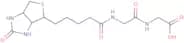
![H-[Cys-Arg-Gly-Asp-Lys-Gly-Pro-Asp-Cys]-NH2](/_next/image/?url=https%3A%2Fstatic.cymitquimica.com%2Fproducts%2F3D%2Fthumb-webp%2FRGD-3761-PI.webp&w=3840&q=75)

![Des-n-Octanoyl-[Ser3]-Ghrelin (Human, 1-14)](/_next/image/?url=https%3A%2Fstatic.cymitquimica.com%2Fproducts%2F3D%2Fthumb-webp%2FPGH-3646-PI.webp&w=3840&q=75)
![[Glu1]-Fibrinopeptide B](/_next/image/?url=https%3A%2Fstatic.cymitquimica.com%2Fproducts%2F3D%2Fthumb-webp%2FPFB-3742-PI.webp&w=3840&q=75)

![Cyclo[Arg-Gly-Asp-D-Phe-Lys(Biotin)]](/_next/image/?url=https%3A%2Fstatic.cymitquimica.com%2Fproducts%2F3D%2Fthumb-webp%2FPCI-3895-PI.webp&w=3840&q=75)


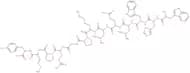
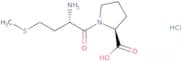
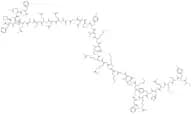
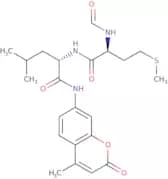
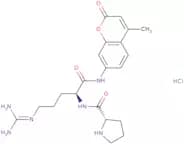
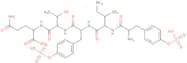

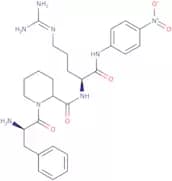


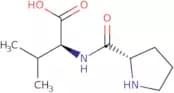



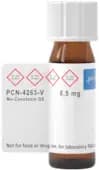



![Lys18[(AEEA)2-5-FITC]-Hepcidin (Human)](/_next/image/?url=https%3A%2Fstatic.cymitquimica.com%2Fproducts%2F3D%2Fthumb-webp%2FPLP-3793-PI.webp&w=3840&q=75)






![Acetyl-Histone H4 (1-23) K16Ac-GG-[Lys(5-FAM)]](/_next/image/?url=https%3A%2Fstatic.cymitquimica.com%2Fproducts%2F3D%2Fthumb-webp%2FCRB1101267.webp&w=3840&q=75)



![Des-n-Octanoyl-[Ser3]-Ghrelin (Human, 1-18)](/_next/image/?url=https%3A%2Fstatic.cymitquimica.com%2Fproducts%2F3D%2Fthumb-webp%2FPGH-3645-PI.webp&w=3840&q=75)

![[5-FAM]-C7](/_next/image/?url=https%3A%2Fstatic.cymitquimica.com%2Fproducts%2F3D%2Fthumb-webp%2FCRB1101183.webp&w=3840&q=75)

![Acetyl-Histone H4 (1-21) K5Ac, K8Ac, K12Ac, K16Ac-GG-[Lys(5-FAM)]](/_next/image/?url=https%3A%2Fstatic.cymitquimica.com%2Fproducts%2F3D%2Fthumb-webp%2FCRB1101268.webp&w=3840&q=75)


![[FITC]-Ahx-(KKEEE)3K carrier peptide](/_next/image/?url=https%3A%2Fstatic.cymitquimica.com%2Fproducts%2F3D%2Fthumb-webp%2FCRB1100440.webp&w=3840&q=75)