Peptides
Peptides are short chains of amino acids linked by peptide bonds, serving as important biological molecules that play key roles in cellular processes. They function as hormones, neurotransmitters, and signaling molecules, and are widely used in therapeutic and diagnostic applications. Peptides are also crucial in research for studying protein interactions, enzyme activities, and cell signaling pathways. At CymitQuimica, we provide a diverse selection of high-quality peptides to support your research and development needs in biotechnology and pharmaceuticals.
Subcategories of "Peptides"
Found 30332 products of "Peptides"
Sort by
Purity (%)
0
100
|
0
|
50
|
90
|
95
|
100
H-DLPLTFGGGTK^-OH
<p>Peptide H-DLPLTFGGGTK^-OH is a Research Peptide with significant interest within the field academic and medical research. This peptide is available for purchase at Cymit Quimica in multiple sizes and with a specification of your choice.</p>Ac-CSEDAIEEEGEDGVGSPRS-NH2
<p>Peptide Ac-CSEDAIEEEGEDGVGSPRS-NH2 is a Research Peptide with significant interest within the field academic and medical research. This peptide is available for purchase at Cymit Quimica in multiple sizes and with a specification of your choice.</p>PGP 9.5 Blocking Peptide
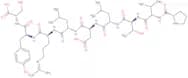
<p>A synthetic peptide for use as a blocking control in assays to test for specificity of PGP 9.5 antibody, catalog no. 20R-PG011</p>Purity:Min. 95%Hemoglobin β chain [001-008]
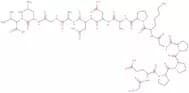
Custom research peptide; min purity 95%. For different specs please use the Peptide Quote ToolFormula:C42H69N11O14Molecular weight:952 g/molH-Glu{Glu[Cyclo(Arg-Gly-Asp-D-Phe-Lys)]2}2
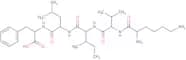
H-Glu{Glu[Cyclo(Arg-Gly-Asp-D-Phe-Lys)]2}2 is a tetrameric peptide that has been shown to have a broad spectrum of biological activity. This peptide may be involved in the regulation of cell growth and proliferation, which may contribute to its anti-inflammatory effects. H-Glu{Glu[Cyclo(Arg-Gly-Asp-D-Phe-Lys)]2}2 also inhibits the production of nitric oxide, which may contribute to its antimicrobial properties against bacteria and fungi.Formula:C123H179N39O34Purity:Min. 95%Molecular weight:2,748.04 g/molTos-Gly-Pro-Lys-pNA acetate
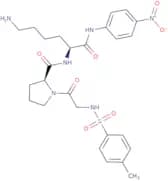
CAS:<p>Tos-Gly-Pro-Lys-pNA acetate is a peptide that has been shown to have inhibitory effects on serine proteases, such as fibrinogen. Tos-Gly-Pro-Lys-pNA acetate binds to the active site of serine proteases, which inhibits their activity and prevents them from cleaving fibrinogen. The rate of reaction is dependent on the concentration of enzyme inhibitors. For example, at low concentrations, the enzyme inhibitor will bind to only one or two sites on the serine protease, while at high concentrations it may bind to many sites. This molecule has been shown to be a potent inhibitor of human immunodeficiency virus (HIV) protease and is currently being studied for its use as a potential antiviral agent.</p>Formula:C26H34N6O7SPurity:Min. 95%Color and Shape:PowderMolecular weight:574.65 g/molBradykinin (2-9)
CAS:<p>Custom research peptide; min purity 95%. For different specs please use the Peptide Quote Tool</p>Formula:C44H61N11O10Molecular weight:904.04 g/molH-Glu-Ser-OH
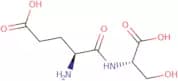
CAS:<p>H-Glu-Ser-OH is a tryptic fragment of the protein hormone erythropoietin that is produced by the kidneys. It is one of the major hormones involved in regulating red blood cell production. Erythropoietin stimulates the proliferation of hematopoietic cells, which are responsible for making new blood cells, and also plays an important role in wound healing. The amino acid sequence of this peptide consists of two alpha helices and four beta sheets. Structural analysis has shown that H-Glu-Ser-OH can be cleaved by proteases to produce the amino acid sequence H-Glu-Arg-OH. This fragment has been shown to have a bitter taste receptor binding activity and may play a role in casein coagulation.</p>Formula:C8H14N2O6Purity:Min. 98 Area-%Color and Shape:PowderMolecular weight:234.21 g/molH-Gly-Pro-Hyp-OH
CAS:<p>H-Gly-Pro-Hyp-OH is a collagen gel that is extracted from bovine skin. Collagen gel is a dietary supplement that can be applied to wounds and burns to promote healing. Collagen gel contains the amino acids glycine, proline, hydroxyproline, and hypochlorous acid. It also has an anti-inflammatory cytokine called IL-10. Hydrogen bonds form between the amino acids in collagen gel to give it its strength and stability. The LC-MS/MS method was used to identify the sequences of this peptide in order to confirm its identity. Collagen gel is neutral at pH 7 and has no effect on cellular function at this pH. The carboxy terminal of collagen gel is trifluoroacetic acid which can cause liver cells to die when ingested orally or intravenously due to its toxicity.</p>Formula:C12H19N3O5Purity:Min. 98 Area-%Color and Shape:White PowderMolecular weight:285.3 g/molPTPRN Blocking Peptide
A synthetic peptide for use as a blocking control in assays to test for specificity of PTPRN antibody, catalog no. 70R-6312Purity:Min. 95%Boc-Asp(OBzl)-Pro-Arg-AMC·HCl
CAS:<p>Boc-Asp(OBzl)-Pro-Arg-AMC·HCl is a high quality, reagent, complex compound and useful intermediate. It is a fine chemical with the CAS Number 201849-39-0 that is used in research and development. Boc-Asp(OBzl)-Pro-Arg-AMC·HCl is also a versatile building block that can be used in reactions for the synthesis of other compounds.</p>Formula:C37H47N7O9·HClPurity:Min. 98 Area-%Color and Shape:White PowderMolecular weight:770.27 g/molH-Ala-Phe(para-Fluoro)-Arg-Cha-homoArg-Tyr-NH2
<p>H-Ala-Phe(para-Fluoro)-Arg-Cha-homoArg-Tyr-NH2 is a peptide with a parathyroid hormone (PTH) receptor agonist activity. It activates the thrombin receptor, which is responsible for the activation of several other receptors, including Protease Activated Receptor 4 (PAR4) and PAR1. This peptide has been shown to induce hypertension in rats, an effect that may be related to its ability to activate PAR4. H-Ala-Phe(para-Fluoro)-Arg-Cha-homoArg-Tyr-NH2 also activates the protease activated receptor (PAR) peptides, which have been implicated in inflammation and coagulation.</p>Formula:C43H66N13O7FPurity:Min. 95%Molecular weight:896.09 g/molH-Glu(Gln-OH)-OH
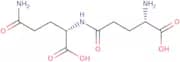
CAS:<p>Glutamate is a nonessential amino acid that is an important neurotransmitter in the central nervous system. It is found in many foods and can be synthesized by the body from other amino acids. Glutamate is also an excitatory neurotransmitter that binds to glutamate receptors, causing depolarization of the postsynaptic cell. This leads to increased intracellular calcium levels and eventually to neuronal death. Glutamate can be taken up by cells through both facilitated diffusion and active transport and converted into glutamine by glutaminase. The uptake of glutamate into cells may have clinical relevance in diseases such as hepatic steatosis, schizophrenia, or Alzheimer's disease.<br>Glu(Gln-OH)-OH (HGG) is a synthetic compound that has been shown to inhibit enzymes involved in the shikimate pathway, which converts chorismate into aromatic amino acids such as phenylalanine, tyrosine, and tryptophan. HGG has been</p>Formula:C10H17N3O6Purity:Min. 95%Color and Shape:White PowderMolecular weight:275.26 g/molTREM2 Blocking Peptide
A synthetic peptide for use as a blocking control in assays to test for specificity of TREM2 antibody, catalog no. 70R-4485Purity:Min. 95%H-gamma-Carboxy-Glu-OH
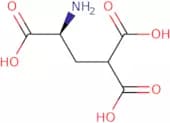
CAS:<p>H-gamma-carboxy-Glu-OH is a synthetic peptide with the amino acid sequence H-gamma-Carboxy-Glu. It is a glp-1 analogue and its function is to regulate glucose homeostasis. The protein has been shown to have antiapoptotic effects in human osteosarcoma cells. H-gamma-carboxy-Glu-OH has also been shown to regulate mitochondrial membrane potential, which is required for cell signaling pathways and calcium binding. H-gamma-carboxy-Glu-OH's receptor molecule is known as the GPCR, which plays an important role in the regulation of cell signaling pathways and calcium binding. H gamma carboxy Glu OH is a cyclic peptide that contains disulfide bonds. This compound has the basic structure of an alpha helix, which consists of many turns of amino acids bonded together by hydrogen bonds between individual amino acids</p>Formula:C6H9NO6Purity:Min. 95%Color and Shape:PowderMolecular weight:191.14 g/molH-Lys-Arg-OH acetate
CAS:<p>Lys-Arg-OH acetate salt (LRA) is a protein transport peptide that is found in the neurosecretory system and has been used as a growth factor for the production of human insulin. LRA stimulates the release of pepsinogen, which breaks down food proteins into polypeptides and amino acids. It also has proteolytic activity, which helps break down proteins into peptides. LRA shares structural similarities with other peptide hormones such as vasopressin and oxytocin, but it differs by having an amide instead of an ester linkage between the lysine and arginine residues.</p>Formula:C12H26N6O3•(C2H4O2)xPurity:Min. 95%Color and Shape:PowderMolecular weight:302.37 g/molH-Arg-Gly-Asp-Cys-OH
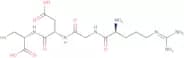
CAS:<p>H-Arg-Gly-Asp-Cys-OH is a biomimetic amino acid that possesses the same three-dimensional structure as the amino acid sequence found in the human epidermal growth factor receptor 2 (HER2). This compound has been shown to inhibit the activity of enzymes, such as kinases, which are involved in cancer cell division. It also can be used to target and destroy cancer cells using gene therapy. H-Arg-Gly-Asp-Cys-OH binds to messenger RNA and inhibits its translation into protein, which may lead to cell death. H-Arg-Gly-Asp-Cys -OH has been shown to bind specifically with HER2 receptors on breast cancer cells and promote their destruction by inducing apoptosis.</p>Formula:C15H27N7O7SPurity:Min. 95%Color and Shape:PowderMolecular weight:449.48 g/mol6-FAM-AEEAc-Stichodactyla helianthus neurotoxin (ShK) trifluoroacetate salt
CAS:Please enquire for more information about 6-FAM-AEEAc-Stichodactyla helianthus neurotoxin (ShK) trifluoroacetate salt including the price, delivery time and more detailed product information at the technical inquiry form on this pageFormula:C196H295N55O57S7Purity:Min. 90%Color and Shape:PowderMolecular weight:4,558.24 g/molBTN2A1 Blocking Peptide
<p>A synthetic peptide for use as a blocking control in assays to test for specificity of BTN2A1 antibody, catalog no. 70R-7238</p>Purity:Min. 95%Myelin PLP (180-199)
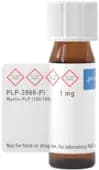
<p>Myelin PLP (180-199) is a peptide that has been shown to be immunogenic and biochemically active. It belongs to the group of peptides and biochemicals, which are organic compounds of high molecular weight. Myelin PLP (180-199) is an immunogenic compound that can be used as a vaccine adjuvant. It also has been shown to have anti-inflammatory activities, which may be due to its ability to inhibit prostaglandin synthesis.</p>Formula:C92H144N23O30SPurity:Min. 95%Molecular weight:2,084.37 g/molH-VGLPISQ^R-OH
<p>Peptide H-VGLPISQ^R-OH is a Research Peptide with significant interest within the field academic and medical research. This peptide is available for purchase at Cymit Quimica in multiple sizes and with a specification of your choice.</p>Gurmarin
CAS:Gurmarin is a polycyclic diterpene that can be found in the bark of the G. lucidum tree. It has been shown to bind to glutamate receptors, which are ion channels that allow ions such as calcium and sodium to pass through cell membranes. Gurmarin has been shown to activate these receptors in vitro, and knockout or over-expression of these receptors in cells can lead to changes in receptor activity. Gurmarin has also been shown to have specific binding affinity for a certain type of receptor cell, which are cells with cation channels that may be involved in taste perception. The receptor binding site on the gurmarin molecule is thought to correspond with the sweet taste sensation.Formula:C187H276N46O53S6Purity:Min. 95%Molecular weight:4,208.95 g/molCATH-2 (Chicken)
CATH-2 is a monoclonal antibody that inhibits the enterotoxin activity of E. coli, which is mediated by several strains of the bacteria. CATH-2 has been shown to be effective against enteritidis, an E. coli strain that causes food poisoning. It is not active against other strains of E. coli or Salmonella species and does not have any antibiotic effects. CATH-2 also has immunomodulatory effects and boosts chemokines such as MCP-3 and IL-8, which are chemokine receptors expressed in intestinal epithelial cells that may contribute to its anti-inflammatory properties.Formula:C147H245N51O30Purity:Min. 95%Molecular weight:3,206.92 g/molAF488 DBCO
CAS:AF488 DBCO is a water-soluble, green-fluorescent probe for copper-less detection of azide-tagged biomolecules. This probe is water-soluble and its fluorescence is pH independent over a wide pH range. The brightness and photostability of blue dyes are best suited to direct imaging of low-abundance targets.Formula:C39H28N4O11S2Purity:Min. 95%Color and Shape:PowderMolecular weight:792.8 g/molAF488 NHS Ester
CAS:Please enquire for more information about AF488 NHS Ester including the price, delivery time and more detailed product information at the technical inquiry form on this pageFormula:C25H17N3O13S2Purity:Min. 95%Molecular weight:631.5 g/molPalmitoyl pentapeptide 4 acetate
CAS:Palmitoyl pentapeptide 4 acetate is a medicinal compound that has been shown to have anticancer properties. It works by inducing apoptosis, or programmed cell death, in cancer cells. This compound has been used in traditional Chinese medicine to treat various types of tumors. Palmitoyl pentapeptide 4 acetate acts as an inhibitor of kinases, which are enzymes that play a crucial role in the regulation of cell growth and division. It has been shown to be effective against multiple types of cancer cells, including those found in the urine. This compound is an analog of a natural protein kinase inhibitor and is often used in combination with other inhibitors for maximum effect.Formula:C39H75N7O10•(C2H4O2)xPurity:Min. 95%Color and Shape:PowderCalcitonin (salmon) acetate
CAS:Controlled ProductCalcitonin (salmon) acetate is a peptide hormone that is naturally produced by the parafollicular cells of salmon. It contains a disulphide bridge between two cysteine residues, which is crucial for its biological activity. This hormone plays an important role in regulating calcium levels in the body and is commonly used in life sciences research. Calcitonin (salmon) acetate has been shown to have potent effects on bone metabolism, making it a valuable tool for studying osteoporosis and other bone disorders. Its unique structure and function make it an essential component of biochemical studies and research in the field of endocrinology.Formula:C145H240N44O48S2•(C2H4O2)xPurity:Min. 95%Color and Shape:PowderHIF-1 α (556-574)
<p>HIF-1 alpha (556-574) is derived from hypoxia-inducible factor 1-alpha (HIF-1 alpha), a subunit of the heterodimeric transcription factor HIF-1 and is responsible for maintaining oxygen homeostasis. HIF-1 alpha is expressed under hypoxic conditions and is oxygen sensitive. Hypoxia can occur in cancer, heart disease and pulmonary disorders.Structurally HIF-1 alpha contains a N-terminal transactivation domain (N-TAD) which stabilises HIF-1 alpha and a C-terminal transactivation domain (C-TAD) which under hypoxic conditions regulates the transcription of HIF-1 alpha. Moreover HIF-1 alpha features an oxygen dependent degradation domain containing two proline residues and a lysine532. The two proline residues are substrates of prolyl-4-hydroxylases (PHDs) which in the presence of sufficient oxygen, are hydroxylated. Similarly the lysine residue is acetylated by arrest-defective-1 and this is reduced in hypoxic conditions. These hydroxylated prolines and acetylated lysine target HIF-1 alpha for ubiquitination and degradation.</p>Purity:Min. 95%Color and Shape:PowderMolecular weight:2,253 g/molα-CGRP (mouse, rat)
CAS:<p>Endogenous calcitonin gene-related peptide receptor (CGRP) agonist which is secreted in both peripheral and central neurons. It is a potent vasodilator and can function in the transmission of nociception as well as acting as an appetite suppressant and contributing to gastric acid secretion. It also has a function in temperature homeostasis, increases heart rate, and can play a role in the release of the pituitary hormone.</p>Formula:C162H262N50O52S2Purity:Min. 95%Color and Shape:PowderMolecular weight:3,806.25 g/molAc-Gly-D-Arg-Gly-Asp-Ser-Pro-Ala-Ser-Ser-Lys-(Gly)4-Ser-D-Arg-(Leu)6-D-Arg-NH2
This synthetic peptide is a hydrophobic RGD Fibronectin Peptide which enhances cell attachment and adhesion. This is due to it containing the Arg-Gly-Asp (RGD) sequence, is a highly conserved integrin recognition sequence within fibronectin. As a result it can promote the adhesion of cells to fibronectin, a protein found in the extracellular matrix and also promotes adhesin of cells to collagen and laminin. One-Letter Formula: Ac-GrGDSPASSKGGGGSrLLLLLLr-AmideFormula:C98H174N34O30Purity:Min. 95%Molecular weight:2,308.69 g/molBPC 157 trifluoroacetate
CAS:Controlled Product<p>Body Protecting Compound (BPC) 157 is a pentadecapeptide gut peptide with free radical scavenging activity. As a gastric juice pentadecapeptide fragment, BPC 157 stimulates nitric oxide synthase generation, offering significant gastric cytoprotection. It has been shown to heal lesions in experimental models of bowel disease, Unlike many other peptides, BPC 157 effectively acts without a carrier, notably aiding in muscle healing, such as in the treatment of gastrocnemius muscle complex injuries. BPC 157 is also an anti-inflammatory agent that has been shown to have clinical relevance in patients with congestive heart failure. BPC 157 has been shown to inhibit inflammation by blocking the production of proinflammatory mediators such as prostaglandins and leukotrienes. It also suppresses the production of proinflammatory cytokines such as tumor necrosis factor-α (TNF-α) and interleukin-1β (IL-1β). BPC 157 also downregulates genes that are involved in liver fibrosis, which may account for its efficacy in patients with liver cirrhosis. BPC 157 increases the production of hepatocyte growth factors (HGFs), which stimulate cell proliferation and promote tissue repair. It also upregulates genes involved in wound healing. Additionally, BPC 157 displays antianxiety and antidepressant effects. At the cellular level, it fosters proliferation, migration, and tube formation in human umbilical vein endothelial cells by activating ERK1/2 phosphorylation.</p>Formula:C62H98N16O22•(C2HF3O2)xPurity:Min. 95%Color and Shape:PowderMolecular weight:1,419.53 g/molH-Phe-Ile-Arg-Gly-Gly-Met-Tyr-Glu-Gly-Lys-Lys-OH
<p>H-Phe-Ile-Arg-Gly-Gly-Met-Tyr-Glu-Gly-Lys-Lys is a peptide that has biological activity. It is a member of the class of Biologically Active Peptides, which are biochemicals that have been shown to have cardioprotective effects. This peptide was found to reduce cardiac injury and dysfunction in animal models of myocardial infarction.</p>Formula:C58H92N16O15SPurity:Min. 95%Molecular weight:1,285.54 g/molFmoc8-Lys4-Lys2-Lys-ß-Ala-Wang Resin (100-200 mesh) 1% DVB
Fmoc8-Lys4-Lys2-Lys-ß-Ala-Wang resin is an inhibitor of protein interactions. It is a peptide that contains a sequence of amino acids that binds to other proteins and prevents them from forming. Fmoc8-Lys4-Lys2-Lys-ß-Ala-Wang resin can be used in the study of protein interactions and receptor binding, as well as for the production of antibodies.Purity:Min. 95%Nesfatin-1 (mouse) trifluoroacetate salt
CAS:<p>Please enquire for more information about Nesfatin-1 (mouse) trifluoroacetate salt including the price, delivery time and more detailed product information at the technical inquiry form on this page</p>Formula:C424H683N117O137Purity:Min. 95%Molecular weight:9,611.67 g/molHead activator (7-11) acetate
CAS:<p>Please enquire for more information about Head activator (7-11) acetate including the price, delivery time and more detailed product information at the technical inquiry form on this page</p>Formula:C32H54N6O6•(C2H4O2)xPurity:Min. 95%Molecular weight:618.81 g/molH-Tyr-Val-Met-Gly-His-Phe-Arg-D-Trp-Asp-Arg-Phe-Gly-OH
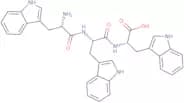
<p>H-Tyr-Val-Met-Gly-His-Phe-Arg-D-Trp-Asp-Arg-Phe-Gly-OH is a peptide that has been shown to bind to the melanocortin receptor. It is a selective agonist that binds to the melanocortin 2 receptor, but not the melanocortin 1 receptor. This peptide has no effect on body weight in mice, but it does cause an increase in food intake and fat mass. H-Tyr-Val-Met gly His Phe Arg D Trp Asp Arg Phe Gly OH also has been shown to be an effective analgesic for chronic pain in rats.</p>Formula:C74H99N21O16SPurity:Min. 95%Molecular weight:1,570.81 g/molH-Trp-Trp-Trp-OH
CAS:<p>H-Trp-Trp-Trp-OH is a protonated tripeptide that has hydrophobic properties. It is highly soluble in water, but not in organic solvents. The protonation of the amino acid residues in H-Trp-Trp-Trp-OH has been shown to be pH dependent. This compound is synthesized by reacting an amino acid with a carboxylic acid, which gives the product a bitter taste. The synthesis of this compound also yields reaction products that are acidic and exhibit anti tumor effects. This product can be used as a prebiotic to promote the growth of beneficial bacteria in the gastrointestinal tract.</p>Formula:C33H32N6O4Purity:Min. 95%Color and Shape:PowderMolecular weight:576.65 g/molPeptide M trifluoroacetate
<p>Please enquire for more information about Peptide M trifluoroacetate including the price, delivery time and more detailed product information at the technical inquiry form on this page</p>Formula:C81H141N21O31•(C2HF3O2)xPurity:Min. 95 Area-%Color and Shape:PowderH-Trp-Phe-OH
CAS:<p>H-Trp-Phe-OH is a chromatographic, ligand, and mass spectrometric compound that has a red shift in its fluorescence spectrum. It has been shown to have anti-cancer properties by blocking the cell cycle at the G2/M phase. The red shift of the fluorescence spectrum is due to the presence of two isomeric forms that have different optical properties. H-Trp-Phe-OH has been analysed for its effects on cancer cells and was found to inhibit growth and induce apoptosis in mononuclear leukemia cells.</p>Formula:C20H21N3O3Purity:Min. 98 Area-%Color and Shape:PowderMolecular weight:351.4 g/molAc-Phe-Arg-AMC hydrochloride
CAS:<p>Ac-Phe-Arg-AMC hydrochloride is a versatile building block that is used in the synthesis of complex compounds and research chemicals.<br>It is a fine chemical with CAS No. 177028-04-5. Ac-Phe-Arg-AMC hydrochloride is soluble in water, ethanol, and acetone, and insoluble in ether. This compound can be used as an intermediate for the synthesis of research chemicals with high quality or as a reagent. Ac-Phe-Arg-AMC hydrochloride can be used to produce a variety of useful scaffolds for medicinal chemistry or organic chemistry applications.</p>Formula:C27H32N6O5·HClPurity:Min. 95 Area-%Color and Shape:PowderMolecular weight:557.04 g/molOxythiamine chloride hydrochloride
CAS:<p>Oxythiamine chloride hydrochloride is an inhibitor of thiamine-dependent enzymes. It is used in cell factor binding and as a biological control for studies involving the effects of thiamine-dependent reactions. The compound has been shown to inhibit enzyme activities in plants and animal tissues, including those that are involved in energy metabolism. Oxythiamine chloride hydrochloride also has inhibitory properties that may be due to its ability to bind to integrin receptors on the cell surface or to its ability to inhibit DNA synthesis by binding to nuclear DNA.</p>Formula:C12H16ClN3O2S•HClPurity:Min. 95 Area-%Color and Shape:PowderMolecular weight:338.25 g/molH- LGRLSQELHRLQTYPRTNTGSNTY-OH
<p>supplied as the TFA salt</p>Formula:C120H191N39O38Molecular weight:2,806 g/molEglin c (41-49)
CAS:<p>Eglin C (41-49) is a synthetic peptide that has been shown to inhibit the function of human leukocytes. It has been used in analytical high-performance liquid chromatography (HPLC) for the separation of peptides with different functional groups. The sequence of this peptide is CPGGKTYCYC, and it is synthesized by cleaving a larger protein at the point where the amino acid sequence begins with the letter "E". Eglin C (41-49) has also been shown to be potently inhibitory against porcine pancreatic elastase and human leukocyte elastase.</p>Formula:C48H78N12O15Purity:Min. 95%Color and Shape:PowderMolecular weight:1,063.2 g/molH1 labeled 4-peptide mixture
<p>H-VNSVIEK^-OHH-EQLSSVSSFER^-OHH-TLDYHDSNVK^-OHH-ITFEATGNLVAPR^-OHR^ = Arginine (U-13C6,15N4)K^ = Lysine (U-13C6,15N2)Peptide purity: >98%AAA: Concentration - Duplicate100 aliquots/pack total to equal 1nmol/peptide/vial dry aliquots</p>H1 native 4-peptide mixture
<p>H-VNSVIEK-OHH-EQLSSVSSFER-OHH-TLDYHDSNVK-OHH-ITFEATGNLVAPR-OHPeptide purity: >98%AAA: Concentration - Duplicate<br>kit contains 100 aliquots/pack total to equal 1nmol/peptide/vial dry aliquots</p>Z-Arg-Leu-Arg-Gly-Gly-AMC acetate
CAS:<p>Z-Arg-Leu-Arg-Gly-Gly-AMC acetate is a protease inhibitor that blocks the activity of the proteasome. It has been shown to inhibit the activity of histidine proteases and to inhibit proteolysis by the proteasome in a kinetic assay. This inhibitor also inhibits coronavirus replication, which may be due to its ability to bind to histidine residues on proteins involved in viral replication. Z-Arg-Leu-Arg-Gly-Gly-AMC acetate is expressed in transfected cells as an enzyme with a polymerase chain reaction (PCR) product and has been shown to prevent viral replication.</p>Formula:C40H56N12O9•(C2H4O2)xPurity:Min. 98 Area-%Color and Shape:PowderMolecular weight:848.95 g/molDiprotin A
CAS:<p>Dpp-iv is a serine protease enzyme that is important for the production of vasoactive peptides and inflammatory mediators. It is involved in the regulation of heart function, blood pressure, and vascular tone. Inhibitors of Dpp-iv have been shown to be useful in the treatment of a variety of diseases including hypertension, coronary artery disease, myocardial infarction, and stroke. Diprotin A is a synthetic inhibitor that has been shown to prevent adenoviral vector-mediated heart damage in neonatal animals. This drug also inhibits the production of vasoactive peptides and inflammatory mediators by blocking Dpp-iv activity, preventing cardiac dysfunction following an infarction.</p>Formula:C17H31N3O4Purity:Min. 95%Molecular weight:359.47 g/molAg85B (41-61)
<p>Please enquire for more information about Ag85B (41-61) including the price, delivery time and more detailed product information at the technical inquiry form on this page</p>Formula:C73H113N19O23SMolecular weight:1,674.87 g/molACTH(1-39) trifluoroacetate
CAS:<p>ACTH(1-39) trifluoroacetate is a synthetic form of ACTH that is used for the diagnosis of autoimmune diseases and bowel disease. It is also used to assess the function of the adrenal gland in cases of suspected Cushing's syndrome. The blood sampling procedure involves withdrawing a small amount of blood from the patient and adding ACTH(1-39) trifluoroacetate to it, which causes an increase in cortisol concentration. ACTH(1-39) trifluoroacetate binds to corticotropin receptors on cells in the body, causing them to release basic proteins that are responsible for inflammation. This drug may be a potential biomarker for metabolic disorders such as obesity. It has been shown to have anti-inflammatory properties and can be used as a nonsteroidal anti-inflammatory drug (NSAID).</p>Formula:C207H308N56O58SPurity:Min. 98 Area-%Color and Shape:PowderMolecular weight:4,541.07 g/mol

![Hemoglobin β chain [001-008]](/_next/image/?url=https%3A%2Fstatic.cymitquimica.com%2Fproducts%2F3D%2Fthumb-webp%2FPP50712.webp&w=3840&q=75)
![H-Glu{Glu[Cyclo(Arg-Gly-Asp-D-Phe-Lys)]2}2](/_next/image/?url=https%3A%2Fstatic.cymitquimica.com%2Fproducts%2F3D%2Fthumb-webp%2FPCI-3975-PI.webp&w=3840&q=75)