Enzyme Substrates
Subcategories of "Enzyme Substrates"
Found 1526 products of "Enzyme Substrates"
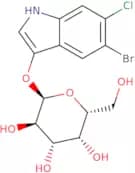
5-Bromo-6-chloro-3-indolyl a-D-galactopyranoside
CAS:5-Bromo-6-chloro-3-indolyl a-D-galactopyranoside is a chromogenic substrate that yields a magenta-colored product after cleavage. The chromophore 5-bromo-6-chloro-indoxyl is released, generating the observable color. It is used in glycolipid metabolism studies.Formula:C14H15BrClNO6Color and Shape:White to off-white solid.Molecular weight:408.63 g/molCelluchrome
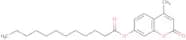
Celluchrome (short name for remazol brilliant blue carboxymethyl cellulose or RBB-CMC) is a chromogenic substrate for cellulases. With a higher sensitivity, RBB-CMC allows for the detection of the enzyme activity even when small amounts are present.Purity:Min. 95%Color and Shape:Powder4-Methylumbelliferyl dodecanoate
CAS:4-Methylumbelliferyl dodecanoate is a fluorogenic substrate for lipase. After enzymatic cleaveage, free 4-methylumbelliferone (also known as hymecromone) is released, exhibiting blue fluorescence upon excitation with UV light. The strongest fluorescence of 4-methylumbelliferone requires deprotonation of the hydroxyl group (thus requires alkaline pH), with a maximal fluorescence intensity obtained with excitation at 350 to 370 nm and emission at 440 to 470 nm. The use of 4-methylumbelliferyl dodecanoateas a substrate for measuring the lipase activity is used for detecting pancreatic insufficiency in diagnosis assays as well as the screening of lipase deficiency.Formula:C22H30O4Purity:Min. 95%Color and Shape:PowderMolecular weight:358.47 g/molResorufin N-acetyl-b-D-glucosamine
CAS:Resorufin N-acetyl-b-D-glucosamine is fluorogenic substrate for N-acetyl-beta-D-glucosaminidase (NAG).
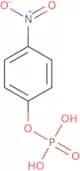
Formula:C20H20N2O8Purity:Min. 98 Area-%Color and Shape:Orange PowderMolecular weight:416.38 g/molPhosphoric acid, mono(4-nitrophenyl) ester
CAS:Phosphatase substrate
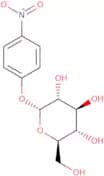
Formula:C6H6NO6PPurity:Min. 95%Color and Shape:White PowderMolecular weight:219.09 g/mol4-Nitrophenyl-alpha-D-glucopyranoside, beta-Anomer < 0.1%
CAS:4-Nitrophenyl-alpha-D-glucopyranoside, beta-Anomer is a chromogenic sugar that can be used as an indicator for the presence of 4-nitrophenol. It is a highly reactive compound that spontaneously reacts with nitrobenzene to form a dinitroaniline. This anomeric structure is easily oxidized by air and light to form the corresponding o-dinitroaniline. When this reaction occurs, this substance changes color from yellow to red.
Formula:C12H15NO8Purity:Min. 99.0 Area-%Molecular weight:301.26 g/mol2,5-dioxabicyclo[2.2.1]heptan-7-one
Please enquire for more information about 2,5-dioxabicyclo[2.2.1]heptan-7-one including the price, delivery time and more detailed product information at the technical inquiry form on this page
Formula:C5H6O3Purity:Min. 95%Molecular weight:114.10 g/molBCM® Histamine-producing bacteria Broth
Growth medium for the detection of histamine-producing bacteria in food and water samples. The medium contains an indicator that turns orange/red (absorbance at 555 nm) due to metabolites released by histidine decarboxylase. The BCM® Histamine-producing bacteria Broth contains tryptone (FT09555) and yeast extract, together with the chromogenic agent. High-level histamine-producing bacteria yield orange to red coloration in less than 2 days and even after 24 hours, while cultures of other bacteria remain yellow.Purity:Min. 95%4-Methylumbelliferyl α-D-xylopyranoside
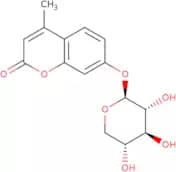
CAS:4-Methylumbelliferyl alpha-D-xylopyranoside is a fluorogenic substrate for alpha-xylosidase. After enzymatic cleaveage, free 4-methylumbelliferone (also known as hymecromone) is released, exhibiting blue fluorescence upon excitation with UV light. The strongest fluorescence of 4-methylumbelliferone requires deprotonation of the hydroxyl group (thus requires alkaline pH), with a maximal fluorescence intensity obtained with excitation at 350 to 370 nm and emission at 440 to 470 nm. The use of 4-methylumbelliferyl alpha-D-xylopyranosideas a substrate for measuring the alpha-xylosidase activity is used for oligosaccharidosis monitoring and other lysosomal storage disorder diagnosis.Formula:C15H16O7Purity:Min. 98 Area-%Color and Shape:White PowderMolecular weight:308.28 g/mol4-Methylumbelliferyl 3-O-(N-acetylneuraminyl)-b-D-glucopyranoside
4-Methylumbelliferyl 3-O-(N-acetylneuraminyl)-b-D-glucopyranoside is a chromogenic substrate. It is used for the detection of glycoproteins and glycolipids in food testing, staining, environmental testing, and diagnostics. It can also be used as a fluorogenic substrate for the detection of glycoproteins and glycolipids in fluorescence microscopy. 4-methylumbelliferyl 3-O-(N-acetylneuraminyl)-b-D-glucopyranoside has been shown to be a ligand for the lectin receptor Galectin 9, which is involved in inflammation and cancer cell growth. 4-methylumbelliferyl 3-O-(N-acetylneuraminyl)-b-D-glucopyranoside has been shown to be an enzyme substrate for alkaline phosphatase, βPurity:Min. 95%4-Nitrophenyl-β-D-maltopyranoside
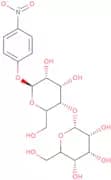
CAS:Chromogenic β-maltosidase substrate yielding a yellow solution upon cleavage.Formula:C18H25NO13Purity:Min. 99.0 Area-%Molecular weight:463.40 g/molRef: 3D-N-4492
1gTo inquire5gTo inquire10gTo inquire500mgTo inquire2500mgTo inquire-Unit-ggTo inquireL-Ala-PAB-Resorufin
CAS:L-Ala-PAB-resorufin is a highly sensitive chromogenic and fluorogenic indicator for L-alanine aminopeptidase activity and related enzymes occurring in prokaryotic as well as eukaryotic organisms. After removal of the L-alanyl substructure by enzymatic hydrolysis and spontaneous elimination of the para-aminobenzyl spacer, the initially orange colored compound yields an intense pink color and red fluorescence.Formula:C22H19N3O4Purity:Min. 70 Area-%Color and Shape:PowderMolecular weight:389.4 g/molNucleic Acid Dye Green I, 10,000X in DMSO
CAS:Green I is a nucleic acid dye that has been shown to have antioxidative properties. It inhibits protein synthesis in mammalian cells by binding to the DNA and blocking transcription. Green I has also been shown to inhibit the growth of tumor cells and to cause cell death by oxidative damage. Green I is not genotoxic, but it can cause false positive results in genotoxicity tests. Green I has also been shown to be a potential biomarker for renal cell cancer, as well as a prognostic marker for this cancer. This dye enhances polymerase chain reaction (PCR) and is used in biological research because of its ability to bind with proteins and form complexes with DNA.Formula:C32H37N4SMolecular weight:509.27 g/mol4-Nitrophenyl-α-D-maltopyranoside
CAS:Chromogenic α-maltosidase substrate yielding a yellow solution upon cleavage.Formula:C18H25NO13Purity:Min. 98.0 Area-%Molecular weight:463.40 g/molAldol® 484 acetate, Biosynth Patent: EP 2427431 and US 8940909
CAS:Controlled ProductAldol® 484 acetate is a chromogenic substrate for carboxylesterases yielding a red precipitate. In contrast to classical indoxyl substrates, Aldol® substrates can be used under aerobic and anaerobic conditions.Formula:C22H16ClFN2O3Purity:Min. 95%Color and Shape:PowderMolecular weight:410.83 g/mol4-Methylumbelliferyl phosphate, bis(2-amino-2-methyl-1,3-propanediol) salt
CAS:Sensitive fluorogenic substrate for fluorometric and UV-spectrophotometric assays of phosphatases.Formula:C18H31N2O10PPurity:Min. 98.0 Area-%Molecular weight:466.43 g/mol2-O-(4-Nitrophenyl)-a-D-N-acetylneuraminic acid sodium salt
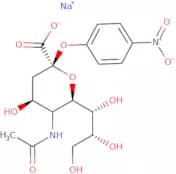
CAS:2-O-(4-Nitrophenyl)-alpha-D-N-acetylneuraminic acid sodium salt is a chromogenic substrate used to detect the enzymatic activity of neuraminidase or sialidase. After cleavage, the nitrophenyl moiety is released exhibiting a light yellowish color. 2-O-(4-Nitrophenyl)-alpha-D-N-acetylneuraminic acid sodium salt is used in bacterial neuraminidase activity assays.Purity:Min. 95%Color and Shape:Yellow PowderMolecular weight:452.35 g/molDehydroluciferin
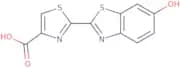
CAS:Dehydroluciferin is a bioluminescence probe that is a potent inhibitor of the firefly luciferase reaction. It is a byproduct of the oxidation of luciferin, the substrate for firefly luciferase, which catalyzes the bioluminescence reaction. It can also form during the synthesis or storage of luciferin. Its presence can potentially lead to issues in bioluminescent assays.Formula:C11H6N2O3S2Purity:Min. 97 Area-%Color and Shape:PowderMolecular weight:278.31 g/molN,N,N',N'-Tetramethyl-p-phenylenediamine dihydrochloride
CAS:Reducing co-substrate for heme peroxidases; test reagent in microbiologyFormula:C10H16N2·2HClPurity:Min. 95%Color and Shape:White PowderMolecular weight:237.17 g/mol4-Nitrophenyl a-L-arabinopyranoside
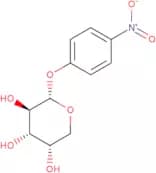
CAS:Substrate for a-L-arabinopyranosidaseFormula:C11H13NO7Purity:Min. 98 Area-%Color and Shape:White PowderMolecular weight:271.22 g/molβ-Naphthyl stearate
CAS:Beta-naphthyl stearate is a chromogenic substrate for measuring enzymatic activity.Purity:Min. 95%Color and Shape:PowderMolecular weight:410.63 g/mol4-Methylumbelliferyl phosphate, disodium salt trihydrate
CAS:Sensitive fluorogenic substrate for fluorometric and UV-spectrophotometric assays of phosphatases.Formula:C10H13Na2O9PMolecular weight:354.16 g/mol4-Nitrophenyl a-D-mannopyranoside
CAS:4-Nitrophenyl a-D-mannopyranoside is a chromogenic pNP enzyme substrate that enables the detection and quantification of a-D-mannosidase activity in various biological samples through a colorimetric assay. The hydrolysis of the substrate by the enzyme releases 4-nitrophenol, a yellow compound whose absorption can be measured spectrophotometrically. Applications for this substrate span biomedical research, disease diagnostics, and industrial enzyme production.
Formula:C12H15NO8Purity:Min. 98.0 Area-%Color and Shape:Off-White PowderMolecular weight:301.25 g/molAldol® 518 alpha-D-galactopyranoside, Biosynth Patent: EP 2427431 and US 8940909
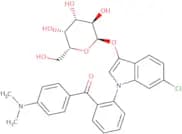
CAS:Aldol® 518 alpha-D-galactopyranoside is a chromogenic and fluorogenic enzyme substrate used for detection of alpha-galactosidase activity. The enzyme substrate is cleaved by alpha-galactosidase positive bacteria and yeasts in liquid or solid media, yielding red color and red fluorescence signal. Aldol® 518 alpha-D-galactopyranoside can also be used to detect alpha-galactosidase (encoded by the Mel1 gene) in yeast gene reporter assays or for identification of alpha-gal positive transformants on agar plates. Aldol® 518 alpha-D-galactopyranoside can be used under aerobic and anaerobic conditions.Formula:C29H29ClN2O7Purity:Min. 95.0 Area-%Molecular weight:553.01 g/mol4-Nitrophenyl b-L-arabinofuranoside
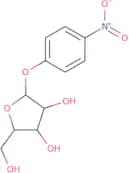
CAS:Chromogenic substrate targeting alpha-L-arabinofuranosidase
Purity:Min. 95%Color and Shape:White/Off-White SolidMolecular weight:271.22 g/mol3-Indolyl β-D-galactopyranoside
CAS:Chromogenic substrate for β-D-galactosidase, yielding a blue precipitate upon cleavage.Formula:C14H17NO6Purity:Min. 95%Color and Shape:PowderMolecular weight:295.29 g/mol5-Bromo-4-chloro-3-indolyl a-D-maltopyranoside
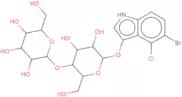
CAS:5-Bromo-4-chloro-3-indolyl a-D-maltopyranoside is a chromogenic substrate used to detect the specific enzymatic activity of alpha-glucosidase. After cleavage, 5-bromo-4-chloro-indoxyl is released, resulting in a blue to blue-green color change in bacterial colonies or media. 5-Bromo-4-chloro-3-indolyl a-D-maltopyranoside is used in Pompe disease screening and glycogen storage disorder diagnosis.Formula:C20H25BrClNO11Purity:Min. 95%Color and Shape:PowderMolecular weight:570.77 g/mol4-Nitrophenyl 2-acetamido-2-deoxy-b-D-glucopyranoside-6-sulfate
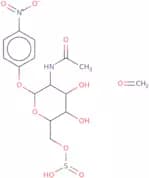
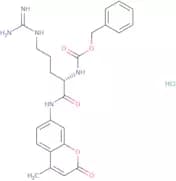
4-Nitrophenyl 2-acetamido-2-deoxy-b-D-glucopyranoside is a chemiluminescent substrate that can be used in the detection of various enzymes. This product has been tested for sterility and purity, and it has passed all tests. It is also free of any detectable levels of heavy metals or other contaminants. 4NP2AG6S is a high quality bioluminescent substrate with CAS No. 71498-92-5. It is a fluorescent compound that reacts with an enzyme to produce light. The reaction can be detected by measuring the emitted light intensity at 680 nm (max).Purity:Min. 95%N-α-CBZ-L-Arginine 7-amido-4-methylcoumarin hydrochloride
CAS:N-alpha-CBZ-L-Arginine 7-amido-4-methylcoumarin hydrochloride is a high quality and highly purified substrate for enzymes that catalyze the release of light when they react with their specific substrates. It is used in a variety of applications, including diagnostics and food testing. NACBZLAMC hydrochloride is an excellent ligand for chemiluminescence reactions and can be used to detect the presence of various analytes. It can also be used as a staining agent to detect proteins on Western blots or to stain bacterial cultures for identification. This product has been shown to be effective against numerous bacteria, including Staphylococcus aureus and Pseudomonas aeruginosa, as well as fungi like Candida albicans.Formula:C24H28ClN5O5Purity:Min. 99 Area-%Molecular weight:501.97 g/molRef: 3D-C-2100
1gTo inquire5gTo inquire10gTo inquire500mgTo inquire2500mgTo inquire-Unit-ggTo inquireGlycine 7-amido-4-methylcoumarin hydrobromide
CAS:Glycine 7-amido-4-methylcoumarin hydrobromide is a chromogenic substrate that can be used for the detection of alkaline phosphatase. It reacts with the enzyme to produce a blue color, which can be measured spectrophotometrically. The product is also used as a ligand in cell culture media and as a diagnostic agent in environmental testing. It has been shown to be an excellent substrate for chemiluminescence reactions with luminol and luciferin, and bioluminescence reactions with luciferase. Glycine 7-amido-4-methylcoumarin hydrobromide is available from several suppliers at different prices, but we are able to offer it at a competitive price due to our high quality standards. The following product description was generated for 6-Fluoro-3-indoxyl-beta-D-galactopyranoside: RifFormula:C12H13BrN2O3Purity:Min. 98.0 Area-%Molecular weight:313.16 g/mol6-Chloro-3-indoxyl nonanoate
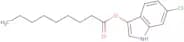
CAS:6-Chloro-3-indoxyl nonanoate is a fluorescent substrate that is used in the detection of beta-galactosidase activity. It has been used to detect the enzyme levels in various culture media and as a high quality, food testing, and environmental testing. The product is also used as a ligand for enzyme inhibition studies. 6-Chloro-3-indoxyl nonanoate has shown to be an excellent fluoroquinolone substrate for chemiluminescence assays. This product is CAS No. 133950-72-8 and is of high purity and high quality.
Purity:Min. 95%Molecular weight:307.81 g/mol4-Nitrophenyl β-D-galactofuranoside
CAS:Chromogenic substrate for beta-galactofuranosidaseFormula:C12H15NO8Purity:Min. 98 Area-%Color and Shape:White PowderMolecular weight:301.25 g/mol4-Methylumbelliferyl-alpha-L-rhamnopyranoside
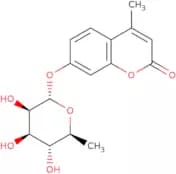
CAS:4-Methylumbelliferyl-alpha-L-rhamnopyranoside is a fluorogenic substrate for alpha-L-rhamnosidase. After enzymatic cleaveage, free 4-methylumbelliferone (also known as hymecromone) is released, exhibiting blue fluorescence upon excitation with UV light. The strongest fluorescence of 4-methylumbelliferone requires deprotonation of the hydroxyl group (thus requires alkaline pH), with a maximal fluorescence intensity obtained with excitation at 350 to 370 nm and emission at 440 to 470 nm. The use of 4-methylumbelliferyl-alpha-L-rhamnopyranosideas a substrate for measuring the alpha-L-rhamnosidase activity is used for detection of bacterial infection.Formula:C16H18O7Purity:Min. 98 Area-%Color and Shape:PowderMolecular weight:322.32 g/mol4-Methylumbelliferyl b-D-ribofuranoside
CAS:The 4-Methylumbelliferyl b-D-ribofuranoside is a top-notch fluorogenic substrate for glycosidase activity detection. Upon hydrolysis by enzymes, it generates a strongly fluorescent 4-methylumbelliferone molecule, enabling rapid assay results and real-time monitoring of enzymatic reactions. This product is suitable for many biological research applications, such as in vitro analysis, diagnostic testing, and drug discovery. With its high sensitivity and specificity, it delivers consistent and accurate results, making it an essential tool for scientists and researchers.Formula:C15H16O7Purity:Min. 95%Color and Shape:White PowderMolecular weight:308.28 g/molIsopropyl-β-D-thiogalactopyranoside
CAS:A non-metabolizable allolactose analogue, widely used in molecular biology for overexpression of recombinant proteins from inducible systems under the control of lac promoter. IPTG binds to the LacI repressor and causes its release from the lac operator, allowing gene expression to take place. Present in vectors of pGEX, pGEM-T, pET, pRSET, pMAL class and others.Formula:C9H18O5SPurity:Min. 99 Area-%Molecular weight:238.3 g/molRef: 3D-I-8020
25gTo inquire50gTo inquire100gTo inquire250gTo inquire500gTo inquire-Unit-ggTo inquire4-Methylumbelliferyl a-L-idopyranosiduronic acid 2-sulphate disodium salt - Moscerdam™ biochemical purity
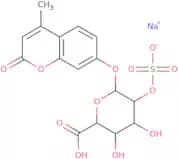
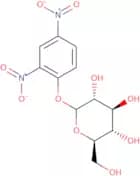
CAS:PAIRED PRODUCT AVAILABLE: alpha-L-iduronidase Enzyme, FI1793834MU-alpha-L-iduronide-2-sulphate (M2) is a fluorogenic substrate of iduronate-2-sulphatase (IDS), used in a 2-step assay coupled with alpha-L-iduronidase. The assay is used in biochemical testing for Hunter syndrome (mucopolysaccharidosis II / MPS II). In a first step, IDS from biological samples cleaves the sulphate group from M2. In a second step, exogeneous alpha-L-iduronidase which cleaves the 4-MU moiety is added to the reaction, resulting in release of a fluorescent signal (Ex 360 nm / Em 455 nm). The reaction is stopped by the addition of sodium carbonate.Formula:C16H14Na2O12SPurity:Min. 99 Area-%Color and Shape:White PowderMolecular weight:476.32 g/mol2,4-Dinitrophenyl β-D-glucopyranoside
CAS:2,4-Dinitrophenyl-beta-D-glucopyranoside is a chromogenic substrate used to assay enzymes, such as glucosidases. These enzymes catalyze the hydrolysis of glycosidic bonds in sugars.Formula:C12H14N2O10Purity:Min. 95%Color and Shape:PowderMolecular weight:346.25 g/molAc-Abu-Tle-Leu-Gln-AMC TFA salt
A fluorogenic substrate for detection of enzymatic activity of the SARS-CoV-2 Mpro protease. The fluorophore 7-Amino-4-methylcoumarin (AMC) is linked to the tetrapeptide via a peptide bond at the C-terminal of the glutamine residue. Following the hydrolytic activity of the Mpro protease, the fluorogenic AMC group get released from the substrate, generating a fluorescent signal (Ex 380 nm / Em 455 nm).Formula:C33H48N6O8(freebase)Purity:Min. 95.0 Area-%Molecular weight:656.77 g/mol2-Chloro-4-nitrophenyl a-D-maltotrioside
CAS:2-Chloro-4-nitrophenyl a-D-maltotrioside (2CNP) is a potent hypoglycemic agent that has been shown to decrease postprandial blood glucose levels in humans. 2CNP is a white crystalline solid that is soluble in water and ethanol. The transfer reactions of 2CNP are enhanced by benzalkonium chloride, which forms an organic complex with the drug. The optimum concentration for the hypoglycemic effect of 2CNP is determined to be 10 μM, which can be detected using an optical sensor. This compound also inhibits α-amylase and other enzymes involved in carbohydrate metabolism, leading to the accumulation of glycogen and lowering the blood glucose level.
Formula:C24H34CiNO18Purity:Min. 95%Color and Shape:Off-White Yellow PowderMolecular weight:659.98 g/molL-Luciferin, potassium salt
CAS:L-Luciferin is an enzyme substrate that is used in the detection of bioluminescence. It is a fluorogenic substrate that can be used to detect the presence of glucose in urine. L-Luciferin is also a chemiluminescent substrate that can be used to detect ATP, which is required for cell metabolism. L-Luciferin has been shown to be stable at pH levels ranging from 2.5 to 9 and can be stored for up to 3 years when stored at 4°C with no light or oxygen exposure. This product has CAS No. 754978-59-1, indicating high purity and quality. L-Luciferin will not stain or react with other compounds, making it highly suitable for use as a conjugate in diagnostic tests or as a ligand in fluorescent staining reactions.Formula:C11H7KN2O3S2Purity:Min. 98.0 Area-%Molecular weight:318.42 g/molLuc-Salmonella
Luc-Salmonella is a conjugate of the enzyme luciferase and the substrate 5-bromo-4-chloro-3-indolyl phosphate. Luc-Salmonella has been used for diagnostic purposes in the detection of bacteria in culture media, as well as in environmental and food testing. Luc-Salmonella can be used to detect Salmonella, which is a bacterium that can cause gastrointestinal disease. Luminescence is measured using a luminometer or fluorimeter with an excitation wavelength of 485 nm and emission wavelengths at 510 nm. Luminescence from Luc-Salmonella is typically measured after 1 hour incubation with bacterial cells.
Luc-Salmonella has been shown to have high purity and quality due to its unique composition of enzyme substrate. This product has been tested for contamination by sensitive assays such as chemiluminescence, bioluminescence, or fluorescence. The purity level of Luc-SalPurity:Min. 96 Area-%Ref: 3D-L-8281
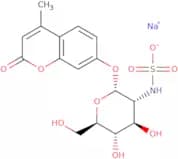
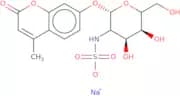
5mgTo inquire10mgTo inquire25mgTo inquire50mgTo inquire100mgTo inquire-Unit-mgmgTo inquire4-Methylumbelliferyl 2-deoxy-2-sulfamino-a-D-glucopyranoside sodium salt - Moscerdam™ biochemical purity
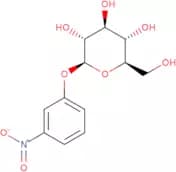
CAS:4-Methylumbelliferyl 2-deoxy-2-sulfamino-a-D-glucopyranoside sodium salt (M3A or MU-GlcNS) is a fluorogenic substrate of heparin sulfamidase, used in the diagnosis of Mucopolysaccharidosis III type A (MPS III A). MPS III A, also known as Sanfilippo syndrome type A, is caused by the deficiency of heparan N-sulfatase. Heparin sulfamidase in the assay desulfates MU-GlcNS to 4-methylumbelliferyl 2-amino-2-deoxy-α-D-glucopyranoside (MU-GlcNH2). To release fluorometrically measurable 4-methylumbelliferone (MU) and by-product glucosamine, MU-GlcNH2 is further hydrolysed by an enzyme such as yeast α-glucosidase during a second incubation.Formula:C16H18NO10SNaPurity:Min. 95 Area-%Color and Shape:White PowderMolecular weight:439.37 g/mol3-Nitrophenyl β-D-glucopyranoside
CAS:3-Nitrophenyl beta-D-glucopyranoside is a chromogenic enzyme substrate commonly used to assay for beta-glucosidase activity. Upon hydrolysis by the enzyme, it produces a yellow product that can be easily detected by spectrophotometry. This substrate is often used in the field of carbohydrate chemistry and biochemistry to study enzyme kinetics and inhibition in both in vitro and in vivo systems.Formula:C12H15NO8Purity:Min. 95%Color and Shape:White Yellow PowderMolecular weight:301.25 g/mol4-Methylumbelliferyl cholin phosphate
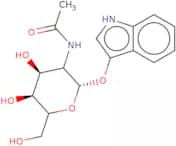
CAS:4-Methylumbelliferyl phosphocholine, commonly known as 4-MUPC, is a synthetic phosphodiester used as an enzyme substrate for phospholipase enzymes. 4-MUPC is used as a fluorogenic substrate to measure the activity of phopholipases, which are important mediators of cell signalling.Formula:C15H20NO6PPurity:Min. 99.0 Area-%Molecular weight:341.30 g/mol3-Indolyl 2-acetamido-2-deoxy-b-D-glucopyranoside
CAS:3-Indolyl 2-acetamido-2-deoxy-b-D-glucopyranoside is a substrate used for the detection of the enzyme N-acetylglucosaminidase (NAG). The enzyme hydrolyzes the NAG conjugate, releasing indole that can be detected through a colorimetric assay. This method is commonly used in clinical chemistry to evaluate kidney function, as NAG is excreted in urine and increased levels may indicate renal injury or disease. The indole NAG assay is also used in microbiology to detect the presence of NAG-producing bacteria.Purity:Min. 95%Molecular weight:336.34 g/mol4-Methylumbelliferyl 2-deoxy-2-sulfamino-b-D-glucopyranoside sodium salt
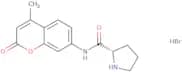
4-Methylumbelliferyl 2-deoxy-2-sulfamino-beta-D-glucopyranoside sodium salt is a fluorogenic substrate for N-sulfoglucosamine sulfohydrolase. After enzymatic cleaveage, free 4-methylumbelliferone (also known as hymecromone) is released, exhibiting blue fluorescence upon excitation with UV light. The strongest fluorescence of 4-methylumbelliferone requires deprotonation of the hydroxyl group (thus requires alkaline pH), with a maximal fluorescence intensity obtained with excitation at 350 to 370 nm and emission at 440 to 470 nm. The use of 4-methylumbelliferyl 2-deoxy-2-sulfamino-beta-D-glucopyranoside sodium saltas a substrate for measuring the N-sulfoglucosamine sulfohydrolase activity is used for screening of Mucopolysaccharidosis IIIA (MPS IIIA) and diagnosis of Sanfilippo A syndrome.Formula:C16H19NO10SNaPurity:Min. 95%Color and Shape:PowderMolecular weight:439.37 g/molL-Proline 7-amido-4-methylcoumarin hydrobromide
CAS:L-Proline 7-amido-4-methylcoumarin hydrobromide is a fluorogenic substrate that is used to measure esterase and peptidase activity in a variety of animal and microbial sources. This compound has been shown to have a lipase activity. L-Proline 7-amido-4-methylcoumarin hydrobromide is also used as an enzyme preparation and as an enzyme source.Formula:C15H17BrN2O3Molecular weight:353.22 g/molRef: 3D-P-7280
1gTo inquire5gTo inquire10gTo inquire500mgTo inquire2500mgTo inquire-Unit-ggTo inquire5-Bromo-4-chloro-3-indolyl-D-thymidine-3'-phosphate cyclohexylammonium salt
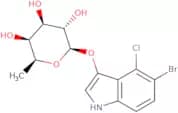
CAS:5-Bromo-4-chloro-3-indolyl-D-thymidine-3'-phosphate cyclohexylammonium salt is a chromogenic substrate used to detect the specific enzymatic activity of alkaline phosphatase. After cleavage, 5-bromo-4-chloro-indoxyl is released, resulting in a blue to blue-green color change in bacterial colonies or media. 5-Bromo-4-chloro-3-indolyl-D-thymidine-3'-phosphate cyclohexylammonium salt is used in immunohistochemistry (IHC) and Western blot detection, immunoassays used to detect proteins.Formula:C18H17BrClN3O8P·C6H14NPurity:Min. 95%Color and Shape:White PowderMolecular weight:649.86 g/mol5-Bromo-4-chloro-3-indolyl b-L-fucopyranoside
CAS:5-Bromo-4-chloro-3-indolyl β-L-fucopyranoside (X-Fuc) is a chromogenic substrate specifically designed for the identification and detection of fucosidase enzyme activity. Upon cleavage by fucosidase, it generates a blue-colored 5-Bromo-4-chloro-3-hydroxy-indole precipitate, which can be easily observed under a microscope or spectrophotometer. This feature makes X-Fuc an invaluable tool across various applications, such as biochemical analysis, histochemical staining, cell biology, and enzyme kinetic assays. By providing a fast, sensitive, and reliable readout for fucosidase activity, 5-Bromo-4-chloro-3-indolyl β-L-fucopyranoside facilitates essential research in the understanding of biological processes and the development of therapeutic interventions.Formula:C14H15BrClNO5Purity:Min. 95%Color and Shape:White PowderMolecular weight:392.63 g/molSalmon-pal
CAS:6-Chloro-1H-indol-3-yl hexadecanoate is a chromogenic substrate for an enzyme that oxidizes it to produce a blue color. It can be used in the diagnosis of bacterial infections, such as tuberculosis and leprosy. 6CHIH is a ligand for various enzymes, including lactate dehydrogenase, which catalyzes the conversion of pyruvate to lactic acid. This compound reacts with oxygen to produce light in the presence of a catalyst. 6CHIH is also used as a fluorescent tag for protein labeling and detection. 6CHIH has been shown to be effective in detecting bacteria in food products and water samples using bioluminescence techniques. The high purity and quality of this compound make it suitable for use in diagnostics, culture media, and environmental testing.Purity:Min. 95%Molecular weight:406 g/mol


![2,5-dioxabicyclo[2.2.1]heptan-7-one](/_next/image/?url=https%3A%2Fstatic.cymitquimica.com%2Fproducts%2F3D%2Fthumb-webp%2FKAA21803.webp&w=3840&q=75)