Enzyme Substrates
Subcategories of "Enzyme Substrates"
Found 1433 products for "Enzyme Substrates".
4-Nitrophenyl β-D-galactofuranoside
CAS:Chromogenic substrate for beta-galactofuranosidaseFormula:C12H15NO8Purity:Min. 98 Area-%Color and Shape:White PowderMolecular weight:301.25 g/mol4-Methylumbelliferyl 2-deoxy-2-sulfamino-a-D-glucopyranoside sodium salt - Moscerdam™ biochemical purity
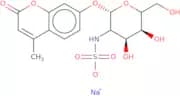
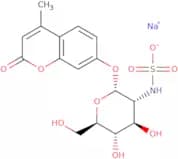
CAS:4-Methylumbelliferyl 2-deoxy-2-sulfamino-a-D-glucopyranoside sodium salt (M3A or MU-GlcNS) is a fluorogenic substrate of heparin sulfamidase, used in the diagnosis of Mucopolysaccharidosis III type A (MPS III A). MPS III A, also known as Sanfilippo syndrome type A, is caused by the deficiency of heparan N-sulfatase. Heparin sulfamidase in the assay desulfates MU-GlcNS to 4-methylumbelliferyl 2-amino-2-deoxy-α-D-glucopyranoside (MU-GlcNH2). To release fluorometrically measurable 4-methylumbelliferone (MU) and by-product glucosamine, MU-GlcNH2 is further hydrolysed by an enzyme such as yeast α-glucosidase during a second incubation.Formula:C16H18NO10SNaPurity:Min. 95 Area-%Color and Shape:White PowderMolecular weight:439.37 g/molLuc-Enterobacteria Na
Luc-Enterobacteria Na is a fluorogenic substrate that can be used for the detection of Enterobacteriaceae. This product has been shown to have high purity and a CAS number. Luc-Enterobacteria Na is also conjugated with an enzyme substrate, making it suitable for detecting the presence of bacterial colonies in culture media.
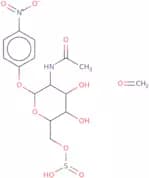
Purity:Min. 95%4-Nitrophenyl 2-acetamido-2-deoxy-b-D-glucopyranoside-6-sulfate
4-Nitrophenyl 2-acetamido-2-deoxy-b-D-glucopyranoside is a chemiluminescent substrate that can be used in the detection of various enzymes. This product has been tested for sterility and purity, and it has passed all tests. It is also free of any detectable levels of heavy metals or other contaminants. 4NP2AG6S is a high quality bioluminescent substrate with CAS No. 71498-92-5. It is a fluorescent compound that reacts with an enzyme to produce light. The reaction can be detected by measuring the emitted light intensity at 680 nm (max).Purity:Min. 95%L-Arginyl-L-arginine 7-amido-4-methylcoumarin trihydrochloride
CAS:Fluorogenic substrate for cathepsin B or aminopeptidase III. Yields a blue fluorescent solution upon cleavage.
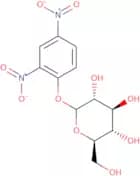
Formula:C22H36Cl3N9O4Purity:Min. 98 Area-%Molecular weight:596.95 g/mol2,4-Dinitrophenyl β-D-glucopyranoside
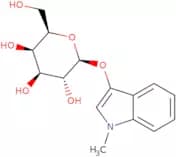
CAS:2,4-Dinitrophenyl-beta-D-glucopyranoside is a chromogenic substrate used to assay enzymes, such as glucosidases. These enzymes catalyze the hydrolysis of glycosidic bonds in sugars.Formula:C12H14N2O10Purity:Min. 95%Color and Shape:PowderMolecular weight:346.25 g/molN-Methylindoxyl-beta-D-galactopyranoside monohydrate
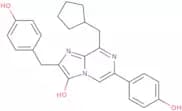
CAS:N-Methylindoxyl-beta-D-galactopyranoside monohydrate (MG) is a chromogenic probe that interacts with galactose residues found on glycoproteins, which are found on cell surfaces, leading to activation of cells. MG also binds specifically to the surface of lung cells and can inhibit the development of certain types of infections..Formula:C15H21NO7Purity:Min. 98 Area-%Color and Shape:PowderMolecular weight:327.33 g/molCoelenterazine cp
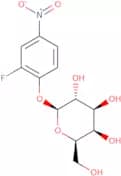
CAS:Coelenterazine cp is a coelenterazine analog for Renilla luciferase. In certain studies, it has been shown to be highly sensitive for the detection of human papilloma virus (HPV) and can be used in the diagnosis of cervical cancer.Formula:C25H25N3O3Purity:Min. 95%Molecular weight:415.48 g/mol2-Fluoro-4-nitrophenyl b-D-galactopyranoside
CAS:2-Fluoro-4-nitrophenyl b-D-galactopyranoside is a chromogenic substrate in enzymatic assays with β-galactosidase. Commonly abbreviated as PFONPG, it is a hydrophilic compound that can be dissolved in saline and blood samples, which makes it a suitable candidate for diagnostic applications as a gene reporter probe by simple analytic methodologies. 2-Fluoro-4-nitrophenyl b-D-galactopyranoside have been used to detect and monitor the growth of prostate tumor cells.Purity:Min. 95%Color and Shape:PowderMolecular weight:319.24 g/molGlycyl-glycine 7-amido-4-methylcoumarin hydrochloride
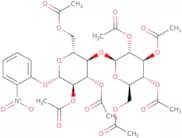
CAS:Glycyl-glycine 7-amido-4-methylcoumarin hydrochloride is a synthetic peptide substrate used as a fluorogenic substrate for aminopeptidase.Formula:C14H16ClN3O4Purity:Min. 95%Color and Shape:PowderMolecular weight:325.75 g/mol2-Nitrophenyl b-D-cellobioside heptaacetate
CAS:2-Nitrophenyl b-D-cellobioside heptaacetate is a chromogenic enzyme substrate used to assay for cellobiohydrolase activity. The substrate undergoes enzymatic hydrolysis, releasing 2-nitrophenol which can then be detected via absorbance at 400 nm. This type of substrate is also used for the analysis of cellulose and hemicelluloses in plant materials. The heptaacetate modification enhances solubility, making it ideal for use in organic solvents, and it also protects against unwanted hydrolysis by acid or alkali. The substrate can be used in a variety of applications, including enzyme assay development, screening for inhibitors or activators, and in the study of the mode of action and substrate specificity of cellulase enzymes.Purity:Min. 95%Color and Shape:PowderMolecular weight:757.65 g/mol6-Chloro-4-(trifluoromethyl)umbelliferyl β-D-cellotrioside
6-Chloro-4-(trifluoromethyl)umbelliferyl b-D-cellotrioside is a fluorogenic substrate for cellulases and beta-glucosidases. After hydrolisis, the fluorophore TFMU is released generating a blue fluorescence.Formula:C28H34ClF3O18Purity:Min. 95%Color and Shape:White to off-white powder.Molecular weight:751.01 g/molAldol® 484 beta-D-galactopyranoside, Biosynth Patent: EP 2427431 and US 8940909
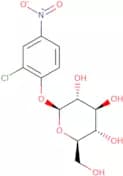
CAS:Aldol® 484 beta-D-galactopyranoside is a chromogenic enzyme substrate for beta-galactosidase activity. The colorless product is cleaved by lactose-utilizing bacteria in liquid or solid media, yielding intense red color. Aldol® 484 beta-D-galacto-pyranoside can also be used in beta-gal reporter gene assays or for identification of beta-gal positive transformants on agar. Aldol® 484 beta-D-galactopyranoside can be used under aerobic and anaerobic conditions.Formula:C26H24ClFN2O7Purity:Min. 95%Color and Shape:PowderMolecular weight:530.93 g/mol2-Chloro-4-nitrophenyl β-D-glucopyranoside
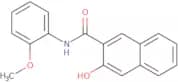
CAS:2-Chloro-4-nitrophenyl β-D-glucopyranoside is a chromogenic substrate for beta-glucosidases. In biochemical enzyme assays and in vitro diagnostics analysis, the substrate is used to monitor the glycosyltransferase activity. When 2-chloro-4-nitrophenyl β-D-glucopyranoside is cleaved by beta-glucosidase, 2-chloro-4-nitrophenol is released and quantified.Formula:C12H14ClNO8Purity:Min. 95%Color and Shape:White PowderMolecular weight:335.69 g/molNaphthol AS-OL
CAS:Naphthol AS-OL is a widely used chromogenic enzyme substrate that forms a colored product upon reaction with specific enzymes. It is commonly employed in histochemical and cytochemical staining techniques to visualize enzyme activity in cells and tissues. Naphthol AS-OL is particularly useful for detecting the presence of enzymes such as alkaline phosphatase, acid phosphatase, and esterases. The resulting colored product can be easily observed under a microscope, allowing researchers to study the distribution and localization of these enzymes in various biological samples.
Formula:C18H15NO3Purity:Min. 95%Color and Shape:PowderMolecular weight:293.32 g/molResorufin-β-D-glucuronic acid, sodium salt
CAS:Resorufin-beta-D-glucuronic acid, sodium salt is a fluorogenic substrate that can be used in diagnostic applications. It is a conjugate of resorufin and beta-D-glucuronic acid. The enzyme substrate reacts with the enzyme luciferase to produce light. The high purity and quality of this product make it ideal for use in the detection of the presence of glucose in urine, which can be used to diagnose diabetes mellitus.Formula:C18H14NNaO9Purity:Min. 90.0 Area-%Molecular weight:411.30 g/molRef: 3D-R-2150
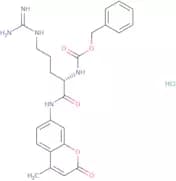
-Unit-ggTo inquire2mgTo inquire5mgTo inquire10mgTo inquire25mgTo inquire50mgTo inquireN-α-CBZ-L-Arginine 7-amido-4-methylcoumarin hydrochloride
CAS:N-alpha-CBZ-L-Arginine 7-amido-4-methylcoumarin hydrochloride is a high quality and highly purified substrate for enzymes that catalyze the release of light when they react with their specific substrates. It is used in a variety of applications, including diagnostics and food testing. NACBZLAMC hydrochloride is an excellent ligand for chemiluminescence reactions and can be used to detect the presence of various analytes. It can also be used as a staining agent to detect proteins on Western blots or to stain bacterial cultures for identification. This product has been shown to be effective against numerous bacteria, including Staphylococcus aureus and Pseudomonas aeruginosa, as well as fungi like Candida albicans.Formula:C24H28ClN5O5Purity:Min. 99 Area-%Molecular weight:501.97 g/molRef: 3D-C-2100
-Unit-ggTo inquire1gTo inquire5gTo inquire10gTo inquire500mgTo inquire2500mgTo inquire1-Naphthyl b-D-glucuronide sodium salt
CAS:1-Naphthyl b-D-glucuronide sodium salt is a chromogenic substrate commonly used to assay the activity of beta-glucuronidase enzymes. It is hydrolyzed by beta-glucuronidase to yield a yellow-colored product, 1-naphthol, which can be quantified spectrophotometrically. This substrate is widely used in diagnostic tests for detection of beta-glucuronidase activity, particularly in clinical microbiology for the identification of E. coli and other enteric bacteria. With its sodium salt form, it boasts increased solubility in aqueous solutions, ensuring seamless integration into various experimental settings.
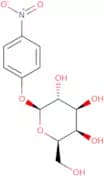
Formula:C16H15NaO7Purity:Min. 95%Color and Shape:PowderMolecular weight:342.28 g/mol4-Nitrophenyl-beta-D-galactopyranoside
CAS:Chromogenic β-galactosidase substrate yielding a yellow solution upon cleavage. Can be used for the detection of coliforms due to their β-galactosidase activity.Formula:C12H15NO8Purity:Min. 98.0 Area-%Molecular weight:301.26 g/molIsopropyl-β-D-thiogalactopyranoside
CAS:A non-metabolizable allolactose analogue, widely used in molecular biology for overexpression of recombinant proteins from inducible systems under the control of lac promoter. IPTG binds to the LacI repressor and causes its release from the lac operator, allowing gene expression to take place. Present in vectors of pGEX, pGEM-T, pET, pRSET, pMAL class and others.Formula:C9H18O5SPurity:Min. 99 Area-%Molecular weight:238.3 g/molRef: 3D-I-8020
-Unit-ggTo inquire25gTo inquire50gTo inquire100gTo inquire250gTo inquire500gTo inquireIsopropyl-β-D-thiogalactopyranoside, <5ppm dioxane, plant origin (ex peach gum)
CAS:A non-metabolizable allolactose analogue, widely used in molecular biology for overexpression of recombinant proteins from inducible systems under the control of lac promoter. IPTG binds to the LacI repressor and causes its release from the lac operator, allowing gene expression to take place. Present in vectors of pGEX, pGEM-T, pET, pRSET, pMAL class and others.Formula:C9H18O5SPurity:Min. 99.0 Area-%Molecular weight:238.30 g/molRef: 3D-I-8070
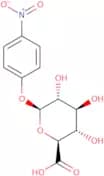
-Unit-ggTo inquire1kgTo inquire50gTo inquire100gTo inquire250gTo inquire500gTo inquire4-Nitrophenyl-beta-D-glucuronic acid
CAS:Chromogenic β-glucuronidase substrate yielding a yellow solution upon cleavage. Used to detect E. coli contamination in food and drinking water due to their β-glucuronidase activity.Formula:C12H13NO9Purity:Min. 98.0 Area-%Molecular weight:315.24 g/molGlycine 7-amido-4-methylcoumarin hydrobromide
CAS:Glycine 7-amido-4-methylcoumarin hydrobromide is a chromogenic substrate that can be used for the detection of alkaline phosphatase. It reacts with the enzyme to produce a blue color, which can be measured spectrophotometrically. The product is also used as a ligand in cell culture media and as a diagnostic agent in environmental testing. It has been shown to be an excellent substrate for chemiluminescence reactions with luminol and luciferin, and bioluminescence reactions with luciferase. Glycine 7-amido-4-methylcoumarin hydrobromide is available from several suppliers at different prices, but we are able to offer it at a competitive price due to our high quality standards. The following product description was generated for 6-Fluoro-3-indoxyl-beta-D-galactopyranoside: RifFormula:C12H13BrN2O3Purity:Min. 98.0 Area-%Molecular weight:313.16 g/mol4-Methylumbelliferyl phosphate, disodium salt trihydrate
CAS:Sensitive fluorogenic substrate for fluorometric and UV-spectrophotometric assays of phosphatases.Formula:C10H13Na2O9PMolecular weight:354.16 g/mol2,5-dioxabicyclo[2.2.1]heptan-7-one
Please enquire for more information about 2,5-dioxabicyclo[2.2.1]heptan-7-one including the price, delivery time and more detailed product information at the technical inquiry form on this page
Formula:C5H6O3Purity:Min. 95%Molecular weight:114.10 g/molResorufin-beta-D-galactopyranoside
CAS:Resorufin β-D-galactopyranoside is a non-fluorescent compound and is orange-yellow in color. It is hydrolyzed by the enzyme β-galactosidase (β-Gal) to yield fluorescent resorufin.Formula:C18H17NO8Purity:Min. 98.0 Area-%Molecular weight:375.34 g/mol4-Methylumbelliferyl 4-O-(α-L-fucopyranosyl)-β-D-galactopyranoside
CAS:4-Methylumbelliferyl 4-O-(alpha-L-fucopyranosyl)-beta-D-galactopyranoside is a fluorogenic substrate for alpha-L-fucosidase. After enzymatic cleaveage, free 4-methylumbelliferone (also known as hymecromone) is released, exhibiting blue fluorescence upon excitation with UV light. The strongest fluorescence of 4-methylumbelliferone requires deprotonation of the hydroxyl group (thus requires alkaline pH), with a maximal fluorescence intensity obtained with excitation at 350 to 370 nm and emission at 440 to 470 nm. The use of 4-methylumbelliferyl 4-O-(alpha-L-fucopyranosyl)-beta-D-galactopyranosideas a substrate for measuring the alpha-L-fucosidase activity is used for fucosidosis diagnosis and in screening studies of glycoprotein metabolism disorders.Formula:C22H28O12Purity:Min. 95 Area-%Color and Shape:PowderMolecular weight:484.45 g/molLuc-phosphate Na enhanced
Luc-phosphate Na enhanced is a bioluminescent substrate used to detect phosphatase activity in bacterial assays.
Formula:C18H12N2Na3O7PS2Purity:Min. 97 Area-%Molecular weight:531.95 g/molNaphthol AS-BI β-L-fucopyranoside
CAS:Substrate for the detection of beta-D-fucosidaseFormula:C24H24BrNO7Purity:Min. 95%Molecular weight:518.35 g/mol2-O-(4-Nitrophenyl)-a-D-N-acetylneuraminic acid sodium salt
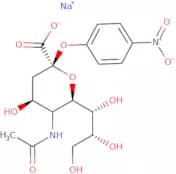
CAS:2-O-(4-Nitrophenyl)-alpha-D-N-acetylneuraminic acid sodium salt is a chromogenic substrate used to detect the enzymatic activity of neuraminidase or sialidase. After cleavage, the nitrophenyl moiety is released exhibiting a light yellowish color. 2-O-(4-Nitrophenyl)-alpha-D-N-acetylneuraminic acid sodium salt is used in bacterial neuraminidase activity assays.Purity:Min. 95%Color and Shape:Yellow PowderMolecular weight:452.35 g/molD-Luciferin sodium salt
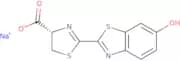
CAS:Bioluminescent substrate for luciferaseFormula:C11H7N2NaO3S2Purity:Min. 99 Area-%Color and Shape:PowderMolecular weight:302.3 g/molD-Luciferin Firefly, potassium salt
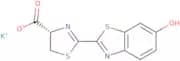
CAS:Water soluble substrate for firefly luciferase. Used for imaging the expression of the LUC marker gene and luciferase-fusion conjugates in living cells, tissues and organisms. Extensively utilized in reporter gene assays, immunoassays and hygiene monitoring.
Formula:C11H7KN2O3S2Purity:Min. 99.0 Area-%Molecular weight:318.42 g/mol4-Methylumbelliferyl 2-deoxy-2-sulfamino-b-D-glucopyranoside sodium salt
4-Methylumbelliferyl 2-deoxy-2-sulfamino-beta-D-glucopyranoside sodium salt is a fluorogenic substrate for N-sulfoglucosamine sulfohydrolase. After enzymatic cleaveage, free 4-methylumbelliferone (also known as hymecromone) is released, exhibiting blue fluorescence upon excitation with UV light. The strongest fluorescence of 4-methylumbelliferone requires deprotonation of the hydroxyl group (thus requires alkaline pH), with a maximal fluorescence intensity obtained with excitation at 350 to 370 nm and emission at 440 to 470 nm. The use of 4-methylumbelliferyl 2-deoxy-2-sulfamino-beta-D-glucopyranoside sodium saltas a substrate for measuring the N-sulfoglucosamine sulfohydrolase activity is used for screening of Mucopolysaccharidosis IIIA (MPS IIIA) and diagnosis of Sanfilippo A syndrome.Formula:C16H19NO10SNaPurity:Min. 95%Color and Shape:PowderMolecular weight:439.37 g/mol2-Naphthyl b-D-galactopyranoside
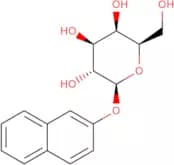
CAS:2-Naphthyl beta-D-galactopyranoside is a glycoside that is found in the flowers of the plant Eschscholzia californica. It is used as a localizer for bacterial strains and can be hydrolyzed by enzymes to release naphthalene. 2-Naphthyl beta-D-galactopyranoside has been shown to inhibit the growth of corynebacterium and diazonium salt, which may be due to its ability to bind to DNA and disrupt protein synthesis. The potential use of this molecule is for its insolubility, which prevents it from being absorbed by skin cells.
Formula:C16H18O6Purity:Min. 99 Area-%Color and Shape:PowderMolecular weight:306.31 g/mol3-Indolyl 2-acetamido-2-deoxy-b-D-glucopyranoside
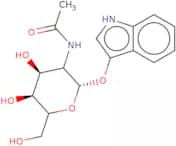
CAS:3-Indolyl 2-acetamido-2-deoxy-b-D-glucopyranoside is a substrate used for the detection of the enzyme N-acetylglucosaminidase (NAG). The enzyme hydrolyzes the NAG conjugate, releasing indole that can be detected through a colorimetric assay. This method is commonly used in clinical chemistry to evaluate kidney function, as NAG is excreted in urine and increased levels may indicate renal injury or disease. The indole NAG assay is also used in microbiology to detect the presence of NAG-producing bacteria.Purity:Min. 95%Molecular weight:336.34 g/mol4-Methylumbelliferyl-α-L-fucopyranoside
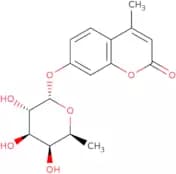
CAS:Fluorogenic substrate for α-L-Fucosidase yielding a blue fluorescent solution upon cleavage.
Formula:C16H18O7Molecular weight:322.32 g/molAldol® 484 alpha-D-glucopyranoside, Biosynth Patent: EP 2427431 and US 8940909
CAS:Aldol® 484 alpha-D-glucopyranoside is a chromogenic and fluorogenic enzyme substrate for alpha-glucosidase activity (EC 3.2.1.20, alpha-1,4-glucosidase, also known as maltase). The colorless enzyme substrate is cleaved by bacteria producing this enzyme in liquid or solid media, yielding orange color. Green fluorescence is also generated if a suitable matrix is present such as: cellulose acetate filters, polypropylene tubes or microplates and polyethylene vials. Aldol® 484 alpha-D-glucopyranoside can be used under aerobic and anaerobic conditions.
Formula:C26H24ClFN2O7Purity:Min. 95%Color and Shape:PowderMolecular weight:530.93 g/mol5-Cyano-3-indoxyl-β-D-galactopyranoside
For detection of beta-galactosidase activity. The colors of the chromogen can be adjusted by incorporating different functional groups, e.g. cyano or nitro group, which yields purple or black green colonies with beta-galactosidase positive strain.Formula:C15H16N2O6Molecular weight:320.3 g/mol4-Methylumbelliferyl 2-acetamido-2-deoxy-a-D-glucopyranoside
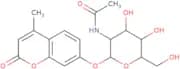
CAS:4-Methylumbelliferyl 2-acetamido-2-deoxy-alpha-D-glucopyranoside is a fluorogenic substrate for alpha-N-acetylglucosaminidase. After enzymatic cleaveage, free 4-methylumbelliferone (also known as hymecromone) is released, exhibiting blue fluorescence upon excitation with UV light. The strongest fluorescence of 4-methylumbelliferone requires deprotonation of the hydroxyl group (thus requires alkaline pH), with a maximal fluorescence intensity obtained with excitation at 350 to 370 nm and emission at 440 to 470 nm. The use of 4-methylumbelliferyl 2-acetamido-2-deoxy-alpha-D-glucopyranosideas a substrate for measuring the alpha-N-acetylglucosaminidase activity is used for Sanfilippo syndrome B screening and mucopolysaccharidosis diagnosis.Formula:C18H21NO8Purity:Min. 98 Area-%Color and Shape:PowderMolecular weight:379.36 g/mol4-Nitrocatechol sulfate dipotassium salt
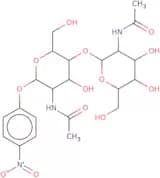
CAS:Chromogenic sulfatase substrateFormula:C6H3NO7SK2Purity:Min. 98 Area-%Color and Shape:PowderMolecular weight:311.35 g/mol4-Nitrophenyl 2-acetamido-4-O-(2-acetamido-2-deoxy-b-D-glucopyranosyl)-2-deoxy-a-D-galactopyranoside
4-Nitrophenyl 2-acetamido-4-O-(2-acetamido-2-deoxy-b-D-glucopyranosyl)-2-deoxy-a-D-galactopyranoside is an enzyme substrate that is used in the detection of phenylalanine, tyrosine, and tryptophan. It is also used for environmental testing, bioluminescence, culture media, chemiluminescence, fluorogenic substrate, food testing, diagnostics and other applications.Purity:Min. 95%Color and Shape:Off-White PowderMolecular weight:545.49 g/mol1-Naphthyl β-D-galactopyranoside
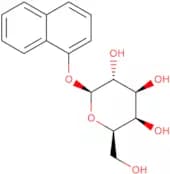
CAS:1-Naphthyl b-D-galactopyranoside is a chromogenic substrate used to detect the presence of beta-galactosidase enzymes. The enzyme cleaves the substrate to produce a colored product that can be quantified and visualized. This substrate is commonly used in applications such as the detection of lacZ gene expression in bacterial colonies or in histochemical staining of tissues to identify beta-galactosidase activity.Formula:C16H18O6Purity:Min. 95%Color and Shape:PowderMolecular weight:306.32 g/mol5-Bromo-4-chloro-3-indoxyl phosphate p-toluidine, micronized
CAS:A substrate for alkaline phosphatase yielding a blue insoluble product upon cleavage. Colour can be further enhanced when used together with Nitroblue tetrazolium. The substrate system is versatile and has functions in a variety of applications, including Northern, Southern, and Western blotting, in situ hybridization, ELISAs, microarray and immunohistochemistry. The micronized structure enhances solubility.Formula:C8H6BrClNO4P•C7H9NPurity:Min. 95%Color and Shape:PowderMolecular weight:433.63 g/mol3-Nitrophenyl β-D-glucopyranoside
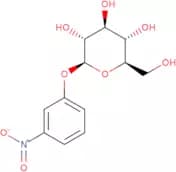
CAS:3-Nitrophenyl beta-D-glucopyranoside is a chromogenic enzyme substrate commonly used to assay for beta-glucosidase activity. Upon hydrolysis by the enzyme, it produces a yellow product that can be easily detected by spectrophotometry. This substrate is often used in the field of carbohydrate chemistry and biochemistry to study enzyme kinetics and inhibition in both in vitro and in vivo systems.Formula:C12H15NO8Purity:Min. 95%Color and Shape:White Yellow PowderMolecular weight:301.25 g/mol4-Nitrophenyl-alpha-D-maltopyranoside
CAS:Chromogenic α-maltosidase substrate yielding a yellow solution upon cleavage.Formula:C18H25NO13Purity:Min. 98.0 Area-%Molecular weight:463.40 g/molNaphthol AS-MX acetate
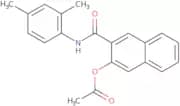
CAS:Modified naphtol AS substrate used in histochemical and cytochemical staining
Formula:C21H19NO3Purity:Min. 80%Color and Shape:White Off-White PowderMolecular weight:333.38 g/mol4-Methylumbelliferyl phosphate bis(cyclohexylammonium) salt
CAS:Sensitive fluorogenic substrate for fluorometric and UV-spectrophotometric assays of phosphatases. This may also be used for in-gel assaysFormula:C22H35N2O6PPurity:Min 99%Color and Shape:White to off-white solid.Molecular weight:454.50 g/mol4-Nitrophenyl O-(N-acetyl-a-neuraminosyl)-(2,3)-O-b-D-galactopyranosyl-(1,3)-2-acetamido-2-deoxy-a-D-galactopyran oxide
CAS:4-Nitrophenyl O-(N-acetyl-a-neuraminosyl)-(2,3)-O-b-D-galactopyranosyl-(1,3)-2-acetamido-2-deoxy-a-D-galactopyran oxide is a fluorogenic substrate that is used in the detection of glycosidases. It has been shown to be an excellent ligand for the enzyme beta galactosidase, which cleaves the glycan substrate 4NPOBGPA into 4NP and O-(N acetyl) neuraminic acid. 4NPOBGPA can be used as a chromogenic substrate for detecting beta galactosidase activity and can also be conjugated to other fluorescent molecules. This product is high purity and high quality.Purity:Min. 95%Molecular weight:795.7 g/molL-Proline 7-amido-4-methylcoumarin hydrobromide
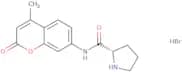
CAS:L-Proline 7-amido-4-methylcoumarin hydrobromide is a fluorogenic substrate that is used to measure esterase and peptidase activity in a variety of animal and microbial sources. This compound has been shown to have a lipase activity. L-Proline 7-amido-4-methylcoumarin hydrobromide is also used as an enzyme preparation and as an enzyme source.Formula:C15H17BrN2O3Molecular weight:353.22 g/molRef: 3D-P-7280
-Unit-ggTo inquire1gTo inquire5gTo inquire10gTo inquire500mgTo inquire2500mgTo inquire3-Indolyl β-D-galactopyranoside
CAS:Chromogenic substrate for β-D-galactosidase, yielding a blue precipitate upon cleavage.Formula:C14H17NO6Purity:Min. 95%Color and Shape:PowderMolecular weight:295.29 g/mol












![2,5-dioxabicyclo[2.2.1]heptan-7-one](/_next/image/?url=https%3A%2Fstatic.cymitquimica.com%2Fproducts%2F3D%2Fthumb-webp%2FKAA21803.webp&w=3840&q=75)