APIs para investigación e impurezas
Los ingredientes farmacéuticos activos (API) son las sustancias en los medicamentos responsables de sus efectos terapéuticos. En esta sección, encontrarás una amplia variedad de API destinados a uso en investigación. Estos compuestos son esenciales para el desarrollo, prueba y validación de nuevas formulaciones farmacéuticas. En CymitQuimica, ofrecemos API de alta calidad para apoyar la investigación en el descubrimiento y desarrollo de fármacos.
Subcategorías de "APIs para investigación e impurezas"
- Aminoácidos y derivados(12.278 productos)
- Antraquinonas y derivados(405 productos)
- Derivados de Benzimidazol e Imidazol(10.376 productos)
- Derivados de Benzodiazepinas(333 productos)
- Carbohidratos y glucoconjugados(5.013 productos)
- Ésteres y derivados(42.045 productos)
- Ácidos Grasos y Derivados Lipídicos(32.246 productos)
- Flavonoides y Polifenoles(17.012 productos)
- Radicales libres y agentes oxidantes/reductores(213 productos)
- Cetonas y Derivados(2.394 productos)
- Antibióticos naturales y semisintéticos(6.364 productos)
- Nitrilos y Cianoderivados(3.045 productos)
- Nitrosaminas y derivados(55 productos)
- Nucleósidos y Nucleótidos(3.429 productos)
- Fosfatos y Fosfonatos Orgánicos(1.201 productos)
- Sulfonatos y Sulfatos Orgánicos(10.406 productos)
- Organometálicos(4.401 productos)
- Otros(6.279 productos)
- Péptidos y Proteínas(3.129 productos)
- Polímeros y derivados(99 productos)
- Derivados de Purinas y Pirimidinas(8.902 productos)
- Derivados de Quinazolina y Quinolina(65.630 productos)
- Quinonas y derivados(24.239 productos)
- Sales y derivados de API(79.473 productos)
- Esteroides y derivados(4.967 productos)
- Sulfonamidas y derivados(2.592 productos)
- Terpenoides y derivados(3.839 productos)
- Tiazolidinedionas y Tiopiranos(2.733 productos)
- Compuestos β-adrenérgicos(230 productos)
Mostrar 21 subcategorías más
Se han encontrado 56797 productos de "APIs para investigación e impurezas"
Ordenar por
Pureza (%)
0
100
|
0
|
50
|
90
|
95
|
100
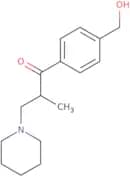
Hydroxymethyl tolperisone
CAS:<p>Hydroxymethyl tolperisone is a medicinal compound that has been identified as a kinase inhibitor with potential anticancer properties. It has shown promising results in inhibiting the growth of leukemia cells and tumor cell lines in human studies. Hydroxymethyl tolperisone works by interfering with protein synthesis, disrupting the cell cycle, and inducing apoptosis in cancer cells. This compound has also been found to be effective against various types of cancer, including breast, lung, and colon cancer. Hydroxymethyl tolperisone is an analog of tolperisone, a muscle relaxant that is excreted primarily through urine. The use of this compound as an anticancer agent is still under investigation, but it holds great promise for the future of cancer treatment.</p>Fórmula:C16H23NO2Pureza:Min. 95%Peso molecular:261.36 g/molVarenicline N-oxide
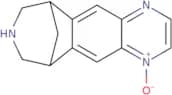
CAS:<p>Varenicline N-oxide is a synthetic drug product. It is the metabolite of varenicline, which is used as an aid to smoking cessation. Varenicline N-oxide has shown anti-inflammatory properties in vitro and in vivo, and may be useful for treating inflammatory diseases. Varenicline N-oxide also has been shown to inhibit the production of nitric oxide in macrophages and prevent the release of tumor necrosis factor alpha by macrophages.</p>Fórmula:C13H13N3OPureza:Min. 95%Peso molecular:227.26 g/molDiethylaminocarboxymethyl poc tenofovir fumarate
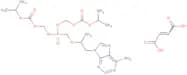
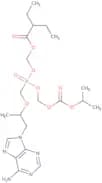
CAS:<p>The drug product is a synthetic, non-natural, white powder. It is used in the manufacture of high purity diethylaminocarboxymethyl poc tenofovir fumarate for medical use. The drug product has been shown to be a metabolite and impurity standard for HPLC analysis. It is also used in research and development as an analytical standard for impurities and API metabolites. This drug product has niche applications in pharmacopoeias.</p>Fórmula:C20H33N6O9·C4H4O4Pureza:Min. 95%Peso molecular:532.48 g/mol2',3'-Isopropylidene ribavirin
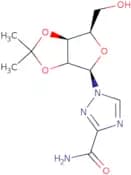
CAS:<p>Intermediate in the synthesis of ribavirin</p>Fórmula:C11H16N4O5Pureza:Min. 95%Peso molecular:284.27 g/mol(±)-Mandelic-2,3,4,5,6-d5 acid
CAS:Producto controlado<p>Mandelic acid is a naturally occurring organic compound that is the simplest aromatic carboxylic acid. It is used as an intermediate in chemical synthesis, and as a reagent in analytical chemistry. Mandelic acid can be produced synthetically by the oxidation of benzaldehyde or benzoic acid. Mandelic acid has been shown to inhibit the metabolism of many drugs, including diazepam, phenobarbital and propranolol. It also shows anti-inflammatory effects due to its ability to inhibit prostaglandin synthesis.</p>Fórmula:C8H3D5O3Pureza:Min. 95%Peso molecular:157.18 g/molSpiramycin EP impurity B
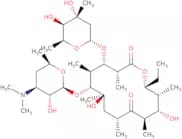
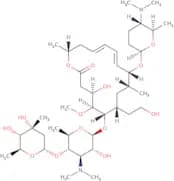
CAS:<p>Spiramycin EP impurity B is an analytical standard that is used to measure the purity of Spiramycin EP. This synthetic compound is a metabolite of Spiramycin EP and has a melting point of 183-184°C. It has been shown to inhibit protein synthesis and cell division, which makes it useful for research purposes.</p>Fórmula:C43H76N2O14Pureza:Min. 95%Peso molecular:845.08 g/mol2-(2,3-Dichlorophenyl)-2-(guanidinoimino) acetonitrile
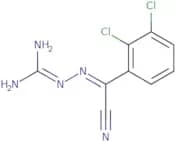
CAS:<p>Lamotrigine is a chemically unrelated compound, which is the active ingredient of a new class of adjuvant drugs for epilepsy. This drug has been found to be effective against seizures in patients with partial seizures and generalized seizures. Lamotrigine is an orally administered suspensoid that can be mixed with water or other liquids to form a suspension. It has been used as a flavouring agent and an adjuvant in pharmaceuticals, including tablets and capsules. The chemical structure of lamotrigine includes two 2,3-dichlorophenyl groups connected by an amino group (guanidinoimino). This structure gives lamotrigine its chemical name: 2-(2,3-dichlorophenyl)-2-(guanidinoimino) acetonitrile.</p>Fórmula:C9H7Cl2N5Pureza:Min. 95%Peso molecular:256.09 g/mol3-(Benzyloxy)-5-nitrobenzoic acid
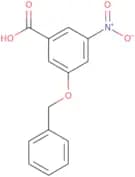
CAS:<p>3-(Benzyloxy)-5-nitrobenzoic acid is a benzimidazole derivative that is synthesized in three steps. It can be formed by reacting potassium chloride, formic acid and 3-hydroxy-5-nitrobenzoic acid. The reaction yields are dependent on the concentration of the reactants. The isomeric mixture can be separated by distillation into two fractions; one fraction contains the desired product and the other fraction contains the undesired product. This compound has been shown to have antibacterial activity against both Gram-positive and Gram-negative bacteria, as well as antifungal activity against Candida albicans. 3-(Benzyloxy)-5-nitrobenzoic acid binds to ribosomes of bacteria, inhibiting protein synthesis by preventing peptide bond formation between amino acids. This compound also reacts with sulfate ion to produce sulfate ester, which inhibits bacterial growth by disrupting membrane integrity.</p>Fórmula:C14H11NO5Pureza:Min. 95%Peso molecular:273.24 g/mol2-Cyclohexyl-2-(4-methoxyphenyl)-N,N-dimethylethanamine
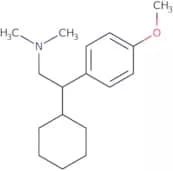
CAS:Producto controlado<p>2-Cyclohexyl-2-(4-methoxyphenyl)-N,N-dimethylethanamine is a synthetic research and development impurity standard. This compound is used as an analytical reference in pharmacopoeia to determine the purity of synthesized drugs. 2-Cyclohexyl-2-(4-methoxyphenyl)-N,N-dimethylethanamine is also a metabolite of other compounds and can be used for metabolism studies.</p>Fórmula:C17H27NOPureza:Min. 95%Peso molecular:261.4 g/molNilotinib N-oxide
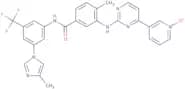
CAS:<p>Nilotinib N-oxide is a bosutinib metabolite that is categorized as a profile 1B inhibitor. It has a chemical structure similar to imatinib and dasatinib. The metabolite of nilotinib N-oxide, which is an active form, focuses on the inhibition of chronic myeloid leukemia (CML) cells by targeting the oncoprotein BCR-ABL. Nilotinib N-oxide has been shown to have cardiac toxicity, which may be due to its ability to inhibit the synthesis of uridine and reduce thrombocytopenia. It also has the potential for toxicities such as pancreatitis and hepatotoxicity.</p>Fórmula:C28H22F3N7O2Pureza:Min. 95%Peso molecular:545.5 g/molMono(3-hydroxybutyl)phthalate-d4
CAS:<p>Mono(3-hydroxybutyl)phthalate-d4 is a research and development, impurity standard, custom synthesis, drug product, synthetic and high purity chemical that is used as an analytical standard in the pharmacopoeia. Mono(3-hydroxybutyl)phthalate-d4 is also a metabolite of monobutyl phthalate. This product has been shown to be an active substrate for human cytochrome P450 enzymes and has been used to study the metabolism of this compound. Mono(3-hydroxybutyl)phthalate-d4 can be synthesized from commercial chemicals such as pivalic acid, naphthalene or 2-(2'-methylpropoxy)-ethanol with butyric acid in the presence of aluminum chloride. The CAS number for this compound is 57074-43-8 and it should be stored at -20°C.</p>Fórmula:C12H10D4O5Pureza:Min. 95%Peso molecular:242.26 g/molAnapterin
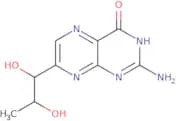
CAS:<p>Anapterin is an analog of capsaicin, a compound found in chili peppers. It acts as an inhibitor of kinases, which are enzymes involved in cell signaling and regulation. Anapterin has been shown to induce apoptosis (cell death) in cancer cells, making it a potential anticancer drug. In Chinese hamster ovary cells, Anapterin inhibited the activity of protein kinase C (PKC), leading to reduced cell proliferation and increased cell death. This compound has also been studied for its potential use as a urinary inhibitor for the prevention of kidney stones. Overall, Anapterin shows promise as a potent inhibitor with potential therapeutic applications in cancer treatment and other diseases involving abnormal kinase activity.</p>Fórmula:C9H11N5O3Pureza:Min. 95%Peso molecular:237.22 g/mol1,1-Bis(p-isobutylphenyl)ethane
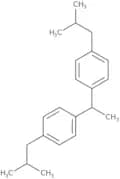
CAS:<p>1,1-Bis(p-isobutylphenyl)ethane is an acid catalyst that can be used in the synthesis of alkyl esters. It is unreactive at high temperatures and can be reused many times. 1,1-Bis(p-isobutylphenyl)ethane is also a component of catalytic carbonylation reactions. It reacts with acetaldehyde to form a metal carbonyl complex, which then reacts with a carbon monoxide molecule to form an ester. Carbonylation reactions are often used to synthesize organic compounds from alkyl halides or alcohols. Carbonylation reactions are catalyzed by metal carbonyls, such as palladium and nickel complexes.</p>Fórmula:C22H30Pureza:Min. 95%Peso molecular:294.47 g/molrac N-Demethyl promethazine
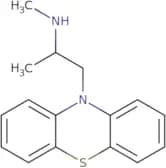
CAS:<p>Rac-N-Demethylpromethazine is an inorganic compound with a diameter of 0.15 nm. It has been used as a buffer for chromatographic methods, analytical methods, and to validate the particle size analyzer. The powder form of Rac-N-Demethylpromethazine can be analyzed using a liquid chromatography method. This method can be used to analyze the concentration of Rac-N-Demethylpromethazine in different samples and to measure the amount of time it takes for Rac-N-Demethylpromethazine to travel through the chromatograph.</p>Fórmula:C16H18N2SPureza:Min. 95%Peso molecular:270.4 g/molImazamox methyl ester
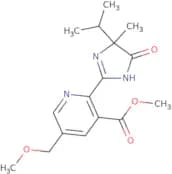
CAS:<p>Imazamox methyl ester is a sulphonate herbicide that is used as an intermediate in the synthesis of other herbicides. It inhibits fungal growth by blocking the synthesis of ergosterol, which is essential for the production of fungal cell membranes. Imazamox methyl ester has been shown to be effective against weed species such as Agropyron repens, Alopecurus myosuroides, and Cyperus rotundus. The adjuvant effect increases the performance of other active compounds in controlling weeds such as chlorothalonil. Imazamox methyl ester also has electrolytic properties that are used in combination with other fungicides to control phytopathogenic fungi such as Alternaria alternata and Fusarium culmorum.</p>Fórmula:C16H21N3O4Pureza:Min. 95%Peso molecular:319.36 g/molRosuvastatin anhydro lactone
CAS:<p>Rosuvastatin anhydro lactone is a pure chemical compound that is used as an analytical reference standard for high-performance liquid chromatography (HPLC) for the determination of purity and identification of impurities in pharmaceuticals. It is also utilized as a drug development, API impurity, and HPLC standard. Rosuvastatin anhydro lactone is a metabolite of rosuvastatin and is chemically designated as C22H29NO3. The CAS number for rosuvastatin anhydro lactone is 1246665-85-9.</p>Fórmula:C22H24FN3O4SPureza:Min. 95%Peso molecular:445.50 g/molGastrofensin an 5
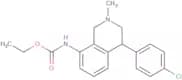
CAS:<p>Gastrofensin an 5 is a drug product that is undergoing research and development. It is not yet approved for use in humans. Gastrofensin an 5 is used as a reference substance in analytical work, metabolism studies, and natural product analysis. The CAS No. for this compound is 89845-16-9. Gastrofensin an 5 has the following impurities: 0.1% (m/m) of 2-(6-chloroquinolin-2-yl)acetic acid; 0.1% (m/m) of 2-(6-chloroquinolin-3-yl)acetic acid; 0.1% (m/m) of 2-(6,7-dichloroquinolyl)-acetic acid; 0.1% (m/m) of 3-(6,7 dichloroquinolyl)-acetic acid; 0.1% (</p>Fórmula:C19H21ClN2O2Pureza:Min. 95%Peso molecular:344.8 g/mol(S)-Cy-BINAP
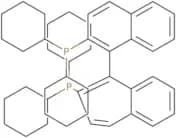
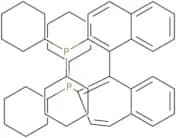
CAS:<p>Please enquire for more information about (S)-Cy-BINAP including the price, delivery time and more detailed product information at the technical inquiry form on this page</p>Fórmula:C44H56P2Pureza:Min. 95%Peso molecular:646.9 g/mol(Alphas)-N,N,α-trimethyl-3-(4-nitrophenoxy)benzenemethanamine
CAS:<p>(Alphas)-N,N,alpha-trimethyl-3-(4-nitrophenoxy)benzenemethanamine is a drug product that has been synthesized for research and development purposes. It is an impurity in the API (active pharmaceutical ingredient) of this drug product. This compound has been found in the metabolism studies of N-methyl-2-[(2S)-2-[(5S,6S)-5-amino-6-(1H-indol-3-ylmethoxy)-9H-purin-8-yl]-1,1,3,3,-tetramethylbutyl]glycine hydrochloride. The CAS number for this compound is 1346242-32-7.</p>Fórmula:C16H18N2O3Pureza:Min. 95%Peso molecular:286.33 g/molCarbonic acid, methyl 1-methylene-2-oxopropyl ester
CAS:<p>Carbonic acid, methyl 1-methylene-2-oxopropyl ester is a drug product that is custom synthesized for research and development. It has high purity and analytical data. Metabolism studies are required for this drug product. This drug product is natural and synthetic. CAS No. 146897-17-8 is the impurity standard for this drug product. Research and Development (R&D) needs to be conducted on this drug product in order to develop a pharmacopoeia standard. Synthetic methods are used in the manufacture of this drug product, which also has a niche market.br></p>Fórmula:C6H8O4Pureza:Min. 95%Peso molecular:144.12 g/molCl2 linker
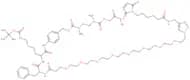
CAS:<p>The Cl2 linker is an analog of saxagliptin, a kinase inhibitor that has shown promise in the treatment of tumors and cancer. It has been studied extensively in Chinese hamster ovary cells and human urine, where it has demonstrated potent inhibitory activity against a variety of kinases. The Cl2 linker has also been shown to induce apoptosis in cancer cells, making it a potential therapeutic agent for the treatment of cancer. Additionally, it has been investigated as an inhibitor of xylanase, an enzyme involved in the breakdown of plant cell walls. The Cl2 linker may also have potential as an inhibitor of other kinases, such as those targeted by aprepitant, which is used to treat chemotherapy-induced nausea and vomiting.</p>Fórmula:C68H103N11O22Pureza:Min. 95%Peso molecular:1,426.6 g/molDes(oxopentyl) valsartan benzyl ester
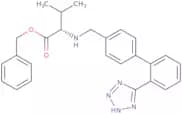
CAS:<p>Des(oxopentyl) Valsartan Benzyl Ester is an analytical standard for the drug valsartan. It is a white to off-white, crystalline powder that is soluble in methanol and acetone. This compound can be used as an HPLC standard, or as an impurity standard in the development of valsartan drugs. Des(oxopentyl) Valsartan Benzyl Ester also has niche uses in natural product isolation and synthetic organic chemistry. It is a metabolite of des(oxopentyl)valsartan, which is a prodrug of valsartan.</p>Fórmula:C26H27N5O2Pureza:Min. 95%Peso molecular:441.53 g/mol(17α)-13-Ethyl-3-methoxy-18,19-dinorpregna-2,5(10)-dien-20-yn-17-ol (levonorgestrel impurity T)
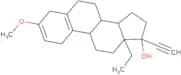
CAS:Producto controlado<p>(17α)-13-Ethyl-3-methoxy-18,19-dinorpregna-2,5(10)-dien-20-yn-17-ol (levonorgestrel impurity T) is an analog of levonorgestrel with potent anticancer properties. It has been shown to induce apoptosis in human cancer cell lines by inhibiting kinase and elastase activities. This compound has also been tested against a variety of tumor cell lines and has demonstrated significant anticancer activity. In Chinese hamster ovary cells, levonorgestrel impurity T was found to arrest the cell cycle at the G1 phase, leading to decreased protein synthesis and ultimately cell death. As an inhibitor of kinases and other enzymes involved in cellular signaling pathways, this compound may have potential as a therapeutic agent for the treatment of cancer.</p>Fórmula:C22H30O2Pureza:Min. 95%Peso molecular:326.5 g/molKaempferol di-o-methoxymethyl ether
CAS:<p>Kaempferol di-O-methoxymethyl ether is a natural product that has been identified as a metabolite of kaempferol. It is an API impurity in the drug product and can also be found in the synthesis of kaempferol. Kaempferol di-O-methoxymethyl ether is a synthetic compound that can be used for drug development, research and development, and analytical purposes. It is an HPLC standard for pharmacopoeia.</p>Fórmula:C19H18O8Pureza:Min. 95%Peso molecular:374.3 g/mol(Z) -2- [4- (1, 2- Diphenylethenyl) phenoxy] - N, N- diethyl- ethanamine hydrochloride (E/Z Mixture)
CAS:<p>(Z) -2- [4- (1, 2- Diphenylethenyl) phenoxy] - N, N- diethyl- ethanamine hydrochloride is a drug product that is an analytical impurity. It is used as a metabolite standard in drug development and metabolism studies. The CAS number for this compound is 97800-41-4.</p>Fórmula:C26H29NOPureza:Min. 95%Peso molecular:371.51 g/molN-Formyl-L-leucine (3S,4S,6S)-3-hexyltetrahydro-2-oxo-6-undecyl-2H-pyran-4-yl ester
CAS:Producto controlado<p>N-Formyl-L-leucine (3S,4S,6S)-3-hexyltetrahydro-2-oxo-6-undecyl-2H-pyran-4-yl ester is a synthetic compound that has been used as an impurity standard and as a pharmacopoeia. It is also used in drug development and metabolism studies. The CAS number of this compound is 130676-65-2. HPLC analysis of this compound is available upon request.</p>Fórmula:C29H53NO5Pureza:Min. 95%Peso molecular:495.73 g/mol10-Allyl-2-chloro-phenothiazine
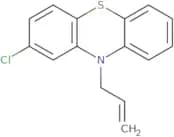
CAS:<p>10-Allyl-2-chloro-phenothiazine is a metabolite of the drug product, Clopidogrel. It is a white crystalline powder that is soluble in water and alcohol. 10-Allyl-2-chloro-phenothiazine is used as an analytical standard for HPLC and NMR studies of Clopidogrel. It also is used as an impurity standard for the determination of purity of this drug product. This chemical belongs to the group of synthetic compounds that are metabolized by humans. Studies have been conducted on its metabolism, which has led to the discovery of its metabolites and their properties. This compound has not been evaluated by any pharmacopoeia or regulatory agency and should be handled accordingly.</p>Fórmula:C15H12ClNSPureza:Min. 95%Peso molecular:273.8 g/molLevofloxacin hydroxy acid
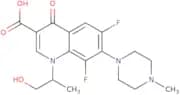
CAS:<p>Levofloxacin hydroxy acid is a high purity, drug product with a HPLC standard. It is used for drug development and research. Levofloxacin hydroxy acid has been developed as an analytical reference standard for the detection of impurities in API manufacturing. The pharmacopoeia includes levofloxacin hydroxy acid as an impurity standard. Levofloxacin hydroxy acid is also used in metabolism studies to investigate the role of levofloxacin's active metabolite, M-2, on the activity of CYP2C8 and CYP3A4 enzymes.</p>Fórmula:C18H21F2N3O4Pureza:Min. 95%Peso molecular:381.4 g/mol3,4-Dihydroxyphenylacetic acid-d5
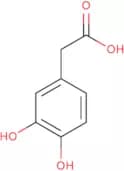
CAS:<p>3,4-Dihydroxyphenylacetic acid-d5 is a drug product that is used as an impurity standard for HPLC. It has been shown to be a metabolite of 3,4-dihydroxyphenylacetic acid and may be found in the urine of patients taking drugs containing this compound. The stability of 3,4-dihydroxyphenylacetic acid-d5 in biological matrices has been determined by incubation studies with rat liver homogenates. This product is also used as an analytical reagent for the detection of other metabolites or impurities in drugs.</p>Fórmula:C8H3D5O4Pureza:Min. 95%Peso molecular:173.18 g/molApitoxin
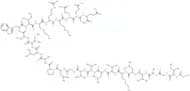
CAS:<p>Apitoxin is a natural toxin found in the venom of honeybees. Studies have shown that it has potential anti-cancer properties due to its ability to induce apoptosis, or programmed cell death, in human cancer cells. Additionally, apitoxin contains kinases that can inhibit tumor growth and glycerol analogs that have demonstrated anticancer activity in Chinese hamster ovary cells. Indirubin, a compound found in apitoxin, has been identified as a potent inhibitor of kinases involved in cancer cell proliferation. Apitoxin may also be useful as a urinary biomarker for detecting prostate cancer. Overall, the unique properties of apitoxin make it an intriguing candidate for further research into potential cancer treatments.</p>Fórmula:C129H224N38O31Pureza:Min. 95%Peso molecular:2,803.4 g/molTobramycin Impurity 4 dihydrochloride (Mixture of Isomers)
<p>Tobramycin Impurity 4 dihydrochloride (Mixture of Isomers) is an analytical standard that is used in the manufacture of drugs. It is a mixture of two dihydrochloride isomers, which have been separated by high-performance liquid chromatography (HPLC). The impurity's purity is determined by HPLC and it has a retention time of 8.8 minutes. This impurity can be used to create a pharmacopoeia reference standard or as an analyte for the determination of drug product quality.</p>Pureza:Min. 95%(+/-)-trans-Lamivudine
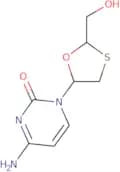
CAS:<p>Lamivudine is an antiviral drug that belongs to the group of nucleoside analogues. It can be used as a single agent or in combination with other antiviral drugs for the treatment of HIV infection. Lamivudine is a prodrug that is converted to its active form, which inhibits viral DNA synthesis by competing with natural substrates for incorporation into viral DNA by inhibiting viral polymerase activity and causing chain termination. The long-term toxicity of lamivudine has been studied in animals and humans. Although it does not cause any serious side effects, it can cause hepatitis and reactivation of hepatitis B virus (HBV). Lamivudine has been shown to inhibit the IL-2 receptor on T cells, which may contribute to its beneficial effect on HBV.</p>Fórmula:C8H11N3O3SPureza:Min. 95%Peso molecular:229.26 g/mol6-Ethyl-3-methyl-4-phenyl-2-pyridinecarboxylic acid methyl ester
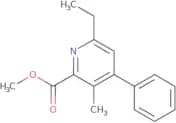
CAS:<p>6-Ethyl-3-methyl-4-phenyl-2-pyridinecarboxylic acid methyl ester is a synthetic molecule that is used as an impurity standard in the manufacture of drug product. 6EMPA has been shown to be a metabolite of the drug clindamycin and can be found in human plasma and urine. 6EMPA has also been shown to have anti-inflammatory properties. This compound is sold by us as a research grade material for use in HPLC standards, pharmacopoeia, and custom synthesis.</p>Fórmula:C16H17NO2Pureza:Min. 95%Peso molecular:255.31 g/molN-[(2R)-3-{[3-Fluoro-4-(4-morpholinyl)phenyl]amino}-2-hydroxypropyl]acetamide
CAS:<p>N-[(2R)-3-{[3-Fluoro-4-(4-morpholinyl)phenyl]amino}-2-hydroxypropyl]acetamide is an impurity in a high purity analytical reference standard of 3-fluoro-4-(4-morpholinyl)aniline. It is also a metabolite that may be present in drug products containing 3-fluoro-4-(4-morpholinyl)aniline as the active ingredient, such as fluoroquinolones. N-[(2R)-3-{[3-Fluoro-4-(4-morpholinyl)phenyl]amino}-2-hydroxypropyl]acetamide has been shown to inhibit DNA gyrase and topoisomerase IV, which are enzymes that maintain the integrity of bacterial DNA. It binds to bacterial 16S ribosomal RNA and inhibits protein synthesis, leading to cell death by inhib</p>Fórmula:C15H22FN3O3Pureza:Min. 95%Peso molecular:311.35 g/mol4-Desfluoro-4-[4-(2-oxo-2,3-dihydro-1H-benzimidazol-1-yl)-3,6-dihydropyridin-1(2H)-yl] droperidol
CAS:<p>4-Desfluoro-4-[4-(2-oxo-2,3-dihydro-1H-benzimidazol-1-yl)-3,6-dihydropyridin-1(2H)-yl] droperidol is a research chemical that belongs to the class of drugs. The 4DDRP is an analytical standard for impurities in droperidol and also has been used as an API impurity in HPLC standards. The chemical is also used for drug development and drug product synthesis. 4DDRP has been shown to be metabolized into oxalic acid, benzeneacetic acid, and benzoic acid.</p>Fórmula:C34H34N6O3Pureza:Min. 95%Peso molecular:574.70 g/molHaloperidol decanoate EP impurity K hydrochloride
CAS:Producto controladoPlease enquire for more information about Haloperidol decanoate EP impurity K hydrochloride including the price, delivery time and more detailed product information at the technical inquiry form on this pageFórmula:C33H45ClFNO3•HClPureza:95%NmrPeso molecular:594.63 g/mol1-[(1-Methylethyl)amino]-3-phenoxy-2-propanol
CAS:<p>1-[(1-Methylethyl)amino]-3-phenoxy-2-propanol is an organic compound that belongs to the class of phenoxyethanol derivatives. It has been used in milligram amounts to assist in the separation of racemic mixtures by countercurrent chromatography. The compound is a racemate and the enantiomers are separated by chiral high performance liquid chromatography. The β-adrenergic agonist activity of 1-[(1-methylethyl)amino]-3-phenoxy-2-propanol has been shown in rats.</p>Fórmula:C12H19NO2Pureza:Min. 95%Peso molecular:209.28 g/mol2,2-Bis[4-(2-diethylaminoethoxy)phenyl]-1,2-diphenylethanone
CAS:Producto controlado<p>2,2-Bis[4-(2-diethylaminoethoxy)phenyl]-1,2-diphenylethanone (bis-DEA) is a synthetic metabolite that has been shown to inhibit human liver microsomal cytochrome P450 enzymes. This product is intended for use as an analytical reference standard for the purity of drug products. It is also used in pharmacological and metabolic studies.</p>Fórmula:C38H46N2O3Pureza:Min. 95%Peso molecular:578.78 g/molTalaromycesone A
CAS:<p>Talaromycesone A is a natural product derived from the fungus Talaromyces erythraeus. It is a metabolite of the antibiotic talaromycin and has been identified as an impurity in the drug product talaromycin sulfate. Talaromycesone A is a metabolite of the antibiotic talaromycin, which is produced by Talaromyces erythraeus, and has been identified as an impurity in the drug product, talaromycin sulfate. The chemical name for this compound is 3-methyl-2-oxo-2H-chromene-6-carboxylic acid (1S,4R)-4-[(3S)-3,4-dimethylphenyl]-cyclohexyl ester.<br>Talaromycesone A was originally isolated from the fungus Talaromyces erythraeus and purified to be used as a reference standard for HPLC analysis</p>Fórmula:C29H24O11Pureza:Min. 95%Peso molecular:548.50 g/molCiprofibrate-o-β-glucuronide
CAS:<p>Ciprofibrate-o-β-glucuronide is the major metabolite of ciprofibrate in humans. It can be detected in urine by a variety of analytical methods, including magnetic resonance spectroscopy, voltammetry, and microscopy. Ciprofibrate-o-β-glucuronide is an enantiomer of ciprofibrate and has been shown to have an enzymatic hydrolysis rate of 0.07% per hour. This hydrolysis process is catalyzed by cytochrome P450 enzymes. Ciprofibrate-o-β-glucuronide is also found in pharmaceutical formulations and excreted from the body with a half life of 4 hours.</p>Fórmula:C19H22Cl2O9Pureza:Min. 95%Peso molecular:465.3 g/mol1-(1-Cyclohexen-1-yl)-cyclohexanecarboxylic acid
CAS:<p>Please enquire for more information about 1-(1-Cyclohexen-1-yl)-cyclohexanecarboxylic acid including the price, delivery time and more detailed product information at the technical inquiry form on this page</p>Fórmula:C13H20O2Pureza:Min. 95%Peso molecular:208.3 g/molLabetalol EP Impurity C
CAS:<p>Labetalol EP Impurity C is a synthetic impurity standard that is used to calibrate HPLC columns and for the quantification of labetalol in drug products. Labetalol EP Impurity C is a metabolite of labetalol and has been shown to have similar pharmacological properties. Labetalol EP Impurity C is synthesized by ester hydrolysis. The purity of this compound exceeds 99%.</p>Fórmula:C16H18N2O3Pureza:Min. 95%Peso molecular:286.33 g/mola-[3-[[2-(3,4-Dimethoxyphenyl)ethyl]methylamino]propyl]-3,4-dimethoxy-a-propyl-benzeneacetonitrile
CAS:<p>a-[3-[[2-(3,4-Dimethoxyphenyl)ethyl]methylamino]propyl]-3,4-dimethoxy-a-propyl-benzeneacetonitrile is a drug product that is custom synthesized and has been shown to have high purity. It is also used in analytical studies, metabolism studies, and natural drug development. This compound can also be found as an impurity standard for HPLC or as an API impurity.</p>Fórmula:C27H38N2O4Pureza:Min. 95%Peso molecular:454.6 g/molDes[2-[(2-hydroxyethyl)amino]ethyl] mitoxantrone
CAS:<p>Des[2-[(2-hydroxyethyl)amino]ethyl] mitoxantrone is a research and development impurity standard for synthesis. It is a synthetic, high purity compound with a CAS number of 89991-52-6. The chemical is not found in nature and does not have any natural metabolites. Des[2-[(2-hydroxyethyl)amino]ethyl] mitoxantrone has been shown to be metabolized by the liver into various metabolites that have been identified through analysis of urine samples. The metabolite of des[2-[(2-hydroxyethyl)amino]ethyl] mitoxantrone may be used as an analytical standard for HPLC methods.</p>Fórmula:C18H19N3O5Pureza:Min. 95%Peso molecular:357.36 g/molPioglitazone Pyridine-6-[4-[2-[5-ethyl-6-[4-[2-(5-ethyl-2-pyridinyl)ethoxy]phenyl]
CAS:<p>Pioglitazone Pyridine-6-[4-[2-[5-ethyl-6-[4-[2-(5-ethyl-2-pyridinyl)ethoxy]phenyl]propionamido]-1,3,4-thiadiazol-2(3H)-ylidene]aminocarbonyl]-1,3,4-thiadiazole is a drug that belongs to the group of thiazolidinediones. It is an oral hypoglycemic agent that lowers blood sugar by stimulating insulin release from the pancreas and increasing peripheral tissue sensitivity to insulin. Pioglitazone Pyridine-6-[4-[2-[5-ethyl-6-[4-[2-(5-ethyl-2 pyridinyl)ethoxy]phenyl]propionamido]-1,3,4-thiadiazol 2(3H)-ylidene]aminocarbonyl]-</p>Fórmula:C34H35N3O4SPureza:Min. 95%Peso molecular:581.73 g/molWAY 181187 oxalate
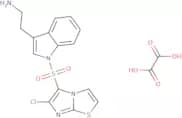
CAS:WAY 181187 oxalate is a metabolite of WAY-361507, a drug that has been studied for the treatment of cancer. The chemical structure of WAY 181187 oxalate is shown below.Fórmula:C17H15ClN4O6S2Pureza:Min. 95%Peso molecular:470.9 g/mol2-(4-Ethylphenyl)-propanoic acid - Racemic
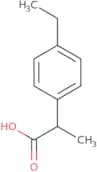
CAS:<p>2-(4-Ethylphenyl)-propanoic acid is a supplement that is used to relieve pain and inflammation. It belongs to the group of non-steroidal anti-inflammatory drugs (NSAIDs). This drug has been shown to be efficacious in the treatment of osteoarthritis, rheumatoid arthritis, and bronchitis. 2-(4-Ethylphenyl)-propanoic acid inhibits both prostaglandin synthesis and leukotriene synthesis by inhibiting cyclooxygenase 1, which converts arachidonic acid into prostaglandins, and 5-lipoxygenase, which converts arachidonic acid into leukotrienes. This drug has also been shown to inhibit COX-2 production in human monocytes. The active form of this drug is metabolized through a number of metabolic transformations including hydrolysis by esterases or glucuronidases, oxidation by cytochrome P450 enzymes,</p>Fórmula:C11H14O2Pureza:Min. 95%Peso molecular:178.23 g/molN-Desmethyl phenyltoloxamine hydrochloride
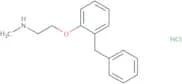
CAS:<p>N-Desmethyl phenyltoloxamine hydrochloride is a white crystalline powder that is soluble in water and slightly soluble in ethanol. It has an analytical purity of greater than 99% with a melting point of 188-190°C. This compound is a metabolite of phenyltoloxamine, which is used as an analgesic and anti-inflammatory drug. N-Desmethyl phenyltoloxamine hydrochloride can be used as a pharmacopoeia reference standard for the analysis of this metabolite and also as a research and development starting material for the synthesis of other compounds.</p>Fórmula:C16H20ClNOPureza:Min. 95%Peso molecular:277.79 g/mol2-Cyclopropyl-1-nitro-naphthalene
CAS:<p>Please enquire for more information about 2-Cyclopropyl-1-nitro-naphthalene including the price, delivery time and more detailed product information at the technical inquiry form on this page</p>Fórmula:C13H11NO2Pureza:Min. 95%Peso molecular:213.23 g/mol2-(Acetylamino)-4-amino-2,4,6-trideoxy-α-D-galactopyranose
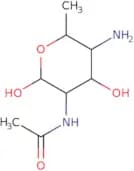
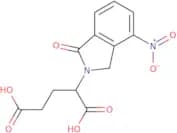
CAS:<p>Please enquire for more information about 2-(Acetylamino)-4-amino-2,4,6-trideoxy-α-D-galactopyranose including the price, delivery time and more detailed product information at the technical inquiry form on this page</p>Fórmula:C8H16N2O4Pureza:Min. 95%Peso molecular:204.22 g/mol2-(4-Nitro-1-oxoisoindolin-2-yl)pentanedioic acid
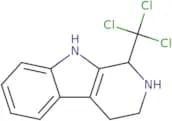
CAS:<p>Please enquire for more information about 2-(4-Nitro-1-oxoisoindolin-2-yl)pentanedioic acid including the price, delivery time and more detailed product information at the technical inquiry form on this page</p>Fórmula:C13H12N2O7Pureza:Min. 95%Peso molecular:308.24 g/mol(R)-1-Trichloromethyl-1,2,3,4-tetrahydro-β-carboline
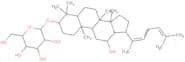
CAS:<p>(R)-1-Trichloromethyl-1,2,3,4-tetrahydro-β-carboline is a potent inhibitor of kinases that play key roles in cancer. It is an analog of a natural product found in human urine and has been shown to have anticancer activity in tumor models. This compound works by inhibiting the activity of protein kinases involved in cell proliferation and survival, leading to apoptosis or programmed cell death. (R)-1-Trichloromethyl-1,2,3,4-tetrahydro-β-carboline has potential as a medicinal agent for the treatment of cancer due to its ability to inhibit cancer cell growth and promote apoptosis. Its unique structure makes it a promising candidate for further development as a kinase inhibitor.</p>Fórmula:C12H11Cl3N2Pureza:Min. 95%Peso molecular:289.6 g/molIsoginsenoside rh3
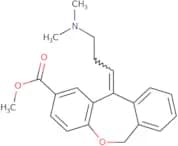
CAS:<p>Isoginsenoside Rh3 is a metabolite of the natural product ginseng. It has been reported to have anti-inflammatory properties in vitro and in vivo, but it has not been studied extensively. Isoginsenoside Rh3 is not found in the human body, but it is an impurity of Ginseng extract that is routinely measured by HPLC. The concentration of this metabolite can be used as a quality control measure for Ginseng extracts.</p>Fórmula:C36H60O7Pureza:Min. 95%Peso molecular:604.9 g/molOlopatadine methyl ester
CAS:<p>Olopatadine methyl ester is a non-sedating antihistamine that is used to treat allergic symptoms. It has a rapid onset of action and is effective for 24 hours. Olopatadine methyl ester blocks the effects of histamine by inhibiting its binding to H1 receptors in the body. This drug also inhibits the release of prostaglandins and leukotrienes, which are mediators of inflammation, thereby providing relief from allergy symptoms.</p>Fórmula:C21H23NO3Pureza:Min. 95%Peso molecular:337.4 g/molN-Formyl-D-leucine (1R)-1-[[(2S,3S)-3-hexyl-4-oxo-2-oxetanyl]methyl]dodecyl ester
CAS:<p>N-Formyl-D-leucine (1R)-1-[[(2S,3S)-3-hexyl-4-oxo-2-oxetanyl]methyl]dodecyl ester is a research and development impurity standard that can be custom synthesized for drug product development. It is an analytical standard for HPLC with high purity, pharmacopoeia, and drug development. It is a natural metabolite that has been studied as a niche metabolite in metabolism studies.</p>Fórmula:C29H53NO5Pureza:Min. 95%Peso molecular:495.73 g/mola-(Aminocarbonyl)-4-[2-(5-ethyl-2-pyridinyl)ethoxy]benzeneethanesulfonic acid
CAS:<p>a-(Aminocarbonyl)-4-[2-(5-ethyl-2-pyridinyl)ethoxy]benzeneethanesulfonic acid is an analytical standard that is used in the drug development process. It has a purity of 99.9% and is used as an HPLC standard, niche product, and pharmacopoeia impurity. This chemical can also be custom synthesized or found in nature.</p>Fórmula:C18H22N2O5SPureza:Min. 95%Peso molecular:378.44 g/molo-Methyl meloxicam
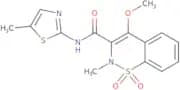
CAS:<p>Meloxicam is a nonsteroidal anti-inflammatory drug (NSAID) that is used for the relief of inflammation and pain in osteoarthritis and rheumatoid arthritis. It is a stable, water-soluble prodrug of methylated meloxicam. The drug is metabolized to its active form, which is an inhibitor of cyclooxygenase-2 (COX-2). Meloxicam has been shown to be effective against COX-1, but not COX-2. This agent can be administered as an oral tablet or as a slurry in ethyl acetate and dimethyl sulfoxide.</p>Fórmula:C15H15N3O4S2Pureza:Min. 95%Peso molecular:365.4 g/mol(R)-Cy-BINAP
CAS:<p>Please enquire for more information about (R)-Cy-BINAP including the price, delivery time and more detailed product information at the technical inquiry form on this page</p>Fórmula:C44H56P2Pureza:Min. 95%Peso molecular:646.9 g/molDecitabine related compound A
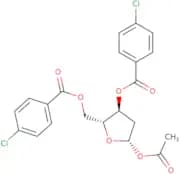
CAS:<p>Decitabine related compound A is an impurity that is found in the API, decitabine. It is an analytical standard for HPLC measurements and a reference material for impurity testing. It is also used as a pharmacopoeia standard for pharmacopoeias such as European Pharmacopoeia, USP, and Japanese Pharmacopoeia. Decitabine related compound A has been synthesized from natural sources such as plant-derived alkaloids and synthetically produced in the laboratory. CAS No. 1019659-87-0</p>Fórmula:C21H18Cl2O7Pureza:Min. 95%Forma y color:SolidPeso molecular:453.27 g/molDRI-c21045
CAS:<p>DRI-c21045 is an analog of a medicinal compound that has been shown to inhibit the activity of a specific protein kinase involved in cell cycle regulation and tumor growth. This inhibitor has been demonstrated to induce apoptosis in cancer cells, making it a promising candidate for anticancer therapy. DRI-c21045 has been tested in both Chinese and human cancer cell lines and has shown potent activity against various types of tumors. Additionally, this compound has been detected in urine samples from patients with cancer, suggesting that it may have potential as a diagnostic marker for certain types of cancer. Overall, DRI-c21045 shows great promise as a potential anticancer agent with significant therapeutic potential.</p>Fórmula:C32H24N2O7SPureza:Min. 95%Peso molecular:580.6 g/molPyrimisulfan
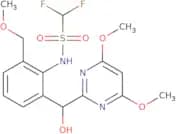
CAS:<p>Pyrimisulfan is a medicinal compound that has shown potent anticancer activity in both human and Chinese hamster cancer cell lines. It is an analog of pyrimidine, a naturally occurring compound found in urine. Pyrimisulfan works by inhibiting the activity of protein kinases, which are enzymes that regulate cell cycle progression and promote cell growth. This inhibition leads to apoptosis, or programmed cell death, in cancer cells. Pyrimisulfan has been shown to be a highly selective inhibitor of certain protein kinases, making it a promising candidate for the development of targeted cancer therapies. Its unique mechanism of action and specificity make it a valuable addition to the arsenal of anticancer inhibitors currently available.</p>Fórmula:C16H19F2N3O6SPureza:Min. 95%Peso molecular:419.4 g/molrac-N-Desbutyroyl acebutolol
CAS:<p>rac-N-Desbutyroyl acebutolol is a prodrug that is metabolized to the active form, acebutolol. The metabolism of rac-N-desbutyroyl acebutolol is mediated through cytochrome P450 (CYP) enzymes, specifically CYP2D6. Rac-N-desbutyroyl acebutolol has been shown to inhibit the growth of bacteria in vitro and in vivo. It has also been shown to have therapeutic effects on diabetic patients with high levels of fatty acids in their blood. Rac-N-desbutyroyl acebutolol has also been found to be effective for the treatment of patients with polycarboxylic acid exposure and dna replication diseases.</p>Fórmula:C14H22N2O3Pureza:Min. 95%Peso molecular:266.34 g/mol6-Chloro-5-nitro-2-(propylthio)-4(1H)-pyrimidinone
CAS:<p>6-Chloro-5-nitro-2-(propylthio)-4(1H)-pyrimidinone is a compound that is commonly used as an intermediate in the synthesis of various chemicals. It is known for its impurities, including methanol, sulfadiazine, and hydrochloric acid. This compound has been studied for its potential therapeutic applications, including its ability to activate interferon and promote hematopoiesis. Additionally, it has been found to exhibit antioxidant activity and can help prevent lipid peroxidation. 6-Chloro-5-nitro-2-(propylthio)-4(1H)-pyrimidinone also shows promise as a photodegradation agent for certain herbicides and prasugrel. Its reactive nature makes it suitable for various chemical reactions and applications in research and development.</p>Fórmula:C7H8ClN3O3SPureza:Min. 95%Peso molecular:249.68 g/molAlbendazole impurity F
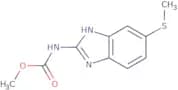
CAS:<p>Albendazole is an anti-helminthic drug that is structurally classified as a benzimidazole. It has been shown to be effective against a variety of helminths, including roundworms, pinworms, hookworms, and tapeworms. Albendazole impurity F is an analytical standard for the determination of albendazole in pharmaceutical products by HPLC. It also serves as a reference substance to establish the purity of drug products containing albendazole and its metabolites. Albendazole impurity F is not considered to be a metabolite of albendazole because it has been shown to be stable under acidic conditions and can be synthesized from other starting materials.</p>Fórmula:C10H11N3O2SPureza:Min. 95%Peso molecular:237.28 g/molAvocadyne
CAS:<p>Avocadyne is a bioactive compound, which is sourced from avocados, specifically from the lipids extracted from the fruit. Its mode of action involves interacting with cellular pathways that are relevant to inflammation and metabolic regulation, showcasing effects that may influence various biochemical processes.Avocadyne has been primarily studied for its potential roles in therapeutic applications due to its anti-inflammatory and antioxidant properties. Research suggests that this compound may modulate signaling pathways related to lipid metabolism and oxidative stress, thus offering potential benefits in the management of conditions such as metabolic disorders and chronic inflammation. Additionally, its ability to interact with these pathways positions Avocadyne as a compound of interest for further investigation in the context of neurodegenerative diseases and certain cancers. Scientifically, the exploration of Avocadyne's effects on cellular models aims to elucidate its mechanism of action and optimize its potential therapeutic applications. This necessitates a thorough understanding of its biochemical interactions and the possible modulation of various molecular targets within diseased states.</p>Fórmula:C17H32O3Pureza:Min. 95%Peso molecular:284.43 g/molo-Desmethyl venlafaxine N-dimer
CAS:<p>o-Desmethyl venlafaxine N-dimer is a metabolite of venlafaxine that has been identified in human plasma. It is a white to off-white crystalline powder with a melting point of about 175°C. The purity of the product is more than 98%. It is soluble in methanol and ethanol, but insoluble in water. The o-desmethyl venlafaxine N-dimer was developed as an analytical reference standard for use in HPLC analysis of venlafaxine and its metabolites and impurities.</p>Fórmula:C32H48N2O4Pureza:Min. 95%Peso molecular:524.73 g/molEnniatin B4
CAS:<p>Enniatin B4 is a potent inhibitor of cancer cells that has been shown to disrupt the cell cycle and induce apoptosis in breast cancer cell lines. This compound is derived from Chinese medicine and is a protein that specifically targets tumor cells, making it an effective anticancer agent. Enniatin B4 has also been found to be an inhibitor of leukemia cells and has shown activity against aryl hydrocarbon receptor (AhR)-dependent cancers. In human studies, this compound has demonstrated promising results as a potential treatment for various types of cancer due to its ability to selectively target cancer cells while leaving healthy cells unharmed.</p>Fórmula:C34H59N3O9Pureza:Min. 95%Peso molecular:653.8 g/molClarithromycin (9E)-O-Methyloxime
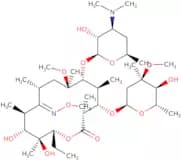
CAS:<p>Clarithromycin (9E)-O-Methyloxime is an analytical standard for Clarithromycin. It is a metabolite of Clarithromycin and has been shown to be a potent inhibitor of cytochrome P450 3A4 in human liver microsomes. Clarithromycin (9E)-O-Methyloxime is also an impurity in the drug product, which is used to treat bacterial infections.</p>Fórmula:C39H72N2O13Pureza:Min. 95%Peso molecular:776.99 g/mol1,1'-[(1-Methylethyl)imino]bis[3-[4-(2-methoxyethyl)phenoxy]-2-propanol
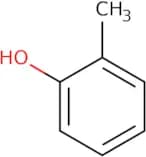
CAS:<p>1,1'-[(1-Methylethyl)imino]bis[3-[4-(2-methoxyethyl)phenoxy]-2-propanol] is a synthetic drug product that has been custom synthesized for testing purposes. It is one of the metabolites of the drug product 1,1'-[(1-Methylethyl)imino]bis[3-[4-(2-hydroxypropyl)phenoxy]-2-propanol]. The metabolite has not been found in nature and its structure is unknown. Metabolism studies have been performed on this metabolite to determine its metabolic pathway. This metabolite is an impurity standard for HPLC analysis.</p>Fórmula:C27H41NO6Pureza:Min. 95%Peso molecular:475.62 g/molo-Cresol-d7
CAS:<p>Please enquire for more information about o-Cresol-d7 including the price, delivery time and more detailed product information at the technical inquiry form on this page</p>Fórmula:C7H8OPureza:Min. 95%Peso molecular:115.18 g/molTrazodone Hydrochloride BP Impurity A
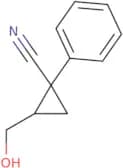
CAS:<p>Trazodone Hydrochloride BP Impurity A is an unproven impurity of Trazodone. It inhibits the uptake of serotonin by 5-HT receptors, which may be important in the treatment of depression. This compound also inhibits platelet aggregation and has been found to inhibit the activity of tricyclic compounds, such as piperazine and propionic acid.</p>Fórmula:C19H22CIN5O2Pureza:Min. 95%Peso molecular:491.33 g/mol2-(Hydroxymethyl)-1-phenylcyclopropanecarbonitrile
CAS:<p>Please enquire for more information about 2-(Hydroxymethyl)-1-phenylcyclopropanecarbonitrile including the price, delivery time and more detailed product information at the technical inquiry form on this page</p>Fórmula:C11H11NOPureza:Min. 95%Peso molecular:173.21 g/molNSC 116339
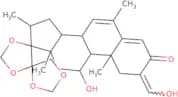
CAS:<p>Please enquire for more information about NSC 116339 including the price, delivery time and more detailed product information at the technical inquiry form on this page</p>Fórmula:C26H34O7Pureza:Min. 95%Peso molecular:458.5 g/mol4-Hydroxy guanabenz hydrochloride
CAS:<p>Please enquire for more information about 4-Hydroxy guanabenz hydrochloride including the price, delivery time and more detailed product information at the technical inquiry form on this page</p>Fórmula:C8H9Cl3N4OPureza:Min. 95%Peso molecular:283.5 g/molAlverine EP Impurity D
<p>Alverine EP Impurity D is a synthetic impurity that is the result of the synthesis of Alverine EP. It is a metabolite that can be found in blood plasma and urine. This substance has been shown to have pharmacological activity, but its exact function is unknown. It is not present in natural sources and it does not have pharmacopoeia listing. Alverine EP Impurity D has been detected by HPLC analysis.END></p>Fórmula:C20H33NPureza:Min. 95%Peso molecular:287.48 g/molBupropion (R)-Isomer
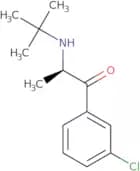
CAS:Producto controlado<p>Bupropion is a racemic mixture of two enantiomers. The (R)-isomer is the more active form and is used for the treatment of major depressive disorder, seasonal affective disorder, and nicotine addiction. Bupropion has been shown to inhibit monoamine oxidase type A in humans and other mammals. This inhibition may be responsible for its antidepressant effects. The drug also has an effect on the liver, which can lead to serious side effects such as seizures or death if not monitored carefully. Bupropion has a high affinity for α1-acid glycoprotein, which plays a role in drug interactions with other drugs that are metabolized by this protein.</p>Fórmula:C13H18ClNOPureza:Min. 95%Peso molecular:239.74 g/mol3-Hydroxy deoxy dihydro artemisinin
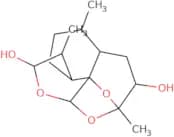
CAS:<p>3-Hydroxy deoxy dihydro artemisinin is a drug product that is an analytical standard for the determination of artemisinin in natural and synthetic samples. It is a metabolite of artemisinin, which is a natural compound extracted from Artemisia annua L. (Asteraceae). 3-Hydroxy deoxy dihydro artemisinin is also an impurity found in commercial preparations of artemisinins. 3-Hydroxy deoxy dihydroartemisinin has been used as an API impurity standard, and has been synthesized as part of drug development research and development. The purity of this substance was determined by HPLC analysis, and it complies with the pharmacopoeia requirements.</p>Fórmula:C15H24O5Pureza:Min. 95%Peso molecular:284.35 g/molHydrocotarnine hydrochloride
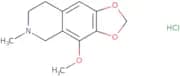
CAS:<p>Hydrocotarnine hydrochloride is a medicinal compound that has been found to have anticancer properties. It is an inhibitor of protein kinases, which are enzymes that play a key role in regulating cell cycle progression and apoptosis. Hydrocotarnine hydrochloride has been shown to induce apoptosis in cancer cells, making it a promising candidate for the development of novel cancer therapies. This compound has also been identified as a potential inhibitor of tumor growth in Chinese medicine. In vitro studies have demonstrated that hydrocotarnine hydrochloride inhibits the proliferation of various cancer cell lines, suggesting its potential as a therapeutic agent for the treatment of cancer.</p>Fórmula:C12H16ClNO3Pureza:Min. 95%Peso molecular:257.71 g/moltrans-4-(6,8-Dibromo-3(4H)-quinazolinyl)cyclohexanol hydrochloride
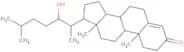
CAS:<p>Trans-4-(6,8-Dibromo-3(4H)-quinazolinyl)cyclohexanol hydrochloride is a potent kinase inhibitor that has shown promising results in anticancer research. It specifically targets human kinases and induces apoptosis in cancer cells. This compound has been identified as a potential therapeutic agent for the treatment of various types of tumors, including those found in breast, lung, and prostate cancers. In addition to its medicinal properties, trans-4-(6,8-Dibromo-3(4H)-quinazolinyl)cyclohexanol hydrochloride can be detected in urine samples and serves as an important tool for researchers studying protein kinases and their inhibitors. This analog of Chinese medicine is a valuable addition to any laboratory seeking to advance cancer research through the development of new therapies.</p>Fórmula:C14H16Br2N2O•HClPureza:Min. 95%Peso molecular:424.56 g/mol22-Hydroxycholest-4-en-3-one
CAS:Producto controlado<p>22-Hydroxycholest-4-en-3-one is an analog that has been shown to have potent anticancer activity. It works by inhibiting kinase activity, which plays a key role in the regulation of cell cycle and apoptosis. This inhibitor has been found to induce apoptosis in cancer cells, leading to tumor regression. 22-Hydroxycholest-4-en-3-one has also been shown to inhibit protein synthesis and inhibit the growth of human cancer cell lines. In Chinese medicine, it is used for its medicinal properties and is present in urine as a natural metabolite. Its potential as an anticancer agent makes it a promising candidate for further research and development of cancer therapies.</p>Fórmula:C27H44O2Pureza:Min. 95%Peso molecular:400.6 g/molN2-Methyl alfuzosin hydrochloride (1:1)
CAS:<p>N2-Methyl alfuzosin hydrochloride (1:1) is a synthetic compound that is used as an impurity standard for the drug product Alfuzosin. It has been shown to be metabolized by the liver, and its metabolites are excreted through the bile. The N2-methyl group of this compound provides a marker for metabolism studies and it has been shown to inhibit bacterial growth in vitro.</p>Fórmula:C19H28ClN5O4Pureza:Min. 95%Peso molecular:425.91 g/molSolifenacin EP impurity F succinate
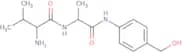
CAS:<p>Solifenacin is an anti-cholinergic drug that has been shown to have a potent antagonistic effect on muscarinic receptors. It is used in the treatment of overactive bladder, urinary incontinence, and irritable bowel syndrome. Solifenacin succinate is a metabolite of solifenacin and it has been found to be an antagonist of M3 muscarinic receptors. The presence of solifenacin and its metabolites in wastewater can interfere with treatment processes by inhibiting the removal of other organic chemicals such as tamsulosin hydrochloride. Optimisation studies for solifenacin production have shown that famotidine can be used as a process aid to reduce solifenacin impurities. Famotidine is also an antagonist of M3 muscarinic receptors and can be used to remove solifenacin from wastewater. Analytes detected in wastewater samples include solifenacin, famot</p>Fórmula:C27H32N2O6Pureza:Min. 95%Peso molecular:480.55 g/molVal-Ala-PAB
CAS:<p>Val-Ala-PAB is an analog of a naturally occurring peptide that has been shown to have anticancer properties. It induces apoptosis in cancer cells by inhibiting cyclin-dependent kinases, which are proteins that regulate cell division. Val-Ala-PAB has been shown to be effective against various types of tumors, including human and Chinese hamster ovary cells. This compound is also a potent inhibitor of the proteasome, which is a cellular complex that degrades proteins. It has been found in urine samples from patients with cancer, suggesting that it may play a role in the body's natural defense against cancer. Overall, Val-Ala-PAB holds great promise as a potential cancer treatment and inhibitor of tumor growth.</p>Fórmula:C15H23N3O3Pureza:Min. 95%Peso molecular:293.36 g/molCDC25B-IN-1
CAS:<p>Please enquire for more information about CDC25B-IN-1 including the price, delivery time and more detailed product information at the technical inquiry form on this page</p>Fórmula:C20H19NO3Pureza:Min. 95%Peso molecular:321.4 g/mol1-[[4-(3-Methoxypropoxy)-3-methyl-2-pyridinyl]methyl]-2-[[[4-(3-methoxypropoxy)-3-methyl-2-pyridinyl]methyl]sulfonyl]-1H-benzimidazo le
CAS:<p>1-[[4-(3-Methoxypropoxy)-3-methyl-2-pyridinyl]methyl]-2-[(4-(3-methoxypropoxy)-3-methyl-2-pyridinyl)methylsulfonyl]-1H-benzimidazole (MKC1807) is a synthetic drug product. MKC1807 is an analytical standard in the HPLC assay for the determination of Epiandrosterone sulfate and its metabolites. 1-[4-(3-Methoxypropoxy)-3,5,6,7,8 -pentamethylcyclohexyl]methyl 2-[(4-(3 -methoxypropoxy) 3,5,6,7,8 -pentamethylcyclohexyl)methylsulfonyl]-1H benzimidazole has been shown to be a natural metabolite of Epiandrosterone sulfate. This compound</p>Fórmula:C29H36N4O6SPureza:Min. 95%Peso molecular:568.69 g/molErythromycin impurity K
CAS:<p>Erythromycin impurity K is a synthetic impurity of erythromycin, which is an antibiotic drug product. It is typically found in pharmaceutical products that are made from natural sources and is used as a research and development (R&D) standard for the pharmacopoeia. Erythromycin impurity K can be purified by HPLC or other means to create high purity standards for analytical purposes. The chemical name of this compound is 3-[[[3-(2-Amino-4-thiazolyl)-1,2,4-triazol-5-yl]amino]methyl]-1H-indole.</p>Fórmula:C36H65NO12Pureza:Min. 95%Peso molecular:703.9 g/molrac-1,2,3,4-Tetrahydro-5-methoxy-N-propyl-2-naphthalenamine
CAS:<p>Rac-1,2,3,4-Tetrahydro-5-methoxy-N-propyl-2-naphthalenamine is an organic compound with the molecular formula C10H14N. Racemic rac-1,2,3,4-tetrahydro-5-methoxy-N propyl 2 naphthalenamine has been used in the synthesis of rotigotine. The enantiomers can be separated by means of an electrophoretic method. Racemic rac 1,2 3 4 tetrahydro 5 methoxy n propyl 2 naphthalenamine has a melting point range of 138 to 141 °C and a boiling point range of 285 to 288 °C at atmospheric pressure. This compound is soluble in organic solvents such as chloroform and ethanol and insoluble in water. It has a density of 1.07 g/cm3 at 20 °C and it is</p>Fórmula:C14H21NOPureza:Min. 95%Peso molecular:219.32 g/molN-Acetyl N-descarboxyethyl retigabine d4
CAS:<p>N-Acetyl N-descarboxyethyl retigabine (D4) is a pharmaceutical drug that is used for the treatment of epilepsy. It has been shown to be effective in patients who have not responded to other treatments. D4 binds to voltage-gated potassium channels and inhibits their opening, which leads to a decrease in neurotransmitter release from nerve cells. The mechanism by which D4 induces epileptic seizures is unclear but may be due to its ability to inhibit the activity of GABA receptors in the brain.</p>Fórmula:C15H16FN3OPureza:Min. 95%Peso molecular:273.3 g/molPantoprazole sulfone N-oxide
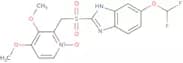
CAS:<p>Pantoprazole sulfone N-oxide is a prodrug that is converted to the active form pantoprazole in the stomach where it inhibits gastric acid secretion. Pantoprazole sulfone N-oxide has been shown to be genotoxic, and can cause polyvinyl chloride to degrade when stored together. Reconstituted solution of this drug should be used within 24 hours after reconstitution, as the chemical stability of this drug decreases rapidly. Validation studies have been conducted on different analytical methods for determining pantoprazole concentrations in reconstituted solutions, and these methods have been harmonized with those published by the United States Pharmacopeia (USP). The pump inhibitor activity of pantoprazole sulfone N-oxide has been demonstrated in dogs, and it is also useful for treating acid reflux disease in humans. Pantoprazole sulfone N-oxide is unstable at high temperatures (>25°C), so should not be refrigerated or</p>Fórmula:C16H15F2N3O6SPureza:Min. 95%Peso molecular:415.37 g/molrac 1-Hydroxy ketorolac methyl ester
CAS:Rac-1-Hydroxy ketorolac methyl ester is a drug product that is a racemic mixture of 1-hydroxy ketorolac (1HKO) and its hydroxy metabolite, ketorolac. Rac-1-Hydroxy ketorolac methyl ester is used in the manufacture of HPLC standards for analytical purposes. It is also used as an impurity standard. Rac-1-Hydroxy ketorolac methyl ester has been developed to study the metabolism of racemic 1HKO. This drug product has been shown to be chemically pure and free from any significant impurities. Rac-1-Hydroxy ketorolac methyl ester can be obtained with high purity, which meets the requirements of pharmacopoeia specifications.Fórmula:C16H15NO4Pureza:Min. 95%Peso molecular:285.29 g/molLysolecithin
CAS:<p>Lysolecithin is an analog of the phospholipid lecithin that has been shown to have anticancer properties. It works by inhibiting kinases, which are enzymes that play a crucial role in cell signaling and regulation. Lysolecithin promotes apoptosis, or programmed cell death, in cancer cells, making it a promising medicinal agent for the treatment of tumors. Studies have also shown that lysolecithin can inhibit protein kinase activity in human urine and inhibit the growth of cancer cells in Chinese hamsters. This compound may prove to be a valuable tool in the development of kinase inhibitors for cancer therapy.</p>Fórmula:C24H50NO7PPureza:Min. 95%Peso molecular:495.6 g/mol(S)-Tenofovir disoproxil fumarate
CAS:<p>Tenofovir disoproxil fumarate is a prodrug of tenofovir that is used as a clinical medication to treat HIV. Tenofovir works by inhibiting reverse transcriptase, an enzyme required for the production of viral DNA. The flow rate of this drug is high and it has a sensitivity of less than 1 ng/mL. Tenofovir disoproxil fumarate contains impurities such as methoxy, which can affect the chiral purity and sensitivity of the drug. It also contains tenofovir, which is used as an intermediate in its synthesis. This drug can be detected using chromatographic methods, which use n-hexane and a wavelength below 220 nm for liquid chromatography analysis.</p>Fórmula:C23H34N5O14PPureza:Min. 95%Peso molecular:635.5 g/molDesgadolinium gadoteridol
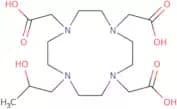
CAS:<p>Desgadolinium gadoteridol is a contrast agent that is used in magnetic resonance imaging (MRI). It is a gadolinium-based contrast agent that contains an ester linkage. The chelate complex of gadolinium with desgadolinium has been shown to have high water permeability and target tissue affinity, as well as low toxicity. Desgadolinium gadoteridol is used to diagnose inflammatory bowel diseases by determining the thickness of the bowel wall. This agent may also be used to evaluate blood pressure and diagnose hemorrhoids or colorectal polyps.</p>Fórmula:C17H32N4O7Pureza:Min. 95%Peso molecular:404.5 g/molEphedrine Hydrochloride EP Impurity A
CAS:Producto controlado<p>Ephedrine Hydrochloride EP Impurity A is a product of the biotransformations of pseudoephedrine. It has been shown that this impurity can be formed in enzymatic reactions where pseudoephedrine is acted upon by β-unsaturated ketones or by filamentous fungi. Ephedrine Hydrochloride EP Impurity A is a chiral compound, which means that it has two different forms that are non-superimposable mirror images of each other. The enantiomers (left and right) are the individual molecules that make up the racemic mixture. In some cases, ephedrine hydrochloride ep impurity a may be present as a result of a reaction between pseudoephedrine and an enzyme preparation containing β-unsaturated ketones, such as acetone peroxide or benzoyl peroxide. This impurity has been shown to inhibit candida glabrata and to have kinetic properties similar to that of ephed</p>Fórmula:C9H10O2Pureza:Min. 96 Area-%Forma y color:Clear Viscous LiquidPeso molecular:150.17 g/mol(R,S)-Equol-d4 (major)
CAS:<p>The major (R,S)-equol-d4 is a metabolite of the soy isoflavone daidzein. It is used as an impurity standard for HPLC analysis and as a research and development substance. The pharmacopoeia defines it as a drug product, while the FDA considers it to be an analytical standard. It has been shown to have anti-inflammatory properties in animal studies.</p>Fórmula:C15H10D4O3Pureza:Min. 95%Peso molecular:246.29 g/mol42-o-tert-Butyldimethylsilyloxyethyl rapamycin
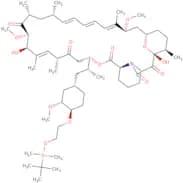
CAS:<p>Rapamycin is a natural product from Streptomyces hygroscopicus. It has been shown to inhibit T- and B-lymphocyte proliferation, induce apoptosis of lymphocytes, and suppress both humoral and cell-mediated immune responses. Rapamycin is also an immunosuppressant that decreases the incidence of rejection in organ transplant patients.<br>Rapamycin is used as a drug product in the form of a sterile solution for injection. The purity of rapamycin should be at least 99%, with less than 1% impurities, such as 42-O-tert-butyldimethylsilyloxyethyl rapamycin (TBDMS). Rapamycin is not currently available on the market as an API, but it may be custom synthesized for research purposes or for clinical trials.</p>Fórmula:C59H97NO14SiPureza:Min. 95%Peso molecular:1,072.49 g/molAliskiren carboxylic acid
CAS:<p>Aliskiren is a drug that is used for the treatment of hypertension. It is not active orally and must be given by injection or intravenously. Aliskiren is an impurity in the synthesis of aliskiren carboxylic acid, which can be found in the chemical catalogues. Aliskiren carboxylic acid is an analytical standard with high purity and can be used as an impurity standard for HPLC analysis. The CAS number for Aliskiren carboxylic acid is 173400-13-0. Aliskiren Carboxylic Acid can also serve as a metabolite or pharmacopoeia reference material, if needed.</p>Fórmula:C30H52N2O7Pureza:Min. 95%Peso molecular:552.70 g/molEthosuximide impurity A
CAS:<p>Ethosuximide impurity A is a fluorinated compound that inhibits the enzyme acetylcholinesterase. It has been shown to inhibit the catalytic mechanism of acetylcholinesterase, which leads to its inhibitory effect on the enzyme. The compound does not have any structural similarity to the other known inhibitors of this enzyme. Ethosuximide impurity A has been shown to be an antimutagen and anticarcinogen in vitro, with a postulated mechanism of action that involves inhibition of a water molecule from binding to the active site.</p>Fórmula:C7H12O4Pureza:Min. 95%Peso molecular:160.17 g/molAprepitant β-glucuronide sodium salt
CAS:<p>Aprepitant β-glucuronide sodium salt is a unique compound that has been shown to have potent anti-cancer properties. It works by inhibiting the cell cycle and inducing apoptosis in cancer cells. Aprepitant β-glucuronide sodium salt has been extensively studied in Chinese medicine and has shown promising results as an anticancer agent. This compound can be used to target specific proteins involved in the growth and proliferation of cancer cells, making it a highly effective treatment option for various types of tumors. Additionally, nanoparticles containing Aprepitant β-glucuronide sodium salt have been developed, which allows for targeted delivery and improved efficacy. Overall, this innovative compound holds great potential as a powerful tool in the fight against cancer.</p>Fórmula:C23H21F7N4O3Pureza:Min. 95%Peso molecular:534.4 g/mol17-o-(Acetyl-d3)-6-methylprednisolone
CAS:Producto controlado<p>17-o-(Acetyl-d3)-6-methylprednisolone is a drug product that belongs to the group of corticosteroids. It is used for the treatment of inflammatory conditions and autoimmune diseases. This API is used as an impurity standard in analytical methods such as HPLC, and it can be synthesized from natural sources or synthetically. 17-o-(Acetyl-d3)-6-methylprednisolone can also be used in R&D for the development of drugs targeting niche markets, such as those with high purity requirements.</p>Fórmula:C24H29D3O6Pureza:Min. 95%Peso molecular:419.53 g/mol



![(Z) -2- [4- (1, 2- Diphenylethenyl) phenoxy] - N, N- diethyl- ethanamine hydrochloride (E/Z Mixtur…](/_next/image/?url=https%3A%2Fstatic.cymitquimica.com%2Fproducts%2F3D%2Fthumb-webp%2FOD166680.webp&w=3840&q=75)

![N-[(2R)-3-{[3-Fluoro-4-(4-morpholinyl)phenyl]amino}-2-hydroxypropyl]acetamide](/_next/image/?url=https%3A%2Fstatic.cymitquimica.com%2Fproducts%2F3D%2Fthumb-webp%2FIF58040.webp&w=3840&q=75)
![4-Desfluoro-4-[4-(2-oxo-2,3-dihydro-1H-benzimidazol-1-yl)-3,6-dihydropyridin-1(2H)-yl] droperidol](/_next/image/?url=https%3A%2Fstatic.cymitquimica.com%2Fproducts%2F3D%2Fthumb-webp%2FWDC60417.webp&w=3840&q=75)

![1-[(1-Methylethyl)amino]-3-phenoxy-2-propanol](/_next/image/?url=https%3A%2Fstatic.cymitquimica.com%2Fproducts%2F3D%2Fthumb-webp%2FIM63785.webp&w=3840&q=75)
![2,2-Bis[4-(2-diethylaminoethoxy)phenyl]-1,2-diphenylethanone](/_next/image/?url=https%3A%2Fstatic.cymitquimica.com%2Fproducts%2F3D%2Fthumb-webp%2FOB166693.webp&w=3840&q=75)


![a-[3-[[2-(3,4-Dimethoxyphenyl)ethyl]methylamino]propyl]-3,4-dimethoxy-a-propyl-benzeneacetonitrile](/_next/image/?url=https%3A%2Fstatic.cymitquimica.com%2Fproducts%2F3D%2Fthumb-webp%2FID145564.webp&w=3840&q=75)
![Des[2-[(2-hydroxyethyl)amino]ethyl] mitoxantrone](/_next/image/?url=https%3A%2Fstatic.cymitquimica.com%2Fproducts%2F3D%2Fthumb-webp%2FID21105.webp&w=3840&q=75)
![Pioglitazone Pyridine-6-[4-[2-[5-ethyl-6-[4-[2-(5-ethyl-2-pyridinyl)ethoxy]phenyl]](/_next/image/?url=https%3A%2Fstatic.cymitquimica.com%2Fproducts%2F3D%2Fthumb-webp%2FIP165311.webp&w=3840&q=75)

![N-Formyl-D-leucine (1R)-1-[[(2S,3S)-3-hexyl-4-oxo-2-oxetanyl]methyl]dodecyl ester](/_next/image/?url=https%3A%2Fstatic.cymitquimica.com%2Fproducts%2F3D%2Fthumb-webp%2FIF26577.webp&w=3840&q=75)
![a-(Aminocarbonyl)-4-[2-(5-ethyl-2-pyridinyl)ethoxy]benzeneethanesulfonic acid](/_next/image/?url=https%3A%2Fstatic.cymitquimica.com%2Fproducts%2F3D%2Fthumb-webp%2FIA27057.webp&w=3840&q=75)




![1,1'-[(1-Methylethyl)imino]bis[3-[4-(2-methoxyethyl)phenoxy]-2-propanol](/_next/image/?url=https%3A%2Fstatic.cymitquimica.com%2Fproducts%2F3D%2Fthumb-webp%2FIM63789.webp&w=3840&q=75)




![1-[[4-(3-Methoxypropoxy)-3-methyl-2-pyridinyl]methyl]-2-[[[4-(3-methoxypropoxy)-3-methyl-2-pyridin…](/_next/image/?url=https%3A%2Fstatic.cymitquimica.com%2Fproducts%2F3D%2Fthumb-webp%2FIM25352.webp&w=3840&q=75)