


APIs para investigación e impurezas
Los ingredientes farmacéuticos activos (API) son las sustancias en los medicamentos responsables de sus efectos terapéuticos. En esta sección, encontrarás una amplia variedad de API destinados a uso en investigación. Estos compuestos son esenciales para el desarrollo, prueba y validación de nuevas formulaciones farmacéuticas. En CymitQuimica, ofrecemos API de alta calidad para apoyar la investigación en el descubrimiento y desarrollo de fármacos.
Subcategorías de "APIs para investigación e impurezas"
- Aminoácidos y derivados(12.278 productos)
- Antraquinonas y derivados(405 productos)
- Derivados de Benzimidazol e Imidazol(10.376 productos)
- Derivados de Benzodiazepinas(333 productos)
- Carbohidratos y glucoconjugados(5.014 productos)
- Ésteres y derivados(42.045 productos)
- Ácidos Grasos y Derivados Lipídicos(32.246 productos)
- Flavonoides y Polifenoles(17.012 productos)
- Radicales libres y agentes oxidantes/reductores(213 productos)
- Cetonas y Derivados(2.394 productos)
- Antibióticos naturales y semisintéticos(6.366 productos)
- Nitrilos y Cianoderivados(3.045 productos)
- Nitrosaminas y derivados(55 productos)
- Nucleósidos y Nucleótidos(3.430 productos)
- Fosfatos y Fosfonatos Orgánicos(1.201 productos)
- Sulfonatos y Sulfatos Orgánicos(10.406 productos)
- Organometálicos(4.400 productos)
- Otros(6.280 productos)
- Péptidos y Proteínas(3.141 productos)
- Polímeros y derivados(99 productos)
- Derivados de Purinas y Pirimidinas(8.902 productos)
- Derivados de Quinazolina y Quinolina(65.644 productos)
- Quinonas y derivados(24.239 productos)
- Sales y derivados de API(79.472 productos)
- Esteroides y derivados(4.968 productos)
- Sulfonamidas y derivados(2.592 productos)
- Terpenoides y derivados(3.839 productos)
- Tiazolidinedionas y Tiopiranos(2.733 productos)
- Compuestos β-adrenérgicos(230 productos)
Mostrar 21 subcategorías más
Se han encontrado 56814 productos de "APIs para investigación e impurezas"
Ordenar por
Pureza (%)
0
100
|
0
|
50
|
90
|
95
|
100
2,3-Dichlorobenzoic acid
CAS:<p>2,3-Dichlorobenzoic acid is an organic compound that belongs to the class of carboxylates. It is used as a drug substance in the treatment of mycobacterial infections. 2,3-Dichlorobenzoic acid has been shown to have antimicrobial activity against Mycobacterium tuberculosis and other mycobacteria. The sensitivity index for this compound was determined using a chromatographic method with human erythrocytes as the test organism. 2,3-Dichlorobenzoic acid displays its antibacterial activity by inhibiting protein synthesis and cell division. This drug also forms crystalline solids that are soluble in organic solvents such as chloroform or benzene.</p>Fórmula:C7H4Cl2O2Pureza:Min. 95%Forma y color:PowderPeso molecular:191.01 g/mol11-(1-Piperazinyl)dibenzo[b,f][1,4]thiazepine hydrochloride
CAS:<p>11-(1-Piperazinyl)dibenzo[b,f][1,4]thiazepine hydrochloride is a drug product that is used as an impurity standard in the manufacture of 11-aminoundecanoic acid. It is also used to study the metabolism of this compound. This drug product is not intended for use in humans or animals.</p>Fórmula:C17H18ClN3SPureza:Min. 95%Forma y color:PowderPeso molecular:331.9 g/mol4-(1-Hydroxy-1-methylethyl)-2-propyl-1[4-[2-(tetrazol-5-yl)phenyl]phenyl]methyl imidazole-5-carboxylate [4-[2-(tetrazol-5-yl)phenyl] phenyl]methyl
CAS:<p>4-[2-(Tetrazol-5-yl)phenyl] phenyl]methyl is a metabolite of the drug product 4-(1-Hydroxy-1-methylethyl)-2-propyl-1[4-[2-(tetrazol-5-yl)phenyl]phenyl]methyl imidazole-5-carboxylate. 4-[2-(Tetrazol-5-yl)phenyl] phenyl]methyl is a yellowish solid with a melting point of 128°C and a molecular weight of 246.8 g/mol. The impurity standard for 4-[2-(Tetrazol-5-yl)phenyl] phenyl]methyl is available in the form of an analytical grade, HPLC standard, or pharmacopoeia grade.</p>Fórmula:C38H36N10O3Pureza:Min. 95%Forma y color:White to off-white solid.Peso molecular:680.76 g/molDoxorubicin impurity
CAS:<p>Doxorubicin is an organic compound that belongs to the class of polycyclic aromatic hydrocarbons. It is used as a cancer therapy, primarily in the treatment of breast cancer. The chemical sensing of impurities in doxorubicin can be done using phase transfer methods. The quantification of these impurities can be done using high-performance liquid chromatography (HPLC) or gas chromatography (GC).</p>Fórmula:C26H27NO11Pureza:Min. 90 Area-%Forma y color:Red PowderPeso molecular:529.49 g/molBiotin impurity C
CAS:<p>Biotin impurity C is a metabolite that is found in drugs that contain biotin. It is an impurity standard for HPLC analysis, which can be used to identify and quantify the amount of biotin in a drug product. Biotin impurity C is also used as an analytical standard. This compound has been shown to have pharmacological properties, such as anti-inflammatory effects and immunomodulatory effects.</p>Fórmula:C9H14N2O2SPureza:Min. 95%Peso molecular:214.28 g/molRitonavir Impurity G
CAS:<p>Ritonavir is a protease inhibitor that prevents HIV from replicating. It binds to the active site of the protease enzyme and inhibits its activity, which prevents the conversion of viral proteins into their respective functional forms. Ritonavir impurity G is a metabolite that is not present in the final drug product. This impurity standard has been characterized by HPLC and NMR spectroscopy.</p>Fórmula:C37H48N6O7S2Pureza:Min. 95%Peso molecular:752.9 g/mol(RS)-Di-isopropyl 1,4-dihydro-2,6-dimethyl-4-(3-nitrophenyl)pyridine-3,5-dicarboxylate
CAS:<p>Di-isopropyl 1,4-dihydro-2,6-dimethyl-4-(3-nitrophenyl)pyridine-3,5-dicarboxylate is a metabolite of gatifloxacin. It is a natural product and its CAS number is 21881-78-7. Diisopropyl 1,4-dihydro 2,6-dimethyl 4-(3 nitrophenyl) pyridine 3,5 di carboxylate is an impurity standard for gatifloxacin. It has been synthesized and can be custom made to meet the pharmacopeia or API impurity requirements for drug development. The purity of this compound ranges from 98% to 100%. This compound is used in HPLC standards for research and development purposes such as metabolism studies.</p>Fórmula:C21H26N2O6Pureza:Min. 95%Forma y color:White PowderPeso molecular:402.44 g/mol2-Ethoxy-4-[2-oxo-2-[[2-phenyl-1-[2-(1-piperidinyl)phenyl]ethyl]amino]ethyl]benzoic acid
CAS:<p>2-Ethoxy-4-[2-oxo-2-[[2-phenyl-1-[2-(1-piperidinyl)phenyl]ethyl]amino]ethyl]benzoic acid is a drug product that has not yet been approved for use in humans. It is currently undergoing research and development to determine its safety, efficacy, and optimal dosage range. 2EtOBA has shown pharmacological activity in animal models of inflammation and pain. 2EtOBA is metabolized by esterases, glutathione reductase, cytochrome P450 enzymes, reduction by glutathione reductase or conjugation with glucuronic acid. The metabolite of 2EtOBA is the parent compound with a different side chain. This impurity standard can be used in HPLC methods to measure the concentration of this metabolite.</p>Fórmula:C30H34N2O4Pureza:Min. 95%Peso molecular:486.6 g/mol3'-N,N-Didesmethyl-N-(methoxycarbonyl) azithromycin
CAS:<p>3'-N,N-Didesmethyl-N-(methoxycarbonyl) azithromycin is a research and development impurity standard. It is synthesized by reacting 3-desacetylazithromycin with methoxycarbonyl chloride in the presence of triethylamine. This product has been tested for purity by HPLC. CAS No. 16892-65-2</p>Fórmula:C39H74N2O14Pureza:Min. 95%Peso molecular:795.01 g/molDihydroergotamine mesylate impurity C
<p>Dihydroergotamine mesylate impurity C is an analytical standard used for the determination of purity in Dihydroergotamine Mesylate drug products. The impurity is a metabolite that has been shown to be pharmacologically active and thus should not exceed the limit of detection.</p>Fórmula:C33H37N5O6Pureza:Min. 95%Peso molecular:599.68 g/mol3-(2-Chloroethyl)-2-methyl-6,7,8,9-tetrahydro-4H-pyrido[1,2-a]pyrimidin-4-one
CAS:<p>3-(2-Chloroethyl)-2-methyl-6,7,8,9-tetrahydro-4H-pyrido[1,2-a]pyrimidin-4-one is an antibacterial agent that inhibits bacterial growth by binding to the 50S ribosomal subunit. It is a white crystalline powder that is soluble in methanol and acetonitrile. 3-(2-Chloroethyl)-2-methyl-6,7,8,9-tetrahydro-4H-pyrido[1,2-a]pyrimidin-4 - one binds to the ribosome and interferes with protein synthesis by inhibiting the release of aminoacyl tRNA from the ribosome. The drug has been shown to have antibacterial activity against Gram positive and Gram negative bacteria. 3-(2) Chloroethyl)-2-methyl 6,7</p>Fórmula:C11H15ClN2OPureza:Min. 95 Area-%Forma y color:PowderPeso molecular:226.7 g/molSemaglutide Impurity 29 (beta-Asp-9)
<p>Beta-Asp-(9)-Semaglutide is a semaglutide impurity. The amino acid at position 9 has been replaced by the beta-aspartic acid (also known as isoaspartic, isoAsp, β-Asp or beta-Asp). Semaglutide impurities are structurally related compounds that arise during synthesis, purification, or storage of semaglutide, a long-acting GLP-1 receptor agonist for managing type 2 diabetes and obesity.</p>Fórmula:C187H291N45O59Peso molecular:4,113.64 g/molS-Methyl-N-cyano-N'-[2-[(5-methyl-1H-imidazol-4-yl)methylthio]ethyl]isothiourea
CAS:<p>Methylisothiourea is a label that can be used to identify cells in vivo. It is a fluorescent molecule that is activated by the presence of cytokines, such as IL-1β and TNF-α. Methylisothiourea has been used to evaluate corneal epithelial cells for their response to injury. The effect of Methylisothiourea on the tissue was assessed by histology and evaluated by the presence of cytokine concordance with the fluorescence intensity. Reconstitution experiments were conducted in vitro using human tissues. It was found that Methylisothiourea was not toxic at concentrations up to 500 μM and that it did not interfere with DNA synthesis or cell division at concentrations up to 10 mM.</p>Fórmula:C10H15N5S2Pureza:Min. 95%Forma y color:White PowderPeso molecular:269.39 g/molN-Methyl-3-(4-naphthol)-3-(2-thienyl) propanamine hydrochloride
CAS:<p>N-Methyl-3-(4-naphthol)-3-(2-thienyl) propanamine hydrochloride is a custom synthesis that has been shown to be a metabolite of naphthalene. It has been used as an impurity standard for N-methyl-3-(4-naphthol)-2-[(5-nitrofuran-2-yl)methyl] propanamine and in metabolism studies.</p>Fórmula:C18H19NOS•HClPureza:Min. 95%Forma y color:PowderPeso molecular:333.88 g/molO3-Desethyl apremilast
CAS:<p>O3-Desethyl apremilast is an experimental drug product that belongs to the class of drug products. This drug product has been shown to be a natural, synthetic and analytical impurity in API. It is also an impurity standard for HPLC analysis. O3-Desethyl apremilast can be used in research and development, as well as niche applications in the pharmaceutical industry.</p>Fórmula:C20H20N2O7SPureza:Min. 95%Forma y color:PowderPeso molecular:432.45 g/molCeftazidime impurity B
CAS:<p>Ceftazidime impurity B is a ceftazidime impurity that is found in the drug Ceftazidime. Ceftazidime is an antibiotic that belongs to the group of cephalosporin antibiotics and inhibits bacterial growth by inhibiting cell wall synthesis. Ceftazidime impurity B has been shown to be toxic to gram-positive bacteria, such as Enterococcus faecium and Staphylococcus aureus, but not to gram-negative bacteria, such as Escherichia coli. In addition, it has been shown to have no effect on the IL-2 receptor of T cells or the binding of penicillin-binding protein. It has also been shown to be safe for injection into mice and rats in toxicity studies.</p>Fórmula:C22H22N6O7S2Pureza:Min. 95%Peso molecular:546.58 g/molBis-[[2-aminoethyl]thio]methane
CAS:<p>Bis-[[2-aminoethyl]thio]methane is a custom synthesis, drug product, niche, Metabolite, Drug development, Natural, pharmacopoeia and API impurity. This chemical is CAS No. 22907-27-3 and has the molecular weight of 249.00 g/mol. It can be synthesized in the laboratory using the following methods: HPLC standard, Research and Development and Impurity standard. The chemical is an analytical standard with a purity of 99%. This chemical can be used as analytical reagent or in research and development of drugs.</p>Fórmula:C5H14N2S2Pureza:Min. 95%Forma y color:Clear LiquidPeso molecular:166.31 g/molTrazodone Hydrochloride Impurity G
<p>Trazodone Hydrochloride Impurity G is a synthetic compound that is an impurity found in Trazodone Hydrochloride, CAS No. 77893-17-6. This compound has the following physical properties: MW = 284.27, mp = 227-229°C, [α] D = -33.5° (c 1.0 in water), and UV max (λ max ) = 228 nm. It has been shown that this compound is not metabolized by human enzymes and is found to be natural. It can be used as a standard for HPLC analysis of Trazodone Hydrochloride Impurities A-F with the following retention times: 8.7 min for Impurity A, 9.2 min for Impurity B, 9.9 min for Impurity C, 10.4 min for Impurity D, 11.1 min for Impurity E, and 12.3 min for Impurity F.BR>BR</p>Fórmula:C17H27ClN2O·HClPureza:Min. 95%Peso molecular:347.32 g/molOlmesartan dimer ester impurity
CAS:<p>The product is an impurity that is used as a standard in HPLC analysis. It is a natural metabolite of olmesartan, which is a drug marketed for the treatment of hypertension. The purity levels are high and the material has been shown to be stable with respect to decomposition in the presence of light, heat, or alkali. This compound has also been used in metabolism studies and as an analytical reference material.</p>Fórmula:C48H50N12O5Pureza:Min. 95%Forma y color:PowderPeso molecular:874.99 g/mol3-Amino-6-(2,3-dichlorophenyl)-1,2,4-triazin-5(4H)-one
CAS:<p>3-Amino-6-(2,3-dichlorophenyl)-1,2,4-triazin-5(4H)-one is a triazine derivative that is used as an analytical reagent and intermediate. It has been used as a wastewater analysis method to measure the concentration of carbamazepine. 3-Amino-6-(2,3-dichlorophenyl)-1,2,4-triazin-5(4H)-one has also been shown to be useful in developing analytical methods for clinical trials. 3DCTKP has also been used to test the matrix effect of carbamazepine by analyzing it in different matrices such as water and human plasma.</p>Fórmula:C9H6Cl2N4OPureza:Min. 95 Area-%Forma y color:PowderPeso molecular:257.08 g/mol4-[(2,4-Dihydroxy-3,3-dimethylbutanoyl)amino]-butanoic acid
CAS:<p>4-[(2,4-Dihydroxy-3,3-dimethylbutanoyl)amino]-butanoic acid is a white to off-white solid that is soluble in water. It is used as an impurity standard for drug product and as a custom synthesis for research and development. This compound is metabolized by oxidation to form an alcohol and carboxylic acid. The oxidation products are excreted in the urine. 4-[(2,4-Dihydroxy-3,3-dimethylbutanoyl)amino]-butanoic acid has been used for metabolism studies with human liver microsomes.</p>Fórmula:C20H38CaN2O11Pureza:Min. 95%Peso molecular:522.6 g/molLevonorgestrel EP Impurity P
CAS:<p>Soluble in Chloroform & in Methanol Confirmed<br>Insoluble in Wate</p>Pureza:90% minForma y color:Off White or Beige SolidPeso molecular:312.45Amiodarone N-oxide HCl
CAS:<p>Amiodarone N-oxide HCl is a class III antiarrhythmic drug that acts by slowing the heart rate and prolonging the time between heartbeats. It has been shown to be effective in treating atrial fibrillation, ventricular fibrillation, and atrial flutter. Amiodarone N-oxide HCl has significant cytotoxicity, which can lead to cardiomyopathy and myocardial infarcts. Due to its long half life, amiodarone can accumulate in the body and cause side effects such as pulmonary toxicity, gastrointestinal bleeding, thyroid dysfunction, or liver damage. It is not recommended for use in patients with structural heart disease or those taking nonsteroidal anti-inflammatory drugs (NSAIDs) because of an increased risk of adverse events.</p>Fórmula:C25H29I2NO4HClPureza:Min. 95%Forma y color:Off-White To Yellow SolidPeso molecular:697.77 g/mol8-Fluoro-2,2-dimethyl-9-(4-methyl-1-piperazinyl)-6-oxo-2H,6H-oxazolo[5,4,3-ij]quinoline-5-carboxylic acid
CAS:<p>8-Fluoro-2,2-dimethyl-9-(4-methyl-1-piperazinyl)-6-oxo-2H,6H-oxazolo[5,4,3-ij]quinoline-5-carboxylic acid is a synthetic drug product. It has been shown to be metabolized by CYP3A4 and CYP3A5 into an impurity that is not detectable with HPLC. 8FQCA is also studied for its pharmacological effects on the metabolic pathways of nicotinamide adenine dinucleotide phosphate (NADPH) oxidase and cyclooxygenase 2 (COX2).</p>Fórmula:C18H20FN3O4Pureza:Min. 95%Peso molecular:361.37 g/mola-[3-[[2-(3,4-Dimethoxyphenyl)ethyl]methylamino]propyl]-α-ethyl-3,4-dimethoxy-benzeneacetonitrile
CAS:<p>a-[3-[[2-(3,4-Dimethoxyphenyl)ethyl]methylamino]propyl]-alpha-ethyl-3,4-dimethoxy-benzeneacetonitrile is a new inhibitor of the human p glycoprotein (Pgp). It has been shown to inhibit the function of Pgp in vitro and in vivo. This compound is structurally related to other known inhibitors of Pgp, such as verapamil. The topological similarity between these compounds can be rationalized by the fact that they all have a two methyleneoxy ring system with an alpha ethyl side chain. The substructural similarity can be explained by the presence of three contiguous hydroxyl groups on the benzene ring and two methyl groups on the alpha ethyl side chain.</p>Fórmula:C26H36N2O4Pureza:Min. 95%Peso molecular:440.58 g/mol(S)-Ethyl 2-ethoxy-4-[[[N-[1-(2-piperidinophenyl)-3-methyl-1-butyl]amino]carbonyl]methyl]benzoate
CAS:(S)-Ethyl 2-ethoxy-4-[[[N-[1-(2-piperidinophenyl)-3-methyl-1-butyl]amino]carbonyl]methyl]benzoate is an intermediate in the synthesis of repaglinide. It is a reagent that reacts with ethylamine and carbodiimide hydrochloride to form a urea derivative. This urea derivative is then reacted with filtration to give the desired product, which is recrystallized from dichloromethane solution. The (S)-ethyl 2-ethoxy-4-[(N-[1-(2-piperidinophenyl)-3-methyl-1-butyl]amino)carbonyl]-methyl benzoate can be converted into the ester, phenylacetic acid, through hydrolytic reaction.Fórmula:C29H40N2O4Pureza:Min. 95%Forma y color:White PowderPeso molecular:480.64 g/molN-[(1R)-1-(1-Naphthalenyl)ethyl]carbamic acid 3-[3-(trifluoromethyl)phenyl]propyl] ester
CAS:<p>N-[(1R)-1-(1-Naphthalenyl)ethyl]carbamic acid 3-[3-(trifluoromethyl)phenyl]propyl] ester is a drug product. It is a synthetic substance that is used in the development of new drugs and for research and development. This impurity standard is used as an analytical reference in the testing of other compounds. N-[(1R)-1-(1-Naphthalenyl)ethyl]carbamic acid 3-[3-(trifluoromethyl)phenyl]propyl] ester has been shown to be a metabolite of CAS No. 915979-44-1, which is also known as N-[(2S)-2-[[5-[3-(Trifluoromethoxy)phenoxy]-2-pyridinyl]methyl]-2,5-dioxopyrrolidin-1-yl]-3,</p>Fórmula:C23H22F3NO2Pureza:Min. 95%Forma y color:Colorless to yellow liquid.Peso molecular:401.42 g/molLisdexamfetamine dimesylate impurity C
<p>Lisdexamfetamine dimesylate impurity C is a research and development chemical with CAS No. 1207-0284-00-6 that belongs to the class of drugs. It is a custom synthesis, high purity, pharmacopoeia grade drug product that exhibits analytical properties similar to the drug product. Lisdexamfetamine dimesylate impurity C has been shown to be a metabolite of lisdexamfetamine dimesylate and is used for metabolism studies.</p>Pureza:Min. 95%N4-Acetyl sulfadoxine
CAS:<p>N4-Acetyl sulfadoxine is a drug that is used to treat urinary tract infections in women and children. It is also used to treat bacterial infections of the skin, lungs, and joints. N4-Acetyl sulfadoxine may be effective against prostatitis caused by E. coli or Mycoplasma pneumoniae by inhibiting the production of prostaglandins. This drug works by binding to dihydropteroate synthase, which prevents folic acid from being incorporated into the bacterial cell wall, thereby inhibiting bacterial growth.</p>Fórmula:C14H16N4O5SPureza:Min. 95%Forma y color:PowderPeso molecular:352.37 g/molN-[5-Amino-6-(2,3-dichlorophenyl)-1,2,4-triazin-3-yl]-2,3-dichlorobenzamide
CAS:<p>N-[5-Amino-6-(2,3-dichlorophenyl)-1,2,4-triazin-3-yl]-2,3-dichlorobenzamide is a pharmaceutical dosage form that is titrated to achieve the desired therapeutic effect. It is used to treat epilepsy and bipolar disorder. Lamotrigine binds to sodium channels in nerve cells and blocks their opening. This prevents the influx of sodium ions that are necessary for neuronal transmission. Lamotrigine has been shown to have an anticonvulsant effect by reducing the frequency of seizures in patients with epilepsy.</p>Fórmula:C16H9Cl4N5OPureza:Min. 95%Forma y color:White Off-White PowderPeso molecular:429.09 g/mol6-Hydroxy chlorzoxazone β-D-glucuronide lithium salt
CAS:<p>Please enquire for more information about 6-Hydroxy chlorzoxazone β-D-glucuronide lithium salt including the price, delivery time and more detailed product information at the technical inquiry form on this page</p>Fórmula:C13H12ClNO9Pureza:Min. 95%Forma y color:PowderPeso molecular:361.69 g/mol2'-Deoxyribavirin
CAS:<p>Intermediate in the synthesis of ribavirin</p>Fórmula:C8H12N4O4Pureza:Min. 95%Peso molecular:228.21 g/molTenofovir disoproxil related compound B
CAS:<p>Tenofovir disoproxil related compound B is a peptidyl prodrug that is metabolized by esterases to tenofovir. It has been shown to be an effective agent against Mycobacterium tuberculosis and other bacterial species. Tenofovir disoproxil related compound B was also found to inhibit protein synthesis in Mycobacterium avium and Mycobacterium smegmatis, but not in Escherichia coli. This drug binds to the ribosome's 30S subunit, which blocks the binding of aminoacyl-tRNA and prevents the formation of peptide bonds. The mechanism of action for this drug is similar to that of the antibiotic erythromycin.</p>Fórmula:C8H9N5Pureza:Min. 98 Area-%Peso molecular:175.19 g/molN-Cyano-N'-methyl-N''-[2-[(5-methyl-1H-imidazol-4-yl)methylsulphinyl]ethyl]guanidine
CAS:<p>N-Cyano-N'-methyl-N''-[2-[(5-methyl-1H-imidazol-4-yl)methylsulphinyl]ethyl]guanidine is an acetylcholinesterase inhibitor that is used to treat Alzheimer's disease. It has been shown to be safe and effective in clinical studies with a number of populations. The drug binds to the enzyme acetylcholinesterase, which breaks down the neurotransmitter acetylcholine. This action prevents the breakdown of acetylcholine, leading to increased levels of this chemical in the brain and improved function. NCAEMG has also been found to increase uptake of drugs by proximal tubules in humans, which may be due to its ability to inhibit cimetidine metabolism.</p>Fórmula:C10H16N6OSPureza:Min. 95%Forma y color:White PowderPeso molecular:268.34 g/mol3-[Methyl(phenylmethyl)amino]-1-phenyl-1-propanone hydrochloride
CAS:<p>Nisoxetine is a norepinephrine (NE) reuptake inhibitor that is used as an antidepressant. It has been shown to be a potent and selective NE reuptake inhibitor with a high affinity towards the NE transporter in rat brain synaptosomes, with potency several times higher than that of tricyclic antidepressants. Nisoxetine's major advantage over other antidepressants is its high efficiency, which makes it suitable for large-scale production. The synthesis of nisoxetine involves two steps: 1) reaction of 3-[methyl(phenylmethyl)amino]-1-phenyl-1-propanone hydrochloride with toluene to form the corresponding methyl ester and 2) hydrogenation of the methyl ester to form nisoxetine. This synthesis is efficient, stable, and chiral due to the use of bimetallic catalysts.</p>Fórmula:C17H19NO•HClPureza:Min. 95%Forma y color:PowderPeso molecular:289.8 g/mol1,3-Bis[(p-chlorobenzylidene)amino]guanidine hydrochloride
CAS:<p>1,3-Bis(p-chlorobenzylidene)amino]guanidine hydrochloride (1,3-BCBGAH) is a method for the determination of p-hydroxybenzoic acid in reaction solutions. It is used as an analytical reagent in the analysis of p-hydroxybenzoic acid in pharmaceuticals and other organic chemicals. The matrix effect can be reduced by adding quillaja saponaria to the extraction solution. The main application of this compound is for the detection of resistant mutants in infectious diseases such as liver lesions and tissue infection. 1,3-BCBGAH has also been shown to be effective against robenidine and polymyxin B., with a more favorable toxicity profile than maduramicin ammonium or anhydrous sodium.</p>Fórmula:C15H14Cl3N5Pureza:Min. 95%Forma y color:White PowderPeso molecular:370.66 g/molCefazolin impurity A
CAS:<p>Cefazolin impurity A is a by-product in the synthesis of Cefazolin, which is a drug product. It has CAS No. 30246-33-4 and is used as an impurity standard for analytical purposes. The Impurity Standard is also known as Metabolite A. Research and Development (R&D) studies are needed to identify the appropriate analytical impurities for this API, which will be reported on Pharmacopoeia's List of Impurities for reference. The high purity and custom synthesis of this API makes it ideal for use in R&D studies, HPLC standards, or niche markets.<br>CAS No.: 30246-33-4<br>Synonyms: Metabolite A<br>Formula: C11H14N2O5S <br>Molecular weight: 289.24 g/mol <br>Appearance: white solid powder</p>Fórmula:C11H12N4O3S3Pureza:Min. 95%Forma y color:PowderPeso molecular:344.44 g/molBis[N-[2-[[[5-[(dimethylamino)methyl]furan-2-yl]methyl]thio]ethyl]-N'-methyl-2,2-diamino-1-nitroethenyl]methane
CAS:<p>Impurity arising druring the synthesis of ranitidine</p>Fórmula:C27H44N8O6S2Pureza:Min. 95%Forma y color:Orange PowderPeso molecular:640.82 g/mol(1S)-1-Phenyl-1,2,3,4-tetrahydroisoquinoline
CAS:<p>(1S)-1-Phenyl-1,2,3,4-tetrahydroisoquinoline is a drug used to treat depression. It is an antidepressant drug that inhibits the reuptake of serotonin and norepinephrine in the brain by blocking their transport into the nerve cells. The drug acts as a weak inhibitor of monoamine oxidase (MAO). It also has an effect on bladder function. This compound is synthesized from 1-phenyl-2,5-dihydrothiazole by way of a sequence of reactions that includes the formation of an amine salt via reaction with phosphorus pentoxide and chloroacetic acid followed by conversion to the chloride with thionyl chloride.</p>Fórmula:C15H15NPureza:Min. 95%Forma y color:White PowderPeso molecular:209.29 g/molRisedronate sodium hydrate
CAS:<p>Risedronate sodium hydrate is a polymorphic, water-soluble salt of risedronate. It has been used in the treatment of osteoporosis and Paget's disease of bone. Risedronate sodium hydrate binds to calcium ions in the body and prevents them from being deposited in bone tissue. This drug also cross-links collagen fibers in the bone matrix, which increases mineralization and decreases the risk of fracture by strengthening the bones. The monosodium salt form of risedronate is soluble in water and is used as an analytical reagent for determining ionic strength or pH. It has been shown to inhibit ionotropic gelation, which may be due to its polyphosphoric acid content. Risedronate sodium hydrate is a polymorphic, water-soluble salt of risedronate that has been used in the treatment of osteoporosis and Paget's disease of bone. Risedronate sodium hyd</p>Fórmula:C7H10NNaO7P2·xH2OPureza:Min. 98 Area-%Forma y color:PowderPeso molecular:350.13 g/molRegadenoson Impurity 29
CAS:<p>Regadenoson Impurity 29 is a synthetic impurity of the drug Regadenoson that has been used in Metabolism studies, Natural, API impurity, Custom synthesis, Impurity standard, Synthetic, Drug development, Research and Development. It is a high purity analytical standard that can be used as a CAS No. 16033-28-6 HPLC standard or as a High purity pharmacopoeia.</p>Fórmula:C10H14N6O6Pureza:Min. 95%Peso molecular:314.26 g/molMinocycline EP Impurity H
CAS:<p>Please enquire for more information about Minocycline EP Impurity H including the price, delivery time and more detailed product information at the technical inquiry form on this page</p>Fórmula:C23H25N3O7Pureza:Min. 95%Peso molecular:455.47 g/molPteroic acid - 60%
CAS:<p>Pteroic acid is a synthetic compound that is an analog of the natural amino acid phenylalanine. It has been shown to inhibit protein synthesis and may be useful for the treatment of cancer. Pteroic acid can be activated by the addition of trifluoroacetic acid and reacts with metal ions such as nickel, cobalt, copper, and zinc. It also binds to receptors on tubule cells in kidney tissue. This binding inhibits the enzyme carbonic anhydrase II, which catalyzes the conversion of carbon dioxide to bicarbonate in these cells. The inhibition of this enzyme results in a decrease in bicarbonate concentration within these cells, leading to cell death.</p>Fórmula:C14H12N6O3Pureza:Min. 93 Area-%Forma y color:PowderPeso molecular:312.28 g/molDideiodo amiodarone
CAS:Producto controlado<p>Dideiodo amiodarone is a noncompetitive inhibitor of the enzyme, which is expressed in the human heart. It has been shown to interact with the benzofuran derivatives that are responsible for the antiarrhythmic effects of amiodarone. The inhibitory potency of dideiodo amiodarone is dose-dependent and constant. This drug has shown no competitive inhibition against any other analogs, such as quinidine or digitoxin. Dideiodo amiodarone inhibits the enzyme by binding to an allosteric site on the enzyme molecule. This site does not bind any other analogs, such as quinidine or digitoxin, and therefore it does not compete for this site.</p>Fórmula:C25H31NO3Pureza:Min. 95%Forma y color:Clear LiquidPeso molecular:393.52 g/mol2'-Deoxy-2',2'-difluorocytidine 5'-monophosphate
CAS:<p>2'-Deoxy-2',2'-difluorocytidine 5'-monophosphate (CDFMP) is a potent antitumor agent that has been shown to have a strong anti-angiogenic effect. It inhibits the cancer cell's production of microvessels and interferes with the formation of new blood vessels from pre-existing ones, which can be used to deliver chemotherapy drugs to the tumor. CDFMP is synthesized by reacting 2'-deoxy-2',2'-difluorocytidine with phosphoric acid and then converting it into the monophosphate form using phosphorus oxychloride. This drug is also resistant to platinum-based chemotherapy agents, making it a promising drug for patients who are resistant to other treatments.</p>Fórmula:C9H12F2N3O7PPureza:Min. 97 Area-%Forma y color:PowderPeso molecular:343.18 g/molGliclazide impurity F
CAS:<p>Gliclazide is a sulfonylurea drug that is used to treat type 2 diabetes. The impurity F, which is an impurity standard, can be synthesized by reacting 1-chloro-2,6-difluoroaniline with sodium methoxide in methanol. It is also an API impurity found in the synthesis of gliclazide and can be custom synthesized for research and development purposes. Gliclazide impurity F has a CAS number of 1076198-18-9 and the molecular formula C8H4ClF3NOS. This product has a purity of >99% and is classified as synthetic. It has been shown to have pharmacopoeia activity and can also be used for niche applications such as drug development.</p>Fórmula:C15H21N3O3SPureza:Min. 95%Forma y color:White Off-White PowderPeso molecular:323.41 g/molMethyl 2,2-dithienylglycolate
CAS:<p>Intermediate for tiotropium bromide synthesis</p>Fórmula:C11H10O3S2Pureza:Min. 95%Forma y color:White PowderPeso molecular:254.33 g/molAtorvastatin diepoxide
CAS:<p>Atorvastatin diepoxide is an analytical standard for the drug atorvastatin that is used in the development of pharmaceuticals. It is synthesized by reacting atorvastatin with epichlorohydrin, which produces a diepoxide derivative. This synthetic molecule can be used as an impurity standard for HPLC analysis. The CAS number for atorvastatin diepoxide is 887470-43-1.</p>Fórmula:C33H35FN2O7Pureza:Min. 95%Peso molecular:509.64 g/mol2-(4-Butylphenyl)propionic acid, racemic
CAS:<p>2-(4-Butylphenyl)propionic acid (p-butylhydratropic acid) is a known impurity of ibuprofen (Ibuprofen impurity B) which derives from an impurity present in the isobutylbenzene starting material and 2-(4-butylphenyl)propionic acid. p-Butylhydratropic acid is therefore used as a reference analytical standard.</p>Fórmula:C13H18O2Pureza:Min. 95%Forma y color:Colorless PowderPeso molecular:206.28 g/molCiprofloxacin impurity A
CAS:<p>Ciprofloxacin impurity A is an analog of ciprofloxacin and is a pharmaceutical preparation that belongs to the class of fluoroquinolones. It has been shown to be active against P. aeruginosa and other gram-negative bacteria in wastewater treatment systems. Ciprofloxacin impurity A is activated by ethylene diamine and can be eluted with acidic solvents. It also inhibits tumor cell line growth through adsorption mechanism and is used as a drug for cancer chemoprevention in combination with malic acid.</p>Fórmula:C13H9ClFNO3Pureza:Min. 95%Forma y color:PowderPeso molecular:281.67 g/mol5-Methoxy-2-[[(4-methoxy-3,5-dimethyl-2-pyridinyl)methyl]sulphonyl]-1H-benzimidazole N-oxide
CAS:<p>5-Methoxy-2-[[(4-methoxy-3,5-dimethyl-2-pyridinyl)methyl]sulphonyl]-1H-benzimidazole N-oxide is a cyclic sulfoxide that has shown to be a potent inhibitor of gastric acid secretion. It is an important intermediate in the synthesis of esomeprazole magnesium, a proton pump inhibitor used to treat gastroesophageal reflux disease and other gastrointestinal disorders. 5-Methoxy-2-[(4-methoxy 3,5 dimethyl 2 pyridinyl) methyl] sulphonyl]-1H benzimidazole N oxide is also known as (RS)-N-[4-(4′ methoxyphenyl)-3,5 dimethylpyrazol -2 - ylmethyl] methanesulfonamide. This compound has been shown to have a polymorphic form with two different</p>Fórmula:C17H19N3O5SPureza:Min. 95%Forma y color:PowderPeso molecular:377.42 g/molN-Methyl zonisamide
CAS:<p>N-Methyl zonisamide is a drug that is an impurity in Zonisamide. It is an analog of the drug and has been used as a research and development standard for Zonisamide. N-Methyl zonisamide can be synthesized from the corresponding nitrobenzene, aminobenzene, and formaldehyde. The synthesis can be performed by converting nitrobenzene to aminobenzene with sodium hydroxide in methanol, followed by conversion to N-methyl zonisamide with formaldehyde in ethanol. Pharmacopoeia standards for this compound are available from Sigma Aldrich, which can be purchased from our website.</p>Fórmula:C9H10N2O3SPureza:Min. 95 Area-%Forma y color:PowderPeso molecular:226.25 g/mol4-(1-Hydroxy-1-methylethyl)-2-propyl-1-[[2'-[1-(triphenylmethyl)-1H-tetrazol-5-yl][1,1'-biphenyl]-4-yl]methyl]-1H-imidazole-5-carbox ylic acid sodium salt
CAS:<p>4-(1-Hydroxy-1-methylethyl)-2-propyl-1-[[2'-[1-(triphenylmethyl)-1H-tetrazol-5-yl][1,1'-biphenyl]-4-yl]methyl]-1H-imidazole-5-carbox ylic acid sodium salt is a research and development compound that is synthesized using the drug product synthesis method. This compound belongs to the class of Impurity standards, which are used for quality control in analytical chemistry. The CAS number for this compound is 879097–59–3, and the molecular formula is C26H34N6O4S. The molecular weight of this compound is 564.49 g/mol. 4-(1-Hydroxy-1-methylethyl)-2-propyl-[1-[2'-[(1,3,5 -tris(triphenylmethyl</p>Fórmula:C43H39N6O3·NaPureza:Min. 95%Peso molecular:710.8 g/mol(1S,2S,3R,5S)-3-[7-[[(1R,2S)-2-(2,3-Difluorophenyl)cyclopropyl]amino]-5-(propylthio)-3H-1,2,3-triazolo[4,5-d]pyrimidin-3-yl]-5-(2-hy droxyethoxy)-1,2-cyclopentanediol
CAS:<p>Please enquire for more information about (1S,2S,3R,5S)-3-[7-[[(1R,2S)-2-(2,3-Difluorophenyl)cyclopropyl]amino]-5-(propylthio)-3H-1,2,3-triazolo[4,5-d]pyrimidin-3-yl]-5-(2-hy droxyethoxy)-1,2-cyclopentanediol including the price, delivery time and more detailed product information at the technical inquiry form on this page</p>Fórmula:C23H28F2N6O4SPeso molecular:522.57 g/mol(S)-Duloxetine succinamide
CAS:Duloxetine succinamide is a chromatographic, solid, acidic compound. It has been synthesized by reacting (S)-duloxetine hydrochloride with succinic anhydride in the presence of triethylamine and acetonitrile. The reaction mixture was purified by high-performance liquid chromatography to produce the desired product. The purity of the compound was confirmed by postulating that it should have a reversed-phase HPLC profile similar to that of duloxetine succinate. Duloxetine succinamide is not soluble in water and is insoluble in organic solvents such as acetone, chloroform, ether, or benzene. The compound is stable at room temperature but decomposes when heated at higher temperatures. !--Fórmula:C22H23NO4SPureza:Min. 95%Forma y color:PowderPeso molecular:397.49 g/molD-Ser(11)-Semaglutide
<p>D-Ser(11)-Semaglutide is a semaglutide impurity. The amino acid at position 11 has been replaced by the D-form of the amino acid D-serine (D-Ser). Semaglutide impurities are structurally related compounds that arise during synthesis, purification, or storage of semaglutide, a long-acting GLP-1 receptor agonist for managing type 2 diabetes and obesity.</p>Fórmula:C187H291N45O59Peso molecular:4,113.64 g/mol7-(4-Bromobutoxy)-3,4-dihydroquinolin-2-one
CAS:<p>7-(4-Bromobutoxy)-3,4-dihydroquinolin-2-one is a palladium catalyst that can be used in a Buchwald reaction. This reaction is an industrially scalable process that has been developed to produce high yields of valuable organic compounds from inexpensive starting materials. The catalytic cycle involves the formation of the palladium species Pd(0) followed by its oxidative addition to an alkyl halide. This addition leads to the formation of a palladium(II) species and subsequent reductive elimination of hydrogen halide. 7-(4-Bromobutoxy)-3,4-dihydroquinolin-2-one is used as a catalyst in this process because it selectively reacts with electron rich aromatic substrates to form substituted benzoquinones or phenols. The product distribution is determined by the reactivity of the substrate and the relative rates of competing reactions. Impurities are formed during synthesis due to</p>Fórmula:C13H16BrNO2Pureza:Min. 95%Peso molecular:298.18 g/molOxytocin
CAS:<p>Natriuretic hormone; induces uterine contraction and lactation</p>Fórmula:C43H66N12O12S2Pureza:Min. 98 Area-%Forma y color:White Off-White PowderPeso molecular:1,007.19 g/molN-[1-(R)-(1-Naphthyl)ethyl]-3-[3-(trifluoromethyl)phenyl]-1-propanamide
CAS:<p>N-[1-(R)-(1-Naphthyl)ethyl]-3-[3-(trifluoromethyl)phenyl]-1-propanamide is an impurity standard that is used in the manufacture of a drug product. This compound is not found in nature and has no known biological activity. It has been shown to be metabolized by CYP2D6, CYP2C8, and CYP2C9. The analytical impurity content of this compound should be less than 10% or 10 ppm as determined using HPLC methods.</p>Fórmula:C22H20F3NOPureza:Min. 95%Forma y color:PowderPeso molecular:371.4 g/mol4-(2,3,4-Trimethoxybenzyl)piperazine-1-carbaldehyde hydrochloride
CAS:<p>4-(2,3,4-Trimethoxybenzyl)piperazine-1-carbaldehyde hydrochloride is a custom synthesis that is used as a drug product, impurity standard and metabolic studies. The compound has been shown to be metabolized via oxidation by cytochrome P450 enzymes. It also binds to markers expressed at high levels in Mycobacterium tuberculosis strains (e.g., ESX-1 secretion system protein) and inhibits cell growth in culture.</p>Fórmula:C15H22N2O4·HClPureza:Min. 98 Area-%Forma y color:Off-White PowderPeso molecular:330.81 g/molN-[[2'-(2H-Tetrazol-5-yl)[1,1'-biphenyl]-4-yl]methyl]-L-Valine
CAS:<p>N-[[2'-(2H-Tetrazol-5-yl)[1,1'-biphenyl]-4-yl]methyl]-L-Valine is a synthetic, nonstandardized HPLC standard that is used in drug development and metabolism studies. It is not available as a natural product, but can be made synthetically. N-[[2'-(2H-Tetrazol-5-yl)[1,1'-biphenyl]-4-yl]methyl]-L-Valine has the CAS No. 676129-92-3 and impurity standards are available for this compound.</p>Fórmula:C19H21N5O2Pureza:Min. 95%Forma y color:PowderPeso molecular:351.4 g/molN-(2-Phenethyl)benzamide
CAS:<p>N-(2-Phenethyl)benzamide (NPEB) is a molecule that belongs to the group of reactive molecules. It has been shown to be toxic to gram-positive bacteria, such as Staphylococcus aureus and Bacillus subtilis, but not gram-negative bacteria such as Escherichia coli. NPEB also has been shown to have locomotor activity in animals, which may be due to its ability to inhibit the mitochondrial electron transport chain and inhibit ATP production. NPEB's biological properties are well characterized. FTIR spectroscopy showed that this molecule has an amide functional group and is a small molecule with a molecular weight of 176.4 g/mol. This molecule was also found to be able to bind to mitochondria in animals.</p>Fórmula:C15H15NOPureza:Min. 97 Area-%Forma y color:PowderPeso molecular:225.29 g/molTrazodone hydrochloride impurity H
<p>Trazodone hydrochloride impurity H is an impurity of the drug product Trazodone hydrochloride. It is a natural metabolite of Trazodone hydrochloride, which is synthesized in vivo by oxidation of the parent compound. Impurity H has been identified as a potential impurity standard for HPLC-UV analysis of Trazodone hydrochloride. The purity of this compound is 98.3% and it is available on a custom synthesis basis.</p>Fórmula:C23H30Cl2N4·HClPureza:Min. 95%Peso molecular:469.88 g/molSimvastatin hydroxy acid ethyl ester
CAS:<p>Simvastatin hydroxy acid ethyl ester is a solvated form of simvastatin, an investigational drug for the treatment of dyslipidemia. The ammonium salt was prepared by alcoholysis with ethanol. The elution process was carried out using an acetonitrile-water mixture and chromatography on silica gel. Preparation methods were investigated to determine the best preparative procedure that would yield pure material. This compound has been investigated as a possible therapeutic agent for the treatment of midbody diseases such as familial amyloidotic polyneuropathy and Alzheimer's disease.</p>Fórmula:C27H44O6Pureza:Min. 95%Forma y color:Colourless To Pale Yellow LiquidPeso molecular:464.63 g/mol4-Isobutyl-2-pyrrolidinone
CAS:<p>4-Isobutyl-2-pyrrolidinone is a colorless liquid that belongs to the category of phosphites. It has a high boiling point, which makes it suitable for use in organic solvents and as a heat transfer agent. The thermodynamic properties of 4-Isobutyl-2-pyrrolidinone have been evaluated using the protonation theory. It can be protonated at either the nitrogen or the methyl group, and both forms are present in solution. This means that 4-Isobutyl-2-pyrrolidinone is acidic and can react with other compounds to form salts called lactams. There are two isomers of this compound: cis and trans. Both isomers exist in equilibrium; however, the cis isomer predominates at room temperature. The most common impurities of 4-Isobutyl-2-pyrrolidinone are dehydration products formed during synthesis or</p>Fórmula:C8H15NOPureza:Min. 95%Forma y color:White PowderPeso molecular:141.21 g/molTerbinafine dimer impurity dihydrochloride
CAS:<p>Terbinafine is an antifungal agent that belongs to the family of medicines. It is used to treat fungal infections of the skin, nails and scalp. Terbinafine can also be used to treat other types of fungal infections, such as tinea corporis (ringworm), tinea cruris (jock itch), tinea pedis (athlete's foot) and tinea capitis (scalp ringworm). Terbinafine dimer impurity dihydrochloride is a by-product of terbinafine hydrochloride that has been shown to have industrial applications as a dispersant or lubricant in industries such as papermaking.</p>Fórmula:C36H40N2·2HClPureza:Min. 95%Forma y color:White Off-White PowderPeso molecular:573.64 g/mol11-Fluoro desloratadine
CAS:<p>11-Fluoro desloratadine is a metabolite of the antihistamine, loratadine. It has shown to be an analytical standard for HPLC, and impurity standard for pharmacopoeia. 11-Fluoro desloratadine is typically synthesized by reacting loratadine with fluorinating reagent such as N-fluorosuccinimide (NFSI) in the presence of a base catalyst such as sodium methoxide. 11-Fluoro desloratadine is also found in breast milk at concentrations of up to 1.2% of total loratadine concentration, which has been attributed to incomplete metabolism or passive transfer from mother to child.</p>Fórmula:C19H20N2ClFPureza:Min. 95%Forma y color:PowderPeso molecular:330.83 g/molAdefovir Dipivoxyl Impurity I
CAS:<p>Adefovir Dipivoxyl Impurity I is a white crystalline powder with a melting point of 232–234 °C. It is soluble in water, and insoluble in organic solvents. Adefovir Dipivoxyl Impurity I is used as an impurity standard for Adefovir Dipivoxyl and has been shown to be metabolized by CYP3A4 and UGT1A9. This impurity also has the potential to inhibit DNA synthesis in cells.</p>Fórmula:C21H34N5O9PPureza:Min. 95%Peso molecular:531.5 g/molDes-Glu(3)-Semaglutide
<p>Des-Glu(3)-semaglutide is a semaglutide-related impurity. This des-amino acid form has got the glutamic acid or glutamate (Glu) amino acid from position 3 removed from the peptide chain. Semaglutide impurities are structurally related compounds that arise during synthesis, purification, or storage of semaglutide, a long-acting GLP-1 receptor agonist used for managing type 2 diabetes and obesity.</p>Fórmula:C182H284N44O56Peso molecular:3,984.53 g/molSemaglutide Impurity 101 (D-Glu 3)
<p>D-Glu(3)-Semaglutide is a semaglutide impurity. The amino acid at position 3 has been replaced by the D-form of the amino acid D-glutamic acid (D-Glu). Semaglutide impurities are structurally related compounds that arise during synthesis, purification, or storage of semaglutide, a long-acting GLP-1 receptor agonist for managing type 2 diabetes and obesity.</p>Fórmula:C187H291N45O59Peso molecular:4,113.64 g/molRaloxifene N-oxide
CAS:<p>Raloxifene N-oxide is a synthetic drug product that is used in the treatment of osteoporosis. It belongs to the family of selective estrogen receptor modulators (SERM). Raloxifene N-oxide has been shown to inhibit bone resorption and reduce the risk of vertebral fractures. It also has anti-estrogenic effects, which have been shown to be beneficial for prostate cancer patients who are receiving androgen deprivation therapy. Raloxifene N-oxide is an impurity in the synthesis of raloxifene, which is a drug product with CAS number 195454-31-0. The purity of this compound should be at least 99%.</p>Fórmula:C28H27NO5SPureza:Min. 95 Area-%Forma y color:PowderPeso molecular:489.58 g/molParacetamol Impurity L
<p>Paracetamol Impurity L is a drug product that is used as an analytical standard for the impurity paracetamol. It is found in pharmaceuticals, such as acetaminophen, which is used to relieve pain and reduce fever. Paracetamol Impurity L is a natural compound and has been shown to be metabolically stable in humans. The CAS number for this compound is 619-25-4.</p>Fórmula:C16H16N2O4Pureza:Min. 95%Peso molecular:300.31 g/mol6-Chloro-4-(2-chlorophenyl)-2-quinazolinecarboxaldehyde
CAS:<p>6-Chloro-4-(2-chlorophenyl)-2-quinazolinecarboxaldehyde is a colorimetric reagent that can be used to detect Cl. It has been shown to react with Cl in the presence of an acidic solution and produce a red color. The reagent is stable in organic solvents, such as chloroform, but decomposes in water. 6-Chloro-4-(2-chlorophenyl)-2-quinazolinecarboxaldehyde is also used to detect chloride by titrimetric or polarographic methods.</p>Fórmula:C15H8Cl2N2OPureza:Min. 95%Forma y color:Off-White PowderPeso molecular:303.14 g/molBetamethasone EP Impurity I
CAS:Producto controlado<p>Betamethasone EP Impurity I is a synthesized impurity of betamethasone. It is an impurity in the drug product that is used for the treatment of inflammation and allergies, as well as some skin conditions. The main physicochemical properties are: white powder, soluble in methanol, insoluble in water and acetone. This impurity can be obtained by synthetic methods or it can be formed by metabolic degradation of the parent drug.<br>The impurity has been shown to have a niche application in HPLC standards for analytical purposes and research and development of new drugs.</p>Fórmula:C22H29FO5Pureza:Min. 95%Peso molecular:392.5 g/molKeto bisoprolol hydrochloride
CAS:<p>Please enquire for more information about Keto bisoprolol hydrochloride including the price, delivery time and more detailed product information at the technical inquiry form on this page</p>Fórmula:C18H30ClNO5Pureza:Min. 95%Peso molecular:375.9 g/molrac N-Demethyl promethazine hydrochloride
CAS:<p>Rac-N-Demethylpromethazine hydrochloride is a racemic mixture of promethazine. It is an analytical reference material that is offered as a high purity API impurity standard, which can be used for HPLC analysis. Rac-N-Demethylpromethazine hydrochloride is also offered as a drug development and drug product impurity standard for the manufacture of drugs. The racemic mixture of promethazine has been shown to inhibit the growth of bacteria by competitive inhibition of bacterial enzymes. Rac-N-Demethylpromethazine hydrochloride acts on bacterial DNA gyrase and topoisomerase IV, which maintain the integrity of bacterial DNA by inhibiting the production of proteins vital for cell division. Rac-N-Demethylpromethazine hydrochloride has also been shown to have antiinflammatory properties in animal studies.</p>Fórmula:C16H19ClN2SPureza:Min. 95%Forma y color:PowderPeso molecular:306.86 g/mol1-[2-(4-Dibenzo[b,f][1,4]thiazepin-11-yl-1-piperazinyl)ethoxy]ethyl-2-(1-piperazinyl)ethoxyethanol
CAS:<p>1-[2-(4-Dibenzo[b,f][1,4]thiazepin-11-yl-1-piperazinyl)ethoxy]ethyl-2-(1-piperazinyl)ethoxyethanol is a synthetic drug that is used as an analytical reference standard and as an impurity standard for drug development. It is a metabolite of the benzodiazepine diazepam, which has been shown to produce significant changes in the activity of GABA receptors. This product has not been evaluated by the FDA and should be used in laboratory research only.</p>Fórmula:C29H41N5O3SPureza:Min. 95%Forma y color:PowderPeso molecular:539.73 g/mol5-Methyl Zolpidem
CAS:<p>5-Methyl Zolpidem is a zolpidem tartrate that is used for the treatment of insomnia and as a sedative. It is an intermediate in the synthesis of zolpidem tartrate, which is synthesized from 5-methyl-1-(4-methoxybenzoyl)-1H-benzo[d]imidazole with potassium t-butoxide. The synthesis starts with the conversion of 5-methyl-1-(4-methoxybenzoyl)-1H-benzo[d]imidazole to 1-(4'-methylphenyl) benzene by reaction with methyl iodide followed by hydrolysis of the ester group to form 1-(4'-methylphenyl) benzene. The next step involves a nucleophilic substitution reaction using potassium t-butoxide to produce 1-(4'-methylphenyl) benzene t-butoxide, followed by reaction with methanol</p>Fórmula:C19H21N3OPureza:Min. 95%Forma y color:White/Off-White SolidPeso molecular:307.39 g/molRemdesivir impurity 13
CAS:<p>Remdesivir impurity 13 is a metabolite of remdesivir, which is a drug product that is custom synthesized by us. This compound has been shown to be natural and can be found in the human body. Remdesivir impurity 13 has been studied extensively for its metabolic pathway and as a potential impurity standard for HPLC analysis.</p>Fórmula:C27H35N6O8PPureza:Min. 95%Peso molecular:602.58 g/molAtorvastatin methyl ester
CAS:<p>Atorvastatin methyl ester is a statin drug that inhibits the synthesis of cholesterol and other lipids in the body. It is used to reduce high levels of low-density lipoprotein (LDL) cholesterol, which may lead to heart disease or stroke. Atorvastatin methyl ester has been shown to be effective in reducing the uptake of LDL cholesterol into cells by preventing the formation of LDL particles. This drug also decreases the production of biphosphate-containing phospholipids, which are essential for dendritic cell maturation. The crystalline polymorphs have been characterized by X-ray diffraction and microscopy. Impurities can be detected using ultraviolet spectroscopy, infrared spectroscopy, or nuclear magnetic resonance spectroscopy.</p>Fórmula:C34H37FN2O5Pureza:Min. 95%Forma y color:PowderPeso molecular:572.67 g/molTelmisartan-D3-acyl-b-D-glucuronide
Producto controlado<p>Isotopically labelled metabolite of telmisartan</p>Fórmula:C39H35D3N4O8Pureza:Min. 95%Peso molecular:693.76 g/mol1,4-Dihydro-2,6-dimethyl-4-(3-nitrophenyl)-3.5-pyridinecarboxylic acid dimethyl ester
CAS:<p>1,4-Dihydro-2,6-dimethyl-4-(3-nitrophenyl)-3.5-pyridinecarboxylic acid dimethyl ester is a creatine kinase inhibitor that blocks the synthesis of creatine phosphate, which is an important energy source for muscle contraction. Creatine kinase inhibitors are used in the treatment of congestive heart failure and myocardial infarct. They also have vasodilatory effects on blood vessels and can be used to treat hypertension. The elimination rate of 1,4-dihydro-2,6-dimethyl-4-(3-nitrophenyl)-3.5-pyridinecarboxylic acid dimethyl ester depends on its formulation: solid dispersions have a half life of about 3 hours whereas orally administered doses have a half life of about 8 hours.</p>Fórmula:C17H18N2O6Pureza:Min. 95%Forma y color:Yellow PowderPeso molecular:346.33 g/mol4-Amino-7-iodopyrrolo[2,1-f][1,2,4]triazine
CAS:<p>4-Amino-7-iodopyrrolo[2,1-f][1,2,4]triazine is an impurity standard of the drug product. It is a high purity synthetic compound with a niche in pharmacopoeia and drug development. 4-Amino-7-iodopyrrolo[2,1-f][1,2,4]triazine has been shown to be a metabolite of the natural product.</p>Fórmula:C6H5IN4Pureza:Min. 97 Area-%Forma y color:PowderPeso molecular:260.04 g/molTerbutaline impurity D
CAS:Producto controlado<p>Terbutaline Impurity D is a synthetic drug with the CAS number 94109-61-2. This product has been developed as an impurity standard for Terbutaline, which is a drug product that has been approved by the United States Pharmacopoeia (USP). Terbutaline Impurity D can be used to study the metabolism of Terbutaline in animals. It is also used to develop new drugs by chemists and other scientists.</p>Fórmula:C19H23NO3Pureza:Min. 95%Peso molecular:313.39 g/molAtorvastatin lactam sodium salt impurity
CAS:<p>Atorvastatin is a drug used for the treatment of hypercholesterolemia and cardiovascular diseases. Atorvastatin lactam, which is an impurity formed during the synthesis of atorvastatin, has been shown to inhibit cholesterol biosynthesis in a rat model. The in vivo metabolism of atorvastatin lactam was studied by HPLC-MS/MS and was found to be identical to that of the parent molecule. This impurity may be useful as a research and development or custom synthesis product, or as an impurity standard for HPLC analysis.</p>Fórmula:C33H34FN2NaO6Pureza:Min. 95%Forma y color:White PowderPeso molecular:596.62 g/molBusulfan propyl mesylate
<p>Busulfan propyl mesylate is a synthetic drug that is used as an antineoplastic agent. It is a prodrug of busulfan, which is converted to its active form through metabolic processes. Busulfan proplyl mesylate has been shown to be effective in the treatment of several types of cancer, including leukemia and lymphoma. Busulfan proplyl mesylate binds to DNA and prevents RNA synthesis, which prevents protein synthesis and cell division. This drug has been shown to have few side effects when compared with other chemotherapeutic agents.</p>Fórmula:C10H22O9S3Pureza:Min. 95%Peso molecular:382.47 g/molAlbendazole sulfoxide
CAS:<p>Albendazole sulfoxide is a sulfoxide of albendazole. The molecular docking analysis of the two molecules showed that the sulfoxide group is located in the same position as the hydroxyl group on albendazole. It has been shown that this replacement of hydroxyl with a sulfoxide group increases the solubility and stability of albendazole, which may be due to hydrogen bonding interactions between these groups. Albendazole sulfoxide has been shown to be an effective treatment for infections caused by parasites such as helminths. However, it should not be used in combination with drugs that are metabolized by cytochrome P450 enzymes because it can inhibit their activity.</p>Fórmula:C12H15N3O3SPureza:Min. 97 Area-%Forma y color:White PowderPeso molecular:281.33 g/mol3-[[[2-[(Aminoiminomethyl)amino]-4-thiazolyl]methyl]thio]-propanoic acid methyl ester
CAS:<p>3-[[[2-[(Aminoiminomethyl)amino]-4-thiazolyl]methyl]thio]-propanoic acid methyl ester is an impurity standard for HPLC. The compound is a metabolite of the drug product and is naturally occurring. The CAS number for 3-[[[2-[(Aminoiminomethyl)amino]-4-thiazolyl]methyl]thio]-propanoic acid methyl ester is 76824-14-1. It has a purity of > 99% and can be used in research and development, analytical applications, or as an impurity standard for HPLC.</p>Fórmula:C9H14N4O2S2Pureza:Min. 95%Peso molecular:274.37 g/mol4-(2-((Cyclohexylcarbamoyl)amino)ethyl)benzenesulfonamide
CAS:<p>4-(2-((Cyclohexylcarbamoyl)amino)ethyl)benzenesulfonamide is a research and development impurity standard that is used for the synthesis of drug products. CAS No. 10080-05-4, 4-(2-((Cyclohexylcarbamoyl)amino)ethyl)benzenesulfonamide is a synthetic compound that has been shown to be metabolized in humans and in rats. It has been extensively evaluated as a potential antituberculosis drug candidate and shown to inhibit bacterial growth by binding to DNA-dependent RNA polymerase, thereby preventing transcription and replication. This active form is metabolized through a number of metabolic transformations, including hydrolysis by esterases or glucuronidases, oxidation by cytochrome P450 enzymes, reduction by glutathione reductase, or conjugation with glucuronic acid. In vitro studies have demonstrated its efficacy against Mycobacter</p>Fórmula:C15H23N3O3SPureza:Min. 95%Peso molecular:325.4 g/mol2-Amino-5,6-dichloro-3(4H)-quinazolineacetic acid methyl ester monohydrobromide
CAS:<p>2-Amino-5,6-dichloro-3(4H)-quinazolineacetic acid methyl ester monohydrobromide is a metabolite of the drug product 2-amino-5,6-dichloroquinazoline acetic acid methyl ester. It is a synthetic compound that is used as an impurity standard for pharmaceuticals and other products. This chemical can be custom synthesized to meet your needs. It has been shown to have high purity and can be used in research and development or as a pharmacopoeia reference material.</p>Fórmula:C11H12Cl2BrN3O2Pureza:Min. 95%Forma y color:Off-White PowderPeso molecular:369.04 g/molDaunomycinone
CAS:<p>Daunomycinone is a chemical compound that belongs to the group of antitumor agents. It is used in cancer therapy and has been shown to inhibit protein synthesis, leading to cell death. Daunomycinone can be synthesized by reacting adriamycin with trifluoroacetic acid in the presence of an organic base. This reaction produces a daunomycinone molecule that has a hydroxyl group at one end and a carbonyl group at the other. The binding constants between daunomycinone and human serum proteins have been determined experimentally using molecular modeling techniques. Hydrogen bonding interactions are also present in this complex, which may account for its high affinity for proteins found in human serum.</p>Fórmula:C21H18O8Pureza:Min. 95%Forma y color:Red PowderPeso molecular:398.36 g/molMethyl 5-benzoyl-2,3-dihydro-1H-pyrrolizine-1-carboxylate, racemic
CAS:<p>Methyl 5-benzoyl-2,3-dihydro-1H-pyrrolizine-1-carboxylate is a particle that is used to treat cardiac arrhythmias. It has been shown to be effective as an antipyretic agent and may also have analgesic properties. Methyl 5-benzoyl-2,3-dihydro-1H-pyrrolizine-1-carboxylate is a white powder that melts at temperatures of about 300°C. This drug can be administered by inhalation in the form of a vaporized liquid. The particle size of this drug is typically less than 10 microns in diameter. Methyl 5-benzoyl-2,3-dihydro-1H pyrrolizine 1 carboxylate can be administered through the respiratory tract as an aerosol or nebulizer. The molecular weight of this</p>Fórmula:C16H15NO3Pureza:Min. 98 Area-%Forma y color:PowderPeso molecular:269.3 g/mol3-[Benzyl(methyl)amino]-1-phenylpropan-1-one
CAS:<p>3-[Benzyl(methyl)amino]-1-phenylpropan-1-one is a glycol that has been optimized for synthesis. It is used in research to prepare nitrates, which are stoichiometric reagents. Dimethylformamide and dioxane are reagents that can be used for this purpose. The yields of 3-[Benzyl(methyl)amino]-1-phenylpropan-1-one depend on the irradiation time, so it is important to maximize this variable. Phase extraction can be used to purify the product after irradiation. 3-[Benzyl(methyl)amino]-1-phenylpropan-1-one may act as a receptor modulator by binding to G protein coupled receptors and activating them or inhibiting their activation. This drug has also been shown to inhibit the production of nitric oxide, which is an important mediator in inflammation and vascular diseases such as hypertension and atherosclerosis.</p>Fórmula:C17H19NOPureza:Min. 95%Forma y color:PowderPeso molecular:253.34 g/mol(-)-9-Hydroxyrisperidone
CAS:Producto controlado<p>(-)-9-Hydroxyrisperidone is a metabolite of risperidone that is structurally related to the neurotransmitter dopamine. This compound has been found to be a potent antagonist of serotonin and adrenergic receptors, which may contribute to its therapeutic effects in schizophrenia. (-)-9-Hydroxyrisperidone also has been shown to have a high affinity for human liver plasma proteins, which suggests it may be responsible for the long half-life seen with risperidone. The (+) form of the drug has been shown to be more potent than (-)-9-hydroxyrisperidone, while (-)-9-hydroxyrisperidone is more selective in terms of receptor binding.</p>Fórmula:C23H27FN4O3Pureza:Min. 95%Forma y color:PowderPeso molecular:426.48 g/molMethyl 2-[[3-trifluoromethyl)phenyl]amino]benzoate
CAS:<p>Methyl 2-[[3-trifluoromethyl)phenyl]amino]benzoate is a bifunctional modulator of androgen receptors. It is a competitive inhibitor of the androgen receptor with an IC50 of 16 nM. Methyl 2-[[3-trifluoromethyl)phenyl]amino]benzoate has been shown to have weak binding affinity for the human androgen receptor, but it is not soluble in water and will require further research before it can be used clinically.</p>Fórmula:C15H12F3NO2Pureza:Min. 95%Forma y color:Pale yellow to yellow solid.Peso molecular:295.26 g/molAtorvastatin lactone
CAS:<p>Atorvastatin lactone is a prodrug for atorvastatin. It is an inhibitor of the enzyme HMG-CoA reductase, which is involved in cholesterol synthesis and reduces LDL cholesterol levels. Atorvastatin lactone is absorbed from the gut into the bloodstream and then converted to atorvastatin, which has a higher potency than atorvastatin lactone. This conversion occurs in the liver by cytochrome P450 enzymes, including cytochrome CYP3A4. The pharmacokinetics of atorvastatin lactone are influenced by drugs that inhibit these enzymes. Atorvastatin and its metabolites are excreted in human serum as glucuronide or sulfate conjugates.</p>Fórmula:C33H33FN2O4Pureza:Min. 98 Area-%Forma y color:PowderPeso molecular:540.62 g/mol2-Isopropyl-6-propylphenol
CAS:<p>2-Isopropyl-6-propylphenol is a reactive alkylating agent that reacts with proteins and enzymes. It binds to the hydroxyl group of a protein target, which modifies the activity of the target molecule by introducing a new functional group. 2-Isopropyl-6-propylphenol has been shown to bind to the active site of several enzymes, including human serum albumin and cytochrome P450 reductase. The binding constants for these targets have been determined computationally using an algorithm based on quantum chemical calculations. These values are in good agreement with experimental data obtained from titration calorimetry experiments at different temperatures.</p>Fórmula:C12H18OPureza:Min. 95%Forma y color:Clear LiquidPeso molecular:178.27 g/molEthyl 3-aminopyrazole-4-carboxylate
CAS:<p>Ethyl 3-aminopyrazole-4-carboxylate is an anticancer drug that inhibits the growth of cancer cells by inhibiting protein synthesis. It has been shown to inhibit the activity of dpp-iv and pde5, which are enzymes involved in cellular proliferation. Ethyl 3-aminopyrazole-4-carboxylate has also been shown to have antiinflammatory properties, which may be due to inhibition of prostaglandin synthesis. <br>Ethyl 3-aminopyrazole-4-carboxylate is a multinuclear compound that reacts with nitrogen atoms from the pyrazoles to form a stable molecule. Dimethylformamide is used as a solvent for this reaction. The synthesis of ethyl 3-aminopyrazole-4-carboxylate starts with acetylation, which converts the carboxylic acid group into an acetic acid group. The acetic acid group reacts with ammonia and hydrogen cyan</p>Fórmula:C6H9N3O2Pureza:Min. 95%Forma y color:PowderPeso molecular:155.16 g/mol2,6-Dimethyl-4-(3-nitrophenyl)-3,5-pyridinedicarboxylic acid isopropyl 2-methoxyethyl ester
CAS:<p>Nimodipine is a calcium channel blocker that is used to treat subarachnoid hemorrhage and aneurysms. It is also used as a neuroprotective agent in the treatment of stroke, intracranial hypertension, and cerebral vasospasm. Nimodipine acts by blocking voltage-sensitive L-type calcium channels in the cell membrane, which leads to a decrease in intracellular calcium levels. This results in decreased synthesis of nitric oxide and vasodilation, which reduces blood pressure and improves circulation to the brain. Nimodipine is administered intravenously or orally for the treatment of aneurysms or subarachnoid hemorrhage. It may be given as an infusion or as tablets for prevention of stroke and other neurological disorders.</p>Fórmula:C21H24N2O7Pureza:Min. 95%Forma y color:Slightly Yellow PowderPeso molecular:416.42 g/molTopiramate N-methyl impurity
CAS:<p>Topiramate is a drug used to treat epilepsy and weight loss. The N-methyl impurity is a synthetic compound that is an impurity in the drug product. The impurity was synthesized by reacting 4-hydroxybenzaldehyde with methylamine in the presence of triethylamine. It has been shown to be not metabolized, but excreted unchanged in urine.</p>Fórmula:C13H23NO8SPureza:Min. 95%Forma y color:Colourless LiquidPeso molecular:353.39 g/molSitagliptin Diamide impurity
<p>Sitagliptin Diamide Impurity is a drug product that is a white crystalline powder. It has been developed as an analytical standard for the impurity Sitagliptin Diamide. The impurity is a metabolite of sitagliptin, which is an oral antidiabetic drug used to treat type 2 diabetes. Sitagliptin Diamide Impurity can be used as a pharmaceutical intermediate and in research and development.</p>Fórmula:C20H19F6N5O3Pureza:Min. 95%Peso molecular:491.39 g/molTrazodone hydrochloride impurity C
<p>Trazodone is a psychotropic agent that belongs to the group of antidepressants. Trazodone hydrochloride impurity C is a metabolite of trazodone and can be used as an impurity standard for the drug product in pharmacopoeia. Trazodone hydrochloride impurity C has been found in urine, blood, and saliva after administration of trazodone. It is also found in the plasma of pregnant women who are taking trazodone to treat depression or anxiety during pregnancy. <br>Trazodone hydrochloride impurity C is synthesized using a custom synthesis with high purity. It has been shown to have a niche market as an analytical reference material for HPLC standards.</p>Fórmula:C19H23Cl2N5OPureza:Min. 95%Peso molecular:408.32 g/molOlsalazine sodium impurity D
CAS:<p>Olsalazine sodium impurity D is a natural substance that is present as an impurity in the drug Olsalazine sodium. It is used as an analytical standard for Olsalazine sodium and its metabolites, which are involved in drug development. The purity of this substance can be customized by our research and development team. This product has CAS number 93964-55-7 and is available at a reasonable price.</p>Fórmula:C14H9ClN2O5Pureza:Min. 95%Forma y color:PowderPeso molecular:320.68 g/mol(RS)-Isopropyl 2-methoxyethyl 1,4-dihydro-2,6-dimethyl-4-(4-nitrophenyl)pyridine-3,5-dicarboxylate
CAS:<p>(RS)-Isopropyl 2-methoxyethyl 1,4-dihydro-2,6-dimethyl-4-(4-nitrophenyl)pyridine-3,5-dicarboxylate is a white to off-white crystalline powder that is soluble in methanol and slightly soluble in water. It can be used as an impurity standard for the API drug product, research and development and metabolism studies. The CAS number for this compound is 2200280-99-3. This compound has a purity of 99% or greater with an analytical purity of 99.9%. This compound has been shown to have a melting point of about 237°C and a density of 1.06 g/cm3. This compound is insoluble in ether and acetone.</p>Fórmula:C21H26N2O7Pureza:Min. 95%Forma y color:Light (Or Pale) Yellow To Yellow SolidPeso molecular:418.44 g/molCimetidine
CAS:<p>Cimetidine is a histamine-2 receptor antagonist that inhibits gastric acid secretion and reduces the activity of stomach enzymes. It is used to treat peptic ulcers, gastroesophageal reflux disease, and Zollinger-Ellison syndrome. Cimetidine has been shown to inhibit the activity of drug-metabolizing enzymes such as cytochrome P450. Cimetidine also inhibits the transport protein P-glycoprotein (P-gp), which leads to increased concentrations of some drugs in the blood and tissues. This inhibition may lead to an increase in cardiac effects with certain drugs, such as x-ray diffraction data with taxol or h1 antagonists.</p>Fórmula:C10H16N6SPureza:Min. 95%Forma y color:White PowderPeso molecular:252.34 g/molL-138,037
CAS:<p>Please enquire for more information about L-138,037 including the price, delivery time and more detailed product information at the technical inquiry form on this page</p>Fórmula:C28H34N4Pureza:Min. 95%Forma y color:PowderPeso molecular:426.6 g/molD-Ala(24)-Semaglutide
<p>D-Ala(24)-Semaglutide is a semaglutide impurity. The amino acid at position 24 has been replaced by the D-form of the amino acid D-alanine (D-Ala). Semaglutide impurities are structurally related compounds that arise during synthesis, purification, or storage of semaglutide, a long-acting GLP-1 receptor agonist for managing type 2 diabetes and obesity.</p>Fórmula:C187H291N45O59Peso molecular:4,113.64 g/molcis-4-[[[(1,1-Dimethylethoxy)carbonyl]amino]methyl]-cyclohexanecarboxylic acid
CAS:<p>Cis-4-[[[(1,1-Dimethylethoxy)carbonyl]amino]methyl]-cyclohexanecarboxylic acid is a tert-butyl derivative of cis-4-[(dimethylamino)methyl]-cyclohexanecarboxylic acid. It has been shown to interact with plasmin and inhibit both the enzymatic activity and the binding of plasmin to its substrates. Cis-4-[(dimethylamino)methyl]-cyclohexanecarboxylic acid interacts with the side chain of the amino group in plasmin's active site, which is different from other known inhibitors. This compound has also been shown to inhibit urokinase and picolyl plasminogen activator (PPA).</p>Fórmula:C13H23NO4Pureza:Min. 95%Peso molecular:257.33 g/mol5-Chloro-N-[[(5R)-2-oxo-3-[4-(3-oxo-4-morpholinyl)phenyl]-5-oxazolidinyl]methyl]-2-thiophenecarboxamide
CAS:<p>5-chloro-N-[[(5R)-2-oxo-3-[4-(3-oxo-4-morpholinyl)phenyl]-5-oxazolidinyl]methyl]-2-thiophenecarboxamide (CTP) is a potent inhibitor of the cytochrome P450 enzyme CYP3A4. CTP has been shown to inhibit the metabolism of midazolam, an important drug for general anesthesia and sedation, in a study investigating the interaction between CYP3A4 inhibitors and midazolam. Ketoconazole, another inhibitor of CYP3A4, inhibited the metabolism of midazolam in vitro as well. In addition, CTP was shown to be a substrate for CYP2D6 and CYP1A2 in vitro.</p>Fórmula:C19H18ClN3O5SPureza:Min. 95%Forma y color:White PowderPeso molecular:435.88 g/mol3-Methylene simvastatin impurity
CAS:<p>3-Methylene simvastatin impurity is an impurity that is formed during the synthesis of simvastatin. It has a molecular formula of C14H24O2 and its molecular weight is 256. 3-Methylene simvastatin impurity can be synthesized by reacting acetone with hydrochloric acid in the presence of hydroxyl groups. The target product, simvastatin, can then be obtained by reacting the hydroxyl groups with chloroacetic acid and sodium methoxide.</p>Fórmula:C26H38O5Pureza:Min. 95%Peso molecular:430.58 g/mol1b-(4-Fluorophenyl)hexahydro-β,7-dihydroxy-7-(1-methylethyl)-1a-phenyl-7a-[(phenylamino)carbonyl]-3H-oxireno[3,4]pyrrolo[2,1-b][1,3] oxazine-3-butanoic acid sodium
CAS:<p>Fluoxetine is a selective serotonin reuptake inhibitor that is used to treat major depressive disorder, obsessive-compulsive disorder (OCD), bulimia nervosa, panic disorder, premenstrual dysphoric disorder (PMDD), and social anxiety disorder. It is also used as an appetite suppressant in some countries. Fluoxetine inhibits the neuronal uptake of serotonin by blocking the presynaptic transporter protein. The most common adverse effects are nausea, diarrhea, drowsiness, dry mouth, blurred vision and sexual dysfunction.</p>Fórmula:C33H35FN2O7•NaPureza:Min. 95%Forma y color:PowderPeso molecular:613.63 g/molAcetylenedicarboxylic acid methyl ester
CAS:<p>Acetylenedicarboxylic acid methyl ester (ADME) is a potent inhibitor of kinases that play a crucial role in cancer cell growth and apoptosis. It has been shown to exhibit anticancer activity against various tumor cell lines, including Chinese hamster ovary cells and human bladder carcinoma cells. ADME has also been found in urine samples from healthy individuals, indicating its presence in the human body. This compound specifically targets D-xylose kinases, which are overexpressed in certain cancer cells, leading to their growth inhibition and apoptosis induction. As an inhibitor of these kinases, ADME has potential as a therapeutic agent for the treatment of cancer.</p>Fórmula:C5H4O4Pureza:Min. 95%Peso molecular:128.08 g/mol2-[4-(2-Methylpropanoyl)phenyl] propanoic acid
CAS:<p>2-[4-(2-Methylpropanoyl)phenyl] propanoic acid is a pharmaceutical intermediate that is used for the production of carprofen. It has been found to be an analytical method for the determination of 4-hydroxybenzoic acid and 4-isobutylacetophenone. The compound is analyzed by chromatographic methods and electrophoresis methods. The optimization of the solvent composition, flow rate, and impurities during the synthesis process are also studied in this research. 2-[4-(2-Methylpropanoyl)phenyl] propanoic acid has been found to be a meaningful validation of analytical methods for medicines, with an impurity limit of 0.1%.</p>Fórmula:C13H16O3Pureza:Min. 98 Area-%Forma y color:PowderPeso molecular:220.26 g/molO-Methyl atorvastatin calcium
CAS:<p>O-Methyl atorvastatin calcium is a drug product that is an HPLC standard. It is a natural metabolite of atorvastatin, which is synthesized by cytochrome P450 3A4 in the liver. O-Methyl atorvastatin calcium has been shown to be an impurity in some batches of atorvastatin calcium. It has been observed to have pharmacological effects similar to those of atorvastatin. O-Methyl atorvastatin calcium has been used as a research and development (R&D) tool for studies on the metabolism of drugs, including its own synthesis and the study of the effect on other drugs such as amiodarone.</p>Fórmula:CaC68H71F2N4O10Pureza:Min. 95%Forma y color:PowderPeso molecular:1,182.39 g/mol6'-Methoxy-2'-acetonaphthone
CAS:<p>6'-Methoxy-2'-acetonaphthone is a reactive chemical that can be used as a reagent in organic synthesis. It is an electron-rich aromatic compound and its reactivity is enhanced by electron-donating groups such as -OH, -NH2, or -SH. 6'-Methoxy-2'-acetonaphthone can be used to form new carbon-carbon bonds in the presence of metal catalysts. This reaction can be done in either the presence or absence of a solvent, although the yield is better when carried out in organic solvents. Oxime derivatives are formed as oxidation products during this reaction. Acetylation may also occur, which would produce acetophenones or phenylacetones.</p>Fórmula:C13H12O2Pureza:Min. 95%Forma y color:Off-White PowderPeso molecular:200.23 g/molHomo sildenafil
CAS:<p>Analogue of sildenafil</p>Fórmula:C23H32N6O4SPureza:Min. 95%Forma y color:White PowderPeso molecular:488.6 g/molLansoprazole sulfone - Bio-X ™
CAS:<p>Lansoprazole is a proton pump inhibitor that is used in the treatment of gastrointestinal ulcers, symptoms of GERD and to eradicate Helicobacter pylori. This drug works by decreasing gastric acid secretion by targeting H+ and K+ ATPase. It offers pain relief from heartburn and reduces ulcer related pain.</p>Fórmula:C16H14F3N3O3SPureza:Min. 95%Forma y color:PowderPeso molecular:385.36 g/molSunitinib Impurity 18
CAS:<p>Sunitinib impurity 18 is a natural API impurity that has been identified as the metabolite of sunitinib. This impurity is an analytical standard for HPLC and it is used in drug development, research and development, and niche markets. Sunitinib impurity 18 can be custom synthesized to meet your needs or you can purchase it as a synthetic or high purity API impurity. Metabolism studies on this compound have shown that it is not known to be toxic, mutagenic, carcinogenic, teratogenic, or cause reproductive toxicity.</p>Fórmula:C18H18FN3O2Pureza:Min. 98 Area-%Forma y color:PowderPeso molecular:327.35 g/molUrolithin M5
CAS:<p>Urolithin M5 is a drug product that has undergone custom synthesis, and is high in purity. It has CAS No. 91485-02-8, analytical data, metabolism studies, and drug development. Urolithin M5 is natural, with a metabolite pharmacopoeia and niche. There are impurities in this substance that are of synthetic origin and have an analytical HPLC standard. This substance has been researched and developed for use as an Impurity Standard.</p>Fórmula:C13H8O7Pureza:Min. 95%Forma y color:PowderPeso molecular:276.2 g/mol2-Ethoxy-4-[2-[[(1R)-3-methyl-1-[2-(1-piperidinyl)phenyl]butyl]amino]-2-oxoethyl]benzoic acid ethyl ester
CAS:<p>2-Ethoxy-4-[2-[[(1R)-3-methyl-1-[2-(1-piperidinyl)phenyl]butyl]amino]-2-oxoethyl]benzoic acid ethyl ester is a drug product that has been custom synthesized for use in research and development. This chemical has analytical properties, which can be used to study the metabolism of this compound. It is also used as a pharmacopoeia impurity standard and an API impurity. 2-Ethoxy-4-[2-[[(1R)-3-methyl-1-[2-(1-piperidinyl)phenyl]butyl]amino]-2-oxoethyl]benzoic acid ethyl ester is metabolized in vivo to form metabolites with different spectra of activity. These metabolites are used as analytical standards for HPLC analysis.</p>Fórmula:C29H40N2O4Pureza:Min. 95%Peso molecular:480.64 g/molN,N'-Bis(4-chlorobenzylidene)hydrazine
CAS:<p>N,N'-Bis(4-chlorobenzylidene)hydrazine is an organic nitrogen compound that is used as a reagent in organic chemistry. It can be used to synthesize hydrazones, toluenes, and carbonyls. This reagent also has the ability to catalyze olefinations. N,N'-Bis(4-chlorobenzylidene)hydrazine can be crystallized from its aryldiazomethanes.</p>Fórmula:C14H10Cl2N2Pureza:Min. 95%Peso molecular:277.15 g/molEthyl 3-(dimethylamino)-2-(4-methoxyphenyl)propanoate
CAS:<p>Ethyl 3-(dimethylamino)-2-(4-methoxyphenyl)propanoate is an impurity standard for drug product. It is a high purity, API impurity, HPLC standard and niche chemical that is found in the CAS No. 323176-93-8. This compound is used in drug development and analytical research. It is a synthetic compound that can be custom synthesized, natural or found in research and development.</p>Fórmula:C14H21NO3Pureza:(%) Min. 95%Forma y color:Clear Viscous LiquidPeso molecular:251.32 g/molDesethyl amiodarone hydrochloride
CAS:<p>Amiodarone hydrochloride is an antiarrhythmic drug that belongs to the class of chromatographic agents. It is a prodrug, which is metabolized to amiodarone in vivo. Amiodarone has been shown to be effective in preventing ventricular fibrillation and malignant arrhythmias. Amiodarone prevents the onset of cardiac arrhythmia by prolonging the action potential duration and refractory period, which stabilizes the cell membrane potential during depolarization. The drug also inhibits the release of calcium ions from the sarcoplasmic reticulum, thereby reducing excitability and preventing re-entry into a fibrillating state. Amiodarone is used for the treatment of atrial fibrillation, ventricular tachycardia, and chronic heart failure.</p>Fórmula:C23H25I2NO3•HClPureza:Min. 95%Forma y color:PowderPeso molecular:653.72 g/mol3-Oxo-4-aza-5a-androst-1-ene-17b-carboxylic acid
CAS:<p>3-Oxo-4-aza-5a-androst-1-ene-17b-carboxylic acid is a covalently bonded prodrug that is metabolized to its active form, finasteride, in the body. It has been shown to have physiological activities such as skin permeation and cell growth. 3-Oxo-4-aza-5a-androst-1-ene 17b carboxylic acid also has immunotherapy properties and can be conjugated with other compounds for use in cancer treatment.</p>Fórmula:C19H27NO3Pureza:Min. 98 Area-%Forma y color:PowderPeso molecular:317.42 g/mol(R,S)-N-Methyl 3-benzylamino-1-phenyl-1-propanol
CAS:<p>(R,S)-N-Methyl 3-benzylamino-1-phenyl-1-propanol is an impurity standard for the drug product (R,S)-N-methyl 3-(benzylamino)-1-phenylpropanol. It is a synthetic, analytical and HPLC standard. This compound has shown to possess pharmacopoeia standards and can be custom synthesized for your needs.</p>Fórmula:C17H21NOPureza:Min. 95%Forma y color:Slightly Yellow Clear LiquidPeso molecular:255.35 g/molDibenzosuberone
CAS:<p>Dibenzosuberone is a reactive, surfactant, and β-catenin inhibitor that has been shown to have anti-cancer activity against solid tumours. It is synthesized by the asymmetric synthesis of dibenzoyl-L-tartaric acid with sodium dodecylsulfate in the presence of light. The substrate film is used to increase the rate of reactivity. Dibenzosuberone inhibits the growth of cancer cells by inhibiting cyclic peptide synthesis and blocking light emission from these cells. Dibenzosuberone also has an effect on cell migration and proliferation through its interactions with β-catenin. Dibenzosuberone hydrolyzes in aqueous solution to form benzene, which can be removed by adding hydrochloric acid or hydrogen bonding with anhydrous sodium.</p>Fórmula:C15H12OPureza:Min. 95%Forma y color:Solidified MassPeso molecular:208.26 g/molN-(((5R)-3-(3-Fluoro-4- (4-morpholinyl)phenyl)-2-oxo- 5-oxazolidinyl)methyl) acetamide
CAS:<p>N-(((5R)-3-(3-Fluoro-4-(4-morpholinyl)phenyl)-2-oxo-5-oxazolidinyl)methyl)acetamide (LFMAPO) is an antibacterial agent that inhibits bacterial growth by binding to the active site of bacterial DNA gyrase. LFMAPO has a molecular weight of 552.2 Da and a log P value of 2.6. It was synthesized from acetamide, 3-fluoroaniline, and 4-(4-morpholinyl)benzaldehyde in 60% yield using techniques such as millimolar stoichiometry, electrophoresis method, binding constants, and molecular modeling study. The drug also has chiral properties with two stereocenters at carbons C1 and C5 that have been shown to be important for the activity of this compound against Gram positive bacteria.</p>Fórmula:C16H20FN3O4Pureza:Min. 95%Forma y color:PowderPeso molecular:337.35 g/molIsoribavirin
CAS:<p>Isoribavirin is a ribonucleoside monophosphate analog that inhibits viral RNA polymerase. Isoribavirin has been shown to be active against influenza virus, herpes simplex virus, and vesicular stomatitis virus in cell culture. Isoribavirin is stable in an acetonitrile solution in the presence of phosphoric acid at pH 3-4 or in the presence of sulfate ions at pH 9-10. It can be purified by chromatography on a silica gel column using an acetonitrile/water mobile phase gradient. The impurities of isoribavirin are not detectable by liquid chromatography and have no significant effect on its sensitivity. Isoribavirin elutes from the silica gel column with the impurities.</p>Fórmula:C8H12N4O5Pureza:Min. 95%Forma y color:White PowderPeso molecular:244.21 g/molApixaban Impurity 3
CAS:<p>Apixaban Impurity 3 is a reactant in medicines. It reacts with an amide to form the target compound, apixaban. Apixaban is a drug used to prevent stroke and blood clots in patients who have atrial fibrillation.</p>Fórmula:C26H27N5O4Pureza:Min. 95%Forma y color:PowderPeso molecular:473.52 g/mol4-[2'-(7''-Deazaguanine)ethyl]benzoic acid N-hydroxysuccinimide ester
CAS:<p>4-[2'-(7''-Deazaguanine)ethyl]benzoic acid N-hydroxysuccinimide ester is a useful intermediate in the synthesis of 7''-deazaguanine, which is a key building block in the synthesis of DNA. 4-[2'-(7''-Deazaguanine)ethyl]benzoic acid N-hydroxysuccinimide ester is a versatile building block that can be used in the synthesis of complex compounds. It has been shown to react with amines, sulfonyl chlorides, and epoxides to form amides, sulfonamides, and epoxy amines respectively. The CAS number for this compound is 204257-65-8.</p>Fórmula:C19H17N5O5Pureza:Min. 95%Peso molecular:395.37 g/molPemetrexed related impurity 2
<p>Pemetrexed related impurity 2 is a drug product that is an analytical impurity found in the metabolite of pemetrexed. It has been shown to be naturally occurring and is not toxic at high doses. This impurity has been synthesized as an impurity standard for HPLC. Pemetrexed related impurity 2 is used in research and development studies for drug development, such as pharmacopoeia testing for high purity standards.</p>Fórmula:C20H21N5O8Pureza:Min. 95%Peso molecular:459.41 g/mol2,4-Dicyano-3-(3,4-dihydroxy-5-nitrophenyl)-N1,N1,N5,N5-tetraethylpentanediamide
<p>2,4-Dicyano-3-(3,4-dihydroxy-5-nitrophenyl)-N1,N1,N5,N5-tetraethylpentanediamide is a white crystalline solid that is used as an analytical reference standard in HPLC. It is used for the determination of purity and impurities in pharmaceuticals and drug products. This compound can be custom synthesized or obtained from natural sources. It can be found in the USP Drug Impurity Standards and the European Pharmacopoeia.</p>Fórmula:C21H27N5O6Pureza:Min. 95%Peso molecular:445.47 g/molN-(((5S)-3-(4-(4-Morpholinyl)phenyl)-2-oxo-5-oxazolidinyl)methyl) acetamide
CAS:<p>N-(((5S)-3-(4-(4-Morpholinyl)phenyl)-2-oxo-5-oxazolidinyl)methyl) acetamide is an impurity of the antibiotic linezolid. It is a contaminant that can be found in urine and blood samples. N-(((5S)-3-(4-(4-Morpholinyl)phenyl)-2-oxo-5-oxazolidinyl)methyl) acetamide has been shown to be amyloidogenic, meaning it can form plaques in the brain and lead to Alzheimer's disease.</p>Fórmula:C16H21N3O4Pureza:Min. 95%Forma y color:White to off-white solid.Peso molecular:319.36 g/molAllopurinol impurity C
CAS:Allopurinol impurity C is a product of the reaction between allopurinol and n-butyl alcohol, which occurs in the presence of sodium hydroxide solution and dimethylformamide. The reaction condition is heated to reflux for 12 hours, after which the mixture is filtered and concentrated under reduced pressure. The resultant crude product is purified by column chromatography with ethyl acetate and then recrystallized from methanol. The synthesis scheme can be found in Figure 1.Fórmula:C6H6N6OPureza:Min. 95%Forma y color:Slightly Yellow PowderPeso molecular:178.15 g/molOmeprazole impurity F and G
CAS:<p>Omeprazole is a proton pump inhibitor that inhibits the H+/K+-ATPase enzyme in gastric parietal cells. Omeprazole impurity F and G are metabolites of omeprazole. Omeprazole impurity F is a metabolite of omeprazole that forms by oxidation of the methylthio group in omeprazole to form a sulfoxide. Omeprazole impurity G is formed by hydrolysis of the methylthio group in omeprazole to form an alcohol. The purity of this product is high and can be custom synthesized based on customer's needs. It is also available as an HPLC standard or as an API impurity for use in metabolism studies.</p>Fórmula:C16H13N3O2SPureza:Min. 95%Forma y color:Red PowderPeso molecular:311.36 g/mol2-Acetamido-7-[[2-(acetyloxy)ethoxy]methyl]-6,7-dihydro-1H-purin-6-one
CAS:<p>2-Acetamido-7-[[2-(acetyloxy)ethoxy]methyl]-6,7-dihydro-1H-purin-6-one is a drug development impurity that is manufactured by the pharmaceutical company. This impurity has been shown to be a metabolite of the drug.</p>Fórmula:C12H15N5O5Pureza:Min. 95%Forma y color:White to off-white solid.Peso molecular:309.28 g/molRosuvastatin impurity B
CAS:<p>Rosuvastatin impurity B is a hydrophilic impurity with a molecular weight of 716.8 that is found in the formulation of rosuvastatin. It is an analyte that can be detected by liquid chromatography and interacts with metformin, one of the analytes in the analysis. The calibration curve for this impurity was generated by adding ammonium formate to the mobile phase at different concentrations and measuring its interaction with rosuvastatin. The validation of this method was done by injecting samples containing known amounts of rosuvastatin impurity B and comparing the results to those obtained from the calibration curve. This method has a flow rate of 1 mL/min, which is sufficient for analyzing compounds that are eluted at low concentrations.</p>Fórmula:C22H27FN3O6S·NaPureza:Min. 95%Peso molecular:503.52 g/mol(RS)-Methyl ethyl 1,4-dihydro-2,6-dimethyl-4-(3-nitrophenyl)pyridine-3,5-dicarboxylate
CAS:<p>Methyl ethyl 1,4-dihydro-2,6-dimethyl-4-(3-nitrophenyl)pyridine-3,5-dicarboxylate is a propranolol hydrochloride derivative that has vasodilatory effects. It is used as a nitrovasodilator to treat angina pectoris and high blood pressure. Methyl ethyl 1,4-dihydro-2,6-dimethyl-4-(3-nitrophenyl)pyridine-3,5-dicarboxylate binds to the alpha1 adrenergic receptors in the heart and causes vasodilation by inhibiting the release of norepinephrine from sympathetic nerves. This drug also inhibits the binding of norepinephrine to cardiac beta receptors which decreases the heart rate and contractility of cardiac muscle. Methyl ethyl 1,4-dihydro-2,6</p>Fórmula:C18H20N2O6Pureza:Min. 95%Forma y color:Yellow PowderPeso molecular:360.36 g/molEmpagliflozin R-furanose
CAS:<p>Empagliflozin R-furanose is a drug product that belongs to the class of drugs for treatment of type II diabetes. It is a synthetic derivative of Empagliflozin, which is a natural compound found in plants. Empagliflozin R-furanose has been shown to inhibit the activity of dipeptidyl peptidase 4 (DPP-4) and reduce postprandial glucose levels in healthy subjects. This drug product has also been shown to be safe and effective in lowering blood sugar and hemoglobin A1c levels in patients with type II diabetes mellitus or impaired glucose tolerance.</p>Fórmula:C23H27ClO7Pureza:Min. 95%Forma y color:PowderPeso molecular:450.91 g/mol5,6-Dichloro-1,4-dihydro-2-quinazolinamine
CAS:<p>5,6-Dichloro-1,4-dihydro-2-quinazolinamine (5,6-DCQ) is a small molecule that has been used in vitro to study postnatal development. 5,6-DCQ binds to magnesium and forms a cation complex. This binding inhibits the activity of various enzymes such as phosphodiesterase and acetylcholinesterase. 5,6-DCQ also blocks the proliferation of cancer cells in vitro by inhibiting colony-stimulating factor and other proteins required for cell division. 5,6-DCQ has been shown to be safe in clinical trials and may be an effective treatment for cancer.</p>Fórmula:C8H7Cl2N3Pureza:Min. 95%Peso molecular:216.07 g/molMemantine impurity IV
CAS:<p>Memantine impurity IV is a hydrolysis product of memantine. It appears as a white to off-white powder and has a molecular weight of 198.1 g/mol. Memantine impurity IV is an intermediate in the production of memantine and is therefore not used for any other purpose. The compound contains hydroxy groups, hydroxy, alcohols, and bridgehead groups which are efficient at hydrolyzing to form amino acids.</p>Fórmula:C12H21NO·HClPureza:Min. 95%Forma y color:White PowderPeso molecular:231.76 g/mol(1R)-1-(3,4-Dihydroxyphenyl)-2-(methylamino)ethanesulfonic acid
CAS:<p>(1R)-1-(3,4-Dihydroxyphenyl)-2-(methylamino)ethanesulfonic acid is a synthetic compound that is used as an API impurity in the manufacture of a drug product. It is an analytical standard for HPLC and has been shown to be a metabolite of 1-methyl-3,4-dihydroxyphenylalanine. The CAS number for (1R)-1-(3,4-Dihydroxyphenyl)-2-(methylamino)ethanesulfonic acid is 78995-75-2 and it can be found in the pharmacopoeia.</p>Fórmula:C9H13NO5SPureza:Min. 96 Area-%Forma y color:White Off-White PowderPeso molecular:247.27 g/molOlanzapine ketolactam
CAS:<p>Olanzapine Ketolactam is a drug product that can be custom synthesized. It has a purity of at least 98% and is identified by its CAS number, 1017241-34-7. The metabolite of Olanzapine ketolactam is olanzapine N-oxide, which can be found in the urine of patients who have taken Olanzapine ketolactam. Metabolism studies have been conducted on this drug product to determine how it may affect the body. This drug product is also used in natural or synthetic drug development, pharmacopoeia, and analytical research.</p>Fórmula:C17H20N4O2Pureza:Min. 95%Forma y color:PowderPeso molecular:312.37 g/molSemaglutide Impurity 54 (D-Ala 18)
<p>D-Ala(18)-Semaglutide is a semaglutide impurity. The amino acid at position 18 has been replaced by the D-form of the amino acid D-alanine (D-Ala). Semaglutide impurities are structurally related compounds that arise during synthesis, purification, or storage of semaglutide, a long-acting GLP-1 receptor agonist for managing type 2 diabetes and obesity.</p>Fórmula:C187H291N45O59Peso molecular:4,113.64 g/mol5-Nitro-2-furfuraldazine
CAS:<p>5-Nitro-2-furfuraldazine (5NFD) is a retested, statistically significant carcinogen that has been shown to cause mammary tumors in female rats. 5NFD is a nitrosamine and a formamidine. It has been shown to have biological activity as an inhibitor of mitosis in fibroadenomas and mammary tumors. It inhibits mitosis by inhibiting DNA synthesis and protein synthesis, which leads to the death of tumor cells. 5NFD has also been found to induce pleomorphism in human lymphocytes.</p>Fórmula:C10H6N4O6Pureza:Min. 99 Area-%Forma y color:PowderPeso molecular:278.18 g/molColchicine EP Impurity B
<p>Colchicine EP Impurity B is a synthetic, impurity standard that is used in research and development for drug product development. It is also used as an analytical reagent. Colchicine EP Impurity B has been shown to be a metabolite of colchicine, which is found in the natural environment. This impurity can be synthesized by reacting 4-hydroxybenzaldehyde with nitroethane and sodium nitrite in the presence of hydrochloric acid. Analytical methods to detect this impurity include HPLC and GC-MS.</p>Pureza:Min. 95%(R)-3-(3-Fluoro-4-morpholin-4-ylphenyl)-2-oxo-5-oxazolidinyl)methyl methansulfonate
CAS:<p>(R)-3-(3-Fluoro-4-morpholin-4-ylphenyl)-2-oxo-5-oxazolidinyl)methyl methansulfonate is a Custom synthesis, drug product, Metabolite, Synthetic, Drug development, Impurity standard, Metabolism studies, API impurity, Natural, pharmacopoeia, analytical and HPLC standard. It is CAS No. 174649-09-3.</p>Fórmula:C15H19FN2O6SPureza:Min. 95%Peso molecular:374.39 g/molCephalosporin impurity
CAS:<p>Cephalosporin impurity is an industrial by-product that is generated during the production of cephalosporins. It is a white powder that has no known toxicological effects. Cephalosporin impurity can be used as a supplement in inoculated soil to increase the yield of cephalosporium, which is a fungus that produces cephalosporins.</p>Fórmula:C8H9ClN2O3SPureza:Min. 95%Peso molecular:248.69 g/mol4-Hydroxy-2-methyl-2H-1,2-benzothiazine-3-carboxylic acid, ethyl ester 1,1-dioxide
CAS:<p>4-Hydroxy-2-methyl-2H-1,2-benzothiazine-3-carboxylic acid, ethyl ester 1,1-dioxide (4HMBC) is an organic compound that is used as a precursor in the synthesis of other chemicals. 4HMBC is used to produce xylene, sulfoxide and diethyl ether by reacting with magnesium and ethylene. It is also used in the production of dimethylformamide, a solvent that is useful for the manufacture of many products including pharmaceuticals. 4HMBC reacts with methyl iodide to form 4-(dimethylamino)pyridine which can be used for the synthesis of piroxicam. The chemical has been shown to be effective as an insecticide against ants and cockroaches. It can also be used to synthesize dyes or pigments. The chemical can be obtained by methylating 4HBC with methanol in the presence</p>Fórmula:C12H13NO5SPureza:Min. 95%Forma y color:PowderPeso molecular:283.3 g/molLinear Semaglutide
<p>Linear semaglutide, or simply L-Sema, is the semaglutide compound without the lipid side chain modification. It is essentially a linear version of the peptide.</p>Fórmula:C152H230N42O47Peso molecular:3,397.76 g/mol5-Benzamidolevulinic acid
CAS:<p>5-Benzamidolevulinic acid is an ethylamine derivative that inhibits the enzyme carbonic anhydrase. It is used as a synthetic intermediate in the production of other drugs, such as dopamine and remoxipride. 5-Benzamidolevulinic acid can be found as a metabolite in the urine of humans exposed to this chemical. The major urinary metabolites are 5-benzamidolevulinate, 5-benzamidoethanol, and 2,5-dihydroxybenzoic acid.</p>Fórmula:C12H13NO4Pureza:Min. 95%Peso molecular:235.24 g/molD-His(1)-Semaglutide
<p>D-His(1)-Semaglutide is a semaglutide impurity. The amino acid at position 1 has been replaced by the D-form of the amino acid D-histidine (D-His). Semaglutide impurities are structurally related compounds that arise during synthesis, purification, or storage of semaglutide, a long-acting GLP-1 receptor agonist for managing type 2 diabetes and obesity.</p>Fórmula:C187H291N45O59Peso molecular:4,113.64 g/mol2-Hydroxy-2,2-bis(2-thienyl) acetic acid
CAS:<p>2-Hydroxy-2,2-bis(2-thienyl) acetic acid is a long-acting bronchodilator that can be administered by inhalation. It has been used in the clinical development of medicines for the treatment of asthma and chronic obstructive pulmonary disease. 2-Hydroxy-2,2-bis(2-thienyl) acetic acid is chemically related to pyridinium compounds. It is a potent inhibitor of muscarinic receptors and has an anticholinergic profile similar to atropine. The safety profile of this drug seems to be favourable in humans with no major side effects reported so far.</p>Fórmula:C10H8O3S2Pureza:Min. 95%Forma y color:Yellow PowderPeso molecular:240.3 g/molFeudomycinone B
CAS:<p>Feudomycinone B is a synthetic analogue of the natural product, Feudomycin. It is a potent cytotoxic agent with a broad spectrum of activity against microorganisms, including Gram-positive and Gram-negative bacteria, mycobacteria, and fungi.</p>Pureza:Min. 95%{(5R)-3-[3-Fluoro-4-(4-morpholinyl)phenyl]-2-oxo-1.3-oxazolidin-5-yl}methyl acetate
CAS:<p>This product is a metabolite of the drug product and impurity standard. It has been synthesized as a custom synthesis to meet the needs of research and development, pharmacopoeia, or natural products. This compound is an API impurity that has been characterized by HPLC. The purity of this product is high, with a minimum purity of 98%.</p>Fórmula:C16H19FN2O5Pureza:Min. 95%Forma y color:Off-White To Yellow SolidPeso molecular:338.33 g/molChlorthalidone impurity G
CAS:<p>Chlorthalidone impurity G is a synthetic, high purity, pharmacopoeia grade impurity standard for chlorthalidone. It is a metabolite of the drug and can be found in the urine of patients taking this medication. Chlorthalidone impurity G is used for metabolism studies, as it may have an effect on the excretion of other drugs. Research and Development</p>Fórmula:C14H9Cl2NO2Pureza:Min. 95 Area-%Forma y color:PowderPeso molecular:294.13 g/molN-Acetylmemantine
CAS:<p>N-Acetylmemantine is a drug that inhibits the activity of acetylcholinesterase in the brain. It has been shown to inhibit cancer cell growth and induce apoptosis, as well as inhibit the reaction of hydrolysis of acetonitrile with hydrochloric acid in an organic solvent. N-Acetylmemantine is synthesized by heating ethylene in the presence of hydrochloric acid. The synthesis yields a white solid that consists mainly of N-acetylmethamphetamine. This drug interacts with cellular membranes, which may be due to its ability to react with cholesterol or phospholipids. The interaction leads to changes in membrane permeability, which can result in apoptosis.</p>Fórmula:C14H23NOPureza:Min. 95%Forma y color:White PowderPeso molecular:221.34 g/molN-Carbamoyl-N'-methyl-N''-[2-[(5-methyl-1H-imidazol-4-yl)methylthio]ethyl]guanidine
CAS:<p>N-Carbamoyl-N'-methyl-N''-[2-[(5-methyl-1H-imidazol-4-yl)methylthio]ethyl]guanidine is a sulfoxide that can be used as an analytical reagent for the determination of other substances. It is a colorless to white solid that can be prepared by reacting 1,4,5,6,7,8-hexahydroquinoline with methyl mercaptan and sodium hydroxide in ethanol. The detection limit for this compound is 0.01 mg/L. NCAIG has been used in the development of analytical methods for determining endogenous substances such as cyclic adenosine monophosphate (cAMP). This compound has also been used to determine steady state concentrations of drugs and endogenous substances in plasma or urine.</p>Fórmula:C10H18N6OS·2HClPureza:Min. 95%Forma y color:White PowderPeso molecular:343.28 g/mol6-Epi pravastatin sodium
CAS:<p>6-Epi pravastatin sodium salt is a synthetic compound with the same molecular formula and chemical structure as the natural product. It has been used in pharmacological studies, drug development, and research. 6-Epi pravastatin sodium salt is a metabolite of pravastatin.</p>Fórmula:C23H36O7•NaPureza:Min. 92.0 Area-%Peso molecular:447.51 g/molMethotrexate dimethylamide
CAS:<p>Methotrexate dimethylamide is a research and development impurity standard with high purity. It is a synthetic drug product that can be custom synthesized to meet the needs of the customer. Methotrexate dimethylamide has been used as an analytical standard for HPLC analysis and as a natural metabolite in metabolism studies. This compound is also known as 71074-44-7, CAS No. 71074-44-7, or Metabolite.</p>Fórmula:C22H27N9O4Pureza:Min. 95%Peso molecular:481.51 g/molN-(Aminosulphonyl)-3-[[[2-[(aminoiminomethyl)amino]-4-thiazolyl]methyl]thio]propanamide, hydrochloride
CAS:<p>Famotidine is a histamine H2 receptor antagonist. It is used to prevent stomach ulcers, heartburn, or "acid indigestion." Famotidine is available in various forms for oral administration: tablets, capsules, and solution. The chemical name for famotidine is N-(aminosulphonyl)-3-[[[2-[(aminoiminomethyl)amino]-4-thiazolyl]methyl]thio]propanamide hydrochloride.</p>Fórmula:C8H15ClN6O3S3·HClPureza:Min. 95%Forma y color:White To Off-White SolidPeso molecular:411.35 g/mol5-Methoxy-2-[[(4-methoxy-3,5-dimethyl-2-pyridinyl)methyl]sulfonyl]-1H-benzimidazole
CAS:<p>5-Methoxy-2-[[(4-methoxy-3,5-dimethyl-2-pyridinyl)methyl]sulfonyl]-1H-benzimidazole is an inhibitor of cytochrome P450 2C19. It has been shown to inhibit the activity of this enzyme in a concentration dependent manner and to enhance the activity of omeprazole by inhibiting its metabolism. 5-Methoxy-2-[(4-methoxy, 3,5 dimethylpyridiniumyl)methyl]sulfonyl]-1H benzimidazole is used as a model system for studying drug interactions due to its ability to inhibit cytochrome P450 2C19 and CYP2C19 protein expression. 5 METHOXY - 2 - [[ ( 4 - METHOXY - 3 , 5 - DIMETHYL - 2 - PYRIDINYL ) M</p>Fórmula:C17H19N3O4SPureza:Min. 95%Forma y color:White Off-White PowderPeso molecular:361.42 g/molMethyl 4-hydroxy-2-methyl-(2H)-1,2-benzothiazine-3-carboxylate-1,1-dioxide
CAS:Methyl 4-hydroxy-2-methyl-(2H)-1,2-benzothiazine-3-carboxylate-1,1-dioxide is a centrosymmetric molecule with an aspergillus flavus conformation. It is an acetanilide derivative that has been shown to be an effective antioxidant and medicine for the treatment of cancer. This product is also used in the production of hydrogen bonds and linkers in organic synthesis. The yields are high and it can be oriented during irradiation.Fórmula:C11H11NO5SPureza:Min. 95%Forma y color:PowderPeso molecular:269.28 g/mol(RS)-Isopropyl 2-methoxyethyl 1,4-dihydro-2,6-dimethyl-4-(2-nitrophenyl)pyridine-3,5-dicarboxylate
CAS:<p>(RS)-Isopropyl 2-methoxyethyl 1,4-dihydro-2,6-dimethyl-4-(2-nitrophenyl)pyridine-3,5-dicarboxylate is a drug product with an analytical purpose. This compound is metabolized by the liver and excreted in the urine. It has been shown that this compound is not present in natural sources. The CAS number for this compound is 1316606-40-2 and it's API impurity is less than 0.0001%. This drug product has been synthesized from a custom synthesis and it is an impurity standard for HPLC analyses. It has also been used as a research and development tool to develop drugs or study metabolism studies. This compound is pure enough to be used as a pharmacopoeia standard</p>Fórmula:C21H26N2O7Pureza:Min. 95%Peso molecular:418.44 g/mol(3S,5S)-Atorvastatin sodium salt
CAS:<p>Atorvastatin is a statin drug that inhibits the enzyme HMG-CoA reductase, which is responsible for cholesterol synthesis. Atorvastatin is used to lower LDL cholesterol and total cholesterol levels in the blood. It also lowers triglyceride levels and raises HDL cholesterol levels. Atorvastatin has been shown to inhibit fibrinogen production, reduce TNF-α production, and improve body mass index (BMI) in obese patients. This drug has been shown to be effective in reducing the size of atherosclerotic lesions by decreasing the amount of cholesteryl esters transferred from high-density lipoprotein (HDL) to low-density lipoprotein (LDL). It has also been shown to inhibit collagen production and stimulate muscle cell proliferation.</p>Fórmula:C33H34FN2NaO5Pureza:Min. 95%Forma y color:PowderPeso molecular:580.62 g/molN-Acetyldesloratadine
CAS:<p>N-Acetyldesloratadine is a second generation antihistamine that has high affinity for histamine H1 receptors. It is an orally active drug that is used to treat allergic rhinitis, chronic idiopathic urticaria, and pruritus. N-Acetyldesloratadine has been shown to inhibit platelet aggregation in vitro and in vivo. This activity may be due to the drug's ability to bind with high affinity to histamine receptor sites on the membranes of platelets, thereby inhibiting the binding of adenosine diphosphate (ADP) to its receptor site. N-Acetyldesloratadine also inhibits the release of serotonin from mast cells and basophils in vitro.</p>Fórmula:C21H21ClN2OPureza:Min. 95%Peso molecular:352.9 g/molDes-His(1)-Semaglutide
<p>Des-His(1)-semaglutide is a semaglutide-related impurity. This des-amino acid form has the histidine (His) amino acid from position 1 removed from the peptide chain. Semaglutide impurities are structurally related compounds that arise during synthesis, purification, or storage of semaglutide, a long-acting GLP-1 receptor agonist used for managing type 2 diabetes and obesity.</p>Fórmula:C181H284N42O58Peso molecular:3,976.5 g/molD-Ser(8)-Semaglutide
<p>D-Ser(8)-Semaglutide is a semaglutide impurity. The amino acid at position 8 has been replaced by the D-form of the amino acid D-serine (D-Ser). Semaglutide impurities are structurally related compounds that arise during synthesis, purification, or storage of semaglutide, a long-acting GLP-1 receptor agonist for managing type 2 diabetes and obesity.</p>Fórmula:C187H291N45O59Peso molecular:4,113.64 g/molrac-2-Cyano-2-phenylbutanamide
CAS:<p>Rac-2-cyano-2-phenylbutanamide is a synthetic molecule that is used as a growth regulator. It has been shown to be toxic to the arthropod Mollusca, with an LD50 of 1.6 µg/cm² (milligrams per square centimeter). Rac-2-cyano-2-phenylbutanamide also inhibits the growth of organisms such as Anisopliae and Metarhizium, and has been shown to have an asymmetric effect on tissue culture cells. Rac-2-cyano-2-phenylbutanamide is chemically related to the antibiotic subtilin, which belongs to the class of aminoglycoside antibiotics. Rac-2-cyano-2-phenylbutanamide may inhibit bacterial protein synthesis by binding to ribosomes and blocking the attachment of aminoacyl tRNA molecules during translation. This compound also inhibits DNA replication in bacteria by preventing DNA</p>Fórmula:C11H12N2OPureza:Min. 95 Area-%Forma y color:White PowderPeso molecular:188.23 g/mol1-Benzyl-4-(5,6-dimethoxy-1-oxoindan-2-ylidene)methylpiperidine
CAS:<p>1-Benzyl-4-(5,6-dimethoxy-1-oxoindan-2-ylidene)methylpiperidine is an analytical standard and a drug product. It is a synthetic compound that has been shown to have pharmacological effects similar to those of the analgesic or opioid drugs. 1-Benzyl-4-(5,6-dimethoxy-1-oxoindan-2-ylidene)methylpiperidine can be used as an impurity standard for HPLC analyses as well as metabolic studies. This compound is also known to have potential interactions with other drugs.</p>Fórmula:C24H27NO3Pureza:Min. 98 Area-%Forma y color:PowderPeso molecular:377.48 g/mol4-(Aminomethyl)-1-cyclohexene-1-carboxylic acid
CAS:<p>4-(Aminomethyl)-1-cyclohexene-1-carboxylic acid is an antifibrinolytic agent that can be used to control bleeding. It is a carboxymethyl cellulose with a menthol flavour and it stabilizes the hemostatic effect of tranexamic acid. 4-(Aminomethyl)-1-cyclohexene-1-carboxylic acid has been shown to be effective in controlling bleeding in patients with disorders such as hemophilia and von Willebrand disease. The drug is stable in acidic compositions, making it useful for dental applications as well.</p>Fórmula:C8H13NO2Pureza:Min. 95%Forma y color:White PowderPeso molecular:155.19 g/mol(S)-N2-(Methoxymethyl)-N6-proply-4,5,6,7-tetrahydro-1,3-benzothiazole-2,6 diamine)
<p>(S)-N2-(Methoxymethyl)-N6-proply-4,5,6,7-tetrahydro-1,3-benzothiazole-2,6 diamine) is an API impurity. CAS No. for this product is not available. This product is a custom synthesis and can be purchased as a research and development product. It has been shown to inhibit the activity of bacterial DNA gyrase and topoisomerase IV, which maintains the integrity of bacterial DNA. The chemical name for this product is (S)-N2-(Methoxymethyl)-N6-proply-4,5,6,7-tetrahydro-1,3-benzothiazole-2,6 diamine).</p>Fórmula:C12H23N3OSPureza:Min. 95%Peso molecular:257.4 g/mol3-N-didesmethyl-3-N-tosyl azithromycin
<p>3-N-didesmethyl-3-N-tosyl azithromycin is an impurity of azithromycin. It is a white crystalline solid that is soluble in methanol and acetone, but insoluble in water. 3-N-didesmethylazithromycin has been shown to be a metabolite of azithromycin, which can be found as an impurity in the drug product.</p>Fórmula:C45H79N3O15SPureza:Min. 95%Peso molecular:934.19 g/molEsomeprazole sodium
CAS:<p>Esomeprazole is a proton pump inhibitor used to treat gastroesophageal reflux disease and other conditions where there is too much stomach acid. It is available as a capsule or tablet in doses of 20, 40, and 60 mg. Esomeprazole inhibits the production of gastric acid by blocking the hydrogen/potassium adenosine triphosphate (H+/K+ ATPase) enzyme system at the secretory surface of the gastric parietal cells. Omeprazole is an acidic drug that blocks the H+/K+ ATPase enzyme system. The two drugs have been compared in two-way crossover studies using healthy volunteers who were given omeprazole magnesium for one week followed by esomeprazole sodium for another week. There was no difference in their effect on acid secretion or on heartburn relief. The plasma concentrations of both drugs increased with increasing dose, but there was no significant difference between them in terms of either</p>Fórmula:C17H18N3NaO3SPureza:(%) Min. 95%Forma y color:PowderPeso molecular:367.4 g/molTrityl olmesartan acid
CAS:<p>4-(1-Hydroxy-1-methylethyl)-2-propyl-1[4-[2-(trityltetrazol-5-yl)phenyl]phenyl]methylimidazol-5-caboxylic acid (4MPPC) is a water soluble, clear liquid that is used as a solvent. It can be prepared by the reaction of sodium carbonate with an organic or inorganic salt solution in acetonitrile. The solvents are then removed using filtration and the final product is obtained by evaporation of the solvent. 4MPPC has been used in the preparation of medoxomil, which is an antibiotic that inhibits bacterial growth by binding to DNA gyrase and topoisomerase IV.</p>Fórmula:C43H40N6O3Pureza:Min. 95%Forma y color:PowderPeso molecular:688.82 g/molCalcipotriol EP impurity E
<p>Calcipotriol EP Impurity E is a synthetic impurity that is found in the calcipotriol EP API. Calcipotriol EP Impurity E is an impurity standard for HPLC and can be used in drug development, research and development, and pharmacopoeia. It has been shown to have no significant effect on the pharmacological activity of calcipotriol EP.</p>Fórmula:C27H42O3Pureza:Min. 95 Area-%Forma y color:PowderPeso molecular:414.62 g/mol(betaS,deltaS)-2-(4-Fluorophenyl)-beta,delta-dihydroxy-5- (1-methylethyl)-3-phenyl-4-[(phenylamino)carbonyl]-1H-pyrrole- 1-heptanoic acid calcium salt (2:1)
CAS:<p>(betaS,deltaS)-2-(4-Fluorophenyl)-beta,delta-dihydroxy-5- (1-methylethyl)-3-phenyl-4-[(phenylamino)carbonyl]-1H-pyrrole- 1-heptanoic acid calcium salt (2:1) is a fluorinated derivative of the natural metabolite 2-(4-fluorophenyl)-beta,delta-dihydroxy -5-(1 methylethyl)-3 phenyl 4-[(phenylamino)carbonyl]-1H pyrrole 1 heptanoic acid. It is an enantiomer of the racemate with optical purity > 98%. The compound has been used as a pharmacological and supramolecular chemistry probe for assays and chemosensors.</p>Fórmula:C66H68CaF2N4O10Pureza:Min. 98 Area-%Forma y color:PowderPeso molecular:1,155.34 g/mol7-epi-Taxol
CAS:<p>Paclitaxel is an anticancer drug that belongs to the class of taxanes. Paclitaxel binds to cell membranes and interferes with cell division by preventing the polymerization of microtubule proteins. This drug can be prepared by high-performance liquid chromatography (HPLC) and has minimal toxicity in humans, but is highly toxic in rats. Paclitaxel also inhibits glucose uptake in breast cancer cells, leading to significant cytotoxicity. It has inhibitory properties against toll-like receptor 4, which may contribute to its anti-inflammatory effects.</p>Fórmula:C47H51NO14Pureza:Min. 95%Forma y color:PowderPeso molecular:853.91 g/moltert-Butyl 1,4-diazepane-1-carboxylate
CAS:Fórmula:C10H20N2O2Pureza:98%Forma y color:LiquidPeso molecular:200.282Benzyl 1,4-diazepane-1-carboxylate
CAS:Fórmula:C13H18N2O2Pureza:95%Forma y color:LiquidPeso molecular:234.2995-Oxo-[1,4]diazepane-1-carboxylic acid benzylester
CAS:Fórmula:C13H16N2O3Pureza:97%Forma y color:Solid, Tan powderPeso molecular:248.2822-(4-((Benzyloxy)carbonyl)-1,4-diazepan-1-yl)acetic acid hydrochloride
Pureza:95%Peso molecular:328.796,6-DIFLUORO-[1,4]DIAZEPANE-1-CARBOXYLIC ACID TERT-BUTYL ESTER
CAS:Fórmula:C10H18F2N2O2Pureza:98%Forma y color:SolidPeso molecular:236.2631-(tert-Butoxycarbonyl)-1,4-diazepane-5-carboxylic acid
CAS:Fórmula:C11H20N2O4Pureza:97%Peso molecular:244.291(R)-Benzyl 5-methyl-1,4-diazepane-1-carboxylate
CAS:Fórmula:C14H20N2O2Pureza:98%Forma y color:No data available.Peso molecular:248.3265-Oxo-[1,4]diazepane-1-carboxylic acid tert-butylester
CAS:Fórmula:C10H18N2O3Pureza:95%Forma y color:SolidPeso molecular:214.2651,4-Diazepan-5-one hydrochloride
CAS:Fórmula:C5H11ClN2OPureza:95%Forma y color:White powderPeso molecular:150.61Ref: 10-F745755
1g623,00€5g2.793,00€10g4.141,00€2.5g1.429,00€50mg210,00€100mg250,00€250mg386,00€500mg552,00€(S)-tert-Butyl 3-methyl-1,4-diazepane-1-carboxylate
CAS:Fórmula:C11H22N2O2Pureza:95%Forma y color:SolidPeso molecular:214.3091-(3-Nitropyridin-2-yl)-1,4-diazepane
CAS:Fórmula:C10H14N4O2Pureza:95%Forma y color:Liquid, OilPeso molecular:222.2486-FLUORO-[1,4]DIAZEPANE-1-CARBOXYLIC ACID TERT-BUTYL ESTER
CAS:Fórmula:C10H19FN2O2Pureza:95+%Peso molecular:218.272
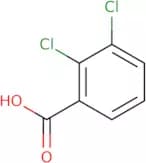

![11-(1-Piperazinyl)dibenzo[b,f][1,4]thiazepine hydrochloride](/_next/image/?url=https%3A%2Fstatic.cymitquimica.com%2Fproducts%2F3D%2Fthumb-webp%2FIN181068.webp&w=3840&q=75)
![4-(1-Hydroxy-1-methylethyl)-2-propyl-1[4-[2-(tetrazol-5-yl)phenyl]phenyl]methyl imidazole-5-carbox…](/_next/image/?url=https%3A%2Fstatic.cymitquimica.com%2Fproducts%2F3D%2Fthumb-webp%2FIH57927.webp&w=3840&q=75)
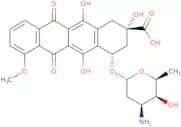

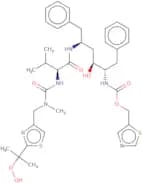
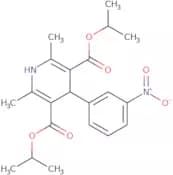
![2-Ethoxy-4-[2-oxo-2-[[2-phenyl-1-[2-(1-piperidinyl)phenyl]ethyl]amino]ethyl]benzoic acid](/_next/image/?url=https%3A%2Fstatic.cymitquimica.com%2Fproducts%2F3D%2Fthumb-webp%2FIE21210.webp&w=3840&q=75)


![3-(2-Chloroethyl)-2-methyl-6,7,8,9-tetrahydro-4H-pyrido[1,2-a]pyrimidin-4-one](/_next/image/?url=https%3A%2Fstatic.cymitquimica.com%2Fproducts%2F3D%2Fthumb-webp%2FFC20229.webp&w=3840&q=75)
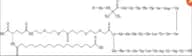
![S-Methyl-N-cyano-N'-[2-[(5-methyl-1H-imidazol-4-yl)methylthio]ethyl]isothiourea](/_next/image/?url=https%3A%2Fstatic.cymitquimica.com%2Fproducts%2F3D%2Fthumb-webp%2FIM58264.webp&w=3840&q=75)

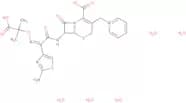
![Bis-[[2-aminoethyl]thio]methane](/_next/image/?url=https%3A%2Fstatic.cymitquimica.com%2Fproducts%2F3D%2Fthumb-webp%2FIB57858.webp&w=3840&q=75)
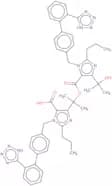

![4-[(2,4-Dihydroxy-3,3-dimethylbutanoyl)amino]-butanoic acid](/_next/image/?url=https%3A%2Fstatic.cymitquimica.com%2Fproducts%2F3D%2Fthumb-webp%2FTAA67990.webp&w=3840&q=75)

![8-Fluoro-2,2-dimethyl-9-(4-methyl-1-piperazinyl)-6-oxo-2H,6H-oxazolo[5,4,3-ij]quinoline-5-carboxyl…](/_next/image/?url=https%3A%2Fstatic.cymitquimica.com%2Fproducts%2F3D%2Fthumb-webp%2FIF182900.webp&w=3840&q=75)
![a-[3-[[2-(3,4-Dimethoxyphenyl)ethyl]methylamino]propyl]-α-ethyl-3,4-dimethoxy-benzeneacetonitrile](/_next/image/?url=https%3A%2Fstatic.cymitquimica.com%2Fproducts%2F3D%2Fthumb-webp%2FID145566.webp&w=3840&q=75)
![(S)-Ethyl 2-ethoxy-4-[[[N-[1-(2-piperidinophenyl)-3-methyl-1-butyl]amino]carbonyl]methyl]benzoate](/_next/image/?url=https%3A%2Fstatic.cymitquimica.com%2Fproducts%2F3D%2Fthumb-webp%2FIE27701.webp&w=3840&q=75)
![N-[(1R)-1-(1-Naphthalenyl)ethyl]carbamic acid 3-[3-(trifluoromethyl)phenyl]propyl] ester](/_next/image/?url=https%3A%2Fstatic.cymitquimica.com%2Fproducts%2F3D%2Fthumb-webp%2FIN58184.webp&w=3840&q=75)
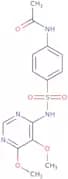
![N-[5-Amino-6-(2,3-dichlorophenyl)-1,2,4-triazin-3-yl]-2,3-dichlorobenzamide](/_next/image/?url=https%3A%2Fstatic.cymitquimica.com%2Fproducts%2F3D%2Fthumb-webp%2FIA58055.webp&w=3840&q=75)
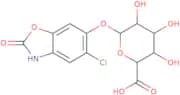
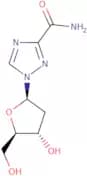
![N-Cyano-N'-methyl-N''-[2-[(5-methyl-1H-imidazol-4-yl)methylsulphinyl]ethyl]guanidine](/_next/image/?url=https%3A%2Fstatic.cymitquimica.com%2Fproducts%2F3D%2Fthumb-webp%2FIC58267.webp&w=3840&q=75)
![3-[Methyl(phenylmethyl)amino]-1-phenyl-1-propanone hydrochloride](/_next/image/?url=https%3A%2Fstatic.cymitquimica.com%2Fproducts%2F3D%2Fthumb-webp%2FIM58070.webp&w=3840&q=75)
![1,3-Bis[(p-chlorobenzylidene)amino]guanidine hydrochloride](/_next/image/?url=https%3A%2Fstatic.cymitquimica.com%2Fproducts%2F3D%2Fthumb-webp%2FIB57827.webp&w=3840&q=75)
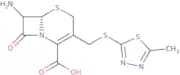
![Bis[N-[2-[[[5-[(dimethylamino)methyl]furan-2-yl]methyl]thio]ethyl]-N'-methyl-2,2-diamino-1-nitroet…](/_next/image/?url=https%3A%2Fstatic.cymitquimica.com%2Fproducts%2F3D%2Fthumb-webp%2FIB57852.webp&w=3840&q=75)
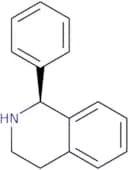
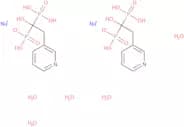
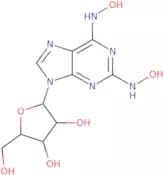
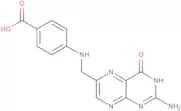


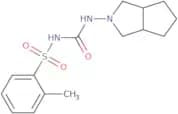
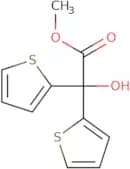
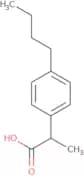
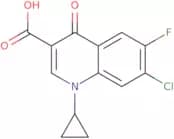
![5-Methoxy-2-[[(4-methoxy-3,5-dimethyl-2-pyridinyl)methyl]sulphonyl]-1H-benzimidazole N-oxide](/_next/image/?url=https%3A%2Fstatic.cymitquimica.com%2Fproducts%2F3D%2Fthumb-webp%2FIM57920.webp&w=3840&q=75)
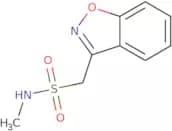
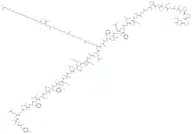
![4-(1-Hydroxy-1-methylethyl)-2-propyl-1-[[2'-[1-(triphenylmethyl)-1H-tetrazol-5-yl][1,1'-biphenyl]-…](/_next/image/?url=https%3A%2Fstatic.cymitquimica.com%2Fproducts%2F3D%2Fthumb-webp%2FIH159138.webp&w=3840&q=75)
![(1S,2S,3R,5S)-3-[7-[[(1R,2S)-2-(2,3-Difluorophenyl)cyclopropyl]amino]-5-(propylthio)-3H-1,2,3-tria…](/_next/image/?url=https%3A%2Fstatic.cymitquimica.com%2Fproducts%2F3D%2Fthumb-webp%2FID184387.webp&w=3840&q=75)


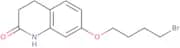

![N-[1-(R)-(1-Naphthyl)ethyl]-3-[3-(trifluoromethyl)phenyl]-1-propanamide](/_next/image/?url=https%3A%2Fstatic.cymitquimica.com%2Fproducts%2F3D%2Fthumb-webp%2FIN58183.webp&w=3840&q=75)
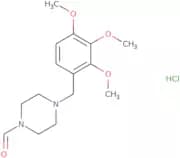
![N-[[2'-(2H-Tetrazol-5-yl)[1,1'-biphenyl]-4-yl]methyl]-L-Valine](/_next/image/?url=https%3A%2Fstatic.cymitquimica.com%2Fproducts%2F3D%2Fthumb-webp%2FIT106480.webp&w=3840&q=75)
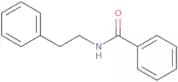
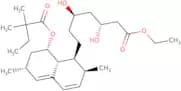

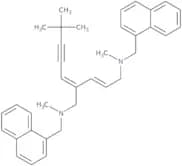
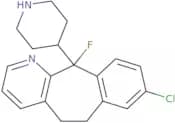

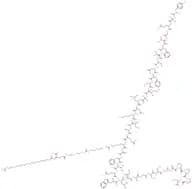


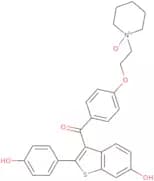
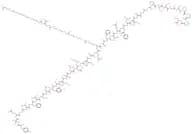

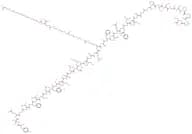

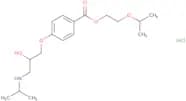
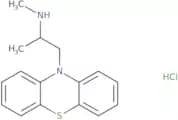
![1-[2-(4-Dibenzo[b,f][1,4]thiazepin-11-yl-1-piperazinyl)ethoxy]ethyl-2-(1-piperazinyl)ethoxyethanol](/_next/image/?url=https%3A%2Fstatic.cymitquimica.com%2Fproducts%2F3D%2Fthumb-webp%2FID57891.webp&w=3840&q=75)
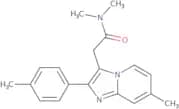
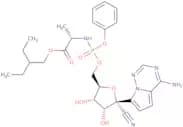

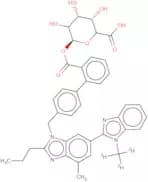
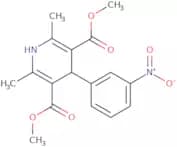
![4-Amino-7-iodopyrrolo[2,1-f][1,2,4]triazine](/_next/image/?url=https%3A%2Fstatic.cymitquimica.com%2Fproducts%2F3D%2Fthumb-webp%2FFA170208.webp&w=3840&q=75)
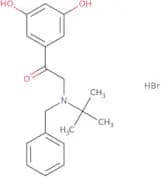
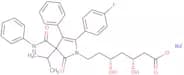
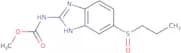
![3-[[[2-[(Aminoiminomethyl)amino]-4-thiazolyl]methyl]thio]-propanoic acid methyl ester](/_next/image/?url=https%3A%2Fstatic.cymitquimica.com%2Fproducts%2F3D%2Fthumb-webp%2FIA23223.webp&w=3840&q=75)
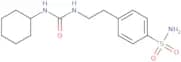
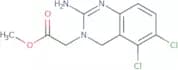
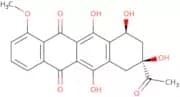
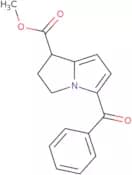
![3-[Benzyl(methyl)amino]-1-phenylpropan-1-one](/_next/image/?url=https%3A%2Fstatic.cymitquimica.com%2Fproducts%2F3D%2Fthumb-webp%2FIB158700.webp&w=3840&q=75)
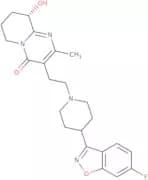
![Methyl 2-[[3-trifluoromethyl)phenyl]amino]benzoate](/_next/image/?url=https%3A%2Fstatic.cymitquimica.com%2Fproducts%2F3D%2Fthumb-webp%2FIM58092.webp&w=3840&q=75)
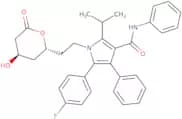
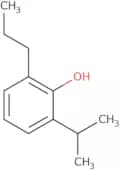
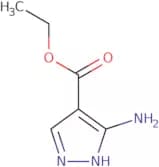
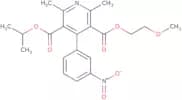
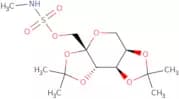
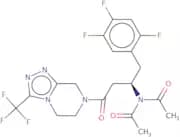
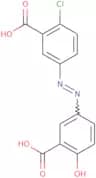
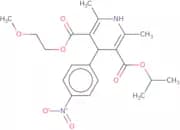
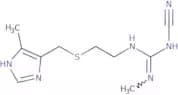

![cis-4-[[[(1,1-Dimethylethoxy)carbonyl]amino]methyl]-cyclohexanecarboxylic acid](/_next/image/?url=https%3A%2Fstatic.cymitquimica.com%2Fproducts%2F3D%2Fthumb-webp%2FID22372.webp&w=3840&q=75)
![5-Chloro-N-[[(5R)-2-oxo-3-[4-(3-oxo-4-morpholinyl)phenyl]-5-oxazolidinyl]methyl]-2-thiophenecarbox…](/_next/image/?url=https%3A%2Fstatic.cymitquimica.com%2Fproducts%2F3D%2Fthumb-webp%2FIC71688.webp&w=3840&q=75)

![1b-(4-Fluorophenyl)hexahydro-β,7-dihydroxy-7-(1-methylethyl)-1a-phenyl-7a-[(phenylamino)carbonyl]-…](/_next/image/?url=https%3A%2Fstatic.cymitquimica.com%2Fproducts%2F3D%2Fthumb-webp%2FIO76438.webp&w=3840&q=75)
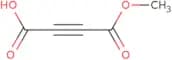
![2-[4-(2-Methylpropanoyl)phenyl] propanoic acid](/_next/image/?url=https%3A%2Fstatic.cymitquimica.com%2Fproducts%2F3D%2Fthumb-webp%2FIM15852.webp&w=3840&q=75)
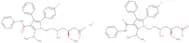

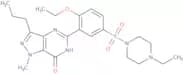
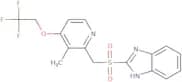
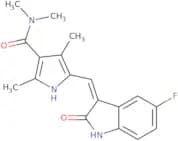
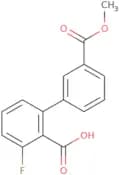
![2-Ethoxy-4-[2-[[(1R)-3-methyl-1-[2-(1-piperidinyl)phenyl]butyl]amino]-2-oxoethyl]benzoic acid ethy…](/_next/image/?url=https%3A%2Fstatic.cymitquimica.com%2Fproducts%2F3D%2Fthumb-webp%2FIE32567.webp&w=3840&q=75)
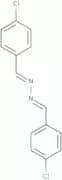

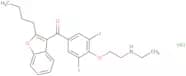

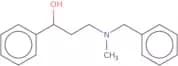
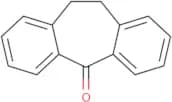

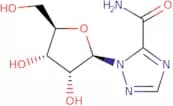
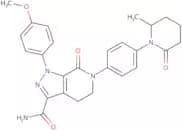
![4-[2'-(7''-Deazaguanine)ethyl]benzoic acid N-hydroxysuccinimide ester](/_next/image/?url=https%3A%2Fstatic.cymitquimica.com%2Fproducts%2F3D%2Fthumb-webp%2FFD20837.webp&w=3840&q=75)
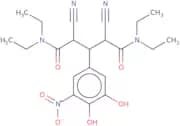
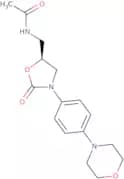
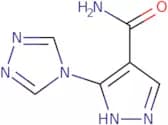
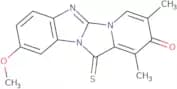
![2-Acetamido-7-[[2-(acetyloxy)ethoxy]methyl]-6,7-dihydro-1H-purin-6-one](/_next/image/?url=https%3A%2Fstatic.cymitquimica.com%2Fproducts%2F3D%2Fthumb-webp%2FIA58280.webp&w=3840&q=75)
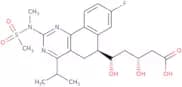
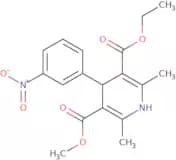
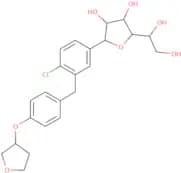
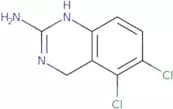
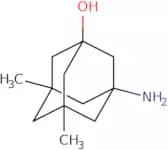
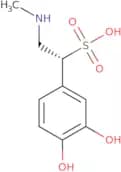
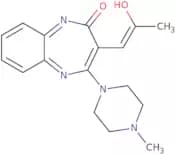
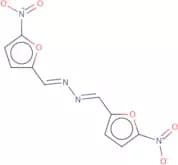
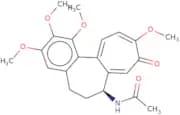
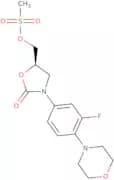
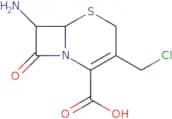

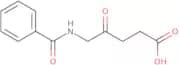


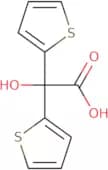
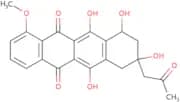
![{(5R)-3-[3-Fluoro-4-(4-morpholinyl)phenyl]-2-oxo-1.3-oxazolidin-5-yl}methyl acetate](/_next/image/?url=https%3A%2Fstatic.cymitquimica.com%2Fproducts%2F3D%2Fthumb-webp%2FIF58043.webp&w=3840&q=75)
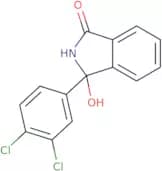
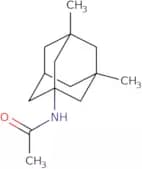
![N-Carbamoyl-N'-methyl-N''-[2-[(5-methyl-1H-imidazol-4-yl)methylthio]ethyl]guanidine](/_next/image/?url=https%3A%2Fstatic.cymitquimica.com%2Fproducts%2F3D%2Fthumb-webp%2FIC58188.webp&w=3840&q=75)

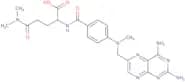
![N-(Aminosulphonyl)-3-[[[2-[(aminoiminomethyl)amino]-4-thiazolyl]methyl]thio]propanamide, hydrochlo…](/_next/image/?url=https%3A%2Fstatic.cymitquimica.com%2Fproducts%2F3D%2Fthumb-webp%2FIA58075.webp&w=3840&q=75)
![5-Methoxy-2-[[(4-methoxy-3,5-dimethyl-2-pyridinyl)methyl]sulfonyl]-1H-benzimidazole](/_next/image/?url=https%3A%2Fstatic.cymitquimica.com%2Fproducts%2F3D%2Fthumb-webp%2FIM57926.webp&w=3840&q=75)
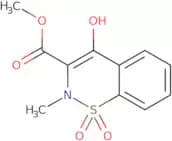
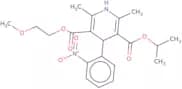
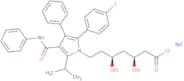

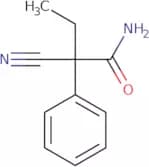
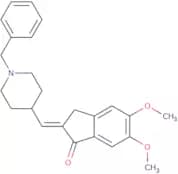
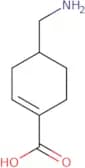
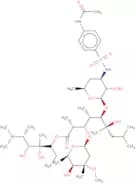
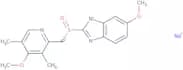
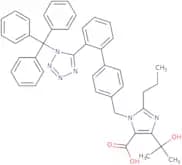
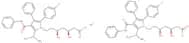
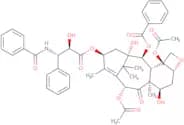
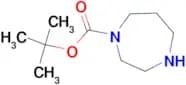

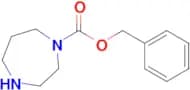
![5-Oxo-[1,4]diazepane-1-carboxylic acid benzylester](/_next/image/?url=https%3A%2Fstatic.cymitquimica.com%2Fproducts%2F10%2Fthumb-webp%2FF011833.webp&w=3840&q=75)
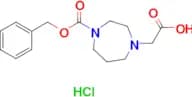
![6,6-DIFLUORO-[1,4]DIAZEPANE-1-CARBOXYLIC ACID TERT-BUTYL ESTER](/_next/image/?url=https%3A%2Fstatic.cymitquimica.com%2Fproducts%2F10%2Fthumb-webp%2FF469286.webp&w=3840&q=75)
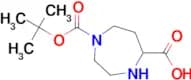

![5-Oxo-[1,4]diazepane-1-carboxylic acid tert-butylester](/_next/image/?url=https%3A%2Fstatic.cymitquimica.com%2Fproducts%2F10%2Fthumb-webp%2FF040633.webp&w=3840&q=75)
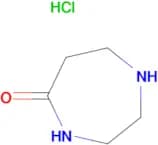
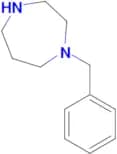
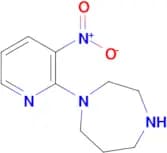
![6-FLUORO-[1,4]DIAZEPANE-1-CARBOXYLIC ACID TERT-BUTYL ESTER](/_next/image/?url=https%3A%2Fstatic.cymitquimica.com%2Fproducts%2F10%2Fthumb-webp%2FF469333.webp&w=3840&q=75)