Glycosciences
La glycosciences est l'étude des glucides et de leurs dérivés, ainsi que des interactions et des fonctions biologiques auxquelles ils participent. Ce domaine de recherche est crucial pour comprendre une grande variété de processus biologiques, y compris la reconnaissance cellulaire, la signalisation, la réponse immunitaire et le développement des maladies. La glycosciences a des applications importantes en biotechnologie, en médecine et dans le développement de nouveaux médicaments et thérapies. Chez CymitQuimica, nous proposons une large sélection de produits de haute qualité et pureté pour la recherche en glycosciences. Notre catalogue comprend des monosaccharides, des oligosaccharides, des polysaccharides, des glyconjugués et des réactifs spécifiques, conçus pour soutenir les chercheurs dans leurs études sur la structure, la fonction et les applications des glucides dans les systèmes biologiques. Ces ressources sont destinées à faciliter les découvertes scientifiques et les applications pratiques dans divers domaines des biosciences et de la médecine.
Sous-catégories appartenant à la catégorie "Glycosciences"
- Aminosucres(108 produits)
- Anticorps Glyco-Related(282 produits)
- Glycolipides(46 produits)
- Glycosaminoglycanes (GAGs)(55 produits)
- Glycosides(419 produits)
- Monosaccharides(6.622 produits)
- Oligosaccharides(3.682 produits)
- Polysaccharides(503 produits)
11041 produits trouvés pour "Glycosciences"
Trier par
Degré de pureté (%)
0
100
|
0
|
50
|
90
|
95
|
100
1,3-α-1,6-α-D-Mannotriose 1-O-propylamine acetate
<p>1,3-a-1,6-a-D-Mannotriose 1-O-propylamine acetate salt is a modified oligosaccharide. It has been synthesized by the reaction of 1,3-a-1,6-a-D-mannopyranosyl bromide with proline amine acetate. This product is 98% pure and can be used as a complex carbohydrate in research or as a food additive. The CAS number for this product is 712092-14-8.</p>Formule :C23H43O18NDegré de pureté :Min. 95%Couleur et forme :PowderMasse moléculaire :621.58 g/molL-Psicose
CAS :<p>L-Psicose is a monosaccharide that is the only metabolite of D-fructose. It is found in many living organisms, such as bacteria and fungi. L-Psicose has been shown to inhibit ribitol dehydrogenase, an enzyme involved in the production of ribitol, which catalyzes the conversion of ribitol to ribulose 5-phosphate. Ribulose 5-phosphate is an important precursor molecule for glycolysis and pentose phosphate pathways. In addition, L-psicose has been shown to bind to proteins through hydrogen bonding, which may prevent the protein from folding properly or interacting with other molecules. This binding can lead to cell death if it inhibits essential cellular functions.</p>Formule :C6H12O6Degré de pureté :Min. 95%Couleur et forme :White PowderMasse moléculaire :180.16 g/molHyaluronic acid octasaccharide ammonium salt
<p>Hyaluronic acid is a polysaccharide containing repeating disaccharide units of β-1,3-N-acetyl glucosamine and β-1, 4-glucuronicâ¯acid. A series of unsaturated oligosaccharides (oligouronic acids) are released from hyaluronic acid by the action of hyaluronidase on the umbilical cord (Weissman, 1954). This octasaccharide ammonium salt and other enzymatically produced polymer homologs have been of value in the study of hyaluronic acid metabolism in both healthy and diseased tissues (Hascall, 2019).</p>Formule :C56H86N4O45Degré de pureté :Min. 95 Area-%Couleur et forme :White Yellow PowderMasse moléculaire :1,535.3 g/molLewis B pentasaccharide
CAS :<p>Lewis B pentasaccharide is a custom-synthesized carbohydrate that belongs to the Modification, saccharide, Oligosaccharide, sugar category. It is an oligosaccharide with a non-reducing end and a reducing end. Lewis B pentasaccharide is a complex carbohydrate that is synthesized from monosaccharides by glycosylation and methylation reactions. This product has high purity and it can be used in research for its fluoroquinolone resistance properties.</p>Formule :C32H55NO24Degré de pureté :Min. 95%Couleur et forme :White SolidMasse moléculaire :837.79 g/mol2-O-a-D-Glucopyranosyl-L-ascorbic acid
CAS :<p>2-O-a-D-Glucopyranosyl-L-ascorbic acid is a potent antioxidant compound found in the human body. It is produced by the enzyme tyrosinase from L-ascorbic acid and has been shown to have anti-apoptotic effects on skin cells. 2-O-a-D-Glucopyranosyl-L-ascorbic acid has also been shown to enhance mitochondrial membrane potential and increase the proliferation of skin cells in vitro. The compound has been tested for its ability to prevent radiation damage in mice and was found to be more effective than vitamin C at preventing cell death.<br>2OAGA can be used as a topical treatment for skin conditions, such as acne or wrinkles, by reducing inflammation and stimulating cellular growth.</p>Formule :C12H18O11Degré de pureté :Min. 98.0 Area-%Couleur et forme :White PowderMasse moléculaire :338.26 g/molRengasin-3'-O-glucoside
<p>Rengasin-3'-O-glucoside is a fine chemical, useful building block, and research chemical. It is a versatile building block that can be used in the synthesis of complex compounds. Rengasin-3'-O-glucoside is also a useful intermediate or scaffold for reactions. This compound has been shown to react with 1,2-ethanediol and form an ester, which can be hydrolyzed to release glycerol and the original rengasin-3'-O-glucoside.</p>Formule :C22H22O11Degré de pureté :(%) Min. 75%Masse moléculaire :462.4 g/molHeptakis(2,3-di-O-methyl-6-O-sulfo)-β-cyclodextrin heptasodium
CAS :<p>This beta-cyclodextrin (β-CD) derivative is a functionalized cyclic oligosaccharide composed of seven glucose units, characterized by a hydrophilic exterior and a lipophilic cavity (bigger than α-CD and smaller than γ-CDs), which allows it to encapsulate various guest molecules. This structural feature facilitates its use in multiple applications, including pharmaceuticals, food enhancement, and cosmetics. In the pharmaceutical industry, it enhances the solubility and stability of poorly water-soluble drugs, improving their bioavailability and efficacy while also masking unpleasant tastes. The food sector utilizes it as a stabilizer for flavors, colors, and nutrients, extending shelf life by protecting sensitive ingredients from degradation. In cosmetics, it serves as a complexing agent for fragrances and active components, ensuring their stability and controlled release. Its use expands to many other fields, including nanotechnology for drug delivery systems, environmental remediation for extracting organic pollutants, textiles for slow-release fragrances, and analytical chemistry for chiral separation.</p>Formule :C56H98O56S7Degré de pureté :Min. 95%Masse moléculaire :1890.28657Fructooctasaccharide
<p>Fructo-octasaccharide (FOS) is a synthetic, high-purity carbohydrate that is used in the production of various food and beverage products. FOS is produced by enzymatic synthesis from sucrose and has been modified to include a fluorination step. FOS can be used as a sugar substitute and is found in many foods such as breads, beverages, yogurt, ice cream, candy, and chewing gum. FOS has been shown to stimulate the growth of beneficial bacteria in the gastrointestinal tract and may help promote healthy digestion.</p>Formule :C48H82O41Degré de pureté :Min. 95%Couleur et forme :PowderMasse moléculaire :1,315.14 g/molD-(+)-Melibiose Monohydrate
CAS :Formule :C12H22O11·H2ODegré de pureté :>99.0%(HPLC)Couleur et forme :White to Almost white powder to crystalMasse moléculaire :360.32Difucosyllacto-N-hexaose (b)
CAS :<p>Neutral octasasaccharide naturally present in human breast milk.</p>Formule :C52H88N2O39Degré de pureté :Min. 90 Area-%Couleur et forme :PowderMasse moléculaire :1,365.25 g/molGM4-Ganglioside
CAS :<p>GM4-ganglioside (sodium salt) is a disaccharide of sialic acid linked α2,4 to galactose and ceramide linked β to position 1 on the galactose (Ledeen, 2009). Demyelinated plaques in multiple sclerosis have decreased amounts of GM4-ganglioside, localized in myelin and oligodendroglia of the central nervous system. It has been found that the myelin basic protein is capable of releasing large quantities of entrapped [14C]glucose from multilamellar liposomes containing GM4. If the conformation of GM4 ganglioside in liposomal membranes resembles that of GM4 ganglioside in its natural environment, basic protein and GM4 may be associated within the myelin sheath of the central nervous system and their interactions are altered in demyelinating diseases, such as, multiple sclerosis (Mullin, 1981).</p>Formule :C57H106N2O17·xNaDegré de pureté :Min. 95%Masse moléculaire :1,091.45 g/molγ-Cyclodextrin dihydrogen phosphate sodium salt
CAS :<p>This gamma-cyclodextrin (γ-CD) derivative is a modified cyclic oligosaccharide composed of eight glucose units, featuring a larger cavity size than α- and β-cyclodextrins. This structural characteristic allows γ-CDs to form inclusion complexes with a wider range of guest molecules, making it particularly versatile in various industries. In the food sector, it is used as a carrier and stabilizer for flavors, fat-soluble vitamins, and polyunsaturated fatty acids, protecting volatile compounds from evaporation. In pharmaceuticals, it enhances the solubility and bioavailability of poorly water-soluble drugs and, thanks to its larger ring size, allows for the encapsulation of larger molecules or even entire drug molecules. γ-CDs and derivatives are also used for environmental remediation and, in analytical chemistry, for the extraction and concentration of target substances.</p>Formule :C48H80O40Degré de pureté :Min. 95%Masse moléculaire :1,297.12 g/mol2,3-Dimethyl-β-cyclodextrin
CAS :<p>This beta-cyclodextrin (β-CD) derivative is a functionalized cyclic oligosaccharide composed of seven glucose units, characterized by a hydrophilic exterior and a lipophilic cavity (bigger than α-CD and smaller than γ-CDs), which allows it to encapsulate various guest molecules. This structural feature facilitates its use in multiple applications, including pharmaceuticals, food enhancement, and cosmetics. In the pharmaceutical industry, it enhances the solubility and stability of poorly water-soluble drugs, improving their bioavailability and efficacy while also masking unpleasant tastes. The food sector utilizes it as a stabilizer for flavors, colors, and nutrients, extending shelf life by protecting sensitive ingredients from degradation. In cosmetics, it serves as a complexing agent for fragrances and active components, ensuring their stability and controlled release. Its use expands to many other fields, including nanotechnology for drug delivery systems, environmental remediation for extracting organic pollutants, textiles for slow-release fragrances, and analytical chemistry for chiral separation.</p>Formule :C56H98O35Degré de pureté :Min. 95%Couleur et forme :PowderMasse moléculaire :1,331.36 g/molL-Threonic acid-1,4-lactone
CAS :<p>L-Threonic acid-1,4-lactone is a nutrient solution for mammalian tissue. It is a coenzyme that acts as an intermediate in the conversion of dehydroascorbic acid to erythronate and participates in the synthesis of 4-hydroxycinnamic acid from 4-hydroxyphenylpyruvic acid. L-Threonic acid-1,4-lactone has been shown to inhibit the replication of human immunodeficiency virus (HIV) in vitro. The physiological levels of L-Threonic acid-1,4-lactone are not yet known, but it has been shown to have inhibitory properties on HIV infection at concentrations that do not affect cellular metabolism or induce reactive oxygen species production. L-Threonic acid-1,4-lactone also has been shown to prevent hepatic steatosis and fatty liver disease by inhibiting lipid accumulation via its ability to</p>Formule :C4H6O4Degré de pureté :Min. 95%Couleur et forme :PowderMasse moléculaire :118.09 g/molα-D(+)Mannose 1-phosphate sodium hydrate
<p>a-D-Mannose-1-phosphate dipotassium salt (DMDK) is a synthetic oligosaccharide that was designed and synthesized for use as a potential drug in the treatment of cancer. DMDK has been shown to be an inhibitor of protein glycosylation, which may lead to the prevention of tumor formation. It also has anti-inflammatory properties and can inhibit the growth of bacteria by binding to bacterial 16S ribosomal RNA and inhibiting protein synthesis.</p>Formule :C6H13O9P·xNa·yH2OMasse moléculaire :260.14 g/mol6'-Sialyllactose-sp-biotin
CAS :<p>6'-Sialyllactose-sp-biotin is a custom synthesis of a 6'-sialyllactose with a biotin moiety attached to the reducing end. The modification was done through fluorination, methylation, and monosaccharide synthesis. This product has CAS No. 1384441-62-6 and is an oligosaccharide saccharide that is polysaccharide containing glycosylated sugar. It is also a complex carbohydrate that contains many sugars in one molecule.</p>Formule :C42H71N5O22SDegré de pureté :Min. 95%Couleur et forme :White PowderMasse moléculaire :1,030.1 g/molMethyl b-L-fucopyranoside
CAS :<p>Methyl b-L-fucopyranoside is a glycosylating agent that is used to modify saccharides and oligosaccharides. It can be used for the synthesis of complex carbohydrates, such as polysaccharides and glycoconjugates. Methyl b-L-fucopyranoside is also useful for the synthesis of glycosylated proteins, which are proteins with sugar chains attached to them. The product is a white solid that is soluble in water.</p>Formule :C7H14O5Degré de pureté :Min. 95%Couleur et forme :White PowderMasse moléculaire :178.18 g/mol(2-Carboxyethyl)-a-cyclodextrin
<p>Alpha-cyclodextrin (α-CD) derivative with a hydrophilic exterior and lipophilic cavity (smaller than β-CDs and γ-CDs) to allocate certain guest molecules. This structural characteristic enables applications in molecular encapsulation, solubility enhancement, and stabilization across multiple industries. In pharmaceuticals, it serves as a drug delivery vehicle, enhancing the bioavailability and stability of active ingredients. The food industry utilizes it as a stabilizer for flavors, colors, and nutrients, as well as a functional ingredient for its effects on lipid metabolism. In cosmetics, it acts as a complex agent for fragrances and active components. Its applications extend to analytical chemistry for chiral separation and to materials science for developing smart materials and nanosystems.</p>Formule :C45H72O39Degré de pureté :Min. 95%Masse moléculaire :1,237.03 g/molCellulose, particle size 20μm
CAS :<p>Cellulose with a particle size of 20μm is an industrial biomass material that has various applications. It is commonly used in the production of paper, textiles, and biofuels. Cellulose is a complex carbohydrate that provides structural support to plant cell walls. It can also be used as an excipient in pharmaceutical formulations, such as in the production of tablets.</p>Degré de pureté :Min. 95%Couleur et forme :PowderD-Glycero-D-talo-heptitol
CAS :<p>D-Glycero-D-talo-heptitol is a natural product that is found in plants and bacteria. It is an alditol, which is created by the glycosidic bond of a carbohydrate and a hydroxyl group. D-Glycero-D-talo-heptitol has shown to inhibit the activity of enzymes involved in fatty acid synthesis, such as 3-hydroxyacyl coenzyme A dehydrogenase, and carbohydrate synthesis, such as fructose 1,6 bisphosphatase. This compound also inhibits the borohydride reduction of glycan precursors. This may be due to its hydrophilic interactions with water molecules and its hydrophobic interactions with other lipid molecules.</p>Formule :C7H16O7Degré de pureté :Min. 95%Couleur et forme :White Off-White PowderMasse moléculaire :212.2 g/mol2,6-Di-O-methyl-β-cyclodextrin
CAS :Formule :C56H98O35Degré de pureté :>95.0%(HPLC)Couleur et forme :White to Light yellow powder to crystalMasse moléculaire :1,331.37Hydroxypropyl cellulose - Average MW 150,000
CAS :<p>In water, hydroxypropyl cellulose forms liquid crystals with many mesophases depending on concentration. These mesophases include isotropic, anisotropic, nematic and cholesteric, the latter resulting in many colors such as violet, green and red. Pharmaceutical applications include treatments for medical conditions such as dry eye syndrome (keratoconjunctivitis sicca), recurrent corneal erosions, decreased corneal sensitivity, exposure and neuroparalytic keratitis. It is also used as a binder in tablets. Hydroxypropylcellulose is also used as a thickener, a binder and emulsion stabiliser in foods with E number E463. HPC is used as a support matrix for DNA separations by capillary and microchip electrophoresis.</p>6-Deoxy-6-thio-a-cyclodextrin
CAS :<p>Alpha-cyclodextrin (α-CD) derivative with a hydrophilic exterior and lipophilic cavity (smaller than β-CDs and γ-CDs) to allocate certain guest molecules. This structural characteristic enables applications in molecular encapsulation, solubility enhancement, and stabilization across multiple industries. In pharmaceuticals, it serves as a drug delivery vehicle, enhancing the bioavailability and stability of active ingredients. The food industry utilizes it as a stabilizer for flavors, colors, and nutrients, as well as a functional ingredient for its effects on lipid metabolism. In cosmetics, it acts as a complex agent for fragrances and active components. Its applications extend to analytical chemistry for chiral separation and to materials science for developing smart materials and nanosystems.</p>Formule :C36H60O24S6Degré de pureté :Min. 95%Masse moléculaire :1,069.24 g/mol2,3,6-Triethyl-γ-cyclodextrin
<p>This gamma-cyclodextrin (γ-CD) derivative is a modified cyclic oligosaccharide composed of eight glucose units, featuring a larger cavity size than α- and β-cyclodextrins. This structural characteristic allows γ-CDs to form inclusion complexes with a wider range of guest molecules, making it particularly versatile in various industries. In the food sector, it is used as a carrier and stabilizer for flavors, fat-soluble vitamins, and polyunsaturated fatty acids, protecting volatile compounds from evaporation. In pharmaceuticals, it enhances the solubility and bioavailability of poorly water-soluble drugs and, thanks to its larger ring size, allows for the encapsulation of larger molecules or even entire drug molecules. γ-CDs and derivatives are also used for environmental remediation and, in analytical chemistry, for the extraction and concentration of target substances.</p>Formule :C95H176O40Degré de pureté :Min. 95%Masse moléculaire :1,958.39 g/molCarboxymethyl-a-cyclodextrin sodium salt
<p>Alpha-cyclodextrin (α-CD) derivative with a hydrophilic exterior and lipophilic cavity (smaller than β-CDs and γ-CDs) to allocate certain guest molecules. This structural characteristic enables applications in molecular encapsulation, solubility enhancement, and stabilization across multiple industries. In pharmaceuticals, it serves as a drug delivery vehicle, enhancing the bioavailability and stability of active ingredients. The food industry utilizes it as a stabilizer for flavors, colors, and nutrients, as well as a functional ingredient for its effects on lipid metabolism. In cosmetics, it acts as a complex agent for fragrances and active components. Its applications extend to analytical chemistry for chiral separation and to materials science for developing smart materials and nanosystems.</p>Formule :C43H64O37·xNaDegré de pureté :Min. 95%Masse moléculaire :1,172.95 g/molN-(b-Hydroxyethyl)-1-deoxynojirimycin
CAS :<p>Inhibitor of α-glucosidase with applications in diabetes therapy for control of post-prandial blood glucose fluctuations. The compound inhibits the digestive breakdown of complex carbohydrates to absorbable monosaccharides and smoothens hyperglycaemic peaks in type 2 diabetes mellitus. It also possesses anti-obesity effects thanks to activation of brown adipose tissue and increasing energy expenditure.</p>Formule :C8H17NO5Degré de pureté :Min. 95%Couleur et forme :White PowderMasse moléculaire :207.22 g/molN-Acetyl-β-D-glucosaminyl-(1→4)-N-acetylmuramoyl-L-alanyl-D-isoglutamine
CAS :<p>Please enquire for more information about N-Acetyl-β-D-glucosaminyl-(1→4)-N-acetylmuramoyl-L-alanyl-D-isoglutamine including the price, delivery time and more detailed product information at the technical inquiry form on this page</p>Formule :C27H45N5O16Degré de pureté :Min. 95%Couleur et forme :PowderMasse moléculaire :695.67 g/molLividamine
CAS :<p>Lividamine is a protein synthesis inhibitor that has biphasic responses in animal studies. Lividamine inhibits the enzyme catalysis of aminoglycosides, which are used for the treatment of bacterial infections. It also blocks the biosynthesis of polypeptides, which are essential for cell growth and division. Lividamine binds to the hydroxyl group or carboxylate group on an amino acid, cleaving it from the peptide chain and stopping protein synthesis. Lividamine has been shown to be effective against bacteria in vitro assays. Further research is required to determine its clinical properties.</p>Formule :C12H25N3O6Degré de pureté :Min. 95%Masse moléculaire :307.34 g/molOctyl a-D-glucopyranoside
CAS :<p>The enzyme alcohol dehydrogenase, which is located in the cytosol of cells, catalyzes the conversion of ethanol to acetaldehyde. In this reaction, a hydrogen ion (H+) is abstracted from ethanol and two electrons (e-) are added to the molecule. The addition of these electrons results in the formation of a hydrogen bond between the alcohol and an electron-donating species such as water or octyl glucopyranoside. Octyl glucopyranoside is a detergent that has been used as a substrate for measuring rates of alcohol dehydrogenase. This detergent also has been shown to be effective at removing glycol ethers from biological samples.<br>The biochemical research on octyl glucopyranoside includes its use as an equilibrative nucleoside and its effect on bowel disease.</p>Formule :C14H28O6Degré de pureté :Min. 95%Couleur et forme :White PowderMasse moléculaire :292.37 g/molSilodosin O-β-D-glucuronide
CAS :<p>Silodosin O-beta-D-glucuronide is a metabolite of silodosin, a drug used to treat benign prostatic hyperplasia. It is the glucuronide conjugate of silodosin and its presence in plasma can be quantified by high performance liquid chromatography (HPLC). The solvents used in HPLC are acetonitrile and ammonium formate. The chromatographic separation is achieved with a mobile phase consisting of an organic solvent (acetonitrile) and an ion pairing agent (ammonium formate) that interacts with the analyte and forms an ion pair. The sensitivity of HPLC for this analyte can be improved by using deuterated solvents.</p>Formule :C31H40F3N3O10Degré de pureté :Min. 95 Area-%Couleur et forme :PowderMasse moléculaire :671.7 g/molChondroitin sulfate A sodium salt - Average MW 10,000 - 50,000
CAS :<p>Chondroitin sulfate A sodium salt is a glycosaminoglycan that is derived from chondroitin. It is a complex carbohydrate with a high molecular weight and an average MW of 10,000 to 50,000 Da. The synthesis of the monosaccharide units in chondroitin sulfate A sodium salt occurs by Methylation, Click modification, Polysaccharide, or Fluorination. Chondroitin sulfate A sodium salt can be custom synthesized according to customer specifications and can be ordered as a CAS No. 39455-18-0 with high purity.</p>Degré de pureté :Min. 95%Couleur et forme :White Off-White PowderGala1-3Galb1-3GlcNAc-HSA
<p>Gala1-3Galb1-3GlcNAc-HSA is a synthetic glycosylation product of Galactose, Glucose and Galactosamine with Hexose. It is a complex carbohydrate that can be used to modify proteins with the sugar group. The sugar group is synthesized by the Click modification of a monosaccharide and then methylated. The sugar group is attached to HSA via an N-acetylhexosamine linker. This product has been shown to have high purity and can be used in many applications such as fluorination, methylation, click modification, or complex carbohydrate research.</p>Degré de pureté :Min. 95%Lipopolysaccharides - from Escherichia coli O55:B5
CAS :<p>Lipopolysaccharides are a heterogeneous group of molecules that include endotoxins, lipid A, and core oligosaccharide. They are released from the cell wall of gram-negative bacteria as a result of bacterial lysis. Lipopolysaccharides are potent activators of immune cells, inducing the secretion of pro-inflammatory cytokines such as tumor necrosis factor-α (TNF-α) and interleukin-1β (IL-1β). TNF-α is also known to induce the production of other pro-inflammatory cytokines including IL-6, IL-8, IL-10, and IL-12. Lipopolysaccharides have been shown to cause liver damage in animals by increasing plasma alanine aminotransferase levels. This may also be due to their ability to induce the production of malondialdehyde and c-reactive protein.</p>Couleur et forme :Off-White Powder1,6-Dichloro-1,6-dideoxy-D-fructose
CAS :<p>1,6-Dichloro-1,6-dideoxy-D-fructose (1,6DD) is a synthetic spermicide that prevents the fusion of the egg and sperm. It has been shown to be effective in reducing fertility in male rats. The pharmacological effects of 1,6DD are due to its benzalkonium chloride content. 1,6DD is a reactive chemical that can damage cellular membranes and lead to cell death. Benzalkonium chloride is toxic to human cells and can cause necrosis or apoptosis. The toxicity of 1,6DD on the brain has been demonstrated using human liver cells as well as human brain cells. This agent also has an effect on mineralization and causes an increase in calcium influx into cells by activating calcium channels.</p>Degré de pureté :Min. 95%Galβ(1-4)[Neu5Acα(2-6)]GlcNAc-β-pNP
Formule :C31H45N3O21Degré de pureté :>90.0%(HPLC)Couleur et forme :White to Light yellow powder to crystalMasse moléculaire :795.70Phenyl 2,3,4,6-tetra-O-acetyl-b-D-galactopyranoside
CAS :<p>Phenyl 2,3,4,6-tetra-O-acetyl-b-D-galactopyranoside (TTA) is a synthetic monosaccharide that is used in the synthesis of complex carbohydrates. TTA is also known as Fluorination, Monosaccharide, Synthetic, Oligosaccharide, complex carbohydrate and has CAS No. 2872-72-2. TTA can be custom synthesized for research purposes or for commercial use and can be glycosylated to form polysaccharides. TTA is modified through methylation or click chemistry and can be used to modify sugar molecules or other carbohydrates. It is also high purity with less than 1% impurities.</p>Formule :C20H24O10Degré de pureté :Min. 95%Couleur et forme :PowderMasse moléculaire :424.4 g/molNeu5Acα(2-6)Galβ(1-3)GlcNAc-β-pNP
Formule :C31H45N3O21Degré de pureté :>97.0%(HPLC)Couleur et forme :White to Light yellow to Green powder to crystalMasse moléculaire :795.70Laricitrin-3,7,5'-tri-O-glucoside
CAS :<p>Laricitrin-3,7,5'-tri-O-glucoside is a fine chemical that can be used as a versatile building block. It is an intermediate in the synthesis of many complex compounds and useful scaffolds. Laricitrin-3,7,5'-tri-O-glucoside has been shown to react with other chemicals in order to form new compounds. This compound also has potential applications in research as a reaction component or speciality chemical. Laricitrin-3,7,5'-tri-O-glucoside has high purity and quality and is available at a reasonable price.</p>Formule :C34H42O23Degré de pureté :Min. 95%Masse moléculaire :818.68 g/molα-D-Lactose 1-phosphate barium salt
CAS :<p>a-D-Lactose 1-phosphate barium salt is a modification of a D-lactose monosaccharide. It is a complex carbohydrate that has been synthesized using the polyol method. The CAS number for this product is 103404-65-5. This product is available in high purity and the molecular weight of this compound is 576. a-D-Lactose 1-phosphate barium salt can be used as an ingredient in pharmaceuticals, food products, and cosmetics. It has been shown to have anticariogenic activities and may be used as a substitute for sucrose in food products.</p>Formule :C12H21O14P·BaDegré de pureté :Min. 95%Couleur et forme :PowderMasse moléculaire :557.59 g/molD-Melezitose, monohydrate
CAS :<p>Melezitose is a non-reducing trisaccharide that is produced by many plant sap-consuming insects, such as aphids (e.g. Cinara pilicornis). Melezitose is a component of honeydew which acts as an attractant for ants and also as food for bees. Partial hydrolysis of melizitose releases glucose and turanose, an isomer of sucrose.</p>Formule :C18H34O17Degré de pureté :Min. 98 Area-%Couleur et forme :White PowderMasse moléculaire :522.45 g/mol1,2,3,4-Tetra-O-acetyl-5-alkynyl-L-fucose
CAS :<p>1,2,3,4-Tetra-O-acetyl-5-alkynyl-L-fucose is a per-O-acetylated version of 5-alkynyl-L-fucose, an inhibitor of the cellular fucosylation pathway. 1,2,3,4-Tetra-O-acetyl-5-alkynyl-L-fucose can pass through the eukaryotic cell membrane somewhat better than 5-alkynyl-L-fucose can itself, is deacetylated by cellular esterases and interferes with the biosynthesis of the fucosyl-donor and fucosyltransferase substrate GDP-Fuc, thus reducing fucosylation levels during glycoprotein biosynthesis (Dekkers, 2016).</p>Formule :C15H18O9Degré de pureté :Min. 95%Couleur et forme :Colorless Clear LiquidMasse moléculaire :342.3 g/molTri-guluronic acid sodium salt
CAS :<p>Tri-guluronic acid sodium salt (1,4-linked α-L-sodium guluronotriose) is one of a number of oligosaccharides obtained from alginate which is a polysaccharide in brown seaweeds containing: blocks of repeating mannuronic acid sequences (M-M-M-M etc), repeating guluronic acid sequences (G-G-G-G etc), and alternating M-G-M-G sequences. This oligosaccharide can be released by acid hydrolysis (Shimokawa, 1996) and a number of biological activities have been discussed in a recent review (Xing, 2020).</p>Formule :C18H23O19Na3Degré de pureté :Min. 98 Area-%Couleur et forme :White PowderMasse moléculaire :612.33 g/mola-D-Galactose-sp-biotin
<p>a-D-Galactose-sp-biotin is a glycosylation product with a complex carbohydrate structure. It is synthesized by reacting a galactose with a spacer arm and biotin. The product has been modified to include fluorination, saccharide modification, and Oligosaccharide synthesis. This product is available in high purity and CAS No.</p>Formule :C25H44N4O9SDegré de pureté :Min. 95%Couleur et forme :PowderMasse moléculaire :576.7 g/molPolysorbate 20
CAS :<p>Polysorbate 20 is a sodium salt of polyoxyethylene sorbitan monolaurate, which is a biocompatible polymer. It is used as an emulsifier in pharmaceuticals, foods, cosmetics, and other personal care products. Polysorbate 20 has been shown to be effective against the production of proprotein convertase subtilisin/kexin type 9 (PCSK9), a protein that regulates the levels of low-density lipoprotein cholesterol (LDL-C) in the blood. This drug has also been shown to enhance the production of monoclonal antibodies by human serum cells. Polysorbate 20 can be used for cell lysis and biological sample handling due to its ability to dissolve proteins, including biological samples such as tissue sections or blood smears.</p>Couleur et forme :Slightly Yellow Slightly Brown Clear Liquid1,3,5-Tri-O-acetyl-2-deoxy-D-ribose
CAS :<p>Building block for DNA-related organic synthesis</p>Formule :C11H16O7Degré de pureté :Min. 95%Couleur et forme :Yellow PowderMasse moléculaire :260.24 g/molDifucosyl (1-2,1-2)-iso-lacto-N-octaose (DFiLNO (1-2,1-2))
<p>Difucosyl (1-2,1-2)-iso-lacto-N-octaose (DFiLNO (1-2,1-2)) is an oligosaccharide that is found in human milk</p>Degré de pureté :Min. 95%N-Acetyl-9-azido-9-deoxy-neuraminic acid
CAS :<p>N-Acetyl-9-azido-9-deoxy-neuraminic acid (also known as 9AzNeu5Ac) is used as a sialic acid substitute for metabolic glycan labelling, which allows glycan-protein interactions and sialylations to be interrogated. Naturally occurring glycans can be di-sialylated by sialidase and replaced by a sialyl analogue, such as N-acetyl-9-azido-9-deoxy-neuraminic acid, using sialyltransferase. The modified glycans are then resistant to sialidase. Reduction of the azide functionality of N-acetyl-9-azido-9-deoxy-neuraminic acid affords access to an additional 9-amino sialic acid analogue which can be further elaborated to 9-amido analogues.</p>Formule :C11H18N4O8Degré de pureté :Min. 90 Area-%Couleur et forme :Off-White PowderMasse moléculaire :334.28 g/molLactose-6'-phosphate
CAS :<p>Lactose-6'-phosphate is a sugar phosphate</p>Formule :C12H23O14PDegré de pureté :Min. 95%Masse moléculaire :422.28 g/molMonoammonium Glycyrrhizinate
CAS :Formule :C42H65NO16Degré de pureté :>75.0%(HPLC)Couleur et forme :White to Light yellow powder to crystalMasse moléculaire :839.972-Aminophenyl β-D-glucuronide
CAS :<p>2-Aminophenyl b-D-glucuronide is a cytosolic drug that is metabolized by the liver to mandelonitrile, which is then excreted in urine. 2-Aminophenyl b-D-glucuronide has been shown to inhibit the growth of fungi in vivo and has been shown to have a reversible binding affinity for fungal cell walls. This drug also inhibits the production of ergosterol, an important component of fungal cell membranes, which leads to cell death.</p>Formule :C12H15NO7Degré de pureté :Min. 95%Couleur et forme :PowderMasse moléculaire :285.25 g/molUDP-L-galactose diammonium salt
<p>UDP-L-galactose diammonium salt is a modification of the sugar UDP-galactose. It is an oligosaccharide that is found in glycoproteins and glycolipids. It is synthesized by the addition of a methyl group to the galactose ring and a fluorine atom to the hydroxyl group on carbon 4. UDP-L-galactose diammonium salt is used as a synthetic sugar in laboratory settings, although it can also be found in nature. This compound has been shown to have anti-inflammatory properties, which may be due to its ability to inhibit prostaglandin synthesis.</p>Formule :C15H22N2O17P2·N2H8Degré de pureté :Min. 95%Masse moléculaire :600.37 g/mol6-tert-Butyldimethylsilyl-a-cyclodextrin
CAS :<p>Alpha-cyclodextrin (α-CD) derivative with a hydrophilic exterior and lipophilic cavity (smaller than β-CDs and γ-CDs) to allocate certain guest molecules. This structural characteristic enables applications in molecular encapsulation, solubility enhancement, and stabilization across multiple industries. In pharmaceuticals, it serves as a drug delivery vehicle, enhancing the bioavailability and stability of active ingredients. The food industry utilizes it as a stabilizer for flavors, colors, and nutrients, as well as a functional ingredient for its effects on lipid metabolism. In cosmetics, it acts as a complex agent for fragrances and active components. Its applications extend to analytical chemistry for chiral separation and to materials science for developing smart materials and nanosystems.</p>Formule :C72H144O30Si6Degré de pureté :Min. 95%Masse moléculaire :1,658.41 g/mol1-Chloro-2-deoxy-3,5-di-O-toluoyl-L-ribofuranose
CAS :<p>1-Chloro-2-deoxy-3,5-di-O-toluoyl-L-ribofuranose is a synthetic glycosylation agent with high purity and custom synthesis. It is a monosaccharide that can be used for the modification of complex carbohydrates, such as saccharides and polysaccharides. 1-Chloro-2-deoxyribofuranose is also known to react with other types of sugars to form glycosylated products. This product can be fluorinated or methylated to create new derivatives.</p>Formule :C21H21ClO5Degré de pureté :(Argentometric Titration) Min 90%Couleur et forme :PowderMasse moléculaire :388.84 g/molN-Glycolylneuraminic acid-spacer-BSA
<p>N-Glycolylneuraminic acid-spacer-BSA is a synthetic, monosaccharide oligosaccharide, complex carbohydrate. The glycosylation of BSA with N-glycolylneuraminic acid has been shown to be an effective method for the protection of biomolecules against fluoroquinolones. Glycosylation with N-glycolylneuraminic acid can be used as a method for the protection of biomolecules from fluoroquinolone antibiotics and other chemical reagents that are known to react with sugars.</p>Degré de pureté :Min. 95%Couleur et forme :PowderL-Glycero-D-manno-heptose
CAS :<p>L-Glycero-D-manno-heptose is a polymyxin B antimicrobial agent that has been shown to have significant activity against Gram-positive bacteria, including Staphylococcus aureus and Streptococcus pneumoniae. This compound also has an inhibitory effect on the growth of Gram-negative species such as Salmonella enterica. L-Glycero-D-manno-heptose inhibits the synthesis of bacterial cell wall peptidoglycan by binding to the terminal residues of oligosaccharides, which are linked to D-alanine in the peptidoglycan chain. The terminal residues of oligosaccharides are transferred from the lipid carrier to L-glycero-D manno heptose, forming a stable acylated glycoside. This reaction mechanism is similar to that of polymyxin B, but with a difference in reactivity due to steric hindrance.</p>Formule :C7H14O7Degré de pureté :Min. 95%Couleur et forme :White PowderMasse moléculaire :210.18 g/molOctyl D-galactofuranoside
CAS :<p>Octyl D-galactofuranoside is a disaccharide that is found in the plant Gossypium hirsutum. It has been shown to have antibacterial activity and can be used as an alternative to antibiotics. Octyl D-galactofuranoside has been shown to inhibit the growth of bacteria by binding to chloride ions and inhibiting bacterial cell wall synthesis. It also acts synergistically with other antibiotics, such as penicillin, ampicillin, sulfonamides, tetracycline, erythromycin, and cefadroxil. This compound has been shown to be biodegradable and o-glycosylated. Octyl D-galactofuranoside also has anti-leishmanial activity.</p>Formule :C14H28O6Degré de pureté :Min. 95%Couleur et forme :White PowderMasse moléculaire :292.37 g/mol13-cis-Retinoyl b-D-glucuronide
CAS :Produit contrôlé<p>13-cis-Retinoyl b-D-glucuronide is a synthetic compound that can be modified to create a wide range of potential products. 13-cis-Retinoyl b-D-glucuronide is an oligosaccharide with a carbohydrate that may be glycosylated or polysaccharided. It has been custom synthesized and fluorinated, methylated, and monosaccharided. This product is extremely pure and can be used for many applications in the biomedical field.</p>Formule :C26H36O8Degré de pureté :Min. 95%Masse moléculaire :476.56 g/molD-Maltitol
CAS :<p>Bulk sweetener; viscosity/bodying agent; humectant; cryoprotectant</p>Formule :C12H24O11Degré de pureté :Min. 95%Couleur et forme :White PowderMasse moléculaire :344.31 g/molFructodecasaccharide
<p>Fructodecasaccharide is a methylated, custom-synthesized oligosaccharide that is a polysaccharide with the molecular formula C10H17O11. Fructodecasaccharide is a complex carbohydrate that consists of a monosaccharide and two disaccharides. It has been modified to include fluorine atoms in the glycosidic linkages between the sugar residues. This modification can alter the physical properties of fructodecasaccharide, such as increasing its solubility and stabilizing its structure. Fructodecasaccharide is used in many industries as a high-purity, synthetic product for use in medical applications, including pharmaceuticals and cosmetics.</p>Formule :C60H102O51Degré de pureté :Min. 95%Couleur et forme :PowderMasse moléculaire :1,639.42 g/molHeptakis(2,3,6-tri-O-ethyl)cyclomaltoheptaose
CAS :<p>This beta-cyclodextrin (β-CD) derivative is a functionalized cyclic oligosaccharide composed of seven glucose units, characterized by a hydrophilic exterior and a lipophilic cavity (bigger than α-CD and smaller than γ-CDs), which allows it to encapsulate various guest molecules. This structural feature facilitates its use in multiple applications, including pharmaceuticals, food enhancement, and cosmetics. In the pharmaceutical industry, it enhances the solubility and stability of poorly water-soluble drugs, improving their bioavailability and efficacy while also masking unpleasant tastes. The food sector utilizes it as a stabilizer for flavors, colors, and nutrients, extending shelf life by protecting sensitive ingredients from degradation. In cosmetics, it serves as a complexing agent for fragrances and active components, ensuring their stability and controlled release. Its use expands to many other fields, including nanotechnology for drug delivery systems, environmental remediation for extracting organic pollutants, textiles for slow-release fragrances, and analytical chemistry for chiral separation.</p>Formule :C84H154O35Degré de pureté :Min. 95%Masse moléculaire :1,724.1 g/molInulin lauryl carbamate - 25% in glycerol
CAS :<p>Emulsifier used in the cosmetic industry</p>Couleur et forme :Powder1,2-O-Isopropylidene-3-deoxy-α-D-allofuranose
CAS :<p>1,2-O-Isopropylidene-3-deoxy-a-D-allofuranose is a custom synthesis that is a complex carbohydrate. It has been modified by methylation and glycosylation. The product is an Oligosaccharide, Polysaccharide and Modification of saccharide. The product has high purity with a CAS No. 4494-96-6.</p>Formule :C9H16O5Degré de pureté :Min. 95%Couleur et forme :Off-White PowderMasse moléculaire :204.22 g/molD-Erythrono-1,4-lactone
CAS :<p>Chiral synthon; used to synthesise analgoues of natural products</p>Formule :C4H6O4Degré de pureté :Min. 98 Area-%Couleur et forme :White PowderMasse moléculaire :118.09 g/mol2,3-Di-O-allyl-b-cyclodextrin
<p>This beta-cyclodextrin (β-CD) derivative is a functionalized cyclic oligosaccharide composed of seven glucose units, characterized by a hydrophilic exterior and a lipophilic cavity (bigger than α-CD and smaller than γ-CDs), which allows it to encapsulate various guest molecules. This structural feature facilitates its use in multiple applications, including pharmaceuticals, food enhancement, and cosmetics. In the pharmaceutical industry, it enhances the solubility and stability of poorly water-soluble drugs, improving their bioavailability and efficacy while also masking unpleasant tastes. The food sector utilizes it as a stabilizer for flavors, colors, and nutrients, extending shelf life by protecting sensitive ingredients from degradation. In cosmetics, it serves as a complexing agent for fragrances and active components, ensuring their stability and controlled release. Its use expands to many other fields, including nanotechnology for drug delivery systems, environmental remediation for extracting organic pollutants, textiles for slow-release fragrances, and analytical chemistry for chiral separation.</p>Formule :C84H126O35Degré de pureté :Min. 95%Masse moléculaire :1,695.88 g/molN-Acetyl-D-quinovosamine
CAS :<p>N-Acetyl-D-quinovosamine is a chemical compound that belongs to the group of quinovosamines. It is an acidic molecule with a pKa of 3.5 and is soluble in water, methanol, and acetic acid. N-Acetyl-D-quinovosamine has been shown to inhibit the growth of P. aeruginosa strains, which are human pathogens. This drug binds to the bacterial cell wall by competitive inhibition and prevents the formation of an antibiotic-inhibitor complex with the enzyme cell wall synthesis that is required for cell wall biosynthesis, inhibiting protein synthesis and cell division. N-Acetyl-D-quinovosamine also inhibits the production of hydrogen fluoride (HF) by bacteria as well as their ability to produce ammonia from nitrite or nitrate ions.</p>Formule :C8H15NO5Degré de pureté :Min. 95%Couleur et forme :PowderMasse moléculaire :205.21 g/mol3,4,6-Tri-O-benzyl-2-nitro-D-galactal
CAS :<p>3,4,6-Tri-O-benzyl-2-nitro-D-galactal is a nitro compound that is used in the synthesis of glycopeptide antibiotics. It reacts with threonine, forming an intramolecular hydrogen bond to yield the corresponding methyl ester. The nitrate ion can also be used as a nucleophile to form an ether with alcohols or amines. This reaction is stereoselective and yields the desired product in high yields.</p>Formule :C27H27NO6Degré de pureté :Min. 98 Area-%Couleur et forme :PowderMasse moléculaire :461.51 g/molUDP-N-acetyl-D-mannosamine
CAS :<p>UDP-N-acetyl-D-mannosamine is a precursor of the sugar nucleotide UDP-N-acetylglucosamine. It is synthesized in the cytoplasm by the enzyme UDP-N-acetylglucosamine 2-epimerase, which converts UDP-N-acetylglucosamine to UDP-N-acetylmannosamine. This enzyme also catalyzes the conversion of UDP-N-[3′,5′]-diacetamido mannosamine to UDP-[3′,5′]-diacetamido glucuronic acid. The enzyme has been found in Streptococcus spp., including Streptococcus pneumoniae and Streptococcus pyogenes serogroup A (group A streptococci). It has also been detected in other bacteria, including Neisseria meningitidis and Staphylococcus aureus.</p>Formule :C17H27N3O17P2Degré de pureté :Min. 95%Masse moléculaire :607.35 g/molG418 Disulfate
CAS :Formule :C20H40N4O10·2H2SO4Degré de pureté :>90.0%(HPLC)(N)Couleur et forme :White to Almost white powder to crystalMasse moléculaire :692.70Heptakis(2,3-di-O-acetyl-6-O-tert-butyldimethylsilyl)cyclomaltoheptaose
CAS :<p>This beta-cyclodextrin (β-CD) derivative is a functionalized cyclic oligosaccharide composed of seven glucose units, characterized by a hydrophilic exterior and a lipophilic cavity (bigger than α-CD and smaller than γ-CDs), which allows it to encapsulate various guest molecules. This structural feature facilitates its use in multiple applications, including pharmaceuticals, food enhancement, and cosmetics. In the pharmaceutical industry, it enhances the solubility and stability of poorly water-soluble drugs, improving their bioavailability and efficacy while also masking unpleasant tastes. The food sector utilizes it as a stabilizer for flavors, colors, and nutrients, extending shelf life by protecting sensitive ingredients from degradation. In cosmetics, it serves as a complexing agent for fragrances and active components, ensuring their stability and controlled release. Its use expands to many other fields, including nanotechnology for drug delivery systems, environmental remediation for extracting organic pollutants, textiles for slow-release fragrances, and analytical chemistry for chiral separation.</p>Formule :C112H196O49Si7Degré de pureté :Min. 95%Masse moléculaire :2,523.32 g/mol1-Deoxy-1-morpholino-D-fructose
CAS :<p>1-Deoxy-1-morpholino-D-fructose is a drug that has been shown to have an inhibitory effect on the production of dinitrophenol, leading to a decrease in the level of reactive oxygen species. The drug binds to lysine residues of proteins and forms adducts with physiological function. 1-Deoxy-1-morpholino-D-fructose also inhibits human serum albumin concentration, which may be due to its ability to inhibit oxidative DNA damage. This drug has been shown to be effective in vivo for treating autoimmune diseases and diabetes.</p>Formule :C10H19NO6Degré de pureté :Min. 95%Masse moléculaire :249.26 g/mola-D-Glucoheptonic acid sodium salt
CAS :<p>a-D-Glucoheptonic acid sodium salt is a compound that has been shown to modulate the immune system. It also has been used in pharmaceutical formulations as an excipient and as a carrier for diagnostic and therapeutic agents.</p>Formule :C7H13O8NaDegré de pureté :Min. 95%Couleur et forme :PowderMasse moléculaire :248.16 g/molGalβ(1-3)[Neu5Acα(2-6)]GalNAc-β-pNP
CAS :Formule :C31H45N3O21Degré de pureté :min. 97.0 area%(HPLC)Couleur et forme :White to Light yellow to Green powder to crystalMasse moléculaire :795.70L-Sorbitol
CAS :<p>L-Sorbitol is a polyhydric alcohol that is found in various natural products, such as fruits and vegetables. It has been shown to inhibit the growth of strains of Stenotrophomonas maltophilia, which is an opportunistic pathogen of human and animal cells. L-Sorbitol can be used to treat bacterial infections by inhibiting the synthesis of DNA, RNA, and proteins. This compound has also been shown to prevent dehydration in bacteria by acting as an osmotic agent. The effect of L-sorbitol on the growth of bacteria depends on the pH of the environment in which it is dissolved. The optimum pH for this compound is 7.5</p>Formule :C6H14O6Degré de pureté :Min. 95%Couleur et forme :PowderMasse moléculaire :182.17 g/molα-D-Galacturonic Acid Hydrate
CAS :Formule :C6H10O7·xH2ODegré de pureté :>95.0%(T)Couleur et forme :White to Light yellow to Light orange powder to crystalMasse moléculaire :194.14 (as Anhydrous)L-(+)-Fructose
CAS :Formule :C6H12O6Degré de pureté :>95.0%(HPLC)Couleur et forme :White to Almost white powder to crystalMasse moléculaire :180.166-Aminomethyl-6-deoxy-a-cyclodextrin
<p>Alpha-cyclodextrin (α-CD) derivative with a hydrophilic exterior and lipophilic cavity (smaller than β-CDs and γ-CDs) to allocate certain guest molecules. This structural characteristic enables applications in molecular encapsulation, solubility enhancement, and stabilization across multiple industries. In pharmaceuticals, it serves as a drug delivery vehicle, enhancing the bioavailability and stability of active ingredients. The food industry utilizes it as a stabilizer for flavors, colors, and nutrients, as well as a functional ingredient for its effects on lipid metabolism. In cosmetics, it acts as a complex agent for fragrances and active components. Its applications extend to analytical chemistry for chiral separation and to materials science for developing smart materials and nanosystems.</p>Formule :C42H78N6O24Degré de pureté :Min. 95%Masse moléculaire :1,051.09 g/mol1,6-α-D-Mannotriose
CAS :<p>Produced by the reverse hydrolysis of a mannose substrate</p>Formule :C18H32O16Degré de pureté :Min. 94 Area-%Couleur et forme :PowderMasse moléculaire :504.44 g/mol2-Acetamido-2,4-dideoxy-4-fluoro-α-D-glucopyranose
CAS :<p>2-Acetamido-2,4-dideoxy-4-fluoro-a-D-glucopyranose is a synthetic, fluorinated carbohydrate. It is a monosaccharide that is made by the substitution of an acetamido group with a fluoro group at C2 and C4 of the glucose molecule. This product has been synthesized using Click chemistry to modify the 2’ position and methylation at C5. The target use for this product is as a sugar in order to glycosylate or polysaccharide. This compound has been shown to have high purity and can be custom synthesized, depending on the needs of the customer.</p>Formule :C8H14FNO5Degré de pureté :Min. 95 Area-%Couleur et forme :PowderMasse moléculaire :223.2 g/molAmylopectin - from maize
CAS :<p>Amylopectin is composed of between 2,000 to 200,000 glucose residues linked α (1→4) with α (1→6) branching. The molecule is highly branched, every 24 to 30 glucose units, resulting in a soluble molecule with many terminal residues. Starch is made of about 70% amylopectin by weight, though it varies depending on the source (higher in medium-grain rice to 100% in glutinous rice, waxy potato starch, waxy corn, and lower in long-grain rice, amylomaize, and russet potatoes).</p>Couleur et forme :Powder6-Chloro-6-deoxy-γ-cyclodextrin
CAS :<p>This gamma-cyclodextrin (γ-CD) derivative is a modified cyclic oligosaccharide composed of eight glucose units, featuring a larger cavity size than α- and β-cyclodextrins. This structural characteristic allows γ-CDs to form inclusion complexes with a wider range of guest molecules, making it particularly versatile in various industries. In the food sector, it is used as a carrier and stabilizer for flavors, fat-soluble vitamins, and polyunsaturated fatty acids, protecting volatile compounds from evaporation. In pharmaceuticals, it enhances the solubility and bioavailability of poorly water-soluble drugs and, thanks to its larger ring size, allows for the encapsulation of larger molecules or even entire drug molecules. γ-CDs and derivatives are also used for environmental remediation and, in analytical chemistry, for the extraction and concentration of target substances.</p>Formule :C48H72Cl8O32Degré de pureté :Min. 95%Masse moléculaire :1,444.69 g/molStarch from potato
CAS :<p>Starch is an energy storing polysaccharide produced by higher plants and some algae. Pure starch is a white, tasteless and odorless powder that is insoluble in cold water or alcohol. It consists of two types of polysaccharide: the linear and helical amylose (α-1,4-linked glucose) and the branched amylopectin (α-1,4 and α-1,6-linked glucose). Depending on the plant, starch generally contains 20 to 25% amylose and 75 to 80% amylopectin by weight.</p>Couleur et forme :White PowderMethyl 2-acetamido-2-deoxy-3-O-(b-D-galactopyranosyl)-b-D-galactopyranoside
CAS :<p>Methyl 2-acetamido-2-deoxy-3-O-(b-D-galactopyranosyl)-b-D-galactopyranoside is a carbohydrate that is modified by the addition of fluorine at the 3 position. It has CAS number 88274-25-3 and belongs to the group of oligosaccharides. Methyl 2-acetamido-2-deoxy-3-(b, b'-D, galactopyranosyl)-b, D galactopyranoside is a synthetic polymer that is glycosylated with methyl groups. This product can be custom synthesized for your needs.</p>Formule :C15H27NO11Degré de pureté :Min. 95%Couleur et forme :PowderMasse moléculaire :397.38 g/molDextran sulfate sodium - MW 5,000-8,000
CAS :<p>Dextran sulphate is a dextran derivative whose ulcer (colitis) -causing properties were first reported in hamsters and extrapolated a few years later to mice and rats. The exact mechanisms through which dextran sulphate induces intestinal inflammation are unclear but may be the result of direct damage of the monolayer of epithelial cells in the colon, leading to the crossing of intestinal contents (for e.g. commensal bacteria and their products) into underlying tissue and therefore induction of inflammation. The dextran sulphate sodium induced ulceration model in laboratory animals has some advantages, when compared to other animal models of colitis, due to its simplicity and similarities to human inflammatory bowel disease.</p>Formule :(C6H7Na3O14S3)nDegré de pureté :Min. 95%Couleur et forme :PowderSuccinyl-(2-hydroxypropyl)-a-cyclodextrin
<p>Alpha-cyclodextrin (α-CD) derivative with a hydrophilic exterior and lipophilic cavity (smaller than β-CDs and γ-CDs) to allocate certain guest molecules. This structural characteristic enables applications in molecular encapsulation, solubility enhancement, and stabilization across multiple industries. In pharmaceuticals, it serves as a drug delivery vehicle, enhancing the bioavailability and stability of active ingredients. The food industry utilizes it as a stabilizer for flavors, colors, and nutrients, as well as a functional ingredient for its effects on lipid metabolism. In cosmetics, it acts as a complex agent for fragrances and active components. Its applications extend to analytical chemistry for chiral separation and to materials science for developing smart materials and nanosystems.</p>Degré de pureté :Min. 95%Bacterial alginate - from fermentation of Azotobacter vinelandii or Pseudomonas mendocina
<p>An alginate-like polysaccharide produced by the fermentation of Azotobacter vinelandii or Pseudomonas mendocina. The chemical structure consists of blocks of (1,4) linked-β-D-polymannuronic acid (poly M), (1,4) linked-α-L-polyguluronic acid (poly G) and alternating blocks of the two uronic acids (poly MG). Unlike the alginate from seaweed, this polysaccharide is partially acetylated.</p>Couleur et forme :PowderMasse moléculaire :~100KDab-Lactose - min 70% b-anomer
CAS :<p>70% β-D-Lactose is used in the pharmaceutical industry to produce tablets. It acts as a nutrient and as a filler in pills. It is also utilized in the dilution of heroin and to sweeten some beers.</p>Formule :C12H22O11Couleur et forme :White PowderMasse moléculaire :342.3 g/molFucogalactan - from Undaria pinnatifida
CAS :<p>Fucogalactan (GFS) is a polysaccharide isolated and purified from the brown seaweed Undaria pinnatifida. The polysaccharide is a sulphated galactose containing fucan. Fucogalactan is currently under investigation for possible therapeutic indications including anti-inflammatory properties, immuno- modulating activities, inhibition of tumor growth, stem cell replentishment, antiviral activity, dementia and ulcer healing.Fucoidan ≥ 75 %<br>The image was kindly provided by Prof Mike Guiry from Cork who runs ‘The Seaweed Site’.</p>Degré de pureté :(%) Min. 75%Couleur et forme :Off-White Powder2’-(N-Hexadecanoylamino)-4’-nitrophenyl-β-D-glucopyranoside
CAS :<p>2’-(N-Hexadecanoylamino)-4’-nitrophenyl-b-D-glucopyranoside is a synthetic substrate that is used in diagnostic procedures to identify the presence of lysosomal enzymes. The reaction product, resorufin, is a fluorogenic substrate that reacts with the enzyme hexanoyl coenzyme A reductase and can be detected by spectrophotometry. This experimentally insensitive compound has been used to measure the activity of hexanoyl coenzyme A reductase in skin fibroblasts from patients with ichthyosis vulgaris. Resorufin fluorescence is proportional to the amount of hexanoyl coenzyme A reductase present in cells.</p>Formule :C28H46N2O9Degré de pureté :Min. 95%Couleur et forme :PowderMasse moléculaire :554.67 g/mol2-Acetamido-3-O-benzyl-4,6-O-benzylidene-2-deoxy-b-D-glucopyranosyl azide
CAS :<p>2-Acetamido-3-O-benzyl-4,6-O-benzylidene-2-deoxy-b-D-glucopyranosyl azide is a modified carbohydrate that is used in the synthesis of glycosides. It is a synthetic molecule that is fluorinated at the alpha position of the glycosidic bond to allow for reaction with other molecules. This product has been shown to be stable in acid and base reactions and can be used for oligosaccharide synthesis or modification.</p>Formule :C22H24N4O5Degré de pureté :Min. 95%Couleur et forme :PowderMasse moléculaire :424.46 g/mol1,2,3,4,6-Penta-O-acetyl-D-glucopyranose
CAS :<p>Benzoate is a carboxylic acid that is found in many fruits and vegetables. Benzoate can be metabolized by the body to form hydrogen chloride, which may cause irritation of the mucous membranes of the respiratory tract. This chemical has been shown to have cytotoxic activity against human cancer cells in vitro. Benzoate also has an anti-inflammatory effect on insulin resistance and can be used as a topical treatment for psoriasis. The mechanism by which benzoate exerts its anticancer activity is not fully understood, but it may involve the production of reactive oxygen species or induction of apoptosis.</p>Formule :C16H22O11Degré de pureté :Min. 95%Couleur et forme :White PowderMasse moléculaire :390.34 g/molGalβ(1-3)[Neu5Acα(2-6)]GalNAc-α-pNP
CAS :Formule :C31H45N3O21Degré de pureté :>95.0%(HPLC)Couleur et forme :White to Almost white powder to crystalMasse moléculaire :795.70Dextran 150 - MW: 135,000 to 165,000
CAS :<p>Complex glucan (a 1-6) from Leuconostoc spp.; extender in blood transfusions</p>Couleur et forme :PowderGlcNAcβ(1-3)GalNAc-α-Thr
CAS :Formule :C20H35N3O13Degré de pureté :>97.0%(HPLC)Couleur et forme :White to Almost white powder to crystalMasse moléculaire :525.51Solasodine 3-glucoside
CAS :<p>Solasodine 3-glucoside is a sugar that belongs to the group of oligosaccharides. It has been synthetically modified by fluorination, methylation, and click chemistry. Solasodine 3-glucoside is synthesized from sucrose in a glycosylation reaction with glucuronic acid and an aminoglycoside antibiotic. The sugar analogs are then converted to the desired saccharide structure by monosaccharide synthesis or polysaccharide synthesis. This product is custom synthesized to order for customers and can be modified to suit their needs with click chemistry and other modifications.</p>Formule :C33H53NO7Degré de pureté :Min. 95%Masse moléculaire :575.8 g/molCellulose - Arbocel
CAS :<p>Cellulose is a linear polysaccharide of β 1-4 linked glucose residues. The polysaccharide chains are bundled as microfibrils in cell walls and provide the essential structural components within growing plants. Each microfibril exhibits a high degree of three-dimensional internal bonding resulting in a crystalline structure that is insoluble in water, resistant to reagents and very strong.</p>Couleur et forme :Powder3-O-Benzyl-1,2-O-isopropylidene-a-D-glucofuranose
CAS :<p>3-O-Benzyl-1,2-O-isopropylidene-a-D-glucofuranose (3BZIPF) is an oligosaccharide with a molecular weight of 477.6 g/mol. It is soluble in alcohol and water. 3BZIPF can be used as a sugar substitute or in the food industry. The product can be custom synthesized to meet your requirements.</p>Formule :C16H22O6Degré de pureté :Min. 95%Couleur et forme :Yellow PowderMasse moléculaire :310.34 g/molDiclofenac acyl-D-glucuronide
CAS :<p>Diclofenac acyl-D-glucuronide is a nonsteroidal anti-inflammatory drug that inhibits the enzyme activity of aminotransferase. This leads to a decrease in the production of prostaglandins, which are responsible for the inflammatory response. Diclofenac acyl-D-glucuronide has been shown to have antiulcer effects in vitro and in vivo. It also decreases the uptake of diclofenac by human tubule cells, which may be due to its reactive nature. The clinical relevance of this drug is still under investigation, but it is believed that diclofenac acyl-D-glucuronide could play a role in wastewater treatment because it can be easily extracted from water samples with analytical chemistry techniques.</p>Formule :C20H19Cl2NO8Degré de pureté :Min. 95 Area-%Couleur et forme :Off-White Yellow PowderMasse moléculaire :472.27 g/mol3-Deoxy-3-fluorosucrose
CAS :<p>3-Deoxy-3-fluorosucrose is a noncompetitive inhibitor of leuconostoc mesenteroides glucosyltransferases. It inhibits the enzyme by binding to the active site and preventing the transfer of glucose from the sugar transport to the acceptor. 3-Deoxy-3-fluorosucrose has been shown to inhibit the synthesis of pro-inflammatory cytokines, such as TNF-α and IL1β, in vitro. This inhibition is thought to be due to its ability to inhibit sugar transport and thus prevent glycosylation reactions that are required for protein synthesis.</p>Formule :C12H21FO10Degré de pureté :Min. 95%Masse moléculaire :344.29 g/molOroxylin A 7-O-glucuronide
CAS :<p>Oroxylin A 7-O-glucuronide (OA7G) is a natural compound that exhibits anti-angiogenic and anti-inflammatory effects. OA7G binds to p-hydroxybenzoic acid and inhibits the activity of glycosidases, which are enzymes that hydrolyze glycosides. OA7G has been shown to have therapeutic potential in several models of inflammatory bowel disease. In vivo studies show that OA7G may be a useful agent for the treatment of bowel disease by inhibiting angiogenesis, which is the formation of new blood vessels from pre-existing ones. Molecular docking analysis showed binding affinity between OA7G and the enzyme dextran sulfate glucuronyltransferase, suggesting a possible mechanism for its anti-inflammatory effects.</p>Formule :C22H20O11Degré de pureté :Min. 95%Couleur et forme :Yellow PowderMasse moléculaire :460.39 g/molL-Sorbose-1-phosphate potassium salt
CAS :<p>L-Sorbose-1-phosphate potassium salt is a sugar phosphate</p>Formule :C6H12KO9PDegré de pureté :Min. 95%Masse moléculaire :298.23 g/mol2,3,4,6-Tetra-O-acetyl-a-D-galactopyranosyl trichloroacetimidate
CAS :<p>2,3,4,6-Tetra-O-acetyl-a-D-galactopyranosyl trichloroacetimidate is a disaccharide that is an activated glycoprotein. It is used as a hapten for the production of monoclonal antibodies and as an immunogen in stepwise immunization with bovine serum albumin. This compound has been shown to be specific for the EGF receptor on neoglycoproteins and can be used to detect this receptor. The glycosidic residue of 2,3,4,6-tetra-O-acetyl-a-D-galactopyranosyl trichloroacetimidate allows it to bind to proteins such as albumin and act as a carrier for other molecules.</p>Formule :C16H20Cl3NO10Degré de pureté :Min. 95%Couleur et forme :White PowderMasse moléculaire :492.69 g/mol6-Amino-6-deoxy-β-cyclodextrin
CAS :<p>This beta-cyclodextrin (β-CD) derivative is a functionalized cyclic oligosaccharide composed of seven glucose units, characterized by a hydrophilic exterior and a lipophilic cavity (bigger than α-CD and smaller than γ-CDs), which allows it to encapsulate various guest molecules. This structural feature facilitates its use in multiple applications, including pharmaceuticals, food enhancement, and cosmetics. In the pharmaceutical industry, it enhances the solubility and stability of poorly water-soluble drugs, improving their bioavailability and efficacy while also masking unpleasant tastes. The food sector utilizes it as a stabilizer for flavors, colors, and nutrients, extending shelf life by protecting sensitive ingredients from degradation. In cosmetics, it serves as a complexing agent for fragrances and active components, ensuring their stability and controlled release. Its use expands to many other fields, including nanotechnology for drug delivery systems, environmental remediation for extracting organic pollutants, textiles for slow-release fragrances, and analytical chemistry for chiral separation.</p>Formule :C42H71NO34Masse moléculaire :1,134 g/mol1,4:3,6-Dianhydro-2-O-acetyl-D-glucitol
CAS :<p>1,4:3,6-Dianhydro-2-O-acetyl-D-glucitol is an isosorbide intermediate</p>Formule :C8H12O5Degré de pureté :Min. 95%Couleur et forme :PowderMasse moléculaire :188.18 g/mol2-O-α-D-Galactopyranosyl-1-deoxynojirimycin
CAS :<p>2-O-a-D-Galactopyranosyl-1-deoxynojirimycin is a monosaccharide derivative of deoxynojirimycin. It is synthesized by the methylation of the natural product, followed by the addition of a click modification and the fluorination of one sugar. This compound has been shown to have anti-inflammatory properties, as well as inhibitory effects on bacterial growth.</p>Formule :C12H23NO9Degré de pureté :90%Couleur et forme :PowderMasse moléculaire :325.31 g/molA,D-6-di-acetyl-β-Cyclodextrin
<p>This beta-cyclodextrin (β-CD) derivative is a functionalized cyclic oligosaccharide composed of seven glucose units, characterized by a hydrophilic exterior and a lipophilic cavity (bigger than α-CD and smaller than γ-CDs), which allows it to encapsulate various guest molecules. This structural feature facilitates its use in multiple applications, including pharmaceuticals, food enhancement, and cosmetics. In the pharmaceutical industry, it enhances the solubility and stability of poorly water-soluble drugs, improving their bioavailability and efficacy while also masking unpleasant tastes. The food sector utilizes it as a stabilizer for flavors, colors, and nutrients, extending shelf life by protecting sensitive ingredients from degradation. In cosmetics, it serves as a complexing agent for fragrances and active components, ensuring their stability and controlled release. Its use expands to many other fields, including nanotechnology for drug delivery systems, environmental remediation for extracting organic pollutants, textiles for slow-release fragrances, and analytical chemistry for chiral separation.</p>Formule :C46H74O37Degré de pureté :Min. 95%Couleur et forme :PowderMasse moléculaire :1,219.06 g/mol6-O-a-D-Glucosyl-a-cyclodextrin
CAS :<p>Alpha-cyclodextrin (α-CD) derivative with a hydrophilic exterior and lipophilic cavity (smaller than β-CDs and γ-CDs) to allocate certain guest molecules. This structural characteristic enables applications in molecular encapsulation, solubility enhancement, and stabilization across multiple industries. In pharmaceuticals, it serves as a drug delivery vehicle, enhancing the bioavailability and stability of active ingredients. The food industry utilizes it as a stabilizer for flavors, colors, and nutrients, as well as a functional ingredient for its effects on lipid metabolism. In cosmetics, it acts as a complex agent for fragrances and active components. Its applications extend to analytical chemistry for chiral separation and to materials science for developing smart materials and nanosystems.</p>Formule :C42H70O35Degré de pureté :Min. 95%Masse moléculaire :1,134.98 g/mol2-(D-Gluco-pentylhydroxypentyl)-4(R)-1,3-thiazolidine-4-carboxylic acid
CAS :<p>2-(D-Gluco-pentylhydroxypentyl)-4(R)-1,3-thiazolidine-4-carboxylic acid is a custom synthesis. It is used in the glycosylation of saccharides and oligosaccharides. This product can be modified with fluorination, methylation, or click modification. It is also used in the synthesis of complex carbohydrates.</p>Formule :C9H17NO7SDegré de pureté :(Hplc-Ms) Min. 95 Area-%Couleur et forme :PowderMasse moléculaire :283.3 g/molDigalacturonic acid
CAS :<p>Digalacturonic acid (DGA) (α-1,4 galacturonobiose), is derived from pectin or pectic acid, by enzymatic or partial acid hydrolysis. It is used in the co-crystallization of enzymes such as proteinase K. It is also used in galacturonic acid metabolism research as a substrate to identify, differentiate, and characterized endo- and exopolygalacturonase(s), and gluconase(s).</p>Formule :C12H18O13Degré de pureté :Min. 95%Couleur et forme :White PowderMasse moléculaire :370.26 g/molMethyl β-L-arabinopyranoside
CAS :<p>Methyl β-L-arabinopyranoside is a monomer that is used for the synthesis of polymers. It has been shown to be an effective polymerization catalyst, with long-term stability and good storage properties. Methyl β-L-arabinopyranoside has been used in gas chromatographic analysis as an analyte to identify hydroxy groups, although it may also interfere with the detection of certain other analytes. This monomer is often used in the production of plastics and rubbers because it enhances bonding between rubber molecules and plasticizers. Methyl β-L-arabinopyranoside has also been shown to have tailing enhancements and extracts that are due to hydroxy groups, which can lead to signal enhancement in gas chromatography. Additives such as ammonium acetate can be added if there is a need to increase sensitivity or reduce tailing effects.</p>Formule :C6H12O5Degré de pureté :Min. 95%Couleur et forme :PowderMasse moléculaire :164.16 g/molInulotriose
CAS :<p>Inulotriose is a non-digestible carbohydrate that is found in plants. It is composed of fructose molecules linked together by β-2,1 glycosidic bonds. Inulotriose has been shown to have physiological activities such as antiviral and antifungal effects. It also has the ability to produce beneficial bacteria in the gut, which can help with digestion and absorption of nutrients. Inulotriose is a functional sweetener because it does not raise blood sugar levels and may be used as an alternative to sugar in diabetic diets.</p>Formule :C18H32O16Degré de pureté :Min 85%Couleur et forme :PowderMasse moléculaire :504.44 g/mol5-Bromo-3-indolyl-b-D-galactopyranoside
CAS :<p>M02705 - 5-Bromo-3-indolyl-b-D-galactopyranoside</p>Formule :C14H16BrNO6Degré de pureté :98%Couleur et forme :SolidMasse moléculaire :374.187[1-13C]D-Cellobiose
<p>[1-13C]D-Cellobiose is a custom synthesis, modification, and fluorination of cellobiose. It is a monosaccharide that can be modified by methylation, monosaccharide, and click modification. Cellobiose can be synthesized from the saccharides glucose, fructose, and maltose. Cellobiose is an important component of complex carbohydrates such as glycogen and starch.</p>Formule :CC11H22O11Degré de pureté :Min. 95%Masse moléculaire :343.30 g/mol3-Phenyl-2-propenylbeta-D-glucopyranoside
CAS :<p>3-Phenyl-2-propenylbeta-D-glucopyranoside is a flavonoid that has been shown to have inhibitory properties. It has been used as an analytical method for the diagnosis of bronchial reactivity. The high resistance of 3-phenyl-2-propenylbeta-D-glucopyranoside to oxidation and reduction make it an interesting candidate for antiinflammatory agents. When testing the effects of this compound on human bronchial tissue, it was found that 3-phenyl-2-propenylbeta-D-glucopyranoside inhibited allergic symptoms by inhibiting the release of inflammatory mediators such as histamine and leukotrienes, which are released in response to allergens and other irritants in the airways. The use of this compound may be useful in the treatment of asthma patients who suffer from allergic reactions to dust, pollen, or animal dander.</p>Formule :C15H20O6Degré de pureté :Min. 95%Couleur et forme :PowderMasse moléculaire :296.32 g/mol2-Acetamido-2-deoxy-4-O-(6-sulfo-b-D-galactopyranosyl)-6-sulfo-D-glucopyranose disodium salt
CAS :<p>2-Acetamido-2-deoxy-4-O-(6-sulfo-b-D-galactopyranosyl)-6-sulfo-D-glucopyranose disodium salt is a custom synthesis of a carbohydrate. It is a complex carbohydrate that is an oligosaccharide with the CAS No. 321897-68-1, modification of saccharide, and glycosylation. This compound has methylation and fluorination as well as click modification. The purity of this compound is high, and it can be synthesized by following the steps of glycosylation, carbonylation, and oxidation.</p>Formule :C14H23NO17S2·2NaDegré de pureté :Min. 95%Couleur et forme :PowderMasse moléculaire :587.44 g/molSuccinyl-a-cyclodextrin
CAS :<p>Alpha-cyclodextrin (α-CD) derivative with a hydrophilic exterior and lipophilic cavity (smaller than β-CDs and γ-CDs) to allocate certain guest molecules. This structural characteristic enables applications in molecular encapsulation, solubility enhancement, and stabilization across multiple industries. In pharmaceuticals, it serves as a drug delivery vehicle, enhancing the bioavailability and stability of active ingredients. The food industry utilizes it as a stabilizer for flavors, colors, and nutrients, as well as a functional ingredient for its effects on lipid metabolism. In cosmetics, it acts as a complex agent for fragrances and active components. Its applications extend to analytical chemistry for chiral separation and to materials science for developing smart materials and nanosystems.</p>Formule :C40H64O33Degré de pureté :Min. 95%Masse moléculaire :1,072.92 g/molLacto-N-fucopentaose VI
CAS :<p>Neutral monofuco hexasasaccharide naturally present in human breast milk</p>Formule :C32H55NO25Degré de pureté :Min. 90%Couleur et forme :PowderMasse moléculaire :853.77 g/molAcetobromo-D-glucose
CAS :<p>Intermediate for β-glucosides; potential PET surface modification reagent</p>Formule :C14H19BrO9Degré de pureté :Min. 95%Couleur et forme :White Off-White PowderMasse moléculaire :411.2 g/molCholesterol b-D-glucoside
CAS :<p>Cholesterol b-D-glucoside is a modified cholesterol that has been fluorinated and methylated. It is a complex carbohydrate that can be used in the synthesis of oligosaccharides and monosaccharides. Cholesterol b-D-glucoside is soluble in water, alcohols, and ethers and is insoluble in chloroform. The CAS number for Cholesterol b-D-glucoside 7073-61-2. This product is available for custom synthesis, which means it can be made to order with the specifications you need.</p>Degré de pureté :Min. 95%Hydroxypropyl cellulose - Average MW 80,000
CAS :<p>In water, hydroxypropyl cellulose forms liquid crystals with many mesophases depending on concentration. These mesophases include isotropic, anisotropic, nematic and cholesteric, the latter resulting in many colors such as violet, green and red. Pharmaceutical applications include treatments for medical conditions such as dry eye syndrome (keratoconjunctivitis sicca), recurrent corneal erosions, decreased corneal sensitivity, exposure and neuroparalytic keratitis. It is also used as a binder in tablets. Hydroxypropylcellulose is also used as a thickener, a binder and emulsion stabiliser in foods with E number E463. HPC is used as a support matrix for DNA separations by capillary and microchip electrophoresis.</p>Degré de pureté :Min. 95%Lewis B tetrasaccharide-sp-biotin
CAS :<p>Lewis B tetrasaccharide-sp-biotin is a high purity, custom synthesis of saccharides. The saccharide is modified with a Click modification and fluorination. Glycosylation, methylation, and other modifications are also present in this product. Lewis B tetrasaccharide-sp-biotin is used in research for the glycosylation of proteins and to study carbohydrate binding proteins.</p>Formule :C45H77N5O22SDegré de pureté :Min. 95%Couleur et forme :White PowderMasse moléculaire :1,072.18 g/molN-Acetyl-D-lactosamine ethyl fluorescein 5-thiourea
<p>N-Acetyl-D-lactosamine ethyl fluorescein 5-thiourea is a carbohydrate that is custom synthesized by our company. It is a high purity, methylated, glycosylated, and fluorinated compound. This compound has CAS number 476-02-8. N-Acetyl-D-lactosamine ethyl fluorescein 5-thiourea is used in the modification of saccharides and oligosaccharides to study their interactions with enzymes such as glycosidases and nucleases.</p>Formule :C37H41N3O16SDegré de pureté :Min. 95%Masse moléculaire :815.8 g/molGalacturonan oligosaccharide DP8 sodium, 40% HPAEC-PAD
<p>Please enquire for more information about Galacturonan oligosaccharide DP8 sodium, 40% HPAEC-PAD including the price, delivery time and more detailed product information at the technical inquiry form on this page</p>Formule :C48H58O49Na8Degré de pureté :(%) Min. 40%Couleur et forme :PowderMasse moléculaire :1,602.87 g/molDigalactosyl diglyceride
CAS :<p>Digalactosyl diglyceride is a lipid that is found in the wax of plants. It has been shown to have anti-inflammatory properties and can be used as a nonsteroidal anti-inflammatory drug. Digalactosyl diglyceride binds to nuclear DNA and inhibits fatty acid synthesis, which leads to membrane destabilization.</p>Formule :C18H34O13Degré de pureté :Min. 95%Couleur et forme :SolidMasse moléculaire :458.45 g/molNigerotriose
CAS :<p>Nigerotriose is a monosaccharide that belongs to the family of neutral oligosaccharides. It is found in plants, fungi, and bacteria. Nigerotriose has been shown to stimulate mitochondrial biogenesis through the activation of protein kinase A and glycogen synthase kinase-3beta. This activity has been demonstrated using a magnetic resonance spectroscopy technique. Nigerotriose also shares structural similarities with other molecules, including isomaltose oligosaccharides, which are effective disinfectants. However, the molecular weight of nigerotriose makes it less reactive than its isomaltose counterpart. The effective dose for nigerotriose has not yet been determined.</p>Formule :C18H32O16Degré de pureté :Min. 95%Couleur et forme :PowderMasse moléculaire :504.44 g/mol3'-Sialyl Lewis X-PAA-biotin
<p>A polyacrylamide polymer with a mol.wt. of approximately 30kd containing 5% mol biotin and 20% mol carbohydrate.</p>Degré de pureté :Min. 95 Area-%Couleur et forme :PowderGlycogen - from oyster for molecular biology
CAS :<p>Glycogen is a highly branched polysaccharide of glucose that serves as a form of energy storage in animals and fungi. It is the main storage form of glucose in the body. In humans, glycogen is made and stored primarily in liver and muscle cells and functions as the second most important energy storage molecule to fat which is held in adipose tissue. Glycogen is analogous to starch and has a structure similar to amylopectin, but is more extensively branched and compact than starch. It occurs as granules in the cytosol/cytoplasm in many cell types, and plays an important role in the glucose cycle.</p>Degré de pureté :Min. 95%Fluorescein isothiocyanate-dextran - Average MW 70,000
CAS :<p>Anterograde and retrograde tracer in neurons; biologically inert</p>Degré de pureté :Min. 95%Lewis A trisaccharide-sp-biotin
CAS :<p>Lewis A trisaccharide-sp-biotin is a custom synthesis that is modified with fluorination, methylation, and click modification. This product is synthesized from a monosaccharide, which is then glycosylated with sugar to form an oligosaccharide. The saccharide is then polysaccharided with different sugars to produce a complex carbohydrate. This product has high purity and can be used in the area of glycosylation.</p>Formule :C39H67N5O18SDegré de pureté :Min. 95%Couleur et forme :PowderMasse moléculaire :926.04 g/molNGA2 N-Glycan
CAS :<p>NGA2 N-glycan is an ethane molecule that has been shown to be a good candidate for water treatment. It is hydrophobic and can adsorb on the surface of water, which can reduce the loss of water through evaporation. The water permeability of NGA2 glycan was measured using HL-60 cells. Metal carbonyls have been shown to react with NGA2 glycan, leading to a decrease in its binding properties with water vapor. Transcriptional regulation of genes is altered by methyl ethyl glycerol (MEG) and dimethyl glycerol (DMG). These two molecules are used to synthesize NGA2 glycan and are found in bowel disease patients. The polymerase chain reaction (PCR) technique was used to study wild-type strains that produce NGA2 glycan and the mutation rate was calculated.</p>Formule :C50H84N4O36Degré de pureté :Min. 95%Masse moléculaire :1,317.21 g/mol6-Deoxy-6-iodo-a-cyclodextrin
CAS :<p>6-Deoxy-6-iodo-a-cyclodextrin is a cavity-forming agent that is used in the treatment of dental cavities. It has been shown to be effective against Streptococcus mutans and is less toxic than other cavity treatments. 6-Deoxy-6-iodo-a-cyclodextrin also has phosphorescence and can be used as a fluorescent tracer. This molecule has been shown to form complexes with 3-bromoquinoline, which are good substrates for cyclodextrin synthesis. In addition, it reacts with 6-bromo2 naphthol to form a complex that includes an electron donor and an electron acceptor. The complex absorbs light at wavelengths of 400 nm or more and emits light at wavelengths of 500 nm or less, making it useful for luminescent imaging systems.</p>Formule :C36H54I6O24Degré de pureté :Min. 95%Masse moléculaire :1,632.23 g/molBlood Group B Trisaccharide-BSA
<p>Gala1-3(Fuca1-2)Gal Conjugated to BSA-good antibody elicitor</p>Degré de pureté :(%) Min. 95%Couleur et forme :PowderUDP-D-glucuronide ammonium salt
CAS :<p>UDP-D-glucuronide ammonium salt is a drug that is used for the treatment of estrogen-dependent cancers. It is an inhibitor of human UDP-glucuronosyltransferase, an enzyme that catalyzes the glucuronidation of estrone and other substrates. The binding affinity of UDP-D-glucuronide ammonium salt can be increased by mutating the enzyme to increase its kinetic rate. This drug has been shown to inhibit estrogen production in recombinant human liver cells as well as in human liver cells. Mutations in the gene encoding this enzyme have also been associated with variations in estrogen levels, specifically high rates.</p>Formule :C15H22N2O18P2·xNH3Degré de pureté :Min. 95%Masse moléculaire :580.29 g/molN-Acetyl-D-lactosamine-BSA (14 atom spacer)
<p>N-Acetyl-D-lactosamine-BSA (14 atom spacer) is a modification of the natural oligosaccharide, N-acetyl-D-lactosamine. It is a complex carbohydrate that is synthesized with high purity. This compound has fluoroquinolone resistance and can be used as a research tool. CAS No. for this compound is not available.</p>Couleur et forme :PowderMethyl a-D-lactose
CAS :<p>Methyl a-D-lactose is a carbohydrate which can be used in the synthesis of glycoproteins and glycolipids. It is also used for the synthesis of complex carbohydrates, such as glycogen, and for the modification of saccharides with fluorine. Methyl a-D-lactose can also be custom synthesized to meet specific needs. This product is available in high purity and has been methylated and glycosylated.</p>Formule :C13H24O11Degré de pureté :Min. 95%Masse moléculaire :356.32 g/molDermatan sulphate octasaccharide ammonium salt
<p>Dermatan sulphate octasaccharide ammonium salt is a complex carbohydrate that is synthesized using a custom synthesis. The chemical formula of this compound is CHNO, and it has a molecular weight of 683.97 g/mol. Dermatan sulfate octasaccharide ammonium salt is also known as an Oligosaccharide, Polysaccharide, saccharide, Carbohydrate, Fluorination, complex carbohydrate or High purity. This compound can be modified with Click modification or monosaccharide. Dermatan sulphate octasaccharide ammonium salt is a Modification or Synthetic that has the following CAS Number: 12956-92-6.</p>Couleur et forme :PowderBlood group H disaccharide-BSA
<p>Blood group H disaccharide-BSA is a complex carbohydrate BSA conjugate.</p>Degré de pureté :Min. 95%Couleur et forme :PowderRaloxifene 6,4'-bis-b-D-glucuronide
CAS :<p>Raloxifene 6,4'-bis-b-D-glucuronide is a synthetic molecule that has been modified and fluorinated. It is a monosaccharide with a methyl group at C6. The synthesis of this compound starts with the conversion of raloxifene to the bis-b-D-glucuronide compound in which hydroxyl groups have been esterified by an acetyl group. The modification process includes the addition of a methyl group at C6, and then it is fluorinated. This product is soluble in water and methanol, but insoluble in ether. It has CAS number 182507-20-6 and molecular weight 536. Raloxifene 6,4'-bis-b-D-glucuronide can be used as an intermediate for the synthesis of oligosaccharides or polysaccharides.</p>Formule :C40H43NO16SDegré de pureté :Min. 95%Masse moléculaire :825.85 g/molMethyl 2,3,5-tri-O-benzyl-D-ribofuranoside
CAS :<p>Methyl 2,3,5-tri-O-benzyl-D-ribofuranoside is a potential drug that can be used in the treatment of type 2 diabetes. It is an analog of curcumin that has a nucleophilic group on its benzyl ring. This group reacts with the carbonyl carbon atom in maltase glucoamylase and triggers a Friedel-Crafts reaction that generates an isomeric product. The methyl 2,3,5-tri-O-benzyl-D-ribofuranoside molecule inhibits glycosidases by binding to the active site of these enzymes and preventing access to substrate. Methyl 2,3,5-tri-O-benzyl-D ribofuranoside has also been shown to have antifungal activity against Candida albicans.</p>Degré de pureté :Min. 95%3'-Sialyl Lewis X-sp-biotin
<p>3'-Sialyl Lewis X-sp-biotin is a Custom synthesis, Modification, Fluorination, Methylation, Monosaccharide, Synthetic, Click modification, Oligosaccharide, saccharide that can be modified to have a variety of different functions. It can be used as a building block for the synthesis of complex carbohydrates and glycoconjugates. 3'-sialyl Lewis X-sp-biotin is also used in the production of oligosaccharides and glycoproteins.</p>Formule :C50H84N6O26SDegré de pureté :Min. 95%Couleur et forme :White PowderMasse moléculaire :1,217.29 g/molLewis A-PAA-biotin
<p>Lewis A-PAA-biotin is a modified carbohydrate that is synthesized by the chemical method. It has a purity of 99% and can be used in the fields of medicine, chemistry, and biology. Lewis A-PAA-biotin has many applications including glycosylation, methylation, and click modification. This product can also be used as a high-quality reference standard for organic synthesis.</p>Degré de pureté :Min. 95 Area-%Couleur et forme :Off-White Powder3'-Sulpho Lewis X-BSA
<p>3'-Sulpho Lewis X-BSA is a high purity and custom synthesis of 3'-sulpho Lewis X-BSA. This product is also fluorinated, which prevents the product from being degraded by plasma enzymes. The oligosaccharide and polysaccharide are complex carbohydrates, which are saccharides that have many monosaccharides. The product is composed of a single monosaccharide, which is a sugar. 3'-Sulpho Lewis X-BSA has been modified with methylation, click modification, and CAS No.</p>Couleur et forme :Powder3'-Sialyllacto-N-neotetraose
CAS :<p>Component of human milk; antimicrobial activity against bacterial pathogens</p>Formule :C37H62N2O29Degré de pureté :Min. 95%Couleur et forme :PowderMasse moléculaire :998.88 g/molHeptakis-(2,3,6-tri-O-methyl)-β-cyclodextrin
CAS :<p>This beta-cyclodextrin (β-CD) derivative is a functionalized cyclic oligosaccharide composed of seven glucose units, characterized by a hydrophilic exterior and a lipophilic cavity (bigger than α-CD and smaller than γ-CDs), which allows it to encapsulate various guest molecules. This structural feature facilitates its use in multiple applications, including pharmaceuticals, food enhancement, and cosmetics. In the pharmaceutical industry, it enhances the solubility and stability of poorly water-soluble drugs, improving their bioavailability and efficacy while also masking unpleasant tastes. The food sector utilizes it as a stabilizer for flavors, colors, and nutrients, extending shelf life by protecting sensitive ingredients from degradation. In cosmetics, it serves as a complexing agent for fragrances and active components, ensuring their stability and controlled release. Its use expands to many other fields, including nanotechnology for drug delivery systems, environmental remediation for extracting organic pollutants, textiles for slow-release fragrances, and analytical chemistry for chiral separation.</p>Formule :C63H112O35Degré de pureté :Min. 95%Couleur et forme :PowderMasse moléculaire :1,429.54 g/molD-[UL-¹³C6]mannose
CAS :<p>D-[UL-¹³C6]mannose is a research chemical that is widely used in the field of carbohydrate and protein studies. It is a heavy label isotope of mannose, a monosaccharide that plays an important role in various biological processes. D-[UL-¹³C6]mannose is commonly used to study the metabolism and biosynthesis of oligosaccharides, glycoproteins, and lipopolysaccharides. By incorporating this heavy label into these molecules, researchers can track their movement and interactions within cells and tissues. This research chemical is an invaluable tool for studying the complex structures and functions of carbohydrates in biological systems.</p>Formule :C6H12O6Degré de pureté :Min. 95%Masse moléculaire :186.11 g/molS-(-)-Perillyl alcohol glucoside
CAS :<p>S-(-)-Perillyl alcohol glucoside is a glycoconjugate that has been shown to inhibit β-glucosidase and pancreatic lipase. It is used in the treatment of cancers, such as colorectal cancer, by inhibiting glucose uptake into cells. S-(-)-Perillyl alcohol glucoside may also have anticancer effects by inhibiting glucose transporters and caspases.</p>Formule :C16H26O6Degré de pureté :Min. 95%Couleur et forme :PowderMasse moléculaire :314.37 g/mol5-Thio-D-glucose
CAS :Produit contrôléFormule :C6H12O5SCouleur et forme :NeatMasse moléculaire :196.22N-(β-D-Glucopyranosyl)-N’-[(2-methanethiosulfonyl)ethyl] Urea
CAS :Produit contrôlé<p>Stability Moisture Sensitive<br>Applications US Pat. 7033765<br></p>Formule :C10H20N2O8S2Couleur et forme :NeatMasse moléculaire :360.40DL-Arabinose
CAS :<p>Applications DL-Arabinose, is a building block of polysaccharide (CCPa-1) from fungus Coprinus comatus Gray, which has potential application as natural antitumor agent with immunomodulatory activity. Arabinose is also used as a culture medium for certain bacteria.<br>References Xiao-Gang, J., et al.: Int. J. Bio. Macromol., 58, 349 (2013);<br></p>Formule :C5H10O5Couleur et forme :NeatMasse moléculaire :150.13Thiodigalactoside
CAS :Produit contrôlé<p>Applications Thiogdigalactosideis an inhibitor of galectin 1 which has an essential role in high-fat diet induced obesity development.<br>References Mukherjee, R. et al.: Int. J. Obes., 39, 1349 (2015);<br></p>Formule :C12H22O10SCouleur et forme :NeatMasse moléculaire :358.36D-Glucose-1,2-13C2
CAS :<p>Applications Labelled D-Glucose is a simple sugar that is present in plants. A monosaccharide that may exist in open chain or cyclic conformation if in solution. It plays a vital role in photosynthesis and fuels the energy required for cellular respiration. D-Glucose is used in various metabolic processes including enzymic synthesis of cyclohexyl-α and β-D-glucosides. Can also be used as a diagnostic tool in detection of type 2 diabetes mellitus and potentially Huntington's disease through analysis of blood-glucose in type 1 diabetes mellitus.<br>References Wang, R., et al.: J. Mol. Catal. B. Enz., 56, 131 (2009); Springhorn, C. et al.: J. Clin. Endocrinol. Metab., 97, 4640 (2012); Hashimoto, K. et al.: J. Clin. Endocrinol. Metab., 97, 3016 (2012); Avelange, M. et al.: Plant. Phys., 94, 1157 (1990); Cramer, C. et al.: J. Chem. Soc., 115, 5745 (1993);<br></p>Formule :C2C4H12O6Couleur et forme :NeatMasse moléculaire :182.14D-Glucosamine-2-N-Sulfate Sodium Salt
CAS :<p>Applications D-Glucosamine-2-N-sulfate sodium salt (cas# 38899-05-7) is a useful research chemical.<br></p>Formule :C6H13NO5·2ClNa·H2O4SCouleur et forme :NeatMasse moléculaire :573.31Kinetin-9-glucoside
CAS :Produit contrôléFormule :C16H19N5O6Couleur et forme :NeatMasse moléculaire :377.352Methyl α-D-Galactopyranoside
CAS :Produit contrôléFormule :C7H14O6Couleur et forme :NeatMasse moléculaire :194.18D-Galactose-1-13C
CAS :Produit contrôlé<p>Applications Isotope labelled D-galactose (G155250), A C-4 epimer of Glucose (G595000) found in milk and sugar beets as well as being synthesized by the body. Potential use in oral therapy for nephrotic syndrome in focal and segmental glomerulosclerosis.<br>References De Smet, E. et al.: Nephrol. Dial. Transplant., 24, 2938 (2009); Kivele, R. et al.: Carb. Pol., 85, 645 (2011);<br></p>Formule :CC5H12O6Couleur et forme :NeatMasse moléculaire :181.15Benzyl 2-Acetamido-3,4,6-tri-O-benzyl-2-deoxy-a-D-glucopyranoside
CAS :Produit contrôléFormule :C36H39NO6Couleur et forme :NeatMasse moléculaire :581.70Tri-p-tolylamine-15N
CAS :Produit contrôlé<p>Applications Tri-p-tolylamine-15N (CAS# 311761-87-2) is a useful isotopically labeled research compound. This compound has been used in structural studies relating to photoconductivity of various polymers.<br>References Kesling, B., et.al., J Labelled Compd Rad., 43,1059-1068,(2000);<br></p>Formule :C21H21N)Couleur et forme :NeatMasse moléculaire :288.411-Phenylpentadecane-d36
CAS :Produit contrôlé<p>Applications 1-Phenylpentadecane-d36 (CAS# 352431-31-3) is a useful isotopically labeled research compound.<br></p>Formule :C21D36Couleur et forme :NeatMasse moléculaire :324.74α-D-Glucopyranuronic Acid Methyl Ester 2,3,4-Tribenzoate 1-Methanesulfonate
CAS :Produit contrôlé<p>Applications α-D-Glucopyranuronic Acid Methyl Ester 2,3,4-Tribenzoate 1-Methanesulfonate is a reactant in organic synthesis. It is used in the preparation of novel quaternary glucuronyl reagent for preparation of tertiary amines.<br>References Araya, I. & Akita, H.: Heterocycles., 75, 1213 (2008)<br></p>Formule :C29H26O12SCouleur et forme :NeatMasse moléculaire :598.57Tridehydro Pirlimycin-d5
CAS :Produit contrôléFormule :C17H20D5ClN2O5SCouleur et forme :NeatMasse moléculaire :409.94β-D-Glucopyranosylamine
CAS :Produit contrôlé<p>Applications beta-D-Glucopyranosylamine<br></p>Formule :C6H13NO5Couleur et forme :NeatMasse moléculaire :179.17Glyceryl Tri(hexadecanoate-2,2-d2)
CAS :Produit contrôlé<p>Applications Glyceryl Tri(hexadecanoate-2,2-d2) (CAS# 241157-06-2) is a useful isotopically labeled research compound.<br></p>Formule :C51H92D6O6Couleur et forme :NeatMasse moléculaire :813.38Octyl Tetra-2,3,4,6-O-acetyl-β-D-thioglucopyranoside
CAS :Produit contrôlé<p>Applications Octyl Tetra-2,3,4,6-O-acetyl-β-D-thioglucopyranoside (cas# 85618-26-4) is a compound useful in organic synthesis.<br></p>Formule :C22H36O9SCouleur et forme :NeatMasse moléculaire :476.58D-Talose
CAS :Produit contrôlé<p>Applications D-Talose is a monosaccharide sugar that can convert between aldose and ketose forms in pyridine in the presence of aluminum oxide.<br>References Ekeberg, D. et al.: Carb. Res., 342, 1992 (2007); Chaytor, J. et al.: Glycobio., 22, 123 (2012);<br></p>Formule :C6H12O6Couleur et forme :NeatMasse moléculaire :180.162-Acetamido-2-deoxy-D-galactopyranose-1,3,4,6-tetra-O-acetate
CAS :Produit contrôléFormule :C16H23NO10Couleur et forme :NeatMasse moléculaire :389.352-Nitrobenzonitrile-d4
CAS :Produit contrôlé<p>Applications 2-Nitrobenzonitrile-d4 (CAS# 1219795-50-2) is a useful isotopically labeled research compound.<br></p>Formule :C7D4N2O2Couleur et forme :NeatMasse moléculaire :152.15Benzyl α-D-Mannopyranoside
CAS :Produit contrôlé<p>Applications Benzyl α-D-Mannopyranoside (cas# 15548-45-5) is a compound useful in organic synthesis.<br>References Rutschow, S., et al.: Bioorg., Med. Chem., 10, 4043 (2002), Duvet, S., et al.: Glycobiol., 14, 841 (2004),<br></p>Formule :C13H18O6Couleur et forme :NeatMasse moléculaire :270.28D-Fructofuranose 6-(Dihydrogen phosphate) Dipotassium Salt
CAS :Produit contrôlé<p>Applications D-Fructofuranose 6-(Dihydrogen phosphate) Dipotassium Salt is an impurity of D-Fructose(F792500). D-Fructose occurs naturally in a large number of fruits, honey, and plants. High intake and consumption of fructose has been hypothesized to increase occurrence of diabetes and insulin resistance.<br>References Elliott S. et al.: Am. J. Clin. Nutr., 76, 911 (2002); Isganaitis E. et al.: Arterioscler. Thromb. Vasc. Biol., 25, 2451 (2006);<br></p>Formule :C6H11K2O9PCouleur et forme :NeatMasse moléculaire :336.317Deoxygalactonojirimycin-15N Hydrochloride
CAS :Produit contrôlé<p>Applications Proven to be an extremely potent and selective a-D-galactosidase inhibitor.<br>References Paulsen, H., et al.: Chem. Ber., 113, 2601 (1980),<br></p>Formule :C6H14Cl15NO4Couleur et forme :NeatMasse moléculaire :200.63Bromo 2,3,4-Tri-O-acetyl-α-D-xylopyranoside (Stabilized with 2.5% CaCO3)
CAS :Produit contrôléFormule :C11H15BrO7Couleur et forme :NeatMasse moléculaire :339.14Methyl α-D-Mannopyranoside
CAS :Produit contrôléFormule :C7H14O6Couleur et forme :WhiteMasse moléculaire :194.181,8-Octanedioic-d12 Acid
CAS :Produit contrôlé<p>Applications 1,8-Octanedioic-d12 Acid (CAS# 169397-99-3) is a useful isotopically labeled research compound.<br></p>Formule :C8H2D12O4Couleur et forme :NeatMasse moléculaire :186.27D-Gentiobiose
CAS :Produit contrôlé<p>Applications D-Gentiobiose is incorporated in the chemical structure of Crocin (C794945); a natural carotenoid derived from the flowers crocus and gardenia, that has been shown to be a potent antioxidant. Also shown to have an antiproliferative action against cancer cells in vitro. Possible antidepressant properties.<br>References Zheng, Y. Q., et al.: Brain Res., 1138, 86 (2006); Hosseinzadeh, H., et al.: PTR, 24 (5), 726 (2010); Ochiai, T., et al.: Biochim. Biophys. Acta., 1770(4), 578 (2006)<br></p>Formule :C12H22O11Couleur et forme :NeatMasse moléculaire :342.302-Acetamido-4,6-O-benzylidene-2-deoxy-b-D-glucopyranosyl Azide
CAS :Produit contrôlé<p>Applications 2-Acetamido-4,6-O-benzylidene-2-deoxy-beta-D-glucopyranosyl Azide 168397-51-1 (cas# 168397-51-1) is a useful research chemical.<br></p>Formule :C15H18N4O5Couleur et forme :NeatMasse moléculaire :334.334-Nitrophenyl 2-Acetamido-2-deoxy-4-O-α-L-fucopyranosyl)-β-D-glucopyranoside
CAS :Produit contrôlé<p>Applications 4-Nitrophenyl 2-Acetamido-2-deoxy-4-O-α-L-fucopyranosyl)-β-D-glucopyranoside (cas# 259143-52-7) is a compound useful in organic synthesis.<br></p>Formule :C20H28N2O12Couleur et forme :NeatMasse moléculaire :488.44b-D-Glucopyranosyl Azide
CAS :Produit contrôléFormule :C6H11N3O5Couleur et forme :NeatMasse moléculaire :205.169Benzyl 2-Acetamido-2-deoxy-3,6-di-O-benzyl-α-D-glucopyranoside
CAS :Produit contrôlé<p>Applications Benzyl 2-Acetamido-2-deoxy-3,6-di-O-benzyl-α-D-glucopyranoside (cas# 55287-49-5) is a compound useful in organic synthesis.<br></p>Formule :C29H33NO6Couleur et forme :NeatMasse moléculaire :491.58N-Methoxy-N-methyl-β-D-glucopyranosylamine
CAS :Produit contrôlé<p>Applications N-Methoxy-N-methyl-β-D-glucopyranosylamine is used in the synthesis of 6-α-D-Glucopyranosyl Maltotriose (G419100), which is the sugar composition of sake.<br>References Giri, N.Y., et al.: Arch. Biochem. Biophysics, 145, 505 (1971)<br></p>Formule :C8H17NO6Couleur et forme :NeatMasse moléculaire :223.2242-O-β-D-Mannopyranosyl-D-mannose
CAS :Produit contrôléFormule :C12H22O11Couleur et forme :NeatMasse moléculaire :342.2963,5-Dimethyl-d6-cyclohexanone-3,4,4,5-d4 (mixture of isomers)
CAS :Produit contrôlé<p>Applications 3,5-Dimethyl-d6-cyclohexanone-3,4,4,5-d4 (mixture of isomers) (CAS# 1219804-55-3) is a useful isotopically labeled research compound.<br></p>Formule :C8H4D10OCouleur et forme :NeatMasse moléculaire :136.26Octyl-d17 2-(Acetylamino)-2-deoxy-4-O-β-D-galactopyranosyl-β-D-glucopyranoside
CAS :Produit contrôléFormule :C22D17H24NO11Couleur et forme :NeatMasse moléculaire :512.666α-D-Mannose 1-Phosphate
CAS :Produit contrôlé<p>Applications α-D-Mannose 1-Phosphate is used in the synthesis of non-natural mannoglucans by α-glucan phosphorylase-catalyzed enzymatic copolymerization;Also, it is derived from D-Mannose (M168000), which is a carbohydrate that is important in the glycosylation of molecules in a variety of cellular processes. It is involved in N and O glycosylation of bovine why protein products, used in infant formulas. It is also responsible for the O-glycosylation of the T helper cell-derived cytokine interlukin-17A, an important cell-signaling molecule.<br>References Baba, R., et al.: Carbohydr. Polym., 151, 1034-1039 (2016); van Leeuwen, S. et al.: J. Agri. Food Chem., 60, 12553 (2012); Geoghegan, K. et al.: Prot. Express. Purif., 87, 27 (2013);<br></p>Formule :C6H13O9PCouleur et forme :NeatMasse moléculaire :260.136D-Glucosamine-13C Hydrochloride
CAS :Produit contrôlé<p>Applications Isotope Labelled Derivative of D-Glucosamine (G514950), an amino sugar and a prominent precursor in the biochemical synthesis of glycosylate proteins and lipids.<br>References Zupanets, I.A. et al.: Klin. Farmat., 15, 67 (2011); Vajarudal, Y., et al.: Clin. Ther., 3, 336 (1981); Setnikar, I., et al.: Arzneim.-Forsch., 36, 729 (1986);<br></p>Formule :CC5H13NO5·ClHCouleur et forme :NeatMasse moléculaire :216.625L-Ribose
CAS :Produit contrôlé<p>Applications It is produced by microorganism fermentation of glucose in a fermentation culture medium without adding calcium carbonate.<br>References Ostrowski, S., et al.: Science, 305, 71 (2004), Vavilin, D., et al.: Biochim. Biophys. Acta, 1708, 91 (2005), Fletcher, J., et al.: Anal. Chem., 79, 2199 (2007), Weissleder, R., et al.: Nature, 452, 580 (2008),<br></p>Formule :C5H10O5Couleur et forme :NeatMasse moléculaire :150.13Tetradecanoic-12-d1 Acid
CAS :Produit contrôléFormule :C14H27DO2Couleur et forme :NeatMasse moléculaire :229.38Uridine 5’-Diphospho-N-acetylglucosamine-d3
CAS :Produit contrôléFormule :C17H24D3N3O17P2Couleur et forme :NeatMasse moléculaire :422.4875-Acetamino-4-hydroxy-2-(4-nitro-phenoxy)-6-(1,2,3-trihydroxy-propyl)-tetrahydro-pyran-2-carboxylic Acid Methyl Ester
CAS :Produit contrôlé<p>Applications 5-Acetamino-4-hydroxy-2-(4-nitro-phenoxy)-6-(1,2,3-trihydroxy-propyl)-_x000D_tetrahydro-pyran-2-carboxylic Acid Methyl Ester (cas# 59694-35-8) is a compound useful in organic synthesis.<br></p>Formule :C18H24N2O11Couleur et forme :NeatMasse moléculaire :444.393-Pentyl-2,2,3,4,4-d5 Alcohol
CAS :Produit contrôlé<p>Applications 3-Pentyl-2,2,3,4,4-d5 Alcohol (CAS# 144032-75-7) is a useful isotopically labeled research compound.<br></p>Formule :C5H7D5OCouleur et forme :NeatMasse moléculaire :93.183-Deoxy-3-fluoro-D-mannose
CAS :Produit contrôlé<p>Applications Shown to be metabolized in yeast.<br>References Biochem. J., 209 (3), 677-685 (1983)<br></p>Formule :C6H11FO5Couleur et forme :NeatMasse moléculaire :182.15p-Nitrophenyl 2-Acetamido-2-deoxy-(4-O-2-acetamido-2-deoxy-β-D-glucopyranosyl)-α-D-galactopyranoside
Produit contrôlé<p>Applications p-Nitrophenyl 2-Acetamido-2-deoxy-(4-O-2-acetamido-2-deoxy-β-D-_x000D_glucopyranosyl)-α-D-galactopyranoside is a compound useful in organic synthesis.<br>References Medina, M. et al.: Cancer Res. 59,1061-1070, (1999)<br></p>Formule :C22H31N3O13Couleur et forme :NeatMasse moléculaire :545.492’-O-(5’-Deoxy-β-D-ribofuranosyl) Capecitabine
CAS :Produit contrôlé<p>Impurity Capecitabine 2-O-BDR Impurity (USP)<br>Stability Hygroscopic<br>Applications Capecitabine (C175650) impurity. Capecitabine 2-O-BDR Impurity (USP).<br></p>Formule :C20H30FN3O9Couleur et forme :NeatMasse moléculaire :475.47L-Glucose
CAS :Produit contrôlé<p>Applications L-Glucose is the enantiomer of D-Glucose (G595000), a naturally occurring carbohydrate used in an abundance of cellular processes. L-Glucose is a synthetic sugar used in the formation of L-Glucose Pentaacetate (G596510), a potential therapeutic agent regarding type II diabetes. In addition, L-glucose can be used as a colon cleansing agent for before a colonoscopy procedure.<br>References Malaisse, W. et al.: Int. J. Mol. Med., 2, 383 (1998); Raymer, G. et al.: Gastrointest. Endosc., 58, 30 (2003); Wang, R., et al.: J. Mol. Catal. B. Enz., 56, 131 (2009),<br></p>Formule :C6H12O6Couleur et forme :WhiteMasse moléculaire :180.1562-Deoxy-L-ribose
CAS :Produit contrôlé<p>Applications 2-Deoxy-L-ribose is an isomer of 2-Deoxy-D-ribose (D252000) which induces apoptosis by inhibiting the synthesis and increasing the efflux of glutathione.<br>References Fico, A., et al.: Free Radical Biology & Medicine, 45, 211 (2008)<br></p>Formule :C5H10O4Couleur et forme :NeatMasse moléculaire :134.13D-Glucarate Monopotassium
CAS :Produit contrôléFormule :C6H9KO8Couleur et forme :NeatMasse moléculaire :248.23trans-4-Hydroxy-2-hexenal-5,5,6,6,6-d5 Dimethyl Acetal
CAS :Produit contrôlé<p>Applications trans-4-Hydroxy-2-hexenal-5,5,6,6,6-d5 Dimethyl Acetal (CAS# 1219806-40-2) is a useful isotopically labeled research compound.<br></p>Formule :C8H11D5O3Couleur et forme :NeatMasse moléculaire :165.24Coumarin 307
CAS :Produit contrôlé<p>Applications Coumarin 307 is a suitable candidate for use as a laser dye.<br></p>Formule :C13H12F3NO2Couleur et forme :NeatMasse moléculaire :271.235trans-Stilbene-d10 (rings-d10)
CAS :Produit contrôléFormule :C14H2D10Couleur et forme :NeatMasse moléculaire :190.31N-Acetyl-D-glucosamine 6-Sulfate Sodium Salt
CAS :Produit contrôléFormule :C8H14NNaO9SCouleur et forme :NeatMasse moléculaire :323.25N-Azidoacetylglucosamine, Acetylated
CAS :Produit contrôléFormule :C16H22N4O10Couleur et forme :NeatMasse moléculaire :430.3675-(4-Hydroxyphenyl)-5-phenyl-d5-hydantoin-15N2
CAS :Produit contrôlé<p>Applications 5-(4-Hydroxyphenyl)-5-phenyl-d5-hydantoin-15N2 (CAS# 369656-71-3) is a useful isotopically labeled research compound.<br></p>Formule :C15H7D5N)2O3Couleur et forme :NeatMasse moléculaire :275.29


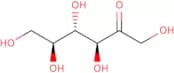

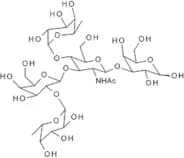
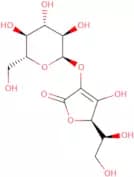

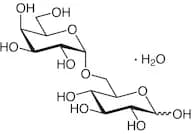

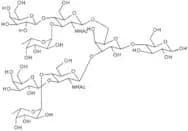
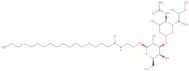
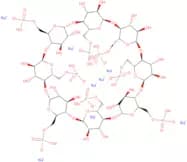

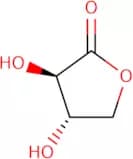
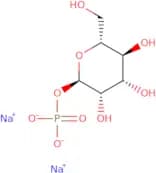
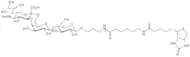
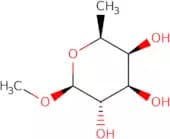

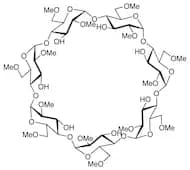
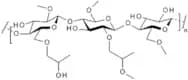
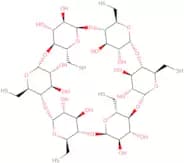

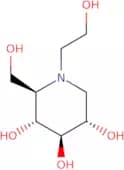
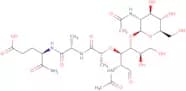
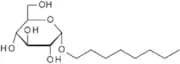
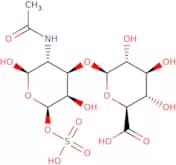
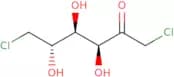
![Galβ(1-4)[Neu5Acα(2-6)]GlcNAc-β-pNP](/_next/image/?url=https%3A%2Fstatic.cymitquimica.com%2Fproducts%2F3B%2Fthumb-webp%2FG0353.webp&w=3840&q=75)
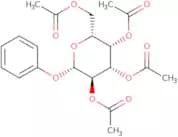

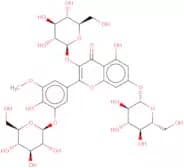
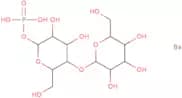
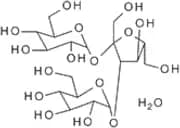
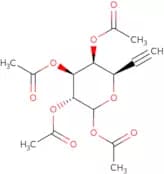
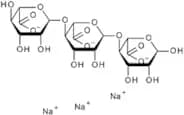


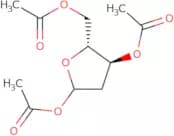
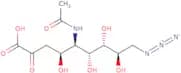
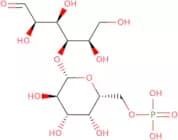
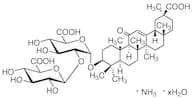
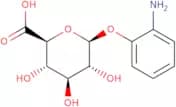

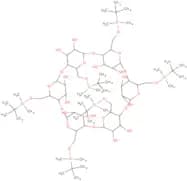
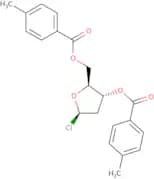
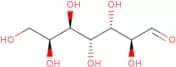
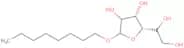
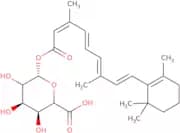
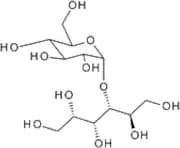


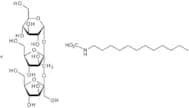
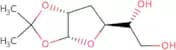
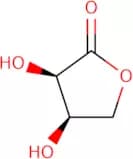
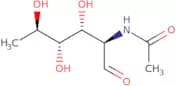
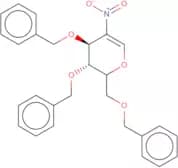
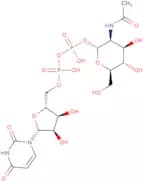


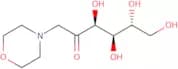

![Galβ(1-3)[Neu5Acα(2-6)]GalNAc-β-pNP](/_next/image/?url=https%3A%2Fstatic.cymitquimica.com%2Fproducts%2F3B%2Fthumb-webp%2FG0345.webp&w=3840&q=75)
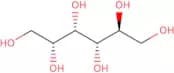
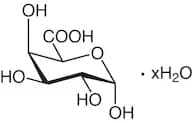
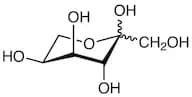
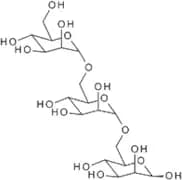
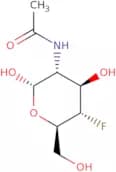
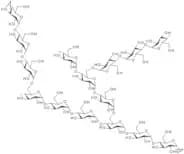
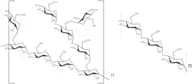
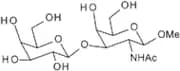
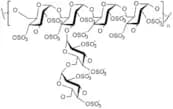
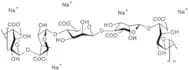

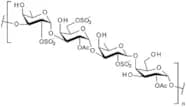
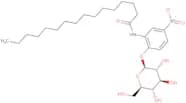
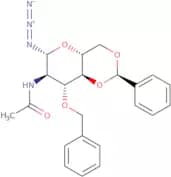
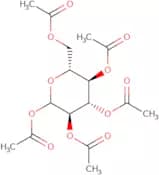
![Galβ(1-3)[Neu5Acα(2-6)]GalNAc-α-pNP](/_next/image/?url=https%3A%2Fstatic.cymitquimica.com%2Fproducts%2F3B%2Fthumb-webp%2FG0377.webp&w=3840&q=75)
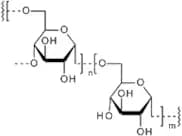
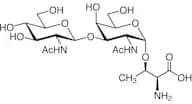
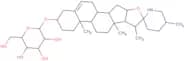

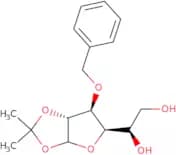
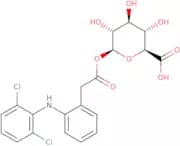
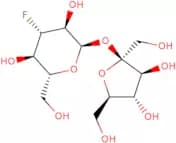
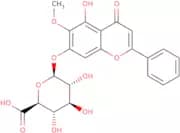
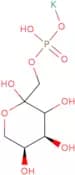
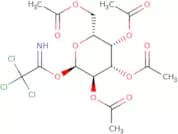

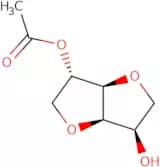
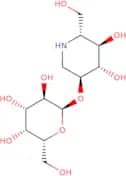


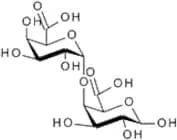

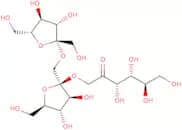
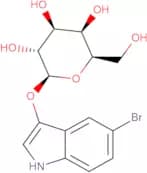

![[1-13C]D-Cellobiose](/_next/image/?url=https%3A%2Fstatic.cymitquimica.com%2Fproducts%2F3D%2Fthumb-webp%2FOC76730.webp&w=3840&q=75)
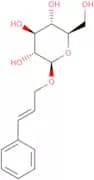
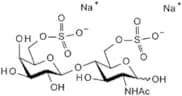

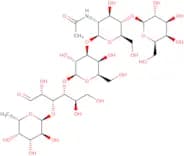
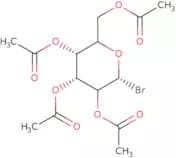
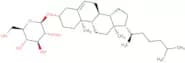
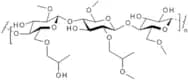
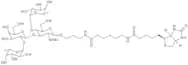
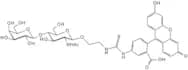


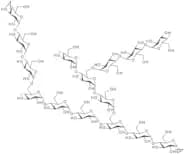

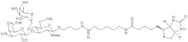


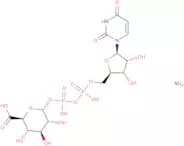
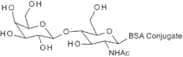


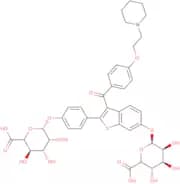
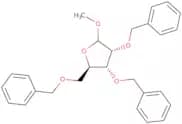


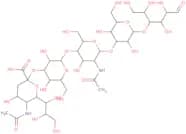
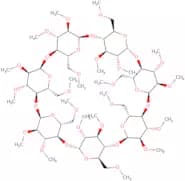
![D-[UL-¹³C6]mannose](/_next/image/?url=https%3A%2Fstatic.cymitquimica.com%2Fproducts%2F3D%2Fthumb-webp%2FMLA10074.webp&w=3840&q=75)
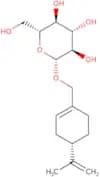
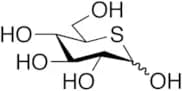

![N-(β-D-Glucopyranosyl)-N’-[(2-methanethiosulfonyl)ethyl] Urea](/_next/image/?url=https%3A%2Fstatic.cymitquimica.com%2Fproducts%2FTR%2Fthumb-webp%2FG441000.webp&w=3840&q=75)