Sels métalliques
2872 produits trouvés pour "Sels métalliques"
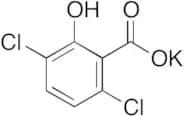
2,5-Dichlorobenzoic acid potassium
CAS :2,5-Dichlorobenzoic acid potassium salt is a fine chemical that is used as an intermediate for the synthesis of pharmaceuticals and speciality chemicals. It is a versatile building block with a variety of uses in research and manufacturing, including being used as a reaction component or as a reagent. This product has CAS No. 184637-62-5 and has been assigned the Chemical Abstract Service (CAS) number 184637-62-5.Formule :C7H4Cl2O2•KDegré de pureté :Min. 95%Couleur et forme :PowderMasse moléculaire :230.11 g/molLithium chloride
CAS :Lithium chloride is a cyclic peptide drug that has anthelmintic properties. It is active against various nematodes and cestodes, such as Ascaris lumbricoides, Toxocara canis, and Taenia pisiformis. Lithium chloride induces autophagy in cultured cells by increasing the permeability of the cell membrane to water vapor. This leads to the release of intracellular contents into the extracellular space and subsequent cell death. In vivo studies using a rat model have shown that lithium chloride is also capable of inducing autophagy in the gastrointestinal tract and inhibiting food intake. Lithium chloride has been shown to be effective in treating metabolic disorders, such as obesity and diabetes mellitus type II, due to its ability to increase GLP-1 production.Formule :LiClCouleur et forme :White PowderMasse moléculaire :42.39 g/molPotassium sorbate
CAS :Produit contrôléPotassium sorbate is a salt of sorbic acid and potassium. It is used as a food preservative and stabilizer, with an optimum concentration of 0.1%. It has been shown to be genotoxic in certain studies with Candida glabrata, but not in others. Potassium sorbate has also been shown to inhibit the growth of mold and yeast, while being non-toxic to humans. The analytical method for determining the concentration of potassium sorbate in a sample is based on the reaction between potassium sorbate and p-hydroxybenzoic acid (PHBA). This reaction produces benzoic acid (BA) and water vapor, which are measured by gas chromatography/mass spectroscopy (GC/MS). Potassium sorbate has been shown to have anti-atherosclerotic effects through its ability to inhibit cholesterol synthesis.
Formule :C6H7KO2Degré de pureté :Min. 95%Couleur et forme :PowderMasse moléculaire :150.22 g/molZinc L-lactate
CAS :Zinc L-lactate is a form of zinc that has been used in the health-care industry for many years. It is an active targeting agent that selectively accumulates in cells, tissues, and organs where it is needed most. Zinc L-lactate is a mixture of the two enantiomers of L-lactic acid (D and L). These two enantiomers can be separated by chromatographic methods to isolate the D form. The D form has been shown to be more active than the L form in animal studies. Zinc L-lactate has also been shown to stimulate cell growth and function as well as being a primary component of platelet-derived growth factor.Formule :C3H5O3ZnDegré de pureté :Min. 95%Couleur et forme :PowderMasse moléculaire :121.76 g/molTitanium (IV) oxide - Anatase, particle size 18nm
CAS :Titanium (IV) oxide is a reactive chemical that is used as a reagent, fine chemical, and speciality chemical. It has been used in the production of titanium metal and titanium metal alloys. Titanium (IV) oxide is also used as a building block for complex compounds, such as organic dyes, which are used in the textile industry. Titanium (IV) oxide is also used in the manufacture of pigments that are used in paints, plastics, and rubber products. This compound can be found under CAS No. 13463-47-6.Formule :TiO2Degré de pureté :Min. 95%Couleur et forme :White Clear LiquidMasse moléculaire :79.87 g/molZinc methacrylate
CAS :Zinc methacrylate is a model system for the study of polymerization reactions. It is used in biomedical applications such as light-emitting devices, prosthetic devices, and drug delivery systems. Zinc methacrylate is also a component of polymeric matrices that are used in cell culture. The reaction mechanism involves the formation of metal hydroxides through the crosslinking of zinc diethyldithiocarbamate with unsaturated alkyl groups on the surface of fatty acid molecules. This polymerization process creates a gel-like substance that can be cast into various shapes or molded into the desired shape. Zinc methacrylate has been shown to cause an increase in serum bilirubin levels and may be toxic to humans because it contains boron nitride, which can cause skin irritation or dermatitis.
Formule :C8H10O4ZnDegré de pureté :Min. 95%Couleur et forme :White PowderMasse moléculaire :235.54 g/molEthyl potassium malonate
CAS :Ethyl potassium malonate is a compound that has been shown to have antimicrobial activity in vivo. It is an inhibitor of the enzyme malonic acid reductase, which catalyzes the conversion of malonic acid to its corresponding ketone. This reaction is required for fatty acid biosynthesis. Ethyl potassium malonate has been shown to inhibit the growth of Gram-positive bacteria and fungi, as well as some Gram-negative bacteria. The antimicrobial activity of ethyl potassium malonate is due to its ability to react with hydroxyl groups on proteins and amides on lipids, leading to chemical degradation and cell death.Formule :C5H7KO4Degré de pureté :Min. 95%Couleur et forme :White/Off-White SolidMasse moléculaire :170.2 g/molCesium sulfate
CAS :Cesium sulfate is a chemical compound that is a combination of the elements cesium and sulfur. It is used in wastewater treatment and has high resistance to organic solvents, making it an experimental model for studying fatty acid degradation. Cesium sulfate can be synthesized by reacting ethylene diamine with sodium citrate, which will precipitate as cesium sulfate. This compound has been used to study metal hydroxides and coordination geometry. Cesium sulfate is also used in biological samples such as plasma and human serum. It undergoes thermal expansion in the presence of light and emits light when heated to decomposition.Formule :Cs2SO4Degré de pureté :Min. 95%Couleur et forme :PowderMasse moléculaire :361.87 g/molSodium stearyl fumarate
CAS :Sodium stearyl fumarate is a pharmaceutical excipient that is used as an anti-caking agent, lubricant, and flow agent in tablet production. It is also used as an additive to improve the stability of some drugs. Sodium stearyl fumarate can be used in diagnosis of metabolic disorders and prognosis of cardiovascular diseases. It reacts with hydrogen peroxide to form a particle which may be responsible for its anti-oxidant properties. The reaction mechanism for this drug has been elucidated using electron paramagnetic resonance spectroscopy on the hydroxyl radical.
Formule :C22H39NaO4Degré de pureté :Min. 95%Couleur et forme :PowderMasse moléculaire :390.53 g/molCreatinine zinc chloride
CAS :Creatinine zinc chloride is a fine chemical that is useful as a scaffold for the synthesis of complex compounds. Creatinine zinc chloride has been used as an intermediate in the synthesis of research chemicals and as a reaction component in the production of speciality chemicals. It has also been used as a building block for the synthesis of high-quality reagents.
Formule :(C4H7N3O)2•ZnCl2Degré de pureté :Min. 95%Couleur et forme :PowderMasse moléculaire :362.52 g/molSodium L-lactate - 60% aqueous solution
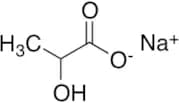
CAS :Lactate is a monocarboxylic acid that is produced by the liver and kidneys. It is also produced as a result of anaerobic metabolism. Lactate can be converted back to glucose in the liver, thereby contributing to blood sugar levels. Lactate has been shown to have inhibitory effects on bacterial growth and may work by binding to calcium ions. The uptake of lactate by bacteria is catalyzed by the enzyme L-lactate dehydrogenase, which converts lactate into pyruvate with concomitant release of a hydrogen ion (H+). The H+ may serve as an electron donor for the reduction of ferric iron, which leads to its oxidation state becoming ferrous iron (Fe2+) and thus prevents it from catalyzing the production of hydroxyl radicals. Magnetic particles are used to study the effect of lactate on bacterial cells. These studies show that lactate has low energy requirements and acts as a carbon source for bacteriaFormule :C3H5NaO3Degré de pureté :Min. 95%Couleur et forme :Colorless Clear LiquidMasse moléculaire :112.06 g/molHydroxycitric acid tripotassium monohydrate
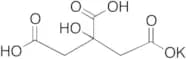
CAS :Hydroxycitric acid tripotassium salt monohydrate is a reagent that is used as a starting material in organic synthesis. It can be used as an intermediate in the preparation of complex compounds. Hydroxycitric acid tripotassium salt monohydrate has been shown to be useful for research purposes, as it has a versatile scaffold and can be used as a building block in the preparation of speciality chemicals. The compound also has a high quality and is considered to be a fine chemical. It is CAS No. 232281-44-6 and can be found on ChemSpider at http://www.chemspider.com/Chemical-Structure.232281-44-6.htmlFormule :C6H5K3O8•H2ODegré de pureté :Min. 95%Couleur et forme :PowderMasse moléculaire :340.41 g/mol3,5-Dichloro-2-hydroxybenzenesulfonate sodium salt
CAS :3,5-Dichloro-2-hydroxybenzenesulfonate sodium salt (3,5-DCHBS) is an inhibitor of the enzymes that are involved in the biosynthesis of prostaglandins. This inhibition leads to a decrease in inflammation and pain. 3,5-DCHBS has been shown to be effective against skin cancer cells and is also used to treat various types of cancer.Formule :C6H3Cl2NaO4SDegré de pureté :Min. 95%Couleur et forme :White Off-White PowderMasse moléculaire :265.05 g/mol1-[[6-(2,5-Dihydro-2,5-dioxo-1H-pyrrol-1-yl)-1-oxohexyl]oxy]-2,5-dioxo-3-pyrrolidinesulfonic acid sodium salt
CAS :1-[[6-(2,5-Dihydro-2,5-dioxo-1H-pyrrol-1-yl)-1-oxohexyl]oxy]-2,5-dioxo-3-pyrrolidinesulfonic acid sodium salt is an antibody response enhancer that binds to the Fc receptor of monocytes and macrophages. This binding activates the cells and increases their ability to produce antibodies against infectious agents. This product is used in the treatment of a variety of infections caused by viruses and bacteria. It has been shown to be effective for the treatment of influenza virus infection and other viral diseases such as HIV. The product also contains epidermal growth factor (EGF) which stimulates cell proliferation and differentiation in skin tissue. Antiinfective effects are achieved through inhibition of protein synthesis by silver ions or growth factors such as erythropoietin or photoelectron. This product also inhibits prostaglandin
Formule :C14H15N2NaO9SDegré de pureté :Min. 95%Couleur et forme :SolidMasse moléculaire :410.33 g/molL-Aspartic acid potassium
CAS :L-Aspartic acid potassium salt is a pyrazinoic acid derivative that is used for the treatment of bowel disease. L-Aspartic acid potassium salt prevents the formation of toxic metabolites by inhibiting the enzyme aspartate aminotransferase, which converts aspartate to oxaloacetate. This compound also has an inhibitory effect on cell factor and energy metabolism in cells. L-Aspartic acid potassium salt has been shown to have low potency against malignant cells in culture. !--END-->
Formule :C4H7NO4•KDegré de pureté :Min. 95%Couleur et forme :PowderMasse moléculaire :172.2 g/molAcetylene dicarboxylic acid potassium salt
CAS :Acetylene dicarboxylic acid potassium salt (ADAC) is a drug that belongs to the class of 2-fluorobenzoic acid derivatives. Acetylene dicarboxylic acid potassium salt inhibits the enzyme 2,3-dihydroxybenzoate-4-hydroxylase and reduces the production of propiolic acid, which leads to a decrease in the synthesis of tetracene. Acetylene dicarboxylic acid potassium salt has been shown to be an effective anesthetic, with good visual and motor activity. The high toxicity of this compound is due to its high affinity for protein binding sites and its ability to form hydrogen bonds.Formule :C4H2KO4Degré de pureté :Min. 95%Masse moléculaire :153.15 g/molPotassium dihydrogen phosphate
CAS :Potassium dihydrogen phosphate (KDP) is a biocompatible polymer that is used in the treatment of bowel disease. It is a polyphosphate salt consisting of two molecules of potassium, one molecule of dihydrogen phosphate, and four molecules of water. KDP has been shown to have protective effects against radiation-induced DNA damage and to inhibit the activity of calcium-dependent enzymes such as 2,4-dichlorobenzoic acid. KDP has also been shown to enhance the activity of other enzymes such as polymerase chain reaction (PCR) and cyclic AMP phosphodiesterase. KDP binds to proteins through electrostatic interactions and can be used as a phase transition temperature sensor.Formule :KH2PO4Degré de pureté :(Titration) 95 To 105%Couleur et forme :PowderMasse moléculaire :136.09 g/mol2-Chloroethanesulfonic acid sodium hydrate
CAS :2-Chloroethanesulfonic acid sodium hydrate is a chemical compound that belongs to the class of primary amines. It has a strong tendency to adsorb on surfaces, which can be seen in its FTIR spectra. 2-Chloroethanesulfonic acid sodium hydrate is a white crystalline solid and is insoluble in water. This compound has been found to have a high reactivity with metal ions, such as Na+, K+, Ca2+, and Mg2+. 2-Chloroethanesulfonic acid sodium hydrate reacts slowly with chloropropane, but more quickly with chloroacetic acid. The reaction time depends on the concentration of the reactants and the temperature at which it is heated.Formule :C2H4ClO3SNa·H2ODegré de pureté :Min. 98%Couleur et forme :White PowderMasse moléculaire :184.58 g/molgamma-Polyglutamic acid sodium - MW > 700,000
CAS :Gamma-Polyglutamic acid sodium - MW > 700,000 is a high molecular weight biopolymer, which is a salt form of polyglutamic acid. Its unique structure consists of glutamic acid units linked via γ-amide bonds, resulting in a robust and biodegradable polymer.The mode of action of gamma-Polyglutamic acid sodium involves its high water-binding capacity and viscosity, which make it exceptional in forming hydrogels. This property is pivotal in applications that require moisture retention or controlled release of active ingredients. Its biodegradability and non-toxic nature add to its versatility and safety profile.Gamma-Polyglutamic acid sodium is used across various fields, including biotechnology, pharmaceuticals, agriculture, and cosmetics. In biotechnology and pharmaceuticals, it is utilized as a drug delivery vehicle and tissue engineering scaffold due to its compatibility with human tissues. Its agricultural applications include acting as a soil conditioner and enhancing water retention. In cosmetics, it serves as a potent moisturizer and anti-aging ingredient.Formule :(C5H7NO3)n•NaxDegré de pureté :Min. 90 Area-%Couleur et forme :White PowderDisodium 4,4'-diazidostilbene-2,2'-disulfonate tetrahydrate
CAS :Please enquire for more information about Disodium 4,4'-diazidostilbene-2,2'-disulfonate tetrahydrate including the price, delivery time and more detailed product information at the technical inquiry form on this pageFormule :C14H8N6Na2O6S2·4H2ODegré de pureté :Min. 95%Couleur et forme :PowderMasse moléculaire :538.42 g/molD-isoascorbiate sodium
CAS :D-Sodium isoascorbiate is a model system for the study of enzyme activities. The compound can be used to determine the effects of glycol ether on kidney bean and ascorbic acid, as well as the effect of sodium salts on caproic acid. D-Sodium isoascorbiate has been used in electrochemical impedance spectroscopy (EIS) to study wastewater treatment. This compound has also been used in analytical methods for biological properties and physiological effects.Formule :C6H8O6•NaDegré de pureté :Min. 95%Couleur et forme :PowderMasse moléculaire :199.11 g/molHEPES sodium salt
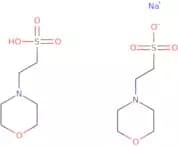
CAS :HEPES sodium salt is a piperazinic buffer with an optimal pH range of 6.8-8.2 and a pKa of 7.48. This buffering agent is widely used in cell culture however when exposed to light HEPES can produce hydrogen peroxide.Formule :C8H17N2NaO4SDegré de pureté :(Nmr) Min. 90%Couleur et forme :PowderMasse moléculaire :260.29 g/molCalcium β-hydroxy-β-methylbutyrate monohydrate
CAS :Calcium b-hydroxy-b-methylbutyrate monohydrate is a dietary supplement that has been shown to be effective in the treatment of skin conditions such as eczema. It is a calcium salt of the natural fatty acid, b-hydroxy-b-methylbutyrate, which is naturally found in kidney beans. This product may also be used for kidney disease and other health care products. The extract from this compound has been shown to increase collagen production in skin cells, as well as protein synthesis and casein production. Calcium b-hydroxy-b-methylbutyrate monohydrate can also bind with acetate (a chemical compound) and form calcium acetate, which has been shown to have antihypertensive effects.Formule :C5H10O3•Ca0•(H2O)0Degré de pureté :Min 97%Couleur et forme :White PowderMasse moléculaire :294.36 g/molSodium dodecylsulfate
CAS :Sodium dodecylsulfate is a surfactant that is used as an experimental model for the study of crystalline cellulose, water vapor, and basic proteins. It has been shown to be effective in the polymerase chain reaction (PCR) when combined with fluorescence probes. Sodium dodecylsulfate has also been used in laser ablation mass spectrometry and optical sensors for detecting sodium salts. The optimum concentration of this surfactant is between 0.1% and 0.5%. Sodium dodecylsulfate binds to cell nuclei, making it useful for the treatment of infectious diseases.Formule :C12H26O4S•NaDegré de pureté :Min. 97 Area-%Couleur et forme :PowderMasse moléculaire :289.39 g/molCalcium folinate pentahydrate
CAS :Calcium folinate pentahydrate is a drug that is used to treat overexertion. It is also used as a pharmacological treatment for cancer and as a drug repositioning agent. Calcium folinate pentahydrate has been shown to be effective in treating the symptoms of overexertion, including muscle cramps, pain, and fatigue. This drug binds to the casein in the bloodstream and forms calcium citrate, which is then excreted from the body. In cancer patients, this drug prevents tumor cells from dividing by inhibiting DNA synthesis and RNA synthesis. It does not affect normal cells because it cannot diffuse through membranes that are impenetrable by ions (e.g., cell membrane).
Formule :C20H21CaN7O7·5H2ODegré de pureté :Min. 95%Couleur et forme :Yellow PowderMasse moléculaire :601.58 g/molLasalocid A sodium salt - 0.1mg/ml, in acetonitrile
CAS :Lasalocid A sodium salt is a sodium salt of lasalocid, which is a macrolide antibiotic that inhibits bacterial growth by binding to the 50S ribosomal subunit. Lasalocid A sodium salt has intramolecular hydrogen bonds and exhibits high solubility in acetonitrile. The experimental solubility data was obtained using an analytical method with quillaja saponaria as a model system. Lasalocid A sodium salt has been used as an experimental model for congestive heart failure and is also used in biological samples such as blood, urine, or tissue. This drug is highly resistant to degradation by bacteria.Formule :C34H53NaO8Degré de pureté :Min. 90 Area-%Couleur et forme :Colorless Clear LiquidMasse moléculaire :612.77 g/molH acid monosodium salt
CAS :H acid monosodium salt is a versatile building block of complex compounds, which has been used in research chemicals and as a reagent. It is also useful as an intermediate for the synthesis of other chemical compounds and as a scaffold for drug development. H acid monosodium salt is soluble in water and has CAS number 5460-09-3.Formule :C10H8NNaO7S2Degré de pureté :Min. 97 Area-%Couleur et forme :Off-White PowderMasse moléculaire :341.29 g/molOxonic acid potassium
CAS :Oxonic acid potassium is a selectively competitive uricase inhibitor that avoids excretion of uric acid. It also inhibits the activity of orotate phosphoribosyltransferase (OPRT), an enzyme needed for the biosynthesis of pyrimidine nucleotides. Oxonic acid potassium catalyzes the phosphorylation of 5-fluorouracil (FF05372, BF166014) to 5-fluorouridine-5'-monophosphate (NF31487). In certain studies with rats, it has been shown that oxonic accid potassium suppresses the gastrointestinal toxicity of 5-fluorouracil or 5-FU without inhibiting the antitumor activity. Oxonic acid potassium, in combination with other prodrugs, boosts the antitumor activity and has shown positive results to treat gastric, pancreatic, lung, head, neck, and breast carcinomas.Formule :C4H2KN3O4Degré de pureté :Min. 98 Area-%Couleur et forme :PowderMasse moléculaire :195.17 g/molCholesterol 3-sulfate sodium
CAS :Cholesterol 3-sulfate sodium salt is a fine chemical that is used as a versatile building block and reagent. It is a useful intermediate that can be used in the synthesis of complex compounds, speciality chemicals, and reaction components. Cholesterol 3-sulfate sodium salt can be used to synthesize cholesterol derivatives. This compound has been shown to have high reactivity with nucleophiles and can be used as a building block for other organic compounds. The CAS number for Cholesterol 3-sulfate sodium salt is 2864-50-8.Formule :C27H45NaO4SDegré de pureté :Min. 95%Couleur et forme :White PowderMasse moléculaire :488.7 g/molFerrozine sodium salt
CAS :Ferrozine sodium salt, also known as ferrozine, is an iron chelator. It is used for the removal of iron from physiological fluids and tissue samples in order to identify the presence of reactive oxygen species (ROS). Ferrozine binds to iron ions and forms ferrous complexes that are excreted through urine or bile. It has been shown that ferrozine inhibits lipid peroxidation in rat liver mitochondria. This may be due to its ability to react with hydrogen peroxide and form a complex with iron-hydrogen peroxide, which prevents the formation of hydroxyl radicals.Formule :C20H13N4NaO6S2Degré de pureté :Min. 97 Area-%Couleur et forme :Off-White PowderMasse moléculaire :492.46 g/molCalcium folinate
CAS :Dihydrofolate reductase activator; decreases methotrexate toxicityFormule :C20H21CaN7O7Degré de pureté :Min. 95%Couleur et forme :PowderMasse moléculaire :511.50 g/molValeric acid sodium
CAS :Valeric acid sodium salt is a fatty acid that has been shown to inhibit bacterial growth in the presence of epidermal growth factor and sodium salts. Valeric acid sodium salt is used as an antiseptic in topical formulations and as a preservative for pharmaceuticals. Valeric acid sodium salt also inhibits HIV infection by inhibiting the binding of HIV to its receptor, which prevents the virus from entering cells.Formule :C5H10O2•NaDegré de pureté :Min. 95%Couleur et forme :PowderMasse moléculaire :125.12 g/molCopper(II) oxide
CAS :Copper oxide is a solid ionic compound that has the chemical formula CuO. It has been shown to have potent anti-inflammatory properties and can be used in pharmaceutical preparations to treat rheumatoid arthritis, osteoarthritis, and gout. Copper oxide has a particle size of less than 10 microns with amines adsorbed on its surface. The adsorption of amines on the surface of copper oxide particles is an important factor for increasing the effectiveness of this material in biological applications. Copper oxide also provides protection against oxidative stress by scavenging free radicals. The activation energy for the reaction is high at 40 kcal/mol, which leads to a slow reaction rate. This reaction is kinetically controlled and the rate increases with increased temperature.Formule :CuODegré de pureté :Min. 95%Couleur et forme :PowderMasse moléculaire :79.55 g/molLithium phenyl(2,4,6-trimethylbenzoyl)phosphinate
CAS :Lithium phenyl(2,4,6-trimethylbenzoyl)phosphinate is a disulfide bond reductant that can be used to reduce the disulfide bonds in proteins. Lithium phenyl(2,4,6-trimethylbenzoyl)phosphinate has been shown to inhibit the proliferation of human hepatic cells and reverse the accumulation of lipids in these cells. It also has antiviral properties and has been shown to inhibit HIV-1 replication in vitro. This drug may have potential applications in radiation therapy as it is not affected by light exposure or radiation. Low-density lipoprotein (LDL)-cholesterol levels were found to decrease after administration of lithium phenyl(2,4,6-trimethylbenzoyl)phosphinate. This drug also has effects on body weight and body mass index (BMI). Lithium phenyl(2,4,6-trimFormule :C16H16LiO3PDegré de pureté :Min. 95%Couleur et forme :White PowderMasse moléculaire :294.21 g/molL-Aspartic acid sodium salt monohydrate
CAS :L-Aspartic acid sodium salt monohydrate is a sodium carbonate salt of L-aspartic acid that has been shown to inhibit the growth of leishmania in vitro. It may also be effective against other protozoa and amoeba, including Entamoeba histolytica and Naegleria fowleri. L-Aspartic acid sodium salt monohydrate inhibits acid formation by inhibiting the enzyme carbonate synthetase. This compound also has potential as a drug target for infantile lysosomal storage disease due to its ability to activate glutamate, which is an amino acid that is deficient in this condition. The surface methodology used for this study was titration calorimetry, which can be used to measure the thermodynamic properties of activated carboxylates.
Formule :C4H6NO4Na·H2OCouleur et forme :White Off-White Clear LiquidMasse moléculaire :173.1 g/molZinc glycinate
CAS :Zinc glycinate is a form of zinc that is well-absorbed in the gut and has low toxicity. It is used to treat metabolic disorders such as fatty acid oxidation, ethylene diamine oxidation, and antimicrobial peptide synthesis. Zinc glycinate also inhibits the activity of enzymes involved in reactions involving acid complex, nutrient solution, drug interactions, and tissue antigens. Zinc glycinate binds to picolinic acid (a metabolite of tryptophan) and inhibits mitochondrial membrane potential. Structural analysis shows that zinc glycinate has a molecular weight of 196.2 g/mol and an empirical formula of C9H12N2O6Zn.
Formule :C4H8N2O4ZnDegré de pureté :Min. 95%Couleur et forme :PowderMasse moléculaire :213.5 g/molIndigosol O, disodium salt
CAS :Indigo-sols are a class of high quality, versatile building blocks. They are useful in the synthesis of complex organic compounds and can be used as a reagent for reactions such as the Wittig reaction. Indigo-sols are an important intermediate for the production of indigo dye and have been shown to be useful scaffolds for drug discovery research. Indigo-sols have also been shown to exhibit antiviral activity against HIV protease, influenza neuraminidase, and herpes simplex virus type 1 protease. The CAS number is 3875-70-5.Formule :C16H10N2Na2O8S2Degré de pureté :Min. 95%Couleur et forme :PowderMasse moléculaire :468.37 g/molZinc pentamethylenedithiocarbamate
CAS :Zinc pentamethylenedithiocarbamate is an analytical reagent for the determination of fatty acid, viscosity, and cross-linking agent. It is also used as a synthetic, inorganic, organosilicon, piperidine derivative. Zinc pentamethylenedithiocarbamate is a molecule that consists of two divalent hydrocarbons: zinc diethyldithiocarbamate and organosilicon. The molecular weight of zinc pentamethylenedithiocarbamate is 476.6 g/mol.Formule :C12H20N2S4ZnDegré de pureté :(%) Min. 95%Couleur et forme :PowderMasse moléculaire :385.94 g/molSodium sulfide nonahydrate
CAS :Produit contrôléSodium sulfide nonahydrate is a chemical compound that has been shown to be statistically significantly more genotoxic than sodium sulfate, but less genotoxic than sodium sulfite. Sodium sulfide nonahydrate is used as a coating material and in the production of polychromatic pigment. It has also been studied for its potential use in analytical methods such as surface methodology, x-ray absorption spectroscopy, and photoelectron spectroscopy. Recent studies have also shown that this compound may enhance the rate of reaction between nucleophiles and electrophiles. Sodium sulfide nonahydrate can cause hematological changes in humans at high doses, including lymphocyte reduction, leukocytosis, and increased erythrocyte sedimentation rate.Formule :Na2S•(H2O)9Degré de pureté :Min. 98%Couleur et forme :PowderMasse moléculaire :240.18 g/molSodium carboxyl methylstarch
CAS :Sodium carboxymethyl starch, sometimes abbreviated as CMS or SCMS, is a modified starch derivative widely used as an excipient in pharmaceutical formulations. It is used to support the stability, delivery, and performance of the API in drug products.
Degré de pureté :Min. 95%Couleur et forme :PowderL-Thyroxine sodium pentahydrate
CAS :L-Thyroxine sodium pentahydrate is an organic chemical compound that belongs to the group of thyroxine compounds. It is a white, crystalline solid with a molecular formula of C5H11NNaO4S. L-Thyroxine sodium pentahydrate is used in research as a reagent, scaffold, and intermediate, and can be used as a building block for other chemicals. This chemical has many different uses because it is versatile and reacts easily with other compounds.Formule :C15H20I4NNaO9Couleur et forme :PowderMasse moléculaire :888.93 g/molN, N-Bis(Carboxymethyl)-L -glutamic acid tetrasodium salt - ca. 40% in water
CAS :N,N-Bis(carboxymethyl)-L-glutamic acid tetrasodium salt is a cationic surfactant that has been used in the production of personal care products and industrial cleaners. This compound is soluble in water and can be used as a post-treatment to reduce the redox potential of hydrochloric acid. It also has antibacterial efficacy against both Gram-positive and Gram-negative bacteria. N,N-Bis(carboxymethyl)-L-glutamic acid tetrasodium salt has been shown to be effective against tumor cells.Formule :C9H9NO8·4NaDegré de pureté :Min. 95%Couleur et forme :PowderMasse moléculaire :351.13 g/molLasalocid A sodium salt
CAS :Lasalocid is a water-soluble sodium salt of lasalocid A, an antimicrobial agent that is used in wastewater treatment. Lasalocid A has been shown to have effects on the enzyme activities of quillaja saponaria, which may be due to its ability to change the phase transition temperature and react with enzymes involved in energy metabolism. Lasalocid A also appears to have cardiotoxic effects when administered in high doses in experimental models. The potential for toxicity is decreased when it is combined with dopamine β-hydroxylase inhibitors such as carbidopa.Formule :C34H53NaO8Degré de pureté :Min. 95%Couleur et forme :White PowderMasse moléculaire :612.77 g/molDisodium pamoate
CAS :Disodium pamoate is a compound that contains caproic acid. It is used as an analytical reagent for the determination of peptide hormones and pharmacological agents. Disodium pamoate has been shown to be an antimicrobial agent, and can inhibit the growth of bacteria by binding to the ribosomal subunits. Disodium pamoate has also been shown to have anticancer properties, which may be due to its ability to induce mitochondrial membrane depolarization in HL-60 cells. This compound binds to nitrogen atoms on biological structures, such as proteins or other organic compounds, thereby altering their structure and function.Formule :C23H14Na2O6Degré de pureté :Min. 95%Couleur et forme :Slightly Yellow PowderMasse moléculaire :432.33 g/molTitanium (IV) oxide - Rutile
CAS :Rutile is the most common form of titanium oxide and is a photocatalyst that can react with water vapor to produce hydrogen gas. Rutile has been shown to be toxicologically safe and has been used in analytical methods for the detection of sodium salts, such as the determination of sodium in seawater. Rutile can also be used for wastewater treatment, where it functions as a catalyst for chemical reactions that remove organic pollutants from water.Formule :TiO2Degré de pureté :Min. 95%Couleur et forme :White Clear LiquidMasse moléculaire :79.87 g/molZirconiumdicarbonate
CAS :Zirconiumdicarbonate is a zirconium compound that is used as an oxidation catalyst for wastewater treatment. The chemical stability of zirconiumdicarbonate makes it a good choice for this application because it can withstand harsh conditions. Zirconiumdicarbonate is typically used in conjunction with potassium dichromate, which oxidizes organic compounds and converts them to carbon dioxide, water vapor, and hydrogen chloride. The reaction mechanism involves the dimethyl fumarate being reduced to formaldehyde and methanol. These substances react with the zirconium oxide to produce hydrogen gas and water vapor. Zirconiumdicarbonate is also used in the production of polyvinyl chloride (PVC) plastics. Zirconiumdicarbonate reacts with sodium carbonate or sodium hydroxide to produce sodium dichromate or sodium hydroxide respectively.
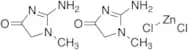
Formule :C2O6ZrCouleur et forme :PowderMasse moléculaire :211.24 g/molMethylene Green zinc chloride double salt
CAS :Methylene green zinc chloride double salt is a reactive dye that is used in biological and analytical methods. It has a high affinity for proteins, which allows it to be used as a marker for protein-dye interactions. The methylene green zinc chloride double salt is an optical sensor that changes color when the dye interacts with other substances. It can be used to detect the presence of pathogens, such as bacteria or viruses, by determining the amount of dye remaining after exposure to the pathogen. Methylene green zinc chloride double salt also reacts with tetrazolium dye in biological samples, such as human serum or brain tissue, to produce a color change. This reaction mechanism can be used to measure metabolic activity in cells and tissues. In wastewater treatment, methylene green zinc chloride double salt can be used as an adsorbent for removal of organic pollutants from water. Methylene green zinc chloride double salt also has radiation-blocking properties and can be used as a protective agent against radiation exposure
Formule :C16H17ClN4O2S•(ZnCl2)0Degré de pureté :Min. 70 Area-%Couleur et forme :PowderMasse moléculaire :432.99 g/molSulfadiazine sodium
CAS :Sulfadiazine sodium is an antimicrobial agent that belongs to the sulfa drugs. It has a wide range of uses, such as wastewater treatment, disinfecting water supplies, and treating infectious diseases. Sulfadiazine sodium is commonly used in the treatment of urinary tract infections and skin infections. The structure of sulfadiazine sodium is similar to the structure of other sulfa drugs. Sulfa drugs are compounds containing a sulfonamide group linked to a 4-carbon organic acid. They are characterized by their antibiotic properties and their ability to prevent bacterial growth by blocking the synthesis of folic acid. Sulfa drugs also have a synergistic effect with penicillin antibiotics, which can help kill bacteria that have become resistant to penicillin alone.Formule :C10H9N4NaO2SDegré de pureté :Min. 95%Couleur et forme :White To Yellow SolidMasse moléculaire :272.26 g/molGualicol sulfonic acid potassium salt
CAS :Gualicol sulfonic acid potassium salt is a potassium salt that has expectorant properties. It can be used for the treatment of respiratory conditions such as bronchitis and asthma. Gualicol sulfonic acid potassium salt is used to treat coughs and other symptoms of respiratory infections, such as bronchitis and asthma. The drug is administered by mouth in tablet form.Formule :C7H7KO5SDegré de pureté :Min. 95%Couleur et forme :PowderMasse moléculaire :242.29 g/molZinc sulfate monohydrate
CAS :Zinc sulfate monohydrate is a white crystalline solid that is soluble in water. It is used as a nutrient supplement, such as in the form of zinc sulfate. The compound is also used to prepare zinc citrate, which can be used as a buffer or reaction solution. Zinc sulfate monohydrate reacts with other compounds to produce zinc salts and water vapor. In the presence of calcium pantothenate and phosphorus pentoxide, it forms zinc phosphate and zinc carbonate. This compound has been shown to increase locomotor activity when injected into rats at an optimum concentration. Zinc sulfate monohydrate has been shown to have cardiac effects in rats at higher doses, including delayed repolarization and reduced contractility. Structural analysis of this compound has shown that it contains a complex enzyme-like site that may be involved in the catalytic process. Thermodynamic data for this compound has been obtained by differential scanning calorimetry and X-ray powder diffraction analysis,
Formule :ZnSO4•H2ODegré de pureté :Min. 95%Couleur et forme :PowderMasse moléculaire :179.46 g/molSodium diformylamide
CAS :Sodium diformylamide is a chemical compound that belongs to the class of amides. It has been shown to inhibit the activity of a number of enzymes including alkanoic acid, inorganic acid, and amide. It has also shown promising results in the prevention and treatment of metabolic disorders such as hepatitis. The asymmetric synthesis of this compound is achieved through the use of trifluoroacetic acid and nitrogen atoms. The biological properties of sodium diformylamide have not yet been fully researched but it has been found to have integrin receptor-binding properties.Formule :C2H3NO2•NaDegré de pureté :Min. 95%Masse moléculaire :96.04 g/molTaurochenodeoxycholic acid sodium
CAS :Taurochenodeoxycholic acid sodium is a bile acid derivative, which is naturally sourced from the bile of mammals. It is synthesized by conjugating chenodeoxycholic acid with taurine, resulting in its sodium salt form. The primary mode of action of taurochenodeoxycholic acid sodium involves its role in the emulsification and absorption of dietary fats and fat-soluble vitamins in the intestines. Additionally, it acts on the liver, where it enhances bile flow and exhibits hepatoprotective properties by modulating bile acid composition and reducing cytotoxicity.Formule :C26H45NO6S•NaDegré de pureté :Min. 95%Couleur et forme :PowderMasse moléculaire :522.7 g/molDL-4-Hydroxy-2-ketoglutarate dilithium salt
CAS :DL-4-Hydroxy-2-ketoglutarate dilithium salt (DL4KG) is a lysine analogue that is used as a substrate for the enzyme aldolase. DL4KG has a hydroxyl group, which can react with the amino group of lysine residues on proteins to produce an unstable intermediate. This process eventually leads to the production of glutamate and glyceraldehyde 3-phosphate, which are needed in the synthesis of ATP. DL4KG has been shown to be an inhibitor of bacterial enzymes such as glutamate dehydrogenase, which catalyzes the conversion of L-glutamic acid to L-glutamine. Inhibition by DL4KG has been demonstrated in vitro at concentrations between 2 and 10 mM.Formule :C5H4O6Li2Degré de pureté :90%MinCouleur et forme :White to off-white solid.Masse moléculaire :173.96 g/molTitanium (IV) oxide - Rutile nanopowder ca. 25 nm particle size
CAS :Rutile titanium dioxide is a naturally occurring mineral that is composed of titanium (IV) oxide and oxygen. Rutile TiO2 nanopowder has shown to be an effective catalyst for the decomposition of organic matter in wastewater treatment, due to its strong reactive properties. Rutile TiO2 nanopowder can also be used as an additive in polymerase chain reactions (PCR). It has been shown to have a number of physiological effects, such as changes in the expression of genes related to the pathogenesis of certain cancers. The mechanism by which this occurs is not yet fully understood and requires further research. Rutile TiO2 nanopowder is produced by laser ablation and has been used for analytical methods such as electrochemical impedance spectroscopy. The toxicity of rutile TiO2 nanopowder has been studied extensively with regards to its effects on animals, humans, and plants.Formule :TiO2Degré de pureté :(%) Min. 98%Couleur et forme :White Off-White PowderMasse moléculaire :79.87 g/molPoly-L-glutamic acid sodium, MW 50,000-100,000
CAS :Poly-L-glutamic acid sodium, MW 50,000-100,000 is a treatment agent that belongs to the group of oligopeptides. It is a low-dose therapeutic agent for the treatment of hair loss and alopecia. The amino acid sequence of this product has been shown to be similar to that of methionine and contains carboxyl groups. Poly-L-glutamic acid sodium, MW 50,000-100,000 is formed by the deprotonation and protonation of amino groups and carboxyl groups in an acidic environment.Formule :(C5H9NO4)x•NaxDegré de pureté :Min. 95%Couleur et forme :Powder9-(2-Carboxyphenyl)-3,6-bis(ethylamino)-2,7-dimethylxanthylium Cesium Salt
CAS :Produit contrôléApplications 9-(2-Carboxyphenyl)-3,6-bis(ethylamino)-2,7-dimethylxanthylium Cesium Salt is an intermediate in the synthesis of SkQR1 (S555050), a mitochondria-targeted plastoquinone antioxidant that exhibits neuroprotective effect. Potent Mitochondrial Targeting antioxidant (1)
References Isaev NK. et al. 2012. Biochemistry (Mosc). Sep;77(9):996-9 Isaev NK, et al. Rev Neurosci. 2016 Aug 25.Formule :C26H26CsN2O3Couleur et forme :NeatMasse moléculaire :547.4Cytidine 5'-Triphosphate Disodium Salt
CAS :Applications Cytidine 5'-Triphosphate Disodium Salt is a P2X purinergic receptor agonist. It can be used as reactant/reagent in chemoenzymic synthesis of sialosides containing C7-modified sialic acids and their application in sialidase substrate specificity studies.
References Khedri, Z., et al.: Carbohyd Res, 389, 100 (2014)Formule :C9H14N3Na2O14P3Couleur et forme :NeatMasse moléculaire :527.12Sodium Naphthalene-2,6-disulfonate
CAS :Produit contrôléApplications Sodium Naphthalene-2,6-disulfonate (cas# 1655-45-4) is a useful research chemical.
Formule :C10H6Na2O6S2Couleur et forme :NeatMasse moléculaire :332.26Sodium Hydrosulfide Hydrate
CAS :Produit contrôléApplications Sodium Hydrosulfide Hydrate is a stable hydrogen sulfide (H2S) donor and oxidant in the formation of benzothiazoles. It is also used as a reagent in the synthesis of imidazo[1,2-b]thiazole derivatives as novel SIRT1 activators.
Not a dangerous good if item is equal to or less than 1g/ml and there is less than 100g/ml in the package
References Meng, J., et al.: Int. J. Impot. Res., 25, 86 (2013); Park, N., et al.: Eur. J. Org. Chem., 2012, 1984 (2012); Vu, C.B., et al.: J. Med. Chem., 52, 1275 (2009)Formule :HNaS(xH2O)Couleur et forme :NeatMasse moléculaire :56.06Sodium 4-Methylbenzenesulfinate
CAS :Produit contrôléApplications Sodium 4-methylbenzenesulfinate (cas# 824-79-3) is a useful research chemical.
Formule :C7H7NaO2SCouleur et forme :NeatMasse moléculaire :178.192-Cyanoethyl Phosphate, Barium
CAS :Produit contrôléApplications A phosphorylating agent with a protecting group sensitive to mild alkali, useful as an intermediate in the synthesis of nucleotides.
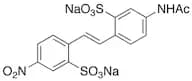
References Tener, G.M.: J. ACS, 83, 159-168 (1961)Formule :C3H4NO4P·BaCouleur et forme :NeatMasse moléculaire :286.374-Acetamido-4’-aminostilbene-2,2’-disulfonic Acid Disodium Salt
CAS :Produit contrôléStability Temperature Sensitive - Recommended Storage at -20°C
Applications 4-Acetamido-4’-aminostilbene-2,2’-disulfonic Acid Disodium Salt (cas# 78211-74-2) is a compound useful in organic synthesis.Formule :C16H14N2O7S2·2NaCouleur et forme :NeatMasse moléculaire :456.4Sodium bis(trimethylsilyl)amide (95%)
CAS :Produit contrôléApplications can be used in the generation of carbenes, the amination of sulfenamides, and the preparation of lanthanide complexes.
References Hasan T.m et al.: Journal of the Chemical Society. Perkin Transactions 1 , 1923-1923, (1992); S C Bock Journal of the American Chemical Society 116, 7637-7637, (1994)Formule :C6H18NNaSi2Degré de pureté :95%Couleur et forme :NeatMasse moléculaire :183.37Lithium Bromide
CAS :Applications Lithium bromide is used as an inexpensive catalyst for the opening of epoxide rings by amines at room temperature. Lithium bromide is also used in conjunction with water to create a refrigerant-absorbent solution for use in refrigeration systems.
References Arun, M., et al.: Appl. Therm. Eng., 21, 1273 (2001); Chakraborti, A., et al.: Eur. J. Org. Chem., 17, 3597 (2004)Formule :Br·LiCouleur et forme :NeatMasse moléculaire :86.84Sodium Cyanoborodeuteride
CAS :Produit contrôléApplications Labelled Sodium Cyanoborohydride is a commonly used as a reagent in the reductive amination of aldehydes and ketones and in the reductive alkylation of amines.
Not a dangerous good if item is equal to or less than 1g/ml and there is less than 100g/ml in the package
References Hsu, J. et al.: J. Am. Soc. Mass Spec., 17, 194 (2006); Ducrocq, C. et al.: J. Label. Comp. Radiopharm., 22, 61 (1985);Formule :C2H3BN·NaCouleur et forme :NeatMasse moléculaire :65.86Potassium Deuteroxide (40% w/w in D2O)
CAS :Produit contrôléApplications Labelled Potassium Hydroxide, used in the synthesis of biodiesels.
References Boz, N. et al.: Appl. Catal. B-Environ., 138, 236 (2013); Rathore, P. et al.: Energy. Fuels. 27, 2776 (2013);Formule :DKOCouleur et forme :Single SolutionMasse moléculaire :57.11Chromium (VI) Oxide
CAS :Produit contrôléApplications Chromium (VI) oxide is a toxic compound that has been strongly linked to initiating cancer in humans. Chromium (VI) oxide is also used as a catalyst in the oxidation of benzylic compounds (e.g. Toluene [T535870]) with periodic acid as the terminal oxidant.
Not a dangerous good if item is equal to or less than 1g/ml and there is less than 100g/ml in the package
References Pritchard Jr., K., et al.: J. Environ. Pathol. Tox., 19, 251 (1999); Yamazaki, S.: Org. Lett., 1, 2129 (1999)Formule :CrO3Couleur et forme :Dark PurpleMasse moléculaire :99.99Cobalt(II) Chloride Hydrate
CAS :Produit contrôléApplications Cobalt(II) Chloride Hydrate, is used in biological studies as adual control of glut1 glucose transporter gene by hypoxia and by inhibition of oxidative phosphorylation and structural and functional characterization of promoter region of rat glut1 gene
Not a dangerous good if item is equal to or less than 1g/ml and there is less than 100g/ml in the package
References Behrooz, A., et al.: J. Biol. Chem., 272, 5555 (1997)Formule :Cl2Co•xH2OCouleur et forme :NeatMasse moléculaire :129.841801N-[2-(N’,N’,N’-Trimethylammoniumbromide)ethyl]maleamic Acid Sodium Salt
CAS :Produit contrôléApplications N-[2-(N’,N’,N’-Trimethylammoniumbromide)ethyl]maleamic Acid Sodium Salt is a compound useful in organic synthesis.
Formule :C9H16N2NaO3·BrCouleur et forme :NeatMasse moléculaire :303.129Potassium Azide-15N
CAS :Produit contrôléApplications Potassium Azide-15N is a labelled intermediate in the synthesis of Tazobactam Sodium Salt-13C2,15N1, which is the labeled analogue of Tazobactam Sodium Salt (T010100), which is a β-Lactamase inhibitor, used with β-lactam antibiotics to enhance their effect.
References Gould, I.M., et al.: Drugs Exp. Clin. Res., 17, 187 (1991), Roland, R.K., et al.: J. Infect. Dis., 4, 226 (2000), Bonomo, R.A., et al.: Biochim. Biophys. Acta, 1547, 196 (2001),Formule :KN215NCouleur et forme :Off-WhiteMasse moléculaire :82.112-Cyano-acetic Acid Sodium Salt-13C2
CAS :Produit contrôléApplications 2-Cyano-acetic Acid Sodium Salt-13C2 (cas# 1346598-51-3) is a compound useful in organic synthesis.
Formule :C13C2H2NNaO2Couleur et forme :NeatMasse moléculaire :109.03Potassium Hydrogen Fluoride
CAS :Produit contrôléApplications Potassium hydrogen fluoride (cas# 7789-29-9) is a useful research chemical.
Not a dangerous good if item is equal to or less than 1g/ml and there is less than 100g/ml in the packageFormule :KHF2Couleur et forme :NeatMasse moléculaire :78.1Sodium Stearate
CAS :Produit contrôléApplications Sodium stearate (cas# 822-16-2) is a useful research chemical.
Formule :C18H35NaO2Couleur et forme :NeatMasse moléculaire :306.462-Chloro-5-nitrobenzene Sodium Sulphonate
CAS :Produit contrôléApplications 2-Chloro-5-nitrobenzene Sodium Sulphonate (cas# 946-30-5) is a compound useful in organic synthesis.
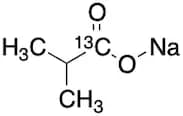
Formule :C6H3ClNO5S·NaCouleur et forme :NeatMasse moléculaire :259.60Potassium Isobutyrate
CAS :Produit contrôléApplications Potassium Isobutyrate (cas# 19455-20-0) is a useful research chemical.
Formule :C4H7O2·KCouleur et forme :NeatMasse moléculaire :126.195Sodium Benzoylthioethanesulfonate-d4
CAS :Produit contrôléApplications Sodium Benzoylthioethanesulfonate-d4 (cas# 1189657-00-8) is a compound useful in organic synthesis.
Formule :C92H4H5O4S2·NaCouleur et forme :NeatMasse moléculaire :272.31Potassium Cyanide-15N
CAS :Produit contrôléApplications Labelled analogue of Potassium Cyanide, a reagent widely used in organic synthesis for the preparation of nitriles and carboxylic acids, particularly in the von Richter reaction.
Not a dangerous good if item is equal to or less than 1g/ml and there is less than 100g/ml in the package
References Kollenz, G. et al.: Org. Prep. Proc. Int., 12, 244 (1980); Subramanian, L. R.: Sci. Synth., 19, 173 (2004);Formule :CK15NCouleur et forme :NeatMasse moléculaire :66.11Chloro(triphenylphosphine)gold(I)
CAS :Produit contrôléApplications Chloro(triphenylphosphine)gold(I) is a coordination compound.
Formule :C18H15AuClPCouleur et forme :NeatMasse moléculaire :494.71Silver Cyanate
CAS :Produit contrôléApplications Silver cyanate is a chemosterilant in adult houseflies, and is also used as a reagent to synthesize 1-(3-thianyl)uracil and 9-(3-thianyl)adenine derivatives, compounds that have potential anti-human immunodeficiency virus (HIV) and antitumour activity.
References Fye, R., et al.: J. Econ. Entomol., 62, 522 (1969); Hultin, P. & Szarek, W.: Can. J. Chem., 72, 208 (1994)Formule :AgOCNCouleur et forme :NeatMasse moléculaire :149.88Potassium Thioacetate
CAS :Produit contrôléApplications Potassium Thioacetate is the potassium salt of Thioacetic Acid, a commonly used reagent in organic synthesis for the introduction of thiol groups in molecules.
Not a dangerous good if item is equal to or less than 1g/ml and there is less than 100g/ml in the package
References Chapman, J.H. et al.: J. Chem. Soc., 579 (1950);Formule :C2H4KOSCouleur et forme :NeatMasse moléculaire :114.21Iron
CAS :Produit contrôléApplications Iron is a transition metal element used in coordination chemistry as well as in metallo-organic molecules in pharmaceutical chemistry.
References Brozek, C. et al.: Chem. Mat., 25, 2998 (2013); Mesbah, A. et al.: Inorg. Chem., 52, 12057 (2013);Formule :FeCouleur et forme :NeatMasse moléculaire :55.84Potassium Fluoride Dihydrate
CAS :Produit contrôléApplications Potassium Fluoride Dihydrate is a useful chemical reagent.
Not a dangerous good if item is equal to or less than 1g/ml and there is less than 100g/ml in the packageFormule :KF·2H2OCouleur et forme :NeatMasse moléculaire :94.13Lithium Perchlorate
CAS :Produit contrôléApplications Lithium Perchlorate is an inorganic compound that is highly soluble in organic solvents. It is also used as an electrolyte in lithium-ion batteries.
Not a dangerous good if item is equal to or less than 1g/ml and there is less than 100g/ml in the package
References Xu, K., et al.: Chem. Rev., 104, 4303-4417 (2004)Formule :ClO4·LiCouleur et forme :NeatMasse moléculaire :106.4α,4-Dihydroxy-3-methoxy-α-methyl-benzeneethanesulfonic Acid Potassium Salt-d5
CAS :Produit contrôléApplications A labelled intermediate in the preparation of DOPA-decarboxylase inhibitors.
Formule :C10H8D5KO6SCouleur et forme :NeatMasse moléculaire :305.42-Nitrophenol Potassium Salt
CAS :Produit contrôléApplications 2-Nitrophenol Potassium Salt s an intermediate in the synthesis of 5-Methyl-bis-(2-aminophenoxymethylene)-N,N,N’,N’-tetraacetate Methyl Ester (M294140)
Formule :C6H4KNO3Couleur et forme :NeatMasse moléculaire :177.2Glyoxal Sodium Bisulfite (contains oligomers)
CAS :Produit contrôléApplications Glyoxal Sodium Bisulfite (contains oligomers) (cas# 517-21-5) is a useful research chemical.
Formule :C2H4Na2O8S2Couleur et forme :NeatMasse moléculaire :266.15α,4-Dihydroxy-3-methoxy-α-methyl-benzeneethanesulfonic Acid Potassium Salt
CAS :Produit contrôléApplications An intermediate in the preparation of DOPA-decarboxylase inhibitors
Formule :C10H13KO6SCouleur et forme :NeatMasse moléculaire :300.37Sodium Phosphate Dibasic
CAS :Applications Sodium Phosphate Dibasic is used as an in conjunction with trisodium phosphate in foods and water treatment. In foods, it is used to adjust pH. In water treatment, It retards calcium scale formation. It is also found in some detergents and cleaning agents. Sodium Phosphate Dibasic is used as a saline laxative to treat constipation or to clean the bowel before a colonoscopy.
References Tsioulpas, A., et al.: Food Chem., 122, 1027 (2010); Schrödter, K., et al.: Ullmann’s Encyclopedia of Industrial Chemistry (2008); Hansen, C., et al.: Am. J. Obstet. Gynecol., 196, 311 (2007)Formule :Na·HO4PCouleur et forme :NeatMasse moléculaire :141.96Lithium Iodide Hydrate
CAS :Produit contrôléApplications Lithium Iodide Hydrate is used in the dehydration of alkali metal iodides in vacuum and in the dehydration of lithium iodide hydrate crystals.
References Sofronov, D. S., et al.: Functional Materials, 12, 559 (2005), Demidov, A. I., et al.: Zhurnal Prikladnoi Khimii, 71, 1249 (1998)Formule :ILi·x(H2O)Couleur et forme :NeatMasse moléculaire :151.9Cesium Iodide
CAS :Produit contrôléApplications Cesium Iodide (cas# 7789-17-5) is a useful research chemical.
Formule :CsICouleur et forme :NeatMasse moléculaire :259.81Sodium Phenoxide Trihydrate
CAS :Produit contrôléApplications Sodium Phenoxide Trihydrate, is used in the synthesis of trialkylphosphonium salts as replacements for easily oxidizable trialkylphosphines. Also used in the aminocarbonylation of aryl chlorides at atmospheric pressure.
Not a dangerous good if item is equal to or less than 1g/ml and there is less than 100g/ml in the package
References Martinelli, J. et al.: Angew. Chem. Int. Ed., 46, 8460 (2007); Netherton, M. et al.: Org. Lett., 3, 4295 (2001);Formule :C6H5NaOH2OCouleur et forme :NeatMasse moléculaire :170.14Lead(II) Oxide
CAS :Applications Lead(II) Oxide is used as the starting material in the synthesis of Dibasic Lead Phthalate Hydrate (D417070); a compound that is used in vinyl wire insulation as a flame retardant.
Not a dangerous good if item is equal to or less than 1g/ml and there is less than 100g/ml in the package
References Grossman, R. et al.: J. Vinyl Addt. Tech., 9, 65 (2003); Grossman, R. et al.: Vinyl Addt. Tech., 6, 138 (2000)Formule :PbOCouleur et forme :NeatMasse moléculaire :223.97157Copper(II) Chloride
CAS :Applications Copper(II) chloride is a reagent that is used in the synthesis of Diisobutyl Phosphate (D455480), which is an analyte found in human urine and municipal wastewaters.
Not a dangerous good if item is equal to or less than 1g/ml and there is less than 100g/ml in the package
References Reemtsma, T., et al.: Sci. Total Environ., 409, 1990 (2011); Quintana, J.B., et al.: Anal. Chem., 78, 1644 (2006)Formule :Cl2CuCouleur et forme :NeatMasse moléculaire :134.45D-Aspartic Acid-d3 L-Alanine Copper(II) Complex
CAS :Produit contrôléApplications D-Aspartic Acid-d3 L-Alanine Copper(II) Complex is an intermediate in the synthesis of D-Aspartic-2,3,3-d3 Acid (A790019) which is derived from D-Asparatic Acid (A790020), which is a non-essential amino acid found in food sources. Its conjugate base D-aspartate has potential use as an therapeutic agent in the treatment of schizophrenia-related symptoms.
References Errico, F. et al.: J. Neurosci., 28, 10404 (2008); Denu, J.M. et al.: Biochem., 34, 3396 (1995); Chen, P.E. et al.: Mol. Pharmacol., 67, 1470 (2005);Formule :C7H9D3CuN2O62Couleur et forme :NeatMasse moléculaire :286.74Sodium Tert-Butoxide
CAS :Produit contrôléApplications Sodium Tert-Butoxide is a useful research chemical for organic synthesis and other chemical processes.
Not a dangerous good if item is equal to or less than 1g/ml and there is less than 100g/ml in the package
References Henidi, H. A., et al.: RSC Adv., 9, 21578 (2019); Nefertiti, A. S. G., et al.: Antimicrob. Agents Chemother., 62, 1 (2018);Formule :C4H9ONaCouleur et forme :NeatMasse moléculaire :96.1Vanadium(IV) Oxide Acetylacetonate
CAS :Produit contrôléApplications Vanadium(IV) Oxide Acetylacetonate is used as a catalyst in organic chemistry and is also an intermediate in synthetic reactions, such as the synthesis of novel oxovanadium complexes that display antitumor activity.
References Rui, W. et al.: Polyhedron, 117, 803 (2016); Tahmasebi, V. et al.: J. Mol. Struct., 1123, 367 (2016);Formule :C10H14O5VCouleur et forme :NeatMasse moléculaire :265.162-(3-((1R,3S)-3-(((R)-2-(3-Chlorophenyl)-2-hydroxyethyl)amino)cyclohexyl)phenoxy)acetic Acid-13C, d2 Sodium Salt
CAS :Produit contrôléFormule :CC21D2H23ClNNaO4Couleur et forme :NeatMasse moléculaire :428.886Balsalazide-d3 Disodium Salt
CAS :Produit contrôléApplications Balsalazide-d3 Disodium Salt is a labeled analogue of Sulfasalazine (S699084). A prodrug of 5-aminosalicylic acid where carrier molecule is 4-aminobenzoyl-β-alanine. Anti-inflammatory (gastrointestinal).
References Prakash, A., et al.: Drugs, 56, 83 (1998); Coyne, C., et al.: Mol. Biol. Cell, 13, 3218 (2002); Willemsen, L., et al.: Clin. Exp. Immunol., 142, 275 (2005)Formule :C17D3H10N3Na2O6Couleur et forme :NeatMasse moléculaire :404.34-[1-(4-Iodophenyl)-5-(2,4-dinitrophenyl)-formaz-3-yl]-1,3-benzene Disulfonate, Disodium Salt
CAS :Produit contrôléApplications 4-[1-(4-Iodophenyl)-5-(2,4-dinitrophenyl)-formaz-3-yl]-1,3-benzene Disulfonate, Disodium Salt (cas# 161617-44-3) is a compound useful in organic synthesis.
Formule :C19H11IN6O10S2·2NaCouleur et forme :NeatMasse moléculaire :720.34N-Methylmethanesulfonamide Sodium Salt
CAS :Produit contrôléApplications N-Methylmethanesulfonamide Sodium Salt is an substituent in the synthesis of Rosuvastatin (R700500), a selective, competitive HMG-CoA reductase inhibitor.
References Tomita, N., et al.: Bioorg. Med. Chem. Lett., 23, 1779 (2013);Formule :C2H6NNaO2SCouleur et forme :NeatMasse moléculaire :131.11Magnesium tert-Butoxide
CAS :Produit contrôléApplications Magnesium tert-Butoxide is a reagent used in deprotonation reactions in organic synthesis. A mild alkaline earth metal alkoxide base that also functions as a Lewis acid and Bronsted base in chemical transformations.
References Ponikiewski, L., et al.: Z. Anorg. Allg. Chem., 634, 1770 (2008); Roman, D. S., et al.: e-EROS Encyclopedia of Reagents for Organic Synthesis, 1 (2013)Formule :(C4H10O)·MgCouleur et forme :NeatMasse moléculaire :172.541,1'-Ferrocenedicarboxylic acid
CAS :Produit contrôléFerrocene is a polycyclic aromatic hydrocarbon consisting of two fused cyclopentadiene rings. It is used in organic synthesis as a source of one equivalent of ferrocenium cation, which is useful as a catalyst for hydrogenation and hydroformylation reactions. Ferrocene-based polymers are layered materials that have been studied as transducers or sensors. They can be used to detect small changes in the environment, such as pH or temperature. Ferrocene-based polymers can also be used to make an electrode that detects antibodies, which are proteins produced by the immune system. Immunosensors are devices that use antibodies to detect the presence of antigens in blood or other fluids. The setup for this type of immunosensor consists of an antibody immobilized on an electrode surface, with a layer of material containing the antigen placed on top and covered with a solution containing ferrocene molecules. When an antibody binds to the antigen at the interface between theseFormule :C12H10FeO4Degré de pureté :Min. 95%Couleur et forme :Orange To Brown To Orange Brown SolidMasse moléculaire :274.05 g/molAntimony potassium tartrate trihydrate
CAS :Antimony potassium tartrate trihydrate is a compound that contains antimony, potassium, and tartaric acid. It is used in the treatment of bladder cancer. Antimony potassium tartrate trihydrate has been shown to have cytotoxic and genotoxic properties in humans. This compound has lysing effects on the cells of the bladder and can lead to cell death by inhibiting enzymes in the cell's metabolic pathway. The mechanism of action for this drug is not completely understood but it may be due to its ability to reduce adenine nucleotide levels or through cell lysis caused by kinetic or cytotoxicity studies. Antimony potassium tartrate trihydrate also has toxic effects on cardiac tissue and liver lesions, which may be due to its ability to inhibit atp levels or transport properties.
Formule :C8H4K2O12Sb2·3H2ODegré de pureté :Min. 95%Couleur et forme :White/Off-White SolidMasse moléculaire :667.87 g/molIron(II) Phthalocyanine (purified by sublimation)
CAS :Iron(II) phthalocyanine is a compound that is used for wastewater treatment. It has been shown to have physiological activities, such as the ability to inhibit the growth of bacteria and fungi in tissue culture. Iron(II) phthalocyanine can be used to remove organics from water, with a kinetic data of 1.2 x 10⁻³ mol/L/min and a synergic effect with other compounds. The molecule contains two methyl ketones on each side, which are connected by disulfide bonds. The molecule also contains nitrogen atoms and has a redox potential of -0.256 volts. Iron(II) phthalocyanine adsorbs to the surface of another compound through an adsorption mechanism, which may include hydrogen bonding or ion exchange.Formule :C32H16FeN8Degré de pureté :Min. 95%Couleur et forme :Dark Purple SolidMasse moléculaire :568.37 g/mol6-Thiouric acid sodium salt dihydrate
CAS :6-Thiouric acid sodium salt dihydrate is a reaction component and fine chemical that is used as a reagent in the synthesis of various speciality chemicals. It has been used as a building block for the synthesis of complex compounds, and is also an intermediate for the production of high quality research chemicals. 6-Thiouric acid sodium salt dihydrate is soluble in water, methanol, ethanol, acetone and benzene. The CAS number for this product is 1329805-85-7.Formule :C5H7N4NaO4SDegré de pureté :Min. 95%Couleur et forme :PowderMasse moléculaire :242.19 g/molAcetylacetonatocarbonyl triphenylphosphine rhodium(I)
CAS :Acetylacetonatocarbonyl triphenylphosphine rhodium(I) is a fine chemical that can be used as a building block in the synthesis of complex compounds. It is also a useful intermediate in the production of research chemicals and speciality chemicals. Acetylacetonatocarbonyl triphenylphosphine rhodium(I) is a high quality reagent that has been shown to catalyze reactions with high yields.Formule :C24H22O3PRhDegré de pureté :Min. 95%Couleur et forme :PowderMasse moléculaire :492.31 g/molSulfaclozine sodium monohydrate
CAS :Sulfaclozine sodium monohydrate is an extractant that is used in sample preparation. It has a molecular weight of 273.5 daltons and can be used to separate and purify proteins, which are often found in the extracellular matrix. Sulfaclozine sodium monohydrate binds to the protein matrix, which prevents other substances from binding to it and causing interference with the results of the experiment. This extractant is commonly used in research involving coccidiosis, collagen, lectins, and animal cells. Sulfaclozine sodium monohydrate also has been shown to be effective against human serum proteins when it is used as an extractant for sample preparation.Formule :C10H8ClN4O2SNa·H2ODegré de pureté :Min. 95%Couleur et forme :PowderMasse moléculaire :324.72 g/molCopper(I) acetate
CAS :Copper acetate is a coordination compound that contains copper and acetate ions. Copper acetate has a redox potential of -0.7 V, which is higher than that of ferrous iron (-0.4 V). The reaction mechanism for the formation of copper acetate is as follows:Formule :C2H4O2·CuDegré de pureté :Min. 95%Couleur et forme :White PowderMasse moléculaire :123.6 g/molCopper(II) diethyldithiocarbamate
CAS :Copper(II) diethyldithiocarbamate is a reactive chemical that has been extensively studied. The mechanism of its reaction with hydrochloric acid is well understood. Copper(II) diethyldithiocarbamate reacts with hydrochloric acid to form the copper complex and Zn(II) diethyldithiocarbamate. Copper complexes are known for their high resistance to oxidation, which makes them stable in analytical chemistry. This stability also contributes to their clinical relevance as they can be used in prostate cancer cells without causing oxidative damage. Copper(II) diethyldithiocarbamate is used in analytical chemistry because it reacts with ethylene diamine to produce an intense color change, which can be detected by eye or spectrophotometrically.Formule :C10H20CuN2S4Couleur et forme :PowderMasse moléculaire :360.09 g/molTris(2-methoxyphenyl)bismuth dichloride
CAS :Tris(2-methoxyphenyl)bismuth dichloride is a coordination compound with the chemical formula BiCl(OMeCH). It crystallizes in the triclinic crystal system and its molecular structure is trigonal. Tris(2-methoxyphenyl)bismuth dichloride has been characterized by X-ray and infrared spectroscopy, as well as by analysis of the axial, apical, and trigonal coordinates. The compound has been shown to form perchlorate and diperchlorate salts. The presence of bismuth atoms in this molecule produces a bright yellow color.Formule :C21H21BiCl2O3Degré de pureté :Min. 95%Couleur et forme :Off-White PowderMasse moléculaire :601.28 g/molChloro[1,3-bis(2,6-diisopropylphenyl)imidazol-2-ylidene]copper(I)
CAS :Chloro[1,3-bis(2,6-diisopropylphenyl)imidazol-2-ylidene]copper(I) is a transfer reagent that can be used in preparative organic chemistry. It reacts with alkyl halides to form 1,3-bis(2,6-diisopropylphenyl)-imidazolium chloride. This reaction can be used for the preparation of chloroalkenes by filtration and pentane extraction. In addition to its use as a transfer reagent, chloro[1,3-bis(2,6-diisopropylphenyl)imidazol-2-ylidene]copper(I) has been shown to have anti-inflammatory properties due to its ability to inhibit the transcription of proinflammatory genes.Formule :C27H36ClCuN2Degré de pureté :Min. 95%Couleur et forme :White Off-White PowderMasse moléculaire :487.59 g/molDantrolene sodium salt hemiheptahydrate
CAS :Ryanodine receptor blocker; inhibitor of calcium release; muscle relaxantFormule :C14H9N4NaO5•(H2O)3Degré de pureté :Min. 95%Couleur et forme :Yellow To Orange SolidMasse moléculaire :399.29 g/mol2'-Hydroxy-5'-nitrohexadecanamide sodium
CAS :2'-Hydroxy-5'-nitrohexadecanamide sodium is a reagent that can be used for a variety of laboratory reactions. It is a versatile building block, useful intermediate, and useful building block for complex compounds. This compound has also been shown to be useful in the synthesis of pharmaceuticals and other fine chemicals.Formule :C22H36N2O4NaDegré de pureté :Min. 95%Masse moléculaire :415.52 g/molIndium(III) trifluoromethanesulfonate
CAS :Indium trifluoromethanesulfonate is a reactive, c1-c4 haloalkyl. It has been used as a reagent for the synthesis of serine protease inhibitors. Indium trifluoromethanesulfonate reacts with unsaturated ketones to form x-ray absorption products, which can be analyzed by x-ray diffraction and x-ray fluorescence techniques. The reaction products are quinoline derivatives, which are useful in the synthesis of carbohydrates and other organic compounds. Control experiments were performed to ensure that the reactivity of indium trifluoromethanesulfonate was not due to contaminants or impurities. A more efficient method for synthesizing indium trifluoromethanesulfonate was developed in order to avoid the use of toxic solvents like diphenyl ether. This process involves amines as nucleophiles, which are activated by transfer reactions with carbon tetrFormule :C3F9InO9S3Degré de pureté :Min. 95%Couleur et forme :SolidMasse moléculaire :562.03 g/molCAPSO sodium salt
CAS :CAPSO-Na salt, also known as3-Cyclohexylamino-2-hydroxypropanesulfonic acid sodium salt, is a zwitterionic buffer chemical that has an optimal pH range of 8.9-10.3 and a pKa of 9.6. This buffering agent shows low metal ion binding and high solubility and is commonly used in protein transfer applications and during cell lysis for membrane protein extraction.
Formule :C9H18NNaO4SDegré de pureté :Min. 95%Couleur et forme :White To Off-White SolidMasse moléculaire :259.3 g/molLithium 12-hydroxy stearate
CAS :Lithium 12-hydroxy stearate is a lithium salt of a fatty acid and a main component of lithium soap, which is used in lubricating greases and as foam-release agent. Lithium stearates are contained in greases used in vehicles, aircraft, and heavy machinery.
Formule :C18H35LiO3Degré de pureté :Min. 95%Couleur et forme :PowderMasse moléculaire :306.41 g/molTris(dibenzylideneacetone)dipalladium (0)-chloroform adduct
CAS :Produit contrôléTris(dibenzylideneacetone)dipalladium (0)-chloroform adduct is a catalyst that is used in cross-coupling reactions. It is an efficient method for the preparation of β-unsaturated ketones, which are important intermediates in organic synthesis. The catalytic cycle involves hydrolysis and condensation reactions. Tris(dibenzylideneacetone)dipalladium (0)-chloroform adduct can be prepared by reacting chloroform with a palladium compound in the presence of silver trifluoromethanesulfonate and a diphosphine ligand. The product contains a chloroform molecule that can be replaced by other functional groups such as chloride, fatty acid, or imine nitrogen. Tris(dibenzylideneacetone)dipalladium (0)-chloroform adduct has been characterized by x-ray crystal structures to identifyFormule :C51H42O3Pd2·CHCl3Degré de pureté :Min. 95%Couleur et forme :PowderMasse moléculaire :1,035.09 g/molPotassium carbonate
CAS :Produit contrôléPotassium carbonate is a white crystalline salt that is soluble in water. It has the chemical formula K2CO3 and its molecular weight is 98.0 g/mol. Potassium carbonate has been used as a buffering agent, in the manufacture of glass, soap, and fertilizer. It also has been used to treat infectious diseases such as malaria and tuberculosis. Potassium carbonate can be used to stop the growth of bacteria by inhibiting their DNA replication due to its ability to bind potassium ions. This results in the inhibition of polymerase chain reaction (PCR) and DNA synthesis by complex enzymes such as DNA gyrase and topoisomerase IV. The phase transition temperature for potassium carbonate is around 40°C, which means it will decompose at this temperature or above. When exposed to CO2 flow, potassium carbonate will react with CO2 to form water vapor (H2O) and anhydrous sodium carbonate (Na2CO3).Formule :K2CO3Degré de pureté :Min. 95%Couleur et forme :White Clear LiquidMasse moléculaire :138.21 g/molPotassium phosphate dibasic, anhydrous
CAS :Potassium phosphate dibasic, anhydrous is a versatile building block useful in the production of specialty chemicals, fine chemicals, and reagents. Potassium phosphate dibasic, anhydrous has been used as an intermediate in the production of research chemicals and pharmaceuticals. It is also used as a reagent in the synthesis of organic compounds. This compound is a complex compound that can be used to make high-quality products by reacting with other compounds. CAS No. 7758-11-4
Formule :K2HPO4Couleur et forme :White PowderMasse moléculaire :174.18 g/mol2-Phenylindole-5-sulfonic acid monosodium salt
CAS :2-Phenylindole-5-sulfonic acid monosodium salt is a fine chemical that can be used as a building block for research chemicals, reagents, and speciality chemicals. It is also used as a reaction component for the synthesis of various complex compounds, such as pharmaceuticals and dyes. 2-Phenylindole-5-sulfonic acid monosodium salt is a versatile building block that can be used in the synthesis of useful scaffolds. The CAS number for this compound is 119205-39-9.Formule :C14H10NO3S·NaDegré de pureté :Min. 95%Couleur et forme :White PowderMasse moléculaire :295.29 g/mol1,2-Benzisoxazole-3-methanesulfonate sodium salt
CAS :1,2-Benzisoxazole-3-methanesulfonate sodium salt (BMS) is a reactive intermediate that is used in the synthesis of drugs. It is a dehydrating agent and can be used as an impurity in the synthesis of pharmaceuticals. BMS has a flow rate of 0.5 to 2.0 g/min and an end point at around 200°C. BMS can be synthesized by reacting benzisoxazole with methanesulfonyl chloride in acetonitrile or chloroform or by reacting cetylpyridinium chloride with hydrochloric acid in acetonitrile. This compound can be purified by chromatographic methods such as flash column chromatography or gas chromatography, which are both reproducible and validated methods for purification.Formule :C8H6NNaO4SDegré de pureté :Min. 95%Couleur et forme :White PowderMasse moléculaire :235.19 g/molDichloro[9,9-dimethyl-4,5-bis(diphenylphosphino)xanthene]palladium(II)
CAS :Produit contrôléDichloro[9,9-dimethyl-4,5-bis(diphenylphosphino)xanthene]palladium(II) is a fine chemical that can be used as a building block in the synthesis of compounds with diverse structures. It is a research chemical and reagent that has been found to be useful in the synthesis of complex organic compounds. This compound is also versatile enough to be used as an intermediate or scaffold in the synthesis of many different types of organic compounds.Formule :C39H32Cl2OP2PdDegré de pureté :Min. 95%Couleur et forme :Yellow PowderMasse moléculaire :755.94 g/molSodium methanethiosulfonate
CAS :Sodium methanethiosulfonate is a chemical compound that is used in the preparation of conjugates for use as radiopharmaceuticals. It is also used to modify proteins, such as serine proteases, to study their function. Sodium methanethiosulfonate binds to carbohydrate moieties on proteins and stabilizes the protein-carbohydrate complex by forming a covalent bond with the protein. This modification prevents the protein from being degraded by enzymes that cleave bonds between carbohydrates and proteins. The molecular modelling studies performed on model proteins show that sodium methanethiosulfonate binds to serine protease active sites and inhibits enzymatic activity. Sodium methanethiosulfonate has been shown to be effective in treating muscle tissue damage caused by radiation treatments and chemotherapy.Formule :CH3NaO2S2Degré de pureté :Min. 95%Masse moléculaire :134.16 g/molClodronic acid disodium salt
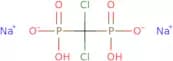
CAS :Clodronic acid disodium salt is a drug that can be used as a treatment for bowel disease. It binds to the chemoattractant protein and inhibits the activation of toll-like receptor 4, which is involved in inflammatory reactions. Clodronic acid also has an effect on polymorphonuclear leucocytes, inhibiting the production of cytokines and other inflammatory mediators. Clodronic acid has been shown to reduce neuronal death in experimental models and inhibit mitochondrial membrane potential in leukemic mice. The drug acts by binding to basic proteins in bone cells, preventing the release of calcium from bone stores into the blood stream. The monosodium salt form is more soluble than clodronate, which is a disodium salt.Formule :CH2Cl2Na2O6P2Degré de pureté :Min. 95%Couleur et forme :White PowderMasse moléculaire :288.86 g/mol1-Hexane sulfonic acid sodium
CAS :Hexane sulfonic acid sodium is a non-toxic, water-soluble salt that is used as a matrix in the analysis of drug metabolites. It is used for sample preparation in order to reduce interferences from other compounds and to increase sensitivity. Hexane sulfonic acid sodium can be analyzed by fluorescence spectrometry or plasma mass spectrometry, both of which involve a sample preparation step with trifluoroacetic acid. The analytical method is applied to urine samples and utilizes caproic acid as an internal standard. The presence of protocatechuic acid and benzalkonium chloride can interfere with the detection of hexane sulfonic acid sodium by fluorescence spectrometry. Dinucleotide phosphate has also been shown to interfere with the analysis of hexane sulfonic acid sodium by fluorescence spectrometry. A fluorescence detector is the most common detector for this type of analysis because it allows for high sensitivity measurements without interference from quenchers such as benzalk
Formule :C6H13NaO3SDegré de pureté :Min. 95%Couleur et forme :PowderMasse moléculaire :188.22 g/molSodium 3,5,6-trichloro-2-pyridinol
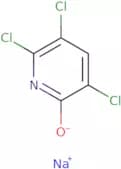
CAS :Sodium 3,5,6-trichloro-2-pyridinol is an inorganic compound that has been shown to be an effective biocide for the removal of hydrogen chloride and hydroxide solution. The optimal reaction was found to be at pH 10.3 with a reaction vessel containing 1% sodium hydroxide solution and a concentration of 0.2 grams per liter of hydrogen chloride. This compound reacts with hydrogen chloride to form hydrochloric acid (HCl) and sodium 3,5,6-trichloro-2-pyridinol hydrochloride (NCTP), which can then be removed by wastewater treatment or precipitation as sodium chloride. NCTP is also used for the treatment of skin conditions such as acne and eczema.Formule :C5HCl3NONaDegré de pureté :Min. 95%Couleur et forme :Off-White SolidMasse moléculaire :220.42 g/molSodium 2-(hydroxymethyl)butanoate
CAS :Sodium 2-(hydroxymethyl)butanoate is a high quality and versatile building block. Sodium 2-(hydroxymethyl)butanoate can be used as a useful intermediate to synthesize a wide range of complex compounds. It has been shown to react with other chemicals in order to form an array of useful scaffolds, which can be used for the synthesis of fine chemicals. Sodium 2-(hydroxymethyl)butanoate is also a reagent that is useful for research purposes.Formule :C5H9NaO3Degré de pureté :Min. 95%Couleur et forme :PowderMasse moléculaire :140.11 g/molEGTA tetrasodium salt
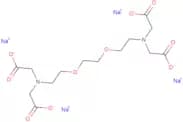
CAS :Chelator of bivalent ions; high affinity to calcium ionsFormule :C14H20N2O10·4NaDegré de pureté :Min. 95%Couleur et forme :White PowderMasse moléculaire :468.28 g/molSodium tetraborate decahydrate
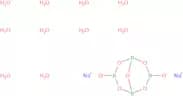
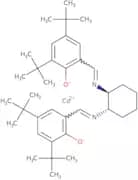
CAS :Sodium tetraborate decahydrate is a boron compound that is used in wastewater treatment. It is a good adsorbent for organic molecules and can be used to remove organic contaminants from wastewater. Sodium tetraborate decahydrate has shown to have good thermal stability, chemical stability, and optical properties. This compound also has the ability to adsorb benzalkonium chloride, which is an antibacterial agent used in hospitals.Formule :Na2B4O7·10H2ODegré de pureté :Min. 95%Couleur et forme :PowderMasse moléculaire :381.37 g/mol(S,S)-(+)-N,N'-Bis(3,5-di-tert-butylsalicylidene)-1,2-cyclohexanediaminocobalt(II)
CAS :The (S,S)-(+)-N,N'-Bis(3,5-di-tert-butylsalicylidene)-1,2-cyclohexanediaminocobalt(II) is an orange copolymer that is soluble in water and organic solvents. It has a molecular weight of 542.83 g/mol and a density of 1.221 g/cm3. The (S,S)-(+)-N,N'-Bis(3,5-di-tert-butylsalicylidene)-1,2-cyclohexanediaminocobalt(II) is used to catalyze the desymmetrization of epoxides and the ligand in enantioselective kinetic preparative reactions. The (S,S)-(+)-N,N'-Bis(3,5-di-tert-butylsalicylFormule :C36H52CoN2O2Degré de pureté :(Icp) Min. 96%Couleur et forme :Red PowderMasse moléculaire :603.74 g/mol2-(4-Morpholino)ethanesulfonic acid hemisodium salt
CAS :2-(4-Morpholino)ethanesulfonic acid hemisodium salt (MESH) is a potent inhibitor of matrix metalloproteinases and other enzymes involved in the degradation of extracellular matrix. MESH inhibits the transport rate of cancer cells by binding to cell surface receptors, which prevents the cells from migrating. The PC12 cell growth has been shown to be inhibited by MESH through a mechanism involving iron oxides in the culture medium. This compound also binds to specific antibodies and has strong enzyme activities that are related to collagen production. MESH has been shown to stimulate the concentration of cortisol and inhibit the production of malonic acid, which is a product of the reaction between proteins and glucose. MESH also binds to model protein and structural proteins such as collagen. This compound also binds to monoclonal antibodies, which are used for detecting structural changes in proteins during reactions.Formule :C6H13NO4SNaDegré de pureté :Min. 95%Couleur et forme :White PowderMasse moléculaire :206.73 g/molTrans-diamminedichloropalladium(II)
CAS :Trans-Diamminedichloropalladium is a particle with an average size of 0.5 microns. It is a metal carbonyl complex that belongs to the group of analytical methods. Trans-Diamminedichloropalladium can be used for the treatment of wastewater and oxidation catalysts. The electrochemical impedance spectroscopy (EIS) of the particles has been shown to be sensitive to changes in morphology, which may be due to the hydroxyl group on the surface or due to a change in oxidation state. Trans-Diamminedichloropalladium can also act as an oxidizing agent that converts hydrochloric acid into chlorine gas, which has been shown by solid catalyst experiments.
Formule :Pd(NH3)2Cl2Degré de pureté :Min. 95%Couleur et forme :Yellow Clear LiquidMasse moléculaire :211.39 g/molLithium fluoride
CAS :Lithium fluoride (LiF) is a chemical compound that has high chemical stability and kinetic energy. It can be used as a laser medium or to generate light in the infrared region. Lithium fluoride is used to produce fluorine gas by reaction with hydrochloric acid, which is then reacted with hydrogen fluoride to produce hydrogen trifluoride. Lithium fluoride is also used for biological purposes, such as the treatment of hyperthyroidism. In addition, lithium fluoride can be used to treat syphilis and other sexually transmitted diseases because it has an inhibitory effect on bacterial growth. Lithium fluoride also inhibits erythrocyte proliferation by inhibiting DNA synthesis and protein synthesis in vivo.Formule :LiFDegré de pureté :Min. 95%Couleur et forme :PowderMasse moléculaire :25.94 g/molPotassiumtetrachloroaurate(III)
CAS :Potassiumtetrachloroaurate(III) is a chemical compound with the molecular formula KAuCl4. It is a white solid that has been shown to have anti-cancer properties in animal studies. Potassiumtetrachloroaurate(III) has also been found to be toxic to bacteria, such as Pseudomonas aeruginosa. The redox potential of potassiumtetrachloroaurate(III) can be changed by adding copper chloride or sodium citrate, which may affect its toxicity towards bacteria.
Formule :AuCl4KDegré de pureté :Min. 95%Masse moléculaire :377.88 g/molCalcium fluoride
CAS :Calcium fluoride crystals are the mineral form of calcium fluoride, which is a high-resistance ionic conductor. Calcium fluoride has been used for many purposes, such as in the production of semiconductors and lasers. Calcium fluoride is also used as a radiation shield and in the production of hydrogen fluoride, which is an important chemical reagent. The crystal structure of calcium fluoride has been determined using x-ray crystallography and electron diffraction studies. This mineral has a hexagonal crystal system (space group P6 3 /mmc) with lattice constants a = 5.9 Å and c = 6.3 Å, where c equals the length of one side of an equilateral triangle that fits within the unit cell. The space group indicates that each unit cell contains twelve atoms: six Ca2+ and six F-. The unit cell dimensions are given by a = b = 1/2 × 10−8 m and c = 2 × 10⁻⁷ m. TheseFormule :CaF2Degré de pureté :Min. 95%Masse moléculaire :78.07 g/molCresol Red Sodium Salt
CAS :Cresol Red Sodium Salt is a reagent, complex compound, and useful intermediate. It is CAS No. 62625-29-0 and has the molecular formula C10H8O4Na2S. It can be used as a building block for the synthesis of speciality chemicals, research chemicals, and versatile building blocks. This chemical can be used as a reaction component in organic syntheses.
Formule :C21H17NaO5SCouleur et forme :PowderMasse moléculaire :404.41 g/molSodium dibutyldithiocarbamate, 40% aqueous solution
CAS :Sodium dibutyldithiocarbamate is a chemical that belongs to the group of cross-linking agents. It is used in the production of rubber and plastic products, as well as in textile finishing. This chemical is also used in the treatment of allergic reactions, such as those caused by poison ivy. Sodium dibutyldithiocarbamate has been shown to be an effective crosslinker for elastomeric polymers, such as natural rubber and synthetic polymers, including polychloroprene and styrene-butadiene copolymers. The viscosity of sodium dibutyldithiocarbamate solutions are dependent on the concentration, and can range from about 1 centipoise (cP) at 40% to 3 cP at 60%. Its average particle diameter ranges from 10 nm to 20 nm.Formule :C9H18NNaS2Couleur et forme :Clear LiquidMasse moléculaire :227.37 g/molCapric acid sodium salt
CAS :Sodium caprate (C10) and salcaprozate sodium (SNAC), FS168567, are two of the most advanced intestinal permeation enhancers (PEs) that have been tested in clinical trials for oral delivery of macromolecules.Formule :C10H19NaO2Couleur et forme :White Off-White PowderMasse moléculaire :194.25 g/molPotassium Trifluoromethanesulfonate
CAS :Potassium trifluoromethanesulfonate is a chemical compound that belongs to the family of organofluorine compounds. It has been shown to be an excellent hydrogen bond acceptor, which is the most important factor for its application in water vapor detection. Potassium trifluoromethanesulfonate has been used as an enhancement agent in analytical chemistry. It has also been used as a fluorescence detector and in x-ray crystal structure determination studies. The reaction mechanism of potassium trifluoromethanesulfonate is not yet known with certainty, but it is likely that the protonated amide form of potassium trifluoromethanesulfonate reacts with light emission from an organic dye, producing a fluorescent product.Formule :CF3KO3SDegré de pureté :Min. 95%Couleur et forme :PowderMasse moléculaire :188.17 g/molSodium Palmitate
CAS :Sodium palmitate is a saturated fatty acid that has been shown to induce phase transition temperature in the range of 37-40°C. The Toll-like receptor 4 (TLR4) is a pattern recognition receptor that has been found to be important in the pathogenesis of infectious diseases. Sodium palmitate enhances TLR4-mediated responses, and as such can be used for the treatment of infectious diseases. Sodium palmitate also has significant cytotoxicity and potent inducers of polymer compositions. It is also an effective agonist for toll-like receptor 4, which may be due to its ability to stimulate RhoA activity, leading to increased production of reactive oxygen species.Formule :C16H31NaO2Degré de pureté :Min. 95%Couleur et forme :White PowderMasse moléculaire :278.41 g/molSodium ammonium hydrogen phosphate
CAS :Sodium ammonium hydrogen phosphate is a salt that has genotoxic effects. The genotoxic potential of this compound is dependent on the concentration and duration of exposure. This substance can interact synergistically with other substances, such as inorganic acids or hydrochloric acid. Sodium ammonium hydrogen phosphate has been shown to cause malonic acid in the presence of an appropriate carbon source, and to form diammonium phosphate, which is a genotoxic agent. It also interacts with collagen and particle substrates, forming a carbonyl group which may be responsible for its genotoxicity. br>br> Sodium ammonium hydrogen phosphate is acidic and reacts with proteins to form amide bonds. This reaction may lead to biochemical pathways that are associated with DNA damage.
Formule :H5NNaO4PDegré de pureté :Min. 95%Couleur et forme :PowderMasse moléculaire :137.01 g/molSodium n-Octyl-d17 Sulfate
CAS :Produit contrôléApplications Sodium n-Octyl-d17 Sulfate (CAS# 1219802-16-0) is a useful isotopically labeled research compound.
Formule :C8D17NaO4SCouleur et forme :NeatMasse moléculaire :249.37Chlorodifluoro-acetic Acid Sodium Salt
CAS :Produit contrôléApplications Chlorodifluoro-acetic Acid Sodium Salt (cas# 1895-39-2) is a compound useful in organic synthesis.
Formule :C2ClF2NaO2Couleur et forme :NeatMasse moléculaire :152.461,2,3,4,5-Pentanepentacarboxylic Acid Sodium Salt Trihydrate
CAS :Produit contrôléApplications It is used as a detergent builder.
Formule :C10H13Na5O13Couleur et forme :NeatMasse moléculaire :456.15Potassium 2-(oxiran-2-yl)ethyltrifluoroborate
CAS :Produit contrôléApplications Potassium 2-(oxiran-2-yl)ethyltrifluoroborate (cas# 608140-72-3) is a useful research chemical.
Formule :C4H7BF3O·KCouleur et forme :NeatMasse moléculaire :178.002Potassium 1H-indole-6-trifluoroborate
CAS :Produit contrôléFormule :C8H6BF3N·KCouleur et forme :NeatMasse moléculaire :244.667Zinc Acetate
CAS :Produit contrôléApplications Zinc Acetate is used in biological studies and pharmacological activity of motexafin gadolinium disruptions of zinc metabolism in human cancer cell lines.
Not a dangerous good if item is equal to or less than 1g/ml and there is less than 100g/ml in the package
References Magda, D., et al.: Cancer Res., 65, 3837 (2005);Formule :C4H6O4ZnCouleur et forme :NeatMasse moléculaire :183.47Oxalic Acid Potassium Salt Dihydrate
CAS :Produit contrôléApplications A method of utilizing a solution of Oxalic acid potassium salt, dihydrate 99 % to react with calcium in the dentinal fluid forming an insoluble white precipitate of calcium oxalate which occludes the dentinal tubules causing decreased sensitivity, permeability and acid penetration of the dentin.
References Haas, D.J., et al.: Acta Crystallographica, 17, 1511 (1964),Formule :C2H2O4·C2HO4·K·2H2OCouleur et forme :NeatMasse moléculaire :254.19073,6-Dichloro-2-hydroxybenzoic Acid Potassium Salt
CAS :Produit contrôléApplications 3,6-Dichloro-2-hydroxybenzoic Acid Potassium Salt, is a hydroxybenzoic acid derivative and can be synthesized using a Kolbe-Schmitt carboxylation and acidification reaction of 2,5-dichlorophenol.
References Zhao, W-H., Song, G-Z.: Huagong Jishu Yu Kaifa, 44, 39-41 (2015)Formule :C7H3Cl2KO3Couleur et forme :NeatMasse moléculaire :245.1Potassium Tetradecanoate-2,2-d2
CAS :Produit contrôléApplications Potassium Tetradecanoate-2,2-d2 (CAS# 352438-85-8) is a useful isotopically labeled research compound.
Formule :C14H25D2KO2Couleur et forme :NeatMasse moléculaire :268.48Phosphoric Acid Dioctyl Ester Potassium Salt
CAS :Produit contrôléStability Hygroscopic
Applications Phosphoric Acid Dioctyl Ester Potassium Salt is used as a surfactant in the filtration dehydration of aqueous aluminum hydroxide slurries.
References Paleos, C.M., et al.: Liq. Cryst., 25, 267 (1998); No Inventor data available: Jpn. Kokai Tokkyo Koho. JP 58049415 A 19830323. Mar 23, 1983Formule :C16H34KO4PCouleur et forme :NeatMasse moléculaire :360.51Tetramethylammonium Bicarbonate (60% in water)
CAS :Produit contrôléFormule :C5H13NO3Couleur et forme :ColourlessMasse moléculaire :135.16Sodium Methanesulfonate-d3,13C
CAS :Produit contrôléApplications Sodium Methanesulfonate-d3,13C is an intermediate used in the synthesis of Methanesulfonyl Chloride-d3,13C (M258847), which is a labeled analogue of Methanesulfonyl Chloride (M258845). Methanesulfonyl Chloride used in the synthesis of phosphodiesterase 9A Inhibitors, used in treatments for Alzheimer’s disease. It is also used in the preparation of sulfonamide derivatives showing antibacterial activity.
References Reddy, N. et al.: J. Chem. Sci., 124, 723 (2012); Claffey, M. et al.: J. Med. Chem., 55, 9055 (2012);Formule :CD3NaO3SCouleur et forme :NeatMasse moléculaire :122.099Cesium Acetate
CAS :Produit contrôléApplications Cesium Acetate (cas# 3396-11-0) is a useful research chemical.
Formule :C2H3CsO2Couleur et forme :NeatMasse moléculaire :191.95Butyl Sodium Sulfate-D9
CAS :Produit contrôléApplications Butyl sodium sulfate-D9 is a labelled analogue of Butyl sodium sulfate (B693875). Butyl sodium sulfate is the sulfate salt of Monobutyl sulfate (M525130). Monobutyl sulfate is used as a wetting agent in the mercerization (a treatment that gives cotton its shiny appearance and also functions to increase its strength) of cotton. Monobutyl sulfate is also used in the polymerization of tetrahydrofuran.
References Pruckmayr, G. & Wu, T.: Macromolecules, 11, 662 (1978); Shenai, V., Int. Dyer Text. Print. Bleach. Finish., 158, 246 (1977)Formule :C4D9NaO4SCouleur et forme :NeatMasse moléculaire :185.222Tetrakis (2-Methoxyisobutylisonitrile) Copper (I) Tetrafluoroborate
CAS :Produit contrôléFormule :C24H44CuN4O4·BF4Couleur et forme :NeatMasse moléculaire :602.98Indole-3-butyric Acid Potassium Salt
CAS :Produit contrôléApplications Indole-3-butyric Acid Potassium Salt is being studied as a new precursor for the preparation of nitrogen-rich carbons via one-step carbonization used for CO2 adsorption.
References Deng, S., et al.: Chem. Eng. J. (Amsterdam, Neth.), 286, 98-105 (2016)Formule :C12H12KNO2Couleur et forme :NeatMasse moléculaire :241.331-Pyrenyl-d9 Potassium Sulfate
CAS :Produit contrôléApplications Isotope labelled 1-Pyrenyl Potassium Sulfate is used as a biomarker of exposure to polycyclic aromatic hydrocarbons.
References Woudneh, M. et al.: J. Chrom. A., 1454, 93 (2016);Formule :C16H2D9KO4SCouleur et forme :NeatMasse moléculaire :347.47Estriol 16α-(β-D-Glucuronide) Sodium Salt
CAS :Produit contrôléFormule :C24H31NaO9Couleur et forme :NeatMasse moléculaire :486.487Potassium Dodecanoate-2,2-d2
CAS :Produit contrôléApplications Potassium Dodecanoate-2,2-d2 (CAS# 82867-25-2) is a useful isotopically labeled research compound.
Formule :C12H21D2KO2Couleur et forme :NeatMasse moléculaire :240.42Sodium 6-Hydroxycaproate
CAS :Produit contrôléApplications Sodium 6-Hydroxycaproate is an intermediate in the synthesis of Mono-5-carboxy-n-pentyl-phthalate (M525495), which is a metabolite of Dibutyl phthalate (DBP) (D429495), which is widely used in consumer products.
References Silva, M., et al.: Arch. Toxicol., 77, 561 (2003), Silva, M., et al.: Toxicology, 210, 123 (2005), Silva, M., et al.: J. Anal. Toxicol., 29, 819, (2005),Formule :C6H11O3·NaCouleur et forme :NeatMasse moléculaire :154.1394-Amino-4'-nitrostilbene-2,2'-disulfonic Acid Disodium Salt
CAS :Produit contrôléStability Hygroscopic
Applications 4-Amino-4'-nitrostilbene-2,2'-disulfonic Acid Disodium Salt (cas# 6634-82-8) is a compound useful in organic synthesis.
References Taylor, A., et al.: Biochem., 38, 11172 (1999),Formule :C14H10N2O8S2·2NaCouleur et forme :NeatMasse moléculaire :444.35Indaconitine (>90%)
CAS :Produit contrôléApplications Indaconitine is used in preparation of aconine and pseudaconine, their NMR spectra, and effect of solvents on conformation as reactant/reagent.
Not a dangerous good if item is equal to or less than 1g/ml and there is less than 100g/ml in the package
References Deng, H.Y., et al.: Nat. Prod. Commun. 9, 785-786 (2014)Formule :C34H47NO10Degré de pureté :>90%Couleur et forme :NeatMasse moléculaire :629.74Sodium Hydrogencitrate Sesquihydrate
CAS :Produit contrôléApplications Sodium Hydrogencitrate Sesquihydrate is a useful reactant in organic synthesis.
References Rivas, Lourdes, et al.: Analy. Chem., 87(10), 5167-5172 (2015)Formule :C12H12Na4O143(H2O)Couleur et forme :WhiteMasse moléculaire :526.22Butachlor ESA Sodium Salt
CAS :Produit contrôléApplications Butachlor ESA Sodium Salt (cas# 1173022-75-7) is a compound useful in organic synthesis.
Formule :C17H26NO5S·NaCouleur et forme :NeatMasse moléculaire :379.4468Cerivastatin-D5, Sodium Salt
CAS :Produit contrôléFormule :C26D5H28FNNaO5Couleur et forme :NeatMasse moléculaire :486.563Calcium Butyrate (~90%)
CAS :Produit contrôléApplications Calcium Butyrate was used in the biological study in small intestine of pigs where Butyrate improved digestive and absorptive capacities.
References Claus, R., et al.: J Anim Physiol Anim Nutr, 91, 312 (2007);Formule :C4H8Ca0·5O2Degré de pureté :~90%Couleur et forme :NeatMasse moléculaire :108.14Sodium β-Hydroxyethoxyacetate
CAS :Applications Sodium β-Hydroxyethoxyacetate is used in the synthesis of polymer microspheres that are magnetized and are used for enzyme catalysis or bioaffinity separations.
References Horak, D. et al.: Macromol. Biosci., 12, 647 (2012); Pestov, A. et al.: Russ. J. Coord. Chem., 38, 738 (2012);Formule :C4H7NaO4Couleur et forme :NeatMasse moléculaire :142.094-Acetamido-4'-nitrostilbene-2,2'-disulfonic Acid Disodium Salt
CAS :Produit contrôléStability Refrigerator
Applications 4-Acetamido-4'-nitrostilbene-2,2'-disulfonic Acid Disodium Salt (cas# 78211-77-5) is a compound useful in organic synthesis.Formule :C16H12N2O9S2·2NaCouleur et forme :NeatMasse moléculaire :486.38D-Glucosamine-2-N-Sulfate Sodium Salt
CAS :Applications D-Glucosamine-2-N-sulfate sodium salt (cas# 38899-05-7) is a useful research chemical.
Formule :C6H13NO5·2ClNa·H2O4SCouleur et forme :NeatMasse moléculaire :573.31Sodium Octanoate-d15
CAS :Produit contrôléApplications Sodium Octanoate-d15 (CAS# 56408-90-3) is a useful isotopically labeled research compound.
Formule :C8D15NaO2Couleur et forme :NeatMasse moléculaire :181.29rac 3-Hydroxybutyric Acid-d2 Sodium Salt
CAS :Produit contrôléApplications rac 3-Hydroxybutyric Acid-d2 Sodium Salt is the labeled analogue of rac 3-Hydroxybutyric Acid Sodium Salt (H833020), an optically active 3-hydroxybutyric acids are key intermediates of the biosynthesis and metabolism of fatty acids and exist widely in biological systems.
References Freeman, J., et al.: Pediatrics, 102, 1358 (1998), Thio, L., et al.: Neurology, 54, 325 (2000), Rho, J., et al.: Epilepsia, 43, 358 (2002)Formule :C42H2H5O3·NaCouleur et forme :WhiteMasse moléculaire :128.104-Dodecylbenzenesulfonic Acid Potassium Salt-d4
CAS :Produit contrôléFormule :C18D4H25KO3SCouleur et forme :NeatMasse moléculaire :368.609Potassium (3-Aminophenyl)trifluoroborate
CAS :Produit contrôléApplications potassium (3-aminophenyl)trifluoroboranuide (cas# 1160186-73-1) is a useful research chemical.
Formule :C6H6BF3KNCouleur et forme :NeatMasse moléculaire :199.026-Sialyl-D-glucose Sodium Salt (α/β mixture)
CAS :Produit contrôléFormule :C17H28NNaO14Couleur et forme :NeatMasse moléculaire :493.3924-Flurobenzenesulfinic acid sodium salt
CAS :Produit contrôléApplications 4-Flurobenzenesulfinic acid sodium salt (cas# 824-80-6) is a useful research chemical.
Formule :C6H4FNaO2SCouleur et forme :NeatMasse moléculaire :182.155-Cyanonicotinic Acid
CAS :Produit contrôléApplications 5-Cyanonicotinic Acid is a useful reagent for the preparation of substituted cyclobutylpyridine and cyclobutylpyrimidine compounds as indoleamine 2,3-dioxygenase inhibitors.
References White, C. M., et al.: PCT Int. Appl. (2019), WO 2019074749 A1Formule :C7H4N2O2Couleur et forme :NeatMasse moléculaire :148.12Lithium (5-fluoropyridin-2-yl)trihydroxyborate
CAS :Produit contrôléFormule :C5H6BFNO3·LiCouleur et forme :NeatMasse moléculaire :164.856Potassium (2-Methoxyethyl)trifluoroborate
CAS :Produit contrôléApplications Potassium (2-Methoxyethyl)trifluoroborate can used to synthesize aryl/heteroarylethyloxy motifs by Suzuki-Miyaura Cross-Coupling.
References Fleury-Bregeot, N., et al.: J. Org. Chem., 77, 10399 (2012)Formule :C3H7BF3O·KCouleur et forme :NeatMasse moléculaire :165.992Potassium 4-Carboxybenzenesulfonate
CAS :Produit contrôléApplications Potassium 4-Carboxybenzenesulfonate is used as a reactant for the synthesis of Potassium and Rubidium Arenesulfonates which shows coordination behavior towards the anions.
References Gunderman, B., et al.:Inorg. Chem., 33,2924(1994)Formule :C7H5KO5SCouleur et forme :NeatMasse moléculaire :240.27Lithium Chloride
CAS :Applications Lithium Chloride is primarily used in the synthesis of lithium metal by electrolysis. Also acts as a prescribed drug for bipolar mood disorder, it may also exhibit anti-inflammatory properties. Anti-cancer agent.
References Tsao, N. et al.: Antimicrob. Agents Chemother., 59, 1525 (2015); Cockle, J. et al.: 112, 693 (2015);Formule :Cl·LiCouleur et forme :NeatMasse moléculaire :42.3943,4-Dihydroxybutanoic Acid Sodium Salt
CAS :Produit contrôléApplications 3,4-Dihydroxybutanoic Acid Sodium Salt, has been shown to have weak hexenal-induced anesthesia effect.
References Uspenskii, A. E. et al.: Farmakologiya i Toksikologiya , Vol.36, P:185-91 (1973);Formule :C4H7NaO4Couleur et forme :NeatMasse moléculaire :142.086Sodium 2-Methylpropionate-1-13C
CAS :Produit contrôléApplications Sodium 2-Methylpropionate-1-13C (CAS# 71105-51-6) is a useful isotopically labeled research compound.
Formule :C3C)H7NaO2Couleur et forme :NeatMasse moléculaire :111.085,6-Dihydroxy-Des(dimethoxy) Bosutinib
CAS :Produit contrôléFormule :C24H25Cl2N5O3Couleur et forme :NeatMasse moléculaire :502.3934-Hydroxyamino-2-sulfosuccinic Acid Sodium Salt and 4-Hydroxyamino-3-sulfosuccinic Acid Sodium Salt
CAS :Produit contrôléFormule :C4H6NNaO7SCouleur et forme :NeatMasse moléculaire :470.295Copper Oxalate Hemihydrate
CAS :Produit contrôléApplications Copper Oxalate is an coordination compound used to engineer copper carbonate hydroxide photocatalysts.
References Xu, L., et al.: Int. J. Hydrogen. Energy., 39, 11486 (2014);Formule :C5H12N4Couleur et forme :NeatMasse moléculaire :128.1764-(2-Tetradecyl)phenyl-13C6 1-Sodium Sulfonate
Produit contrôléFormule :C6C14H33NaO3SCouleur et forme :NeatMasse moléculaire :382.485Sodium Propionate-3,3,3-d3
CAS :Produit contrôléApplications Sodium Propionate-3,3,3-d3 (CAS# 1210410-35-7) is a useful isotopically labeled research compound. This compound can be used to demonstrate intereactions between ergosterol and amphotericin B in lipid bilayers using NMR spectroscopy to exert antifungal activity.
References Matsumori, N.,et.al., J.Am.Chem.Soc., 131,11855-11860,(2009);Formule :C3H2D3O2•NaCouleur et forme :NeatMasse moléculaire :76.09 + 22.99(4S)-2,2-Dimethyl-1,3-dioxolane-4-carboxylic Acid Potassium Salt
CAS :Produit contrôléFormule :C6H9KO4Couleur et forme :NeatMasse moléculaire :184.23Creatinine Zinc Chloride
CAS :Produit contrôléApplications Creatinine zinc chloride (cas# 62708-52-5) is a useful research chemical.
Formule :C4H7N3O·Zn·2ClCouleur et forme :White To Off-WhiteMasse moléculaire :362.55Potassium Citrate Monobasic
CAS :Produit contrôléApplications Potassium Citrate Monobasic is a buffering agent and chelator.
Formule :C6H7KO7Couleur et forme :NeatMasse moléculaire :230.21(R)-2,4-Dihydroxybutanoic Acid Lithium Salt
CAS :Produit contrôléFormule :C4H7LiO4Couleur et forme :NeatMasse moléculaire :126.037TBPE (Tetrabromophenolphthalein Ethyl Ester Potassium Salt)
CAS :Produit contrôléApplications TBPE (Tetrabromophenolphthalein Ethyl Ester Potassium Salt) is a sensitive spectrophotometric reagent for amines, quaternary ammonium salts and other cations. TBPE has been incorporated into colour-changing test strips for lead(II), and has been used in testing for ethoxylated nonionic surfactants.
References Takahashi, Y.; Anal. Sci., 23, 147 (2007); Kamaya, M.; et al.: Mizu Kankyo Gakkaishi, 27, 735 (2004).Formule :C22H13Br4O4·KCouleur et forme :Green To BlackMasse moléculaire :700.051Sodium DL-Lactate (60% w/w in H2O)
CAS :Applications The sodium salt of lactic acid (L113490). It acts as a preservative, acidity regulator, and bulking agent.
References Kim, Y., et al.: ?Food. Nutr. Res., 10, 588-605 (2019)Formule :C3H5O3·NaCouleur et forme :ColourlessMasse moléculaire :112.063,3,4,4,5,5,6,6,7,7,8,8,8-Tridecafluorooctane-1-sulphonic Acid Sodium Salt-13C
CAS :Produit contrôléFormule :CC7H4F13NaO3SCouleur et forme :NeatMasse moléculaire :451.142Dihydro Isoferulic Acid-d3 3-O-Sulfate Sodium Salt
CAS :Produit contrôléApplications Labelled Dihydroisoferulic Acid 3-O-Sulfate, the sulfate conjugate of Dihydroisoferulic Acid (H946365). Dihydroisoferulic Acid 3-O-Sulfate is a minor circulating metabolite in human plasma after coffee consumption.
References Fumeaux, R. et al.: Org. Biomol. Chem., 8, 5199 (2010); Redeuil, K. et al.: J. Chrom. A, 1218, 4678 (2011);Formule :C10H9D3O7S·xNaCouleur et forme :NeatMasse moléculaire :279.28Butyl Potassium Sulfate
CAS :Produit contrôléFormule :C4H9KO4SCouleur et forme :NeatMasse moléculaire :192.2752-Anthraquinonesulfonic Acid Sodium Salt-d7
CAS :Produit contrôléApplications 2-Anthraquinonesulfonic Acid Sodium Salt-d7, is the labeled analogue of Anthraquinone-2-sulfonic Acid Sodium Salt (A679280), which is used as a dopant to enhance membrane integration with electrocatalysis.
References Zhao,F., Liu, L., Yang, F., Ren, N.: Chem. Eng. J., 230, 491 (2013);Formule :C14D7NaO5SCouleur et forme :NeatMasse moléculaire :317.3Potassium Trifluoro(5-methoxy-2-pyridinyl)-borate
CAS :Produit contrôléFormule :C6H6BF2NO·F·KCouleur et forme :NeatMasse moléculaire :215.023Mercury(II) Acetate
CAS :Produit contrôléApplications Mercury(II) acetate is a reagent that is used in the investigation of diastereoselective acyclic α-alkoxydithioacetal substitutions involving thiacarbenium intermediates.
Not a dangerous good if item is equal to or less than 1g/ml and there is less than 100g/ml in the package
References Prevost, M., et al.: J. Org. Chem. 79, 10504 (2014);Formule :C4H6HgO4Couleur et forme :NeatMasse moléculaire :318.68



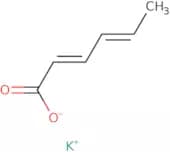
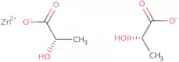

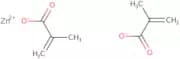
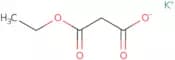
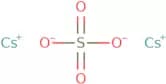

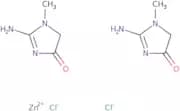
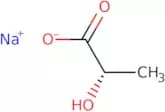


![1-[[6-(2,5-Dihydro-2,5-dioxo-1H-pyrrol-1-yl)-1-oxohexyl]oxy]-2,5-dioxo-3-pyrrolidinesulfonic acid …](/_next/image/?url=https%3A%2Fstatic.cymitquimica.com%2Fproducts%2F3D%2Fthumb-webp%2FFD24987.webp&w=3840&q=75)
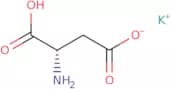
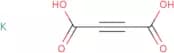


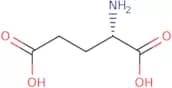
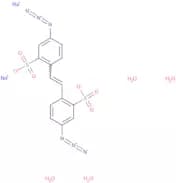
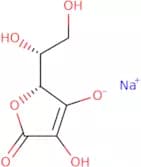
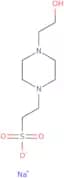
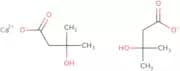

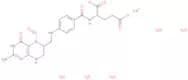
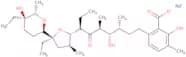
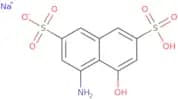
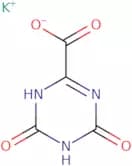


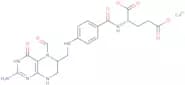


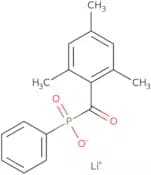
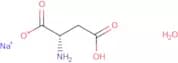

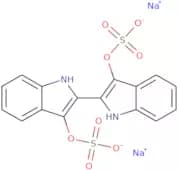
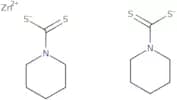
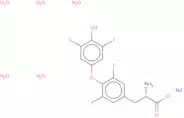
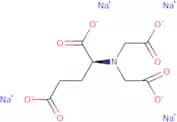
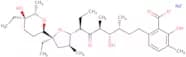
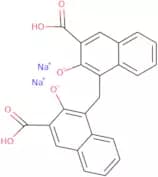

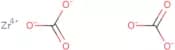

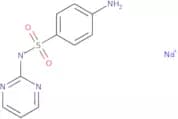
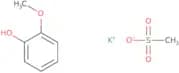
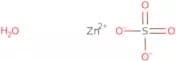
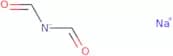
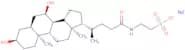


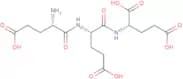
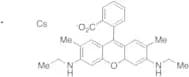

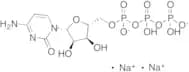
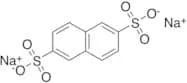

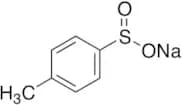
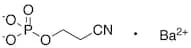
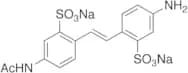
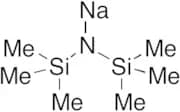

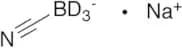

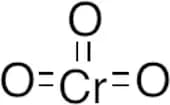

![N-[2-(N’,N’,N’-Trimethylammoniumbromide)ethyl]maleamic Acid Sodium Salt](/_next/image/?url=https%3A%2Fstatic.cymitquimica.com%2Fproducts%2FTR%2Fthumb-webp%2FT795833.webp&w=3840&q=75)
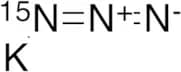
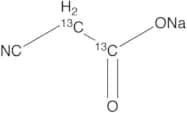


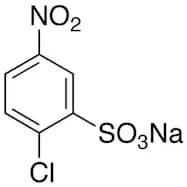
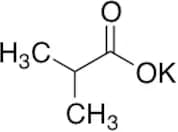
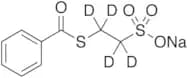
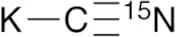
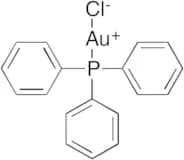
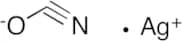
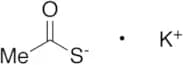


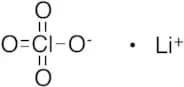
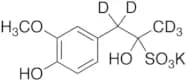
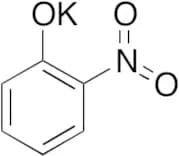
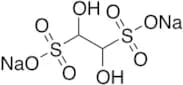
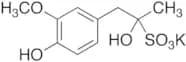
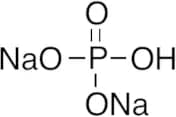
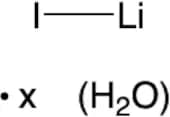
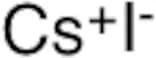
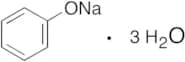




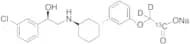
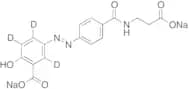
![4-[1-(4-Iodophenyl)-5-(2,4-dinitrophenyl)-formaz-3-yl]-1,3-benzene Disulfonate, Disodium Salt](/_next/image/?url=https%3A%2Fstatic.cymitquimica.com%2Fproducts%2FTR%2Fthumb-webp%2FI718225.webp&w=3840&q=75)
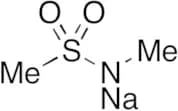
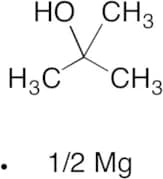

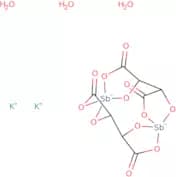
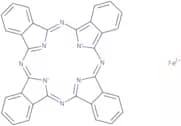

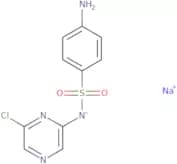
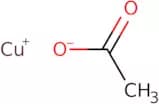
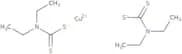

![Chloro[1,3-bis(2,6-diisopropylphenyl)imidazol-2-ylidene]copper(I)](/_next/image/?url=https%3A%2Fstatic.cymitquimica.com%2Fproducts%2F3D%2Fthumb-webp%2FFC60942.webp&w=3840&q=75)
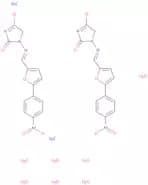

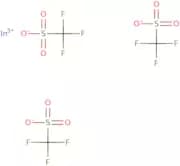
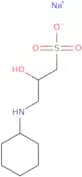

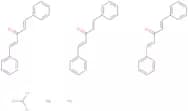
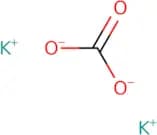
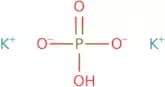


![Dichloro[9,9-dimethyl-4,5-bis(diphenylphosphino)xanthene]palladium(II)](/_next/image/?url=https%3A%2Fstatic.cymitquimica.com%2Fproducts%2F3D%2Fthumb-webp%2FFD60980.webp&w=3840&q=75)