Sels métalliques
2872 produits trouvés pour "Sels métalliques"
2-Hydroxy-4-(methylthio)butyric acid calcium salt
CAS :2-Hydroxy-4-(methylthio)butyric acid calcium salt (2HMBAC) is a fatty acid that is found in malic acid. It is an important industrial chemical used for the preparation of other chemicals such as acetic anhydride, adipic acid, and butyric acid. 2HMBAC has been shown to have various biological functions including the inhibition of protein synthesis and the reduction of chloride ion transport. The dietary administration of 2HMBAC has been shown to relieve diarrhoea in rats.Formule :C10H18CaO6S2Degré de pureté :Min. 95%Masse moléculaire :338.46 g/molBismuth subgallate
CAS :Bismuth subgallate is a basic compound that is used to treat dermatitis, acne, and other skin conditions. It has been shown to inhibit the growth of human osteosarcoma cells by inhibiting collagen synthesis. Bismuth subgallate also has antibacterial properties against Escherichia coli, Pseudomonas aeruginosa, Staphylococcus aureus, and Streptococcus pyogenes. This drug inhibits bacterial growth by binding to the copper ion in the enzyme superoxide dismutase (SOD), preventing the formation of hydrogen peroxide. The activity of bismuth subgallate is due to its ability to inhibit eosinophil cationic protein and eosinophil peroxidase.Formule :C7H5BiO6Degré de pureté :Min. 95%Masse moléculaire :394.09 g/molLithium acetoacetate
CAS :Lithium acetoacetate is a compound that is used in the treatment of cancer. It is a salt that contains lithium and acetoacetate. Lithium acetoacetate has been shown to be clinically relevant for the treatment of cancer, particularly in patients who have not responded well to other treatments. This drug has also been shown to induce apoptosis in animal cells, which may be due to its ability to produce acid.Formule :C4H6O3•LiDegré de pureté :Min. 95%Couleur et forme :PowderMasse moléculaire :109.03 g/molPotassium thiocyanate
CAS :Produit contrôléPotassium thiocyanate is a salt that contains potassium and thiocyanate ions. It is a white, crystalline solid with an alkaline pH. The Langmuir adsorption isotherm for potassium thiocyanate has a maximum at a specific concentration, which indicates that the compound has high affinity for water molecules. It also has strong hypoglycemic effects in humans and animals. Potassium thiocyanate can be used to remove hydrogen fluoride from wastewater and it can also be used as an additive in phase transition temperature measurements.
Formule :CNS·KDegré de pureté :Min. 95%Couleur et forme :PowderMasse moléculaire :97.18 g/mol1,2,3,4,5-Pentaphenyl-1'-(di-tert-butylphosphino)ferrocene
CAS :1,2,3,4,5-Pentaphenyl-1'-(di-tert-butylphosphino)ferrocene (Pd(dba)2) is a reagent in the form of a dark brown liquid that can be used to synthesize benzene derivatives. It has been shown to be soluble in chloroform and toluene. This compound is stable at room temperature and it can be eluted with phenyl chloride. Pd(dba)2 is a ligand that binds to the metal palladium in order to facilitate the formation of complex compounds.
Formule :C48H47FePDegré de pureté :Min. 95%Couleur et forme :Pink To Dark Red SolidMasse moléculaire :710.71 g/molPotassium Glycerophosphate - 75% solution
CAS :Potassium Glycerophosphate is a phosphoric acid and potassium salt that is used as a buffer for biochemical research. It can be used to provide the necessary buffering capacity for reactions involving inorganic acids, such as hydrochloric acid, or organic acids, such as acetic acid. This product has been shown to have an acidic pH of 3.5-4.5 and a pKa of 10.5-11.5 at 20°C. The compound is also soluble in water and alcohols, but insoluble in ethers and chloroform. Potassium Glycerophosphate has been shown to inhibit the growth of Saccharomyces cerevisiae when used as a nutrient source.Formule :C3H7O6P·2KDegré de pureté :Min. 95%Couleur et forme :LiquidMasse moléculaire :248.26 g/molCefpiramide sodium
CAS :Cefpiramide sodium is a cephalosporin antibiotic that has been shown to be effective against a wide range of bacteria, including those which are resistant to other antibiotics. Cefpiramide sodium is used for the treatment of skin and soft tissue infections in infants or for the treatment of respiratory tract infections in adults. The antibiotic binds to bacterial cell membranes and inhibits bacterial growth by inhibiting fatty acid synthesis, which is important for the production of cell walls. Cefpiramide sodium has been shown to have antiviral properties as well as antibacterial properties. These effects may be due to its ability to inhibit viral protein synthesis or by binding directly to the virus itself. Cefpiramide Sodium is an anti-infective drug that belongs to a group called cephalosporins, which are antibiotics that inhibit growth of bacteria by binding to their cell walls and preventing them from synthesizing essential fatty acids required for building their cell walls. It also has antiviral properties.Degré de pureté :Min. 95%Indium (III) chloride
CAS :Indium (III) chloride is a reactive metal with a high oxidation state that has been shown to have significant cytotoxic effects in vitro. It is also genotoxic, which may be due to the generation of hydroxyl radicals and other reactive oxygen species. Indium (III) chloride has been used for the treatment of various infectious diseases, including HIV, Epstein-Barr virus, herpes simplex virus type 1, and influenza A virus. The toxicity of this metal is dependent on the concentration and duration of exposure. Indium (III) chloride is metabolized by plasma mass spectrometry as a substrate molecule for cytochrome P450 enzymes. This reaction results in the formation of an active metabolite that can bind to DNA and affect mitochondrial membrane potential. Indium (III) chloride has also been used as a contrast agent in fluorescein angiography or particle imaging techniques to visualize the presence of biological materials such as tissue necrosis or inflammation.Formule :Cl3InDegré de pureté :Min. 95%Couleur et forme :Clear LiquidMasse moléculaire :221.18 g/molD-(-)-3-Phosphoglyceric acid disodium
CAS :D-(-)-3-Phosphoglyceric acid disodium is a homologue of D-glyceric acid and is used in the synthesis of phosphatidylcholine. It binds to the active site of phosphatases and prevents them from hydrolyzing phosphate groups, which are critical for the production of adenosine triphosphate (ATP). The chemical stability and the availability make this compound an excellent candidate for biochemical studies. D-(-)-3-Phosphoglyceric acid disodium has been shown to be essential in biological function, as it functions as a substrate for many metabolic pathways such as glycolysis, gluconeogenesis, pentose phosphate pathway, and fatty acid biosynthesis. The molecule is also involved in a number of biochemical reactions that are catalyzed by enzymes. Mutational studies have shown that organisms without this compound will not survive.
Formule :C3H5O7PNa2Degré de pureté :Min. 93%Couleur et forme :White PowderMasse moléculaire :230.02 g/molBis(pentafluorophenyl)zinc
CAS :Bis(pentafluorophenyl)zinc (BPFPZn) is a ring-opening polymerization catalyst that is used to synthesize polymers with pendant covalent adducts. BPFPZn has shown synergistic effects when used in combination with lactide, which is a monomer that can be polymerized to form polylactic acid. The reaction system used for the synthesis of BPFPZn and lactide involves nucleophilic attack on the zinc cation by the carbonyl group of lactide, leading to reductive elimination and coordination chemistry. This reaction system has been shown to produce architectures such as block copolymers and star polymers.
Formule :C12F10ZnDegré de pureté :Min. 95%Couleur et forme :PowderMasse moléculaire :399.49 g/molCholesteryl sulfate potassium salt
CAS :Cholesteryl sulfate potassium salt (CSK) is a solid lipid with a high melting point. It can be used as an active compound to form nanoparticles, which have the ability to penetrate cell membranes and enter cells. CSK has been shown to disrupt the lipid bilayer of cellular membranes, thereby releasing lipids such as cholesterol from the membrane surface. CSK also has polynucleotide binding properties that may lead to gene expression changes in cells. CSK is an anionic lipid, which makes it more likely to interact with negatively charged cell surfaces and membranes. Cholesteryl sulfate potassium salt has been shown to inhibit cholesterol synthesis in liver cells and increase LDL receptor activity in hepatocytes.Formule :C27H45KO4SDegré de pureté :Min. 95%Masse moléculaire :504.81 g/molIsatin-5-sulfonic acid sodium salt dihydrate
CAS :Isatin-5-sulfonic acid sodium salt dihydrate is a potent inhibitor of caspases. It has been shown to inhibit the activity of caspase-3 in vitro, thereby inhibiting apoptosis. Isatin-5-sulfonic acid sodium salt dihydrate has also been shown to increase survival rates in animal models of neurodegenerative diseases such as Parkinson's disease and Huntington's disease. Isatin-5-sulfonic acid sodium salt dihydrate may have neuroprotective effects by inhibiting the release of proinflammatory cytokines and nitric oxide, which are associated with neuronal death. This drug also inhibits monoamine oxidase A (MAO-A) and zymosterone B (ZVAD).Formule :C8H4NNaO5S·2H2ODegré de pureté :Min. 95%Couleur et forme :PowderMasse moléculaire :285.21 g/molPropionic-2,2,3,3-d4 acid, 3-(trimethylsilyl)-, sodium salt (1:1)
CAS :Formule :C6H9D4NaO2SiDegré de pureté :%Couleur et forme :SolidMasse moléculaire :172.2661SODIUM CYANOBORODEUTERIDE
CAS :Formule :CH2BNNaDegré de pureté :98%Couleur et forme :SolidMasse moléculaire :61.83402-Propanol, 2-methyl-, aluminum salt (3:1)
CAS :Formule :C4H13AlODegré de pureté :98%Couleur et forme :SolidMasse moléculaire :104.1270Triphenylbismuth
CAS :Formule :C18H15BiDegré de pureté :98%Couleur et forme :SolidMasse moléculaire :440.2921SODIUM FORMATE-D1
CAS :Formule :CDNaO2Degré de pureté :98%Couleur et forme :SolidMasse moléculaire :69.0134Lead iodide (PbI2)
CAS :Formule :I2PbDegré de pureté :98%Couleur et forme :LiquidMasse moléculaire :461.0089Lithium hydroxide (Li(OH)), monohydrate (9CI)
CAS :Formule :LiO2Degré de pureté :99%Couleur et forme :SolidMasse moléculaire :40.9557GALLIUM SELENIDE
CAS :Formule :Ga2H12Se3Degré de pureté :99%Couleur et forme :SolidMasse moléculaire :388.4213Antimony selenide (Sb2Se3)
CAS :Formule :Sb2Se3Degré de pureté :99.99%Couleur et forme :SolidMasse moléculaire :480.4000Calcium Nitrate Tetrahydrate
CAS :Formule :CaH8N2O10Degré de pureté :99%Couleur et forme :SolidMasse moléculaire :236.1489CALCIUM TITANIUM OXIDE
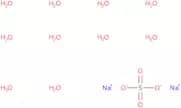
CAS :Formule :CaO3TiDegré de pureté :99%Couleur et forme :SolidMasse moléculaire :135.9432Sodium sulfate
CAS :Formule :Na2O4SDegré de pureté :99%Couleur et forme :SolidMasse moléculaire :142.0421Sodium 3-nitrobenzoate
CAS :Formule :C7H4NNaO4Degré de pureté :98%Couleur et forme :SolidMasse moléculaire :189.1007Indium chloride (InCl3)
CAS :Formule :Cl3InDegré de pureté :98%Couleur et forme :SolidMasse moléculaire :221.177Potassium Fluoride Dihydrate
CAS :Formule :FKO2Degré de pureté :98.5%Couleur et forme :LiquidMasse moléculaire :90.0955sodium carbonate
CAS :Formule :CNa2O3Degré de pureté :99%Couleur et forme :SolidMasse moléculaire :105.9884Ferrocene, 1,1'-diacetyl-
CAS :Formule :C14H14FeO2Degré de pureté :97%Couleur et forme :SolidMasse moléculaire :270.1048Bismuth subcarbonate
CAS :Formule :CBi2O5Degré de pureté :82.5%Couleur et forme :SolidMasse moléculaire :509.9685Iron(III) perchlorate hydrate
CAS :Formule :Cl3FeH2O13Degré de pureté :97%Couleur et forme :SolidMasse moléculaire :372.2121Sodium bis(trimethylsilyl)amide
CAS :Formule :C6H18NNaSi2Degré de pureté :95%Couleur et forme :LiquidMasse moléculaire :183.3746SODIUM ACETATE-D3 99+ ATOM % D
CAS :Formule :C2D3NaO2Degré de pureté :99%Couleur et forme :SolidMasse moléculaire :85.0523Antimony, compd. with indium (1:1)
CAS :Formule :InSbDegré de pureté :99.99%Masse moléculaire :236.5780DISODIUM HYDRATE [(2R,3S,5R)-5-(2-AMINO-6-OXO-6,9-DIHYDRO-1H-PURIN-9-YL)-3-HYDROXYOXOLAN-2-YL]METHYL PHOSPHATE
CAS :Formule :C10H12N5Na2O7PDegré de pureté :98%Couleur et forme :SolidMasse moléculaire :391.1849Sulfamide, N-propyl-, potassium salt (1:1)
CAS :Formule :C3H9KN2O2SDegré de pureté :98%Couleur et forme :SolidMasse moléculaire :176.2791sodium bis(acetyloxy)boranuidyl acetate
CAS :Formule :C6H10BNaO6Degré de pureté :98%Couleur et forme :SolidMasse moléculaire :211.9408BIS(3,5-DIMETHYLPHENYL)PHOSPHINE
CAS :Formule :C16H19PDegré de pureté :95%Couleur et forme :LiquidMasse moléculaire :242.2958Bismuthine, triiodo-
CAS :Formule :BiI3Degré de pureté :%Couleur et forme :SolidMasse moléculaire :589.6938Platinum(iv) oxide monohydrate
CAS :Formule :H2O3PtDegré de pureté :75%Couleur et forme :SolidMasse moléculaire :245.0921Perchloric acid, holmium(3+) salt (8CI,9CI)
CAS :Formule :Cl3H2HoO13Degré de pureté :%Masse moléculaire :481.2974(1,1''-Bis(diphenylphosphino)ferrocene)palladium(II) dichloride, complex with Dichloromethane
CAS :Formule :(C17H14P)2Fe·PdCl2Degré de pureté :(Pd) ≥ 12.0%Couleur et forme :Orange to red crystalline powderMasse moléculaire :731.70Sodium hexafluorosilicate
CAS :Formule :Na2SiF6Degré de pureté :≥ 98.0%Couleur et forme :White to off-white powderMasse moléculaire :188.06Sodium antimonate trihydrate
CAS :Formule :NaSbO3·3H2OCouleur et forme :White powderMasse moléculaire :246.80Potassium fluoride
CAS :Formule :FKDegré de pureté :≥ 99.0%Couleur et forme :White crystalline powder or crystalsMasse moléculaire :58.10Tellurium oxide, 99.999%
CAS :Formule :TeO2Degré de pureté :≥ 99.999%Couleur et forme :White to almost white powder or crystalline powderMasse moléculaire :159.60Hafnium fluoride
CAS :Formule :HfF4Degré de pureté :≥ 99.9%Couleur et forme :White to off-white powderMasse moléculaire :254.50Sodium butyrate
CAS :Reversible inhibitor of histone deacetylases (HDAC) that causes histone hyperacetylation, changes in chromatin structure and in gene expression. Sodium butyrate was shown to induce apoptosis in adenoma and carcinoma cell lines as well as to stimulate neurogenesis following cerebral ischemic injury. Sodium butyrate is present in large bowel as naturally occurring fatty acid and a by-product of bacterial fermentation of dietary fibres.
Formule :C4H7NaO2Couleur et forme :White PowderMasse moléculaire :110.09 g/molPhosphocholine chloride calcium salt tetrahydrate
CAS :Phosphocholine chloride calcium salt tetrahydrate is a lipid-regulating agent that can be used in health-care products. It has a safety profile and does not cause any adverse reactions when taken orally. The uptake of phosphocholine chloride calcium salt tetrahydrate is pH dependent, and it has been shown to inhibit lipoprotein lipase activity at acidic pH levels (below 4.5). This drug is used in the preparation of samples for fluorescence assays, such as monoclonal antibodies or density lipoprotein, which requires hydrophobic substances to bind with the fluorescent dye. Phosphocholine chloride calcium salt tetrahydrate can also be used as an emulsifying agent in enzymatic methods, such as calcium carbonate or chloride.Formule :C5H13CaClNO4P·4H2OCouleur et forme :White PowderMasse moléculaire :329.73 g/molBis(2,2'-bipyridine)-4'-methyl-4-carboxybipyridine-ruthenium N-succinimidyl ester-bis(hexafluorophosphate)
CAS :Bis(2,2'-bipyridine)-4'-methyl-4-carboxybipyridine-ruthenium N-succinimidyl ester-bis(hexafluorophosphate) is a molecule that inhibits the activity of matrix metalloproteinases. It binds to the active site of the enzyme and blocks its activity. This drug has been shown to be effective in inhibiting the activity of MMPs in cells, but not in tissue culture because it does not cross cell membranes. Bis(2,2'-bipyridine)-4'-methyl-4-carboxybipyridine-ruthenium N-succinimidyl ester-bis(hexafluorophosphate) has also been shown to have a low detection limit and can detect low levels of matrix metalloproteinase activity in cells.
Formule :C36H29F12N7O4P2RuDegré de pureté :Min. 95%Couleur et forme :PowderMasse moléculaire :1,014.66 g/molZinc picolinate
CAS :Zinc picolinate is an enzyme activator that has been shown to increase the activity of superoxide dismutase, catalase, and glutathione peroxidase. It is also a potent inhibitor of lipid peroxidation and facilitates the transport of zinc across cell membranes. Zinc picolinate has minimal toxicity in vitro and in vivo. Molecular docking studies have been performed to determine its binding affinity with chromium-binding proteins. Zinc picolinate has also been shown to increase the production of growth factor-β1 by cells in culture and to inhibit the production of picolinic acid, which is toxic to cells. The coordination geometry around zinc ions can be elucidated from x-ray crystal structures and electrochemical impedance spectroscopy studies.
Formule :C12H8N2O4ZnDegré de pureté :Min. 95%Couleur et forme :White PowderMasse moléculaire :309.58 g/molAmyloid beta-Protein (1-42) sodium salt
CAS :Amyloid β-Protein (1-42) is a fragment of the amyloid beta protein that is thought to be a major contributor to the development of Alzheimer's disease. Amyloid β-Protein (1-42) has been shown to have neuroprotective effects, as it reduces cell death in the brain and preserves memory. It binds to the β-catenin protein in neurons and protects against oxidative stress by reducing production of reactive oxygen species. This molecule also reduces microglia activation and tnf-α levels, which may reduce inflammation. Amyloid β-Protein (1-42) is found in plants such as pueraria lobata, and has been used for centuries in traditional Chinese medicine for its anti-inflammatory properties.Formule :C203H311N55O60SDegré de pureté :Min. 95%Couleur et forme :White PowderMasse moléculaire :4,514.04 g/molPotassium DL-aspartate hemihydrate
CAS :Potassium DL-aspartate hemihydrate is a versatile building block that can be used as a reagent and as a speciality chemical. It is useful for research and development, as well as for the production of high-quality compounds and intermediates. This compound can be used in organic synthesis reactions and has been shown to be useful in the construction of scaffolds.
Formule :C4H7NO4H2O·KDegré de pureté :Min. 95%Couleur et forme :White PowderMasse moléculaire :181.21 g/molPotassium clavulanate - 1:1 mixture with cellulose
CAS :Potassium clavulanate is a beta-lactamase inhibitor that is used in the treatment of bacterial infections. The active site of potassium clavulanate is the beta-lactam ring, which has an ester bond to the 4-hydroxyl group of the penicillin nucleus. This bond can be hydrolyzed by beta-lactamase, an enzyme produced by bacteria, which will render the antibiotic ineffective. Potassium clavulanate inhibits this enzyme by binding to it and preventing it from breaking down penicillin. The temperature range for potassium clavulanate is between 2°C and 30°C, and its UV spectrophotometric technique ranges from 220 nm to 350 nm.
Formule :C8H8NO5·KDegré de pureté :Min. 95%Couleur et forme :PowderMasse moléculaire :237.25 g/molCalcium hydroxide
CAS :Calcium hydroxide is a naturally occurring mineral that is used as a source of calcium for food and pharmaceutical products. It has been shown to have antibacterial properties, including inhibiting the growth of infectious bacteria such as Enterococcus faecalis and Pseudomonas aeruginosa. Calcium hydroxide also reduces the concentration of water vapor in wastewater treatment systems. This chemical also has been shown to inhibit the formation of metal hydroxides by reaction with solutions containing metal ions, such as iron (III) or zinc (II). Electrochemical impedance spectroscopy is an analytical method that can be used to measure the water content in biological samples. The apical surface of teeth can be analyzed using this technique and calcium hydroxide has been shown to have biological properties, including anti-inflammatory effects on dental plaque.
Formule :CaH2O2Degré de pureté :Min. 95%Couleur et forme :White Clear LiquidMasse moléculaire :74.09 g/molPenicillin V potassium salt
CAS :Penicillin V potassium salt is a penicillin antibiotic that has been used to treat infections caused by bacteria, such as streptococcal throat infections. It is a prodrug of penicillin G and has the same mechanism of action. Penicillin V potassium salt binds to penicillin-binding proteins in the bacterial cell wall by competitive inhibition. This binding prevents the formation of an antibiotic-inhibitor complex with the enzyme cell wall synthesis that is required for cell wall biosynthesis, inhibiting protein synthesis and cell division. Penicillin V potassium salt is often used as an alternative to oral cephalosporins due to its lower incidence of gastrointestinal side effects.
Formule :C16H17KN2O5SDegré de pureté :(Hplc) 95.0 To 102.0%Couleur et forme :White PowderMasse moléculaire :388.48 g/molSodium lauryl ether sulfate
CAS :Sodium lauryl ether sulfate is a surfactant that is used as an analytical agent, solubilizer, or in wastewater treatment. It can also be used as a conditioning agent and solute. Sodium lauryl ether sulfate is used in the manufacturing of detergents and toothpaste. Sodium lauryl ether sulfate has a dodecyl chain with 10-18 carbon atoms and a hydrophobic end group. The molecule measures 2-5 microns in diameter and can be divided into three parts: the hydrophilic head (sodium), the hydrophobic tail (lauryl), and the phosphate group (-O-P(O)(OH)2). Sodium lauryl ether sulfate is biodegradable and has been shown to have no adverse effects on Caco-2 cells.
Formule :C16H33NaO6SCouleur et forme :PowderMasse moléculaire :376.494-Toluene-sulfinic acid sodium salt, anhydrous
CAS :4-Toluene-sulfinic acid sodium salt is a sulfamic acid that is used as a cross-linking agent in the synthesis of organic polymers. It is commonly used in the synthesis of poly(methyl methacrylate) and other alkyd resins. 4-Toluene-sulfinic acid sodium salt can be used to detect hydrogen chloride gas by the reaction with sulfur dioxide to form 4-toluene sulfonic acid. This method provides a sensitive detection system, which is useful for detecting small quantities of hydrogen chloride gas. The optimal reaction conditions are between pH 5 and 7 and at room temperature. 4-Toluene-sulfinic acid sodium salt also has been shown to form an efficient method for synthesizing diphenyl ethers with unsymmetrical substitutions.Formule :C7H7NaO2SDegré de pureté :Min. 95%Couleur et forme :PowderMasse moléculaire :178.19 g/molAmfenac sodium salt hydrate
CAS :Amfenac sodium salt hydrate is a nonsteroidal anti-inflammatory drug that inhibits prostaglandin synthesis. It has been shown to have minimal toxicity and inhibit the production of PGE2 in vitro. Amfenac sodium salt hydrate has also been shown to have anti-inflammatory properties in vivo, as it was able to inhibit bowel disease in rats. Amfenac sodium salt hydrate also has a protective effect against mitochondrial membrane depolarization in basic fibroblasts, which may be due to its ability to maintain levels of ATP.
Formule :C15H14NNaO4Degré de pureté :Min. 95%Couleur et forme :PowderMasse moléculaire :295.27 g/molSodium L-lactate - powder
CAS :Sodium L-lactate is a sodium salt of L-lactic acid, which is metabolized in the body to produce energy. It is used as a nutritional supplement and has been shown to have an inhibitory effect on Staphylococcus. The uptake of sodium L-lactate was found to be greater than that of glucose, which may be due to its ability to bind fatty acids. Sodium L-lactate also regulates mitochondrial biogenesis and increases the production of ATP levels. This increase in ATP levels may be due to its inhibition of fatty acid synthesis for use as an energy source. Sodium L-lactate has been shown to decrease the number of neuronal cells that die during high fat diet consumption, which may make it a potential drug target for preventing obesity.
Formule :C3H5NaO3Degré de pureté :Area-% Min. 95 Area-%Couleur et forme :White Off-White PowderMasse moléculaire :112.06 g/mol7-Hydroxy-2-naphthalene sulfonic acid sodium
CAS :7-Hydroxy-2-naphthalene sulfonic acid sodium (7HNS) is a fluorescent probe that can be used for the detection of cross-links in collagen and elastin. The sensitivity of this compound is very high, with a detection limit of 1 pmol/ml. 7HNS binds to the lysine residues in collagen and elastin, forming covalent bonds that are detectable by fluorescence. It has been used in the analysis of tissues such as cartilage, bone, skin, and blood vessels.Formule :C10H7NaO4SDegré de pureté :Min. 93 Area-%Couleur et forme :PowderMasse moléculaire :246.22 g/molCopper (I) chloride
CAS :Copper (I) chloride is a chemical compound that is made up of copper and chlorine. It has an ideal pH of 5.8 and reacts with water to form cuprous chloride, which can be used in the production of nitric acid. Copper (I) chloride also forms insoluble complexes with fatty acids, amines, and nitrogen atoms. Copper (I) chloride has been shown to inhibit the growth of some bacteria, such as Staphylococcus aureus, by inhibiting protein synthesis. This inhibition may be due to the structural similarities between copper (I) chloride and copper (II) sulfate, which inhibits protein synthesis by binding to ribosomes. Copper (I) chloride has also been shown to cause autoimmune diseases in mice because it contains hydroxyl groups that are similar to those found on human thyroglobulin proteins. The resulting immune response leads to an inflammatory reaction that damages tissues in the body.br>br>
Formule :CuClCouleur et forme :Yellow Clear LiquidMasse moléculaire :99 g/mol2,6-Dihydroxy-4-methylbenzoic acid potassium
CAS :2,6-Dihydroxy-4-methylbenzoic acid potassium salt (2,6-DMBAK) is a high quality reagent that is used as an intermediate in the synthesis of complex compounds. CAS No. 856177-01-0. It is a white crystalline solid with an mp of about 190 degrees Celsius and a bp of about 315 degrees Celsius. 2,6-DMBAK has been shown to be useful in the synthesis of speciality chemicals and research chemicals. This product can be used as a versatile building block for the preparation of various kinds of chemical compounds, and it also has many applications in organic synthesis because it reacts well with many different types of compounds.
Formule :C8H8O4•KDegré de pureté :Min. 95%Couleur et forme :PowderMasse moléculaire :207.25 g/molLithium sulfate, anhydrous
CAS :Lithium sulfate is a compound that has been used in experimental solubility data. It is soluble in water and does not react with most other compounds. Lithium sulfate has shown to be an intramolecular hydrogen bond donor and acceptor, as well as an intermolecular hydrogen bond donor. The structural analysis of this compound was carried out by X-ray diffraction on lithium sulfate hydrate crystals at room temperature. The structure of the hydrate was found to be a monoclinic crystal with space group P2/c. The heat capacity of lithium sulfate was measured using a constant pressure apparatus and the thermal expansion coefficient was determined using zirconium oxide as a reference material. Lithium sulfate has shown electrochemical impedance spectroscopy properties which reveal that it is an ionic conductor.
Formule :Li2SO4Degré de pureté :Min. 95%Couleur et forme :White PowderMasse moléculaire :109.95 g/molSodium O-ethyl isopropylphosphonothiolate
CAS :Produit contrôléPlease enquire for more information about Sodium O-ethyl isopropylphosphonothiolate including the price, delivery time and more detailed product information at the technical inquiry form on this page
Formule :C5H12O2PS·NaDegré de pureté :Min. 95%Carboxyethylsilanetriol sodium salt - 25% in water
CAS :Carboxyethylsilanetriol sodium salt - 25% in water is a reagent that is used to form complex compounds. It can be used as a reaction component or a building block to create more complex compounds, such as new medicines. Carboxyethylsilanetriol sodium salt - 25% in water has been shown to be an efficient and versatile scaffold for the production of fine chemicals and research chemicals. CAS No. 18191-40-7 is a speciality chemical that can react with other organic compounds to form new compounds for research purposes. Carboxyethylsilanetriol sodium salt - 25% in water is a useful intermediate and building block for various synthetic reactions because it can easily react with other organics to form new compounds which are useful in pharmaceuticals, agrochemicals, and other industries.
Formule :C3H6Na2O5SiDegré de pureté :Approximately 25%Couleur et forme :Clear LiquidMasse moléculaire :196.14 g/molRaltegravir potassium
CAS :Anti-viral; HIV integrase inhibitor
Formule :C20H20FKN6O5Degré de pureté :Min. 98 Area-%Couleur et forme :White Off-White PowderMasse moléculaire :482.51 g/molCalcium dobesilate
CAS :Calcium dobesilate is a calcium salt that emits chemiluminescence in the presence of an oxidant. It has been used as a treatment for hypercalcemia, which is caused by high levels of calcium in the blood, and to prevent skin cancer. The experimental model was conducted on human serum and showed that calcium dobesilate reduced the enzyme activities in serum samples by 30% after 15 minutes of incubation. This reduction was statistically significant when compared to untreated groups. Calcium dobesilate also inhibited the growth of skin cancer cells in a pharmacological agent-induced experimental model.
Formule :C8H6O5S•Ca0Degré de pureté :Min. 98 Area-%Couleur et forme :PowderMasse moléculaire :418.41 g/molMetamizol sodium monohydrate
CAS :Metamizol sodium monohydrate is a nonsteroidal anti-inflammatory drug that is used as an analgesic and antipyretic. Metamizol sodium monerate is metabolized in the liver via cytochrome P450 (CYP) to form metamizole. It has been shown to inhibit chemiluminescence of polycyclic aromatic hydrocarbons using a dipyrone-treated biological sample, and the rate constant for this inhibition has been determined by the use of a chemiluminescence method. An analytical method for metamizol sodium monohydrate has also been developed using polymerase chain reaction (PCR) amplification of DNA sequences from human squamous cells, which can be used for forensic purposes. Metamizol sodium monohydrate has shown anti-inflammatory activity against rat paw edema and carrageenan-induced inflammation in rats, but it can cause side effects such as dizziness, drowsiness, headache, nausea,
Formule :C13H16N3O4S•H2O•NaDegré de pureté :Min. 95%Masse moléculaire :351.36 g/molRef: 3D-FD32744
Produit arrêtéSilver trifluoromethanesulfonate
CAS :Silver trifluoromethanesulfonate is a silver salt that is used in carbohydrate chemistry. It can be used for the synthesis of coumarin derivatives, which are important for the development of pharmaceuticals and other organic compounds. The reaction with acylating agents produces an acylated silver ion that reacts with amines to form a cationic polymerization. This polymerization is activated by the presence of high salt or amines, and proceeds with high efficiency. The asymmetric synthesis of carbohydrates using this method has been demonstrated using x-ray diffraction data and nmr spectroscopic data.
Formule :CAgF3O3SDegré de pureté :Min. 95%Couleur et forme :White PowderMasse moléculaire :256.94 g/molRef: 3D-FS43297
Produit arrêtéCreatine zinc chloride
CAS :Creatine zinc chloride is a basic protein that is metabolized to creatinine and guanidinoacetate. Creatine zinc chloride has been shown to inhibit the mitochondrial membrane potential, leading to the inhibition of cardiac muscle contraction and myocardial infarct size. Creatine zinc chloride also has physiological functions in energy metabolism, cytosolic calcium regulation, and glomerular filtration rate. Creatine zinc chloride may be used for the treatment of metabolic disorders, such as obesity and diabetes mellitus type II.
Formule :C4H9N3O2·ZnCl2Degré de pureté :Min. 99%Couleur et forme :PowderMasse moléculaire :267.43 g/mol1-Octanesulfonic sodium salt monohydrate
CAS :1-Octanesulfonic acid sodium salt monohydrate is an animal drug that has been used for the long-term treatment of chronic exposure to animals. It can be used as a component of a chromatographic method for the analysis of dopamine in biological fluids. 1-Octanesulfonic acid sodium salt monohydrate has also been shown to have antipsychotic effects, which may be due to its ability to increase dopaminergic neurotransmission by inhibiting the reuptake of dopamine. This drug is not active against human cancer cells, but it does inhibit imatinib (the active form) and other tyrosine kinase inhibitors at micromolar concentrations, making it a potential candidate for use in pharmaceutical dosages as an adjunct therapy for chronic myeloid leukemia.Formule :C8H17O3SNa•H2ODegré de pureté :Min. 95%Couleur et forme :White PowderMasse moléculaire :234.29 g/molZinc acetate
CAS :Zinc acetate is a chemical compound that contains zinc, oxygen, and carbon. It is used in the treatment of infectious diseases, such as bowel disease. Zinc acetate also functions as an antiseptic and astringent. The reaction mechanism for this compound is ionotropic gelation. This process involves the formation of hydrogen bonds between molecules that are then converted to a solid state. Zinc acetate will react with phosphorus pentoxide to form zinc phosphate, which can be used as a structural analysis for x-ray diffraction data. In addition, it has been shown to have high values when nitrogen atoms are present and zinc acetate is also soluble in water vapor and reacts with copper chloride to form zirconium oxide.
Formule :C4H6O4ZnDegré de pureté :Min. 95%Couleur et forme :PowderMasse moléculaire :183.47 g/molSodium metasilicate pentahydrate
CAS :Sodium metasilicate pentahydrate is a white powder that is soluble in water and alcohol. It is used as an acidity regulator, sequestering agent, and buffer in detergent compositions. Sodium metasilicate pentahydrate has been shown to inhibit the growth of bacteria by binding to fatty acids in their cell walls and preventing the formation of cell walls. The molecule also inhibits the polymerase chain reaction (PCR) by binding to DNA-dependent RNA polymerase, thereby preventing transcription and replication. Electrochemical impedance spectroscopy has been used to measure the effect of this compound on particle size distribution and flow system performance.
Formule :Na2SiO3•(H2O)5Degré de pureté :(Na₂O) 28.8 To 29.8%Couleur et forme :White PowderMasse moléculaire :212.14 g/molBromocresol green, sodium salt
CAS :Bromocresol green is a dye that is used in biological assays to measure the kinetics of fluorescence. It is a type of tryptophan-releasing compound that releases a yellowish-green light when it absorbs light at wavelengths between 350 and 450 nm. Bromocresol green has been quantified by measuring the intensity of the fluorescence emission as a function of time. This can be done visually or using an instrument called a fluorometer, which detects changes in light intensity over time. Bromocresol green can be used to detect the presence of amino acid residues in proteins through protonation reactions with their tryptophan residues and subsequent quenching with acetonitrile. The bromocresol green dye is also used in lithographic printing, where it serves as an acceptor for electrons from an arene (aromatic hydrocarbon). This process generates energy for lithography and also provides contrast between regions with different electron densities.
Formule :C21H14Br4O5SNaCouleur et forme :PowderMasse moléculaire :721 g/molCesium chloride
CAS :Cesium chloride is a cationic salt that is used in research as a model system for nuclear DNA. It has been used to study the response element of the nitrate reductase gene and the polymerase chain reaction. Cesium chloride has been found to be an optimum concentration of 0.5mM for 3T3-L1 preadipocytes, which are cells that play a role in obesity and bowel disease. Cesium chloride also has been shown to inhibit papillary muscle contraction and whole-cell recordings from live cells. The compound may have therapeutic potential for treating heart failure by inhibiting diatomic molecule activity in the heart.
Formule :CsClCouleur et forme :White PowderMasse moléculaire :168.36 g/molRef: 3D-FC19907
Produit arrêtéSodium fluorosilicate
CAS :Produit contrôléSodium fluorosilicate is an inorganic acid that can be prepared by dissolving sodium carbonate and hydrogen fluoride in water. It is used as a sample preparation agent for electrochemical impedance spectroscopy, as well as a reagent for the determination of acidic properties. Sodium fluorosilicate has been shown to inhibit the growth of epidermal cells, which may be due to its ability to cause an increase in the mitochondrial membrane potential. This compound also inhibits the synthesis of proteins from RNA, which may result from its coordination geometry or hydrogen-bonding interactions. Sodium fluorosilicate has been used in analytical methods involving x-ray diffraction data and plasma mass spectrometry.
Formule :Na2SiF6Degré de pureté :Min. 95%Masse moléculaire :188.06 g/molPotassium phosphate tribasic trihydrate
CAS :Potassium phosphate tribasic trihydrate is an inorganic salt that is used as a buffer. It has a molecular weight of 266.08, and it is soluble in water. Potassium phosphate tribasic trihydrate can be used to treat acidosis and kidney stones due to its high potassium content. This compound also has biological properties that allow it to be used in the preparation of urine samples for gravimetric analysis and biological properties.
Formule :H6K3O7PCouleur et forme :White PowderMasse moléculaire :266.31 g/molRef: 3D-FP138924
Produit arrêtéPotassium pyrophosphate
CAS :Potassium pyrophosphate is a salt of pyrophosphoric acid, which is a weak acid with pKa = 2.8. It is used in the laboratory to generate phosphate ions from adenosine triphosphate (ATP) and magnesium ions. This reaction is used for the synthesis of nucleotides. Potassium pyrophosphate also inhibits bacterial growth by binding to an enzyme that is necessary for the synthesis of adenine nucleotide, which is essential for protein synthesis.
Formule :K4P2O7Couleur et forme :White Off-White PowderMasse moléculaire :330.34 g/molGlycocholic acid, sodium salt hydrate
CAS :Glycocholic acid, sodium salt hydrate is a bile acid derivative, which is primarily derived from cholesterol in the liver. It is formed by the conjugation of cholic acid with the amino acid glycine. This compound acts primarily as a detergent in the digestive system, aiding in the emulsification and absorption of lipids and fat-soluble vitamins in the small intestine.
Formule :C26H42NNaO6(anhydrousbasis)Degré de pureté :Min. 98 Area-%Couleur et forme :White PowderMasse moléculaire :487.62 g/molTris(2,4-pentanedionato)chromium(III)
CAS :Tris(2,4-pentanedionato)chromium(III) is a chemical compound that is stable in the presence of acids and bases. It has been characterized using thermodynamic data, electrochemical impedance spectroscopy, and laser ablation. Tris(2,4-pentanedionato)chromium(III) has a high resistance to oxidation and reduction reactions. The phase transition temperature for this compound is -35 °C. Tris(2,4-pentanedionato)chromium(III) can be used as an oxidation catalyst for organic compounds. It can also be used to catalyze the decomposition of water vapor into hydrogen and oxygen gas.
Formule :C15H21CrO6Degré de pureté :Min. 95%Couleur et forme :Red PowderMasse moléculaire :349.32 g/molAndrosterone sulfate sodium
CAS :Androsterone sulfate sodium is a fine chemical that is used as a versatile building block in the synthesis of complex compounds. It is also a valuable reagent in research and speciality chemicals. Androsterone sulfate sodium is used as a high-quality reaction component and can be used as an intermediate to produce other useful compounds. This compound has the CAS number 1852-41-1 and can be used as a scaffold to generate other related compounds.
Formule :C19H29NaO5SDegré de pureté :Min. 95 Area-%Couleur et forme :White PowderMasse moléculaire :392.49 g/molEstramustine sodium phosphate
CAS :Estramustine is a cytotoxic agent that inhibits the growth of cancer cells by interfering with intracellular targets. It is classified as an alkylating agent, which means it damages DNA and RNA by binding to them. Estramustine can be used in chemotherapy for the treatment of various types of cancers, including prostate cancer. This drug has minimal toxicity and long-term toxicity effects on the prostate gland, which limits its use in treating prostate cancer. Estramustine phosphate also inhibits a protein that helps maintain cellular calcium levels and can be used as an anti-inflammatory agent.
Formule :C23H32Cl2NO6P•Na2Degré de pureté :Min. 98 Area-%Couleur et forme :PowderMasse moléculaire :566.36 g/molSodium phosphate monobasic
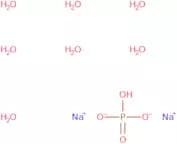
CAS :Sodium phosphate monobasic is a salt of sodium and phosphoric acid. It is used as a buffer to maintain the pH of an aqueous solution at the desired level. The pH of this solution can be adjusted by adding either acid or base. Sodium phosphate monobasic has been shown to react with calcium pantothenate, sodium salts, and ambroxol hydrochloride injection in a model system to produce hydrogen phosphate and water vapor. This reaction is the first step in the production of hydrogen phosphate, which is an important intermediate for many chemical reactions.
Formule :H3O4P·NaCouleur et forme :White Off-White PowderMasse moléculaire :120.98 g/molTitanium dioxide
CAS :Titanium dioxide is a chemical compound with the chemical formula TiO2. It is a white pigment that has good light-fastness and weatherability, and it is insoluble in water. The particle size of titanium dioxide ranges from 10 nm to about 100 nm. Titanium dioxide can be produced by the reaction of titanium tetrachloride with water or ammonia gas at 750-1,000 °C. This chemical compound has been used for many purposes, including paint pigments, sunscreen products, toothpaste, cosmetics, plastics, photocatalyst components and wastewater treatment. Studies have shown that titanium dioxide particles are not genotoxic but may induce oxidative stress in skin cells. Although safe when used as a food additive or cosmetic ingredient, titanium dioxide can cause adverse effects on skin health when used in certain concentrations.
Formule :TiO2Degré de pureté :Min. 95%Couleur et forme :PowderMasse moléculaire :79.87 g/molSodium dodecyl sulfate, crystalline
CAS :Sodium dodecyl sulfate (SDS) is a surfactant that is commonly used in detergents and as a laboratory reagent. It is also an antimicrobial agent and has been shown to be effective against bacterial cells. The solubility of SDS in water is dependent on the pH, with optimum concentrations at pH 7.4 and 8.2. Cell lysis can be induced by SDS at concentrations of 0.1% or greater, which can be monitored using plasma mass spectrometry. SDS has been used as an experimental model for autoimmune diseases, such as systemic lupus erythematosus and rheumatoid arthritis, to study disease progression and treatment efficacy. In these studies, laser ablation was used to create lesions in the skin of mice to simulate chronic inflammatory processes that are characteristic of autoimmune diseases. Crystalline cellulose was found to have high values for sodium dodecyl sulfate adsorption when compared with other
Formule :C12H26O4S•NaDegré de pureté :Min 99%Couleur et forme :PowderMasse moléculaire :289.39 g/molRef: 3D-FS59780
Produit arrêtéD-(+)-2-Phosphoglyceric acid sodium hydrate
CAS :Please enquire for more information about D-(+)-2-Phosphoglyceric acid sodium hydrate including the price, delivery time and more detailed product information at the technical inquiry form on this page
Formule :C3H4Na3O7PDegré de pureté :Min. 95 Area-%Couleur et forme :PowderMasse moléculaire :252 g/molBarium cis-epoxy-succinate
CAS :Please enquire for more information about Barium cis-epoxy-succinate including the price, delivery time and more detailed product information at the technical inquiry form on this page
Formule :C4H2BaO5Degré de pureté :Min. 95%Couleur et forme :PowderMasse moléculaire :267.38 g/molLorglumide sodium salt
CAS :Lorglumide sodium salt is a guanine nucleotide-binding protein that has low potency and is used as an experimental model for polymerase chain reaction. It interacts with the transcriptional regulator cck-a, which inhibits the production of estradiol benzoate, cortisol concentration, and energy metabolism. Lorglumide sodium salt also interacts with receptors to inhibit the activity of peptide hormones and carcinoma cell lines.
Formule :C22H31Cl2N2NaO4Degré de pureté :Min. 95%Couleur et forme :PowderMasse moléculaire :481.39 g/molIralukast Na
CAS :Iralukast Na is a leukotriene receptor antagonist that prevents bronchoconstrictor response. It binds to the cystic fibrosis transmembrane conductance regulator (CFTR) and blocks the binding of leukotrienes, which are potent bronchoconstrictors. Iralukast Na also blocks the activity of inflammatory cells and reduces bowel inflammation. Iralukast Na has been shown to be effective in treating asthma, inflammatory bowel disease, and other autoimmune diseases.
Formule :C38H36F3NaO8SDegré de pureté :Min. 95%Masse moléculaire :732.19807Potassium citrate
CAS :Potassium citrate is a salt of potassium and citric acid. It is used as an antacid to help relieve the symptoms of heartburn, sour stomach, and acid indigestion. Potassium citrate can also be used as a supplement when the body does not produce enough of this chemical on its own. It is usually taken with calcium pantothenate to provide additional relief for people who have low levels of these chemicals in their urine. The phase transition temperature for potassium citrate is approximately 33°C (91°F).
Formule :C6H5K3O7Couleur et forme :White Off-White PowderMasse moléculaire :306.39 g/molNetobimin sodium salt
CAS :Netobimin sodium salt is a versatile building block with a CAS number of 88254-99-3. It is used in the synthesis of complex compounds and research chemicals, as well as in the preparation of reagents, specialty chemicals, and useful intermediates. Netobimin sodium salt can be used as a reaction component or scaffold for generating high-quality compounds. Netobimin sodium salt has been shown to be a useful intermediate for synthesizing pharmaceuticals, agrochemicals, and other fine chemicals.
Formule :C14H19N4O7S2NaDegré de pureté :Min. 95 Area-%Couleur et forme :Yellow PowderMasse moléculaire :442.45 g/molValproic acid semisodium
CAS :Produit contrôléValproic acid is a medication used to treat seizures and other conditions. Valproic acid has been shown to be effective in the treatment of metabolic disorders such as hyperammonemia, hypertriglyceridemia, and hypoglycemia. It also has been shown to be an effective treatment for bipolar disorder. Valproic acid does have side-effect profiles that include weight gain, nausea, vomiting, and hair loss. Side effects are more likely to develop when valproic acid is taken with other medications such as erythromycin or divalproex sodium. Valproic acid can cause hypersensitivity syndrome in some patients. In order to avoid this side effect, blood sampling should be done before starting treatment. Valproic acid is metabolized by the liver into the active form, divalproex sodium (divalproex), which then inhibits the enzyme histone deacetylase (HDAC). The inhibition of HDAC leads to an increase inFormule :C8H16O2•Na0Degré de pureté :Min. 95%Couleur et forme :White to off-white solid.Masse moléculaire :311.41 g/molPhosphocholine chloride sodium salt hydrate
CAS :Phosphocholine chloride sodium salt hydrate is an organic compound that is used as a cross-linking agent in the production of polymers. It is also used as a reactant in ring-opening reactions and as an intermediate in the synthesis of pyridinium salts. This product has been shown to be metabolized by human serum to form fatty acids, which may play a role in metabolic disorders such as obesity and diabetes. The reagent can also be used for the chromatographic determination of cholesterol and other lipids.
Formule :C5H13ClNNa2O4P·xH2ODegré de pureté :Min. 95%Couleur et forme :White PowderMasse moléculaire :263.58 g/molPhenol red sodium salt
CAS :Phenol red is a pH indicator that finds broad applications from chemistry to microbiology. Colour varies from yellow at pH<6.8 (lmax 443nm) through to light red/pink at 6.8<pH<8.2 (lmax 570 nm) to vivid purple/red at pH>8.2. It is widely used in cell culture to monitor pH and for colorimetric titration. For example, phenol red can be used to quantify Br- content in sea or fresh water. It is added to VTM as pH indicator, at the concentration of 10mg/ml, maintaining a pink colour at neutral pH.
Formule :C19H13NaO5SCouleur et forme :Slightly Brown Red PowderMasse moléculaire :376.36 g/molTedizolid phosphate disodium salt
CAS :Inhibitor of monoamine oxidase; anti-bacterial agent
Formule :C17H16FN6O6P·2NaDegré de pureté :Min. 97 Area-%Couleur et forme :White Off-White PowderMasse moléculaire :496.3 g/molRef: 3D-FT104149
Produit arrêtéPhthalimide potassium
CAS :Phthalimide potassium is a chemical that reacts with oxygen nucleophiles to form the corresponding N-hydroxyphthalimide. It has been shown as an effective treatment for cancer by targeting tumor cells and inhibiting their growth. The mechanism of action involves binding to 5-HT2 receptors in the cell membrane, which leads to inhibition of the enzyme adenylate cyclase, leading to decreased levels of cAMP. This decreases the activity of protein kinase A, which in turn leads to decreased production of proteins such as p21WAF1/CIP1, which are required for cell cycle progression. Phthalimide potassium has also been shown to be active against HIV infection and may be useful for other diseases involving virus infections. This drug binds covalently with HLA proteins on the surface of infected cells and inhibits viral replication by preventing reverse transcription.
Formule :C8H4KNO2Couleur et forme :White PowderMasse moléculaire :185.22 g/mol[Nitrilotris(methylene)]tris-phosphonic acid pentasodiumsalt - 38.0 to 42.0%, in water
CAS :Nitrilotris(methylene)tris-phosphonic acid pentasodiumsalt is a compound that has antimicrobial properties. The product is used as a corrosion inhibitor, wetting agent, and pH control agent in water treatment. It is also used as an antimicrobial additive to paints and coatings. Nitrilotris(methylene)tris-phosphonic acid pentasodiumsalt inhibits the activity of matrix metalloproteinases and has been shown to be effective against bacterial strains such as Staphylococcus aureus, Streptococcus pneumoniae, Escherichia coli, Enterobacter cloacae, Pseudomonas aeruginosa, and Candida albicans.
br>
Nitrilotris(methylene)tris-phosphonic acid pentasodiumsalt is also an acidic chemical with a pH of 2 to 3. It is also mainly composed of an aliphaticFormule :C3H7NNa5O9P3Couleur et forme :Clear LiquidMasse moléculaire :408.96 g/molDisodium methylenebisnaphthalenesulfonate
CAS :Disodium methylenebisnaphthalenesulfonate is an organic compound that belongs to the group of bisnaphthyl-sulfones. It is a white solid with a melting point of 236°C. Disodium methylenebisnaphthalenesulfonate is used as a reagent in organic synthesis and as a building block for other compounds. The compound has been shown to be useful in the synthesis of 2-amino-5-methyl-1,3,4-thiadiazole derivatives, which are important building blocks for pharmaceuticals. Disodium methylenebisnaphthalenesulfonate can also be used as a scaffold for complex compounds with new or unknown structures.
Formule :C21H16O6S2·2NaDegré de pureté :Min. 95%Couleur et forme :Beige To Brown SolidMasse moléculaire :474.46 g/molHolmium (III) oxide
CAS :Holmium is a rare earth metal that belongs to the group of oxide. It is a soft, silvery-white, chemically inert and malleable metal. The element has two allotropic forms, holmium (III) oxide and holmium (III) nitrate. Holmium (III) oxide is used in high-temperature applications such as in x-ray equipment. It has a transition temperature range of 865°C to 1085°C and can be used at temperatures up to 1450°C with an argon atmosphere. The diffraction pattern for holmium (III) oxide is similar to those of other crystals in the same family. This element exhibits strong absorption lines in the infrared region between 2500 nm and 3200 nm.
Formule :Ho2O3Degré de pureté :Min. 95%Couleur et forme :Slightly Yellow PowderMasse moléculaire :377.86 g/molMethyl green, zinc chloride
CAS :Methyl green zinc chloride is a reagent that is used as a building block for research chemicals, speciality chemicals, and fine chemicals. It is also an intermediate in the synthesis of many biologically active compounds. Methyl green zinc chloride can be used as a versatile building block in the preparation of complex compounds. It is soluble in water and has CAS number 7114-03-6.
Formule :C27H35BrClN3•ZnCl2Degré de pureté :Min. 95%Couleur et forme :PowderMasse moléculaire :653.23 g/molPotassium sulfate
CAS :Potassium sulfate is a salt of potassium and sulfuric acid. It has a synergistic effect with sodium salts in the treatment of water hardness, which leads to a phase transition temperature below that of sodium sulfate alone. Potassium sulfate is also used as an analytical reagent for the determination of sulfate in solution. The reaction solution is heated to release the adsorbed gas, which is then analyzed by gas chromatography or infrared spectroscopy. Structural analysis was performed using X-ray crystallography on potassium sulfate crystals. Potassium sulfate has been shown to have physiological effects such as an increase in the concentration of iron in blood plasma and an increase in phosphate excretion from the kidneys at high doses. It has also been shown to have biological properties such as thermal expansion and phosphorus pentoxide reactivity.
Formule :K2SO4Degré de pureté :Min. 95%Couleur et forme :PowderMasse moléculaire :174.26 g/molCholic acid sodium salt
CAS :Produit contrôléCholic acid sodium salt is a bile acid sodium salt, which is primarily derived from the bile of mammals. It functions as a surfactant that facilitates the emulsification of fats and lipids, enhancing their subsequent absorption and digestion. This compound plays a critical role in the synthesis and regulation of cholesterol in the body.
Formule :C24H39NaO5Degré de pureté :Min. 95%Couleur et forme :PowderMasse moléculaire :430.55 g/mol2,3-Diphospho-D-glyceric acid pentasodium salt
CAS :2,3-Diphospho-D-glyceric acid pentasodium salt is a pyridine complex that is found in nature as a constant. It is also synthesized by humans and can be formed in the laboratory. 2,3-Diphospho-D-glyceric acid pentasodium salt is reactive and has been shown to be useful for producing radical species. This compound has been analysed in the human body at physiological concentrations and has been shown to interact with endogenous molecules such as lipids. The interaction of this compound with lipids could be due to its ability to form emulsions.Formule :C3H3Na5O10P2Degré de pureté :Min. 95%Couleur et forme :PowderMasse moléculaire :375.95 g/molThymol blue sodium salt
CAS :Thymol blue sodium salt is a dye that is used to stain fatty acids. The hydroxyl group of thymol blue sodium salt reacts with the carboxylic acid group of fatty acids, forming a cross-link between the two groups. This reaction can be monitored by measuring changes in the intensity of light transmitted through the solution. Thymol blue sodium salt has also been used as a cross-linking agent in polycarboxylic acid hydration reactions, and as an analytical method for determining cationic polymerization. Optical sensors have been developed that are capable of measuring changes in cavity size due to hydration or cationic polymerization.
Formule :C37H40N2Na4O13SDegré de pureté :Min. 95%Couleur et forme :PowderMasse moléculaire :844.74 g/molSodium 1-decanesulfonate
CAS :Sodium 1-decanesulfonate is a chemical compound that has been shown to have an inhibitory effect on the drug transporter P-glycoprotein. The inhibition of this transporter by sodium 1-decanesulfonate may be due to its ability to bind to the drug in the membrane, thereby preventing it from being transported out of the cell. Sodium 1-decanesulfonate was also found to increase the amount of sn-38, a radioactive form of sodium, in metastatic colorectal cancer cells. It has also been shown that sodium 1-decanesulfonate is thermally stable and chemically stable at high temperatures. This compound can be used as a standard in analytical methods such as titration calorimetry and polyvinyl chloride (PVC) analysis. Sodium 1-decanesulfonate can also be used as a fluorescent dye for particle size distribution measurements.
Formule :C10H22O3S•NaDegré de pureté :Min. 95%Couleur et forme :PowderMasse moléculaire :245.34 g/molSulfo-SMCC sodium
CAS :Crosslinker reacting rapidly with primary amines. It is used as a protein crosslinker where it reacts with cysteine to yield specific conjugates. The cyclohexane bridge confers added stability to the maleimide group making it ideal for maleimide activation of proteins. It is soluble in water and many other aqueous buffers although it is less stable then in DMSO or DMF.
Formule :C16H17N2O9SNaDegré de pureté :Min. 95 Area-%Couleur et forme :White Off-White PowderMasse moléculaire :436.37 g/mol(R)-3-Hydroxybutyric acid sodium
CAS :Chiral intermediate in the biosynthesis and metabolism of fatty acids
Formule :C4H8O3•NaCouleur et forme :PowderMasse moléculaire :127.09 g/mol2-Sulphoterephthalic monosodium
CAS :2-Sulphoterephthalic monosodium (2-SPM) is a zirconium oxide that is synthesized by reacting 5-hydroxymethylfurfural with hydrochloric acid in the presence of 2-aminoterephthalic acid. It has been shown to be an efficient catalyst for the synthesis of 5-hmf from glucose in aqueous media. This product also exhibits strong protonation properties and can be used as a hydrogen bonding donor. The fluorescence properties of 2-SPM have also been studied, which may lead to its potential use as a supramolecular fluorescent probe.
Formule :C8H5NaO7SDegré de pureté :Min. 95%Couleur et forme :White PowderMasse moléculaire :268.18 g/molZinc benzenesulfinate dihydrate
CAS :Zinc benzenesulfinate dihydrate is a white crystalline powder. It is soluble in water and has a molecular weight of 306.3. Zinc benzenesulfinate dihydrate can be used as a research chemical, reagent, or speciality chemical in the synthesis of other compounds. Zinc benzenesulfinate dihydrate can also be used as a reaction component in the synthesis of other compounds, or as an intermediate or scaffold for complex compounds.
Formule :C6H6O2S•(H2O)2•Zn0Degré de pureté :Min. 95%Couleur et forme :White To Off-White SolidMasse moléculaire :421.81 g/molZinc ethylphenyl dithiocarbamate
CAS :Zinc ethylphenyl dithiocarbamate is a hydrogenated zinc diethyldithiocarbamate that is used as an industrial chemical. The process of hydrogenation changes the chemical properties of the molecule by replacing one or more hydrogens with a hydrogen atom. It has been shown to have strong antioxidant properties and to inhibit the oxidation of fats, oils, and other organic substances. Zinc ethylphenyl dithiocarbamate has also been shown to be anti-inflammatory and to have hemolytic activity. This product is a white powder that is soluble in organic solvents such as ethers, benzene, and chloroform. It can be mixed into molten waxes and oils at high temperatures without decomposing.
Formule :C18H20N2S4ZnDegré de pureté :Min. 95%Couleur et forme :White PowderMasse moléculaire :458.01 g/molSodium phytate
CAS :Chelator of multivalent metal ions; food perservative; antioxidant
Formule :C6H6Na12O24P6Couleur et forme :White PowderMasse moléculaire :923.82 g/molRef: 3D-FS11426
Produit arrêtéTaurocholic acid sodium salt hydrate
CAS :Taurocholic acid sodium salt hydrate is a potential biomarker for inflammatory bowel disease. It is a chemical that is produced by the liver and stored in the gallbladder. It can be found in the bile, which is made from cholesterol and secreted into the small intestine with fat-soluble substances. Taurocholic acid sodium salt hydrate has been shown to induce necrotic cell death in vitro, which may be due to its ability to activate nuclear factor κB (NF-κB), leading to increased production of cytokines such as tumor necrosis factor-α (TNF-α). The bioavailability of taurocholic acid sodium salt hydrate has been shown to be greater than that of other bile acids in vivo. This bile acid also has protective effects against bacterial translocation because it chaperones bacterial cells and prevents them from attaching to the epithelial cells lining the intestines. Taurocholic acid sodium salt hyd
Formule :C26H44NNaO7S·xH2ODegré de pureté :Min. 97 Area-%Couleur et forme :White Off-White PowderMasse moléculaire :537.69 g/molRef: 3D-FT167722
Produit arrêtéTris(triphenylphosphine)rhodium(I) chloride
CAS :Homogeneous hydrogenation catalyst
Formule :C54H45ClP3RhDegré de pureté :Min. 95%Couleur et forme :PowderMasse moléculaire :925.21 g/molAtorvastatin calcium
CAS :HMG-CoA reductase inhibitor; anti-hypercholesterolemia agent
Formule :C66H68CaF2N4O10Degré de pureté :Min. 97 Area-%Couleur et forme :White PowderMasse moléculaire :1,155.34 g/molAcid fuchsin calcium
CAS :Acid fuchsin is a water-soluble, non-toxic, acidic dye that is used in histology to stain connective tissue and mucous membranes. It is used as an indicator for calcium in the presence of acid phosphatase. Acid fuchsin can be detected by light microscopy when it is stained on a section of tissue or cells. This dye can be used with immunocytochemistry or cytogenetics to assess the morphology of cells and tissues. The staining intensity varies according to the concentration of the acid fuchsin solution, which can be quantified by measuring the absorbance at 510 nm. A reference range for this measurement would be 0.1 - 1 μg/ml (10 - 100 μM).
Formule :C20H19N3O9S3·xCaCouleur et forme :PowderMasse moléculaire :541.58 g/molPhosphoenolpyruvate monosodium salt hydrate
CAS :PEP is a "high-energy phosphate" compound playing a vital role in enzymatic phosphate-transfer reactions involved in ATP synthesis. It is used in conjunction with pyruvate kinase as a phosphorylating agent for ATP generation. Substrate for phosphoenolpyruvate carboxylase. Reagent for determination of glycerol.
Formule :C3H4NaO6P·xH2ODegré de pureté :Min. 95%Couleur et forme :PowderMasse moléculaire :190.02 g/mol3,3',5-Triiodo-L-thyronine sodium salt
CAS :Synthetic thyroid hormone (T3) analog; promotes adipogenic differentiation
Formule :C15H11I3NNaO4Degré de pureté :Min. 95 Area-%Couleur et forme :Slightly Yellow PowderMasse moléculaire :672.96 g/molMonopotassium phosphite
CAS :Monopotassium phosphite is a toxic substance with a strong inhibitory effect on bacteria, microorganisms and autotrophs. Monopotassium phosphite is structurally similar to hypophosphite, whereas monopotassium phosphite has an additional potassium ion. It can be found in high concentrations in the cells of microalgae such as Botryococcus braunii. Monopotassium phosphite inhibits the growth of bacteria by inhibiting the transfer of phosphorus from ATP to other compounds and by altering the structure of bacterial cell membranes. Monopotassium phosphite also inhibits the growth of fungi, algae and plants that require phosphate for their metabolic processes (i.e., photosynthesis).
Formule :H2KO3PCouleur et forme :PowderMasse moléculaire :120.09 g/molChloro(triphenylphosphine)gold(I)
CAS :Chloro(triphenylphosphine)gold(I) is a compound that binds to proteins with high affinity and specificity. The binding constants of the two compounds are 1x10 M-1. It has been shown to bind to β-amino acid and organic molecules in human serum, as well as in other biological fluids. Chloro(triphenylphosphine)gold(I) has been shown to have apoptotic properties and can be used for the treatment of cancer cells. It has also been shown to be useful for the treatment of Alzheimer's disease, Parkinson's disease, and Huntington's disease.
Formule :C18H15P•AuClDegré de pureté :Min. 98 Area-%Couleur et forme :White Off-White PowderMasse moléculaire :494.7 g/molTrifloxysulfuron sodium
CAS :Trifloxysulfuron-sodium is a herbicide that inhibits the growth of plants by interfering with photosynthesis. It is applied to perennial ryegrass, which has been shown to reduce the rate of photosynthesis and increase the rate of respiration. Trifloxysulfuron-sodium can be detected at very low concentrations in deionized water and has been found to inhibit photosynthetic activity at concentrations as low as 0.01 µM in ryegrass. Trifloxysulfuron-sodium has also shown resistance to glyphosate, a popular herbicide, and other pesticides used for weed control. The biological properties of this herbicide are currently unknown.
Formule :C14H13F3N5NaO6SDegré de pureté :Min. 95%Couleur et forme :PowderMasse moléculaire :459.33 g/molRef: 3D-FT103501
Produit arrêtéRiboflavin 5'-phosphate sodium
CAS :Riboflavin 5'-phosphate sodium (RB5P) is a form of riboflavin that is used as a co-substrate for the synthesis of other riboflavin-containing compounds. RB5P is an important component in biochemical research, wastewater treatment, and neurodegenerative diseases. The monosodium salt has been shown to be a useful model system for studying the biochemical properties of riboflavin. In vitro studies have shown that RB5P can be used to measure the transfer reactions between nucleotide diphosphates, such as ATP and GTP. RB5P has been used to study the structural analysis and thermodynamic data of dinucleotide phosphate.
Formule :C17H20N4NaO9PDegré de pureté :73.00 To 79.00%Couleur et forme :Yellow Orange PowderMasse moléculaire :478.33 g/molRef: 3D-FR27725
Produit arrêtéHomovanillic acid sulfate sodium salt
CAS :Homovanillic acid sulfate sodium salt (HVA) is a metabolite of dopamine that is used to diagnose or monitor diseases related to the central nervous system. The HVA concentration in urine can be determined by colorimetric assay, which has been shown to be useful for identifying patients with Parkinson's disease and other degenerative diseases. HVA is also found in blood plasma and cerebrospinal fluid, as well as in many other body tissues. HVA levels are increased during pregnancy, because it is an intermediate in the biosynthesis of estradiol from testosterone. In addition, concentrations of HVA increase with age, due to decreased clearance rates.Formule :C9H8Na2O7SDegré de pureté :Min. 95%Couleur et forme :PowderMasse moléculaire :306.2 g/molPotassium pyruvate
CAS :Potassium pyruvate is a chemical compound that is formed by the oxidation of pyruvic acid. It can be used in analytical methods to measure the concentration of caproic acid, a group P2 molecule, in a sample. Potassium pyruvate has been shown to have antioxidant properties and reduce oxidative stress in human macrophages. Potassium pyruvate has also been shown to stimulate ribitol dehydrogenase, an enzyme that can convert ribitol into ribose-5-phosphate, which is important for DNA synthesis. The detection sensitivity of potassium pyruvate is much higher than that of other analytical methods and it can be used as an indicator for measuring the concentration of many organic compounds. Potassium pyruvate may have physiological effects on cells because it has been shown to promote pluripotent cells in plants as well as play a role in ischemic brain damage and basic fibroblast growth.
Formule :C3H3KO3Degré de pureté :Min. 95%Couleur et forme :White Off-White PowderMasse moléculaire :126.15 g/molSodium nitroprusside dihydrate
CAS :Produit contrôléSodium nitroprusside dihydrate is an oxygen transport agent that works by inhibiting the enzyme cyclase. This inhibits the production of tnf-α and other inflammatory mediators, which reduces inflammation and pain. Sodium nitroprusside dihydrate is used to lower blood pressure in emergency situations, such as shock. It has been shown to be effective for treating pulmonary hypertension, chronic obstructive pulmonary disease, and other conditions related to oxygen transport. Sodium nitroprusside dihydrate is a metastable molecule that can be converted into a stable form (sodium nitroprusside) by ester hydrochloride or fatty acid esters.
Formule :C5FeN6O•(H2O)2•Na2Degré de pureté :Min. 98.0%Couleur et forme :Red PowderMasse moléculaire :297.95 g/molAnthraquinone-2,6-disulfonic acid disodium
CAS :Anthraquinone-2,6-disulfonic acid disodium salt is a reactive, redox potential chemical that has been shown to be stable to intermolecular hydrogen bonding and crystalline in structure. It has the ability to react with carbon sources and can be used as a catalyst in coordination chemistry. Anthraquinone-2,6-disulfonic acid disodium salt has been shown to have fluorescence properties under UV light and FTIR spectroscopy.Formule :C14H6Na2O8S2Degré de pureté :Min. 95%Couleur et forme :Beige PowderMasse moléculaire :412.3 g/molCefoperazone sodium
CAS :Cefoperazone sodium is a broad-spectrum antibiotic that inhibits bacterial growth by binding to the enzyme topoisomerase IV. It is active against gram-positive bacteria, such as Staphylococcus aureus, and gram-negative bacteria, such as Escherichia coli. This drug also binds to the IL-2 receptor and has shown antibacterial efficacy in a model system. The optimum concentration of cefoperazone sodium is 0.3 mg/mL. Cefoperazone sodium should not be used in combination with sulbactam or other beta lactams because it can cause rapid degradation of these drugs, leading to reduced therapeutic efficacy.
Formule :C25H26N9NaO8S2Degré de pureté :Min. 95%Couleur et forme :PowderMasse moléculaire :667.65 g/molXylenol orange tetrasodium salt
CAS :Xylenol orange tetrasodium salt is a fluorescent dye that can be used to measure the degree of mineralization in animal tissue. The dye is composed of xylenol, which is a fatty acid, and sodium chloride. Xylenol orange tetrasodium salt is used for measuring the rate of enzyme reactions by incubating it with the enzyme and measuring the formation rate. It has been shown to have damaging effects on mitochondria and tissues when exposed to an acidic environment. Xylenol orange tetrasodium salt binds to the membrane potential of cells in order to measure reactive oxygen species (ROS) production. This dye can also be used as a marker for autofluorescence of mitochondria and lipase activity.
Formule :C31H28Na4O13SN2Couleur et forme :PowderMasse moléculaire :760.58 g/molN-(Aminoethyl)-5-naphthylamine-1-sulfonic acid sodium
CAS :N-(Aminoethyl)-5-naphthylamine-1-sulfonic acid sodium salt (NAES) is a fluorescent dye that has been used to study the structure of proteins. NAES binds to acceptor sites on the protein, which can be either amino acid side chains or other ions in solution. The fluorescence of NAES depends on the environment and the number of acceptors present. This dye has been used in assays for staphylococcus, as it is resistant to staining by Gram stain and stains brightly with fluorescence assay. NAES has also been shown to have a high kinetic rate and sensitivity, making it an effective virus assay.
Formule :C12H14N2O3S•NaDegré de pureté :Min. 95%Masse moléculaire :289.31 g/molSulfobromophthalein disodium salt hydrate
CAS :Sulfobromophthalein disodium salt hydrate is a fluorescent chemical that is used as a marker for renal function. It is most commonly used to assess the function of proximal tubules in the kidney and to assess the presence of cancer cells in various tissues. The uptake of sulfobromophthalein by the renal proximal tubules can be measured with an assay involving caco-2 cells. Multidrug resistance-associated protein (MRP) and other efflux pumps are expressed in these cells, which limits the amount of drug that can be absorbed into the cell. MRP also plays a role in multidrug resistance by pumping drugs back out of cells into the extracellular fluid, preventing them from being reabsorbed into circulation. This causes higher concentrations of drugs to accumulate inside the cell, leading to apoptosis. Sulfobromophthalein has been shown to attenuate cancer progression, as well as reduce multidrug resistanceFormule :C20H8Br4O10S2·2Na·xH2OCouleur et forme :White PowderMasse moléculaire :838 g/molRef: 3D-FB52460
Produit arrêtép-Coumaric acid 4-O-sulfate disodium
CAS :p-Coumaric acid 4-O-sulfate disodium salt is a high quality, reagent, complex compound. It is an intermediate in the synthesis of pyridoxal 5′-phosphate and may be used as a building block for the synthesis of other compounds. It is also a speciality chemical that may be used as a reaction component in organic synthesis.Formule :C9H8O6S•Na2Degré de pureté :95%MinCouleur et forme :PowderMasse moléculaire :290.2 g/molRef: 3D-FC164030
Produit arrêtéD-Thyroxine sodium salt
CAS :D-Thyroxine sodium salt is a drug that is used for the treatment of hypothyroidism. It has been shown to increase the metabolic rate and cardiac output in humans, as well as having long-term efficacy. D-Thyroxine sodium salt inhibits the conversion of T4 to T3 by inhibiting 5'-deiodinase, leading to increased levels of T4. This drug also increases the thermogenic rate and energy expenditure by stimulating brown adipose tissue, which leads to an increase in oxygen consumption and heat production. D-Thyroxine sodium salt has a number of side effects, including cardiac arrhythmia, hyperthyroidism, insomnia, and gastrointestinal disturbances.
D-Thyroxine sodium salt is a chiral compound consisting of two enantiomers: levothyroxine (L) and dextrothyroxine (D). The L form is biologically active while the D form is biologically inactive.Formule :C15H10I4NO4NaDegré de pureté :Min. 97 Area-%Couleur et forme :PowderMasse moléculaire :798.85 g/molSodium chloride
CAS :Sodium chloride is a chemical compound that belongs to the group of inorganic salts. It is an important electrolyte, which regulates fluid balance and pH levels. Sodium chloride has been used as a model system for polymerase chain reactions and has been shown to inhibit the growth of malignant cells in the brain under constant pressure. The reaction solution may be pre-treated with hydrogen fluoride to remove interfering impurities prior to addition of sodium chloride. This process can be used for an in vitro method, where the reaction solution is exposed to plasma mass spectrometry or laser ablation before being analyzed for drug interactions with plasma mass spectrometry or electrochemical impedance spectroscopy. Sodium chloride can cause water vapor to form when it reacts with hydrochloric acid, producing hydrogen gas and hydrochloric acid.
Formule :NaClCouleur et forme :PowderMasse moléculaire :58.44 g/moltrans-Resveratrol-3,4',5-trisulfate trisodium salt
CAS :Trans-resveratrol-3,4',5-trisulfate trisodium salt is a fine chemical that can be used as a building block for research chemicals and pharmaceuticals. It is often used as a reagent in organic synthesis, due to its solubility in organic solvents. This compound has been shown to have activity against Alzheimer's disease. Trans-resveratrol-3,4',5-trisulfate trisodium salt also has anti-inflammatory properties.Formule :C14H9Na3O12S3Degré de pureté :Min. 95%Couleur et forme :PowderMasse moléculaire :534.38 g/molCalcium oxide
CAS :Produit contrôléCalcium oxide is a chemical compound that is used in the process of wastewater treatment. It removes phosphorus from sewage by forming insoluble calcium phosphate and prevents the release of phosphate into natural waterways. Calcium oxide also has been shown to remove chromium, nickel, copper, and zinc from wastewater. The removal of these metals may be due to the oxidation of metal hydroxides which are then precipitated by calcium oxides or through the formation of insoluble metal oxides. Calcium oxide can also be used to remove potassium dichromate from water vapor. Calcium oxide is an oxidizing agent that can react with metals at high temperatures and can be used as a catalyst for many reactions. The activity index for calcium oxide ranges between 1-3 and its surface methodology is Langmuir adsorption isotherm.
Formule :CaODegré de pureté :Min. 95%Couleur et forme :PowderMasse moléculaire :56.08 g/molPotassium 2-(4-hydroxyphenoxy)propionate
CAS :Potassium 2-(4-hydroxyphenoxy)propionate is a versatile building block that can be used in the synthesis of fine chemicals, research chemicals, and reagents. This compound is useful as a reaction component or scaffold in the synthesis of complex compounds. Potassium 2-(4-hydroxyphenoxy)propionate exhibits high reactivity and quality, making it an excellent intermediate for synthesizing other compounds. It is also a useful building block for organic chemical reactions and has been used as a speciality chemical in research studies.
Formule :C9H10O4•KDegré de pureté :Min. 80%Couleur et forme :PowderMasse moléculaire :221.27 g/molTri-sodium citrate
CAS :Sodium citrate is widely used as an excipient in the pharmaceutical industry. It helps regulate the pH as a stabilizer or an alkalizing agent. Sodium citrate can also bind to certain metal ions in drug formulations providing stability and avoiding ht interference with the drug's main activity. In the food industry, its main use is as a food preservative.
Formule :C6H5Na3O7Degré de pureté :Min. 98%Couleur et forme :White Off-White PowderMasse moléculaire :258.07 g/molSodium Methanethiolate-13C
CAS :Produit contrôléApplications Sodium Methanethiolate-13C, is the labeled analogue of Sodium Methanethiolate (S644805), used as a nucleophile in organic synthesis. Sodium methanethiolate is also being used as a reagent to synthesize thiol-based suberoylanilide hydroxamic acid (SAHA) analogues, compounds that act as potent histone deacetylase inhibitors.
References Bergman, A. & Wachtmeister, Chemosphere, 7, 949 (1978); Suzuki, T.,et al.: Bioorg. Med. Chem. Lett., 14, 3313 (2004)Formule :CH3NaSDegré de pureté :>90%Couleur et forme :NeatMasse moléculaire :71.082Potassium Hydroxide (Semiconductor Grade)
CAS :Produit contrôléApplications Potassium Hydroxide is inorganic compound and strong base with many applications. It is used in the production of biodiesel. Potassium Hydroxide is also used in the manufacture of soaps.
Not a dangerous good if item is equal to or less than 1g/ml and there is less than 100g/ml in the package
References Nadarajan, R., Ismail, R.: J. Surfactants Deterg., 14, 463 (2011); Hajek, M., et al.: Fuel, 96, 85 (2012);Formule :HKOCouleur et forme :NeatMasse moléculaire :56.11Guanosine-5'-triphosphate Disodium Salt (~85%)
CAS :Produit contrôléApplications Guanosine-5'-triphosphate disodium salt (CAS# 56001-37-7) is a nucleotide used in the preparation of photoreactive GTP affinity probes, and in inhibitors of eukaryotic initiation factor eIF-4E.
References George Cisar, E. A.; J. Am. Chem. Soc., 135, 4676 (2013); Ghosh, P.; et al.: Bioorg. Med. Chem. Lett., 16, 750 (2006).Formule :C10H14N5O14P3Na2Degré de pureté :~85%Couleur et forme :NeatMasse moléculaire :567.14Sodium N-lauroylsarcosinate
CAS :Sodium N-lauroylsarcosinate is a surfactant that is used in water treatment, wastewater treatment, and as a detergent. It is also used as an analytical tool for the titration calorimetry of sodium salts. Sodium N-lauroylsarcosinate is a sodium salt that belongs to the group of sodium salts. It has been shown to have biological properties such as permeability through human serum and biodegradability. The salt form of this compound has an electrochemical impedance spectrum which can be used to identify it.
Formule :C15H28NNaO3Degré de pureté :Min. 94%Couleur et forme :White Off-White PowderMasse moléculaire :293.38 g/molRef: 3D-FS62988
Produit arrêtéγ-Polyglutamic acid sodium, MW 200,000-500,000
CAS :Polymer of glutamic acidFormule :(C5H9NO4)nDegré de pureté :Min. 90 Area-%Couleur et forme :White PowderSulfosuccinimidyl 3-[[2-(biotinamido)ethyl] dithio]propionate sodium salt
CAS :Sulfosuccinimidyl 3-[[2-(biotinamido)ethyl] dithio]propionate sodium salt (BSP) is a biotin-avidin binding molecule that forms a covalent linkage with the antigen and antibody. It is used in immunoassays to detect specific antigens or antibodies in biological samples. BSP is manufactured by reacting carbodiimide hydrochloride with sulfosuccinic acid. The product can be used for a variety of immunoassays such as enzyme-linked immunosorbent assays, real-time polymerase chain reaction, and immunohistochemistry. The sensitivity of this product has been shown to be greater than those of other detection methods such as Western blotting.Formule :C19H27N4NaO9S4Degré de pureté :Min. 95%Couleur et forme :White Off-White PowderMasse moléculaire :606.69 g/molRef: 3D-FS27965
Produit arrêtéSodium sarcosinate - ca. 40% in water
CAS :Sodium sarcosine is a salt of sarcosine with sodium. It has an average molecular weight of 255 and is soluble in water. Sodium sarcosine is used as a biological sample for non-steroidal anti-inflammatory drugs (NSAIDs) in the study of their inhibitory properties against mammalian DNA polymerase. NSAIDs are also used to treat inflammation, pain, and fever by inhibiting prostaglandin synthesis. The rate constant for the reaction between NSAIDs and DNA polymerase was found to be 1.6x10^-4 M^-1s^-1 at 25°C, which is close to the Km value for the reaction. This finding indicates that NSAIDs may be competitive inhibitors of the enzyme, although further experiments are needed to confirm this hypothesis. Using electrochemical impedance spectroscopy, it was found that NSAIDs have a higher affinity for divalent cations than monovalent cations, suggesting that they bind to a site on the
Formule :C3H6NNaO2Degré de pureté :Min. 95%Couleur et forme :Colorless Clear LiquidMasse moléculaire :111.08 g/molPotassium hydrogen phthalate
CAS :Potassium hydrogen phthalate is a corrosion inhibitor and a co-catalyst for the production of polyvinyl chloride. It has been shown to exhibit toxic effects on the central nervous system, liver, and kidneys in animal studies. Potassium hydrogen phthalate is also used as a corrosion inhibitor in wastewater treatment plants. The toxicity of potassium hydrogen phthalate may be due to its ability to inhibit ryanodine receptor, an intracellular calcium release channel that regulates cellular functions such as muscle contraction, enzyme activities, and cell cycle progression. Potassium hydrogen phthalate can also be used to produce polyvinyl chloride. It has been shown to have toxic effects on insects as well as thermodynamic data related to water vapor. Potassium hydrogen phthalate is an analytical reagent that can be used for picolinic acid determination.
Formule :C8H5KO4Degré de pureté :Min. 95%Couleur et forme :PowderMasse moléculaire :204.22 g/molCefmetazole sodium
CAS :Cefmetazole sodium is a penicillin-type antibiotic that inhibits the synthesis of bacterial cell walls. It binds to the penicillin-binding proteins in the bacterial cell wall by competitive inhibition, preventing the formation of an antibiotic-inhibitor complex with the enzyme cell wall synthesis that is required for cell wall biosynthesis, inhibiting protein synthesis and cell division. Cefmetazole sodium has been shown to be active against a wide variety of bacteria, including gram-positive and gram-negative bacteria. The drug's activity against most strains of methicillin-resistant Staphylococcus aureus (MRSA) has been confirmed. Cefmetazole sodium is used to treat infectious diseases such as pneumonia and urinary tract infections. Drug interactions are possible, but not well understood at this time.
Formule :C15H17N7O5S3•NaDegré de pureté :Min. 93 Area-%Couleur et forme :PowderMasse moléculaire :494.53 g/molPotassium fluoroaluminate
CAS :Potassium fluoroaluminate (KAlF) is a reactive chemical compound that is used as a reducing agent in metallurgical processes. KAlF is not an aluminothermic reaction product, but it can be produced as a by-product of the reaction between aluminum and hydrogen fluoride. It is produced when potassium reacts with hydrogen fluoride in the presence of sodium carbonate or boron nitride. KAlF does not produce stable complexes with zinc or magnesium, but it does stabilize zirconium oxide to some extent. The human serum contains antibodies against KAlF particles, which may cause allergic reactions following inhalation or skin contact.
Formule :AlF4•KCouleur et forme :PowderMasse moléculaire :142.07 g/molSodium monofluorophosphate
CAS :Sodium monofluorophosphate is a salt that contains sodium cations and fluorine anions. It is used as an agent in the production of dental fillings, toothpaste, and other products. Sodium monofluorophosphate has been shown to inhibit the activity of serine proteases such as trypsin by interfering with their catalytic activity and binding to their active site. This agent has also been shown to react with p-nitrophenyl phosphate to form a fluorescent product, which can be detected at low concentrations. Sodium monofluorophosphate has a thermal expansion coefficient that is only slightly larger than those of water and glycerol, which makes it ideal for use in the production of dental fillings.
Formule :FNa2O3PDegré de pureté :Min. 95%Couleur et forme :White PowderMasse moléculaire :143.95 g/molSodium fluoride
CAS :Produit contrôléSodium fluoride is a chemical that can be used to treat water and wastewater. It is an effective inhibitor of the growth of bacteria, fungi, and algae. The use of sodium fluoride improves the quality of drinking water by reducing levels of hydrogen ion and trihalomethanes (THMs). This chemical also has been shown to have beneficial effects in patients with inflammatory bowel disease. Sodium fluoride inhibits the activity of enzymes in mitochondria, which are responsible for converting food into energy. The inhibition leads to a decrease in the production of free radicals and reactive oxygen species, which may reduce oxidative stress in the body.
Formule :NaFDegré de pureté :Min. 95%Couleur et forme :White PowderMasse moléculaire :41.99 g/molDirhodium tetracaprolactamate
CAS :Dirhodium tetracaprolactamate is a functionalised dirhodium compound that is used in the preparation of carbenes and biomolecules. The ligand can be prepared by the reaction of diazomethane with an activated acetonitrile, followed by addition of hydroscopic silver nitrate, which gives a complex tetraacetate. This product can be used in organic synthesis as a diazo compound. Dirhodium tetracaprolactamate has been shown to be effective in the synthesis of natural products such as ferulic acid and chlorogenic acid.
Formule :C24H40N4O4Rh2Degré de pureté :Min. 95%Couleur et forme :PowderMasse moléculaire :654.41 g/molZinc diethyldithiocarbamate
CAS :Zinc diethyldithiocarbamate is an inorganic compound that has been shown to have potent anti-inflammatory and antipyretic properties. It has been used as a chemical inhibitor of phospholipase A2, which is an enzyme involved in the inflammatory process. Zinc diethyldithiocarbamate also has been shown to be a potent inducer of metallothionein and other proteins that are involved in detoxification processes. This drug has been used as an injection solution for the treatment of infectious diseases such as tuberculosis, leprosy, brucellosis, and malaria. Zinc diethyldithiocarbamate is also used as a pharmacological agent for the treatment of myocardial infarction.
Formule :C10H20N2S4ZnDegré de pureté :Min. 95%Couleur et forme :PowderMasse moléculaire :361.92 g/mol4-Aminosalicylic acid sodium salt dihydrate
CAS :4-Aminosalicylic acid sodium salt dihydrate is a molecule that has been shown to be useful for the diagnosis of viral, autoimmune, and cancerous diseases. It is a diagnostic agent that can be used in both the diagnosis and treatment of bowel disease. 4-Aminosalicylic acid sodium salt dihydrate can also be used to treat cavity formation in teeth. It binds to fatty acids in the target tissue, which leads to cell death by apoptosis. This drug has been shown to be effective against inflammatory bowel disease (IBD) as well as other types of bowel disease. This drug has been shown to have no adverse effects on healthy cells or tissues, but it may cause kidney toxicity when taken orally or injected intravenously.
Formule :C7H6NNaO3·2H2ODegré de pureté :Min. 95%Couleur et forme :White PowderMasse moléculaire :211.15 g/molSodium dodecylbenzenesulfonate (hard type) (mixture)
CAS :Sodium dodecylbenzenesulfonate (SDS) is a synthetic surfactant. It is used as a detergent in household and industrial cleaning products, as well as in textiles and paper manufacturing. SDS is also used to remove protein from cells and tissues during the process of cell harvesting or tissue harvesting. The hard type (mixture) contains sodium dodecylbenzenesulfonate, which has a hydrophilic head group and a hydrophobic tail group that are not ionized at physiological pH. This type of SDS has been shown to have low toxicity in vivo and in vitro.
Formule :C18H29NaO3SDegré de pureté :Min. 95%Couleur et forme :PowderMasse moléculaire :348.48 g/molChromotropic acid disodium salt dihydrate - ACS reagent
CAS :Chromotropic acid is a reactive compound that has been shown to be adsorbed on the surface of activated carbon. The adsorption mechanism and the kinetic constants for this reaction have been studied in detail. Chromotropic acid decomposes at high temperatures, releasing hydrogen chloride gas and water vapor. This chemical is also used in pharmaceutical preparations as an additive to inhibit oxidation reactions. It may also serve as a photoreceptor, reacting with tyramine hydrochloride and other compounds to produce a color change.Formule :C10H6O8S2Na2·2H2OCouleur et forme :PowderMasse moléculaire :400.29 g/mol3,5-Dinitrosalicylic acid sodium
CAS :3,5-Dinitrosalicylic acid sodium is an inorganic compound that is used as a biochemical reagent. It can be used to measure the phosphatase activity of muscle and liver samples, as well as to determine the level of autophagy in cells. 3,5-Dinitrosalicylic acid sodium has been shown to inhibit the activity of a number of enzymes, including acid phosphatase and thiourea. When combined with chloroplast or mitochondria, it can be used to determine the rate of electron transport chain. 3,5-Dinitrosalicylic acid sodium binds to sulfhydryl groups on proteins and prevents them from being used for other purposes. This process optimization leads to engulfment followed by lysosomal degradation.
Formule :C7H3N2NaO7Degré de pureté :Min. 95%Couleur et forme :PowderMasse moléculaire :250.1 g/molSodium gualenate
CAS :Sodium gualenate is a skin protectant and anti-inflammatory drug that is used to treat mild to moderate forms of dermatitis. Sodium gualenate is a sodium salt of guaiazulene, which is an epidermal growth factor that has been shown to stimulate the metabolism of skin cells. In vitro studies have demonstrated that dextran sulfate, a water-soluble drug, inhibits the growth of bacteria by binding to the cell surface. The optimum concentration for sodium gualenate appears to be 1%. This drug also has an agonist effect on the hydroxyl group and may interact with cationic surfactants.
Formule :C15H17NaO3SDegré de pureté :Min. 95%Couleur et forme :Blue PowderMasse moléculaire :300.35 g/molPotassium hexafluoronickelate(IV)
CAS :Potassium hexafluoronickelate is a chemical compound that is a versatile building block and can be used as a reagent in organic synthesis. It is also an important intermediate for the preparation of other chemicals, such as potassium hexafluoroarsenate, which is used to make perfluorocarbons. Potassium hexafluoronickelate has many uses as a research chemical and as an intermediate in the production of other compounds. The compound has been shown to be useful in reactions involving carbon-carbon bond formation, such as the synthesis of heterocycles. Potassium hexafluoronickelate can also be used to produce metal complexes for use in catalysis or polymerization reactions.
Formule :F6K2NiDegré de pureté :Min. 95%Couleur et forme :PowderMasse moléculaire :250.88 g/molGlycolic Acid-13C Sodium Salt
CAS :Produit contrôléApplications Glycolic Acid-13C Sodium Salt is the isotope labelled analog of Glycolic Acid Sodium Salt; a compound that increases the glycolate oxidase activity in the liver when fed to rats. It also increases the lactate dehydrogenase activity in the liver and kidney. This compound is suitable for lactate dehydrogenase (LDH) related research.
References Murthy M.S.R., et al.: Ann. Nutr. Metab., 27, 355 (1983)Formule :CCH3NaO3Couleur et forme :NeatMasse moléculaire :99.026Sodium Dibunate
CAS :Produit contrôléFormule :C18H23O3S·NaCouleur et forme :NeatMasse moléculaire :342.428Sodium pyrophosphate decahydrate
CAS :Sodium pyrophosphate decanhydrate is a methyltransferase inhibitor that blocks the enzyme form of the DNA methyltransferase, which is responsible for maintaining DNA methylation patterns. It has been shown to inhibit the enzymatic activity of this enzyme in a model system. Sodium pyrophosphate decanhydrate inhibits the growth of bacteria by binding to water molecules and preventing them from binding to other molecules, causing dehydration. This drug also has potential as a natriuretic peptide levels inhibitor, with electrochemical impedance spectroscopy studies showing that it may have a high affinity for sodium ions. Studies have also shown that sodium pyrophosphate decanhydrate has no toxicity in mice.
Formule :H4O7P2•Na4•(H2O)10Degré de pureté :Min. 95%Couleur et forme :PowderMasse moléculaire :450.09 g/molD-Lactic acid lithium
CAS :D(+)-Lactic acid lithium salt is a dipolar molecule with an activation energy of about 44 kJ/mol. It has been studied by NMR techniques and found to have a resonance in the range of 1.8-2.0 ppm, which is characteristic of protons on the oxygen atom. The proton magnetic resonance (PMR) study showed that the d-lactate resonances were very broad and shifted to higher frequencies, whereas the l-lactate resonances were sharp and shifted to lower frequencies. This may be due to the different number of protons on each type of lactate molecule. The magnetic resonance (NMR) study showed that lithium salt was a radical with a spin density distribution around 2.6 ppm in the nmr spectrum.
Formule :C3H6O3•LiDegré de pureté :Min. 95%Couleur et forme :PowderMasse moléculaire :97.02 g/molPotassium vinyltrifluoroborate
CAS :Potassium vinyltrifluoroborate is a salt that contains the inorganic anion potassium and the organic ligand vinyltrifluoroborate. It is used as an electrolyte in electrochemical cells, such as fuel cells, to increase power output by increasing the conductivity of the electrolyte. This compound has been shown to be effective against chronic kidney disease and infectious diseases such as HIV and malaria. Potassium vinyltrifluoroborate also has anti-cancer properties due to its ability to inhibit cellular proliferation and induce apoptosis in cancer cells. The mechanism of action of this drug is still unclear but may be due to its ability to inhibit proteases, such as ns3 protease found in human erythrocytes.
Formule :C2H3BF3KDegré de pureté :Min. 95%Couleur et forme :PowderMasse moléculaire :133.95 g/molRef: 3D-FP16428
Produit arrêtéLevothyroxine sodium
CAS :Levothyroxine sodium is a thyroid hormone that is used to treat hypothyroidism. It is also used to treat goiter and other thyroid problems. Levothyroxine sodium comes in three different forms: tablets, oral solution, and levothyroxine sodium for injection. The tablet form of levothyroxine sodium is taken by mouth once daily with or without food. Oral solution is taken by mouth twice daily (morning and evening) with or without food. Injection should be given as directed by a physician or healthcare provider. Levothyroxine sodium can interact with many drugs, especially ones that affect the heart or blood sugar levels, such as potassium supplements, diuretics, beta blockers, calcium channel blockers, erythromycin, clarithromycin and ketoconazole. Levothyroxine sodium can also interact with certain foods such as soybean flour and grapefruit juice. Levothyroxine sodium has been shown to have a linear calibration curve in vivo
Formule :C15H10I4NNaO4Degré de pureté :Min. 95%Couleur et forme :White PowderMasse moléculaire :798.85 g/molPotassium methoxide, 25% w/w in methanol
CAS :Potassium methoxide is a strong base that reacts with methanol to produce potassium metal and methanol. It has been used as a model system for studying the reaction mechanism of metal carbonyls. The reaction solution is heated to produce glycol esters, which are catalyzed by the potassium metal. This process can be used to synthesize biologically active molecules, such as anti-inflammatory drugs, which are difficult to make using conventional methods. Potassium methoxide has also been shown to have protective effects against metabolic disorders in mice and has biological properties that may be useful in the treatment of infectious diseases.Formule :CH3OKDegré de pureté :Min. 95%Couleur et forme :Clear LiquidMasse moléculaire :70.13 g/molCalcium iodide
CAS :Calcium iodide is a polarizer that can be used for the analysis of metal hydroxides. It reacts with the substrate film and forms a reaction solution that can be examined by microscope or spectrophotometer. Calcium iodide has been used to study the structure of glycol ethers, alkanoic acids, and carbohydrates. This chemical is also used in nutrient solutions and as a control substance in biochemical tests.
Formule :CaI2Degré de pureté :Min. 95%Couleur et forme :PowderMasse moléculaire :293.89 g/molDilithium phthalocyanine
CAS :Dilithium phthalocyanine is a low-energy metathesis catalyst that is used in the synthesis of organic compounds. It is a coordination complex that has been shown to have a high chemical stability and to be resistant to radiation. The mechanism of action of dilithium phthalocyanine involves the formation of a covalent bond between two molecules or ions. The activation energy for this reaction is relatively low, making it an ideal catalyst for reactions involving ether linkages in which the hydrochloric acid acts as the base. One example of such a reaction is the synthesis of phthalocyanines from lithium and hydrogen chloride.
Degré de pureté :93%Min2-Hydroxybiphenyl sodium salt tetrahydrate
CAS :2-Hydroxybiphenyl sodium salt tetrahydrate is an inorganic, colorimetric mediator that is used for the determination of symbiotic N 2 fixation. It is a salt of 2-hydroxybiphenyl and sodium hydroxide. The color change from yellow to violet is indicative of the presence of nitrogenase activity. This mediator can be used to measure the efficiency of immobilized N 2 -fixing bacteria on various surfaces or to determine the uptake of nutrients by bacteria.
Formule :C12H17NaO5Degré de pureté :Min. 95%Masse moléculaire :264.25 g/molZincphosphinate
CAS :Produit contrôléPlease enquire for more information about Zincphosphinate including the price, delivery time and more detailed product information at the technical inquiry form on this page
Formule :O4P2ZnDegré de pureté :Min. 95%Masse moléculaire :191.33 g/molRhodium 5% on Carbon (wetted with ca. 55% Water)
CAS :Rhodium 5% on Carbon (wetted with ca. 55% Water) is a catalyst that has a phase transition temperature of approximately -36 degrees Celsius. This product is used in the reaction of alkanoic acids and also for the preparation of stable complexes with metal hydroxides. Rhodium 5% on Carbon (wetted with ca. 55% Water) has been shown to have beneficial effects on autoimmune diseases, including multiple sclerosis, rheumatoid arthritis, and psoriasis. The metal-carbon bond in this product is covalent, which means it forms strong chemical bonds that are difficult to break. Rhodium 5% on Carbon (wetted with ca. 55% Water) has been shown to be an excellent catalyst for reactions involving water vapor or other molecules containing hydrogen atoms.
Formule :RhDegré de pureté :Min. 95%Masse moléculaire :102.91 g/molBromocresol purple sodium salt
CAS :Bromocresol purple sodium salt is a dye that emits light when it is irradiated with light of a particular wavelength. It has been used to detect amniotic fluid contamination in the laboratory and as an absorber in polymer films. Bromocresol purple sodium salt absorbs ultraviolet and visible light, which causes it to emit red light. The molecules of bromocresol purple sodium salt are long-chain triazoles, which absorb water vapor and emit infrared radiation. This property can be used to detect the presence of alkali metals. The luminescent property of bromocresol purple sodium salt can be enhanced by adding an alkali metal, such as potassium or lithium chloride, to the solution where it is dissolved.
Formule :C21H15Br2O5S·NaDegré de pureté :Min. 95%Masse moléculaire :562.2 g/molBarium selenite
CAS :A barium selenite molecule has a diameter of about 3.5 nm. It is a polyvinyl compound that contains a hydroxyl group and a selenium compound, which is composed of two hydroxy groups (OH-). Barium selenite can be used in the detection and treatment of cancer cells, as well as degenerative diseases. The chemical species may be detected by plasma mass spectrometry. This molecule has an aluminium ion with a redox potential of +1.5 V.
Formule :BaO3SeDegré de pureté :Min. 95%Masse moléculaire :264.29 g/molZinc oxide
CAS :Zinc oxide is a white, crystalline solid that has been used as an antimicrobial agent in the past. It is effective against bacteria, fungi, and viruses. The inhibitory properties of zinc oxide are due to its ability to disrupt energy metabolism. Zinc oxide also has been shown to be toxic to neurons in vitro and is under investigation for use in the treatment of neurodegenerative diseases such as Alzheimer's and Parkinson's disease. Zinc oxide is also used in wastewater treatment because it can bind up metal ions such as copper chloride or zirconium oxide. Zinc oxide nanoparticles have been shown to be effective at killing bacteria in water vapor when irradiated with laser light.
Formule :ZnODegré de pureté :Min. 95%Couleur et forme :White Clear LiquidMasse moléculaire :81.38 g/molRef: 3D-FZ32039
Produit arrêtéTris(dibenzylideneacetone)dipalladium(0)
CAS :Tris(dibenzylideneacetone)dipalladium(0) (Pd2(dba)) is a monoclonal antibody that is used to treat infectious diseases. The metal complex binds to the fatty acid and inhibits the synthesis of membrane lipids, which leads to an inhibition of virus replication. Tris(dibenzylideneacetone)dipalladium(0) has been shown to have potent antitumor activity in animal models, with cytotoxic effects on mutant melanoma cells and hydrochloric acid. This drug also has potent pro-apoptotic properties, inducing apoptosis by binding to pro-apoptotic proteins. Tris(dibenzylideneacetone)dipalladium(0) has been shown to be a potent inhibitor of x-ray crystal structures at high temperatures, where it competes with water for the labile hydrogen atoms on the surface of hydroxyl groups.
Formule :C17H14O·Pd2Degré de pureté :Min. 95%Couleur et forme :Purple PowderMasse moléculaire :915.72 g/molRef: 3D-FT37707
Produit arrêtéPotassium dihydrogen arsenate
CAS :Potassium dihydrogen arsenate is an inorganic chemical that is used as a pesticide. It prevents the synthesis of proteins by inhibiting soybean trypsin. The optimum concentration for chrysoperla is 1.6 mg/L, which has been shown to be sublethal at levels below 5 mg/L. This chemical has also been shown to have effects on light exposure and thermal expansion. Potassium dihydrogen arsenate belongs to the ferroelectric class of compounds and has a hydrogen bond with water, which may explain its uptake into plants.
Formule :H2AsKO4Degré de pureté :Min. 95%Masse moléculaire :180.04 g/molRef: 3D-FP30728
Produit arrêtéDichloroisocyanuric acid sodium dihydrate
CAS :Dichloroisocyanduric acid sodium salt (DCD) is a disinfectant that is used to control bacteria, fungi, and algae in wastewater treatment plants. DCD has been shown to be an effective antimicrobial agent against bacterial spores and the fungal plant pathogen "Botrytis cinerea" when used at concentrations of 0.1-0.3%. DCD also has a low toxicity for mammals, with LD50 values of 3.5g/kg for rats and 2g/kg for mice. The chemical stability of DCD can be increased by adding sodium carbonate or other alkaline substances in a neutral pH environment.
Formule :C3HCl2N3O3•(H2O)2•NaDegré de pureté :Min. 95%Couleur et forme :PowderMasse moléculaire :256.98 g/molRef: 3D-FD153140
Produit arrêtéSodium sulphate anhydrous
CAS :Produit contrôléSodium sulphate anhydrous is a salt of sodium and sulfuric acid that is used in the treatment of bowel disease. It has been shown to reduce the concentration-time curve for dextran sulfate in maternal blood and to improve the mitochondrial membrane potential in fetal bovine erythrocytes. Sodium sulphate anhydrous also inhibits inflammatory activity by reducing the activity of cytochrome P450 enzymes. This drug is not active against infectious diseases, but has been shown to have antiinflammatory effects.
Formule :Na2SO4Degré de pureté :Min. 95%Couleur et forme :White/Off-White SolidMasse moléculaire :142.04 g/molTin(II) oxalate
CAS :Tin(II) oxalate is a chemical compound with the formula (CH3COO)2SnO. It is a white crystalline solid that is soluble in water and alcohol but not ether. Tin(II) oxalate has been shown to be an effective inhibitor of epidermal growth factor (EGF). This compound also inhibits the formation of dibutyltin oxide, which is a component of some paints. The following are the high-quality product descriptions for eCommerce: Rifapentine Rifapentine is an anti-tuberculosis drug that belongs to the class of rifamycins. It is the most active of the rifamycins for the treatment of tuberculosis. Rifapentine inhibits bacterial growth by binding to DNA-dependent RNA polymerase, thereby preventing transcription and replication. The high frequency of human activity has been shown using a patch-clamp technique on human ery
Formule :C2O4SnDegré de pureté :Min. 95%Masse moléculaire :206.73 g/molTin(II) chloride dihydrate
CAS :Tin(II) chloride dihydrate is a white or pale yellow crystalline solid. It is soluble in water and has a relatively low melting point. Tin(II) chloride dihydrate is used as an acid catalyst for the preparation of esters from ethyl trifluoroacetate, and as an intermediate for synthesizing quinoline derivatives. Tin(II) chloride dihydrate can also be used to deactivate fatty acids by reacting with them in the presence of water. The reaction vessel is heated to about 300°C to evaporate the solvent and leave a residue of tin chloride, which can then be recovered by distillation. Tin(II) chloride dihydrate has been shown to have transport properties that are similar to those of other metal chlorides at comparable concentrations.
Formule :SnCl2•(H2O)2Degré de pureté :Min. 95%Couleur et forme :Colorless Clear LiquidMasse moléculaire :225.65 g/molDicobalt Octacarbonyl (stabilized with 1-10% Hexane)
CAS :Dicobalt octacarbonyl is a carbonylative agent that converts alkenes to epoxides. It is used in the synthesis of cyclopentenones, as well as in the conversion of benzylic alcohols to aldehydes. Dicobalt octacarbonyl has been shown to react with glycosyl compounds, such as glycosides and cyclitols, to form carbon dioxide and water. This reaction produces very little hydrogen gas and no free radicals, which makes it useful for applications where these byproducts are undesirable.
Formule :C8Co2O8Degré de pureté :Min. 95%Masse moléculaire :341.95 g/molSodium thiosulfate pentahydrate
CAS :Sodium thiosulfate is a chemical compound that is used in the treatment of hyperkalemia, hypoglycemia, and other metabolic disorders. It has been shown to have a variety of biochemical properties, including the ability to inhibit oxidation reactions by acting as an electron donor. Sodium thiosulfate has also been shown to be effective in vitro in reducing oxidative stress-induced apoptosis and cell death. Histological analysis of sodium thiosulfate-treated cells showed reduced DNA damage and improved cell viability. The phase transition temperature for anhydrous sodium thiosulfate is below 0 °C. It reacts with potassium dichromate to produce hydrogen fluoride gas and sodium citrate. Redox potential measurements show that it can act as an electron acceptor when it gains electrons from hydrogen fluoride or sodium citrate, but it can also act as an electron donor when it donates electrons to hydrogen fluoride or sodium citrate. Sodium carbonate has been shown to have a redox potential
Formule :Na2S2O3•(H2O)5Degré de pureté :Min. 95%Couleur et forme :White SolidMasse moléculaire :248.19 g/molCalcium
CAS :Produit contrôléCalcium is a chemical element with the symbol Ca and atomic number 20. It has an atomic weight of 40.078, which means that it is 40.078 times heavier than hydrogen. Calcium is an alkaline earth metal, as are magnesium and barium. Calcium is classified as a hard metal because it has a high melting point and its oxide layer resists corrosion by water and air. The ionized form of calcium (Ca2+) may be found in the cytosol, or in transport vesicles in muscle cells or other types of cells such as those of the intestine or bone cells. The main biological role of calcium ions is to maintain the potential difference across excitable cell membranes, enabling normal nerve transmission and muscle contraction, including the contraction of heart muscles. The concentration of calcium ions in extracellular fluid is tightly regulated by the kidneys under instruction from parathyroid hormone (PTH) and calcitonin hormones to keep blood calcium levels within a narrow range
Formule :CaDegré de pureté :Min. 95%Couleur et forme :Metal Or Metallic SolidMasse moléculaire :40.08 g/molPotassium fluoride dihydrate
CAS :Produit contrôléPotassium fluoride is an inorganic chemical that is used in the water fluoridation process. It is also used as a source of fluoride ions for the synthesis of hydroxyapatite, a mineral found in teeth and bones. Fluoride ions are also used to treat certain infectious diseases, such as malaria. The asymmetric synthesis of potassium fluoride was first reported by M. S. Kharasch and J. A. Fink in 1943 using plasma mass spectrometry. This method has been widely adopted for commercial production of potassium fluoride because it can be scaled up easily and does not require specialized equipment.
Potassium fluoride has been shown to inhibit viral replication by hydrogen bonding with the guanine-cytosine base pairs on the viral dsDNA, which prevents the DNA from uncoiling and copying its genetic information into new viral particles. Potassium fluoride has also been shown to be effective against hepatitis B virus (HBV) and mammalian cells infected by HBFormule :KF·2H2ODegré de pureté :Min. 95%Masse moléculaire :94.13 g/molDipotassium glycyrrhizinate
CAS :Dipotassium glycyrrhizinate is a compound that is soluble in water and is found in the roots of Glycyrrhiza glabra, an herb that has been used for centuries to treat a variety of inflammatory conditions. The main component of this extract is glycyrrhizinic acid, a triterpene that has been shown to have anti-inflammatory effects. This compound binds to toll-like receptor 4 (TLR4), which is involved in the innate immune response. Dipotassium glycyrrhizinate can inhibit the production of pro-inflammatory cytokines such as tumor necrosis factor alpha and interleukin-8. It also inhibits the release of histamine from mast cells, which are implicated in allergic reactions.
Formule :C42H60K2O16Degré de pureté :75%Masse moléculaire :899.11 g/molTrisodium citrate dihydrate
CAS :Trisodium citrate dihydrate is a chemical compound that is used as a buffer and to maintain the pH of solutions. It is often used as an acidity regulator in pharmaceutical formulations and food products. Trisodium citrate dihydrate has been shown to be effective at reducing the matrix effect and increasing the concentration response, which can lead to better analytical results. This compound has also been shown to have anti-inflammatory properties, which may be due to its ability to prevent fatty acid production by inhibiting the enzyme lipase.
Formule :C6H5Na3O7·2H2ODegré de pureté :(Titration) Min. 98%Couleur et forme :White Off-White PowderMasse moléculaire :294.1 g/molSilver fluoride
CAS :Silver fluoride is a chemical compound that consists of silver and fluoride. It is used in the form of a powder or a solution to sterilize surfaces, and can be applied to skin as an antiseptic. The chemical stability of silver fluoride has been studied using thermodynamic data and biological properties. Silver fluoride is able to inhibit the metabolism of some microorganisms, such as the growth of Staphylococcus aureus and Escherichia coli. Silver fluoride also inhibits the synthesis of DNA and RNA, which are important for cell division.
Formule :AgFDegré de pureté :Min. 95%Couleur et forme :PowderMasse moléculaire :126.87 g/molSilver hexafluoroantimonate(V)
CAS :Silver hexafluoroantimonate is a polymeric matrix that is used for its reaction mechanism. The hydroxyl group on the surface of the silver hexafluoroantimonate reacts with hydrochloric acid to produce hydrogen fluoride and an ionic silver chloride complex. Silver hexafluoroantimonate can also be synthesized by cationic polymerization, which involves a coordination complex between the metal and the nitrogen atoms. This coordination geometry allows for hydrogen bonding interactions.
Formule :AgSbF6Degré de pureté :Min. 95%Couleur et forme :White PowderMasse moléculaire :343.62 g/molRef: 3D-FS59850
Produit arrêtéSodium metabisulfite
CAS :Sodium metabisulfite is a preservative used to inhibit microbial growth in food and drinks. This chemical has been shown to cause bronchoconstriction in animals, but the mechanism for this effect is not well understood. Sodium metabisulfite may also cause anaphylactic reactions in humans. There are no toxicity studies available for sodium metabisulfite injection solutions, but it has been shown that anhydrous sodium metabisulfite can be toxic at high doses. The effects of sodium metabisulfite on human cells have been studied using a surface methodology and cytotoxicity assay. These experiments showed that sodium metabisulfite significantly reduced cellular viability and had significant cytotoxic effects on cells. The mechanism of this cell death was found to be due to the enzyme activity of sulfite oxidase, which produces hydrogen peroxide as a by-product. This hydrogen peroxide causes oxidative stress and leads to the production of reactive oxygen species (ROS) that induce DNA damage
Formule :Na2S2O5Degré de pureté :Min. 97%Couleur et forme :PowderMasse moléculaire :190.11 g/molcis-Dichloro(N,N,N',N'-tetramethylethylenediamine)palladium(II)
CAS :Produit contrôléPlease enquire for more information about cis-Dichloro(N,N,N',N'-tetramethylethylenediamine)palladium(II) including the price, delivery time and more detailed product information at the technical inquiry form on this pageFormule :C6H16Cl2N2PdDegré de pureté :Min. 95%Masse moléculaire :293.53 g/molChloro[2-(di-tert-butylphosphino)-2',4',6'-triisopropyl-1,1'-biphenyl][2-(2-aminoethyl)phenyl)]palladium(II)
CAS :Produit contrôléChloro[2-(di-tert-butylphosphino)-2',4',6'-triisopropyl-1,1'-biphenyl][2-(2-aminoethyl)phenyl)]palladium(II) is a molecule that inhibits the adenosine receptor in autoimmune diseases and cancer. It also has an inhibitory effect on the membrane transport of glucose, glucosan, and aziridine. This drug can be used to treat inflammatory diseases such as diabetes, asthma, and inflammatory bowel disease. The geometric isomers of this molecule are not identical in shape or size and can have different effects on the body.
Formule :C37H55ClNPPdDegré de pureté :Min. 95%Masse moléculaire :686.69 g/molLead(II) oxide
CAS :Lead(II) oxide is a chemical compound that has been shown to have biological properties. It acts as a surface glycoprotein and has been shown to be stable in various environments. Lead(II) oxide is also chemically inert, with redox potentials that are higher than those of many other compounds. When lead(II) oxide is heated, it can react with water to form lead hydroxide and hydrogen gas. Studies show that lead(II) oxide is toxic when inhaled or ingested. Lead(II) oxide has been shown to be effective in wastewater treatment due to its high solubility and low toxicity to microorganisms. Lead(II) oxide is also used in the production of thermometers, which require a material that does not expand or contract significantly with changes in temperature. Lead(II) oxide has been shown to have bioavailability in vivo and transfer reactions have been observed between this compound and other metals such as copper and zinc.
Formule :PbODegré de pureté :Min. 95%Couleur et forme :PowderMasse moléculaire :223.2 g/molSodium benzyloxide solution - 1.0 M in benzyl alcohol
CAS :Sodium benzyloxide is an alkanoic acid with the chemical formula CH3C6H2O2. It is used as a matrix metalloproteinase inhibitor in the synthesis of bicyclic heterocycles. It is also used in asymmetric synthesis and as a substrate for enzyme inhibitors. Sodium benzyloxide has been shown to be effective against herpes simplex virus by preventing viral replication and inducing apoptosis.
Formule :C6H5CH2ONaCouleur et forme :Clear LiquidMasse moléculaire :130.12 g/molLithium hydroxide anhydrous
CAS :Lithium hydroxide is a white solid with a high melting point. It is used in the production of other lithium salts, such as lithium carbonate, lithium citrate, and lithium bromide. Lithium hydroxide reacts with acids to produce hydrogen fluoride and water vapor. The reaction is reversible and the equilibrium constant can be calculated by measuring the concentrations of reactants and products at various temperatures. The chemical biology of lithium hydroxide has been studied using different electrochemical impedance spectroscopy techniques.
Formule :LiOHCouleur et forme :White PowderMasse moléculaire :23.95 g/molent-montelukast sodium salt
CAS :Please enquire for more information about ent-montelukast sodium salt including the price, delivery time and more detailed product information at the technical inquiry form on this page
Formule :C35H35ClNNaO3SDegré de pureté :Min. 95%Masse moléculaire :608.17 g/molMercury(II) nitrate monohydrate
CAS :Produit contrôléMercury(II) nitrate monohydrate (HgNO3·H2O) is a salt that is used in the synthesis of other mercury compounds. It is activated by reaction with ammonia or ammonium chloride to yield the mercury(II) nitrate. This compound can be used as a fluorescence probe for identification and quantification of nitrogen atoms in biological molecules. Monoclonal antibodies against human serum proteins can be prepared from HgNO3·H2O-treated mouse ascites fluid, which are then used for immunological detection of picolinic acid in human serum. The reaction solution for this procedure should contain benzalkonium chloride, light emission reagents, and halides. The IUPAC name for this compound is mercuric nitrate monohydrate and it has a kinetic data available.
Formule :Hg(NO3)2•H2ODegré de pureté :Min. 95%Masse moléculaire :342.62 g/molSodium percarbonate
CAS :Sodium percarbonate is a chemical compound that has a high degree of chemical stability. It is a white, crystalline solid with an appearance similar to table salt. Sodium percarbonate can be used for wastewater treatment by reacting with the hydrogen peroxide in wastewater to produce carbon dioxide and sodium sulfate. The reaction mechanism is based on the oxidation of p-hydroxybenzoic acid by hydrogen peroxide. Sodium percarbonate can also be used as an oxidizing agent in organic synthesis reactions, such as ester hydrolysis, nitro reduction, and decomposition of boron compounds. Optimum concentrations range from 1% to 3%.
Formule :C2H6Na4O12Degré de pureté :Min. 95%Masse moléculaire :314.02 g/molPrednisolone disodium phosphate
CAS :Prednisolone is a corticosteroid that is used to treat inflammation and reduce the body's immune response. Prednisolone disodium phosphate (PDSP) is an enteric-coated tablet that releases prednisolone in the small intestine, where it can be absorbed into the bloodstream. It has been shown to be effective at reducing bowel disease activity in patients with inflammatory bowel disease. Prednisolone disodium phosphate may also have a role in controlling infectious diseases, such as tuberculosis, due to its ability to inhibit toll-like receptor 4 signaling. The drug has been studied as a model system for predicting drug interactions by monitoring the rate constant for benzalkonium chloride binding to human serum albumin.
Formule :C21H29O8P•Na2Degré de pureté :Min. 95%Couleur et forme :PowderMasse moléculaire :486.4 g/molRef: 3D-FP32590
Produit arrêtéSodium phosphate dibasic heptahydrate
CAS :The particle size of sodium phosphate dibasic heptahydrate is between 0.1 and 1.0 μm. It has a fluorescence detector that can be used to identify metabolic disorders in humans, such as autoimmune diseases and human immunoglobulin deficiency. The particle size of sodium phosphate dibasic heptahydrate is between 0.1 and 1.0 μm. It has a fluorescence detector that can be used to identify metabolic disorders in humans, such as autoimmune diseases and human immunoglobulin deficiency. The particle size of sodium phosphate dibasic heptahydrate is between 0.1 and 1.0 μm. It has a fluorescence detector that can be used to identify metabolic disorders in humans, such as autoimmune diseases and human immunoglobulin deficiency
Formule :Na2HPO4·7H2ODegré de pureté :Min. 95%Couleur et forme :White PowderMasse moléculaire :268.07 g/molSodium sulphate decahydrate
CAS :Produit contrôléSodium sulphate decahydrate is an inorganic salt that is a salt of sodium and sulfuric acid. It is used as a food additive, preservative, and to control the pH of water. Sodium sulfate decahydrate has been shown to be effective for the treatment of diarrhoea caused by infectious diseases such as rotavirus and enterotoxigenic Escherichia coli. This drug also has inhibitory effects on bacterial growth and may be useful for the prevention or treatment of bowel diseases such as Crohn's disease and ulcerative colitis. The intermolecular hydrogen bonding between the anions in this compound make it highly reactive, which can result in toxic side effects. However, this drug has not exhibited any toxic side effects at concentrations below 0.5%.
Formule :H22Na2O14SDegré de pureté :Min. 95%Couleur et forme :PowderMasse moléculaire :324.21 g/molSodium L-glutamate monohydrate
CAS :L-glutamic acid is a nonessential amino acid that is used as a food additive. L-glutamic acid is found in the form of sodium salt, called monosodium glutamate (MSG), and is used to enhance the flavor of foods. L-glutamic acid has been shown to be essential for the growth of certain bacteria, such as corynebacteria. The l-glutamic acid gene can be found in corynebacteria and corynebacterium glutamicum. It has been shown that l-glutamic acid can be synthesized by these organisms under conditions of low magnesium concentration, high pH, and high temperature.
Formule :C5H8NNaO4·H2ODegré de pureté :Min. 95%Couleur et forme :PowderMasse moléculaire :187.13 g/molSodium 1-Tetradecanesulfonate
CAS :Sodium 1-tetradecanesulfonate is a detergent additive that can be used in water-based cleaning compositions. It is a sodium salt and fatty acid that has been shown to provide high viscosity in the presence of water vapor. This product also provides excellent detergency on oily soils, and is compatible with other ingredients such as fatty alcohols, glycol ethers, glycerin, aluminium, dodecyl cations, and polyvinyl alcohols. Sodium 1-tetradecanesulfonate has been shown to have a wide range of applications including wastewater treatment and analytical chemistry.
Degré de pureté :Min. 95%
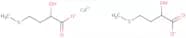

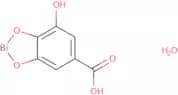
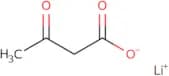

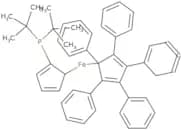
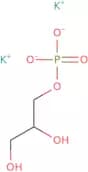
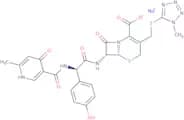
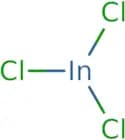
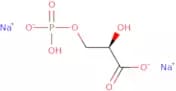
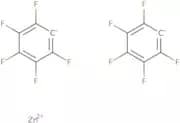

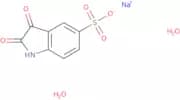
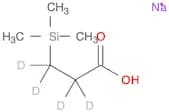


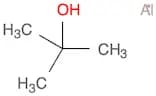
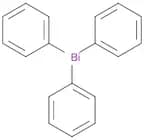




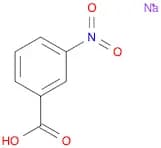
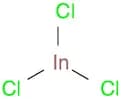

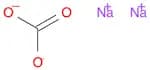
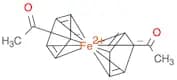
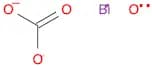

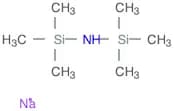
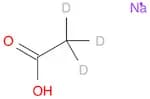
![DISODIUM HYDRATE [(2R,3S,5R)-5-(2-AMINO-6-OXO-6,9-DIHYDRO-1H-PURIN-9-YL)-3-HYDROXYOXOLAN-2-YL]METH…](/_next/image/?url=https%3A%2Fstatic.cymitquimica.com%2Fproducts%2FIN%2Fthumb-webp%2FDA003H5A.webp&w=3840&q=75)
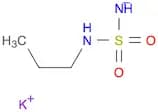
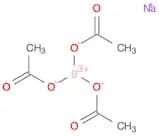
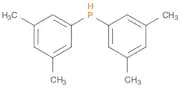


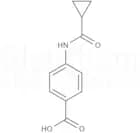


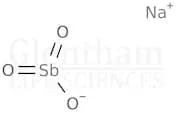
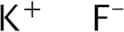
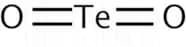
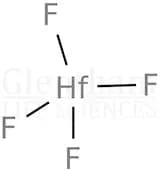

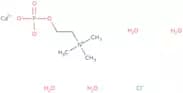
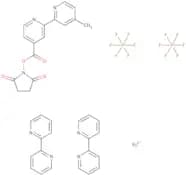
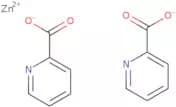

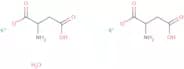
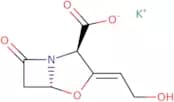

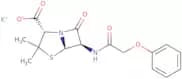

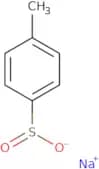
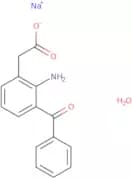

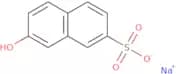

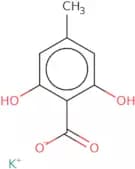
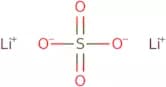



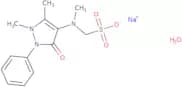
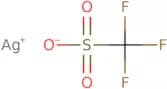


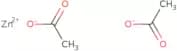
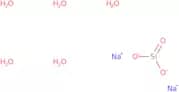
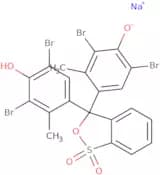

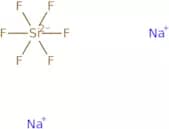
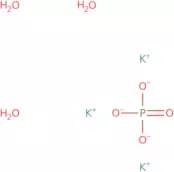

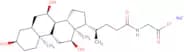
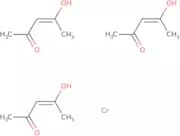
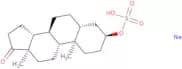
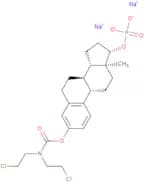
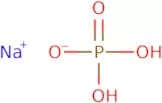


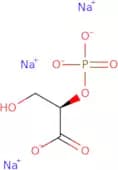
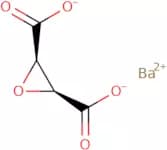
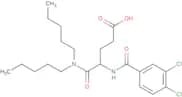

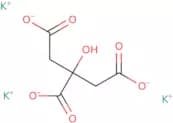

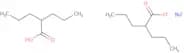
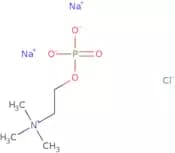

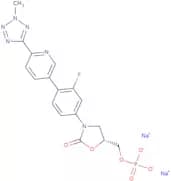
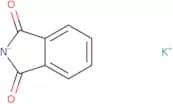
![[Nitrilotris(methylene)]tris-phosphonic acid pentasodiumsalt - 38.0 to 42.0%, in water](/_next/image/?url=https%3A%2Fstatic.cymitquimica.com%2Fproducts%2F3D%2Fthumb-webp%2FFN153153.webp&w=3840&q=75)
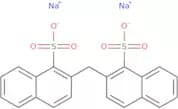
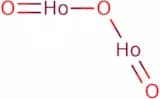
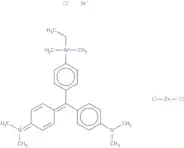
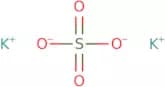
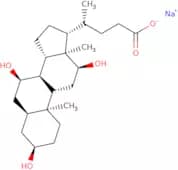
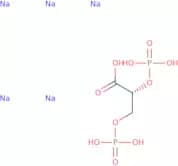
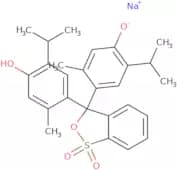

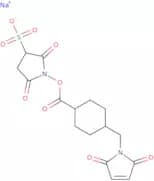
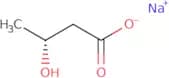
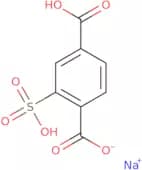
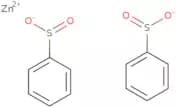
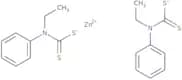
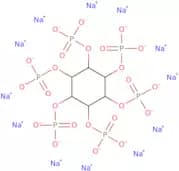
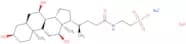
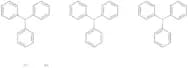
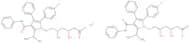
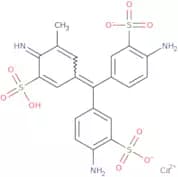
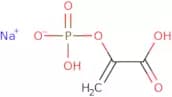
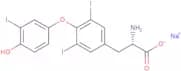
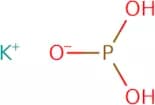

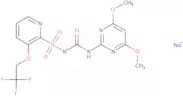
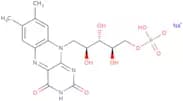

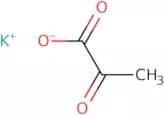
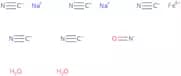
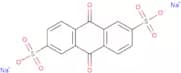

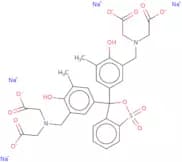
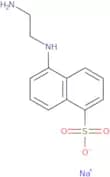
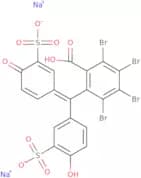
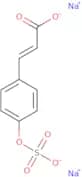
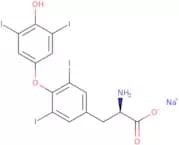
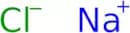
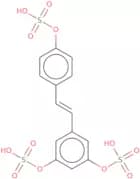

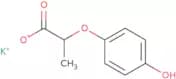
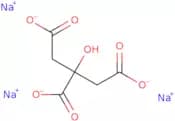
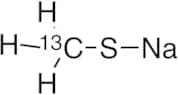


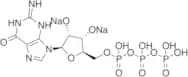

![Sulfosuccinimidyl 3-[[2-(biotinamido)ethyl] dithio]propionate sodium salt](/_next/image/?url=https%3A%2Fstatic.cymitquimica.com%2Fproducts%2F3D%2Fthumb-webp%2FFS27965.webp&w=3840&q=75)


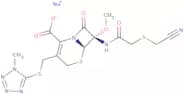
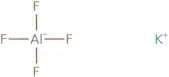
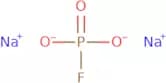

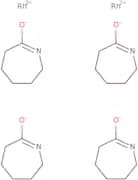

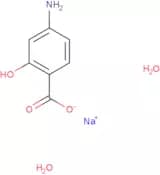
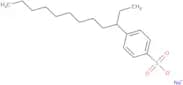
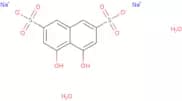

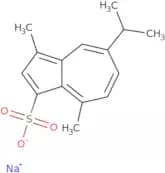
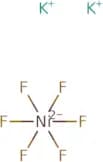
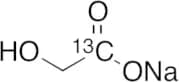
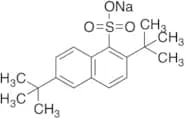
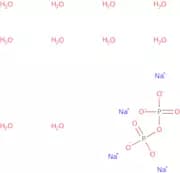
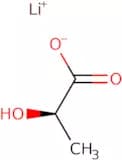
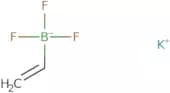
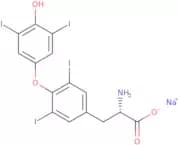


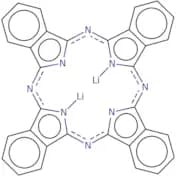
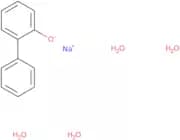

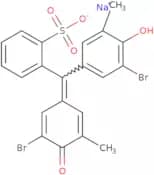
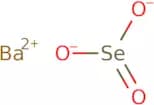

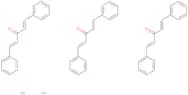
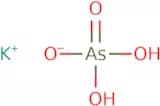
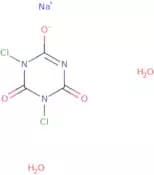
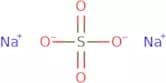
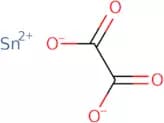
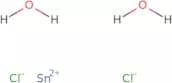

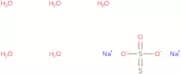

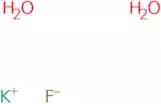
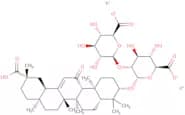
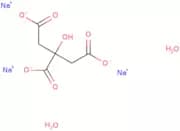

![Chloro[2-(di-tert-butylphosphino)-2',4',6'-triisopropyl-1,1'-biphenyl][2-(2-aminoethyl)phenyl)]pal…](/_next/image/?url=https%3A%2Fstatic.cymitquimica.com%2Fproducts%2F3D%2Fthumb-webp%2FFC156938.webp&w=3840&q=75)