Glicoscienza
Sottocategorie di "Glicoscienza"
- Amminozucchero(108 prodotti)
- Glico-anticorpi(284 prodotti)
- Glicolipidi(46 prodotti)
- Glicosaminoglicani (GAGs)(55 prodotti)
- Glicosidi(419 prodotti)
- Monosaccaridi(6.622 prodotti)
- Oligosaccaridi(3.696 prodotti)
- Polisaccaridi(506 prodotti)
Trovati 11035 prodotti di "Glicoscienza"
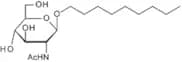
Nonyl 2-acetamido-2-deoxy-b-D-glucopyranoside
CAS:Nonyl 2-acetamido-2-deoxy-b-D-glucopyranoside is a new type of cycle control method that has been developed for the stabilization of dynamically coordinated systems. It is based on the observation that stable cycles can be generated by coordinating the system with an electrode. The power consumption of this control method is lower than that of other methods, which makes it suitable for applications requiring high efficiency and low power consumption.Formula:C17H33NO6Purezza:Min. 95%Peso molecolare:347.45 g/molRef: 3D-DN02485
Prodotto fuori produzione6-Deoxy-L-allitol
6-Deoxy-L-allitol is a white crystalline solid that melts at 122°C. It has an amorphous character and may be present as a mixture of rotations, form, and crystalline polymorphs. 6-Deoxy-L-allitol can be oxidized to its diol derivative by hydrogen peroxide or sodium periodate. This compound is soluble in water, methanol, and acetone. The molecular weight of this compound is 179.06 g/mol.
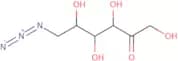
Purezza:Min. 95%6-Azido-6-deoxy-D-fructose
CAS:6-Azido-6-deoxy-D-fructose is a piperidine that condenses with glyceraldehyde in the presence of aldolase and produces D-glyceraldehyde. This reaction is stereospecifically catalyzed by aldolase, which converts the product to D-glyceraldehyde 3-phosphate. 6Azido-6deoxy-D-fructose has been shown to exhibit polyhydroxylated properties.
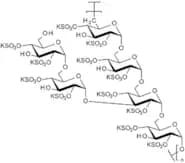
Formula:C6H11N3O5Purezza:Min. 95%Colore e forma:Clear LiquidPeso molecolare:205.17 g/molDextran sulfate potassium salt
CAS:Dextran sulphate is a dextran derivative whose ulcer (colitis) -causing properties were first reported in hamsters and extrapolated a few years later to mice and rats. The exact mechanisms through which dextran sulphate induces intestinal inflammation are unclear but may be the result of direct damage of the monolayer of epithelial cells in the colon, leading to the crossing of intestinal contents (for e.g. commensal bacteria and their products) into underlying tissue and therefore induction of inflammation. The dextran sulphate sodium-induced ulceration model in laboratory animals has some advantages when compared to other animal models of colitis due to its simplicity and similarities to human inflammatory bowel disease.
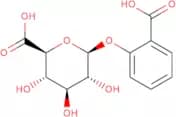
MW is in the range of 40,000DaPurezza:Min. 95%Colore e forma:White PowderSalicylic acid D-glucuronide
CAS:Salicylic acid D-glucuronide is the major metabolite of aspirin, which is formed by hydrolysis of acetylsalicylic acid. It has been demonstrated to have anti-inflammatory and analgesic effects. Salicylic acid D-glucuronide is excreted in urine and can be detected in human serum. The formation rate of this metabolite varies with the individual's age, sex, and kidney function.
Salicylic acid D-glucuronide can be formed in vitro using hydrochloric acid and acetylsalicylic acid as substrates. This reaction is catalyzed by the enzyme uridine diphosphate glucuronyltransferase (UGT). Salicylic acid D-glucuronide has been shown to form covalent adducts with hydroxyl groups from other molecules in vivo and in vitro, including proteins (e.g., albumin) and DNA bases (e.g.,Formula:C13H14O9Purezza:Min. 95%Colore e forma:PowderPeso molecolare:314.24 g/molRef: 3D-MS09950
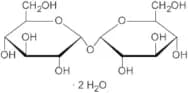
Prodotto fuori produzioneD-Trehalose dihydrate
CAS:Trehalose is a naturally occurring disaccharide found in many organisms.Its role in nature is as versatile as its applications in the laboratory. Trehalose is synthesized by cells in response to stress and helps retaining the cellular integrity under tough conditions: An important function of Trehalose is to stabilize protein structures and to prevent proteins from their degradation. Researchers use Trehalosefor instance as a carbon source in selective microbiological media, as desiccation protectant and for cryoprotection.
Formula:C12H26O13Purezza:Min. 98.0 Area-%Peso molecolare:378.33 g/molSuccinyl-gamma-cyclodextrin
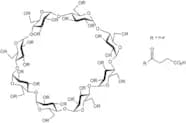
This gamma-cyclodextrin (γ-CD) derivative (Suc-γ-CD) is a modified cyclic oligosaccharide composed of eight glucose units, featuring a larger cavity size than α- and β-cyclodextrins. This structural characteristic allows γ-CDs to form inclusion complexes with a wider range of guest molecules, making it particularly versatile in various industries. In the food sector, it is used as a carrier and stabilizer for flavors, fat-soluble vitamins, and polyunsaturated fatty acids, protecting volatile compounds from evaporation. In pharmaceuticals, it enhances the solubility and bioavailability of poorly water-soluble drugs and, thanks to its larger ring size, allows for the encapsulation of larger molecules or even entire drug molecules. γ-CDs and derivatives are also used for environmental remediation and, in analytical chemistry, for the extraction and concentration of target substances.
Formula:C48H80nO40•(C4H5O3)nPurezza:Min. 95%Colore e forma:PowderPeso molecolare:1,297.2 g/mol3,5-Dideoxy-N-(1-hexyl)-3,5-imino-D-xylopentitol
3,5-Dideoxy-N-(1-hexyl)-3,5-imino-D-xylopentitol is a synthetic monosaccharide that is used in the production of complex carbohydrates. It can be modified with fluorination and methylation to produce 3,5-dideoxy-N-(1-hexyl)-3,5-[(2-[(2,6-difluoro phenoxy)methyl]phenyl]imino)D-xylopentitol. The compound has been shown to have antiviral properties and has been used in the synthesis of glycosaminoglycans.
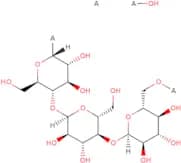
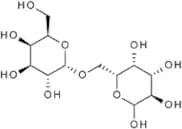
Purezza:Min. 95%6-O-(α-D-Galactopyranosyl)-D-galactopyranose
CAS:Used as enzyme substrates, analytical standards and for in vitro diagnostics
Formula:C12H22O11Purezza:Min. 95%Colore e forma:PowderPeso molecolare:342.3 g/molRef: 3D-OG45699
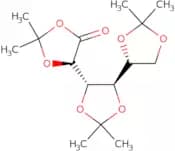
Prodotto fuori produzione5,6-O-Isopropylidene-D-mannofurano-1,4-lactone
5,6-O-Isopropylidene-D-mannofurano-1,4-lactone (5,6-OI) is a synthetic monosaccharide that is used in the synthesis of oligosaccharides and complex carbohydrates. This compound can be fluorinated to 5,6-OI(F) and methylated to 5,6-OMe. It also has a glycosylation site at C2. The CAS number for this compound is 218070-07-5.
Purezza:Min. 95%N-Boc-1,5-imino-1,5-dideoxy-D-glucitol
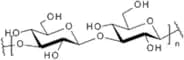
CAS:N-Boc-1,5-imino-1,5-dideoxy-D-glucitol is a custom synthesis product that is synthesized by methylation and click chemistry. The chemical name of N-Boc-1,5-imino-1,5-dideoxyglucitol is 1,5-(N′-(tertiary butyloxycarbonyl)-L-serine)-1,5-dideoxyglucitol. It has a CAS number of 1305391207 and molecular weight of 478.18 g/mol. It is a modified carbohydrate with the molecular formula C14H27NO8 and molecular weight of 478.18 g/mol. It has an Oligosaccharide with the molecular formula C14H27NO8 and molecular weight of 478.18 g/mol. It has a Polysaccharide with the molecular formula C14H27NO8 andFormula:C11H21NO6Purezza:Min. 95%Colore e forma:Beige solid.Peso molecolare:263.29 g/molLichenan - from Cetraria islandica
CAS:Lichenin, the poly β-D-Glucan of Cetraria islandica (Iceland moss), is found by enzymic degradation to differ in fine structure from the poly β-D-glucans of cereal grains. Thus, the basic structure of lichenin is a tetrameric unit in which two adjacent 1,4 linkages alternate with an isolated 1,3 linkage; occasionally four consecutive monomers are linked by 1,4 bonds. The immunomodulatory activity of isolichenan was tested in in vitro phagocytosis and anti-complementary assays, and proved to be active in both cases.
The image was kindly provided by Prof Mike Guiry from Cork who runs ‘The Seaweed Site’.Formula:C6H10O5Purezza:(Β-Linked Polysaccharide. 1H-Nmr) Min. 85%Colore e forma:White PowderPeso molecolare:162.142,3-O-Isopropylidene-5-O-tosyl-D-ribonic acid-1,4-lactone
CAS:2,3-O-Isopropylidene-5-O-tosyl-D-ribonic acid-1,4-lactone is a synthetic 2,3:5,6-diisopropylidene glycoside of D-ribose. It is a methylated sugar with an alpha-(2,3)-linked D-(+)-glucopyranosyl moiety and an alpha-(2,5)-linked L(+)-fucopyranosyl moiety. This compound can be used as a building block for the synthesis of polysaccharides and glycoconjugates. 2,3:5,6-Diisopropylidene glycoside of D-ribose is also used to synthesize oligosaccharides in carbohydrate chemistry.
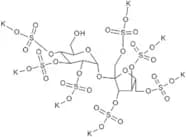
Formula:C12H14O7SPurezza:Min. 95%Colore e forma:White PowderPeso molecolare:302.04 g/molSucrose heptasulfate potassium
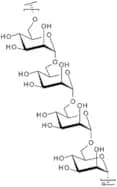
CAS:Used to treat duodenal ulcers, GERD, stress ulcers; acid buffer; cytoprotectiveFormula:C12H15K7O32S7Purezza:Min 80%Colore e forma:White PowderPeso molecolare:1,169.38 g/molIsomaltotetraose
CAS:Produced from high maltose syrup by treatment with transglucosidase
Formula:C24H42O21Purezza:Min. 95%Colore e forma:White PowderPeso molecolare:666.58 g/mol2,3-O-Isopropylidene-1-C-methyl-D-erythrose
2,3-O-Isopropylidene-1-C-methyl-D-erythrose is a modified oligosaccharide that is synthesized from D-erythrose. It can be used in the synthesis of complex carbohydrates with various biological activities. It is a sugar that can be methylated, glycosylated, or fluorinated and has been shown to have anti-inflammatory properties.
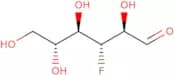
Purezza:Min. 95%3-Deoxy-3-fluoro-D-allose
CAS:3-Deoxy-3-fluoro-D-allose is a chemical compound with the molecular formula CHNO. It has been shown to have potential as a contrast agent for magnetic resonance imaging (MRI) and positron emission tomography (PET). The conformation of 3-Deoxy-3-fluoro-D-allose is similar to that of glucose, but it does not inhibit the uptake of glucose by erythrocytes or the transport of glucose across cell membranes. 3DFA has been shown to be taken up by cells in the brain, kidney, and liver. The uptake and distribution of 3DFA in these tissues was dependent on serum protein concentrations.
Formula:C6H11FO5Colore e forma:PowderPeso molecolare:182.15 g/molN-Glycolylneuraminic acid dimer sodium salt
N-Glycolylneuraminic acid dimer sodium salt is a synthetic sugar that is a glycosylat of N-glycolylneuraminic acid. It is soluble in water and has a CAS number of 1114-12-3. The product has been modified with methyl groups and is available for custom synthesis. It can be used as an intermediate for the synthesis of oligosaccharides, or it can be modified to form complex carbohydrates. This product has been fluorinated and is high purity, making it ideal for use in Click chemistry applications.
Purezza:Min. 95%1,2:3,4:5,6-Tri-O-isopropylidene-D-gluconate
CAS:1,2:3,4:5,6-Tri-O-isopropylidene-D-gluconate is a chain sugar that is extracted from plant sources. It is a product of the methylenation of D-glucose and can be converted to D-mannitol. The reaction mixture yields dimethyl 2,3,4,5,6-tetra-O-methylene erythritol phosphate (DMEP) and diphosphate 1,2:3,4:5,6-tri-O-isopropylidene erythritol (DITEP). The DMEP can be hydrolyzed to form DME and phosphorylated to form DMPP. The crystal structure of this compound has been determined. In the elimination pathway for this compound, the gluconate group is eliminated as carbon dioxide and water with the release of energy in the form of heat. This
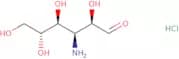
Formula:C15H24O7Purezza:Min. 95%Peso molecolare:316.35 g/mol3-Amino-3-deoxy-D-glucose HCl
CAS:3-Amino-3-deoxy-D-glucose HCl is a synthetic compound that inhibits the efflux of glucose from cells. It has been shown to inhibit growth in Saccharomyces cerevisiae, which may be due to its ability to inhibit the function of an efflux pump. 3-Amino-3-deoxy-D-glucose HCl has also shown antifungal activity against Candida albicans and Aspergillus fumigatus.
Formula:C6H13NO5·HClPurezza:Min. 98 Area-%Colore e forma:Slightly Yellow PowderPeso molecolare:215.63 g/mol6-Deoxy-L-talose
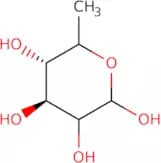
CAS:6-Deoxy-L-talose is a sugar that is found in the cell walls of bacteria. It is a component of glycan, which are long chains of sugar molecules linked together. Glycans are important for the structural integrity and function of bacterial cell walls. 6-Deoxy-L-talose is a monosaccharide that has been detected in the type strain of Bacillus subtilis and in wild-type strains of Pseudomonas aeruginosa. This sugar can be chemically analyzed using gas chromatography and mass spectrometry to determine its structure and chemical composition. 6-Deoxy-L-talose can be used to detect specific monoclonal antibodies against it, which could be useful for detecting bacterial infections or determining how antibiotics affect bacteria.
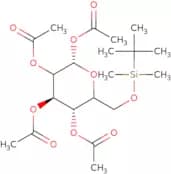
Formula:C6H12O5Purezza:Min. 98 Area-%Colore e forma:White PowderPeso molecolare:164.16 g/mol1,2,3,4-Tetra-O-acetyl-6-O-(tert-butyldimethylsilyl)-b-D-galactopyranose
1,2,3,4-Tetra-O-acetyl-6-O-(tert-butyldimethylsilyl)-b-D-galactopyranose is a custom synthesis with methylation and click modification. It is a high purity compound that is available for purchase. This compound has been fluorinated to create 1,2,3,4-Tetra-O-acetyl-6-[(trifluoromethyl)oxy]-b-D-galactopyranose. The chemical formula is C14H27F3O7. It can be used in the synthesis of oligosaccharides and polysaccharides.
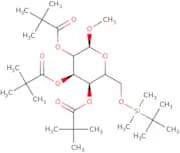
Formula:C20H34O10SiPurezza:Min. 95%Peso molecolare:462.57 g/molMethyl 6-O-tert-butyldimethylsilyl-2,3,4-tri-O-pivaloyl-a-D-mannopyranoside
Methyl 6-O-tert-butyldimethylsilyl-2,3,4-tri-O-pivaloyl-a-D-mannopyranoside is a synthetic glycosylation agent that can be used for the synthesis of complex carbohydrates. This product has been fluorinated and saccharide modified. Methyl 6-O-tert-butyldimethylsilyl-2,3,4-tri-O-pivaloyl-aDmannopyranoside is available in CAS number: 5756782.
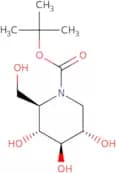
Formula:C28H52O9SiPurezza:Min. 95%Peso molecolare:560.81 g/mol(2R, 3S, 4S, 5S) - 2-Methyl- 3, 4, 5- piperidinetriol
CAS:D-Methylated pentaerythritol has been synthesized for the first time. The synthesis of D-methylated pentaerythritol was achieved via a modified version of the Click reaction, which is a three-component coupling reaction that involves an electrophilic carbonyl compound, an azide and a nucleophile. This product is suitable for use in the synthesis of oligosaccharides and polysaccharides. It can be used as a raw material for modification or as a sugar in the synthesis of complex carbohydrates, such as saccharides or carbohydrates.
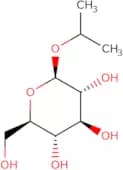
Formula:C6H13NO3Purezza:Min. 95%Peso molecolare:147.17 g/molIsopropyl beta-D-glucopyranoside
CAS:Isopropylbeta-D-glucopyranoside is a chemical compound that has been studied for its antibacterial activity. It has been shown to inhibit the growth of bacteria by reacting with fatty acids in the cell membrane, which leads to the disruption of the cell membrane and death. Isopropylbeta-D-glucopyranoside is a member of the sugar alcohols class, and it can be synthesized from glucose, fatty acid, and hydrochloric acid using an acid catalyst. The reaction system is typically carried out in microcapsules.
Formula:C9H18O6Purezza:Min. 95%Colore e forma:PowderPeso molecolare:222.24 g/molRef: 3D-FI152923
Prodotto fuori produzioneMannan (ex Saccharomyces cerevisiae)
CAS:The main cell-wall components of baker’s yeast (Saccharomyces cerevisiae) as well as β-glucan are mannans with an α-1,6 mannose backbone and α-1,2 and α-1,3 mannose branches.
The image was kindly provided by Dr. Chris Lawson.Colore e forma:White Slightly Brown PowderEthyl cellulose viscosity 20cP
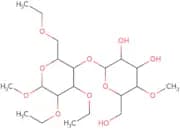
CAS:Ethyl cellulose is an organic compound that is soluble in alcohols, acetone and ethers. It is a viscous liquid that can be dissolved in water to form a gel. Ethyl cellulose can be modified with oligosaccharides, carbohydrates, complex carbohydrates, and other substances. Ethyl cellulose has been used for the production of edible films, as well as capsules and tablets. The viscosity of ethyl cellulose can be changed by adding different substances to it. This modification allows ethyl cellulose to be customized for various purposes such as creating high purity products or glycosylation.
Purezza:Min. 95%Colore e forma:PowderRef: 3D-YE182562
Prodotto fuori produzioneGD1a-Oligosaccharide
CAS:GD1a oligosaccharide is the carbohydrate moiety from the disialylated glycosphingolipid GD1a of the a-series (shown in the sodium form), a major ganglioside found in neuronal and glial membranes. GD1a oligosaccharide has a core tetrasaccharide structure (Galβ1,3GalNAcβ1,4Galβ1,4Glc) with sialic acids linked α2,3/α2,8 to the inner galactose residue, α2,3 to the outer galactose residue (Ledeen, 2009). GD1a ganglioside interacts with myelin-associated glycoprotein (MAG) and is essential for long-term axon-myelin stability. GD1a ganglioside plays a role in viral infection as it is a receptor for viral glycoproteins in rotavirus and paramyxovirus 1. The hexasaccharide GD1a moiety was also found on a glycoprotein that acts as a receptor for adenovirus type 37. Additionally, GD1a ganglioside interacts with botulinum neurotoxin (BoNT) and is crucial for its entry into cells (Kolter, 2012).
Formula:C48H79N3O37Purezza:Min. 95%Colore e forma:PowderPeso molecolare:1,290.14 g/molLactose oleate
CAS:Lactose oleate is a fatty acid ester that can be used as an absorption enhancer. It has been shown to increase the absorption of drugs in both inorganic and organic forms. Lactose oleate can be used in assays to determine the profile and nucleophilic attack of fatty acids. Lactose oleate is lipophilic and biodegradable, making it suitable for use as an edible coating or as a membrane for cell culture. Lactose oleate can also be used as a substrate for immobilization studies, where it is immobilized on silica gel particles. This allows for its use in thermodynamic studies. Lastly, lactose oleate has been shown to have potential anti-inflammatory properties in caco-2 cells.
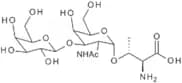
Formula:C18H34O2•(C12H22O11)xPurezza:Min. 95%Colore e forma:PowderPeso molecolare:624.76 g/mol2-Acetamido-2-deoxy-3-O-(β-D-galactopyranosyl)-α-D-galactopyranosyl-1-O-L-threonine
CAS:2-Acetamido-2-deoxy-3-O-(b-D-galactopyranosyl)-a-D-galactopyranosyl-1-O-L-threonine is a fluorinated monosaccharide that is used as a building block for the synthesis of complex carbohydrates. This compound can be used to synthesize glycoproteins, glycolipids, and other glycoconjugates. 2-Acetamido-2-deoxy -3 -O-(b -D -galactopyranosyl) -a -D -galactopyranosyl 1 O L threonine has been modified with methylation and click chemistry reactions.
Formula:C18H32N2O13Purezza:Min. 95%Colore e forma:White to light yellow solid.Peso molecolare:484.45 g/molRef: 3D-OA07377
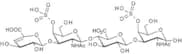
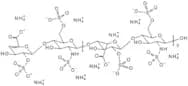
Prodotto fuori produzioneDermatan sulphate tetrasaccharide ammonium salt
Dermatan sulphate tetrasaccharide ammonium salt is a synthetic, high purity oligosaccharide that is also known as Dermatan sulfate. Dermatan sulfate is a complex carbohydrate that is composed of a repeating sequence of three monosaccharides: glucuronic acid, N-acetylgalactosamine and N-acetylglucosamine. Dermatan sulfate has been shown to have an inhibitory effect on the growth of bacteria such as Staphylococcus aureus and Mycobacterium tuberculosis. This molecule can be modified to include fluorination or methylation for custom synthesis.
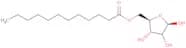
Purezza:Min. 95%5-O-Lauryl-D-xylofuranose
CAS:5-O-Lauryl-D-xylofuranose is a lipase that can hydrolyze pentoses and hexoses. This enzyme has been shown to be active at temperatures between 0°C and 40°C, with optimal activity at 30°C. 5-O-Lauryl-D-xylofuranose is also thermostable and can be immobilized on silica gel or alumina. It is used in the manufacture of lysine, L-arabinose, and D-xylose. The enzyme catalyzes the reaction by removing a hydroxyl group from the pentoses or hexoses through an ester linkage with a dodecanoate group. The aliphatic chain of 5-O-lauryl dodecanoate is attached to the pentose or hexose molecule in an ester linkage by a thioether bond.
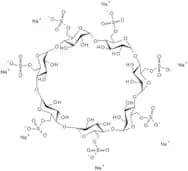
Formula:C17H32O6Purezza:Min. 95%Peso molecolare:332.43 g/molb-Cyclodextrin hydrogen sulfate, sodium salt
CAS:This beta-cyclodextrin (β-CD) derivative is a functionalized cyclic oligosaccharide composed of seven glucose units, characterized by a hydrophilic exterior and a lipophilic cavity (bigger than α-CD and smaller than γ-CDs), which allows it to encapsulate various guest molecules. This structural feature facilitates its use in multiple applications, including pharmaceuticals, food enhancement, and cosmetics. In the pharmaceutical industry, it enhances the solubility and stability of poorly water-soluble drugs, improving their bioavailability and efficacy while also masking unpleasant tastes. The food sector utilizes it as a stabilizer for flavors, colors, and nutrients, extending shelf life by protecting sensitive ingredients from degradation. In cosmetics, it serves as a complexing agent for fragrances and active components, ensuring their stability and controlled release. Its use expands to many other fields, including nanotechnology for drug delivery systems, environmental remediation for extracting organic pollutants, textiles for slow-release fragrances, and analytical chemistry for chiral separation.
Purezza:Min. 95%Colore e forma:PowderRef: 3D-OC34946
Prodotto fuori produzione2-Keto-D-gluconic acid hemicalcium monohydrate
CAS:Enhances dissolution of soil minerals; intermediate in L-ascorbic acid syntheses
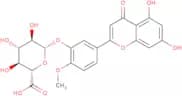
Formula:C6H9O7•(Ca)•H2OPurezza:Min. 99 Area-%Colore e forma:White PowderPeso molecolare:231.19 g/molDiosmetin-3'-O-b-D-glucuronide
CAS:Diosmetin-3'-O-b-D-glucuronide is a custom synthesis, complex carbohydrate, Oligosaccharide, Polysaccharide. It has been modified by Methylation and Glycosylation. This compound is a sugar (CAS No. 152503-50-9) that is a carbohydrate with a high purity and fluoroination. The modification of this compound includes Click chemistry.
Formula:C22H20O12Purezza:Min. 95%Colore e forma:PowderPeso molecolare:476.39 g/molRef: 3D-MD34913
Prodotto fuori produzioneGum karaya
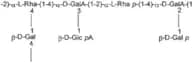
CAS:Gum karaya is exuded from Sterculia urens, a bushy tree found in dry regions of North India. Due to its extensive swelling capacity in water it is used as a laxative and as a denture adhesive. The structure consists of D-galactose, D-glucuronic acid and L-rhamnose but the detailed molecular structure is still incompletely known.
Purezza:Min. 95%Colore e forma:PowderMaltotetraose
CAS:Maltotetraose is the shortest chain oligosaccharide that can be classified as a maltodextrin. It’s a component of liquid glucose (a commercial sweetener composed of glucose, maltose, maltotriose and maltotetraose), used in bread-making industry.
Formula:C24H42O21Purezza:Min. 95 Area-%Colore e forma:White PowderPeso molecolare:666.58 g/mol2,3-Di-O-allyl-a-cyclodextrin
CAS:Alpha-cyclodextrin (α-CD) derivative with a hydrophilic exterior and lipophilic cavity (smaller than β-CDs and γ-CDs) to allocate certain guest molecules. This structural characteristic enables applications in molecular encapsulation, solubility enhancement, and stabilization across multiple industries. In pharmaceuticals, it serves as a drug delivery vehicle, enhancing the bioavailability and stability of active ingredients. The food industry utilizes it as a stabilizer for flavors, colors, and nutrients, as well as a functional ingredient for its effects on lipid metabolism. In cosmetics, it acts as a complex agent for fragrances and active components. Its applications extend to analytical chemistry for chiral separation and to materials science for developing smart materials and nanosystems.
Formula:C72H108O30Purezza:Min. 95%Peso molecolare:1,453.61 g/molNGA3B N-Glycan
CAS:NGA3B N-Glycan is a high purity, custom synthesis, methylation and fluorination modification of the product. This product is an oligosaccharide that is composed of saccharides and sugars. It has a CAS No. 1620146-04-4.
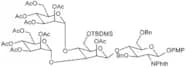
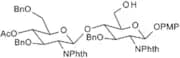
Formula:C66H110N6O46Purezza:Min. 95%Colore e forma:SolidPeso molecolare:1,723.59 g/mol4-Methoxyphenyl 4-O-[2-O-acetyl-3,4-di-O-(2,3,4,6-tetra-O-acetyl-α-D-mannopyranosyl)-6-O-tert-butyldimethylsilyl-β-D-mannopyranosyl] -3,6-di-O-benzyl-2-deoxy-2-phthalimido-β-D-glucopyranoside
This is a modification of the monosaccharide, methylation, glycosylation and polysaccharide. This product has been custom synthesized and is available in high purity with CAS No. The molecular weight of this compound is 476.19 g/mol. The chemical formula is C28H39NO8.
Formula:C77H95NO32SiPurezza:Min. 95%Peso molecolare:1,574.65 g/molRef: 3D-OM10974
Prodotto fuori produzioneGlcA[3S]b(1-3)Galb(1-4)GlcNAcb(1-2)Mana-Ethylazide
GlcA[3S]b(1-3)Galb(1-4)GlcNAcb(1-2)Mana-Ethylazide is an oligosaccharide used in glycosylation and esterification reactions. It is a complex carbohydrate that consists of a methylated mannosamine backbone, with alpha-D-glucose and alpha-D-galactose units attached to the mannosamine. GlcA[3S]b(1-3)Galb(1-4)GlcNAcb(1-2)Mana-Ethylazide has a fluorinated ethyl group at the 3 position of the mannosamine, which can be modified with other reactive groups. The CAS number for this compound is 84726-43-7.
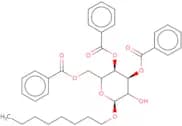
Formula:C28H44N4Na20O25SPurezza:Min. 95%Peso molecolare:1,328.52 g/molOctyl 3,4,6-tri-O-benzoyl-a-D-mannopyranoside
CAS:Octyl 3,4,6-tri-O-benzoyl-a-D-mannopyranoside is a carbohydrate that has been custom synthesized. It has a molecular weight of 614.4 g/mol and the chemical formula C30H50O8. This compound is an oligosaccharide with a polysaccharide backbone. Octyl 3,4,6-tri-O-benzoyl-a-D-mannopyranoside is soluble in water and ethanol, but insoluble in hexane or ether. It has CAS No. 19308-45-3 and can be modified by methylation or glycosylation. The molecule contains three sugar residues that have been linked through glycosidic bonds to form a triose sugar (a sugar containing three carbon atoms). The molecule also contains an acetal group at the C1 position of the mannose moiety that can be fluorinated with b
Formula:C35H40O9Purezza:Min. 95%Peso molecolare:604.69 g/molN-(3-Hydroxypropropyl phthalimido 2,3,4,6-tetra-O-acetyl-α-D-mannopyranoside
N-(3-Hydroxypropropyl phthalimido 2,3,4,6-tetra-O-acetyl-a-D-mannopyranoside is a custom synthesis of an oligosaccharide. This product contains 3 hydroxyl groups and is modified with fluorine. It has a CAS number and can be used in the synthesis of polysaccharides or saccharides.Purezza:Min. 95%Tri-O-acetyl-4-pentulosonic acid methyl ester
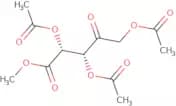
CAS:Tri-O-acetyl-4-pentulosonic acid methyl ester is a high purity, custom synthesis sugar that has been modified by click chemistry. It is fluorinated, glycosylated and synthetically modified. The chemical name for this product is 3'-O-Acetyl-4'-O-(2,3,5,6-tetrafluoro)pentylosonic acid methyl ester. Tri-O-acetyl-4-pentulosonic acid methyl ester is a saccharide that has the CAS No. 108595-14-8 and has been shown to be useful in the synthesis of oligosaccharides and monosaccharides.
Formula:C12H16O9Purezza:Min. 95%Peso molecolare:304.25 g/mol1,2,3,4-Tetra-O-acetyl-6-azido-6-deoxy-α-D-glucopyranose
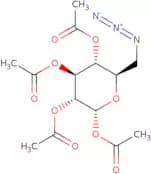
CAS:Tetra-O-acetyl-6-azido-6-deoxy-a-D-glucopyranose is a carbohydrate that has been modified to include a fluorine atom. This modification can be carried out using a variety of methods, including chlorination or bromination with elemental fluorine or chlorine gas, or by direct replacement of the hydroxyl group with a fluorine atom. Tetra-O-acetyl-6-azido-6-deoxy-aDglucopyranose is used in the synthesis of complex carbohydrates and glycosides. It can also be methylated, glycosylated, and click modified.Formula:C14H19N3O9Purezza:Min. 95%Peso molecolare:373.32 g/mol6-Chloro-6-deoxy-D-mannono-1,4-lactone
6-Chloro-6-deoxy-D-mannono-1,4-lactone is a saccharide that belongs to the group of polysaccharides. It can be custom synthesized and modified to meet your needs. 6CMDL is a synthetic carbohydrate product with high purity, which can be used in the synthesis of glycosylations or as a fluorinated mannose analogue.
6CMDL has been shown to have a methylation activity that can be used for the modification of carbohydrates or oligosaccharides.Formula:C6H9ClO5Purezza:Min. 95%Peso molecolare:196.59 g/molAcidic Sophorolipids non-acetylated
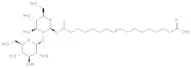
Acidic Sophorolipids non-acetylated is a disaccharide consisting of β-1,2′ linked glucose residues with an unsaturated (cis-9) 18 carbon fatty acid chain. Acidic Sophorolipids are produced by various yeast species, notably Starmerella bombicola. Acidic Sophorolipids are amphiphilic molecules and therefore possess the attributes of surfactants; however as bio-surfactants they have several advantages over synthetic surfactants including low toxicity, biodegradability and the potential for low cost manufacture. The mixed acetylated version is also available.
Formula:C30H54O13Colore e forma:White PowderPeso molecolare:622.74 g/mol(3R, 4R, 5S) -3, 4-Dihydroxy- 5- (hydroxymethyl) - 2- pyrrolidinone
3, 4-Dihydroxy-5-(hydroxymethyl)pyrrolidinone (3R,4R,5S) is a custom synthesis of a fluorinated compound that has been modified through methylation and monosaccharide substitution. This product has been designed for use in Click chemistry applications. The CAS number for this product is 100906-64-6.
Purezza:Min. 95%N-Acetyl-L-talosaminuronic acid
CAS:N-Acetyl-L-talosaminuronic acid is a natural product that has been shown to have anti-inflammatory activity in experimental models of inflammatory bowel disease. N-Acetyl-L-talosaminuronic acid inhibits the production of proinflammatory cytokines, such as tumor necrosis factor alpha (TNFα), by binding to TNFα receptors on the surface of cells. This can be attributed to its ability to inhibit ATP levels and reduce oxidative stress, which are both factors that contribute to inflammation. N-Acetyl-L-talosaminuronic acid also has been shown to inhibit inflammatory responses in human monocytes and neutrophils. It binds specifically to her2+ breast cancer cells and inhibits their growth in culture. Furthermore, it has been shown to have cytotoxic effects on bladder cancer cells and can be used for the treatment of bladder cancer.
Formula:C8H13NO7Purezza:Min. 95 Area-%Colore e forma:PowderPeso molecolare:235.19 g/molRef: 3D-MA63240
Prodotto fuori produzioneRaloxifene-4'-D-glucuronide D4 lithium salt
Prodotto controllatoRaloxifene-4'-D-glucuronide D4 lithium salt is a synthetic glycosylate drug, which belongs to the group of anti-estrogens. Raloxifene-4'-D-glucuronide D4 lithium salt is used for the treatment of postmenopausal osteoporosis and prevention of osteoporotic fractures in women with intact uterus. It has been shown to inhibit bone resorption, increase bone mineral density and reduce the incidence of vertebral fractures in postmenopausal women. Raloxifene-4'-D-glucuronide D4 lithium salt can be synthesized using a click chemistry reaction which involves the addition of an azide to an alkyne followed by copper catalysis and subsequent reduction with sodium borohydride. Synthesis of this compound can be achieved without any purification steps due to its high purity.
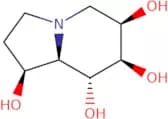
Formula:C34H30NO10SD4·LiPurezza:Min. 95%Peso molecolare:659.66 g/mol6-Epi-castanospermine
CAS:6-Epi-castanospermine is a nitro compound that is synthesized by the allylic oxidation of castanospermine. It has been shown to inhibit glycosidases and glycosidase inhibitors in vitro, including those from the families of α-amylase, α-L-arabinofuranosidases, β-hexosaminidases, α-glucuronidases, and phytases. 6-Epi-castanospermine has also been used as an intermediate for the synthesis of chiral polyhydroxylated compounds. The 13C NMR spectrum of this compound was found to be diagnostic for its structural assignment.
Formula:C8H15NO4Purezza:Min. 95 Area-%Colore e forma:White Off-White PowderPeso molecolare:189.21 g/molRef: 3D-ME09488
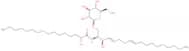
Prodotto fuori produzioneGlucosylceramide
CAS:Glucosylceramide (Glc-Cer) is the common precursor in the biosynthesis of most glycosphingolipids, with exception of some Gal-Cer derivatives, such as, GM4. Glucosylceramide consists of a glucosyl moiety which is β-O-glycosydically linked to ceramide, which itself, consists of the long-chain aminoalcohol sphingosine and a fatty acid. Glucosylceramide (also called glucocerebroside) is synthesised enzymatically, by the glucosylceramide synthase-catalysed with the addition of a glucose residue to ceramide. Glucosylceramide is involved in the regulation of various cellular events and also serves as a main constituent in liposome formulations.
Formula:C40H75NO9Purezza:Min. 98 Area-%Colore e forma:White Off-White PowderPeso molecolare:714.02 g/molN-Benzyl-3,5-dideoxy-3,5-imino-D-lyxofuranose
N-Benzyl-3,5-dideoxy-3,5-imino-D-lyxofuranose is a fluorinated sugar with a complex carbohydrate. It is synthesized by glycosylation of N-benzylglycine and D-lyxofuranose. This compound can be used for the synthesis of glycoproteins, polysaccharides and other complex carbohydrates. It has been modified using methylation and click chemistry to produce a wide range of derivatives. The compound can be used for research purposes in glycobiology, biochemistry, and materials science.
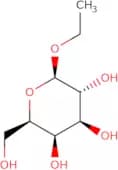
Purezza:Min. 95%Ethyl b-D-galactopyranoside
CAS:Ethyl b-D-galactopyranoside is a galactosylated glycoside that can be synthesized by the transfer of an acetyl group from ethyl alcohol to a sugar. It has antibacterial activity and is used in solvents as a stabilizer. The chemical structure of this compound consists of two benzene rings with an -OH group on one end, which are linked together by a covalent bond. The spacing between these two benzene rings is important for the stability of this compound, and it will break down when there is not enough space for the electron clouds to interact with each other. Ethyl b-D-galactopyranoside has been shown to be effective against tuberculosis bacteria, Mycobacterium tuberculosis, and Mycobacterium avium complex.
Formula:C8H16O6Colore e forma:White PowderPeso molecolare:208.21 g/molRef: 3D-FE138126
Prodotto fuori produzione6-O-Malonyldaidzin free acid
CAS:6-O-Malonyldaidzin is a metabolite of the soybean isoflavone daidzein. It is an isoflavonoid that has been shown to activate estrogen receptors in vitro and in vivo. 6-O-Malonyldaidzin has been found to have a protective effect on hepatic steatosis, as well as an anti-inflammatory effect. This compound also appears to have matrix effects on plasma lipoproteins and vascular endothelial cells. 6-O-Malonyldaidzin is absorbed efficiently from the gastrointestinal tract, with its bioavailability being 70% or higher when taken orally. The chemical reaction for the synthesis of 6-O-Malonyldaidzin free acid can be carried out using acetylgenistin as a starting material. The sample preparation for this reaction solution may include distillation, recrystallization, or column chromatography. The analytical method for measuring the concentration of this compound includes UV spectrosc
Formula:C24H22O12Purezza:Min. 95%Colore e forma:White PowderPeso molecolare:502.42 g/molRef: 3D-MM09965
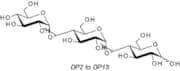
Prodotto fuori produzioneMaltodextrin oligosaccharides - DP2 to DP15
Produced from starch; white hygroscopic spray-dried powder; easily digestible
Purezza:Min. 95%Colore e forma:White Powdera-D-Arabinopyranosyl azide
CAS:a-D-Arabinopyranosyl azide is a new modified sugar that has been synthesized by the Click chemistry method. It is a complex carbohydrate with different substituents at the C2, C4, and C6 positions. This compound can be used for methylation, saccharide, polysaccharide, glycosylation or other custom synthesis. The CAS No. for this product is 138892-04-3, and it has a purity of >99%.
Formula:C5H9N3O4Purezza:Min. 95%Peso molecolare:175.14 g/mol4-Acetamido-4-deoxy-D-glucose
CAS:4-Acetamido-4-deoxy-D-glucose is a custom synthesis of a monosaccharide that is modified with fluorine and methyl groups. It is synthesized by the Click modification, which involves the addition of an azide to an alkyne in a copper catalyzed reaction. 4-Acetamido-4-deoxy-D-glucose can be used as a building block for complex carbohydrate synthesis. 4-Acetamido-4-deoxy-D-glucose has shown effectiveness against fluoroquinolone resistance, as well as activity against methicillin resistant Staphylococcus aureus (MRSA) and Clostridium perfringens.
Formula:C8H15NO6Purezza:Min. 95%Colore e forma:PowderPeso molecolare:221.21 g/molRef: 3D-MA161350
Prodotto fuori produzioneUDP-GlcNAc disodium salt
CAS:Substrate for N-acetylglucosaminyltransferases
Formula:C17H25N3O17P2Na2Purezza:Min. 98 Area-%Colore e forma:White PowderPeso molecolare:651.32 g/mol(2, 4- Anhydro- 6- deoxy- L- mannonoyl)-glycine methyl ester
This is a custom synthesized product. It has been modified to include a methyl group at the 2,4-positions on the anhydro-6-deoxy-L-mannopyranose molecule. This modification is done using Click chemistry and the product contains a high level of purity. The modification can be used to create saccharides with high carbohydrate content and polysaccharides with different degrees of polymerization.
Purezza:Min. 95%N-Methyl-D-glucosamine
CAS:N-Methyl-D-glucosamine is a nucleotide that is found in the adenine nucleotide pool. It can be synthesized from glucose, which is converted to glucosamine-6-phosphate by the enzyme glucosamine synthetase. This compound can also be obtained from dietary sources. N-Methyl-D-glucosamine has been shown to have cytotoxic activity against mouse tumor cells and inhibit skin cancer in mice. It binds with DNA and inhibits cell growth through a glycosidic bond with terminal residues of DNA, preventing transcription and replication. N-Methyl-D-glucosamine has also been shown to inhibit the growth of resistant microorganisms such as C. glabrata, including antibiotic resistant strains, and bacteria such as E. coli and P. aeruginosa when used in combination with an experimental model of biocompatible polymers.
NMTG has been shown toFormula:C7H15NO5Purezza:Min. 95%Colore e forma:PowderPeso molecolare:193.2 g/molRef: 3D-MM66747
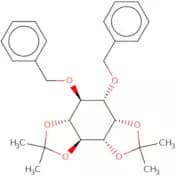
Prodotto fuori produzione2,3:4,5-Di-O-isopropylidene-1,6-di-O-benzyl-D-myo-inositol
2,3:4,5-Di-O-isopropylidene-1,6-di-O-benzyl-D-myo-inositol is a complex carbohydrate and a sugar. It is an oligosaccharide with two monosaccharides and a glycosidic linkage. It has been modified by methylation, fluorination and Click chemistry. This compound has been custom synthesized for high purity.
Formula:C26H32O6Purezza:Min. 95%Peso molecolare:440.53 g/molD-Glucuronic acid, sodium salt monohydrate
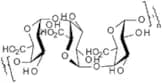
CAS:Chiral D-Glucuronic acid is the most basic building bloc of hyaluronic acid and chondroitin sulfate and precursor of Vitamin C, the chief detoxifying agent in both plants and animals. Humectant in skin care products.
Formula:C6H11NaO8Peso molecolare:234.14 g/mol6-Deoxy-L-psicose
CAS:6-Deoxy-L-psicose is a d-arabinose analog that can be used as a substrate in the enzymatic synthesis of L-arabinose. It has been shown to inhibit the activity of phosphatase and glutamicum enzymes in vitro. 6-Deoxy-L-psicose binds to the active site of the enzyme through its phosphate group, which prevents access by an incoming substrate. The phosphate group also acts as an electron donor for the enzyme, stabilizing it through hydrogen bonding interactions. X-ray structures of 6-deoxy-L-psicose bound to corynebacterium glutamicum have revealed a ternary complex with two molecules of corynebacterium glutamicum and one molecule of 6-deoxy-L-psicose.
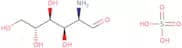
Formula:C6H12O5Purezza:Min. 95%Peso molecolare:164.16 g/molD-Glucosamine sulfate
CAS:D-Glucosamine sulfate is a pharmacological agent that has been shown to have activity against oxidative injury in vitro and in vivo. It inhibits the production of reactive oxygen species and lipid peroxidation, which are believed to be responsible for the development of liver disease. D-Glucosamine sulfate has also been shown to have activity against infectious diseases, with a particular focus on the inhibition of Toll-like receptor 4 signaling. The polymerase chain reaction (PCR) technique was used to detect the expression of glucosamine synthetase and other genes encoding enzymes that synthesize glucosamine in Mycobacterium tuberculosis. This drug may also be useful for treatment of inflammatory diseases such as rheumatoid arthritis, as it has been shown to inhibit prostaglandin synthesis, which is involved in the inflammatory response.
Formula:C6H13NO5•H2SO4Purezza:Min. 95%Colore e forma:White PowderPeso molecolare:277.25 g/molRef: 3D-MG05263
Prodotto fuori produzioneN-Acetylneuraminic acid sodium salt
CAS:N-Acetylneuraminic acid sodium salt is present in various natural sources, including glycoproteins and glycolipids found in animal tissues. As a sialic acid, N-Acetylneuraminic acid sodium salt plays a critical role in cellular recognition processes due to its involvement in the terminal position of glycan chains. This position allows it to participate in cellular communication, influencing processes like cell adhesion and pathogen interactions.The compound is extensively utilized in the fields of biochemistry and molecular biology, primarily for studies concerning cell surface glycoconjugates. Its ability to modulate interactions at the cell surface makes it invaluable for research into mechanisms of infection, immunity, and cell signaling. Additionally, N-Acetylneuraminic acid sodium salt finds applications in pharmaceutical research, particularly in the development of antiviral drugs where modulation of sialic acid interactions is key. The compound’s biochemical properties enable scientists to explore and elucidate complex biological phenomena, contributing to advances in therapeutic strategies and molecular pathology.
Formula:C11H18NO9NaPurezza:Min. 95%Peso molecolare:331.25 g/molXylitol - BP/EP
CAS:Xylitol is a sugar alcohol that has been shown to have antimicrobial properties. It has been found to be effective in inhibiting the growth of bacteria, yeast, and fungi by disrupting their cell membranes. In addition, xylitol appears to have the ability to reduce plasma glucose levels in animals and humans. Xylitol has also been shown to inhibit the growth of bacteria in acidic environments by binding with proteins on the bacterial cell membrane. This binding prevents the transport of nutrients into the cell and results in cell death. Xylitol is not metabolized by human cells because it cannot be broken down into acetaldehyde or acetate. However, xylitol can be metabolized by certain types of liver cells.
Xylitol BP/EP is a drug that belongs to the class of antidiabetic agents used for lowering blood sugar levels in patients with diabetes mellitus type II (insulin-dependent diabetes). It is an exogenous insulin secretagogue that stimulates insulin secretion from pancreaticFormula:C5H12O5Purezza:Min. 95%Peso molecolare:152.15 g/molRef: 3D-MX01244
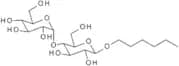
Prodotto fuori produzioneHexyl b-D-maltopyranoside
CAS:Hexyl b-D-maltopyranoside is a biopharmaceutical that is used in drug development. It is used as a ligand for the μ-opioid receptor, which is a class of opioid receptors that are activated by morphine and endogenous peptides such as endorphins, dynorphins, and enkephalins. This ligand can be immobilized on a surface for use in immunoassays or other methods of detection. Hexyl b-D-maltopyranoside has been shown to have pharmacological effects in animal studies, although it has not yet been approved for clinical use in humans.
Formula:C18H34O11Purezza:Min. 95%Colore e forma:White PowderPeso molecolare:426.46 g/molRef: 3D-DH05113
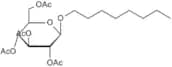
Prodotto fuori produzioneOctyl 2,3,4,6-tetra-O-acetyl-b-D-glucopyranoside
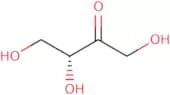
CAS:Octyl 2,3,4,6-tetra-O-acetyl-b-D-glucopyranoside is an analog of 6-(trifluoromethyl)indoxyl beta-D-galactopyranoside. It is a potent antituberculosis agent that inhibits the growth of Mycobacterium tuberculosis and has been shown to be active against other bacteria in vitro. Octyl 2,3,4,6-tetra-O-acetyl-b-D-glucopyranoside inhibits bacterial growth by binding to DNA dependent RNA polymerase and prevents transcription and replication. This compound has been tested for its ability to inhibit neoplastic cell proliferation in humans.Formula:C22H36O10Purezza:(%) Min. 95%Colore e forma:PowderPeso molecolare:460.52 g/molD-Erythrulose - 1M Aqueous solution
CAS:D-erythrulose is a monosaccharide with the chemical structure of erythrose. It is structurally related to glycolaldehyde, which is a precursor in the biosynthesis of ribose. D-Erythrulose has been used for diagnosis and identification of various bacteria, such as C. glutamicum and Brucella species, by serological tests, as well as for the detection of gene products in E. coli K-12 cells. The determination of ATP levels in Brucella species has also been performed using magnetic resonance spectroscopy (MRS) after incubation with D-erythrulose.
Formula:C4H8O4Purezza:Min. 90 Area-%Colore e forma:Clear LiquidPeso molecolare:120.1 g/molb-D-glucan-from oat
CAS:Oat β-glucans are water-soluble β-glucans derived from the endosperm of oat kernels, which contain β-1,3 and β-1,4 linkages. They are known for cholesterol lowering and hypoglycemic properties, as well as their use in various cosmetic applications. Recent research has shown their potential application in immunomodulation and wound healing.
Purezza:Min. 90%Colore e forma:White PowderRef: 3D-YO32420
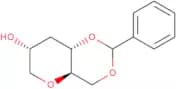
Prodotto fuori produzione1,5-Anhydro-4,6-O-benzylidene-3-deoxy-D-glucitol
CAS:1,5-Anhydro-4,6-O-benzylidene-3-deoxy-D-glucitol (1,5BPG) is a form compound that is conformationally restricted to the chair conformation. It has inhibitory activity against human macrophages and low activity against thp-1 cells. The 1,5BPG inhibits the activation of Nlrp3 and induces apoptosis in macrophages. These effects are mediated through binding to the hydroxyl group of C2 on the glucose moiety of 1,5BPG. The 1,5BPG also has high activity against marrow derived macrophages. This is due to its ability to inhibit the synthesis of phosphatidic acid and other lipids in these cells.
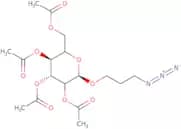
Formula:C13H16O4Purezza:Min. 95%Colore e forma:PowderPeso molecolare:236.26 g/mol3-Azidopropyl 2,3,4,6-tetra-O-acetyl-b-D-galactopyranoside
CAS:3-Azidopropyl 2,3,4,6-tetra-O-acetyl-b-D-galactopyranoside is a Custom synthesis of the monosaccharide galactose. It is modified with fluorine at the 3 and 4 positions on the carbon chain and also has an acetyl group at the 6 position. 3-Azidopropyl 2,3,4,6-tetra-O-acetyl-b-D-galactopyranoside is synthesized from the sugar glucose by methylation of the hydroxyl groups on C1 and C2. The chemical formula for this compound is C8H14N2O5. This molecule has a molecular weight of 204.22 g/mol and its CAS number is 819053-49-1.
Formula:C17H25N3O10Purezza:Min. 95%Colore e forma:Colorless PowderPeso molecolare:431.39 g/molPropargyl a-D-glucopyranoside
CAS:Propargyl a-D-glucopyranoside is a high purity custom synthesis sugar. It is synthesized by Click modification, fluorination, and glycosylation followed by methylation. Propargyl a-D-glucopyranoside can be used for the modification of oligosaccharides and monosaccharides to produce complex carbohydrates.
Formula:C9H14O6Purezza:Min. 95%Colore e forma:PowderPeso molecolare:218.2 g/molRef: 3D-MP31404
Prodotto fuori produzione3-O-(b-D-Mannopyranosyl)-D-mannopyranose
CAS:Synthesized by the 4,6-O-benzylidene acetal-controlled method of CrichFormula:C12H22O11Purezza:Min. 95%Colore e forma:PowderPeso molecolare:342.3 g/molRef: 3D-OM10146
Prodotto fuori produzioneD-Allose pentaacetate
CAS:D-Allose pentaacetate is a modified oligosaccharide that can be used as a synthetic intermediate in the production of complex carbohydrates. It has been shown to have high purity and is easily synthesized in a laboratory setting. D-Allose pentaacetate is a monosaccharide with five acetate groups that can be methylated or glycosylated, which makes it an ideal candidate for modification. D-Allose pentaacetate has CAS No. 144071-49-8 and can be found on PubChem CID: 1215965.
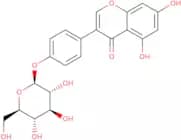
Formula:C16H22O11Purezza:Min. 95%Colore e forma:PowderPeso molecolare:390.34 g/molSophoricoside
CAS:Sophoricoside is a natural compound present in the fructus of Sophora flavescens and is used as an anti-diabetic medicine. It has been shown to have genotoxic effects, which may be due to its ability to induce reactive oxygen species (ROS) and DNA damage. Sophoricoside also has a matrix effect on radiation. This effect has been shown in rat cardiac cells and human serum. Sophoricoside also exhibits hepatoprotective properties by reducing hepatic steatosis, which may be due to its ability to inhibit lipogenesis and stimulate fat oxidation. In addition, sophoricoside has been shown to have anti-inflammatory activities.
Formula:C21H20O10Purezza:Min. 95%Colore e forma:PowderPeso molecolare:432.38 g/mol2,3,4,6-Tetra-O-acetyl-D-mannopyranose
CAS:2,3,4,6-Tetra-O-acetyl-D-mannopyranose is a glycosylated polysaccharide. It is a complex carbohydrate with a methylated D-mannopyranose backbone and an acetylated 2,3,4,6-tetraose sidechain. This product can be fluorinated or saccharified to make it more reactive for click chemistry. 2,3,4,6-Tetra-O-acetyl-D-mannopyranose has been custom synthesized in a high purity form that is suitable for use in various applications including polymeric materials and pharmaceuticals.
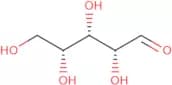
Formula:C14H20O10Purezza:Min. 95%Peso molecolare:348.3 g/molD-Xylose
CAS:Xylose (Xyl) is an aldopentose also known as wood sugar (Collins, 2006). The main sources of xylose are hemicelluloses found in hardwood and perennial plants, such as, grasses, cereals, and herbs (Petzold-Welcke, 2014) and some algae. Xylose is used in the production of xylitol, a low calory sugar substitute. Xylose is used in glycosaminoglycan (GAG) biosynthesis, which is initiated by peptide O-xylosyltransferases, which transfer xylose onto selected serine residues in the core proteins. The first enzyme in the pathway, peptide O-xylosyltransferase, catalyzes the transfer of xylose from uridine diphosphate (UDP)-α-D-xylose onto serine and thus determines the site(s) of GAG attachment on the core protein (Briggs, 2018).
Formula:C5H10O5Purezza:Min. 98.0 Area-%Colore e forma:White PowderPeso molecolare:150.13 g/molRef: 3D-MX00355
Prodotto fuori produzioneHeparin derived dp8 saccharide ammonium salt
Heparin is a glycosaminoglycan which is a complex carbohydrate that contains repeating disaccharide units of glucosamine and N-acetylglucosamine. Heparin has been shown to inhibit the activity of bacterial enzymes involved in fibrinolysis, such as plasminogen activator inhibitor 1 (PAI-1), and may act as an anticoagulant. Heparin is often used as an anticoagulant in patients with thrombotic disorders, including deep vein thrombosis, pulmonary embolism, or heart attack. Heparin also acts as a cofactor for the activation of clotting factors II (thrombin), VII, IX, X, XI and XII. In addition, it inhibits the activation of factor XIII by preventing its conversion from its inactive form into active factor XIIIa. The molecular weight of heparin is approximately 10 kilodaltons (kDa) and it has a molecular formula
Purezza:Min. 95%Colore e forma:PowderPeso molecolare:~2400 (Average)Ref: 3D-OH06086
Prodotto fuori produzione2-Deoxy-D-ribose
CAS:Used in synthetic organic chemistry and natural product synthesis. Induces apoptosis by inhibiting the synthesis and increasing the efflux of glutathione. It is used for synthesis of optically active dipyrrolyl alkanols from pyrroles on the surface of montmorillonite KSF clay.
Formula:C5H10O4Purezza:Min. 98 Area-%Colore e forma:White PowderPeso molecolare:134.13 g/molGlucomannan oligosaccharides, from Konjac MW <10KDa
Glucomannan oligosaccharides are modified polysaccharides of plant origin. They are not digested in the small intestine and are instead fermented by the large intestine to produce short-chain fatty acids. This is a novel approach to weight control. The modified monosaccharide backbone provides for a more complex carbohydrate than found in other dietary fibers, and this complex carbohydrate is resistant to digestion by mammalian enzymes. Glucomannan oligosaccharides can be used as a replacement for high-calorie sweeteners in many food applications and as a bulk laxative.
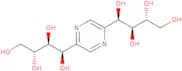
Purezza:Min. 95%Colore e forma:PowderFructosazine
CAS:Fructosazine is a natural compound that is found in the bark of the fructus quinquefoliae tree. It has been shown to have antimicrobial properties when it reacts with hydrochloric acid. Fructosazine inhibits the growth of bacteria by reacting with their cell walls and interfering with their metabolism. Fructosazine may also have physiological effects, such as reducing blood pressure and body weight gain, which are not fully understood. The reaction mechanism for fructosazine is not yet known, but it may be due to its reactive nature. More research needs to be done on this compound before we can understand its full potential.
Formula:C12H20N2O8Purezza:Min. 96 Area-%Colore e forma:PowderPeso molecolare:320.3 g/mol2,3,6-Trioctyl-γ-cyclodextrin
This gamma-cyclodextrin (γ-CD) derivative is a modified cyclic oligosaccharide composed of eight glucose units, featuring a larger cavity size than α- and β-cyclodextrins. This structural characteristic allows γ-CDs to form inclusion complexes with a wider range of guest molecules, making it particularly versatile in various industries. In the food sector, it is used as a carrier and stabilizer for flavors, fat-soluble vitamins, and polyunsaturated fatty acids, protecting volatile compounds from evaporation. In pharmaceuticals, it enhances the solubility and bioavailability of poorly water-soluble drugs and, thanks to its larger ring size, allows for the encapsulation of larger molecules or even entire drug molecules. γ-CDs and derivatives are also used for environmental remediation and, in analytical chemistry, for the extraction and concentration of target substances.
Formula:C240H464O40Purezza:Min. 95%Peso molecolare:3,990.23 g/mol4-Methoxyphenyl 4-O-(4-O-acetyl-3,6-di-O-benzyl-2-deoxy-2-phthalimido-b-D-glucopyranosyl)-3-O-benzyl-2-deoxy-2-phthalimido-b-D-gluco pyranoside
4-Methoxyphenyl 4-O-(4-O-acetyl-3,6-di-O-benzyl-2-deoxy-2-phthalimido-b-D-glucopyranosyl)-3,6,2′,4′″triphosphate (4MPP) is a methylated saccharide. It can be modified with click chemistry and has been shown to inhibit the synthesis of glycogen in the liver. 4MPP is a high purity product that has been synthesized from naturally occurring carbohydrates. It is also fluorinated for use in research.
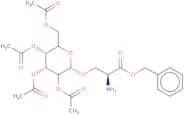
Formula:C58H54N2O15Purezza:Min. 95%Peso molecolare:1,019.05 g/molO-(2,3,4,6-Tetra-O-acetyl-a-D-mannopyranosyl)-L-serine benzyl ester
CAS:A protected mannose amino acid
Formula:C24H31NO12Purezza:Min. 95 Area-%Colore e forma:PowderPeso molecolare:525.5 g/molRef: 3D-FB156010
Prodotto fuori produzioneBlood Group A trisaccharide, N-aminoethyl nonanamide
CAS:Blood group antigen derivative for biochemical researchFormula:C31H57N3O16Purezza:Min. 95 Area-%Colore e forma:PowderPeso molecolare:727.79 g/molRef: 3D-OB07522
Prodotto fuori produzioneL-g-Ethylidene glutanic acid
L-g-Ethylidene glutamic acid is an organic compound that is used in the production of pharmaceuticals, agrochemicals, and other chemicals. It can be synthesized by the methylation of L-glutamic acid with formaldehyde and sodium cyanoborohydride. L-g-Ethylidene glutamic acid has also been modified by a click reaction to create a fluorinated derivative. This product is a white crystalline solid that has a CAS number. The product is available at high purity and can be ordered as either monosaccharide or polysaccharide.
L-g-Ethylidene glutamic acid is a sugar that belongs to the carbohydrate family and can be classified as complex carbohydrates because it comprises two or more sugars linked together. This product may also be referred to as an oligosaccharide or polysaccharide, depending on its molecular size.Purezza:Min. 95%3b-[(a-L-arabinopyranosyl) oxy]urs-12,19(29)-dien-28-oic acid 28-b-D-glucopyranosyl ester
3b-[(a-L-arabinopyranosyl) oxy]urs-12,19(29)-dien-28-oic acid 28-b-D-glucopyranosyl ester is a Fluorination, Monosaccharide, Synthetic, Oligosaccharide, complex carbohydrate. It is custom synthesized and glycosylated with a polysaccharide chain. The modification of the sugar chain includes methylation and acetylation. This product has high purity and CAS No.
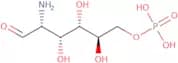
Purezza:Min. 95%D-Glucosamine 6-phosphate
CAS:D-Glucosamine 6-phosphate is a non-essential amino acid that belongs to the group of nucleotide sugar phosphates. It is a metabolite of the sugar D-glucose and it plays an important role in the energy metabolism of bacteria, plants, and animals. It has been shown to have anti-cancer effects on prostate cancer cells. D-Glucosamine 6-phosphate inhibits methyltransferase activity by binding to the enzyme's active site. This inhibition prevents DNA synthesis, leading to cell death. The structural analysis has been done using NMR spectroscopy on d-arabinose as a model substrate.
Formula:C6H14NO8PPurezza:Min. 98 Area-%Colore e forma:White PowderPeso molecolare:259.15 g/molN-Acetylmuramyl-L-alanyl-D-isoglutamine hydrate
CAS:Muramyl dipeptide is a component of the bacterial cell wall and is found in mycobacteria, mycoplasmas, spirochetes, and gram-positive bacteria. Muramyl dipeptide has been shown to induce the activation of macrophages and other cells by stimulating toll-like receptor 4. It also has significant cytotoxicity against various cancer cells, as well as potent inducers of ubiquitin ligases. The use of muramyl dipeptide in vitro was shown to inhibit replication of HIV-1 virus in human lymphocytes. This agent has also been used for the treatment of bowel disease.Formula:C19H32N4O11·xH2OPurezza:Min. 96 Area-%Colore e forma:PowderPeso molecolare:492.48 g/molRef: 3D-MA58738
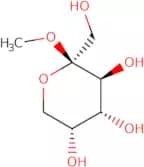
Prodotto fuori produzioneMethyl β-D-fructopyranoside
CAS:Methyl β-D-fructopyranoside is a glycoside that is made up of a pyranose ring and the sugar d-fructose. This molecule is stable because of its hydrogen bonds, which are formed between the oxygen atom of the hydroxyl group and the hydrogen atom of the methyl group. Methyl β-D-fructopyranoside has two chiral centers, so it can exist as two enantiomers. The most common form is D-(+)-methyl β-d-fructopyranoside, which has a configuration of R (right) and S (left).
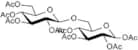
Formula:C7H14O6Purezza:One SpotColore e forma:PowderPeso molecolare:194.18 g/molbeta-Gentiobiose octaacetate
CAS:Beta-gentiobiose octaacetate is a macrocyclic structure that is glycosidated with an antigen. It has a neutralizing effect on the biological properties of the antigen. Beta-gentiobiose octaacetate has shown antitumour activity in animals, which may be due to its ability to inhibit tumor cell proliferation. Beta-gentiobiose octaacetate also has high fluidity and can be used as an oligosaccharide antigen in biological research. The molecule has a constant molecular weight of 400 Da and is conjugated with proton, which makes it useful for electron microscopy.
Formula:C28H38O19Purezza:Min. 95%Colore e forma:White PowderPeso molecolare:678.59 g/molHydroxyethyl cellulose - Viscosity 2400 to 2800(1% aqueous solution)
CAS:Water thickener; rheological control additive; has industrial appplications
Purezza:Min. 95%Polysucrose 400
CAS:Water-soluble, nontoxic, enzyme-resistant polymer for biological applications
Colore e forma:White PowderPeso molecolare:400.0Pullulan
CAS:Pullulan is a polysaccharide that is made up of D-glucose units linked in a beta-1,6 configuration. Pullulan has been used as a model system to study the molecular mechanisms of intramolecular hydrogen transfer reactions. The process optimization of pullulan production was studied using skin cells and structural analysis. This polymer is also used in food hydrocolloids, where it can be used to control the phase transition temperature. Pullulan has also been shown to have anti-angiogenic effects on liver cells and water vapor absorption properties.
Formula:(C6H12O5)nD-Tagatose
CAS:D-Tagatose is a sugar that is found naturally in some dairy products such as yogurt. It is a complex carbohydrate that can be modified by methylation, fluorination, and click chemistry. D-Tagatose has been shown to have anti-inflammatory properties in animal studies and can inhibit the growth of bacteria such as Escherichia coli and Helicobacter pylori.
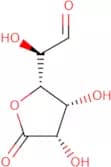
D-tagatose is water soluble, stable at high temperatures, and does not react with other compounds; it also has a CAS number of 87-81-0. D-tagatose can be custom synthesized to meet your needs.Formula:C6H12O6Purezza:Min. 98.5 Area-%Peso molecolare:180.16 g/molD-Glucuronolactone
CAS:D-Glucuronolactone is supposed to be involved in detoxification processes.
Formula:C6H8O6Peso molecolare:176.13 g/mol








![GlcA[3S]b(1-3)Galb(1-4)GlcNAcb(1-2)Mana-Ethylazide](/_next/image/?url=https%3A%2Fstatic.cymitquimica.com%2Fproducts%2F3D%2Fthumb-webp%2FOG44930.webp&w=3840&q=75)















![3b-[(a-L-arabinopyranosyl) oxy]urs-12,19(29)-dien-28-oic acid 28-b-D-glucopyranosyl ester](/_next/image/?url=https%3A%2Fstatic.cymitquimica.com%2Fproducts%2F3D%2Fthumb-webp%2FMA74563.webp&w=3840&q=75)