Glicoscienza
La glicosienza è lo studio dei carboidrati e dei loro derivati, nonché delle interazioni e delle funzioni biologiche a cui partecipano. Questo campo di ricerca è cruciale per comprendere una vasta gamma di processi biologici, tra cui il riconoscimento cellulare, la segnalazione, la risposta immunitaria e lo sviluppo delle malattie. La glicosienza ha importanti applicazioni nella biotecnologia, nella medicina e nello sviluppo di nuovi farmaci e terapie. Presso CymitQuimica, offriamo un'ampia selezione di prodotti di alta qualità e purezza per la ricerca in glicosienza. Il nostro catalogo comprende monosaccaridi, oligosaccaridi, polisaccaridi, glicoconiugati e reagenti specifici, progettati per supportare i ricercatori nei loro studi sulla struttura, funzione e applicazioni dei carboidrati nei sistemi biologici. Queste risorse sono destinate a facilitare scoperte scientifiche e applicazioni pratiche in vari ambiti delle bioscienze e della medicina.
Sottocategorie di "Glicoscienza"
- Amminozucchero(108 prodotti)
- Glico-anticorpi(282 prodotti)
- Glicolipidi(46 prodotti)
- Glicosaminoglicani (GAGs)(55 prodotti)
- Glicosidi(419 prodotti)
- Monosaccaridi(6.622 prodotti)
- Oligosaccaridi(3.682 prodotti)
- Polisaccaridi(503 prodotti)
Trovati 11041 prodotti di "Glicoscienza"
Ordinare per
Purezza (%)
0
100
|
0
|
50
|
90
|
95
|
100
Cerebroside sulfate
CAS:<p>Myelin component; opioid receptor</p>Formula:C42H80NNaO11SPurezza:Min. 95%Colore e forma:White PowderPeso molecolare:830.14 g/molD-ido-Heptono-1,4-lactone
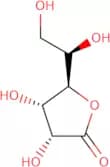
<p>D-ido-Heptono-1,4-lactone is a glycosylation product of heptose with d-ido-D-glucofuranose and is a synthetic sugar. It has an Oligosaccharide, sugar, Synthetic, Fluorination, Custom synthesis, Methylation, Monosaccharide, Polysaccharide, saccharide Click modification. It has CAS No., Modification.</p>Purezza:Min. 95%4-Methylphenyl 2,3,4,6-tetra-O-acetyl-β-D-thioglucopyranoside
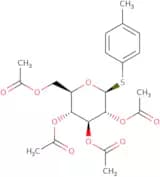
CAS:<p>4-Methylphenyl 2,3,4,6-tetra-O-acetyl-b-D-thioglucopyranoside is an antibiotic that is used to treat infections caused by a wide range of pathogens. This drug is active against Gram-negative and Gram-positive bacteria, including some resistant strains. 4MPTGA inhibits the growth of bacteria by binding to their ribosomes and preventing protein synthesis. It has been shown to have antimicrobial activity against E. coli and other Enterobacteriaceae species as well as other Gram negative bacteria such as Salmonella typhi and Proteus mirabilis. 4MPTGA has also been shown to be effective against the common animal health pathogen Staphylococcus aureus</p>Formula:C21H26O9SPurezza:Min. 95%Colore e forma:White PowderPeso molecolare:454.49 g/mol1,2,3,4,5-Penta-O-acetyl-β-D-fructose
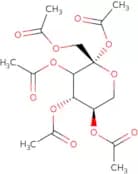
CAS:<p>1,2,3,4,5-Penta-O-acetyl-β-D-fructose is a synthetic oligosaccharide that is modified with fluorine to produce a variety of products. This product is used in the synthesis of complex carbohydrates and has been shown to have high purity. It is used for methylation reactions and can be found in saccharides and polysaccharides. The CAS number for this compound is 20764-61-8.</p>Formula:C16H22O11Purezza:Min. 95%Colore e forma:White PowderPeso molecolare:390.34 g/molMethyl 2-acetamido-4,6-di-O-acetyl-2,3-dideoxy-3-fluoro-D-mannopyranoside
CAS:<p>Methyl 2-acetamido-4,6-di-O-acetyl-2,3-dideoxy-3-fluoro-D-mannopyranoside is a custom synthesis of a modified monosaccharide. It is fluorinated and methylated at the 2 and 6 positions respectively. The acetyl group at position 2 is replaced with an acetamido group to increase the stability of the molecule. This product has not been studied in vivo or in vitro. It is not on any international lists of prohibited substances and it is not banned by any sporting organization.</p>Formula:C13H20FNO7Purezza:Min. 95%Peso molecolare:321.3 g/molD-Apiose - Aqueous solution
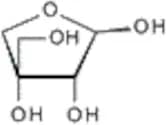
CAS:<p>D-Apiose is a triterpenoid saponin that is isolated from the bark of the Quillaja saponaria tree. It has been shown to inhibit tumor growth and induce cell death in animal models. D-Apiose is also known to be an inhibitor of sugar transport, hydroxylation, and ribitol dehydrogenase, which are all important cellular processes. This compound induces cell lysis by binding to cellular organelles such as the mitochondria and endoplasmic reticulum. Cell lysis leads to the release of intracellular contents into the extracellular environment, which can have potent antitumor activity. The hydroxyl group on D-Apiose allows it to react with ribitol dehydrogenase, which catalyzes a reaction involving the conversion of ribitol into 2-deoxyribose 5-phosphate. The ultimate product of this reaction is galacturonic acid, which may have anti-</p>Formula:C5H10O5Purezza:Min. 95%Colore e forma:Clear LiquidPeso molecolare:150.13 g/molMethyl 3,5-di-O-benzyl-β-D-ribofuranoside
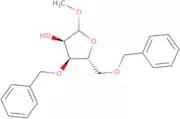
CAS:<p>Methyl 3,5-di-O-benzyl-b-D-ribofuranoside is a synthetic glycoconjugate. The methyl group at the 3 position of the ribose is substituted with a fluorine atom. This modification results in increased resistance to nucleases and enhanced cell penetration. Methyl 3,5-di-O-benzyl-b-D-ribofuranoside can be used for the synthesis of complex carbohydrates that are not accessible by other methods.</p>Formula:C20H24O5Purezza:Min. 95%Colore e forma:Yellow PowderPeso molecolare:344.4 g/mol2'',3'',4''-Tri-O-benzylfucosyllactose
<p>Please enquire for more information about 2'',3'',4''-Tri-O-benzylfucosyllactose including the price, delivery time and more detailed product information at the technical inquiry form on this page</p>Formula:C39H50O15Purezza:Min. 95%Colore e forma:White To Off-White SolidPeso molecolare:758.81 g/molMaltotriose
CAS:<p>Used to differentiate microorganisms based on their metabolic properties.</p>Formula:C18H32O16Purezza:Min. 95 Area-%Peso molecolare:504.44 g/mol3'-Sialylgalactose sodium salt
CAS:<p>Sialylated oligosaccharide with the ability to inhibit angiogenesis and tumour development by binding to the vascular endothelial growth factor receptor VEGFR-2. Moreover, sialylated N-glycans in intestinal epithelium of chickens were found to carry terminal sialylgalactose, which interacts with influenza viruses during early stages of infection.</p>Formula:C17H28NO14·NaPurezza:Min. 95%Colore e forma:White PowderPeso molecolare:493.39 g/mol2,3-Di-O-benzyl-a-cyclodextrin
<p>Alpha-cyclodextrin (α-CD) derivative with a hydrophilic exterior and lipophilic cavity (smaller than β-CDs and γ-CDs) to allocate certain guest molecules. This structural characteristic enables applications in molecular encapsulation, solubility enhancement, and stabilization across multiple industries. In pharmaceuticals, it serves as a drug delivery vehicle, enhancing the bioavailability and stability of active ingredients. The food industry utilizes it as a stabilizer for flavors, colors, and nutrients, as well as a functional ingredient for its effects on lipid metabolism. In cosmetics, it acts as a complex agent for fragrances and active components. Its applications extend to analytical chemistry for chiral separation and to materials science for developing smart materials and nanosystems.</p>Formula:C120H132O30Purezza:Min. 95%Peso molecolare:2,054.31 g/molPhenyl 4,6-O-benzylidene-2-O-levulinoyl-3-O-(2-naphthylmethyl)-b-D-thioglucopyranoside
<p>Phenyl 4,6-O-benzylidene-2-O-levulinoyl-3-O-(2-naphthylmethyl)-b-D-thioglucopyranoside is a fluorinated monosaccharide. It can be synthesized in a custom synthesis and is available with high purity. This product is an oligosaccharide, which has glycosylation and polysaccharide properties. Phenyl 4,6-O-benzylidene-2-O-levulinoyl-3-O-(2-naphthylmethyl)-b-D -thioglucopyranoside is also a complex carbohydrate that has been modified by methylation and acetalization.</p>Purezza:Min. 95%Methyl 2,3-di-O-acetyl-4,6-O-benzylidene-a-D-mannopyranoside
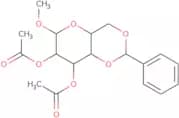
CAS:<p>Methyl 2,3-di-O-acetyl-4,6-O-benzylidene-a-D-mannopyranoside is a synthetic compound that has not been studied in vivo or in vitro. Methyl 2,3-di-O-acetyl-4,6-O-benzylidene-aDmannopyranoside is an oligosaccharide that can be modified with fluorination and methylation. It is synthesized by glycosylation of a Dmannopyranose using an acetate as the acyl donor. The acetate is then selectively benzylated to form the desired product.</p>Formula:C18H22O8Purezza:Min. 95%Peso molecolare:366.37 g/molN-(Succinyl)-O-b-D-maltosylhydroxylamine
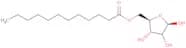
<p>N-Succinyl-O-b-D-maltosylhydroxylamine is a glycosylation reagent used in the synthesis of complex carbohydrates. Its CAS number is 87217-14-5.<br>N-Succinyl-O-b-D-maltosylhydroxylamine is a white to off-white crystalline powder with the molecular formula C4H8N2O6S and a molecular weight of 244.22. It has a melting point of 189°C. This product is soluble in water, ethanol, and chloroform. It does not dissolve in ether or hexane.</p>Purezza:Min. 95%5-O-Lauryl-D-xylofuranose
CAS:<p>5-O-Lauryl-D-xylofuranose is a lipase that can hydrolyze pentoses and hexoses. This enzyme has been shown to be active at temperatures between 0°C and 40°C, with optimal activity at 30°C. 5-O-Lauryl-D-xylofuranose is also thermostable and can be immobilized on silica gel or alumina. It is used in the manufacture of lysine, L-arabinose, and D-xylose. The enzyme catalyzes the reaction by removing a hydroxyl group from the pentoses or hexoses through an ester linkage with a dodecanoate group. The aliphatic chain of 5-O-lauryl dodecanoate is attached to the pentose or hexose molecule in an ester linkage by a thioether bond.</p>Formula:C17H32O6Purezza:Min. 95%Peso molecolare:332.43 g/mol1,2:5,6-Di-O-isopropylidene-a-D-ribo-hexofuranose-3-ulose monohydrate
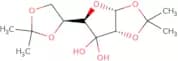
CAS:<p>1,2:5,6-Di-O-isopropylidene-a-D-ribo-hexofuranose-3-ulose monohydrate is a fluorinated carbohydrate that has been synthesized in our lab. It is a complex carbohydrate and can be used as a building block for glycosylation. The synthesis of this compound is done through the use of click chemistry to modify the sugar. We have high purity levels for this compound and can provide custom synthesis services for your needs.</p>Formula:C12H20O7·H2OPurezza:Min. 95%Colore e forma:White PowderPeso molecolare:294.3 g/mol(2R, 3R, 4R) -3, 4- Dihydroxy- 2- (hydroxymethyl) - 1- pyrrolidinepropanoic acid
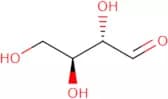
CAS:<p>(2R, 3R, 4R) -3, 4-Dihydroxy-2-(hydroxymethyl)-1-pyrrolidinepropanoic acid is a sugar derivative of Glycosylation. The compound is a custom synthesis that can be modified to meet your requirements. The CAS number is 1207674-35-8. This product has purity of >99% and can be used in the laboratory or as an intermediate in chemical synthesis.</p>Purezza:Min. 95%L-Erythrose
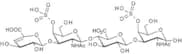
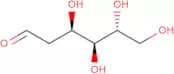
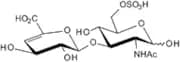
CAS:<p>L-Erythrose is a monosaccharide that contains an hydroxyl group on the second carbon atom. It can be synthesized by a synthetic scheme involving glycolaldehyde and hydroxylamine. L-Erythrose has been shown to inhibit the enzyme phosphoglycerate kinase, which converts 2-phosphoglycerate into phosphoenolpyruvate. L-Erythrose has also been shown to inhibit dehydroascorbic acid reductase, which converts dehydroascorbic acid into ascorbic acid, and galactitol reductase, which converts galactitol into D-tagatose. The mutant strain of Escherichia coli K12 that was engineered to produce L-erythrose showed a decreased susceptibility to phage infection and an increased resistance to oxidative stress. In addition, the polyol pathway in E. coli was induced by L-erythrose treatment.</p>Formula:C4H8O4Purezza:(%) Min. 90%Colore e forma:Slightly Yellow PowderPeso molecolare:120.1 g/molDermatan sulphate tetrasaccharide ammonium salt
<p>Dermatan sulphate tetrasaccharide ammonium salt is a synthetic, high purity oligosaccharide that is also known as Dermatan sulfate. Dermatan sulfate is a complex carbohydrate that is composed of a repeating sequence of three monosaccharides: glucuronic acid, N-acetylgalactosamine and N-acetylglucosamine. Dermatan sulfate has been shown to have an inhibitory effect on the growth of bacteria such as Staphylococcus aureus and Mycobacterium tuberculosis. This molecule can be modified to include fluorination or methylation for custom synthesis.</p>Purezza:Min. 95%1,2:3,4:5,6-Tri-O-isopropylidene-L-glycero-L-gulo-heptitol
<p>1,2:3,4:5,6-Tri-O-isopropylidene-L-glycero-L-gulo-heptitol is a methylated saccharide. It is a synthetic carbohydrate with a molecular weight of 568.87 and a CAS No. of 310540-53-0. This product is soluble in water and has been shown to be resistant to the pH of stomach acid. 1,2:3,4:5,6-Tri-O-isopropylidene-L-glycero-L-gulo-heptitol can be used as a click modification or modification reaction to make oligosaccharides or polysaccharides. This product can also be used for glycosylation reactions or custom synthesis of carbohydrates such as sugars or complex carbohydrates. 1,2:3,4:5,6 -Tri -O -isopropylidene -</p>Purezza:Min. 95%(2S, 3R, 4S) -N-Benzyl-2- [(1S) - 1- hydroxyethyl] - 3, 4- pyrrolidinediol
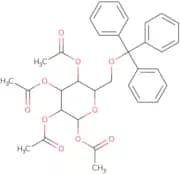
<p>(2S, 3R, 4S) -N-Benzyl-2-[(1S)-1-hydroxyethyl]--3,4-pyrrolidinediol is a fluorinated monosaccharide. It is synthesized by the glycosylation of 2,3,4-trihydroxybenzaldehyde with 1,2-dihydroxyethylene glycol and catalyzed by an acid catalyst. (2S, 3R, 4S) -N-Benzyl--2-[(1S)-1-hydroxyethyl]--3,4-pyrrolidinediol has been modified for use in click chemistry with a methyl group at the C5 position. The compound is soluble in water and has a CAS number of 70521-14-6.</p>Purezza:Min. 95%1,2,3,4-Tetra-O-acetyl-6-O-trityl-b-D-mannopyranose
CAS:<p>1,2,3,4-Tetra-O-acetyl-6-O-trityl-b-D-mannopyranose is a synthetic sugar that can be used as a building block for the synthesis of oligosaccharides. It is also used to alter the properties of sugars and polysaccharides by modifying their glycosidic linkages. The product is insoluble in water and organic solvents. It is stable under acidic conditions and can be hydrolyzed with acids or alkalis. It is also soluble in methanol and methylene chloride. The CAS number for this product is 92621-31-3.End></p>Purezza:Min. 95%N-Acetyl-heparin
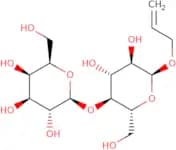
CAS:<p>N-Acetyl heparin is a glycosaminoglycan, which occurs in many mammalian tissues and has important anticoagulant and thrombolytic properties. The chemical structure is composed mainly of two disaccharide repeating units A and B. A is L-iduronic acid 2-suplhate linked α-(1,4) to 2-deoxy-2-sulfamido-D-galactose 6-sulphate, while B is D-glucuronic acid β-(1,4) linked to 2-deoxy-2-sulfamido-D-glucose 6-sulphate.</p>Purezza:Min. 95%Colore e forma:PowderAllyl a-D-lactose
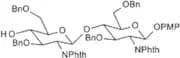
CAS:<p>A functionalized carbohydrate that serves as a valuable precursor for the synthesis of complex glycoconjugates, oligosaccharides, and glycopolymers through reactions like glycosylation and click chemistry</p>Formula:C15H26O11Peso molecolare:382.36 g/mol4-Methoxyphenyl 4-O-(3,6-di-O-benzyl-2-deoxy-2-phthalimido-b-D-glucopyranosyl)-3,6-di-O-benzyl-2-deoxy-2-phthalimido-b-D-glucopyrano side
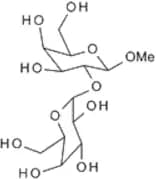
CAS:<p>4-Methoxyphenyl 4-O-(3,6-di-O-benzyl-2-deoxy-2-phthalimido-b-D-glucopyranosyl)-3,6-di-O-benzyl-2-deoxy -2 -phthalimido -b -D -glucopyrano side is a custom synthesis of a complex carbohydrate. It has a CAS number of 140615‑82‑3 and can be found in glycosylations, carbohydrates, methylation, sugar, fluorination. It is high purity with a lot of modifications.</p>Formula:C63H58N2O14Purezza:Min. 95%Peso molecolare:1,067.14 g/molMethyl 2-O-(a-D-galactopyranosyl)-b-D-galactopyranoside
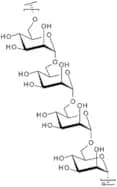
<p>Methyl 2-O-(a-D-galactopyranosyl)-b-D-galactopyranoside is a custom synthesis that is fluorinated at the 2 position. It is an oligosaccharide, polysaccharide, and carbohydrate. The product has been modified with the Click modification and has high purity. It is also a monosaccharide sugar or synthetic sugar. Methyl 2-O-(a-D-galactopyranosyl)-b-D-galactopyranoside can be used in complex carbohydrates and fluorination reactions.</p>Formula:C13H24O11Purezza:Min. 95%Peso molecolare:356.32 g/molMannan (ex Saccharomyces cerevisiae)
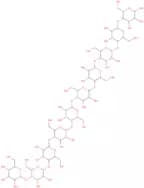
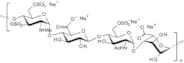
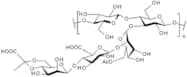
CAS:<p>The main cell-wall components of baker’s yeast (Saccharomyces cerevisiae) as well as β-glucan are mannans with an α-1,6 mannose backbone and α-1,2 and α-1,3 mannose branches.<br>The image was kindly provided by Dr. Chris Lawson.</p>Colore e forma:White Slightly Brown PowderDermatan sulphate sodium salt,average MW 92000
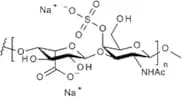
CAS:<p>Dermatan sulphate is a glycosaminoglycan found in skin, blood vessels, heart valves, tendons, aorta, spleen and brain and is usually isolated from pig skin or beef lung tissue. The disaccharide repeat unit is composed of L-iduronic acid and N-acetyl-galactosamine-4-sulphate linked β-(1,3) and β-(1,4). There are also small amounts of D-glucuronic acid.</p>Colore e forma:PowderN-Glycolylneuraminic acid
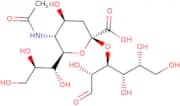
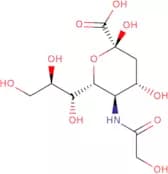
CAS:<p>Regulates N-glycolylneuraminic acid biosynthesis in murine liver</p>Formula:C11H19NO10Purezza:Min. 95 Area-%Colore e forma:White Off-White PowderPeso molecolare:325.27 g/mola-L-Galactose-1-phosphate dipotassium salt
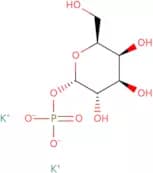
CAS:<p>a-L-Galactose-1-phosphate dipotassium salt is an oligosaccharide that can be prepared by the methylation of a galactose molecule. It is a synthetic compound that has been shown to have antiviral properties. The modification of the sugar structure with fluorine atoms increases the stability of the molecule and prevents its degradation. This product is soluble in water and can be used as a pharmaceutical intermediate for other compounds.</p>Formula:C6H11K2O9PPurezza:Min. 95%Colore e forma:PowderPeso molecolare:336.33 g/mol6-Deoxy-D-psicose
<p>6-Deoxy-D-psicose is a sugar molecule that is made up of six carbon atoms. It is one of the two possible epimers of D-psicose, and it can be used as an alkaline equilibrating agent for the conversion of D-fructose to 1-deoxy-D-fructose. 6-Deoxy-D-psicose can also be used as a substrate in reactions with other sugars to form new compounds. 6DPSC can be transformed into rhamnose by heating it at 100°C in alkaline solution, or into l-rhamnose by heating it at 120°C in alkaline solution. The transformation process converts 6DPSC into its epimer, which is stable at high temperatures without decomposing. 6DPSC has been shown to have efficient properties for use in research and for the production of various substances.</p>Purezza:Min. 95%Lacto-N-fucopentaose III
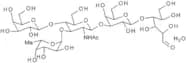
CAS:<p>Neutral pentasaccharide naturally present in human breast milk</p>Formula:C32H55NO25Purezza:Min. 95%Colore e forma:White PowderPeso molecolare:853.77 g/molXanthan gum
CAS:<p>Xanthan gum is a polysaccharide produced by the Gram negative bacteria Xanthomonas campestris. It has unique rheological and gel forming properties and finds many applications particularly in the food and oil industries. Recently, it has been shown that ternary mixtures of konjac glucomannan, xanthan gum and sodium alginate can form a non-covalently linked complex which exhibits enhanced rheological properties of value in, for example, functional foods. The structure of xanthan is based on a cellulosic backbone of β-(1,4)-linked glucose units which have a trisaccharide side chain of mannose-glucuronic acid-mannose linked to every second glucose unit in the main chain. Some terminal mannose units are pyruvylated and some of the inner mannose units are acetylated.</p>Purezza:Min. 95%Colore e forma:Powder6-Mono-tert-butyldimethylsilyl-a-cyclodextrin
CAS:<p>Alpha-cyclodextrin (α-CD) derivative with a hydrophilic exterior and lipophilic cavity (smaller than β-CDs and γ-CDs) to allocate certain guest molecules. This structural characteristic enables applications in molecular encapsulation, solubility enhancement, and stabilization across multiple industries. In pharmaceuticals, it serves as a drug delivery vehicle, enhancing the bioavailability and stability of active ingredients. The food industry utilizes it as a stabilizer for flavors, colors, and nutrients, as well as a functional ingredient for its effects on lipid metabolism. In cosmetics, it acts as a complex agent for fragrances and active components. Its applications extend to analytical chemistry for chiral separation and to materials science for developing smart materials and nanosystems.</p>Formula:C42H74O30SiPurezza:Min. 95%Peso molecolare:1,087.1 g/molD-Galactose non-animal origin
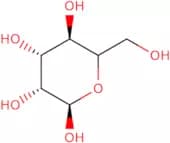
CAS:<p>D-Galactose is a monosaccharide that is found in the cells of plants and animals. It can be synthesized from D-glucose by adding a D-galactose molecule to the alpha carbon of an existing glucose molecule. The resulting bond is called a glycosidic linkage. This process is called glycosylation. Glycosylation occurs when a sugar molecule reacts with another molecule, such as an amino acid, lipid, or nucleotide, to form what is known as a glycoside linkage. In this case, the sugar is D-galactose and the other molecules are either amino acids or lipids. The reaction between D-galactose and other molecules often results in polysaccharides and complex carbohydrates such as cellulose, chitin, and glycogen.<br>Methylation of D-galactose can produce methyl galactoside (CAS No. 1881-42-7), which</p>Formula:C6H12O6Purezza:Min. 98 Area-%Peso molecolare:180.16 g/mol2-Deoxy-D-glucose
CAS:<p>Glycolytic inhibitor; pro-apoptotic; anti-cancer agent</p>Formula:C6H12O5Purezza:Min. 98 Area-%Colore e forma:White Off-White PowderPeso molecolare:164.16 g/mol1,2,3,4,6-Penta-O-benzoyl-α-D-mannopyranose
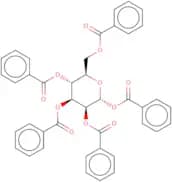
CAS:<p>1,2,3,4,6-Penta-O-benzoyl-alpha-D-mannopyranose is a monosaccharide that can be synthesized by modification of the corresponding mannose. This sugar has been shown to form a complex carbohydrate with an oligosaccharide or saccharide. It can also be used in click chemistry as a linker between two amino acids or peptides. The chemical name for 1,2,3,4,6-Penta-O-benzoyl-alpha-D-mannopyranose is 1,2:3,4:6:1′′′′′′′″:5′″:8:1″″″″″″"’5″'8″1 (2R)-2-(3'-chloroacetyl)pentaerythritol 2,4'-diyl dianhydride.</p>Formula:C41H32O11Peso molecolare:700.69 g/molLactose octaisobutyrate
<p>Synthetic building block for oligosaccharide synthesis</p>Formula:C44H70O19Purezza:Min. 95%Colore e forma:PowderPeso molecolare:903.02 g/molMethyl 2,3,4-tri-O-benzoyl-6-O-triisopropylsilyl-a-D-galactopyranoside
CAS:<p>Methyl 2,3,4-tri-O-benzoyl-6-O-triisopropylsilyl-a-D-galactopyranoside is a custom synthesis with CAS No. 356060-82-7. It is a high purity Glycosylation and Carbohydrate that has been modified with fluorination and synthesized using the Click modification. This product is a complex carbohydrate with an Oligosaccharide and Polysaccharide structure. Methyl 2,3,4-tri-O-benzoyl-6-O-triisopropylsilyl -a -D -galactopyranoside has been methylated and glycosylated.</p>Formula:C37H46O9SiPurezza:Min. 95%Peso molecolare:662.84 g/mol2-Azido-2-deoxy-3,4-O-isopropylidene-L-gulonic acid methyl ester
<p>2-Azido-2-deoxy-3,4-O-isopropylidene-L-gulonic acid methyl ester is a custom synthesis that is a complex carbohydrate. It has CAS No., and can be modified with saccharide, methylation, glycosylation, and click modification. The product is of high purity and can be synthesized with fluorination or other modifications.</p>Purezza:Min. 95%4-Methoxyphenyl 2,6-di-O-acetyl-4-O-[2,4,6-tri-O-acetyl-3-O-allyl-β-D-galactopyranosyl]-3-O-allyl-β-D-glucopyranoside
<p>The chemical structure of this compound is composed of a custom synthesis, modification, and fluorination. The molecular weight is 572.6 g/mol and the CAS No. is 1027152-06-6. The molecular formula is C50H76O24. This compound has a molecular weight of 572.6 g/mol and an empirical formula of C50H76O24. It appears as a white crystalline powder that can be dissolved in water or ethanol.=END>></p>Formula:C35H46O17Purezza:Min. 95%Peso molecolare:738.73 g/mol2-Azido-2-deoxy-2-C-methyl-3,5-di-O-tert.butyldimethylsilyl-D-ribono-1.4-lactone
<p>2-Azido-2-deoxy-2-C-methyl-3,5-di-O-tert.butyldimethylsilyl-D-ribono-1.4-lactone is a custom synthesis that has been modified with a click chemistry reaction and fluorination. It is an oligosaccharide and polysaccharide, which are carbohydrates that contain multiple saccharides. This product also contains high purity, which means it's of the highest grade available on the market. The modification of this product is done through the use of a monosaccharide or sugar, which can be synthesized in the laboratory.</p>Purezza:Min. 95%6'-O-Sulfated Lewis A
<p>The Lewis A glycan is a complex carbohydrate that consists of a sulfated disaccharide and an oligosaccharide. The Lewis A glycan is a modification of the Lewis B glycan, which lacks the sulfate group. The saccharide component is a monosaccharide, and can be synthesized using custom synthesis or purchased from CAS No.</p>Formula:C20H35NO18SPurezza:Min. 95%Colore e forma:PowderPeso molecolare:609.55 g/mol4-Anhydro-2-O-(2,4-dimethoxybenzoyl)-3,5-O-(1,1,3,3- tetraisopropyldisiloxane-1,3-diyl)-4-thio-D-ribitol
CAS:<p>4-Anhydro-2-O-(2,4-dimethoxybenzoyl)-3,5-O-(1,1,3,3- tetraisopropyldisiloxane-1,3-diyl)-4-thio-D-ribitol is a fluorinated monosaccharide. It is a synthetic oligosaccharide that contains an asymmetric carbon atom. This product can be used in glycosylation reactions and click chemistry. 4A2OBDMTOS is a high purity sugar that has been modified with methyl groups.</p>Purezza:Min. 95%Heparin disaccharide II-A disodium salt
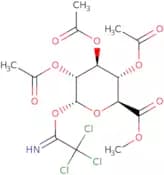
CAS:<p>Heparin Disaccharide II-A Disodium Salt is a modification of heparin. It is an oligosaccharide with a molecular weight of about 2,000 Daltons. This product can be custom synthesized as per the requirement of the customer. The purity level of this product is very high and it has been shown to have antiviral, anticoagulant, anti-inflammatory, and anticlotting properties.</p>Formula:C14H19NO14SNa2Purezza:Min. 95 Area-%Colore e forma:White Off-White PowderPeso molecolare:503.34 g/mol2,3,4-Tri-O-acetyl-a-D-glucuronide methyl ester trichloroacetimidate
CAS:<p>2,3,4-Tri-O-acetyl-a-D-glucuronide methyl ester trichloroacetimidate (TOG) is a synthetic glycosylation reagent that has been used for the synthesis of complex carbohydrates. It is an O-glycosidase inhibitor and is used in the preparation of saccharides with a high degree of substitution. TOG can be used to modify saccharides, oligosaccharides, and polysaccharides.</p>Formula:C15H18Cl3NO10Purezza:Min. 98 Area-%Colore e forma:White PowderPeso molecolare:478.66 g/molα-D-Galacturonic acid 1-phosphate
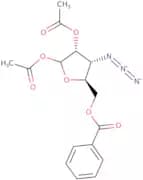
<p>a-D-Galacturonic acid 1-phosphate is a component of the polygalacturonate skeleton. It is an intermediate in the biosynthesis of d-galacturonic acid and galacturonic acid. This compound is also involved in cellular growth, as it is a precursor for uronic acids. The enzyme catalyzing the conversion of a-D-galacturonic acid 1-phosphate to uronic acid has been purified from Phaseolus vulgaris. It has been shown that this enzyme can be inhibited by phosphatase inhibitors such as pyridoxal phosphate, and that it can be activated by nucleotide analogs such as adenosine 5'-diphosphate (ADP) or cytidine 5'-triphosphate (CTP).</p>Formula:C6H11O10PPurezza:Min. 95%Colore e forma:PowderPeso molecolare:274.12 g/mol1,2-Di-O-acetyl-3-azido-3-deoxy-5-O-benzoyl-D-ribofuranose
CAS:<p>1,2-Di-O-acetyl-3-azido-3-deoxy-5-O-benzoyl-D-ribofuranose is a sugar that is synthetically modified with a fluorine atom. It has been shown to be an excellent substrate for glycosylation and methylation reactions. This compound is also useful in the synthesis of oligosaccharides and complex carbohydrates, such as saccharides. 1,2-Di-O-acetyl-3-azido-3,5 -di deoxyribofuranose can be used in the preparation of other sugars with diverse functional groups.</p>Purezza:Min. 95%1,7,7a-Triepialexine
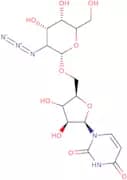
CAS:<p>The compound 1,7,7a-Triepialexine is an alkaloid that is found in plants of the genus Trientalis. It has been shown to have anti-inflammatory properties due to its ability to inhibit prostaglandin synthesis. The compound also has a stereoselective synthesis and a stereoselective syntheses.</p>Purezza:Min. 95%5'-O-(2-Azido-2-deoxy-D-mannopyranosyl)-uridine
CAS:<p>5'-O-(2-Azido-2-deoxy-D-mannopyranosyl)-uridine is a complex carbohydrate that is used in the synthesis of oligosaccharides, polysaccharides, and other glycosylated molecules. This compound can be modified with methylation, click modification, fluorination, or saccharide moieties. It is a synthetic molecule that has CAS 635293-07-1 and has been custom synthesized to achieve high purity.</p>Formula:C15H21N5O10Purezza:Min. 95%Peso molecolare:431.35 g/mol2,3,5-Tri-O-benzyl-L-xylofuranose
CAS:<p>2,3,5-Tri-O-benzyl-L-xylofuranose is a sugar molecule that has been modified to inhibit glycosidases. 2,3,5-Tri-O-benzyl-L-xylofuranose is an iminosugar that inhibits the enzyme β-glucosidase and α-galactosidase. The compound is not metabolized and it binds to the enzyme's active site. 2,3,5-Tri-O-benzyl L xylofuranose has been shown to be effective at inhibiting all of the glycosidases tested in this study with inhibition potencies ranging from 0.1 mM to 10 mM. This compound also inhibits epoxides and cyclic enzymes such as azido reductase and dihydropyrimidine dehydrogenase.</p>Formula:C26H28O5Purezza:Min. 95%Colore e forma:PowderPeso molecolare:420.5 g/mol2,3-Dimethyl-6-tert-butyldimethylsilyl-a-cyclodextrin
<p>Alpha-cyclodextrin (α-CD) derivative with a hydrophilic exterior and lipophilic cavity (smaller than β-CDs and γ-CDs) to allocate certain guest molecules. This structural characteristic enables applications in molecular encapsulation, solubility enhancement, and stabilization across multiple industries. In pharmaceuticals, it serves as a drug delivery vehicle, enhancing the bioavailability and stability of active ingredients. The food industry utilizes it as a stabilizer for flavors, colors, and nutrients, as well as a functional ingredient for its effects on lipid metabolism. In cosmetics, it acts as a complex agent for fragrances and active components. Its applications extend to analytical chemistry for chiral separation and to materials science for developing smart materials and nanosystems.</p>Formula:C84H168O30Si6Purezza:Min. 95%Peso molecolare:1,826.73 g/mol3,4:5,6-Di-O-isopropylidene-D-idonic acid methyl ester
<p>3,4:5,6-Di-O-isopropylidene-D-idonic acid methyl ester is a modified sugar. It is a complex carbohydrate which is synthesized from D-glyceraldehyde and D-ribose. This product can be used in the production of glycosylated proteins or as an intermediate for custom synthesis. 3,4:5,6-Di-O-isopropylidene-D-idonic acid methyl ester has high purity and can be ordered with custom synthesis.<br>3,4:5,6-Di-O-isopropylidene-D-idonic acid methyl ester is soluble in water and alcohols. It can be used as a reagent for click chemistry modification.</p>Purezza:Min. 95%Phenyl b-L-thiofucopyranoside
<p>Phenyl b-L-thiofucopyranoside is a custom-synthesized, fluorinated, modified sugar that is used in the synthesis of oligosaccharides and polysaccharides. This compound is an excellent choice for methylation reactions due to its high reactivity and stability under harsh conditions. Phenyl b-L-thiofucopyranoside can be used as a precursor for the synthesis of saccharide derivatives, such as monosaccharides and complex carbohydrates. It has been shown to be stable to heat and pH extremes, making it ideal for use in organic syntheses.</p>Formula:C12H16O4SPurezza:Min. 95%Colore e forma:PowderPeso molecolare:256.32 g/molGlobo-N-tetraose
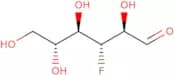
CAS:<p>Tetrasaccharide associated with the glycolipid globoside</p>Formula:C26H45NO21Purezza:Min. 95 Area-%Colore e forma:White PowderPeso molecolare:707.63 g/mol3-Deoxy-3-fluoro-D-allose
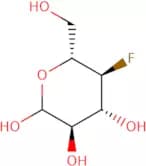
CAS:<p>3-Deoxy-3-fluoro-D-allose is a chemical compound with the molecular formula CHNO. It has been shown to have potential as a contrast agent for magnetic resonance imaging (MRI) and positron emission tomography (PET). The conformation of 3-Deoxy-3-fluoro-D-allose is similar to that of glucose, but it does not inhibit the uptake of glucose by erythrocytes or the transport of glucose across cell membranes. 3DFA has been shown to be taken up by cells in the brain, kidney, and liver. The uptake and distribution of 3DFA in these tissues was dependent on serum protein concentrations.</p>Formula:C6H11FO5Colore e forma:PowderPeso molecolare:182.15 g/molSucralose
CAS:<p>Sucralose, an artificial sweetener, was discovered in a research programme supported by Tate & Lyle to halogenate sucrose. The majority of ingested sucralose is not broken down by the body, so it is noncaloric. In the European Union, it has been given the E number E955. Sucralose is about 320 to 1,000 times sweeter than sucrose, three times as sweet as both aspartame and acesulfame potassium, and twice as sweet as sodium saccharin. It is stable under heat and over a broad range of pH conditions. Therefore, it can be used in baking or in products that require a long shelf life. The commercial success of sucralose-based products stems from its favorable comparison to other low-calorie sweeteners in terms of taste profile, stability, and safety.</p>Formula:C12H19Cl3O8Purezza:Min. 98 Area-%Colore e forma:White PowderPeso molecolare:397.63 g/molTrigalacturonic acid
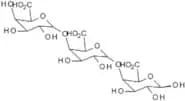
CAS:<p>Trigalacturonic acid, (α-1,4 galacturonotriose) is derived from pectin or pectic acid by enzymatic or partial acid hydrolysis (Combo, 2012). It is used inâ¯galacturonic acidâ¯metabolism research as a substrate to identify, differentiate, and characterize endo- and exopolygalacturonase(s), and gluconase(s) (Jayani, 2005). The addition of very short fragments of homogalacturonan, tri-galacturonate, and tetra-galacturonate oligosaccharides, restores development in dark-grown, de-etiolated seedling mutants, suggesting that they are unable to generate de-methylesterified pectin fragments. A model of spatiotemporally separated photoreceptive and signal-responsive cell types has been proposed, that contains overlapping subsets of the regulatory network of light-dependent seedling development (Sinclair, 2017).</p>Formula:C18H26O19Purezza:Min. 90 Area-%Colore e forma:White Off-White PowderPeso molecolare:546.39 g/molMono-(2,3-di-O-benzyl)-(2,3,6-tri-O-benzyl)-γ-cyclodextrin
<p>This gamma-cyclodextrin (γ-CD) derivative is a modified cyclic oligosaccharide composed of eight glucose units, featuring a larger cavity size than α- and β-cyclodextrins. This structural characteristic allows γ-CDs to form inclusion complexes with a wider range of guest molecules, making it particularly versatile in various industries. In the food sector, it is used as a carrier and stabilizer for flavors, fat-soluble vitamins, and polyunsaturated fatty acids, protecting volatile compounds from evaporation. In pharmaceuticals, it enhances the solubility and bioavailability of poorly water-soluble drugs and, thanks to its larger ring size, allows for the encapsulation of larger molecules or even entire drug molecules. γ-CDs and derivatives are also used for environmental remediation and, in analytical chemistry, for the extraction and concentration of target substances.</p>Formula:C209H218O40Purezza:Min. 95%Peso molecolare:3,369.94 g/mol6-Phospho-D-glucono-1,5-lactone
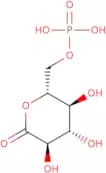
CAS:<p>6-Phospho-D-glucono-1,5-lactone is a metabolite of D-gluconic acid that is formed by the action of a phosphoglucoisomerase. 6PGL has been shown to inhibit the growth of colorectal adenocarcinoma cells and to be effective against infectious diseases such as malaria. It is also involved in energy metabolism and cell division in plants. 6PGL may also have anticancer effects, as it inhibits prostate cancer cells and induces apoptosis through activation of epidermal growth factor receptor (EGFR) and inhibition of EGFR tyrosine kinase activity. It has been shown to act on redox potential, enzyme activities, and oxidative injury in liver cells.</p>Formula:C6H11O9PPurezza:Min. 95%Peso molecolare:258.12 g/molD-[UL-13C6]Galacturonic acid potassium salt
CAS:<p>D-[UL-13C6]Galacturonic acid potassium salt is a fatty acid that is used as a feedstock in the production of monoclonal antibodies. The 13C isotope provides information on the structure and function of proteins, such as enzyme activities and covalent linkages. D-[UL-13C6]Galacturonic acid potassium salt has been shown to inhibit the growth of bacteria and can be used for the treatment of infectious diseases. D-[UL-13C6]Galacturonic acid potassium salt binds to bacterial cell surfaces by interacting with hydroxyl groups on lipopolysaccharides, which are found on the outer membrane of Gram-negative bacteria, preventing their replication and inhibiting their ability to form biofilms. D-[UL-13C6]Galacturonic acid potassium salt has also been shown to be effective against hyperproliferative disease cells, such as prostate cancer cells.</p>Formula:C6H9O7·KPurezza:Min. 95%Colore e forma:PowderPeso molecolare:238.19 g/mol3,4-Di-O-acetyl-L-rhamnal
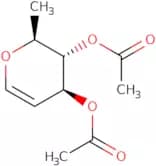
CAS:<p>DNA-binding agent</p>Formula:C10H14O5Colore e forma:Clear LiquidPeso molecolare:214.22 g/molLacto-N-neotetraose
CAS:<p>Lacto-N-neotetraose (LNnT) is a neutral and abundant human milk oligosaccharide (HMO), composed of four sugar molecules. It supports the infant's gut microbiota development and provides protection against infectious diseases. LNnT like many other HMOs offers great interest for the studies of baby milk formula.</p>Formula:C26H45NO21Purezza:Min. 95%Colore e forma:White PowderPeso molecolare:707.63 g/mol2,3-Di-O-benzoyl-a-cyclodextrin
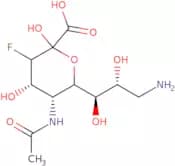
CAS:<p>Alpha-cyclodextrin (α-CD) derivative with a hydrophilic exterior and lipophilic cavity (smaller than β-CDs and γ-CDs) to allocate certain guest molecules. This structural characteristic enables applications in molecular encapsulation, solubility enhancement, and stabilization across multiple industries. In pharmaceuticals, it serves as a drug delivery vehicle, enhancing the bioavailability and stability of active ingredients. The food industry utilizes it as a stabilizer for flavors, colors, and nutrients, as well as a functional ingredient for its effects on lipid metabolism. In cosmetics, it acts as a complex agent for fragrances and active components. Its applications extend to analytical chemistry for chiral separation and to materials science for developing smart materials and nanosystems.</p>Formula:C120H108O42Purezza:Min. 95%Peso molecolare:2,222.12 g/mol5-Acetamido-9-amino-3,5,9-trideoxy-3-fluoro-D-erythro-L-manno-2-nonulosonic acid
<p>5-Acetamido-9-amino-3,5,9-trideoxy-3-fluoro-D-erythro-L-manno-2-nonulosonic acid is a synthetic compound that is modified with saccharides and fluorine. This chemical is used in the synthesis of glycosylations and oligosaccharides. It has a CAS number of 65911-04-6.</p>Formula:C11H19FN2O8Purezza:Min. 95%Colore e forma:White PowderPeso molecolare:326.28 g/molCalcium-D-galactonate hydrate
CAS:<p>Calcium-D-galactonate hydrate is a reagent that is used in organic synthesis as a complex compound. It can also be used as an intermediate for the synthesis of calcium-D-galactonate, which is a useful scaffold for the construction of bioactive molecules. Calcium-D-galactonate hydrate has been shown to have many uses in the pharmaceutical and fine chemical industries. This compound is also an important reactant in research, due to its versatility and usefulness in organic synthesis.</p>Formula:C12H22CaO14·5H2OPurezza:Min. 98%Colore e forma:White PowderPeso molecolare:520.45 g/molLactobionic acid
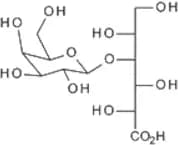
CAS:<p>Lactobionic acid is produced by oxidation of lactose. It is widely used in the food and in pharmaceutical field, due to its excellent biocompatibility, biodegradability, nontoxicity, chelating, amphiphilic and antioxidant properties. Lactobionic acid is produced as a white solid powder, freely soluble in water and slightly soluble in anhydrous ethanol and methanol.</p>Formula:C12H22O12Colore e forma:White PowderPeso molecolare:358.3 g/molD-Sorbitol hexaacetate
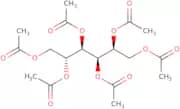
CAS:<p>Sorbitol hexaacetate is a low-energy compound that has a hydroxyl group and a phenolic acid. It is used as an intermediate in the production of detergents, surfactants, and other industrial chemicals. In addition to this, sorbitol hexaacetate can be used as a radiation shield and an effective dose for radiation therapy. Sorbitol hexaacetate is also used as an ingredient in lipolytic enzymes. It has been shown to inhibit the activity of lipolytic enzymes by forming hydrogen bonds with the enzyme active site. Magnetic resonance spectroscopy studies have revealed that sorbitol hexaacetate has a cavity that can be filled with water molecules, which may explain its ability to act as an optical polarizer.</p>Formula:C18H26O12Purezza:Min. 97 Area-%Colore e forma:White PowderPeso molecolare:434.39 g/mol3-O-Benzyl-4,6-O-benzylidene-a-D-glucopyranose
<p>3-O-Benzyl-4,6-O-benzylidene-a-D-glucopyranose is a custom synthesis of a complex carbohydrate. This product has CAS No. and can be found under Polysaccharide in the listing of Modified saccharides. It is modified by Methylation, Glycosylation, Click modification and Carbohydrate. The product is synthesized using Fluorination and Synthetic methods. It is high purity, with a purity level of 99%.</p>Purezza:Min. 95%Isomaltotetraose
CAS:<p>Produced from high maltose syrup by treatment with transglucosidase</p>Formula:C24H42O21Purezza:Min. 95%Colore e forma:White PowderPeso molecolare:666.58 g/molEthyl 2,3-O-isopropylidene-a-L-thiorhamnopyranoside
CAS:<p>Ethyl 2,3-O-isopropylidene-a-L-thiorhamnopyranoside (Ip) is a glycosylation inhibitor that inhibits the formation of an alpha-(1,2)-link between glucose and mannose in the glycosylation of the pentasaccharide. The maximum tolerated dosages of Ip have been determined in HL-60 cells. Trichloroacetimidate is used as a substitute for Ip in these experiments because it can be dissolved in water and has a high therapeutic index. Convergent synthesis of Ip was achieved by reacting pentasaccharides with trichloroacetimidate to produce pentasaccharides with substituted mannose residues at position two and three.</p>Formula:C11H20O4SPurezza:Min. 95%Peso molecolare:248.34 g/mol1,2,4,6-Tetra-O-acetyl-3-deoxy-D-galactose
<p>1,2,4,6-Tetra-O-acetyl-3-deoxy-D-galactose (1,2,4,6TDA) is a custom synthesis that is a complex carbohydrate. It has been modified with methylation and glycosylation. 1,2,4,6TDA is an oligosaccharide with a molecular weight of 498.06 Da and a CAS number of 90193-74-8. This product is high purity and can be fluorinated. This product can also be synthesized using the click modification reaction.</p>Formula:C14H20O9Purezza:Min. 95%Peso molecolare:332.3 g/mol6-O-(b-D-Mannopyranosyl)-D-mannose
CAS:<p>Isolated from the products of the acid reversion of D-mannose</p>Formula:C12H22O11Purezza:Min. 98 Area-%Colore e forma:PowderPeso molecolare:342.3 g/mol3,4-Di-O-benzyl-D-glucose
<p>3,4-Di-O-benzyl-D-glucose is a monosaccharide that is synthetically modified with an O-benzyl group at the 3' and 4' positions. It is a custom synthesis and has a CAS number. This sugar can be used as a building block for polysaccharides or oligosaccharides with the addition of other sugars. 3,4-Di-O-benzyl-D-glucose is highly pure and can be modified with fluorine to make it more stable for use in click chemistry reactions. This sugar is soluble in water, ethanol, DMSO, DMF, and acetonitrile. It has been shown to inhibit the growth of bacteria such as Staphylococcus aureus and Mycobacterium tuberculosis.</p>Purezza:Min. 95%(2R,3S,4R)-4-C-((2R,3S)-N-Benzyl-3-tert.butylsilyloxy-2-azetidinyl)-3-O-tert.butyldimethylsilyl-2,3,4-trihydroxybutanoic acid
<p>(2R,3S,4R)-4-C-((2R,3S)-N-Benzyl-3-tert.butylsilyloxy-2-azetidinyl)-3-O-tert.butyldimethylsilyl-2,3,4-trihydroxybutanoic acid is a methylated and fluorinated oligosaccharide with a high purity. It is a complex carbohydrate that can be modified to include saccharides and monosaccharides. This product is synthesized using Click chemistry and has been shown to have antiallergic activities.</p>Purezza:Min. 95%Ethyl 6-azido-6-deoxy-a-D-thiomannopyranoside
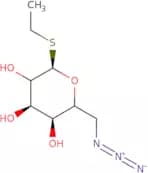
<p>Ethyl 6-azido-6-deoxy-a-D-thiomannopyranoside is a custom synthesis of a complex carbohydrate that is used in the modification of saccharides and glycosylations. It can be modified with methylation, fluorination, or click chemistry to create new derivatives. The chemical name for this product is Ethyl 6-azido-6-deoxymannopyranoside. This product has CAS Number 141459-18-4 and molecular weight of 308.86 g/mol. It is available in high purity with 98% yield.</p>Formula:C8H15N3O4SPurezza:Min. 95%Peso molecolare:249.29 g/molLewis B tetrasaccharide
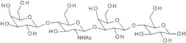
CAS:<p>Lewis B tetrasaccharide (LBT) is a glycosylated oligosaccharide that is found in the outer membrane of human pathogens, such as Helicobacter pylori. LBT has been shown to inhibit the growth of cancer cells and may be used as a potential therapeutic agent for cancer treatment. It has also been shown to have structural features similar to those found in inflammatory bowel disease patients, suggesting that it may play a role in regulating bowel inflammation. LBT is recognized by monoclonal antibodies and can be used to detect H. pylori in biological samples. Lewis B tetrasaccharide binds with methyl glycosides on human erythrocytes, which inhibits the polymerase chain reaction (PCR). This inhibition leads to reduced DNA synthesis and a decrease in bacterial replication, making it an effective antimicrobial agent.</p>Formula:C26H45NO19Purezza:Min. 90%Colore e forma:White PowderPeso molecolare:675.63 g/mol3-Deoxy-1,2-O-isopropylidene-b-L-threopentofuranose
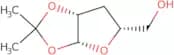
CAS:<p>3-Deoxy-1,2-O-isopropylidene-b-L-threopentofuranose is a carbohydrate that is a synthetic sugar. It has been modified with fluorination and methylation reactions. 3DIOBTP also has glycosylation and click modifications. This product is made to order and can be custom synthesized to meet the needs of your application. The purity of this product is high, making it useful for applications such as enzyme assays or other biochemical experiments.</p>Purezza:Min. 95%4-Methylphenyl 2,3,4-tri-O-benzyl-b-D-thioglucuronide benzyl ester
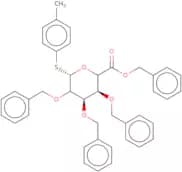
CAS:<p>4-Methylphenyl 2,3,4-tri-O-benzyl-b-D-thioglucuronide benzyl ester is a carbohydrate that is synthesized from the monosaccharide 4-methylphenol and bromoacetaldehyde. It is a custom synthesis that can be modified with fluorination or methylation. The purity of this product is high and it has been synthesized using a click modification.</p>Formula:C41H40O6SPurezza:Min. 95%Peso molecolare:660.82 g/mol4-Methoxyphenyl 6-O-tert-butyldimethylsilyl-2-deoxy-2-(2,2,2-trichloroethoxyformamido)-b-D-glucopyranoside
<p>4-Methoxyphenyl 6-O-tert-butyldimethylsilyl-2-deoxy-2-(2,2,2-trichloroethoxyformamido)-b-D-glucopyranoside is a synthetic oligosaccharide that is used as an intermediate in the synthesis of glycosylation products. This product can be custom synthesized and is provided with high purity. The CAS number for this product is 56874-06-1.</p>Purezza:Min. 95%2,3-O-Isopropylidene-5-O-tosyl-D-ribonic acid-1,4-lactone
CAS:<p>2,3-O-Isopropylidene-5-O-tosyl-D-ribonic acid-1,4-lactone is a synthetic 2,3:5,6-diisopropylidene glycoside of D-ribose. It is a methylated sugar with an alpha-(2,3)-linked D-(+)-glucopyranosyl moiety and an alpha-(2,5)-linked L(+)-fucopyranosyl moiety. This compound can be used as a building block for the synthesis of polysaccharides and glycoconjugates. 2,3:5,6-Diisopropylidene glycoside of D-ribose is also used to synthesize oligosaccharides in carbohydrate chemistry.</p>Formula:C12H14O7SPurezza:Min. 95%Colore e forma:White PowderPeso molecolare:302.04 g/molUDP-2-amino-2-deoxy-D-glucose
<p>UDP-2-amino-2-deoxy-D-glucose is a modification of glucose. It is an organic compound that can be used in the synthesis of oligosaccharides and polysaccharides. It can be methylated or glycosylated with other sugars, such as galactose, to form complex carbohydrates. UDP-2-amino-2-deoxyglucose also has a high purity and CAS number.</p>Purezza:Min. 95%2,3,6-Tri-O-acetyl-4-O-(2,3,6-tri-O-acetyl-4-O-[(2,3,4,6-tetra-O-acetyl-b-D-galactopyranosyl)]-b-D-glucopyranosyl)-a-D-glucopyranosy l bromide
<p>2,3,6-Tri-O-acetyl-4-O-(2,3,6-tri-O-acetyl-4-O-[(2,3,4,6-tetra-O-acetyl bDgalactopyranosyl)]bDglucopyranosyl)-aDglucopyranosyldimethyl bromide is a synthetic sugar that is used as a building block for the synthesis of glycosides. This monosaccharide has been modified using click chemistry to obtain a methylated form that can be used in the synthesis of oligosaccharides and polysaccharides. It is also used to produce an acetal derivative that can be used in the synthesis of glycosidic linkages.</p>Formula:C38H51BrO25Purezza:Min. 95%Peso molecolare:987.7 g/mol3,5-Dideoxy-3,5-imino-1,2-O-isopropylidene-N-methyl-L-xylofuranose
<p>3,5-Dideoxy-3,5-imino-1,2-O-isopropylidene-N-methyl-L-xylofuranose (3,5DDIMX) is a custom synthesis that belongs to the group of oligosaccharides. It is a fluorinated saccharide and has a high purity. 3,5DDIMX is a monosaccharide sugar with an O-methylation at the C6 position. This modification leads to high reactivity and selectivity in chemical reactions. The methylation also increases the stability of the molecule and prevents unwanted side reactions from occurring.</p>Purezza:Min. 95%2,3-O-Isopropylidene-5-O-triphenylmethyl-D- ribonic acid γ-lactone
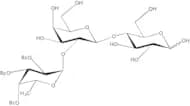
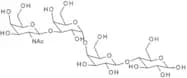
<p>2,3-O-Isopropylidene-5-O-triphenylmethyl-D-ribonic acid gamma-lactone is a modified and synthetic oligosaccharide. It is also known as 2,3:5,6:7,8:5',6'-O-isopropylidene-D-riboaldonic acid gamma lactone or 2,3:5,6:7,8:5',6'-0-(2,2,2,-trimethyl)propane. It is an important precursor for the synthesis of complex carbohydrates such as polysaccharides and glycosylation reactions. This product can be used in research on carbohydrate chemistry and in pharmaceuticals.<br>1. <br>2. <br>3.<br>4. <br>5. <br>6. <br>7.</p>Purezza:Min. 95%1,2,3,6-Tetra-O-acetyl-4-O-[2,4,6-tri-O-acetyl-3-O-(2-acetamido-3,4,6-tri-O-acetyl-2-deoxy-b-D-glucopyranosyl)-b-D-galactoyranosyl]- b-D-thioglucopyranose
<p>This is a custom synthesis of a complex carbohydrate. The modification, fluorination, methylation, and monosaccharide composition of this carbohydrate have been modified by the Click modification technique. This carbohydrate has the CAS No. 59057-77-4 and a molecular weight of 1,914. It is an oligosaccharide saccharide with glycosylation and sugar composition that are classified as carbohydrates.</p>Formula:C40H55NO25SPurezza:Min. 95%Peso molecolare:981.92 g/mol4-Aminophenyl 6-O-(a-D-mannopyranosyl)-a-D-mannopyranoside
<p>4-Aminophenyl 6-O-(a-D-mannopyranosyl)-a-D-mannopyranoside is a custom synthesized carbohydrate that belongs to the group of oligosaccharides. It is a saccharide with a mannose, glucose, and mannose backbone structure. This compound has been modified by methylation at the C4 position, glycosylation at the C3 position, and fluorination at the C6 position. The 4-aminophenyl 6-O-(a-D-mannopyranosyl)-a-D-mannopyranoside is available in high purity and can be used for research purposes.</p>Purezza:Min. 95%A1 Glycan, 2-AB labelled
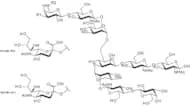
<p>A1 Glycan, 2-AB labelled is a custom synthesis of a complex carbohydrate. The carbohydrate is an oligosaccharide that has been modified with methylation and glycosylation. The carbohydrate has a CAS number and is a polysaccharide. It is modified with saccharide, methylation, and glycosylation. The carbohydrate has undergone click modification and fluorination and it is synthetic.</p>Purezza:Min. 95%Schizophyllan
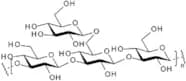
CAS:<p>Schizophyllan is a neutral extracellular polysaccharide produced by the fungus Schyizophyllum commune. Schizophyllan is a β-1,3 beta glucan with β-1,6 branches and a molecular weight of around 450 kDa. It is reported that this polysaccharide can stimulate the immune system, chelate metals, act as an adjuvant in delivering drugs and aid in the production of nanofibres.<br>The image was kindly provided by Dr. Chris Lawson.</p>Colore e forma:White PowderFucoidan, laminaria digitata
CAS:<p>A fucan sulphate found in brown marine algae (Phaeophyta-typically Fucus serratus, Ascophyllum nodosum, Laminaria digitata (illustrated) and Macrocystis pyrifyra) and has been shown to have anticoagulant activity. The main constituents are α-1,4 and α-1,2 linked L-fucose sulphates although galactose also occurs and there are many variations of the basic structure found in different species of Phaeophyta.<br>The image was kindly provided by Prof Mike Guiry from Cork who runs ‘The Seaweed Site’.</p>Colore e forma:PowderN-(2-Furyl)imino-2,3,4,6-tetra-O-pivaloyl-b-D-glucopyranoside
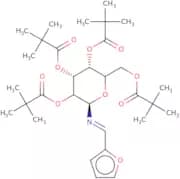
<p>2-Furyl imino-2,3,4,6-tetra-O-pivaloyl-b-D-glucopyranoside is a carbohydrate that belongs to the group of saccharides. It is a synthetic oligosaccharide that has a high purity and can be custom synthesized with high efficiency. The chemical name for this compound is 2-(2'-furyl)iminobis(2,3,4,6-tetraoxypentyl) pivalate. This carbohydrate has been fluorinated in our laboratory with an 18F isotope. The fluorination process was done by reacting the compound with sodium fluoride in methanol. The resulting product was purified by HPLC and its structure confirmed by mass spectrometry and nuclear magnetic resonance (NMR).</p>Formula:C31H47NO10Purezza:Min. 95%Peso molecolare:593.72 g/molMethyl 2,3-di-O-benzoyl-4,6-O-benzylidene-a-D-galactopyranoside
CAS:<p>Methyl 2,3-di-O-benzoyl-4,6-O-benzylidene-a-D-galactopyranoside is a custom synthesis by our company. It is an oligosaccharide that is modified with methyl groups and fluorine atoms. This product has a CAS number of 6953-72-6 and can be synthesized in high purity. It is also a monosaccharide sugar that can be obtained through the modification of other carbohydrates.</p>Formula:C28H26O8Purezza:Min. 95%Peso molecolare:490.51 g/mol5-Deoxy-L-ribose phenylhydrazone
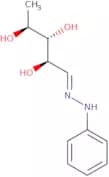
CAS:<p>Intermediate in the synthesis of L-Primapterin</p>Formula:C11H16N2O3Purezza:Min. 95%Peso molecolare:224.26 g/mol6-Monomesyl-γ-cyclodextrin
<p>This gamma-cyclodextrin (γ-CD) derivative is a modified cyclic oligosaccharide composed of eight glucose units, featuring a larger cavity size than α- and β-cyclodextrins. This structural characteristic allows γ-CDs to form inclusion complexes with a wider range of guest molecules, making it particularly versatile in various industries. In the food sector, it is used as a carrier and stabilizer for flavors, fat-soluble vitamins, and polyunsaturated fatty acids, protecting volatile compounds from evaporation. In pharmaceuticals, it enhances the solubility and bioavailability of poorly water-soluble drugs and, thanks to its larger ring size, allows for the encapsulation of larger molecules or even entire drug molecules. γ-CDs and derivatives are also used for environmental remediation and, in analytical chemistry, for the extraction and concentration of target substances.</p>Formula:C49H82SO42Purezza:Min. 95%Peso molecolare:1,375.22 g/mol4-Deoxy-4-fluoro-D-glucose
CAS:<p>4-Deoxy-4-fluoro-D-glucose is a biochemical compound that is used to bind to the carbon source in target tissues. It has a fluorine atom and two hydroxy groups, which are responsible for its biological properties. 4-Deoxy-4-fluoro-D-glucose binds to the 6 phosphate in bacterial enzymes and inhibits their activity, leading to cell death. It also binds to the hydroxyl group of proteins and alters their function. 4-Deoxy-4-fluoro-D-glucose is an inhibitor of bacterial enzymes, but has no effect on eukaryotic cells due to its inability to bind with these types of enzymes.</p>Formula:C6H11FO5Purezza:Min. 95%Colore e forma:PowderPeso molecolare:182.15 g/molPhenyl α-D-galactopyranoside
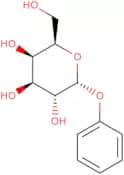
CAS:<p>Phenyl a-D-galactopyranoside is a pesticide that is used to control the growth of endophytic fungi. It has been shown to have an antibacterial effect against Gram-positive bacteria and can be used as a fungicide. Phenyl a-D-galactopyranoside can be synthesized from the corresponding synthons, which are 3-hydroxybenzoic acid and 4-methylphenol. This compound contains a carbonyl group and hydroxyl group that are reactive with enzymes such as esterases, glucuronidases, and glutathione reductase, which hydrolyzes it into its inactive form.</p>Formula:C12H16O6Purezza:Min. 95%Colore e forma:PowderPeso molecolare:256.25 g/molLacto-N-fucopentaose I
CAS:<p>Milk oligosaccharide; expressed on human induced pluripotent cells</p>Formula:C32H55NO25Purezza:Min. 95%Colore e forma:White PowderPeso molecolare:853.77 g/mol(2S, 3S, 4S) -1-Butyl-4- (hydroxymethyl) - 3- (phenylmethoxy) - 2- azetidinecarboxylic acid, methyl ester
<p>(2S, 3S, 4S) -1-Butyl-4- (hydroxymethyl) - 3- (phenylmethoxy) - 2- azetidinecarboxylic acid, methyl ester is a product that can be custom synthesized. It can be used for the modification of complex carbohydrates, for example oligosaccharides and polysaccharides. This product has been fluorinated to improve its stability and modify saccharide linkages. The hydroxy methyl group at C2 position in this product is capable of being modified with Click chemistry.</p>Purezza:Min. 95%D-Allono-1,4-lactone
CAS:<p>D-Allono-1,4-lactone is a biochemical compound that has been shown to have immunosuppressant properties. D-Allono-1,4-lactone is an inhibitor of maltase, an enzyme involved in the digestion of starch and glycogen. D-Allono-1,4-lactone also inhibits transglucosylase, an enzyme involved in the conversion of sucrose into glucose. It binds to sulfur transfer proteins and has been shown to be effective against mutants with altered biochemical properties.</p>Formula:C6H10O6Purezza:Min. 95%Colore e forma:PowderPeso molecolare:178.14 g/molMaltodecaose, min 98%
CAS:<p>α 1,4-glucodecasaccharide derived from starch by hydrolysis and chromatography</p>Formula:C60H102O51Purezza:Min. 98 Area-%Colore e forma:White PowderPeso molecolare:1,639.42 g/mol





![(2S, 3R, 4S) -N-Benzyl-2- [(1S) - 1- hydroxyethyl] - 3, 4- pyrrolidinediol](/_next/image/?url=https%3A%2Fstatic.cymitquimica.com%2Fproducts%2F3D%2Fthumb-webp%2FMB163320.webp&w=3840&q=75)



![4-Methoxyphenyl 2,6-di-O-acetyl-4-O-[2,4,6-tri-O-acetyl-3-O-allyl-β-D-galactopyranosyl]-3-O-allyl-…](/_next/image/?url=https%3A%2Fstatic.cymitquimica.com%2Fproducts%2F3D%2Fthumb-webp%2FOM10984.webp&w=3840&q=75)







![D-[UL-13C6]Galacturonic acid potassium salt](/_next/image/?url=https%3A%2Fstatic.cymitquimica.com%2Fproducts%2F3D%2Fthumb-webp%2FMG106395.webp&w=3840&q=75)



![2,3,6-Tri-O-acetyl-4-O-(2,3,6-tri-O-acetyl-4-O-[(2,3,4,6-tetra-O-acetyl-b-D-galactopyranosyl)]-b-D…](/_next/image/?url=https%3A%2Fstatic.cymitquimica.com%2Fproducts%2F3D%2Fthumb-webp%2FOT11432.webp&w=3840&q=75)