Carboidrati e Glicoconiugati
I carboidrati sono composti organici costituiti da carbonio, idrogeno e ossigeno, con una struttura di base formata da monosaccaridi. Questi possono unirsi per formare disaccaridi, oligosaccaridi o polisaccaridi, a seconda del numero di unità monomeriche. I carboidrati svolgono un ruolo fondamentale nell’immagazzinamento dell’energia, nella struttura cellulare e nella comunicazione cellulare. I loro derivati sono utilizzati nei prodotti farmaceutici, come dolcificanti ed eccipienti.
Presso CymitQuimica, offriamo un’ampia varietà di carboidrati e loro derivati per la ricerca e le applicazioni industriali.
Trovati 5010 prodotti di "Carboidrati e Glicoconiugati"
Ordinare per
Purezza (%)
0
100
|
0
|
50
|
90
|
95
|
100
6-Deoxy-D-lactosylamine
<p>6-Deoxy-D-lactosylamine (6DLA) is a carbohydrate that belongs to the group of oligosaccharides. It is an N-substituted glycosylated sugar with a methyl ester at the 6 position. The chemical name for 6DLA is 6-deoxy-N,N′,N″-(2,3,4,6-tetra-O-acetyl)-β--galactopyranosyl-(1→4)-β--glucopyranoside and it has CAS number 59225-12-5. This product can be custom synthesized and offers high purity. It can also be modified in different ways to create new products such as fluorination or methylation.</p>Purezza:Min. 95%6'-(D-[UL-13C6]Galactosyl)lactose
CAS:<p>Galactosyllactose attenuated NF-κB inflammatory signaling in human intestinal epithelial cells and in human immature intestine. Thus, galactosyllactoses are strong anti-inflammatory agents in human colostrum and early milk, contributing to innate immune modulation. This product has a 13C heavy-label and so can be used in applications such as metabolic tracing and quantitative mass spectrometry.</p>Formula:C6C12H32O16Purezza:Min. 90 Area-%Peso molecolare:510.39 g/mol4-O-(a-D-Galactopyranosyl)-b-D-fucopyranosyl propylamine
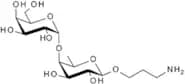
<p>4-O-(a-D-Galactopyranosyl)-b-D-fucopyranosyl propylamine is a methylated, custom synthesized monosaccharide with an Oligosaccharide and Polysaccharide. It is a Carbohydrate with Fluorination and complex carbohydrate. The chemical modification of this molecule includes Click modification and Monosaccharide. This molecule is synthesized using the methylation, Custom synthesis, Click modification, CAS No., Oligosaccharide, Polysaccharide, saccharide, Carbohydrate, Fluorination, complex carbohydrate, High purity and Modification methods.</p>Formula:C15H29NO10Purezza:Min. 95%Peso molecolare:383.39 g/mol4-Methoxyphenyl 3-O-Bn-4-O-{4-O-[2-O-Ac-3-O-(3-O-tri-O-Bn-2,4,6-O-(3,4,6-tri-O-Bn-2-PhthN -β-D-Glc)-α-D-Man)-6-O-(3-O-tri-O-Bn-2,4,6 -O-(3,4,6-tri-O-Ac-2-PhthN-β-D-Glc)-α-D-Man)-β-D-Man]-3,6-di-O-Bn-2-PhthN -β-D-Glc}-6-O-PMP-2-PhthN-β-D-Glc
<p>4-Methoxyphenyl 3-O-Bn-4-O-[4-(2,6-dideoxy-3-O-(3,4,6-tri-O-Bn-2,4,6 -O-(3,4,6-tri -O -Ac)-a -D -Man)-b -D -Man]-3,6-di -O-(3,4,6,-tri -O Bn 2 4 6 O</p>Purezza:Min. 95%GT1b-Ganglioside sodium
CAS:<p>GT1b (sodium salt) has a core tetrasaccharide structure (Galβ1,3GalNAcβ1,4Galβ1,4Glc) with two sialic acids (NeuAc) linked α2,3/α2,8 to the inner galactose residue, sialic acid (NeuAc) linked α2,3 to the terminal galactose residue and ceramide linked β to position 1 on the reducing terminal glucose residue (Ledeen, 2009). GT1b is one of the major gangliosides in neuronal and glial membranes, it interacts with the myelin-associated glycoprotein (MAG) and is essential for long-term axon-myelin stability. GT1b ganglioside also acts as a receptor for bacterial toxins, such as, tetanus and botulinum toxins (Nishik,i 1996), as well as for viruses, a few examples include: Merkel cell polyomavirus, JC virus, BK virus, norovirus, and others (Low, 2006).</p>Formula:C95H165N5O48·xNaColore e forma:White PowderPeso molecolare:2,145.33 g/molMan-6 Glycan, 2-AB labelled
<p>Man-6 Glycan, 2-AB labelled is a custom synthesis of mannose-6-phosphate, a monosaccharide. The molecule contains six carbons and one phosphate group. It can be modified with fluorination, methylation, or click modification. This glycan is synthesized by the addition of an oligosaccharide to a polysaccharide. Mannose-6-phosphate is an Oligosaccharide that carries out glycosylation reactions in the body. It is used as a precursor for other glycans such as N-Acetylglucosamine and N-Acetylgalactosamine.</p>Purezza:Min. 95%Blood Group B trisaccharide-(CH2)5COOH derivative
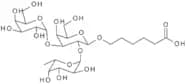
<p>Blood group antigen with spacer arm</p>Formula:C24H42O17Purezza:Min. 95%Colore e forma:Brown LiquidPeso molecolare:602.58 g/molLaminaribiose
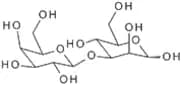
CAS:<p>Disaccharide; substrate for glucanases and laminaribiose phosphorylase</p>Formula:C12H22O11Purezza:Min. 95%Colore e forma:PowderPeso molecolare:342.3 g/mol4-O-(2-Acetamido-2-deoxy-a-D-glucopyranosyl)-D-galactopyranose
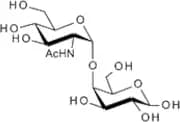
CAS:<p>4-O-(2-Acetamido-2-deoxy-a-D-glucopyranosyl)-D-galactopyranose is a disaccharide that contains two acetamido groups. It is an acceptor for the receptor activity and has been shown to have biological properties. This compound can be synthesized using lactam and glycosylation with the use of sodium cyanoborohydride. 4-O-(2-Acetamido-2-deoxy-a-D-glucopyranosyl)-D-galactopyranose can also be used in the synthesis of oligosaccharides, which are important for cellular function. 4O-(2 Acetamido 2 deoxy a D glucopyranosyl) D galactopyranose shows high affinity for pertussis bacteria and bordetella pertussis. It binds to the surface of these bacteria,</p>Formula:C14H25NO11Purezza:Min. 95 Area-%Colore e forma:PowderPeso molecolare:383.35 g/mol3-Fucosyllactose
CAS:<p>3-Fucosyllactose (3-FL) is a small and neutral human milk oligosaccharide (HMO) that is metabolized by bacteria in the large intestine. It's a trisaccharide composed of L-fucose, D-galactose and D-glucose and like many other HMOs it offers great interest for the studies of baby milk formula.</p>Formula:C18H32O15Purezza:Min. 95%Colore e forma:White PowderPeso molecolare:488.44 g/molSucrose dipalmitate
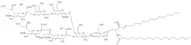
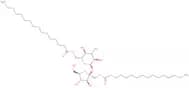
CAS:<p>Sucrose dipalmitate is a pharmaceutical dosage form that is made of sucrose, a high-energy sugar, and palmitic acid. It has a low energy content and can be used as a diagnostic agent in nuclear medicine. Sucrose dipalmitate can be used as an emulsifier in the preparation of nanoemulsions. The particle size of sucrose dipalmitate can be adjusted to achieve the desired effect. In addition, this compound is used for the treatment of cardiac disease and other conditions such as high blood pressure and diabetes.</p>Formula:C44H82O13Purezza:Min. 95%Peso molecolare:819.11 g/molHuman milk neutral tetrasaccharides
<p>Mainly a mixture of Lacto-N-tetraose, Lacto-N-neo-tetraose, Lactodifucotetraose</p>Purezza:Min. 95%Colore e forma:PowderGQ1b-Ganglioside sodium
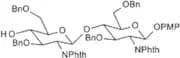
CAS:<p>GQ1b ganglioside (sodium salt) has a core tetrasaccharide structure (Galβ1,3GalNAcβ1,4Galβ1,4Glc) with two sialic acids (NeuAc) linked α2,3/α2,8 to the inner galactose residue, two sialic acids (NeuAc) linked α2,3/α2,8 to the terminal galactose residue and ceramide linked β to position 1 on the reducing terminal glucose residue (Ledeen, 2009). Anti-GQ1b ganglioside antibody is associated with Miller Fisher syndrome and is also found in patients with related conditions that may share the same pathogenic mechanism, such as, Bickerstaff brainstem encephalitis. Thus, the measurement of the anti-GQ1b antibody in suspected cases of Miller Fisher syndrome is a useful diagnostic marker (Paparounas, 2004). It has been found that GQ1b ganglioside contributes to synaptic transmission and synapse formation. Low concentrations of GQ1b ganglioside, evoked dopamine (DA) release from laboratory tissues (Chen, 2018).</p>Formula:C106H182N6O56·4NaPurezza:Min. 95%Colore e forma:White PowderPeso molecolare:2,528.55 g/mol4-Methoxyphenyl 4-O-(3,6-di-O-benzyl-2-deoxy-2-phthalimido-b-D-glucopyranosyl)-3,6-di-O-benzyl-2-deoxy-2-phthalimido-b-D-glucopyrano side
CAS:<p>4-Methoxyphenyl 4-O-(3,6-di-O-benzyl-2-deoxy-2-phthalimido-b-D-glucopyranosyl)-3,6-di-O-benzyl-2-deoxy -2 -phthalimido -b -D -glucopyrano side is a custom synthesis of a complex carbohydrate. It has a CAS number of 140615‑82‑3 and can be found in glycosylations, carbohydrates, methylation, sugar, fluorination. It is high purity with a lot of modifications.</p>Formula:C63H58N2O14Purezza:Min. 95%Peso molecolare:1,067.14 g/molMaltodextrin - dextrose equivalent 13.0-17.0
CAS:<p>Produced from starch; white hygroscopic spray-dried powder; easily digestible</p>Purezza:Min. 95%Colore e forma:White Powder1,4-β-D-Xylohexaose
CAS:<p>1,4-beta-D-xylohexaose is a sugar that belongs to the group of xylooligosaccharides. It is an enzymatic inactivator that binds to the enzyme hydrolase family. Xylooligosaccharides are found in plant cell walls, where they can be used as a carbon source by termites. 1,4-beta-D-xylohexaose has been shown to be most active against neutral ph, but it is not active against acidic ph. The enzyme hydrolase family is inhibited by binding with 1,4-beta-D-xylohexaose and this prevents hydrolysis of carbohydrates, which includes glycosidic bonds.br>br><br>1,4-beta-D-xylohexaose has also been shown to be beneficial for sustainable agriculture practices as it inhibits enzymes that break down xylooligosaccharides</p>Formula:C30H50O25Purezza:Min. 95%Colore e forma:PowderPeso molecolare:810.7 g/molIsomalto oligomers (Dp 4-8)
<p>Isomalto oligomers are a custom synthesis of polysaccharide oligosaccharides. These compounds are modified with methylation, glycosylation, and fluorination to create a high purity product that is free of undesirable contaminants. Isomalto oligomers (DP 4-8) are synthesized from sugars and can be used in the modification of saccharide chains during glycosylation reactions. This product also has the ability to produce click chemistry modifications.</p>Purezza:ReportedColore e forma:Powder4-Methoxyphenyl 4-O-(3,6-di-O-benzyl-2-deoxy-4-O-levulinoyl-2-phthalimido-β-D-glucopyranosyl)-3-O-benzyl-6-O-(2,3,4-tri-O-benzyl-α-L -fucopyranosyl)-2-deoxy-2-phthalimido-β-D-glucopyranoside
<p>The compound 4-Methoxyphenyl 4-O-(3,6-di-O-benzyl-2-deoxy-4-O-levulinoyl)-2,3,4,6-tetra‑O‑benzyl‑a‑L -fucopyranosyl)-2,3,4,6‑tetra‑O‑benzyl‑a‑L -fucopyranoside is a glycoside of the monosaccharide 2,3,4,6 tetra O benzyl a L fucopyranose. It is prepared by the reaction of methyl 4 methoxyphenol with 2 deoxy 4 levulinoyl 2 phthalimido b D glucopyranoside in the presence of an acid catalyst. The compound has been shown to have anti inflammatory and anti allergic effects.</p>Formula:C88H86N2O20Purezza:Min. 95%Peso molecolare:1,491.63 g/molGM3-Ganglioside sodium
CAS:<p>Ganglioside GM3 (sodium salt) has a core disaccharide structure (Galβ1,4Glc) with sialic acid linked α2,3 to the galactose residue and ceramide linked β to position 1 on the reducing terminal glucose residue (Ledeen, 2009). Ganglioside GM3 is strongly associated with human tumors, such as: lung, brain and melanomas, where it is over expressed. It is seen as a possible tumor-associated carbohydrate antigen for cancer immunotherapy (Changping, 2019). GM3 ganglioside is implicated in various other diseases involving chronic inflammation, such as: insulin resistance, leptin resistance, T-cell function and immune disorders (e.g., allergic asthma). It has also been shown to play an essential role in murine and human auditory systems, and a common pathological feature of GM3S deficiency is deafness (Inokuchi, 2018).</p>Formula:C64H118N2O21·xNaPurezza:Min. 98 Area-%Colore e forma:White PowderPeso molecolare:1,252 g/molIsoprimeverose
CAS:<p>Isoprimeverose is a covalently linked polysaccharide with a molecular weight of about 5,000. It has been shown to have an optimum pH at around 7.5 and is soluble in water. Isoprimeverose was found to be highly immunogenic in rats and mice, producing high levels of polyclonal antibodies against the protein target. The carbohydrate moiety of isoprimeverose contains galacturonic acid, which may play a role in its uptake by mammalian cells. The hydroxyl group on the sugar molecule may also play a role in this process. Isoprimeverose can be used as an artificial sweetener because it does not contain any sugars or carbohydrates that can cause tooth decay or other dental problems.</p>Formula:C11H20O10Purezza:Min. 95%Colore e forma:White PowderPeso molecolare:312.27 g/molChitosan
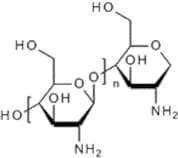
CAS:<p>Chitosan is the deacetylated form of chitin. The polysaccharide is deacetylated in order to render it soluble, which is then possible at pH values of less than 7 (normally in dilute acid). This then allows the material to be used in a number of industrial applications as a binder and film former.Molecular weight range 350 - 3500 Da.</p>Colore e forma:PowderBlood group A hexasaccharide type II
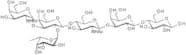
CAS:<p>A antigen hexasaccharide Type II, possible use in antiviral development</p>Formula:C40H68N2O30Purezza:Min. 90 Area-%Colore e forma:White PowderPeso molecolare:1,056.96 g/mol5-O-(a-D-[6,6'-2H2]Glucopyranosyl)-D-fructopyranose
Prodotto controllato<p>5-O-(a-D-[6,6'-2H2]Glucopyranosyl)-D-fructopyranose is a custom synthesis carbohydrate that is an oligosaccharide. It is a saccharide with a general formula of C6H10O5. One of its modifications is methylation. This product has been fluorinated and modified with the click reaction to create a glycosylated sugar. 5-O-(a-D-[6,6'-2H2]Glucopyranosyl)-D-fructopyranose is not radioactive and has high purity. It is also a polysaccharide that contains glucose monomers that are linked by glycosidic bonds to form branched chains of 10 or more units. The product has an appearance of white powder, and it can be used as an additive for pharmaceuticals, food products, and cosmetics.</p>Formula:C12H20O11D2Purezza:Min. 95%Peso molecolare:344.31 g/mol2-Acetamido-2-deoxy-6-O-(b-D-galactopyranosyl)-D-galactopyranose
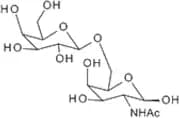
CAS:<p>2-Acetamido-2-deoxy-6-O-(b-D-galactopyranosyl)-D-galactopyranose is a model organism that is used in the study of virus replication. It is a substrate for viral glycosylation and has been shown to be involved in mammalian cell growth. 2-Acetamido-2-deoxy-6-O-(b-D-galactopyranosyl)-D-galactopyranose is an iron oxide and it can be used as a contrast agent for magnetic resonance imaging (MRI) or computed tomography (CT). The gene product has not yet been identified, but it has been shown to be involved in fatty acid metabolism and cancer. This molecule also plays a role in the life cycle of some infectious diseases, such as influenza A virus.</p>Formula:C14H25NO11Purezza:Min. 95%Colore e forma:White PowderPeso molecolare:383.35 g/molNGA3B N-Glycan
CAS:<p>NGA3B N-Glycan is a high purity, custom synthesis, methylation and fluorination modification of the product. This product is an oligosaccharide that is composed of saccharides and sugars. It has a CAS No. 1620146-04-4.</p>Formula:C66H110N6O46Purezza:Min. 95%Colore e forma:SolidPeso molecolare:1,723.59 g/mol6'-a-Sialyl-N-acetyllactosamine sodium salt
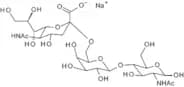
CAS:<p>Sialylated trisaccharide found in human urine</p>Formula:C25H41N2NaO19Purezza:Min. 95%Colore e forma:PowderPeso molecolare:696.6 g/mol3-O-(a-D-Galactopyranosyl)-D-glucopyranose
CAS:<p>3-O-(a-D-Galactopyranosyl)-D-glucopyranose is a custom synthesis that can be fluorinated, methylated, and modified with click chemistry. 3-O-(a-D-Galactopyranosyl)-D-glucopyranose is a sugar that can be used in the synthesis of oligosaccharide or polysaccharide. It also has saccharide binding properties. 3-O-(a-D-Galactopyranosyl)-D-glucopyranose is soluble in water and does not react with strong acids such as HCl.</p>Formula:C12H22O11Purezza:Min. 95%Colore e forma:PowderPeso molecolare:342.3 g/molLacto-N-difucohexaose II
CAS:<p>Neutral difuco hexasasaccharide naturally present in human breast milk</p>Formula:C38H65NO29Purezza:Min. 90%Colore e forma:PowderPeso molecolare:999.91 g/mol3-Galactosyl-N-acetyl-D-lactosamine
<p>3-Galactosyl-N-acetyl-D-lactosamine is a custom synthesis of an oligosaccharide. The complex carbohydrate is composed of a saccharide and its modification. 3-Galactosyl-N-acetyl-D-lactosamine is a polysaccharide that contains saccharides with methylation, glycosylation, and click modification. The carbohydrate has high purity and is fluorinated. It has been synthesized using the Click chemistry method to modify the saccharides in the glycan.</p>Purezza:Min. 95%Vinyl a-D-lactose
<p>Vinyl a-D-lactose is a custom synthesis, fluorinated, modified monosaccharide that can be used to modify proteins and polysaccharides. It has been shown to react with proteins through the click chemistry reaction and methylation. Vinyl a-D-lactose can be used for glycosylation of saccharides and complex carbohydrates in order to synthesize oligosaccharides.</p>Purezza:Min. 95%NGA2F Glycan, 2-AB labelled
<p>NGA2F Glycan is a complex carbohydrate that is synthesized by the enzymatic transfer of an N-acetylgalactosamine (GalNAc) residue to a serine or threonine residue on protein. It is modified with methylation, Click modification, and fluorination. NGA2F Glycan has two binding sites for 2-AB labelled monosaccharides. The glycosylation site is located at the non-reducing end of the molecule, while the oligosaccharide site is located at the reducing end of the molecule.</p>Purezza:Min. 95%GD2-Ganglioside
CAS:<p>GD2 (shown as sodium salt) has a core trisaccharide structure (GalNAc-b-1,4-Gal-b-1,4-Glc) with its two sialic acids linked b-2,3/b-2,8 to the inner galactose residue and ceramide linked to position 1 on the reducing terminal glucose residue. GD2 ganglioside is expressed at a low concentration in the central nervous system, nerves, skin melanocytes and stem cells in healthy adults. On the other hand, GD2 is overexpressed in a number of tumors, including: neuroblastoma, melanoma, small cell lung carcinoma and brain tumors. Recently, it has been found in low concentrations on breast cancer stem cells (CSC) that possess: self-renewal properties (division without disrupting the undifferentiated state), and tumor-initiating capabilities. It has been suggested that GD2 ganglioside may be developed as an effective target antigen for CSC immunotherapy (Fleurence, 2017).</p>Formula:C78H138N4O34·xNaPurezza:Min. 95 Area-%Colore e forma:PowderPeso molecolare:1,675.94 g/molNeoagarobiose
CAS:<p>Agarose is a polysaccharide found in red algae, typically Gelidium and Gracilaria. It is a strictly alternating polysaccharide of α-1,3 linked D-galactose and β-1,4 linked L-3,6 anhydrogalactose, with occasional sulfation at position 6 of the anhydrogalactose residue. Agaro-oligosaccharides result from cleavage at galactose residues and neoagaro-oligosaccharides from cleavage at 3,6-anhydro residues. Neoagarobiose is reported to exhibit skin moisturising and whitening properties.</p>Formula:C12H20O10Purezza:Min. 98 Area-%Colore e forma:PowderPeso molecolare:324.28 g/molCarboxymethyl-dextran sodium salt 20-30% COOH - Average molecular weight 40000
CAS:<p>Drug carrier for cancer therapy & imaging, biocompatible, soluble, biodegradable</p>Colore e forma:PowderN,N',N''-Triacetylchitotriose
CAS:<p>N,N',N''-Triacetylchitotriose is a chiral compound that is formed from the acetylation of chitin. It has been shown to be an antigen for monoclonal antibodies and a model system for exploring the enzymatic hydrolysis of chitin. N,N',N''-Triacetylchitotriose can be used to investigate the catalytic mechanism of chitinase enzymes, which are involved in breaking down the polysaccharide chitin. It has also been shown to have bioactive properties, such as inhibiting lectins and binding with mannose receptors.</p>Formula:C24H41N3O16Purezza:Min. 95 Area-%Colore e forma:White PowderPeso molecolare:627.59 g/molSucrose-6-phosphate sodium
CAS:<p>Sucrose-6-phosphate sodium is a transcriptional regulator that belongs to the group of sugar phosphate ions. Sucrose-6-phosphate sodium regulates the transcription of genes involved in the synthesis of polysaccharides, such as sucrose and starch. This compound plays an important role in the metabolism of plants and has been shown to regulate hydrogen bond formation, photosynthetic activity, glycosidic bond formation, polymerase chain reactions, and regulatory sequences. The optimum pH for this compound is 7.0, with enzyme activities between pH 6.0 and 8.5. Sucrose-6-phosphate sodium also has been shown to regulate root formation and phosphorus pentoxide production in corynebacterium glutamicum.</p>Formula:C12H23O14P•Na2Purezza:Min. 95%Colore e forma:PowderPeso molecolare:468.26 g/mol5-O-β-D-Glucopyranosyl-D-xylitol
CAS:<p>5-O-β-D-Glucopyranosyl-D-xylitol is a disaccharide that is synthesized for use in research.</p>Formula:C11H22O10Purezza:Min. 95%Colore e forma:PowderPeso molecolare:314.29 g/molLactosyl fluoride
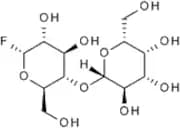
CAS:<p>Lactosyl fluoride is a kinetic inhibitor of glycosidase enzymes. It has been shown to be an effective inhibitor of the enzyme β-galactosidase in both the presence and absence of calcium. Lactosyl fluoride has also been shown to inhibit other glycosidases, including α-galactosidase and α-mannosidase. The lactose derivative is activated by hydrogen fluoride, which allows it to react with the enzyme and block its activity. This product can be used as a chemical biology tool for studying glycoconjugates or as a medicine for treating diseases caused by the accumulation of oligosaccharides, such as Gaucher's disease or Tay-Sachs disease.</p>Formula:C12H21FO10Purezza:Min. 95%Colore e forma:White PowderPeso molecolare:344.29 g/molDextran 750 - MW: 500,000 to 1,000,000
CAS:<p>Dextran is a polysaccharide that is used as an antimicrobial agent and as a volume expander in the treatment of bowel disease, myocardial infarct, and other diseases. Dextran sulfate is a linear polymer with a molecular weight of 500,000 to 1,000,000. It has minimal toxicity and does not interfere with iron homeostasis or cause fluid overload. Dextran sulfate can be used for the treatment of bowel disease because it has been shown to have anti-inflammatory effects in experimental models. The mechanism by which dextran sulfate inhibits inflammation is unknown, but may involve its ability to bind to macrophages and neutrophils in the gut wall. Dextran sulfate also binds to bacteria and prevents their growth. This binding may prevent bacterial penetration into epithelial cells or block bacterial attachment to cell surfaces. The efficacy of dextran sulfate against pathogenic mechanisms such as inflammation has been demonstrated in experimental models.</p>Purezza:Min. 95%Colore e forma:White PowderGalNAc-b-1-4-Gal-b-1-4-Glc-b-ethylazide
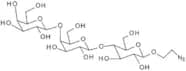
<p>GalNAc-b-1-4-Gal-b-1-4-Glc-b-ethylazide is a custom synthesis, modification, and fluorination of a monosaccharide. It is a polysaccharide that has been synthesized using the click chemistry modification. The CAS number for GalNAc-b-1-4-Gal-b-1-4-Glc-b is 203359. GalNAc is an oligosaccharide that contains one or more sugars linked together by glycosyl bonds. This carbohydrate is made up of galactose and N acetylgalactosamine as its two monomers. The complex carbohydrate can be found in natural sources such as milk, egg white, and soybeans.</p>Purezza:Min. 95%4-O-[(2-Azidoethoxyimino)-6-deoxy-β-D-galactopyranosyl]-2-deoxy-α-D-glucopyranose-2,1-oxazoline
CAS:<p>Please enquire for more information about 4-O-[(2-Azidoethoxyimino)-6-deoxy-β-D-galactopyranosyl]-2-deoxy-α-D-glucopyranose-2,1-oxazoline including the price, delivery time and more detailed product information at the technical inquiry form on this page</p>Formula:C16H25N5O10Purezza:Min. 95%Peso molecolare:447.4 g/molLinear B-2 trisaccharide
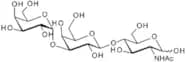
CAS:<p>Linear B-2 trisaccharide is a human serum glycoprotein that belongs to the group of glycoconjugates. It has been shown to have clinical relevance in the detection of cancer and infectious diseases, as well as for use in the treatment of cancer. Linear B-2 trisaccharide can be used in combination with monoclonal antibodies for diagnosis and treatment of cancer. This molecule is also an inhibitor of both influenza virus hemagglutinin and HIV gp120, which may be due to its ability to react with specific carbohydrate structures on these proteins. Linear B-2 trisaccharide is biocompatible and can be used in the development of biodegradable polymers. The linearity of this molecule makes it more stable than other related molecules, such as glycopeptides.</p>Formula:C20H35NO16Purezza:Min. 95%Colore e forma:PowderPeso molecolare:545.49 g/molMonosialyl, monofucosyllacto-N-neohexaose
<p>Monosialyl, monofucosyllacto-N-neohexaose is a synthetic oligosaccharide. It has a molecular weight of 1205. The compound has been modified with a click modification and fluorination, and has been shown to be stable in the presence of acid, base, and heat. The compound is also high purity and can be synthesized on request. Monosialyl, monofucosyllacto-N-neohexaose is an example of a complex carbohydrate that contains both a sugar and polysaccharide component. The sugar component is composed of one monosaccharide: sialic acid. The polysaccharide component consists of six disaccharides: two lactose molecules linked with one glucose molecule each. Monosialyl, monofucosyllacto-N-neohexaose is used as an artificial sweetener in food products such as cookies or cakes</p>Formula:C57H95N3O43Purezza:Min. 95%Colore e forma:PowderPeso molecolare:1,510.36 g/mola,a-D-Trehalose dihydrate
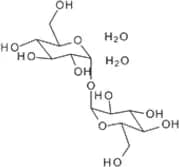
CAS:<p>Trehalose is a naturally occurring disaccharide found in many organisms. Its role in nature is as versatile as its applications in the laboratory. Trehalose is synthesised by cells in response to stress and helps retaining the cellular integrity under tough conditions. An important function of trehalose is to stabilise protein structures and to prevent proteins from their degradation. Researchers use trehalose for instance as a carbon source in selective microbiological media, as desiccation protectant and for cryoprotection.</p>Formula:C12H22O11·2H2OPurezza:(%) Min. 98%Colore e forma:White PowderPeso molecolare:378.33 g/mol2-Acetamido-4-O-{2-acetamido-4-O-[[3-O-[2-O-(2-acetamido-2-deoxy-b-D-glucopyranosyl)-a-D-mannopyranosyl]-6-O-[2-O-(2-acetamido-2-deo xy-b-D-glucopyranosyl)-a-D-mannopyranosyl]-b-D-mannopyranosyl]]-2-deoxy-b-D-glucopyranosyl}-2-deoxy-b-D-thioglucopyran
<p>2-Acetamido-4-O-{2-acetamido-4-O-[3-O-[2-O-(2-acetamido-2,6-dideoxygalactopyranosyl)-a,D]-mannopyranosyl]-6 -O-[2 - O-(2 - acetamido - 2, 6 - dideoxygalactopyranosyl) - a, D] - mannopyranosyl} - 2 - deoxy - b, D]glucopyranosyl} - 2 - deoxyglucose is a synthetic carbohydrate that belongs to the group of oligosaccharides. It is a complex carbohydrate consisting of six glucose molecules linked by alpha (1→4) glycosidic bonds. The chemical name for this molecule is Custom synthesis and it has CAS No. 91471-04-8. This product can be modified through methylation, glycos</p>Formula:C50H84N4O35SPurezza:Min. 95%Peso molecolare:1,333.27 g/mol6-a-D-Glucopyranosyl maltotriose
CAS:<p>Substrate for glucoamylases; derived from pullulan using pullulanase</p>Formula:C24H42O21Purezza:Min. 97 Area-%Colore e forma:PowderPeso molecolare:666.58 g/molGloboside
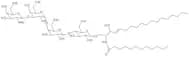
CAS:<p>Globoside is the most abundant neutral glycolipid in the erythrocyte membrane.</p>Formula:C56H102N2O23Purezza:Min. 90%Colore e forma:White PowderPeso molecolare:1,171.41 g/molIsomaltooligosaccharide, average mw 550-700Da, 90%
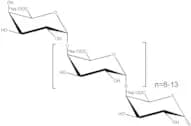
<p>Mixture of isomaltoses, commercially available in food products such as protein/fiber bars, shakes, and other dietary supplements. Claimed as "prebiotic soluble fiber,” and/or as a “lowâcalorie, low glycemic sweetener".</p>Purezza:Min. 95%Colore e forma:PowderGM1-Pentasaccharide
CAS:<p>GM1 pentasaccharide (sodium salt) has a core tetrasaccharide structure (Galβ1,3GalNAcβ1,4Galβ1,4Glc) with a single sialic acid residue linked α2,3 to the inner galactose residue (Ledeen, 2009). GM1 pentasaccahride is the carbohydrate moiety of GM1 ganglioside. GM1 ganglioside interacts and modulates tyrosine kinases, such a,s neural tropomyosin receptor kinase A (TrkA), by inducing the release of neurotrophins from fibroblast cells and the epidermal growth factor receptor (EGFR) (Higuero, 2009). GM1 ganglioside is also found in epithelial membranes; it is a key element for bacterial toxicity and viral infection as it acts as a receptor for the B-subunits of heat-labile toxin, cholera toxin, rotavirus, and simian virus 40. GM1 ganglioside also has the ability to bind amyloid-β proteins and is involved in Alzheimerâs pathogenesis (Chiricozzi, 2020).</p>Formula:C37H62N2O29Purezza:Min. 95%Colore e forma:PowderPeso molecolare:998.88 g/molChitotriose undecaacetate
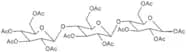
CAS:<p>Chitotriose undecaacetate is a synthetic substrate that is used in transfecting experiments. It has high sensitivity and can be used to introduce nucleic acid into cells. Chitotriose undecaacetate is used as a synthetic fluorometric assay for the determination of chitinase activity in vitro or as a substrate for cell-free synthesis of nucleic acids. It has been shown to possess moieties that are sensitive to hydrogen chloride and chloride ions, making it an effective probe for the determination of these ions. Chitotriose undecaacetate also reacts with sephadex G-200, which makes it useful for separating DNA fragments by electrophoresis.</p>Formula:C40H57N3O24Purezza:Min. 95%Colore e forma:White PowderPeso molecolare:963.89 g/mol6-O-(b-D-Galactopyranosyl)-D-galactopyranose
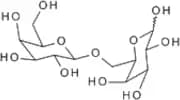
CAS:<p>6-O-(b-D-Galactopyranosyl)-D-galactopyranose is a natural product disaccharide obtained from acid hydrolysis of larch wood.</p>Formula:C12H22O11Purezza:Min. 95 Area-%Colore e forma:PowderPeso molecolare:342.3 g/molGentiobiose
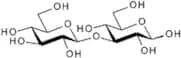
CAS:<p>Used to differentiate microorganisms based on their metabolic properties.</p>Formula:C12H22O11Purezza:Min. 98.0 Area-%Peso molecolare:342.30 g/molCarboxymethyl cellulose sodium - Viscosity 100 - 300 mPa·s
CAS:<p>Food additive; soil suspension polymer in detergents; thickening agent</p>Purezza:Min. 95%Colore e forma:PowderHeparin disaccharide III-S trisodium salt
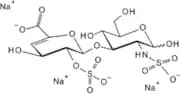
CAS:<p>Heparin disaccharide III-S trisodium salt is a synthetic and custom-synthesized drug with high purity. It is a complex carbohydrate with a molecular weight of 597.1 g/mol, an Oligosaccharide with a molecular weight of 1,008.3 g/mol, and a Glycosylation with a molecular weight of 1,069.4 g/mol. Heparin disaccharide III-S trisodium salt has been modified by the addition of fluorine atoms to create an active form that is highly reactive to electrophilic groups on proteins or nucleic acids. It can be used for Click modification or methylation reactions to modify proteins or DNA molecules in order to study protein-protein interactions or protein conformational changes in response to external stimuli.</p>Formula:C12H16NO16S2·3NaPurezza:Min. 95 Area-%Colore e forma:White Yellow PowderPeso molecolare:563.35 g/molBlood group A type 3/4 linear trisaccharide
<p>GalNAca1-3Galb1-3GalNAc</p>Formula:C22H38N2O16Purezza:Min. 95%Peso molecolare:586.54 g/molGalacturonan DP7/DP8 sodium
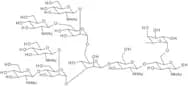
<p>Mixed DP 7/8 Na galacturonans (α-1,4 galacturonoheptoses and octaoses), are derived from pectin or pectic acid, by enzymatic or partial acid hydrolysis. They are used in galacturonic acid metabolism research as a substrate to identify, differentiate, and characterized endo- and exopolygalacturonase(s), and gluconase(s). The addition of very short fragments of homogalacturonan oligosaccharides, restores development in dark-grown, de-etiolated seedling mutants, suggesting that they are unable to generate de-methylesterified pectin fragments. A model of spatiotemporally separated photoreceptive and signal-responsive cell types has been proposed, that contains overlapping subsets of the regulatory network of light-dependent seedling development.</p>Purezza:Min. 95%Colore e forma:Powder2-Acetamido-4-O-{2-acetamido-4-O-[[3-O-[2,4-di-O-(2-acetamido-2-deoxy-b-D-glucopyranosyl)-a-D-mannopyranosyl]-6-O-[2,6-di-O-(2-aceta mido-2-deoxy-b-D-glucopyranosyl)-b-D-mannopyranosyl]-b-D-mannopyranosyl]]-2-deoxy-b-D-glucopyranosyl}-6-O-(a-L-fucopyr
<p>2-Acetamido-4-O-{2-acetamido-4-O-[3-O-[2,4-di-O-(2-acetamido-2,6-dideoxyb -D-glucopyranosyl)-a,D -mannopyranosyl]-6-O-[2,6 -di(2 -acetamido)-b -D -glucopyranosyl]-b D mannopyranosyl]] b D mannopyranosyl} 2,6 dideoxy b D glucopyranosyl} 6 O-(a L fucopyranosyl)}</p>Formula:C72H120N6O49SPurezza:Min. 95%Peso molecolare:1,885.8 g/mol3-O-(b-D-Galactopyranosyl)-D-mannopyranose
<p>3-O-(b-D-Galactopyranosyl)-D-mannopyranose is a synthetic sugar that is modified with fluorine at the C-3 position. It is a member of the carbohydrate family and has been shown to be useful for glycosylation or click chemistry. 3-O-(b-D-Galactopyranosyl)-D-mannopyranose can be custom synthesized to meet your needs. This product also features high purity and methylation, which makes it an excellent candidate for synthesis projects. This product can be used in research applications, such as complex carbohydrate modification, glycosylation, or click chemistry.</p>Formula:C12H22O11Purezza:Min. 95%Peso molecolare:342.3 g/mol3'-Sialyllacto-N-neotetraose sodium
CAS:<p>3'-Sialyllacto-N-neotetraose sodium is a synthetic, fluorinated oligosaccharide with a sialic acid side chain. This compound has been shown to be an inhibitor of lacto-N-neotetraose synthesis in the human gut. It is also used as a raw material for the synthesis of various complex carbohydrates and as a click modification reagent for saccharides and polysaccharides. 3'-Sialyllacto-N-neotetraose sodium can be modified at its methyl group or sugar moiety to produce desired products.</p>Formula:C37H61N2O29NaPurezza:Min. 90%Peso molecolare:1,020.86 g/molChondroitin sulphate octasaccharide ammonium salt
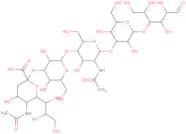
<p>Chondroitin sulphate octasaccharide ammonium salt is a synthetic, fluorinated glycosaminoglycan. It is a synthetic, fluorinated glycosaminoglycan that has been synthesized from chondroitin sulfate and 2-amino-2-deoxy-D-glucose. Chondroitin sulphate octasaccharide ammonium salt has the CAS number 93860-92-7. It can be modified to make it more complex, such as methylation or click modification to give it different properties. This product is offered in high purity with a custom synthesis service available on request.</p>Purezza:Min. 95%N-Acetylneuraminyl-(a2-3)-D-galactopyranosyl-(b1-3)-D-N-acetylgalactosaminyl serine
<p>N-Acetylneuraminyl-(a2-3)-D-galactopyranosyl-(b1-3)-D-N-acetylgalactosaminyl serine is a custom synthesized carbohydrate with an average molecular weight of about 1,000. It has been modified with fluorination, methylation, and click chemistry. This polysaccharide has an acetamido group on the C6 position of N-acetylneuraminic acid and a glycosidic linkage at the C4 position of galactose. The saccharide units are composed of a 2,3-linked galactose residue and a b1,3 linked N-acetylgalactosamine residue. The CAS number for this carbohydrate is 116863-87-8.</p>Formula:C28H47N3O21Purezza:Min. 95%Colore e forma:PowderPeso molecolare:761.68 g/mol6'-Fucosyllactose
CAS:<p>6'-Fucosyllactose is a fucosylated form of lactose, which is a complex carbohydrate. It is a custom synthesis and has been synthesized in high purity. 6'-Fucosyllactose has CAS No. 80756-86-1 and can be found as an oligosaccharide or polysaccharide. 6'-Fucosyllactose is a monosaccharide that has been methylated and glycosylated to increase its stability. The saccharides are modified with fluorination to make it more soluble in water and to improve its solubility in organic solvents.</p>Formula:C18H32O15Purezza:Min. 95%Colore e forma:PowderPeso molecolare:488.44 g/molMethyl 4-O-(a-D-galactopyranosyl)-a-D-galactopyranoside
CAS:<p>Methyl 4-O-(a-D-galactopyranosyl)-a-D-galactopyranoside (M4G) is a disaccharide that is a residue of the plant indigo dye. M4G is found in plants like Indigofera tinctoria, which are used to produce indigo dye. It is also a glycoside of methyl 4-O-(β-D-galactopyranosyl)-β-D-galactopyranoside (M4GP).</p>Formula:C13H24O11Purezza:Min. 98%Colore e forma:White PowderPeso molecolare:356.32 g/mol4-Methoxyphenyl 4-O-[3-O-(2,3,4,6-O-acetyl-α-D-mannopyranosyl)-4,6-O-benzylidene-2-O-levulinoyl-β-D-glucopyranosyl]-3,6-di-O-benzyl- 2-deoxy-2-phthalimido-β-D-glucopyranoside
<p>This product is a synthetic, high purity, and custom-synthesized molecule that belongs to the group of saccharide polymers. It is synthesized by methylation of 4-methoxyphenyl 4-O-[3-O-(2,3,4,6-O-acetyl-a-D-mannopyranosyl)-4,6-O-benzylidene-2-O-levulinoyl]-b-Dglucopyranoside and Click modification. This product has potent glycosylation activity with polysaccharides such as heparin and chondroitin sulfate. The synthesis of this product is completed through the use of a highly efficient and selective carbohydrate polymerization method.</p>Formula:C67H71NO24Purezza:Min. 95%Peso molecolare:1,274.27 g/molA2F N-Glycan
CAS:<p>A2F N-Glycan is an oligosaccharide that is found in the human body. It is a glycan that has been shown to be involved in a number of biological processes, including effector functions, site specific recognition, diagnosis, and biopharmaceutical production. A2F N-glycan has also been shown to have potential as a biomarker for autoimmune diseases and cancer. The A2F N-glycan profile may differ between patients with different cancers or autoimmune disorders. This difference in the A2F N-glycan profile may contribute to the development of personalized medicine by helping to diagnose these conditions and predict their prognosis.</p>Formula:C90H148N6O66Purezza:Min. 90 Area-%Colore e forma:PowderPeso molecolare:2,370.14 g/molStachyose hydrate
CAS:<p>Stachyose hydrate is a methylated, custom-synthesized, click-modified oligosaccharide that is used as a synthetic complex carbohydrate. It is synthesized from the saccharide stachyose by fluorination and modification with methyl groups. This product may be used in biological research or as a fluoropolymer precursor. Stachyose hydrate has been shown to have high purity and can be modified to contain monosaccharides and sugars.</p>Formula:C24H42O21·xH2OPurezza:Min. 98.0 Area-%Peso molecolare:666.58 g/molBlood Group A trisaccharide, N-aminoethyl nonanamide
CAS:<p>Blood group antigen derivative for biochemical research</p>Formula:C31H57N3O16Purezza:Min. 95 Area-%Colore e forma:PowderPeso molecolare:727.79 g/mol3α,4β-Galactotriose
CAS:<p>Obtained by the partial acetolysis of lambda-carrageenan</p>Formula:C18H32O16Purezza:Min. 95 Area-%Colore e forma:White PowderPeso molecolare:504.44 g/mol2-O-(2-O-(a-D-Mannopyranosyl)-a-D-mannopyranosyl)-a-D-mannopyranose
<p>2-O-(2-O-(a-D-Mannopyranosyl)-a-D-mannopyranosyl)-a-D-mannopyranose is an oligosaccharide that is synthesized by the glycosylation of a D-mannose with 2,3,4,6-tetra‑O‑benzoyl‑beta‑D‑glucuronic acid. This product is available in custom synthesis and can be modified to order. It has been shown to be highly pure and can be used for a variety of applications including glycosylation reactions, methylations, fluorinations, click modifications, and complex carbohydrate studies.</p>Purezza:Min. 95%a1-3-Galactobiose-biotin
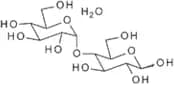
<p>a1-3-Galactobiose-biotin is a synthetic, fluorinated oligosaccharide that has been modified with 3 biotin molecules. It is synthesized by the glycosylation of 1,3-galactobiose and is used as an intermediate in the synthesis of carbohydrates. The sugar moiety can be modified with different chemical groups and reactions such as methylation or click modification to change its properties.</p>Formula:C22H36N2O13SPurezza:Min. 95%Colore e forma:PowderPeso molecolare:568.59 g/molD-Maltose monohydrate
CAS:<p>Maltose (or malt sugar) is produced by the action of alpha- and beta-amylase on starch. Maltose is an intermediate in the intestinal digestion (i.e. hydrolysis) of glycogen and starch and is found in germinating grains (and other plants and vegetables). Maltose-containing syrups are used in the brewing, baking, soft drink, canning, confectionery, and other food industries (Collins, 2006). Maltose is also used in affinity purification of proteins using MBP-fused protein constructs. Herein, maltose is added to an elution buffer causing release of the MBP-fused protein from the resin.</p>Formula:C12H22O11·H2OColore e forma:White PowderPeso molecolare:360.31 g/molN-Acetylneuraminic acid dimer disodium salt
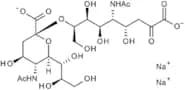
CAS:<p>Intermediate in synthesis of ganglioside GD2</p>Formula:C22H34N2O17·2NaPurezza:Min. 95 Area-%Colore e forma:White PowderPeso molecolare:644.49 g/molGalacturonan DP10-DP15 sodium salt
<p>Mixed DP 10-15 Na galacturonans (α-1,4 10-15 Na galacturonans) are derived from pectin or pectic acid, by enzymatic or partial acid hydrolysis. They are used in galacturonic acid metabolism research as a substrate to identify, differentiate, and characterize endo- and exopolygalacturonase(s) and gluconase(s). In recent studies, it has been shown that long oligogalacturonides (degree of polymerization (DP) from 10â15) help to induce plant defense signaling resulting in enhanced defenses to necrotrophic pathogens.</p>Colore e forma:PowderMaltotriose monohydrate
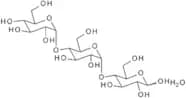
CAS:<p>Shortest chain oligosaccharide that can be classified as a maltodextrin. A component of liquid glucose (a commercial sweetener composed of glucose, maltose, maltotriose and maltotetrose).</p>Formula:C18H32O16·H2OPurezza:Min. 90 Area-%Colore e forma:White Off-White PowderPeso molecolare:522.45 g/molSialyl Lewis A (Slea)-BSA
<p>Sialyl Lewis A (Slea)-BSA is a glycoprotein that has been modified with fluorination and methylation. These modifications have been shown to enhance the binding of Sialyl Lewis A (Slea)-BSA to CD22, a cell-surface protein that is expressed on B cells. In addition, the modification of Slea-BSA with Click chemistry has been shown to increase its stability in plasma. This product may be custom synthesized to suit your needs.</p>Colore e forma:PowderMaltotriose
CAS:<p>Used to differentiate microorganisms based on their metabolic properties.</p>Formula:C18H32O16Purezza:Min. 95 Area-%Peso molecolare:504.44 g/molMaltohexaose
CAS:<p>Maltohexaose is a polysaccharide formed by 6 units of glucose and can be metabolised inside the cell to a substrate-based inhibitor of fucosyltransferases. It can also be converted to GDP-2-deoxy-2-fluoro-L-fucose, a competitive inhibitor of α-1,3-fucosyltransferase. Matohexaose is used as acceptor for measuring the activity of 4-Alpha-Glucanotransferase.</p>Formula:C36H62O31Purezza:Min. 70 Area-%Colore e forma:White PowderPeso molecolare:990.86 g/mol4'-Sulfated Lewis X methyl glycoside sodium
CAS:<p>4'-Sulfated Lewis X methyl glycoside sodium is a synthetic monosaccharide. It is used in the synthesis of oligosaccharides and polysaccharides. This compound can be fluorinated to produce 4'-fluoro-4'-sulfated Lewis X methyl glycoside sodium. The sulfate group on this compound can be replaced with other groups such as carboxyl, cyano, nitro, and acetyl.</p>Formula:C21H36NO18SNaPurezza:Min. 95%Colore e forma:PowderPeso molecolare:645.58 g/molIsomaltopentaose
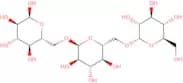
CAS:<p>Produced from high maltose syrup by treatment with transglucosidase</p>Formula:C30H52O26Purezza:Min. 95%Colore e forma:White PowderPeso molecolare:828.7 g/molGQ3-Oligosaccharide
<p>GQ3 oligosaccharide is the carbohydrate moiety in the GQ3 ganglioside. Breast cancer cells MCF-7 were found to express a complex pattern of neutral and sialylated glycosphingolipids from the globo- and ganglio-series, including unusual tetrasialylated and pentasialylated lactosylceramide derivatives, and GQ3 (II3Neu5Ac4-Gg2Cer) (Steenackers, 2012).</p>Formula:C56H86N4O43Na4Purezza:Min. 95%Peso molecolare:1,595.24 g/molMonofucosyllacto-N-hexaose I
CAS:<p>Sialylated tetrasaccharide found in human milk, possible health benefits for the neonate by supporting resistance to pathogens, gut maturation, immune function, and cognitive development. Purity typically above 70%. Contains other oligosaccharide fragments. For a typical IC trace see datasheet section</p>Formula:C46H78N2O35Purezza:(By Hpaec) Min. 70%Colore e forma:PowderPeso molecolare:1,219.1 g/molVerbascose
CAS:<p>Immunomodulatory pentasaccharide; prebiotic</p>Formula:C30H52O26Purezza:Min. 95 Area-%Colore e forma:White PowderPeso molecolare:828.72 g/molMaltononaose
CAS:<p>α 1,4-glucononasaccharide derived from starch by hydrolysis and chromatography</p>Formula:C54H92O46Colore e forma:White PowderPeso molecolare:1,477.28 g/molChitosan oligosaccharide HCl
CAS:<p>Chitosan oligosaccharide HCl is a water-soluble, biocompatible polymer with an average molecular weight of 2,000. It has been shown to have hypoglycemic effects in vivo and inhibitory properties against inflammatory bowel disease. Chitosan oligosaccharide HCl also exhibits an ability to enhance the activity of monoclonal antibodies directed against human tumor cells. This effect may be due to the ability of chitosan oligosaccharide HCl to bind to antigens on the surface of tumor cells and facilitate antibody binding.</p>Formula:(C12H24N2O9)nColore e forma:Off-White Powder4-O-(6-O-[2-Acetamido-2-deoxy-b-D-glucopyranosyl]-b-D-galactopyranosyl)-D-glucopyranose
CAS:<p>Lacto-N-neotetraose is a trisaccharide composed of two galactose units and one glucose unit. It has been found to be an effective carbohydrate for the treatment of colostrum depletion in newborns. Lacto-N-neotetraose can be obtained through methanolysis, which is the hydrolysis of lactose by the addition of methanol to produce a mixture of sugars. This process is activated by ion exchange chromatography, and then hydrolyzed to produce oligosaccharides. Lacto-N-neotetraose can also be obtained from human or horse milk as 13C NMR spectroscopy shows that it is present in both species.</p>Formula:C20H35NO16Purezza:Min. 98 Area-%Colore e forma:PowderPeso molecolare:545.49 g/molNGA1F N-Glycan
<p>NGA1F N-Glycan is a custom synthesis, modification, fluorination, methylation, monosaccharide, synthetic glycan with a CAS No. that has been modified by the click chemistry reaction. It is an oligosaccharide that is saccharide and polysaccharide that has been glycosylated with sugar and carbohydrate.</p>Purezza:Min. 95%Lacto-N-tetraose - mixture with Lacto-N-neotetraose
CAS:<p>Neutral tetrasaccharide naturally present in human breast milk</p>Formula:C26H45NO21Purezza:Min. 95 Area-%Colore e forma:White PowderPeso molecolare:707.63 g/molMan-9 N-Glycan
CAS:<p>Man-9 N-glycan is a glycoprotein that is found on the surface of many viruses. It has an oligosaccharide structure, which consists of a mannose and a glucose molecule linked by an alpha-1,3-glycosidic bond. The Man-9 N-glycan can be found in human serum and is involved in lectin binding to cells. It also has antiviral activity and may be used as a model system for studying glycosidic bonds. This glycan can be broken down into smaller components by methyl glycosides or titration calorimetry, which is a technique for determining the molecular weight of substances. The Man-9 N-Glycan binds to toll-like receptor 2 (TLR2) on the surface of human cells, which activates an antibody response.</p>Formula:C70H118N2O56Purezza:Min. 95%Colore e forma:PowderPeso molecolare:1,883.67 g/molRobinose
CAS:<p>Robinose is a flavonoid derivative that is used as a conditioning agent in animal health products. It has been shown to increase the efficacy of an antigen by enhancing the immune response. Robinose also has enzyme activities and has been shown to work synergistically with other flavonoids such as quercetin. In addition, it can be used as an analytical method for glycan structures. Robinose is typically produced from the hydrolysis of flavonol glycosides found in plants such as raspberries, blackberries, and blueberries. It can also be extracted from sugar beet molasses or sugar cane molasses.</p>Formula:C12H22O10Purezza:Min. 95%Peso molecolare:326.3 g/mol1,2,3,6-Tetra-O-acetyl-4-O-(2,3,6-tri-O-acetyl-4-O-(2,3,4,6-tetra-O-acetyl-a-D-glucopyranosyl)-a-D-glucopyranosyl)-b-D-thioglucopyra nose
<p>1,2,3,6-Tetra-O-acetyl-4-O-(2,3,6-tri-O-acetyl-4-O-(2,3,4,6-tetra-O-acetylaDglucopyranosyl)-aDglucopyranosyl)-bDthioglucopyra nose is a sugar with the chemical formula C27H42O14. This compound is synthesized by the glycosylation of 1,2,3,6 tetra O acetyl 4 O (2 3 6 tri O acetyl 4 O (2 3 4 6 tetra O acetyl a D glucopyranosyl) a D glucopyranosyl) b D thioglucopyrazine with 2 3 6 tri O acetate 4 O (2 3 4 6 tetra O acetate a D glucopyranoside a D glucopyranoside</p>Formula:C40H54O26SPurezza:Min. 95%Peso molecolare:982.91 g/molHyaluronate rhodamine - Molecular Weight - 10kDa
<p>Hyaluronate rhodamine is a fluorescent dye that is used in molecular biology to visualize the distribution of intracellular glycoconjugates. It is a water-soluble, cationic dye that binds to negatively charged saccharides and glycosaminoglycans. The dye fluoresces when bound to these molecules, making it useful for detecting the distribution of glycoproteins in cells. Hyaluronate rhodamine can be used as a marker for carbohydrate-rich tissues such as cartilage, synovial fluid, and vitreous humor. This dye can also be used to detect glycoconjugates on the surface of cells and in extracellular spaces.</p>Purezza:Min. 95%NGA3 Glycan, 2-AB labelled
<p>NGA3 Glycan, 2-AB labelled is an oligosaccharide that is a complex carbohydrate. It is a polysaccharide that contains saccharides, which are sugars. The saccharides in this compound are monosaccharides, which are single sugar units. This compound has been modified and can be used for the detection of methylation.</p>Purezza:Min. 95%D-Cellotriose undecaacetate
CAS:<p>D-Cellotriose undecaacetate is a glycosylation product of cellobiose and erythritol. It is a methylated polysaccharide, which is an oligosaccharide that contains a single sugar unit. This compound can be custom synthesized and has high purity. D-Cellotriose undecaacetate is used in the synthesis of polysaccharides in the food industry and for medical purposes as a drug delivery system.</p>Formula:C40H54O27Purezza:Min. 95%Colore e forma:White To Off-White SolidPeso molecolare:966.84 g/mol4,6-O-Benzylidene-D-maltose
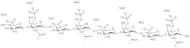
CAS:<p>4,6-O-Benzylidene-D-maltose is an oligosaccharide that is a high purity custom synthesis. It has a Click modification and can be synthesized using the Fluorination and Glycosylation reaction. 4,6-O-Benzylidene-D-maltose is soluble in water and ethanol, but insoluble in ether. This product is listed as CAS No. 93417-41-5 and has a Methylation modification. 4,6-O-Benzylidene-D-maltose is also found in saccharides, carbohydrates, and complex carbohydrates.</p>Formula:C19H26O11Purezza:Min. 95%Colore e forma:PowderPeso molecolare:430.4 g/molBenzyl 4-O-{4-O-[[2,4-di-O-acetyl-3-O-[2,4-di-O-(3,4,6-tri-O-acetyl-2-deoxy-2-phthalimido-b-D-glucopyranosyl)-3,6-di-O-benzyl-a-D-ma nnopyranosyl]-6-O-[3,4-di-O-acetyl-2,6-di-O-(3,4,6-tri-O-acetyl-2-deoxy-2-phthalimido-b-D-glucopyranosyl)-a-D-mannopyr
CAS:<p>The benzyl group is a type of organic group in which the hydrogen atom at the alpha position is replaced with a phenyl group. In this compound, the benzyl group is attached to a sugar molecule through an ether bond. The benzyl group can be modified to produce different compounds. For example, it can be fluorinated to produce fluoro-benzyl compounds that are used as anti-cancer agents.</p>Formula:C203H206N6O71SPurezza:Min. 95%Peso molecolare:3,897.87 g/molBlood group B hexasaccharide type II
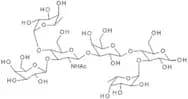
<p>Core antigen fragment in ABO blood group system</p>Formula:C38H65NO30Purezza:Min. 90%Colore e forma:PowderPeso molecolare:1,015.93 g/molLaminarihexaose
CAS:<p>Ex algal/bacterial polysaccharides-value in b1-3 glucanase assays & diagnostics</p>Formula:C36H62O31Purezza:Min. 90 Area-%Colore e forma:White Off-White PowderPeso molecolare:990.86 g/molLactose 3'-sulfate
CAS:<p>Unusual lactose sulphate isolated from canine milk (beagle-Canis familiaris), which does not appear to have previously been isolated from milk or other natural sources. The structure was established by 2D NMR spectroscopy and mass spectrometry.</p>Formula:C12H22O14SPurezza:Min. 95%Colore e forma:Beige PowderPeso molecolare:422.36 g/molHeparin disaccharide IV-S disodium salt
CAS:<p>Heparin is a complex carbohydrate that has been modified by the addition of a sugar and a sulfate group. It is used in the treatment of thrombosis, deep vein thrombosis, pulmonary embolism, and other blood clots. Heparin disaccharide IV-S disodium salt (HDS) is an intravenous form of heparin that consists of sodium salts of two saccharides: heparin disaccharide and sodium disulfate. HDS has been shown to be more potent than unfractionated heparin in animal models, as well as being more effective in preventing clot formation in humans. This drug also exhibits less frequent side effects such as skin rash, itching, or hives.</p>Formula:C12H17NO13S·2NaPurezza:Min. 95%Colore e forma:White PowderPeso molecolare:461.31 g/molb-D-Maltose octaacetate
CAS:<p>Useful CO2-philic compounds with potential uses as pharmaceutical excipients, controlled release agents, and surfactants for microemulsion systems in CO2-based processes.</p>Formula:C28H38O19Purezza:Min. 98 Area-%Colore e forma:White PowderPeso molecolare:678.59 g/mol

![6'-(D-[UL-13C6]Galactosyl)lactose](/_next/image/?url=https%3A%2Fstatic.cymitquimica.com%2Fproducts%2F3D%2Fthumb-webp%2FOG15067.webp&w=3840&q=75)







![5-O-(a-D-[6,6'-2H2]Glucopyranosyl)-D-fructopyranose](/_next/image/?url=https%3A%2Fstatic.cymitquimica.com%2Fproducts%2F3D%2Fthumb-webp%2FOG11201.webp&w=3840&q=75)





![4-O-[(2-Azidoethoxyimino)-6-deoxy-β-D-galactopyranosyl]-2-deoxy-α-D-glucopyranose-2,1-oxazoline](/_next/image/?url=https%3A%2Fstatic.cymitquimica.com%2Fproducts%2F3D%2Fthumb-webp%2FOA183930.webp&w=3840&q=75)














![4-O-(6-O-[2-Acetamido-2-deoxy-b-D-glucopyranosyl]-b-D-galactopyranosyl)-D-glucopyranose](/_next/image/?url=https%3A%2Fstatic.cymitquimica.com%2Fproducts%2F3D%2Fthumb-webp%2FOA05021.webp&w=3840&q=75)