Carboidrati e Glicoconiugati
I carboidrati sono composti organici costituiti da carbonio, idrogeno e ossigeno, con una struttura di base formata da monosaccaridi. Questi possono unirsi per formare disaccaridi, oligosaccaridi o polisaccaridi, a seconda del numero di unità monomeriche. I carboidrati svolgono un ruolo fondamentale nell’immagazzinamento dell’energia, nella struttura cellulare e nella comunicazione cellulare. I loro derivati sono utilizzati nei prodotti farmaceutici, come dolcificanti ed eccipienti.
Presso CymitQuimica, offriamo un’ampia varietà di carboidrati e loro derivati per la ricerca e le applicazioni industriali.
Trovati 5014 prodotti di "Carboidrati e Glicoconiugati"
Ordinare per
Purezza (%)
0
100
|
0
|
50
|
90
|
95
|
100
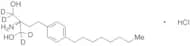
Fingolimod-d4 Hydrochloride
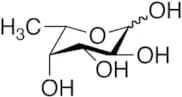
CAS:Prodotto controllato<p>Applications A labelled derivative of ISP-1 (myriocin), a fungal metabolite of the Chinese herb Iscaria sinclarii as well as a structural analogue of Sphingosine. It is a novel immune modulator that prolongs allograft transplant survival in numberour models by inhibiting lymphocyte emigration from lymphoid organs. Reported to be phosphorylated by sphingosine kinase to FTY720-P, which has been shown to potently stimulate GTPgS binding activity in S1P-transfected CHO cells (EC50 = 210 pM, 4.9 nM, 4.3 nM, and 1 nM for S1P1, S1P3, S1P4 and S1P5, respectively).<br>References Brinkmann, V., et al.: Transplantation, 72, 764 (2001), Brinkmann, et al.: J. Biol. Chem., 277, 24, 21453 (2002), Mtaloubian, M., et al.: Nature, 427, 355 (2004),<br></p>Formula:C19H30D4ClNO2Colore e forma:NeatPeso molecolare:347.96L-Fucose
CAS:Prodotto controllato<p>Applications L-Fucose was isolated from seaweed.<br>References Clark, et al.: J. Biol. Chem., 54, 65 (1922),<br></p>Formula:C6H12O5Colore e forma:WhitePeso molecolare:164.162'-Fucosyllactose (~90%)
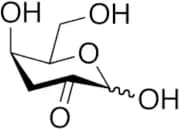
CAS:Prodotto controllatoFormula:C18H32O15Purezza:~90%Colore e forma:NeatPeso molecolare:488.443-Deoxygalactosone (>90%)
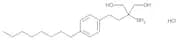
CAS:Prodotto controllato<p>Stability Hygroscopic<br>Applications It has carcinostatic activity.<br>References Reynolds, T.M., et al.: Advan. Food. Res., 14, 167 (1965), Szent-Gyorgyi, L.G., et al.: Science, 155, 539 (1967),<br></p>Formula:C6H10O5Purezza:>90%Colore e forma:NeatPeso molecolare:162.14Fingolimod Hydrochloride
CAS:Formula:C19H33NO2·ClHColore e forma:White To Off-WhitePeso molecolare:343.93Lewis X Trisaccharide
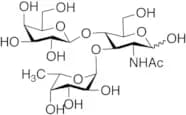
CAS:<p>Applications Lewis X and related compounds bind to the selectins and act as anti-inflammatory agents.<br>References Lasky, L.A.: Science, 258, 964 (1992), Mulligan, M.S., et al.: Nature, 364, 149 (1993), Mulligan, M.S., et al.: J. Exp. Med., 178, 623 (1993), Travis, J.: Science, 260, 906 (1993)<br></p>Formula:C20H35NO15Colore e forma:NeatPeso molecolare:529.49Biotin 5-Bromopentylamide
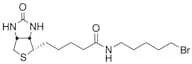
CAS:Prodotto controllatoFormula:C15H26BrN3O2SColore e forma:NeatPeso molecolare:392.354-Methylumbelliferyl 6-Sulfo-2-acetamido-2-deoxy-(β)-D-glucopyranoside Potassium Salt
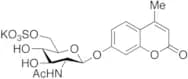
CAS:Formula:C18H20NO11S·KColore e forma:NeatPeso molecolare:497.51N-(2-Hydroxyethyl)-1-deoxy-L-altronojirimycin Hydrochloride Salt
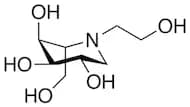
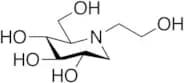
CAS:Prodotto controllato<p>Stability Hygroscopic<br>Applications α-Glycosidase inhibitor.<br>References Jefferies, I., et al.: Bioorg. Med. Chem. Lett., 7, 1171 (1997), Hassan, A., et al.: Carbohydr. Res., 339, 1565 (2004),<br></p>Formula:C8H18ClNO5Colore e forma:NeatPeso molecolare:243.6852Xylitol
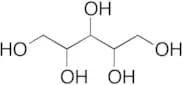
CAS:Prodotto controllato<p>Applications Xylitol, is a lower-calorie alternative to table sugar. Studies have shown xylitol chewing gum can help prevent acute otitis media. Xylitol is categorized by the U.S. Food and Drug Administration as a food additive.<br>References Code of Federal Regulations Title 21, US., FDA (2012); Azarparzhooh, A., et al.,: Cochrane data. Sys. Revi. (online) (11), (2011);<br></p>Formula:C5H12O5Colore e forma:NeatPeso molecolare:152.151,3-Diethyl ester 2-[3-[(3aS,4S,6aR)-hexahydro-2-oxo-1,3-bis(phenylmethyl)-1H-thieno[3,4-d]imidazol-4-yl]propyl] Propanedioic acid
CAS:Prodotto controllato<p>Applications 1,3-Diethyl ester 2-[3-[(3aS,4S,6aR)-hexahydro-2-oxo-1,3-bis(phenylmethyl)-1H-thieno[3,4-d]imidazol-4-yl]propyl] Propanedioic acid is an impurity of Biotin (B389040) which is a growth factor present in minute amounts in every living cell.<br>References du Vigneaud, et al.: J. Biol. Chem., 146, 475 (1942), Traub, et al.: Nature, 178, 649 (1956), Siegel, H., et al.: Experienta, 37, 789 (1981), Vesely, D.L., Science, 216, 1329 (1982), Hugues, M., et al.: Biochemistry, 31, 12 (1992),<br></p>Formula:C29H36N2O5SColore e forma:NeatPeso molecolare:524.672Citric Acid
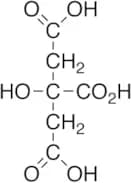
CAS:<p>Applications Citric acid is a weak organic acid that is known as a commodity chemical, as more than a million tonnes are produced every year by mycological fermentation on an industrial scale using crude sugar solutions, such as molasses and strains of Aspergillus niger. Citric acid is widely distributed in plants and in animal tissues and fluids and exist in greater than grace amounts in variety of fruits and vegetables, most notably in citrus fruits such as lemon and limes. Citric acid is mainly used as an acidifier, flavoring agent and chelating agent. Citric acid is also a metabolite of Dimethyl Fumarate (D464965), a compound used as a treatment for the relapsing forms of multiple sclerosis and psoriasis.<br>References Dawson, R.M., et al.: Data for Biochem. Rsch., (1959); Gruber, C. M., et al.: J. Pharmacol. Exp. Ther., 94, 65 (1948); Lofty, W.A., et al.: Bioresource. Tech., 98, 3470 (2007); Schimrigk, S., et al.: Eur. J. Neurol., 13, 604 (2006)<br></p>Formula:C6H8O7Colore e forma:NeatPeso molecolare:192.12Acarbose
CAS:<p>Stability Hygroscopic<br>Applications Acarbose is used as an anti-diabetic (1).<br>References (1) Sailor, D., et al.: Arzneimittel-Forshc., 30, 2182 (1981)<br></p>Formula:C25H43NO18Colore e forma:Off-WhitePeso molecolare:645.60Miglitol
CAS:Prodotto controllato<p>Applications A potent α-glucosidase inhibitor. A new antidiabetic drug.<br>References Lembcke, B., et al.: Digestion, 31, 120 (1985), Yoshikuni, Y., et al.: J. Pharmacobio-Dyn., 11, 356 (1988),<br></p>Formula:C8H17NO5Colore e forma:WhitePeso molecolare:207.22D-Maltotriose
CAS:Prodotto controllato<p>Applications D-Maltotriose is a trisaccharide resulting from the digestion of Amalose by α-Amalase.<br>References Carvalho, G., et al.: App. Biochem. Biotechnol., 155, 356 (2009), Huuskonen, A., et al.: App. Environ. Microbiol., 76, 1563 (2010), Chang, S., et al.: J. Agric. Food Chem., 58, 2908 (2010),<br></p>Formula:C18H32O16Colore e forma:Off-WhitePeso molecolare:504.44Isosorbide 2-Nitrate
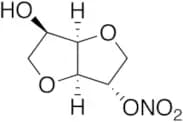
CAS:<p>Applications A metabolite of Isosorbide Dinitrate. Used as an antianginal.<br> Not a dangerous good if item is equal to or less than 1g/ml and there is less than 100g/ml in the package<br>References Goldberg, et al.: Acta Physiol. Scand., 15, 173 (1948), Silvieri, L.A., et al.: Anal. Profiles Drug Subs., 4, 225 (1975), Laufen, H., et al.: Arzneim.-Forsch., 33, 980 (1983),<br></p>Formula:C6H9NO6Colore e forma:WhitePeso molecolare:191.14N-(1-Hydroxy-2-(hydroxymethyl)-4-(4-octylphenyl)butan-2-yl)acetamide
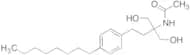
CAS:Formula:C21H35NO3Colore e forma:NeatPeso molecolare:349.511-Kestose
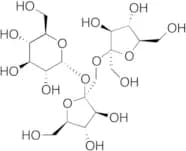
CAS:<p>Applications 1-Kestose is a fructooligosaccharide with prebiotic properties which displays antihyperglycemic activity suggesting that it may be used in treating diabetes.<br>References Bharti, S., et al.: Process Biochem., 50, 317 (2015); Mutanda, T., et al.: J. Ind. Microbiol. Biot., 41, 893 (2014);<br></p>Formula:C18H32O16Colore e forma:NeatPeso molecolare:504.444-Methylumbelliferyl 2-Acetamido-2-deoxy-a-D-galactopyranoside
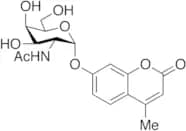
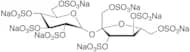
CAS:Prodotto controllatoFormula:C18H21NO8Colore e forma:NeatPeso molecolare:379.36Sucrose Octasulfate Sodium Salt
CAS:Prodotto controllato<p>Stability Hygroscopic<br>Applications Used as a reference standard for the drug Sucralfate.<br></p>Formula:C12H14O35S8·8NaColore e forma:NeatPeso molecolare:1158.66Carbocisteine-13C3
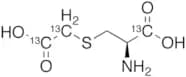
CAS:Prodotto controllato<p>Applications Labelled Carbocisteine (C178760). Carbocisteine is a mucolytic agent used in the treatment of respiratory disorders ranging from the influenza virus infection to chronic obstructive pulmonary disease (COPD).<br>References Stevenson, G.B. et al.: Eur. Resp. J., 27, 865 (2006); Suer, E. et al.: J. Infect. Chemother., 14, 333 (2008); Yamaya, M. et al.: Am. J. Physiol., 299, L160 (2010);<br></p>Formula:C213C3H9NO4SColore e forma:NeatPeso molecolare:182.17Lactulose, >95%
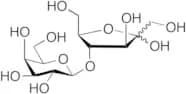
CAS:Prodotto controllato<p>Applications Lactulose is a synthetic, non-digestible sugar used in the treatment of chronic constipation; laxative.<br>References Voskuijl, W. et al.: Gut, 53, 1590 (2004);<br></p>Formula:C12H22O11Purezza:>95%Colore e forma:NeatPeso molecolare:342.30Sucrose Hexasulfate, Potassium Salt, Technical Grade
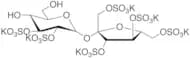
CAS:Prodotto controllato<p>Applications Used as a reference standard for the drug Sucralfate.<br></p>Formula:C12H16O29S6·6KColore e forma:Off White SolidPeso molecolare:1051.223-[2-(Ethylhexyl)oxyl]-1,2-propandiol
CAS:<p>Applications 3-[2-(Ethylhexyl)oxyl]-1,2-propandiol is the novel raw material for deodorants application and is widely used as a cosmetic emollient. 3-[2-(Ethylhexyl)oxyl]-1,2-propandiol reliably inhibits the odor-causing bacteria, yeast and fungi on the skin.<br>References Nagao, S.: Frag. J., 34, 39 (2006); Lawan, K. et al.: J. Health Sci., 23, 1 (2009); Leschke, M.: SOFW J., 136, 10 (2010);<br></p>Formula:C11H24O3Colore e forma:ColourlessPeso molecolare:204.31Carbocisteine
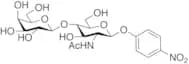
CAS:Prodotto controllato<p>Applications Carbocisteine is a mucolytic agent used in the treatment of respiratory disorders ranging from the influenza virus infection to chronic obstructive pulmonary disease (COPD).<br>References Stevenson, G.B. et al.: Eur. Resp. J., 27, 865 (2006); Suer, E. et al.: J. Infect. Chemother., 14, 333 (2008); Yamaya, M. et al.: Am. J. Physiol., 299, L160 (2010);<br></p>Formula:C5H9NO4SColore e forma:White To Off-WhitePeso molecolare:179.19p-Nitrophenyl 2-Acetamido-2-deoxy-4-O-(b-D-galactopyranosyl)-b-D-glucopyranoside
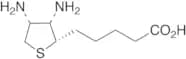
CAS:Prodotto controllatoFormula:C20H28N2O13Colore e forma:NeatPeso molecolare:504.44Diamino Biotin
CAS:<p>Applications Biotin (B389040) impurity.<br>References Trotter, J., et al.: Biochemistry, 5, 713 (1966), Suurkuusk, J., et al.: Eur. J.Biochem., 28, 438 (1972),<br></p>Formula:C9H18N2O2SColore e forma:NeatPeso molecolare:218.32Isomaltose
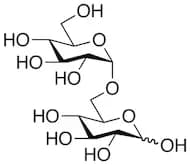
CAS:<p>Stability Very Hygroscopic<br>Applications One of the main product of transformation of maltose into prebiotic isomaltooligosaccharides by novel α-glucosidase from Xantophyllomyces dendrorhous.<br>References Tzortzis, G., et al.: Appl. Microbiol. Biotechnol., 63, 286 (2003), Chaen, H., et al.: J. Biosci. Bioeng., 92, 177 (2001), Ferrer, M., et al.: Biochem. J., 391, 269 (2005),<br></p>Formula:C12H22O11Colore e forma:WhitePeso molecolare:342.302-Acetamido-4-O-(2-acetamido-2-deoxy-β-D-glucopyranosyl)-1,6-di-O-N-acetyl-α-D-muramic Acid
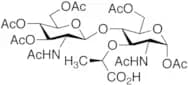
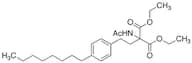
CAS:Prodotto controllato<p>Applications 2-Acetamido-4-O-(2-acetamido-2-deoxy-β-D-glucopyranosyl)-1,6-di-O-N-acetyl-α-D-muramic Acid (cas# 475502-13-7) is a compound useful in organic synthesis.<br></p>Formula:C29H42N2O18Colore e forma:NeatPeso molecolare:706.65Diethyl 2-Acetamido-2-[2-(4-octylphenylethyl)malonate
CAS:Prodotto controllato<p>Applications An impurity found in fingolimod (F805000).<br></p>Formula:C25H39NO5Colore e forma:NeatPeso molecolare:433.58Sunset Yellow FCF
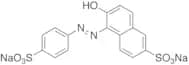
CAS:<p>Stability Light Sensitive<br>Applications Provisionally listed for use in food, drugs and cosmetics. Sunset Yellow is useful in fermented foods which must be heat treated. It may be found in orange sodas, orange jelly, marzipan, Swiss rolls, apricot jam, citrus marmalade, lemon curd, sweets, hot chocolate mix and packet soups, trifle mix, breadcrumbs, snack chips, shelf fresh noodles, cheese sauce mixes. Sunset Yellow is a sulfonated version of Sudan I, a possible carcinogen. Sunset Yellow itself may be responsible for causing an allergic reaction in people with an aspirin intolerance, resulting in various symptoms, including gastric upset, diarrhea, vomiting, nettle rash (urticaria), swelling of the skin (angioedema) and migraines. Dyes and metabolites, Environmental Testing<br>References Radomski, J.L., et al.: J. Pharmacol. Exp. Ther., 136, 259 (1962), Gaunt, I.F., et al.: Food Cosmet. Toxicol., 5, 747 (1967),<br></p>Formula:C16H10N2O7S2·2NaColore e forma:NeatPeso molecolare:452.37α-D-Galactose
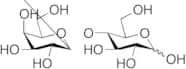
CAS:<p>Applications α-D-Galactose is the alpha anomer of D-Galactose (G155250), the C-4 epimer of Glucose (G595000). D-Galactose is found in milk and sugar beets as well as being synthesized by the body.<br>References De Smet, E. et al.: Nephrol. Dial. Transplant., 24, 2938 (2009); Kivele, R. et al.: Carb. Pol., 85, 645 (2011);<br></p>Formula:C6H12O6Colore e forma:White To Off-WhitePeso molecolare:180.163-Deoxy-D-arabinoheptulosonic Acid 7-Phosphate Disodium Salt
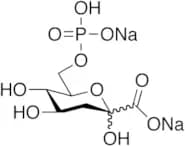
CAS:Prodotto controllato<p>Applications It stands at the beginning of the enzyme-catalyzed cascade that starts with this seven-carbon carbohydrate and ends with the aromatic amino acids phenylalanine, tyrosine, and tryptophan.<br>References Frost, J.W., et al.: Biochemistry, 23, 4465 (1984)<br></p>Formula:C7H11Na2O10PColore e forma:NeatPeso molecolare:332.11D-Psicose
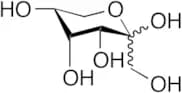
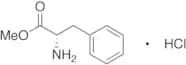
CAS:Prodotto controllato<p>Applications D-Psicose is a C3 epimer of L-Fructose, which maintains the ability to reduce fat accumulation when added to a diet through inhibition of intestinal α-glucosidase.<br>References Matsuo, T. et al.: J. Clin. Biochem. Nutri., 45, 202 (2009); Matsuo, T. et al.: J. Clin. Biochem. Nutri., 30, 55 (2001);<br></p>Formula:C6H12O6Colore e forma:Off-WhitePeso molecolare:180.16L-Phenylalanine Methyl Ester Hydrochloride
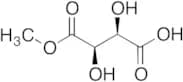
CAS:Prodotto controllato<p>Applications Protected (S) enantiomer of the amino acid Phenylalanine.<br>References Zhu, P., et al.: Bioorg. Med. Chem. Lett., 19, 6966 (2009), Cramer, B., et al.: Bioorg. Med. Chem., 18, 343 (2010),<br></p>Formula:C10H13NO2·HClColore e forma:Off-WhitePeso molecolare:215.677Tartaric Acid Methyl Ester
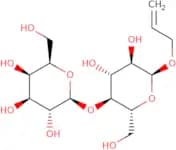
CAS:Prodotto controllato<p>Applications Tartaric Acid Methyl Ester is useful for developing stabilizers as additives in methanol-gasoline. In addition, Tartaric Acid Methyl Ester can be used to synthesize novel enantiopure γ/δ-amino acid via trans-acetalization.<br>References Jiang, X. and Tang, Y.: Asian J. Chem. 25, 8451 (2013); Guarna, A., et al.: Tetrahedron 58, 9865 (2002)<br></p>Formula:C5H8O6Colore e forma:NeatPeso molecolare:164.11Allyl a-D-lactose
CAS:<p>A functionalized carbohydrate that serves as a valuable precursor for the synthesis of complex glycoconjugates, oligosaccharides, and glycopolymers through reactions like glycosylation and click chemistry</p>Formula:C15H26O11Peso molecolare:382.36 g/molIsomaltopentaose
CAS:<p>Produced from high maltose syrup by treatment with transglucosidase</p>Formula:C30H52O26Purezza:Min. 95%Colore e forma:White PowderPeso molecolare:828.7 g/molBiotin impurity C 2HCl
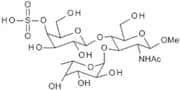
CAS:<p>Biotin impurity C 2HCl is an analytical standard impurity in drug product. It is a bivalent form of biotin, which is a natural amide with the chemical formula C 20 H 27 ClN 2 O 4 S. It has been synthesized and characterized as a custom synthesis. The purity of this compound meets the requirements of pharmacopoeia.</p>Formula:C9H16N2O2SCl2Purezza:Min. 95%Peso molecolare:287.21 g/mol4'-Sulfated Lewis X methyl glycoside sodium
CAS:4'-Sulfated Lewis X methyl glycoside sodium is a synthetic monosaccharide. It is used in the synthesis of oligosaccharides and polysaccharides. This compound can be fluorinated to produce 4'-fluoro-4'-sulfated Lewis X methyl glycoside sodium. The sulfate group on this compound can be replaced with other groups such as carboxyl, cyano, nitro, and acetyl.Formula:C21H36NO18SNaPurezza:Min. 95%Colore e forma:PowderPeso molecolare:645.58 g/molBlood Group A trisaccharide-BSA
<p>Core antigen ABO trisaccharide conjugated to BSA</p>Purezza:Min. 95%Colore e forma:Solid4'-O-(2-Acetamido-2-deoxy-3-O-(b-D-galactopyranosyl)-b-D-galactopyanosyl)-b-D-lactose
<p>4'-O-(2-Acetamido-2-deoxy-3-O-(b-D-galactopyranosyl)-b-D-galactopyanosyl) -b-D-lactose is a modified saccharide that belongs to the group of polysaccharides. It has a CAS number and can be custom synthesized by our company. This product is classified as a carbohydrate, sugar, or synthetic. It can be used in click modification, modification, or glycosylation reactions. 4'-O-(2-Acetamido-2-deoxy-3-O-(b-D-galactopyranosyl)-b -D -galactopyanosyl) -b -D -lactose is also fluorinated with trifluoromethanesulfonic acid and can be used for complex carbohydrate synthesis.</p>Formula:C26H45NO21Purezza:Min. 95%Colore e forma:White PowderPeso molecolare:707.63 g/mol1,4-b-D-Mannotetraose
CAS:<p>Isolated from ivory-nut mannan, Picea glauca and Pinus strobus glucomannans</p>Formula:C24H42O21Purezza:Min. 95 Area-%Colore e forma:White PowderPeso molecolare:666.58 g/molChondroitin disaccharide di-diSD trisodium salt
CAS:<p>Chondroitin disaccharide di-diSD trisodium salt is a synthetic, high purity chondroitin sulfate with a molecular weight of about 1 million. It is custom synthesized and modified to include a Click modification on the sugar, fluorination, glycosylation and methylation. The CAS number for this product is 149368-03-6. This product can be used as an ingredient in pharmaceuticals or in cosmetics.</p>Formula:C14H18NO17S2Na3Purezza:Min. 95%Colore e forma:PowderPeso molecolare:605.39 g/mol1,2,3,4-Tetra-O-acetyl-6-O-(2,3,4,6-tetra-O-acetyl-a-D-galactopyranosyl)-b-D-thioglucopyranose
CAS:<p>A tetra-O-acetyl-6-O-(2,3,4,6-tetra-O-acetyl-a-D-galactopyranosyl)-b-D-thioglucopyranose is a 1,2,3,4 tetraol. It is synthesized by the modification of a disaccharide that has been modified with fluorine and methyl groups on the C1 and C4 positions of the sugar. The complex carbohydrate is a glycosylated sugar that is composed of one monosaccharide and one oligosaccharide. This product is CAS No. 1820574-50-2.</p>Formula:C28H38O18SPurezza:Min. 95%Peso molecolare:694.66 g/molMaltodecaose - min 90%
CAS:<p>α 1,4-glucodecasaccharide derived from starch by hydrolysis and chromatography</p>Formula:C60H102O51Colore e forma:White PowderPeso molecolare:1,639.42 g/molLactobionic acid
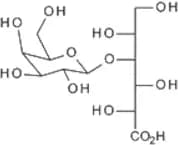
CAS:<p>Lactobionic acid is produced by oxidation of lactose. It is widely used in the food and in pharmaceutical field, due to its excellent biocompatibility, biodegradability, nontoxicity, chelating, amphiphilic and antioxidant properties. Lactobionic acid is produced as a white solid powder, freely soluble in water and slightly soluble in anhydrous ethanol and methanol.</p>Formula:C12H22O12Colore e forma:White PowderPeso molecolare:358.3 g/mol



![1,3-Diethyl ester 2-[3-[(3aS,4S,6aR)-hexahydro-2-oxo-1,3-bis(phenylmethyl)-1H-thieno[3,4-d]imidazo…](/_next/image/?url=https%3A%2Fstatic.cymitquimica.com%2Fproducts%2FTR%2Fthumb-webp%2FD456100.webp&w=3840&q=75)


![3-[2-(Ethylhexyl)oxyl]-1,2-propandiol](/_next/image/?url=https%3A%2Fstatic.cymitquimica.com%2Fproducts%2FTR%2Fthumb-webp%2FE918770.webp&w=3840&q=75)