One of the most relevant brands among our more than 25 partners is TargetMol
We have reached an agreement with TargetMol: CymitQuimica clients will benefit for a 20% discount on all TargetMol products until the end of the year.On our website you can find the products offered by this partner, which has become one of the world's most recognised compound libraries and small molecule inhibitors supplier. TargetMol offers approximately 120 compound libraries and a wide range of chemical products and kits for life sciences.
Ends on Dec 31( 7 days left )
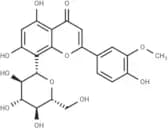
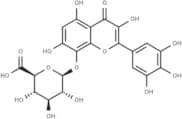
Oxytroflavoside D
CAS:Oxytroflavoside D is a natural product that can be used as a reference standard. The CAS number of Oxytroflavoside D is 1391144-83-4.Formula:C28H30O15Color and Shape:SolidMolecular weight:606.5Mahuannin G
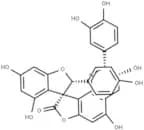
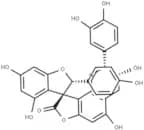
<p>Mahuannin G is a natural product that can be used as a reference standard.</p>Formula:C30H22O10Color and Shape:SolidMolecular weight:542.5Oxytroflavoside F
CAS:Oxytroflavoside F is a natural product that can be used as a reference standard. The CAS number of Oxytroflavoside F is 1391144-85-6.Formula:C28H32O15Color and Shape:SolidMolecular weight:608.6Cagayanin
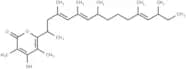
CAS:<p>Cagayanin is a natural product that can be used as a reference standard. The CAS number of Cagayanin is 99096-51-2.</p>Formula:C42H50O10Color and Shape:SolidMolecular weight:714.9Ganoderic acid GS-3
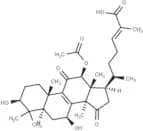
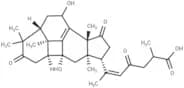
CAS:Ganoderic acid GS-3 is a natural product that can be used as a reference standard. The CAS number of Ganoderic acid GS-3 is 1206781-66-9.Formula:C32H46O8Color and Shape:SolidMolecular weight:558.7Methyl nomilinate
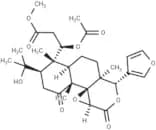
CAS:Methyl nomilinate, derived from citrus, can modulate cell cycle regulators, thereby inducing cytotoxicity in human colon cancer (SW480) cells in vitro.Formula:C29H38O10Color and Shape:SolidMolecular weight:546.6Methyl ganoderate E
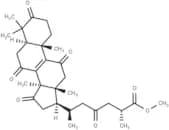
CAS:Methyl ganoderate E is a natural product that can be used as a reference standard. The CAS number of Methyl ganoderate E is 98718-43-5.Formula:C31H42O7Color and Shape:SolidMolecular weight:526.7N-Demethylfordianoside
N-Demethylfordianoside is a natural product that can be used as a reference standard.Formula:C23H30NO8Color and Shape:SolidMolecular weight:448.52'E-3'-formaldehydylosthole
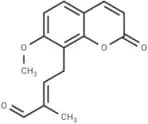
CAS:2'E-3'-formaldehydylosthole is a natural product that can be used as a reference standard. The CAS number of 2'E-3'-formaldehydylosthole is 73292-92-9.Formula:C15H14O4Color and Shape:SolidMolecular weight:258.3Isosecotanapartholide
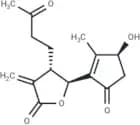
CAS:<p>Isosecotanapartholide is a natural product that can be used as a reference standard. The CAS number of Isosecotanapartholide is 102926-01-2.</p>Formula:C15H18O5Color and Shape:SolidMolecular weight:278.3Solafuranone
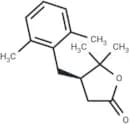
CAS:Solafuranone exhibits cytotoxic activity against human cancer cell lines at concentrations as high as 30 μM and possesses anti-inflammatory properties.Formula:C15H20O2Color and Shape:SolidMolecular weight:232.3Mahuannin B
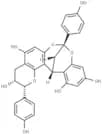
CAS:<p>Mahuannin B effectively reduces sweating by inhibiting cAMP production through the suppression of adenylate cyclase (AC) activity.</p>Formula:C30H24O10Color and Shape:SolidMolecular weight:544.5Giganteone C
CAS:<p>Giganteone C is a natural product that can be used as a reference standard. The CAS number of Giganteone C is 1071223-56-7.</p>Formula:C42H50O9Color and Shape:SolidMolecular weight:698.9Ganoderenic acid G
CAS:<p>Ganoderenic acid G is a natural product that can be used as a reference standard. The CAS number of Ganoderenic acid G is 120481-73-4.</p>Formula:C30H40O7Color and Shape:SolidMolecular weight:512.6Calleryanin
CAS:Calleryanin is a natural product that can be used as a reference standard. The CAS number of Calleryanin is 20300-53-2.Formula:C13H18O8Color and Shape:SolidMolecular weight:302.3Otobaphenol
CAS:Otobaphenol is a natural product that can be used as a reference standard. The CAS number of Otobaphenol is 10240-16-1.Formula:C20H22O4Color and Shape:SolidMolecular weight:326.45-O-Coumaroylquinic acid
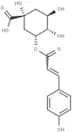
CAS:5-O-Coumaroylquinic acid (3-O-Coumaroylquinic acid), exhibits significant inhibition of PTP1B and a concentration-dependent inhibitory effect on α-glucosidase, thereby demonstrating anti-hyperglycemic properties. Additionally, this compound enhances glucose uptake and inhibits PTP1B in vitro, emphasizing its potential therapeutic applications in glucose regulation.Formula:C16H18O8Color and Shape:SolidMolecular weight:338.3Geissoschizine
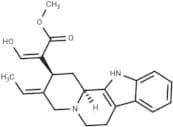
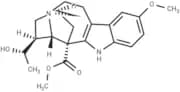
CAS:Geissoschizine is a natural product that can be used as a reference standard. The CAS number of Geissoschizine is 439-66-7.Formula:C21H24N2O4Color and Shape:SolidMolecular weight:368.4Massonianoside D
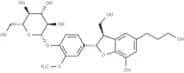
CAS:<p>Massonianoside D is a natural product that can be used as a reference standard. The CAS number of Massonianoside D is 85115-04-4.</p>Formula:C25H32O11Color and Shape:SolidMolecular weight:508.5Isorhamnetin-3-O-rutinoside-7-O-glucoside
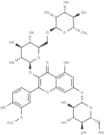
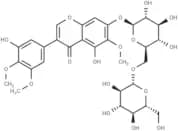
CAS:Isorhamnetin-3-O-rutinoside-7-O-glucoside is a natural product that can be used as a reference standard. The CAS number of Isorhamnetin-3-O-rutinoside-7-O-glucoside is 55481-91-9.Formula:C34H42O21Color and Shape:SolidMolecular weight:786.7(R)-Mucronulatol
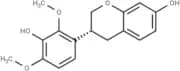
CAS:(R)-Mucronulatol is a natural product that can be used as a reference standard. The CAS number of (R)-Mucronulatol is 57128-11-7.Formula:C17H18O5Color and Shape:SolidMolecular weight:302.3Scoparin
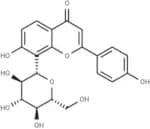
CAS:Scoparin exhibits antioxidant and antibacterial activities.Formula:C22H22O11Color and Shape:SolidMolecular weight:462.4Irigenin 3'-O-glucoside
Irigenin 3'-O-glucoside is a natural product that can be used as a reference standard.Formula:C24H26O13Color and Shape:SolidMolecular weight:522.5N-Methyltetrahydrocolumbamine
CAS:N-Methyltetrahydrocolumbamine is a natural product that can be used as a reference standard. The CAS number of N-Methyltetrahydrocolumbamine is 92758-34-4.Formula:C21H26NO4Color and Shape:SolidMolecular weight:356.4Bayin
CAS:Bayin is a natural product that can be used as a reference standard. The CAS number of Bayin is 3681-96-7.Formula:C21H20O9Color and Shape:SolidMolecular weight:416.4Ganosinensic acid C
CAS:<p>Ganosinensic acid C is a natural product that can be used as a reference standard. The CAS number of Ganosinensic acid C is 2231756-23-1.</p>Formula:C30H40O7Color and Shape:SolidMolecular weight:512.6Methyl ganoderenate F
<p>Methyl ganoderenate F is a natural product that can be used as a reference standard.</p>Formula:C31H40O7Color and Shape:SolidMolecular weight:524.73-Oxo-α-ilexanolic acid
3-Oxo-alpha-ilexanolic acid is a natural product that can be used as a reference standard.Formula:C30H44O4Color and Shape:SolidMolecular weight:468.78-epi-Helenalin
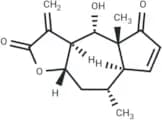
CAS:8-epi-Helenalin, a sesquiterpene lactone with anti-tumor properties, is derived from Inula britannica L. var. chinensis (Rupr.) Reg. It demonstrates cytotoxic activity against a range of cancer cell lines, with ED50 values of 12.2 μM for HL-60, 53.8 μM for A549, 9.1 μM for MCF7, 8.7 μM for HCT-15, 18.7 μM for SK-OV-3, and 8.3 μM for Malme-3M, indicating its potential for anti-tumor research [1].Formula:C15H18O4Color and Shape:SolidMolecular weight:262.3Germanaism C
CAS:Germanaism C is a natural product that can be used as a reference standard. The CAS number of Germanaism C is 696663-52-2.Formula:C30H36O18Color and Shape:SolidMolecular weight:684.6Secoisolariciresinol 9,9'-diacetate
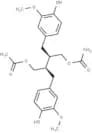
CAS:Secoisolariciresinol 9,9'-diacetate is a natural product that can be used as a reference standard. The CAS number of Secoisolariciresinol 9,9'-diacetate is 848844-79-1.Formula:C24H30O8Color and Shape:SolidMolecular weight:446.5Schizotenuin A
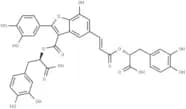
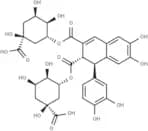
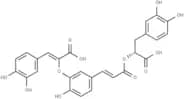
CAS:Schizotenuin A is a natural product that can be used as a reference standard. The CAS number of Schizotenuin A is 144608-09-3.Formula:C36H28O16Color and Shape:SolidMolecular weight:716.6Abiesinol B
CAS:Abiesinol B is a natural product that can be used as a reference standard. The CAS number of Abiesinol B is 1190070-89-3.Formula:C30H22O11Color and Shape:SolidMolecular weight:558.5(E)-1-methoxy-2-O-(p-coumaroyl)-myo-inositol
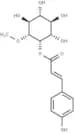
CAS:(E)-1-methoxy-2-O-(p-coumaroyl)-myo-inositol is a natural product that can be used as a reference standard. The CAS number of (E)-1-methoxy-2-O-(p-coumaroyl)-myo-inositol is 1391715-18-6.Formula:C16H20O8Color and Shape:SolidMolecular weight:340.31-Methyl-6,8-dimethoxyquinoline-2 1H-one
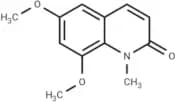
CAS:1-Methyl-6,8-dimethoxyquinoline-2 1H-one is a natural product that can be used as a reference standard. The CAS number of 1-Methyl-6,8-dimethoxyquinoline-2 1H-one is 1210820-67-9.Formula:C12H13NO3Color and Shape:SolidMolecular weight:219.2Abiesinol A
CAS:<p>Abiesinol A is a natural product that can be used as a reference standard. The CAS number of Abiesinol A is 1190070-88-2.</p>Formula:C30H22O11Color and Shape:SolidMolecular weight:558.5Patrinia saponin H3
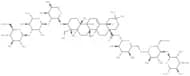
CAS:<p>Patrinia saponin H3 is a natural product that can be used as a reference standard. The CAS number of Patrinia saponin H3 is 197013-75-5.</p>Formula:C65H106O31Color and Shape:SolidMolecular weight:1383.6Akebia saponin E
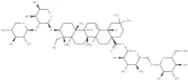
CAS:<p>Akebia saponin E is a natural product that can be used as a reference standard. The CAS number of Akebia saponin E is 39524-14-6.</p>Formula:C52H84O22Color and Shape:SolidMolecular weight:1061.24-(2-Hydroxyethyl)benzoic acid
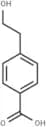
CAS:4-(2-Hydroxyethyl)benzoic acid is a natural benzoic acid derivative suitable for biochemical experiments and drug synthesis research.Formula:C9H10O3Purity:99.91%Color and Shape:SolidMolecular weight:166.17Ellagic acid 4-O-α-L-arabinofuranoside
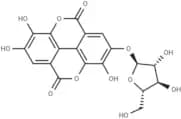
CAS:Ellagic acid 4-O-alpha-L-arabinofuranoside is a natural product that can be used as a reference standard. The CAS number of Ellagic acid 4-O-alpha-L-arabinofuranoside is 358617-39-7.Formula:C19H14O12Color and Shape:SolidMolecular weight:434.3Rhamnocitrin-3-O-neohesperoside-4'-O-glucoside
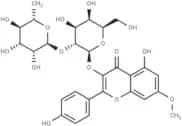
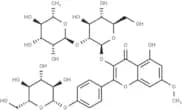
CAS:<p>Rhamnocitrin-3-O-neohesperoside-4'-O-glucoside is a natural product that can be used as a reference standard. The CAS number of Rhamnocitrin-3-O-neohesperoside-4'-O-glucoside is 446276-95-5.</p>Formula:C34H42O20Color and Shape:SolidMolecular weight:770.715,26-Dihydroxylanosta-7,9(11),24-trien-3-one
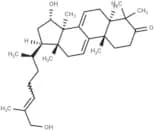
CAS:<p>15,26-Dihydroxylanosta-7,9(11),24-trien-3-one is a natural product that can be used as a reference standard. The CAS number of 15,26-Dihydroxylanosta-7,9(11),24-trien-3-one is 420781-85-7.</p>Formula:C30H46O3Color and Shape:SolidMolecular weight:454.7Protocatechuoylcalleryanin-3-O-β-glucopyranoside
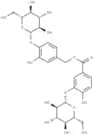
CAS:Protocatechuoylcalleryanin-3-O-beta-glucopyranoside is a natural product that can be used as a reference standard. The CAS number of Protocatechuoylcalleryanin-3-O-beta-glucopyranoside is 1263431-59-9.Formula:C26H32O16Color and Shape:SolidMolecular weight:600.51-Isothiocyanato-6-(methylsulfenyl)-hexane
CAS:<p>1-Isothiocyanato-6-(methylsulfenyl)-hexane, identified in wasabi (W. japonica), exhibits multifaceted biological activities. This isothiocyanate compound demonstrates antibacterial properties by inhibiting B. subtilis growth in an agar diffusion assay at 25 µmol/disc, and antifungal effectiveness against T. mentagrophytes with a minimum inhibitory concentration (MIC) of 25 µg/ml. Additionally, it acts as a repellent in the blue mussel (M. edulis) assay and shows antifouling capabilities on polyvinyl chloride (PVC) plates at a concentration of 50 µmol/cm^2, underscoring its potential in biotechnological applications.</p>Formula:C8H15NS2Color and Shape:SolidMolecular weight:189.341cis-Zeatin
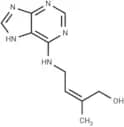
CAS:<p>Cis-Zeatin, a cytokinin plant growth regulator and an isomer of trans-zeatin, promotes callus growth in isolated N. tabacum callus tissue at concentrations between 0.1 and 1 µM.</p>Formula:C10H13N5OColor and Shape:SolidMolecular weight:219.24Thujopsene
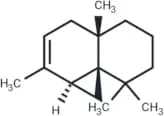
CAS:Thujopsene, a sesquiterpene found in T. dolabrata, exhibits a wide range of biological activities. It inhibits Na+/K+-ATPase and cytochrome P450 (CYP) isoform CYP2B6 with IC50 values of 25.9 µg/ml and Ki of 0.8 µM, respectively. Additionally, thujopsene demonstrates antimicrobial efficacy against both Gram-positive and Gram-negative bacteria, such as S. aureus, M. luteus, and S. typhimurium, with MICs ranging from 25-50 µg/ml. It also suppresses antigen-induced β-hexosaminidase release in IgE-sensitized RBL-2H3 mast cells (IC50= 25.1 µM) and shows cytotoxicity against A549 non-small cell lung cancer cells with an LC50 of 35.27 µg/ml. Furthermore, thujopsene causes mortality in mites D. farinae and T. putrescentiae, with LC50s of 9.82 and 10.92 µg/cm2, respectively.Formula:C15H24Color and Shape:SolidMolecular weight:204.35(−)-β-Sesquiphellandrene
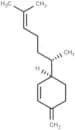
CAS:(–)-β-Sesquiphellandrene, a sesquiterpene identified in Z. officinale, exhibits antiviral and anticancer properties. It effectively inhibits rhinovirus IB virus replication in a plaque reduction assay with an IC50 of 0.44 µM. Additionally, at a concentration of 10 µM, it demonstrates cytotoxicity to HCT116 cells.Formula:C15H24Color and Shape:SolidMolecular weight:204.35(±)-Tuberonic Acid
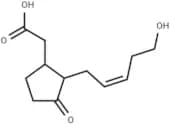
CAS:(±)-Tuberonic acid, a derivative of the plant growth regulator jasmonic acid, is present in M. oleifera.Formula:C12H18O4Color and Shape:SolidMolecular weight:226.27Germacrene B
CAS:Germacrene B, a sesquiterpene identified in P. cablin (patchouli), demonstrates its presence within this botanical source.Formula:C15H24Color and Shape:SolidMolecular weight:204.35(±)-cis-Δ9-THC
(±)-cis-Δ9-THC, a racemic mixture of the phytocannabinoid (–)-cis-Δ9-THC and synthetic cannabinoid (+)-cis-Δ9-THC, serves as an analytical reference standard. It is classified as a Schedule I compound in the United States, denoting regulation due to its notable potential for abuse. This compound is specifically designed for use in research and forensic applications.Color and Shape:Odour Solidall-trans-13,14-Dihydroretinol
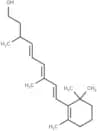
CAS:<p>All-trans-13,14-Dihydroretinol, a metabolite of all-trans-retinoic acid, is synthesized through the enzymatic action of retinol saturase on all-trans-retinoic acid.</p>Formula:C20H32OColor and Shape:SolidMolecular weight:288.47Tricyclene
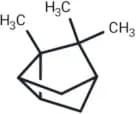
CAS:<p>Tricyclene, a monoterpene identified in various conifers such as Abies, Pinus, Picea, and Tsuga, exhibits notable presence across these species.</p>Formula:C10H16Color and Shape:SolidMolecular weight:136.23α-Guaiene
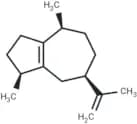
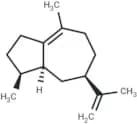
CAS:α-Guaiene, a sesquiterpene identified in P. cablin, showcases its presence within this species.Formula:C15H24Color and Shape:SolidMolecular weight:204.35Arsenobetaine
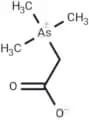
CAS:<p>Arsenobetaine, an organoarsenical and compatible solute, is discovered in numerous marine animals like lobsters and crabs, and terrestrial organisms such as earthworms and lichens. It protects against B. subtilis cell death caused by high osmolarity or extreme temperatures at 1 mM concentration. Notably, arsenobetaine exhibits non-toxicity to mice with an LD50 of 10 g/kg.</p>Formula:C5H11AsO2Color and Shape:SolidMolecular weight:178.06(±)-Cannabidiol
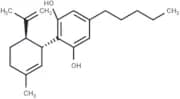
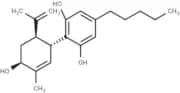
CAS:<p>(±)-Cannabidiol is an analytical reference standard, comprising a racemic mixture of the phytocannabinoid (−)-cannabidiol, a non-psychoactive component of cannabis, and its synthetic isomer, (+)-cannabidiol. This product is designed for use in research and forensic applications, leveraging both the naturally occurring and synthetically produced variants of cannabidiol.</p>Formula:C21H30O2Color and Shape:SolidMolecular weight:314.46Isoreserpiline
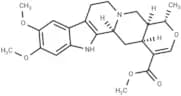
CAS:<p>Isoreserpiline, an indole alkaloid discovered in R. tetraphylla, exhibits a range of biological activities. This compound enhances the antibacterial efficacy of nalidixic acid against both nalidixic acid-sensitive and -resistant E. coli strains through a synergistic effect. Additionally, at a dosage of 25 mg/kg, it mitigates amphetamine-induced hyperactivity in mice.</p>Formula:C23H28N2O5Color and Shape:SolidMolecular weight:412.486Benanomicin B
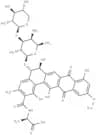
CAS:<p>The compound exhibits excellent antifungal and antiviral activities, including against HIV.</p>Formula:C39H42N2O18Color and Shape:SolidMolecular weight:826.75Dopastin
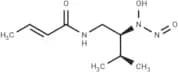
CAS:Dopamine β-hydroxylase inhibitor is a potent compound.Formula:C9H17N3O3Color and Shape:SolidMolecular weight:215.25CBGAQ
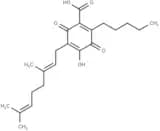
CAS:<p>CBGAQ, an analytical reference standard, is an oxidative quinone derivative of cannabigerolic acid (CBGA), designed for research and forensic applications.</p>Formula:C22H30O5Color and Shape:SolidMolecular weight:374.47Circumdatin A
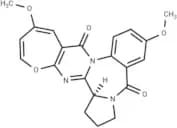
CAS:Circumdatin A, a benzodiazepine alkaloid derived from the fungus A. ochraceus, is a fungal metabolite.Formula:C21H19N3O5Color and Shape:SolidMolecular weight:393.399CBGB
CAS:CBGB, a butylated form of cannabigerol, serves as an analytical reference standard due to its structural similarity to known phytocannabinoids. Designed for research and forensic applications, this compound offers a specific framework for scientific examination and analytical assessment.Formula:C20H30O2Color and Shape:SolidMolecular weight:302.45Cannabielsoin
CAS:<p>Cannabielsoin, a phytocannabinoid metabolite, is an analytical reference standard primarily classified for its role as a metabolite of cannabidiol (CBD). Designed for research and forensic applications, it serves as a crucial compound in the study of cannabinoid substances.</p>Formula:C21H30O3Color and Shape:SolidMolecular weight:330.5Δ9-THCH
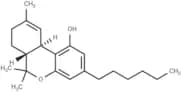
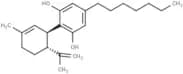
CAS:Δ9-THCH, a phytocannabinoid analytical reference standard, is present in a Cannabis variety cultivated for medicinal use. In the United States, it is classified as a Schedule I compound. This product is designated for research and forensic applications.Formula:C22H32O2Color and Shape:SolidMolecular weight:328.49Bassianin
CAS:Bassianin, a fungal metabolite identified in Beauveria, demonstrates inhibition of Mg2+-, Ca2+-, and Na+/K+-ATPase activities in equine erythrocyte ghosts, with inhibition rates of 81%, 58%, and 23%, respectively, at a concentration of 200 µg/ml. Additionally, bassianin exhibits cytotoxic properties against Sf9 and Sf21 insect cells, with 50% cytotoxic concentration (CC50) values of 4.91 µM and 12.12 µM, respectively.Formula:C23H25NO5Color and Shape:SolidMolecular weight:395.5Parvodicin C2
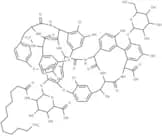
CAS:Parvodicin C2, a glycopeptide antibiotic derived from A. parvosata and part of the parvodicin complex, serves as a component of the A40926 antibiotic complex utilized as a precursor for synthesizing dalbavancin. It exhibits activity against methicillin-sensitive and methicillin-resistant strains of S. aureus, S. epidermidis, S. saprophyticus, S. hemolyticus, and E. faecalis.Formula:C83H88Cl2N8O29Color and Shape:SolidMolecular weight:1732.53Ascochin
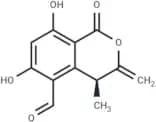
CAS:<p>Ascochin, an isocoumarin derivative and fungal metabolite identified in Ascochyta, demonstrates antimicrobial activity. At a concentration of 0.5 mg/disc, it inhibits Bacillus megaterium (the bacterium), Mycosphaerella violaceum (the plant pathogenic fungus), and Chlorella fusca (the alga) in agar diffusion assays.</p>Formula:C12H10O5Color and Shape:SolidMolecular weight:234.2Chaetoviridin A
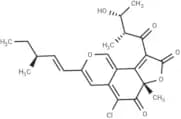
CAS:Chaetoviridin A, an azaphilone isolated from Chaetomium globosum, is characterized as 6H-furo[2,3-h]isochromene-6,8(6aH)-dione with substitutions including a chloro group at position 5, a 3-hydroxy-2-methylbutanoyl group at position 9, a methyl group at position 6a, and a 3-methylpent-1-en-1yl group at position 3. It exhibits antifungal activity against plant pathogenic fungi.Formula:C23H25ClO6Color and Shape:SolidMolecular weight:432.89(−)-6α-hydroxy Cannabidiol
CAS:(−)-6α-Hydroxy Cannabidiol, an analytical reference standard and a phytocannabinoid metabolite, serves primarily as a metabolite of cannabidiol (CBD). This product is designed for use in research and forensic applications.Formula:C21H30O3Color and Shape:SolidMolecular weight:330.46CBDP
CAS:CBDP, an analytical reference standard classified as a phytocannabinoid, is a bis-homolog of cannabidiol identified in specific Cannabis strains. Intended for research and forensic applications, this compound serves as a crucial reference in scientific studies.Formula:C23H34O2Color and Shape:SolidMolecular weight:342.51CBDB
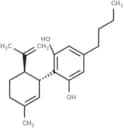
CAS:CBDB, a phytocannabinoid analytical reference standard, is identified in strains of Cannabis and hemp. It is regarded as an impurity in commercial cannabidiol (CBD) extractions from hemp. This compound is designated for research and forensic applications.Formula:C20H28O2Color and Shape:SolidMolecular weight:300.44Streptimidone
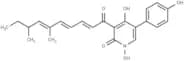
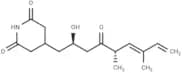
CAS:<p>Streptimidone, a metabolite produced by Streptomyces, exhibits various biological activities, including inhibiting protein synthesis at 50 µg/ml in cell-free assays and reducing tumor growth in rat xenograft models of H.S. No. 1 human sarcoma and H.Ep. No. 3 human epidermoid carcinoma at daily doses of 12.5 and 25 mg/kg.</p>Formula:C16H23NO4Color and Shape:SolidMolecular weight:293.36Chevalone E
CAS:Chevalone E, a meroterpene identified in A. similanensis, exhibits significant properties.Formula:C26H38O4Color and Shape:SolidMolecular weight:414.58Zinnol
CAS:<p>Zinnol (compound 5), a zinniol-related compound, exhibits phytotoxicity and can be extracted from Alternaria cichorii [1].</p>Formula:C10H14O4Color and Shape:SolidMolecular weight:198.22Dihydrotetrodecamycin
CAS:<p>Dihydrotetrodecamycin, a fungal metabolite extracted from S. nashvillensis, exhibits antibacterial properties. It demonstrates activity against the fish-pathogenic bacterium P. piscicida.</p>Formula:C18H24O6Color and Shape:SolidMolecular weight:336.38Hydroxysulochrin
CAS:<p>Hydroxysulochrin, a compound isolated from Aureobasidium sp. [1], serves as a tea pollen growth inhibitor.</p>Formula:C17H16O8Color and Shape:SolidMolecular weight:348.3Urdamycin B
CAS:Urdamycin B, an antibiotic derived from the metabolic products of Streptomyces fradiae, effectively inhibits fungi and bacteria, and exhibits anti-proliferative activity against mouse leukemia cells L1210. Its potential uses include research on cancer, bacterial, and fungal infections [1] [2].Formula:C37H44O13Color and Shape:SolidMolecular weight:696.74Δ9-THCP
CAS:Δ9-THCP, a phytocannabinoid analytical reference standard, is identified in Cannabis and classified as a Schedule I compound in the United States. It is designed for research and forensic applications.Formula:C23H34O2Color and Shape:SolidMolecular weight:342.51(1'S)-Dehydropestalotin
CAS:<p>(1'S)-Dehydropestalotin (Compound 4), an isolate from the AcOEt extract of the fungus Xylaria feejeensis [1], is a chemical compound.</p>Formula:C11H16O4Color and Shape:SolidMolecular weight:212.24trans-β-Ocimene
CAS:Trans-β-Ocimene, a compound isolated from Melaleuca viridiflora [1], exhibits unique chemical characteristics.Formula:C10H16Color and Shape:SolidMolecular weight:136.23Varinolic Acid
CAS:<p>Varinolic acid, an analytical reference standard, plays a crucial role as an intermediate in the phytocannabinoid biosynthetic pathway. It serves as a precursor for synthesizing cannabidivarin (CBDV), cannabigerovarin (CBGV), and cannabivarin (CBV). This compound is designed for research and forensic applications.</p>Formula:C10H12O4Color and Shape:SolidMolecular weight:196.1999(S)-Laudanosine
CAS:(S)-Laudanosine is the corresponding isomer of Laudanosine, which crosses the blood-brain barrier, with potential systemic toxicity and analgesic effects.Formula:C21H27NO4Purity:99.86%Color and Shape:SolidMolecular weight:357.44(−)-Voacangarine
CAS:(–)-Voacangarine, an indole alkaloid isolated from V. africana, exhibits cytotoxicity towards various cell lines including HepG2, A375, MDA-MB-231, SH-SY5Y, and CT26 with IC50 values of 20 µg/ml. Additionally, it demonstrates cytostatic effects on wild-type S. cerevisiae and is cytotoxic to Δrad3-e5 and Δrad6-1 mutant strains of S. cerevisiae, which have defects in DNA strand break repair and the mutagenic repair pathway, respectively.Formula:C22H28N2O4Color and Shape:SolidMolecular weight:384.473-Methyl Orsellinic Acid
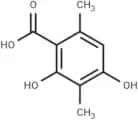
CAS:3-Methyl Orsellinic Acid, a fungal metabolite from Aspergillus terreus, is used as a standard in dereplication to identify natural metabolites.Formula:C9H10O4Purity:99.733%Color and Shape:SolidMolecular weight:182.18(+)-Oxanthromicin
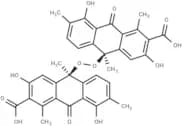
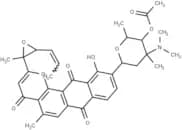
CAS:<p>(+)-Oxanthromicin, an enantiomer of the rare Streptomyces metabolite (−)-oxanthromicin, demonstrates inhibitory activity against K-Ras plasma membrane localization in MDCK cells, exhibiting an IC50 value of 62.5 μM.</p>Formula:C36H30O12Color and Shape:SolidMolecular weight:654.624Methylcardol triene
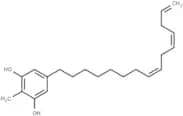
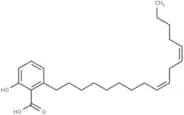
CAS:<p>Methylcardol triene, a phenolic compound present in cashew nut shell liquid, demonstrates α-glucosidase inhibition (IC50= 39.6 µM) and exhibits schistosomicidal properties by eliminating 100% of adult S. mansoni worms within 24 hours at 100 and 200 µM concentrations. Moreover, it serves as a precursor for synthesizing mono- and bis-benzoxazines.</p>Formula:C22H32O2Color and Shape:SolidMolecular weight:328.496Orfamide A
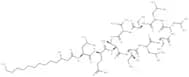
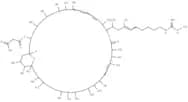
CAS:Orfamide A, a lipopeptide biosurfactant isolated from P. protegens, exhibits multifaceted bioactivity. With an LC50 of 34.5 μg/ml, it significantly increases mortality in adult green peach aphids. Additionally, at a concentration of 50 μM, Orfamide A inhibits appressoria formation in M. oryzae isolates and decreases the prevalence of sporulating blast lesions in M. oryzae-infected plants. Furthermore, it demonstrates efficacy against T. b. brucei, with an IC50 value of 6 µM.Formula:C64H114N10O17Color and Shape:SolidMolecular weight:1295.672-epi-Abamectin
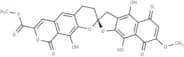
CAS:2-epi-Abamectin, a degradation product of abamectin, exhibits toxicity towards the two-spotted spider mite in contact assays, possessing an LC50 value of 4 ppm. This indicates it is approximately 100-fold less potent than its precursor, abamectin.Formula:C48H72O14Color and Shape:SolidMolecular weight:873.08Bostrycin
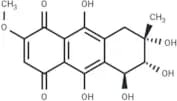
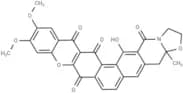
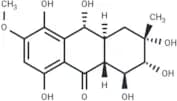
CAS:Bostrycin, an anthraquinone derived from B. alpestre, exhibits a broad spectrum of biological activities including antibacterial, antiproliferative, and phytotoxic effects. This compound demonstrates efficacy against Gram-positive bacteria like methicillin-resistant S. aureus (MRSA), M. tuberculosis, and C. botulinum. Additionally, Bostrycin shows antiproliferative action against A549 lung adenocarcinoma cells, particularly by arresting the cell cycle at the G0/G1 phase and triggering apoptosis within a concentration range of 10 to 30 µM. As a phytotoxin, it causes necrosis in water hyacinth leaves at approximately 7 µg/ml. Furthermore, Bostrycin serves as a protein immobilization cross-linking agent, managing to preserve its bacteriostatic properties when affixed to nonwoven polypropylene fabric.Formula:C16H16O8Color and Shape:SolidMolecular weight:336.29Piperitenone
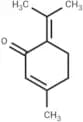
CAS:Piperitenone, a monoterpene identified in various plants, exhibits antioxidant activity and inhibits the peroxidation of linoleic acid.Formula:C10H14OColor and Shape:SolidMolecular weight:150.2176Luteoreticulin
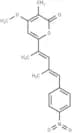
CAS:Luteoreticulin, a nitro-containing bacterial metabolite first isolated from S. luteoreticuli, exhibits mosquitocidal activity against A. aegypti at a concentration of 6.25 mg/L and nematocidal activity against C. elegans.Formula:C19H19NO5Color and Shape:SolidMolecular weight:341.36Dihydroaeruginoic Acid
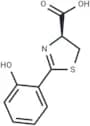
CAS:Dihydroaeruginoic acid, an antibiotic sourced originally from P. fluorescens, exhibits antimicrobial efficacy in disc assays against diverse pathogens, including R. solani, P. ultimum, B. cinerea, S. rolfsii, C. gloeosporioides, F. oxysporum, and S. tritici fungi, along with B. subtilis, E. herbicola, and S. albus bacteria, at a concentration of 200 μg/disc.Formula:C10H9NO3SColor and Shape:SolidMolecular weight:223.25(+)-Fenchol
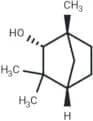
CAS:(+)-Fenchol, a monoterpenoid discovered in various plants including Cannabis, serves both as a precursor in synthesizing other terpenoids and as a chiral building block for the organic synthesis of numerous compounds. Additionally, formulations incorporating (+)-fenchol are employed as fragrance ingredients.Formula:C10H18OColor and Shape:SolidMolecular weight:154.3Aspochracin
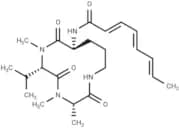
CAS:Aspochracin, a biochemical compound, exhibits potent antifungal activity by inhibiting the growth of various fungal species. This secondary metabolite, produced by Aspergillus spp., plays a crucial role in pharmaceutical applications, particularly in the development of antifungal agents. Its chemical structure enables the interference with the cell membrane of fungi, leading to disruption of essential biological processes and ultimately, fungal cell death.Formula:C23H36N4O4Color and Shape:SolidMolecular weight:432.565Cannabigerorcinic Acid
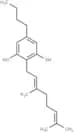
CAS:Cannabigerorcinic acid, structurally akin to recognized phytocannabinoids, serves as an analytical reference standard designed for research and forensic purposes.Formula:C18H24O4Color and Shape:SolidMolecular weight:304.386Heronamide C
CAS:Heronamide C, a polyketide macrolactam antifungal agent synthesized by marine Actinomycetes, exhibits selective toxicity by inhibiting growth and promoting abnormal cell wall material accumulation in wild-type fission yeast cells (MIC = 0.13-0.28 μM), without affecting Gram-positive bacteria or human cancer cell lines, HeLa and MDA-MB-231. At 20 μM, it triggers reversible morphological alterations, notably the development of large intracellular structures, in HeLa cells.Formula:C29H39NO3Color and Shape:SolidMolecular weight:449.635Cannabigerorcin
CAS:Cannabigerorcin, a phytocannabinoid, serves as an analytical reference standard. It is designated for research and forensic applications.Formula:C17H24O2Color and Shape:SolidMolecular weight:260.377Milbemectin
CAS:Milbemectin is composed of 30% milbemycin A3 and 70% milbemycin A4, exhibiting acaricidal and nematocidal properties effective against adult spider mites, their eggs, and C. elegans, with IC50 values of 5.3, 41.1, and 9.5 µg/ml, respectively. It functions as an allosteric agonist of the Drosophila RDL GABA receptor, and demonstrates efficacy against the pinewood nematode, B. xylophilus, with an LC20 of 0.0781 mg/liter.Formula:C31H44O7(A3)andC32H46O7(A4)Color and Shape:SolidPF-1163A
CAS:PF-1163A, a depsipeptide antifungal compound isolated from Penicillium, blocks ergosterol synthesis with an IC50 of 12 ng/ml. This compound specifically inhibits the enzyme ERG25p, a C-4 methyl oxidase in the ergosterol biosynthetic pathway, leading to its antifungal activity. Notably, in Saccharomyces cerevisiae modified to express ERG biosynthesis genes, PF-1163A exhibits an inhibition concentration (MIC value) of 12.5 µg/ml against ERG25p, though strains overexpressing ERG25p show resistance. Additionally, PF-1163A effectively suppresses the growth of Candida albicans (MIC = 8 µg/ml), without affecting other Candida species, Aspergillus fumigatus, or HepG2 cells. Remarkably, it enhances the efficacy of fluconazole against azole-resistant C. albicans strains, showing a significant decrease in MICs (1 and 0.0078 µg/ml alone and in combination, respectively). PF-1163A distinguishes itself from PF-1163B by its more polar nature.Formula:C27H43NO6Color and Shape:SolidMolecular weight:477.6Linoleic acid alkyne
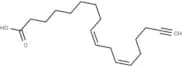
CAS:<p>Linoleic acid alkyne, an ω-alkyne derivative of Linoleic acid, serves as a precursor for synthesizing alkyne-containing compounds, including glycerophospholipids, suited for click chemistry applications [1].</p>Formula:C18H28O2Color and Shape:SolidMolecular weight:276.42Nicotianamine
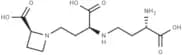
CAS:Nicotianamine, an amino acid that chelates iron, facilitates the absorption of iron from the soil.Formula:C12H21N3O6Color and Shape:SolidMolecular weight:303.315Chloramphenicol Acetate
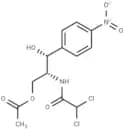
CAS:Chloramphenicol acetate, an acetylated and inactive derivative of chloramphenicol, is synthesized in E. coli and S. aureus through the action of the inducible enzyme chloramphenicol acetyltransferase, utilizing acetyl coenzyme A (acetyl-CoA), to impart resistance to chloramphenicol. This compound exhibits no antibiotic activity against S. sonnei in turbidimetric assays.Formula:C13H14Cl2N2O6Color and Shape:SolidMolecular weight:365.16Theasinensin C
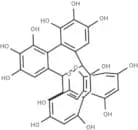
CAS:Theasinensin C is a compound extracted from black tea water with an IC50 value of 40.21 μM for renin activity.Formula:C30H26O14Purity:95.23%Color and Shape:SoildMolecular weight:610.52L-Erythrulose
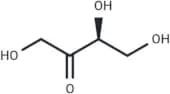
CAS:L-Erythrulose (L-glycero-Tetrulose) is a ketose extracted from sugar cane that has tanning and moisturizing effects and is often added to skin care products.Formula:C4H8O4Purity:99.97%Color and Shape:SoildMolecular weight:120.1Dihydro-N-Caffeoyltyramine
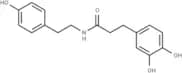
CAS:<p>Dihydro-N-Caffeoyltyramine is a compound extracted from Lycii Cortex that has antioxidant and antifungal activities and can be used to study fungal infections.</p>Formula:C17H19NO4Purity:99.23%Color and Shape:SoildMolecular weight:301.34(5S)-Neosamine C
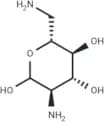
CAS:(5S)-Neosamine C, an aminocyclic alcohol antibiotic derived from microbial secondary metabolites, possesses a cyclized structure and is utilized in the biosynthesis of Neomycins.Formula:C6H14N2O4Color and Shape:SolidMolecular weight:178.192,7"-Phloroglucinol-6,6'-bieckol
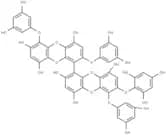
CAS:<p>2,7"-Phloroglucinol-6,6'-bieckol serves as an effective oral dual α-amylase/α-glucosidase inhibitor, demonstrating IC 50 concentrations of 6.94 μM and 23.35 μM, respectively. This compound is beneficial in mitigating postprandial hyperglycemia among diabetic mice and is applicable in diabetes research [1].</p>Formula:C48H30O23Color and Shape:SolidMolecular weight:974.74MAP3K5-IN-1
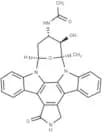
CAS:Compound 7, also known as 3′-O-Demethyl-4′-N-demethyl-4′-N-acetyl-4′-epi-staurosporine, serves as an inhibitor of protein kinases, displaying IC50 values of 0.092 μM for PKC-α, 0.26 μM for ROCK, and 0.77 μM for ASK1. Additionally, this compound exhibits significant cytotoxicity towards PC-3 cancer cells, with an IC50 of 0.16 μM [1].Formula:C28H24N4O4Color and Shape:SolidMolecular weight:480.513-Hydroxybutyryl-CoA
CAS:3-Hydroxybutyryl-CoA, a metabolite found in mice, E. coli, and others, contains 3-hydroxybutanoyl as the S-acyl component and serves as an intermediate in butyric acid fermentation and the metabolism of lysine and tryptophan [1].Formula:C25H42N7O18P3SMolecular weight:853.623-Hydroxylicochalcone A
CAS:3-Hydroxylicochalcone A is a naturally occurring chalcone derivative. chalcone derivatives usually inhibit 11β-HSDFormula:C21H22O5Color and Shape:SolidMolecular weight:354.43-Methoxy-4-hydroxyphenylglycol
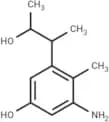
CAS:3-Methoxy-4-hydroxyphenylglycol (HMPG), a metabolite of norepinephrine degradation in the brain, serves as an indicator of central nervous system noradrenergic activity and is useful for research on depression, chronic schizophrenia, and other conditions [1].Formula:C9H12O4Molecular weight:184.193-p-Coumaroylquinic acid
CAS:3-p-Coumaroylquinic acid is a natural product exhibiting radical scavenging activity with an EC50 of 189 μM in the DPPH assay.Formula:C16H18O8Purity:99.94%Molecular weight:338.313α,7α-Dihydroxycoprostanic acid
CAS:3α,7α-Dihydroxycoprostanic acid, an endogenous metabolite and bile acid, serves as the precursor to chenodeoxycholic acid [1].Formula:C27H46O4Molecular weight:434.655-Dihydrocortisone
CAS:5β-Dihydrocortisone is a sterol metabolite of cortisone produced by 5β-reductase (AKR1D1) in the liver, existing as a mixture of isomers.Formula:C21H30O5Molecular weight:362.465-NH2-Baicalein
CAS:5-NH2-Baicalein, an aminated metabolite of Baicalein, can be utilized for researching ammonia and ammonia-associated chronic diseases [1].Formula:C15H11NO4Color and Shape:SolidMolecular weight:269.25Antiviral Agent 51
CAS:Antiviral Agent 51 (compound A) is antiviral that inhibits Human alphaherpesvirus 1 and interacts with the RdRp of DENV-2, dengue virus.Formula:C7H14O7SColor and Shape:SolidMolecular weight:242.25Aureonuclemycin
CAS:<p>Aureonuclemycin, isolated from Staphylococcus aureus to obtain its biosynthetic gene cluster, exists in two forms: Type A and Type B. Aureonuclemycin A is a nucleoside antibiotic structurally similar to herbicides and contains adenine, while Aureonuclemycin B contains 5′-deoxyadenosine and exhibits antibacterial activity. Aureonuclemycin can be used in research on bacterial leaf blight in rice, citrus canker, and bacterial leaf spot in rice. [1] [2]</p>Formula:C16H19N5O9Color and Shape:SolidMolecular weight:425.35cis-Tonghaosu
CAS:cis-Tonghaosu ((Z)-Tonghaosu) is a compound extracted from German chamomile with anti-inflammatory and antispasmodic activities.Formula:C13H12O2Purity:95.01%Color and Shape:SolidMolecular weight:200.23Coenzyme Q8
CAS:<p>Coenzyme Q8 (Ubiquinone 8) is an isoprenoid quinone isolated from the plasma membrane of Cryptomeria hidradii isolates.</p>Formula:C49H74O4Color and Shape:SolidMolecular weight:727.11Corallopyronin A
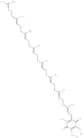
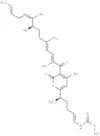
CAS:<p>Corallopyronin A is an antibiotic that can be isolated from *Corallococcus coralloides* [1].</p>Formula:C30H41NO7Color and Shape:SolidMolecular weight:527.65Dichlorogelignate
CAS:<p>Dichlorogelignate (compound 4) acts as a selective inhibitor of topoisomerase II (Topo II), achieving 100% inhibition at 50 μM [1].</p>Formula:C32H34O18Color and Shape:SolidMolecular weight:706.6Egg oil
CAS:Egg oil is a natural oil composed primarily of cholesterol, lecithin, and glycerides of fatty acids. It exhibits activity in regulating gut microbial dysbiosis and alleviating obesity, insulin resistance, and inflammation [1] [2] [3] [4].Color and Shape:SolidEupenicisirenin C
CAS:Eupenicisirenin C (compound 1), a sirenin derivative, exhibits strong NF-κB inhibitory activities and suppresses the cGAS-STING pathway. Additionally, Eupenicisirenin C inhibits RANKL-induced osteoclast differentiation in bone marrow macrophage cells [1].Formula:C13H18O4Molecular weight:238.28Farobin A
CAS:<p>Farobin A, a natural compound, exhibits antibacterial, antioxidant, and anti-inflammatory properties. It is effective against Streptococcus mutans ATCC 25175 and Streptococcus sobrinus ATCC 33478. Additionally, Farobin A demonstrates anti-inflammatory activity by targeting cytokine IL-6 and TNF-α [1].</p>Formula:C27H30O14Color and Shape:SolidMolecular weight:578.52Floramanoside C
CAS:Floramanoside C exhibits 2,2-diphenyl-1-picrylhydrazyl scavenging and aldose reductase inhibitory activities [1].Formula:C21H18O15Color and Shape:SolidMolecular weight:510.36Gallinamide A TFA
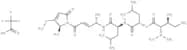
CAS:<p>Gallinamide A TFA is a peptide that exhibits linear deposition and serves as a potent inhibitor of cathepsin L (CatL) with an IC50 of 17.6 pM. It inhibits SARS-CoV-2 infection by targeting CatL (EC50: 28 nM) and also inhibits Plasmodium falciparum with an IC50 of 50 nM [1] [2].</p>Formula:C33H53F3N4O9Color and Shape:SolidMolecular weight:706.79γ-Glutamylarginine
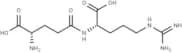
CAS:<p>Gamma-Glutamylarginine is a natural γ-glutamic acid oligopeptide composed of glutamic acid and arginine.</p>Formula:C11H21N5O5Purity:99.31%Color and Shape:SolidMolecular weight:303.32Halociline
CAS:Halociline, a derivative of alkaloids that can be isolated from the marine fungus Penicillium griseofulvum, targets MAPK1, MMP-9, and PIK3CA in gastric cancer cells. This action is potentially mediated by diverse pathways, including cancer, lipid metabolism, atherosclerosis, and EGFR tyrosine kinase inhibitor resistance. Halociline possesses antimicrobial, antioxidant, and biofilm inhibitory activities [1] [2].Formula:C11H17NO2Color and Shape:SolidMolecular weight:195.26Heilaohuguosu G
CAS:Heilaohuguosu G (compound 7), a cyclolignan, exhibits hepatoprotective activity. It counters APAP toxicity, demonstrating cell survival rates of 45.7% at a concentration of 10 μM in HepG-2 cells [1].Formula:C30H32O8Molecular weight:520.57Kuwanon U
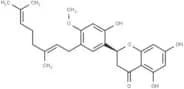
CAS:SiRNA Negative Control is an siRNA sequence that does not target any gene product and is a negative control for siRNA.Formula:C26H30O6Color and Shape:SolidMolecular weight:438.51Massoia Lactone
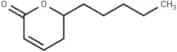
CAS:Massoia Lactone is a natural antifungal compound that inhibits Sclerotinia sp. and Botrytis cinerea.Formula:C10H16O2Color and Shape:SolidMolecular weight:168.23Menaquinone 6
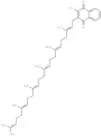
CAS:Menaquinone 6, an active product found in *Wolinella succinogenes*, is a form of vitamin K2 with antimicrobial activity [1].Formula:C41H56O2Color and Shape:SolidMolecular weight:580.88Microcolin H
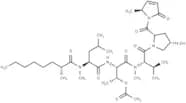
CAS:Microcolin H, a marine lipopeptide and phosphatidylinositol transfer protein ligand, targets PITPα/β. It enhances the conversion of LC3I to LC3II and decreases p62 levels in cancer cells, inducing autophagy cell death (Autophagy). Furthermore, Microcolin H effectively inhibits tumor growth and exhibits anti-proliferative activity in nude mouse subcutaneous tumor models [1].Formula:C38H63N5O9Color and Shape:SolidMolecular weight:733.93Ouabagenin
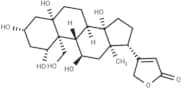
CAS:<p>Ouabagenin, a naturally occurring LXR ligand with selective agonist activity, functions as an EC 3.6.3.9 (Na(+)/K(+)-transport ATPase) inhibitor [1] [2].</p>Formula:C23H34O8Color and Shape:SolidMolecular weight:438.51Polycarpine hydrochloride
CAS:Polycarpine hydrochloride (1a), a broad-spectrum Mpro inhibitor (IC 50 = 30 nM), is sourced from Polycarpa aurata and functions as an anti-coronaviral agent. This compound exhibits both antiviral and antifungal properties, with IC 50 values of 30.0 nM against SARS-CoV-2 Mpro and 0.12 μM against PEDV Mpro [1].Formula:C22H26Cl2N6O2S2Color and Shape:SolidMolecular weight:541.52Prostaglandin B1
CAS:Prostaglandin B1 (PGB1), a metabolite of Prostaglandin E1, acts as a prostanoid receptor ligand [1] [2].Formula:C20H32O4Molecular weight:336.47p-Terphenyl
CAS:p-Terphenyl is a triphenyl derivative used in industry as a heat transfer medium and dye carrier, and can be used for related research in the life sciences.Formula:C18H14Color and Shape:SolidMolecular weight:230.3Salvianolic acid H
CAS:Salvianolic acid H is a strong inhibitor of acetylcholinesterase (AChE) [1].Formula:C27H22O12Color and Shape:SolidMolecular weight:538.46T-Cadinol
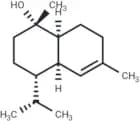
CAS:T-Cadinol (Cedrelanol) is a sesquiterpene compound isolated from C. sylvestris with antitrypanosomal activity and potential anticancer activity.Formula:C15H26OPurity:96.09%Color and Shape:SolidMolecular weight:222.37Tetramycin B
CAS:Tetramycin B (4-Hydroxytetramycin A), a polyene macrolide antibiotic and potent antifungal agent, is derived from Streptomyces hygrospinosus var. Beijingensis.Formula:C35H53NO14Purity:95.09%Color and Shape:SolidMolecular weight:711.79Timosaponin E2
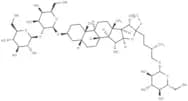
CAS:Timosaponin E2 is an anti-inflammatory agent that inhibits active oxygen production [1].Formula:C46H78O20Color and Shape:SolidMolecular weight:951.1Xanthan gum
CAS:<p>Xanthan gum is a hydrophilic polysaccharide produced by the fermentation of Aeromonas spp. anti-tumor, anti-viral, anti-bacterial, and immunomodulatory.</p>Color and Shape:Solidα-Glucosidase-IN-54
CAS:α-Glucosidase-IN-54 (compound 2) functions as an α-glucosidase inhibitor, exhibiting an IC 50 value of 0.011 mM, and is derived from Syzygium jambos (L.). This compound is employed in diabetes research [1].Formula:C24H36O3Color and Shape:SolidMolecular weight:372.54(±)-Δ7-Mesembrenone
CAS:(±) - Δ 7-Mesembrenone is an alkaloid found in S.tortuosum.Formula:C17H21NO3Molecular weight:287.35Cervinomycin A2
CAS:Cervinomycin A2 is an antibiotic effective against anaerobic bacteria, isolated from the Streptomyces genus, specifically Cervinomycetes. It exhibits strong inhibitory effects on Clostridium perfringens, Peptostreptococcus, and Bacteroides fragilis.Formula:C29H21NO9Color and Shape:SolidMolecular weight:527.48Dimethylpropiothetin hydrochloride
CAS:Dimethylpropiothetin hydrochloride (s,s-Dimethyl-β-propionic acid thetine) represents the hydrochloride variant of dimethylpropiothetin. This compound is extractable from marine algae and serves as a precursor to dimethylsulfide (DMS). Additionally, it plays a role in the osmoregulation processes within Hymenomonas carterae.Formula:C5H11ClO2SMolecular weight:170.66Magnesium isoglycyrrhizinate hydrate
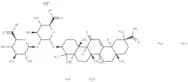
CAS:Magnesium isoglycyrrhizinate hydrate is an active ingredient extracted from licorice, with anti-inflammatory properties.Formula:C42H68MgO20Purity:99.09%Color and Shape:SolidMolecular weight:917.28Tetrahydrobostrycin
CAS:Tetrahydrobostrycin is a secondary metabolite produced by Aspergillus sp., demonstrating mild inhibitory effects against Staphylococcus aureus and Escherichia coli, with inhibition zones measuring 15 mm and 9.2 mm respectively (100 mg/disc).Formula:C16H20O8Color and Shape:SolidMolecular weight:340.33Caprazene
CAS:Caprazene is a precursor molecule of semi-synthetic antibacterial antibiotics and an anti-mycobacterial compound used for tuberculosis and Mycobacterium avium complex infection research. It can be isolated from the acid-treated caprazamycin (CPZ) A-G mixture.Formula:C22H31N5O12Color and Shape:SolidMolecular weight:557.519-O-Acetylneuraminic acid
CAS:9-O-Acetylneuraminic acid, an endogenous metabolite, binds to lectins and effectively inhibits hemagglutination .Formula:C11H19NO9Molecular weight:309.27(Z)-7-Dodecen-1-ol
CAS:(Z)-7-Dodecen-1-ol counteracts the attractive properties of Z-7-dodecen-1-yl acetate.Formula:C12H24OMolecular weight:184.32Naphthomycin B
CAS:Naphthomycin B is an antibiotic that was originally isolated from Streptomyces sp. It exhibits antibacterial activity against gram-positive bacteria and various fungi.Formula:C39H44ClNO9Color and Shape:SolidMolecular weight:706.22T-Muurolol
CAS:T-Muurolol (epi-α-Muurolol) is a sesquiterpene compound derived from Streptomyces sp. M491 with antibacterial, antioxidant, and anti-inflammatory activities.Formula:C15H26OPurity:97.45%Color and Shape:SolidMolecular weight:222.37Protocatechuic acid 3-O-β-D-glucopyranoside
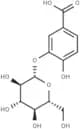
CAS:<p>Protocatechuic acid 3-O-β-D-glucopyranoside is a natural phenolic glucoside widely used in biochemical experiments and drug synthesis research.</p>Formula:C13H16O9Color and Shape:SolidMolecular weight:316.26Pyrrocidine A
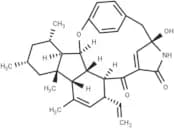
CAS:Pyrrocidine A, an antibiotic known for its antibacterial properties, can be isolated from LL-Cyan426.Formula:C31H37NO4Color and Shape:SolidMolecular weight:487.63Guanidine
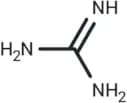
CAS:Guanidine is a strong chaotropic agent and a strong denaturant of proteins.Formula:CH5N3Purity:97%Color and Shape:SoildMolecular weight:59.07γ-Rubromycin
CAS:γ-Rubromycin is a natural product derived from Streptomyces bacteria and possesses antimicrobial activity.Formula:C26H18O12Color and Shape:SolidMolecular weight:522.412-Bromoaldisine
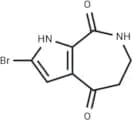
CAS:2-Bromoaldisine, a pyrrole alkaloid isolated from Stylissa carter, is known to inhibit HIV-1 infection and suppress the Raf/MEK/MAPK pathway.Formula:C8H7BrN2O2Color and Shape:SolidMolecular weight:243.06Saptomycin D
CAS:<p>Saptomycin D, an antibiotic (antibiotic) isolated from the Streptomyces sp. HP530 strain, exhibits potent antitumor activity. It demonstrates strong inhibitory effects on Gram-positive bacteria and weaker inhibition against certain Gram-negative bacteria and yeasts. Additionally, Saptomycin D shows significant antitumor properties that make it a candidate for research in cancer therapy.</p>Formula:C35H37NO9Color and Shape:SolidMolecular weight:615.67Batrachotoxin
CAS:Batrachotoxin (BTX), a potent neurotoxin and cardiotoxin, is found in the skin of the Colombian dart frog (Phyllobates aurotaenia). As an activator of sodium channels (sodium channel), it interferes with normal sodium channel closure by binding to voltage-gated sodium channels (sodium channel) on the cell membrane. This interaction causes a continuous influx of sodium ions into the cells, leading to persistent depolarization.Formula:C31H42N2O6Molecular weight:538.67α-Bulnesene
CAS:α-Bulnesene, a novel PAF (platelet-activating factor) receptor antagonist, exhibits an IC50 of 17.62 μM. It can be isolated from patchouli. α-Bulnesene inhibits both PAF and arachidonic acid-induced aggregation of rabbit platelets.Formula:C15H24Color and Shape:SolidMolecular weight:204.35M145724
CAS:M145724 ((3Z,6E)-1-N-Methylalbonoursin) is a metabolite that can be extracted from Streptomyces albus.Formula:C16H18N2O2Molecular weight:270.33Humic acid
CAS:<p>Humic acid, a compound formed from the microbial breakdown of plant and animal remains, enhances the degradation of pyrene by Mycobacterium smegmatis NJS-1.</p>Color and Shape:SolidSolasodine hydrochloride
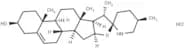
CAS:Solasodine hydrochloride (90 μM; 2 days) treatment induced significant budding in P19 cells. This compound strongly stimulated the expression of various neuronal markers, including βIII-tubulin, synaptophysin, MAP2, ChAT, and the neural progenitor marker doublecortin. Predominantly, Solasodine hydrochloride directed the differentiation of P19 cells towards neuronal pathways.Formula:C27H44ClNO2Color and Shape:SolidMolecular weight:450.1Malolactomycin C
CAS:<p>Malolactomycin C (compound 1) is a macrocyclic lactone antifungal antibiotic isolated from the Streptomyces strain KP-3144. It effectively inhibits Botrytis cinerea (gray mold), thereby controlling various plant diseases, including gray mold infections.</p>Formula:C62H109N3O20Color and Shape:SolidMolecular weight:1216.54Sinopodophylline B
CAS:<p>Sinopodophylline B is a natural, anticancer flavonoid glycoside against many cancer cells, such as 231, inducing apoptosis and inhibiting cell proliferation.</p>Formula:C21H20O7Purity:97.07%Color and Shape:SolidMolecular weight:384.38β-Citryl-L-glutamic acid
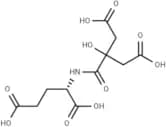
CAS:<p>β-Citryl-L-glutamic acid (β-Citrylglutamic acid) is an endogenous metabolite present in the developing brain, capable of activating aconitase activity as an iron carrier.</p>Formula:C11H15NO10Purity:98.09%Color and Shape:SolidMolecular weight:321.24Bilberry Extract
CAS:Bilberry Extract is a bilberry extract with antibacterial, anti-inflammatory, anti-cancer, antiviral, and antioxidant activities, used in food coloring researchColor and Shape:SolidNystatin A1
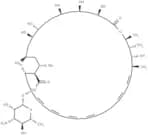
CAS:<p>Nystatin A1, a polyene macrolide (antibiotic), is isolated from the Streptomyces noursei bacterium. It functions by binding with ergosterol on fungal cell membranes, enhancing membrane permeability, and consequently causing leakage of cellular contents, which inhibits fungal growth and reproduction.</p>Formula:C47H75NO17Color and Shape:SolidMolecular weight:926.09Sarubicin B
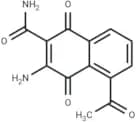
CAS:<p>Sarubicin B, an active quinone antibiotic isolated from the culture filtrate of the Streptomyces strain (Streptomyces strain) JA 2861, effectively inhibits Gram-positive bacteria while showing ineffectiveness against Gram-negative organisms.</p>Formula:C13H10N2O4Color and Shape:SolidMolecular weight:258.2312-Deoxyphorbol 13-palmitate
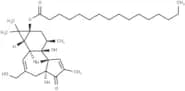
CAS:<p>12-Deoxyphorbol 13-palmitate, a monomer derived from the roots of Euphorbia fischeriana, exhibits notable antitumor activity. This compound induces cell cycle arrest and apoptosis in gastric cancer cells by modulating key cell cycle regulators, such as cyclin B, cyclin A, and CDC2. Additionally, 12-Deoxyphorbol 13-palmitate significantly diminishes liver fibrosis by targeting APOL2 and impairing the APOL2–SERCA2–PERK–HES1 signaling pathway.</p>Formula:C36H58O6Color and Shape:SolidMolecular weight:586.84dCMP disodium
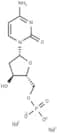
CAS:<p>Ezabenlimab (BI-754091) is a humanized monoclonal antibody targeting programmed cell death protein-1 with antitumor activity.</p>Formula:C9H12N3Na2O7PPurity:99.72%Color and Shape:SolidMolecular weight:351.16PI3K/AKT-IN-4
PI3K/AKT-IN-4 (compound 3), a diterpenoid extracted from the roots and rhizomes of Salvia castanea Dielsf., exhibits antitumor properties by inhibiting cell viability and proliferation (IC 50 =4.72 μM) and promoting apoptosis in Hep3B cells. This compound obstructs the G0/G1 phase of the cell cycle, triggers mitochondrial dysfunction, and induces oxidative stress. Moreover, PI3K/AKT-IN-4 combats hepatocellular carcinoma through the inhibition of the PI3K-Akt signaling pathway and by interacting with PARP1 and CDK2 targets.Formula:C19H26O2Color and Shape:SolidMolecular weight:286.41Tyrosinase-IN-32
<p>Tyrosinase-IN-32 (compound 11), a hydroxamate-based alkaloid extracted from black pepper (Piper nigrum L.), functions as an inhibitor of mushroom tyrosinase. In addition to its inhibitory properties, it exhibits antioxidant activity.</p>Formula:C15H19NO3Color and Shape:SolidMolecular weight:261.32L-(+)-Fructose
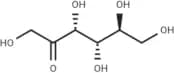
CAS:<p>L-(+)-Fructose, also known as L-arabino-2-Hexulose, is an L-isomer of D-Fructose. This compound plays a role in both glycolysis and gluconeogenesis, making it useful for researching photosynthesis and carbohydrate storage in plant biology. Additionally, L-(+)-Fructose is utilized in studies of fructokinase and other enzymes involved in fructose metabolism.</p>Formula:C6H12O6Color and Shape:SolidMolecular weight:180.16Stigmatellin
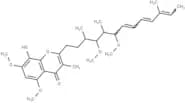
CAS:<p>Stigmatellin is an antibiotic derived from the cell mass of the myxobacterium, effective against yeasts (yeasts), filamentous fungi (filamentous fungi), and several Gram-positive bacteria (Gram-positive bacteria). Additionally, it serves as a potent inhibitor of photosynthetic electron (photosynthetic electron) transfer. Stigmatellin utilizes various sugars, polysaccharides, and acids from the citric acid cycle as substrates, inhibiting RNA and protein synthesis. It has two different inhibitory sites: one located on the reducing side of photosystem II and the other at the cytochrome b6/f complex. Stigmatellin holds potential for use in antimicrobial and photosynthesis research.</p>Formula:C30H42O7Color and Shape:SolidMolecular weight:514.65Methyl (5α,7α)-7-hydroxy-3-oxocholan-24-oate
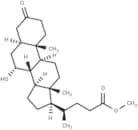
CAS:<p>Compound 7a, Methyl (5α,7α)-7-hydroxy-3-oxocholan-24-oate, is a metabolite of bile acid.</p>Formula:C25H40O4Color and Shape:SolidMolecular weight:404.58(-)-cis-Myrtanol
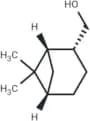
CAS:<p>(-)-cis-Myrtanol, a terpenoid compound derived from Artemisia dracunculus, exhibits effective antimicrobial activity against harmful gut bacteria such as Bifidobacterium bifidum.</p>Formula:C10H18OColor and Shape:SolidMolecular weight:154.25Goodyeroside A
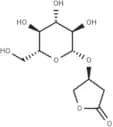
CAS:<p>Goodyeroside A is a natural glycoside that inhibits liver damage, and is also effective in suppressing inflammation by inhibiting the NF-κB signalling pathway.</p>Formula:C10H16O8Color and Shape:SolidMolecular weight:264.23Stevia Powder
Stevia Powder, a natural sweetener, possesses antioxidant properties. It regulates antifibrotic pathways in cirrhotic rats, demonstrated by a reduction in hepatic stellate cells and decreased expression of matrix metalloproteinases MMP2 and MMP13. Furthermore, it increases the antifibrotic molecule Smad7, which helps prevent the elevation of serum necrosis and bile retention markers, thereby inhibiting the progression of liver fibrosis.Color and Shape:Odour Solid(+)-Anominine
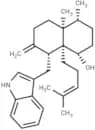
CAS:<p>(+)-Anominine is an indole diterpene fungal metabolite found in A. nomius and exhibits insecticidal activity.</p>Formula:C28H39NOColor and Shape:SolidMolecular weight:405.621,3-Di-α-linolenoyl glycerol
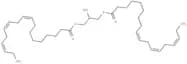
CAS:<p>1,3-Di-α-linolenoyl glycerol (DG(18:3/0:0/18:3)) is a chemical compound mentioned in research investigating the constituents of Angelica root. It is one of several compounds isolated from Angelica root, some of which have affinity for the 5-HT(7) receptor.</p>Formula:C39H64O5Color and Shape:SolidMolecular weight:612.92Alternapyrone
CAS:Alternapyrone is an α-pyrone compound isolated from fungi, exhibiting phytotoxicity that affects the germination of wheat seeds. Its biosynthesis requires only three enzymes.Formula:C28H44O3Color and Shape:SolidMolecular weight:428.65Bromocyclen
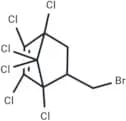
CAS:Bromocyclen, an insecticide, has been detected in the muscle tissues of rainbow trout from Danish fisheries and in three types of fish (Gudgeon, Crucian carp, and Pike) from the Stör River in northern Germany. Concentrations found range from 0.09 to 1.23 mg/kg of fat.Formula:C8H5BrCl6Color and Shape:SolidMolecular weight:393.75(rac./meso)-Astaxanthin
CAS:(rac./meso)-Astaxanthin (AstaREAL; AstaXin) is a carotenoid pigment primarily found in marine animals such as shrimp and salmon. It serves as an effective fat-soluble antioxidant.Formula:C40H52O4Color and Shape:SolidMolecular weight:596.84Cyclo(Leu-Ala)
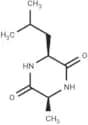
CAS:<p>Cyclo(Leu-Ala) (Cyclo(alanine-leucine)) is a compound with antimicrobial properties, isolated from microbes and effective in conjunction with other compounds against certain plant pathogens.</p>Formula:C9H16N2O2Color and Shape:SolidMolecular weight:184.24N-Lactylvaline
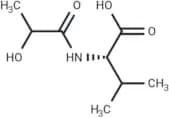
CAS:N-Lactylvaline is an endogenous metabolite detectable in patients with intermediate maple syrup urine disease.Formula:C8H15NO4Color and Shape:SolidMolecular weight:189.21Barakol
CAS:Barakol, a primary compound found in Cassia siamea, inhibits MMP-3 activity and enhances the anti-metastatic effects of doxorubicin. Additionally, Barakol induces apoptosis (Apoptosis), generates reactive oxygen species, increases the Bax/Bcl-2 expression ratio, and activates caspase-9. This compound also exhibits laxative, anti-anxiety, central nervous system depressant, antioxidant, and anticancer properties.Formula:C13H12O4Color and Shape:SolidMolecular weight:232.23Phosphoglycolic acid
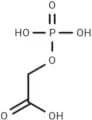
CAS:Phosphoglycolic acid is closely related to photorespiration and central metabolism, impacting the tissue content of 2-phosphoglycerate.Formula:C2H5O6PColor and Shape:SolidMolecular weight:156.03(±)-Geosmin
CAS:(±)-Geosmin, a natural compound, is biologically active in producing an earthy aroma. It plays a crucial role in microbial metabolism and is frequently used as a flavoring agent in food and fragrance in air. Additionally, (±)-Geosmin is under investigation for its potential to detect contamination in soil and water bodies.Formula:C12H22OColor and Shape:SolidMolecular weight:182.3N-Lactylleucine
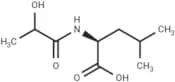
CAS:N-Lactylleucine is an endogenous metabolite detectable in patients with intermediate maple syrup urine disease.Formula:C9H17NO4Color and Shape:SolidMolecular weight:203.24(Rac)-Oleoylcarnitine
CAS:(Rac)-Oleoylcarnitine, an endogenous acylcarnitine, acts as a potential non-competitive inhibitor of glycine transporter 2 (GLYT2) and can be used as a pain suppressant.Formula:C25H47NO4Molecular weight:425.65L-Hisidine monohydrocholoride
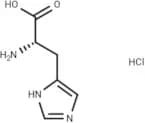
CAS:L-Hisidine is an essential amino acid for infants and acts as an inhibitor of mitochondrial glutamine transport.Formula:C6H10ClN3O2Color and Shape:SolidMolecular weight:191.62meso-2,6-Diaminopimelic acid
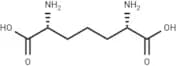
CAS:<p>Meso-2,6-diaminopimelic acid is an essential precursor in the biosynthesis of the amino acid L-lysine and a critical component of peptidoglycan in the cell walls of various bacteria.</p>Formula:C7H14N2O4Color and Shape:SolidMolecular weight:190.2Cerpegin
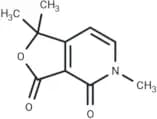
CAS:Cerpegin, a pyridine ketone fused c-lactone, acts as an inhibitor of the 20S proteasome. It possesses pharmacological properties as a neuropsychiatric sedative, anti-inflammatory, analgesic, and exhibits anti-ulcer activity.Formula:C10H11NO3Color and Shape:SolidMolecular weight:193.2Farinomalein A
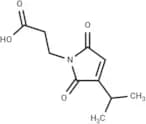
CAS:Farinomalein A, a maleimide derivative, is isolated from the entomopathogenic fungus Paecilomyces farinosus. It exhibits effective inhibitory activity against soybean pathogen Phytophtora sojae.Formula:C10H13NO4Color and Shape:SolidMolecular weight:211.21Erucic acid sodium
CAS:Erucic acid sodium, a monounsaturated fatty acid (MUFA) extracted from the seeds of rapeseed, readily crosses the blood-brain barrier (BBB). It normalizes the accumulation of long-chain fatty acids in the brain, enhances cognitive function, and effectively prevents dementia.Formula:C22H42NaO2Color and Shape:SolidMolecular weight:361.5621-Deoxy Cortisone
CAS:<p>21-Deoxy Cortisone (21-Desoxycortisone; NSC 38722) is a corticosteroid metabolite of 11-ketoprogesterone. It is generated from 11-ketoprogesterone by the cytochrome P450 (CYP) isoform CYP17A1, and can also be produced by oxidation via 11β-hydroxysteroid dehydrogenase type 2 (11β-HSD2) from 21-deoxycorticosterone. In patients with congenital adrenal hyperplasia, a metabolic disorder characterized by a deficiency of 21-hydroxylase, levels of 21-Deoxy Cortisone are elevated.</p>Formula:C21H28O4Color and Shape:SolidMolecular weight:344.44Benz[g]isoquinoline-5,10-dione
CAS:Benz[g]isoquinoline-5,10-dione, an active component isolated from the ethanol extract of the aerial parts of Mitracarpus scaber, has been demonstrated through agar diffusion tests to exhibit significant in vitro inhibitory activity against AIDS-related pathogens. Additionally, it possesses notable antibacterial and antifungal properties.Formula:C13H7NO2Color and Shape:SolidMolecular weight:209.2(2R,3R)-2,3,4-Trihydroxybutanoic acid
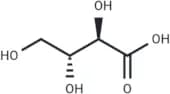
CAS:(2R,3R)-2,3,4-Trihydroxybutanoic acid, also known as erythorbic acid, is a naturally occurring organic acid found in various bodily fluids including aqueous humor, urine, plasma, cerebrospinal fluid, and synovial fluid. It is prevalent in both healthy adults and children and is produced through the oxidation of GlcNAc.Formula:C4H8O5Color and Shape:SolidMolecular weight:136.1Glucoiberin potassium
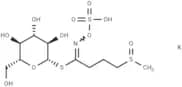
CAS:Glucoiberin potassium is an active compound.Formula:C11H21KNO10S3Color and Shape:SolidMolecular weight:462.58














![Benz[g]isoquinoline-5,10-dione](/_next/image/?url=https%3A%2Fstatic.cymitquimica.com%2Fproducts%2FTM%2Fthumb-webp%2FTN8232.webp&w=3840&q=75)