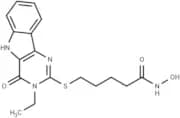
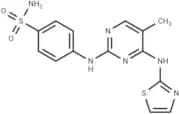
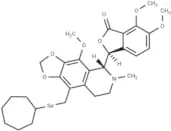
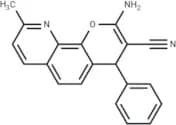
Apoptose
Os inibidores da apoptose são compostos que previnem ou retardam o processo de morte celular programada, conhecido como apoptose. Esses inibidores são vitais no estudo dos mecanismos de sobrevivência celular e são usados para investigar doenças onde a apoptose é desregulada, como câncer, distúrbios neurodegenerativos e doenças autoimunes. Ao modular a apoptose, esses inibidores podem ajudar no desenvolvimento de terapias destinadas a controlar a morte celular. Na CymitQuimica, oferecemos uma ampla seleção de inibidores da apoptose de alta qualidade para apoiar sua pesquisa em biologia celular, oncologia e áreas relacionadas.
Subcategorias de "Apoptose"
- ASK(6 produtos)
- BCL(11 produtos)
- Caspase(125 produtos)
- FOXO1(3 produtos)
- IAP(66 produtos)
- Mdm2(12 produtos)
- PD-1/PD-L1(125 produtos)
- PDK(9 produtos)
- PERK(25 produtos)
- Serina/treonina quinase(15 produtos)
- Survivina(13 produtos)
- TNF(92 produtos)
- c-RET(51 produtos)
- p53(62 produtos)
Exibir 6 mais subcategorias
Foram encontrados 5592 produtos de "Apoptose"
Ordenar por
Pureza (%)
0
100
|
0
|
50
|
90
|
95
|
100
L-threo-Sphingosine C-18
CAS:<p>L-threo-Sphingosine C-18 is a protein kinase C inhibitor.</p>Fórmula:C18H37NO2Pureza:98%Cor e Forma:SolidPeso molecular:299.49Topo I/COX-2-IN-2
<p>Compound W10 is a dual inhibitor of Topo I (IC50: 0.90μM) and COX-2 (IC50: 2.31μM), inducing cancer cell apoptosis via mitochondria.</p>Fórmula:C24H25ClN4OCor e Forma:SolidPeso molecular:420.93DHU-Se1
<p>DHU-Se1: potent anti-inflammatory, releases reactive selenium from macrophages, inhibits iNOS/TNF-α, blocks M0 to M1 polarization.</p>Fórmula:C23H23N3OSSeCor e Forma:SolidPeso molecular:468.47ZB-R-55
CAS:<p>ZB-R-55 is an oral and highly potent bimodal RIPK1 inhibitor with excellent kinase selectivity in lps-induced sepsis models for the study of SIRS and sepsis.</p>Fórmula:C25H23N5O3Pureza:98.26%Cor e Forma:SolidPeso molecular:441.48HDAC-IN-34
<p>HDAC-IN-34 inhibits HDAC1 (IC50: 0.022 μM) & HDAC6 (IC50: 0.45 μM), binds DNA causing damage, and halts HCT-116 cell growth (IC50: 1.41 μM).</p>Fórmula:C24H26N6O3Cor e Forma:SolidPeso molecular:446.5Antitumor agent-37
<p>Antitumor agent-37: strong anti-growth, anti-spread, induces DNA damage, apoptosis via Bcl-2/Bax/caspase3, boosts immune response.</p>Fórmula:C16H18Cl2N2O4PtCor e Forma:SolidPeso molecular:568.32Siphonaxanthin
CAS:<p>Siphonaxanthin is a carotenoid found in green algae, known for targeting the death receptor 5 (DR5) on cancer cells to induce apoptosis. In human leukemia HL-60 cells, it increases DR5 expression, reduces Bcl-2 levels, and activates caspase-3. It also inhibits fibroblast growth factor receptor-1 (FGFR-1) signaling in endothelial cells. Siphonaxanthin suppresses the proliferation, migration, and tubular formation of human umbilical vein endothelial cells (HUVECs), as well as the growth of microvessels in rat aorta rings. Additionally, it has anti-inflammatory properties by blocking the translocation of high-affinity IgE receptors (FcεRI) to lipid rafts in mast cells. Siphonaxanthin shows potential for research into diseases such as cancer, diabetic retinopathy, and rheumatoid arthritis.</p>Fórmula:C40H56O4Cor e Forma:SolidPeso molecular:600.87HR-19011
CAS:<p>HR-19011 (Compound 40) is an inducer of eIF2α phosphorylation that increases expression levels of downstream proteins ATF and CHOP,antiproliferative.</p>Fórmula:C25H19F6N3O3Pureza:99.89%Cor e Forma:SolidPeso molecular:523.43Urease-IN-20
CAS:<p>Urease-IN-20 (compound XBP2) is an inhibitor of Helicobacter pylori (H. pylori), with an IC50 of 0.14 μM for H. pylori inhibition. It effectively decreases apoptosis in GES-1 cells infected with H. pylori and reduces levels of ROS and γH2AX. Urease-IN-20 also demonstrates significant gastric mucosal protective effects, making it suitable for H. pylori research.</p>Fórmula:C14H8FNO2SeCor e Forma:SolidPeso molecular:320.18Autophagy-IN-1
<p>Autophagy-IN-1 blocks autophagy in cancer cells, hinders tumor growth in mice, and aids in studying colorectal cancer.</p>Fórmula:C23H25NO7Cor e Forma:SolidPeso molecular:427.45KIRA9
<p>KIRA9 inhibits IRE1 with a 4.8 μM IC50, blocking ER-stress-induced mRNA decay and apoptosis by fully binding IRE1's ATP site.</p>Fórmula:C27H27F3N6O3SCor e Forma:SolidPeso molecular:572.6NLRP3-IN-72
CAS:<p>NLRP3-IN-72 (Compound 2) is a benzimidazole derivative. It exhibits anti-inflammatory and antioxidant properties, with an IC50 of 0.3 μM for NLRP3 IL-1β, a PD50 of 0.4 μM for protection against cell pyroptosis, and an EC50 of 0.6 μM for inducing HO-1.</p>Fórmula:C19H20FN5OCor e Forma:SolidPeso molecular:353.393ZIF-8
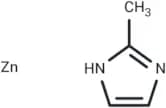
CAS:<p>ZIF-8 is an anticancer agent that can inherently trigger pyroptosis through a caspase-1/gasdermin D (GSDMD)-dependent pathway.</p>Fórmula:C4H6N2ZnCor e Forma:SolidPeso molecular:147.513Ac-DMLD-CMK
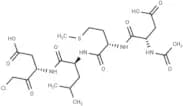
CAS:<p>Ac-DMLD-CMK is a peptide designed to target the caspase3-Gsdme signaling pathway in mice. It specifically inhibits the activation of caspase 3 and Gsdme, preventing the cleavage of Gsdme by caspase 3, which reduces pyroptosis. This process helps alleviate damage to renal tubular epithelial cells and decrease the secretion of inflammatory cytokines. Ac-DMLD-CMK can lower serum creatinine and blood urea nitrogen levels in mice induced by Cisplatin, thereby mitigating the progression of renal dysfunction. It holds potential for research into chemotherapy-induced nephrotoxicity.</p>Fórmula:C22H35ClN4O9SCor e Forma:SolidPeso molecular:567.053Antitumor agent-54
<p>Compound C11 inhibits 14-3-3η protein (KD: 35 μM), targets liver cancer cells, blocks G1-S phase, and induces apoptosis.</p>Fórmula:C29H32N2O3Cor e Forma:SolidPeso molecular:456.58PDEδ/NAMPT IN-1
CAS:<p>PDEδ/NAMPT IN-1 (Compound 17d) is a dual inhibitor targeting phosphodiesterase 6 (PDE6) with a dissociation constant (KD) of 0.410 nM and nicotinamide phosphoribosyltransferase (NAMPT) with an inhibitory concentration (IC50) of 2.21 nM. It disrupts KRAS-related signaling by inhibiting NAMPT's role in the synthesis of nicotinamide adenine dinucleotide (NAD+), consequently inducing apoptosis in pancreatic cancer cells with KRAS mutations. This compound holds potential for research in KRAS-mutant pancreatic cancer.</p>Fórmula:C26H30N4O4SCor e Forma:SolidPeso molecular:494.61Bcl-2-IN-7
<p>Bcl-2-IN-7 inhibits Bcl-2, encourages apoptosis in cancer cells, and has anti-tumor activity with various IC50 values.</p>Fórmula:C24H22N4O5S2Cor e Forma:SolidPeso molecular:510.59S100A2-p53-IN-1
CAS:<p>S100A2-p53-IN-1 inhibits S100A2-p53 in pancreatic cancer, stunting MiaPaCa-2 cell growth at 1.2-3.4 μM.</p>Fórmula:C20H20F6N2O4SCor e Forma:SolidPeso molecular:498.44GPX4-IN-3
CAS:<p>GPX4-IN-3 (26a) is a potent GPX4 inhibitor, inducing selective ferroptosis with 71.7% inhibition at 1 μM.</p>Fórmula:C29H24ClN3O3SCor e Forma:SolidPeso molecular:530.04VNPP433-3β
CAS:<p>VNPP433-3β acts as a molecular glue degrader, targeting the androgen receptor (AR) and its splice variants (AR-Vs) as well as MAP kinase-interacting serine/threonine protein kinase Mnk1/2. It effectively inhibits the proliferation of cancer cells LNCaP, C4-2B, and CWR22Rv1, with GI50 values of 0.2, 0.3, and 0.31 μM, respectively. Additionally, VNPP433-3β shows favorable pharmacokinetics in CD-1 mice and suppresses tumor growth in the CWR22Rv1 xenograft mouse model.</p>Fórmula:C29H34N4Cor e Forma:SolidPeso molecular:438.61eIF4A3-IN-4
<p>eIF4A3-IN-4 is a novel inhibitor of eIF4A (IC50: 8.6 μM).</p>Fórmula:C24H20N2O5Cor e Forma:SolidPeso molecular:416.43MTDH-SND1 blocker 2
CAS:<p>MTDH-SND1 blocker 2 (compound C19) is an effective MTDH-SND1 inhibitor with an IC50 value of 487 nM. It binds to the SND1 protein with a Kd of 279 nM and can degrade the SND1 protein. Additionally, MTDH-SND1 blocker 2 exhibits antiproliferative activity and induces apoptosis, showing potential for breast cancer research.</p>Fórmula:C18H12FN3O2SCor e Forma:SolidPeso molecular:353.37Bcl-2-IN-6
<p>Bcl-2-IN-6 suppresses Bcl-2, upregulates p53/Bax/caspase-7, arrests cell cycle, and induces MCF-7 apoptosis; IC50s: MCF-7 20.91 μM, others <48 μM.</p>Fórmula:C25H24N4O5S2Cor e Forma:SolidPeso molecular:524.61HDAC1-IN-5
<p>HDAC1-IN-5 inhibits HDAC1 (IC50=15 nM) & HDAC6 (IC50=20 nM), promotes apoptosis, damages chromatin, and reduces tumor growth in mice.</p>Fórmula:C20H21N3O2SCor e Forma:SolidPeso molecular:367.46PI3K-IN-58
CAS:<p>PI3K-IN-58 (Compound 17f) is an inhibitor of PI3Kα with an IC50 value of 0.039 μM. It shows significant antiproliferative effects on PC-3, 22RV1, MDA-MB-231, and MDA-MB-453 cell lines with IC50 values of 3.48 μM, 1.06 μM, 2.21 μM, and 0.93 μM, respectively. PI3K-IN-58 induces apoptosis by downregulating the expression of anti-apoptotic proteins Bcl-XL and Bcl-2 while upregulating the expression of the pro-apoptotic protein BAX. This compound is applicable for research in cancer targeting through PI3K pathways.</p>Fórmula:C22H22N6O3SCor e Forma:SolidPeso molecular:450.51Bomedemstat hydrochloride
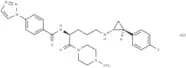
<p>Bomedemstat (IMG-7289) hydrochloride, an oral LSD1 inhibitor, has anticancer properties, blocking cell growth and triggering apoptosis.</p>Fórmula:C28H35ClFN7O2Cor e Forma:SolidPeso molecular:556.08TFCP2L1-IN-1
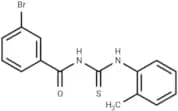
CAS:<p>TFCP2L1-IN-1 is a TFCP2L1 transcription factor inhibitor that regulates cell proliferation and promotes antitumor effect of Sorafenib by STAT3/NANOG pathway.</p>Fórmula:C15H13BrN2OSPureza:98.86%Cor e Forma:SolidPeso molecular:349.25Coprostanone
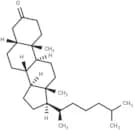
CAS:<p>Coprostanone (5β-cholestan-3-one) is an active metabolite of hydroxycholesterol and cholesterol. It induces apoptosis in primary gallbladder epithelial cells in dogs. Coprostanone holds potential for research into colon cancer or adenomatous polyps.</p>Fórmula:C27H46OCor e Forma:SolidPeso molecular:386.654PLK1-IN-15
CAS:<p>PLK1-IN-15 is a PLK1 inhibitor with an IC50 of 38.5 nM. It exhibits antiproliferative effects on HepG2, Huh7, H1299, and A549 cells, with IC50 values of 2.03, 2.08, 4.79, and 17.11 μM, respectively. Additionally, PLK1-IN-15 can induce cell cycle arrest in the G2/M phase and trigger apoptosis (Apoptosis), demonstrating anticancer activity.</p>Fórmula:C25H29N7O4SCor e Forma:SolidPeso molecular:523.61MG-B-28
<p>MG-B-28, a BTLA-HVEM inhibitor, demonstrates an IC50 value of 906 nM. It promotes T cell activation dose-dependently by inhibiting the interaction between BTLA and HVEM.</p>Fórmula:C28H25N5O3Cor e Forma:SolidPeso molecular:479.53PI3Kα-IN-8
<p>PI3Kα-IN-8 is a selective inhibitor of PI3Kα (IC50: 0.012 μM).</p>Fórmula:C26H27BrN4O2Cor e Forma:SolidPeso molecular:507.42Spicamycin
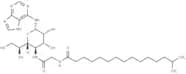
CAS:<p>Spicamycin can be used as a potent inducer of differentiation of human myeloid leukemia cells (HL-60) and murine myeloid leukemia cells (M1).</p>Fórmula:C30H51N7O7Cor e Forma:SolidPeso molecular:621.77VEGFR-2-IN-14
<p>VEGFR-2-IN-14 (Compound 5) is a potent inhibitor of VEGFR-2, which inhibits the growth of HepG2 cells in the Pre-G1 phase and induces apoptosis.</p>Fórmula:C24H23N3O3SCor e Forma:SolidPeso molecular:433.52Verrucarin A
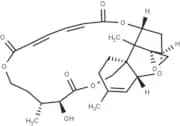
CAS:<p>Verrucarin A, a mycotoxin from Myrothecium verrucaria, inhibits protein synthesis, leukemia growth, and triggers apoptosis.</p>Fórmula:C27H34O9Cor e Forma:SolidPeso molecular:502.55K20
<p>K20 selectively inhibits KRas G12C (IC50: 1.16 nM), shows anticancer activity in H358 cells (IC50: 0.78 μM), and induces apoptosis via Erk dephosphorylation.</p>Fórmula:C24H20Cl2F4N4O2Cor e Forma:SolidPeso molecular:543.34EGFR-IN-44
<p>EGFR-IN-44: potent EGFR kinase inhibitor, orally active, IC50 4.11 nM, 33.57% bioavailability, induces apoptosis, for lung cancer study.</p>Fórmula:C27H29ClN6O2SCor e Forma:SolidPeso molecular:537.08PD-1/PD-L1-IN-30
CAS:<p>PD-1/PD-L1-IN-30: Cancer research inhibitor with 0.018 μM IC50.</p>Fórmula:C29H28F3NO5Cor e Forma:SolidPeso molecular:527.5306:0 PE
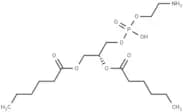
CAS:<p>06:0 PE (PE(6:0/6:0)) is a water-soluble phospholipid characterized by its short acyl chains. It possesses notable antitumor activity and can inhibit tumor progression in the body. Additionally, it exhibits antiproliferative and pro-apoptotic properties, and serves as a precursor for phosphatidylcholine and phosphatidylethanolamine.</p>Fórmula:C17H34NO8PCor e Forma:SolidPeso molecular:411.43Topo II/HDAC-IN-2
CAS:<p>Topo II/HDAC-IN-2 (8d) demonstrates remarkable dual inhibitory effects on Topo II and HDAC, and also induces apoptosis [1].</p>Fórmula:C17H20N4O3SCor e Forma:SolidPeso molecular:360.43JH-XVII-10
<p>JH-XVII-10: potent, oral DYRK1A/B inhibitor (IC50: 3/5 nM), shows antitumor activity in HNSCC.</p>Fórmula:C21H16F4N8OCor e Forma:SolidPeso molecular:472.4CDK2/9-IN-1
CAS:<p>CDK2/9-IN-1 (compound 20a) is an orally active dual inhibitor of CDK2 and CDK9, with IC50 values of 0.004 μM and 0.009 μM for CDK2 and CDK9, respectively. It induces apoptosis by regulating G2/M cell cycle arrest and exhibits antitumor activity.</p>Fórmula:C14H14N6O2S2Cor e Forma:SolidPeso molecular:362.43KDM1/CDK1-IN-1
<p>KDM1/CDK1-IN-1 inhibits KDM1 (IC50: 0.096 μM) & CDK1 (IC50: 0.078 μM), blocks HOP-92 G2/M phase, induces apoptosis, toxic to cancer cells.</p>Fórmula:C22H17N5O3SCor e Forma:SolidPeso molecular:431.47p53 Stabilizer 2
CAS:<p>p53 Stabilizer 2 (Compound 17a16) is a p53 stabilizing agent. It can induce S-phase arrest and apoptosis in both p53-functional and p53-deficient cancer cells. Additionally, p53 Stabilizer 2 triggers mitochondrial stress and activates two immune checkpoint pathways: NA-PKcs dependent p53 stabilization and the ATR-Chk1 axis activation. It also inhibits tumor growth in p53-deficient xenograft models.</p>Fórmula:C30H37NO7SeCor e Forma:SolidPeso molecular:602.58VEGFR-2-IN-18
<p>VEGFR-2-IN-18 is a potent VEGFR-2 inhibitor with a 60 nM IC50, promoting cell apoptosis and anticancer effects.</p>Fórmula:C20H13ClN4O2Cor e Forma:SolidPeso molecular:376.8Tubulin inhibitor 41
CAS:<p>Tubulin inhibitor 41 (Compd D19) is a promising lead compound for glioblastoma treatment, known for its ability to penetrate the blood-brain barrier (BBB). It functions as a tubulin inhibitor, inducing G2/M phase arrest, leading to cell apoptosis, and inhibiting the migration of U87 cells [1].</p>Fórmula:C20H15N3OCor e Forma:SolidPeso molecular:313.35RSK-IN-2
CAS:<p>RSK-IN-2 (Compound 3e) is an inhibitor of RSK, showing IC50 values of 37.89 nM for RSK2, 30.78 nM for RSK1, 20.51 nM for RSK3, and 91.28 nM for RSK4. It suppresses tumor cell proliferation, induces apoptosis, and causes cell cycle arrest at the G2/M phase.</p>Fórmula:C25H30ClN7O3Cor e Forma:SolidPeso molecular:512.004MLKL-IN-6
<p>MLKL-IN-6 (compound P28) is a mixed lineage kinase inhibitor that specifically targets the Mixed Lineage Kinase domain-like (MLKL) protein.</p>Fórmula:C20H18N4O5Pureza:98%Cor e Forma:SolidPeso molecular:394.38PROTAC FKBP Degrader-3
CAS:<p>PROTAC FKBP Degrader-3, with FKBP and VHL binding groups linked, is a potent FKBP degrader.</p>Fórmula:C68H90N6O17SPureza:98%Cor e Forma:SolidPeso molecular:1295.54Microtubulin-IN-1
CAS:<p>Microtubulin-IN-1 (Compound 8g) is an inhibitor of microtubulin, targeting the colchicine-binding site to disrupt tubulin integrity and induce upregulation of p53 protein expression. It exhibits antiproliferative activity across various cancer cell lines, including NCI-H460, BxPC-3, and HT-29, with IC50 values of 2.4, 1.6, and 2.07 nM, respectively. Additionally, Microtubulin-IN-1 induces cell cycle arrest at the G2/M phase and apoptosis in NCI-H460 cells.</p>Fórmula:C25H21FN4O3Cor e Forma:SolidPeso molecular:444.458RIP3 activator 1
CAS:<p>RIP3 Activator 1 (compound C8) is an effective RIP3 activator that inhibits cell growth and induces necroptotic cell death (necroptosis) and autophagy through the RIP3/p62/Keap1 signaling pathway. Additionally, this compound enhances the expression of p-MLKL and promotes the accumulation of LC3-II and p62 proteins.</p>Fórmula:C26H50N4O3Cor e Forma:SolidPeso molecular:466.7Top/HDAC-IN-3
CAS:<p>Top/HDAC-IN-3 (Compound 31) is a dual inhibitor of Topoisomerase and HDAC with oral activity. It induces DNA damage by elevating reactive oxygen species (ROS) levels, consequently inhibiting the clonal formation and migration of cancer cells, and triggering apoptosis (Apoptosis) and cell cycle arrest. Top/HDAC-IN-3 demonstrates a significant antitumor effect in NSCLC models, exhibiting a tumor growth inhibition (TGI = 77.5%, 100 mg/kg) superior to that of the HDAC inhibitor SAHA and the combination of SAHA with the topoisomerase inhibitor Irinotecan.</p>Fórmula:C24H25N3O5Cor e Forma:SolidPeso molecular:435.47GLI1-IN-1
CAS:<p>GLI1-IN-1 (CBC-1), a GLI-1 inhibitor, exhibits superior water solubility and anticancer properties. It effectively induces apoptosis and inhibits colorectal cancer growth by targeting the Hedgehog (HH) pathway (IC 50 = 1.3 μM) [1].</p>Fórmula:C42H60N2O9Cor e Forma:SolidPeso molecular:736.93(Rac)-Idroxioleic acid sodium
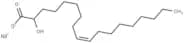
CAS:<p>(Rac)-Idroxioleic acid (2-Hydroxyoleic acid) sodium is a synthetic derivative of oleic acid (OA) that binds to the plasma membrane, altering lipid composition. This compound exhibits antitumor properties.</p>Fórmula:C18H33NaO3Cor e Forma:SolidPeso molecular:320.44Oxamic acid
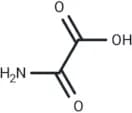
CAS:<p>Oxamic acid is an inhibitor of LDH-A and exhibits antitumor activity. It demonstrates antiproliferative effects on cancer cells and can induce apoptosis.</p>Fórmula:C2H3NO3Cor e Forma:SolidPeso molecular:89.05Ganoderic acid R
CAS:<p>Ganoderic acid R: potent anticancer, induces apoptosis, cytotoxic to MDR and sensitive tumor cells.</p>Fórmula:C34H50O6Cor e Forma:SolidPeso molecular:554.76mTOR/HDAC6-IN-1
<p>mTOR/HDAC6-IN-1 inhibits HDAC6 (IC50: 56 nM) & mTOR (IC50: 133.7 nM), may treat TNBC by inducing autophagy and apoptosis.</p>Fórmula:C20H20ClN5O2Cor e Forma:SolidPeso molecular:397.86HDAC-IN-9
<p>HDAC-IN-9, a dual tubulin/HDAC inhibitor, impedes A549 cell invasion/migration and shows strong anti-tumor/angiogenic effects.</p>Fórmula:C33H38N2O4Cor e Forma:SolidPeso molecular:526.67RWJ-56110
CAS:<p>protease-activated receptor-1 (PAR1) antagonist</p>Fórmula:C41H43Cl2F2N7O3Pureza:98%Cor e Forma:SolidPeso molecular:790.73Anticancer agent 53
CAS:<p>Anticancer agent 53 exhibits potent in vitro cytotoxicity, triggers apoptosis, halts S/G2/M cycle, and has antitumor effects without toxicity.</p>Fórmula:C31H25FN4O6SCor e Forma:SolidPeso molecular:600.62GL0388
<p>GL0388, a Bax activator, induces apoptosis, hinders breast cancer growth, and has IC50 of 0.299-1.57 μM.</p>Fórmula:C21H17FN2OCor e Forma:SolidPeso molecular:332.37D-Cl-amidine hydrochloride
<p>D-Cl-amidine hydrochloride is a potent and highly selective inhibitor of PAD1. It exhibits excellent tolerance and does not induce significant toxicity [1].</p>Fórmula:C14H20Cl2N4O2Cor e Forma:SolidPeso molecular:347.24RIPK1-IN-14
CAS:<p>RIPK1-IN-14 inhibits RIPK1 with 92 nM IC50 and reduces necrotic apoptosis in U937 cells.</p>Cor e Forma:SoildTubulin polymerization-IN-68
CAS:<p>Tubulin polymerization-IN-68 (compound 32) serves as a tubulin inhibitor, disrupting cellular microtubule networks by hindering tubulin polymerization. It also upregulates PARP-1 and caspase-3 expression, thereby inducing apoptosis and exhibiting anticancer properties. Notably, Tubulin polymerization-IN-68 effectively suppresses HepG2 cells with an IC50 of 93 nM and markedly reduces the growth of HepG2 xenograft tumors in nude mice through oral administration.</p>Fórmula:C16H13N3OCor e Forma:SolidPeso molecular:263.29Anticancer agent 65
CAS:<p>Anticancer agent 65: Effective on A549 cells, IC50 1.07 μM, halts S phase, triggers apoptosis, elevates p53/p21, causes ROS and MMP collapse.</p>Fórmula:C36H63NO5Cor e Forma:SolidPeso molecular:589.89Scytonemin
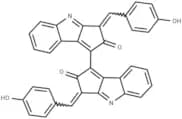
CAS:<p>Scytonemin, a cyanobacterial pigment, inhibits cancer cell growth by decreasing Plk1 activity, especially effective on U266 myeloma cells.</p>Fórmula:C36H20N2O4Cor e Forma:SolidPeso molecular:544.55CCT369260
CAS:<p>CCT369260 (compound 1), an orally active inhibitor targeting B-cell lymphoma 6 (BCL6), demonstrates anti-tumor efficacy with an IC50 value of 520 nM [1].</p>Fórmula:C24H31ClF2N6O2Cor e Forma:SolidPeso molecular:508.99VEGFR-2-IN-52
CAS:<p>VEGFR-2-IN-52 (compound 14d) serves as a powerful inhibitor of VEGFR-2, exhibiting an IC 50 of 191.1 nM. It effectively reduces the protein expression levels of p-VEGFR-2, MMP9, p-ERK1/2, and p-MEK1. In addition, VEGFR-2-IN-52 demonstrates cytotoxic properties by inducing apoptosis and arresting the cell cycle at the G0/G1 phase, and it enhances the levels of ROS.</p>Fórmula:C20H25ClN4O2SCor e Forma:SolidPeso molecular:420.96EGFR-IN-47
<p>EGFR-IN-47: strong oral EGFRL858R/T790M/C797S blocker, induces cell death; promising for NSCLC research. IC50: 0.01 μM.</p>Fórmula:C29H35N7Cor e Forma:SolidPeso molecular:481.64Anticancer agent 45
<p>Anticancer agent 46, potent and selective, induces apoptosis, is cytotoxic to cancer cells, with low toxicity to human lymphocytes.</p>Fórmula:C22H14ClN3O6S2Cor e Forma:SolidPeso molecular:515.95APD-94
CAS:<p>APD-94 is a dual inhibitor targeting tubulin and Bmi-1. It disrupts the normal polymerization of tubulin and suppresses the expression of Bmi-1. This compound induces cell cycle arrest at the G2/M phase and triggers apoptosis, thereby inhibiting cancer cell proliferation. Additionally, APD-94 inhibits the growth of HT29 cell xenograft tumors in NOD/SCID mice and is applicable to colorectal cancer research.</p>Fórmula:C18H17N3O4Cor e Forma:SolidPeso molecular:339.345JAK-2/3-IN-3
<p>JAK-2-/3-IN-3 (ST4j) is a potent JAK2/3 inhibitor for leukemia research, with IC50s: JAK2, 13 nM; JAK3, 14.86 nM; induces apoptosis.</p>Fórmula:C13H10Cl2N4O2Cor e Forma:SolidPeso molecular:325.15Apoptosis inducer 5
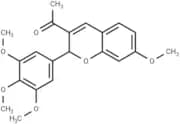
<p>Apoptosis Inducer 5, a lignan enantiomer extracted from Crataegus pinnatifida, demonstrates cytotoxic properties through inducing apoptosis and autophagy in</p>Fórmula:C23H26O7Cor e Forma:SolidPeso molecular:414.45AQIM-I
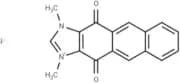
CAS:<p>AQIM-I is a survivin inhibitor that reduces survivin expression and colony formation. It promotes reactive oxygen species (ROS) production, apoptosis, cell cycle arrest, DNA damage, and autophagy. Moreover, AQIM-I effectively inhibits nonsmall cell lung cancer cells A549, with an IC 50 value of 9 nM [1].</p>Fórmula:C17H13IN2O2Cor e Forma:SolidPeso molecular:404.20TNF-α-IN-12
CAS:<p>TNF-α-IN-12, a TNF-α inhibitor with an IC50 of 0.1 μM, can reduce TNF-α blood levels [1].</p>Fórmula:C21H22O6Cor e Forma:SolidPeso molecular:370.4NLRP3-IN-28
CAS:<p>NLRP3-IN-28 (compound N77) serves as a potent inhibitor of NLRP3, effectively blocking Nigericin-induced pyroptosis with an EC50 of 0.07μM. Additionally, it mitigates inflammatory reactions in vivo [1].</p>Fórmula:C12H9F3N2O3SCor e Forma:SolidPeso molecular:318.27microRNA-21-IN-1
CAS:<p>microRNA-21-IN-1: microRNA inhibitor, curbs HeLa/HCT-116 growth (IC50: 5.5/2.8 μM), induces HeLa apoptosis, elevates PTEN/EGR1/SLIT2, for cancer research.</p>Fórmula:C30H37FN6O3Cor e Forma:SolidPeso molecular:548.65Microtubule inhibitor 2
<p>Microtubule inhibitor 2: potent, selective, oral, induces ferroptosis, strong antitumor effect.</p>Fórmula:C20H23NO7Cor e Forma:SolidPeso molecular:389.4QTX125 TFA
<p>QTX125 TFA: Potent, selective HDAC6 inhibitor with antitumor effects.</p>Fórmula:C25H20F3N3O7Cor e Forma:SolidPeso molecular:531.44SphK1-IN-2
<p>SphK1-IN-2: SphK1 inhibitor, IC50: 19.81 nM; less effective on SphK2. Induces apoptosis, hinders cancer cell growth.</p>Fórmula:C27H30BrNO4SCor e Forma:SolidPeso molecular:544.5BMS 310705
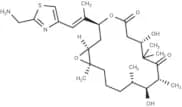
CAS:<p>BMS 310705, an Epothilone B analog, targets ovarian/renal/bladder/lung cancer, inducing apoptosis via mitochondria.</p>Fórmula:C27H42N2O6SCor e Forma:SolidPeso molecular:522.70EGFR/VEGFR2-IN-3
CAS:<p>EGFR/VEGFR2-IN-3 (compound 9) is an effective inhibitor of EGFR and VEGFR-2, demonstrating IC50 values of 0.129 µM for EGFR, 0.142 µM for VEGFR-2, and 3.428 µM for COX-2. This compound exhibits cytotoxic properties and induces cell apoptosis (apoptosis) as well as cell cycle arrest at the G2/M phase.</p>Fórmula:C24H20ClN5O2S2Cor e Forma:SolidPeso molecular:510.03Silvestrol
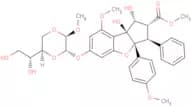
CAS:<p>Silvestrol is a eukaryotic translation initiation factor 4A inhibitor. Silvestrol causes autophagy and caspase-mediated apoptosis.</p>Fórmula:C34H38O13Pureza:98%Cor e Forma:SolidPeso molecular:654.66Tofacitinib Prodrug-1
<p>Tofacitinib Prodrug-1: an oral prodrug reducing Tofacitinib's side effects, treats ulcerative colitis in mice effectively with low toxicity.</p>Fórmula:C36H39ClN10O7Cor e Forma:SolidPeso molecular:759.21Bafilomycin C1
CAS:<p>vacuolar H+-ATPases (V-ATPases) inhibitor</p>Fórmula:C39H60O12Pureza:98%Cor e Forma:Light Tan SolidPeso molecular:720.89TNF-α-IN-14
CAS:<p>TNF-α-IN-14, a potent TNFα inhibitor, exhibits a selective inhibition profile with an IC50 of 1.1 µM and demonstrates antiinflammatory properties (WO2001072735A2; compound 12) [1].</p>Fórmula:C22H26O6Cor e Forma:SolidPeso molecular:386.44HBV/HDV-IN-2
CAS:<p>HBV/HDV-IN-2 (Compd 143) functions as an inhibitor for HBV, HDV, and PD-1/PD-L1, demonstrating an EC 50 of 35 nM in T cell activation.</p>Fórmula:C38H44ClN7O5Cor e Forma:SolidPeso molecular:714.25pan-KRAS-IN-5
CAS:<p>Pan-KRAS-IN-5 (compound 15a) is a pan-KRAS translation inhibitor targeting 5′-UTR RNA G-quadruplexes (rG4s). It induces cell cycle arrest and promotes apoptosis in KRAS-driven cancer cells [1].</p>Fórmula:C31H36FIN4O2Cor e Forma:SolidPeso molecular:642.55Topo II/HDAC-IN-1
CAS:<p>Topo II/HDAC-IN-1 (7d) demonstrates potent dual inhibitory effects on Topo II and HDAC, while Topo II/HDAC-IN-1 (8d) effectively induces apoptosis [1].</p>Fórmula:C15H16N4O3SCor e Forma:SolidPeso molecular:332.38Anticancer agent 69
<p>Anticancer agent 69 targets PC3 cells (IC50=26 nM), raises ROS, lowers EGFR, and induces apoptosis.</p>Fórmula:C19H26N8SCor e Forma:SolidPeso molecular:398.53SL-176
CAS:<p>SL-176, a WIP1 inhibitor, when combined with GSK-J4, can induce cell cycle arrest and apoptosis (apoptosis), thereby inhibiting tumor growth both in vitro and in vivo.</p>Fórmula:C24H48O4Si2Cor e Forma:SolidPeso molecular:456.806β-Carotene-13C10
CAS:<p>β-Carotene-13C10 (Provitamin A-13C10) is a form of β-Carotene labeled with 13C. It is a carotenoid compound and serves as a natural precursor to vitamin A. This compound acts as a regulator of reactive oxygen species (ROS), exhibiting both antioxidant and anti-inflammatory properties. Depending on its intrinsic characteristics and the redox potential of the biological environment, β-Carotene can function either as an antioxidant or a pro-oxidant. It also possesses anticancer activity, inducing apoptosis in breast cancer cells.</p>Fórmula:C40H56Cor e Forma:SolidPeso molecular:546.799FKBP12 PROTAC dTAG-13
CAS:<p>FKBP12 PROTAC dTAG-13 is a PROTAC and selective degrader for target validation by splicing FKBP12 F36V with CRBN and thereby degrading FKBP12 F36V.</p>Fórmula:C57H68N4O15Pureza:97.31%Cor e Forma:SolidPeso molecular:1049.17MDK-3345
CAS:<p>MDK-3345 is a reversible covalent inhibitor for Mcl-1.</p>Fórmula:C36H34BN3O7Pureza:98%Cor e Forma:SolidPeso molecular:631.48ASK1-IN-7
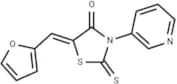
CAS:<p>ASK1-IN-7 (Compound 4c) is an ASK1 inhibitor and a derivative of the ASK1 inhibitor scaffold 5-(5-Phenyl-furan-2-ylmethylene)-2-thioxo-thiazolidin-4-one. This compound is potentially applicable in research involving ASK1 signaling pathways, including studies on cellular stress response, inflammatory response, neurodegenerative diseases, and cardiovascular diseases.</p>Fórmula:C13H8N2O2S2Cor e Forma:SolidPeso molecular:288.345MD102
CAS:<p>MD102, with an IC50 value of 0.35 μM, is a potent TG2 inhibitor that stabilizes p53 by inhibiting TG2. This results in a decrease in p-AKT and p-mTOR downstream signaling, ultimately inducing tumor cell apoptosis [1].</p>Fórmula:C13H4BrCl2FN2O2Cor e Forma:SolidPeso molecular:389.99Fluvastatin sodium monohydrate
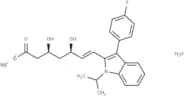
CAS:<p>Fluvastatin (XU 62-320) sodium monohydrate, a fully synthetic competitive HMG-CoA reductase inhibitor, features an IC 50 of 8 nM. This compound also safeguards vascular smooth muscle cells from oxidative stress via the Nrf2-dependent antioxidant pathway [1] [2].</p>Fórmula:C24H27FNNaO5Cor e Forma:SolidPeso molecular:451.46NCAO
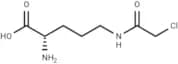
CAS:<p>N-ω-chloroacetyl-L-ornithine (NCAO) serves as a powerful reversible competitive inhibitor of ornithine decarboxylase (ODC), displaying cytotoxic and antiproliferative properties against various tumor cell lines, with EC50 values spanning from 1 to 50.6 µM. In vitro studies reveal that NCAO promotes Apoptosis and restricts tumor cell migration. Additionally, it demonstrates significant antitumor efficacy in a mouse model, targeting both solid and ascitic tumors using the myeloma (Ag8) cell line. NCAO holds promise in the development of antitumor agents.</p>Fórmula:C7H13ClN2O3Cor e Forma:SolidPeso molecular:208.64Tubulin polymerization-IN-4
CAS:<p>Tubulin polymerization-IN-4: inhibits tubulin (IC50=4.6 μM), blocks G2/M phase, induces apoptosis, hinders cell cloning/migration, damages vasculature.</p>Fórmula:C21H21ClN2O4Cor e Forma:SolidPeso molecular:400.86HER2-IN-10
<p>HER2-IN-10 is a psoralen derivative that induces apoptosis. HER2-IN-10 shows anti-breast cancer activity and light-activated cytotoxicity [1].</p>Fórmula:C15H13NO5Cor e Forma:SolidPeso molecular:287.27HDAC-IN-81
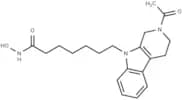
CAS:<p>HDAC-IN-81 (Compound 11g) is an HDAC inhibitor capable of effectively inhibiting HDAC1 with an IC50 value of 4.5 nM. Additionally, it exhibits anticancer activity by inhibiting cell proliferation and can induce cell apoptosis (apoptosis).</p>Fórmula:C20H27N3O3Cor e Forma:SolidPeso molecular:357.45